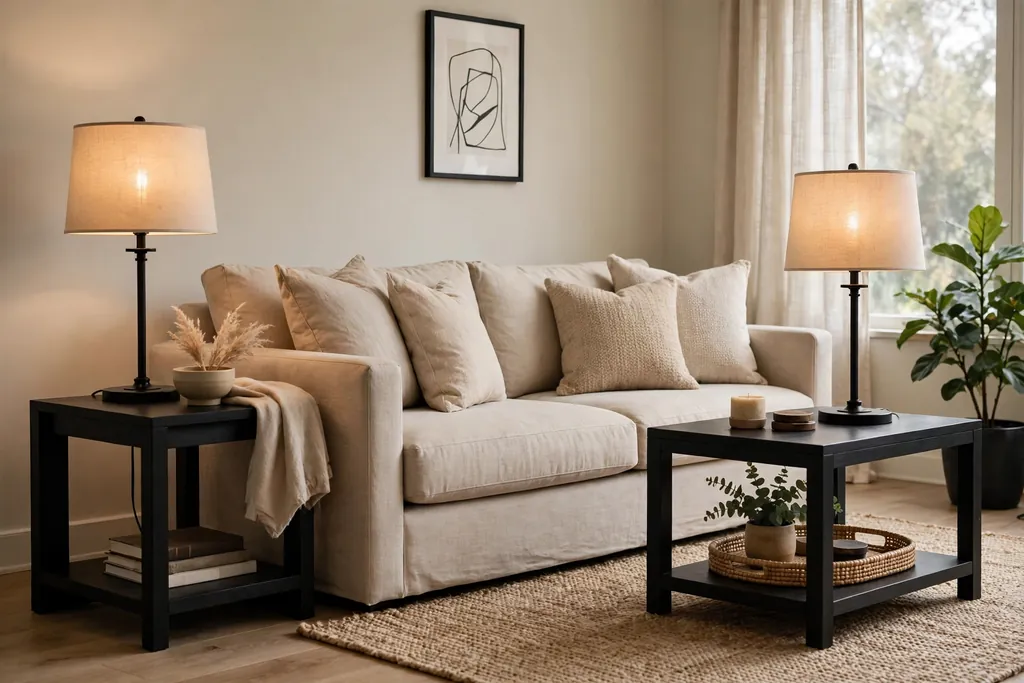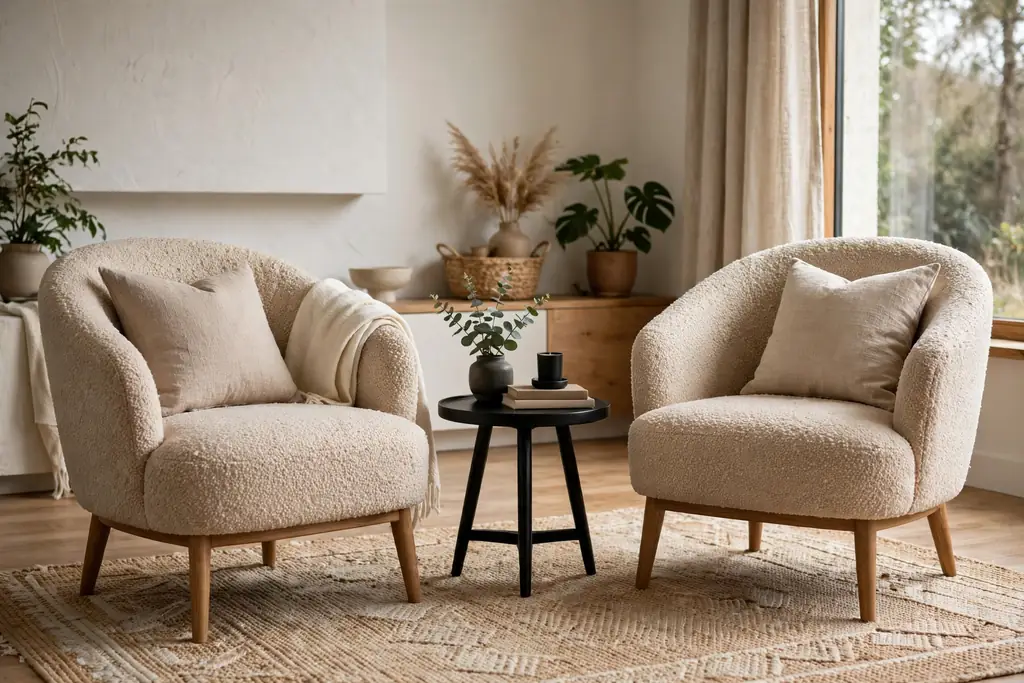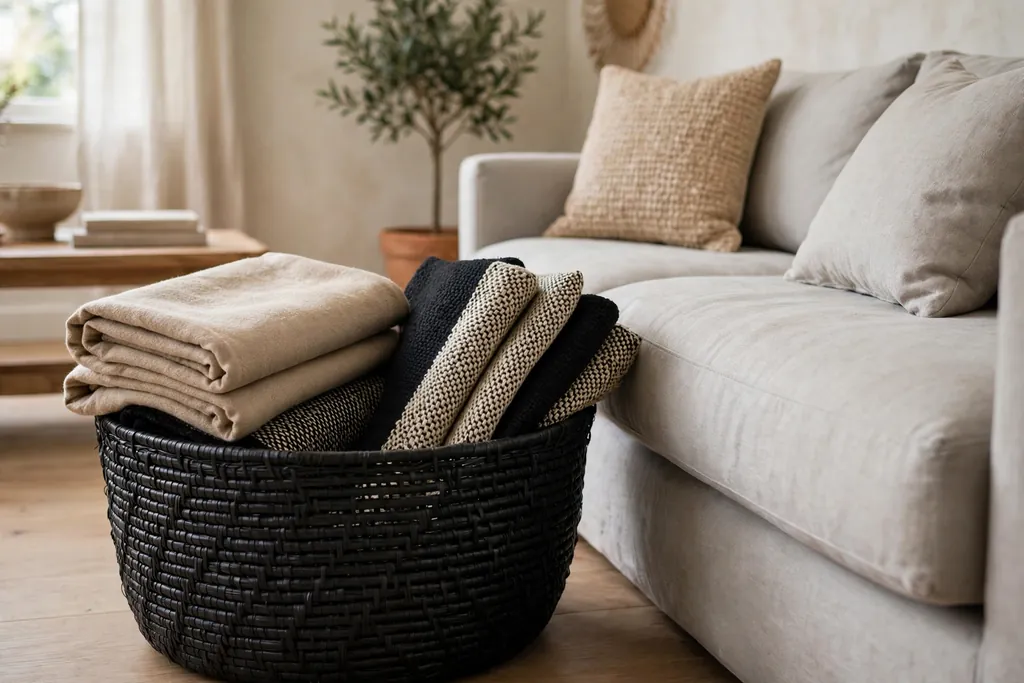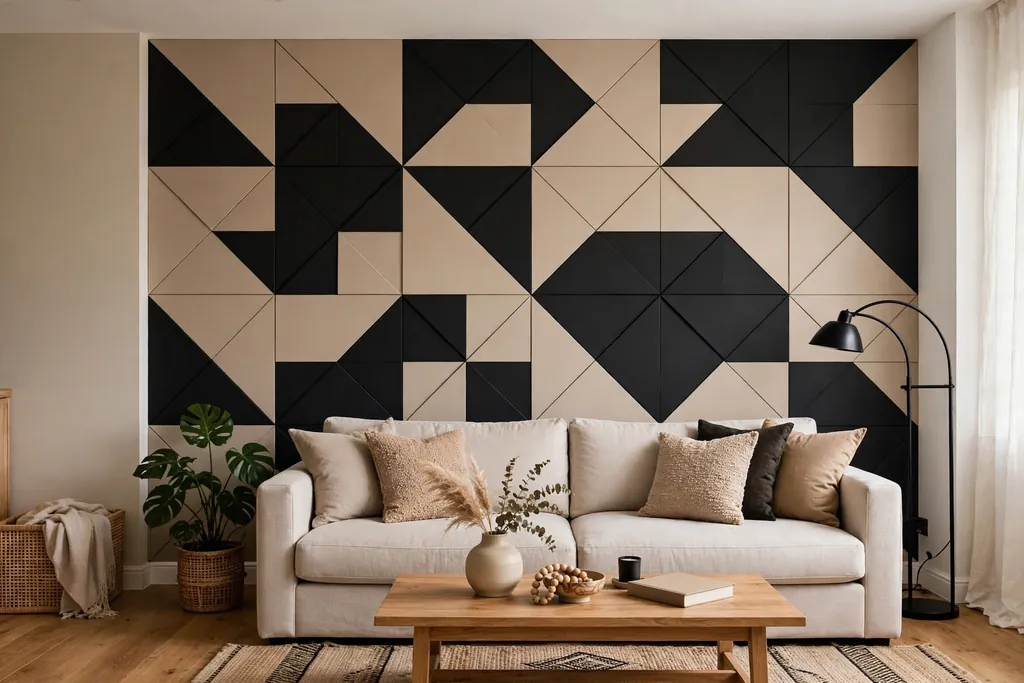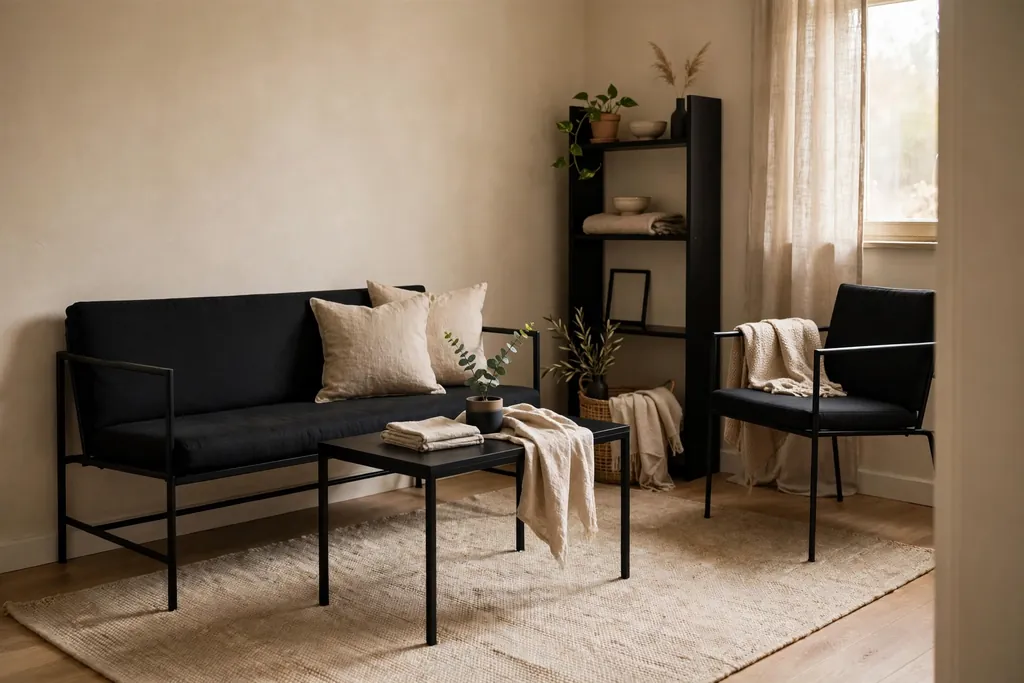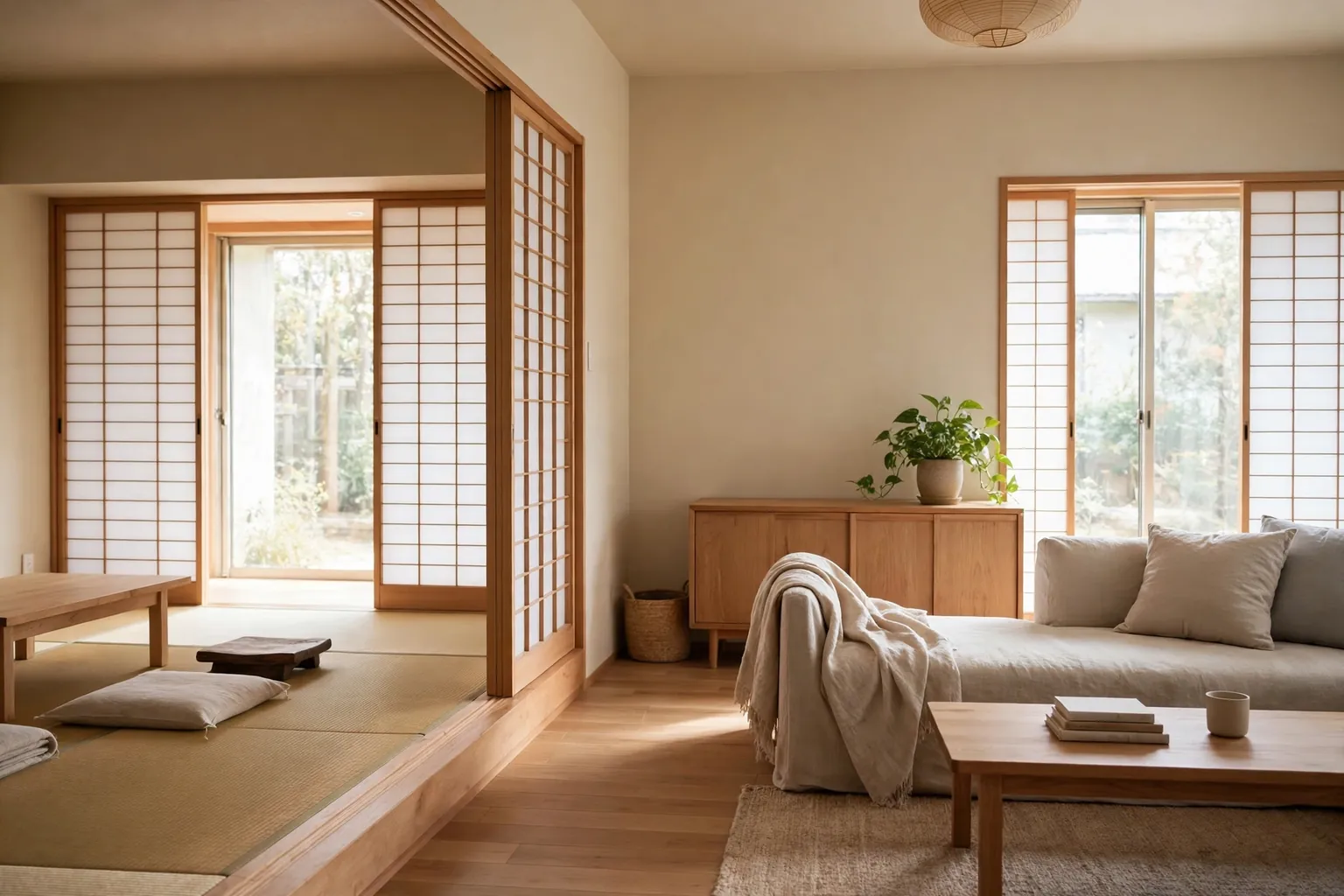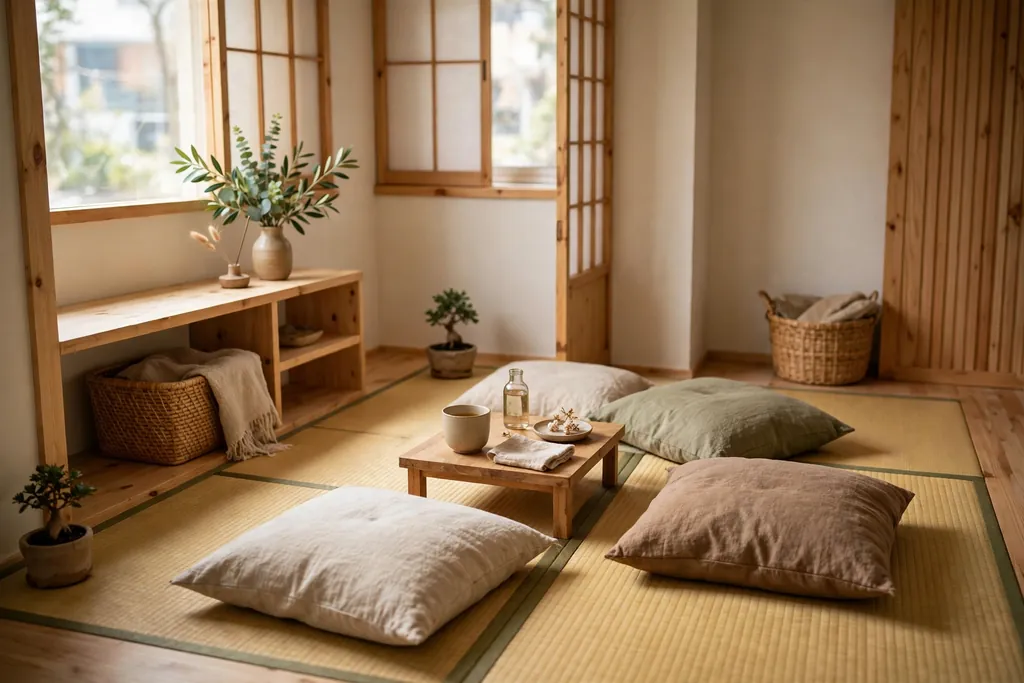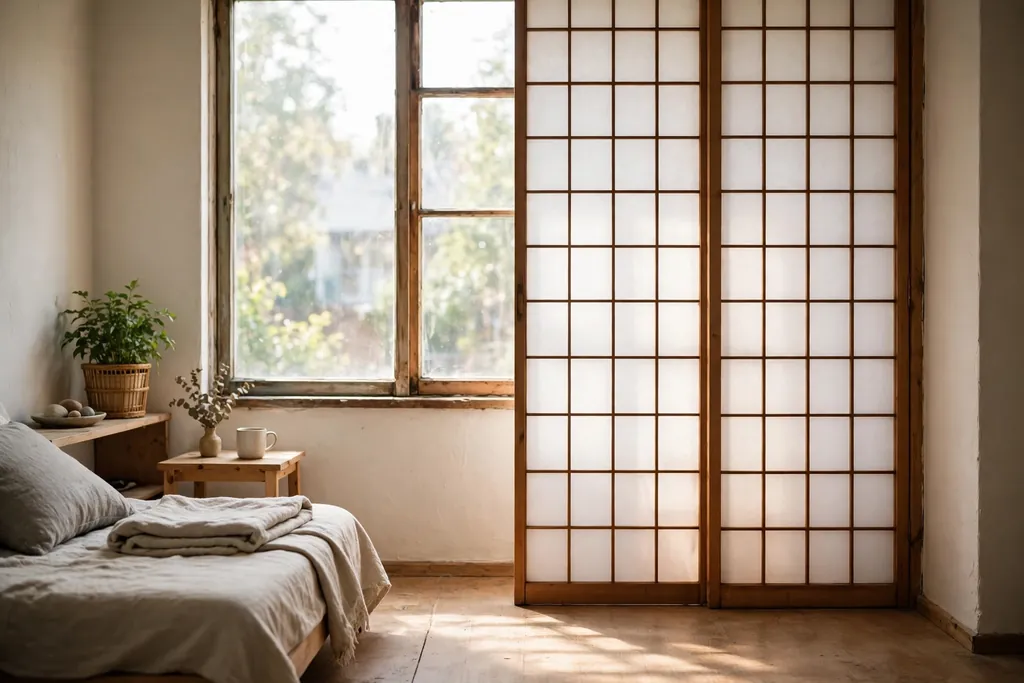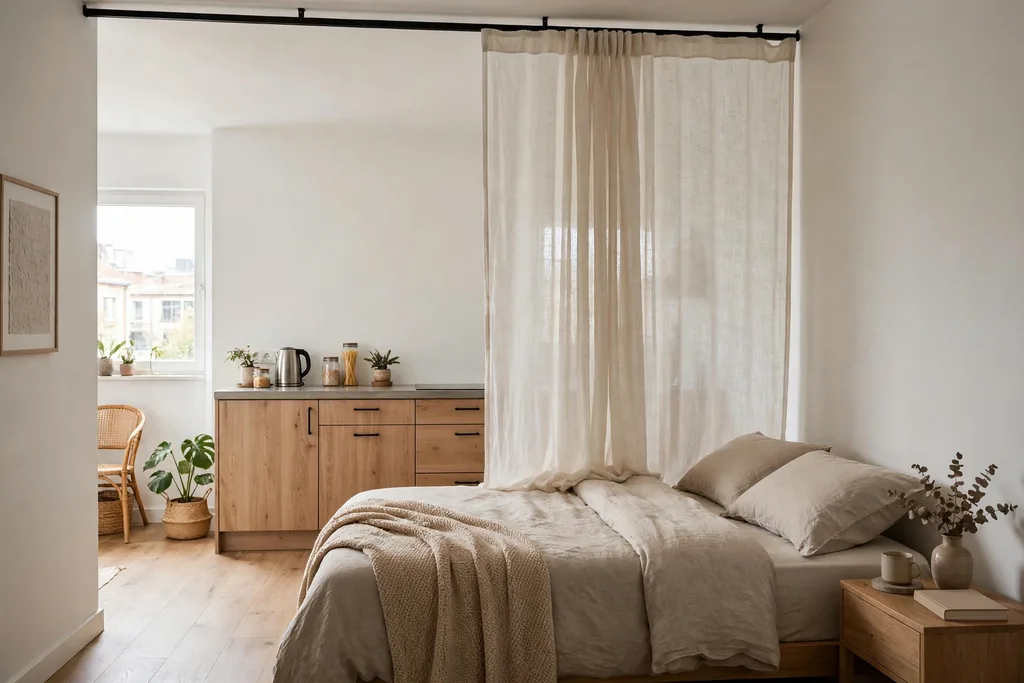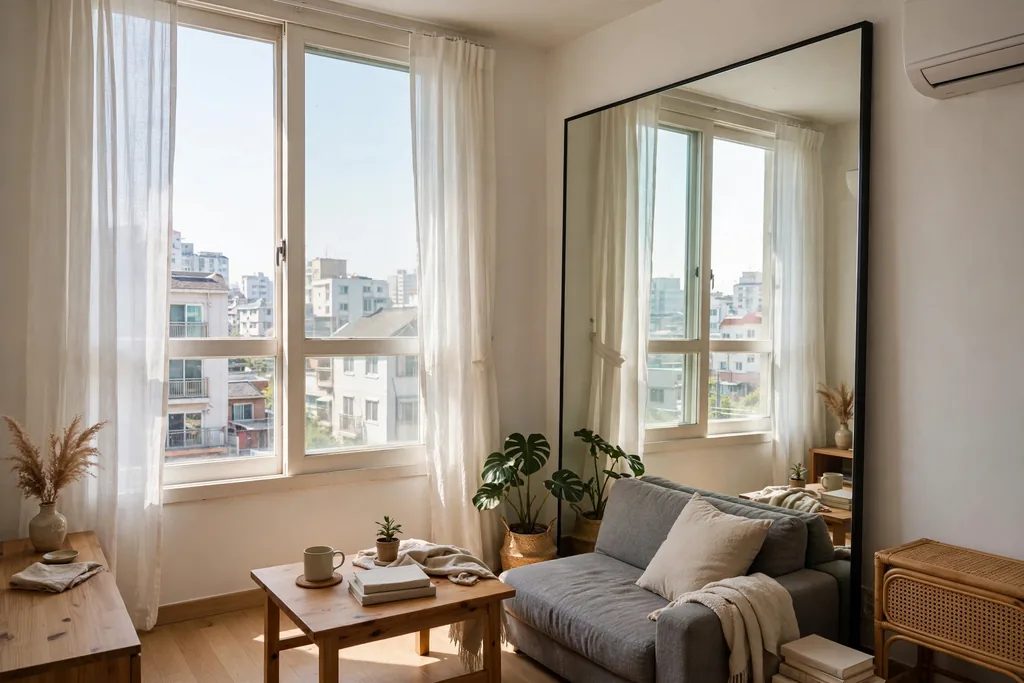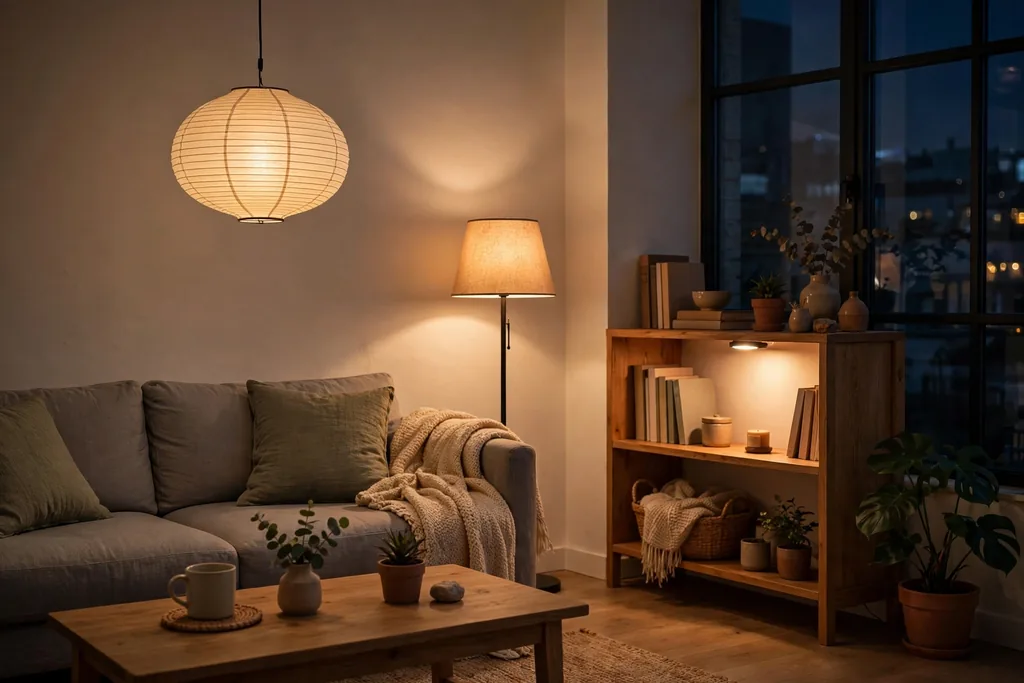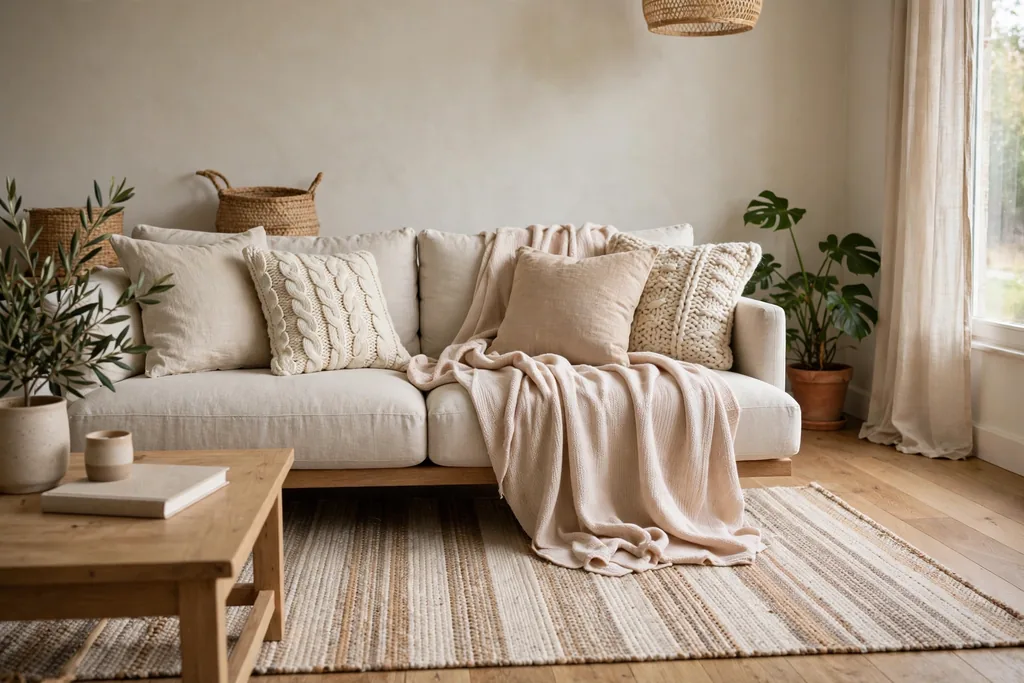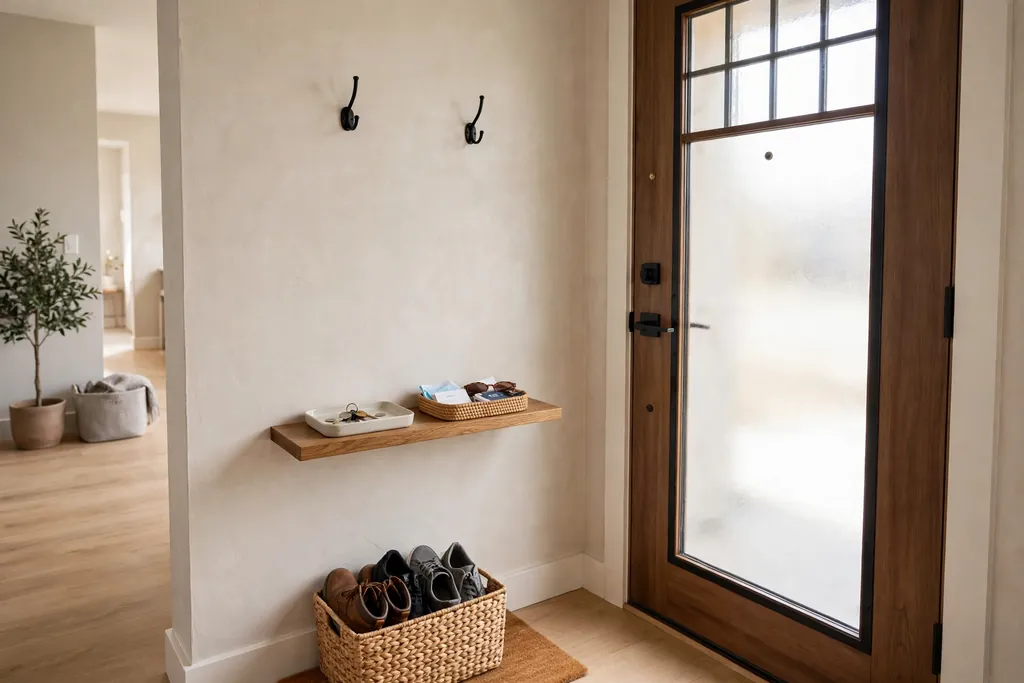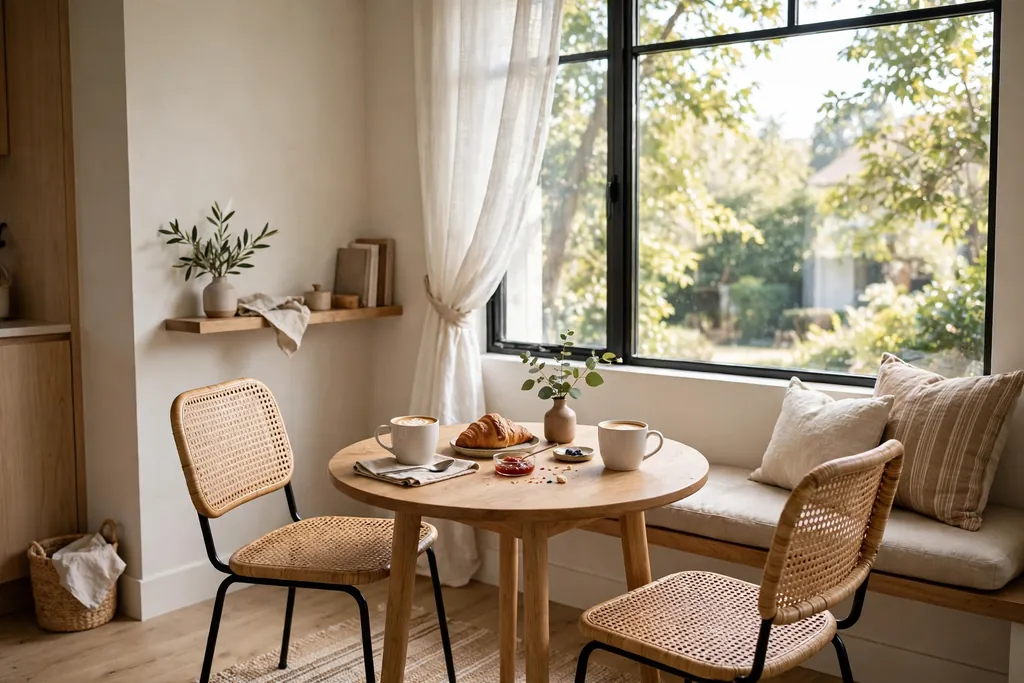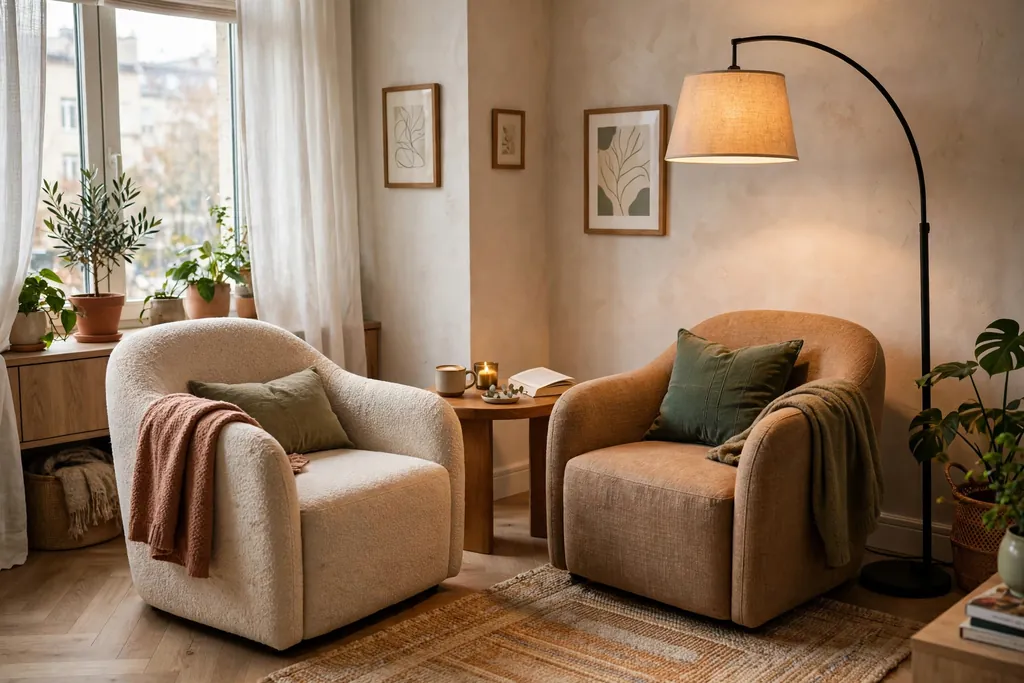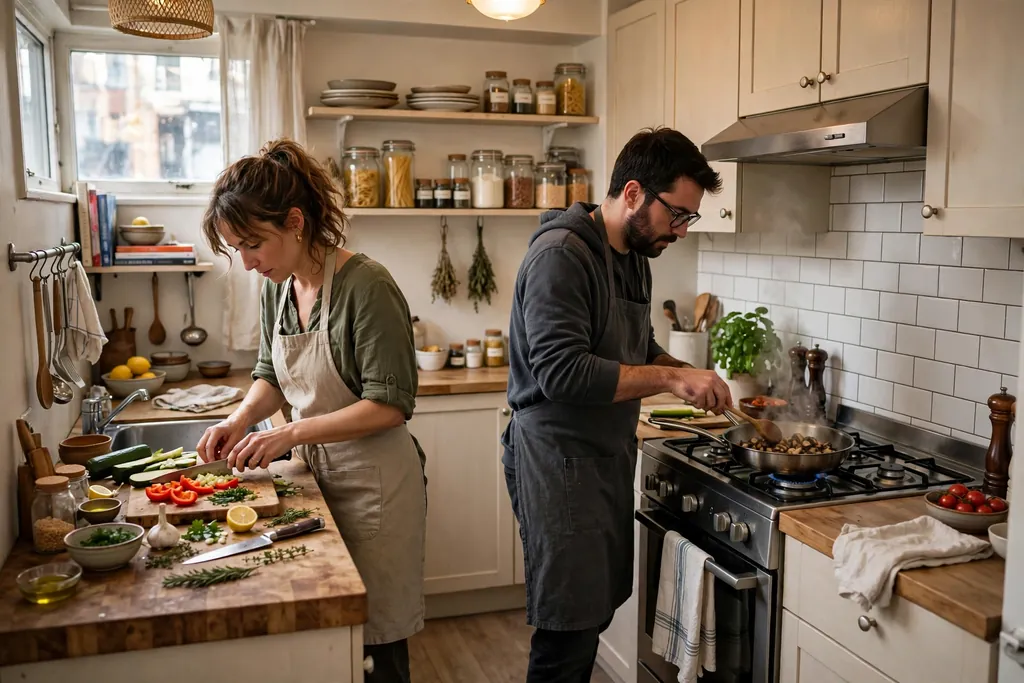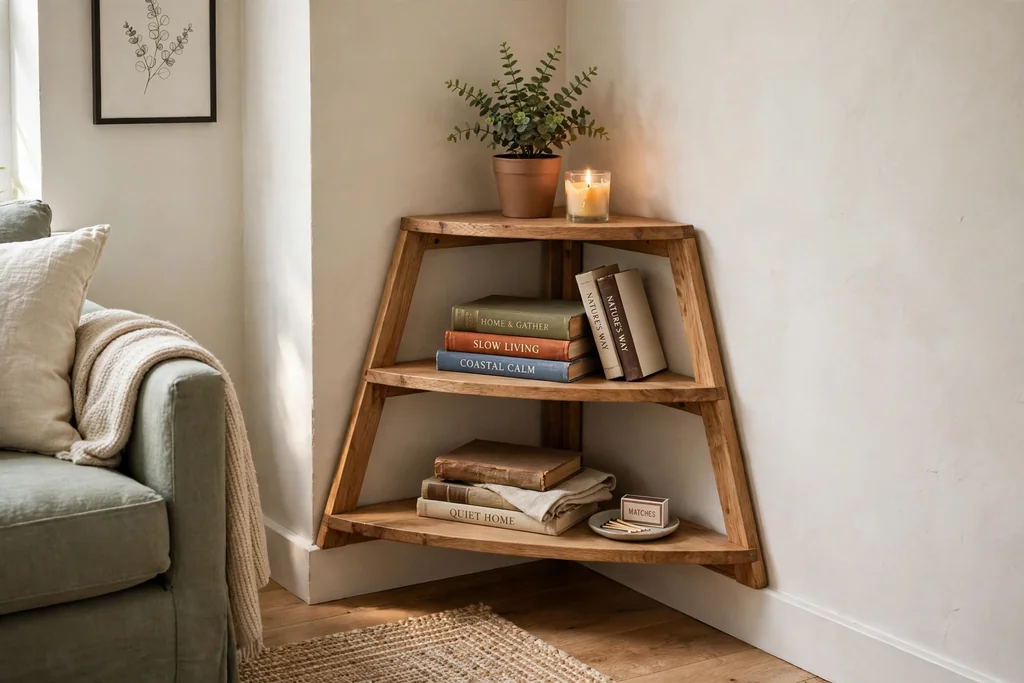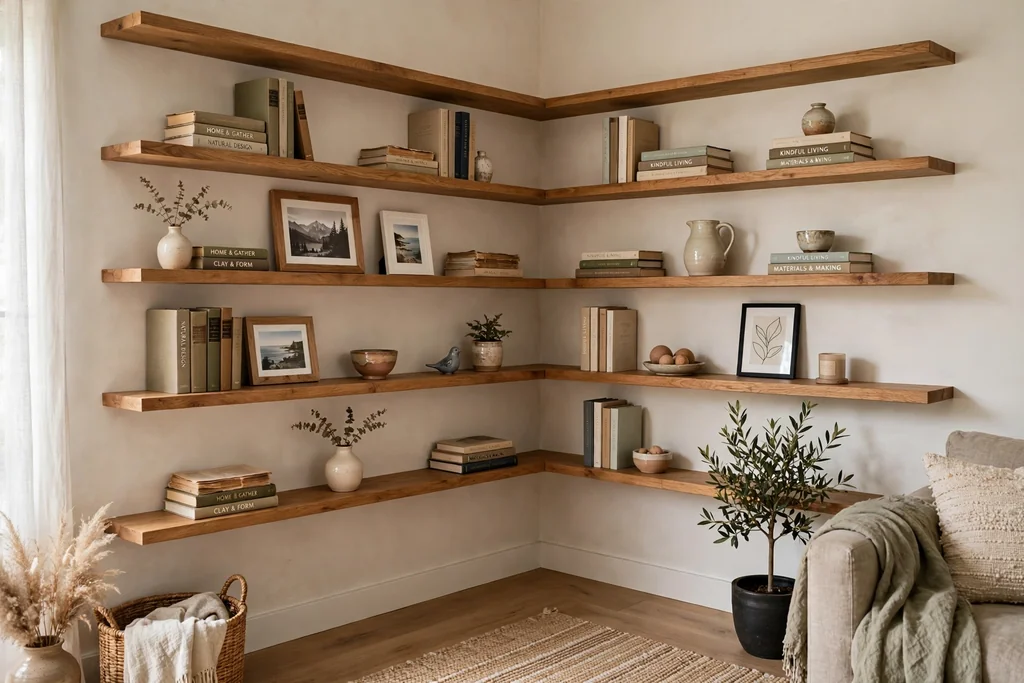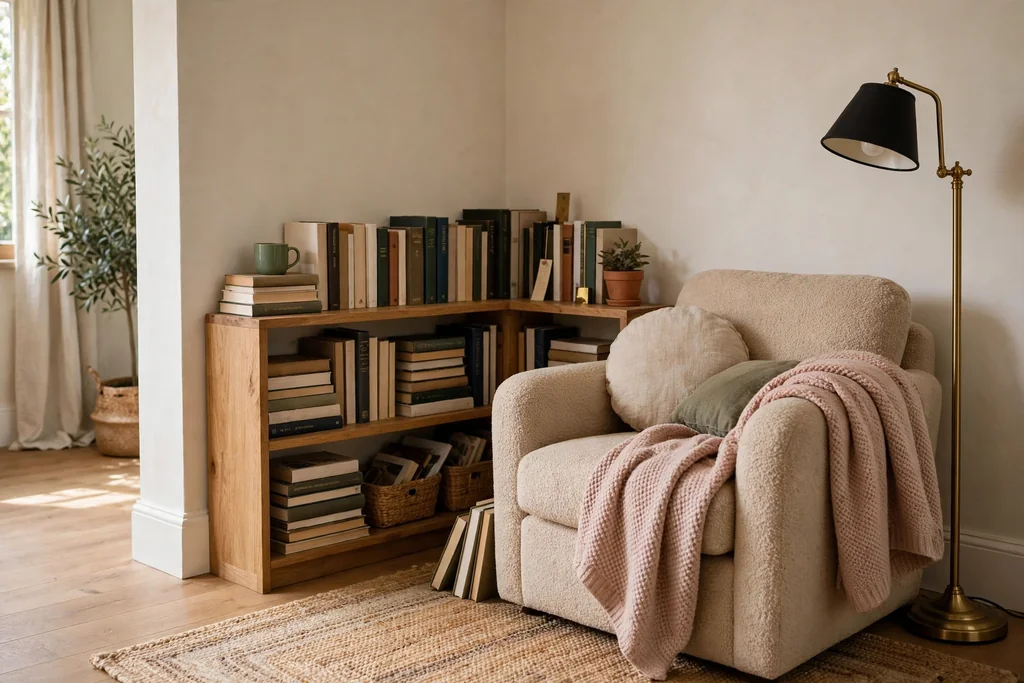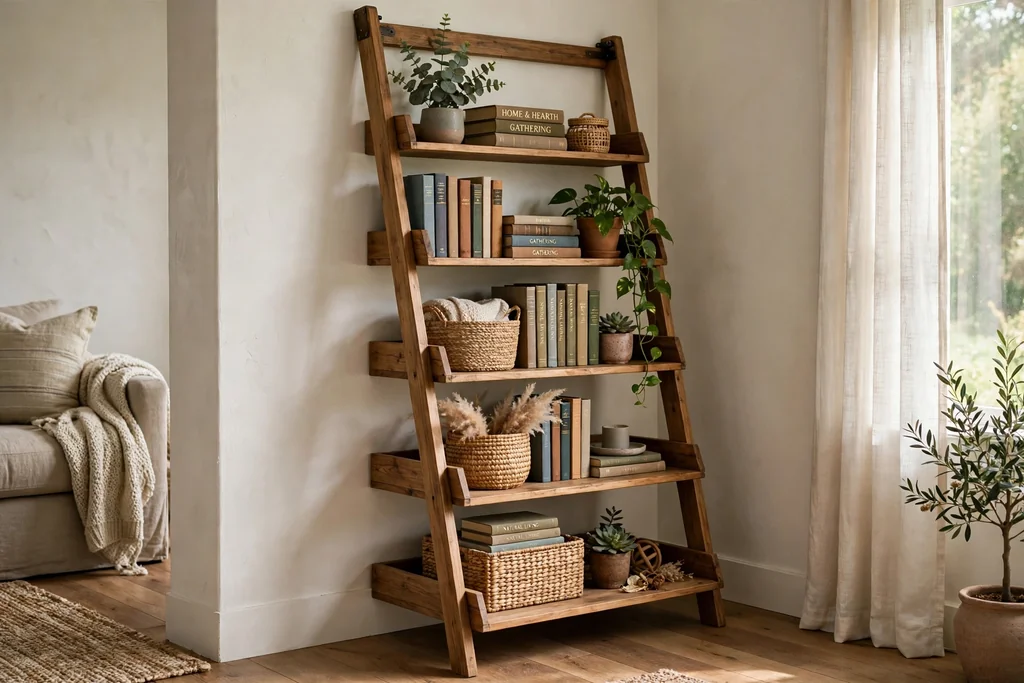
Category: Living Room

Comfortable seating, thoughtful layouts, and finishing touches for a living room that feels like home.

  • 22 Amazing Chic Book Shelf Ideas to Make Your Next Refresh Easier

    22 Amazing Chic Book Shelf Ideas to Make Your Next Refresh Easier

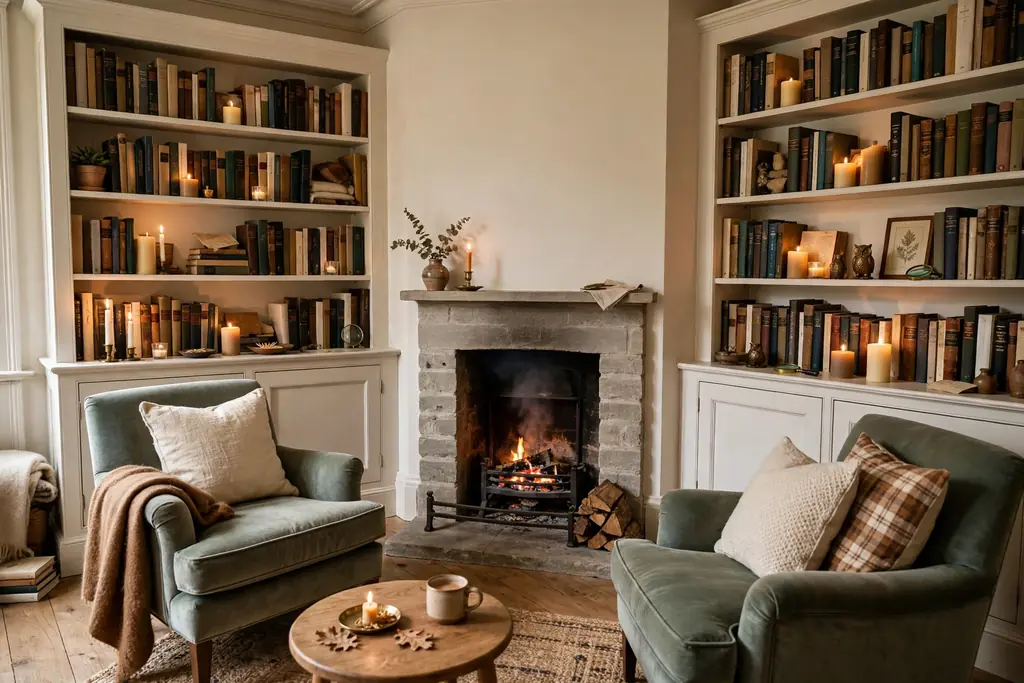
    A book shelf can set the tone for a whole living room. When the shape is clean, the color is calm, and the books have room to breathe, the shelf looks planned rather than crowded. When it is packed edge to edge, even good books can look like clutter. These 22 chic book shelf ideas cover built-ins, arches, glass doors, floating shelves, soft color, lighting, and styling, so you can pick one that fits your wall, your books, and your budget. Measure the wall first, note sockets and skirting boards, and start with the books you reach for most. These living room rug ideas show how to size a rug to the seating group, so the shelf wall and the seating work as one room.

    Key Takeaways

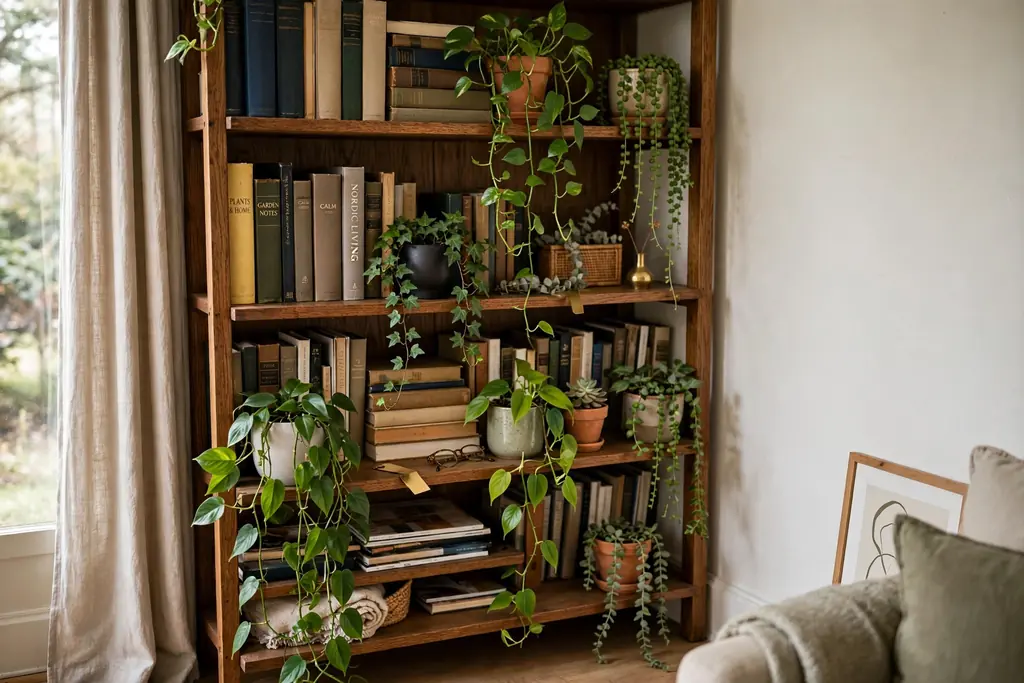
    • Measure the wall, including skirting boards, sockets, and door swings, before you buy or build a bookshelf.
    • Anchor tall, heavy, or freestanding shelves to the wall, and put heavy books low so the unit stays stable.
    • Pick one clear look per shelf wall: one frame color, one accent metal, and one or two display materials, repeated with restraint.
    • Leave breathing room on every shelf, with gaps between book groups and one partly empty shelf for new titles.
    • Add warm light at shelf level, since a dark shelf will stay unused even with good books on it.
    • Style with a mix of upright books, horizontal stacks, ceramics, and one plant per shelf run, and keep walkways clear.

    1. White Built-In with Brass Trim
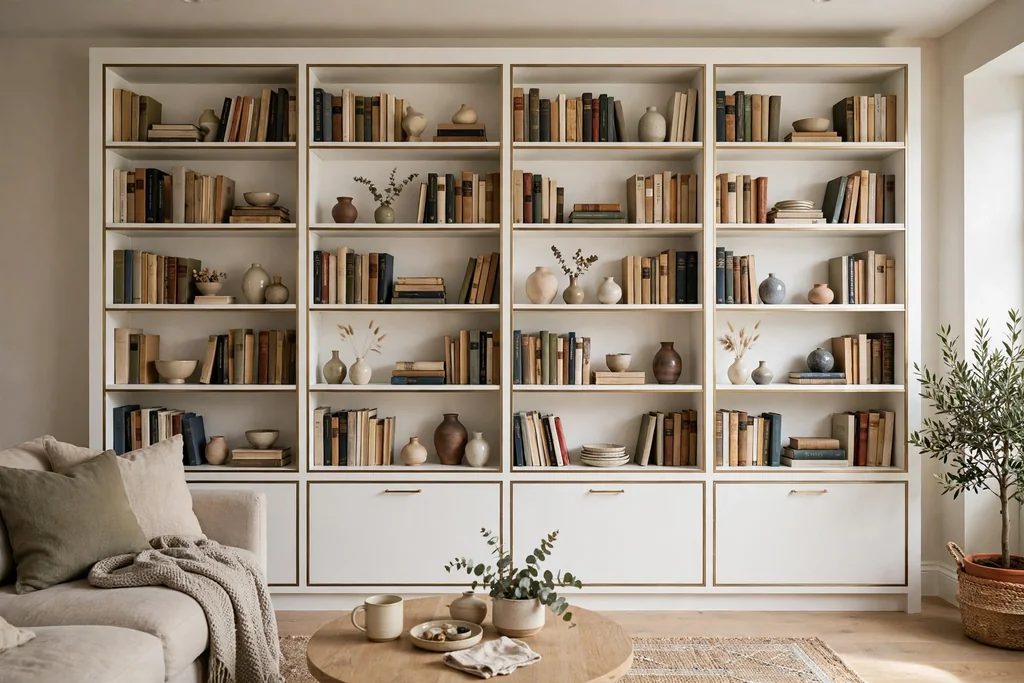
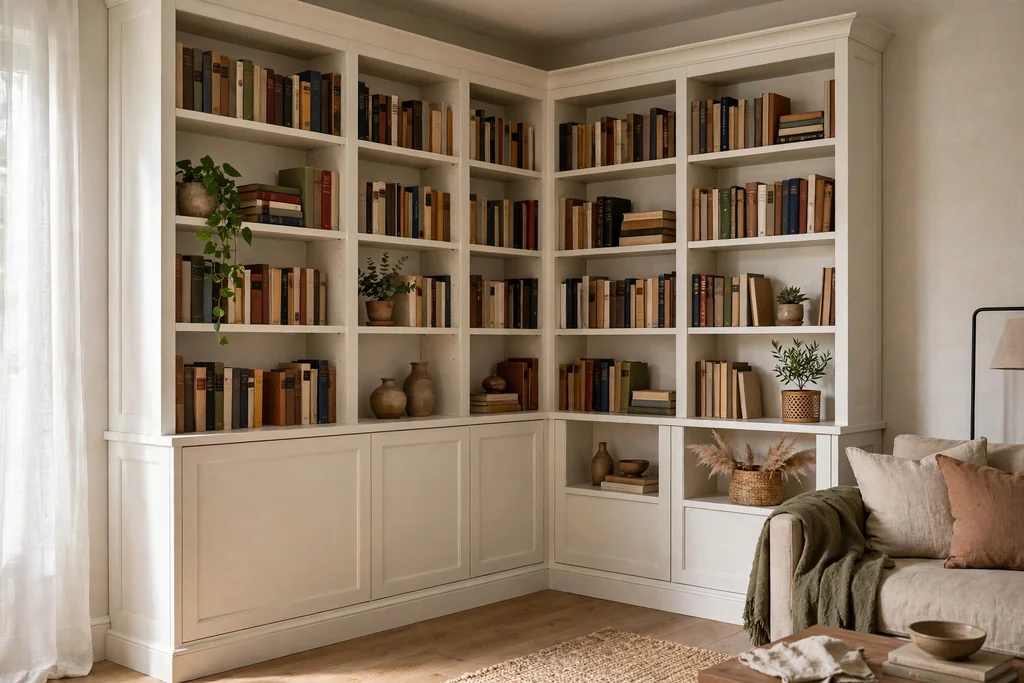
    White built-in bookshelf with slim brass trim in a living room, filled with books and small ceramics.

    Build or paint a white built-in bookshelf and add slim brass trim, handles, or picture lights for a quiet, polished finish. White keeps a large shelf wall calm, while brass gives it a warm detail that stops it from looking plain. Paint the unit the same white as the trim for a fitted look, or use a soft warm white if the walls are cool.

    Put heavy hardbacks low, everyday paperbacks at eye level, and lighter items such as small vases up high. Keep brass to one or two details per unit, such as slim edge trim and matching handles, so it reads as a detail rather than a theme. This idea suits a living room with pale walls and wood floors, where a full wall of books needs to feel light.

    2. Arched Bookshelf Niche
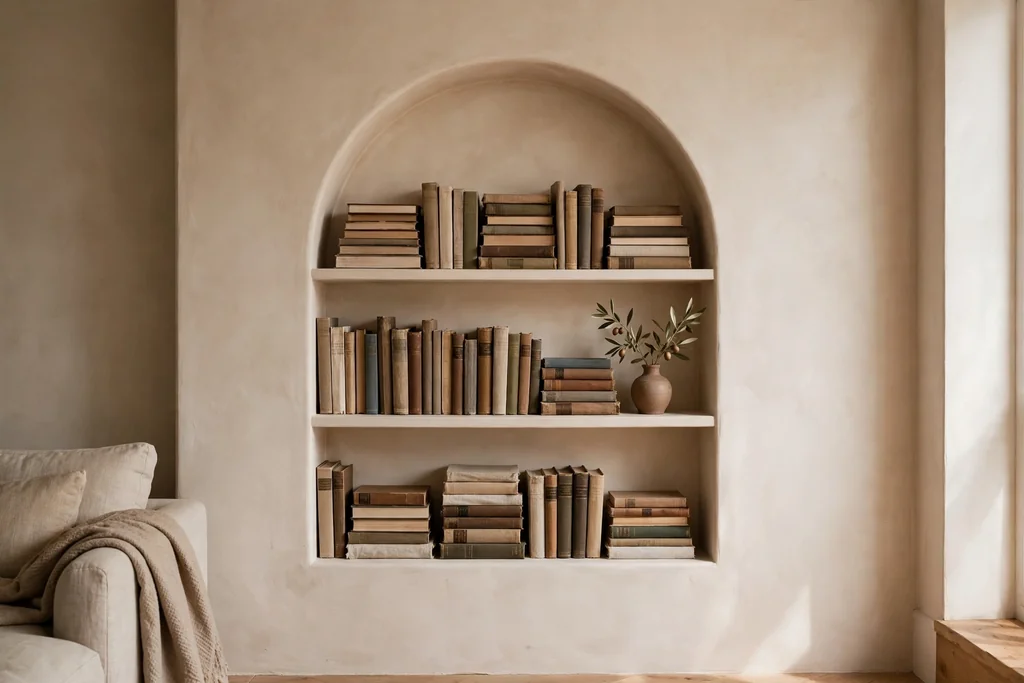
    Arched bookshelf niche in a living room wall, with books and a small vase on its shelves.

    Use an arched bookshelf, or add an arched frame around a straight bookcase, to soften a room full of square furniture. The curve draws the eye up and gives the shelf a furniture feel, even when the shelves themselves are simple. An arch suits a tall, narrow wall, a hallway end, or a wall beside a fireplace.

    Keep the books inside the arch simple, with upright rows and one horizontal stack per shelf, so the curve stays the main detail. Paint the arch the same color as the shelf for a calm look, or paint the wall inside the arch one shade deeper for contrast. Measure the arch height against the ceiling before you buy, since a tall arch needs clear space above it.

    3. Black Lacquer Bookcase with Gold Details
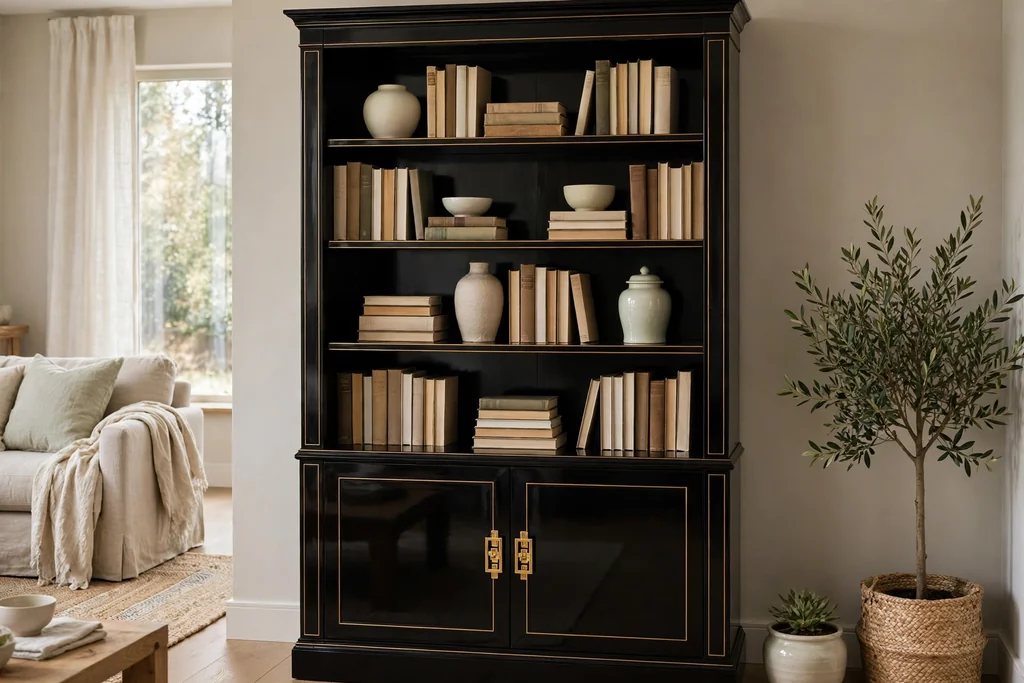
    Black lacquer bookcase with gold handles and trim in a living room, books and pale ceramics on its shelves.

    Choose a black lacquer bookcase with gold handles, slim gold trim, or a gold picture light for a bold, evening-ready shelf wall. Black makes book spines and pale ceramics stand out, and gold keeps the dark finish from feeling flat. This pairing suits a living room used in the evening, where lamplight warms both finishes.

    Keep the walls around it pale, so the dark unit reads as a feature rather than a shadow. Put the heaviest books on the lowest shelves, and use bookends that match the gold or the black in the room. Dust black lacquer often, since dust shows clearly on it, and wipe it with a soft cloth as the maker advises.

    4. Glass-Door Display Bookcase
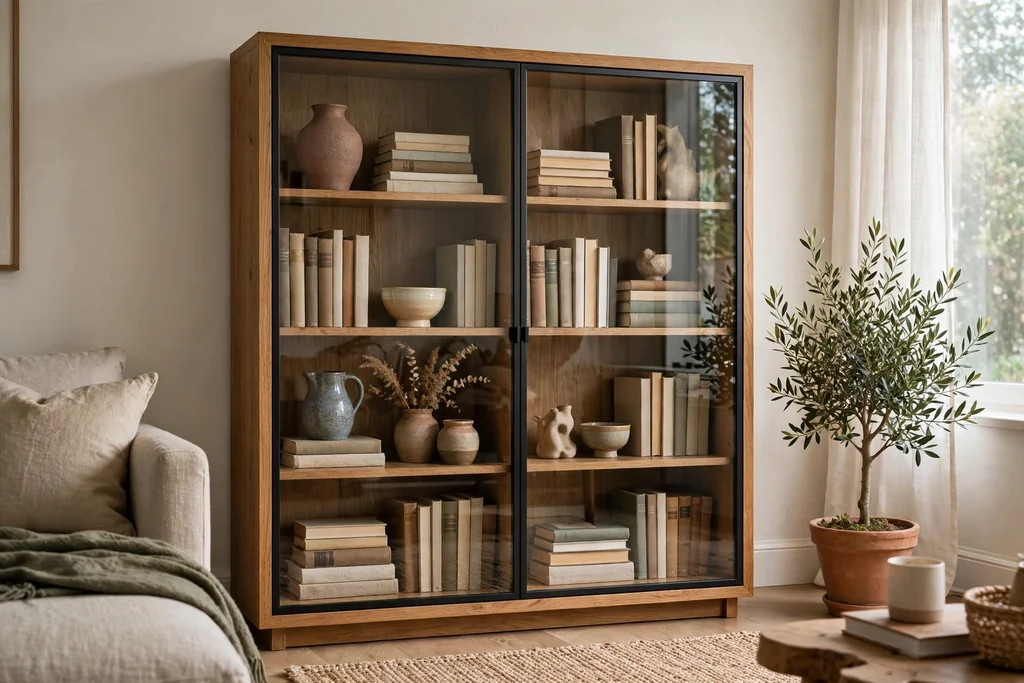
    Bookcase with glass doors in a living room, displaying books and ceramics behind clear glass.

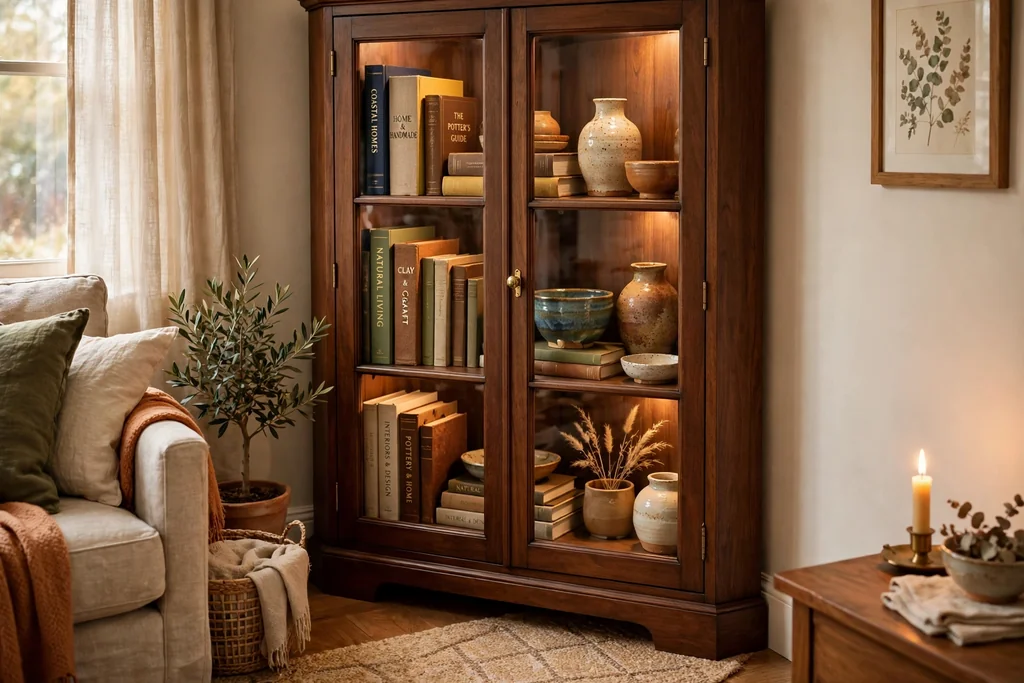
    Choose a bookcase with glass doors when you want to show a collection but keep dust, pets, and small hands off the books. Clear glass keeps the spines visible, while reeded glass softens the view of a busy collection. This is the best choice for a shelf near a busy doorway, where open shelves would collect dust fast.

    Keep the doors closed when the room is dusty, and wipe the glass inside and out when you clean the room. Inside, sort books by author or by subject, and leave a little space on each shelf so you can remove a book without pulling the whole row forward. A glass-door case also suits signed books, photo books, and sets you want to keep together.

    5. Floating Oak Shelves with Ceramics
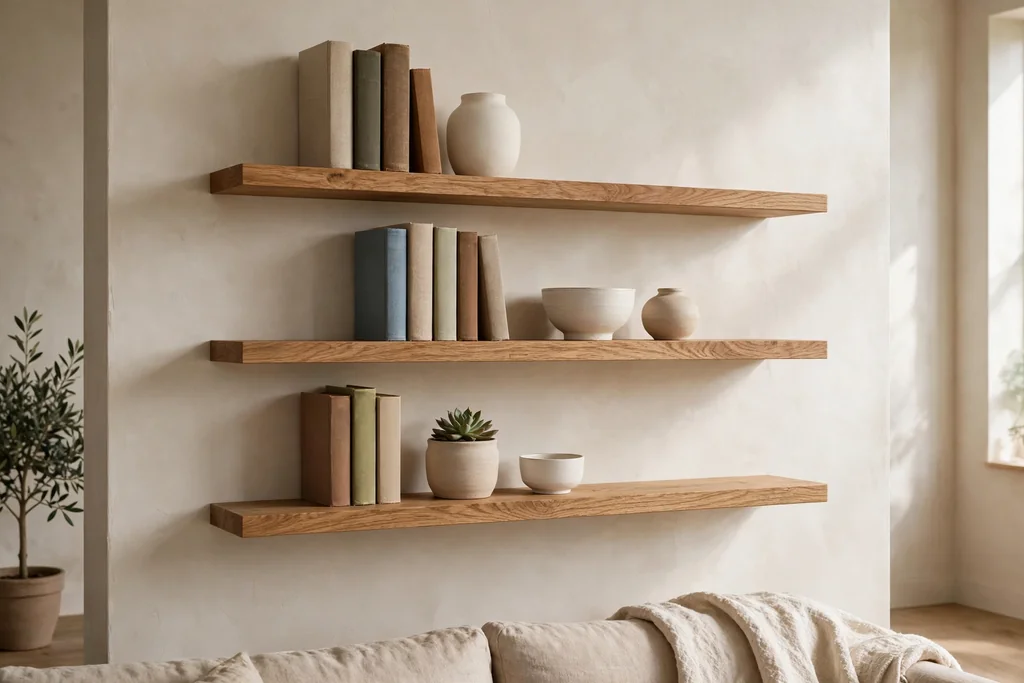
    Floating oak shelves on a living room wall, holding upright books and plain ceramics.

    Fix floating oak shelves on one wall and style them with upright books and a few plain ceramics for a light, open shelf wall. Floating shelves keep the floor clear, which helps a small living room feel open, and oak adds warmth to pale walls. Two or three shelves are usually enough, since more can make the wall look crowded.

    Fix floating shelves into studs or use fixings rated for the weight, since a shelf of hardbacks is heavier than a shelf of ornaments. Keep a bookend or a small rail at each open end so books do not slide off. Reserve floating shelves for favorites and for books with covers you enjoy seeing, since they hold fewer books than a full bookcase.

    6. Sage Green Painted Bookcase
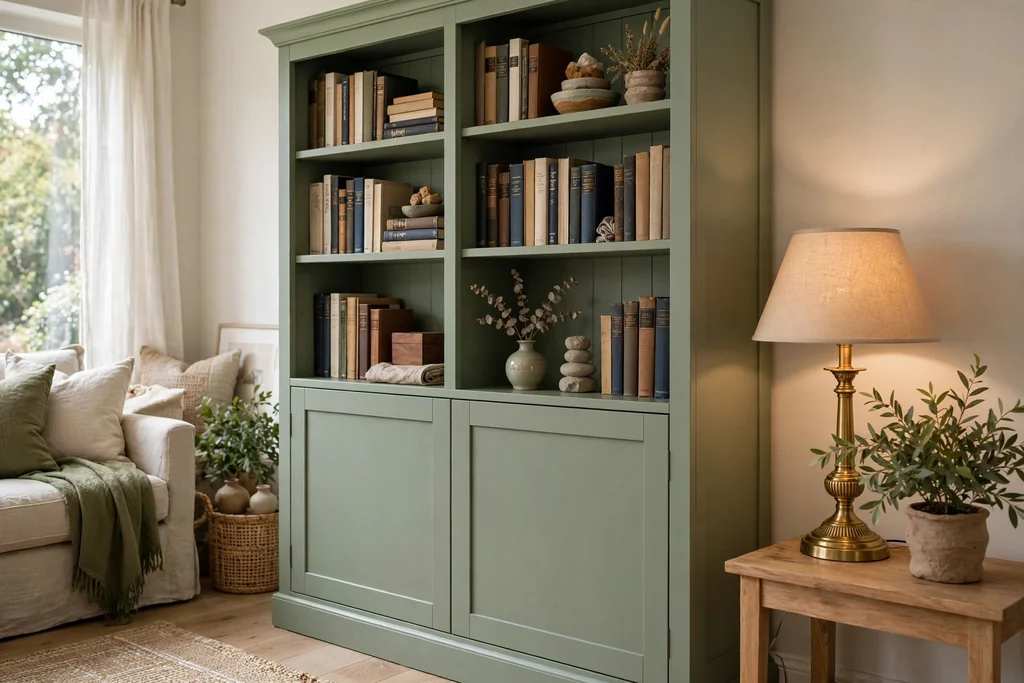
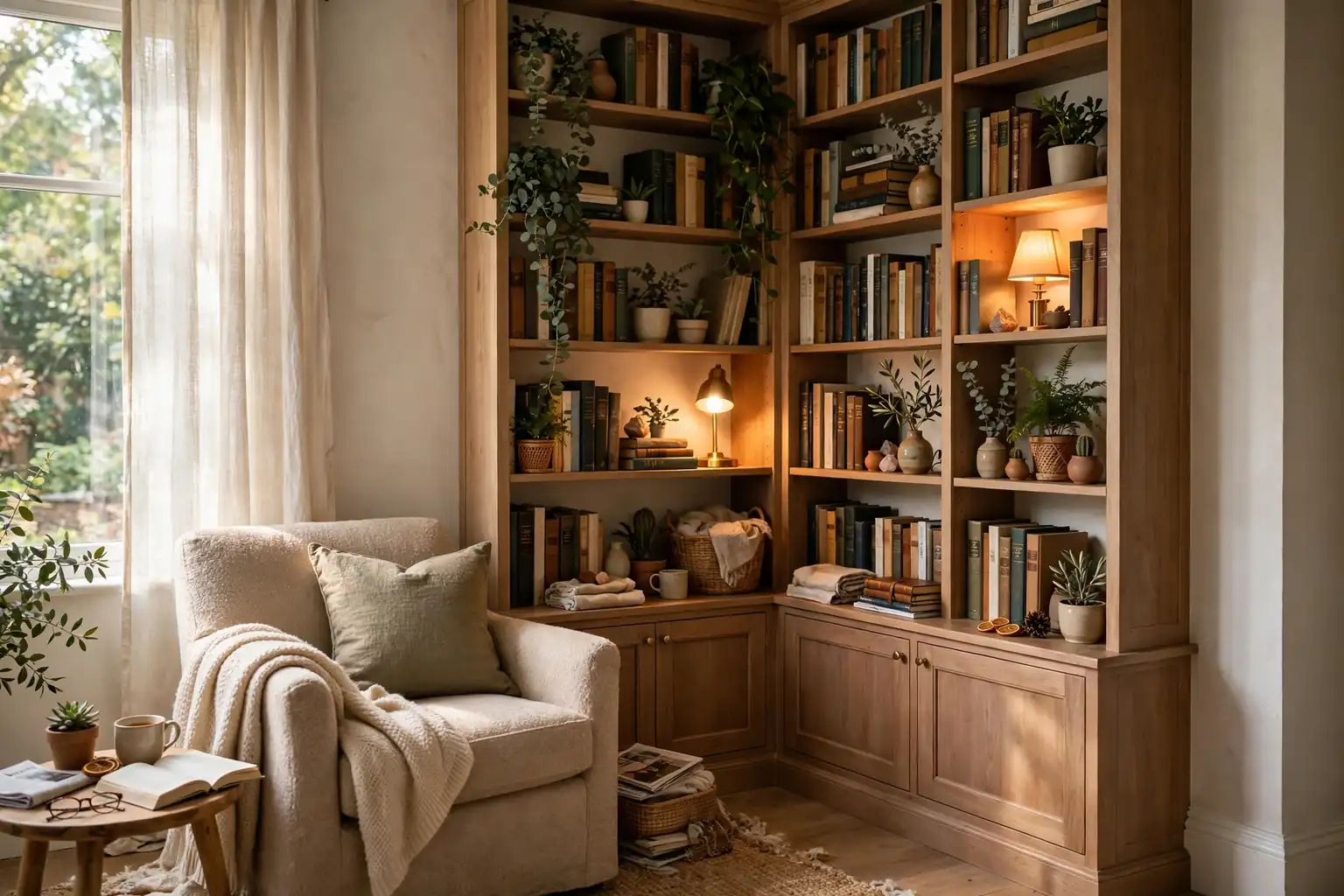
    Sage green painted bookcase in a living room, with books, a plant, and a brass lamp beside it.

    Paint a bookcase sage green for a soft, calm color that suits wood, linen, and brass without shouting. Sage works well in a room that already has plants, since the shelf color and the leaves sit easily together. It also suits a pale room that needs one gentle color note, rather than a bold accent wall.

    Pair sage with cream walls, pale wood, and one warm metal, such as brass, for handles or a lamp. Keep the styling simple, with books grouped by height and one ceramic or plant per shelf. For a calm, pale base around the shelf, these Swedish living room ideas show how light walls, soft layers, and a chair placed where the light is best can warm a whole room.

    7. Slim Black Metal Frame Bookshelf
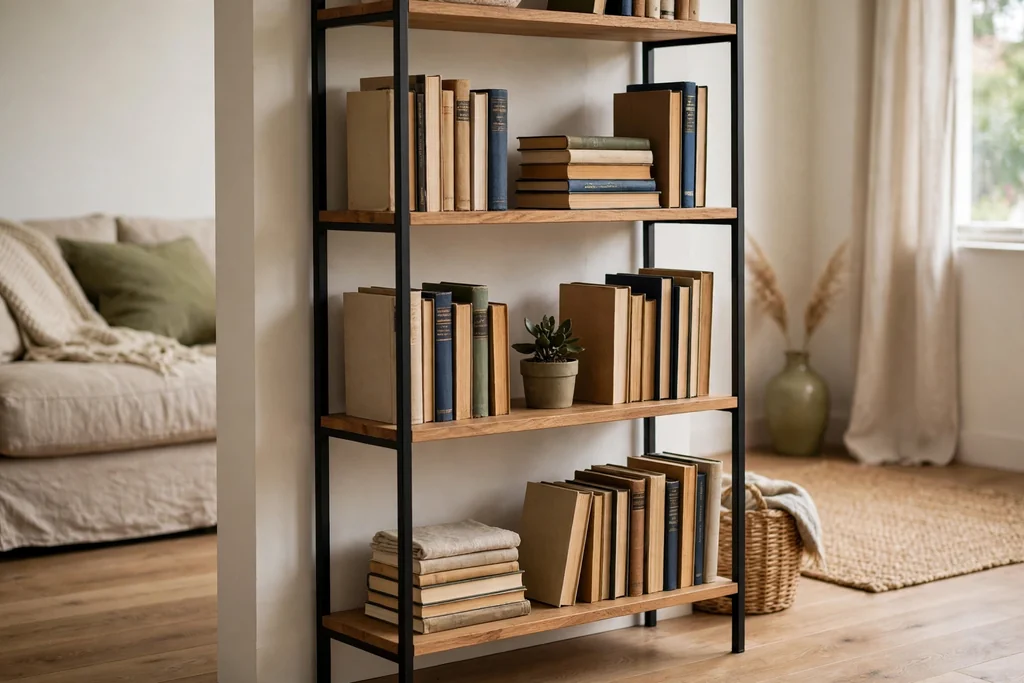
    Slim black metal frame bookshelf with wood shelves in a living room, holding books and a small plant.

    Use a slim black metal frame bookshelf when you want an open, airy unit that still holds a large collection. The thin frame keeps both walls visible, so the shelf feels lighter than a closed bookcase, which suits a small or dark living room. Black metal also pairs well with wood shelves, glass, and leather.

    Place it against a plain wall, where the frame lines stay clear, and keep heavy books on the lowest shelves for stability. Anchor the top to the wall, even if the unit feels steady, since a tall open frame can tip if pulled. Leave one shelf partly empty, so the frame reads as furniture rather than as packed storage.

    8. Bookshelf with a Reading Bench Below
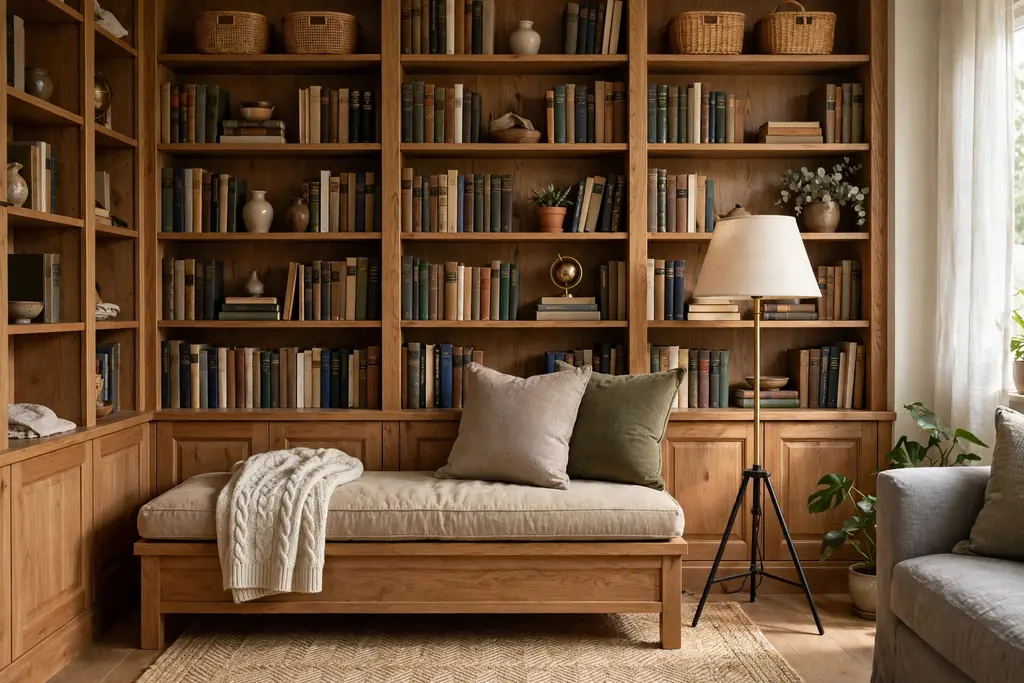
    Living room bookshelf with a low cushioned reading bench below it, a floor lamp beside the bench.

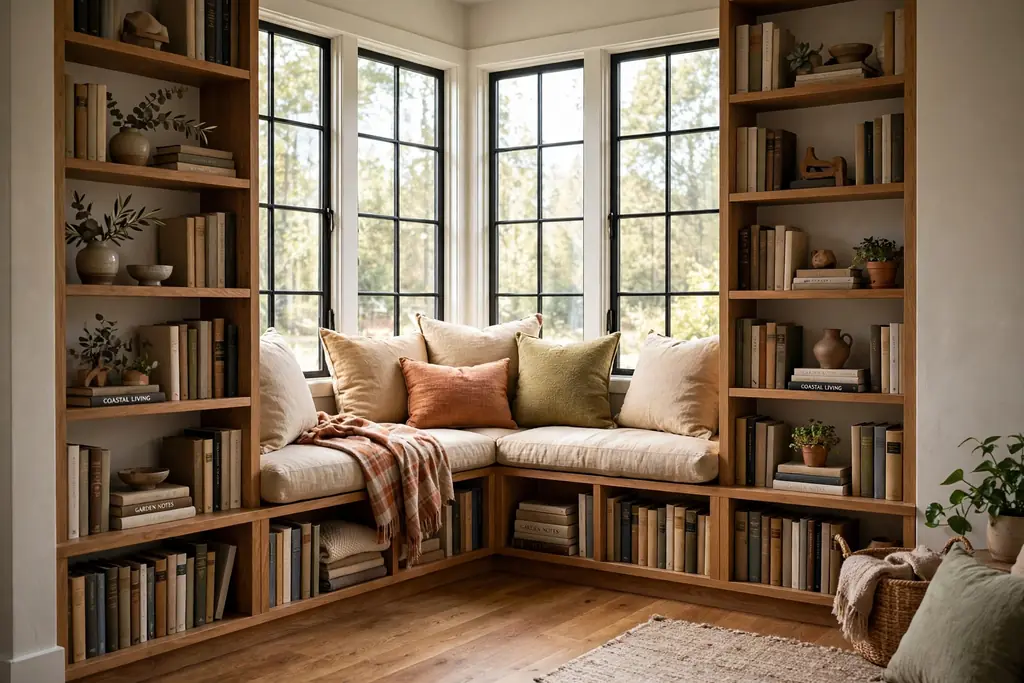
    Set a low bench or a window seat below a bookshelf, with a cushion on the seat and the current book within reach, to make a reading spot that gets used daily. The bench gives the shelf wall a purpose beyond storage, and the shelf above keeps the next books close at hand. Angle a floor lamp behind one shoulder of the seat, so evening reading is easy.

    Add a small basket beside the bench for the book you are reading now, and keep a throw on the seat for cooler evenings. Keep the bench depth shallow enough that you can reach the shelves without standing on the seat. This idea suits a wall with a window nearby, where daylight does most of the work by day.

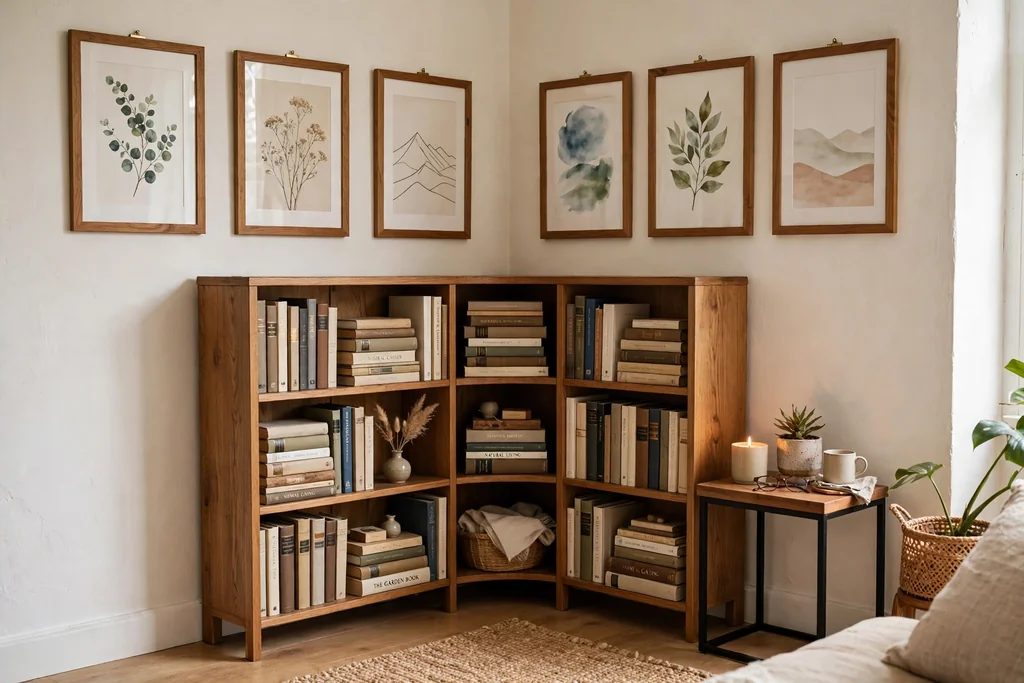
    9. Rounded Edge Bookcase
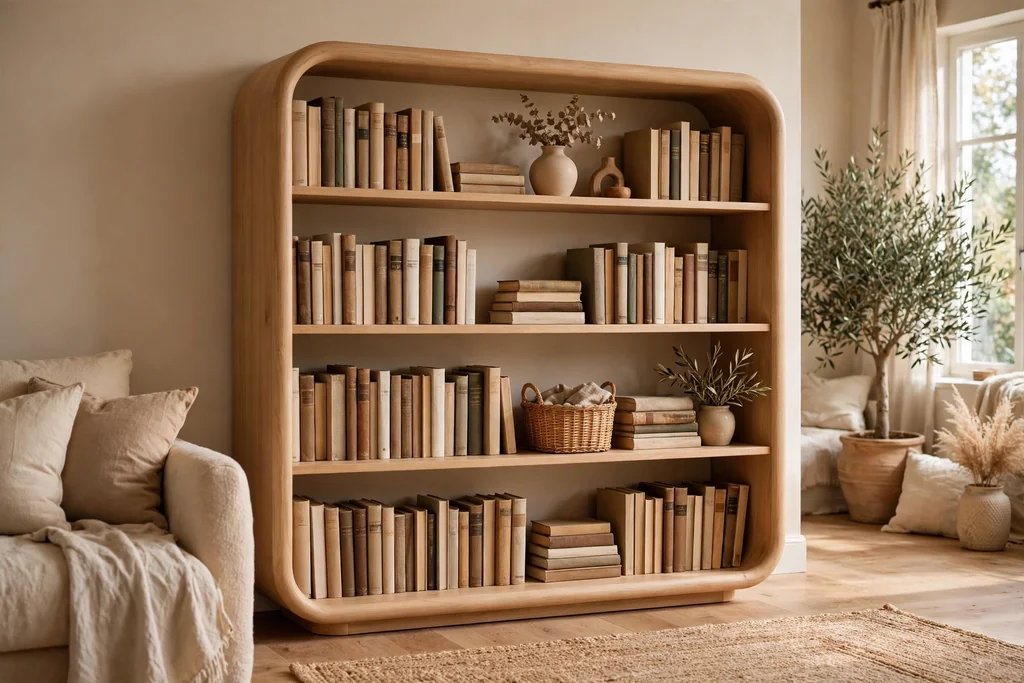
    Bookcase with rounded corners and soft edges in a living room, holding books and a small woven basket.

    Choose a bookcase with rounded corners and soft edges for a gentle, modern look that suits a family room. Rounded edges soften the straight lines of a shelf wall, and they are kinder in a room where people walk past the shelf often. A rounded unit also pairs well with a round coffee table and curved armchairs.

    Style it with books grouped by height and one soft item per shelf, such as a small vase or a woven basket, so the curves stay visible. Avoid sharp, angular ornaments on a rounded shelf, since they fight the shape. Wipe the curved edges often, since dust gathers on a curve just as it does on a flat shelf.

    10. Pale Ladder Shelf with Linen Baskets
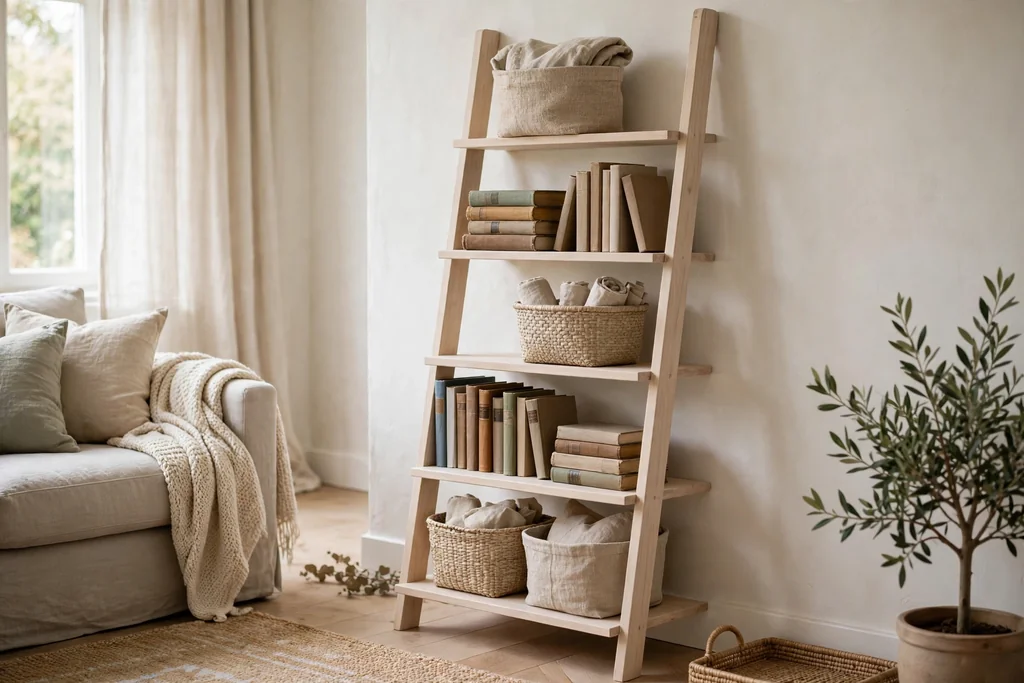
    Pale wood ladder shelf leaning against a living room wall, with books and linen baskets on its shelves.

    Lean a pale wood ladder shelf against a wall for a light, renter friendly option that needs little fixing beyond a small anchor. The shelves get deeper toward the bottom, so place large books low and smaller books and plants higher up. Linen baskets on the lower shelves hide chargers, notebooks, and small clutter.

    Check that the feet sit flat on the floor and that the top rests evenly against the wall, and anchor the top if children use the room. Keep heavy items off the top two rungs, and leave one shelf for a plant that trails a little, so the ladder reads as lived in. This idea suits a first home or a rented room, where a built-in is not practical.

    11. Bookshelf Backed with Patterned Wallpaper
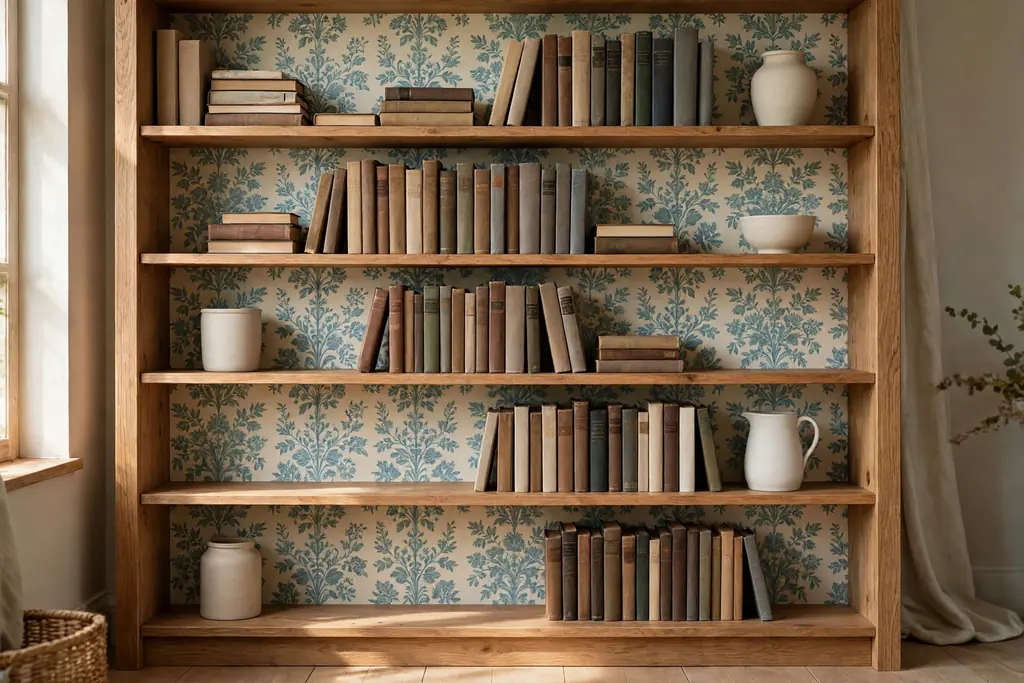
    Open bookshelf lined with patterned wallpaper at the back, holding books and one plain ceramic per shelf.

    Line the back of an open bookshelf with patterned wallpaper to give plain shelves a finished, collected look. Wallpaper behind books adds color and pattern without painting the whole wall, and it can be changed later with less work than a full repaint. Choose a small, calm pattern, since a large, busy print will fight the book spines.

    Measure each back panel before you cut, and use a paste suited to the shelf material, with edges pressed flat so pages do not catch. Keep the shelf styling simple, with books upright and one plain ceramic per shelf, so the wallpaper stays visible in the gaps. This idea suits a plain white or pale wood bookcase that needs one quiet detail.

    12. Low Credenza Bookshelf under Art
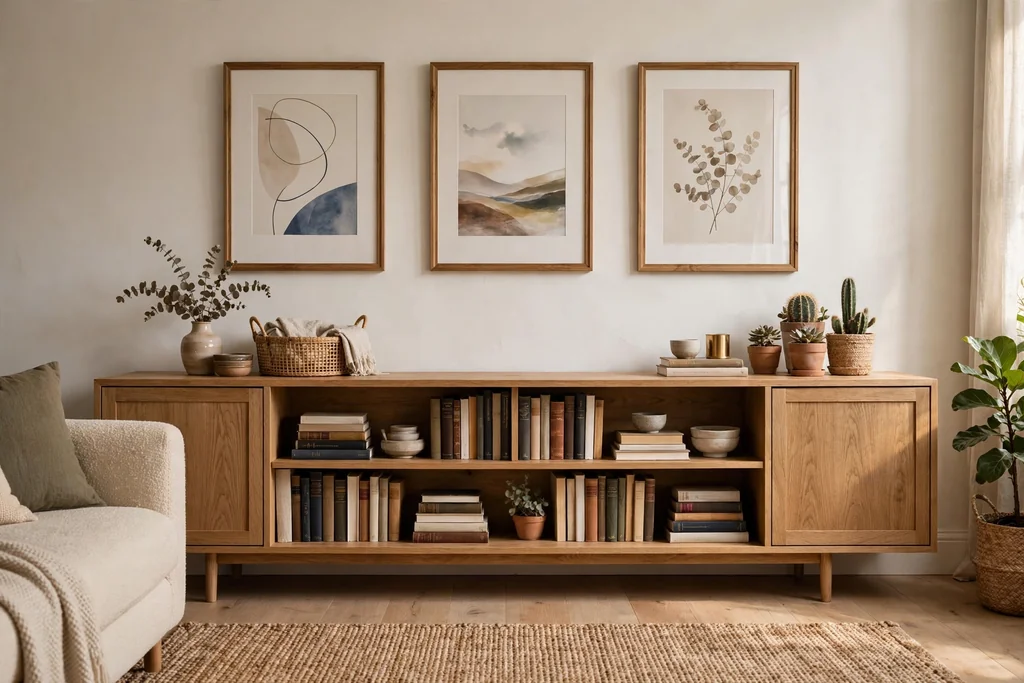
    Low wide credenza used as a bookshelf in a living room, with framed art hung on the wall above it.

    Use a low, wide credenza as a bookshelf, with books laid flat or upright on its top and inside its open sections, and art hung above it. A low unit keeps the wall above free for art, which suits a room where the shelf wall is also a gallery wall. The credenza top also gives a place for a lamp, a vase, and the book you are reading now.

    Keep the books on the credenza to one or two neat groups, so the top still looks like a surface rather than a pile. Hang the art with its center at eye level when seated, and leave a gap between the credenza top and the lowest frame, so you can lift books out without knocking a frame. This idea suits a long, low wall under a window or beside a sofa.

    13. Two-Tone Bookcase with Painted Frame and Wood Shelves
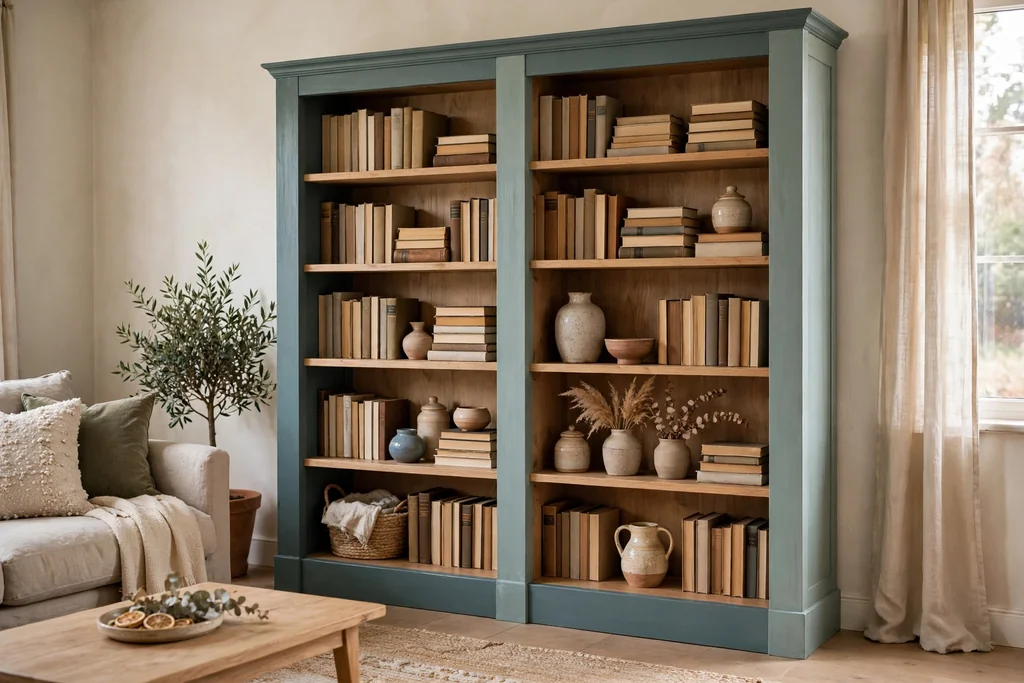
    Two-tone bookcase with a painted frame and natural wood shelves in a living room, holding books and ceramics.

    Combine a painted frame with natural wood shelves for a bookcase that feels both finished and warm. The painted frame gives the unit a clean edge, while the wood shelves add grain and warmth that paint alone cannot. This mix suits a room with both painted trim and wood furniture, since it links the two.

    Paint the frame in the room trim color for a fitted look, or use a soft neutral such as warm grey if the trim is white. Keep the wood shelves matte rather than glossy, so they read as natural rather than new. Group books by height on the wood shelves, and use plain ceramics that suit both the paint and the wood.

    14. Bookshelf with a Small Desk Nook
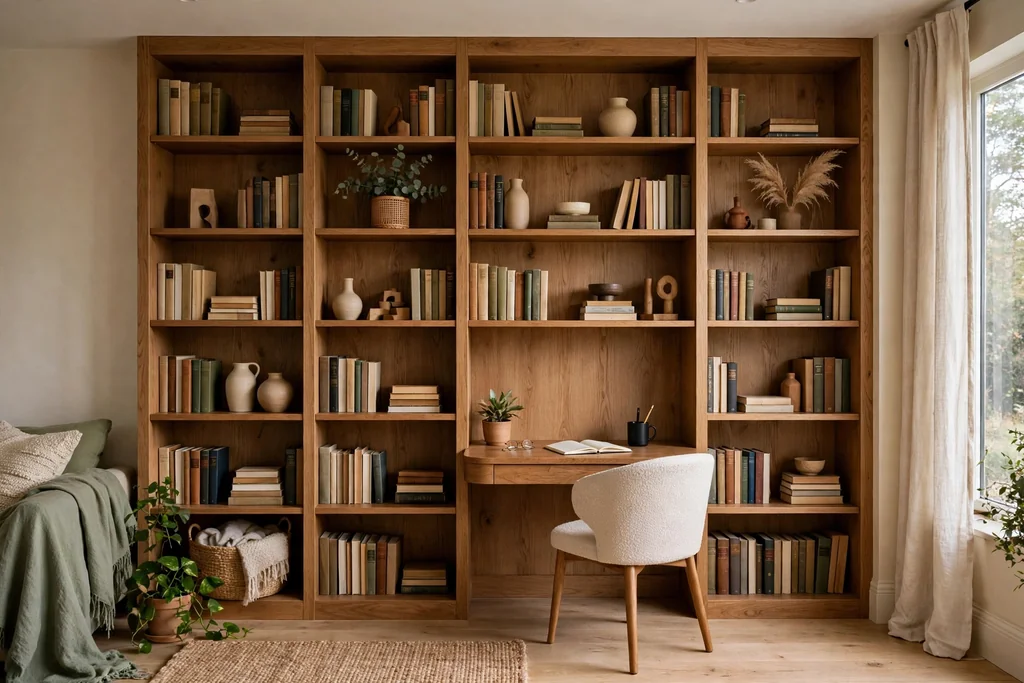
    Bookshelf wall with a small desk nook below the shelves in a living room, a chair tucked under the desk.

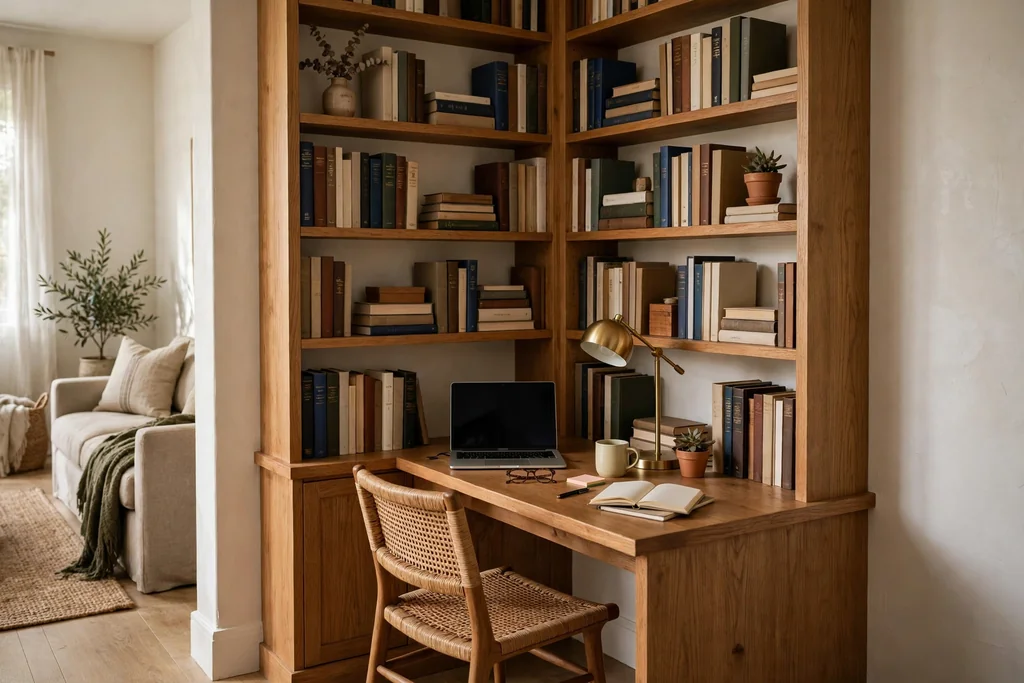
    Fit a small desk into a bookshelf wall, with books on the shelves above and a chair that tucks under the desk, so the wall works for reading and for writing. Books on the shelves above stay close to the desk, which suits reference books and notebooks you check often. Keep the desk depth shallow enough that you can reach the shelves without standing up and leaning across the work surface.

    Add a task lamp, a cable tidy, and one drawer or basket for pens and paper, so the desk stays clear for work. Keep the chair light enough to pull out without hitting the shelves. This idea suits a living room wall that must also serve as a home office, since it gives work a defined place without taking a whole wall.

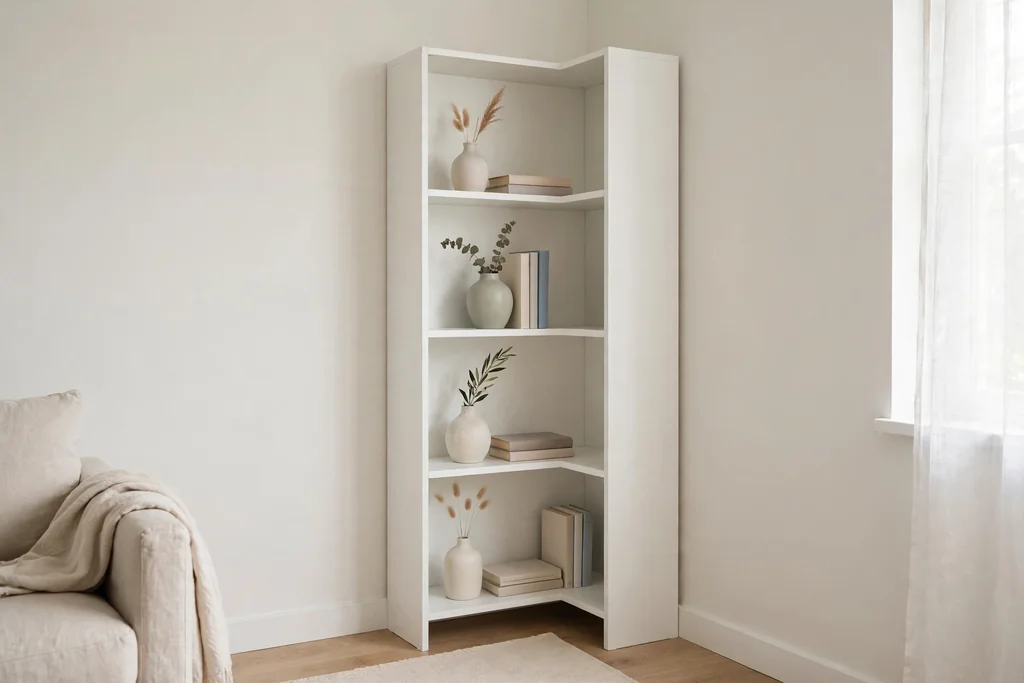
    15. Tall Narrow Bookshelf for a Tight Wall
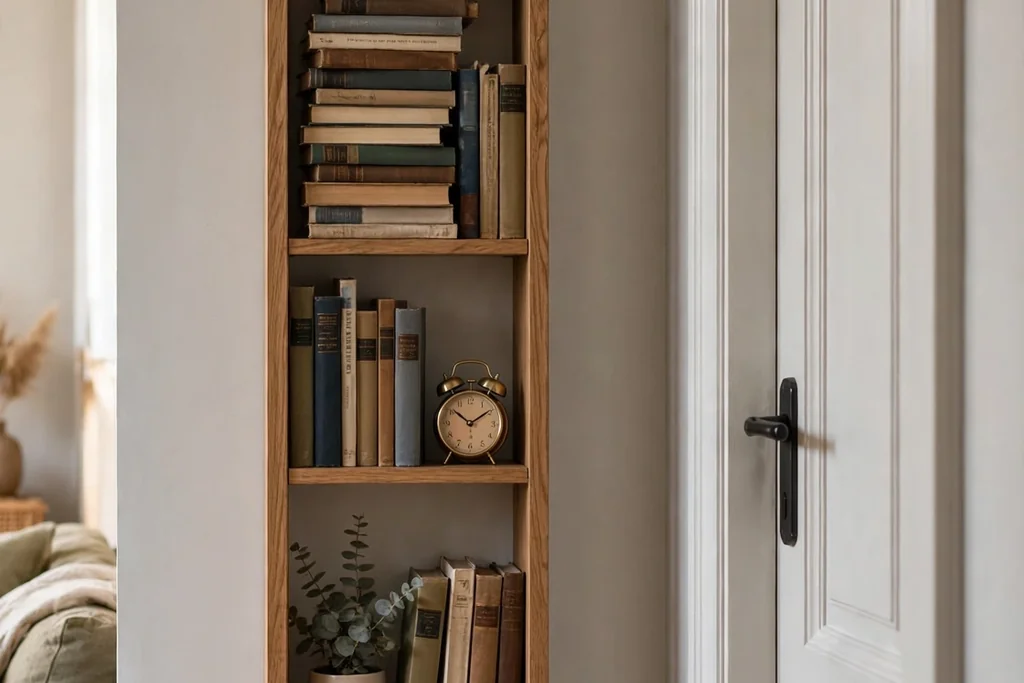
    Tall narrow bookshelf fitted on a slim living room wall beside a door, holding books and a small clock.

    Use a tall, narrow bookshelf on a wall that is too slim for a wide bookcase, such as a wall beside a door, a fireplace, or a window. A narrow unit holds a surprising number of books when the shelves are adjustable, especially if you mix upright rows with one horizontal stack per shelf. Measure the width from both sides, including skirting boards and door frames, before you buy.

    Use the top shelf for a light plant or a small clock, and keep the middle shelves for books you use weekly. A narrow shelf also works well in a pair, one on each side of a door or a fireplace, where two slim units frame the feature. Choose adjustable shelves if your collection mixes tall art books and small paperbacks.

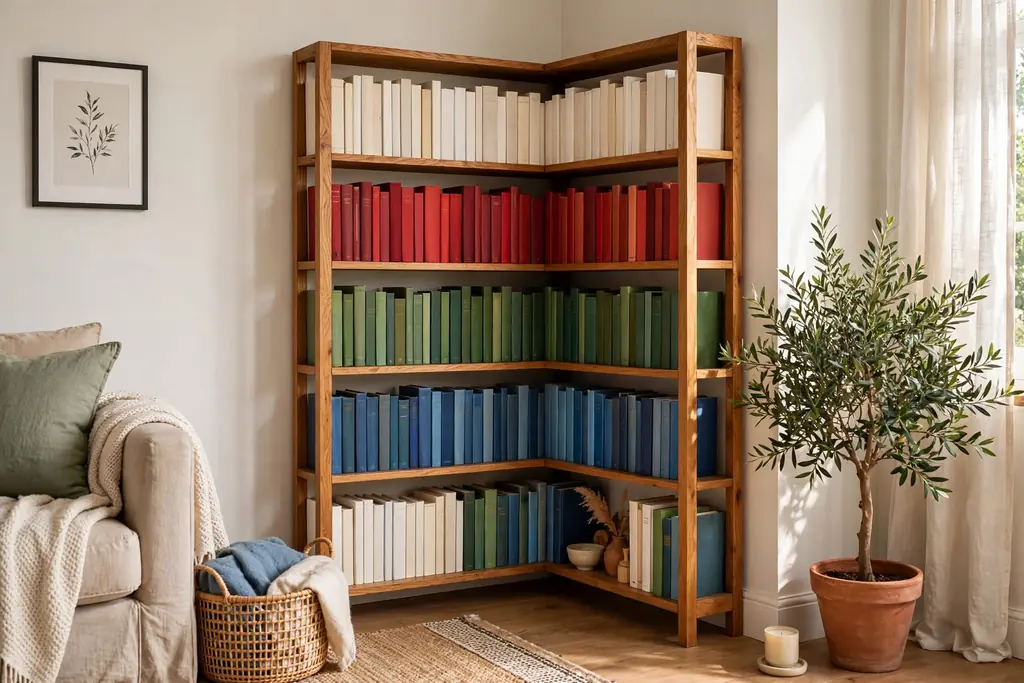
    16. Muted Color-Blocked Book Display
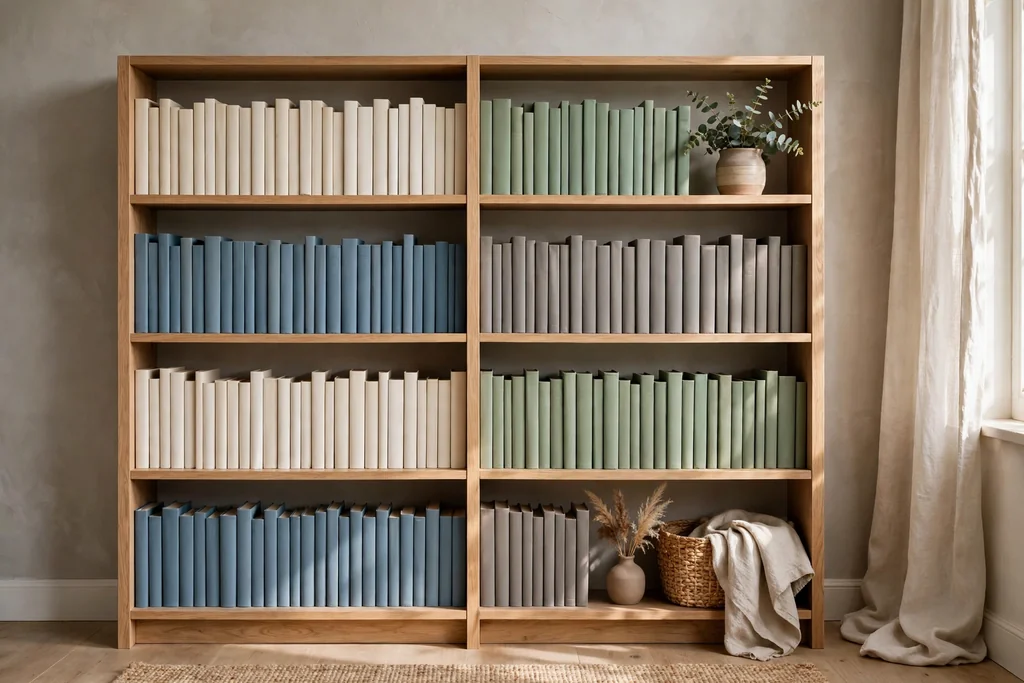
    Bookshelf with books arranged in muted color blocks of cream, sage, dusty blue, and warm grey.

    Arrange books by spine color in soft, muted blocks, such as cream, sage, dusty blue, and warm grey, for a shelf that works as calm display as well as storage. Muted color blocking suits a chic room better than bright blocks, since the colors stay close to the room palette. Work shelf by shelf, and keep one neutral block for books that do not fit any color group.

    Accept that color order is not subject order, so keep a small group of daily reference books together at eye level regardless of color. Step back and check the blocks from the sofa, since a block that looks even up close can look patchy from across the room. Re-sort only when you add a batch of new books, not after every single purchase, or the system becomes a chore.

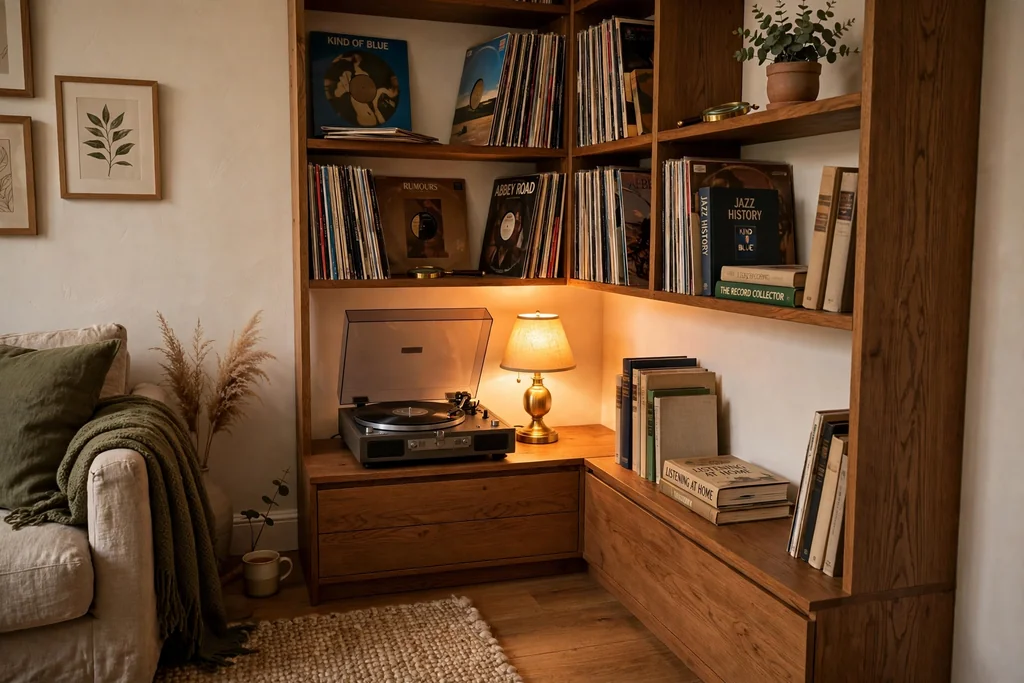
    17. Bookshelf with Warm Shelf Lighting
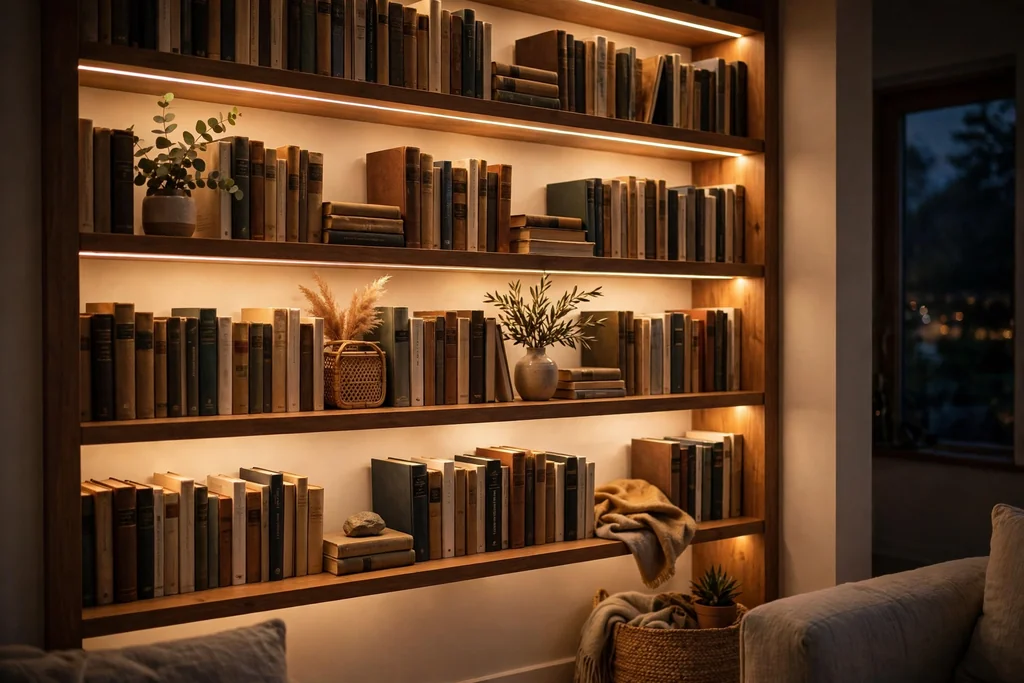
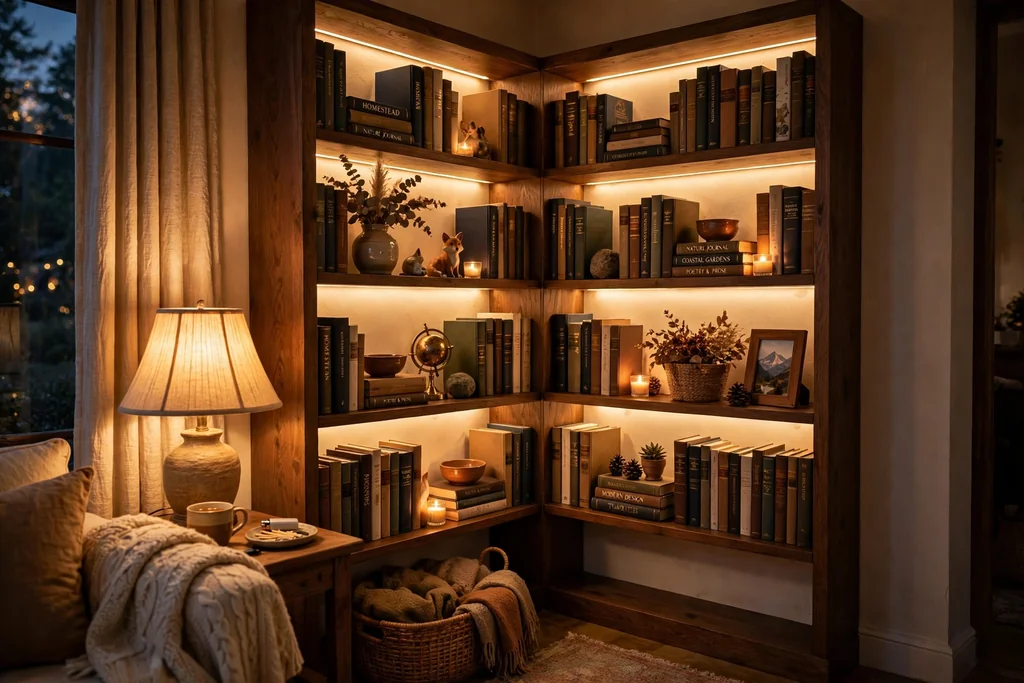
    Living room bookshelf lit with warm shelf lights in the evening, books glowing softly.

    Add warm light to a bookshelf with slim shelf lights, a small picture light, or a lamp placed to wash across the spines. Light matters on a shelf wall because shelves are often in the darker part of a room, and a dark shelf will stay unused even when the books are good. Warm white light suits a living room better than cool white, which can make wood and paper look harsh.

    Place lights under each shelf or along the top, and hide cables behind the unit or in a cable channel. Battery lights suit a rented home, while wired lights suit a built-in shelf planned in advance. Test the light level at dusk, and add one brighter reading light beside the chair if the shelf light alone is not enough to read by.

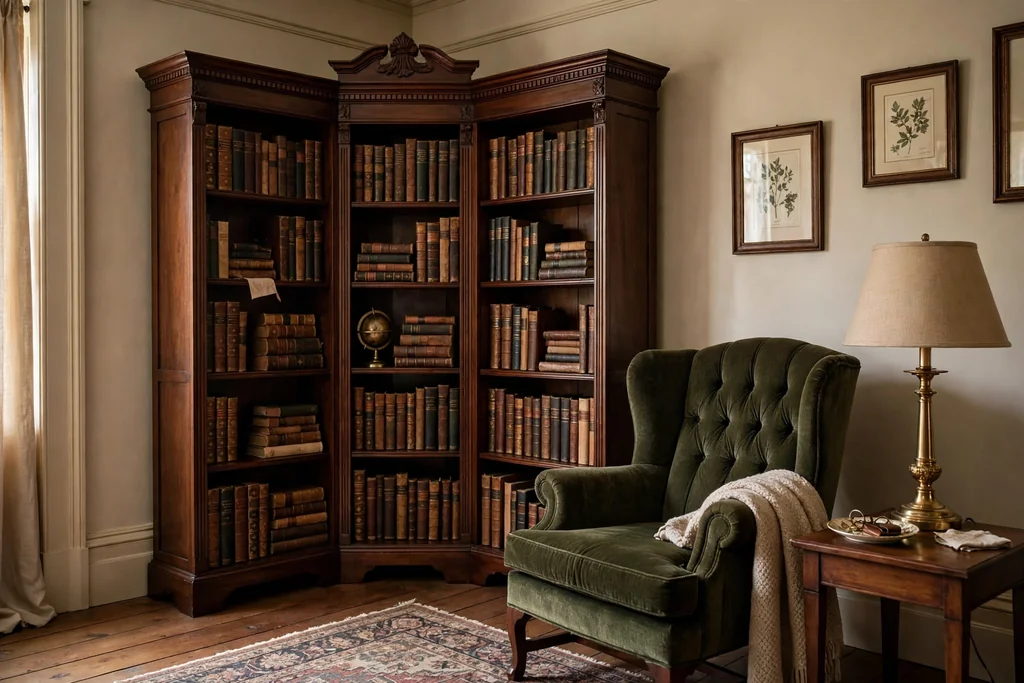
    18. Vintage French Style Gilt Bookcase
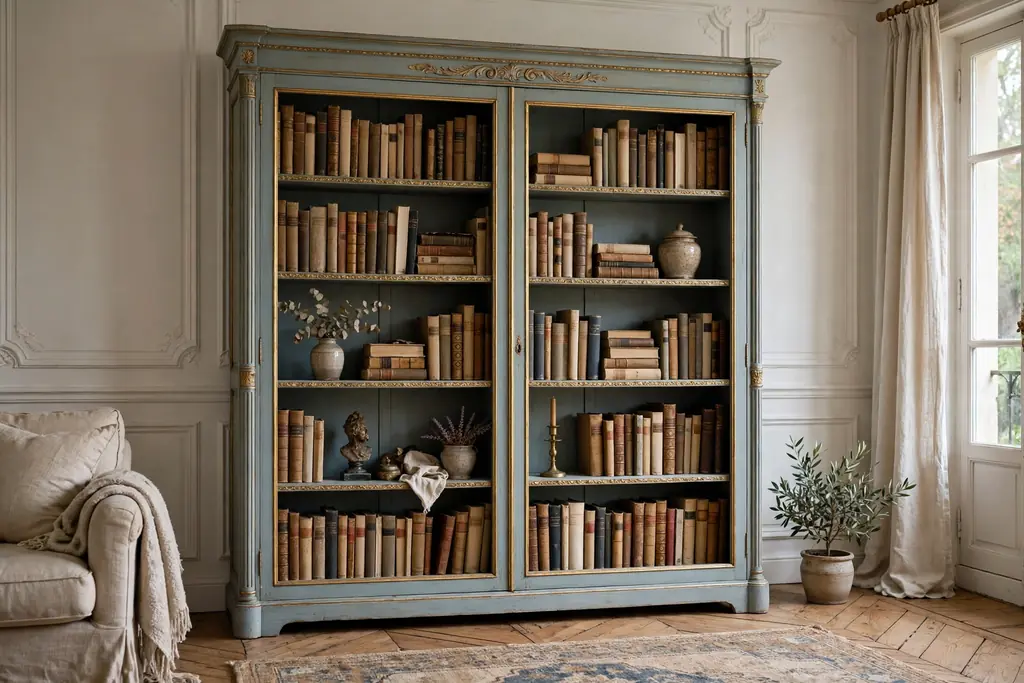
    Vintage French style bookcase with a painted frame and slim gilt trim in a living room, holding books.

    Choose a vintage French style bookcase, with a painted frame, carved details, and slim gilt trim, for a room with classic furniture and soft colors. The carved frame gives the shelf a furniture feel, while the gilt detail keeps it from looking plain. This style suits leather-bound books, pale ceramics, and a linen armchair nearby.

    Keep the walls around it pale, so the carved frame stays the detail, and avoid crowding the shelves, since a carved unit already carries a lot of visual detail. Put the heaviest books on the lowest shelves, and use bookends that match the gilt or the painted frame. Check secondhand shops for a frame with good joints, since an old frame often suits this look better than a new copy.

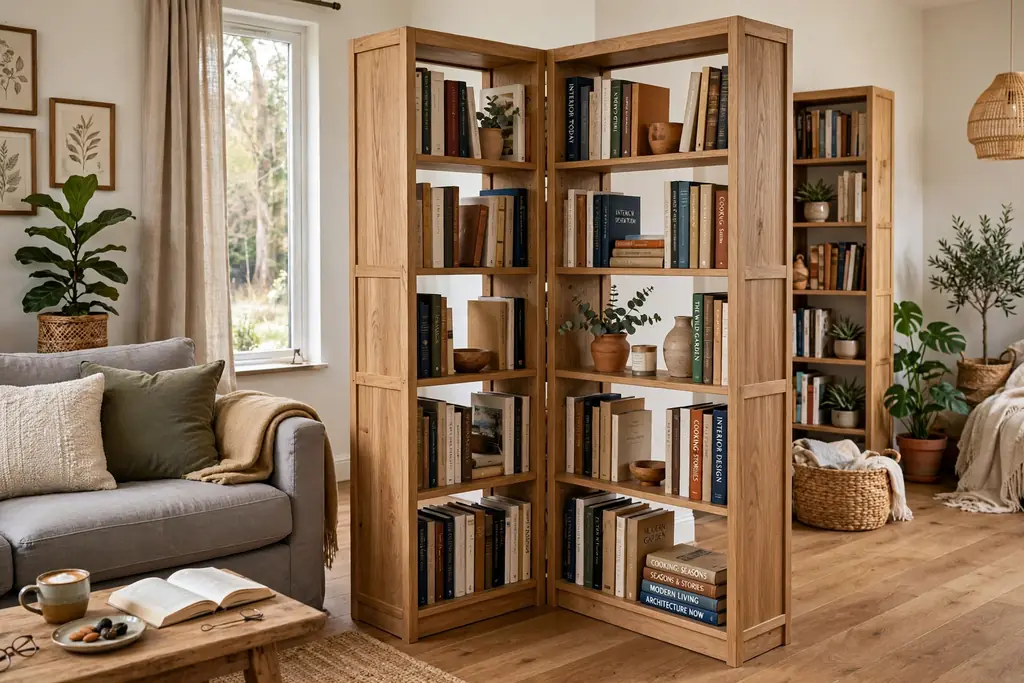
    19. Bookshelf as an Open Plan Divider
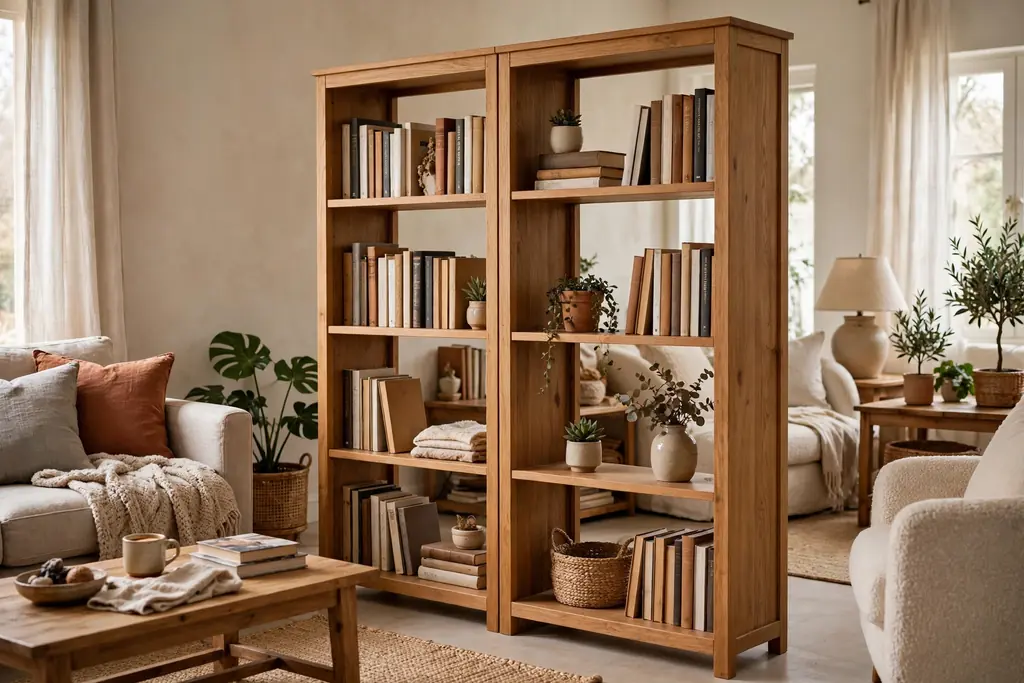
    Freestanding double-sided bookshelf used as a room divider in a living room, books visible from both sides.

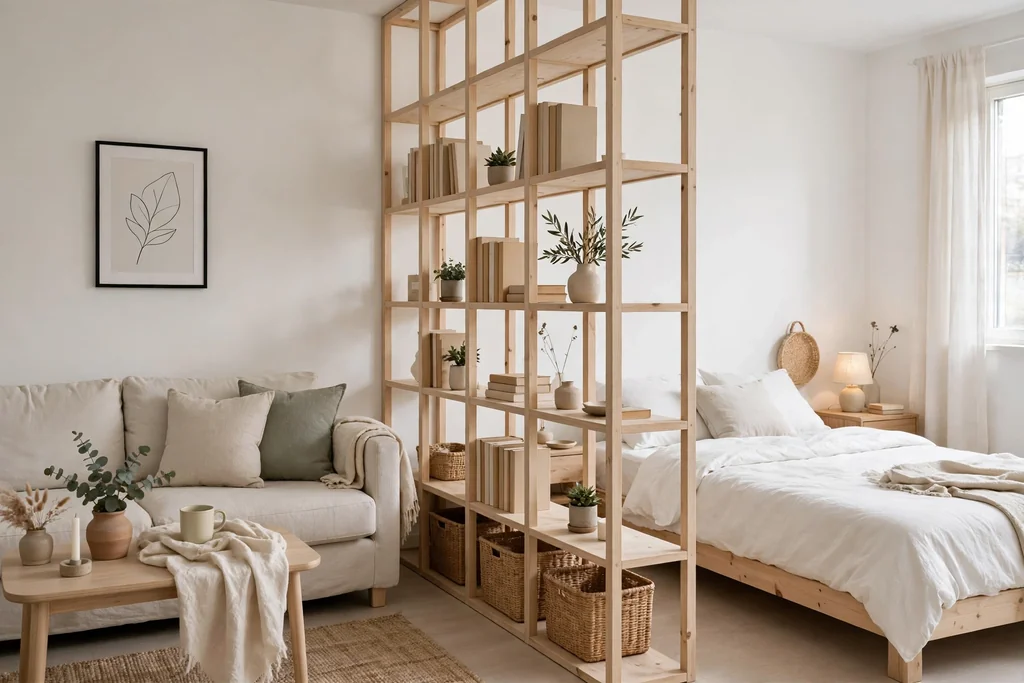
    Place a freestanding double-sided bookshelf at an angle to a wall to divide a living area from a dining or work zone. Books visible from both sides make the divider feel like furniture, not a barrier, and the unit gives both zones their own storage. Choose a unit open on both sides when you want light to pass through, and with a solid back on one side only if you need to hide one zone.

    Anchor the divider to the floor or to a wall bracket where possible, since a freestanding unit can tip if a child climbs it. Keep heavy books low on both sides, and leave the top shelf for light items. This idea suits an open plan room where the shelf marks the edge of the living zone, and it works best when the divider is no taller than eye level from the seating side.

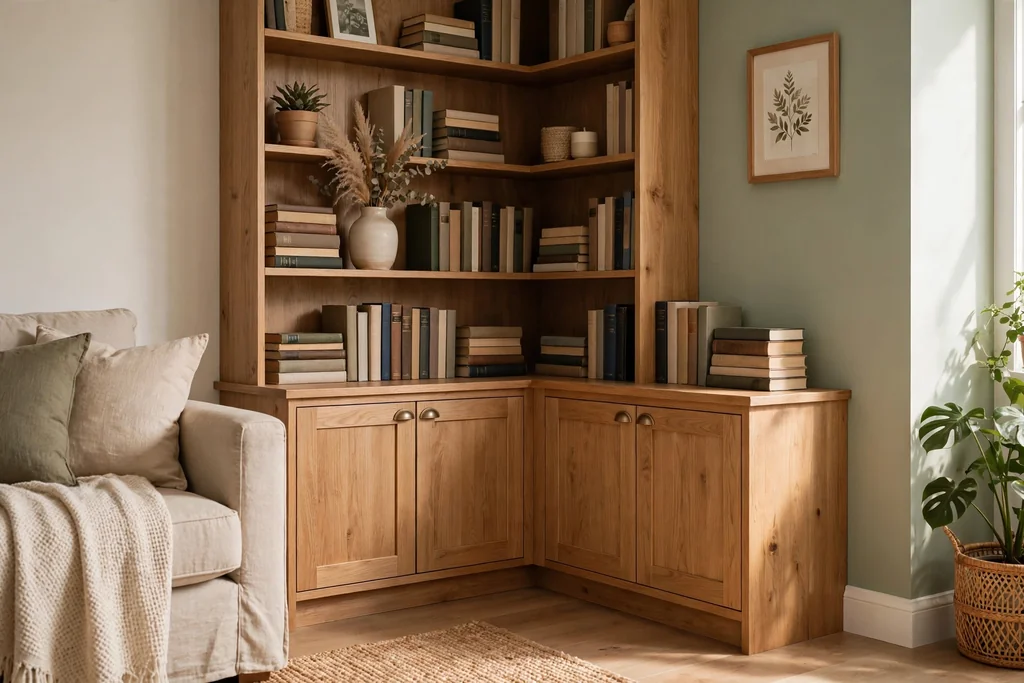
    20. Bookshelf with Closed Cabinets Below
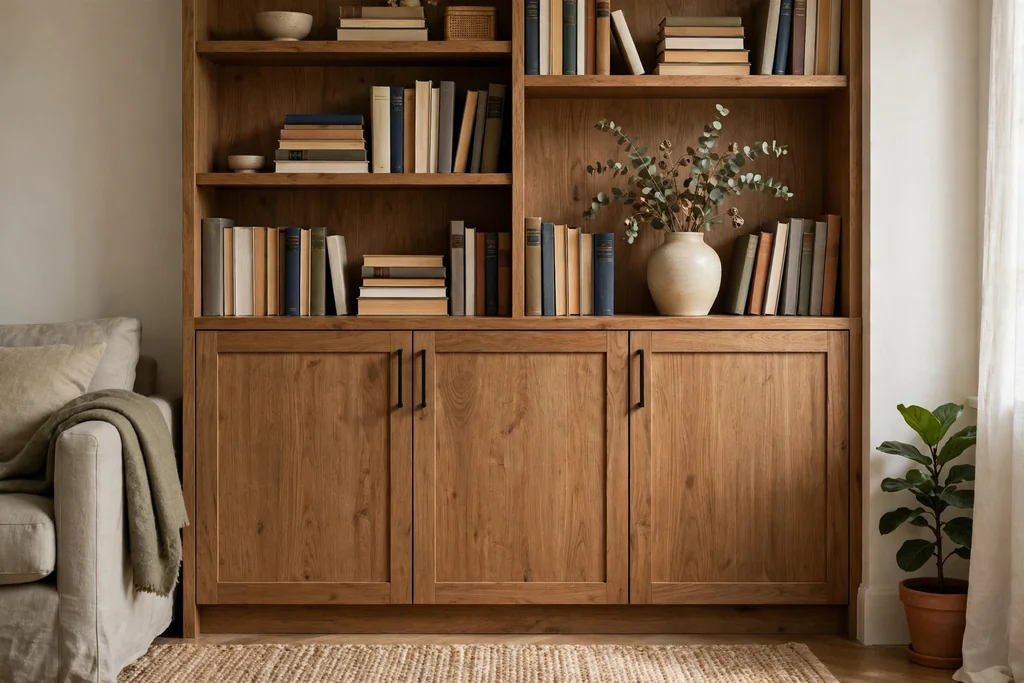
    Bookshelf with closed cabinets below and open shelves above in a living room, books and a vase on the open shelves.

    Combine open shelves above with closed cabinets below, so the wall holds books you want to see and clutter you want to hide. Cabinets below suit board games, chargers, photo albums, and oversized books that do not stand well on open shelves. Keep the cabinet doors plain and matched to the shelf color, so the unit reads as one piece.

    Put the books you reach for most on the open shelves at eye level, and use the cabinets for items you need weekly rather than daily. For spacing and grouping lessons that carry over from other rooms, the corner shelf advice in these kitchen bookshelf ideas shows how to measure a tight space and keep books within easy reach. Label the inside of a cabinet door if the household shares the storage, so games and albums go back to the right place.

    21. Bookshelf with a Drinks Cabinet Section
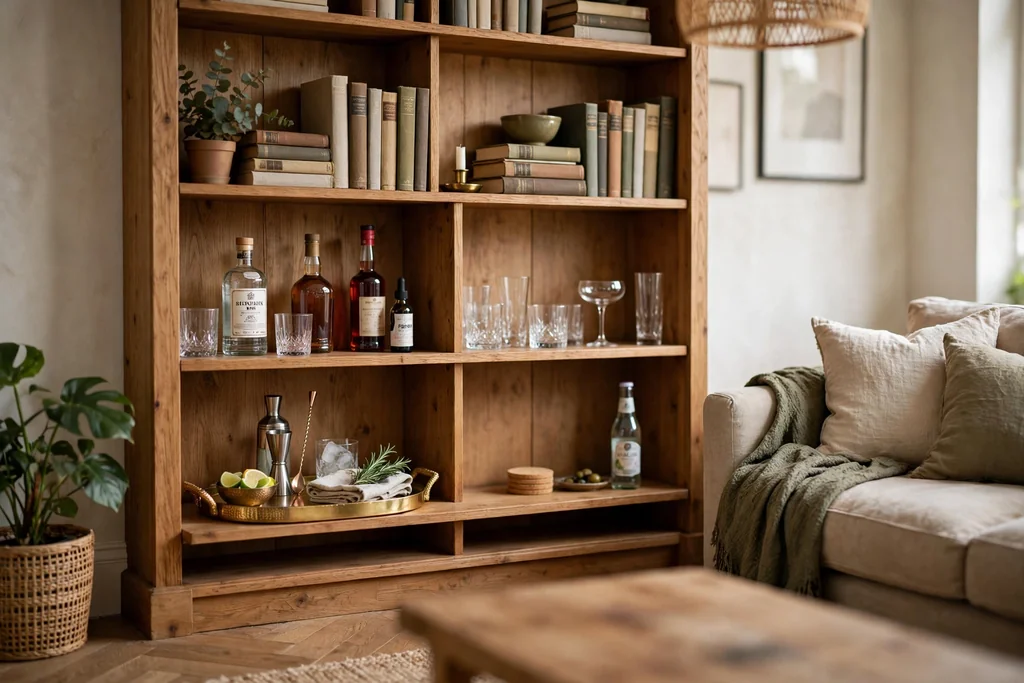
    Bookshelf section used as a drinks cabinet in a living room, with glasses, bottles, and a serving tray.

    Give one section of a bookshelf a second job as a drinks cabinet, with glasses on one shelf, bottles on a lower shelf, and a small tray for serving. A drinks section suits a living room shelf used for hosting, since guests can help themselves without a separate bar cart. Keep the drinks section to one bay of the unit, so the wall still reads as a bookshelf first.

    Store bottles low and upright, keep glasses away from the shelf edge, and wipe the shelf after use, since spills damage paper fast. Use a small tray to gather bottles and glasses, so the section stays tidy between gatherings. Keep this section out of reach of small children, and keep it clear of candles and open flames.

    22. Bookshelf Gallery Wall with Art Above
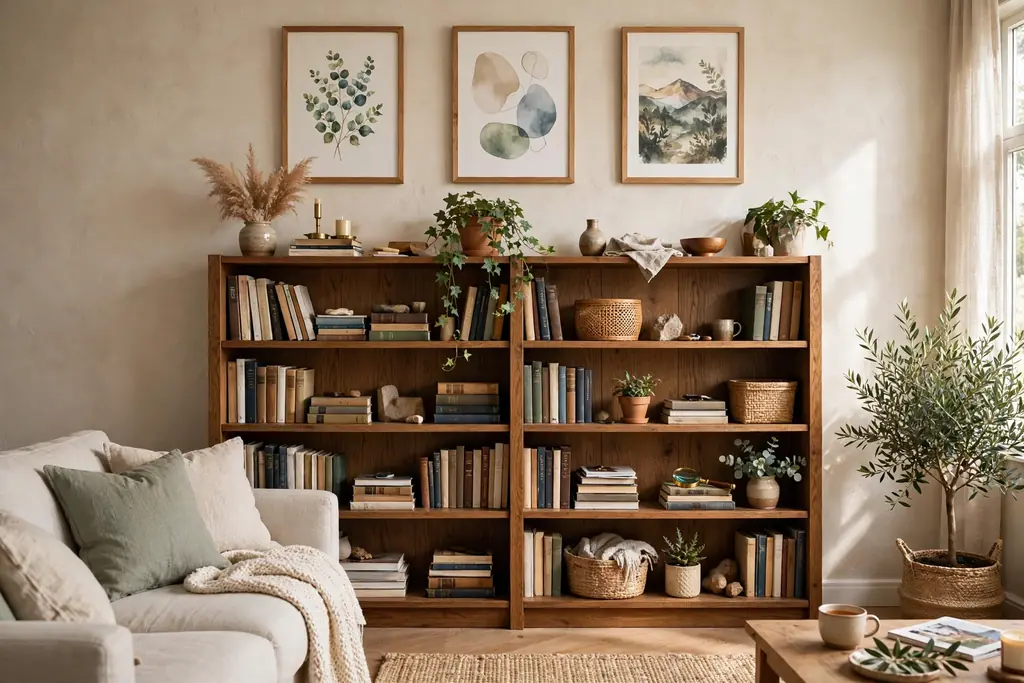
    Bookshelf in a living room with framed art prints hung on the wall above the shelves.

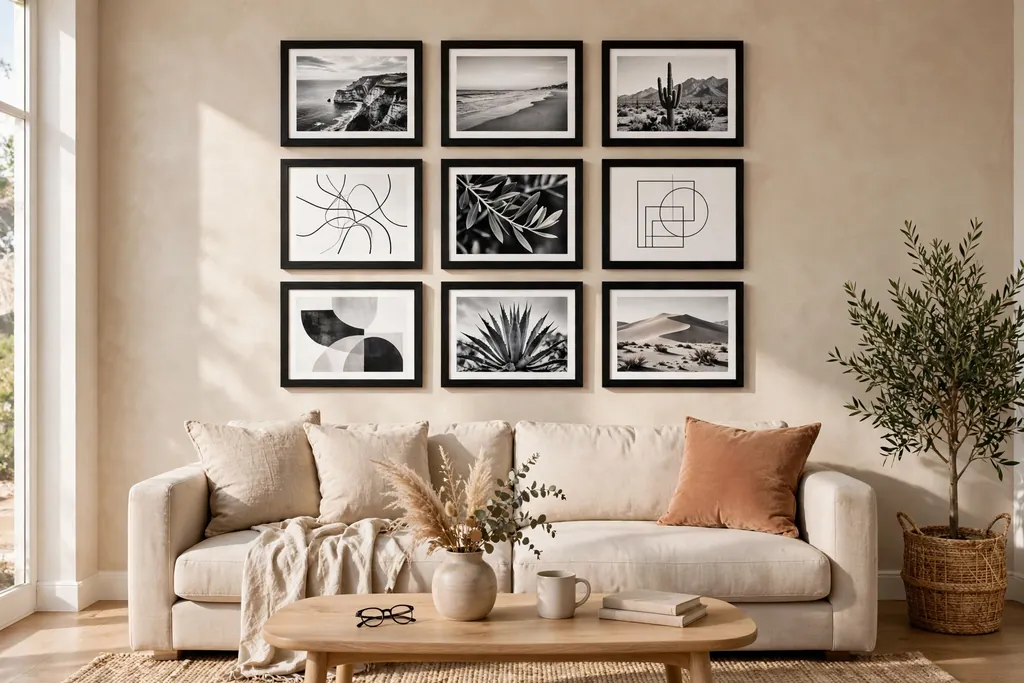
    Hang framed art, prints, or photos on the wall above a bookshelf, so the wall reads as a small gallery as well as a library. Art above the shelves draws the eye up and stops the shelf wall from feeling like storage alone. Keep the frames consistent in color or material, and hang the center of the group at eye level when seated, so it suits the chair below.

    Start with three or four pieces and add over time, rather than filling the wall in one go. Use art with pale backgrounds and soft colors if the shelves are already colorful, or bold prints if the books are mostly neutral. Leave a gap between the top shelf and the lowest frame, so you can lift books out without knocking a frame.

    Conclusion

    A chic book shelf starts with the wall itself, not the shopping list. Measure the wall, decide what the shelf must do, and pick one idea from this list that fits that job. Anchor tall units, put heavy books low, leave breathing room, and add warm light so the shelf gets used after dark. Start with the books you reach for most, style one shelf at a time, and let the shelf grow as your collection grows. A shelf that holds books you love, a chair you sit in, and a lamp you switch on each evening will feel lived in because it is lived in.

    Save this list on Pinterest before your next living room refresh, and start with the wall closest to your favorite seat.

    FAQs

    How do I make a bookshelf look chic rather than cluttered?

    Leave gaps on every shelf, group books by height, and limit non-book items to about one per shelf. Pick one frame color and one accent metal, and repeat them with restraint, rather than adding a new color on each shelf. A shelf that is packed edge to edge looks like storage, while a shelf with gaps, one plant, and one ceramic looks like a room you live in.

    What color bookshelf looks most chic in a living room?

    White, sage green, and black are the safest chic choices, since each gives a clear base for books and ceramics. White suits a pale room, sage suits a room with plants and wood, and black suits a room used in the evening, where lamplight warms the finish. Test a painted sample in daylight and lamplight before you paint a full unit, since color shifts a lot between the two.

    How do I light a bookshelf without wiring?

    Use battery shelf lights under each shelf, a battery picture light above the top shelf, or a floor lamp placed to wash light across the spines. Battery lights suit a rented home, while wired lights suit a built-in shelf planned in advance. Test the light at dusk, keep cables or battery packs behind the unit, and add a reading lamp beside the chair if shelf light alone is not enough to read by.

    How many books should I put on each shelf?

    Leave about a tenth of each shelf empty, so you can slide books out and add new titles without restacking the whole row. Group books by height, use bookends at open ends, and mix upright rows with one horizontal stack per shelf for a relaxed look. A partly empty shelf is not wasted space: it is the space that lets you use the shelf without a restack each time.

    Can a chic bookshelf work in a small living room?

    Yes, if you choose a light option and keep the floor clear. Floating shelves, a ladder shelf, or a low credenza suit a small room better than a floor-to-ceiling built-in, which can crowd the wall. Use pale colors, leave gaps on the shelves, and keep the seating small enough that the walking route past the shelf stays clear. A small shelf that holds the books you read now is more useful than a large one that blocks the room.

    How do I anchor a tall bookshelf safely?

    Fix tall or freestanding shelves to the wall with brackets or straps rated for the unit weight, using fixings suited to your wall type. Put heavy books low, keep the unit level, and check the fixings after the first few weeks of use. Anchor even low units in a home with children, since a child may climb or pull on a shelf. If you rent, ask about approved fixings before you drill.
  • 28 Black and Beige Living Room Ideas That Feel Right

    28 Black and Beige Living Room Ideas That Feel Right

    Black and beige is a pairing that looks simple and can go wrong fast. Too much black makes a room feel heavy and closed in, while too much beige can feel flat and unfinished. The rooms that get it right use beige for the large, light surfaces and black in clear, repeated doses: a sofa, a frame set, a table, a lamp. These 28 black and beige living room ideas show how to set that balance in rooms of different sizes and styles, from a bold black sofa wall to quiet details such as black piping on a beige sofa. Start with the biggest piece first, then repeat the darker tone two or three times around the room so it reads as a plan.

    Key Takeaways

    • Let beige carry the large surfaces: walls, the biggest rug, and often the largest sofa, so black can act as contrast instead of closing the room in.
    • Repeat black at least three times, such as a sofa, a table, and frames, so one dark piece does not look like a mistake.
    • Use texture to soften the contrast: linen, boucle, wool, leather, wood grain, and woven baskets all count as contrast here.
    • Keep lighting warm and layered, since black absorbs light and beige reflects it, and the two need different handling.
    • Test paint and fabric samples in daylight and evening light before committing, since black and beige both shift a lot between the two.
    • In a small room, keep black slim and low, and let beige cover more wall and floor area.

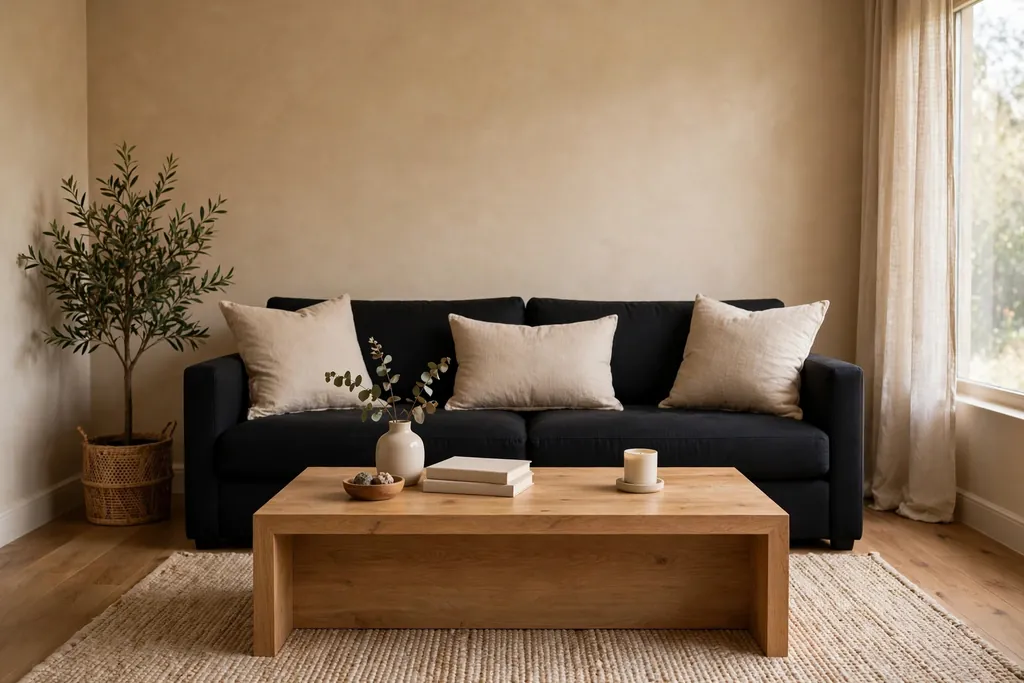
    1. Anchor the Room With a Black Sofa on Beige Walls

    Black sofa against warm beige walls with beige cushions and a wood coffee table.

    Put a black sofa against warm beige walls for the clearest version of this pairing. The beige keeps the room light, while the black sofa gives it a firm center that does not need much else to look finished. Keep the wall beige warm rather than grey beige, so the sofa reads as rich instead of stark, and leave beige visible above and beside the sofa with a light rug edge or a beige throw.

    Add two or three beige cushions in different textures, such as linen and knit, so the sofa does not look like a solid block. A wood or black coffee table in front repeats the dark tone at a lower level. For more help with a dark sofa shape and shade, these grey couch living room ideas cover how a dark sofa behaves in rooms of different sizes and light levels.

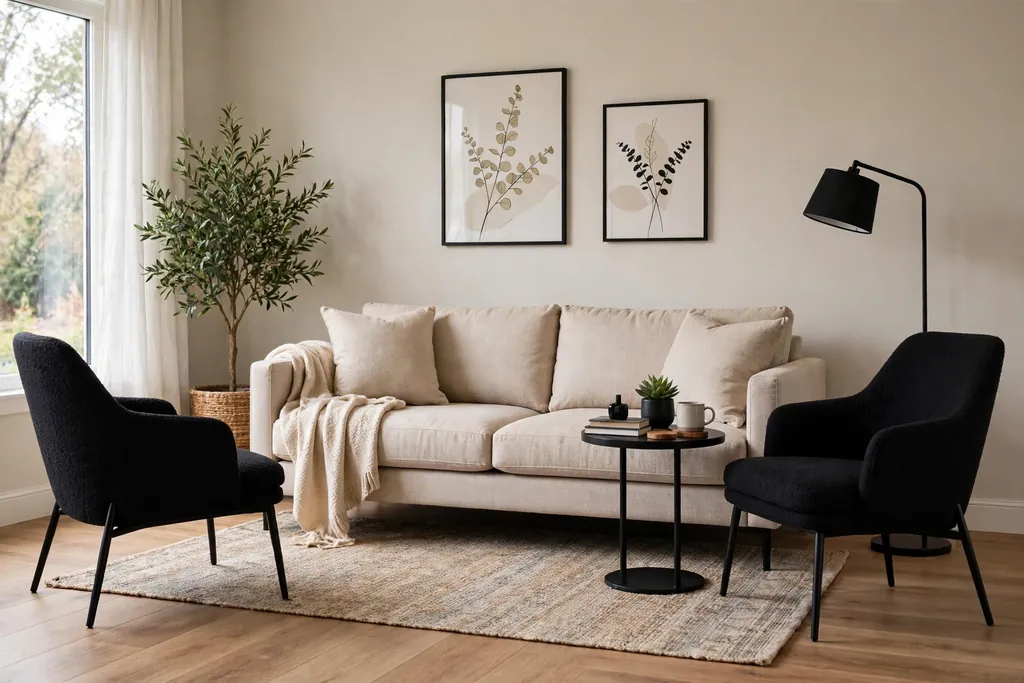
    2. Reverse It With a Beige Sofa and Black Accent Chairs

    Beige sofa with two black accent chairs and a small black side table.

    Reverse the usual balance when you want a lighter room that still feels grounded. A beige sofa keeps the largest piece light, while two black accent chairs pull the eye across the room and stop the beige from floating. Choose chairs with a different shape from the sofa, such as slim legs against a soft sofa frame, so the pairing reads as a deliberate contrast.

    Place a small black side table between the chairs to repeat the chair tone and give each chair a surface. This arrangement suits rooms with good daylight, since beige upholstery shows marks more easily in bright light, so washable covers are a practical choice if the sofa gets daily use.

    3. Paint One Black Feature Wall Behind the Sofa

    Black feature wall behind a beige sofa with a cream framed print.

    Paint one wall black behind the sofa and keep the other walls beige to give the room depth without darkening the whole space. A matte or eggshell black finish reads softer than a high gloss finish, and it makes beige cushions and light art stand out against it. Hang a beige or cream framed print on the black wall so the seating zone has a clear focal point.

    This idea suits a room with a long, unbroken sofa wall. In a room with many doors or windows on that wall, a black feature wall can look broken up and lose its effect, so test the tone on a large board first and check it in daylight and evening light.

    4. Frame the View With Black Window Frames and Beige Walls

    Living room with black window frames, beige walls, and light curtains.

    Black window frames give a beige room a sharp outline and make the view outside feel like a framed picture. This works best when the frames are repeated elsewhere, such as in picture frames or a black lamp, so the windows do not stand alone. Keep the walls a warm beige and the window treatments light, so the dark frames read as detail rather than heaviness.

    If replacing frames is not an option, painting existing frames black gives a similar outline for less work, but check the paint suits the frame material and can handle sun and condensation. Clean the frames regularly, since dust shows more clearly on black than on white.

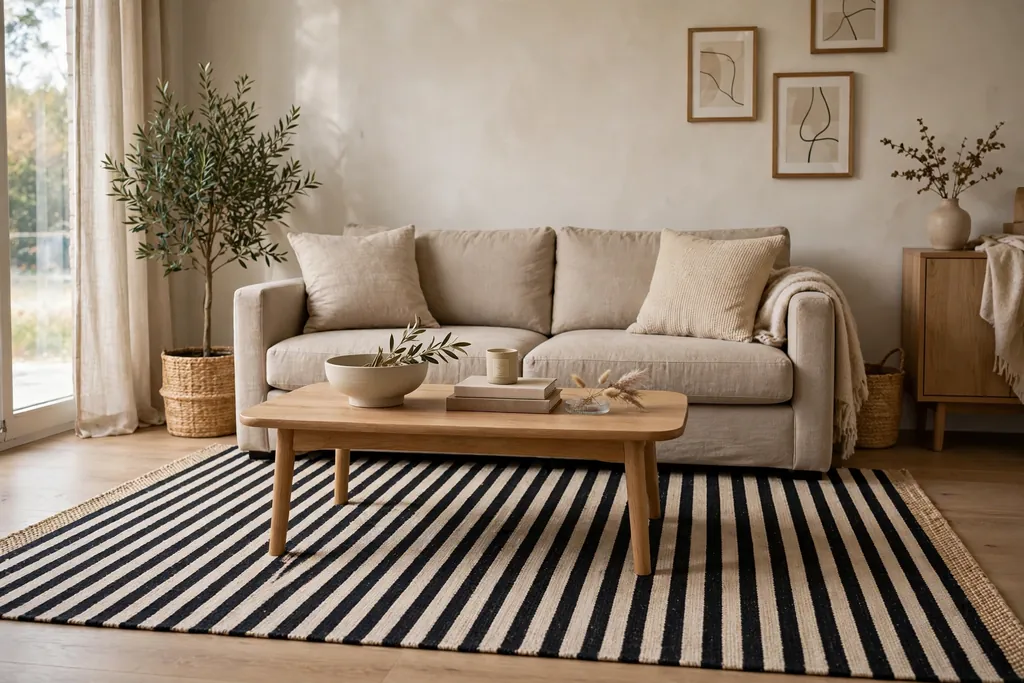
    5. Set the Balance With a Striped Black and Beige Rug

    Striped black and beige rug under a beige sofa and coffee table.

    A striped rug in black and beige sets the room balance at floor level in one move. Wide stripes in soft black and warm beige feel calm, while narrow stripes in stronger contrast feel livelier. Run the stripes across the room to make it feel wider, or toward the window to draw the eye outward.

    Size the rug so the front legs of the sofa and chairs rest on it, and keep the rest of the seating fairly plain so the rug leads the pattern story. A flatweave rug suits a busy room, since it is easy to clean and chairs slide across it without catching.

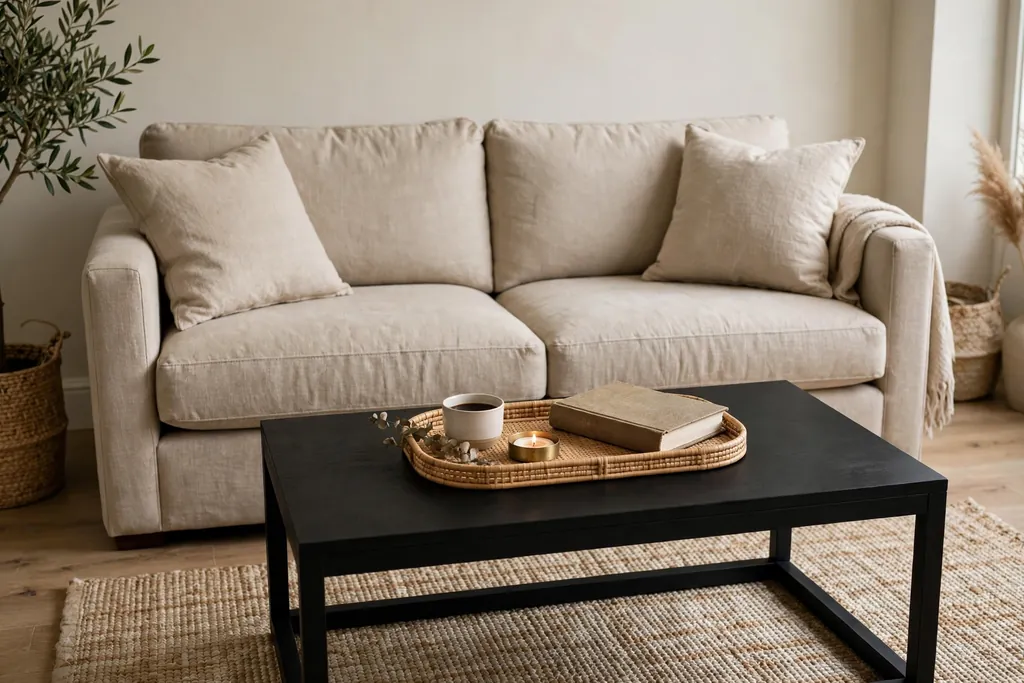
    6. Ground a Beige Sofa With a Black Coffee Table

    Black coffee table in front of a beige sofa with a tray and a book.

    When the sofa, walls, and rug are all beige, a black coffee table is enough dark tone to ground the room without repainting anything. Choose a table with a simple shape and a matte finish, so it reads as a solid anchor rather than a shiny object. Keep the top mostly clear, with one tray, a book stack, or a small plant, so the table shape stays visible.

    A lower, wider table suits a long sofa, while a round table suits a tight seating group where corners would catch shins. Wipe the top after use, since dust and rings show more readily on black than on wood.

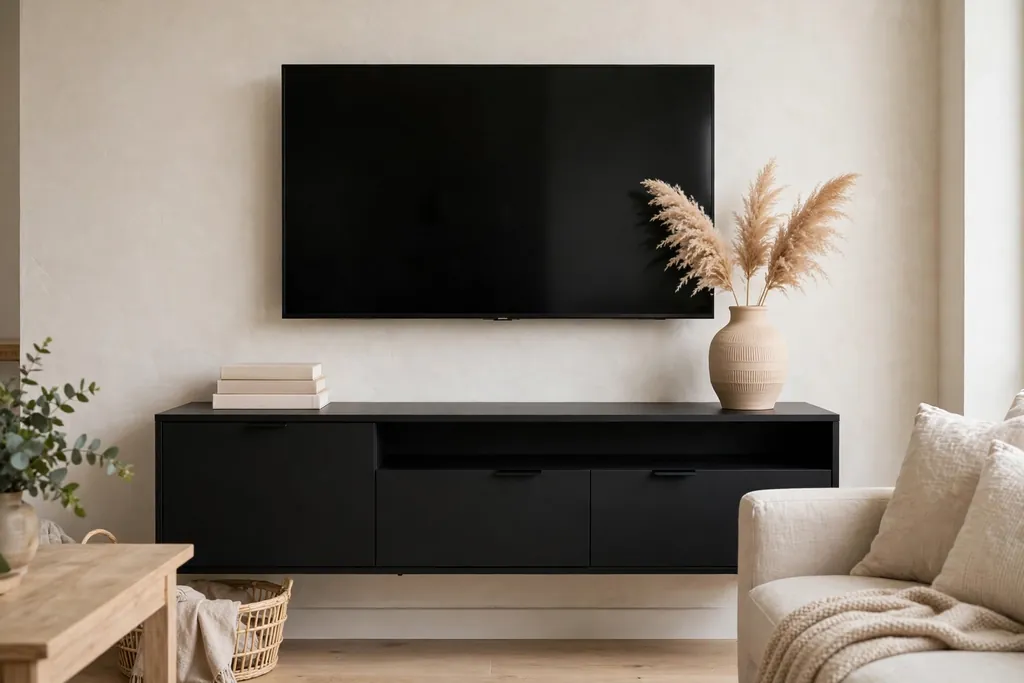
    7. Build a Black Media Console With Beige Decor on Top

    Black media console under a television styled with a beige vase and light books.

    A television wall can look like a blank screen and dark boxes, but a black media console grounds it and beige decor softens it. Choose a console in black wood or matte black that is wider than the television, so the screen does not overhang the furniture, and keep cables hidden inside or behind the console.

    Style the top with light objects, such as a beige vase, a stack of light books, or a small plant, and leave space around the television vents following the maker guidance. If the room is used for conversation as well as viewing, place the console and seating so chairs can turn toward each other without moving heavy furniture.

    8. Hang a Gallery Wall in Black Frames on a Beige Wall

    Gallery wall in black frames on a beige wall above a sofa.

    Black frames on a beige wall give a gallery wall structure without adding color that competes with the art. Use frames in one black tone, vary the frame sizes while keeping the spacing even, and plan the layout on the floor first, starting with the largest piece in the center, then building outward.

    Mix art, photographs, and one textile piece, such as a woven hanging, for texture. Keep the bottom of the gallery above sofa back height if it hangs over seating, so nobody brushes against the frames when sitting down. Mark hanging points with tape before making holes.

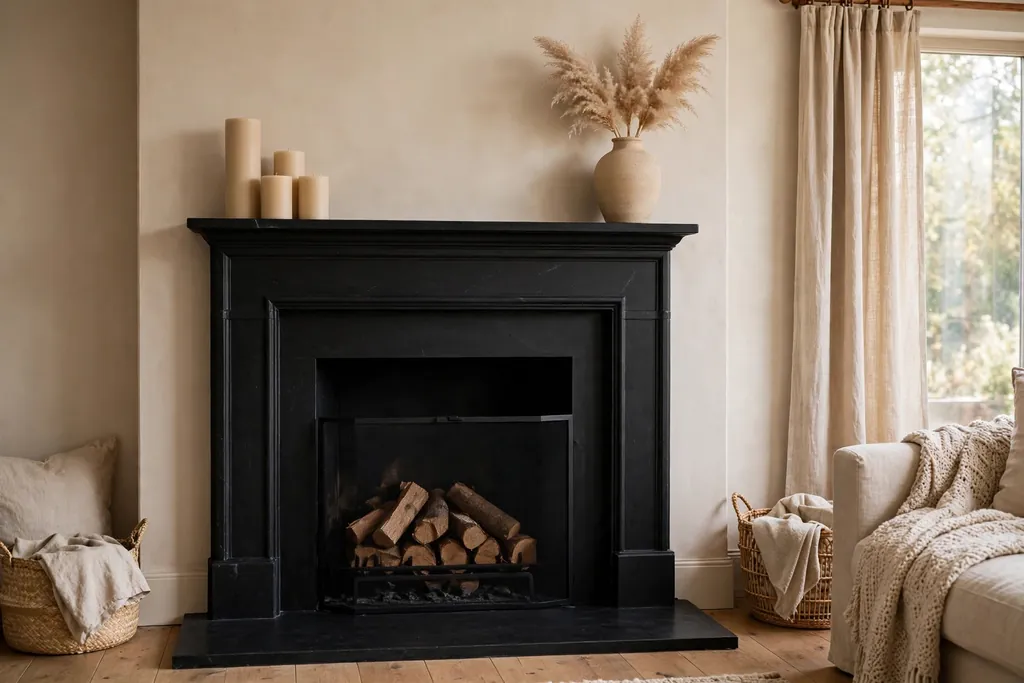
    9. Pair a Black Fireplace Surround With a Beige Mantel Display

    Black fireplace surround styled with beige candles and a beige vase on the mantel.

    A fireplace is a natural focal point, and a black surround with beige styling on the mantel keeps it warm rather than gloomy. If the surround is black stone, tile, or painted wood, keep the mantel objects light: beige candles, a beige vase, light framed art, or a beige clock. Leave breathing space between objects so the mantel does not look crowded.

    Keep anything that can burn well clear of the fire opening, following the fireplace maker instructions. A mirror or light art above the mantel reflects light back into the room, which matters most when the surround itself absorbs light.

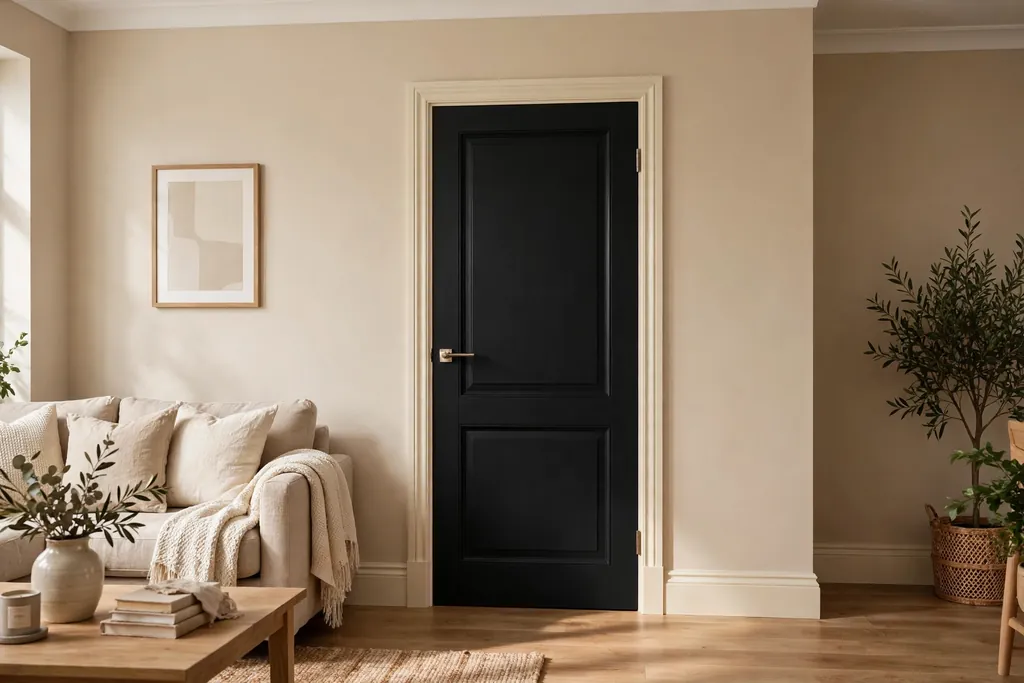
    10. Paint an Interior Door Black in a Beige Room

    Black interior door with beige walls and cream trim in a living room.

    Paint an interior door black to add a strong vertical line of contrast without changing any furniture. A black door suits a beige hallway opening into the living room, or a living room door that would otherwise disappear into beige walls. Keep the trim beige or cream, so the door reads as a deliberate feature rather than a dark hole.

    Use a durable paint suited to doors, since doors get touched daily, and check the finish in evening light before painting every door in the house. One or two black doors are enough; painting all of them can make a small home feel chopped up.

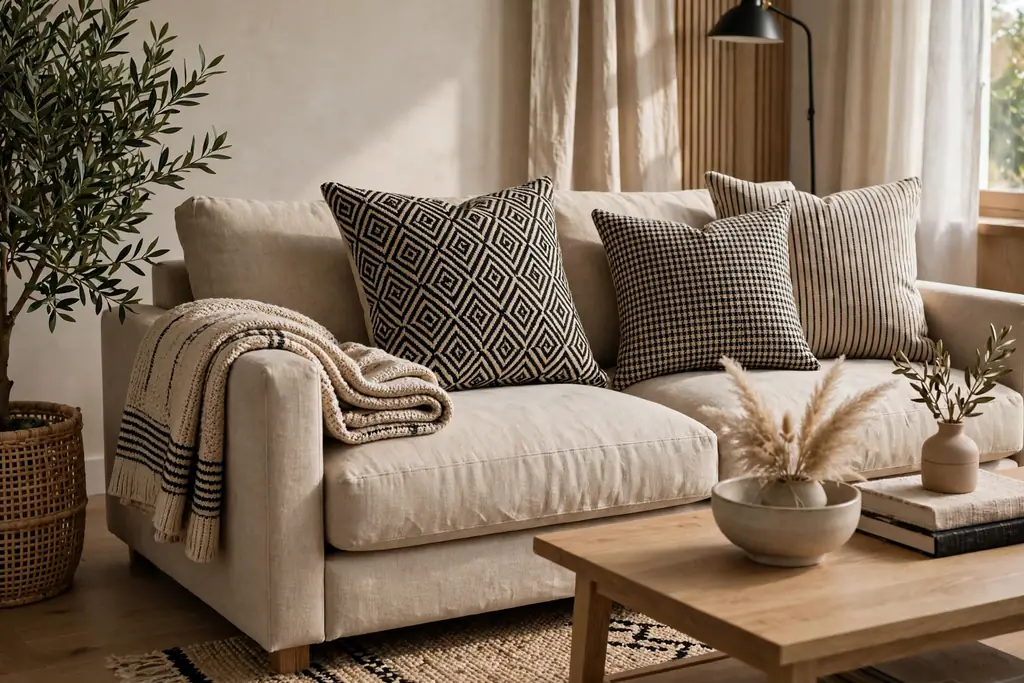
    11. Mix Black and Beige Patterns in Cushions and Throws

    Sofa with mixed black and beige patterned cushions and a folded throw.

    Pattern is where black and beige can play without changing any furniture. Combine one large scale pattern, such as wide stripes or a bold check, with one small scale pattern, such as a dot or a fine stripe, and keep the rest plain so the eye has somewhere to rest. Use the same two tones in every pattern, so a black and beige stripe sits happily beside a beige cushion with a black border.

    Swap cushion covers with the seasons if you like a change: heavier wool or knit textures for cold months, lighter linen for warm months. Keep the total number of patterned cushions to three or four on a standard sofa, since more than that can make the seating look busy.

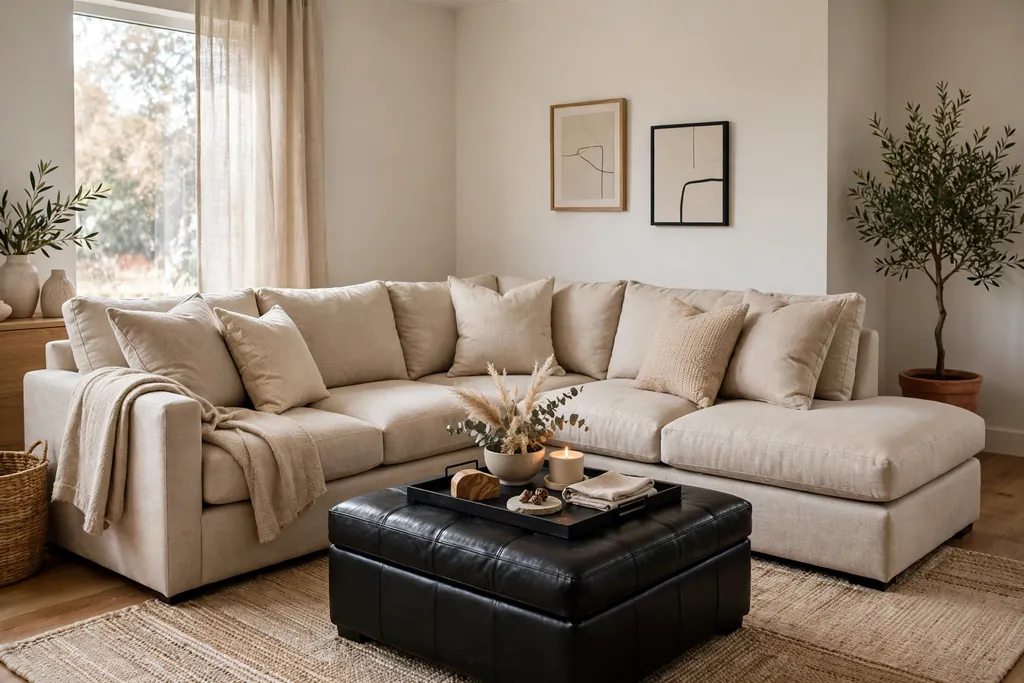
    12. Choose a Beige Sectional With a Black Ottoman

    Beige sectional with a black ottoman holding a tray.

    A beige sectional gives a large family room a light base, while a black ottoman keeps it from feeling washed out. Pick cushions in two tones, such as beige and a darker taupe, plus one patterned cushion that combines black and beige, so the dark tone is repeated across the sectional rather than sitting in one spot.

    A black leather or wood ottoman can serve as a coffee table with a tray on top, and as extra seating when guests visit. Measure the full sectional, including the chaise or return, before ordering, and leave a clear walking route around at least one end so the large piece does not block the room.

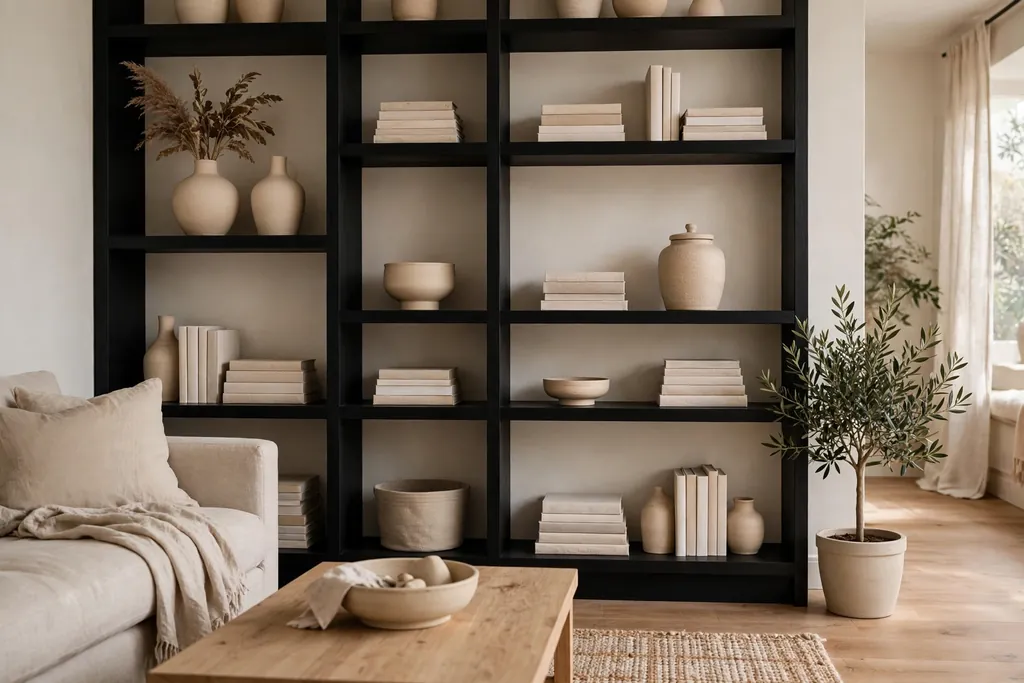
    13. Style Black Shelves With Beige Ceramics and Books

    Black shelves styled with beige ceramics, light books, and open gaps.

    Black shelves, whether built in or freestanding, look their best when the objects on them include plenty of beige. Place beige ceramics, light books with beige spines, and a beige vase among darker wood and leather bound books, and leave open gaps so each shelf reads as a display rather than storage.

    Start with the largest pieces, vary the shapes, and leave visible gaps. Anchor tall shelving to the wall following the maker instructions, keep heavy items low, and put everyday items at hand height so the shelves stay useful as well as decorative.

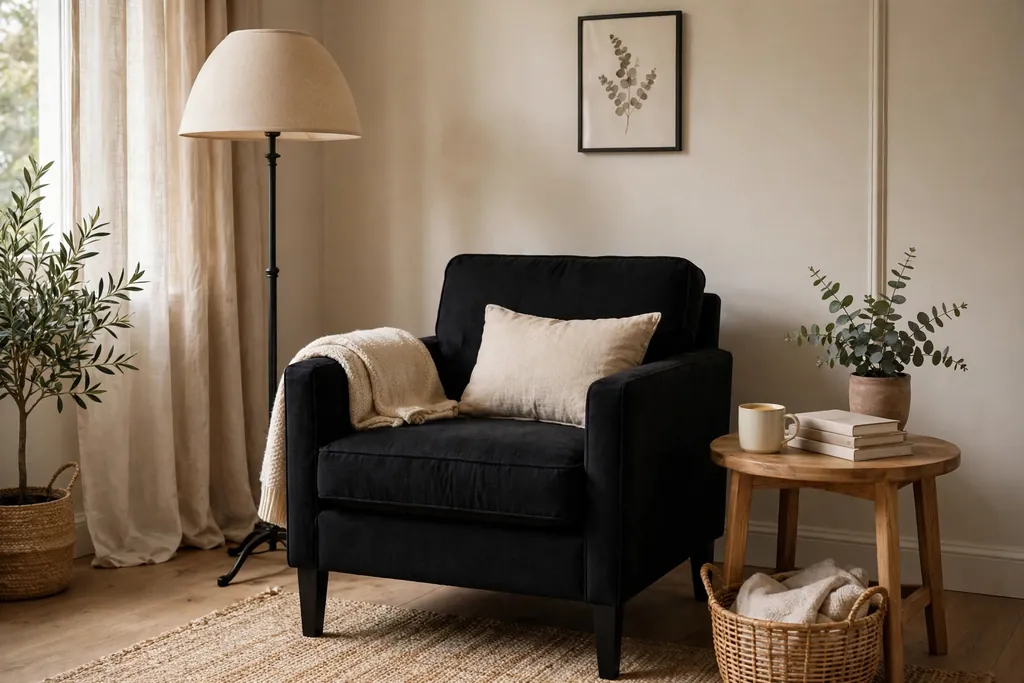
    14. Create a Reading Nook With a Black Chair and a Beige Lamp

    Black armchair reading nook with a beige shaded floor lamp and side table.

    A reading nook needs a comfortable chair, light aimed at the page, and a surface for a drink, and black and beige suits all three. Choose a black armchair with a supportive back and seat depth that fits the main reader, add a beige shaded floor lamp behind the chair shoulder, and place a small side table within reach.

    A beige throw over the chair arm links the lamp shade to the seating, and a basket beside the chair holds the current book and an extra throw. Angle the chair slightly toward the room so the nook feels part of the living space, and test the lamp position in the evening, since a shade that looks beige in daylight can glow warm or dull depending on the bulb.

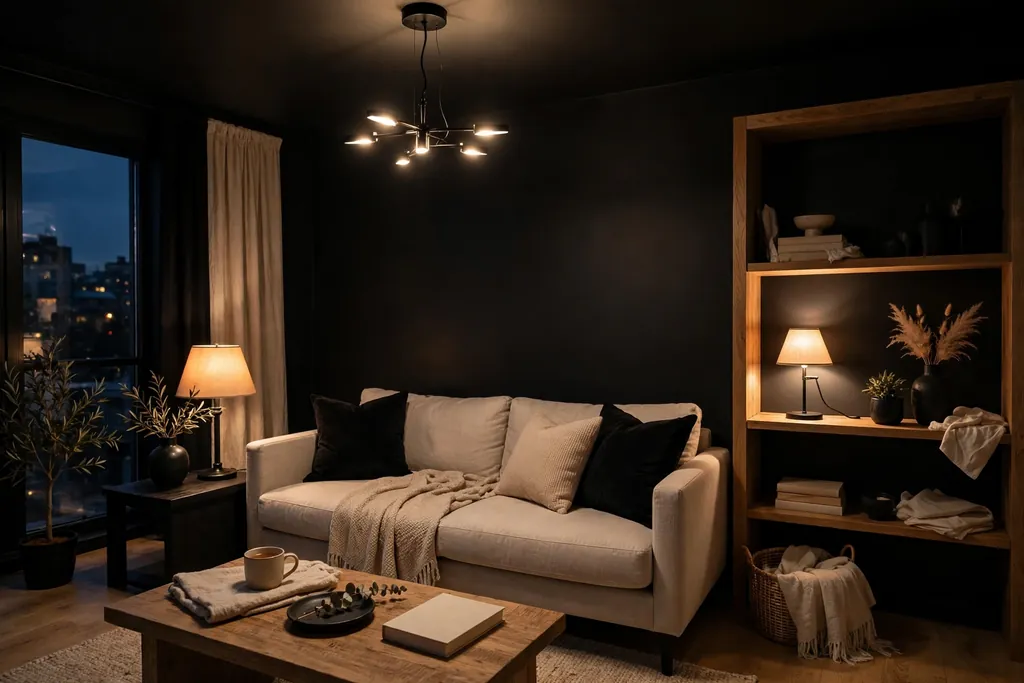
    15. Layer Warm Light at Three Levels

    Evening black and beige living room lit by a ceiling light, table lamp, and small shelf lamp.

    Black absorbs light, so a black and beige room needs more than one ceiling light to feel warm after dark. Use three levels: ambient light from a ceiling fixture or tall floor lamp, task light from a table lamp beside the seating, and a low glow from a small lamp on a shelf or side table. Choose warm white bulbs for all three, so the beige tones glow rather than turning grey, and use dimmers where possible to shift from bright daytime to calm evening light.

    Place the brightest light where you read or work, and keep the overall level soft in the evening. Check for glare on the television and on any glass fronted frames before fixing lamp positions.

    16. Pair Black Side Tables With Beige Lamp Shades

    Black side tables beside a beige sofa with beige lamp shades.

    Black side tables beside a beige sofa give every seat a dark anchor at a useful height, while beige lamp shades on top soften the contrast and spread warm light. Choose tables just tall enough to reach easily from the sofa, and shades in white or beige so the light stays soft rather than harsh.

    Keep each table to one lamp and one small item, such as a book or a small plant, so it stays useful rather than becoming another display shelf. A table with a lower shelf can hold a book or a basket underneath, which keeps the top clear.

    17. Add Beige Boucle Chairs Beside a Black Side Table

    Beige boucle chairs with a small black side table between them.

    Beige boucle chairs add soft, nubby texture that stops a black and beige room from feeling hard or flat. Place a pair facing the sofa or angled toward the fireplace, with a small black side table between them, so the chairs form a conversation pair rather than two spare seats.

    Boucle shows marks more easily than smooth fabric, so washable covers or a fabric protector suited to the material are worth considering in a room used daily. Keep the chairs clear of direct sun where possible, since pale boucle can fade unevenly over time.

    18. Keep Throws in a Black Woven Basket

    Black woven basket holding folded beige and black throws beside a sofa.

    A black woven basket by the sofa solves two problems at once: it stores throws where they are actually used, and it adds black texture at floor level. Roll or fold throws in beige, cream, and one black throw neatly so the basket looks inviting rather than stuffed, and keep only the throws that are used regularly in it, storing spares elsewhere.

    Choose a basket with a sturdy base and handles, and a size that fits beside the sofa without blocking a walking route. Shake out throws regularly so dust does not settle into the weave. For a warmer take on the same neutral idea, these brown and cream living room ideas show how texture carries a two tone room.

    19. Try a Geometric Black and Beige Accent Wall

    Geometric black and beige accent wall behind a plain sofa.

    A geometric accent wall in black and beige adds pattern at wall scale without needing a busy rug or patterned sofa. Paint large blocks, arches, or a simple grid in matte black on a beige base, and keep the rest of the room plain so the wall leads. This suits a room with one clear, mostly empty wall, such as the wall behind a television or a side wall with no doors.

    Plan the shapes with tape on the wall first, and step back to check the scale from the sofa before painting. If the pattern feels too strong, painting only the lower half of the wall in the geometric design, with plain beige above, softens it.

    20. Hang Black Pendant Lights Over the Seating Zone

    Black pendant lights hanging over a coffee table in a beige living room.

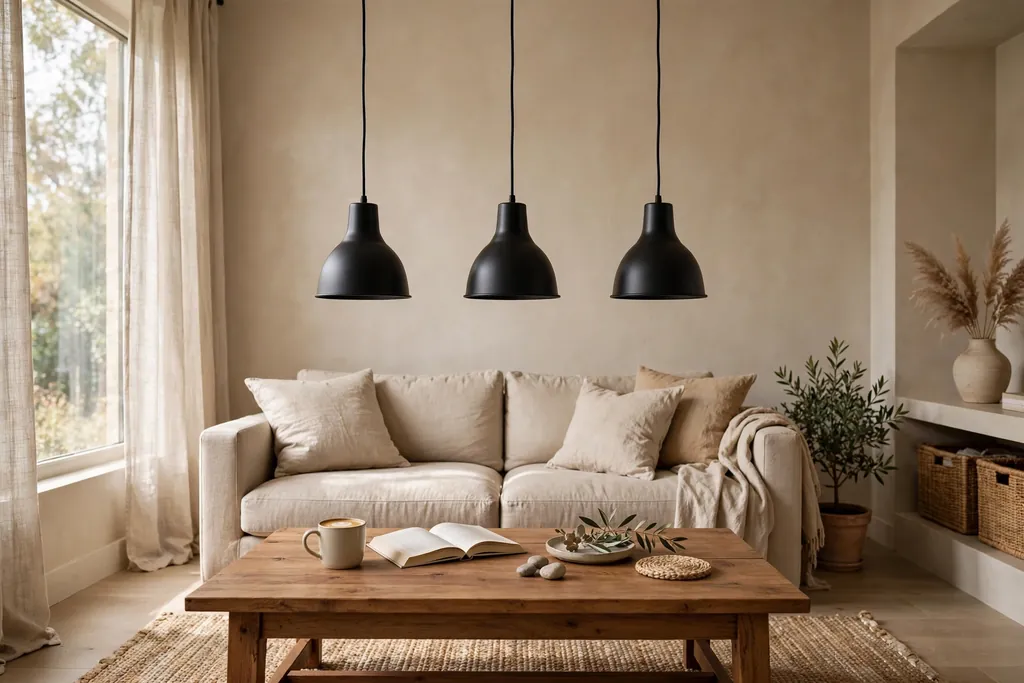
    Black pendant lights over a coffee table or a side seating zone repeat the dark tone at ceiling height, which balances a black sofa or black frames at floor level. Choose simple shapes, such as a dome or a cone, in matte black, and hang them high enough to see under but low enough to pool light where people sit.

    Use warm white bulbs and a dimmer, so the pendants can shift from bright task light to soft evening glow. Keep cords tidy and the pendants clear of walkways, and check that the light does not glare into eyes when seated.

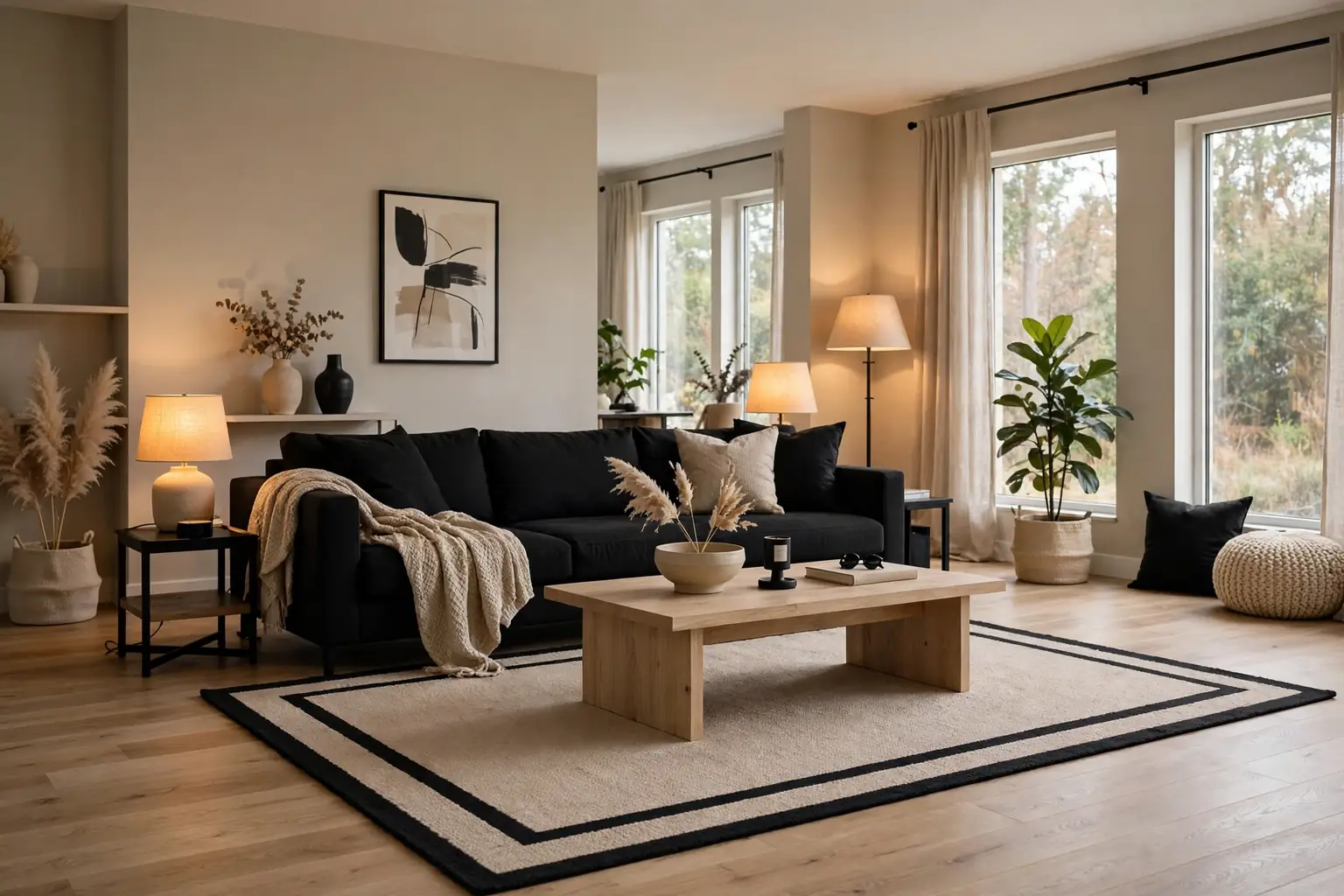
    21. Lay a Beige Rug With a Black Border

    Beige rug with a black border under a sofa and coffee table.

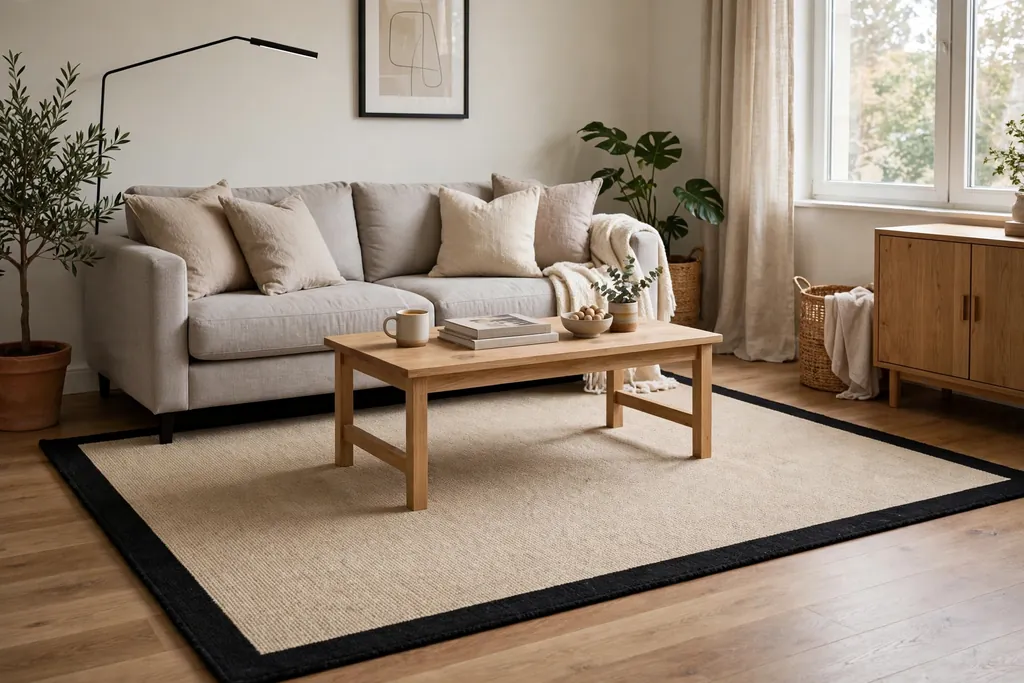
    A beige rug with a black border frames the seating group like a picture frame, and it suits a room where the coffee table and sofa already carry detail, since the center of the rug stays quiet under the table. The border adds interest at the edges, where it is most visible, and it ties black furniture to a beige floor plan.

    Choose a border color that is a true black rather than a faded grey, so it reads clearly against the beige center, and keep the border width in proportion to the rug size, so a small rug does not end up all border and no center. For more help with size and placement, see these living room rug ideas.

    22. Contrast a Beige Sofa With a Black Leather Chair

    Black leather chair angled beside a beige fabric sofa with a side table.

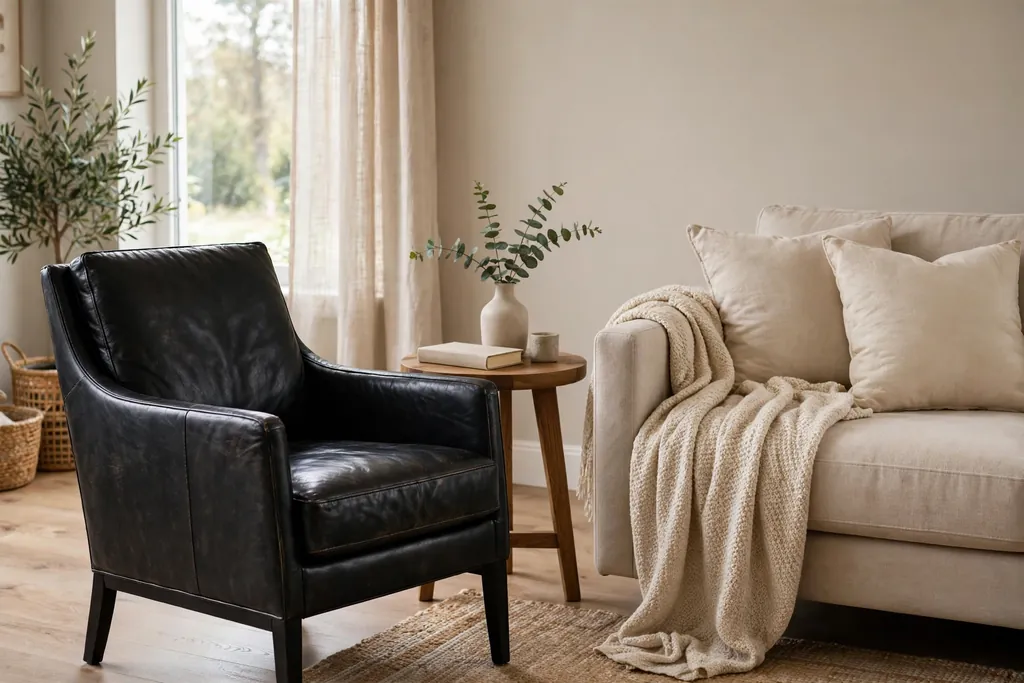
    A black leather chair beside a beige fabric sofa adds contrast in texture, and that contrast is what stops the room from feeling flat. Place the chair at an angle to the sofa, with a small side table between them, so the two seats form a conversation corner rather than a matched set.

    Leather needs simple care: wipe spills promptly, keep it out of direct sun where possible, and condition it as the maker advises. If the chair is new and the sofa is old, a beige throw over the chair arm can soften the contrast until the leather settles in.

    23. Use Beige Cabinetry With Black Hardware

    Beige built in cabinetry with matte black handles in a living room.

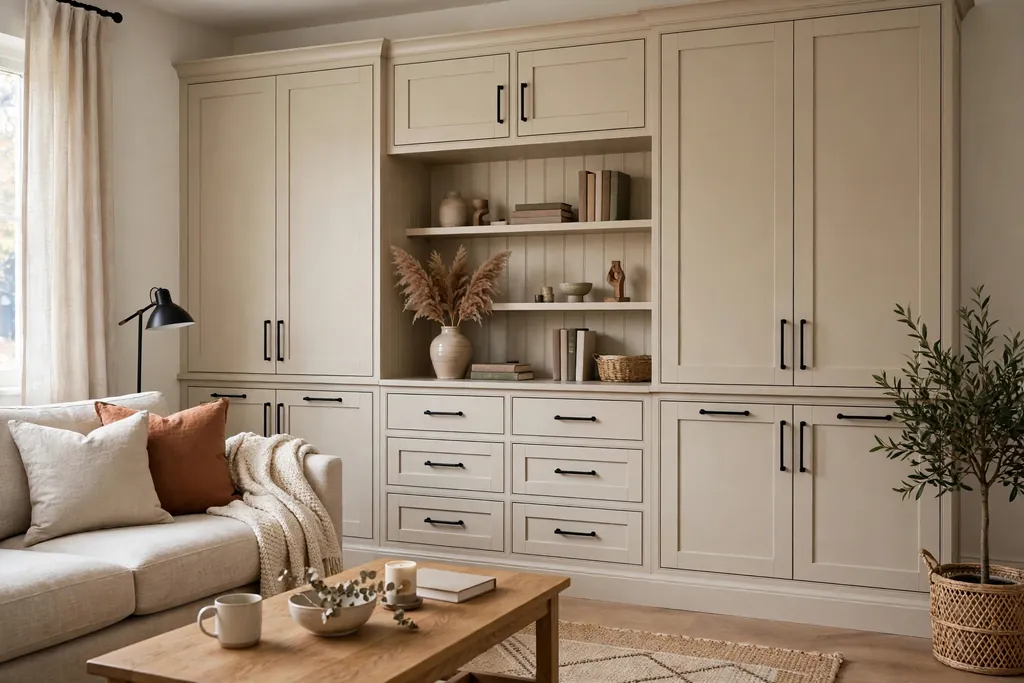
    Beige built in cabinetry or a beige sideboard with black hardware gives a living room storage that fits the palette without a separate dark furniture piece. Black handles, knobs, and hinges repeat the dark tone in small, even doses across a large beige surface, which keeps the unit from looking plain.

    Choose hardware in one black finish, such as matte black, rather than mixing black with chrome or brass on the same unit. Check the handle size against the door or drawer size, since small handles on large doors look lost, and large handles on small drawers feel heavy.

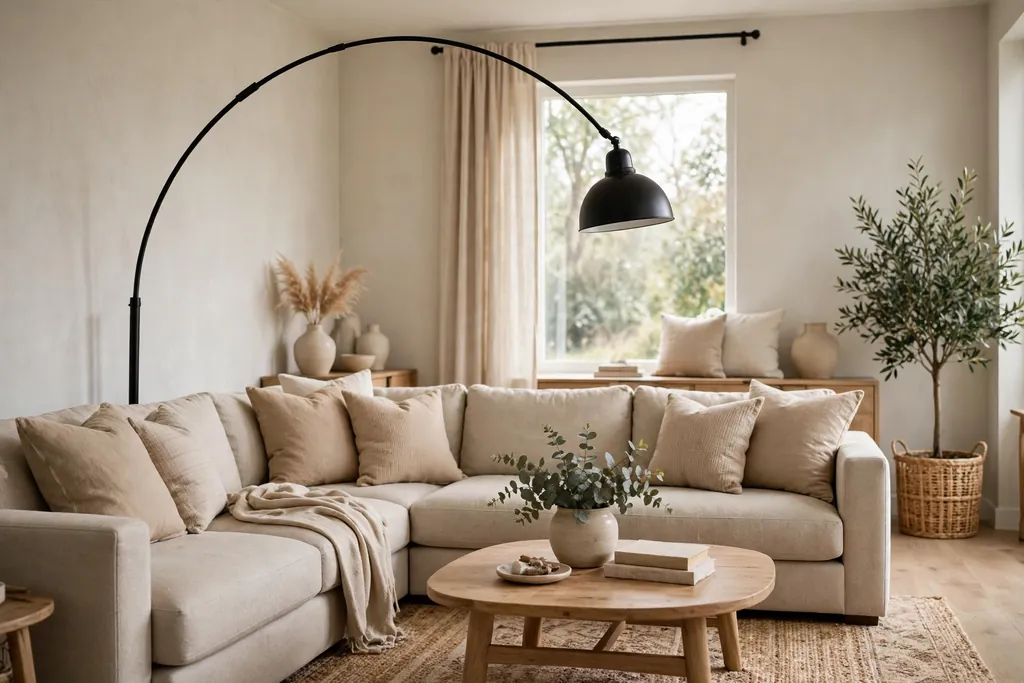
    24. Place a Black Arch Floor Lamp Behind the Seating

    Black arch floor lamp curving over a beige seating group.

    A black arch floor lamp behind the sofa brings light over the seating group without a ceiling fixture, and its curved shape softens a room full of straight lines. Place the base behind the sofa or beside it, with the arc reaching over the coffee table or a reading seat, and keep a clear path behind the base so nobody trips over it.

    Choose a heavy base that cannot tip easily, and a shade that directs light down onto the seating rather than into eyes. A dimmer lets the lamp work as both reading light and evening glow, which suits a room used through the day.

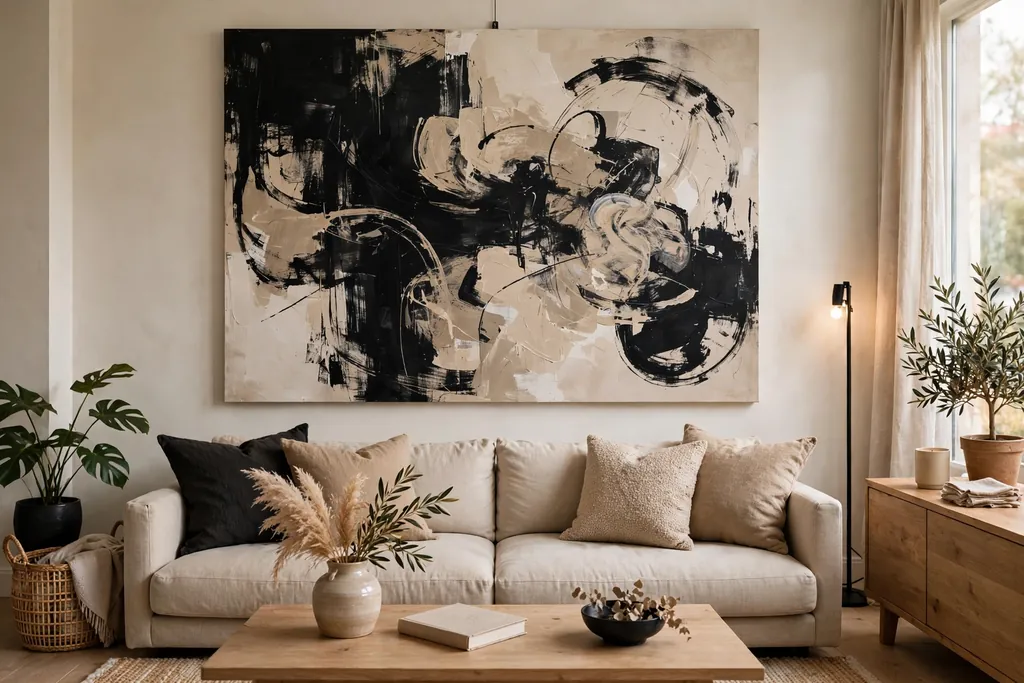
    25. Hang One Large Black and Beige Abstract Canvas

    Large black and beige abstract canvas hanging over a sofa.

    One large abstract canvas in black and beige gives a plain wall a focal point without the busy feel of a full gallery wall. Choose a piece with both tones in clear balance, such as broad beige washes with black marks, and hang it centered over the sofa with its outer edges inside the sofa width.

    Keep the rest of that wall plain, so the canvas leads, and repeat one tone from the canvas in a cushion or throw so the art feels linked to the room. Hang the center of the canvas at eye level when seated, and use fixings rated for the canvas weight.

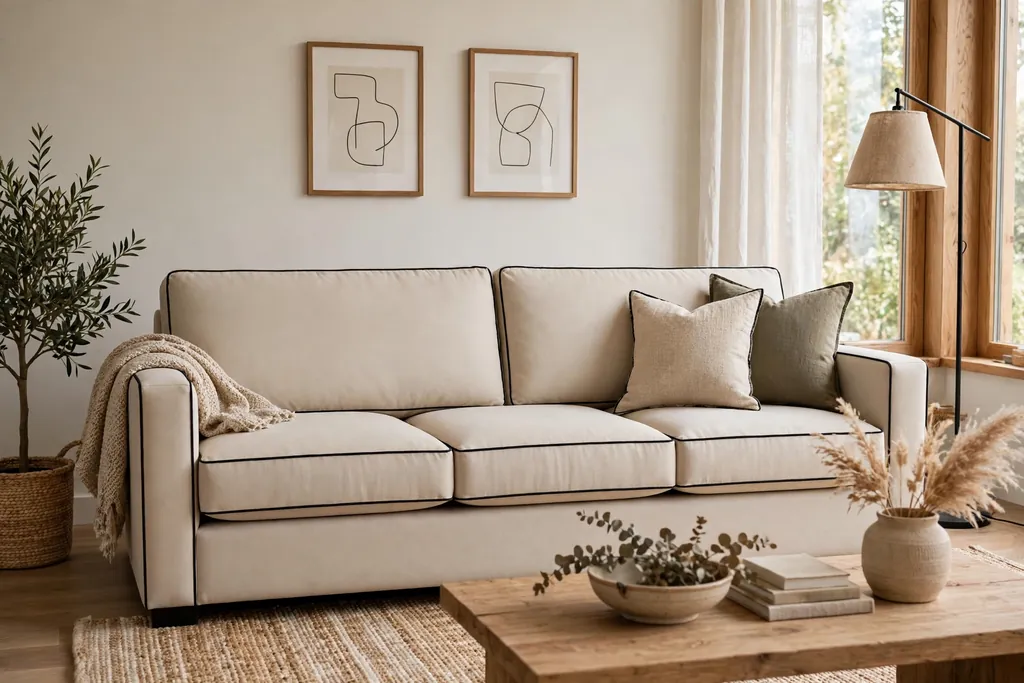
    26. Choose a Tailored Beige Sofa With Black Piping

    Tailored beige sofa with black piping on cushions and arms.

    A tailored beige sofa with black piping adds contrast at seam level, which is a quiet way to carry the palette without a second dark furniture piece. The piping outlines the cushions and arms, so the sofa shape reads clearly against beige walls, and it suits a formal or tailored room better than a loose slipcovered sofa.

    Keep the rest of the seating plain, since the piping already supplies the detail, and repeat the black in one other place, such as a side table or frames, so the piping does not stand alone. Check that the piping is well sewn and even, since uneven piping shows clearly on a pale sofa.

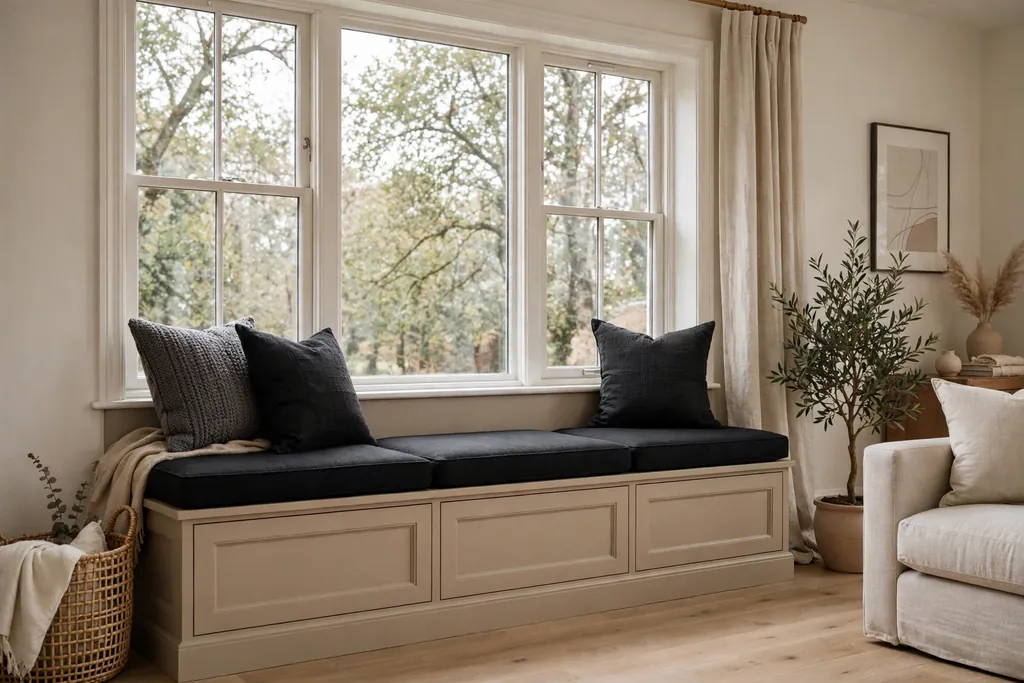
    27. Build a Window Seat With a Beige Base and Black Cushions

    Window seat with a beige base and black seat cushions.

    A window seat with a beige base and black cushions turns an often empty window wall into a useful seat that fits the palette. Build or place a low bench under the window, cover the base in beige, and add black seat cushions with beige throw cushions on top, so the seat is comfortable and the contrast is clear.

    Add storage inside the bench for throws, games, or books, and keep the window seat clear of heavy curtains that would block the light. This idea suits a bay window or a wide window wall, and it gives a small living room an extra seat without another armchair.

    28. Keep a Small Room Open With Slim Black Furniture and Beige Walls

    Small living room with slim black furniture, beige walls, and a beige rug.

    In a small living room, black can still work if the furniture stays slim and low. Choose a black sofa with slim arms, a narrow black coffee table, and open legged chairs, and keep the walls, rug, and curtains beige, so the room keeps its light. Slim legs let floor show beneath furniture, which makes the room feel larger than closed bases would.

    Keep black to three or four slim pieces and let beige cover the rest, and use a mirror or light art on one wall to bounce daylight around the room. Avoid a large black sectional or a tall black bookcase in a small room, since a single bulky dark piece can close the space in.

    Conclusion

    A good black and beige living room starts with the balance, not the shopping list. Let beige carry the large, light surfaces, repeat black in three or four clear places, and add texture and warm light so the contrast feels soft rather than stark. Pick one idea from this list, such as a black sofa on beige walls or a beige rug with a black border, set it where you will actually sit, and add the next dark detail only after that first pairing feels right.

    Save this list on Pinterest before your next room refresh, and work through it one area at a time: seating first, then walls and floors, then the small details that make the room yours.

    FAQs

    How much black should a beige living room have?

    Use black for roughly one third of the visible contrast, not half the room. A good starting point is three or four black pieces, such as a sofa, a table, frames, and a lamp, with beige on the walls, the largest rug, and most of the upholstery. If the room starts to feel heavy, swap one black piece for beige, or add a beige throw and lighter art, rather than repainting a wall.

    What beige paint goes best with black furniture?

    A warm beige with a slight yellow or pink undertone suits black furniture best, since it keeps the room feeling warm rather than grey. Test two or three warm beige samples on the wall and check them in morning light and evening lamplight before painting the whole room, since beige shifts a lot between the two. Keep the ceiling and trim in a matching warm white so the room reads as one calm space.

    Can a black sofa work in a small living room?

    Yes, if the sofa stays slim and low and the rest of the room stays beige. Choose slim arms, open legs, and a low back, keep the walls and rug beige, and add a mirror or light art to bounce daylight around the room. Avoid pairing a black sofa with a black rug and black curtains in a small room, since that much dark tone at every level can close the space in.

    How do I stop a black and beige room from looking flat?

    Add texture, not more color. Mix linen, boucle, wool, leather, wood grain, and woven baskets, and vary the finishes between matte black and soft beige fabric. Layer lighting at three levels, and add one pattern, such as stripes or a geometric rug, so the eye has somewhere to rest. A room with five textures in two tones feels richer than a room with two textures in five colors.

    What rug works best with a black and beige living room?

    A rug that repeats both tones works best, such as a beige rug with a black border, a black and beige stripe, or a geometric pattern in the two tones. Size the rug so the front legs of the sofa and chairs rest on it, and keep the rug pattern simpler if the cushions are patterned, or the cushions simpler if the rug is busy. A flatweave rug suits a busy room, while thick wool suits a quiet seating corner.

    Is black and beige too cold for a family living room?

    Not if the beige stays warm and the lighting stays warm. Choose a warm beige for walls and large upholstery, add wood tones in a coffee table or side table, use warm white bulbs at more than one height, and keep soft throws within reach of every seat. With those layers in place, black reads as a grounding contrast rather than a cold statement, and the room stays easy to live in daily.


  • 14 Japanese Apartment Design Ideas to Inspire Your Next Room Refresh

    14 Japanese Apartment Design Ideas to Inspire Your Next Room Refresh

    A Japanese apartment feels calm because every piece has a clear job and the floor stays open. Low furniture, natural wood, soft paper light and one well placed plant can make a small room feel larger, quieter and easier to keep tidy. These 14 Japanese apartment design ideas adapt those habits for rented rooms and small homes, without a remodel. You will find tatami zones, shoji screens, genkan entries, hidden storage and flexible rooms that change from day to night. Start with one idea, such as clearing the floor or adding a low table, and let the rest follow at your own pace.

    Key Takeaways

    • Keep the floor open first, then add furniture. Empty floor space is part of the design, not wasted space.
    • Choose low, light furniture in natural wood so sight lines stay clear across a small room.
    • Give every item a closed home, so surfaces stay clear and tidying takes minutes.
    • Use soft, layered light from paper lamps and low lamps instead of one harsh ceiling light.
    • Add nature in small doses: one plant, one branch, or a view framed by a clear window.
    • Let one room do two jobs with sliding screens, a foldaway table, or a futon that stores away by day.

    1. Tatami Zone for Floor Living

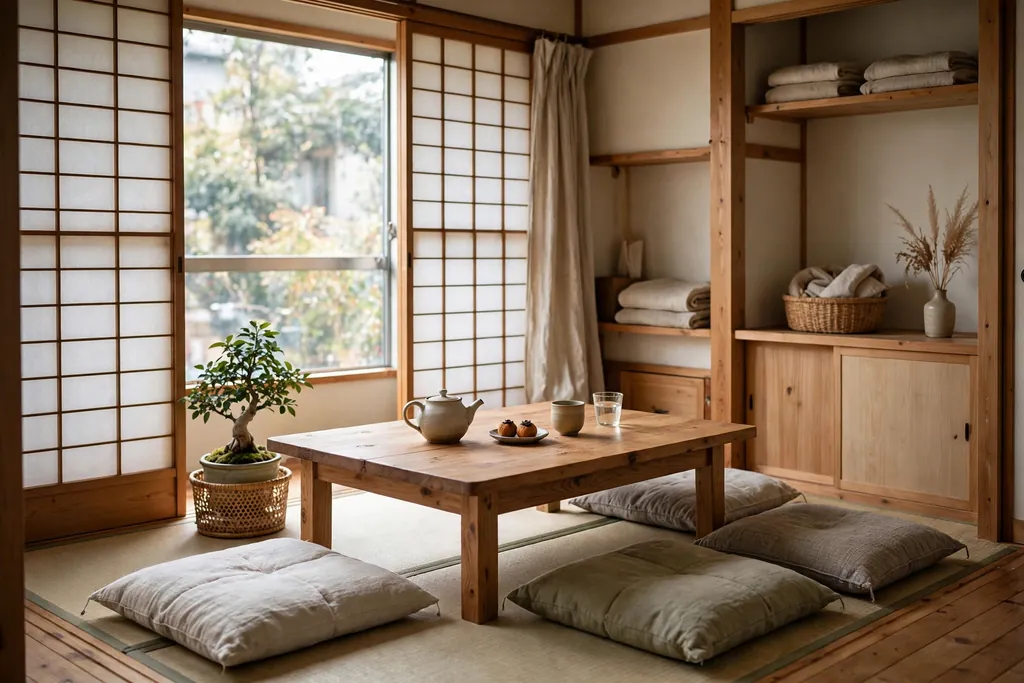
    Tatami mat zone in a small apartment with floor cushions and a small tray.

    Lay a tatami mat, or a woven rush rug that echoes tatami, in one clear corner to mark a floor living zone. This spot becomes the place for tea, reading, or sitting with friends, and it changes how the whole room feels because the floor itself becomes seating. Keep the zone free of tall furniture so the low line of sight stays open.

    Add floor cushions, called zabuton, and a small tray for cups, and remove shoes before stepping onto the mat, as you would on real tatami. A woven mat is easier to clean and move than fixed flooring, which suits renters. If the room is carpeted, a firm mat on top still gives a clear edge and a sense of place.

    2. Shoji Screens for Soft Light

    Shoji screen beside a bright window spreading soft light through a small apartment.

    Use a shoji screen, or a freestanding screen with translucent paper panels, beside a window or across a doorway to soften daylight. Shoji screens spread light evenly through a room and give privacy without blocking the sun, which matters in a small apartment where a solid curtain can darken the whole space.

    Place the screen where it catches morning or afternoon light, and keep the path behind it clear so it can slide or fold easily. A lightweight freestanding screen needs no wall fixing, so it suits rented homes. Choose a simple wooden frame and plain paper, and avoid patterned screens that compete with the calm palette of the room.

    3. Low Platform Bed in a Sleeping Nook

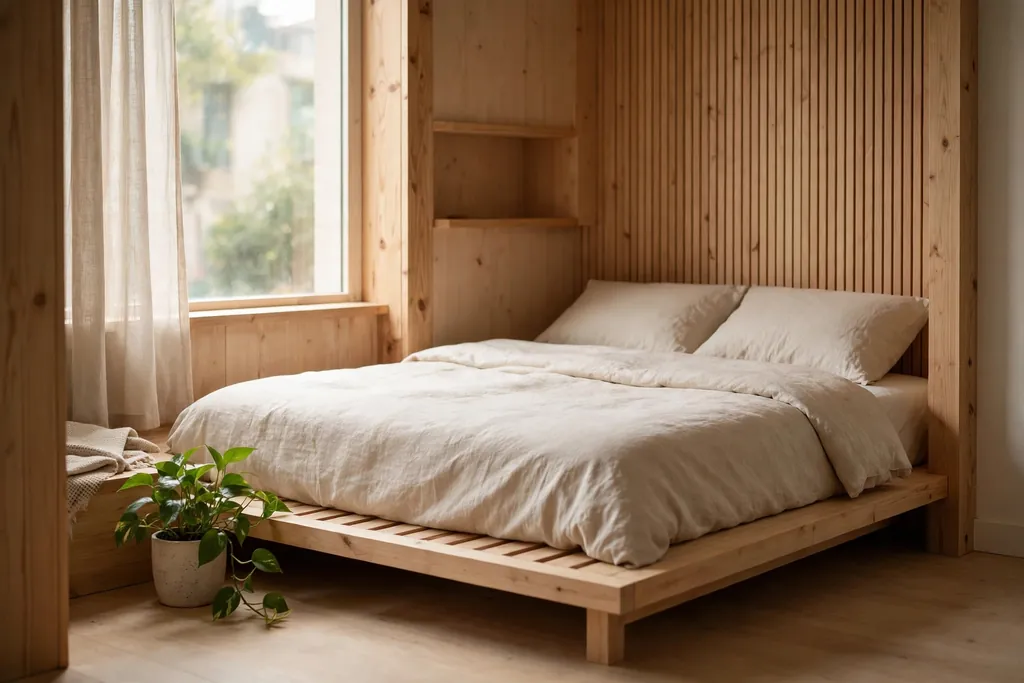
    Low platform bed in a quiet apartment sleeping nook with plain bedding and a plant.

    Set a low platform bed, or a futon on a low wooden base, in the quietest corner of the room to create a sleeping nook that feels grounded. A low bed keeps the ceiling height visible and makes a small bedroom feel taller, while the simple frame leaves room for a plant or a small shelf beside it.

    Keep bedding in warm white, soft grey, or pale beige, and fold a throw at the foot of the bed instead of piling cushions. If space is very tight, a futon that rolls away by day frees the same floor for living space, which is the flexible approach used in many Japanese homes. The zoning advice in these studio apartment decorating ideas helps a sleeping nook share a room with living and work zones.

    4. Low Wooden Table with Floor Cushions

    Low wooden table with floor cushions in a small Japanese apartment living area.

    Place a low wooden table, called a chabudai in a traditional setting, at the centre of the tatami zone for meals, work, and conversation. Sitting on floor cushions around a low table keeps the room open, and the table itself becomes a gathering point that does not block views across the apartment.

    Choose a table with a plain wood top and simple legs, sized so everyone can reach the centre without stretching. Store the cushions in a basket or on a low shelf when the table is not in use, so the zone stays clear. A foldaway low table gives the same effect in a room that also needs floor space for exercise or guests.

    5. Genkan Entry with a Step and Shoe Storage

    Genkan style apartment entry with a shoe tray, low bench, and a slim shoe cabinet.

    Create a genkan style entry by marking a clear shoe zone just inside the door, with a low step, a tray, or a different rug from the main floor. This small change keeps outdoor dirt out of the living area and gives every arrival a clear first step: shoes off, shoes stored, then step into the home.

    Use a slim shoe cabinet, a low bench with baskets beneath, or wall hooks for a bag and a coat, keeping the entry to one tidy group. A tray catches wet shoes, and a small dish holds keys. Keep the entry clear of parcels and extra coats, since a calm entry sets the tone for the rest of the apartment.

    6. Hidden Storage Behind Flat Doors

    Apartment closet with flat plain doors blending into a pale wall, closed and tidy.

    Hide storage behind flat, handle free doors or simple curtain panels so clothes, cleaning items, and spare bedding stay out of sight. Japanese apartments often use large closets, called oshiire, with plain doors that blend into the wall, and the same idea works with a freestanding wardrobe or a closet fitted with plain fronts.

    Sort each closet by use, with daily items at hand height and seasonal items up high, and label boxes inside so nothing needs a long search. The basket and bin grouping in these bedroom storage ideas works well inside a plain closet too. Leave one shelf partly empty, so new items have a place instead of landing on a chair.

    7. Washi Paper Lighting for a Soft Glow

    Small apartment in the evening lit by a washi paper lamp with a soft warm glow.

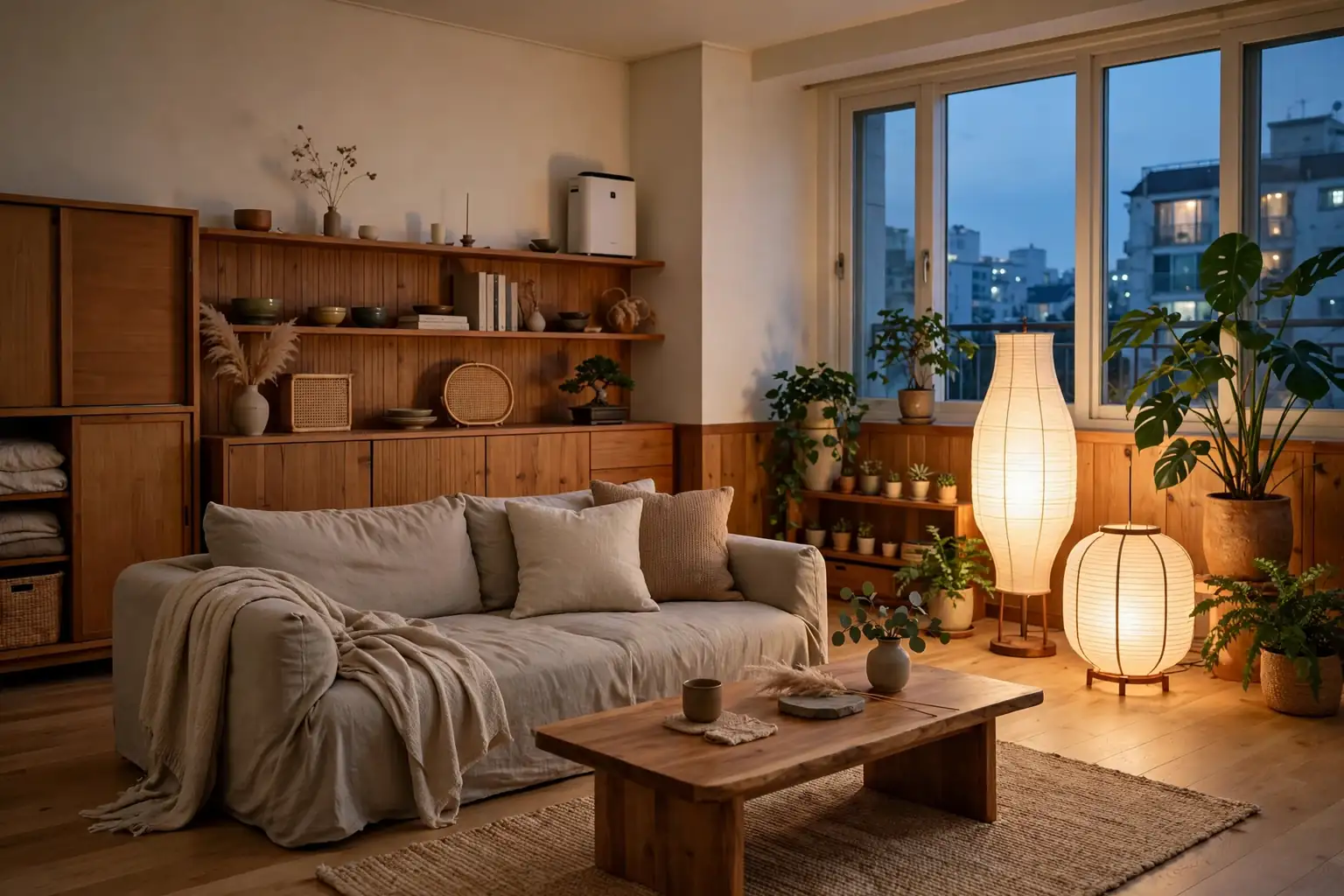
    Light the room with washi paper lamps, paper lanterns, or a lamp with a plain fabric shade that spreads a soft glow. Paper light feels warm and even, and it suits evening meals, reading, and quiet time far better than a single bright ceiling light in a small room.

    Layer the light at two or three heights: a floor lamp or paper lantern at seating height, a small table lamp beside the bed, and daylight through a shoji screen by day. Use warm bulbs and a dimmer where you can, and keep lamp shades plain so the light, not the lamp, is the focus. Paper shades need care near heat, so check the bulb guidance for your lamp.

    8. Natural Wood and Bamboo Accents

    Japanese apartment detail with natural wood tray, bamboo mat, and ceramic bowls.

    Bring in natural wood and bamboo through a bench, a tray, a shelf, or chopstick rests and small bowls, rather than through large new furniture. Wood grain, bamboo, and woven fibres add warmth and texture to a room that might otherwise feel plain, and they age with small marks that suit a lived in home.

    Keep the wood tones close together, such as light oak, pale bamboo, and warm walnut in small doses, so the room reads as one calm palette. A wooden tray on the low table, a bamboo mat in the entry, and a wood frame on the wall are enough. Avoid glossy or heavily patterned finishes, which can make a small room feel busy.

    9. One Focal Plant and a Framed View

    Single potted plant on a low stand in a calm Japanese apartment beside a clear window.

    Choose one focal plant, such as a small pine, a bamboo stem in a ceramic vase, or a bonsai on a low stand, and place it where you see it from your main seat. One plant, given a clear spot and a plain pot, draws the eye and brings nature indoors without filling every surface with greenery.

    Frame the view too: keep one window clear of clutter, or hang one simple print of a mountain, a river, or a branch on an otherwise plain wall. Match the plant to the light it will actually get, use a saucer under the pot, and start with one plant before adding more. A single strong plant beats a crowded shelf of plants that are hard to care for.

    10. Warm Neutral Palette with Linen and Cotton

    Japanese apartment living room in warm neutrals with linen cushions and a cotton throw.

    Use a warm neutral palette of soft white, warm beige, pale grey, and muted clay on walls, bedding, and large furniture, then add texture with linen, cotton, and wool. Texture, rather than strong colour, gives a Japanese apartment its warmth: a linen cushion, a cotton throw, a wool rug, and a woven basket each feel different to touch.

    Keep strong colour to one or two small accents, such as a dark ceramic vase or a deep green plant pot, and repeat that accent in one other spot so the room feels linked. If you rent and cannot paint, a large rug, curtains in a warm neutral, and bedding in the same palette give the same calm base with no fixed change.

    11. Sliding Fusuma Panels for a Flexible Room

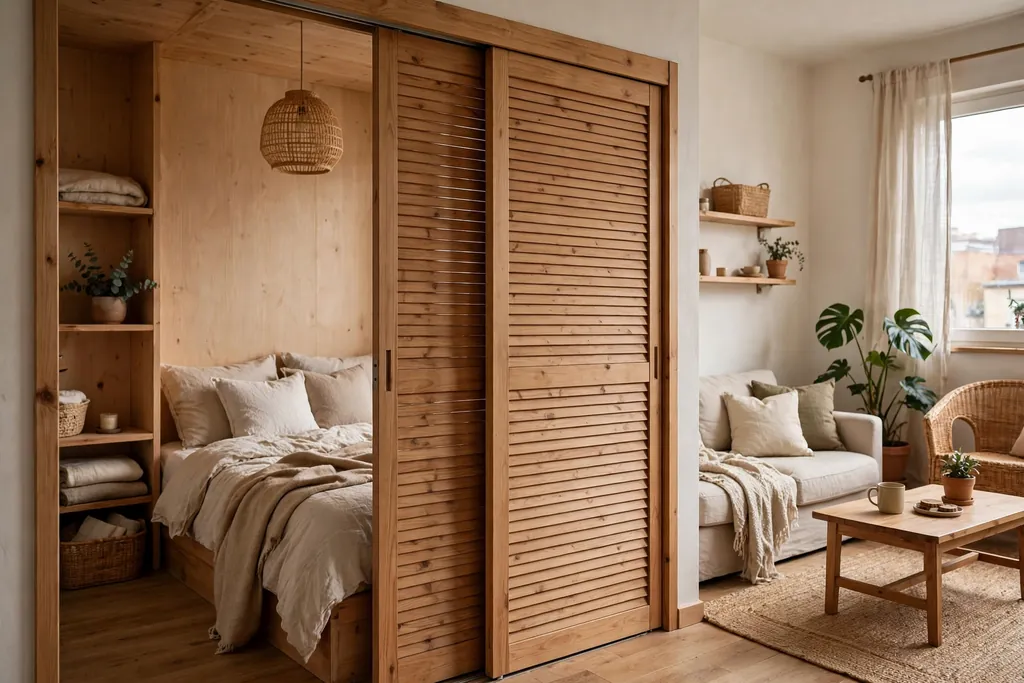
    Sliding panels partly open between a sleeping nook and a living area in a small apartment.

    Use sliding panels, a ceiling track curtain, or a freestanding screen to divide one room into two zones that can open again in seconds. Fusuma panels are opaque sliding doors in a traditional home, and a modern version lets a sleeping nook close at night and open into the living area by day.

    Keep the divider light and simple, with plain panels that slide easily on a track, and leave a clear walking route around one end so the division never feels like a wall. A curtain on a ceiling track gives a softer, renter friendly version of the same idea. The divider guidance in these cozy apartment living room ideas shows how an open divider can mark a boundary without blocking light.

    12. Compact Kitchen with Clear Counters

    Compact Japanese apartment kitchen with clear counters and a small tray of daily items.

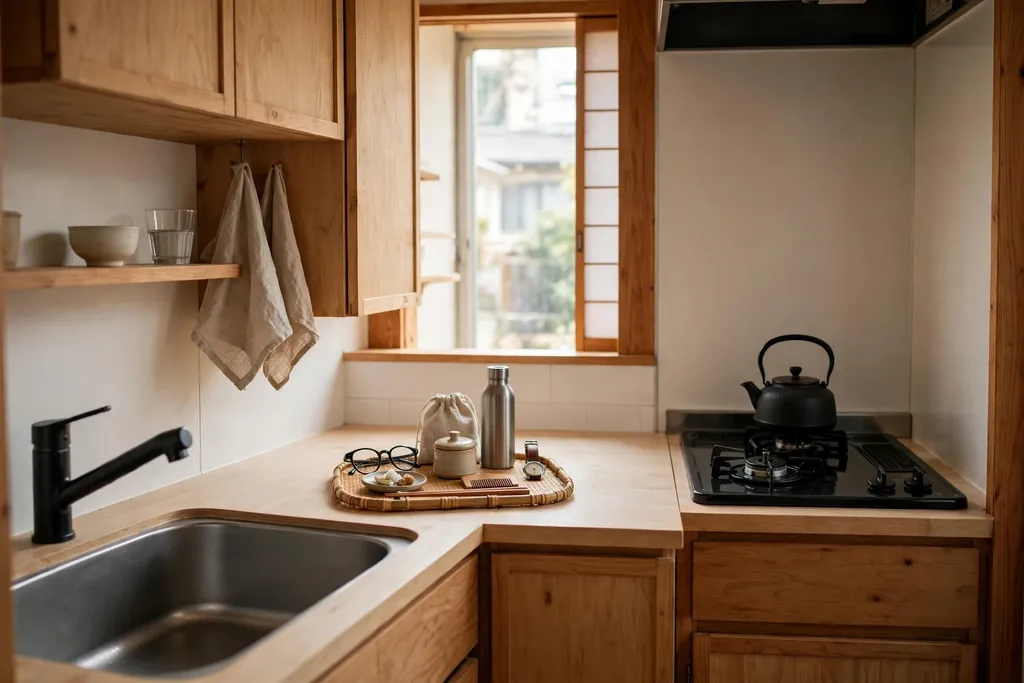
    Keep kitchen counters clear by storing appliances in one cabinet, using a tray for daily items, and giving every tool a fixed spot. Japanese apartment kitchens are often compact, so they work because only daily items stay out: a kettle, a cutting board, and a small tray for oils or tea.

    Use vertical storage inside cabinets, such as shelf risers and hooks on the inside of doors, and a rolling cart that parks beside the counter when extra prep space is needed. Wipe counters after cooking and return items to their cabinet the same evening, so the kitchen stays ready for the next meal. A clear counter also makes a small kitchen feel larger and calmer.

    13. Engawa Style Window Seat and Balcony Link

    Low window seat bench with a cushion beside a bright apartment window.

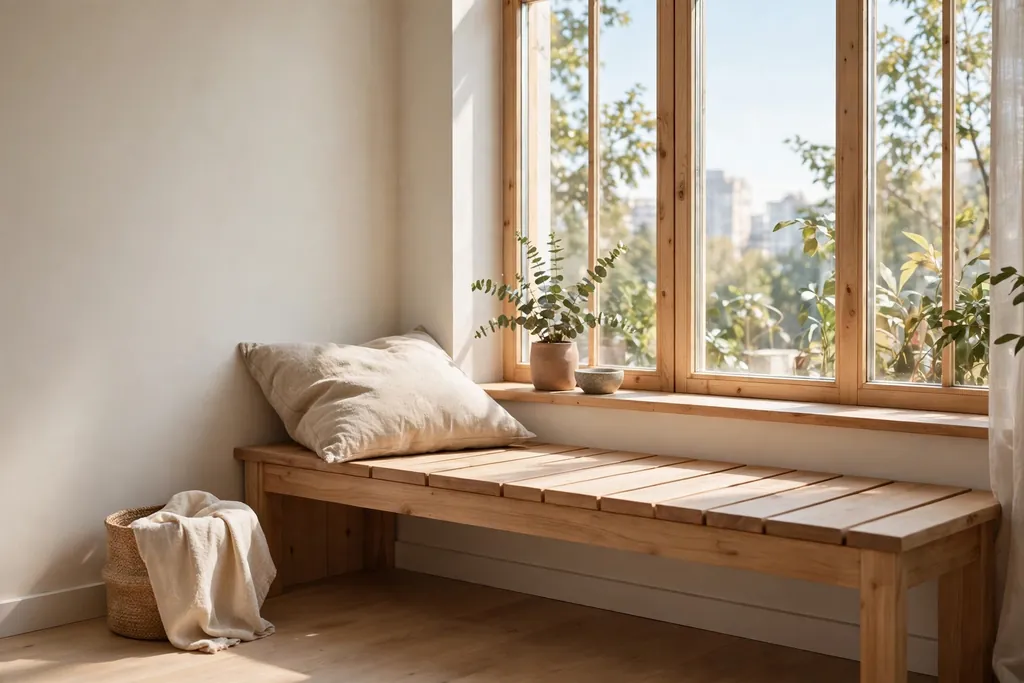
    Turn the strip beside the window into an engawa style seat, with a low bench, a cushion, and a clear view outside, so the room feels linked to the balcony or the street. This narrow seat works for morning tea, reading, or putting on shoes, and it gives a small apartment a breathing space at its edge.

    Keep the seat cushion in a washable cover, add a small shelf or hook nearby for a book and a cup, and keep the window glass clear so daylight reaches deep into the room. If you have a balcony, carry a mat and a small table outside in good weather, then bring them back in, so the outdoor space extends the room without a permanent setup.

    14. Tokonoma Alcove with One Rotating Display

    Small alcove display with a single vase and branch on a plain shelf in a Japanese apartment.

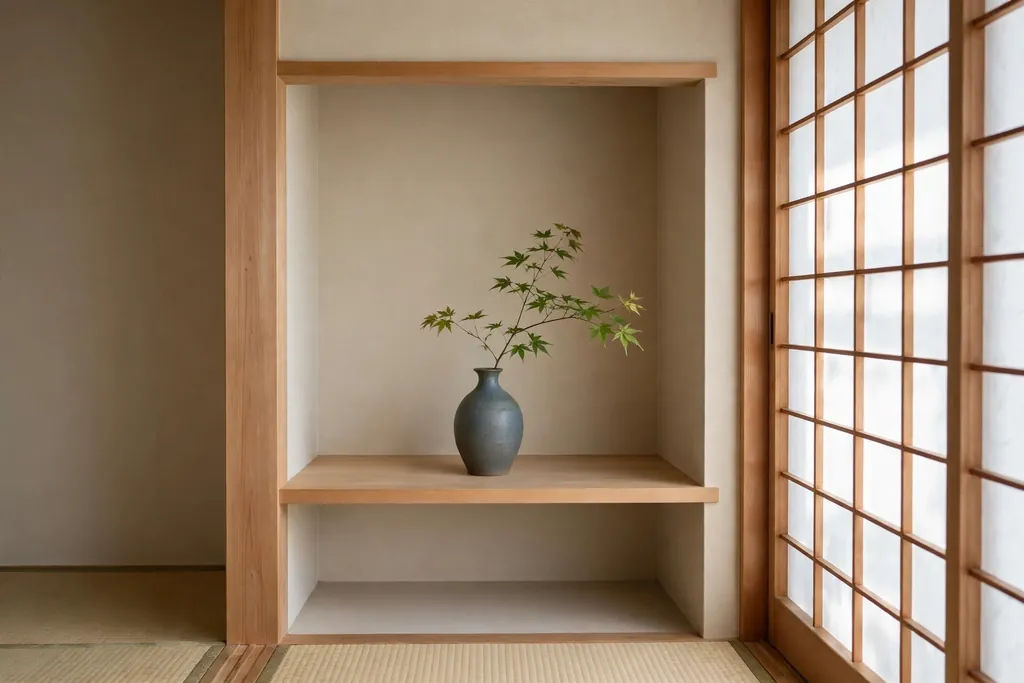
    Set aside one small alcove, shelf, or wall niche as a tokonoma style display, with one object at a time: a vase with a single branch, a small ceramic bowl, or one framed print. Rotating the display with the seasons, or when you find a new piece, keeps the room feeling fresh without buying new furniture.

    Keep the alcove plain, with a clear background and no other objects competing for attention, and place it where you pass it daily, such as beside the entry or at the end of a hallway. Change the display only when the season changes or the branch fades, so the single object gets time to be noticed. This quiet focal point sums up the whole approach: less on show, more noticed.

    Conclusion

    A Japanese apartment design is not about buying a full set of new furniture. It is about an open floor, low furniture, natural materials, soft light, and storage that keeps surfaces clear. Start with the floor and the entry, add a low table and a paper lamp, and finish with one plant and one display that you truly notice. Work through this list one idea at a time, live with each change for a week, and keep only the ideas that make daily life easier. For small rooms, the zoning and storage ideas in these studio apartment decorating ideas and bedroom storage ideas pair well with the Japanese habits above.

    Keep this list handy for your next room refresh, and save it to your apartment decorating board on Pinterest so you can find the tatami zone, shoji screen, and genkan ideas when you are ready for the next change.

    FAQs

    How can I make a small apartment feel Japanese without a remodel?

    Start with the floor, the light, and the storage. Clear one floor zone, add a low table and floor cushions, swap a harsh ceiling light for a paper lamp and a low lamp, and hide clutter behind plain doors or baskets. A warm neutral palette, one plant, and natural wood accents complete the look with no drilling or painting, and each change can be reversed when you move.

    What is a tatami room, and can I use tatami in a rented apartment?

    A tatami room is a room floored with woven rush mats, used for sitting, eating, and sleeping on the floor. In a rented apartment, a woven rush rug or a set of tatami style mats laid over the existing floor gives a similar zone without fixing anything down. Remove shoes before stepping on the mat, keep it dry, and vacuum it gently, and move it easily when you need the floor for other uses.

    What is the difference between shoji and fusuma screens?

    Shoji screens are translucent, with paper over a wooden lattice, so they soften light and give privacy while still letting daylight through. Fusuma panels are opaque sliding panels, used as doors or room dividers that close a space fully. In a small apartment, a shoji style screen suits a window or a light divider, while a fusuma style panel or a ceiling track curtain suits a sleeping nook that needs full privacy at night.

    How do I keep a Japanese style apartment tidy every day?

    Give every item a closed home and follow a short daily reset: shoes in the genkan cabinet, dishes back in the kitchen cabinet, cushions in their basket, and the low table cleared after meals. Keep only daily items visible, and do a ten minute reset each evening so clutter never builds up. A room with few visible items is easier to tidy than a room with open shelves full of small objects.

    What colours and materials suit a Japanese apartment?

    Warm neutrals suit the base: soft white, warm beige, pale grey, and muted clay, with natural wood, bamboo, linen, cotton, wool, paper, and ceramic for texture. Keep strong colour to one or two small accents, such as a dark vase or a green plant pot, and repeat it once elsewhere in the room. Plain finishes and visible wood grain matter more than pattern, so choose simple fabrics and matte surfaces.

    Can a Japanese apartment design work with a sofa and a television?

    Yes, if you keep the low, open feel. Choose a low sofa with slim legs, a low media bench instead of a tall unit, and a plain wall behind the television with one small display beside it. Keep cables hidden, keep the floor in front of the sofa clear, and use a paper lamp for evening viewing instead of a bright ceiling light. The room can still feel calm when the largest pieces sit low and surfaces stay clear.


  • 29 Korean Apartment Design Ideas to Make Any Room Feel Cozier

    29 Korean Apartment Design Ideas to Make Any Room Feel Cozier

    A Korean apartment often works hard in a small footprint, with one room serving as a living room, a dining spot, and a place to rest. That inviting look is not about buying new furniture. It comes from low lines, warm wood, soft layers, and light that stays gentle in the evening. These 29 Korean apartment design ideas cover the living room, bedroom, kitchen, entry, and balcony, with storage and seating that suit rented and compact homes. Start with one calm base and one comfortable seat, then add layers that fit your routine. For small space layout basics, the zoning ideas in these studio apartment decorating ideas pair well with the room by room ideas below.

    Key Takeaways

    • Start with a calm base of warm white, soft beige, and light wood, then add color in cushions, throws, and art you can move.
    • Keep furniture low and light in look, so a small room keeps its sense of height and air.
    • Give every daily routine a spot: sleeping, eating, working, reading, and coming home each deserve a small zone.
    • Layer light at more than one level, with a paper lamp, a floor lamp, and a small warm light for evenings.
    • Use hidden storage and furniture that does two jobs, so surfaces stay clear and the room stays easy to tidy.
    • Add soft texture and one or two plants, rather than filling every shelf, to keep the room warm without clutter.

    1. Warm Wood and White Base

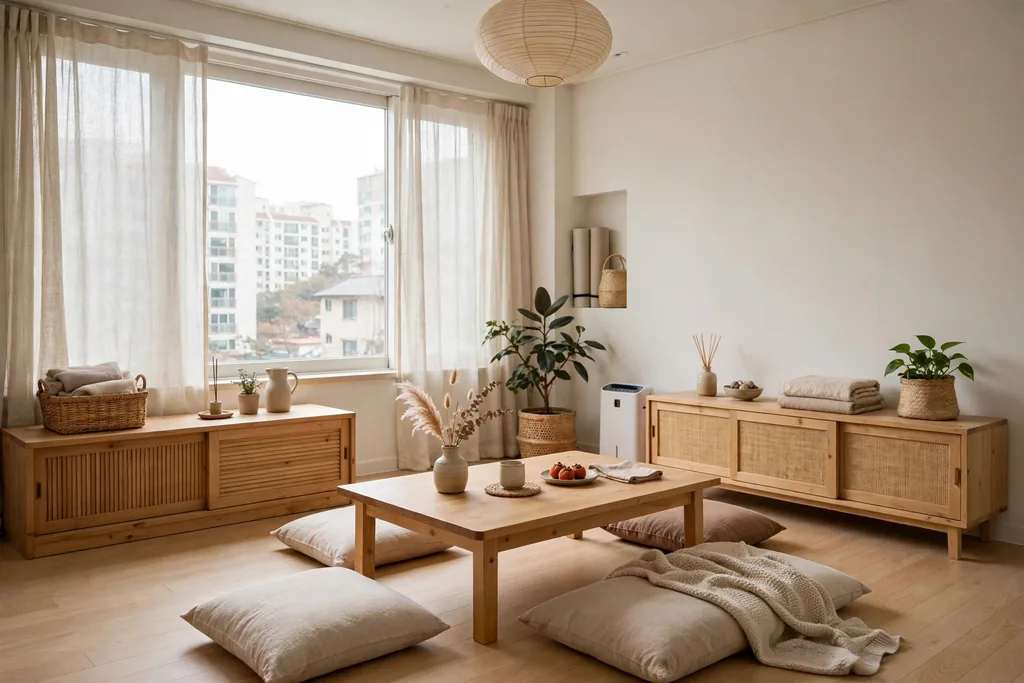
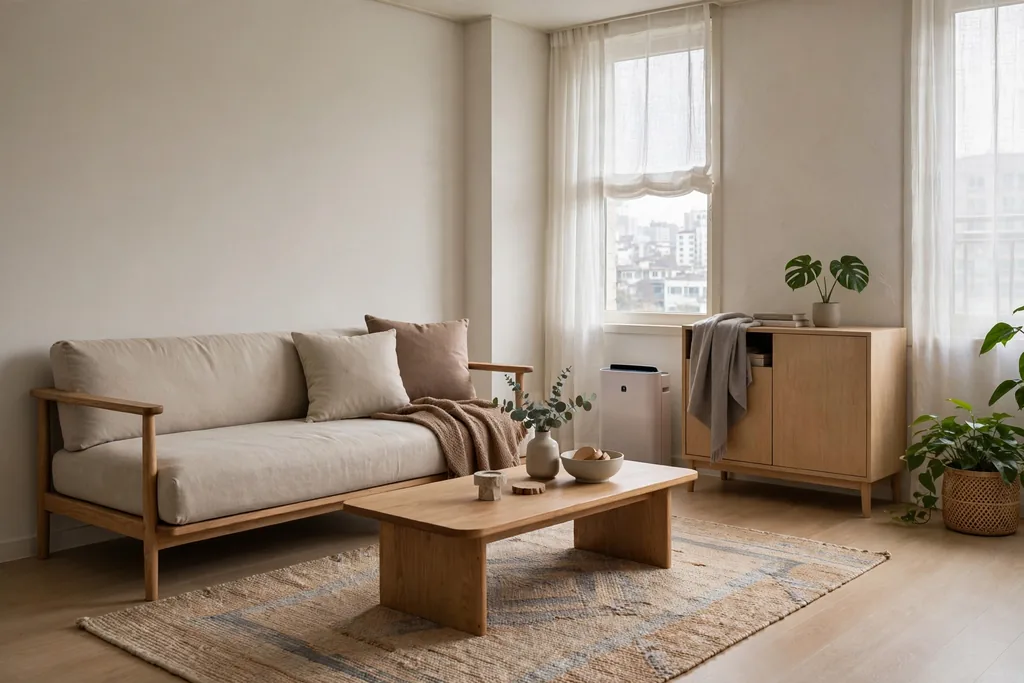
    Korean apartment living room with warm white walls, light wood floor, and low wood furniture.

    Pair warm white walls with light wood floors and furniture to set a calm base for the whole apartment. Light wood on a bed frame, a low table, or open shelves adds warmth without darkening a small room, and white walls keep daylight moving through the space. Keep the largest pieces in these two tones, so smaller items in soft beige, sage, or muted blue can sit against them without clashing.

    If you rent and cannot change floors or wall color, get the same base from a large light rug, light wood toned furniture, and plain white or cream bedding. Repeat the wood tone in two or three places, such as a shelf, a frame, and a tray, so the room reads as planned rather than random. Avoid mixing many dark and light wood tones in one room, since that can make a small space feel busy.

    2. Low Platform Bed With Storage

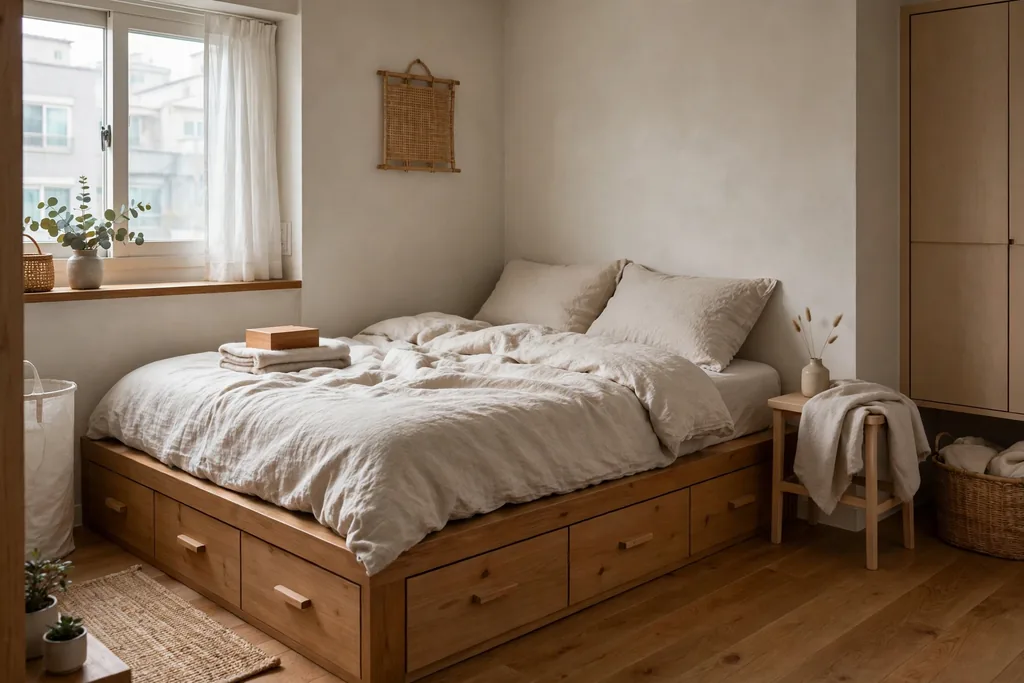
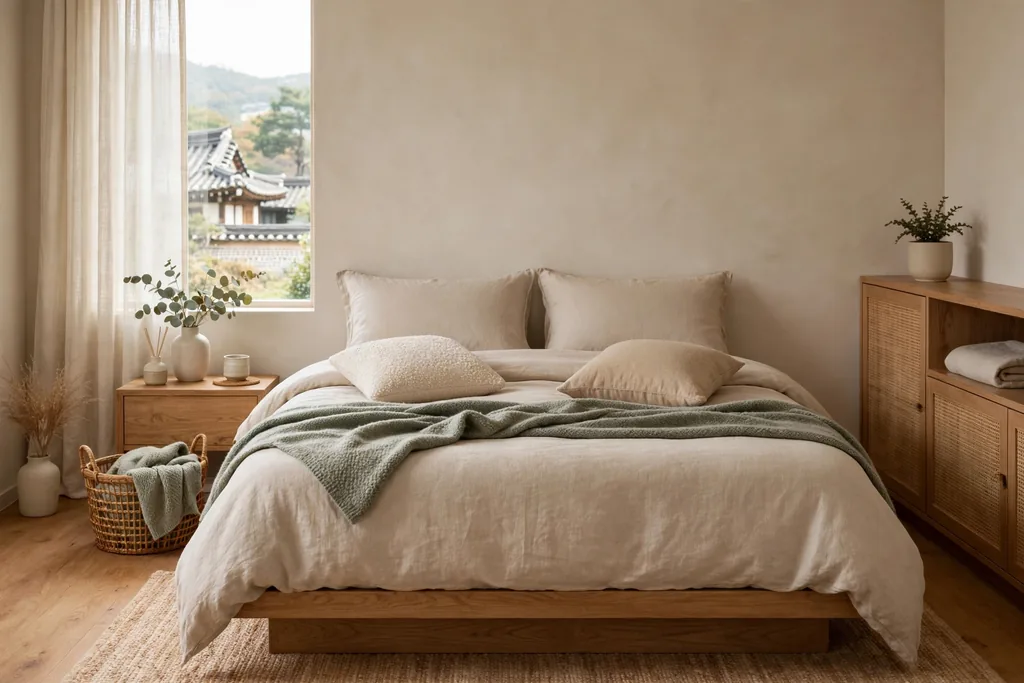
    Low platform bed with storage drawers and neutral bedding in a small Korean bedroom.

    Choose a low platform bed to give the bedroom a grounded, restful feel and to free up visual height above the bed. A low frame suits a small bedroom because it leaves more wall visible, which makes the room feel taller, and it pairs well with a simple padded headboard or a plain wall with one piece of art. Keep bedding in soft, solid colors with one folded throw at the foot of the bed.

    Use drawers or boxes under the platform for off season clothes, spare bedding, or bags, so the room needs one less chest of drawers. Measure the platform height before you buy, so you can sit on the edge of the bed with ease and so drawers open fully without hitting a rug. Keep the top of the bed made each morning, since a low bed is the first thing the eye meets in a small bedroom.

    3. Floor Seating Corner for Relaxed Living

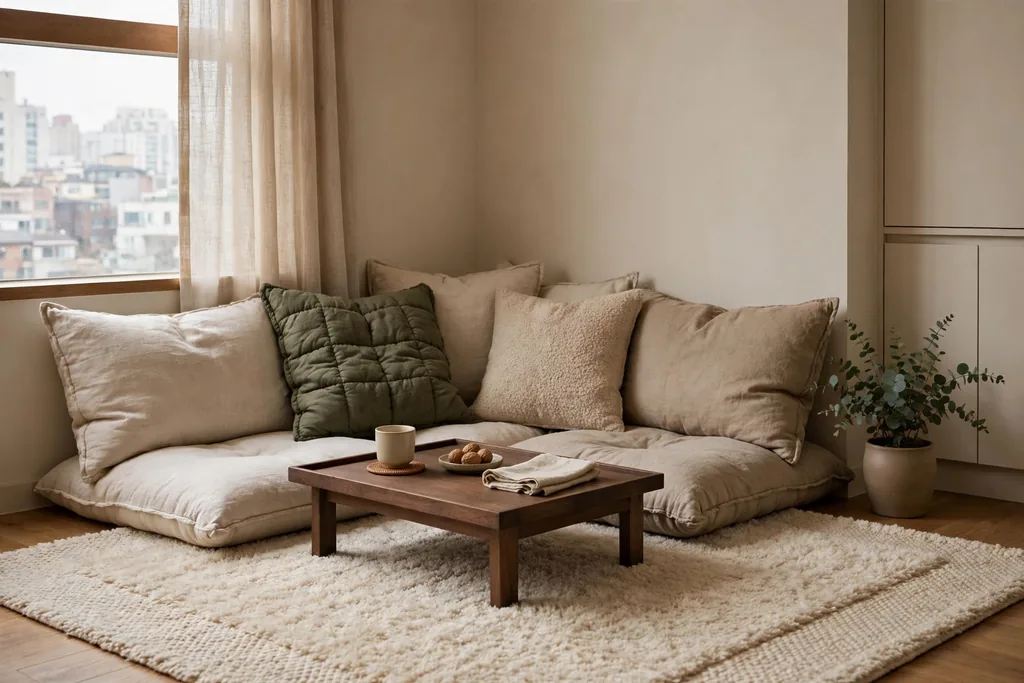
    Floor seating corner with thick cushions, low tray table, and soft rug in a Korean apartment.

    Build a floor seating corner with thick floor cushions, a low tray table, and a soft rug for reading, tea, and quiet evenings. Floor seating suits a Korean inspired living room because it keeps the eye line low and leaves the room feeling open, and it can be packed away when you need floor space for guests or exercise. Choose cushions with firm filling and washable covers, so the corner stays comfortable and easy to keep fresh.

    Place the corner near a window or a wall with a shelf for books and a cup, and add a small basket for throws so the corner works as a complete spot. If sitting on the floor is hard on your knees, add a low backrest cushion or a short bench beside the cushions for support. Keep the rug large enough for all the cushions, so the corner reads as one seating group rather than scattered pads.

    4. Warm Floor Layers Inspired by Ondol Living

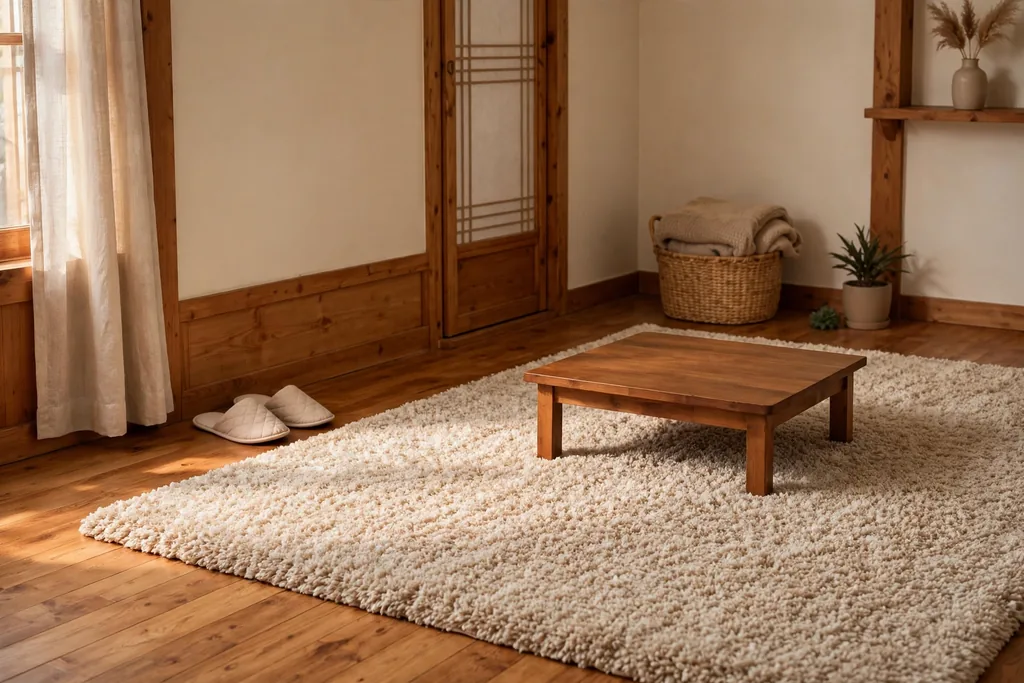
    Thick rug and low table on a warm apartment floor with slippers by the wall in a Korean home.

    Take inspiration from ondol floor living by making the floor itself a comfortable place to sit and rest. Use a thick rug over a soft underlay, warm slippers by the door, and a low table for meals or tea, so the floor feels like part of the living space rather than just a surface to walk on. This approach suits apartments with hard floors, which can feel cold in winter and echoey all year.

    Add a washable rug in the living area and a smaller rug beside the bed, and keep a pair of indoor slippers at the entry so the floor stays clean for sitting. If your home has underfloor heating, check the rug maker guidance for heat suitability before you buy a very thick rug. A floor level lifestyle works best when the floor is kept clear, so store shoes, bags, and chargers off the floor in a basket or cabinet.

    5. Sliding Doors and Light Room Dividers

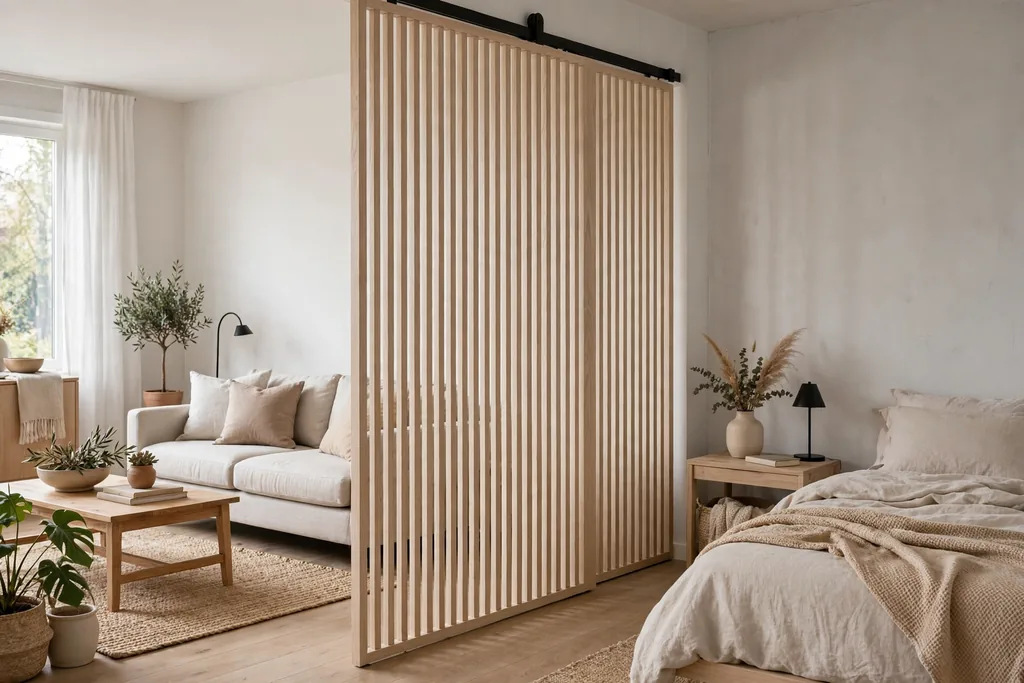
    Light sliding divider with pale wood slats separating sleeping and living zones in a studio apartment.

    Use a sliding door, a light curtain, or an open shelf unit to divide a studio or a long room without blocking daylight. A divider that slides or hangs gives you privacy for sleep or work when you need it, and opens the room again during the day, which matters in a one room home. Choose a light material, such as pale wood slats, sheer fabric, or an open shelf, so light still reaches both sides.

    Hang a ceiling track curtain if a solid divider would block too much light, and extend the track past the bed or desk so the curtain stacks out of the way. An open shelf divider adds storage as well as a boundary, but keep the shelves partly open so the room does not feel walled in. Check your lease before fixing a track to the ceiling, and use a freestanding screen if fixing is not allowed.

    6. Paper Lantern Light for Soft Evenings

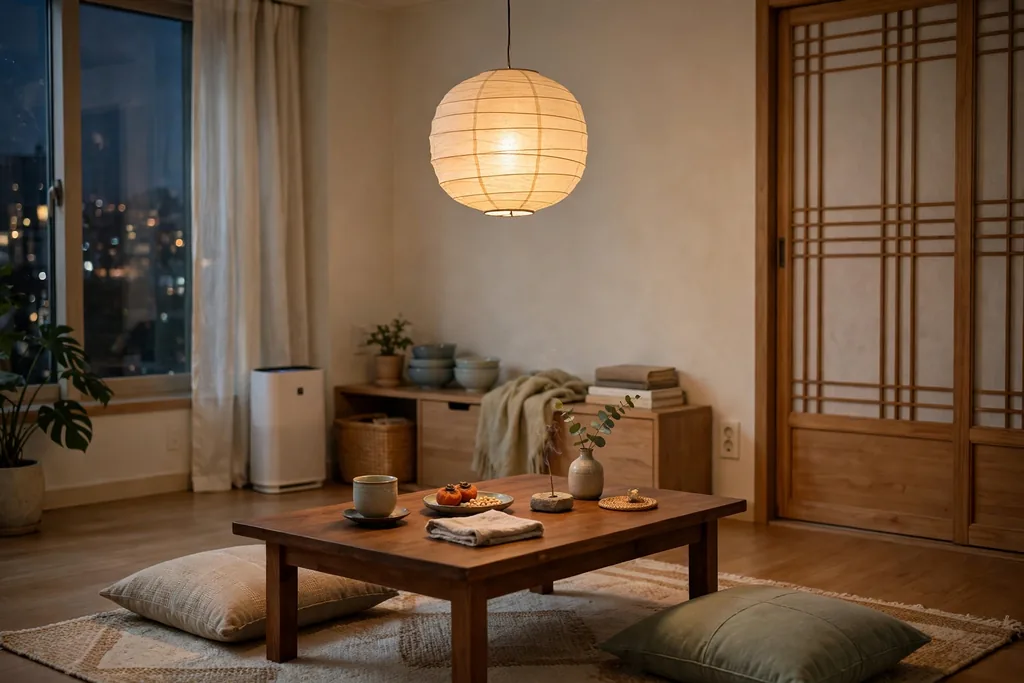
    Paper lantern lamp glowing softly over a low table in a cozy Korean apartment living room.

    Hang a paper lantern or place a paper shaded lamp in the living room or bedroom for soft, even evening light. Paper shades spread light gently and hide the harsh point of a bare bulb, which helps a small room feel calm after dark. Choose a warm white bulb and a shade size that suits the room, since a very large lantern can dominate a small ceiling.

    Hang the lantern over a seating area or a low table, not over a walkway where it could be bumped, and keep it clear of curtains and bedding. A floor standing paper lamp works well in a corner where ceiling hanging is not allowed, and it can move with you when you rearrange the room. Pair the paper light with one smaller lamp, so you can read without turning on a bright overhead light.

    7. Built In Look Wardrobe Wall

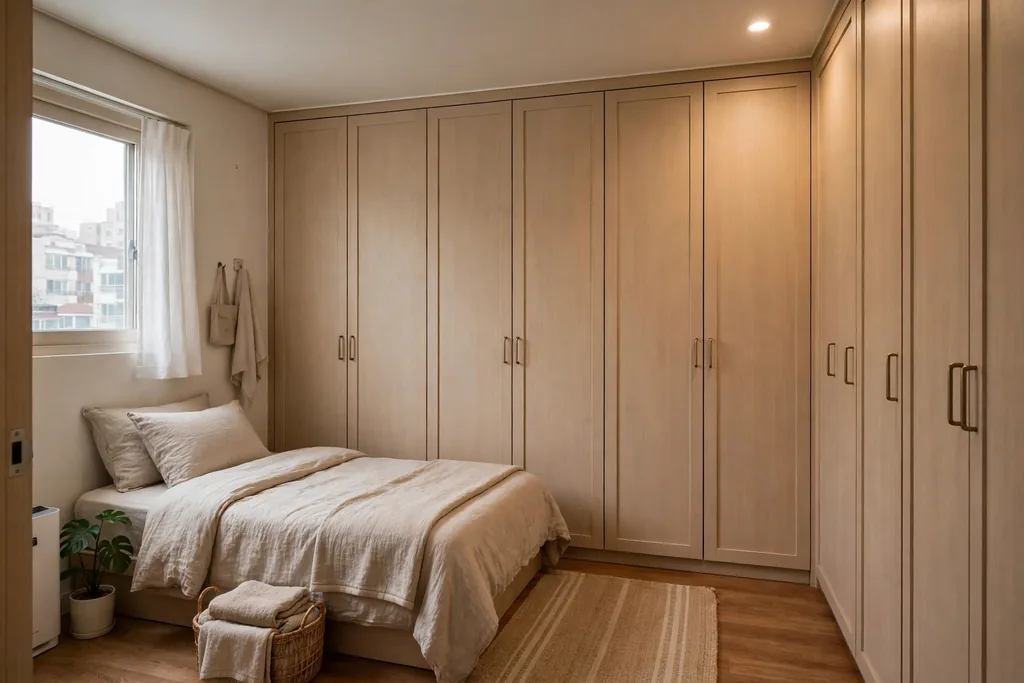
    Full wall of matching light wardrobes with simple handles in a small Korean bedroom.

    Give the bedroom a built in look by running wardrobes or tall cabinets along one full wall in a single color. A wall of matching doors reads as architecture rather than a row of separate wardrobes, and it hides clothes, bedding, and bags behind closed fronts. Keep handles simple and the color close to the wall color, so the wall feels calm rather than heavy.

    If built in units are not possible in a rental, use two matching freestanding wardrobes with a top board or a curtain rail across them to link the look. Inside, use boxes and hanging shelves to sort clothes by season or use, since a tidy inside makes the outside easier to keep closed. Leave one section for daily clothes at hand height, and store off season items up high or under the bed.

    8. Fold Away Table for Dining and Work

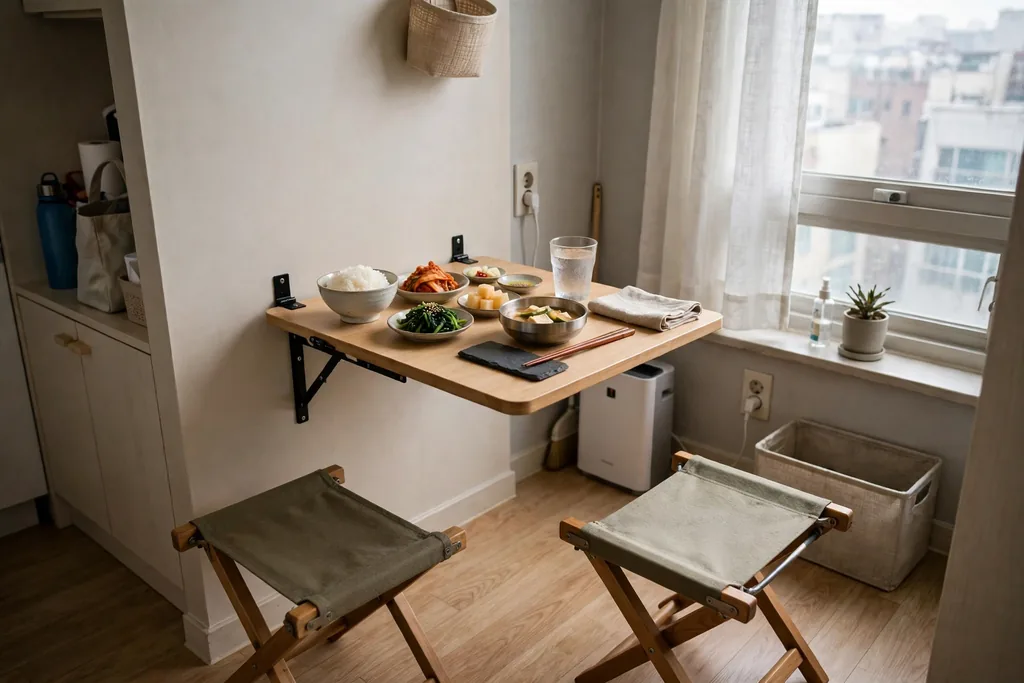
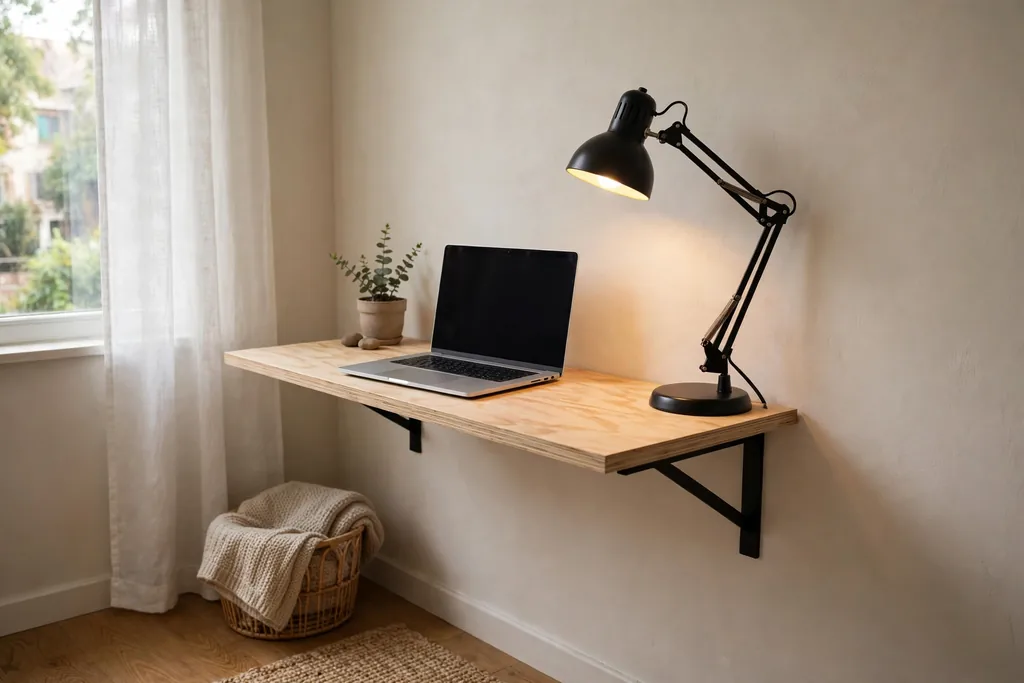
    Fold down wall table set for a meal with folding stools in a small Korean apartment.

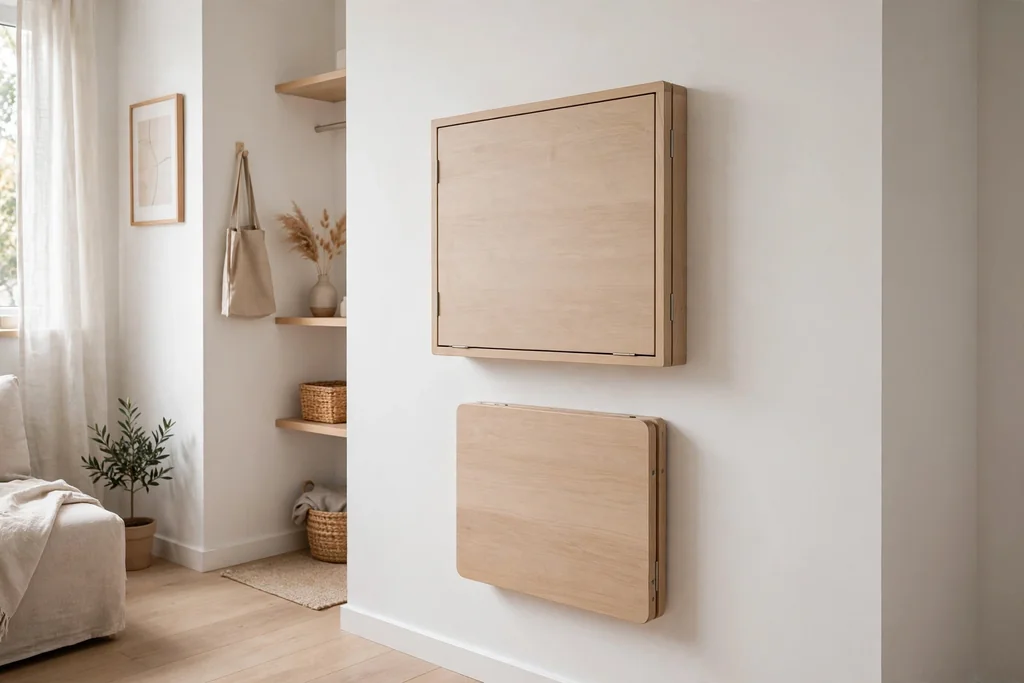
    Use a fold down wall table or a drop leaf table so a small apartment can have a real dining spot without a table standing in the middle of the room all day. Fold it down for meals, study, or a puzzle, then fold it away to free the floor for walking or guests. Two stackable stools or folding chairs stored nearby complete the setup without a full dining set.

    Fix a wall table firmly into studs or suitable anchors, and check the weight rating before you load it with books or a laptop. A drop leaf table on casters is a good choice if wall fixing is not allowed, since it can roll to the wall when closed. Keep the table clear as a habit, because a fold away table only helps if folding it away stays easy, and keep a small tray for condiments so meals do not spread across the whole surface.

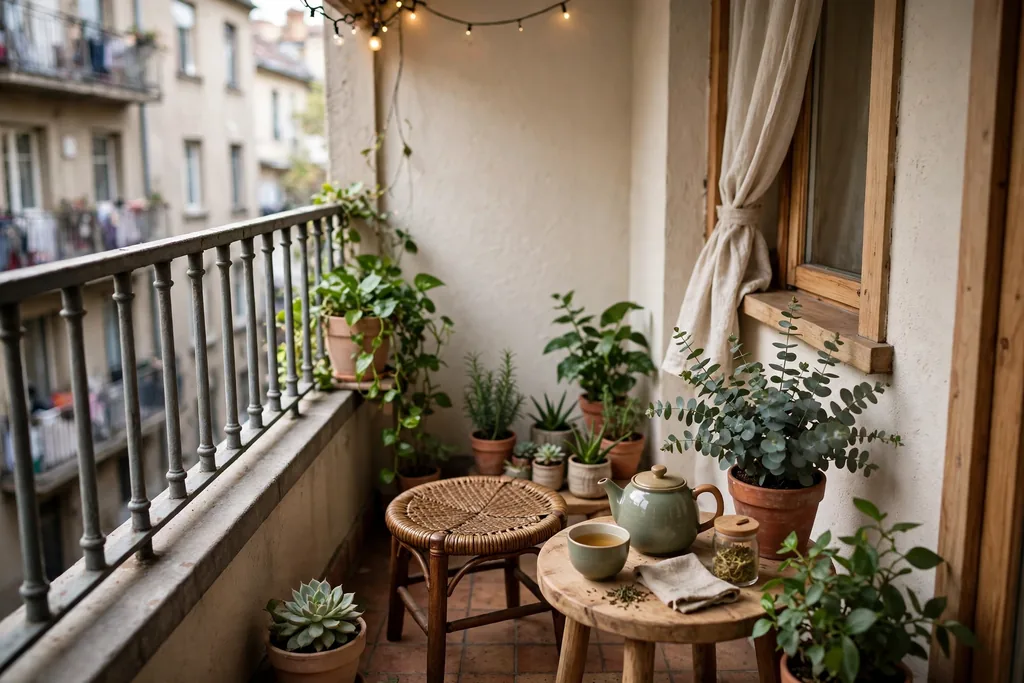
    9. Balcony Turned Into a Tea Nook

    Small apartment balcony tea nook with a low stool, side table, and potted plants.

    Turn a small balcony into a tea nook with a low stool, a small side table, and one or two pots, so the balcony becomes a daily pause rather than a storage ledge. Many Korean apartments have a balcony used for laundry or storage, and carving out even a chair sized corner for sitting gives that space a second job. Choose weather resistant pieces that can stay outside, and bring cushions in when rain is forecast.

    Keep the nook to what fits without blocking the door or a drying rack, and add a small tray for a teapot and cups so the spot feels ready to use. A trailing plant or a small herb pot adds green without taking floor space, and a wind screen or a tall pot can cut drafts on an open balcony. Check building rules before fixing anything to the railing, and keep the route from the door clear for safety.

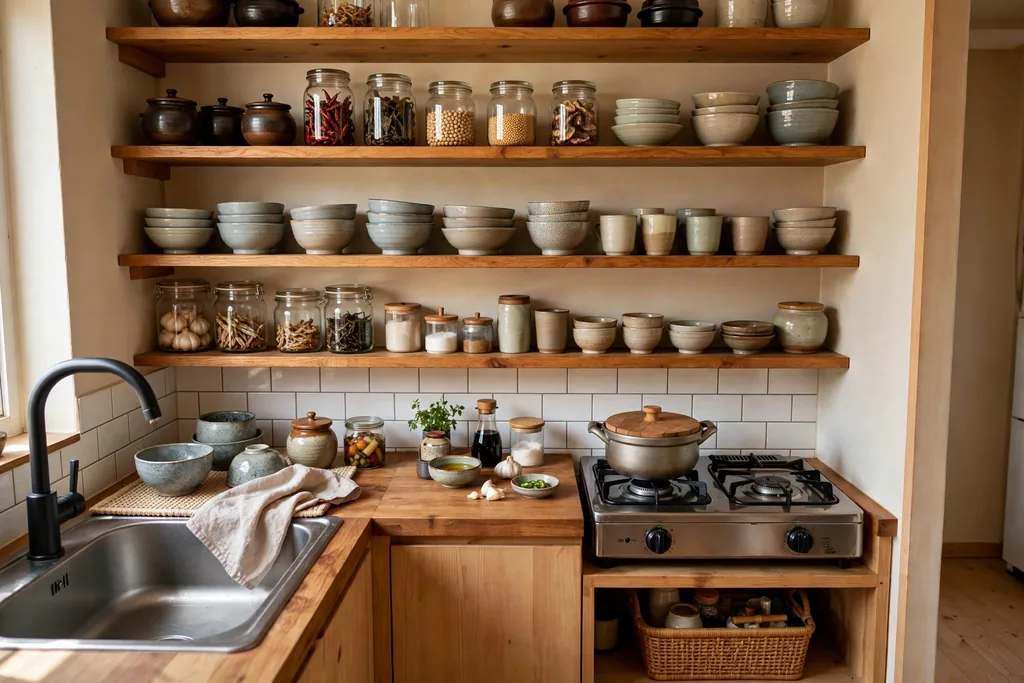
    10. Compact Kitchen With Open Shelves

    Compact Korean kitchen with open wood shelves holding bowls, cups, and jars.

    Open up a compact kitchen with one run of open shelves for daily bowls, cups, and jars, while keeping less used items behind closed doors. Open shelves make a small kitchen feel less boxed in, and they put daily items within one reach, which speeds up cooking and tidying. Keep the shelf display to items you use weekly, in matching or plain colors, so the shelf reads as tidy rather than crowded.

    Place heavy items low and light items high, and anchor shelves firmly following the maker instructions. Group similar items together, such as bowls in one stack and mugs in one row, and leave a little empty space at the end of each shelf. A small rail under the shelf for utensils or cups adds storage without another shelf, and a tray on the counter can hold oils and sauces used daily.

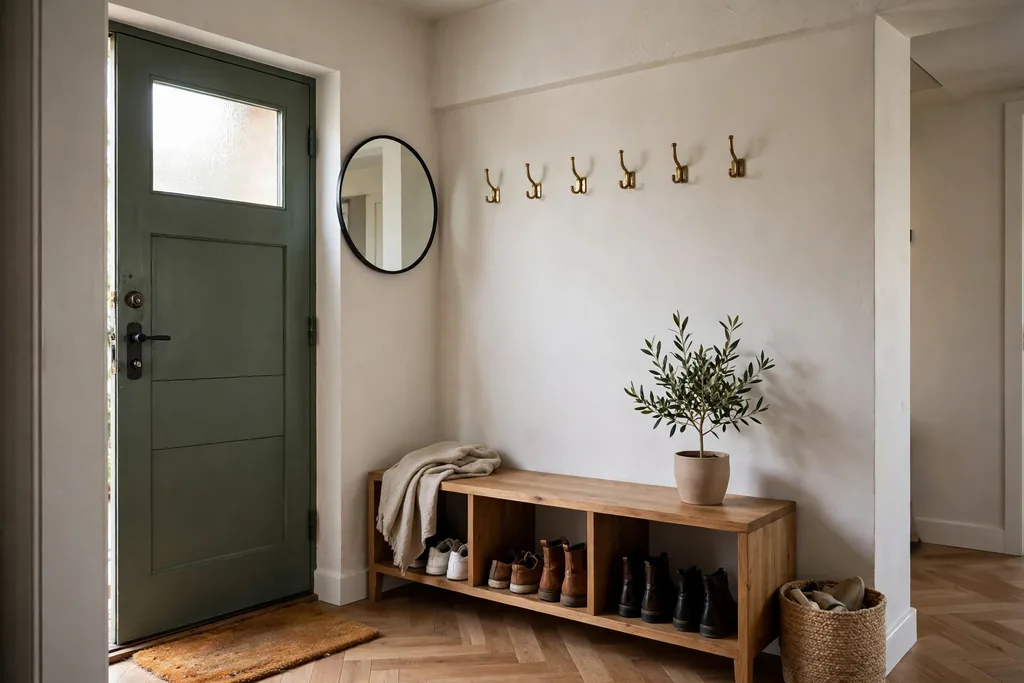
    11. Entryway Shoe Cabinet and Bench

    Apartment entry with a low shoe cabinet bench, hooks, and a mirror by the front door.

    Set a low shoe cabinet with a bench top by the front door, so shoes, keys, and bags have a home the moment you come in. A bench top gives you a seat for putting on shoes, and closed cabinet doors hide footwear that would otherwise spread across the entry floor. Add a small tray or dish on top for keys and a hook row above for coats and bags.

    Measure the entry before you buy, and leave a clear path from the door into the room, since a cabinet that blocks the walkway will be worked around rather than used. Keep daily shoes in the cabinet and off season shoes in a box elsewhere, so the cabinet never overflows. A mirror above the bench gives a last check before leaving and bounces light into a narrow entry.

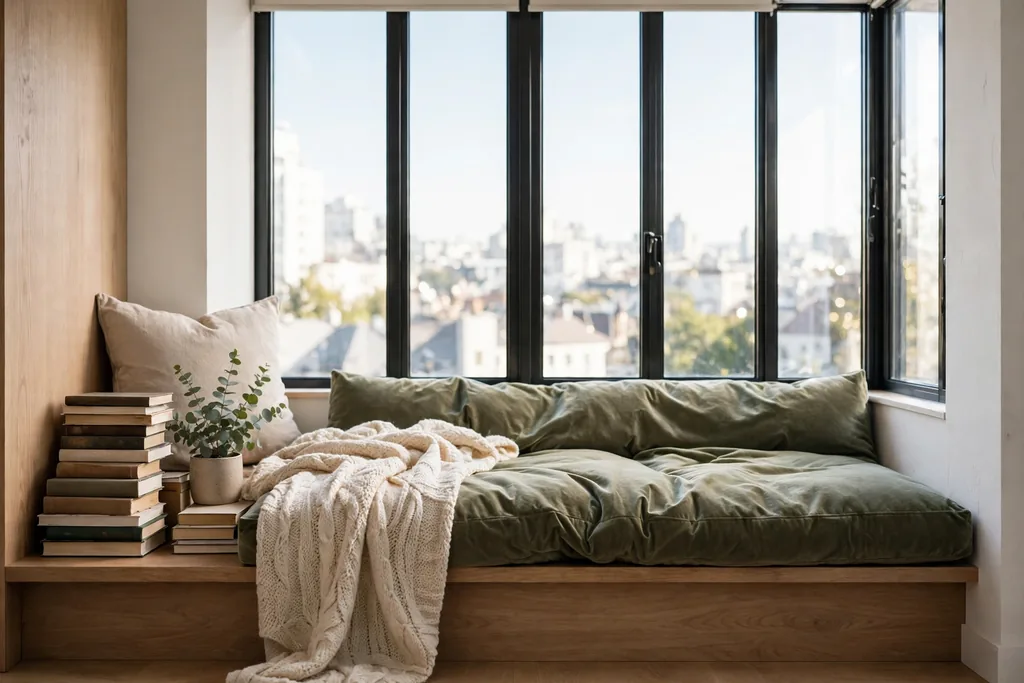
    12. Window Reading Nook With Deep Cushions

    Window reading nook with a deep cushion, throw, and books beside a bright apartment window.

    Make a window reading nook with a deep cushion on a low bench or a wide sill, a throw, and a small shelf for books. A window seat uses a stretch of wall that often stays empty, and it gives the apartment a quiet corner for reading, looking out, and slow mornings. Choose a cushion with a washable cover, since a seat beside a window collects dust and light fading faster than other seats.

    Add a small wall lamp or a clip light for evening reading, and keep a basket beside the seat for the current book and a throw. If a built in bench is not possible, a low storage bench pushed against the window wall does the same job and adds a place for shoes or bags underneath. Keep the window opening clear, and check that cushions do not block a vent or a radiator.

    13. Low Sofa and Low Coffee Table Living Room

    Low sofa with slim arms and a low coffee table on a rug in a Korean apartment living room.

    Choose a low sofa with slim arms and a low coffee table to keep the living room feeling open and grounded. Low furniture leaves more wall visible above it, which helps a small room feel taller, and it suits floor cushions and a low rug layered beside it. Pick a sofa depth that lets you sit with feet on the floor, and a coffee table height that sits just below the seat height for easy reach.

    Keep the coffee table surface mostly clear, with one tray for remotes and a small plant or candle, so the room stays easy to tidy. A sofa with raised legs shows more floor underneath and can make the room feel lighter, while a sofa close to the floor reads cozier and more grounded. The seating guidance in these cozy apartment living room ideas shows how one rug and a floated seating group can define the living zone in a small home.

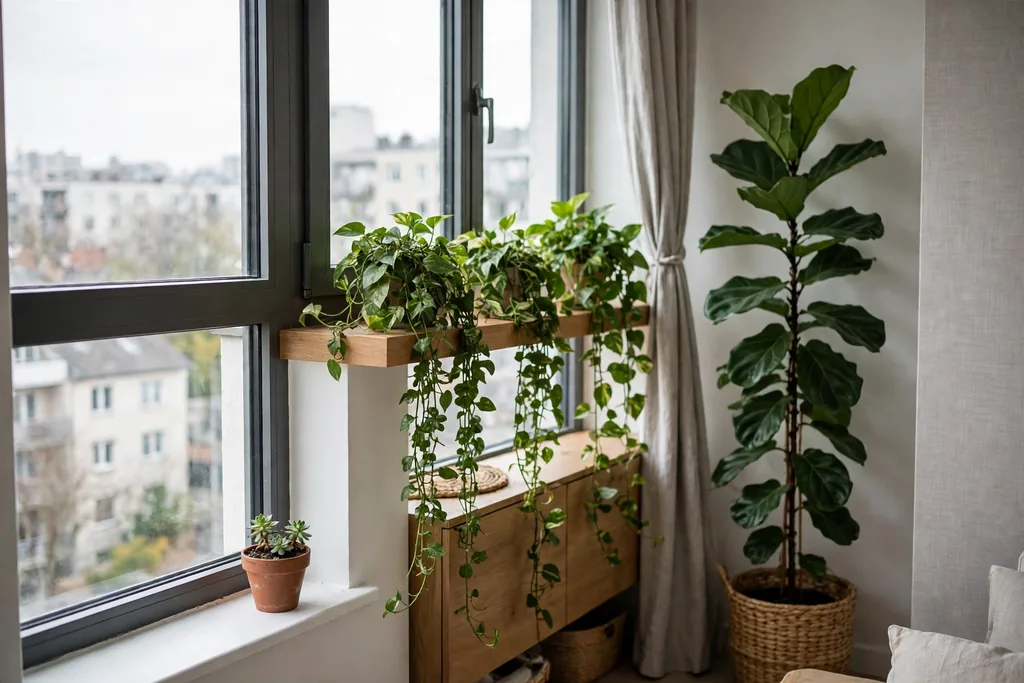
    14. Plants at Different Heights by the Window

    Apartment window with plants at three heights, a tall floor plant, trailing shelf plants, and a small pot.

    Place plants at three heights near a window: a tall floor plant in a corner, trailing plants on a shelf, and a small pot on the sill or a side table. Plants at different heights keep green from crowding one surface, and they soften the straight lines of shelves and window frames. Match each plant to the light it will actually get, since a bright window suits different plants than a dim corner.

    Start with three or four plants rather than a dozen, so watering stays manageable, and group plants that need similar water together. Use saucers under pots on wood floors, and wipe leaves now and then so they stay healthy in a small room. A tall plant can also screen a view you do not love, while trailing plants soften a shelf edge without taking floor space.

    15. Neutral Bedding With One Soft Accent

    Bed dressed in neutral bedding with one soft accent throw and cushions in a Korean bedroom.

    Dress the bed in neutral bedding in white, cream, or soft beige, then add one accent color in a throw and two cushions. A neutral bed makes a small bedroom feel restful and lets you change the mood by swapping only the throw and cushions, rather than buying new bedding. Choose natural feeling fabrics such as cotton or linen blends, with a lighter layer for warm nights and a warmer layer for cold ones.

    Keep sleeping pillows separate from daytime cushions, and store extra bedding in one labeled box so the bed never doubles as a storage pile. Make the bed each morning, since a made bed sets the tone for the whole bedroom, especially in a studio where the bed is visible from the living area. Fold the throw at the foot of the bed so it looks intentional rather than tossed aside.

    16. Wall Mounted Desk for a Work Corner

    Slim wall mounted desk with a laptop and task lamp in a quiet apartment work corner.

    Mount a fold down or slim wall desk in a quiet corner to give work a clear home that closes away at the end of the day. A wall desk needs little floor space, and closing it at night marks the shift from work to rest, which matters when the living room is also the office. Mount it at a comfortable writing height, and keep a small shelf above it for a laptop, notebook, and charger.

    Choose a chair that slides fully under a nearby table or folds flat, so the work corner does not block the room when work ends. Keep work papers in one tray or drawer, and put the charger in a fixed spot so cables do not spread across the floor. If wall fixing is not allowed, a narrow console table against the wall with a laptop stand gives a similar corner without drilling.

    17. Curtain Divider for a Studio Sleeping Zone

    Light curtain on a ceiling track partly drawn across a bed zone in a studio apartment.

    Hang a curtain from a ceiling track to close off the sleeping zone in a studio at night and open the whole room again in the morning. A curtain divider is softer and lighter than a solid screen, and it can be drawn in seconds, which suits a room that changes jobs through the day. Choose a fabric heavy enough to block the view of the bedding, but light enough to slide easily with one hand.

    Hang the curtain as close to the ceiling as possible so the sleeping area feels taller, and extend the track a little past the bed on each side so the curtain stacks out of the way during the day. Washable fabric is a practical choice, since a bed curtain collects dust and cooking smells faster than a window curtain. Keep the curtain clear of a heater or a lamp, and check the track fixings suit your ceiling type before you buy.

    18. Large Mirror Opposite the Window

    Large mirror opposite a bright window in a small Korean apartment living room.

    Place a large mirror opposite or beside a window to bounce daylight deeper into the room and make the far wall feel farther away. In a small apartment, that extra sense of depth matters, because the room has no hallway or second room to give your eyes a break. Lean a full length mirror against the wall if hanging is not allowed, and secure it so it cannot slide on a smooth floor.

    Check what the mirror reflects before you fix its position, since a mirror that reflects a messy corner doubles the mess. Aim it toward the window, a plant, or a calm stretch of wall for the best result. One large mirror usually works better than several small ones scattered across the room, and a simple frame in light wood or black suits most Korean inspired rooms.

    19. Layered Warm Light for Evenings

    Apartment living room in the evening lit by a paper lamp, floor lamp, and small shelf light.

    Layer light at three levels for evenings: a soft ceiling or paper light for the whole room, a floor or table lamp where you sit, and a low glow on a shelf or side table. A single ceiling light flattens a small room and feels harsh after dark, while layered light lets you shift from a bright daytime room to a calm evening one. Use warm white bulbs throughout, so the levels agree rather than clash.

    Put the brightest light where you need to see, such as beside the reading chair, and keep the overall level soft in the evening. Dimmable bulbs or smart plugs let you change the mood without rewiring, which matters in a rental where electrical changes are limited. Switch off the harsh overhead light after dinner and let the lamps set a calmer mood for the night, with a small light left on near the entry for coming home.

    20. Textile Layers for Warmth Without Clutter

    Living room layered with a flat weave rug, soft throw, and linen and knit cushions on a sofa.

    Layer textiles for warmth: a flat weave rug to anchor the seating, a softer rug or throw on top in the sitting zone, and cushions in two textures such as linen and knit. Hard apartment floors can feel cold and echoey, and textiles soften them faster than new furniture. Start with the rug, since it defines the seating group, then add a throw folded over one sofa arm and cushions that repeat one accent color.

    Choose washable covers where you can, since apartment seating sees daily use, and shake out or vacuum the layers regularly so they stay fresh. Limit strong color to two or three accents, such as a cushion, a piece of art, and a plant pot, and repeat those accents in more than one spot so the room feels connected. Remove one item for every new decorative piece you add, and the room will stay warm rather than crowded.

    21. Display Shelf for Books and Keepsakes

    Single display shelf with books, a small vase, and keepsakes above a low console in an apartment.

    Dedicate one shelf, not every shelf, to books and keepsakes, so display feels chosen rather than crowded. A single display shelf with books, a small vase, and one or two meaningful objects gives the room personality without filling every surface. Arrange books in a mix of upright rows and one flat stack, and leave empty space at one end so the shelf looks intentional.

    Keep the rest of the shelving for closed storage or plain daily items, so the display shelf stands out. Rotate the display with the seasons or when you find a new print, rather than adding more objects each time. Use a picture ledge for art you can swap easily, which suits renters who want to limit holes, and lean the largest frame at the back with smaller frames in front.

    22. Dining Nook With Bench Seating

    Dining nook with a bench against the wall and a small table set for a meal in an apartment.

    Build a dining nook with a bench against the wall and a small table, so a tight corner can seat three or four people without a full dining set. A bench tucks close to the wall, needs no chair clearance behind it, and can hold storage underneath for placemats or board games. Pair it with one or two chairs on the open side, so people can slide in and out with ease.

    Keep the table size modest, with room for plates and a low centerpiece that people can talk across, and store extra placemats and napkins in a nearby drawer or basket. A cushion on the bench makes a long meal comfortable, and a washable cover keeps it practical near food. Site the nook near the kitchen if you can, so carrying food is short, and keep the route to the table clear.

    23. Bathroom With Warm Wood and Closed Storage

    Small bathroom with light wood accents, closed storage, and rolled towels on a shelf.

    Warm up a plain bathroom with light wood accents, such as a wood framed mirror, a wood tray, and a wood stool, paired with closed storage for toiletries. Wood softens tile and white fittings, and closed storage keeps counters clear, which matters most in a small bathroom. Choose wood items made for damp rooms, and wipe them dry after showers so they last.

    Add a wall shelf above the toilet or beside the mirror for daily items, with matching dispensers so the shelf reads as tidy. Keep towels rolled on the shelf or in a basket, and store backup supplies in a cabinet rather than on the counter. A small plant that suits humidity, placed where it will not be splashed, adds green without taking counter space, and a warm light bulb keeps the room from feeling clinical.

    24. Balcony Drying and Laundry System

    Tidy balcony laundry setup with a folding drying rack and a basket beside potted plants.

    Set up a tidy laundry system on the balcony or in a utility corner, with a folding drying rack, a basket for clean laundry, and a small shelf for supplies. Many small apartments dry clothes indoors or on a balcony, and a planned system keeps that daily job from taking over the living room. Choose a rack that folds flat against the wall when not in use, and keep pegs and hangers in one small box.

    Sort laundry into one basket for washing and one for folding, so clean clothes do not pile on chairs. If the balcony is the drying spot, keep the rack clear of the tea nook seat and the door route, and bring clothes in before evening damp sets in. A lidded basket for dirty laundry near the bathroom or bedroom stops piles from forming in the living area, and a weekly laundry day keeps the system working.

    25. Seasonal Bedding and Curtain Swap

    Bedroom with fresh seasonal bedding and curtains in soft tones beside a window.

    Swap bedding and curtains with the seasons to change the feel of the apartment without buying new furniture. Use lighter cotton bedding and sheer curtains in warm months, and warmer bedding with heavier curtains in cold months, so the room suits the weather and feels fresh twice a year. Store the off season set in one labeled box under the bed or on top of the wardrobe.

    Choose curtain colors that match the bedding accent, so the swap feels planned across the room, and wash the stored set before you pack it away. A seasonal swap is also a good time to check cushions, throws, and rugs for wear, and to rotate the display shelf. Keep the swap to one afternoon, and put the new set on the bed and windows the same day, so the room changes in one clear step.

    26. Hidden Storage in Every Room

    Living room with a storage ottoman open showing folded throws beside a low sofa.

    Give every room one piece of hidden storage: a storage ottoman in the living room, a platform bed in the bedroom, a bench with a lid in the entry, and a cabinet in the bathroom. Hidden storage keeps daily clutter out of sight without adding more furniture to the floor plan, and it makes tidying a matter of putting things back rather than deciding where they belong. Choose pieces with lids or doors that open fully without hitting nearby furniture.

    Keep only items you reach for often inside each hidden store, because a storage seat filled with things you never use becomes a box you never open. Label boxes inside wardrobes and cabinets, and do a short reset once a week, walking each room with a basket and returning anything that has drifted out of place. When everything has a home, a small apartment stays calm even on busy days.

    27. Calligraphy and Print Accent Wall

    Accent wall with framed Korean calligraphy prints in light wood frames above a low console.

    Create one accent wall with framed Korean calligraphy, a Hangul print, or a simple landscape print in a plain frame, rather than covering every wall with art. One focused wall gives the room a cultural anchor and a talking point, while the other walls stay calm and give the eye rest. Choose prints in muted colors that match the room accent, and keep frames in one finish, such as light wood or black, so the group reads as a set.

    Hang the group at eye level above a sofa, a low console, or the bed, and lay the frames on the floor first to test the layout before anything goes up. Use adhesive strips or picture ledges if drilling is not allowed, and check the weight rating for each frame. Leave one wall in the room free of art, so the accent wall stands out and the small room does not feel crowded.

    28. Small Kitchen Table for One or Two

    Small round kitchen table for two set by a window with a low centerpiece in an apartment.

    Set a small round table for one or two people in the kitchen corner or by a window, so everyday meals have a proper place even when a full dining room is missing. Eating at a table, even a small one, turns a solo dinner into a pause in the day rather than a task finished standing up. Choose a pedestal base, so chairs tuck in and no one bumps a corner leg, and keep the centerpiece low and moveable.

    Store placemats and napkins in one nearby drawer, so setting the table does not become a search through cupboards, and keep the table clear between meals so it can switch to work or a puzzle. The solo living ideas in these solo apartment ideas show how one small table can serve meals, work, and guests in a home for one person. A round table also suits a tight corner, since it has no sharp corners to catch a hip in a walkway.

    29. Evening Wind Down Corner With Tea

    Evening wind down corner with a comfortable chair, warm lamp, tea on a side table, and a throw.

    Finish the apartment with an evening wind down corner: a comfortable chair or floor cushion, a small side table for tea, a warm lamp, and a basket for a book and a throw. A wind down corner gives the end of the day a place of its own, separate from the work corner and the dining table, so evenings feel slower and more restful. Keep the corner away from screens where possible, or turn the main screen off when you sit there.

    Set a simple tea ritual for the corner: a teapot or mug, a small tray, and a place for the cup when you finish, so the corner is ready each evening without setup. Add a candle style light or a dim lamp, and keep the throw folded in the basket so the corner looks inviting even when empty. Use the corner for reading, tea, and quiet talk, and let it be the last lit spot in the apartment before bed.

    Conclusion

    A Korean apartment feels cozier when the base stays calm, the furniture stays low, and every daily routine has a small, clear spot. Start with warm wood and white, one comfortable seat, and layered light, then add the storage, textile, and balcony ideas that solve your biggest daily frustrations. Try one or two ideas this weekend, live with them for a week, and adjust before adding more. Pick the idea that fits the room you use most, set it where you will actually sit, eat, or sleep, and let the rest of the apartment grow around it one calm layer at a time. Save this list on Pinterest before your next home trip, and work through it one room at a time.

    FAQs

    How can I make a small Korean apartment feel cozy without clutter?

    Start with a calm base of warm white and light wood, then add warmth through textiles and light rather than more objects. Use a rug to anchor seating, layer light at more than one level, and give every everyday item a home in closed storage. Add one accent color in cushions and art, and remove one item for every new decorative piece you bring in, so the room stays warm rather than crowded.

    What colors work best for a Korean apartment?

    Warm white, soft beige, and light wood form a calm base that suits small rooms and daylight. Add muted accents such as sage, soft blue, dusty pink, or warm grey in cushions, throws, and art, and repeat one accent in two or three spots so the room feels connected. Keep strong color to small, moveable items, so you can change the mood without repainting or replacing large furniture.

    Is low furniture practical in a small apartment?

    Yes, when it is chosen for comfort as well as looks. A low platform bed, a low sofa, and a low table leave more wall visible, which helps a small room feel taller, and they pair well with floor cushions and rugs. Check seat heights before you buy, add a backrest cushion for floor seating if needed, and keep walkways clear, so low furniture feels restful rather than hard to use.

    How do I add Korean style to a rental without permanent changes?

    Use renter friendly pieces first: freestanding shelves, curtains on a track or tension rod, picture ledges, rugs, paper lamps, and low furniture that moves with you. Avoid drilling, painting, or changing fixed fittings until you check your lease, and use adhesive strips rated for the weight of each frame. A calm base, warm wood tones, and soft light give the Korean inspired feel without any permanent work.

    What is the easiest Korean apartment idea to start with?

    Start with bedding, light, and one rug. Swap in neutral bedding with one soft accent throw, add a paper shaded lamp for warm evening light, and lay a rug that anchors the main seating group. These three changes affect how the room feels every day, need no building work, and cost less than new furniture. Once that base works, add a floor seating corner or a display shelf one step at a time.

    How can I store more in a Korean apartment without adding bulky furniture?

    Use furniture that does two jobs and storage that hides away: a platform bed with drawers, a storage ottoman, a bench with a lid in the entry, and a wardrobe wall with closed doors. Take storage up the wall on one wall only, keep heavy items low, and use boxes inside cabinets so each category has a home. A short weekly reset keeps hidden storage working, since a tidy inside is what keeps the outside looking calm.


  • 22 Apartment Ideas for Couples to Make Every Corner Count

    22 Apartment Ideas for Couples to Make Every Corner Count

    Sharing an apartment means sharing every decision, from where the sofa goes to who gets the top shelf. A room that works for one person can feel cramped or uneven for two, especially when schedules, hobbies, and sleep habits differ. The ideas below focus on fair splits, shared zones, and small routines that keep a rented home calm. Start by agreeing on a simple base palette and a few ground rules, then pick the ideas that solve your most frequent friction points first. For wider small space guidance, see these studio apartment decorating ideas.

    Key Takeaways

    • Agree on a calm base palette first, then let each person add personal touches in their own zone so the home reads as shared, not split down the middle.
    • Give each person a defined home for daily items, such as a bedside table, a closet section, a bathroom basket, and an entry hook, so clutter has a fair place to go.
    • Use zones rather than walls to mark sleeping, working, cooking, and relaxing areas, especially in a studio or one bedroom apartment.
    • Favor renter friendly changes, such as freestanding furniture, removable hooks, baskets, and layered light, and check your lease before drilling or mounting anything heavy.
    • Build two-person routines into the layout, such as a breakfast nook, a shared calendar spot, and a laundry system, so the home supports daily life for both people.
    • Test a layout for a week before buying more furniture, since a small change in placement often solves a problem that new storage would only hide.

    1. Start With a Shared Style Board

    Couple arranging color swatches and room photos on a shared style board.

    Make a simple board, on paper or on a phone, with colors, materials, and room photos you both like. Each person adds five images, then you keep only the ones you both can live with and note the ones that are a firm no. This step prevents the common pattern where one person chooses everything and the other quietly dislikes the result.

    Use the board as a shopping filter. When a new cushion, rug, or lamp does not fit the agreed colors or materials, leave it in the shop. Revisit the board when a room feels stuck, and swap one image out for a new shared favorite. A board you both built is easier to defend than a single taste imposed on a shared home.

    2. Give Each Person a Bedside Table

    Bedroom with two matching bedside tables, lamps, and books on each side of the bed.

    Two bedside tables, even small ones, give each person a lamp, a book, a glass of water, and a charging spot without negotiating over one shared surface. Matching tables keep the bed looking balanced, while different lamps or books let each side keep its own character.

    Keep the tops to three items each as a habit, so the tables stay useful rather than becoming extra storage. If floor space is tight, use wall mounted shelves or narrow stools at the same height as the bed. The point is parity: neither person should have to reach across the bed for a light or a phone charger.

    3. Split the Closet Into Two Clear Zones

    Shared closet divided into two clear zones with separate rails and shelves.

    Divide the closet by person, not by garment type alone, and mark the split with a divider, a different hanger color, or a labeled shelf. Each person then owns one section for hanging clothes, one shelf, and one drawer or basket, which makes tidying a personal job rather than a shared argument.

    Review the split when seasons change, since one person may own more coats or more folded knitwear. Keep a shared section only for items you truly share, such as spare bedding or bags. A fair split that is visible every morning works better than a verbal agreement that fades after a week.

    4. Build a Two-Person Entry Landing

    Apartment entry with two hooks, two trays, and a shoe basket by the door.

    An entry landing with two hooks, two small trays, and one shared basket for shoes stops bags and keys from spreading across the living room. Each person gets a hook at their own height and a tray for keys, sunglasses, and a wallet, while the basket holds shoes that would otherwise block the door.

    Place a small bench or stool nearby if there is room, so shoes can be changed without balancing in the hall. Empty the trays once a week, since an entry that collects mail and loose change soon stops working as a landing. A clear entry also sets a calm tone for the rest of the apartment.

    5. Make a Breakfast Nook for Two

    Small breakfast nook for two with a round table, two chairs, and coffee by a window.

    A small table with two comfortable chairs, set near a window or in a kitchen corner, gives a couple a daily meeting point that is not the sofa or the bed. Keep the table clear overnight, so breakfast does not start with clearing yesterday’s work or mail. A washable tablecloth or two placemats mark it as a dining spot, even in a kitchen that doubles as a workspace.

    Add one small shared ritual, such as coffee together before phones come out, and the nook earns its floor space fast. If a full table will not fit, a fold down wall table with two folding chairs gives the same two-person ritual in a fraction of the space. Store the chairs where they are easy to reach, or the nook will sit unused.

    6. Set Up Side-by-Side Workstations

    Two side-by-side desks with lamps and laptops in a bright apartment work corner.

    Two desks side by side, or one long desk shared down the middle, let a couple work in the same room without competing for the only good spot. Each person needs their own lamp, power strip, and a small tray for pens and notebooks, even when the desk surface is shared.

    Agree on quiet hours and call rules before the first workday, since shared work space fails on noise more often than on size. Use a small divider, a plant, or a shelf unit between the two halves if focus matters more than conversation. Keep cables in one channel along the back of the desk, so neither workstation creeps into the other.

    7. Arrange the Sofa for Movie Nights Together

    Couple relaxing on a sofa with a throw, cushions, and a low table for movie night.

    A sofa that seats two comfortably, with a shared throw, two cushions, and a low table within reach, turns an ordinary evening into a shared habit. Place the sofa so both seats have a clear view of the screen and a lamp behind, rather than one good seat and one awkward corner.

    Add a small basket for remotes, chargers, and snacks, and a tray on the table to keep drinks steady. Keep one seat free of work bags and laundry, so sitting down together does not require a tidy up first. The living room ideas in these cozy apartment living room ideas pair well with this setup when the living area is small.

    8. Create Two Reading Chairs in One Corner

    Two armchairs angled toward each other with a shared side table and floor lamp.

    Two armchairs angled toward each other, with a shared side table and a floor lamp between them, give a couple a place to read side by side without sharing one sofa. Each chair keeps its own throw and book, while the shared table holds two drinks and one lamp that serves both readers.

    Choose chairs that fit the corner with a clear walkway around them, and avoid pushing them so close that neither person can stand up easily. A small basket beside one chair holds current books for both people. This corner suits evenings when one person wants quiet and the other wants company in the same room.

    9. Divide Kitchen Work Into Two Zones

    Two people cooking together in a small kitchen with separate prep and stove zones.

    A small kitchen works better for two cooks when each person has a zone: one at the stove and one at the counter, or one washing and one prepping. Keep the most used tools for each job near its zone, such as knives and boards near prep and pans near the stove, so neither cook has to cross the other for every step.

    Use a rolling cart as a shared middle station for ingredients and finished dishes, and park it out of the walkway when cooking ends. Label one shelf or basket per person for snacks and lunch items, so shared shelves stay fair. Cook together once a week with a simple recipe, and adjust the zones based on where you actually bump into each other.

    10. Set a Table for Two, Even in a Small Room

    Small dining table set for two with placemats, two chairs, and a plant centerpiece.

    A table set for two, with placemats, two chairs pulled out, and a small candle or plant in the middle, makes weeknight dinners feel planned rather than rushed. Keep the table size honest: a round table for two fits a corner better than a large table that blocks the kitchen walkway.

    Store extra chairs elsewhere and bring them out only for guests, so the daily table stays set for two. Clear the table after dinner as a shared job, with one person clearing and one wiping, so the ritual ends cleanly. A table that is always ready invites slower meals, which is the point of the setup.

    11. Share the Bathroom With Separate Baskets

    Small apartment bathroom with two labeled baskets and a shared tray by the sink.

    Two baskets, one per person, on a shelf or under the sink, end most bathroom clutter in a shared apartment. Each basket holds daily toiletries, hair tools, and small items, while shared items such as soap and towels live in a separate tray. This split keeps counters clear without a daily negotiation over shelf space.

    Add a second towel rail or two hooks if there is wall room, and keep a small stool or tray for items used by both people. The bathroom ideas in these apartment bathroom ideas cover renter friendly storage that suits this split, from over door organizers to tension shelves. Review the baskets monthly and remove anything neither person has used.

    12. Build a Gallery Wall From Both Lives

    Gallery wall above a sofa mixing photos and prints from two people in matching frames.

    A gallery wall that mixes photos, prints, and small mementos from both people tells a shared story instead of decorating for one taste. Each person chooses three pieces, then you arrange them together on the floor first, balancing sizes and frames before hanging anything.

    Use one frame color or one mat color to tie different images together, and leave one empty space for a future piece you find together. Keep the wall to one area, such as above the sofa or along a hall, so the rest of the apartment stays calm. Rotate one piece each season, so the wall grows with the household rather than freezing at move in day.

    13. Solve Sleep Differences With Two Duvets

    Bed made with two separate duvets and different pillows for each sleeper.

    Two separate duvets on one bed, a common approach in colder climates, let each person choose their own warmth without stealing covers in the night. Each duvet is sized for one person, so turning over does not pull warmth from the other side, and washing one duvet is easier than washing a large shared one.

    Add separate pillows in different firmness if sleep needs differ, and keep a shared throw folded at the foot of the bed for cooler nights. Agree on a bedtime light rule, such as one reading lamp on the side of the early riser, so different schedules disturb sleep less. Test the setup for a week before judging it, since it looks unusual but feels practical fast.

    14. Put a Shared Calendar on the Wall

    Shared wall calendar with two pen colors marking events near an apartment kitchen.

    A wall calendar, a whiteboard, or a framed planner near the entry or kitchen gives a couple one place to see bills, guests, travel, and work deadlines. Each person adds their own events in a different pen color, and shared events get both colors or a shared symbol, so the week is visible at a glance.

    Review the calendar together once a week, for five minutes, and move anything that clashes before it becomes a problem. Keep the board to dates and short notes, not long lists, and wipe it clean at the start of each month. A visible shared plan reduces the need to ask the same scheduling questions every day.

    15. Make the Balcony a Spot for Two

    Small balcony with two folding chairs, a narrow table, and potted plants.

    A balcony with two chairs, a small table, and one shared plant pot gives a couple an outdoor room, even when the space is narrow. Foldable chairs suit a small balcony, since they can be stored inside during storms, while a narrow table holds two cups without blocking the door.

    Add a windproof candle or a small solar lamp for evenings, and keep a watering can nearby if plants share the space. Agree on one balcony job each, such as one person watering and one sweeping, so the small outdoor area stays inviting. Use the balcony for morning coffee or evening air, not for storage, or it will stop feeling like a room.

    16. Keep a Sofa Bed Ready for Guests

    Living room with an open sofa bed made up with sheets and pillows for a guest.

    A sofa bed, or a daybed with proper bedding stored nearby, lets a couple host overnight guests without giving up a room. Keep the bedding in one labeled basket or drawer, with sheets, pillows, and a throw, so making up the bed takes minutes rather than a search through the closet.

    Test the sofa bed mechanism before guests arrive, and keep the living area clear enough that the bed can open fully. Agree on a simple guest rule, such as one night or a weekend, so hosting stays enjoyable for both hosts. A guest ready living room also helps when one person needs the bedroom for rest while the other hosts a friend.

    17. Grow a Shared Window Garden

    Sunny windowsill garden with herbs and potted plants in matching pots.

    A windowsill garden with herbs, small potted plants, or trailing greens gives a couple a low cost shared project with a daily payoff. Choose plants that match the actual light on that sill, and place them in matching pots so the collection reads as one arrangement rather than a random row.

    Split care by task, not by plant, so one person waters and the other prunes or feeds, and both people notice when a plant needs help. Keep a small tray under the pots to protect the sill, and rotate pots weekly so growth stays even. Herbs near the kitchen earn their place fastest, since they go straight into cooking.

    18. Create a Listening Corner for Music and Podcasts

    Cozy listening corner with a speaker, headphones on hooks, and a small record shelf.

    A listening corner with a speaker, two headphones, and a small shelf for records or books gives a couple a shared sound setup without sound filling the whole apartment. Place the speaker where both seats can hear it at low volume, and keep headphones on hooks nearby for times when one person wants quiet.

    Agree on volume and quiet hours, especially in a building with thin walls, and use a rug under the corner to soften sound. A shared playlist or a weekly podcast pick turns the corner into a habit, not just equipment. Keep cables tidy with one small box, so the corner stays easy to use rather than a tangle to avoid.

    19. Run a Shared Laundry System

    Laundry corner with two hampers, a drying rack, and a shelf for detergent.

    A laundry system with two hampers, one for lights and one for darks, plus a shared drying rack, keeps a couple’s washing fair and visible. Each person sorts their own clothes into the hampers, and washing becomes a shared job on a set day rather than a surprise pile.

    Add a small shelf for detergent and a basket for items that need special care, and keep the drying rack near a window or a ventilated spot. Fold together when the load finishes, since folding is faster with two people and clothes reach drawers sooner. Review the system when seasons change, since heavy winter washing needs more rack space than summer washing.

    20. Keep a Travel and Memory Shelf

    Wall shelf with travel photos, small souvenirs, and keepsakes from two people.

    One shelf for travel photos, tickets, small souvenirs, and shared keepsakes gives a couple a place to remember trips and milestones without filling every surface. Each person adds items in turn, and the shelf is edited together once a year, keeping only pieces that still mean something to both people.

    Use small boxes or trays on the shelf for loose items, so the display stays tidy and dusting stays simple. Place the shelf where you both see it daily, such as a hall or living room wall, rather than in a bedroom corner. A single shared shelf honors both histories better than two separate collections competing for wall space.

    21. Layer Evening Light for Two Routines

    Apartment living room in the evening with layered floor, table, and low lamps.

    Evening light should serve two routines at once: one person reading and one winding down, or one cooking and one relaxing. Use three levels, a soft ceiling or floor light for the room, a task lamp where one person reads or works, and a low lamp or candle style light near the sofa for the other person.

    Put lamps on separate switches or smart plugs, so each person can set their own side without affecting the other. Keep bright overhead light off in the evening when possible, since softer layers help the apartment feel calm after a busy day. Check glare from each seat before settling lamp positions, so neither person sits in a harsh beam.

    22. Try a Seasonal Room Swap

    Apartment reading corner moved to the sunny side of the room with a chair and plant.

    A seasonal swap, where you move one zone or one piece of furniture for a season, keeps a shared apartment fresh without new purchases. Swap the reading corner to the sunny side in winter, move the balcony chairs inside during cold months, or trade closet sections when heavy coats arrive.

    Test each swap for a week, and keep only the changes both people prefer, returning the rest to their old spots. Note what worked on the shared calendar, so next year the swap takes minutes. A home that changes a little with the seasons suits two people better than a layout fixed on move in day and never questioned again.

    Conclusion

    A good apartment for two is not about perfect matching furniture or a larger floor plan. It is about fair splits, clear zones, and routines that let both people feel at home in the same rooms. Start with the shared style board and the entry landing, then add the bedroom, bathroom, and kitchen ideas that remove your most frequent daily friction. Live with each change for a week, keep what both of you like, and adjust the rest together. Save this guide to Pinterest so you can return to the ideas when your next season, guest visit, or move in calls for a fresh arrangement.

    FAQs

    How can a couple decorate a small apartment without arguing about style?

    Start with a shared style board where each person adds five images and you keep only the ones you both accept. Agree on a calm base palette for large pieces, then let each person choose personal touches in their own zone, such as their bedside table or reading chair. Revisit the board when a room feels stuck, and judge new items against it before buying.

    How do two people share a small closet fairly?

    Divide the closet by person and mark the split visibly with a divider or different hanger colors. Give each person a hanging section, a shelf, and a drawer or basket, and keep shared items such as spare bedding in a separate section. Review the split each season, since coat and knitwear needs change through the year.

    What is the best layout for a couple in a studio apartment?

    Use zones rather than walls: a rug and sofa back for living, a curtain or open shelf for sleeping, and a small table for dining or work. Keep one calm base color across zones, and give each person a defined personal spot, such as a bedside shelf and a work corner. The studio zoning ideas linked in the introduction show how rugs, dividers, and curtains can mark those zones without blocking light.

    How can a couple share a bathroom without clutter?

    Give each person a basket for daily items and keep shared soap, towels, and cleaning items in a separate tray. Add a second towel hook or rail if wall space allows, and review both baskets monthly to remove unused products. Counters stay clear when every item has a named home, and the split makes tidying a personal job.

    How do couples handle different sleep schedules in one bedroom?

    Use separate duvets and pillows in different firmness if warmth or support needs differ, and agree on a bedtime light rule so one reading lamp does not disturb the other person. A white noise machine or headphones can help when one person rises earlier. Test the setup for a week, since small sleep changes often need a few nights to judge fairly.

    Can a couple work from home together in a small apartment?

    Yes, with side-by-side desks or one long shared desk, separate lamps and power strips, and agreed quiet hours and call rules. A plant or low shelf between the two halves helps focus without building a wall. Keep cables in one channel and clear both desks at the end of the day, so work does not spread into evening living space.


  • 24 Minimalist Small Apartment Ideas for Homes of Every Size

    24 Minimalist Small Apartment Ideas for Homes of Every Size

    A small apartment feels calm when every piece has a clear job and nothing extra crowds the floor. Minimalist decorating is not about empty rooms. It is about choosing fewer, better pieces, keeping surfaces clear, and giving storage a fixed place so daily life stays easy. These 24 minimalist small apartment ideas cover colour, furniture size, storage, light, and simple zones for sleeping, working, eating, and relaxing. Start with the spot that bothers you most, such as a cluttered entry or a sofa that is too large, then add one idea at a time and live with it before you change more.

    Key Takeaways

    • Keep one calm base palette across the apartment, so rooms read as one home rather than a set of competing corners.
    • Choose furniture sized for the room, with clear walkways, rather than pieces borrowed from a larger home.
    • Give every item a home, and favour closed storage for the things you do not need to see every day.
    • Use height, mirrors, and light to make a small room feel open, without adding more furniture.
    • Keep only one or two display pieces per surface, and move the rest into closed storage or out of the home.
    • Review the apartment once a week, since small rooms show clutter faster than large ones.

    1. Keep One Calm Base Palette

    Small minimalist apartment in one calm warm white palette with pale wood floor and a low sofa.

    Use one calm base colour on walls, large furniture, and bedding, such as warm white, pale grey, or soft beige. When the biggest surfaces agree, the apartment reads as one calm room instead of several small areas competing for attention. This base also makes it easier to change accent items later, since cushions, art, and a rug can change without repainting or replacing furniture.

    Add colour in small, movable layers: a cushion, a throw, a plant pot, or a framed print. Keep the base colour consistent from the living area into the entry and sleeping area, since a small apartment has few doors to hide a sudden colour change behind. If a wall colour already works, build around it rather than starting again.

    2. Choose Right-Size Furniture

    Small minimalist apartment with a low sofa and slim armchair leaving a clear walkway.

    Measure the room and the doorways before you buy, then choose furniture made for apartments rather than full-size pieces. A low, slim sofa, a narrow armchair, and a small side table leave room to walk, sit, and open doors without squeezing past corners. In a small room, a piece that is slightly too large affects every other choice, from rug size to storage placement.

    Leave a clear walkway through the main path of the room, and check that drawers, doors, and chairs can open fully. Furniture with visible legs also helps, since floor showing beneath a sofa or cabinet makes the piece look lighter. If a piece blocks a path, it is too large for that spot, even if it fits on paper.

    3. Let One Sofa Do Two Jobs

    Small minimalist apartment with a sofa bed dressed as a sofa and bedding folded in a basket.

    Choose a sofa that also works as a bed, or a daybed that reads as seating by day, when the apartment has no guest room. A sofa bed gives visitors a real place to sleep without a second bed taking up floor space all week. A daybed suits a studio or a small living room where the same piece must serve both sitting and sleeping.

    Dress a daybed with firm cushions along the wall so it reads as a sofa during the day, and keep proper sheets folded nearby for the night. For a sofa bed, test the fold-out action before you buy, and store bedding close to the sofa so changing it over stays quick. This one change can free a whole corner for a desk, a reading chair, or clear floor.

    4. Favour Closed Storage

    Small minimalist apartment living room with closed storage bench and hidden cabinets.

    Use closed storage for most everyday items, so surfaces stay clear even when the cupboards are full. Cabinets with plain fronts, a storage bench, and a closed media unit hide chargers, games, spare linens, and paperwork without adding visual noise. Closed storage suits a minimalist apartment well, since the room stays calm even on a busy day.

    Sort each closed unit by use, such as one cabinet for cleaning supplies and another for linens, and label the inside of a door if more than one person uses it. Keep one open shelf or one tray for daily items only, such as keys and a phone charger, so the open spot does not grow into a pile. When a cabinet fills up, that is a signal to pass on items you no longer use.

    5. Run Shelving to the Ceiling

    Small minimalist apartment with open shelves reaching to the ceiling holding books and baskets.

    Run shelves up to the ceiling on one wall, such as the wall above a desk or beside the bed, to use height that often stays empty. High shelves hold books, baskets, and items you use less often, and they free lower wall space for art, a mirror, or a work surface. One tall run of shelves usually works better than shelves on every wall, which can make a small room feel boxed in.

    Put everyday items at arm height and lighter, rarely used items up high, and use closed boxes on the top shelf so the highest row looks tidy from below. Fix shelves into studs or proper anchors, and do not overload them beyond the maker rating. A small step stool stored nearby makes the top shelf genuinely usable.

    6. Add a Fold-Down Desk

    Small minimalist apartment with a fold-down desk closed flat against a white wall.

    Fit a fold-down desk on the wall for work, study, or bills, and fold it away when the workday ends. A wall desk gives you a real work surface without a desk standing in the middle of the room all day, which matters in a small apartment where one room must serve several jobs. Two small shelves above it can hold notebooks and chargers.

    Fix a wall desk firmly into studs or suitable wall anchors, and check the weight rating before you load it with books or a laptop. Keep the desk clear as a habit, since a fold-away desk only helps if folding it away stays easy. If wall fixing is not allowed, a slim console table that doubles as a desk gives a similar result with no drilling.

    7. Place a Mirror Opposite the Window

    Small minimalist apartment with a large mirror opposite a bright window.

    Place a large mirror opposite or beside a window to bounce daylight deeper into the room and make the far wall feel farther away. In a small apartment, that extra sense of depth matters, since there is no hallway or second room to give your eyes a break. Lean a full-length mirror against the wall if hanging is not allowed, and secure it so it cannot slide on a smooth floor.

    Check what the mirror reflects before you fix its position, since a mirror facing a messy corner doubles the mess. Aim it toward the window, a plant, or a calm stretch of wall for the best result. A mirror with a simple frame suits most apartments, and one large mirror usually works better than several small ones scattered across the room.

    8. Divide With an Open Bookshelf

    Small minimalist apartment with an open bookshelf dividing living and sleeping areas.

    Use an open bookshelf as a soft divider between living and sleeping areas in a studio or a one-room apartment. Unlike a solid wall or a tall wardrobe, an open shelf still lets light and air pass through, while giving the sleeping area a sense of privacy. Place books, baskets, and a few display pieces on the living side, and keep the bedroom side tidy so it does not become a second display wall.

    Anchor the shelf to the wall if your lease allows it, following the maker instructions, since a tall freestanding shelf can tip. If anchoring is not allowed, choose a low, wide unit instead of a tall narrow one, and keep heavy items on the lowest shelves. For more zoning ideas in a one-room home, these studio apartment decorating ideas show how rugs, curtains, and shelves can mark each zone.

    9. Use Sheer Curtains for Soft Light

    Small minimalist apartment with sheer white curtains softening daylight at a large window.

    Hang sheer curtains at the window to soften daylight and give privacy without blocking light. Sheers suit a minimalist apartment because they add softness without heavy fabric, dark colour, or a busy pattern competing with the room. They also let you keep the window mostly uncovered during the day, which helps a small room feel open.

    Hang the curtain rod close to the ceiling and a little wider than the window, so the window looks taller and the curtains stack clear of the glass when open. Choose a washable fabric, since window curtains collect dust, and keep the same treatment on windows in one open room so the space reads as planned. If you need darkness for sleep, add a simple blind behind the sheer layer.

    10. Pick a Round Table for Dining

    Small minimalist apartment corner with a round pedestal dining table and two slim chairs.

    Choose a round pedestal table for dining in a small apartment, since the round shape has no sharp corners to bump into and a single central leg leaves room for chairs on all sides. A small round table seats two to four people in a tight corner, and chairs can tuck fully underneath when the meal ends. This keeps the dining spot from taking over the living area.

    Place the table where chairs can pull out without hitting a wall or a sofa, and keep the tabletop clear between meals with only a small vase or candle as a centrepiece. If you often host more people, an extendable round table gives extra seats on occasion without a large table standing in the room every day. For rooms that must hold both a sofa and a table, these small living room dining room combo ideas cover shared layouts and storage.

    11. Set Up a Simple Entry Zone

    Small minimalist apartment entry with a wall hook rail, small bench, and a basket.

    Give the entry a simple zone with a hook rail, one small bench or stool, and one basket for shoes or bags. Without a zone, coats, keys, and parcels land on the first chair or table inside the door, and that clutter spreads into the living room. A defined entry stops the mess at the door, even when the entry is only a short stretch of wall.

    Keep the zone to the items you use daily, and move seasonal coats and spare bags into closed storage elsewhere. A small tray or dish for keys and a hook at a height children can reach, if children live in the home, make the zone work for everyone. Check the zone each evening, since a one-minute reset keeps it from growing back into a pile.

    12. Choose a Low Platform Bed

    Small minimalist apartment bedroom corner with a low platform bed and plain white bedding.

    Choose a low platform bed for a small sleeping area, since a low frame keeps the room feeling open and leaves wall space above the bed for a shelf or a single print. A platform bed also avoids a bulky headboard and a tall frame competing with the rest of the room, which helps a small bedroom or a studio corner feel calm at night.

    Use the space under the platform for flat storage boxes if the design allows it, and keep bedding in one calm colour so the bed reads as a quiet block rather than a busy pattern. For more bedroom storage that keeps the room restful, these bedroom storage ideas cover under-bed drawers, wardrobes, and closed nightstands. Keep the bedside to one lamp and one book, and move chargers and clutter into a drawer.

    13. Use Nesting Tables You Can Move

    Small minimalist apartment with nesting side tables beside a pale sofa.

    Use nesting tables beside the sofa instead of one heavy coffee table, since they stack into a small footprint when you are alone and pull apart into two or three side tables when friends visit. That flexibility suits a room where the layout changes through the day, from work to rest to guests, without buying extra furniture for each use.

    Choose tables light enough to move with one hand, with stable legs that do not wobble on a rug. Round tops are a good choice in tight walkways, since they have no sharp corners to catch a hip. Keep the largest table beside the sofa and tuck the smaller ones under it or beside the bed, so they are close when needed and out of the way when not.

    14. Keep Kitchen Fronts Flat and Plain

    Small minimalist apartment kitchen with flat white cabinets and a tidy pale wood counter.

    Choose flat, plain kitchen fronts in one light colour, with simple handles or handle-free doors, to keep a small kitchen calm. Busy door profiles, mixed finishes, and open racks full of mixed items make a small kitchen look crowded fast, even when it is tidy. Plain fronts let the worktop and a few daily items take the focus instead.

    Keep only daily items on the worktop, such as a kettle and a chopping board, and store the rest behind closed doors. Group items inside cabinets by use, such as cooking in one cabinet and baking in another, so you open one door for one task. If a full kitchen change is not possible, painting or replacing only the most visible fronts can give a similar calm effect.

    15. Fit a Floating Vanity in the Bathroom

    Small minimalist apartment bathroom with a floating vanity and large mirror.

    Fit a floating vanity in a small bathroom, since floor showing beneath the unit makes the room look larger and cleaning the floor becomes easier. A floating vanity with one drawer and a simple mirror above it gives a place for daily items without a bulky cabinet filling the wall. Keep the counter to a soap dish, a toothbrush holder, and one small plant or candle at most.

    Store spare supplies in a closed cabinet or a basket on a high shelf, rather than on the vanity top, so the bathroom stays calm on busy mornings. Choose a vanity depth that leaves a clear path to the door and the shower, and check the plumbing position before you buy. A large mirror above the vanity also bounces light around a small bathroom, much like a mirror in a living room.

    16. Layer Light at Different Heights

    Small minimalist apartment living room with layered lighting from a floor lamp and table lamp.

    Layer light at different heights instead of relying on one ceiling light for the whole apartment. A floor lamp beside the sofa, a small table lamp on a shelf, and a task light at a desk or kitchen counter each serve one job, and together they make a small room feel warm in the evening without harsh overhead light. Dimmer switches, where already fitted, let you lower the light for rest and raise it for cleaning.

    Keep lamp shades in one calm colour family, and choose warm bulb tones across the room so zones do not clash. Place lights where you actually sit, read, and work, rather than centring them on the ceiling alone. If floor space is tight, a wall lamp or a clip-on shelf light gives layered light without a lamp base taking up floor room.

    17. Hang One Large Artwork

    Small minimalist apartment with one large framed artwork above a low sofa.

    Hang one large artwork on the main wall instead of many small frames scattered across the room. One large piece gives the eye a clear focus and leaves the rest of the wall calm, which helps a small apartment feel planned rather than crowded. A single print, photograph, or textile in a simple frame suits most rooms and is easy to change later.

    Hang the centre of the artwork at eye level from a standing position, and leave blank wall around it so the piece has room to breathe. If you love a collection, group it in one tight grid on one wall only, rather than spreading small frames across every wall. Keep the frame style simple and consistent with the room, so the art adds interest without adding noise.

    18. Add Warmth With Natural Texture

    Small minimalist apartment sofa with linen cushions, a wool throw, and a woven basket.

    Add warmth with natural texture instead of extra colour or pattern, using linen, wool, cotton, wood, and woven baskets. Texture gives a minimalist room depth without clutter, since a linen cushion, a wool throw, and a wooden tray each feel different to the eye and to the touch while staying in one calm palette. This is a good way to keep a pale room from feeling cold or bare.

    Limit texture to a few places: bedding, sofa cushions, a rug, and one or two baskets. Too many textures in one room can feel as busy as too many colours, so repeat one or two materials across the apartment for a planned look. Choose washable covers where possible, since textured fabrics in a small home are used daily and need regular cleaning.

    19. Build a Window Seat With Storage

    Small minimalist apartment window seat bench with storage baskets underneath.

    Build a window seat from a low bench or a pair of sturdy cabinets topped with a cushion, and use the space underneath for shoes, bags, or spare bedding. A window seat turns an otherwise empty stretch of wall into a reading spot, a dining bench, or a place to sit while you put on shoes, without adding a separate chair and a separate storage unit.

    Add a small shelf or a wall hook nearby for a book, a phone, or a cup, so the seat works as a complete spot rather than a bare bench. Keep the cushion in a washable cover, since a seat beside a window collects sun and dust, and keep the cushion firm enough to sit on for a full meal or a long read. If you rent, a freestanding bench gives most of the same benefit with no fixed building work.

    20. Add a Slim Rolling Cart

    Small minimalist apartment kitchen with a slim rolling cart beside the counter.

    Add a slim rolling cart to a small kitchen or bathroom, since it adds a work surface and storage that can move where it is needed and park out of the way when it is not. Use it as extra counter space beside the stove, a coffee station in the morning, or a side table when friends visit. Shelves or drawers in the cart can hold utensils, dry goods, or cleaning supplies that have no home in a small kitchen.

    Pick a cart that fits through the gap between your counters and your seating area, and check its height against your worktop so it feels comfortable to use. Lock at least one wheel when the cart is in use, especially on a smooth floor, and keep the top clear of items you need to reach daily. A cart with a plain finish in the kitchen palette will blend in rather than add a new colour to the room.

    21. Use Matching Baskets for Open Storage

    Small minimalist apartment shelves with matching woven baskets holding folded clothes.

    Use matching baskets on open shelves or in a closet, so open storage reads as planned rather than patched together. Baskets of one material, such as woven seagrass or cotton, in no more than two sizes, give closed storage without doors and let you pull out one basket instead of searching a whole shelf. Label the front of each basket, so everyone in the home knows where items belong.

    Sort baskets by type, such as scarves in one, chargers in another, and spare linens in a third, and keep each basket light enough to lift with one hand. Replace a basket when the weave frays, since a damaged basket snags clothes. Open shelves with baskets suit a room that needs soft texture as well as order, and they work well in closets, entry zones, and bathroom shelves.

    22. Keep the Balcony Simple

    Small minimalist apartment balcony with one slim chair, a small table, and one plant.

    Keep a small balcony simple with one slim chair, one small table, and one plant, rather than a full outdoor set that crowds the space. A balcony in a small apartment works best as a single-purpose spot: morning coffee, evening air, or a place for one plant to grow. One chair also leaves room to step outside, water plants, and clean the floor without moving furniture each time.

    Choose weatherproof pieces that fold or stack, so the balcony can clear quickly in bad weather or when you need the space for drying laundry. Keep the balcony floor mostly clear, and store cushions inside when not in use, since a small outdoor space shows clutter from inside the apartment too. If the balcony is tiny, a rail-mounted table and one folding chair give a seat without any floor-hungry furniture.

    23. Screen the Bed With a Curtain

    Small minimalist apartment with a curtain on a ceiling track screening a bed alcove.

    Screen a bed alcove with a curtain on a ceiling track, so you can close off the sleeping area at night and open the whole room again in the morning. This works well in a studio where a bookshelf divider would block too much light, or where the bed sits in an alcove with no room for furniture around it. A curtain also softens the edge between sleeping and living without building a wall.

    Hang the curtain as close to the ceiling as possible so the bed area feels taller, and extend the track a little past the bed on each side so the curtain can stack out of the way during the day. Choose a fabric heavy enough to block the view of the bedding, but light enough to slide easily with one hand. Washable fabric is a practical choice, since a bed curtain collects dust and cooking smells faster than a window curtain.

    24. Run a Short Weekly Reset

    Small minimalist apartment living room with a clear floor and one basket for tidying.

    Run a short weekly reset to keep a minimalist apartment calm, since small rooms show clutter faster than large ones. Set aside fifteen minutes once a week to return items to their homes, clear surfaces, wipe the kitchen and bathroom tops, and check the entry zone. A regular reset stops small piles from growing into a full tidy-up, and it makes daily life easier during the week.

    Use one basket for the reset: carry it through the apartment, collect items that belong elsewhere, and put each one away before the basket goes back to its home. At the end of the reset, check for one item to pass on, donate, or recycle, so the apartment does not slowly refill. A weekly reset works best when it stays short and regular, rather than long and rare.

    Conclusion

    A minimalist small apartment works when the base stays calm, the furniture fits the room, and every item has a home. You do not need to change everything at once. Pick the idea that solves your biggest daily frustration, whether that is a cluttered entry, a sofa that is too large, or a kitchen with no clear surface, and live with that change for a week. Then add the next idea that fits your space, your lease, and your budget. Small, steady choices keep the apartment easy to live in, easy to clean, and easy to enjoy. Save this guide to revisit when you move, redecorate, or need a fresh idea for one corner at a time.

    FAQs

    1. What is the first step for a minimalist small apartment?

    Start by clearing one surface and one storage spot, such as the entry and a single drawer, before you buy anything. Measure the room, list what you use daily, and give those items fixed homes first. Once daily items have places, it becomes clear what is extra and what still needs a storage solution.

    2. How do I keep a minimalist apartment from feeling cold?

    Use warm base colours, such as warm white or soft beige, and add natural texture through linen, wool, wood, and woven baskets. Layer light at different heights, add one plant, and keep one large artwork rather than bare walls everywhere. Warmth in a minimalist home comes from texture and light, not from filling every surface.

    3. Can I make a small apartment minimalist while renting?

    Yes. Focus on freestanding furniture, removable hooks, curtains, rugs, baskets, and rolling carts, and check your lease before you drill or mount anything heavy. A fold-down desk, a bookshelf divider, and a curtain for a bed alcove can all work without permanent changes, and they move with you to the next home.

    4. How much storage does a minimalist apartment need?

    It needs enough closed storage for daily items, seasonal items, and cleaning supplies, plus one open spot for items you reach for every day. Measure what you own before you buy storage, and keep one shelf or drawer partly empty at the start, so new items have a place without pushing older items onto surfaces.

    5. What furniture should I avoid in a small apartment?

    Avoid oversized sofas, heavy coffee tables with no storage, and single-purpose pieces that block walkways or door swings. If a piece forces you to squeeze past it daily, or if it holds only one small job, a smaller or multipurpose piece usually serves the room better. Test door, drawer, and chair clearance before you commit.

    6. How often should I tidy a minimalist small apartment?

    Do a one-minute reset each evening for the entry and kitchen surfaces, and a short weekly reset for the whole apartment. Small rooms show clutter quickly, so frequent short resets work better than a long tidy-up once a month. During the weekly reset, pass on one item you no longer use to stop the home slowly refilling.


  • 16 Southern Home Decor Tips Worth Trying

    16 Southern Home Decor Tips Worth Trying

    Southern style is less about one look and more about a feeling: rooms that welcome people in, stay comfortable through long summers, and still look cared for on an ordinary Tuesday. It leans on light paint, natural wood, washable fabrics, and pieces with a clear job, from a porch chair built for sitting to a quilt folded at the foot of the bed. These 16 Southern home decor tips work room by room, and most need no building work at all. For a related take on warm, wood filled rooms, these aesthetic farmhouse living room ideas show the same calm base applied to a small space.

    Key Takeaways

    • Start with a light base: warm white walls, natural wood, and one calm rug color keep a Southern room bright without feeling cold.
    • Choose fabrics you can live with: washable linen, cotton quilts, and sheer curtains suit heat, pets, children, and frequent guests.
    • Give the porch and the entry the same care as the living room, since those are the first rooms a visitor meets.
    • Repeat one accent, such as blue and white or natural wood, in at least two places so the room looks planned.
    • Layer light and air: a ceiling fan, sheer curtains, and lamps at more than one level make a room usable all day.
    • Keep surfaces easy to tidy: open shelves, baskets, and a drinks cart only work when each item has a home.

    1. Start With Warm White Walls and Natural Wood Trim

    Bright Southern living room with warm white walls, natural wood trim, light wood floors, and a cream sofa.

    Warm white walls give a Southern room its light base, and natural wood trim keeps that base from feeling plain. Paint the walls a warm white rather than a cold, blue white, and let wood show in door frames, window trim, baseboards, or a mantel shelf. The wood adds warmth at the edges of the room, where the eye rests, while the light walls bounce daylight around the space.

    This suits almost any room, since paint and trim paint are easier to change than furniture. Test the white on a large board in morning and evening light before you buy a full can, because warm whites can look yellow under some bulbs. For help pairing wall tones with trim, these wall color combinations show how one main color and one supporting color share a room.

    2. Add One Beadboard or Shiplap Wall

    Southern entry hallway with one white beadboard accent wall, a wood bench, and a woven basket.

    One beadboard or shiplap wall gives a room clear Southern character without closing it in. Pick the wall behind the sofa, the bed, or the entry bench, and run the boards vertically for beadboard or horizontally for shiplap, in warm white. Keep the other walls plain so the texture reads as a feature, not as a pattern repeated everywhere.

    This suits a flat room that needs a focal point, or a hallway that feels unfinished. In a rental, use removable panels and check your lease before fixing anything to the wall. Paint the boards the same warm white as the other walls if you want texture without contrast, or one shade deeper for gentle definition. Keep the board height in proportion to the room: full height suits a small entry, while a chair rail height suits a long dining wall.

    3. Choose a Slipcovered Sofa in Washable Linen

    Relaxed Southern living room with a cream linen slipcovered sofa, soft cushions, and a jute rug.

    A slipcovered sofa is a practical Southern choice, because the cover can be removed and washed after muddy shoes, pets, or a summer gathering. Choose a sofa with slim arms, raised legs, and a seat depth that lets you sit upright comfortably, then add cushions in linen or cotton for softness. A light cover in cream, oatmeal, or pale sage keeps the seating group from dominating the room.

    This suits a family room or a room that hosts guests often. Measure the wall and the rug zone first, and leave room to walk past both ends of the sofa. Wash the cover as advised on the label, and keep a spare set if the sofa gets daily use, so the room never waits on laundry day. A slipcover also lets you change the room color later by changing covers, not furniture.

    4. Layer a Jute Rug Under a Patterned Cotton Rug

    Southern seating area with a flat jute rug layered under a smaller patterned cotton rug.

    Layering a flat jute rug under a softer patterned cotton rug gives a Southern seating area texture underfoot and a clear zone for chairs and a table. Start with a jute rug large enough to sit under the front legs of the sofa and chairs, then layer a smaller cotton rug on top, straight or at a slight angle. The jute adds a natural, relaxed feel, while the cotton layer softens the floor for bare feet.

    This suits hard floors that feel cold or echoey, and it works well when you cannot change the flooring. Choose a low pile cotton rug so chairs slide easily and doors still open over it. Use a rug pad under the jute to stop it sliding, and shake both rugs out regularly, since layered rugs collect dust between the layers. The same layering method appears in these brown and cream living room ideas, where two rugs set the whole seating balance.

    5. Hang Linen Curtains High and Wide

    Bright Southern window with sheer cream linen curtains hung high and wide on a dark wood rod.

    Linen curtains hung high and wide make a window look larger and let in more daylight, which matters in a Southern room built around light and air. Mount the rod close to the ceiling and wider than the frame, so the panels stack on the wall when open and cover the full frame when closed. Choose a plain or sheer linen in cream or oatmeal, and let the panels fall to just above the floor.

    This suits a room with a small window or a low ceiling, where the window needs help to feel generous. Keep the fabric light enough to move easily in a breeze, and wash it as advised on the label, since linen near a window collects dust. If privacy matters at night, add a simple blind behind the curtains rather than a second heavy layer. A sheer layer alone suits a window that faces a garden or a porch.

    6. Make a Rocking Chair Nook on the Porch

    Welcoming Southern front porch with two white wooden rocking chairs, cushions, and potted plants.

    Two rocking chairs and a small side table turn a porch into a room, not just a passage to the front door. Place the chairs where they catch a breeze and a view, add a cushion to each seat, and keep a small table within reach for a drink and a book. A porch rug in an outdoor fabric defines the sitting zone and softens wood or concrete underfoot.

    This suits any porch with room for two chairs to rock without hitting the wall or the rail. Check that the chairs sit level, and use outdoor cushions with removable covers so rain does not ruin them. Add one potted plant on each side of the nook to frame it, and keep the path to the door clear. Even a small porch can hold one rocker and a stool, which is enough to make sitting outside a daily habit.

    7. Bring Wicker and Rattan Seating Indoors

    Sunroom with natural wicker and rattan chairs with cream cushions and potted plants.

    Wicker and rattan chairs bring porch ease indoors, and they suit a sunroom, a living room corner, or a bedroom reading spot. Choose chairs with a sturdy frame and a cushion in a washable cover, since natural weave shows wear if cushions are thin or loose. Pair wicker with wood, linen, and one plant, so the chair reads as part of the room rather than as a piece left over from outside.

    This suits a room that feels too formal or too heavy, since woven texture lightens the whole seating group. Keep wicker out of strong direct sun indoors where it can dry and crack, and dust the weave with a soft brush. One wicker chair beside a sofa is often enough; a full set can make a living room feel like a porch. Use a small side table beside the chair so it works as a complete reading spot.

    8. Use Blue and White in the Dining Room

    Classic Southern dining room with blue and white porcelain, a wood table, and fresh flowers.

    Blue and white is a classic Southern dining pairing, because it feels fresh in summer and calm in winter. Use it in a tablecloth or placemats, in plates or a serving bowl, and in one larger note such as blue cushions on dining chairs or a blue painted sideboard. Keep the rest of the room in warm white and natural wood, so the blue reads as an accent, not as a theme that takes over.

    This suits a dining room used for both family meals and guests, since blue and white tableware works for both. Mix one pattern, such as a stripe or a simple floral, with plain white pieces, so the table looks collected rather than matched. Wash table linens after use, and store the blue pieces together so setting the table stays quick. A single blue vase of fresh flowers can carry the pairing on a day when the full set stays in the cupboard.

    9. Dress the Bed With a Cotton Quilt

    Cozy Southern bedroom with a white cotton quilt folded at the foot of a wood bed.

    A cotton quilt folded across the foot of the bed, or layered over plain bedding, gives a Southern bedroom a finished look without heavy blankets. Choose a quilt in white, cream, or a soft pattern, and pair it with plain linen or cotton sheets and two sleeping pillows plus one or two decorative pillows. The quilt adds pattern and warmth at the foot of the bed, where it is easy to pull up on a cool night and easy to fold back in the morning.

    This suits a bedroom that feels plain in solid bedding, or a room where a thick duvet is too warm for most of the year. Wash the quilt as advised on the label, and keep it out of strong direct sun if the pattern could fade. A quilt also suits a guest room, since it looks made even when the bed is simply dressed, and guests can add or remove it as they like.

    10. Style a Magnolia and Greenery Centerpiece

    Southern dining table centerpiece of fresh magnolia leaves and white blooms in a stoneware vase.

    A centerpiece of magnolia leaves, or other sturdy greenery, with a few white blooms gives a Southern table a natural focal point that lasts longer than cut flowers alone. Use a low, simple vase or bowl so guests can see across the table, and keep the arrangement wide rather than tall. Add one candle on each side if the table is long, and keep all greenery clear of flames.

    This suits a dining table, a console, or a coffee table, and it works in every season if you swap the blooms and keep the greenery. Trim stems at an angle, change the water often, and remove any leaves that sit below the water line. If fresh magnolia is hard to find where you live, use any sturdy local greenery with large leaves and the same low, wide shape. Keep the arrangement simple: one vase, one type of greenery, and one bloom type is enough.

    11. Hang a Woven Pendant Light Over the Table

    Warm Southern dining room with a large woven rattan pendant light over a wood table.

    A woven rattan or wicker pendant over a dining table or kitchen island adds warmth and texture at eye level, and it softens a room with hard surfaces. Hang one large pendant over a round table, or two or three smaller pendants in a row over a long table or island. The bottom of the pendant should sit high enough to see across the table, and low enough to pool light where people eat or work.

    This suits a dining room or kitchen that relies on one harsh ceiling light. Use a warm white bulb, and check the fitting and wiring guidance before you hang a new light, or ask an electrician if the wiring is old. A woven shade also casts a soft pattern on the ceiling in the evening, which adds atmosphere without extra lamps. Keep the shade dust free with a soft brush, since weave collects dust over time.

    12. Style Open Shelves With Ironstone and Wood Boards

    Southern kitchen with open wood shelves styled with white ironstone plates and wood boards.

    Open shelves in a kitchen or dining area give everyday pieces a display job, and white ironstone with wood boards is a calm Southern mix. Fit two or three shelves on one wall, anchor them into studs or suitable fixings, and keep everyday plates and bowls at arm height with lighter display pieces up high. Mix stacks of white plates, a wood board leaned upright, a glass jar, and one small plant, and leave open space on each shelf so the wall reads as styled rather than packed.

    This suits a kitchen that needs storage but cannot spare floor space for a cabinet. Keep heavy items low, and use the shelves for pieces you actually use, so they stay clean and useful. Dust the shelves weekly, since open storage shows dust faster than a closed cabinet. If open shelves feel too exposed for your whole kitchen, try one short run beside the stove or sink first.

    13. Set Up a Sweet Tea and Lemonade Corner

    Southern living room corner with a wood bar cart set with a glass pitcher, glasses, and lemons.

    A small drinks corner makes Southern hospitality easy, because guests can help themselves without a full kitchen tour. Use a bar cart, a sideboard, or one shelf near the seating area, and keep a glass pitcher, glasses, a bowl of lemons, and a small jar of mint together on a tray. Add a stack of coasters and a cloth for spills, so the corner stays tidy after guests leave.

    This suits a living room, a porch, or a dining room used for gatherings. Keep the corner near seating but out of the main walking route, and refill the pitcher before guests arrive rather than during the visit. In cooler months, the same corner can hold a kettle, mugs, and tea, so the setup earns its place all year. Wash glasses after each use, and keep the tray clear of anything that does not belong to drinks.

    14. Hang a Botanical Gallery Wall in Wood Frames

    Southern living room wall with botanical prints in matching wood frames above a cream sofa.

    A gallery wall of botanical prints in matching wood frames adds Southern character to a plain wall without a large piece of art. Use frames in one wood tone, mix two or three sizes, and lay the arrangement on the floor first so the spacing stays even. Include leaf prints, a simple landscape, and one family photo if you like, and keep the overall shape roughly rectangular so the wall looks planned.

    This suits a sofa wall, a hallway wall, or a stair wall that leads into the living room. Use picture hanging strips rated for each frame weight, or hooks suited to your wall type, and hang the center of the group at eye level. Leave one frame out at first, so you can adjust the spacing without rehanging the whole wall. Keep the prints in the same color family, such as green, cream, and soft brown, so the mix looks linked.

    15. Fit a Wood Blade Ceiling Fan

    Airy Southern living room with a wood blade ceiling fan, high ceiling, and tall windows.

    A ceiling fan with wood blades is both a Southern staple and a practical cooling aid, since moving air makes a warm room feel cooler without lowering the temperature. Choose blades in a wood tone that matches your trim or furniture, and a fan size suited to the room: a small fan in a small bedroom will not move enough air, while a very large fan can dominate a small room. Fit the fan so the blades sit clear of doors, beams, and tall furniture.

    This suits a living room, bedroom, or porch with a suitable ceiling and wiring. Follow the maker guidance for fitting and balance, and ask an electrician if the ceiling box is not rated for a fan. Run the fan with windows open on mild days for a breeze, and with air conditioning on hot days to spread cool air. Dust the blades regularly, since a fan spreads whatever sits on them.

    16. Finish With a Welcoming Entry Landing

    Welcoming Southern entryway with a wood bench, woven basket, wall hooks, and a lantern.

    An entry landing gives coats, bags, and keys a home, so the rest of the house stays tidy. Place a wood bench or a small console by the door, add wall hooks for coats and bags, a woven basket for shoes or throws, and a lantern or small lamp for warm light. Keep a small dish or tray on the console for keys, so they are found in one place every time.

    This suits any entry, large or small: a narrow console and two hooks work in a tight hall, while a bench and baskets suit a wider entry. Keep the walking route clear, and empty the basket once a week so it does not become a dumping spot. A fresh plant or a small vase of greenery on the console makes the landing feel cared for, and it gives visitors a warm first sight of the house.

    Conclusion

    Southern decor works best when it starts with comfort and ends with care: light walls, wood that warms the edges, fabrics you can wash, and a porch and entry that welcome people before they reach the living room. You do not need all 16 tips at once. Start with the base, add one seating idea and one textile idea, then let the smaller details, such as a centerpiece, a gallery wall, or a drinks corner, follow as you live in the room.

    Save this list on Pinterest before your next room refresh, and work through it one area at a time: walls and light first, then seating and textiles, then the porch and entry details that make the whole house feel welcoming.

    FAQs

    What defines Southern home decor?

    Southern home decor leans on warm white walls, natural wood, washable linen and cotton, woven textures such as wicker and jute, and rooms built for gathering, from porches to dining tables. It favors light, air, and practical comfort over formal pieces that cannot be used daily. The tips in this guide apply that base room by room, so you can take the parts that suit your house and leave the rest.

    How can I get a Southern look on a small budget?

    Start with paint, textiles, and layout, which cost less than new furniture. Paint one wall or refresh trim in warm white, swap cushion covers for linen or cotton, layer a jute rug you already own under a patterned rug, and move a chair to the porch for a sitting nook. Add greenery from the garden for a centerpiece, and hang prints you already own in matching wood frames for a gallery wall.

    Does Southern decor only suit large houses?

    No. The same ideas scale down well: a slipcovered loveseat instead of a large sofa, one beadboard wall instead of four, a single rocking chair on a small porch, and a narrow console with hooks in a tight entry. The key is to pick fewer, larger moves and leave walking routes clear, so a small room still feels open and easy to use.

    What colors work best for Southern decor?

    Warm white, cream, natural wood tones, soft sage, and dusty blue form the calm base, with blue and white as a classic accent in dining rooms and bedrooms. Keep strong color to one or two notes per room, such as blue cushions or a blue sideboard, and repeat that color once more in a vase or a throw. Test paint in daylight and lamplight, since warm tones shift a lot between the two.

    How do I keep a Southern room from looking too themed?

    Limit themed items to a few, and let the rest of the room stay plain and useful. One woven pendant, one gallery wall, or one blue and white table setting is enough per room, while the sofa, rug, and curtains stay in calm neutrals. Avoid matching every item to one motif, and mix in pieces you already own, such as wood furniture, plain linen, and real plants, so the room looks lived in rather than staged.

    Can Southern decor work in a rental?

    Yes, most of these tips need no building work. Use removable beadboard panels, slipcovers, layered rugs, linen curtains on a tension rod or existing rod, wicker chairs, a drinks cart, and a gallery wall hung with strips rated for each frame weight. Check your lease before fixing shelves, fans, or panels to walls or ceilings, and keep original fittings safe so you can restore the room when you leave.


  • 30 Florida Room Ideas to Bring More Personality Home

    30 Florida Room Ideas to Bring More Personality Home

    A Florida room sits between indoors and outdoors: lots of glass, warm light, and a breeze that makes even a plain chair feel like a holiday. The best ones are not showrooms. They are rooms you use every day, for morning coffee, reading, long lunches, and quiet evenings with the windows open. These 30 Florida room ideas cover seating, plants, light, color, storage, and practical details for heat, humidity, and strong sun. Start with how you want to use the room, then pick seating and shade that support that life, and add color in layers you can change.

    Key Takeaways

    • Start with use, not decor: decide whether the room is mainly for lounging, dining, work, or plants, then plan seating and shade around that job.
    • Choose materials that cope with sun and humidity, such as wicker, rattan, washable slipcovers, and outdoor grade cushions.
    • Layer light control: sheer curtains for daytime glare, woven shades for strong sun, and lanterns for soft evening light.
    • Keep the palette light and add color in cushions, rugs, art, and pots, so a seasonal change is easy.
    • Leave clear paths to doors and windows, and keep one surface clear, so the room stays calm instead of crowded.
    • Plan for Florida weather: washable fabrics, secure light items, and plants that suit bright, humid rooms.

    1. White Wicker Seating Set

    White wicker sofa and chairs with pale cushions in a bright Florida room.

    Start with a white wicker seating set if you want the classic Florida room look in one move. A sofa and two chairs in white or natural wicker read light and airy, and they pair with almost any cushion color. This suits a room that gets a lot of sun, since wicker does not hold heat the way dark leather can.

    Arrange the set around a low coffee table, facing the best view or the garden door. Keep cushions in a washable fabric, and store spare covers where you can reach them. Dust wicker with a dry cloth or a soft brush, and keep it out of standing water, since damp feet can mark the weave over time.

    2. Rattan Peacock Chair as a Focal Point

    Rattan peacock chair with a cushion in a sunny Florida room corner.

    Add a rattan peacock chair if one corner needs a clear focal point. The tall, fanned back makes a strong shape against glass, and it gives the room a relaxed, collected feel without a full furniture change. This suits a reading corner or a spot by the brightest window.

    Place the chair where it can be seen from the door, with a small side table for a book and a drink. Add one cushion in a solid color, and keep the area around the chair clear so the shape stays visible. Check the chair depth before you buy, since peacock chairs are wider than a standard armchair.

    3. Coastal Striped Rug Under the Seating

    Florida room seating on a cream and soft blue striped rug.

    Lay a coastal striped rug under the seating to mark the living zone and add color underfoot. Wide stripes in cream and soft blue or sand feel relaxed, and a flatweave rug is easy to shake out and clean. This suits a tile or wood floor that needs warmth without wall to wall carpet.

    Size the rug so the front legs of the sofa and chairs rest on it, and leave a border of bare floor around the edge. For more rug sizing and placement guidance, see these living room rug ideas. Choose an indoor outdoor rug if the room opens straight to a patio, since it will cope better with sandy feet and damp shoes.

    4. Tropical Plant Cluster by the Glass

    Cluster of tropical plants in pots beside glass Florida room windows.

    Group tropical plants by the glass for a Florida room that feels lush without a remodel. Palms, monstera, and philodendron suit bright, humid rooms, and a cluster of three or five pots at different heights looks more natural than a single plant alone. This suits a corner that gets bright light but not harsh midday sun on every leaf.

    Use pots with drainage holes and saucers, and check soil before watering, since humid air already adds moisture. Rotate plants every few weeks so growth stays even, and move a plant back from the glass if its leaves scorch. Keep one tall plant for height, one trailing plant for softness, and one mid sized plant to fill the middle.

    5. Ceiling Fan for Airflow and Comfort

    Florida room with a ceiling fan and light over wicker seating.

    Fit a ceiling fan if the room feels warm even with the windows open. Moving air makes a sunny room far more comfortable, and a fan with a light gives you one fitting for both jobs. This suits any Florida room, especially one with a high ceiling where warm air gathers above head height.

    Choose a fan size that suits the room, and hang it high enough to walk under safely. Run it with windows open on mild days, and pair it with sheer curtains that can move gently in the breeze. Clean the blades often, since dust shows fast on a fan in a bright room.

    6. Sheer Linen Curtains for Soft Daylight

    Sheer white linen curtains at large Florida room windows in daylight.

    Hang sheer linen curtains to soften glare while keeping daylight and the garden view. Sheers blur the view from outside during the day, yet they let the room stay bright, which suits a room where you wake or read with the light. Hang panels from a simple rod, and let them fall just above the floor.

    Keep the rest of the window plain, with no heavy valance, so the sheer can do its work. Wash sheer panels often, since pale linen shows dust and pollen more than heavier fabric. Add a second, heavier panel on a separate rod only if you need full darkness or extra privacy at night.

    7. Woven Wood Shades for Strong Sun

    Woven bamboo shades partly lowered over Florida room windows.

    Add woven wood shades for windows that get strong afternoon sun. Bamboo or rattan shades filter light, add warm texture, and roll up out of the way when you want a full view. This suits west facing glass, where sheer curtains alone may not cut the glare enough.

    Mount shades inside the frame for a clean look, or outside the frame if you want to cover more glass. Pair them with sheers for a layered window: shades down for strong sun, sheers alone for soft morning light. Dust woven shades with a dry cloth, and check cords and fittings if children or pets use the room.

    8. Daybed Reading Nook in a Sunny Corner

    Daybed reading nook with cushions and books in a sunny Florida room corner.

    Build a daybed reading nook in the sunniest corner for a seat that also works as a nap spot. A daybed with a firm base, a back cushion along the wall, and a pile of washable cushions invites long reading sessions. This suits a corner with a side window, where you get light without sitting in direct sun all day.

    Keep a small shelf or basket beside the daybed for books, and add a reading lamp that can move with you. Use a light throw for cooler evenings, and keep the daybed made up during the day so it reads as a sofa, not an unmade bed. A daybed also gives overnight guests a simple place to sleep.

    9. Morning Coffee Corner by the Garden Door

    Small coffee corner with two chairs and a round table by a Florida room garden door.

    Set a morning coffee corner by the garden door for a small daily ritual. Two light chairs, a small round table, and a tray for cups turn an empty spot near the door into the place you start the day. This suits a Florida room that opens to a patio, since you can step outside with your coffee in one move.

    Keep the table clear except for a small plant or a candle, and store cups on a nearby shelf or cart so the corner stays ready. Choose chairs that are easy to move, so the corner can grow into a larger breakfast spot when guests visit. A washable table top helps, since coffee rings show fast on pale wood.

    10. Hanging Hammock Chair for Relaxed Seating

    Hanging hammock chair with a cushion in a bright Florida room.

    Hang a hammock chair for relaxed seating that uses vertical space instead of floor space. A woven or macrame hammock chair swings gently, suits a quiet corner, and gives the room a holiday feel without a large sofa. This suits a room with a strong ceiling joist or a sturdy stand, where floor space is tight.

    Check the weight rating and the fixing before you hang it, and leave clear space around the chair so it can swing without hitting glass or furniture. Add one firm cushion for back support, and keep a small side table within reach. If ceiling fixing is not possible, a freestanding stand gives the same seat with no drilling.

    11. Botanical Gallery Wall on the Solid Wall

    Botanical gallery wall in light wood frames on a white Florida room wall.

    Hang a botanical gallery wall on the one solid wall in the room, since glass walls leave little room for art. Prints of palms, citrus, ferns, and coastal plants in simple light wood frames bring the garden inside and give the room personality. This suits a wall beside the door or behind the sofa, where art can be seen from across the room.

    Lay the frames on the floor first, plan even spacing, and hang the center of the display at eye level. Mix print sizes, but keep one frame style so the wall feels planned rather than random. Swap one print with the seasons if you want a small change without redecorating the whole room.

    12. Potted Citrus Trees in Terracotta Pots

    Potted citrus trees in terracotta pots in a bright Florida room.

    Place potted citrus trees in terracotta pots for scent, fruit, and a clear Florida note. A lemon or lime tree in a large pot suits a bright corner, and terracotta suits the warm, earthy side of a coastal palette. This suits a room with strong light and a door to the patio, so the tree can spend mild days outside.

    Choose a pot with drainage, use a light potting mix, and water only when the top soil feels dry. Feed as the plant label advises, and prune lightly to keep the shape compact indoors. Keep the tree clear of curtains and walkways, since a large pot can block a path fast.

    13. Driftwood or Light Wood Coffee Table

    Light wood coffee table with books and a plant in a Florida room seating area.

    Choose a driftwood or light wood coffee table to keep the seating zone warm and natural. Pale wood lifts a room full of white wicker, and a weathered finish hides small marks better than a dark polished top. This suits a room where the table holds books, drinks, and plants every day.

    Keep the table top mostly clear, with a tray to corral remotes and coasters. Choose a table with a lower shelf or a drawer if you need a place for magazines and throws. Wipe spills promptly, and use coasters under cold drinks, since condensation marks pale wood quickly in a humid room.

    14. Washable Slipcovered Sofa for Everyday Use

    White slipcovered sofa with washable covers in a bright Florida room.

    Pick a washable slipcovered sofa if the Florida room is used daily by family, pets, or guests. A white or sand slipcover looks fresh, and removable covers mean a spill or sandy paws do not ruin the sofa. This suits a main seating spot, especially near a garden door where dirt comes in often.

    Buy a second set of covers if the budget allows, so one set can wash while the other stays on the sofa. Keep the slipcover fit neat by tucking it after washing, and smooth it weekly so it does not look loose. Pair the pale sofa with colored cushions, which are easier to change than the sofa itself.

    15. Coral and Teal Cushions for Coastal Color

    Pale Florida room sofa with coral and teal cushions.

    Add coral and teal cushions for coastal color that you can change in minutes. Two or three cushions in coral, teal, and sand on a pale sofa give the room a clear color story, without painting a wall or buying new furniture. This suits a room that already has a calm base of white, wicker, and wood.

    Repeat one cushion color once more in a throw, a rug stripe, or art, so the color looks planned. For a calm coastal palette to pair with these brights, see these coastal bedroom ideas. Use outdoor grade cushion inserts if the room gets damp or the cushions sit near open windows, since they dry faster than standard foam.

    16. Lanterns and String Lights for Evenings

    Florida room in the evening lit by lanterns and string lights.

    Use lanterns and string lights for evenings when the room shifts from bright sun to soft light. Battery or solar lanterns on the floor, on a shelf, and on the table give a warm glow, and a string of lights along a beam or window frame adds a gentle sparkle. This suits a Florida room used for supper or quiet evenings after sunset.

    Keep lanterns clear of curtains and cushions, and choose warm white bulbs so the light feels calm rather than harsh. Use a timer or a remote for string lights, so you do not need to reach behind furniture each night. Store spare batteries with the lanterns, so an evening is not cut short by a dead light.

    17. Small Tabletop Fountain for Gentle Sound

    Small tabletop fountain on a side table in a plant filled Florida room.

    Add a small tabletop fountain for gentle sound and a calm focal point. Moving water suits a plant filled room, and a small fountain on a side table or a sturdy shelf adds life without the work of a large water feature. This suits a quiet reading corner, where the sound can be heard without dominating conversation.

    Place the fountain on a waterproof tray, keep it clear of books and fabric, and top up the water as it evaporates in a warm room. Clean the pump as the maker advises, since still water can grow algae in bright light. If the sound distracts you, choose a fountain with an adjustable flow, or run it only in the evening.

    18. Lemonade Bar Cart for Easy Hosting

    Bar cart with glasses and a lemonade pitcher in a bright Florida room.

    Set a lemonade bar cart for easy hosting in a room made for long, lazy gatherings. A cart with glasses, a pitcher, lemons, and a small ice bucket turns the Florida room into a serving spot, and it can roll to the patio when the party moves outside. This suits a room used for weekend lunches and family visits.

    Keep the cart stocked with the basics, and leave one shelf clear for the pitcher and glasses in use. Choose a cart with wheels that lock, so it stays put on a tile floor. Wipe the cart after use, since citrus and sticky drinks mark pale finishes fast, and store glassware out of direct sun.

    19. Fold Down Work Nook by a Window

    Fold down desk work nook by a bright Florida room window.

    Fit a fold down work nook by a window for a desk that disappears when work ends. A wall mounted fold down desk, a light chair, and a small shelf give you a place for laptop work with daylight and a garden view, without a full office taking over the room. This suits a Florida room that must work as both a living room and a home office.

    Keep only daily work items on the desk, and store the rest in a basket or a closed box nearby. Fold the desk up at the end of the day, so the room returns to a living space. Check the fixing weight rating, and keep cables tidy with a small clip, so the nook looks calm when folded away.

    20. Casual Dining Nook for Indoor Al Fresco Meals

    Casual round dining table and chairs by glass Florida room windows.

    Create a casual dining nook for indoor meals that feel almost outdoors. A small round table and four light chairs by the glass give you a breakfast and lunch spot with daylight and a view, without the heat or insects of eating outside. This suits a Florida room with a clear window wall and room for chairs to pull out.

    Choose chairs that tuck under the table, and keep the tabletop clear between meals so the nook does not look like a dining room all day. For more ideas on fitting dining and living into one space, see these small living room dining room combo ideas. Use a washable tablecloth or placemats for daily meals, since they protect the table from plates and glasses.

    21. Retro Pastel Rattan for Vintage Florida Style

    Retro pastel rattan chair in mint in a bright Florida room.

    Try retro pastel rattan for vintage Florida style, with soft mint, peach, or pale yellow on a classic rattan frame. Pastel rattan suits a room with white walls and a patterned tile floor, and it gives the room a distinct personality without a themed collection of objects. This suits a smaller Florida room, where one pastel chair can carry the whole vintage note.

    Keep the rest of the room calm, with white cushions and one pastel repeat in a throw or a pot, so the color does not fight the glass and plants. Mix one vintage piece with newer pieces, rather than filling the room with retro furniture, so the room feels collected rather than staged. Dust rattan with a soft brush, and keep pastel cushions out of the strongest sun to slow fading.

    22. White Beadboard Walls for a Classic Finish

    White beadboard wall behind wicker seating in a Florida room.

    Add white beadboard walls for a classic Florida finish that suits both old and new houses. Vertical beadboard adds texture to a solid wall, brightens a dim corner, and pairs with wicker, wood, and coastal color. This suits the wall behind the sofa or the wall beside the garden door, where a plain wall needs interest.

    Paint beadboard in a moisture resistant finish, and seal joints, since humid air finds gaps fast. Keep beadboard to one or two walls, and let glass walls stay clear, so the room does not feel boxed in. A pale beadboard wall also gives art and plants a clean backdrop, which helps both stand out.

    23. Patterned Cement Tile Floor for Character

    Patterned blue and white cement tile floor in a bright Florida room.

    Lay patterned cement tile on the floor for character underfoot and a floor that copes with sandy feet. A patterned tile in blue and white, or terracotta and cream, gives the room a clear identity, and tile is easy to sweep and mop after a day outside. This suits a Florida room with a garden door, where shoes and pets bring in dirt daily.

    Keep the pattern scale in proportion to the room, with larger patterns for larger rooms and smaller repeats for small rooms. Seal cement tile as the maker advises, and use a grout color close to the main tile tone so the floor reads as one surface. Pair a patterned floor with plain furniture, so the floor can be the main pattern in the room.

    24. Glass Garden Table for Plants Underfoot

    Glass topped garden table with plants beneath in a Florida room.

    Use a glass garden table for a seating zone where plants stay part of the view. A glass topped table with a lower shelf for pots, or a table placed over a low planter, lets greenery show through without taking extra floor space. This suits a plant lover with a small Florida room, where every surface must earn its place.

    Keep the glass clean, since dust and water marks show fast in bright light, and choose sturdy pots that will not tip if the table is bumped. Place only one or two small plants under the glass, so the table still works for drinks and books. If the table sits in strong sun, move heat sensitive plants to a shadier shelf.

    25. Window Seat With Hidden Storage

    Window seat with storage and cushions along Florida room glass windows.

    Build a window seat with hidden storage for a seat, a reading spot, and a place to hide cushions, throws, and games. A bench along the glass wall, with a lift up lid or drawers beneath, uses a wall that is often wasted, and it gives the room a built in feel. This suits a Florida room with a long window wall and a shortage of closed storage.

    Make the seat cushion in a washable fabric, and add back cushions for comfort, since a bare bench is hard to sit on for long. Keep the storage for light items, such as throws and board games, rather than heavy books that strain the lid. Leave one end of the seat clear, so it can hold a tray for coffee or a book.

    26. Beadboard Ceiling With Light Wood Beams

    White beadboard ceiling with light wood beams in a Florida room.

    Finish the ceiling with white beadboard and light wood beams for a room that feels finished from above as well as below. Beadboard brightens a plain ceiling, beams add warmth and structure, and the combination suits both a flat ceiling and a sloped sunroom roof. This suits a room where you look up often, such as a daybed nook or a dining nook.

    Keep beams slim and pale, so they do not darken the room, and paint beadboard white to bounce light down. Add a ceiling fan or a pendant between beams, rather than fighting them, so the ceiling reads as one plan. Check beam fixings and weight before hanging lights or plants from them.

    27. Lattice Privacy Screen With Climbing Vines

    Lattice privacy screen with climbing vines beside a Florida room.

    Add a lattice privacy screen with climbing vines for privacy that still lets air and light through. A freestanding lattice panel, or a fixed screen beside the glass, softens a view of a neighbor or a driveway, while jasmine or another climbing plant adds scent and green. This suits a Florida room that faces a busy street or a close neighbor.

    Place the screen outside the glass where possible, so vines get sun and rain, and keep it clear of walkways and doors. Choose a vine that suits your light and watering routine, and prune it so it does not block the whole window. Inside, a light sheer curtain can add a second layer of privacy at night.

    28. Storm Ready Styling for Florida Weather

    Tidy Florida room with cushions stored in a bench and clear paths to doors.

    Plan storm ready styling so a Florida room can be secured fast when bad weather is forecast. Choose light items that are easy to move, store cushions in a bench or a closed basket, and keep glass items off high shelves near windows. This suits any Florida room, but it matters most in a room with a lot of glass and a garden door.

    Keep a simple routine: bring loose outdoor items inside, close and latch windows, and move plants away from glass that could flex in high wind. Use washable fabrics and tile or sealed floors, so a wet entry dries fast after a storm. After bad weather, check seals and screens, and air the room well before putting cushions back out.

    29. Pet Friendly Corner With Washable Bedding

    Pet friendly Florida room corner with a washable dog bed and water bowl.

    Make a pet friendly corner with a washable bed, a water bowl on a tray, and a basket for toys. A corner by the glass, with a view outside, gives a dog or a cat a sunny spot, while washable bedding keeps the room fresh. This suits a household where pets spend the day in the Florida room.

    Choose a bed cover that washes well, and keep a lint roller nearby for wicker and cushions. Place the water bowl on a tray with a raised edge, so spills stay off tile or wood floors. Keep pet toys in one basket, and rotate them, so the corner stays tidy rather than spreading across the whole room.

    30. Plant Propagation Shelf by the Brightest Window

    Plant propagation shelf with glass jars of cuttings by a bright Florida room window.

    Finish with a plant propagation shelf by the brightest window, where cuttings in glass jars turn a sunny wall into a living display. A narrow shelf, a few jars of water, and cuttings from pothos, philodendron, or tradescantia give you new plants for the house, and the jars catch light beautifully. This suits a plant lover who already has a tropical cluster and wants a small project corner.

    Change the water weekly, keep jars out of the harshest midday sun, and move rooted cuttings to soil once roots are a few inches long. Label jars if you are growing several types, so you know what to pot up later. Keep the shelf tidy, with one row of jars and a small tray underneath, so drips do not mark the sill.

    Conclusion

    A Florida room with personality starts with how you live in it, not with a single showpiece. Pick seating you will actually use, shade that handles strong sun, and materials that cope with humidity, then add color in cushions, rugs, art, and plants. Keep paths clear, keep one surface calm, and plan a simple storm routine, so the room stays easy to enjoy all year. Save the ideas that fit your light, your floor, and your daily routine, and start with the change you will notice every morning, whether that is a wicker chair by the glass or a coffee corner by the garden door. For rug sizing that supports a new seating zone, see these living room rug ideas.

    FAQs

    What is a Florida room?

    A Florida room is a glass filled sunroom or enclosed porch, often added to a Florida house, that sits between indoors and outdoors. It usually has large windows or screens, a solid roof, and a floor that copes with outdoor shoes, such as tile or sealed wood. People use it as a second living room, a dining nook, a reading room, or a plant room, depending on light and size.

    How do I keep a Florida room cool in summer?

    Use layered shade and airflow together. Add woven shades or sheer curtains for strong sun, run a ceiling fan, and open windows or doors on opposite sides for a cross breeze when the weather allows. Choose light colors, washable fabrics, and plants that suit bright rooms, and keep heat holding items, such as dark leather, out of direct sun.

    What furniture lasts best in a Florida room?

    Wicker, rattan, light wood, and metal frames with outdoor grade cushions tend to last best, since they cope with sun and humidity better than heavy upholstery. Choose washable slipcovers, indoor outdoor rugs, and sealed or painted wood, and keep cushions out of standing water. Bring soft furnishings inside during storms, and check fixings and finishes once a season.

    Can a Florida room work as a dining room?

    Yes, if there is room for chairs to pull out and a clear path to the kitchen or garden door. A small round table suits most Florida rooms, since it seats four without sharp corners, and light chairs that tuck under the table keep the room open between meals. Keep the tabletop clear, use washable placemats, and add a pendant or lanterns for evening meals.

    How do I stop sun fading in a Florida room?

    Layer window treatments, and rotate cushions, rugs, and art so no one piece sits in the same strong sun all year. Use sheer curtains or woven shades on the sunniest glass, choose fade resistant outdoor grade fabrics for cushions, and move delicate plants and pastel cushions back from west facing glass in summer. A rug pad and regular rotation also help a rug fade evenly.

    What plants suit a bright Florida room?

    Palms, monstera, philodendron, pothos, snake plants, and potted citrus suit bright, humid Florida rooms, as long as they get the right light for their type. Check each plant label, since some need direct sun and others need bright indirect light, and use pots with drainage. Water only when the soil feels dry, and move a plant back from glass if its leaves scorch or fade.


  • 22 Creative Corner Bookshelf Ideas for a Welcoming, Lived-In Look

    22 Creative Corner Bookshelf Ideas for a Welcoming, Lived-In Look

    A living room corner is easy to ignore. It is too small for a sofa, too awkward for a table, and too dark for a plant that needs full sun. Yet a corner bookshelf can change that dead space into the most used spot in the room. A shelf built for a corner keeps books close at hand without eating up floor space. These 22 ideas cover built-ins, floating shelves, reading nooks, desks, storage, and styling. Measure the corner from both walls first, then start with the books you reach for most. These living room rug ideas show how to size a rug to the seating group.

    Key Takeaways

    • Measure the corner from both walls, including skirting boards, sockets, and door swings, before you buy or build anything.
    • Anchor tall, heavy, or freestanding corner shelves to the wall, and put heavy books low so the unit stays stable.
    • Give the corner a job first: reading, working, display, or storage, and let that job decide the shelf style.
    • Leave breathing room on every shelf, with gaps between book groups and one partly empty shelf for new titles.
    • Add light at shelf level, since a dark corner will stay unused even with good books on it.
    • Style with a mix of upright books, horizontal stacks, plants, and one or two personal items, but keep walkways clear.

    1. Floor-to-Ceiling Built-In Corner Bookcase

    Floor-to-ceiling built-in corner bookcase wrapping two living room walls, painted warm white and filled with books.

    Run a built-in bookcase from floor to ceiling around both walls of the corner for the most storage a corner can offer. A built-in looks fitted rather than added, and it turns two plain walls into one continuous library wall. Paint it the same color as the trim for a quiet look, or use natural wood when you want the shelves to stand out against pale walls.

    Put heavy reference books and large hardbacks low, everyday paperbacks at eye level, and lighter items such as baskets and vases up high. Leave one shelf partly empty so new books have a place to go. A built-in suits a corner beside a sofa or a fireplace, where a full height unit will not block a walkway or a window.

    2. Triangular Corner Shelf Unit

    Triangular wooden corner shelf unit fitted into a living room corner, holding books, a small plant, and a candle.

    Fit a triangular shelf unit into the corner itself, with shelves shaped to meet both walls at a right angle. This is the most direct answer to a tight corner, since no space is wasted behind a square bookcase pushed into an angle. Measure the depth from the corner point outward, and allow room to pull books out without hitting a curtain or a door frame.

    Use the top shelf for a plant or a small clock, and keep the middle shelves for books you use weekly. A triangular unit also works well beside a tall cabinet, where it softens a hard edge and fills a gap that would otherwise collect dust. Choose adjustable shelves if your collection mixes tall art books and small paperbacks.

    3. Floating Corner Shelves on Both Walls

    Floating wooden corner shelves wrapping both walls of a living room corner, holding books, framed photos, and small ceramics.

    Fix floating shelves so they wrap around the corner, with one run on each wall meeting at the angle. Floating shelves keep the floor clear, which helps a small living room feel open, and they let you set the height of each shelf to suit the books below it. Two or three shelves per wall are usually enough, since more can make the corner look crowded.

    Fix floating shelves into studs or use fixings rated for the weight, since a shelf of hardbacks is heavier than a shelf of ornaments. Keep a bookend or a small rail at each open end so books do not slide off. Reserve floating shelves for favorites and for books with covers you enjoy seeing, since they hold fewer books than a full bookcase.

    4. Corner Reading Nook with a Low Bookshelf

    Cozy living room reading nook in a corner, with a low bookshelf, an armchair, a floor lamp, and a soft throw.

    Set a comfortable armchair in the corner, with a low bookshelf beside it and a floor lamp behind one shoulder, to make a reading nook that gets used daily. The chair gives the corner a purpose, the low shelf keeps the current book within reach, and the lamp makes evening reading possible. Angle the chair slightly toward the room so the corner feels part of the living space, not cut off from it.

    Add a small side table for a cup and a basket for the book you are reading now. For a calm, lived-in base around the nook, these Swedish living room ideas show how pale walls, soft layers, and a chair placed where the light is best can warm a whole room. Keep a throw on the chair arm, and keep the walking route past the chair clear.

    5. Leaning Ladder Shelf in the Corner

    Leaning ladder bookshelf tucked into a living room corner, holding books, plants, and baskets.

    Lean a ladder shelf into the corner for a light, renter friendly option that needs little fixing to the wall. The shelves get deeper toward the bottom, so place large books low and smaller books and plants higher up. The open frame keeps both walls visible, so the shelf feels lighter than a closed bookcase, which suits a small or dark corner.

    Place it beside a sofa or near a window, where it can hold books without blocking light. Check that the feet sit flat on the floor and that the top rests evenly against the wall, and anchor the top if children use the room. Keep heavy items off the top two rungs, and leave one shelf for a basket that hides chargers and small clutter.

    6. Corner Window Seat with Bookshelves

    Corner window seat in a living room with bookshelves built into its base, cushions on the seat, daylight from the window.

    Build or place a window seat in a corner with windows, with bookshelves in its base and along one side wall. The seat gives you a place to sit with a book in daylight, while the shelves below hold the rest of the collection. Add a cushion and a washable cover, since a window seat takes more wear than a shelf alone.

    Keep the shelf openings facing the room, not the window, so books stay dry and easy to reach. Store oversized art books on the lowest shelf, where their weight is stable. This idea suits a corner with a wide window and a wall long enough for a bench, and it pairs well with a small side table for tea.

    7. Rotating Corner Bookshelf Tower

    Tall rotating corner bookshelf tower in a living room corner, with books on all sides and a small plant on top.

    Use a tall rotating tower in the corner when you want to reach books on all sides without pulling the unit out. A tower suits a corner near a sofa or a desk, since you can spin it to the section you need and spin it back when you are done. Choose a tower with a stable base and a smooth turn, and keep it clear of curtains that could catch as it turns.

    Group books by type on each face, such as fiction on one side and reference on another, so you learn where to spin. Keep the top for a light plant or a small clock, not for heavy books, since weight up high makes a tower harder to turn. This is a good pick for a rented home, since a tower moves with you.

    8. Corner Bookshelf with a Built-In Desk

    Corner bookshelf with a small built-in desk and chair in a living room corner, books above the desk, a lamp on the desk.

    Fit a small desk into the corner below the bookshelf, so the corner works for reading and for writing, homework, or paying bills. Books on the shelves above stay close to the desk, which suits reference books, notebooks, and a dictionary you check often. Keep the desk depth shallow enough that you can reach the shelves without standing up and leaning across the work surface.

    Add a task lamp, a cable tidy, and one drawer or basket for pens and paper, so the desk stays clear for work. Keep the chair light enough to pull out without hitting the shelves. This idea suits a living room corner that must also serve as a home office, since it gives work a defined place without taking a whole wall.

    9. Glass-Door Corner Bookcase for Display

    Corner bookcase with glass doors in a living room, displaying books and ceramics behind clear glass.

    Choose a corner bookcase with glass doors when you want to show a collection but keep dust, pets, and small hands off the books. Clear glass keeps the spines visible, while reeded or tinted glass softens the view of a busy collection. This is the best choice for a shelf near a fireplace or a busy doorway, where open shelves would collect dust fast.

    Keep the doors closed when the room is dusty, and wipe the glass inside and out when you clean the room. Inside, sort books by author or by subject, and leave a little space on each shelf so you can remove a book without pulling the whole row forward. A glass-door case also suits signed books, photo books, and sets you want to keep together.

    10. Corner Bookshelf Layered with Plants

    Living room corner bookshelf mixed with trailing houseplants, books, and small pots.

    Mix trailing and upright plants through a corner bookshelf so the corner reads as green and alive, not just stored. Plants soften the straight lines of shelves, and a trailing plant on a high shelf draws the eye up into the corner. Place plants in pots with saucers, and water them over a sink, not on the shelf, so pages stay dry.

    Keep plants at one end of each shelf or on dedicated plant shelves, with books grouped at the other end, so watering and dusting stay simple. Choose plants that suit the corner light, since a dark corner will not suit sun lovers. Rotate plants now and then so growth stays even, and trim trailing stems before they cover the book spines.

    11. Low Corner Bookshelf for Children

    Low corner bookshelf for children in a living room, colorful picture books facing forward, fabric bins below.

    Set a low corner bookshelf at child height, with picture books facing forward and fabric bins on the lowest shelf for toys and small sets. A low shelf lets children choose their own books and put them back, which builds a reading habit without an adult lifting books down each time. Anchor the unit to the wall, even though it is low, since children may climb or pull on it.

    Use sturdy, wipe clean shelves, and keep the books upright with bookends, so small hands can pull one out without toppling the row. Rotate the books every few weeks, so the shelf stays inviting and the collection does not outgrow the space. Keep the corner near the family seating area, not in a separate room, so reading stays part of daily life.

    12. Corner Bookshelf with Shelf Lighting

    Living room corner bookshelf lit with warm shelf lights in the evening, books glowing softly.

    Add warm light to a corner bookshelf with slim shelf lights, a small picture light, or a lamp placed to wash across the spines. Light matters in a corner because corners are often the darkest part of a room, and a dark shelf will stay unused even when the books are good. Warm white light suits a living room better than cool white, which can make wood and paper look harsh.

    Place lights under each shelf or along the top, and hide cables behind the unit or in a cable channel. Battery lights suit a rented home, while wired lights suit a built-in shelf planned in advance. Test the light level at dusk, and add one brighter reading light beside the chair if the shelf light alone is not enough to read by.

    13. Reclaimed Wood Corner Shelves

    Rustic reclaimed wood corner bookshelf in a living room, rough timber shelves holding old books and a pottery vase.

    Build corner shelves from reclaimed wood for a warm, rustic corner with visible grain, knots, and a history of use. Rough timber suits old books, pottery, and woven baskets, and it adds texture to a room full of smooth painted surfaces. Sand the wood well, seal it, and check each board for nails or splinters before you load it with books.

    Mix shelf depths so large books and small objects both fit, and use simple black metal brackets that suit the timber. Keep the finish matte rather than glossy, so the wood reads as aged rather than new. This idea suits a corner in a farmhouse or cottage style room, and it pairs well with a wool throw and a wooden chair.

    14. Minimal White Corner Bookshelf

    Minimal white corner bookshelf in a small bright living room, a few books and one vase per shelf.

    Choose a plain white corner bookshelf with clean lines when the room is small and you want the books, not the furniture, to carry the interest. A white shelf blends into pale walls, which keeps the corner feeling open, and it suits a modern room where other furniture is also simple. The key is restraint: fewer books per shelf, wider gaps, and one vase or frame per shelf at most.

    Leave one shelf partly empty on purpose, since a full white shelf can still look crowded. Group books by height, and turn a few covers outward as quiet display pieces. Wipe the shelves often, since white shows dust faster than wood, and keep the corner near daylight so the white reads as bright rather than flat.

    15. Freestanding Corner Bookshelf as a Room Divider

    Freestanding double-sided corner bookshelf used as a room divider in a living room, books visible from both sides.

    Place a freestanding double-sided bookshelf at an angle to the corner to divide a living area from a dining or work zone. Books visible from both sides make the divider feel like furniture, not a barrier, and the unit gives both zones their own storage. Choose a unit with a solid back on one side only if you need to hide one zone, and open on both sides when you want light to pass through.

    Anchor the divider to the floor or to a wall bracket where possible, since a freestanding unit can tip if a child climbs it. Keep heavy books low on both sides, and leave the top shelf for light items. This idea suits an open plan room where the corner marks the edge of the living zone, and it works best when the divider is no taller than eye level from the seating side.

    16. Corner Bookshelf Beside a Fireplace

    Living room corner with a small fireplace and built-in bookshelves beside it, books and candles on the shelves.

    Use the corner beside a fireplace for bookshelves on one or both walls, so the fire corner becomes a reading corner as well. Books near a fire feel right, but they need care: keep shelves clear of the fire opening by a safe margin, keep throws and paper away from the hearth, and choose a shelf finish that copes with dry, warm air. A low shelf beside the fire suits the books you are reading now, while higher shelves hold the rest.

    Add a chair angled toward both the fire and the shelves, and a small table for a cup. For spacing and grouping lessons that carry over from other rooms, the corner shelf advice in these kitchen bookshelf ideas shows how to measure a tight corner and keep books within easy reach. Check the heat on the nearest shelf on a cold evening before you store valuable books there.

    17. Corner Bookshelf with Art Above

    Corner bookshelf in a living room with framed art prints hung on the walls above the shelves.

    Hang framed art, prints, or photos on the walls above a corner bookshelf, so the corner reads as a small gallery as well as a library. Art above the shelves draws the eye up and stops the corner from feeling like storage alone. Keep the frames consistent in color or material, and hang the center of the group at eye level when seated, so it suits the chair below.

    Start with three or four pieces and add over time, rather than filling both walls in one go. Use art with pale backgrounds and soft colors if the shelves are already colorful, or bold prints if the books are mostly neutral. Leave a gap between the top shelf and the lowest frame, so you can lift books out without knocking a frame.

    18. Classic Dark Wood Corner Bookcase

    Classic dark wood corner bookcase in a traditional living room, leather-bound books, a brass lamp, and a wing chair nearby.

    Choose a classic dark wood corner bookcase for a traditional living room, with paneled sides, a cornice top, and shelves sized for hardbacks. Dark wood suits leather-bound books, brass lamps, and a wing chair, and it gives a corner a settled, library feel that lighter shelves do not. Keep the walls around it pale, so the dark unit reads as a feature rather than a shadow.

    Put the heaviest books on the lowest shelves, and use bookends that match the wood or the brass in the room. Dust dark wood often, since dust shows clearly on it, and polish it only as the maker advises. This idea suits a corner that already holds a traditional sofa or a fireplace, where a modern white shelf would look out of place.

    19. Corner Bookshelf for Records and Music

    Living room music corner with a corner bookshelf holding vinyl records and books, a record player on a low cabinet.

    Give a corner bookshelf a second job as a music corner, with vinyl records, music books, and a record player on a low cabinet below. Records need shelves deep enough for their sleeves and strong enough for their weight, so measure a record sleeve before you buy. Keep the player on a stable, level surface, away from speakers that vibrate, and leave room to flip through records without pulling books down.

    Sort records by genre or by artist, and keep a small crate or bin for records you play most. Add a lamp with warm light, since a music corner is often used in the evening. This idea suits a living room corner near the main seating, where music is part of conversation rather than kept in a separate room.

    20. Corner Bookshelf with Closed Storage Below

    Corner bookshelf with closed cabinets below and open shelves above in a living room, books and a vase on the open shelves.

    Combine open shelves above with closed cabinets below, so the corner holds books you want to see and clutter you want to hide. Cabinets below suit board games, chargers, photo albums, and oversized books that do not stand well on open shelves. Keep the cabinet doors plain and matched to the shelf color, so the unit reads as one piece.

    Put the books you reach for most on the open shelves at eye level, and use the cabinets for items you need weekly rather than daily. Label the inside of a cabinet door if the household shares the storage, so games and albums go back to the right place. This mix also helps a corner look tidy on days when the open shelves are full, since the lower half stays calm.

    21. Color-Blocked Corner Bookshelf

    Corner bookshelf in a living room with books arranged by color in blocks of red, blue, green, and cream spines.

    Arrange the books on a corner bookshelf by spine color, in blocks of red, blue, green, cream, and black, for a corner that works as art as well as storage. Color blocking suits a living room where the shelf is a focal point, and it can pull together cushion colors and art already in the room. Work shelf by shelf, and keep one neutral block for books that do not fit any color group.

    Accept that color order is not subject order, so keep a small group of daily reference books together at eye level regardless of color. Step back and check the blocks from the sofa, since a block that looks even up close can look patchy from across the room. Re-sort only when you add a batch of new books, not after every single purchase, or the system becomes a chore.

    22. Budget Corner Bookshelf from Crates

    Budget corner bookshelf made from stacked wooden crates in a living room corner, books and a small plant in the crates.

    Stack sturdy wooden crates in a corner to build a bookshelf with little cost and no fixed joinery. Crates suit a first home, a rented room, or a corner you want to test before you commit to a built-in. Turn some crates on their sides for tall books and some upright for small books and plants, and fix the stack to the wall with a bracket so it cannot topple.

    Sand the crates, line the ones that hold paperbacks with plain paper if the wood is rough, and keep heavy books in the lowest crates. Paint the crates one color for a tidy look, or leave them natural for a rustic corner. When you move, the crates come apart and pack flat, which is the main advantage over a fixed bookcase.

    Conclusion

    A good corner bookshelf starts with the corner itself, not the shopping list. Measure from both walls, decide what the corner must do, and pick one idea from this list that fits that job. Anchor tall units, put heavy books low, leave breathing room, and add light so the corner gets used after dark. Start with the books you reach for most, style one shelf at a time, and let the corner grow as your collection grows. A corner that holds books you love, a chair you sit in, and a lamp you switch on each evening will feel lived in because it is lived in.

    Save this list on Pinterest before your next living room refresh, and start with the corner closest to your favorite seat.

    FAQs

    What is the best bookshelf shape for a corner?

    A triangular unit or a bookcase built to wrap both walls uses the corner best, since a square bookcase pushed into a corner leaves dead space behind it. Floating shelves on both walls also work well in a small room, since they keep the floor clear. Measure from both walls, including skirting boards, before you choose, and allow room to pull books out without hitting a curtain or door frame.

    How do I anchor a corner bookshelf safely?

    Fix tall or freestanding shelves to the wall with brackets or straps rated for the unit weight, using fixings suited to your wall type. Put heavy books low, keep the unit level, and check the fixings after the first few weeks of use. Anchor even low units in a home with children, since a child may climb or pull on a shelf. If you rent, ask about approved fixings before you drill.
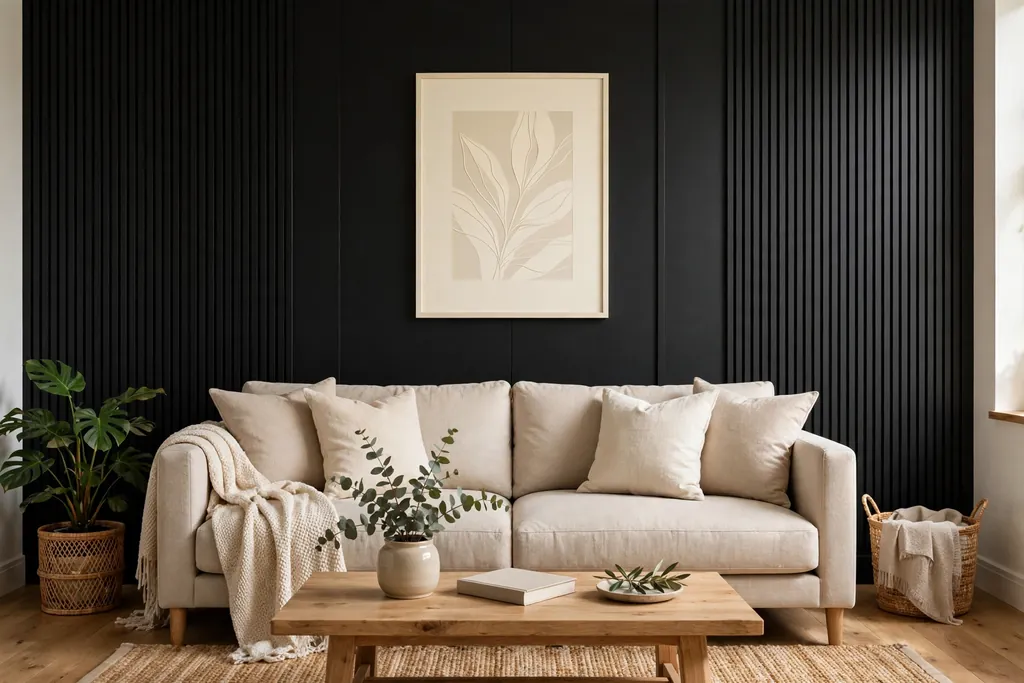
    How many books should I put on a corner shelf?

    Leave about a tenth of each shelf empty, so you can slide books out and add new titles without restacking the whole row. Group books by height, use bookends at open ends, and mix upright rows with one horizontal stack per shelf for a relaxed look. A shelf that is packed edge to edge looks like storage, while a shelf with gaps and one plant or frame looks like a room you live in.

    How can I light a dark corner bookshelf?

    Use warm shelf lights under each shelf, a picture light above the top shelf, or a floor lamp placed to wash light across the spines. Battery lights suit a rented home, while wired lights suit a built-in shelf planned in advance. Test the light at dusk, keep cables behind the unit, and add a reading lamp beside the chair if shelf light alone is not enough to read by.

    What should I put on a corner bookshelf besides books?

    Mix books with a few useful or personal items: a plant, a framed photo, a small vase, a basket, or a clock. Keep non-book items to about one per shelf, so the shelf still reads as a bookshelf, and put heavier items low. Avoid fragile ornaments on high shelves in a home with children or pets, and keep candles clear of books, curtains, and throws.

    Can a corner bookshelf work in a small living room?

    Yes, if you choose a light option and keep the floor clear. Floating shelves, a ladder shelf, or a low unit suit a small room better than a floor-to-ceiling built-in, which can crowd the corner. Use pale colors, leave gaps on the shelves, and keep the chair or seating small enough that the walking route past the corner stays clear. A small corner shelf that holds the books you read now is more useful than a large one that blocks the room.


  • 11 Mirror Wall Decor Ideas for a Welcoming, Lived-In Look

    11 Mirror Wall Decor Ideas for a Welcoming, Lived-In Look

    A mirror on the wall does more than show a reflection. It brings in light, opens up a small room, and gives a plain wall a clear focal point. The trick is to hang it where it reflects something worth seeing, such as a window, a plant, or a calm stretch of wall, and to size it to the furniture below it. These 11 mirror wall decor ideas cover round, arched, and sunburst mirrors, gallery walls, leaning mirrors, and full mirrored panels, so you can find one that fits your room and your budget. Start by standing where you sit most and noting what the mirror would reflect.

    Key Takeaways

    • Check the reflection before you hang anything: aim the mirror at a window, a plant, or a calm wall, never at clutter.
    • Size the mirror to the furniture below it, usually about two thirds of the sofa, console, or mantel width.
    • Hang the center of a mirror at eye level from where you see it most, and lower above a sofa or console.
    • Use fixings rated for the mirror weight and your wall type, especially for large or vintage framed mirrors.
    • One large mirror suits a big wall, while a grid or a tight cluster works better on a narrow wall.
    • Keep the rest of the wall quiet around a statement mirror, so the mirror stays the focal point.

    1. Round Mirror Above the Sofa

    Living room with a large round mirror in a wood frame above a sofa.

    Hang one large round mirror above the sofa for a simple focal point that softens a wall full of straight lines. The curve breaks up the rectangle of the sofa, the rug, and the coffee table, and it suits almost any style, from plain wood frames in a calm room to brass frames in a warmer one. Choose a diameter that spans about two thirds of the sofa width, so the mirror looks sized to the furniture rather than lost above it.

    Hang it so the bottom edge sits 6 to 8 inches above the sofa back, and check the reflection from your usual seat. A round mirror above the sofa should reflect the opposite wall or a window, not the ceiling. If the wall is very wide, add a small sconce or a plant on each side, but keep the sides simple so the round shape stays the focus.

    2. Leaning Full-Length Mirror in a Corner

    Full-length mirror leaning against a living room corner wall beside a chair.

    Lean a full-length mirror against the wall in a corner for a relaxed look that needs no hanging at all. This suits renters and anyone who rearranges often, since the mirror moves in seconds and leaves no holes. Choose a mirror taller than the side table or chair beside it, so it reads as a deliberate piece rather than a mirror waiting to be hung.

    Anchor the top edge to the wall with a small anti-tip strap if children or pets could knock it, and place a non-slip pad behind the bottom edge so it cannot slide on a hard floor. Keep it out of the main walkway, and angle it slightly so it reflects the window or the seating area. A leaning mirror also gives a last look before leaving the house when it stands near the door.

    3. Grid of Matching Square Mirrors

    Grid of nine matching square mirrors with thin frames on a living room wall.

    Hang a grid of matching square mirrors for instant order on a wall that feels bare. Use nine mirrors in three rows of three, or six in two rows of three, with equal gaps of 2 to 3 inches between them. Keep the frame color the same across the grid, and let the small differences in reflection give the display its life.

    This layout works well above a console table, on a hallway wall, or on the wall opposite the bed. Lay the mirrors on the floor first, measure the full block, and mark the wall with painter tape before you hang anything. A grid suits a room that already has a lot of pattern elsewhere, since the even spacing keeps the wall calm.

    4. Arched Mirror Over a Console Table

    Arched mirror above a console table with a lamp and a small vase in a hallway.

    Place an arched mirror over a console table in a hallway or living room for a soft, classic shape that suits narrow walls. The arch draws the eye upward, which helps a low ceiling or a tight entry feel taller, and the console below gives the mirror a clear base. Match the mirror width to about two thirds of the console width, and keep the tabletop simple with one lamp, a small vase, or a bowl.

    Hang the mirror so its lowest point sits 6 to 8 inches above the tabletop, leaving room for the lamp or vase in front of it without blocking the glass. A wood frame suits a warm room, while a slim black or brass frame suits a plainer scheme. If the console holds keys and mail, add a small tray so the reflection stays tidy.

    5. Mixed-Shape Mirror Gallery Wall

    Gallery wall of round, oval, arched, and rectangular mirrors in brass frames.

    Build a gallery wall from mirrors in mixed shapes, such as round, oval, arched, and rectangular pieces, for a collected display that still reads as one piece. This suits a wall that needs interest but cannot take a single huge mirror, such as a stair wall or a wall beside a door. Keep one element consistent, such as brass frames or wood frames, so the mix looks planned rather than random.

    Hang the largest mirror first, near the center of the arrangement, then fill around it with smaller pieces, keeping gaps of 2 to 4 inches. Check each reflection as you go, since a gallery of mirrors can easily reflect clutter from several angles. For spacing and grouping advice, the grid and cluster ideas in these bedroom wall art ideas apply just as well to a mirror gallery.

    6. Sunburst Mirror as a Statement Piece

    Sunburst mirror with brass rays on a plain living room wall above a sideboard.

    Hang a sunburst mirror on a plain wall for a statement piece that needs no other art beside it. The rays give the wall shape and movement, and the small central mirror bounces a little light without dominating the room. This suits a wall above a sideboard, in a dining area, or at the end of a hallway, where a flat mirror might feel plain.

    Keep the wall around it empty and the nearby furniture simple, since the rays already carry plenty of detail. Choose a size that fits the wall with clear space on all sides, and hang it at eye level from a standing view. A gold or brass sunburst suits a warm room, while a black or wood version suits a quieter scheme. Dust the rays now and then, since they show dust faster than a flat frame.

    7. Floor-to-Ceiling Mirrored Panels

    Living room wall fitted with floor-to-ceiling mirrored panels beside a low console.

    Fit floor-to-ceiling mirrored panels on one wall to open up a small or dark room. Full panels bounce the most light and double the sense of space, which helps a narrow living room, a basement room, or a room with one small window. Use panels with slim seams, and keep the wall opposite the panels calm, since every detail there will be reflected.

    This is a bigger job than hanging one mirror, so measure carefully and fix the panels with hardware suited to their weight, or hire a fitter for large panels. Keep furniture in front of the panels low and simple, such as a low console or a bench, so the reflection stays clean. Avoid mirrored panels on a wall that faces a television, since the moving reflection can distract viewers.

    8. Vintage Framed Mirror With Patina

    Vintage mirror in a worn gold frame above a wooden dresser in warm lamp light.

    Hang a vintage framed mirror with a worn gold or dark wood frame for a settled, traditional feel. The patina and aged frame add character that a new mirror cannot match, and it suits wooden furniture, warm lamp light, and rooms that already mix old and new pieces. Look for a frame with sound joints and a clear, undamaged mirror, since resilvering an old mirror is a specialist job.

    Use fixings rated for the weight, since vintage frames with thick wood and old glass are often heavier than they look, and check the wall type before hanging. Hang it above a dresser, a console, or a fireplace, where the frame can be seen up close. If the mirror has foxing or small age spots, treat them as part of the piece rather than a flaw, and keep the rest of the wall plain so the frame stands out.

    9. Mirror Above the Fireplace Mantel

    Rectangular mirror above a fireplace mantel with a simple sofa seating area.

    Hang a mirror above the fireplace mantel to give the fireplace a finished focal point and to bounce light around the seating area. A rectangular mirror that matches the mantel width, or a round mirror centered above it, both work, as long as the mirror does not extend past the mantel ends. Keep the mantel itself simple, with one or two low items, so the mirror stays visible.

    Check what the mirror reflects from the sofa, since a mantel mirror often faces the seating area and can reflect the television or a cluttered shelf. If the fireplace is used often, hang the mirror high enough that heat and soot do not reach it, and wipe it regularly, since mantel mirrors show dust fast. A plain frame suits a busy mantel, while a detailed frame suits a plain one.

    10. Layered Mirrors on a Picture Ledge

    Picture ledges holding layered mirrors of different sizes above a console table.

    Stand mirrors on a picture ledge for a display you can rearrange without new holes in the wall. Fit one or two long ledges above a console or a sofa, then layer mirrors of different sizes, with larger pieces at the back and smaller ones in front. You can swap a mirror in minutes, which makes ledges ideal for testing a layout before you hang anything properly.

    Keep the ledge depth in mind: shallow ledges suit flat framed mirrors, while deeper ones hold small objects such as a vase or a candle beside the mirrors. Leave one end of the ledge empty so the display does not look packed, and use a small lip or rail on the ledge so mirrors cannot slide forward. This idea suits renters and anyone who likes to change the display with the seasons.

    11. Mirror Opposite a Window to Bounce Daylight

    Large mirror on a wall opposite a bright window, reflecting daylight across a living room.

    Hang a large mirror on the wall opposite a window to bounce daylight across the room and make it feel wider. This is the most useful mirror placement in a room with one window or a north facing aspect, where light is limited. Place it where it reflects the window itself or a pleasant view, not a cluttered corner, and keep its frame in the same finish as other pieces in the room.

    Keep the mirror large enough to matter, rather than a small decorative piece, and hang it securely with fixings suited to its weight. Wipe it often, since a mirror facing a window shows dust and fingerprints faster than one on a side wall. This placement also suits a combined living and dining room, as shown in these small living room dining room combo ideas, where one mirror can brighten both zones at once.

    Conclusion

    A welcoming mirror wall starts with the reflection, not the frame. Check what the mirror will show from your usual seat, size it to the furniture below it, and hang it securely at a height that suits the room. Start with one idea from this list, such as a round mirror above the sofa or a mirror opposite the window, and live with it for a week before adding more. A single well placed mirror will do more for a room than a wall full of small ones hung at random. For sizing and grouping help, the rug placement advice in these living room rug ideas and the gallery spacing ideas in these bedroom wall art ideas pair well with the mirror ideas above.

    Keep this list handy for your next free hour at home, and build your mirror wall one piece at a time: measure first, check the reflection, hang it well, and let the light do the rest.

    FAQs

    What size mirror should I hang above a sofa?

    Choose a mirror about two thirds of the sofa width, so it looks sized to the furniture rather than lost above it or wider than the sofa. Hang it with the bottom edge 6 to 8 inches above the sofa back, and check the reflection from your usual seat before fixing it. A round mirror suits most sofas, while a rectangular mirror suits a wide sofa on a long wall.

    Where is the best place to hang a mirror for more light?

    Hang a large mirror on the wall opposite a window, so it reflects daylight back across the room. This works best in a room with one window or a north facing aspect, where light is limited. Keep the mirror large enough to matter, and aim it at the window or a pleasant view, not at clutter or a blank wall.

    Can I hang a heavy mirror on a plasterboard wall?

    Yes, if you use fixings rated for the mirror weight and the wall type, such as heavy duty plasterboard anchors or a fixing into a stud where one is available. Check the mirror weight on a scale if you are unsure, and follow the fixing maker instructions. For very large or vintage framed mirrors, a stud fixing or a professional fitter is the safer choice.

    How high should I hang a mirror on a wall?

    Hang the center of the mirror at eye level from where you see it most, usually around 57 to 60 inches from the floor for a standing view. Above a sofa, console, or mantel, hang it lower, with the bottom edge 6 to 8 inches above the furniture. In a hallway, hang it so most household members can see their full reflection or at least head and shoulders.

    Is a leaning mirror safe in a home with children or pets?

    A leaning mirror can be safe if you anchor the top edge to the wall with an anti-tip strap and place a non-slip pad behind the bottom edge so it cannot slide. Keep it out of main walkways and away from doors that could swing into it. If the corner is very busy, a wall hung mirror with proper fixings is the safer option.

    How do I keep a mirror wall from looking cluttered?

    Let one mirror or one tight group lead, and keep the rest of the wall quiet. Use matching frames for a grid, or one shared frame finish for a mixed gallery, and keep gaps even. Check every reflection before fixing, and remove any item the mirror shows that you would rather not double, such as open storage or a messy desk.


  • 12 Lantern Decor Ideas for Indoors and Outdoors to Try Now

    12 Lantern Decor Ideas for Indoors and Outdoors to Try Now

    Lanterns are one of the easiest ways to add warm light to a room or a porch without rewiring anything. A single glass lantern softens a dark corner, a pair frames a doorway, and a row along a garden path makes an evening outside feel planned rather than improvised. These 12 lantern decor ideas cover coffee tables, fireplaces, bedrooms, bathrooms, porches, patios, and gardens, with safe candlelight notes for each spot. The layered lighting advice in these cozy apartment living room ideas pairs well with lantern light, since a lantern works best as one glow among several, not the only light in the room.

    Key Takeaways

    • Start with one lantern and one clear spot, then repeat the look only where the light is actually needed.
    • Match the light source to the spot: real candles only where you stay nearby, battery candles for bedrooms and shelves, solar for garden paths.
    • Group lanterns in odd numbers and mix heights rather than lining up identical lanterns in a row.
    • Keep glass clean and wicks trimmed, since a dirty lantern gives a dull glow no matter how good it looks.
    • Choose one finish, such as black metal, wood, or brass, and repeat it in at least two places so the look feels planned.
    • Move lanterns between indoors and outdoors with the seasons instead of buying a new set for every spot.

    1. Coffee Table Lantern Cluster

    Three lanterns of different heights grouped on a tray on a coffee table in a living room.

    Group three lanterns of different heights on a coffee table, with the tallest at the back and the smallest at the front, so the group reads as one display from the sofa. A tray under the cluster keeps the table tidy, protects the surface from heat and wax, and lets you lift the whole display away when you need the table for games or a meal. This suits living rooms where the coffee table is the natural focal point in the evening.

    Use battery candles inside the cluster if the table sits within reach of children or pets, and keep at least one lantern unlit or empty so the group does not look crowded. Add a small stack of books or a low plant beside the tray, not inside it, so the lanterns stay the focus. Change the candle colour with the season, warm white for most of the year and a deeper tone for winter evenings.

    2. Fireplace Hearth Lantern Pair

    Two lanterns, one tall and one medium, standing on a fireplace hearth in a living room.

    Place a pair of lanterns on the hearth of an unused fireplace, one tall and one medium, to give the fireplace a purpose through the warmer months. The glass reflects the room light during the day, and candlelight in the evening gives the fireplace a glow without a fire. This works well in living rooms where the fireplace is a focal point but is not lit every night.

    Never place a lit candle lantern inside a working fireplace while a fire is burning, and keep lanterns clear of the opening if the fireplace is in use. For a working fireplace, use the lanterns on the hearth only when the fire is out and cool. Battery candles make this idea simple for daily use, since you can switch them on with a remote and leave them glowing all evening without watching a flame.

    3. Entryway Console Lantern Welcome

    One large lantern on an entryway console beside a small dish for keys and a plant.

    Set one substantial lantern on an entryway console beside a small dish for keys, so guests are met with warm light as soon as they step inside. A lantern at entry height draws the eye past the door and into the house, and it gives a narrow hallway a focal point without taking floor space. Choose a lantern large enough to be seen from the door, rather than a small one that disappears among keys and mail.

    Keep the console top clear around the lantern, with only the key dish and perhaps a small plant, so the entry still works as a landing spot. A battery candle on a timer is ideal here, since it switches on before you get home in winter and you never need to remember it. If the console sits near a mirror, the lantern light doubles in the reflection and the entry feels brighter.

    4. Dining Table Lantern Centerpiece

    Low lantern centerpiece on a dining table with a runner and greenery beside it.

    Build a dining table centerpiece around a single low, wide lantern, or a row of three small lanterns down the middle of a long table, keeping the light below eye level so guests can see each other across the table. A lantern centerpiece suits everyday meals as well as gatherings, since it can stay on the table between meals and only needs the candle lit at dinner. Add a simple runner and a few sprigs of greenery or a short vase of flowers beside the lanterns, not in front of them.

    Check the height before a dinner party by sitting at the table and looking across it, and swap a tall lantern for a shorter one if it blocks faces. Use unscented candles for dining, since a strong scent competes with food. After the meal, blow out real candles and leave the lanterns in place, so the table still looks dressed for the next morning.

    5. Bedroom Bedside Lantern Glow

    Small lantern glowing on a bedside table beside a bed in a calm bedroom.

    Place a small lantern on a bedside table as a soft evening light, with a battery candle inside so you can fall asleep without worrying about a live flame. A lantern gives a bedroom a calmer glow than a bright bedside lamp, and it works well for reading wind down time when paired with a low lamp on the other side of the bed. Choose a lantern with a handle or a closed top so it is easy to move if you need the table space.

    Keep the lantern away from curtains, bedding, and anything that could fall onto it, even with a battery candle, since good habits matter for every light source. A warm white battery candle looks closest to real candlelight, while a flickering setting adds movement without a flame. If you share the room, a lantern on each bedside table keeps the light balanced on both sides.

    6. Bathroom Spa Shelf Lantern

    Lantern on a bathroom shelf beside a folded towel and a small plant.

    Style a lantern on a bathroom shelf or on the edge of a wide bath surround, with a battery candle and a folded towel nearby, to give the bathroom a calm, spa like feel. Bathrooms often have harsh overhead light, and a low lantern glow softens the room for an evening bath. A lantern with a closed glass design suits a bathroom, since it keeps splashes away from the candle inside.

    Never use a real candle lantern near a bath where it could be knocked into water, and never leave a lit candle unattended in a bathroom. Battery candles remove that worry entirely and still give the flicker that makes the idea work. Keep the lantern off the floor and away from the direct splash zone, and wipe the glass after steamy baths so water marks do not dull the glow.

    7. Porch Step Lantern Path

    Lanterns placed on porch steps leading up to a front door in the evening.

    Line porch steps with a lantern on every second step, or one on each side of the bottom step, to guide guests to the door after dark. Step lanterns make a porch feel welcoming and they mark the edges of the steps, which helps visitors see where to place their feet. Heavy lanterns or lanterns with a flat, stable base suit steps best, since they are less likely to be knocked over.

    Use battery or solar candles on steps, since a real flame on a step is easy to bump and hard to watch from inside. Place lanterns toward the wall side of each step rather than the open edge, so they do not narrow the walking path. Bring glass lanterns inside during storms or high winds, and choose a weather resistant finish for any lantern that stays out through the season.

    8. Patio Table Lantern Centerpiece

    Large lantern in the middle of a patio table with small potted herbs around it.

    Set a large lantern in the middle of a patio table, surrounded by a few small potted herbs or a low bowl of stones, for an outdoor centerpiece that needs no power point. A patio lantern lets dinner outside run past sunset, and it can move to a side table or the ground beside a chair when the table is cleared. One large lantern usually works better outdoors than several small ones, since wind and table clutter can make small lanterns look lost.

    Choose a lantern rated for outdoor use, with glass panels that latch or sit firmly in the frame, so a gust does not rattle them loose. A battery candle with a timer suits a patio table, since you can set it once and have light every evening. Keep a spare set of batteries or a second candle nearby during a gathering, so the table never goes dark halfway through the meal.

    9. Garden Path Solar Lantern Line

    Solar lanterns lined along a garden path among plants at dusk.

    Place solar lanterns along a garden path at even intervals, with the solar panel facing the sky and clear of overhanging plants, so they charge by day and glow by night. A path line works best when the lanterns match in style but vary slightly in height, which keeps the path from looking like a runway. Start with the turns and the steps first, since those are the spots where light matters most, then fill the straight stretches.

    Check the path after dark before fixing positions, since a lantern hidden behind a shrub gives no light where feet land. Wipe solar panels a few times a season, since dust and pollen cut charging more than most people expect. In winter, move solar lanterns to the sunniest stretch of the path or bring them in for a full charge, since short days give them less power.

    10. Hanging Lanterns From a Pergola or Branch

    Lanterns hanging at different heights from a pergola beam above outdoor seating.

    Hang two or three lanterns at different heights from a pergola beam or a sturdy tree branch, using hooks and wire rated for the lantern weight, to add light above a seating area without a table lamp. Hanging lanterns suit outdoor dining and evening sitting areas, since the light falls from above and leaves the table free. Vary the drop lengths by at least a few inches so the lanterns look grouped rather than lined up.

    Check the branch or beam before hanging, and hang lanterns where they cannot swing into faces or into a grill. Battery candles are the safe choice for hanging lanterns, since a real candle in a swinging lantern is a fire risk and hard to light. Take hanging lanterns down before storms, and store the hooks with the lanterns so the setup is quick to repeat next weekend.
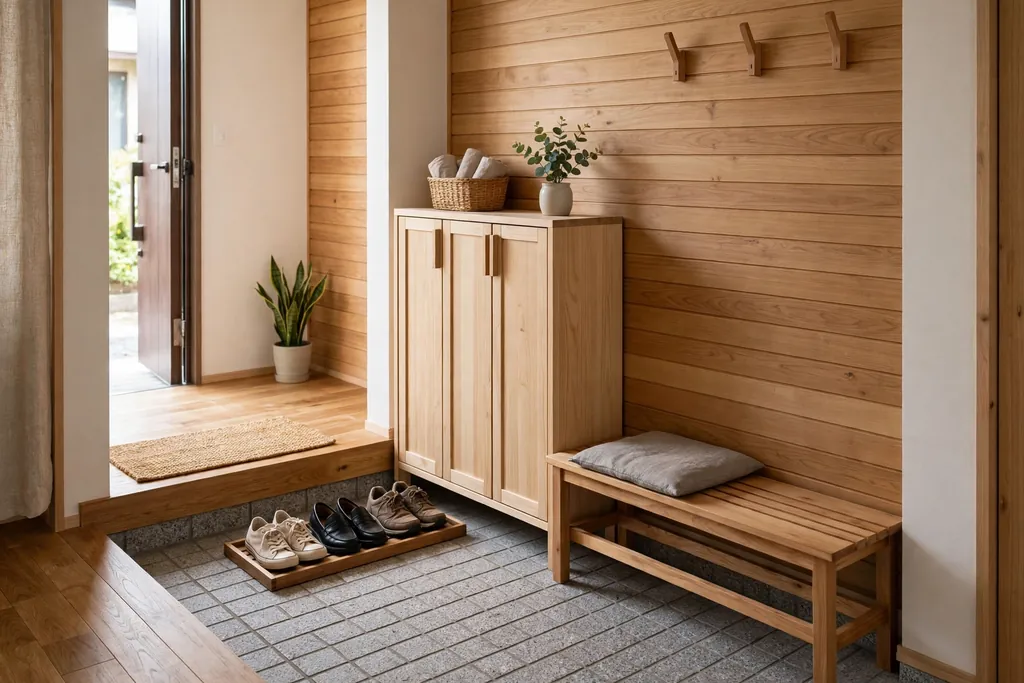
    11. Window Sill Lantern Row

    Small lanterns lined along a deep window sill in a front room in the evening.

    Line a deep window sill with two or three small lanterns, spaced so daylight can still reach the room and the glass catches light from both sides. A window sill row gives a room a glow that is visible from outside as well as inside, which makes it a good choice for a front room in the evening. Small lanterns suit sills best, since a large lantern can block the window and crowd the sill.
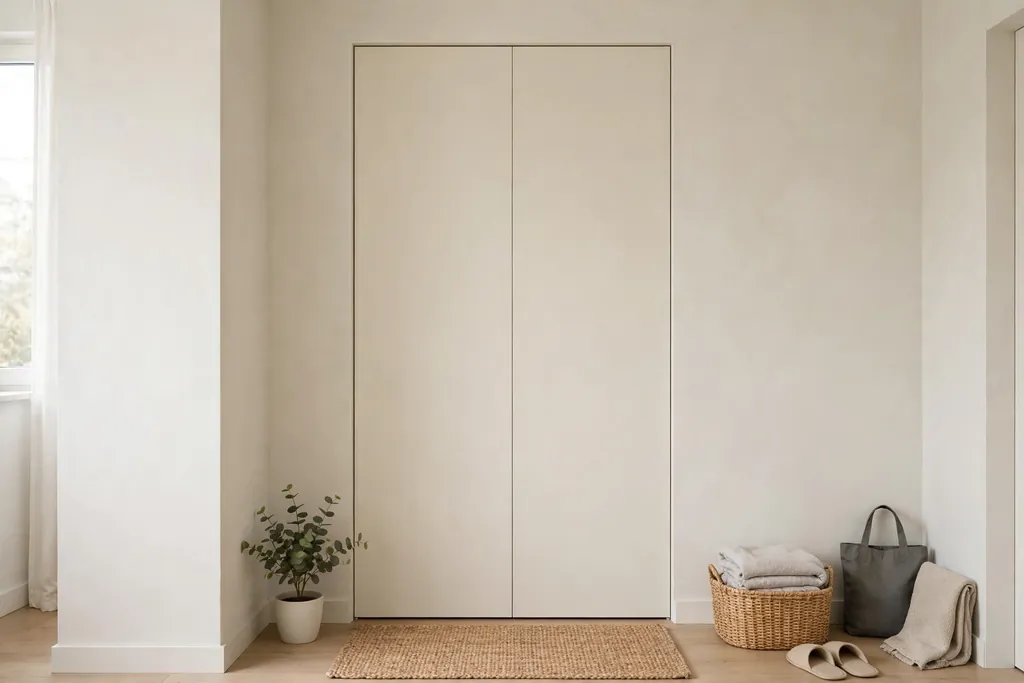
    Keep lanterns away from curtain edges and blinds cords, and use battery candles on a sill so heat never builds up near fabric. A row of matching lanterns works on a long sill, while a single lantern suits a narrow one. In winter, a window sill lantern row pairs well with the warm light of the room behind it, and it can stay in place all season with only a battery change.

    12. One Lantern, Four Seasonal Swaps

    One lantern on a console surrounded by pinecones and evergreen sprigs for winter.

    Keep one good lantern and change only what sits around it through the year, so a single piece carries four different looks without new purchases. In spring, set it beside a small pot of fresh green leaves. In summer, pair it with a bowl of shells or pale stones. In autumn, add a few pinecones and a plaid cloth under the tray. In winter, surround it with evergreen sprigs and a red candle. The lantern stays the same, and the season comes from the small items around it.

    This idea suits anyone who likes seasonal decorating but not seasonal storage, since only the small extras change. Store the extras in one labelled box, with the lantern candle and spare batteries, so each swap takes minutes. Photograph each version once, so you can repeat a favourite next year without guessing what worked. The same swap approach works indoors on a console and outdoors on a porch, with weather hardy extras outside.

    Conclusion

    Lantern light works indoors and outdoors because it is small, movable, and warm, and the best lantern display is usually the simplest one that fits the spot. Start with a single lantern where you sit in the evening, choose the safe light source for that spot, and add a second or third only where the light is needed. Move lanterns between rooms and outside as the seasons change, and let one finish and one style run through the house so the look feels connected. For small rooms, the zoning advice in these studio apartment decorating ideas helps a lantern corner share space with seating and sleeping areas without crowding either.

    Try one idea this week, such as a coffee table cluster or a porch step pair, and live with it for a few evenings before adding more. Save this list to your lantern and lighting board on Pinterest so you can find it when you are ready for the next room or the next season.

    FAQs

    Are real candles safe to use inside lanterns?

    Real candles are safe in lanterns only when you stay in the room, keep the lantern away from curtains, bedding, and anything that can fall onto it, and place it on a stable, heat resistant surface. The glass guards the flame from drafts, but it does not remove the need to watch it. Never leave a lit candle lantern unattended, near children or pets, or in a room where you might fall asleep. Battery candles give the same glow without these limits and suit bedrooms, bathrooms, and high shelves.

    Should I choose battery, solar, or real candles for lanterns?

    Choose by spot. Real candles suit a dining table or a fireplace hearth where you sit nearby and can watch the flame. Battery candles suit bedrooms, bathrooms, shelves, and hanging lanterns, where a flame is risky or hard to reach, and many come with timers and remotes. Solar suits garden paths and outdoor spots with direct sun, since they need no batteries and switch on by themselves. Many homes use all three, one type per spot, rather than one type everywhere.

    What size lantern works best on a coffee table or a porch?

    On a coffee table, a lantern between 20 and 30 centimetres tall usually suits a standard table without blocking conversation, and a cluster should mix heights rather than match exactly. On a porch, go larger, since outdoor spaces swallow small decor, and a lantern of 30 centimetres or more reads well from the path. Measure the spot first, and leave clear space around the lantern for cups, books, or foot traffic. When in doubt, one larger lantern beats two small ones that disappear in the space.

    Can lanterns stay outside all year?

    Lanterns made for outdoor use, with weather resistant metal and firmly seated glass, can stay outside through most of the year, but glass lanterns last longer if they come in during storms, hard frost, and long wet spells. Bring candles and battery units inside when not in use, since damp shortens battery life and can stain glass. Wipe frames and glass at the start of each season, and check hooks, latches, and solar panels before putting lanterns back out in spring.

    How do I style lanterns without making a room look cluttered?

    Limit lanterns to one display per room, or one per zone in a large open room, and keep the rest of the surface clear. Group in odd numbers, repeat one finish, and vary heights so the group looks planned. Remove one item from a surface for every lantern you add, and keep the area around the lantern free of small clutter. A tray helps, since it gives the group a clear boundary and makes the whole display easy to lift away when the surface is needed.

    How do I clean glass lanterns and remove candle soot?

    Let the lantern cool fully, remove the candle, and wash the glass panels with warm water and a drop of washing up liquid, then dry with a soft cloth to avoid water marks. For soot, a paste of bicarbonate of soda and water rubbed gently on the inside of the glass usually lifts the marks without scratching. Trim candle wicks before each lighting to cut future soot, and keep the lantern out of strong drafts, which make flames smoke. Clean solar panels with a damp cloth a few times a season so they keep charging well.
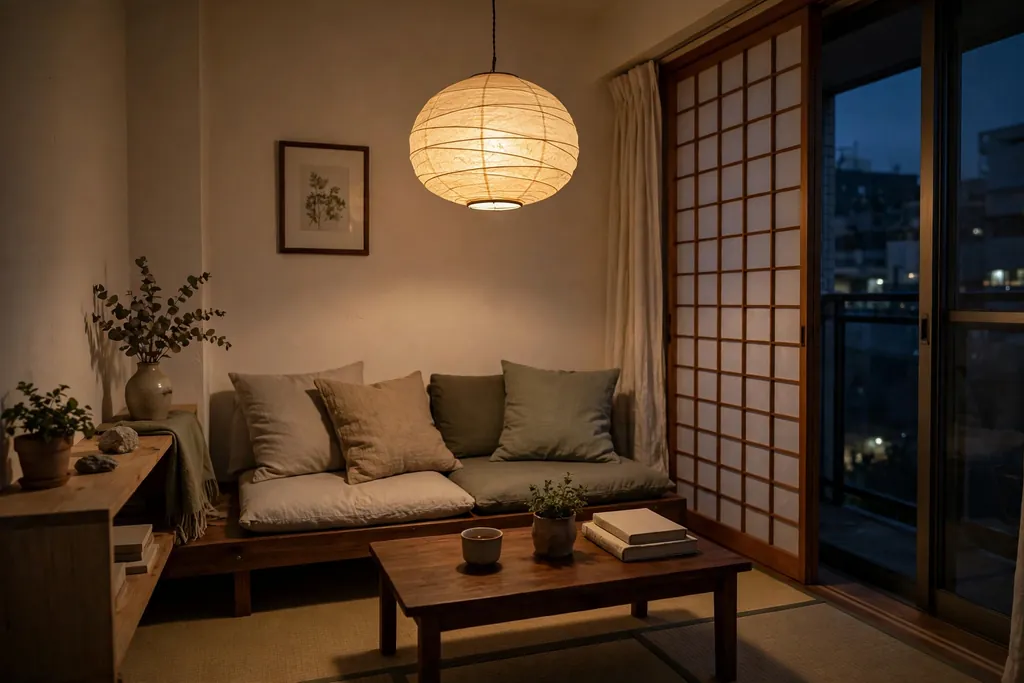

  • 33 Christmas Mantel Decor Ideas for Homes of Every Size

    33 Christmas Mantel Decor Ideas for Homes of Every Size

    A mantel is often the first thing people notice in a living room in December, so it is worth decorating with a plan rather than piling on pieces until it looks full. Start with the width you have, one clear focal point, and a color range you already use in the room. Then add layers: greenery or garland first, light second, and small details last. These 33 Christmas mantel decor ideas cover classic, rustic, modern, and small space mantels, plus options for homes without a working fireplace. Pick one idea as your base, and borrow details from two or three others rather than trying to use them all at once.
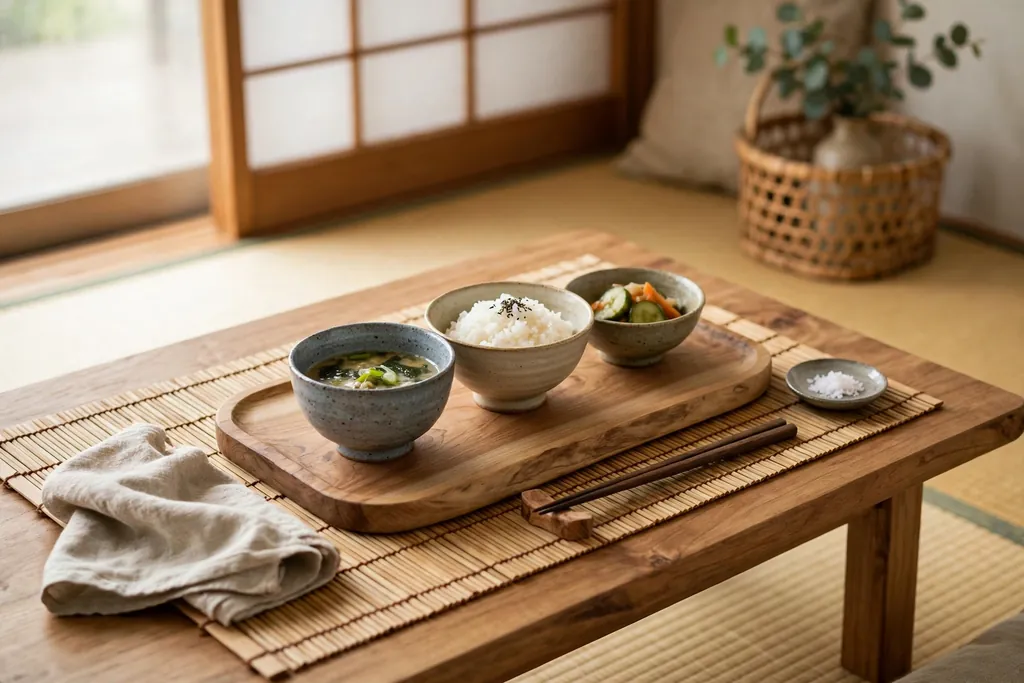
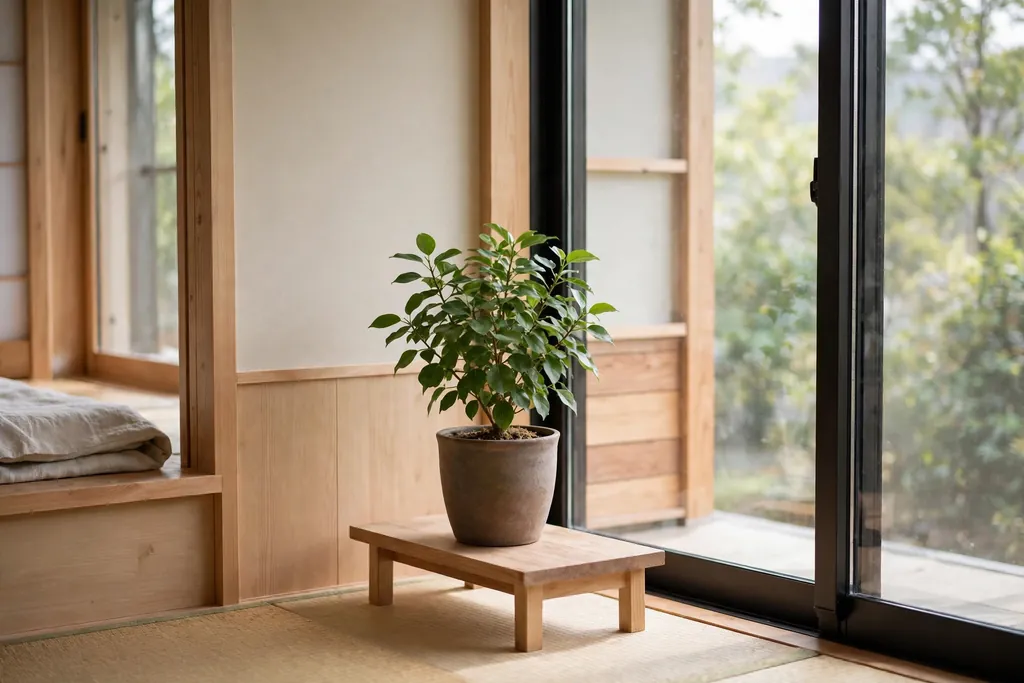
    Key Takeaways

    • Measure the mantel first: length, depth, and height above it decide how tall, wide, and heavy your display can be.
    • Choose one focal point, such as a wreath, a mirror, or a large print, then build the rest of the display around it.
    • Layer in order: garland or greenery, then candles or lights, then stockings and small ornaments.
    • Keep real flames away from greenery, paper, and fabric, and use flameless candles near anything that can burn.
    • Repeat one or two colors from the room so the mantel feels linked to the space, not separate from it.
    • For small or rented mantels, use light pieces, removable hooks, and a single strong garland instead of many heavy items.

    1. Classic Red and Green Garland with Matching Stockings

    Christmas mantel with a red and green evergreen garland and matching red stockings.

    Drape a full evergreen garland along the mantel shelf and hang matching stockings from it for the most familiar Christmas mantel look. Let the garland dip slightly between stocking hooks so the line feels soft rather than stiff, and keep the ends from hanging so low that they block the firebox. Red stockings with green trim, or the reverse, give a clear classic pairing.

    Add small red ornaments tucked into the garland only where they will not roll off, and keep one plain section near the center so the eye has a place to rest. If the mantel is narrow, use fewer stockings and space them wider apart. Check stocking hooks often if children pull on them, and keep filled stockings off a mantel that will be used for a real fire.

    2. Symmetrical Pillar Candles and Fresh Evergreen

    Christmas mantel with symmetrical white pillar candles and fresh evergreen sprigs.

    Place pillar candles in matching groups at each end of the mantel, with short evergreen sprigs laid flat between them, for a calm and balanced display. Symmetry suits formal rooms and wide mantels, since the eye reads the two ends as a pair. Use candles of two or three heights in each group so the arrangement does not look flat.

    Keep candles on heat safe holders and well clear of greenery, curtains, and paper. Flameless pillar candles give the same height and glow with less risk, which matters when greenery dries out late in the season. Step back from the doorway to check the balance before you finish, since a display that looks even up close can lean to one side from across the room.

    3. Frosted Eucalyptus with Soft White Fairy Lights

    Christmas mantel with frosted eucalyptus stems and soft white fairy lights.

    Swap dense pine for frosted eucalyptus stems and soft white fairy lights for a lighter, cooler mantel. Eucalyptus has a silvery green tone that works in rooms with grey, white, or pale wood, and its slim stems suit a shallow mantel shelf. Weave the lights through the stems rather than wrapping them tightly, so the glow spreads evenly.

    Add a few white or silver ornaments and keep stockings in a pale tone, such as cream or light grey, to hold the cool palette. Battery lights with a timer save you reaching behind the display each night. If you use fresh eucalyptus, expect it to dry and drop leaves, so place it away from the firebox and clear fallen leaves often.

    4. Rustic Woodland Pinecones and Wood Slices

    Rustic Christmas mantel with pinecones, wood slices, and branches on evergreen garland.

    Build a woodland mantel from pinecones, short branches, wood slices, and a plain evergreen base, with no shiny ornaments at all. Set a wood slice under a candle group at each end, scatter pinecones along the garland, and lean one or two bare branches behind the display for height. The natural textures do the work, so the color range can stay muted.
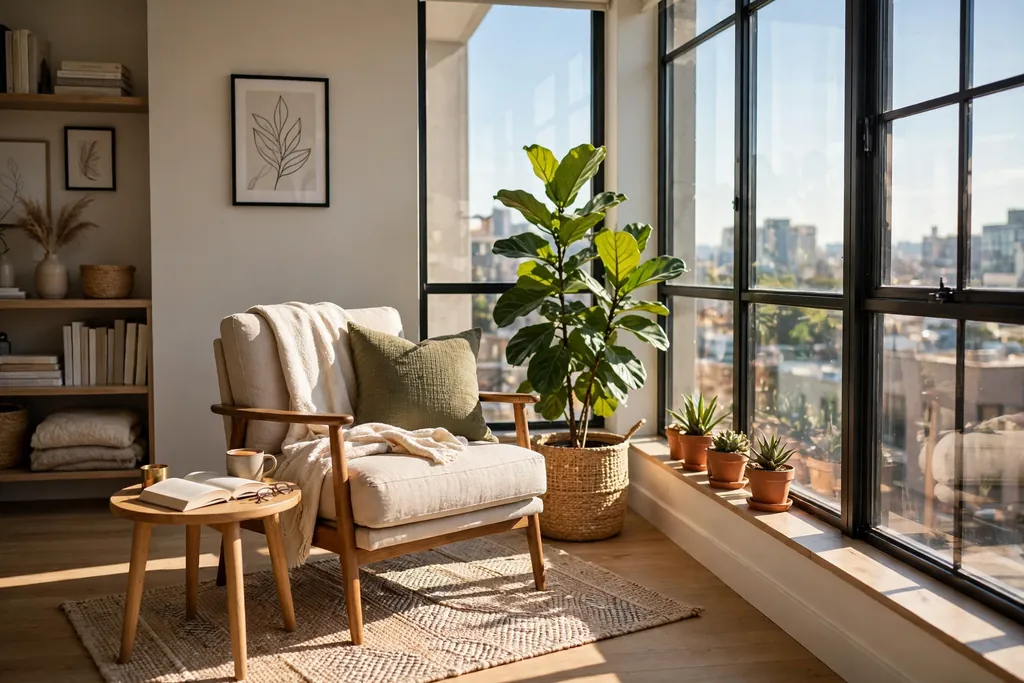
    This idea suits rooms with wood floors, stone fireplaces, and warm neutrals. Keep pinecones and wood away from open flame, and use flameless candles if you want light in the display. A burlap or linen runner under the garland can catch fallen needles and pinecone scales, and it lifts off easily for cleaning.

    5. Small Mantel, Simple White and Gold

    Small Christmas mantel with a slim garland, gold candle holders, and a small wreath.

    For a short or shallow mantel, keep the display to three things: a slim garland, two gold candle holders, and one small wreath or print above. White and gold read clearly at a small scale and do not crowd the shelf. Choose a garland that is thin rather than full, and trim any side branches that push past the mantel edges.

    Leave clear space at both ends of the shelf so the mantel still looks like a shelf, not a storage ledge. One pair of stockings is enough here, hung close to the center rather than spread across the full width. If the mantel sits above a working fireplace, keep gold ornaments and holders away from rising heat, which can dull finishes over time.

    6. Vintage Brass and Taper Candles

    Christmas mantel with vintage brass candlesticks and white taper candles.

    Use vintage style brass candlesticks with taper candles as the main height on the mantel, with only a low garland beneath them. Brass suits traditional rooms and pairs well with deep green, burgundy, and cream. Mix candlestick heights, but keep the tallest pair toward the center or the ends, not scattered at random, so the line stays readable.

    Place candles in stable holders on a tray or a heat safe mat, and never light taper candles under a low shelf, near garland, or where a curtain could brush them. Flameless tapers are a practical swap in a busy family room. Polish brass before the season if you want shine, or leave the patina if you prefer a softer, older look.

    7. Fresh Cedar with Dried Orange Slices

    Christmas mantel with fresh cedar garland, dried orange slices, and cinnamon sticks.

    Lay a fresh cedar garland on the mantel and tuck dried orange slices, cinnamon sticks, and a few pinecones into it for a scented, natural display. Cedar has a softer, flatter look than fir, which suits a mantel where you want detail without bulk. Orange slices add warm color without paint or glitter, and they link the mantel to kitchen decor.

    For the kitchen side of the same seasonal palette, these Christmas kitchen island decor ideas use fruit, greenery, and trays in a similar way. Keep dried fruit and cinnamon away from open flame, since both can burn. Replace cedar when it dries and sheds heavily, and keep the display clear of the firebox opening.

    8. Plaid Ribbon and Knit Stockings

    Christmas mantel with plaid ribbon bows and cozy knit stockings on a garland.

    Tie wide plaid ribbon into bows along the garland and hang knit stockings in cream, red, or green for a cozy, cabin style mantel. Plaid works best as one repeated pattern, so use the same ribbon for the bows, the stocking cuffs, and one wreath bow if you add one. Knit stockings add soft texture next to smooth greenery.
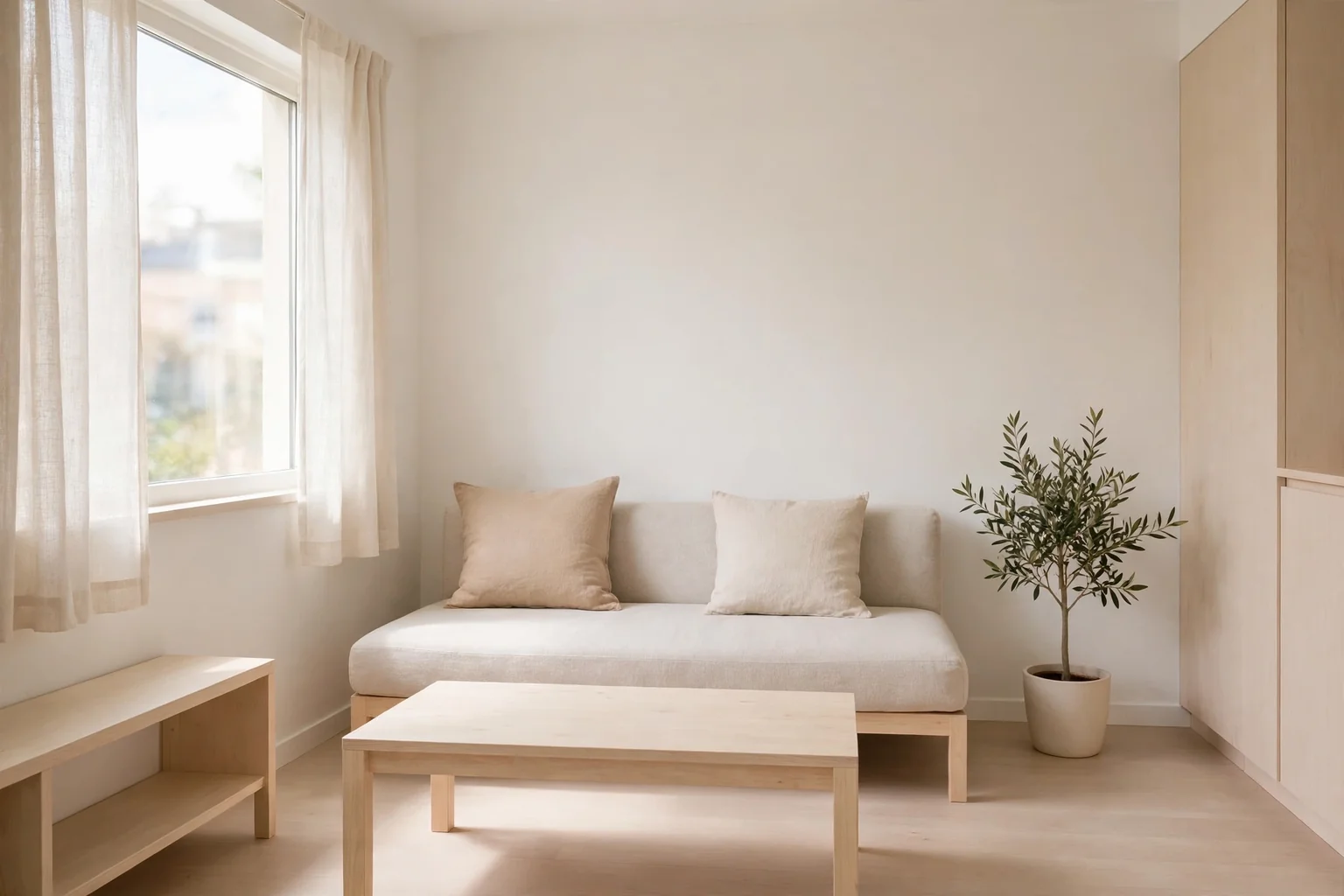
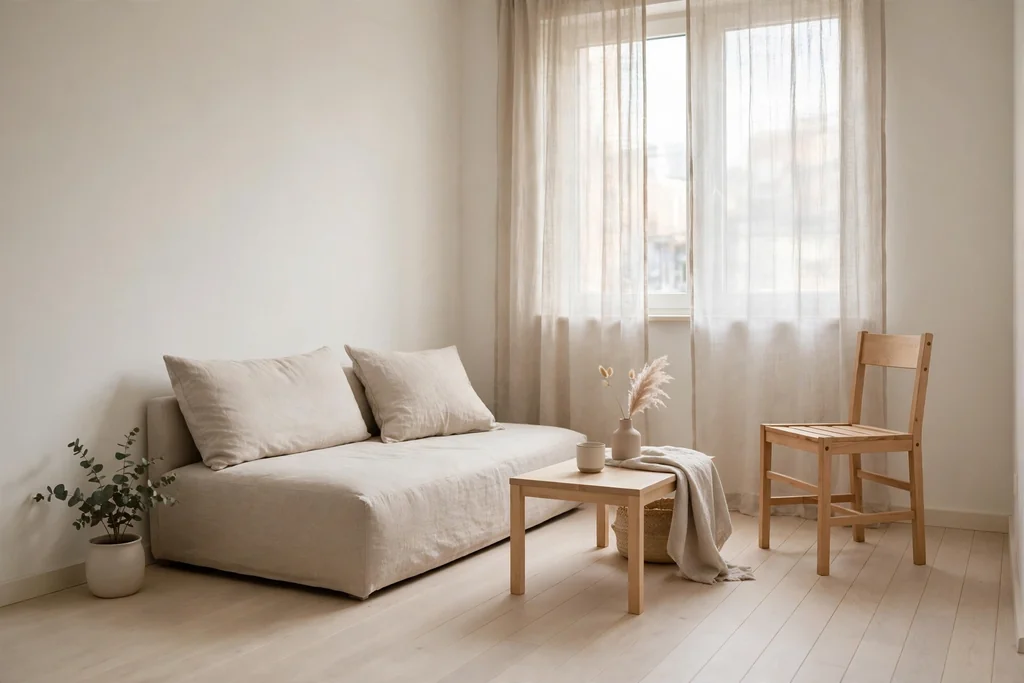
    Cut ribbon ends at an angle so they hang neatly, and fix bows with wire or a small clip rather than glue, so you can reuse them. Keep knit stockings light until Christmas Eve, since heavy filled stockings can pull a garland forward. This idea pairs well with a plaid throw on a nearby chair, but keep the rest of the room simple so the pattern does not compete with itself.

    9. Flocked Snowy Garland with White Ornaments

    Flocked snowy Christmas mantel with white and silver ornaments and white stockings.

    Choose a flocked garland that looks dusted with snow, then add only white, silver, and clear ornaments for a snowy mantel. Flocking gives instant winter color even in a warm climate, and a limited palette keeps a full garland from looking busy. Hang white stockings or white knit stockings to continue the snowy range.

    Shake flocked garland outdoors before you hang it, since loose flocking sheds, and keep it away from a working fire, where heat and dry flocking are a poor mix. Add white fairy lights to brighten the display in the evening, and keep the wall above the mantel plain or pale so the snowy garland stands out.

    10. Coastal Driftwood and Pale Blue Accents

    Coastal Christmas mantel with driftwood, pale blue ornaments, and white candles.

    Style a coastal Christmas mantel with a pale garland, driftwood pieces, pale blue ornaments, and white candles. Driftwood gives a beach house feel without shells scattered everywhere, and pale blue keeps the display cool and calm. Use a slim garland so the driftwood shapes stay visible, and place one larger driftwood piece at one end as an anchor.

    Keep the palette to white, sand, pale blue, and natural wood, and skip red entirely if you want the coastal look to read clearly. This idea suits rooms with light walls and natural fibers. If you use found driftwood, clean and dry it fully before bringing it indoors, and keep it clear of heat sources.

    11. Scandinavian Paper Stars and White Candles

    Scandinavian Christmas mantel with white paper stars, white candles, and sparse greenery.

    Hang paper stars above the mantel and line the shelf with white candles and a sparse evergreen garland for a calm Scandinavian look. Paper stars give height and light without a heavy frame, and they suit rooms that already favor pale wood, white walls, and simple furniture. Use stars in two sizes, with the largest at the center.

    Keep the shelf itself almost bare apart from candles and a few sprigs, since this style relies on space, not filling. Battery candles work well here, as paper stars must never sit near a real flame. Choose warm white light rather than cool white, so the pale display still feels warm in the evening.

    12. Farmhouse Wood Beads, Cotton Stems and Lanterns

    Farmhouse Christmas mantel with wood bead garland, cotton stems, and a lantern.

    Drape a wood bead garland over the mantel, add cotton stems in a jar or vase at one end, and set a lantern at the other end for a farmhouse mantel. Wood beads add a handmade feel, cotton stems add soft white detail, and a lantern gives height without a tall frame. Keep the colors to cream, natural wood, and soft green.

    Use a flameless candle inside the lantern, and keep cotton stems away from any real flame. A plain wooden sign or a small framed print above the mantel can finish the look, but keep the lettering short and the frame simple. This idea works well on a painted white or light grey mantel, where the natural tones stand out.

    13. Gold and Champagne Glamour

    Gold and champagne Christmas mantel with gold ornaments, ribbon, and candle holders.

    Build a gold and champagne mantel with a full garland, gold ornaments, champagne ribbon, and gold candle holders for a dressier look. This palette suits rooms with brass, warm metals, or cream furniture, and it reads well in evening light. Mix matte gold, shiny gold, and champagne so the display has depth rather than one flat shine.

    Keep stockings in gold, cream, or champagne to hold the palette, and skip red and green entirely here. Use warm white lights, since cool white can make gold look harsh. Check that ornaments are secure on the garland, as round gold balls roll easily off a shallow shelf. A gold framed mirror or print above the mantel ties the whole display together.

    14. Deep Jewel Tones with Velvet Ribbon

    Christmas mantel with deep jewel tone ornaments and dark velvet ribbon bows.

    Use deep jewel tones, such as emerald, burgundy, and navy, with velvet ribbon bows for a rich mantel that still feels calm. Velvet ribbon is the key detail: it looks soft, holds a bow shape well, and adds texture that shiny ribbon lacks. Pair it with a dark green garland and ornaments in only two jewel tones, not all of them at once.

    Add brass or gold candle holders to warm the dark colors, and keep the wall above the mantel simple so the colors are not fighting a busy print. Jewel tones suit rooms with dark wood or deep wall colors. If the room is small, use jewel tones in the ribbon and stockings only, and keep the garland plain green, so the display does not darken the whole wall.

    15. Kid Friendly Felt Garland and Soft Ornaments

    Kid friendly Christmas mantel with a felt ball garland and soft fabric ornaments.

    Make a kid friendly mantel with a felt ball garland, soft fabric ornaments, and stockings hung low enough for children to see, but not to pull down. Felt and fabric pieces will not shatter if they fall, which matters on a mantel in a family room. Use bright, simple colors and one clear pattern, such as stripes or dots, so the display looks planned rather than random.

    Keep candles, real or flameless, out of reach, and avoid small parts that could come loose. Hang stockings with sturdy hooks and test them with a light pull before the season starts. This idea also works as a second, smaller mantel display in a playroom or family room, leaving the main mantel for a calmer adult scheme.

    16. Paper Stars and Handmade Paper Garland

    Christmas mantel with handmade white paper stars and a paper garland.

    Cut or fold paper stars and a paper garland for a handmade mantel that costs little and suits a craft minded household. Paper snowflakes, folded stars, and a simple paper chain can fill a mantel without a bought garland, and children can help make the pieces. Use one paper color, such as white or cream, for a calm look, or two colors for a bolder display.

    Keep all paper well away from candles, lights that give off heat, and the firebox, and use battery lights only. Paper pieces are light, so fix them with removable hooks or tape that suits your wall finish. Store the paper pieces flat in a folder after the season, and they will last for another year if kept dry.

    17. Black and White Modern Mantel

    Modern black and white Christmas mantel with white candles and black holders.

    Style a modern mantel in black and white only: a plain green or black garland, white candles, black candle holders, and white stockings with black trim. The strict palette makes a small display look deliberate, and it suits rooms with modern furniture, black frames, or monochrome art. Keep the shapes simple, with straight candle holders and a slim garland.

    Add one texture, such as knit stockings or a linen runner, so the display does not look flat. Skip colored ornaments entirely here, since one red ball would break the scheme. Black and white also photographs well, which helps if you plan to share the room on social media or save the look for next year.

    18. Dried Flowers and Natural Linen

    Christmas mantel with dried flowers, natural linen, and a plain evergreen garland.

    Combine dried flowers, such as lavender, strawflower, or dried grasses, with a natural linen runner and a plain evergreen garland for a soft, garden style mantel. Dried flowers add muted color and texture that fresh flowers cannot hold for a whole season, and linen softens a hard stone or wood shelf. Keep the dried stems in small bunches tied with twine, rather than one large bouquet.

    Dried flowers and linen can burn easily, so keep them clear of the firebox and use only flameless candles in this display. This idea suits rooms with natural wood, rattan, or linen furniture. Replace any stems that crumble, and keep the display dust free with a light shake outdoors once during the season.

    19. Holly Berries and Classic Red Bows

    Christmas mantel with holly berry stems and classic red bows on evergreen garland.

    Use holly berry stems and classic red bows as the only decorations on a plain evergreen garland for a traditional mantel that is easy to repeat each year. Holly berries give strong red color in small amounts, so you do not need many ornaments, and red bows mark the rhythm of the display along the shelf. Space bows evenly, with one at the center and one near each end.

    Use faux holly if children or pets can reach the mantel, since real holly berries are not safe to eat. Keep berry stems clear of open flame, and check faux stems for loose berries before hanging. This idea works on almost any mantel width, since you can add or remove bows to fit the length.

    20. Lanterns at Different Heights

    Christmas mantel with lanterns at three different heights and a low garland.

    Place lanterns in three different heights along the mantel, with a low garland behind them, for a display built on light rather than ornaments. Lanterns give structure, they are easy to move, and they work on wide and narrow mantels alike. Use the tallest lantern at one end, the shortest at the other, and the middle height near the center, or group all three at one end for an asymmetrical look.

    Put flameless candles inside the lanterns, especially if the mantel is near curtains or greenery. Clear glass lanterns show the candle glow best, while metal lanterns give a stronger shape in daylight. Keep lantern doors closed and handles turned inward so they do not catch on sleeves or stockings.

    21. Mirror Behind the Garland to Double the Light

    Christmas mantel with a mirror above reflecting garland and candlelight.

    Hang or lean a mirror above the mantel, then place the garland and candles in front of it, so the mirror doubles the candlelight and greenery. A mirror suits a small or dark room, since it reflects light and makes the wall feel wider. Choose a mirror with a simple frame that matches the room, and keep the mantel display lower than usual so it does not block the reflection.

    Clean the mirror before the season, since dust shows clearly in candlelight. Keep candles at a safe distance from the mirror frame, especially if the frame is wood or gilt, and use flameless candles if the mirror sits close to the shelf. A round mirror softens a square mantel, while a tall rectangular mirror suits a wide mantel.

    22. Advent Countdown Display on the Mantel

    Christmas mantel with a small advent countdown of numbered kraft bags on a garland.

    Turn the mantel into an advent countdown with 24 small numbered pockets, boxes, or bags hung in a row or grouped along the garland. An advent display gives the mantel a daily job through December, and children can open one pocket each morning. Use small kraft bags, fabric pockets, or tiny boxes, all in one color range, so the display looks tidy rather than cluttered.

    Keep the countdown pieces light and hang them from the garland, not from stocking hooks that also hold heavy stockings. Fill pockets with small, non food treats if food rules or allergies are a concern, and keep the display away from heat. After December 25, the empty pockets can come down in one lift if they are strung on a single cord.

    23. Nativity Scene as the Focal Point

    Christmas mantel with a nativity scene at the center and a simple garland behind it.

    Place a nativity scene at the center of the mantel, with a simple garland running behind it and no competing ornaments nearby, for a mantel with a clear meaning. A nativity set needs space around it to read well, so keep the garland low and the candles to the ends. Choose a set sized to the mantel: small figures suit a narrow shelf, while larger figures need a wide, deep shelf.

    Set figures on a stable base, such as a tray or a folded cloth, so they do not slide on a polished shelf. Keep the scene away from the firebox edge, and use flameless candles for light around it. If the set is a family heirloom, place the most fragile figures toward the back, where they are less likely to be knocked.

    24. Nutcracker Collection in a Row

    Christmas mantel with a row of nutcracker figures and a plain garland behind them.

    Line up a nutcracker collection along the mantel shelf, with a plain garland behind it, for a display built on repetition. Nutcrackers work best in a row of three, five, or more, with heights varied but colors linked, so the line reads as a collection rather than a random group. Keep the tallest figures toward the center or the ends, and leave a small gap between each one.

    Secure tall nutcrackers on a non slip mat if the shelf is smooth, and keep them clear of stocking hooks that could knock them. This idea suits a wide mantel, but a narrow mantel can hold three nutcrackers and a short garland. After the season, wrap each figure separately, since painted details chip easily in a shared box.

    25. Lighted Village Scene

    Christmas mantel with a lighted miniature village scene and small bottle brush trees.

    Build a lighted village scene on the mantel with miniature houses, bottle brush trees, and battery lights, set on a white cloth to suggest snow. A village scene turns the mantel into a small landscape, and it suits a deep shelf where houses can sit in two rows without crowding the edge. Place taller houses at the back and smaller ones at the front, with trees between them.

    Use battery lights inside or behind the houses, and keep cords hidden under the cloth. Check that houses sit flat and cannot tip forward off the shelf, especially if the mantel is above a working fireplace where vibrations occur. This idea pairs well with a plain garland above, but keep the wall display simple so the village stays the focus.

    26. One Oversized Wreath as the Only Focal Point

    Christmas mantel with one oversized wreath above and a nearly bare shelf below.

    Hang one oversized wreath above the mantel and leave the shelf almost bare, with only a slim garland or two candle groups, for a bold but simple look. A large wreath suits a tall wall or a wide mantel, where a small wreath would look lost. Choose a wreath at least half the width of the mantel, and hang it from a sturdy hook rated for its weight.

    Keep the shelf display low so it does not compete with the wreath, and use one color from the wreath in the stockings or candles to link the two levels. Check the wreath hook before the season, since a heavy wreath can pull a weak adhesive hook off the wall. This is a good choice if you want impact with few pieces to store in January.

    27. Asymmetrical Arrangement for a Wide Mantel

    Wide Christmas mantel with an asymmetrical display, tall candles at one end and trailing garland.

    For a wide mantel, place the main group, such as tall candles and a large vase of branches, at one end, and let a garland trail to the other end with only small details. Asymmetry suits modern rooms and wide mantels, where a fully symmetrical display can look stiff. The heavy end anchors the display, while the light end keeps it from feeling crowded.

    Balance the look by repeating one color or material at both ends, such as the same candle color or the same greenery, so the light end does not look forgotten. Step back to check the balance from the doorway, since asymmetry is easy to overdo up close. This idea also works when a television or a door sits on one side of the fireplace, since the display can lean away from it.

    28. Layered Garlands, Thick and Thin Together

    Christmas mantel with two layered garlands, thick evergreen behind and thin eucalyptus in front.

    Layer two garlands on the mantel: a thick evergreen garland at the back and a thinner garland, such as eucalyptus, beaded, or berry, draped in front of it. Layering gives depth that a single garland cannot, and it suits a deep shelf where two rows can sit without pushing each other off. Keep the front garland lighter in color or texture so the two layers stay distinct.

    Fix both garlands with separate hooks or wire, since one hook holding both will sag in the middle. Add ornaments only to the front layer, so they are visible, and keep the back layer plain. If the mantel is shallow, skip this idea and use a single full garland instead, since two layers need depth to sit safely.

    29. Blue and Silver Winter Frost

    Blue and silver Christmas mantel with frosted branches, silver ornaments, and white lights.

    Style a winter frost mantel in blue and silver, with frosted branches, silver ornaments, blue ribbon, and white lights. Blue and silver suit rooms with cool walls, grey furniture, or a modern fireplace, and they carry well past Christmas into January as winter decor. Use frosted branches for height at the ends, and keep the garland slim so the silver details show.

    Mix matte silver, shiny silver, and pale blue, but keep red and gold out of this scheme. White fairy lights brighten the cool palette in the evening. If the room already has warm wood tones, add a silver tray under the candle group to link the cool mantel to the warm room without changing the whole palette.

    30. Blush Pink and Gold Whimsy

    Blush pink and gold Christmas mantel with pink ornaments, gold ribbon, and pink stockings.

    Use blush pink and gold for a softer, playful mantel: a plain green garland, blush ornaments, gold ribbon, and pink stockings. Blush pink suits rooms with light walls, cream furniture, or a nursery nearby, and gold keeps the display from looking too pale. Keep the pink to ornaments, stockings, and ribbon, with the garland itself plain green, so the color stays controlled.

    Add gold candle holders and warm white lights to hold the palette together in the evening. This idea works well in a small room, since pale colors do not weigh down the wall. If pink feels too strong for the whole mantel, use it in the stockings only and keep the ornaments gold and cream.

    31. Holiday Art Print Framed Above the Garland

    Christmas mantel with a framed holiday art print above and a simple garland below.

    Swap the usual mirror or wreath for a framed holiday art print above the mantel, with a simple garland below it. A print gives the mantel a clear theme, such as a winter landscape, a simple tree, or a seasonal saying, and it is easy to change each year. Choose a frame that matches other frames in the room, and size the print to the mantel width, not the whole wall.

    Hang the print securely, since a mantel print sits above a heat source and a busy room. Keep the garland low and plain so it does not hide the bottom of the frame. After the season, the print can go into storage flat, and the usual mirror or art can return, which makes this idea easy to reverse.

    32. Console Shelf Mantel for Homes Without a Fireplace

    Console table styled as a Christmas mantel with garland, stockings, and a mirror above.

    If your home has no fireplace, build a mantel on a console table or a wall shelf: a garland across the shelf, stockings hung from its front edge, and a framed print or mirror above. A console mantel gives the same focal point as a real mantel, and it can sit in a living room, hallway, or bedroom. Choose a console with a solid top and a front edge strong enough for stocking hooks.

    Keep the display light, since a console shelf is usually shallower than a real mantel, and use flameless candles for light. Place the console against a plain wall so the display reads as a mantel, not as a cluttered table. This idea also works in a rental, since the console moves with you and leaves no marks on the wall beyond a picture hook.

    33. Renter Friendly Mantel with No Nails or Damage

    Renter friendly Christmas mantel with removable hooks, a freestanding garland, and battery lights.

    Decorate a rented mantel with no nails and no damage: a freestanding garland, removable hooks rated for the weight, stockings hung from a tension rod or a mantel shelf hook, and battery lights. Removable hooks suit painted mantels and tile surrounds, but test one hook in a hidden spot first, since some finishes peel. A garland that sits on the shelf, rather than hanging from it, needs no fixings at all.

    Keep all pieces light and easy to lift off in one go, so you can return the mantel to plain in minutes. Avoid adhesive on brick, stone, or rough surfaces, where it may fail or leave residue, and use a freestanding candle group instead of wall hung pieces. For seating around the fireplace once the mantel is dressed, these fireplace seating ideas show how to group chairs without crowding the hearth.

    Conclusion

    A good Christmas mantel starts with the shelf you have, not the display you wish you had. Measure first, choose one focal point, layer greenery, light, and small details in that order, and repeat one or two colors from the room. Keep real flames clear of greenery and paper, use flameless candles where the risk is higher, and leave the display easy to take down in January. Pick one idea from this list as your base, add details from one or two others, and let the mantel feel like part of the room, not a separate project.

    Save this list on Pinterest before you start decorating, and work through it one step at a time: garland first, then light, then stockings and small pieces last.

    FAQs

    How do I decorate a Christmas mantel if I have no fireplace?

    Build a mantel on a console table or a wall shelf, as in Idea 32, with a garland across the shelf, stockings hung from its front edge, and a print or mirror above. Keep the display light and use flameless candles, since a console shelf is shallower than a real mantel. Place it against a plain wall so it reads as a focal point, and choose a console that moves with you if you rent.

    How do I hang stockings on a mantel without damage?

    Use stocking holders that sit on the shelf with a weighted base, or removable hooks rated for the stocking weight, and test one hook in a hidden spot first. Keep stockings light until Christmas Eve, and check hooks if children pull on them. Avoid nails in a rental, and avoid adhesive on brick, stone, or rough surfaces, where it may fail or leave residue.

    Can I use real candles on a Christmas mantel?

    You can, but only with care: place candles in stable holders, keep them clear of greenery, paper, fabric, and curtains, and never leave them lit unattended or under a low shelf. Flameless candles are the safer choice near dried greenery, paper stars, and knit stockings, and they give the same glow in the evening. Follow your fireplace instructions for clearances, since heat from a working fire adds to the risk.

    How do I decorate a small Christmas mantel without crowding it?

    Limit the display to three elements, as in Idea 5: a slim garland, one candle group, and one focal point above, such as a small wreath or print. Leave clear space at both ends of the shelf, use a thin garland rather than a full one, and hang only one or two stockings near the center. Pale colors and simple shapes also help a small mantel feel open rather than full.

    What color scheme should I choose for a Christmas mantel?

    Choose a scheme you already use in the room, then limit the mantel to that range plus green. Classic red and green suits traditional rooms, white and gold suits small or pale rooms, blue and silver suits cool rooms, and jewel tones suit rooms with dark wood. Repeating one color from a rug, sofa, or curtains links the mantel to the room and stops the display from looking separate.

    How do I keep a Christmas mantel looking good all season?

    Check the display once a week: remove fallen needles and loose ornaments, replace dried greenery, and test battery lights and flameless candles. Keep the mantel dust free, keep stockings light until Christmas Eve, and turn lights off when the room is empty. Store pieces in labeled boxes in January, with fragile figures wrapped separately, so next year starts with pieces in good shape.

    How far should decor sit from a working fireplace?

    Follow the fireplace maker instructions and any local rules for your fireplace type, since clearances vary. As a general habit, keep anything that can burn, including greenery, paper, fabric, and stockings, off the firebox opening and clear of rising heat, and keep candles away from the opening. When in doubt, use flameless candles, keep the display on the shelf rather than hanging into the opening, and ask a professional if you are unsure.