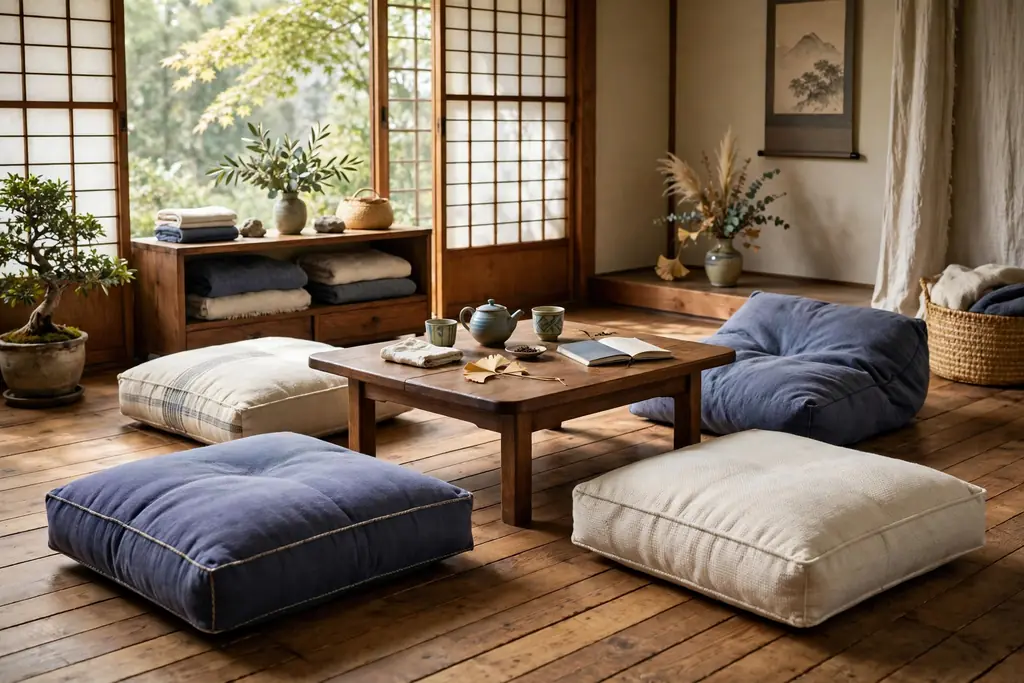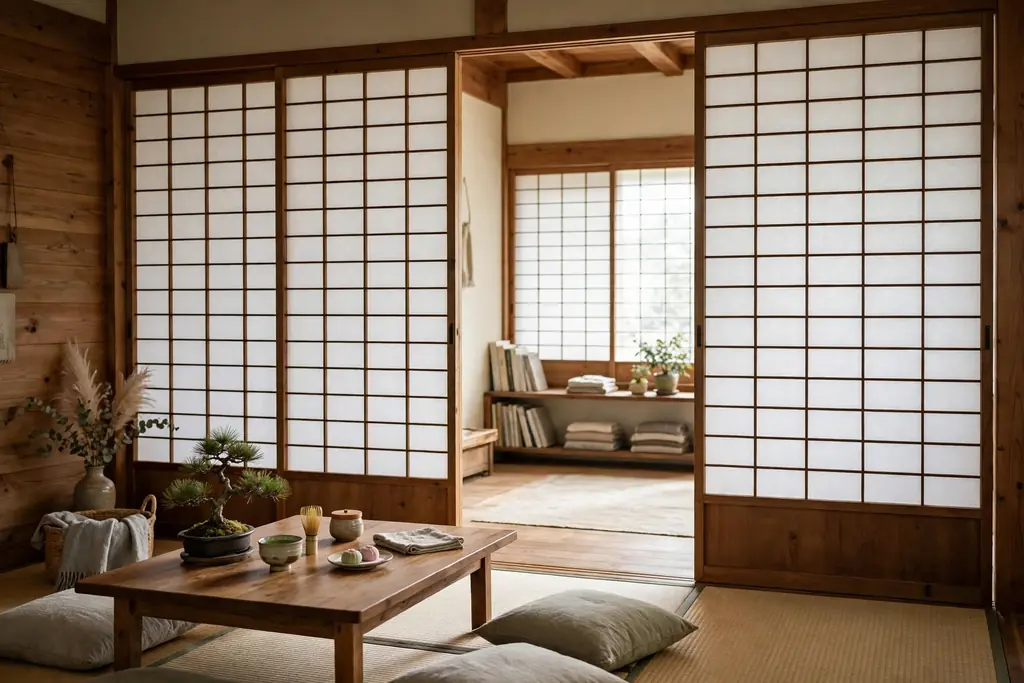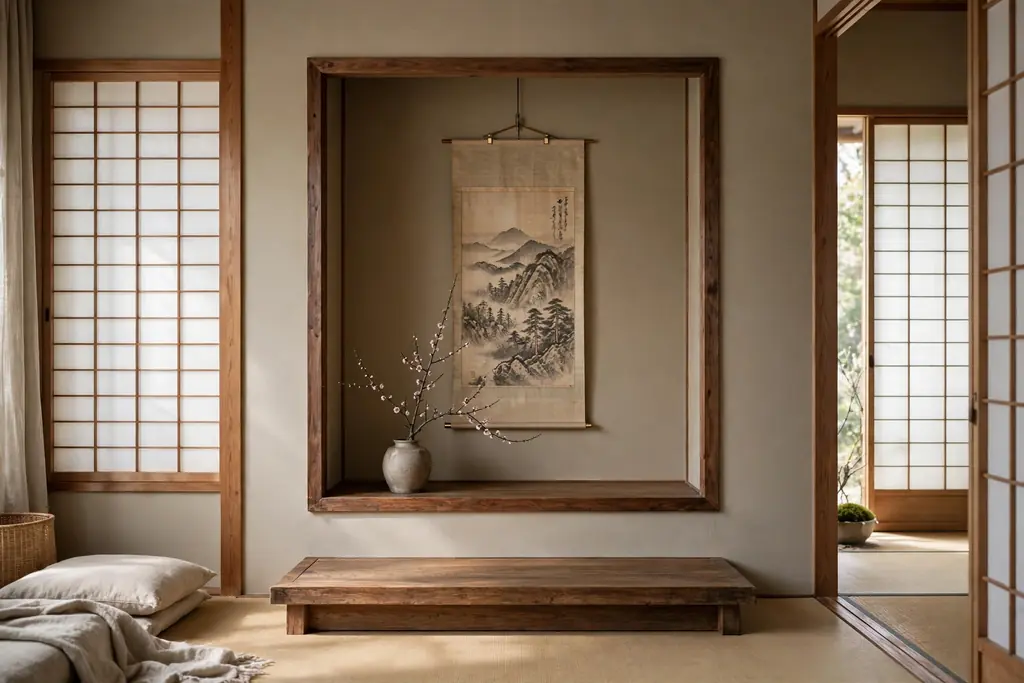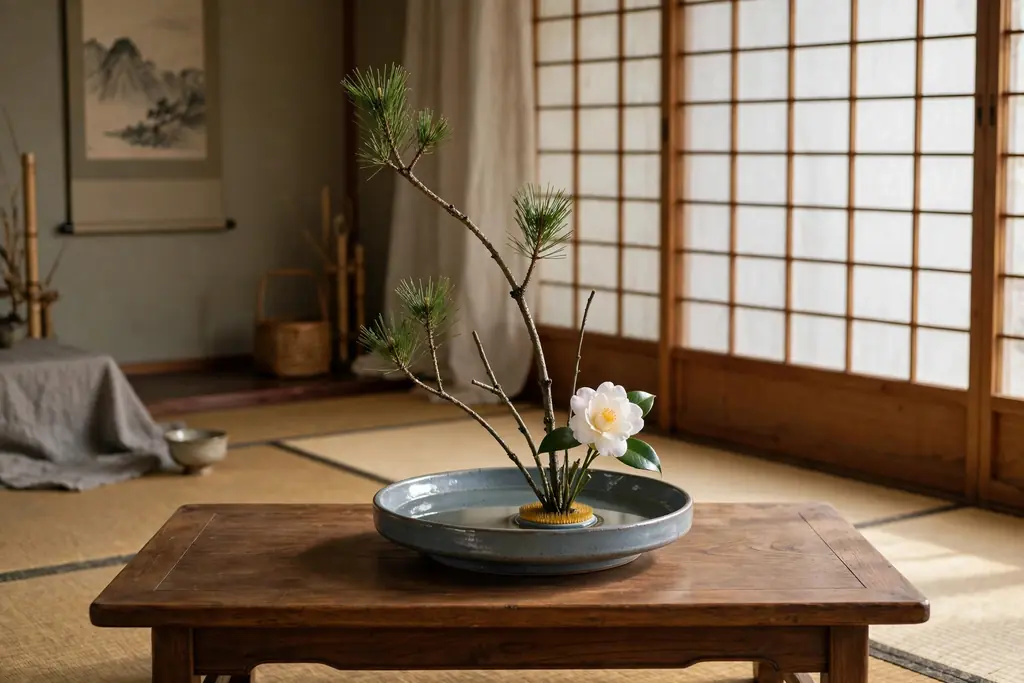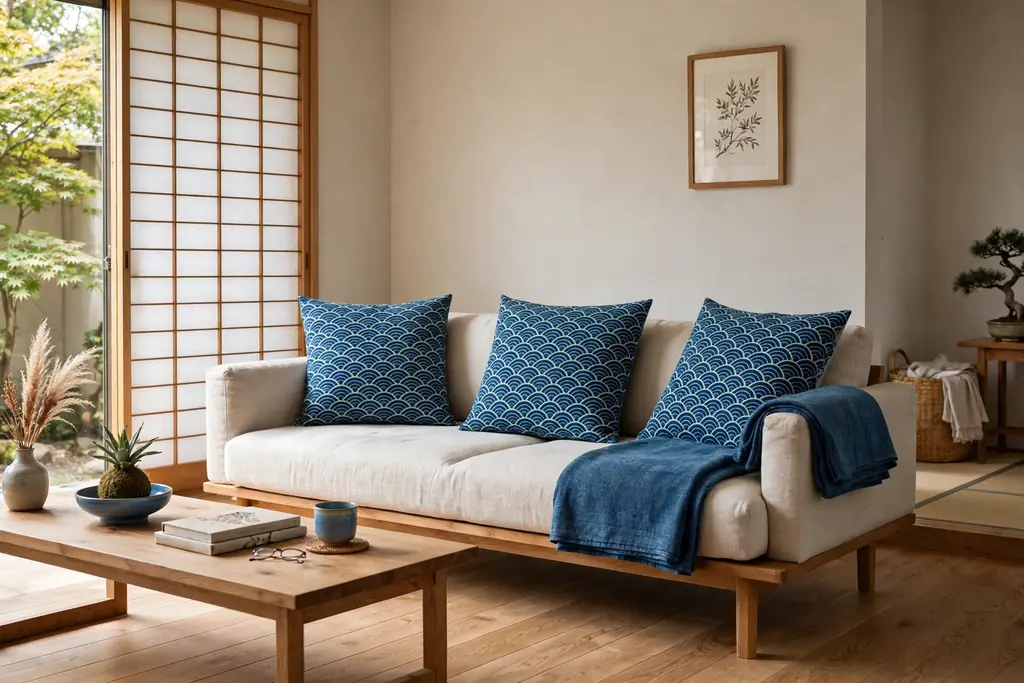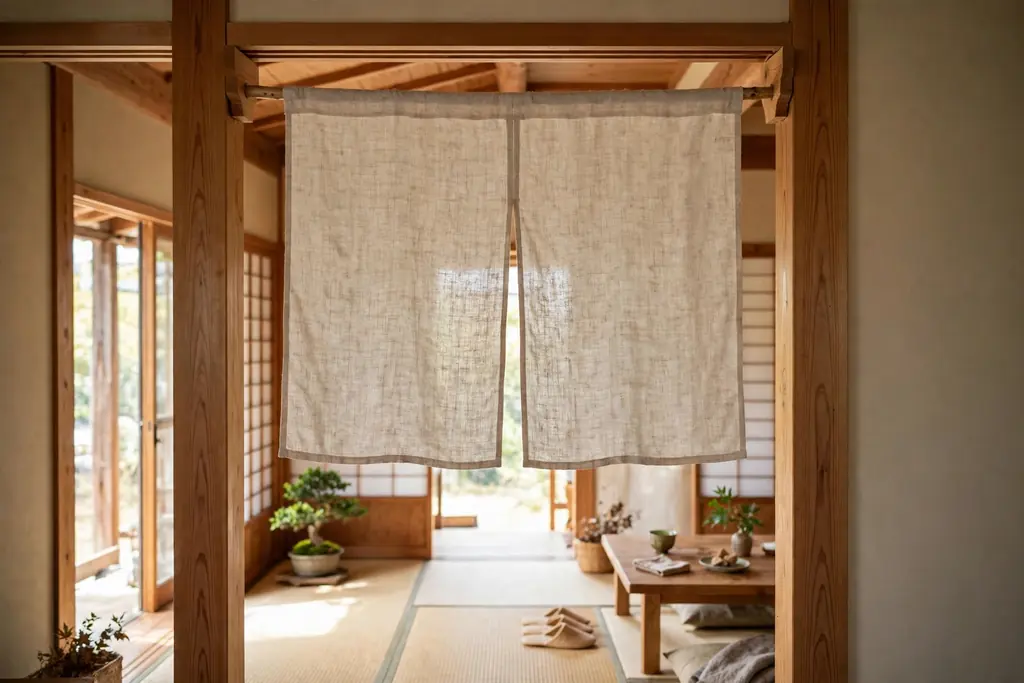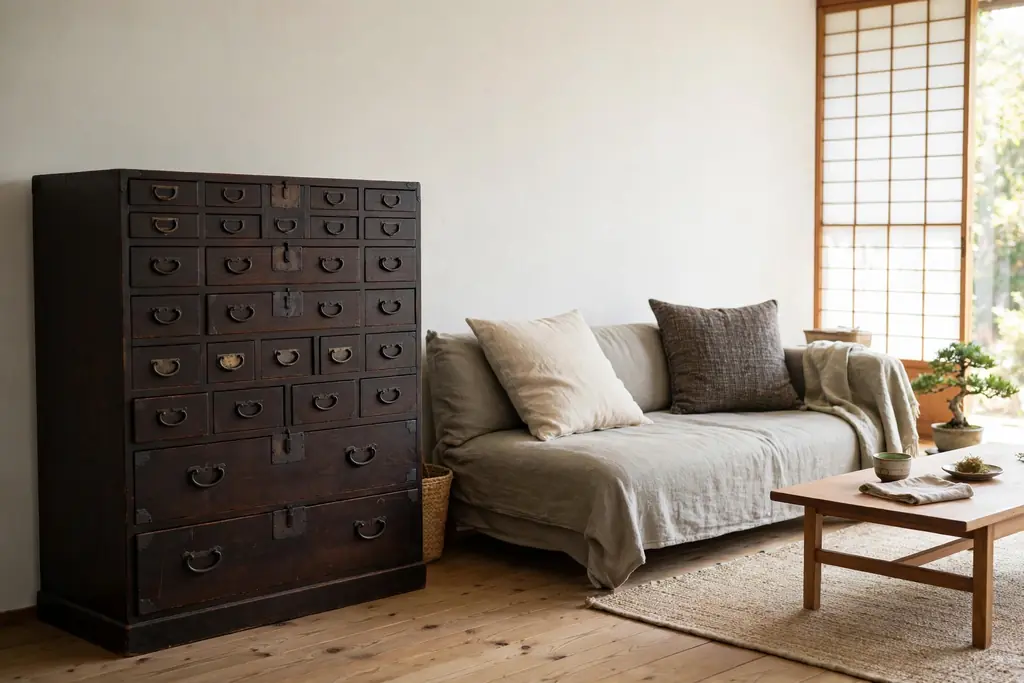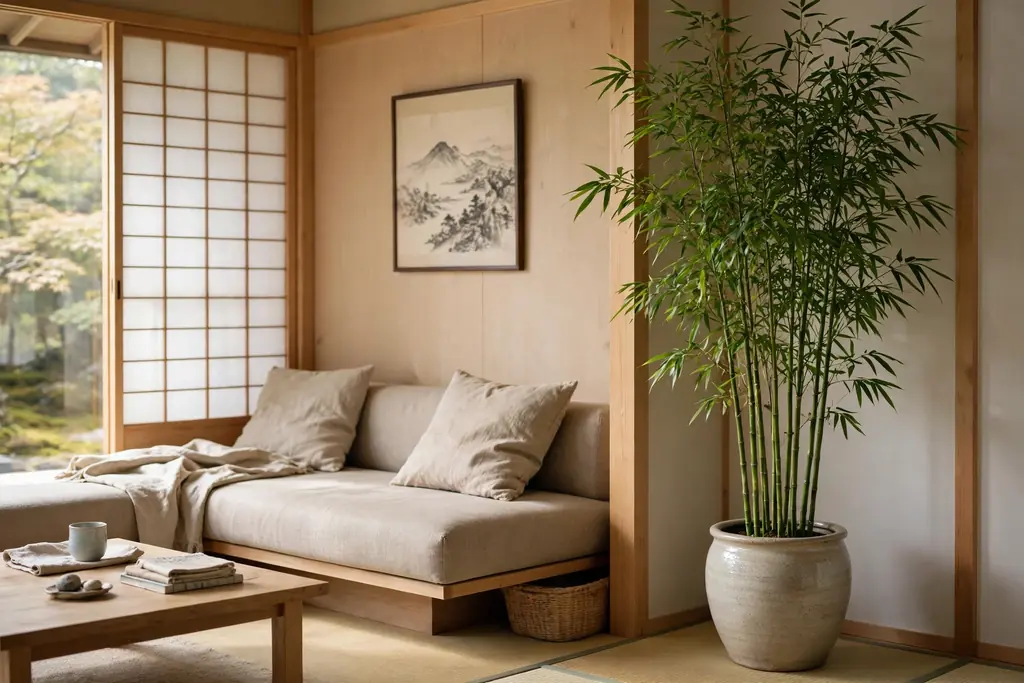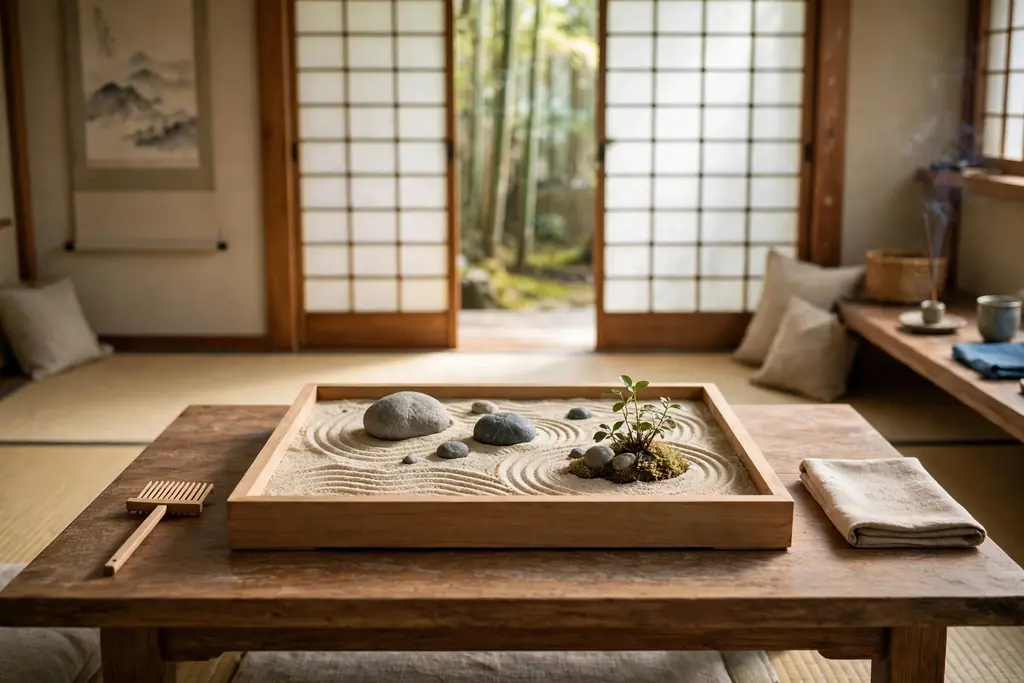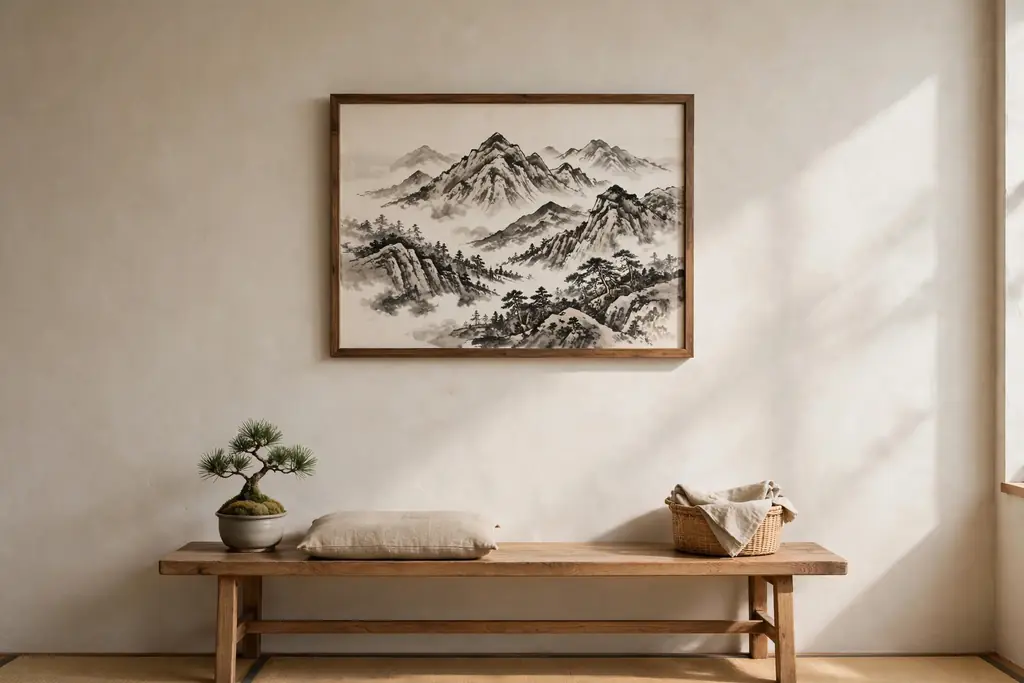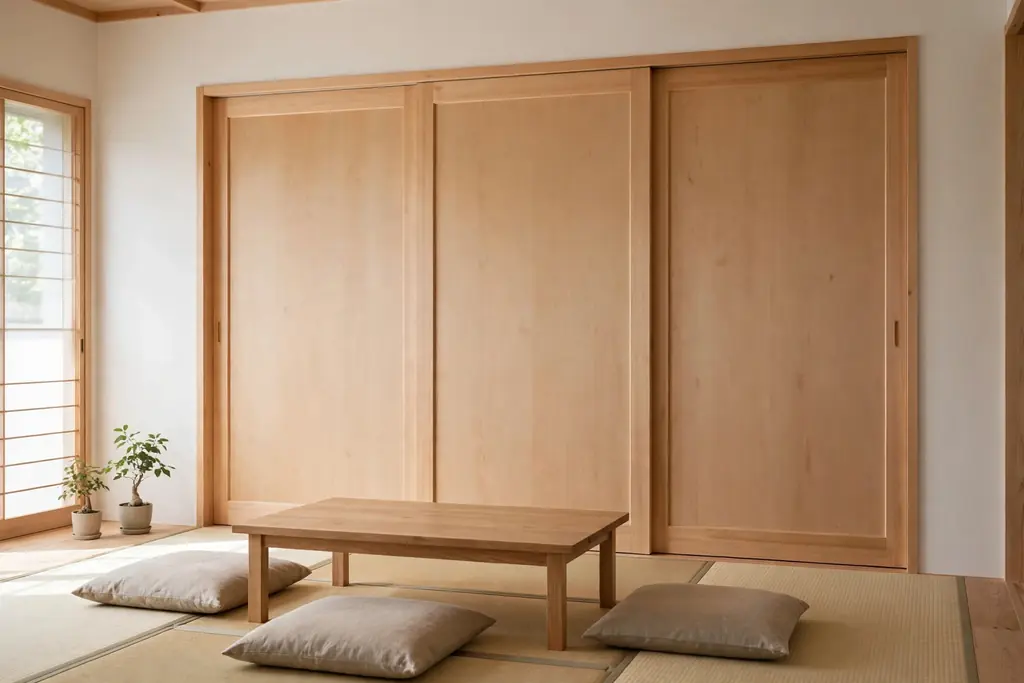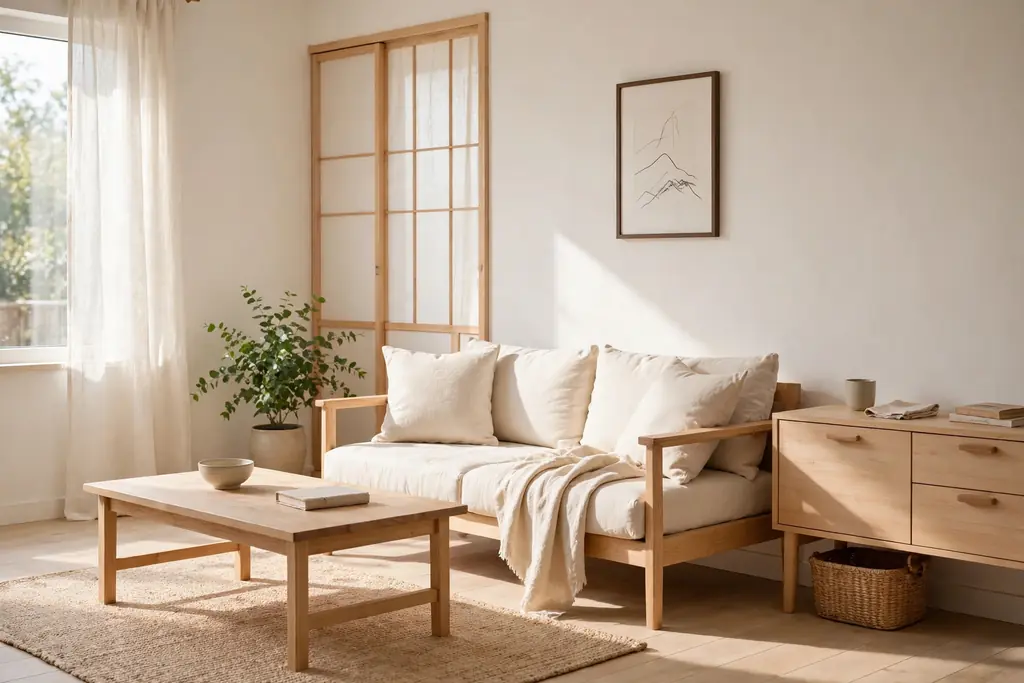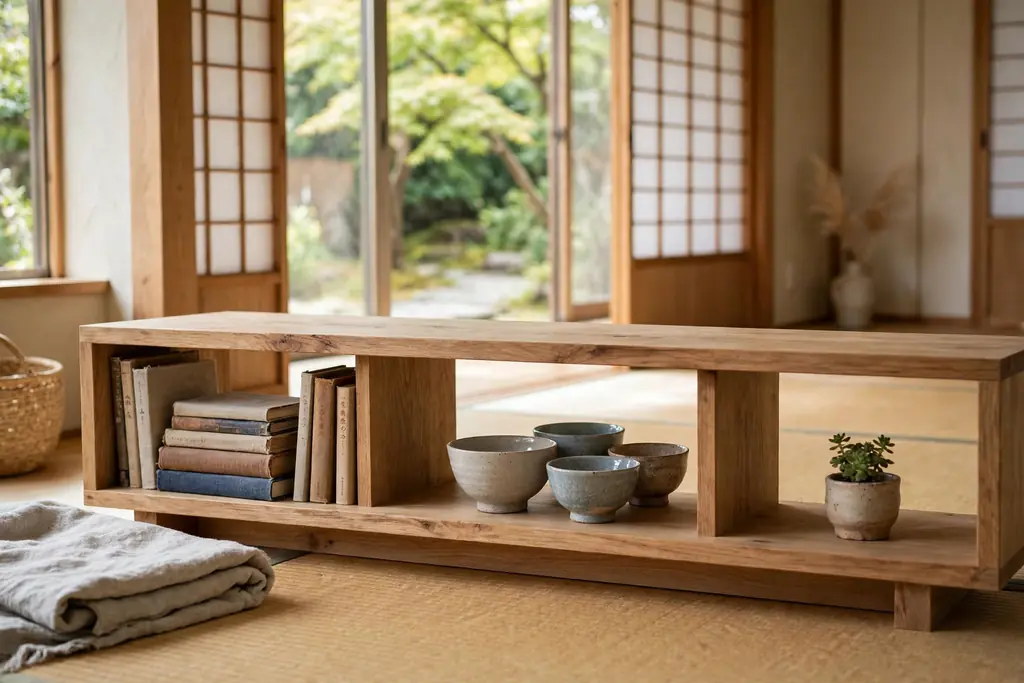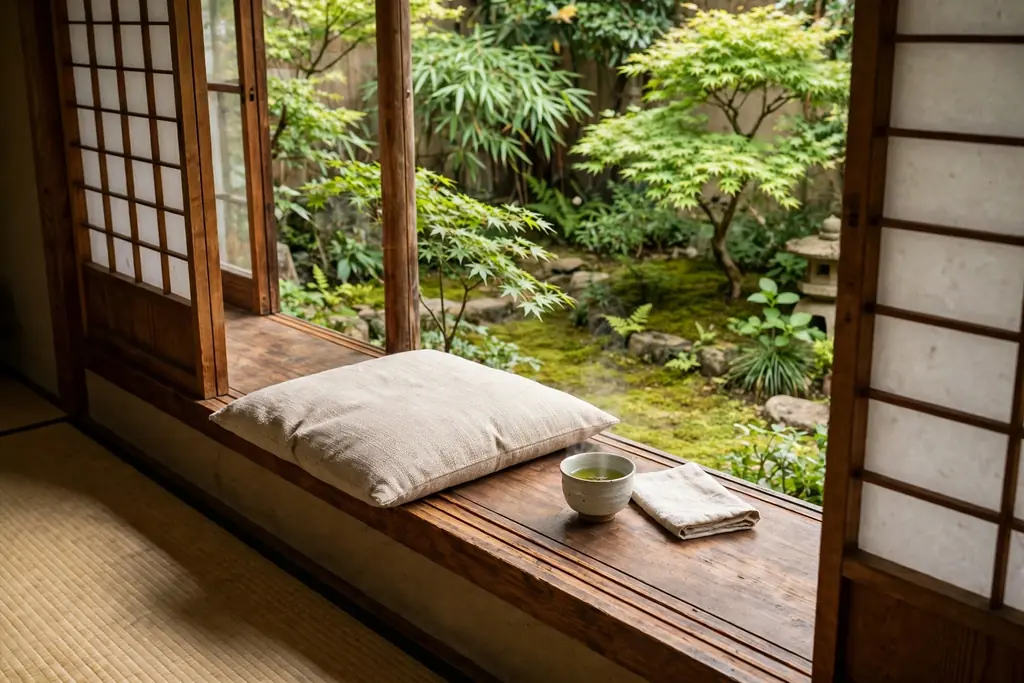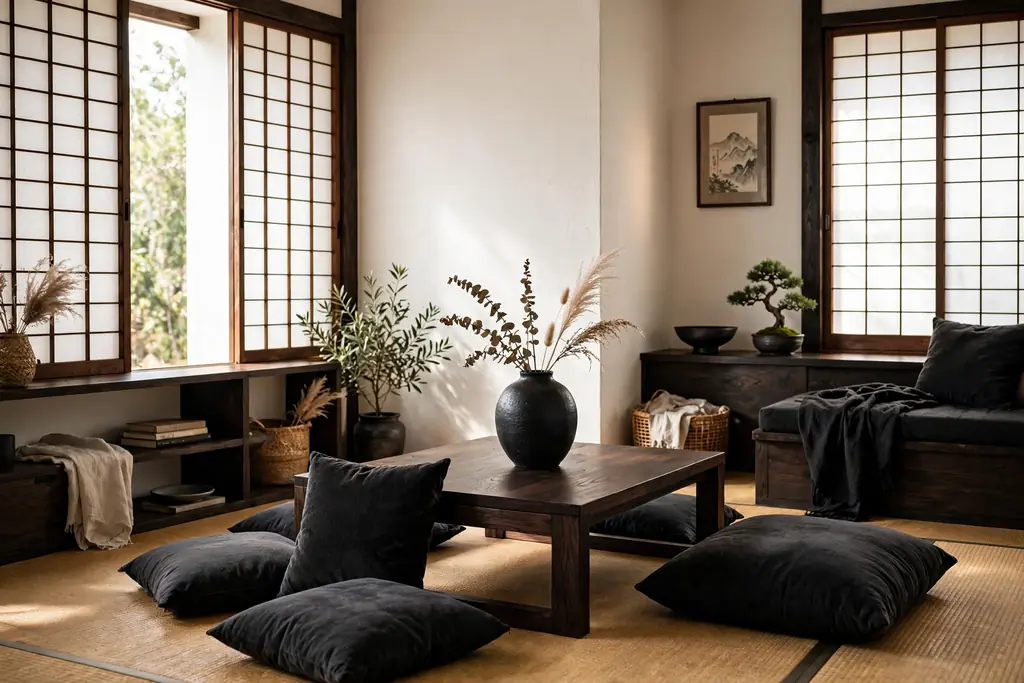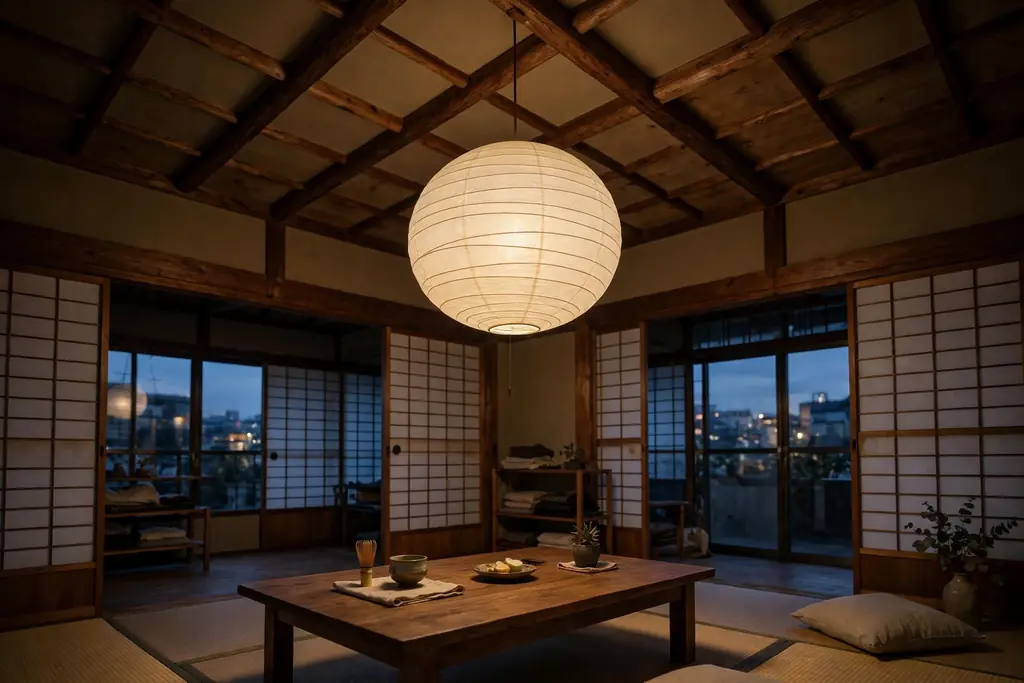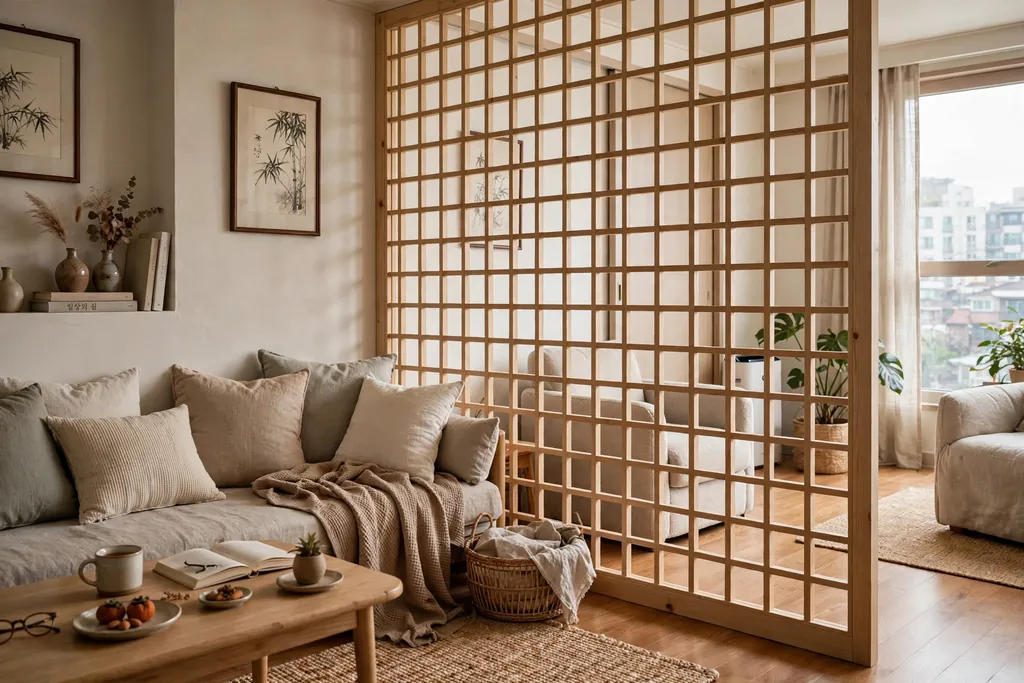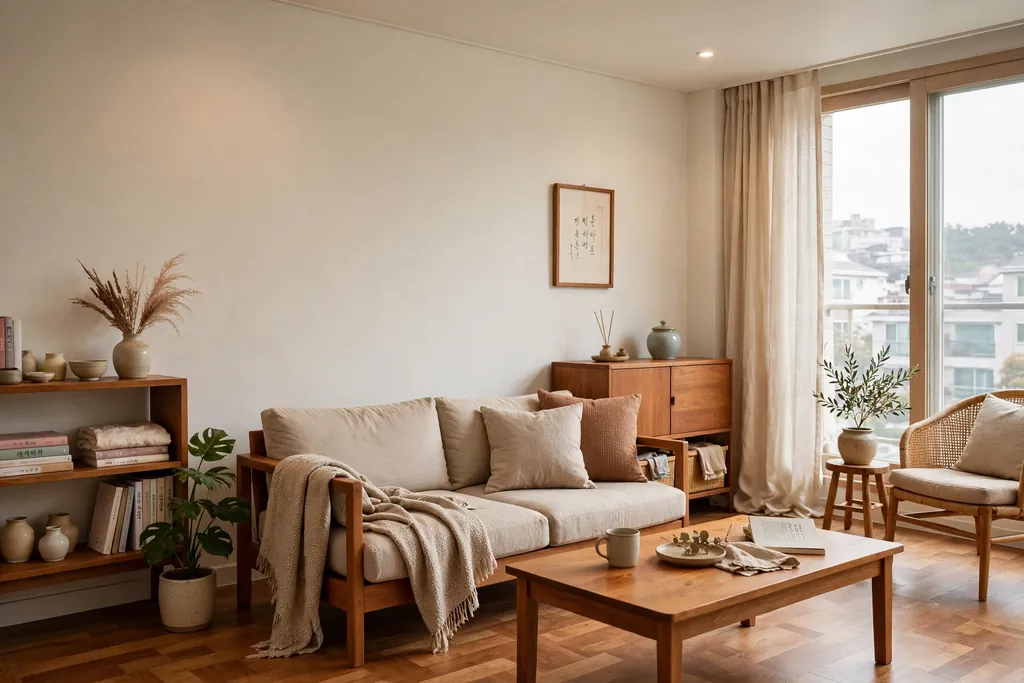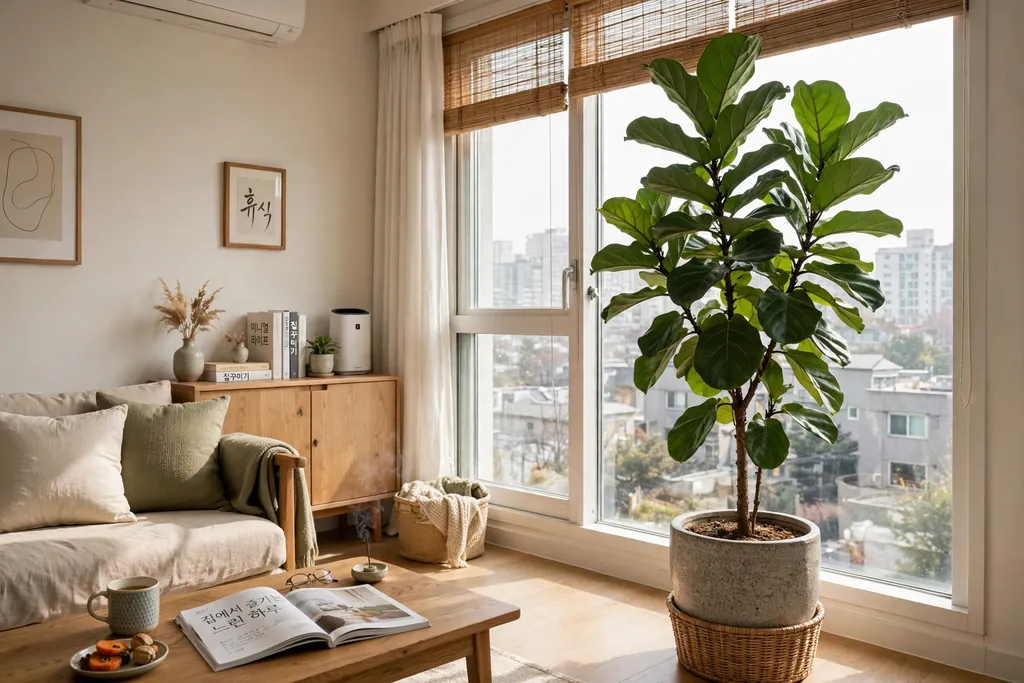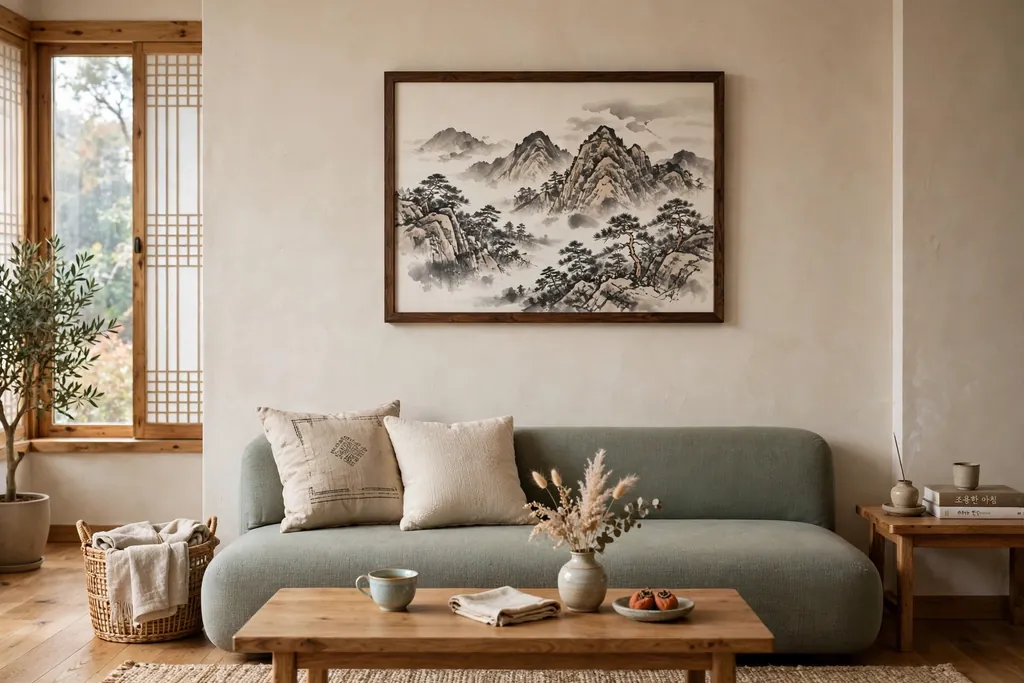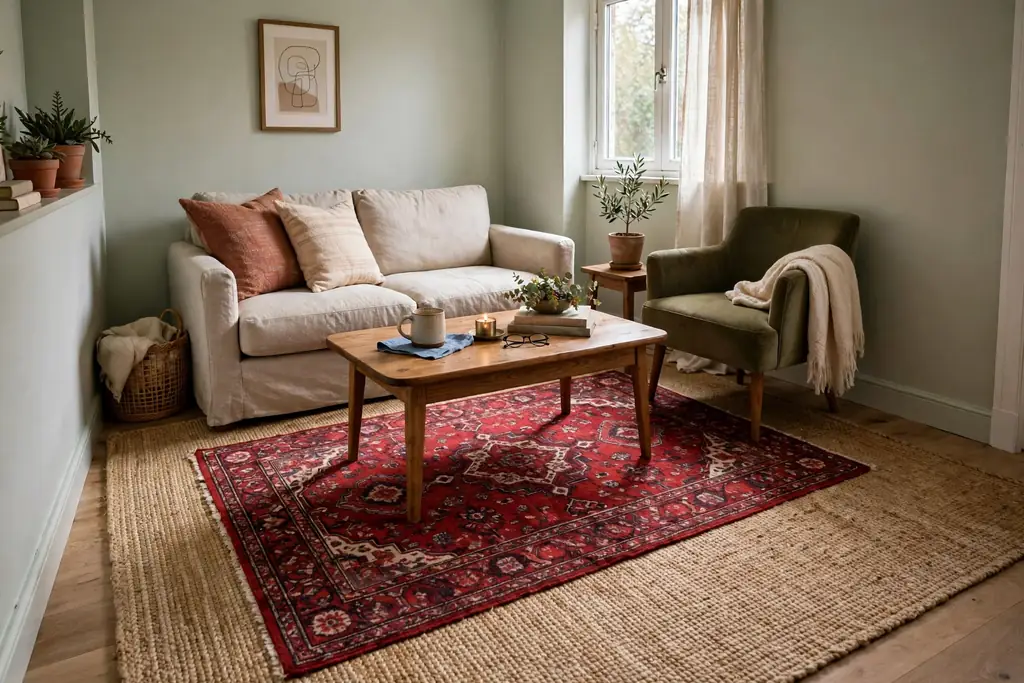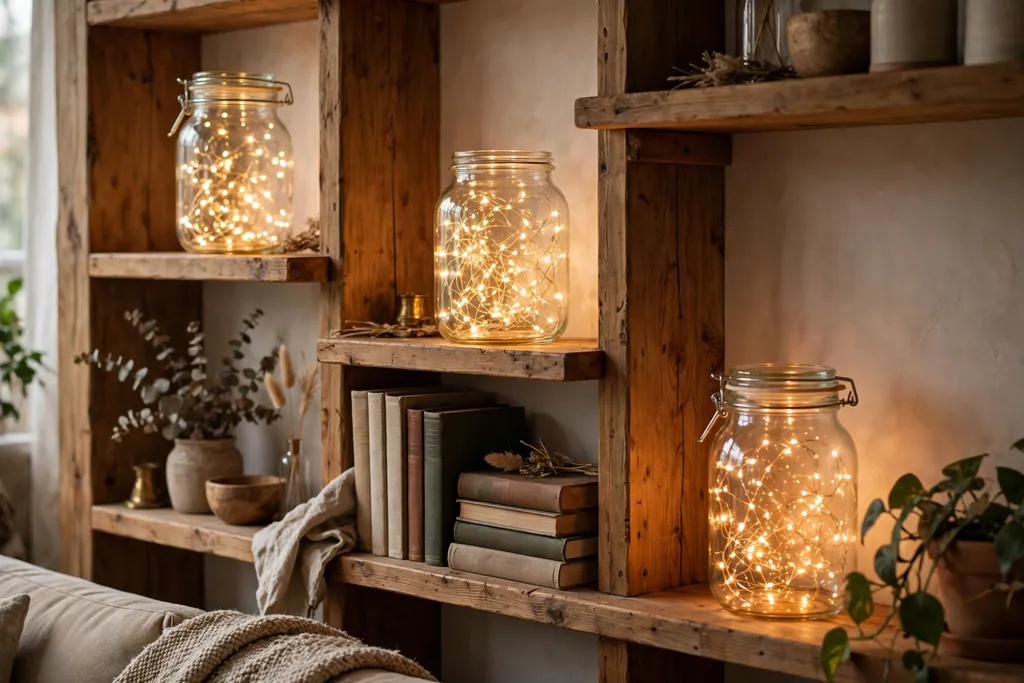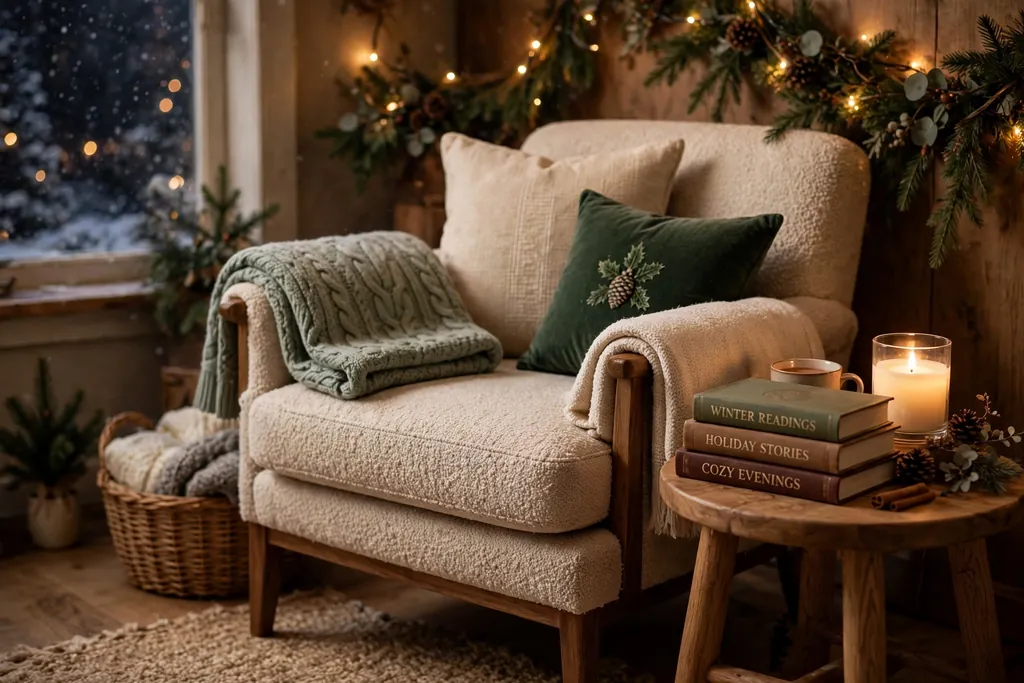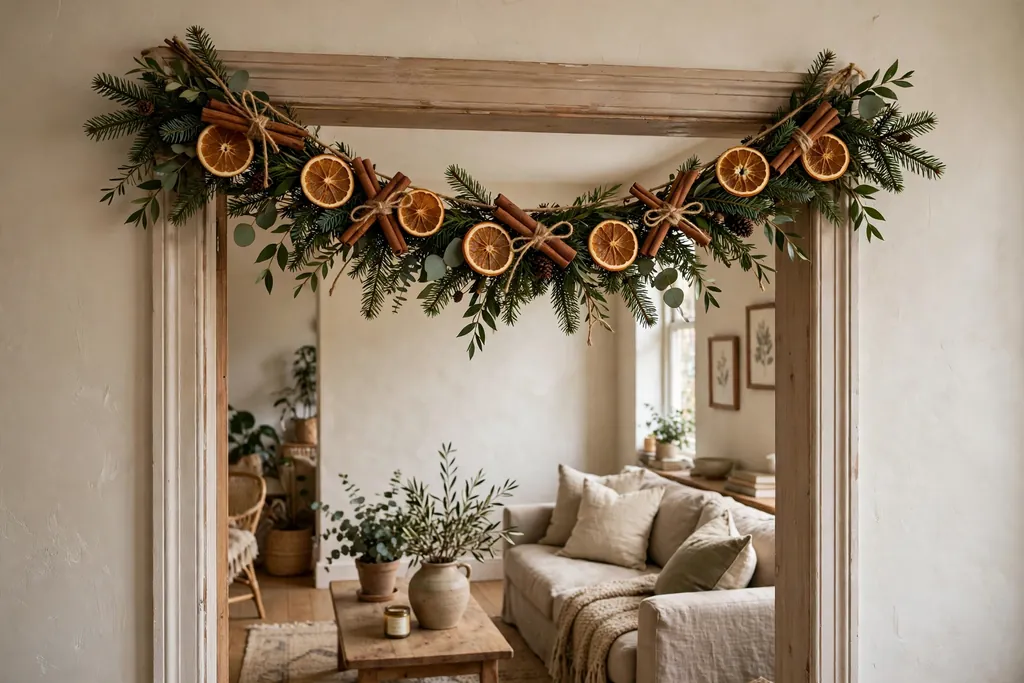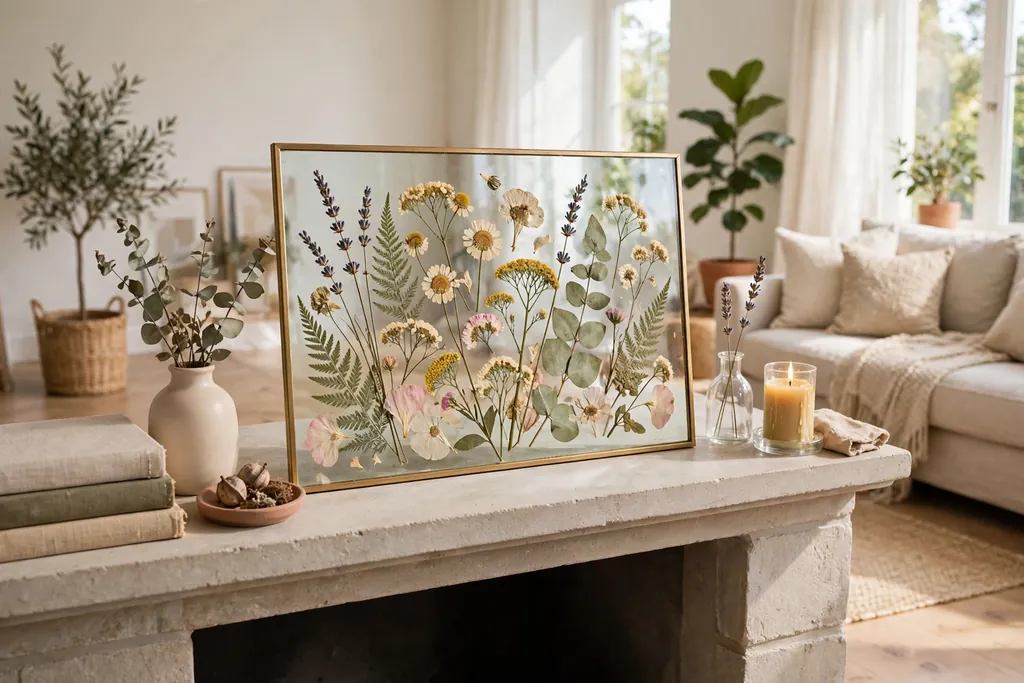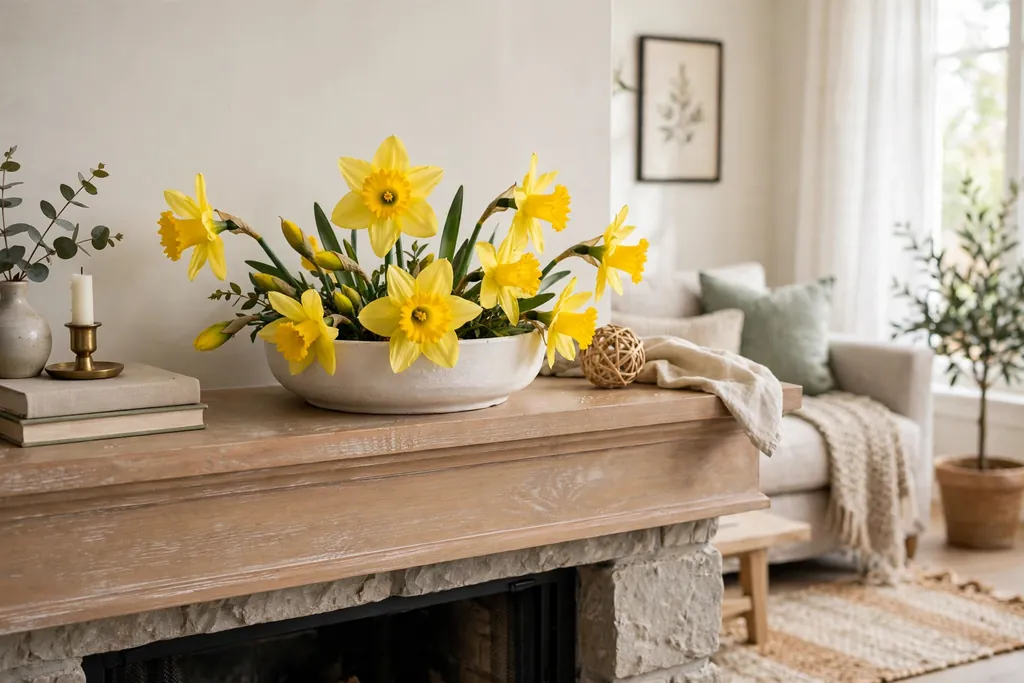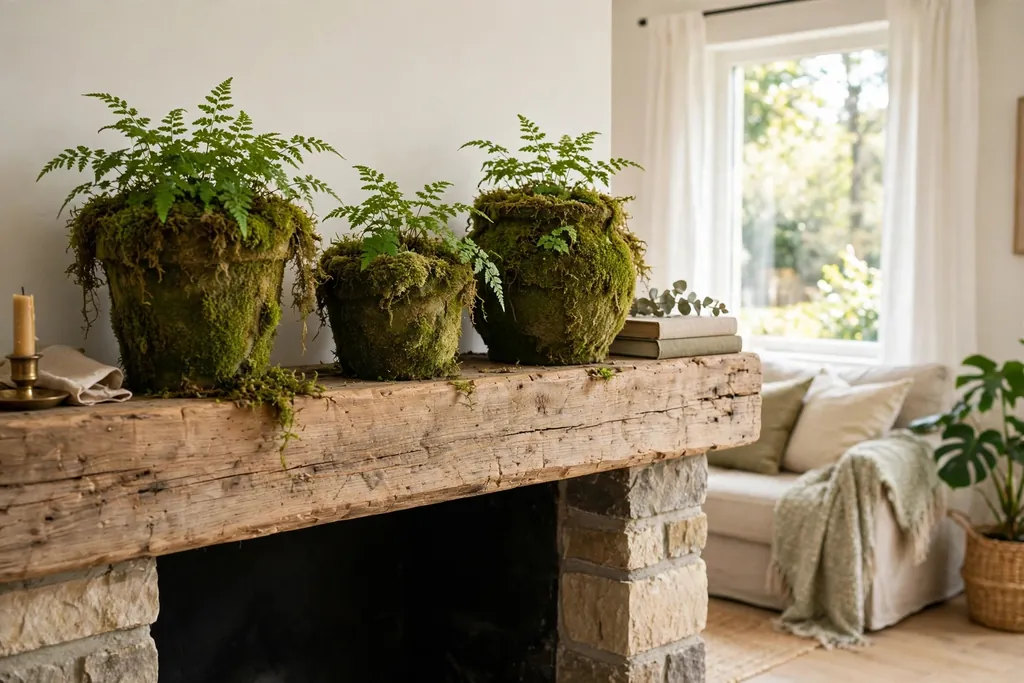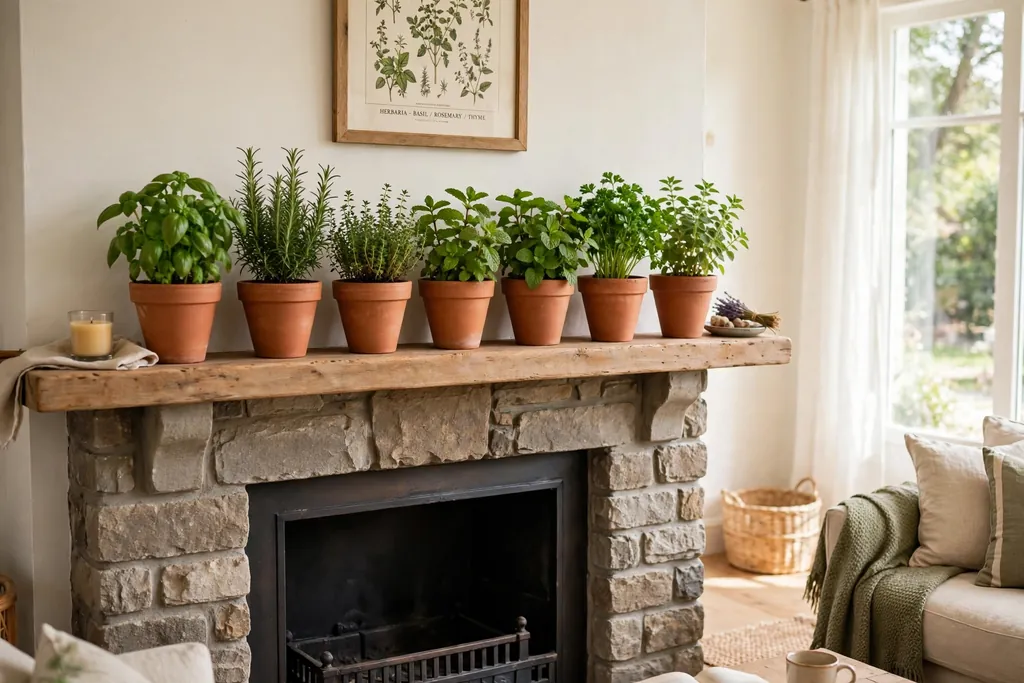
Category: Living Room

Comfortable seating, thoughtful layouts, and finishing touches for a living room that feels like home.

  • 24 Living Room Decor Ideas for Plant Lovers to Inspire You

    24 Living Room Decor Ideas for Plant Lovers to Inspire You

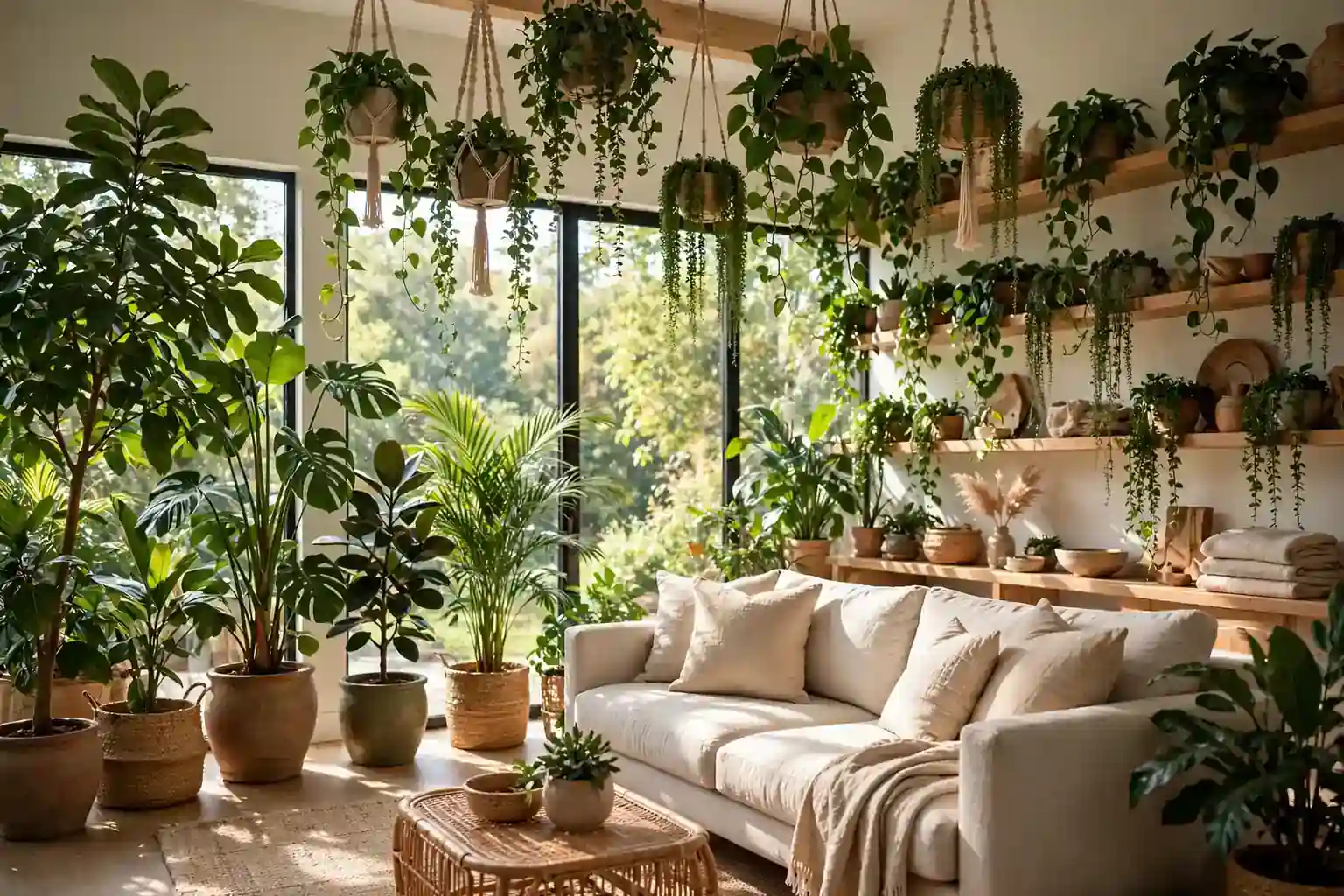
    A living room full of plants feels alive in a way few other decorating choices can match. Leaves soften hard corners, add color without paint, and give a plain sofa wall a clear focal point. The trick is placing plants where they will get the light they need and where you can reach them to water and care for them. These 24 living room decor ideas for plant lovers cover tall trees, living walls, hanging planters, shelves, stands, and small care stations, for bright rooms and dark corners alike. Start with the light you have, pick one idea that fits your space, and build from there.

    Key Takeaways

    • Match each plant to the light it will actually get, and group plants with similar watering needs together.
    • Use plants at three heights, floor, table, and shelf, so green fills the room instead of crowding one surface.
    • Keep walking routes clear and plants clear of radiators, fireplaces, and swing paths for doors.
    • Use saucers under every pot on wood floors, and choose pots with drainage holes.
    • Start with three or four plants and add more only once watering and care stay manageable.
    • Repeat one pot material or color through the room so a large collection still looks planned.

    1. Statement Corner Tree
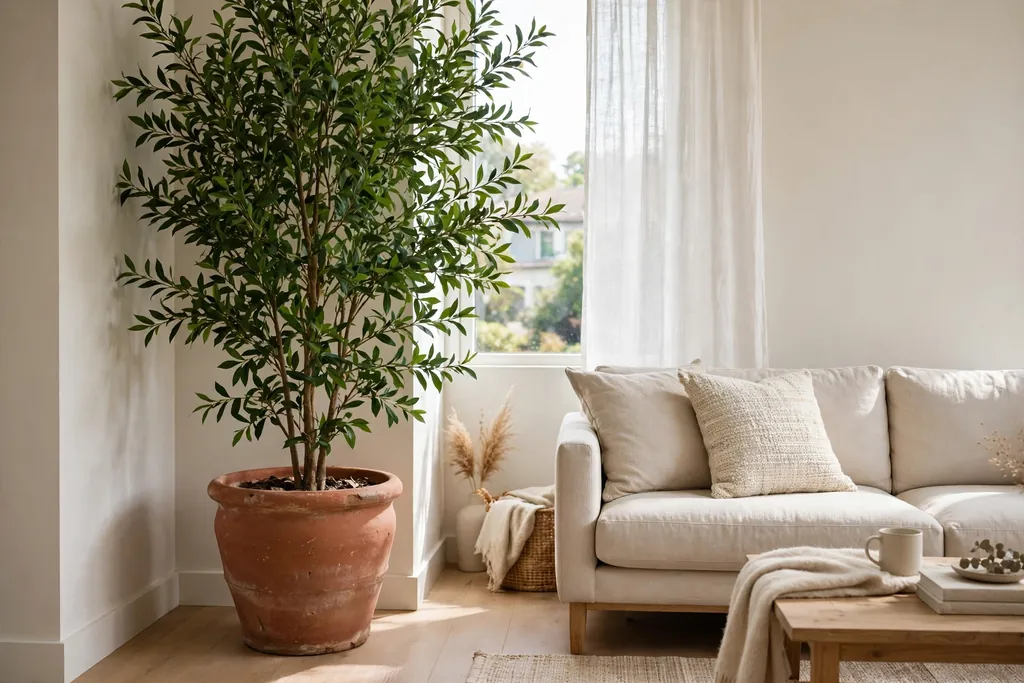
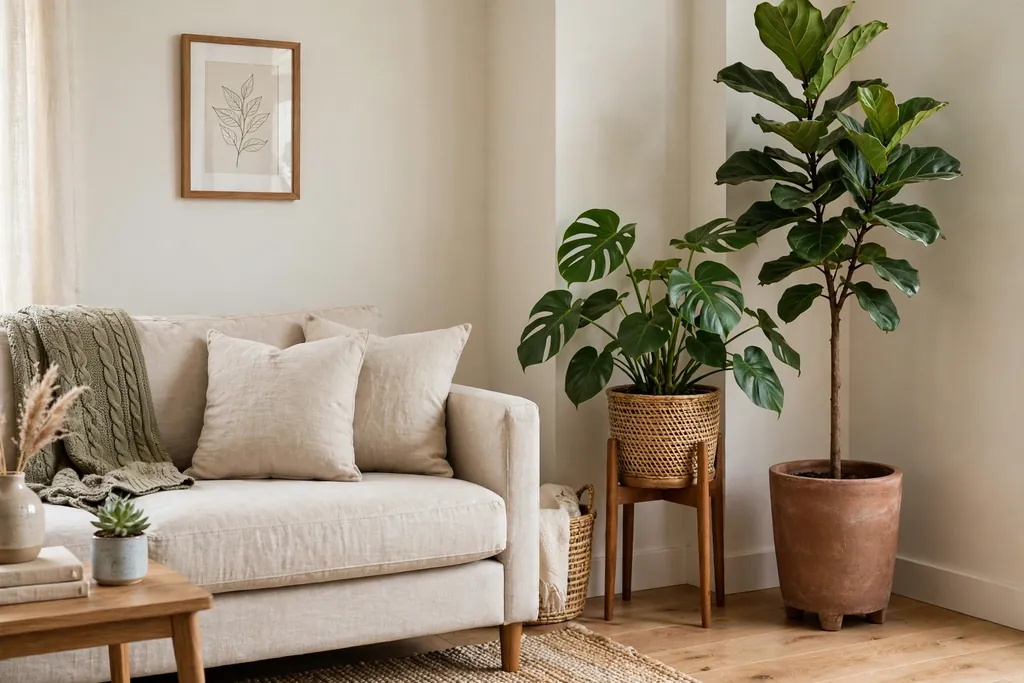
    Tall leafy tree in a large floor pot in a living room corner beside a sofa.

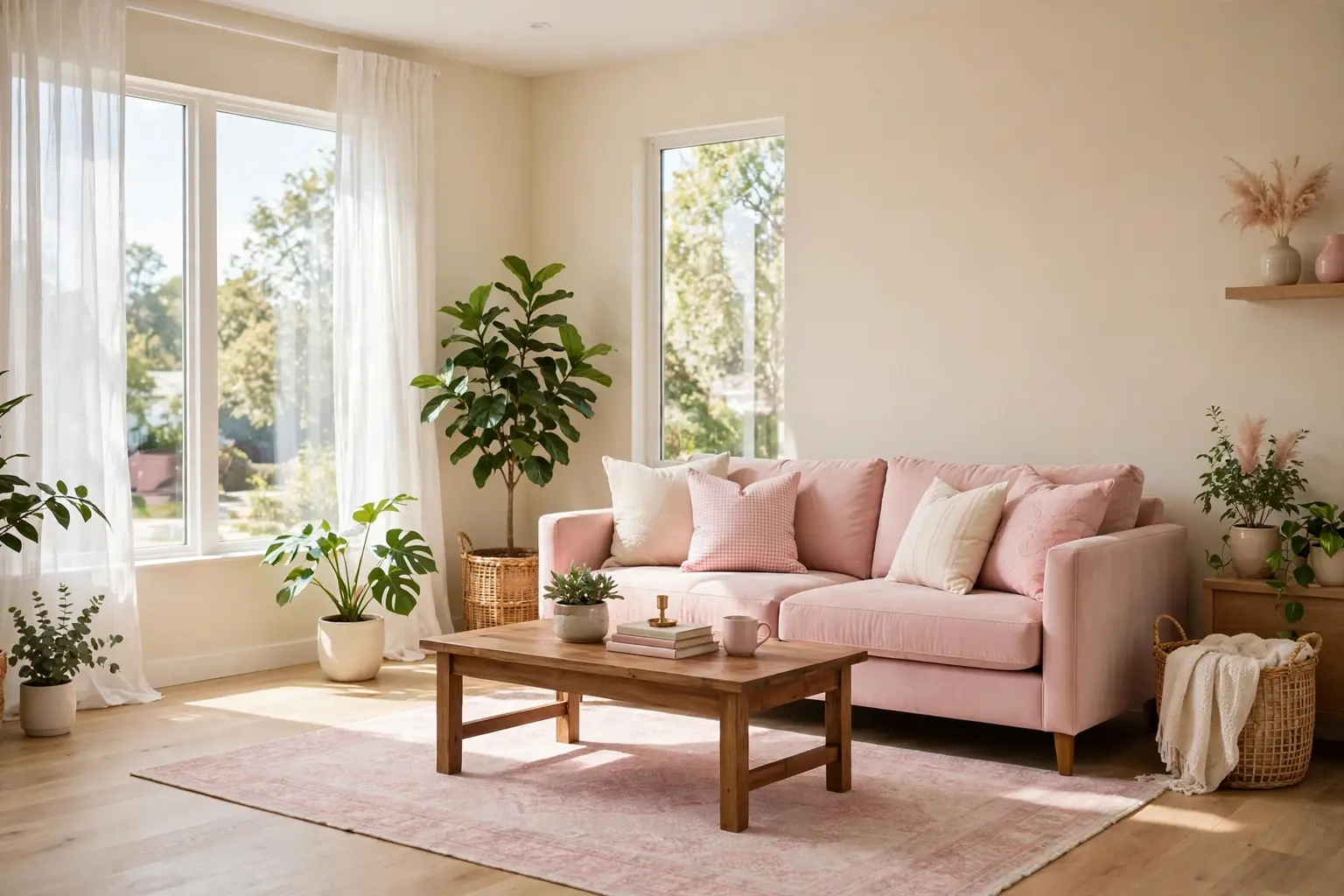
    Fill an empty corner with one tall tree, such as a fiddle leaf fig, olive tree, or Kentia palm, in a large floor pot. A single tall plant gives the room a clear focal point and softens the hard angle where two walls meet, without needing a whole collection to make an impact.

    Place the tree where it gets the light its label asks for, and leave space around it so leaves do not press against curtains or walls. Rotate the pot a quarter turn every few weeks so growth stays even. A basket or woven cover over a plain nursery pot makes the tree look finished at once.

    2. Living Wall Panel
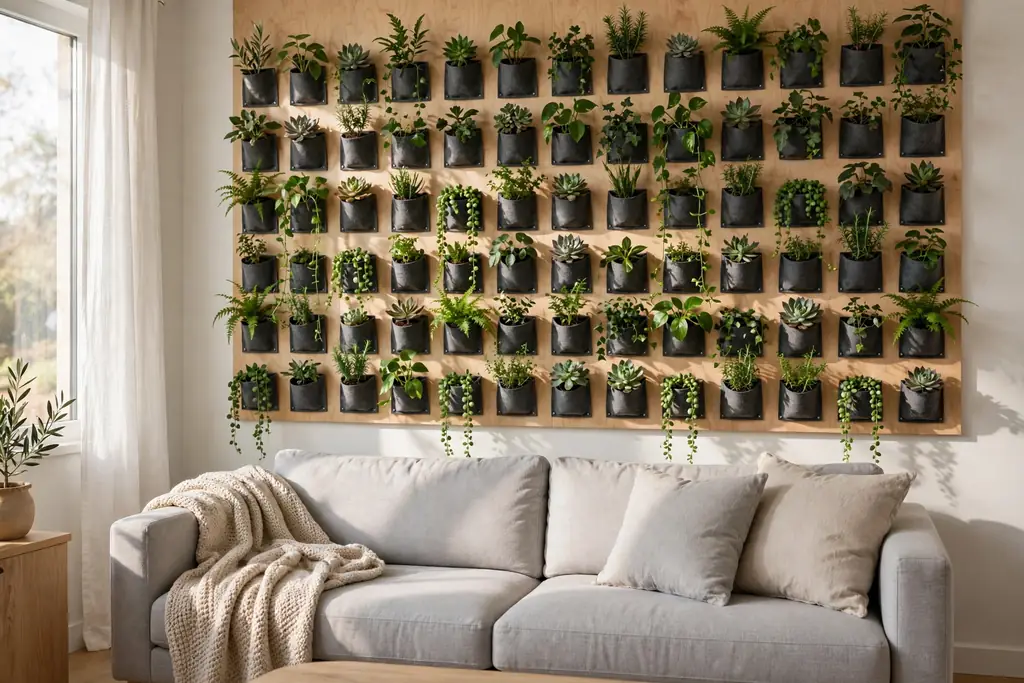
    Living wall panel with small potted plants arranged on a living room wall.

    Cover one wall, or one section of a wall, with a living wall panel holding small potted plants in pockets or slots. A living wall turns plants into wall art and suits a sofa wall or a hallway wall that would otherwise stay blank.

    Choose a panel system with a drip tray or a waterproof backing, and fix it into studs or with fixings suited to your wall type. Plant the top pockets with trailing plants and the lower pockets with upright plants, so the panel reads as full from top to bottom. Water from the top down and check the tray after watering, since a panel holds more water than a single pot.

    3. Hanging Planters at Varied Heights
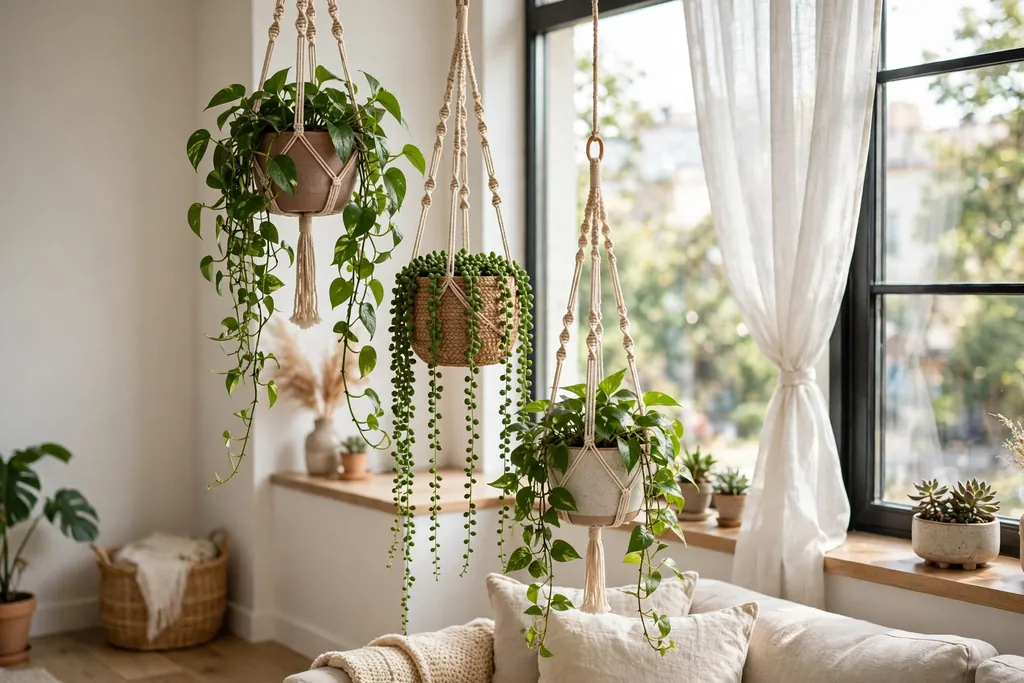
    Hanging planters at varied heights with trailing plants near a living room window.

    Hang planters from ceiling hooks at three different heights near a window, so trailing plants fall at staggered levels instead of lining up in a row. Hanging planters free up floor and table space, which helps in a small living room.

    Use hooks rated for the weight of a watered pot, and fix them into a joist or a ceiling anchor suited to your ceiling type. Hang the longest trailers highest, so their vines do not block the window, and keep the lowest planter above head height on any walking route. A pulley or a hook you can lower by hand makes watering far easier.

    4. Tiered Plant Ladder Shelf
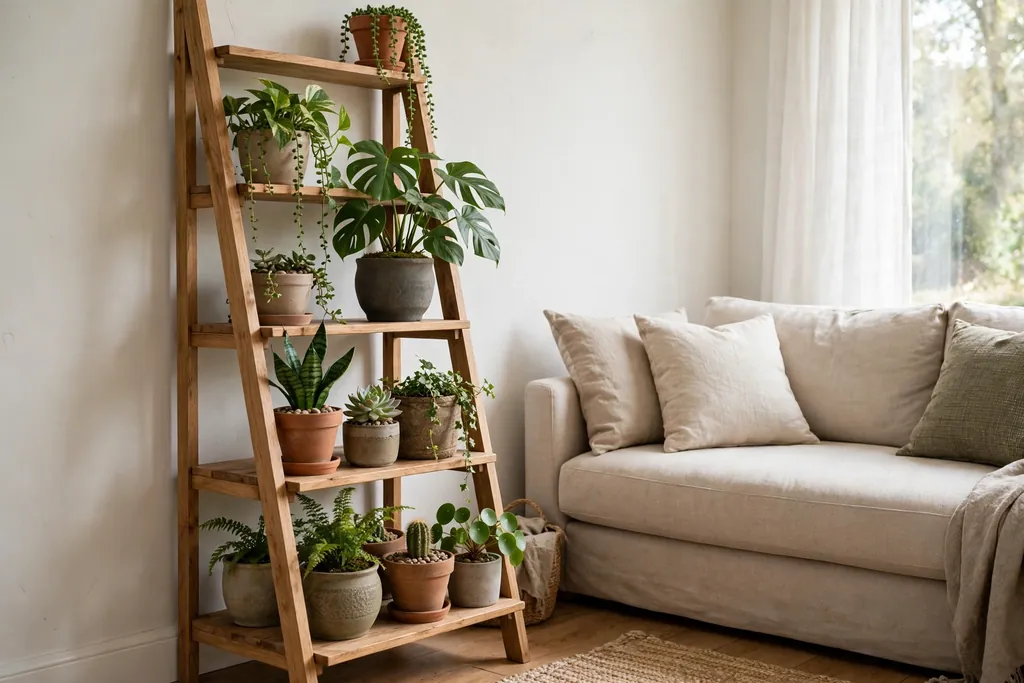
    Tiered ladder shelf filled with potted plants against a living room wall.

    Lean a tiered ladder shelf against a wall and fill each rung with plants, tallest at the back and smallest at the front. A ladder shelf holds many plants in a narrow footprint and suits a wall beside the sofa or the television.

    Anchor the top of the ladder to the wall if the maker advises it, especially in a home with children or pets. Put heavy pots on the lowest rungs and light pots higher up, and leave one rung partly empty so the shelf does not look packed. The grouping method in these cozy apartment living room ideas works well here too: start with the largest plants, vary the shapes, and leave visible gaps.

    5. Sunny Window Garden
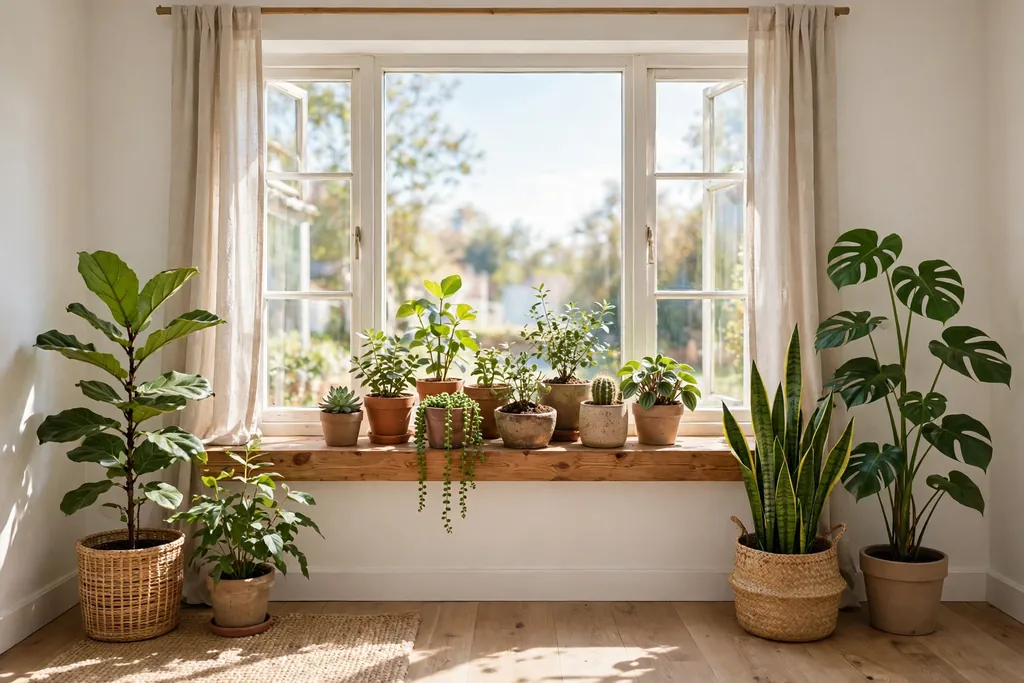
    Sunny window garden with small pots on a windowsill and taller pots on the floor below.

    Turn a sunny windowsill and the floor beside it into a window garden, with small pots on the sill and taller pots on the floor below. A window garden gives light loving plants the bright spot they need and makes the window itself a feature.

    Use a tray under sill pots to catch drips, and keep curtains clear of leaves so air can move around the plants. Rotate sill pots weekly, since the side facing the glass grows faster. In summer, watch for leaf scorch on plants pressed against hot glass, and move sensitive plants a step back from the pane.

    6. Clustered Plant Stands at Different Heights
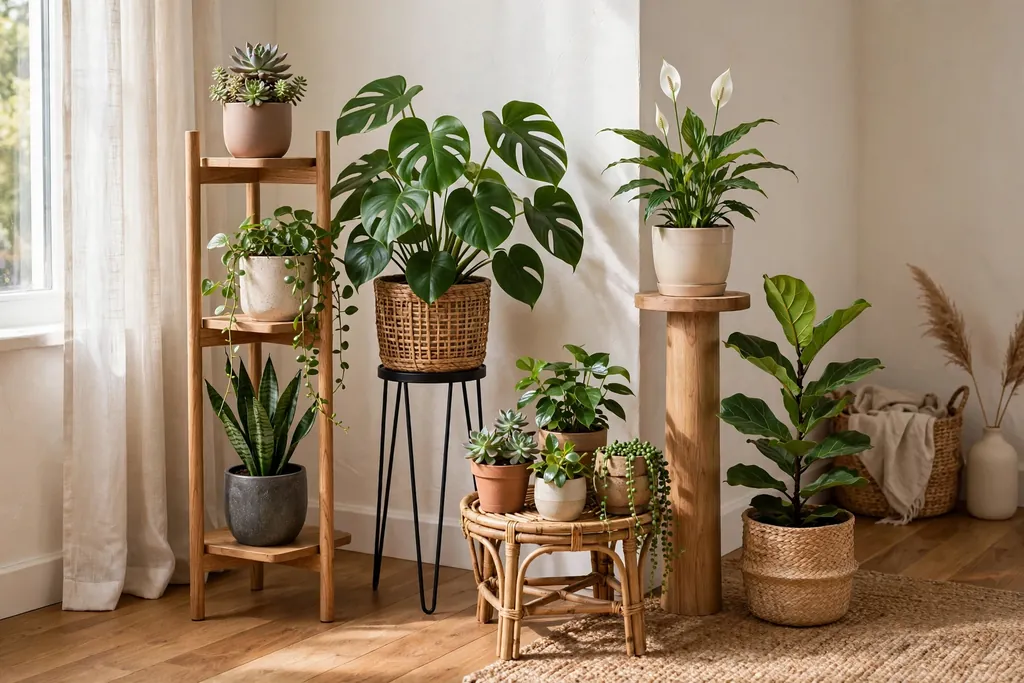
    Cluster of plant stands at different heights with potted plants in a living room corner.

    Group three or four plant stands of different heights in one corner, with one plant on each stand. Stands lift plants off the floor, vary the height of the group, and let each plant be seen instead of hiding behind its neighbor.

    Choose stands in one material, such as wood, metal, or bamboo, so the group looks planned even when the plants differ. Place the tallest stand at the back and the shortest at the front, and leave a small gap between stands so you can reach each pot to water it. A cluster of stands also works beside an armchair, where it frames the seat without blocking light.

    7. Trailing Plants on a High Shelf
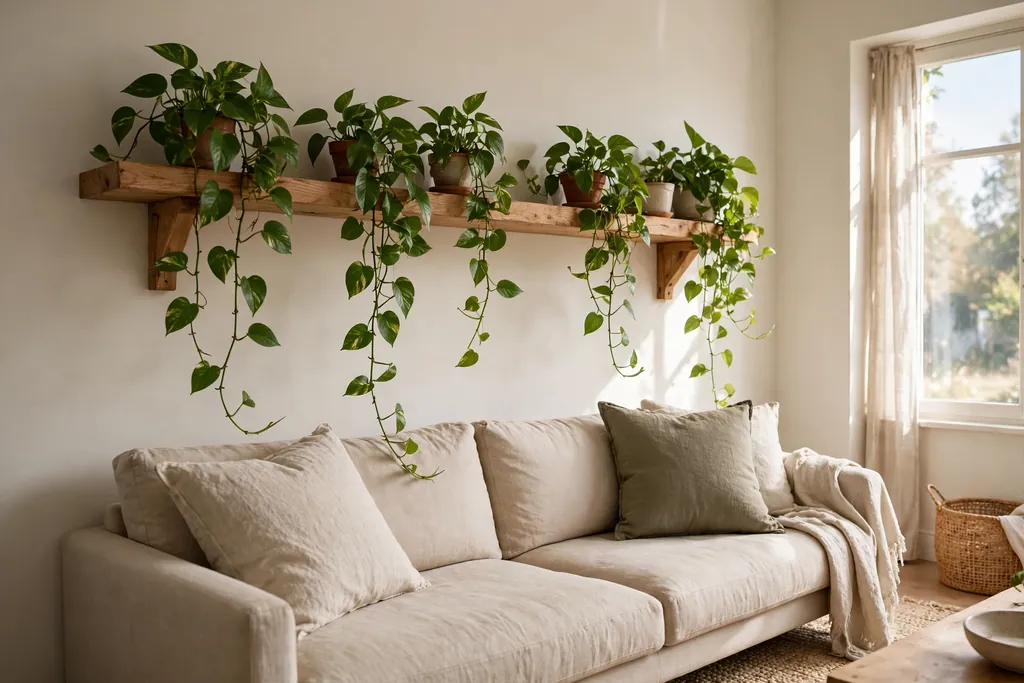
    High wall shelf with trailing plants spilling over its edge in a living room.

    Run a high shelf along one wall and let trailing plants, such as pothos or string of hearts, spill over its edge. A high shelf keeps trailing vines out of the way while still filling the upper wall with green, which is often the emptiest part of a living room.

    Fix the shelf into studs or with fixings rated for the weight of watered pots, and keep the shelf clear of picture frames that vines could cover. Trim vines when they reach the furniture below, and use the cuttings to start new plants for the propagation station in Idea 8. Wipe the shelf now and then, since high shelves collect dust fast.

    8. Propagation Station on the Wall
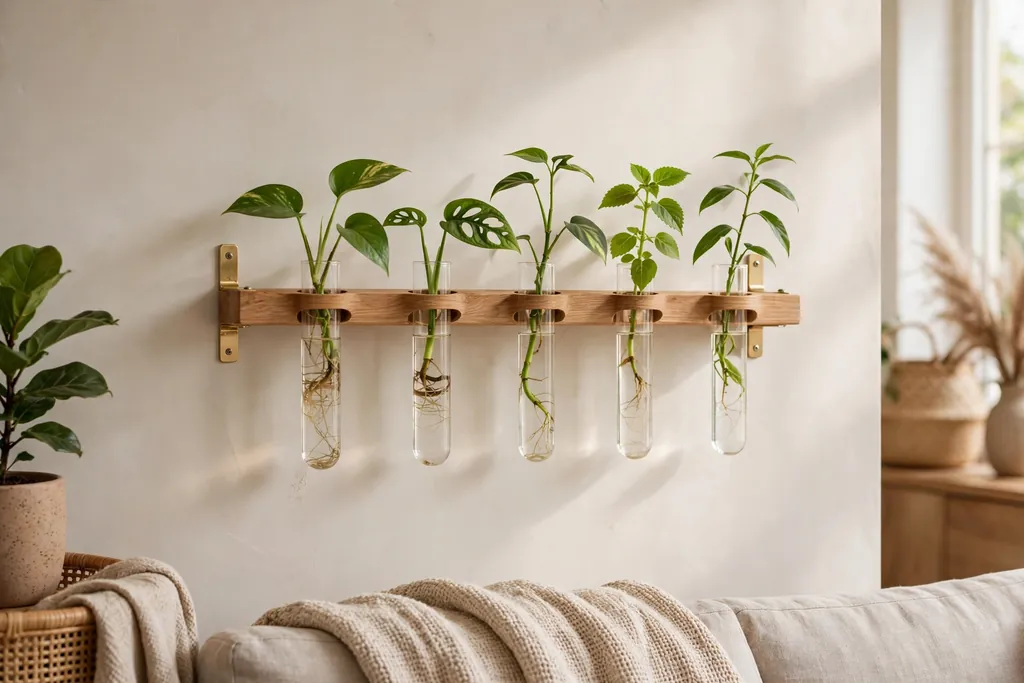
    Wall mounted propagation station with glass tubes holding plant cuttings in water.

    Mount a small wall rack or shelf with glass tubes or jars for cuttings, and grow new plants from your own collection in plain view. A propagation station turns plant care into a display and gives you free plants for other rooms or for friends.

    Change the water in the tubes every week, and keep the station in bright indirect light rather than full sun, which heats small jars fast. Label each tube with the plant name and the date you cut it, so you know which cuttings root first. Once roots reach a few inches, pot the cuttings in soil and move them to a shelf or stand.

    9. Glass Greenhouse Cabinet
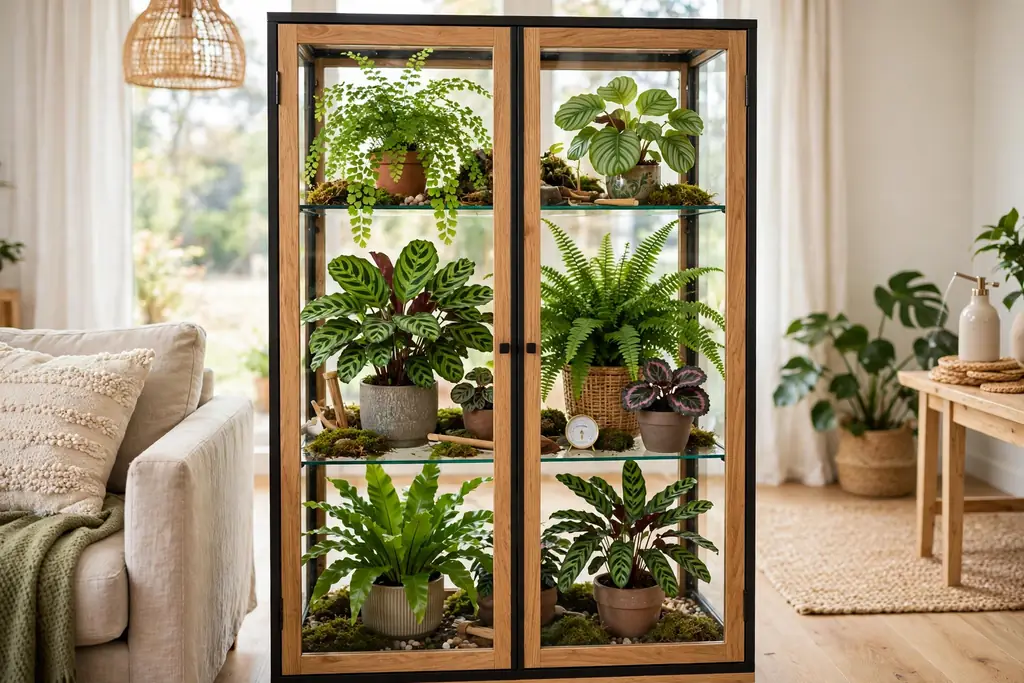
    Glass fronted cabinet filled with humidity loving plants in a living room.

    Use a glass fronted cabinet as a small indoor greenhouse for humidity loving plants such as ferns, calatheas, and orchids. The closed glass holds humidity higher than the open room, which suits plants that crisp at the edges in dry indoor air.

    Add a small fan inside the cabinet for air movement, and open the doors for a few minutes most days so stale air does not build up. Keep the cabinet out of direct sun, since glass heats fast and can scorch leaves. Line the shelves with trays, and wipe the glass inside and out so the plants stay visible.

    10. Large Monstera as Sofa Anchor
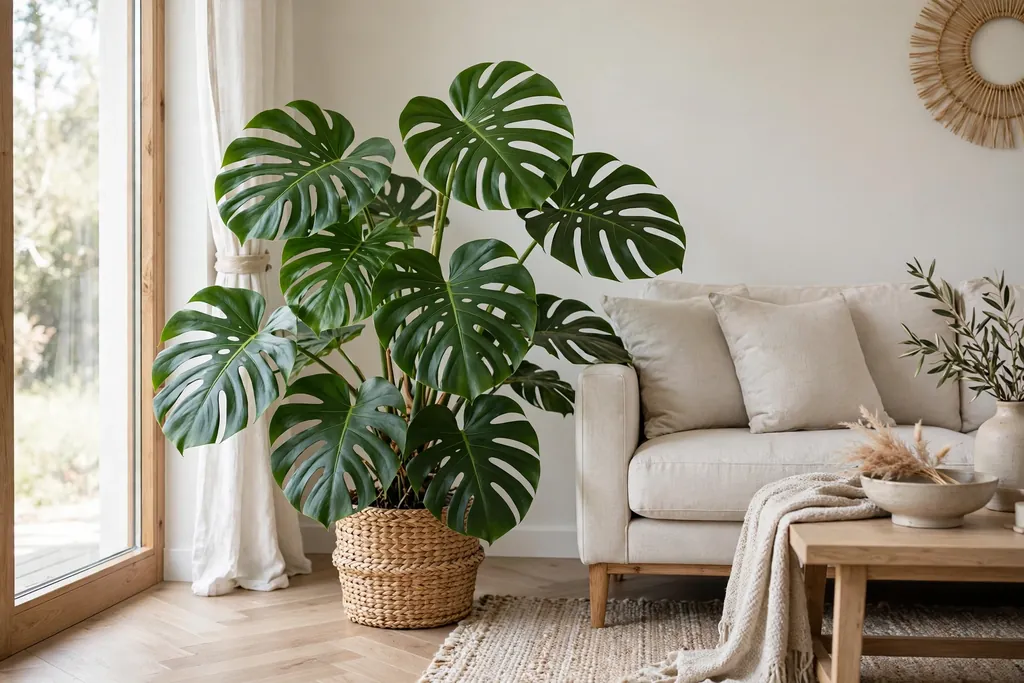
    Large monstera in a pot beside a sofa in a bright living room.

    Place one large monstera beside the sofa, where its broad split leaves frame the seating group and fill the gap between the sofa and the wall. A monstera gives the room a bold leaf shape at sitting eye level, which smaller plants cannot match.

    Give the monstera a moss pole or stake to climb, and tie new growth loosely to the support as it grows. Keep its leaves clear of the sofa cushions, and wipe large leaves with a damp cloth now and then so they stay glossy. A pot in a warm neutral lets the leaves carry the color, while a bright pot suits a plainer sofa.

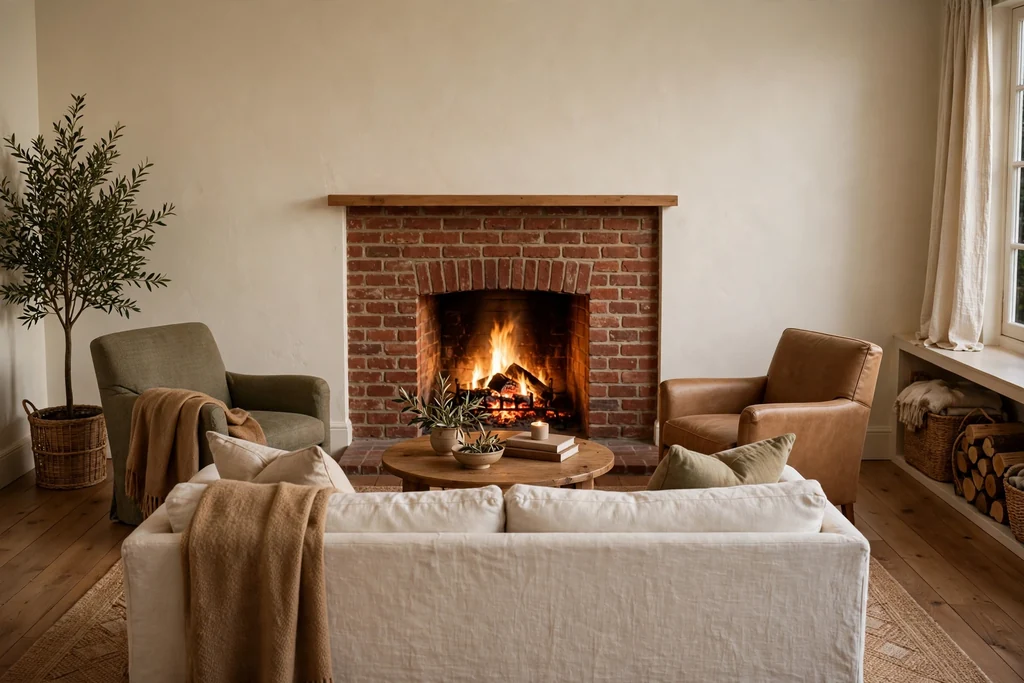
    11. Plants Framing the Fireplace
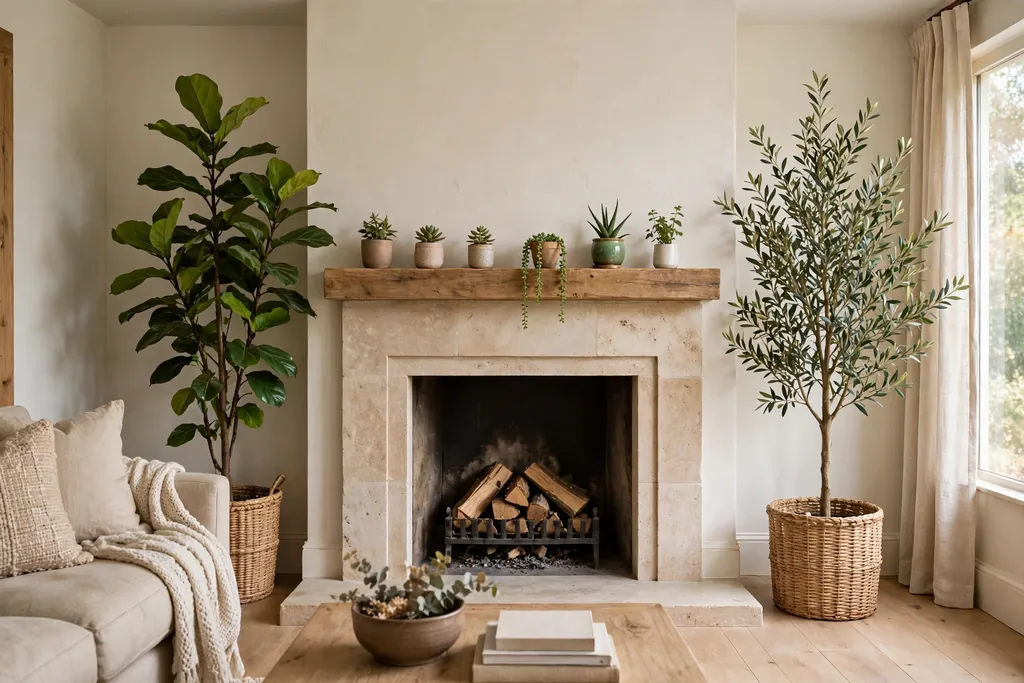
    Fireplace framed by tall plants on each side and small pots on the mantel.

    Set a tall plant on each side of the fireplace, with smaller pots on the mantel, to frame the fire as the center of the room. Plants soften the hard lines of a fireplace surround and draw the eye toward the seating group gathered around it.

    Keep plants a safe distance from the fire opening and from heat, and move mantel plants away when the fire is lit. Use heat tolerant, sturdy plants on the mantel, and keep trailing vines clear of candles or flames. A pair of matching pots on the hearth sides gives symmetry, while different plants in matching pots keep the look relaxed.

    12. Open Shelf Room Divider with Plants
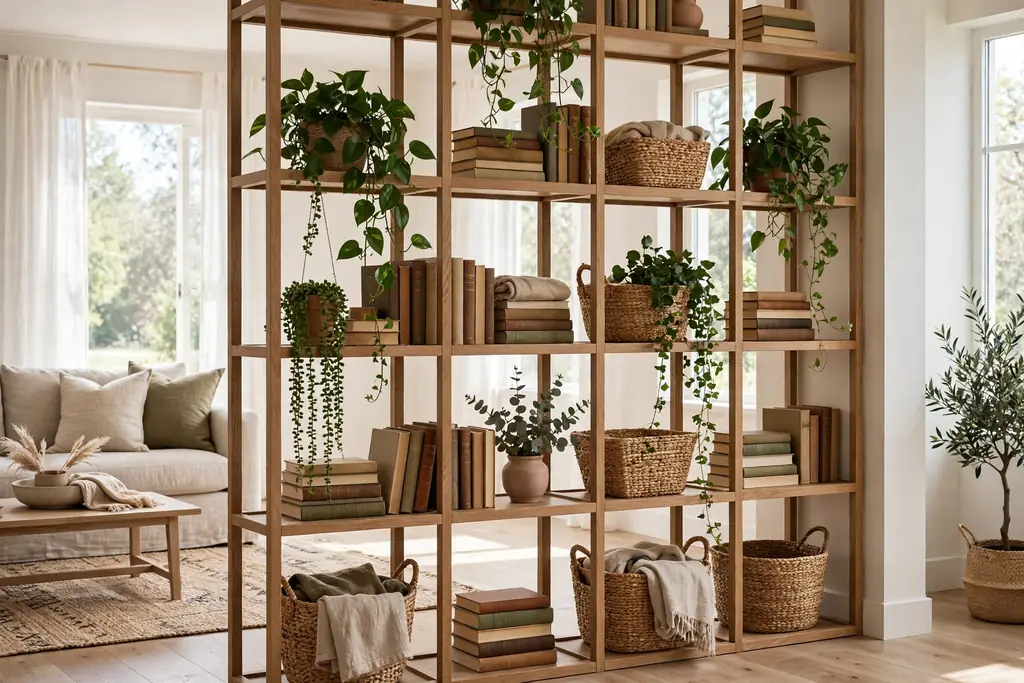
    Open bookcase room divider filled with books, baskets, and potted plants.

    Use an open bookcase as a room divider and fill some of its cubes with plants, mixing books, baskets, and pots on the same unit. An open divider marks the living zone in an open plan room while letting light and air pass through, unlike a solid screen.

    Place trailing plants on the top cubes so vines soften the top edge, and keep heavy pots low for stability. Anchor the bookcase to the floor or wall following the maker instructions, since a tall unit can tip. Leave some cubes empty or filled with books, so the divider reads as furniture with plants, not as a plant wall.

    13. Coffee Table Tray Garden
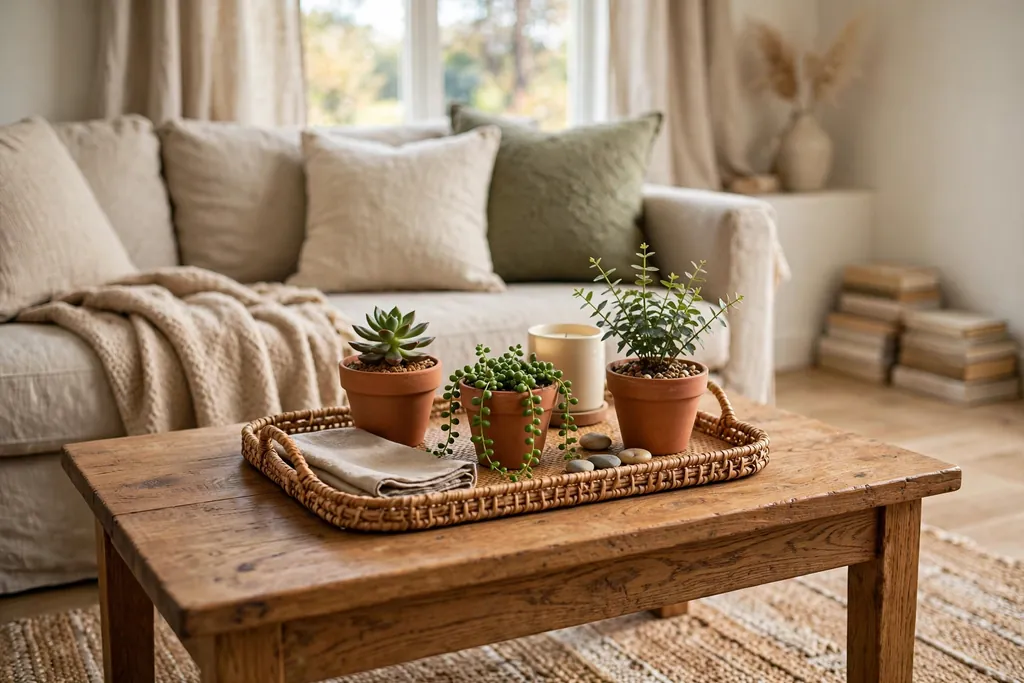
    Coffee table tray garden with three small potted plants in a living room.

    Gather three small plants on a tray on the coffee table, with a candle or a small book beside them. A tray garden brings green to the center of the seating group, where you see it every time you sit down, and the tray keeps soil and water off the table.

    Choose small, slow growing plants that will not outgrow the table in a season, and keep them in pots with saucers inside the tray. Lift the tray off when you need the full table for food or games, and return it after, so the table stays useful. For help choosing the rug under the table, see these living room rug ideas.

    14. Botanical Gallery Wall Paired with Live Plants
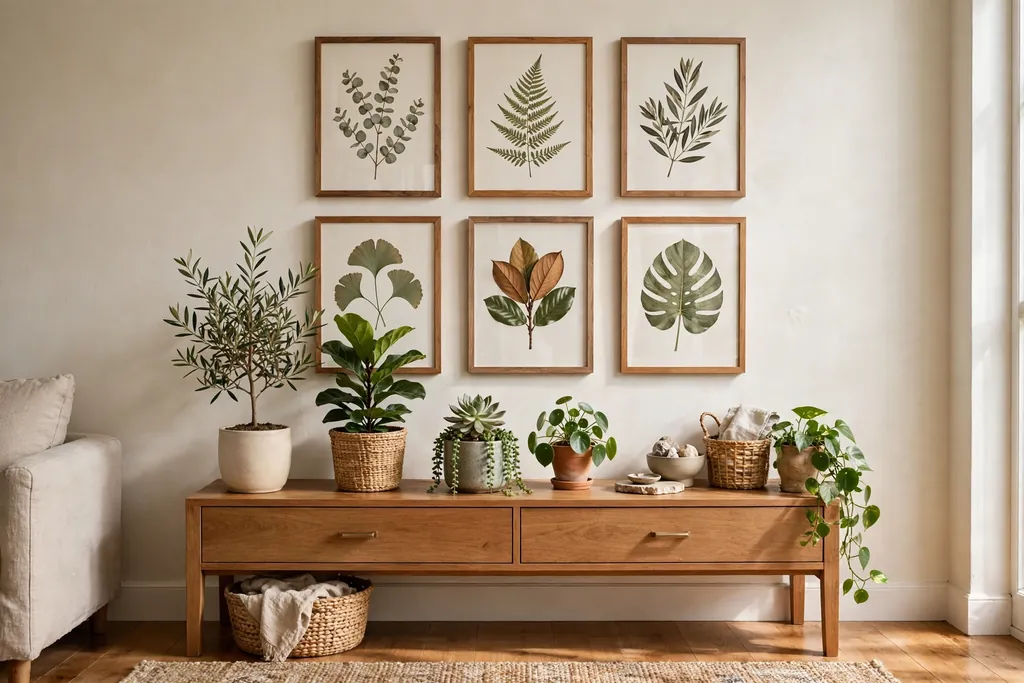
    Botanical gallery wall with framed prints above a console holding live plants.

    Hang framed botanical prints above a console or sofa, and place live plants on the surface below them. The prints echo the shapes of the real plants, which makes the wall feel planned, and the live plants keep the wall from looking flat.

    Match the print style to the room: simple line drawings suit a calm room, while detailed vintage prints suit a room with more pattern. Keep the center of the group at eye level when seated, and keep the outer edges inside the width of the furniture below. Swap one print with the seasons if you like, and let a trailing plant soften one end of the row.

    15. Reading Nook Jungle Corner
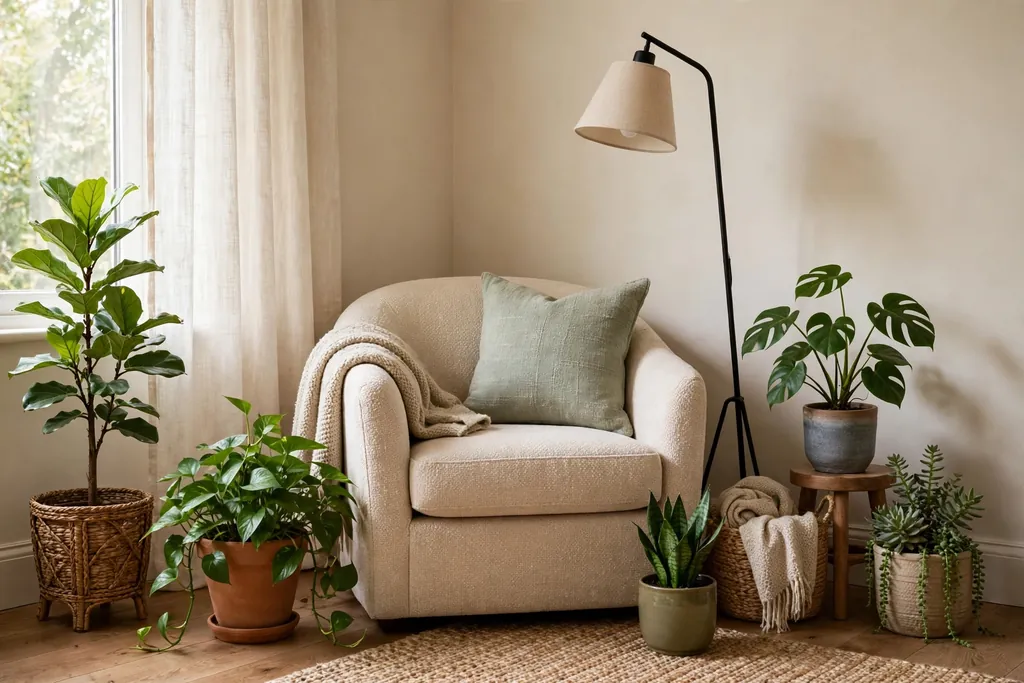
    Reading nook armchair surrounded by plants at three heights in a living room corner.

    Build a reading nook in a corner with an armchair, a floor lamp, and plants at three heights around the chair. Plants make a reading corner feel sheltered, like a small indoor garden, and the chair gives you a reason to sit among them daily.

    Place a tall plant behind the chair, a medium plant on a side table, and a small plant on a low stool nearby, so green surrounds the seat without blocking the lamp light. Keep the watering can and a small tray for plant tools nearby, so care fits into the same corner. A washable throw over the chair arm protects it from soil and water drips.

    16. Floor Planters Beside the TV Console
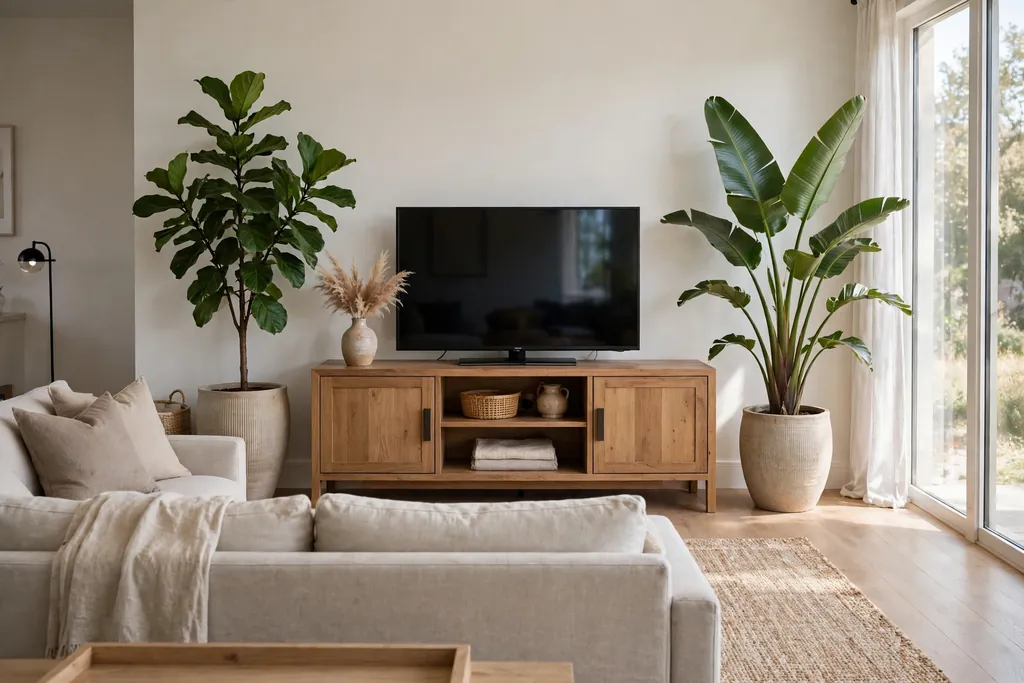
    Television console flanked by large floor planters in a living room.

    Flank the television console with two large floor planters, so the screen sits between soft green shapes instead of bare wall. Floor planters balance the wide, flat shape of a television and stop the media wall from looking like a black rectangle on a blank wall.

    Choose plants tall enough to reach at least the height of the console, but not so tall that leaves block the screen from the sofa. Keep pots clear of cables and vents on the console, and use saucers under every pot on a wood floor. If the television wall gets little light, pick plants suited to low light rather than forcing sun loving plants into a dark spot.

    17. Plant Pedestal Display
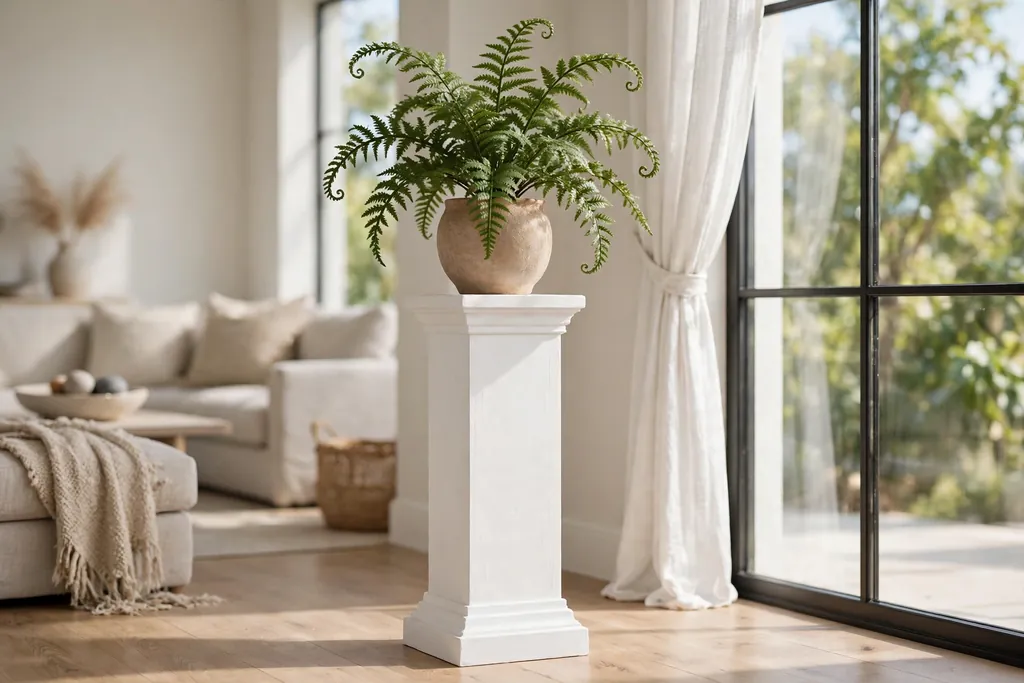
    Single sculptural plant raised on a tall pedestal in a bright living room.

    Raise one special plant on a pedestal, plinth, or tall side table, so it stands at eye level like a piece of sculpture. A pedestal suits a plant with an unusual shape, such as a sculptural cactus, a trained topiary, or a large fern, which deserves a solo spot.

    Pick a pedestal sturdy enough for a watered pot, and wider than the pot base so the plant cannot tip. Keep the pedestal near a window or lamp, since a solo plant still needs the right light, and keep the area around it clear so the plant reads as a feature. Rotate the plant now and then so all sides get light.

    18. Indoor Outdoor Threshold Garden by the Patio Door
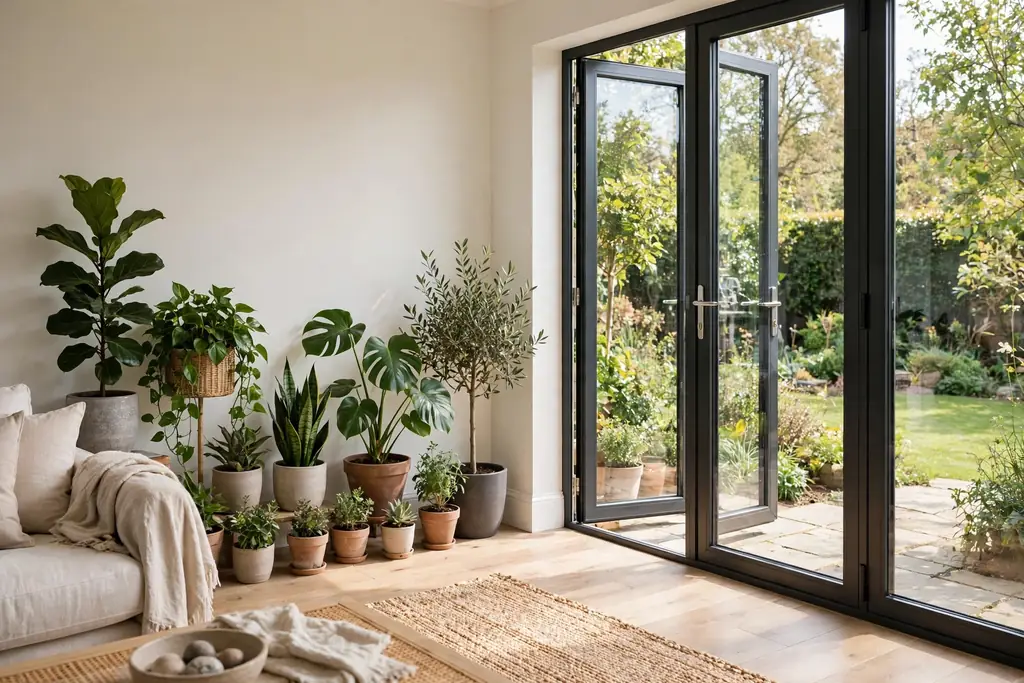
    Plants lining the wall beside a patio door in a bright living room.

    Line the wall beside a patio or balcony door with plants, so the indoor collection flows toward the outdoor space. A threshold garden blurs the line between inside and outside, and it suits rooms where the door is the main source of light.

    Use weather tolerant pots near the door, since this spot gets drafts and temperature swings, and keep the walking route through the door fully clear. Place taller plants to the sides of the door and smaller plants on a bench or stool nearby, so the door itself stays easy to open. In winter, move frost sensitive plants a step farther from the glass.

    19. Rotating Feature Plant on a Side Table
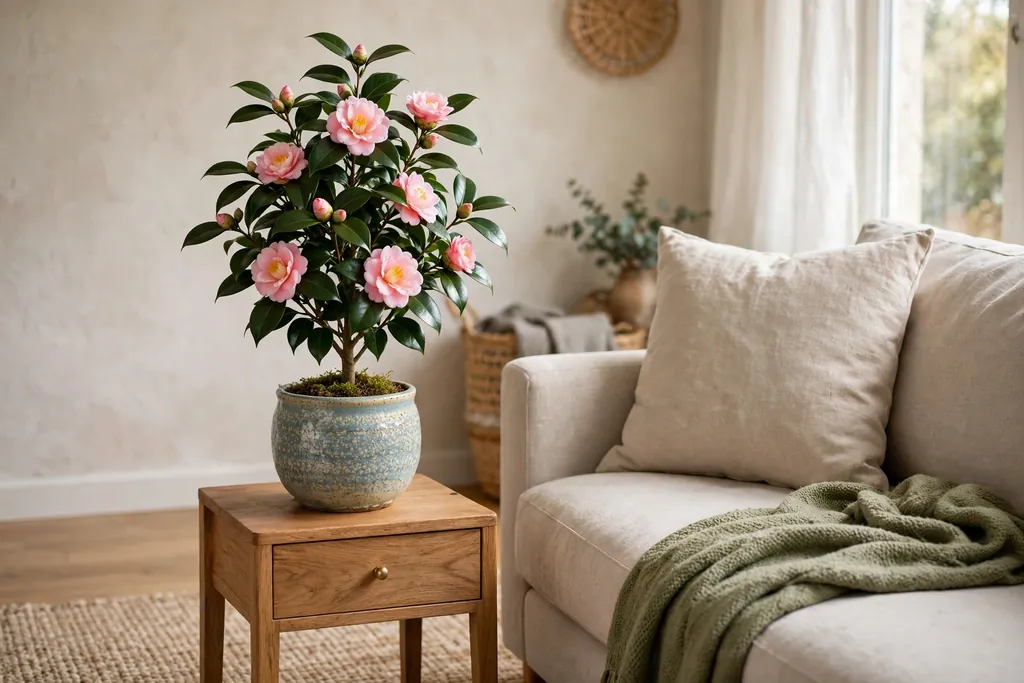
    Single feature plant on a side table beside a sofa in a living room.

    Keep one side table free for a rotating feature plant, and swap the plant every few weeks as different plants bloom, grow, or suit the season. A rotating display keeps the room feeling fresh without buying new furniture, and it gives each plant a turn in the best light.

    Choose a side table with a tray or saucer to protect the top, and keep a small card beside the plant with its watering needs, so the routine stays clear when plants change. Store the plants not on display in their usual spots, and rotate on a simple schedule, such as the first weekend of each month. This idea pairs well with a propagation station, since rooted cuttings make good feature plants.

    20. Low Care Plant Grouping for Beginners
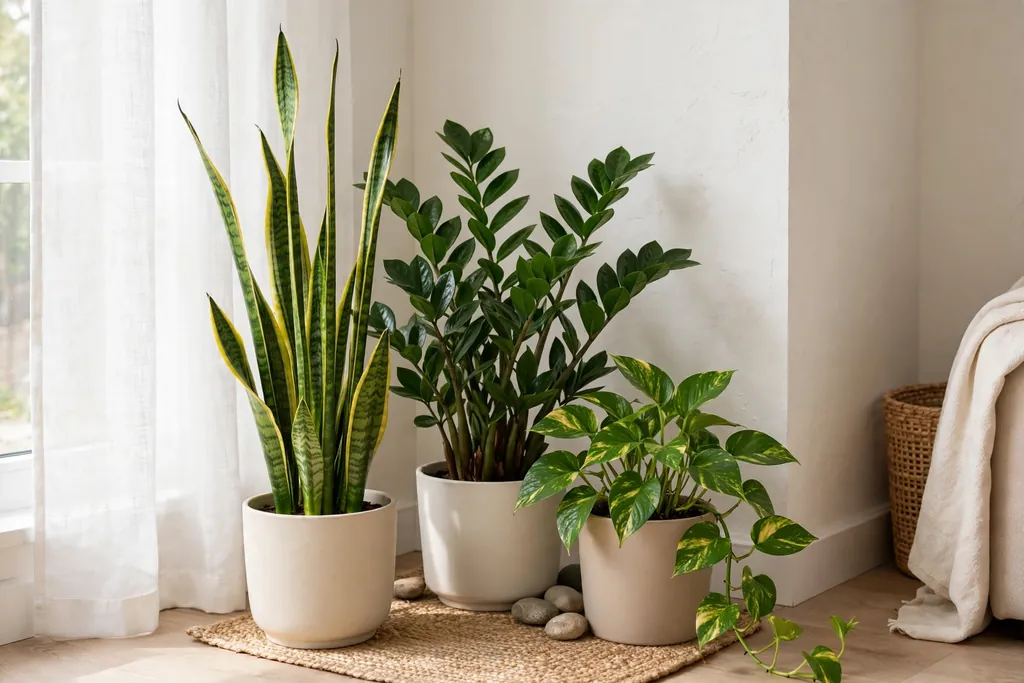
    Low care plant grouping with snake plants and pothos in a living room corner.

    Group low care plants, such as snake plants, ZZ plants, and pothos, in one corner with a simple care card on the wall or in a notebook. A beginner grouping builds confidence, since these plants forgive a missed watering, and it keeps care simple while you learn what your room offers.

    Water only when the soil feels dry a finger deep, and check each plant before watering rather than watering the whole group on a fixed day. Use pots with drainage holes and empty saucers after watering, so roots do not sit in water. Add one new plant at a time as the group thrives, rather than filling the corner at once.

    21. Pet Friendly Plant Corner
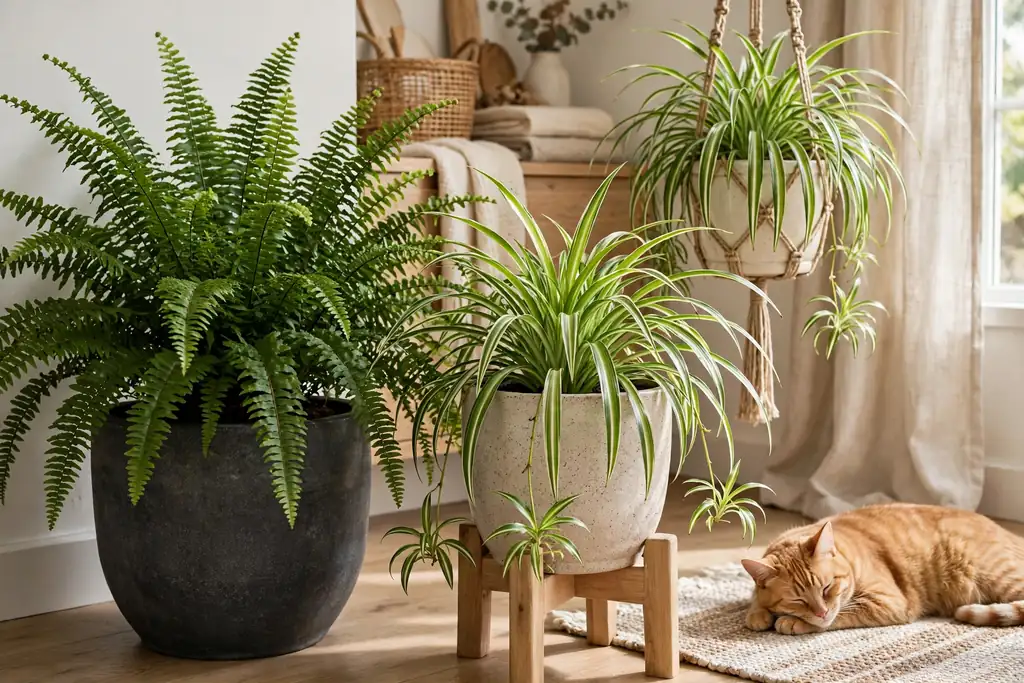
    Pet friendly plant corner with spider plants and ferns in stable pots.

    Build a plant corner using only plants known to be safer around pets, such as spider plants, Boston ferns, and calatheas, and keep it at a height pets can enjoy without knocking pots over. A pet friendly corner lets cats and dogs share the room with plants, without the worry that comes with toxic species.

    Check every plant against a trusted list before buying, such as the ASPCA toxic and non-toxic plants list, since common houseplants differ widely in safety. Use heavy, stable pots that pets cannot tip easily, and keep trailing vines trimmed above pet height. If a pet shows interest in chewing leaves, move that plant higher and offer a safe alternative, such as a pot of cat grass.

    22. Vertical Pocket Planters for a Small Wall
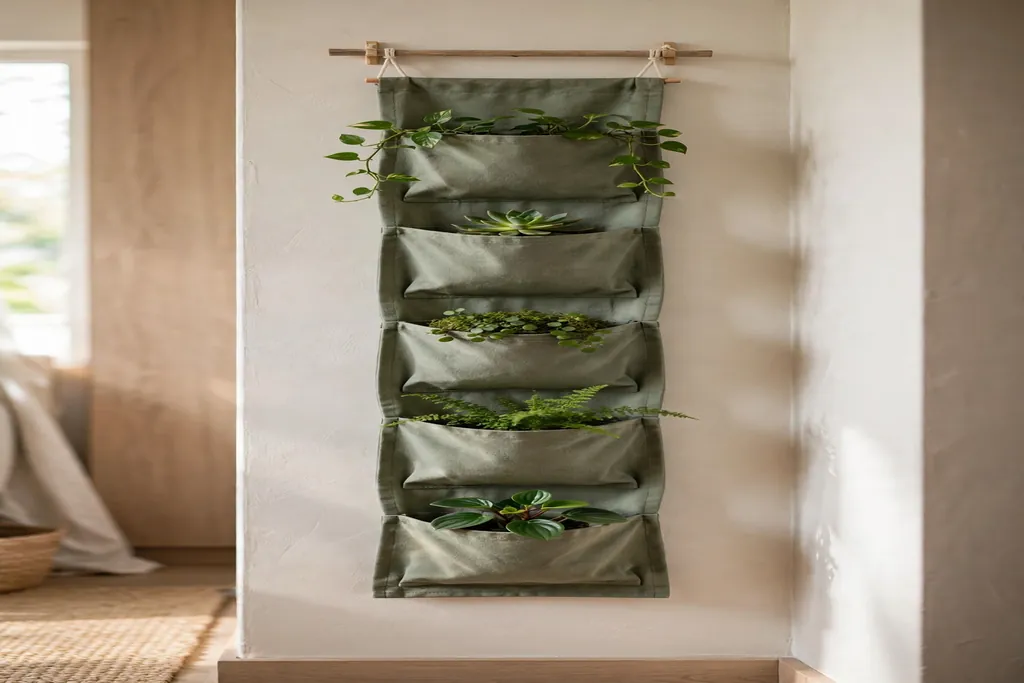
    Vertical pocket planter with small plants on a narrow living room wall.

    Hang a fabric or felt pocket planter on a narrow wall or the side of a bookcase, and fill each pocket with a small plant or herb. Pocket planters use vertical space that would otherwise stay empty, and they suit a small living room with little floor space.

    Fix the planter with hooks or screws rated for its watered weight, and place a tray or waterproof mat behind it if the wall needs protection. Water pocket by pocket with a small can, and check the lowest pockets for drips after watering. Plant the top pockets with trailing plants and the lower pockets with upright plants, so the panel fills evenly.

    23. Plant Care Station with Tools and Watering Can
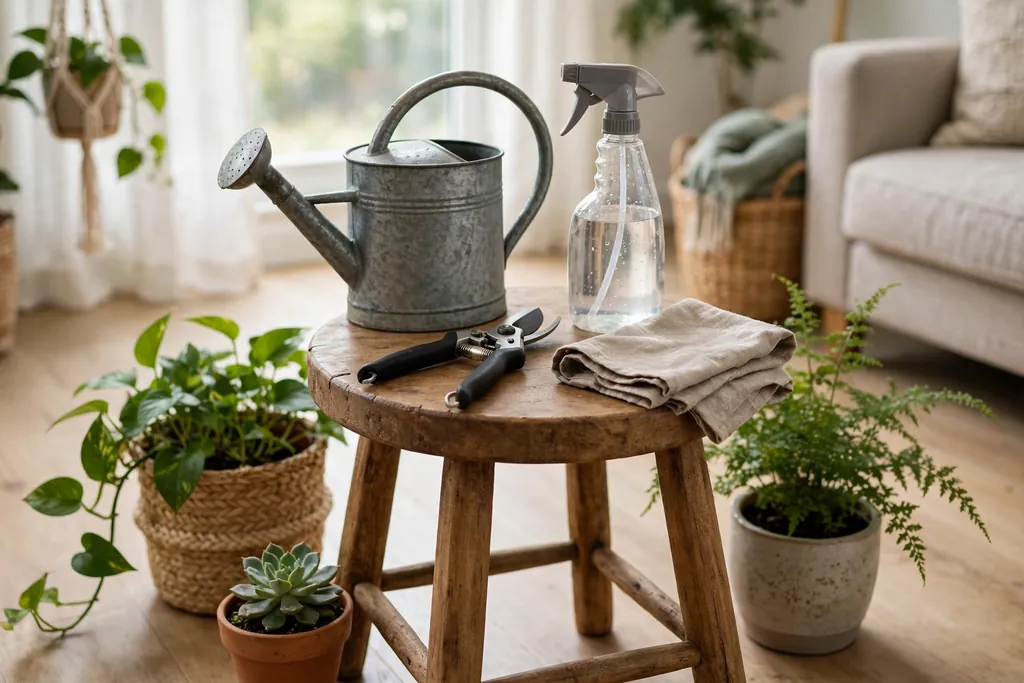
    Plant care station with a watering can, shears, spray bottle, and plants nearby.

    Set aside a small bench, stool, or tray near your plants for care tools: a watering can, pruning shears, a spray bottle, and a cloth. A care station keeps tools in one place, so watering and trimming take minutes instead of a search through cupboards.

    Keep the station near the largest plant group, but out of the main walking route, and store shears safely out of reach of children. Wipe tools after use, and keep a small bin or bag for trimmed leaves beside the station. A care station also helps when someone else waters your plants, since everything they need sits in one spot.

    24. Grow Light Corner for a Dark Room
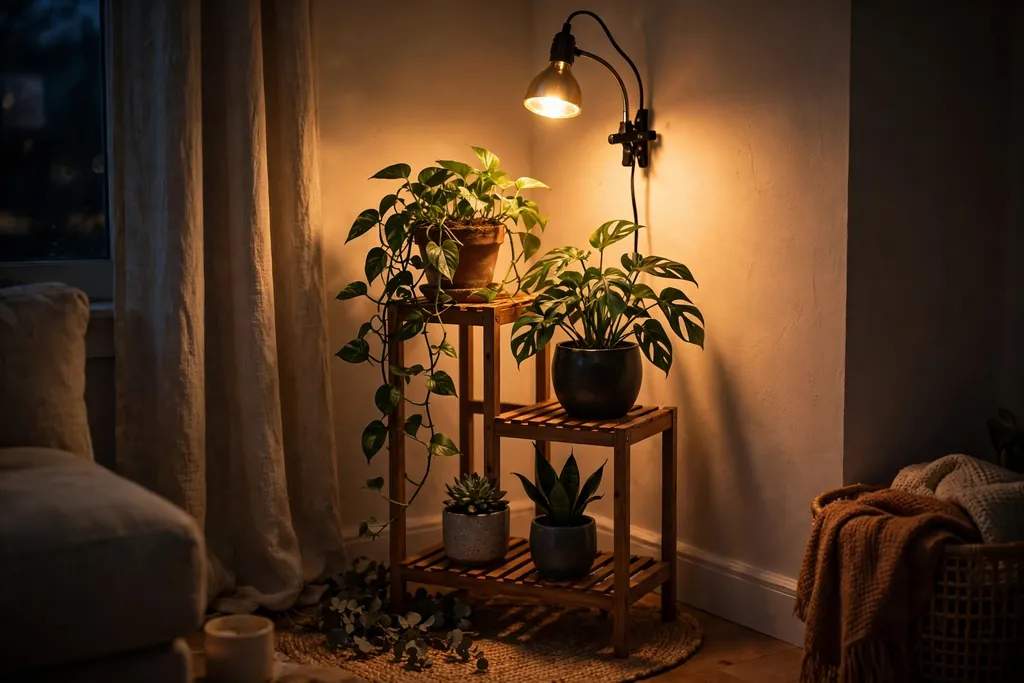
    Plant corner under a grow light on a stand in a dim living room corner.

    Create a plant corner in a dark room or a windowless corner using a grow light on a timer, with plants grouped under it on a stand or shelf. A grow light corner lets plant lovers keep plants in rooms that would otherwise stay green free, such as a north facing living room or a basement lounge.

    Set the timer to match the needs of the plants you keep, and place the light at the distance the maker advises, since a light too close can scorch leaves. Use a simple white or warm light fixture that suits the room, rather than a harsh colored light that dominates the space at night. Group plants with similar light needs under the same light, and rotate them weekly so each plant gets even coverage.

    Conclusion

    A plant filled living room does not need a huge collection or a perfect room. It needs plants matched to the light you have, pots that protect your floors, and places to put plants at floor, table, and shelf height. Start with one corner tree or one shelf, learn how those plants respond to your room, and add the next idea only when care stays easy. For a calm base under your plants, the pale walls and wood floors in these Swedish living room ideas pair well with green leaves, and the sizing advice in these living room rug ideas helps a plant group sit neatly on the seating rug.

    Keep this list handy, and save it to your plant decor board on Pinterest so you can find it when you are ready to add the next plant to your living room.

    FAQs

    How many plants should I start with in a living room?

    Start with three or four plants in different sizes, and add more only once watering and care feel easy. A tall floor plant, a table plant, and a trailing shelf plant give green at three heights without filling every surface. Buying a large collection at once often leads to plants in the wrong light and a watering routine that is hard to keep up.

    Which plants suit a living room with little natural light?

    Snake plants, ZZ plants, pothos, and cast iron plants cope better with low light than most sun loving plants, but even low light plants need some daylight or a grow light to stay healthy. Place them near the brightest spot in the room, even if that spot is not a window, and avoid putting them in a fully dark corner. A grow light on a timer, as in Idea 24, opens up rooms that get almost no sun.

    How do I keep plants from damaging wood floors and furniture?

    Use pots with drainage holes and a saucer under every pot, and empty saucers after watering so water does not sit against wood. Place a tray under groups of plants on a table, and use felt pads or a waterproof mat under large floor pots. Check under pots monthly for trapped moisture, and move pots now and then so the floor beneath them can dry fully.

    How often should I water living room plants?

    Water based on soil dryness, not on a fixed calendar. Push a finger into the soil, and water only when the top inch or two feels dry for most houseplants, while keeping the needs of each species in mind. Water slowly until a little drains from the bottom, then empty the saucer. Plants in bright light and warm rooms dry faster than the same plants in cool, dim rooms.

    Are there plants that are safe around cats and dogs?

    Yes, but safety varies by species, so check each plant before buying. Spider plants, Boston ferns, calatheas, and many palms are widely listed as safer choices, while lilies, sago palms, and many common houseplants are not safe for pets. Use the ASPCA list linked in Idea 21 as a starting check, and keep any plant you are unsure about out of pet reach until you confirm it.

    How do I stop a living room plant collection from looking cluttered?

    Repeat one pot material or color, group plants in odd numbers, and leave empty space on shelves and tables. Place plants at three heights rather than lining them along one surface, and remove one plant for every new one you add once the room feels full. A tray, a stand, or a shelf gives a group a clear boundary, which reads as planned rather than crowded.
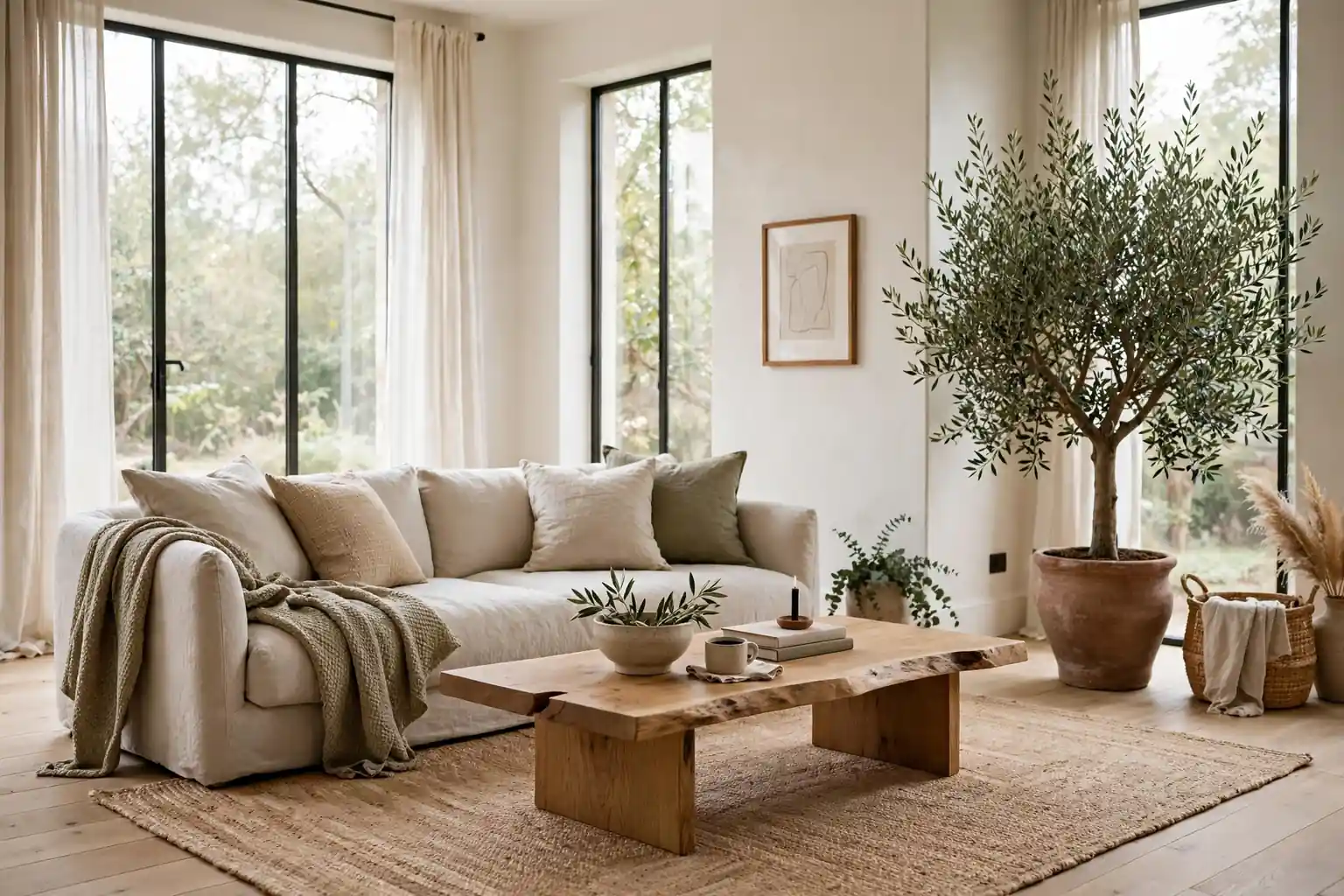
  • 34 Organic Modern Living Room Ideas to Inspire Your Next Room Refresh

    34 Organic Modern Living Room Ideas to Inspire Your Next Room Refresh

    Organic modern style pairs clean modern shapes with materials that feel alive: warm oak, rough stone, soft linen, woven rattan, and green plants. The wood grain, the weave of a rug, and the curve of a chair do the quiet work, while pale walls and open floor space keep the room calm. These 34 organic modern living room ideas cover walls, seating, tables, storage, light, and plants, so you can refresh one corner or plan a full room update. Start with the largest pieces first, then add texture and greenery in layers. For a related take on pale walls and natural layers, these Swedish living room ideas show how light and wood can carry a whole room.

    Key Takeaways

    • Keep the base calm: warm white or pale plaster walls, wood floors, and a light sofa let natural materials stand out.
    • Mix textures, not colors: linen, wool, boucle, rattan, stone, and wood give the room depth without a busy palette.
    • Choose one or two wood tones and repeat them, so oak, walnut, or cane looks planned rather than random.
    • Add plants at different heights: a floor tree, trailing plants on a shelf, and a small pot on a table.
    • Use warm light in layers: daylight by day, plus floor lamps, table lamps, and candles in the evening.
    • Leave breathing room: clear floors, a mostly clear coffee table, and shelves with gaps keep the room calm.

    1. Warm White Walls with Natural Wood Trim

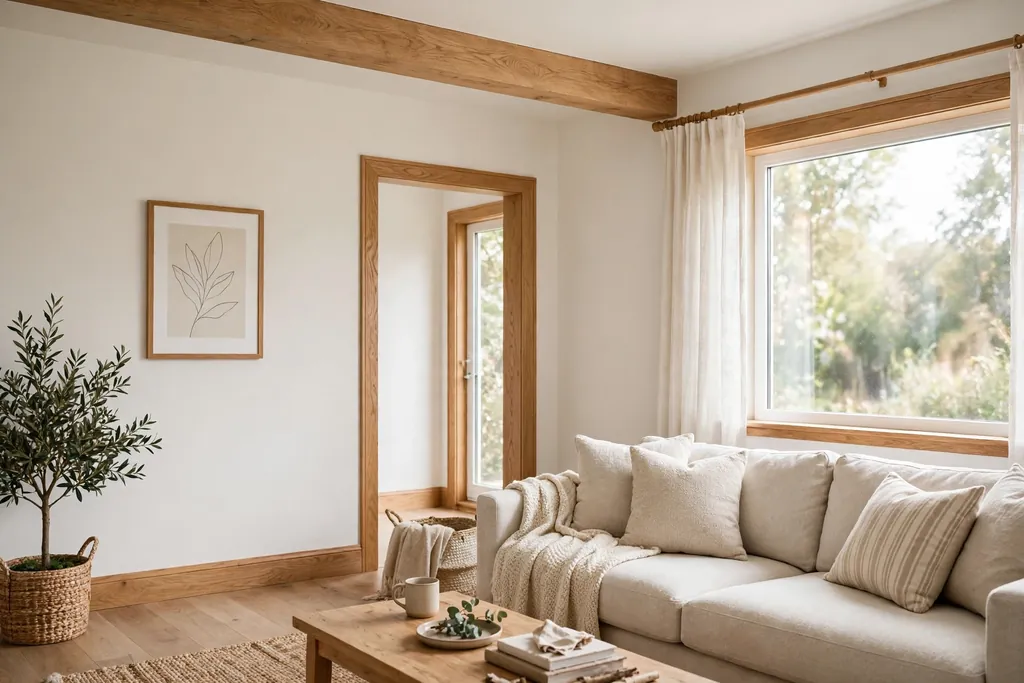
    Warm white living room walls with natural oak trim and a wood beam.

    Paint the walls warm white and leave natural wood trim, beams, or door frames visible, so the room feels bright but still grounded. Warm white softens daylight, while wood trim stops the room from feeling flat or clinical. This base suits almost every other idea in this list, since linen, stone, and plants all sit well against it.

    Test warm white samples in morning and evening light before painting, since the same shade can look pink in one room and grey in another. Keep the ceiling in a matching warm white, and let the wood trim stay in its natural tone rather than painting it. If you rent and cannot paint, pale linen curtains and a large wood-framed mirror can warm a cooler wall color in a similar way.

    2. Low Linen Sofa in Oatmeal

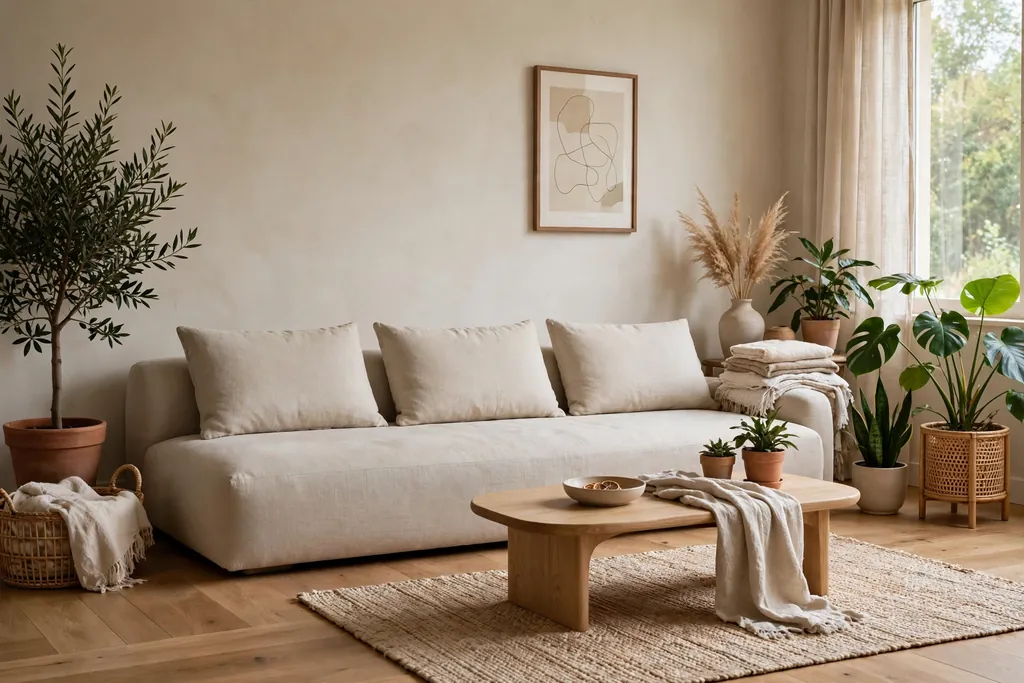
    Low oatmeal linen sofa with plain cushions in a calm living room.

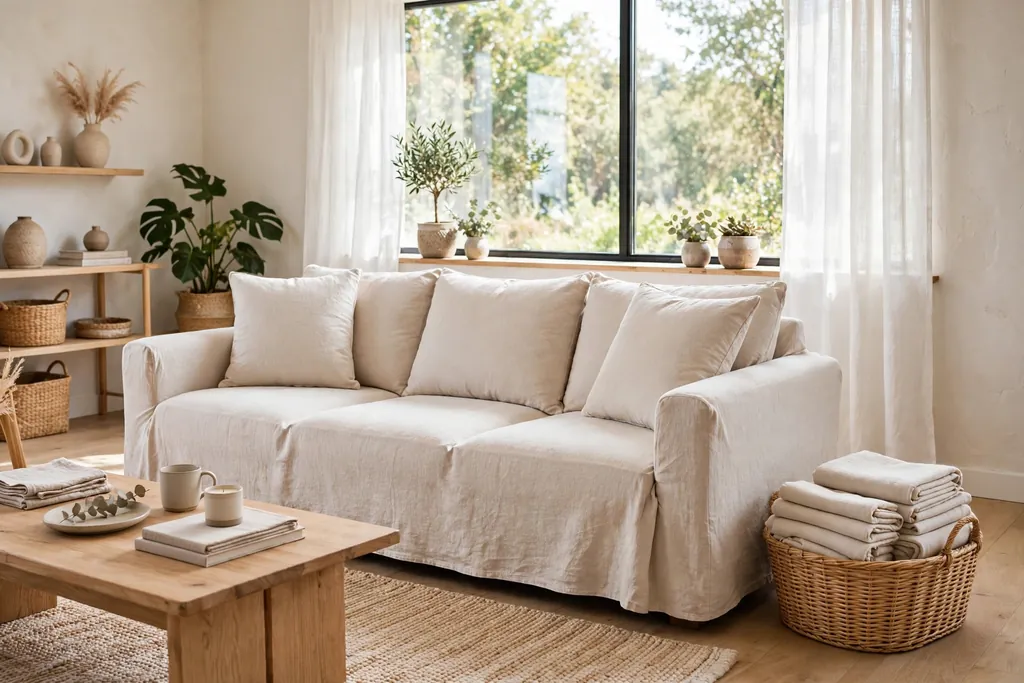
    Choose a low sofa in oatmeal linen as the main seat in the room. A low back and slim arms keep the sofa from blocking light, and linen wrinkles in a way that suits a relaxed room. Oatmeal works with oak, stone, rattan, and almost any plant, so later layers are easy to add.

    Pick removable, washable covers where you can, since a light sofa sees daily use. Keep the cushions plain or in a soft stripe, and let throws and one accent color add interest. Size the sofa to the rug zone, not to the wall, so there is room to walk around it and a clear path to the rest of the room.

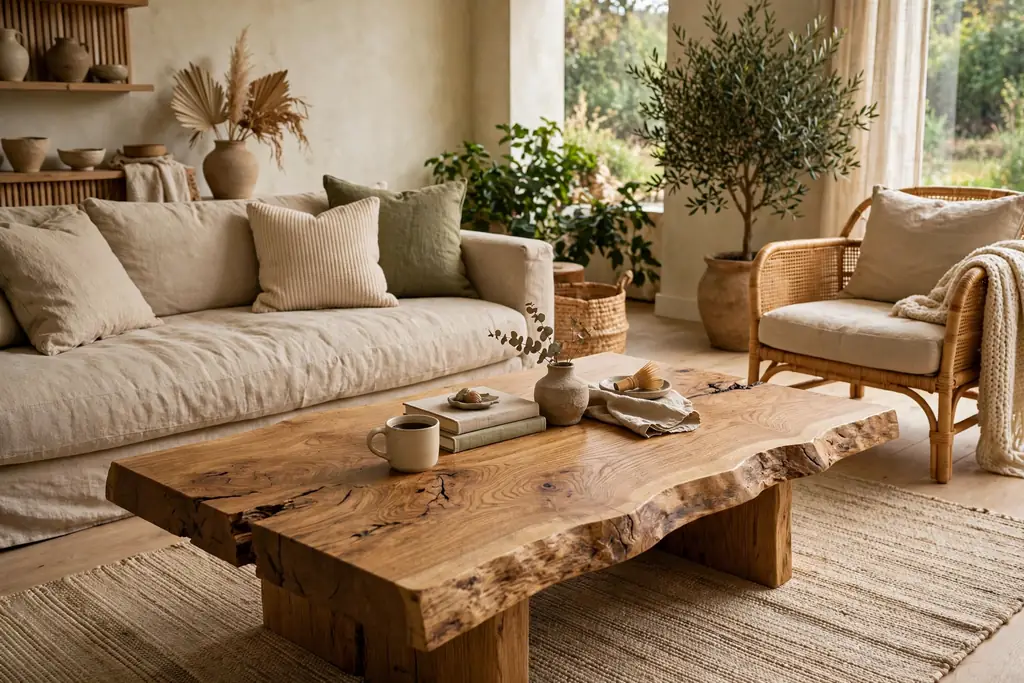
    3. Live Edge Oak Coffee Table

    Live edge oak coffee table with visible wood grain in a living room.

    Set a live edge oak coffee table in the center of the seating group for a piece that shows the wood itself. The natural edge, visible grain, and solid top give the room a crafted focal point without any extra decoration. A rectangular or organic-shaped top both work, as long as the table height sits close to the sofa seat height.

    Keep the top mostly clear, with one tray or a small group of books, so the wood stays visible. Use coasters under mugs and wipe spills promptly, since oak shows rings if liquid sits on it. A live edge table pairs well with a soft rug underneath, which stops the heavy top from feeling hard against the floor.

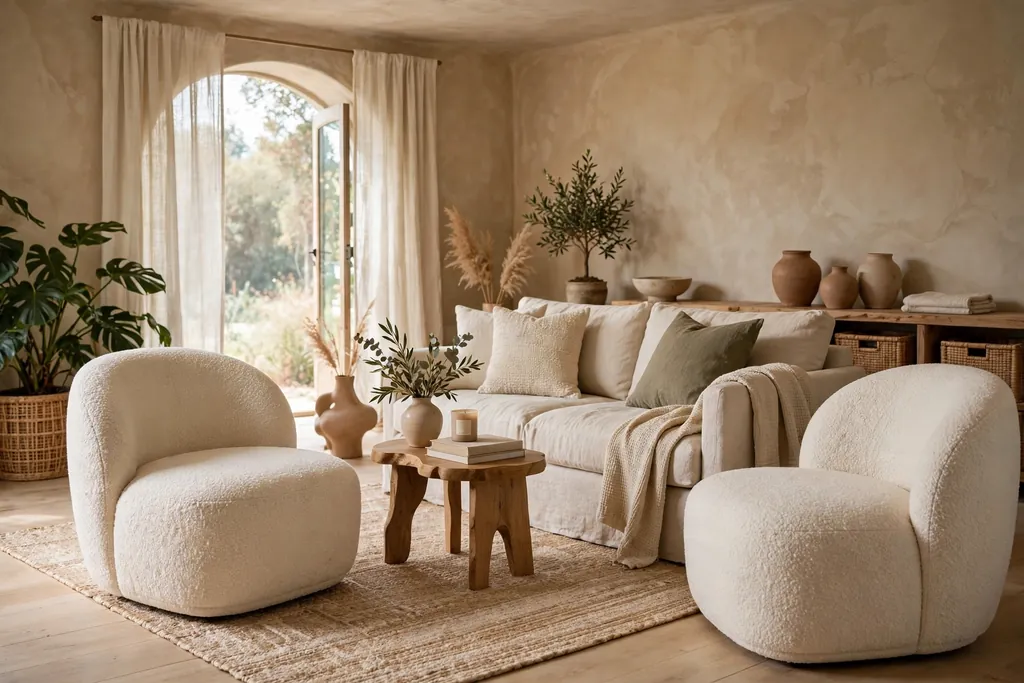
    4. Boucle Accent Chairs

    Cream boucle accent chairs beside a sofa with a small side table.

    Add one or two boucle accent chairs beside the sofa for soft, rounded seats that invite a long sit. Boucle has a nubby, wool-like texture that reads as warm and touchable, and its curved shapes soften the straight lines of a sofa and a media console. Cream or oatmeal boucle keeps the palette calm.

    Place the chairs at a slight angle toward the sofa, with a small side table between them for a cup or a book. Check the seat depth before buying, since deep boucle chairs suit lounging while shallower chairs suit conversation. Brush the fabric now and then to keep the loops neat, and keep the chairs out of harsh direct sun where the fabric could fade.

    5. Jute Rug Under the Seating Group

    Large jute rug under a sofa and chairs in a living room.

    Lay a large jute rug under the seating group, big enough for the front legs of the sofa and chairs to rest on it. Jute adds a coarse, natural texture underfoot and links the seating into one zone, which matters most in an open plan room. Its sandy tone suits oak, linen, and stone without competing with them.

    Measure the seating zone and tape the rug outline on the floor before buying, so doors and drawers still open freely. Use a rug pad underneath on a smooth wood floor to stop slipping. For more help with size and placement, see these living room rug ideas. Vacuum jute without a beater bar, and blot spills quickly, since natural fiber rugs stain if liquid soaks in.

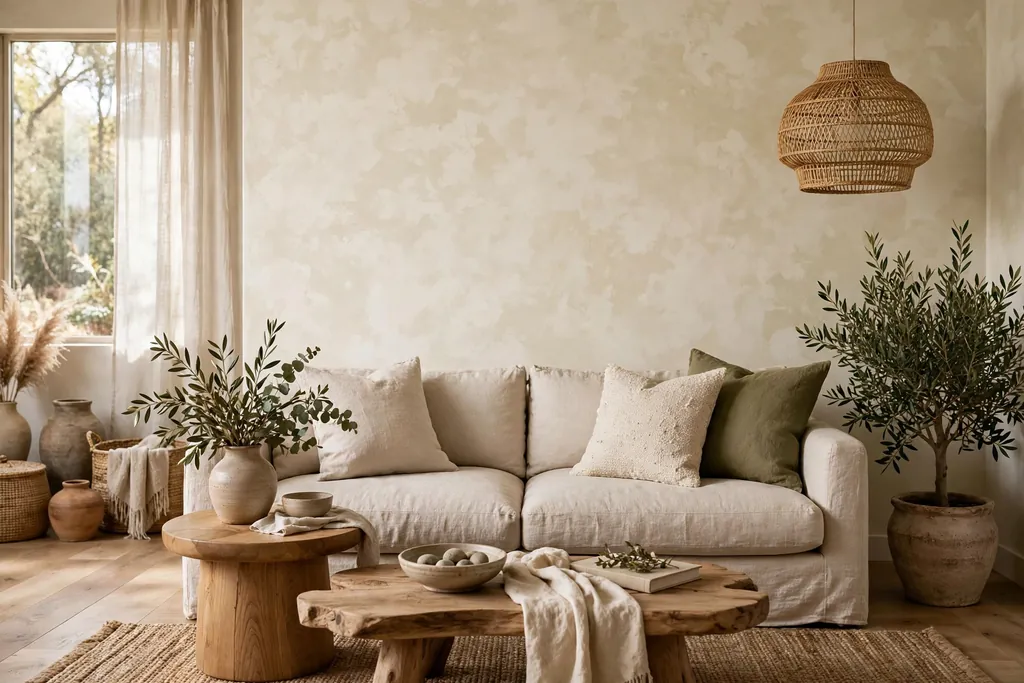
    6. Limewash Feature Wall

    Limewash feature wall in warm white behind a living room sofa.

    Paint one wall in limewash for a soft, chalky finish with gentle movement in the color. Limewash is not flat paint: it shows subtle brush marks and tone shifts that give a plain wall depth, which suits the organic side of this style. A warm white, clay, or pale sage limewash keeps the room calm while adding interest.

    Apply limewash with a block brush in loose, crisscross strokes, following the product directions, and let each coat dry fully before the next. Keep the other walls in a plain warm white so the limewash wall stays the focus. This finish suits a sofa wall or a fireplace wall best, where the seating group frames it and the texture is seen up close.

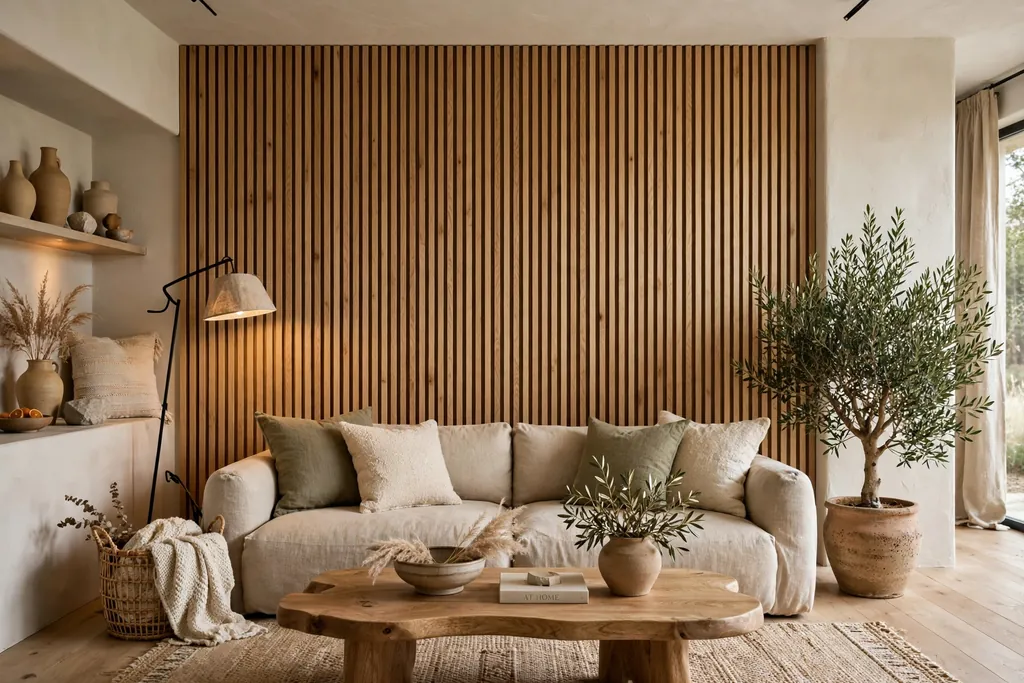
    7. Vertical Wood Slat Wall

    Vertical oak slat wall behind a sofa in a living room.

    Fit vertical wood slats on one wall to add warmth, rhythm, and a sense of height. Slim oak slats, spaced evenly, give a flat wall a crafted surface that catches light and shadow through the day. The vertical lines also make a low ceiling feel taller, which helps in a small living room.

    Fix slats to battens or a backing panel, and anchor them into studs or with fixings suited to your wall type. Keep the slat wall to one feature wall, such as behind the sofa or the television, so the room does not feel boxed in. Pair the slats with a plain sofa and simple art, since the wall itself is already the detail.

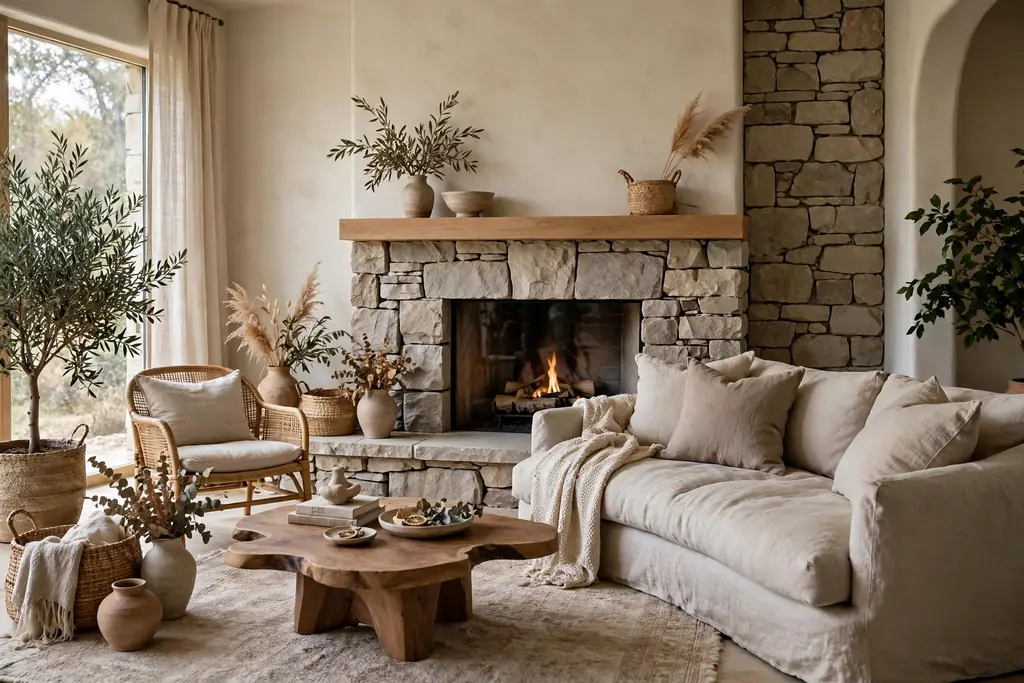
    8. Stone Fireplace Surround

    Stone fireplace surround with a simple mantel in a living room.

    Give the fireplace a stone surround in limestone, travertine, or stacked slate for a solid, natural anchor. Stone suits organic modern rooms because it brings a rough, earthy texture next to soft linen and smooth wood. A simple, straight-lined surround keeps the look modern rather than rustic.

    Keep the mantel clear or nearly clear, with one or two items such as a vase or a small stack of books, so the stone stays visible. Check fireplace safety rules and clearances before changing a surround, and hire a professional for any work that affects the firebox or chimney. If you have no working fire, a stone-clad chimney breast with candles and art can give the same grounded focal point.

    9. Olive Tree in a Clay Pot

    Olive tree in a large clay pot in a bright living room corner.

    Place a potted olive tree in a large clay pot in a bright corner for a living sculpture that suits this style well. Olive trees have slim grey-green leaves and a gnarled trunk, which adds shape without a mass of dark foliage. A terracotta or unglazed clay pot keeps the look natural and lets the soil breathe.

    Give the tree the brightest spot you have, ideally near a south-facing window, and water only when the top soil feels dry, since olive trees dislike wet roots. Turn the pot a quarter turn every few weeks so growth stays even. In winter, keep the tree away from cold drafts and radiators, and prune lightly to keep its shape open.

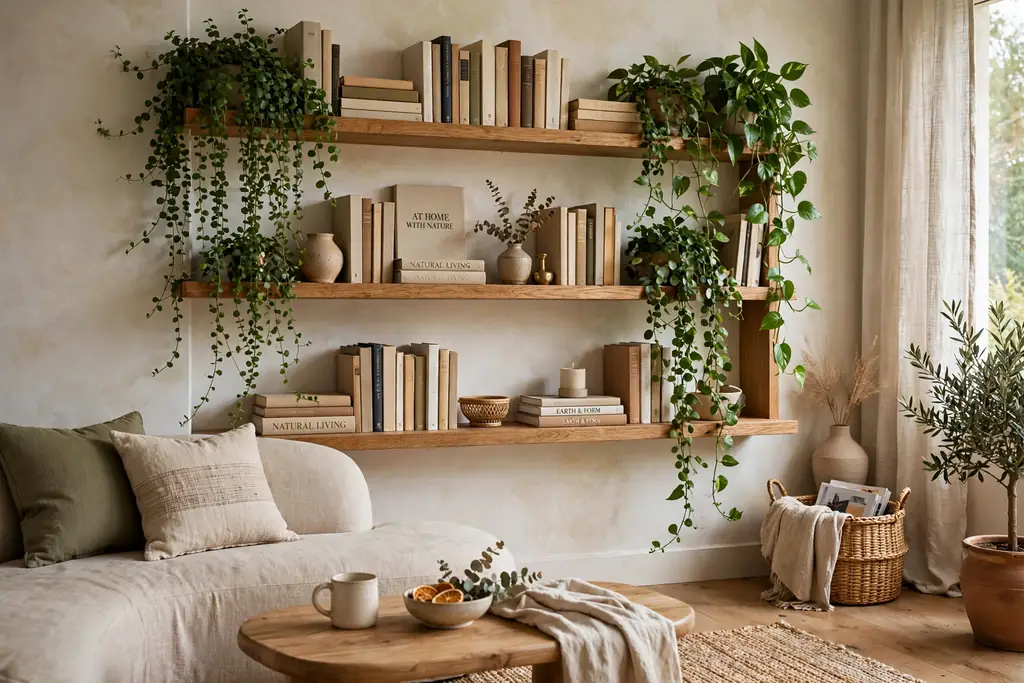
    10. Trailing Plants on Open Shelves

    Trailing plants spilling from open oak shelves in a living room.

    Grow trailing plants on open wood shelves so green leaves spill down the wall and soften straight shelf lines. Pothos, string of hearts, and trailing philodendron all grow well indoors and need little care beyond light and water. The shelf itself should stay simple, in oak or reclaimed wood, so the plants lead.

    Water plants over a sink, let them drain, and then return them to the shelf, so water never sits on the wood. Keep trailing stems trimmed when they reach the sofa or block a walkway, and use the cuttings to start new plants. Mix one trailing plant with books and one ceramic piece per shelf, and leave gaps, so the shelf reads as a display, not a storage wall.

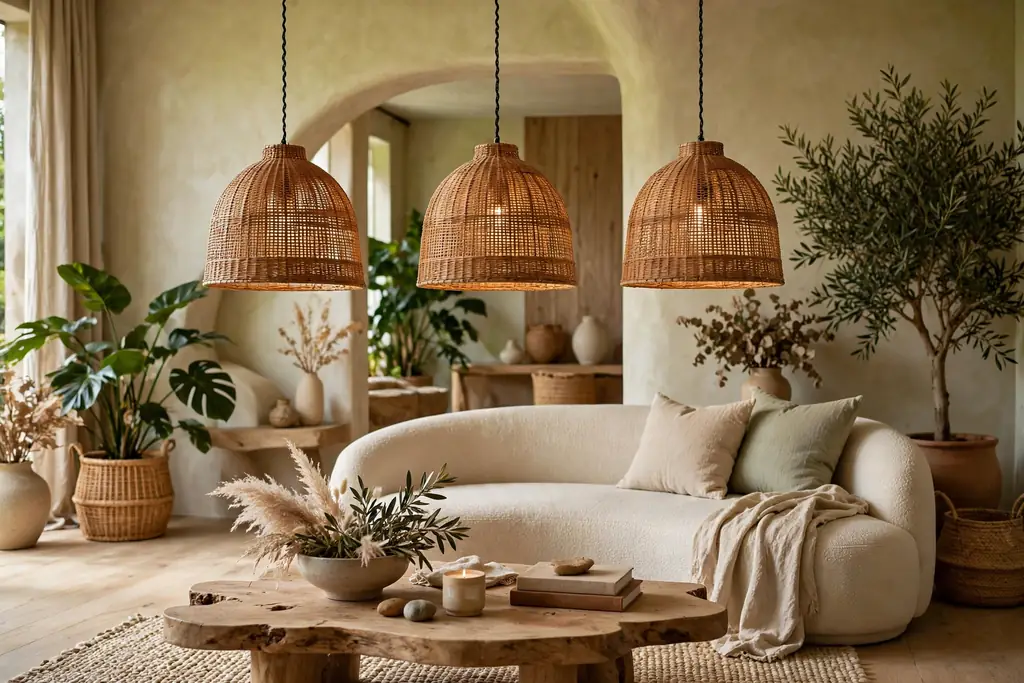
    11. Rattan Pendant Lights

    Rattan pendant lights hanging over a coffee table in a living room.

    Hang rattan pendant lights over the coffee table or in a seating corner for warm, woven light that suits organic modern rooms. Rattan shades cast a soft, patterned glow and add texture at ceiling level, where many rooms stay bare. One large pendant suits a coffee table zone, while two smaller pendants suit a long console.

    Hang the pendant so its base sits above head height for standing adults but low enough to feel part of the seating group. Use a warm white bulb and a dimmer where possible, so evening light stays soft. Dust the rattan now and then with a dry cloth, and keep the shade clear of curtains and tall plants for safety.

    12. Woven Baskets for Throws and Toys

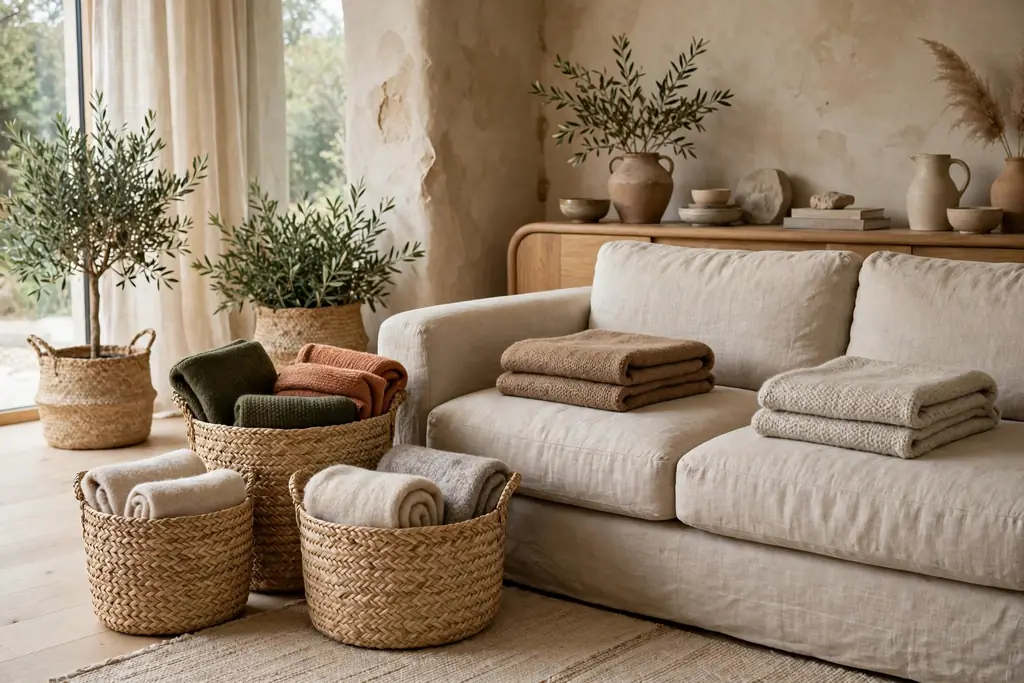
    Woven baskets beside a sofa holding folded throws.

    Store throws, toys, and magazines in woven baskets in seagrass, rattan, or willow, placed beside the sofa and under a side table. Baskets add natural texture and hide everyday clutter without a closed cabinet, which suits a relaxed room. One large basket for throws and one smaller basket for small items are usually enough.

    Choose baskets with handles so they can be carried to the laundry or tidied quickly. Line a basket used for toys with a plain cloth if the weave snags small parts. Keep one basket empty on purpose, as a quick tidy basket for a short reset before guests arrive, so the room stays calm with little effort.

    13. Travertine Side Table

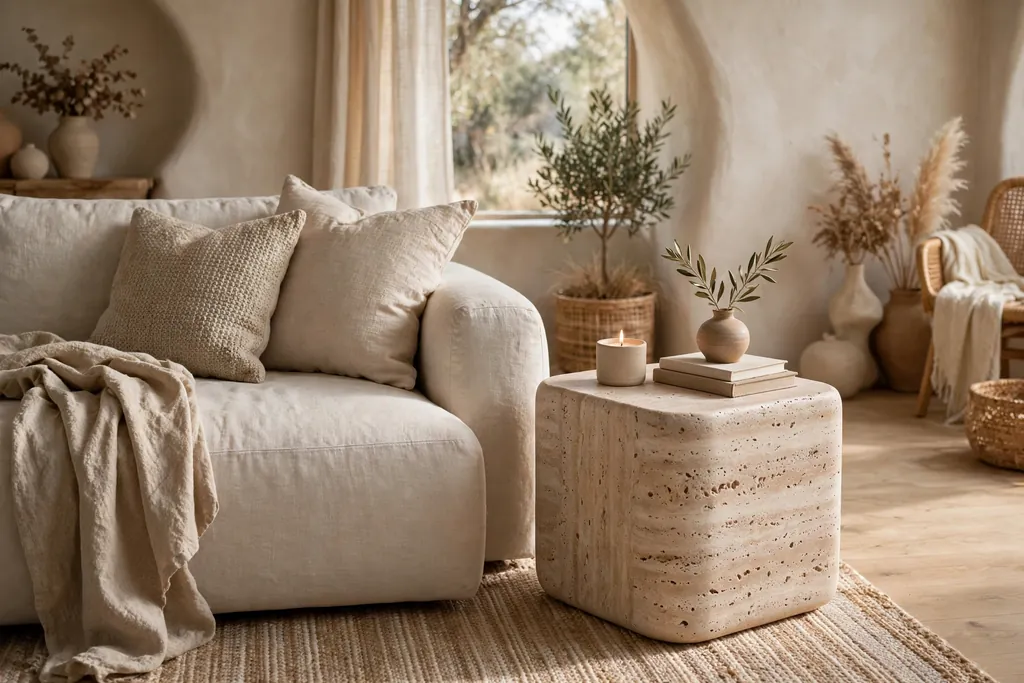
    Travertine side table beside a linen sofa in a living room.

    Add a travertine side table beside the sofa or a chair for a small piece of stone with a soft, pitted surface. Travertine brings a pale, earthy tone that pairs well with oak and linen, and its solid weight grounds a light seating group. A round or square top in a compact size works best, since a side table should serve one seat, not dominate the room.

    Keep the top to one lamp or one small group, such as a book and a cup, so the stone stays visible. Use a coaster under mugs and wipe spills promptly, since travertine is porous and can mark. A travertine table also works beside a bed or in a hallway, so it is a piece you can move as the room changes.

    14. Curved Sofa for a Soft Layout

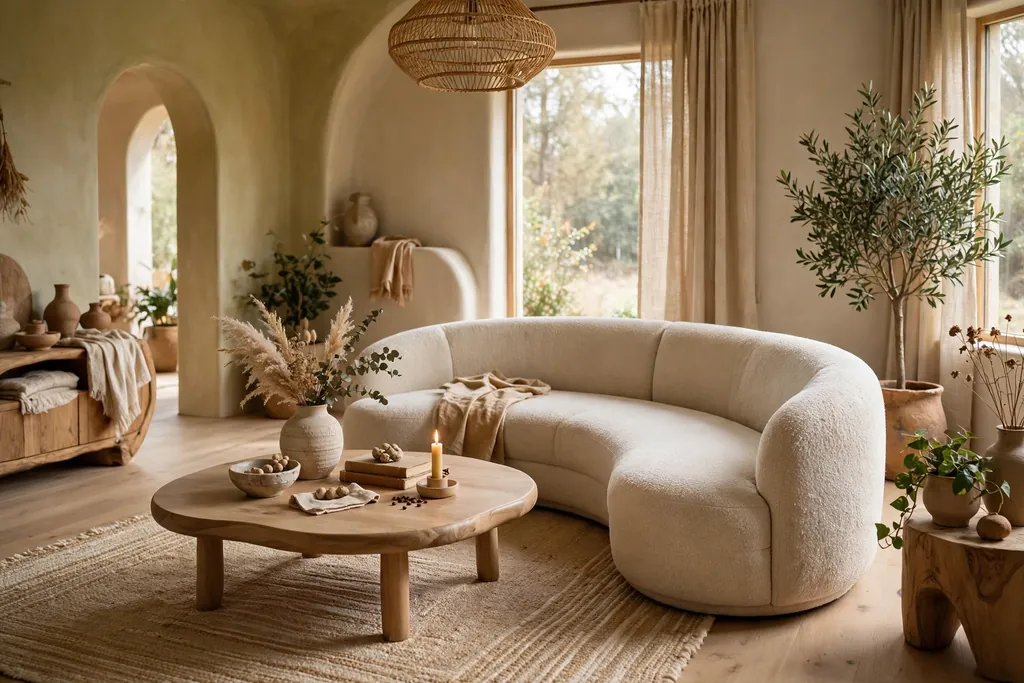
    Curved oatmeal sofa with a round coffee table in a living room.

    Choose a curved sofa if your room can hold one, since its rounded back softens a room full of straight walls and rectangular tables. A curved sofa suits a bay window, a round rug, or a seating group that faces a fireplace, where the curve follows the shape of the space. Keep the fabric plain, in oatmeal, cream, or pale grey linen or boucle.

    Measure the curve carefully, including door widths for delivery, since a curved sofa is harder to move than a straight one. Pair it with a round coffee table rather than a rectangular one, so the shapes echo each other. Leave clear walking space around both ends, and keep the rest of the furniture simple so the sofa stays the main shape in the room.

    15. Sheer Linen Curtains to the Floor

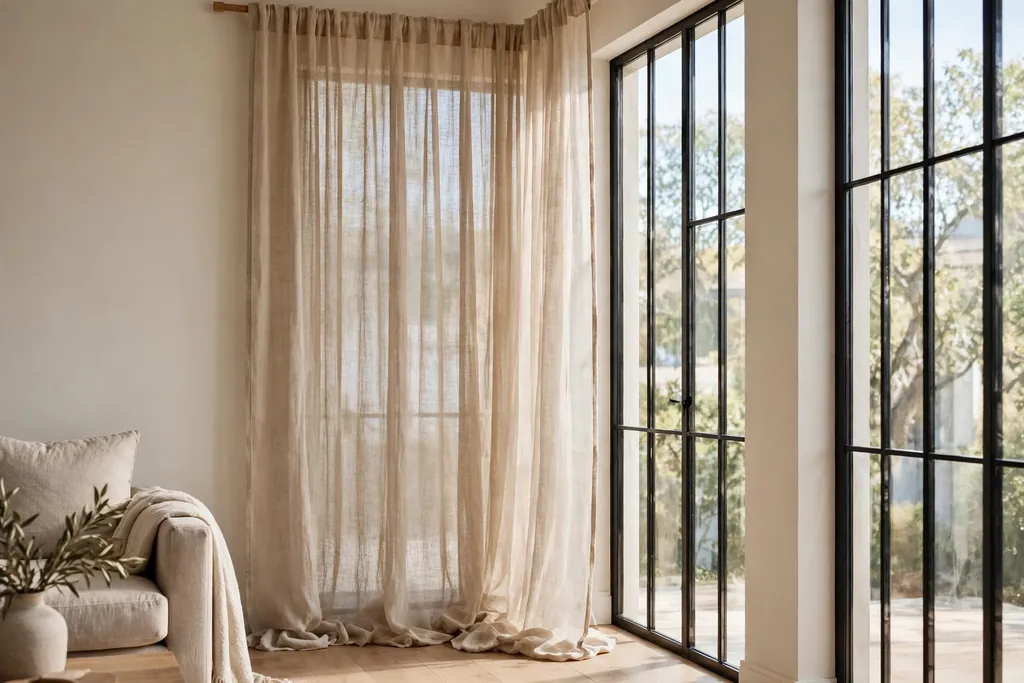
    Sheer linen curtains falling to the floor beside a tall living room window.

    Hang sheer linen curtains from close to the ceiling to the floor, so daylight filters in softly and the window feels taller. Sheer linen gives daytime privacy without shutting out light, which matters in a room that relies on natural light for its calm feel. White, cream, or pale oatmeal linen works best.

    Use a simple rod in wood or black metal, and let the curtains fall straight rather than pooling heavily on the floor. Add a heavier linen pair at the sides only if the room gets cold drafts or needs evening privacy. Wash the sheers now and then, since pale linen shows dust faster than a darker curtain.

    16. Reclaimed Wood Shelves

    Reclaimed wood shelves with books and ceramics in a living room.

    Fit reclaimed wood shelves on one wall for storage and display with visible grain, knots, and a lived-in surface. Reclaimed wood suits organic modern rooms because each board carries its own marks, which stops the room from feeling too new or too smooth. Use the shelves for books, ceramics, and a few plants, and keep them to one wall.

    Anchor shelves into studs or with fixings suited to your wall type, and check the weight rating before loading them with books. Put heavier items low and lighter ceramics higher, and leave gaps between groups. Clean reclaimed wood with a dry cloth, and check for rough edges or splinters before placing items that hands touch often.

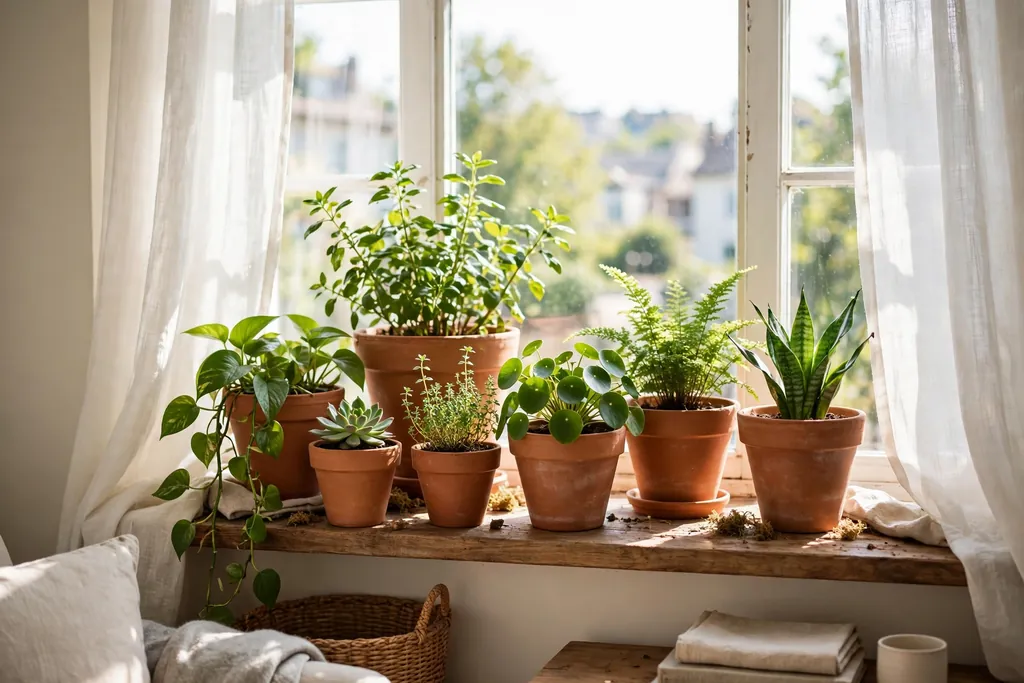
    17. Terracotta Pots Grouped by the Window

    Group of terracotta pots with plants by a bright living room window.

    Group terracotta pots in different sizes by a bright window for a simple plant display that warms a pale room. Terracotta has a warm, earthy color and a rough surface that suits herbs, small shrubs, and trailing plants alike. Grouping pots in threes or fives, with one tall pot as the anchor, looks planned rather than scattered.

    Use pots with drainage holes and saucers, and raise them slightly on feet so water drains freely and does not mark the sill or floor. Mix one tall plant, one mid-height plant, and one trailing plant in each group for a full look. Water each plant by its own needs, not on one fixed schedule, since pots dry out at different rates near a window.

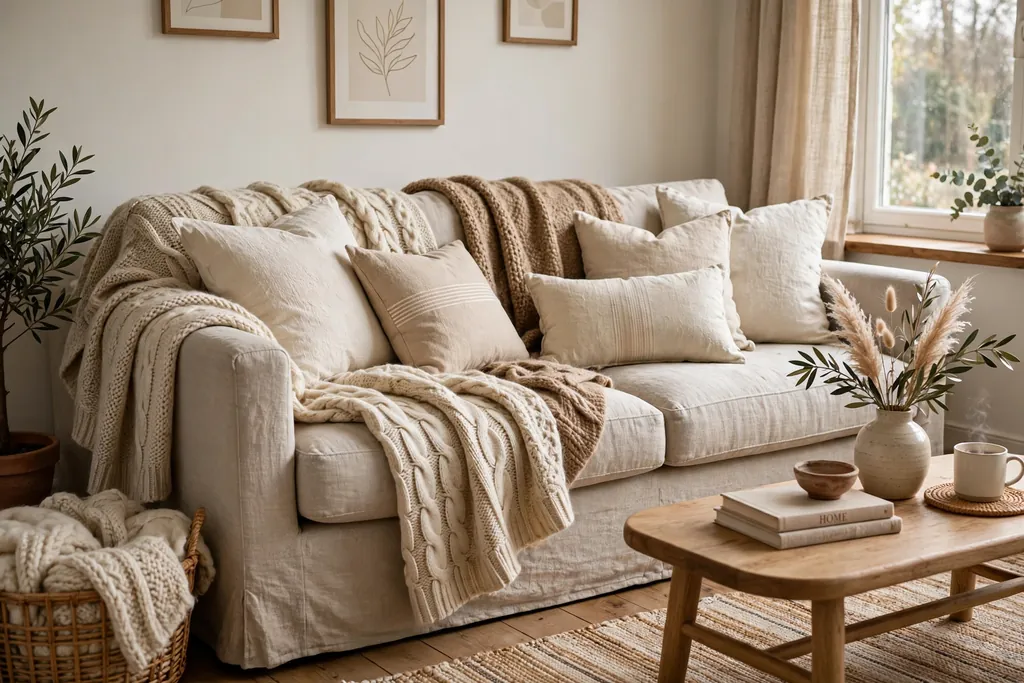
    18. Wool Throws and Cotton Cushions

    Wool throws and cotton cushions layered on an oatmeal sofa.

    Layer wool throws and cotton cushions on the sofa for warmth you can feel as soon as you sit down. Wool throws in cream, oatmeal, or soft sage suit this style, while cotton cushions in plain linen or a soft stripe keep the mix from feeling heavy. Two throws within reach, one folded over an arm and one in a basket, are usually enough.

    Choose throws and cushion covers you can wash, and vary the weave rather than the color: one smooth wool throw and one chunky knit throw give more interest than two identical pieces. Fold throws neatly rather than draping them loosely, so the sofa still looks tidy when no one is sitting there.

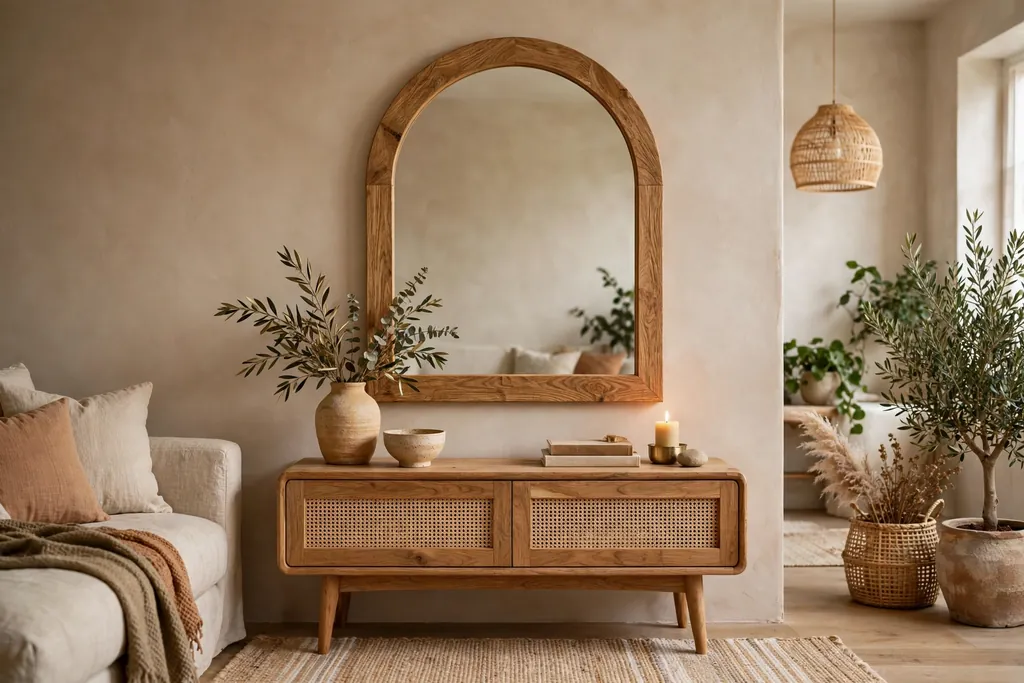
    19. Arched Mirror Above a Wood Console

    Arched mirror with a wood frame above a wood console.

    Hang an arched mirror above a wood console for a soft shape that lifts a plain wall and bounces light around the room. The arch echoes the curved shapes in boucle chairs and round tables, while the mirror itself makes a small room feel larger. A wood frame in oak or walnut ties the mirror to the rest of the furniture.

    Hang the mirror so its center sits at eye level when standing, and keep the console top mostly clear, with one vase or a small stack of books. Anchor the mirror into a stud or with a fixing rated for its weight, since large mirrors are heavy. Place the mirror where it reflects a window or a plant, not a blank wall or a cluttered corner.

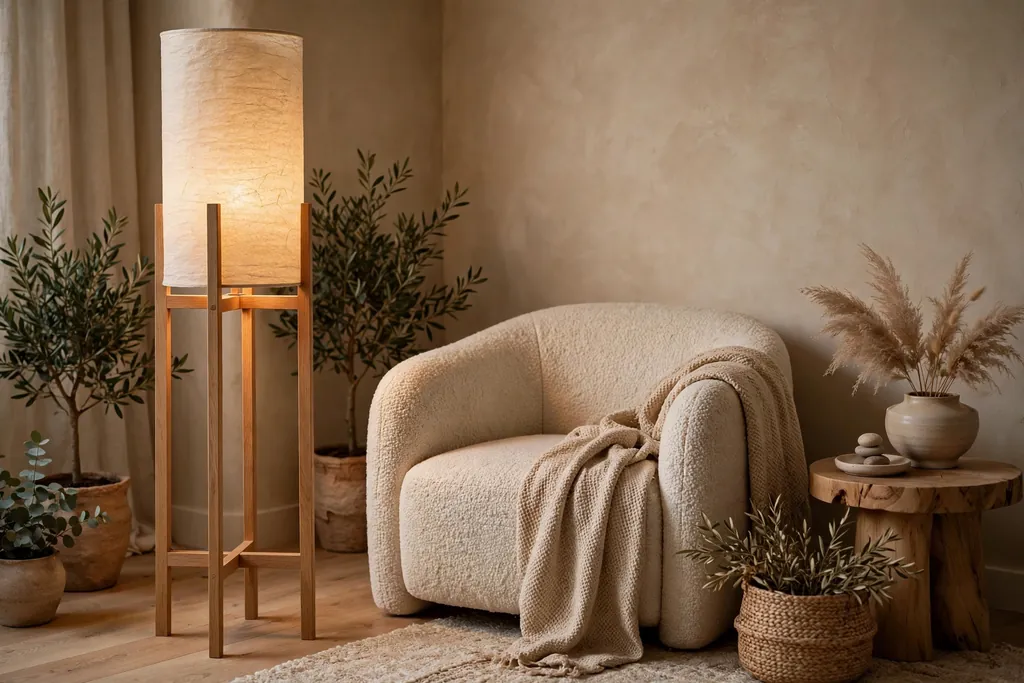
    20. Paper and Wood Floor Lamp

    Paper and wood floor lamp beside an armchair in a living room corner.

    Stand a paper and wood floor lamp beside a chair or a sofa end for soft, diffused light with a natural look. A paper shade glows evenly and hides the bulb, while a wood base keeps the lamp grounded. This kind of lamp suits a reading corner, where a bright overhead light would feel too harsh.

    Place the lamp behind one shoulder of the seated reader, so light falls on the book, not in the eyes. Use a warm white bulb and keep the shade clear of curtains, throws, and plants for safety. Dust the paper shade gently with a dry cloth, and replace the shade if it tears, since a damaged shade can sit too close to the bulb.

    21. Handmade Clay Vases on the Mantel

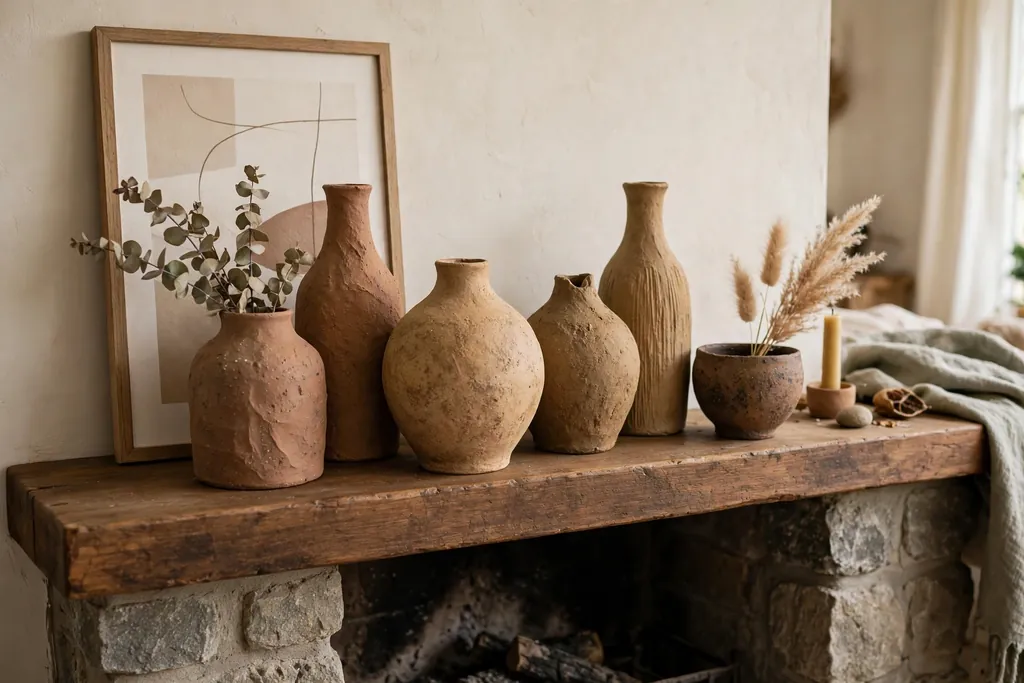
    Handmade clay vases grouped on a living room mantel.

    Set handmade clay vases on the mantel or a shelf for small pieces with visible hand marks, uneven rims, and soft earth tones. Handmade ceramics suit organic modern rooms because they show the maker in a way that smooth factory pieces do not. Group vases in odd numbers, with different heights, and leave one empty so the group breathes.

    Keep the mantel group to three or five pieces at most, and let one vase hold a few dried stems while the others stay empty. Dust ceramics with a dry cloth, and handle them over a soft surface, since handmade pieces can be more fragile than they look. If a vase has no glaze inside, use it for dried stems only, not fresh flowers in water.

    22. Firewood Niche Beside the Fireplace

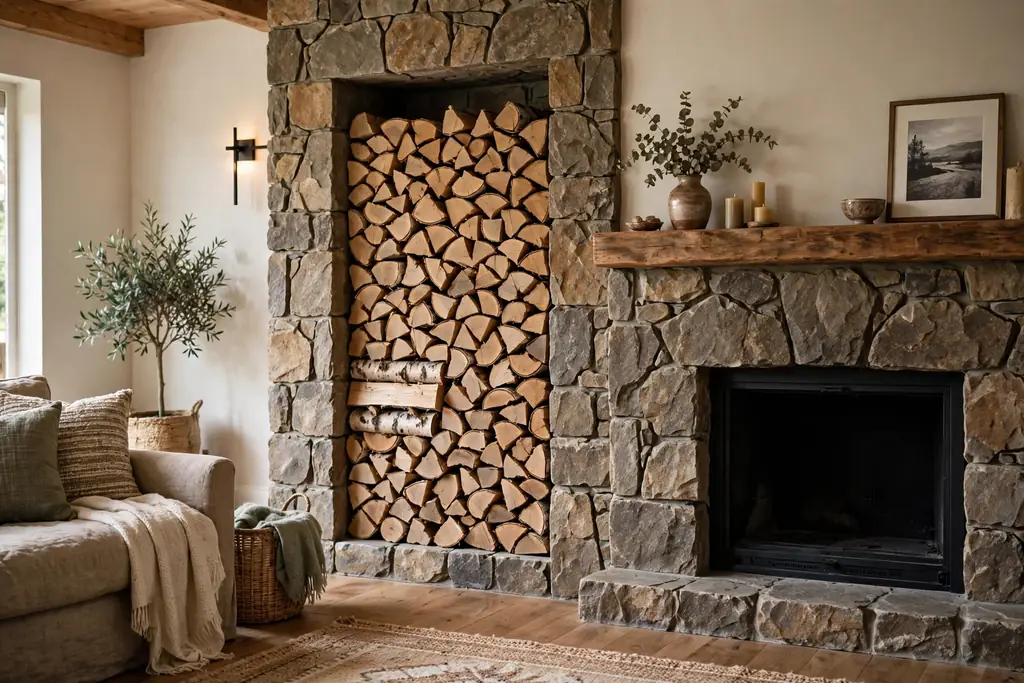
    Firewood niche with neatly stacked logs beside a fireplace.

    Build or set a firewood niche beside the fireplace for neat log storage that doubles as a natural display. Stacked logs add warm color and texture to a plain wall, and a niche keeps them contained rather than piled on the floor. A simple open box in oak, black metal, or plaster suits this style best.

    Stack logs loosely, with air gaps, so they dry and stay free of damp, and keep the niche clear of the fire opening by a safe margin. Store only dry, seasoned wood indoors, and bring in small loads rather than filling the niche to the top. If you have no working fire, a niche filled with logs beside a candle group gives a similar warm, gathered look.

    23. Gallery Wall in Pale Wood Frames

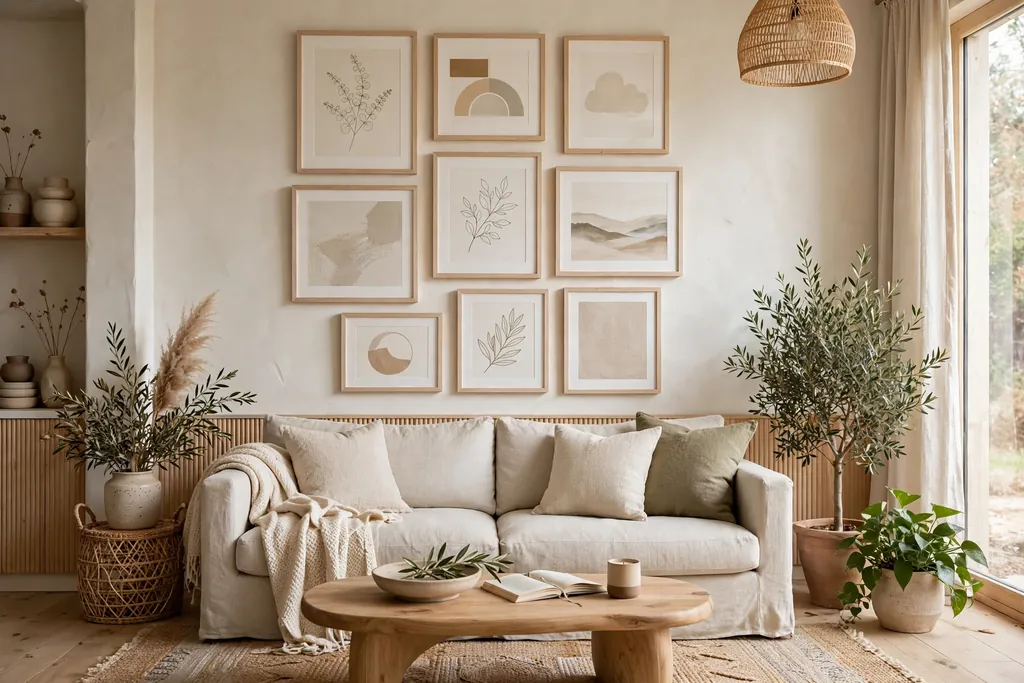
    Gallery wall in pale wood frames above a sofa.

    Hang a gallery wall above the sofa or along one wall, using matching frames in pale wood. A gallery wall in this style usually mixes landscapes, botanical prints, and simple abstract art, but keeps the frames consistent so the group reads as calm rather than busy. Hang the center of the group at eye level when seated, and keep the outer edges inside the width of the sofa.

    Start with three or four pieces and add over time, rather than filling the wall in one go. Use art with pale backgrounds and soft colors, such as sage, clay, and sand, so the wall stays linked to the room palette. Picture ledges are a renter-friendly option, since they let you lean frames and swap them without new holes each time.

    24. Reading Chair with a Sheepskin Throw

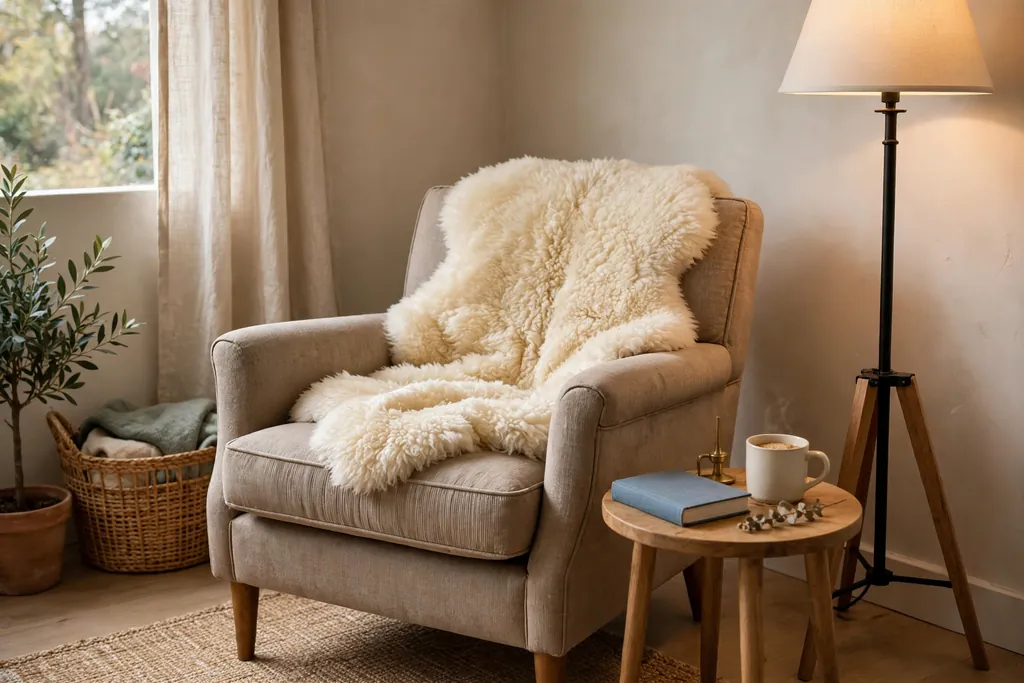
    Reading chair with a sheepskin throw and a side table in a corner.

    Set a comfortable armchair in a quiet corner, with a sheepskin throw over one arm and a small side table beside it, for a reading seat that feels warm at once. Sheepskin adds instant softness to a wooden or linen chair, and it is a practical layer in cooler months. Choose a chair with a seat depth that lets you sit with your feet on the floor and a book in your lap.

    Add a floor lamp behind one shoulder and a basket for the current book, so the corner works as a real reading spot, not a display. Shake the sheepskin outside now and then to keep it fresh, and fold it over the chair back in warm months so the corner keeps its soft layer. Angle the chair slightly toward the room so the corner feels part of the living space.

    25. Low Wood Media Console

    Low oak media console under a television in a calm living room.

    Choose a low wood media console under the television, with closed doors or drawers to hide cables and devices. A low console in oak or walnut keeps the television wall calm, and its wood tone links the media zone to the rest of the room. Closed storage matters here, since open shelves under a television tend to collect clutter.

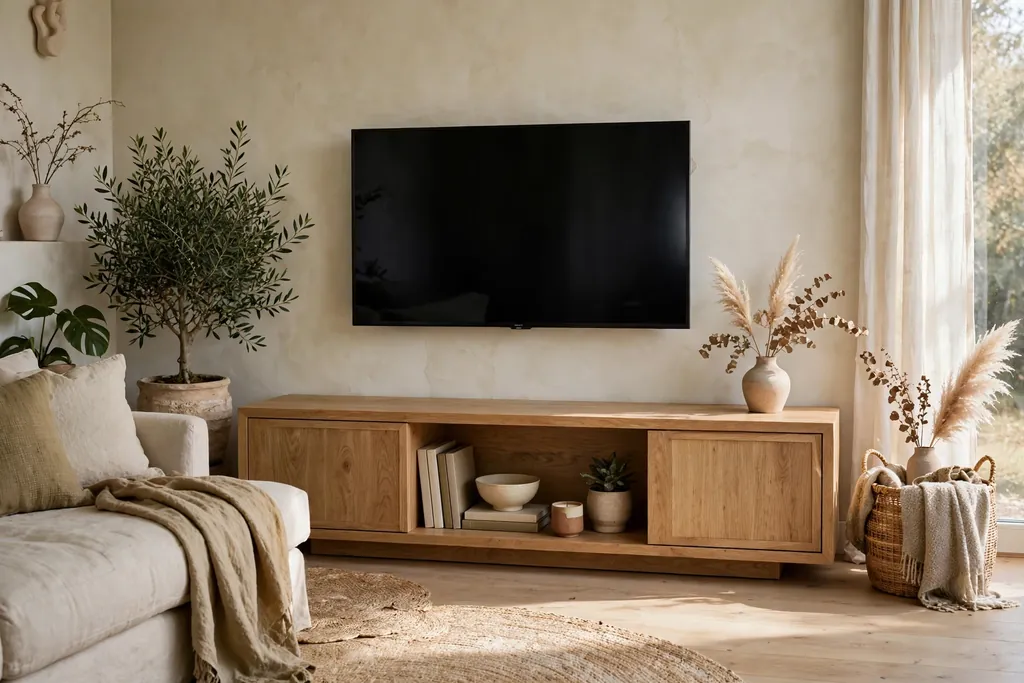
    Measure the television width and choose a console wider than the screen, so the television does not overhang the edges. Drill or use existing cable holes to keep cords out of sight, and leave ventilation gaps behind devices that give off heat. Keep the console top to one plant or one small group, so the television wall stays quiet when the screen is off.

    26. Dried Pampas in a Tall Floor Vase

    Dried pampas stems in a tall floor vase in a living room corner.

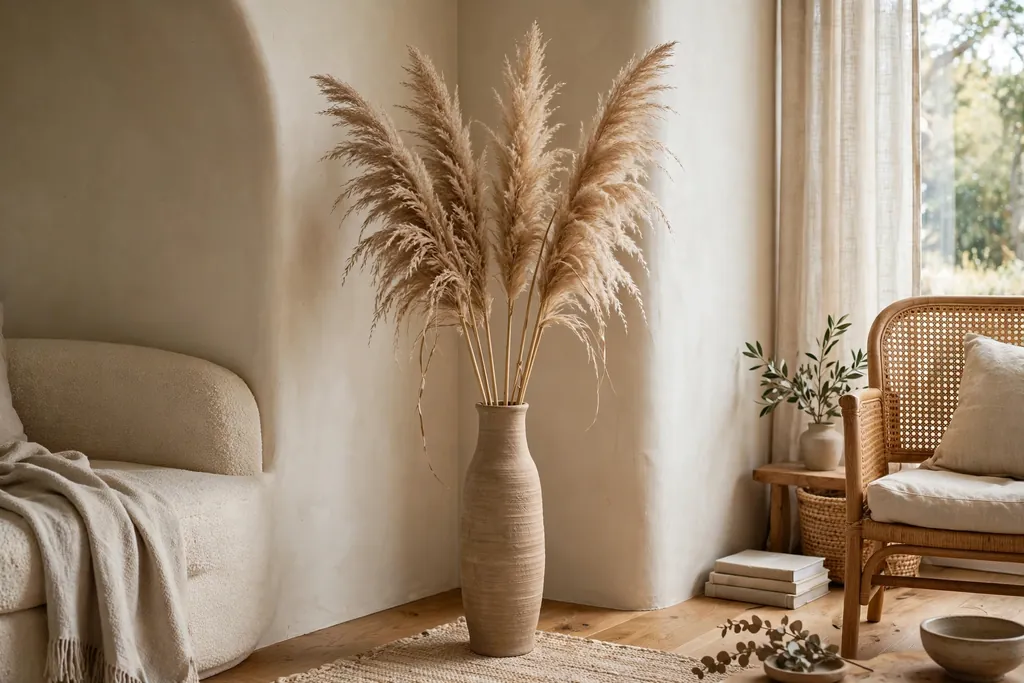
    Place dried pampas stems in a tall floor vase in an empty corner for height and soft texture without daily plant care. Pampas plumes in cream or pale beige suit the organic modern palette, and a tall vase in clay, stone, or woven fiber grounds the arrangement. This suits a corner that gets little light, where a live plant would struggle.

    Keep the vase away from walkways, since tall stems can tip if brushed, and add a weight inside the base if the vase feels top-heavy. Shake the stems outside before bringing them in, and keep them clear of open flames, radiators, and the fireplace. Replace the stems when they shed heavily, and dust them gently with a dry cloth between changes.

    27. Coffee Table Styling with Books and a Stone Bowl

    Coffee table styled with books, a stone bowl, and a small plant.

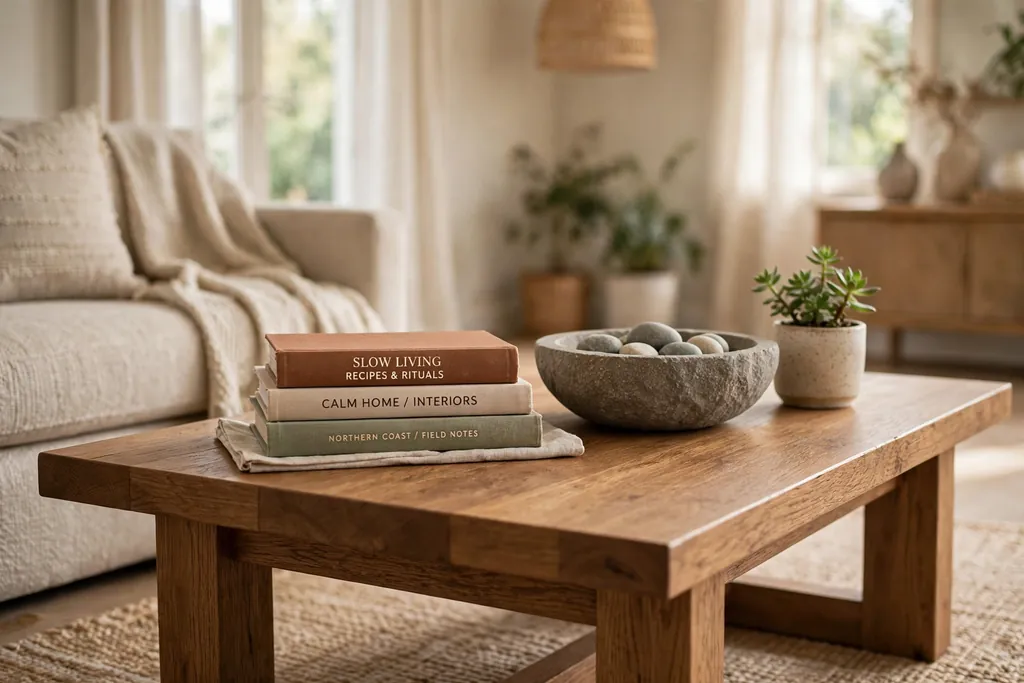
    Style the coffee table with a stack of two or three large books, a low stone bowl, and one small plant or candle, and leave the rest of the surface clear. This small group gives the table a finished look without filling it, so there is still room for a mug or a phone. The stone bowl can hold remote controls or keys, which keeps small daily items in one place.

    Choose books with covers you like looking at, in sizes that step down as the stack rises, and place the largest book at the bottom. Keep the top book one people can actually open, since a coffee table book earns its place by being read. For more table ideas, see these round coffee table styling ideas, which cover trays, candles, and groups for round tops as well as rectangular ones.

    28. Plaster Arch Niche for Decor

    Plaster arch niche holding a single vase in a living room wall.

    Shape or buy a plaster arch niche in a wall or as a freestanding panel, and use it to display one vase, one sculpture, or a small plant. The arch shape is a hallmark of organic modern rooms, since it softens a straight wall and frames a single piece like a picture. A plaster finish in warm white keeps the niche calm and lets the displayed piece lead.

    Keep the niche to one or two items at most, since a crowded niche loses the framing effect. If you cannot alter a wall, a leaning plaster arch panel or an arched shelf gives a similar shape without building work. Dust the niche and its piece with a dry cloth, and light it with a small picture light or a nearby lamp in the evening so the arch reads after dark.

    29. Handwoven Wool Rug in a Reading Corner

    Handwoven wool rug under a reading chair and side table.

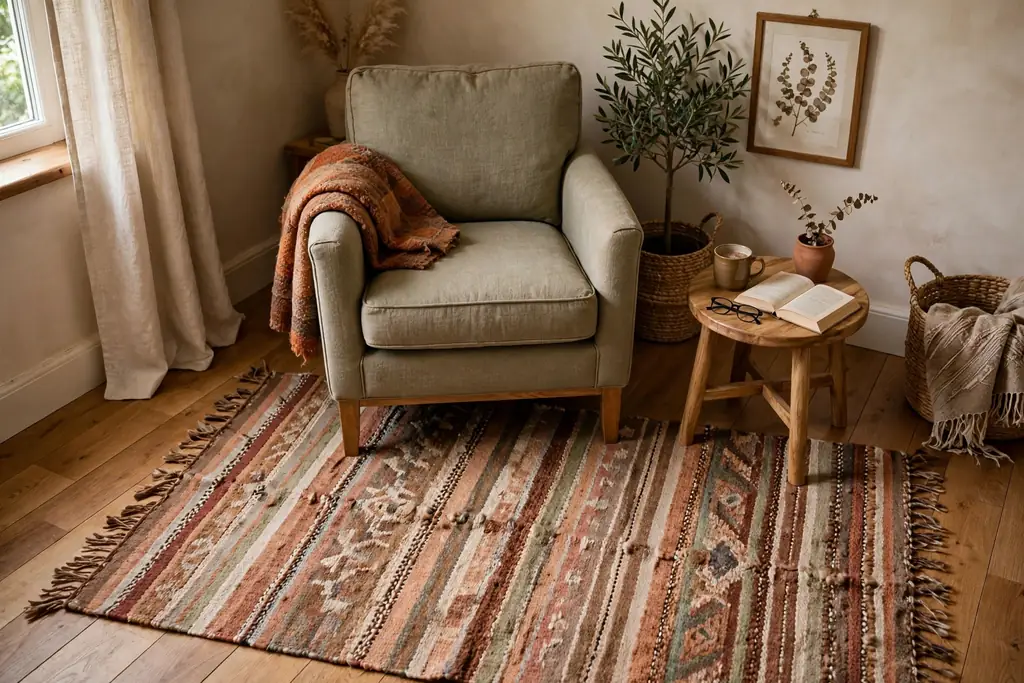
    Lay a handwoven wool rug in a reading corner, under a chair and a small side table, for a soft, textured floor that marks the corner as its own zone. A handwoven rug has a visible weave and slight unevenness that suits this style, and wool feels warm under bare feet. Choose earth tones, such as oatmeal, sand, or soft sage, so the rug links to the main seating rug without matching it exactly.

    Size the rug so the front legs of the chair rest on it, with room for feet to stay on the rug when seated. Use a rug pad underneath on a smooth floor to stop slipping. Vacuum wool without a beater bar on a high pile, and blot spills quickly rather than rubbing them, so the weave stays neat.

    30. Cane Front Credenza

    Cane front credenza in oak along a living room wall.

    Add a cane front credenza along one wall for closed storage with a woven, natural face. Cane doors hide board games, cables, and spare throws, while the open weave keeps the piece feeling light, unlike a solid wood cabinet. A credenza in oak with cane fronts suits a living room, a dining area, or a hallway wall.

    Keep the top mostly clear, with one vase or a small stack of books, so the cane stays the detail. Dust the cane gently with a dry cloth or a soft brush, and keep the credenza out of damp spots, since cane can sag if it stays wet. Check door hinges and handles before buying, since cane doors see daily use and need solid fixings.

    31. Window Seat with Linen Cushions

    Window seat with oatmeal linen cushions and a wool throw.

    Build or dress a window seat with a thick cushion in oatmeal linen, a few cotton cushions, and a wool throw, for a sunny seat that uses a spot many rooms waste. A window seat suits a bay window, a wide sill, or a low bench under a large window, and it gives the room a second seating zone without extra floor furniture.

    Choose a cushion thick enough to sit on for an hour, with a removable, washable cover, since window seats collect sun and dust. Add storage underneath the seat for throws or books where the bench allows it. Keep the window seat clear of heavy objects, and check that curtains or blinds still move freely around it.

    32. Woven Wall Hanging Above the Sofa

    Woven wall hanging in cream and sand above a sofa.

    Hang a woven wall hanging above the sofa for texture at wall level that paint and framed art cannot give. A hanging in cotton, wool, or jute, in cream, sand, and soft sage, adds a handmade note and softens a large plain wall. Choose a size that sits inside the width of the sofa, so the hanging frames the seating group rather than overpowering it.

    Hang the piece from a wood dowel or a simple rod, and anchor it into a stud or with a fixing rated for its weight. Keep the hanging out of direct sun where fibers could fade, and dust it gently with a dry cloth or a low vacuum setting. Pair it with plain cushions, since a woven hanging already carries the texture for that wall.

    33. Sculptural Branch Arrangement

    Sculptural branch arrangement in a tall vase on a console.

    Place a sculptural branch arrangement in a tall vase on a console or a side table for height and a natural shape that needs no water. Bare branches, eucalyptus stems, or a single curved branch all work, and they suit a room where fresh flowers would wilt fast. Choose branches about one and a half times the height of the vase, and keep the number small, three to five stems, so the shape stays open.

    Set the vase toward the back of the console, away from the seat where people reach most, so it is admired rather than bumped. Trim branch ends to sit firmly in the vase, and add a stone or two inside the base if the arrangement feels top-heavy. Replace branches when they dry out or shed, and keep them clear of open flames and radiators.

    34. Warm Evening Lighting in Layers

    Living room in the evening with layered warm lamps and candles.

    Finish the room with warm evening lighting in layers: a floor lamp by a chair, a table lamp on a side table, and candles or battery candles on the coffee table. Layered light at different heights makes a pale room feel warm after dark, while a single overhead light can feel harsh. Use warm white bulbs throughout, so the layers blend rather than clash.

    Put lamps on dimmers where possible, and switch on the lowest lights first in the evening, adding more only as needed. Keep candles clear of curtains, throws, and paper, and never leave them burning in an empty room. Battery candles give a similar glow where real flames are not practical, such as a shelf near books or a high niche.

    Conclusion

    Organic modern living rooms work because they balance two ideas: clean modern shapes and materials that feel natural to touch. You do not need to buy everything at once. Start with a calm base, add one comfortable sofa and one wood table, then layer rugs, throws, plants, and warm light over time. Keep the palette pale, repeat one or two wood tones, and leave space around the pieces you love most. Pick the ideas that fit your room, your budget, and the way you actually live, and save this list to revisit as your room grows.

    FAQs

    What is an organic modern living room?

    An organic modern living room pairs clean modern shapes with natural materials such as oak, stone, linen, wool, rattan, and clay. Walls stay pale, furniture lines stay simple, and texture comes from the materials themselves rather than from bright colors or busy patterns.

    What colors suit an organic modern living room?

    Warm white, oatmeal, cream, sand, sage, clay, and soft grey suit this style best. Keep walls and large furniture pale, then add one or two earth tones through cushions, throws, art, or a rug, so the room stays calm and the natural materials stand out.

    Which sofa works best for organic modern style?

    A low sofa in oatmeal or cream linen, or in soft boucle, works best, since its plain fabric and simple shape let wood, stone, and plants lead. Choose a size that fits the rug zone, with removable covers where you can, and keep cushions plain or in a soft stripe.

    How do I add plants without making the room feel cluttered?

    Use plants at three heights and no more: one floor tree in a corner, trailing plants on one shelf, and one small pot on a table. Group pots in odd numbers, repeat the same pot material, and leave gaps on shelves, so greenery reads as part of the design rather than as clutter.

    Can organic modern style work in a small living room?

    Yes, it suits small rooms well, since pale walls, low furniture, sheer curtains, and mirrors all help a room feel larger. Choose a compact sofa, one rug that fits the seating group, and closed storage such as a cane credenza, and keep floors and table surfaces mostly clear.

    How do I keep an organic modern room from feeling cold?

    Add warmth through touch: wool throws, cotton cushions, a sheepskin throw, a jute or wool rug, and warm layered lighting in the evening. Wood tones, woven baskets, and candles also help, since a pale room needs texture and warm light to feel lived in, not just light in color.


  • 16 Red Living Room Decor Ideas to Make Any Room Feel Cozier

    16 Red Living Room Decor Ideas to Make Any Room Feel Cozier

    Red has a reputation for being loud, but in a living room it mostly reads as warm. A deep red sofa, a brick fireplace, or a pair of red curtains can make a plain room feel gathered and inviting, the way a lit fire does on a cold evening. The trick is to give red a clear job and a calm background: one strong piece, a few smaller repeats, and plenty of cream, wood, or grey to rest the eye. These 16 red living room decor ideas cover walls, seating, rugs, lighting, and small accents, so you can pick the version that fits your room, your budget, and how bold you want to go.

    Key Takeaways

    • Give red one main job per room, such as the sofa, one wall, or the rug, and repeat it in two or three smaller details so the color looks planned.
    • Keep the background calm: cream, warm white, natural wood, or soft grey lets red feel cozy rather than busy.
    • Pick your red with care: brick and terracotta feel relaxed, cherry and crimson feel lively, and burgundy feels rich and formal.
    • Test red in daylight and lamplight before you commit, since strong reds shift a lot between the two.
    • Balance a bold red piece with plain textures nearby, such as linen, wool, or plain wood, so the room stays easy to live in.
    • Start small if you are unsure: cushions, a throw, or curtains let you try red before painting a wall or buying a sofa.

    1. Paint One Bold Red Accent Wall

    Living room with a bold deep red accent wall behind a cream sofa, wood coffee table, and framed art.

    Paint the wall behind the sofa a bold red, and the whole seating group gains a backdrop that makes everything in front of it look more settled. A deep brick red or a muted crimson works better than a bright cherry red for a full wall, since it reads as warm rather than glaring. Keep the other walls cream or warm white, and let the sofa, art, and cushions sit against the red without competing with it.

    Prep matters more with red than with pale paint, so use a tinted primer and two full coats for even cover. Paint a large test patch first and live with it for a few days, checking it in morning light and evening lamplight. If a full wall feels like too much, paint the wall behind open shelves or the fireplace wall only, where the red frames a feature instead of filling the room.

    2. Choose a Deep Red Velvet Sofa

    Living room with a deep red velvet sofa, cream walls, a wood coffee table, and a brass floor lamp.

    A deep red velvet sofa is the fastest way to make a living room feel warm and a little bit grand, without changing anything else in the room. Velvet catches the light softly, so the red looks rich rather than flat, and a simple three seat shape keeps the piece from feeling fussy. Pair it with cream walls, a wood coffee table, and one brass lamp, and the sofa can carry the whole color story on its own.

    Keep the cushions quiet so the sofa stays the star: cream, soft grey, or a muted gold works well, with at most one patterned cushion. Velvet shows pressure marks where people sit, so brush the pile lightly and rotate the seat cushions now and then. If velvet feels too formal for daily life, a deep red sofa in a sturdy woven fabric or a washable slipcover gives the same warmth with easier care.

    3. Layer Red Cushions and a Throw on a Cream Sofa

    Cream sofa layered with brick red and burgundy cushions and a folded red knit throw.

    If a red sofa feels like too big a step, start with a cream sofa and layer red cushions and a throw on it. Two or three cushions in different reds, such as brick, cherry, and burgundy, plus a soft red throw folded over one arm, give the warmth of red without repainting or replacing furniture. The cream base keeps the look light, and the red details make the sofa feel dressed rather than plain.

    Vary the textures so the reds do not blend into one flat block: a knit throw, a linen cushion, and a velvet cushion in related reds look collected rather than matched. Swap the covers with the seasons if you like, keeping red for autumn and winter and lighter tones for summer. This is also the easiest red idea to undo, which makes it a good first test before a bigger red commitment.

    4. Let a Red Brick Fireplace Lead the Room

    Living room with a red brick fireplace, cream walls, a sofa facing the hearth, and a simple mantel.

    A red brick fireplace already gives a living room warmth, color, and a natural focal point, so the best move is often to let it lead and keep the rest of the room quiet. Arrange the seating to face the fireplace, with a rug and a coffee table between the chairs and the hearth, and keep the mantel simple: a mirror or one piece of art, a pair of candlesticks, and nothing that crowds the brick. Cream walls and wood furniture sit easily beside brick without fighting it.

    If the brick feels too orange or too dark, a wash of diluted white paint can soften it while still showing the brick texture, but test it on a hidden spot first since it is hard to reverse. Keep soft furnishings a safe distance from the fire opening, and choose a rug that can handle the odd spark if the fire is open. A brick fireplace also pairs well with red cushions and a red throw, which echo the brick without adding a new color.

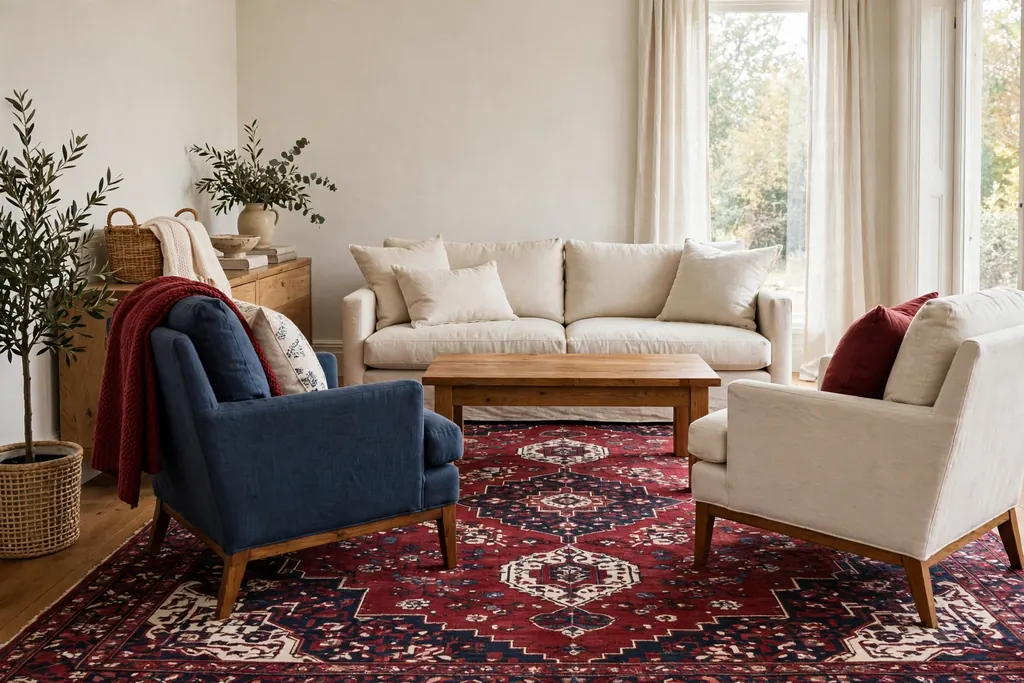
    5. Anchor the Seating with a Patterned Red Rug

    Living room seating group on a patterned rug in deep red, navy, and cream under a neutral sofa.

    A patterned red rug anchors a seating group and gives the room its color story from the floor up, which suits rooms where the walls and sofa must stay neutral. A Persian style rug in deep reds, navy, and cream, or a simpler geometric rug in brick red and cream, both work: the pattern hides everyday marks, and the red ties the cushions, curtains, and art together. Size it so the front legs of the sofa and chairs rest on it, so the group reads as one zone. For more rug sizing and placement ideas, see these living room rug ideas.

    Keep the rest of the pattern in the room quiet if the rug is busy: plain cushions, plain curtains, and one framed print are enough. A flatweave or low pile rug suits a busy room and chairs that slide, while a thicker wool rug suits a quiet reading corner. Check the red in daylight and lamplight before buying, since deep reds can look brown under warm bulbs and brighter in sun.

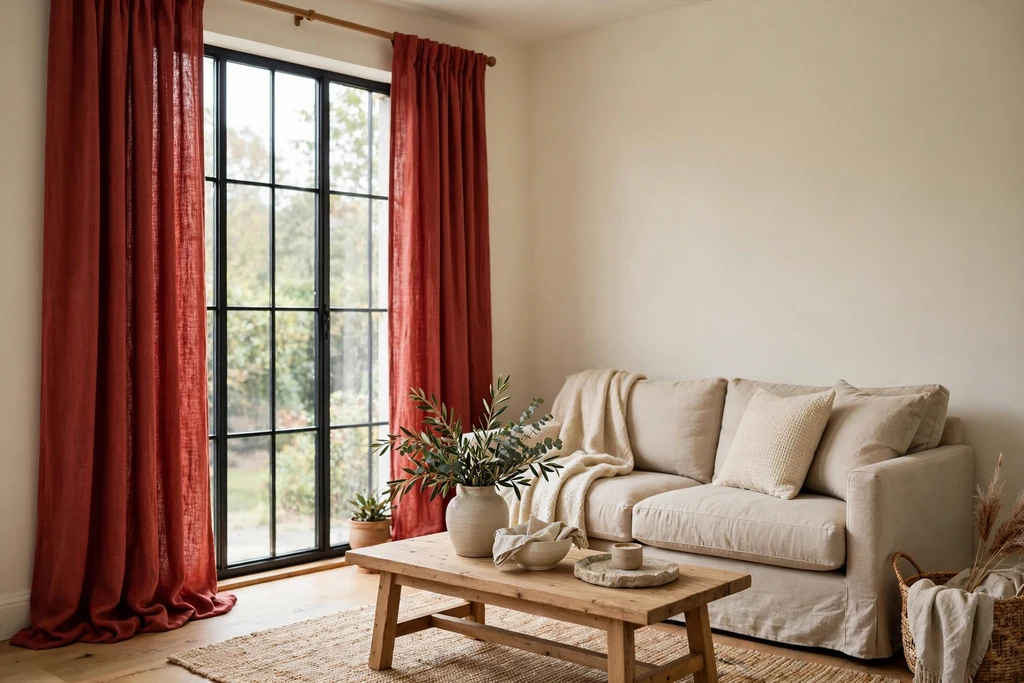
    6. Hang Floor-Length Red Curtains

    Living room window dressed with floor-length brick red linen curtains beside a neutral sofa.

    Floor-length red curtains frame a window and add warmth the moment you walk in, especially in a room with plain walls and a neutral sofa. Hang the rod close to the ceiling and let the curtains fall to the floor, so the window looks taller and the red reads as a deliberate panel of color rather than a small accent. A midweight linen or cotton in brick red or burgundy drapes well and filters light softly.

    Pair red curtains with cream or warm white walls and a simple rug, so the windows carry the color and the rest of the room stays calm. In a small room, use red curtains on one window only and keep the other window dressed in cream, so the room does not feel closed in. Line the curtains if the sun is strong, since red fabric can fade faster than pale fabric in direct sun.

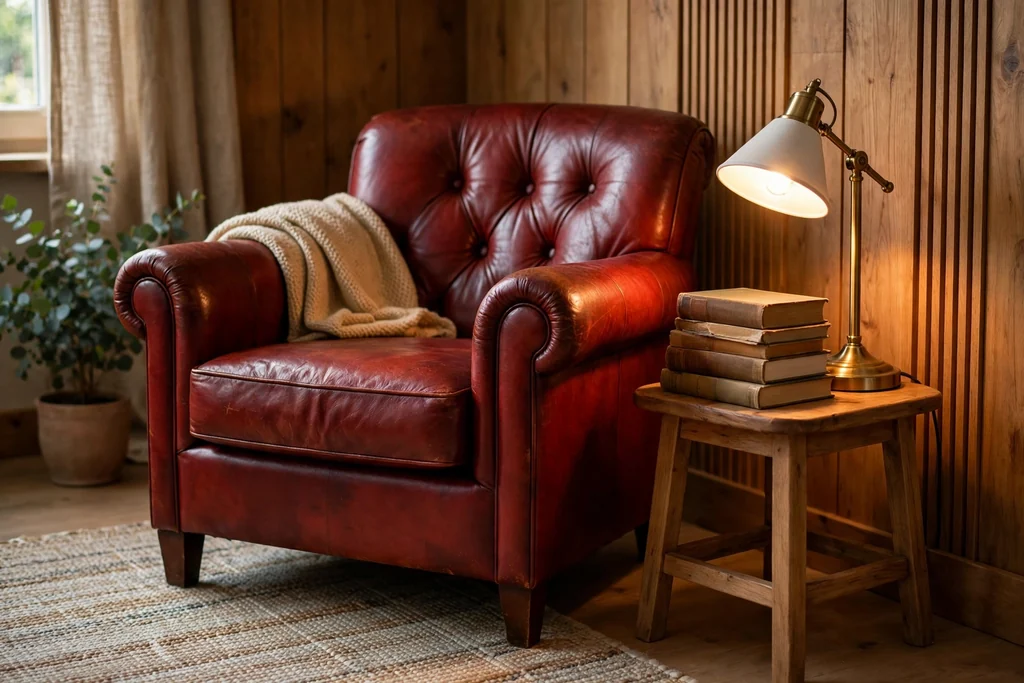
    7. Add a Red Leather Armchair Reading Corner

    Red leather armchair reading corner with a small side table, a reading lamp, and a stack of books.

    A red leather armchair in a corner, with a small side table, a reading lamp, and a stack of books, turns an unused corner into the seat everyone wants. Leather adds a texture that fabric sofas lack, and a deep oxblood or brick red leather looks warm without shouting. Angle the chair toward the room, not flat against the wall, and leave enough space beside it for a mug and a book.

    Leather needs simple care: wipe spills promptly, keep it out of strong direct sun where possible, and condition it as the maker advises. If the chair is new and the rest of the room is soft and worn, a folded throw over one arm softens the contrast until the leather settles in. This idea suits a room that already has a neutral sofa, since the chair becomes the single bold seat rather than one red piece among many.

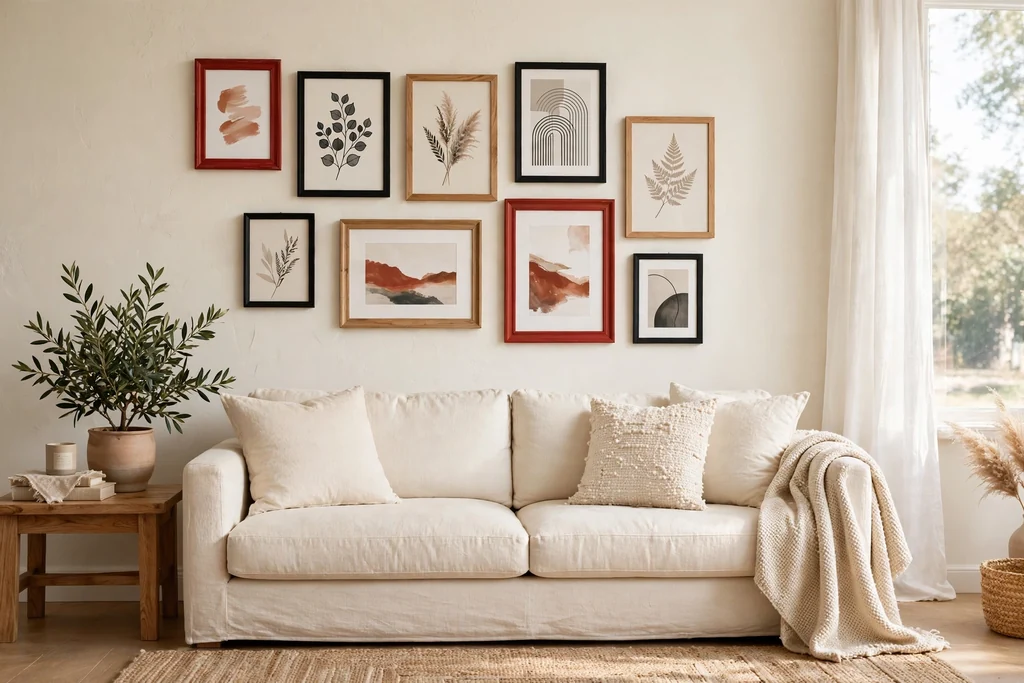
    8. Build a Gallery Wall with Red Frames and Art

    Gallery wall with red, wood, and black frames hanging above a cream sofa in a living room.

    A gallery wall with red frames, or art that carries strong reds, adds color at eye level without touching the furniture or the walls. Mix two or three red frames with wood or black frames, so the red frames read as accents rather than a theme, and keep the outer edges of the arrangement inside the width of the sofa so the wall does not look wider than the seating. Hang the center of the group at eye level when seated.

    Start with three or four pieces and add over time, rather than filling the wall in one go. Prints with red in them, such as landscapes with autumn trees or abstract prints in brick and cream, tie the wall to red cushions or a red rug below. For renters, picture ledges or adhesive hooks rated for the frame weight let you build the same wall without drilling a large grid.

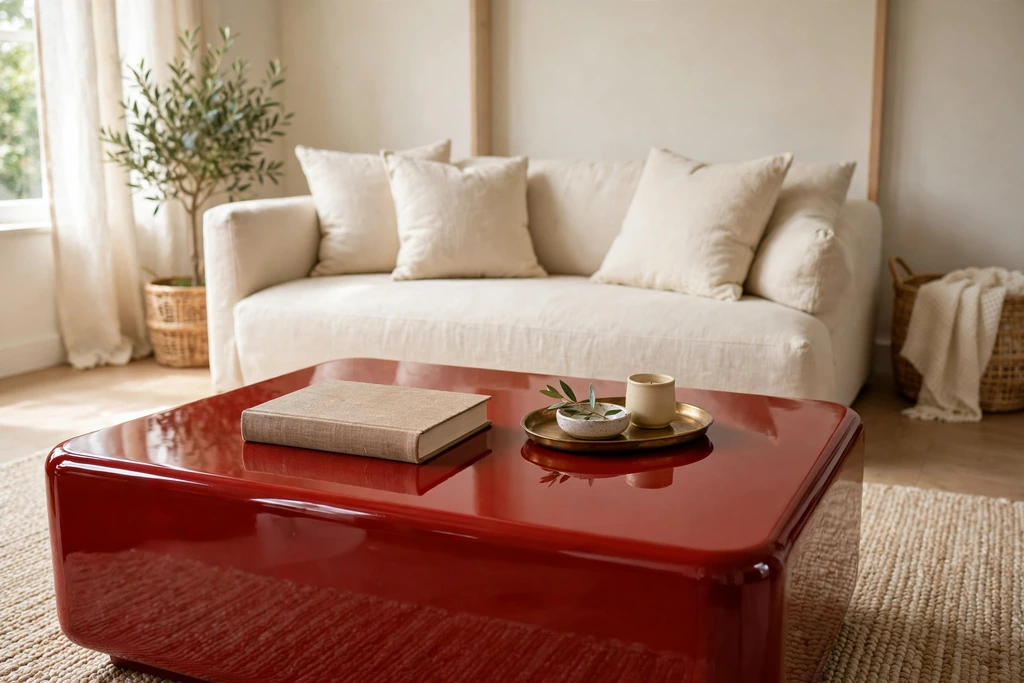
    9. Try a Glossy Red Lacquer Coffee Table

    Glossy red lacquer coffee table with a book and a small tray in front of a cream sofa.

    A glossy red lacquer coffee table gives a neutral seating group a single bold center, and it works like a piece of jewelry in the room: small, bright, and easy to notice. A rectangular lacquer table suits a standard sofa, while a round red table suits a small room or a sectional, since it leaves no sharp corners in the walkway. Keep the top mostly clear, with a book, a small tray, and a candle, so the red surface stays visible.

    Lacquer shows dust and fingerprints more than wood, so wipe it with a soft cloth and keep coasters handy for mugs. Pair the table with a cream or grey sofa and a plain rug, so the table is the only strong red in the center of the room. If a full red table feels too bold, a wood table with a red tray, or a red lacquer side table beside the sofa, gives the same lift in a smaller dose.

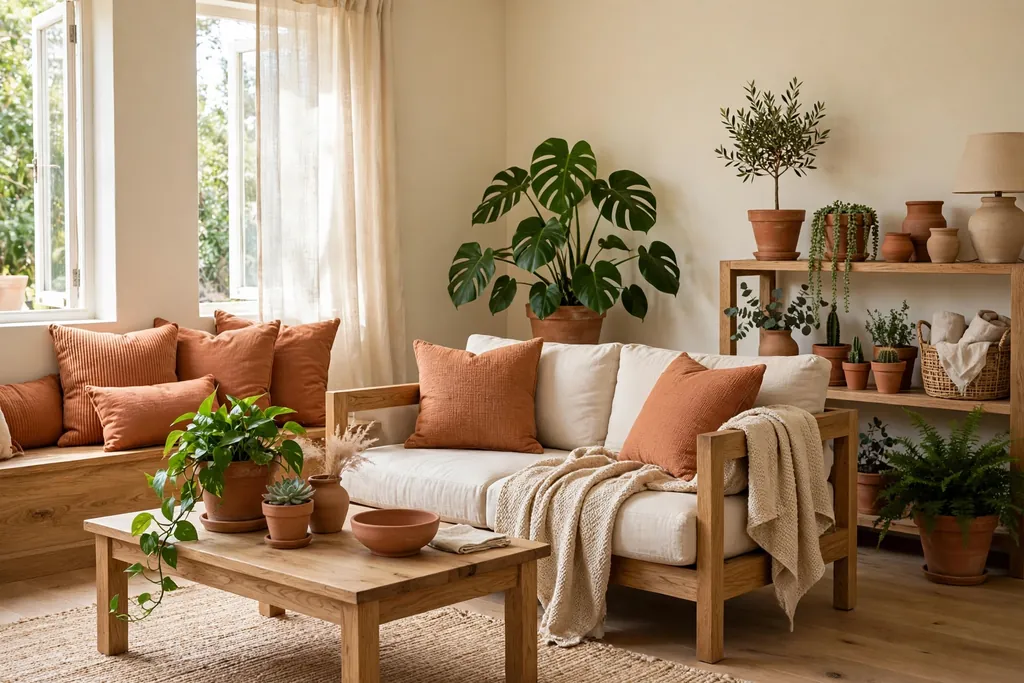
    10. Warm the Room with Terracotta and Natural Wood

    Relaxed living room with terracotta cushions, natural wood furniture, clay pots, and green plants.

    Terracotta red with natural wood is the most relaxed way to use red, and it suits rooms that should feel earthy rather than dramatic. Think terracotta cushions, a clay pot or two, a woven rug with brick red in the pattern, and oak or walnut furniture that warms the whole scheme. The red here is muted and sun baked, so it sits easily beside cream walls, linen, and plants.

    Add texture to keep the palette from going flat: a chunky knit throw, a jute rug, a rough ceramic vase, and a wood coffee table each add a different surface for the eye. Keep the terracotta to two or three pieces plus one repeat, such as a cushion and a pot in the same tone, so the color feels gathered rather than scattered. This pairing suits a bright room with plants, since terracotta and green sit well together.

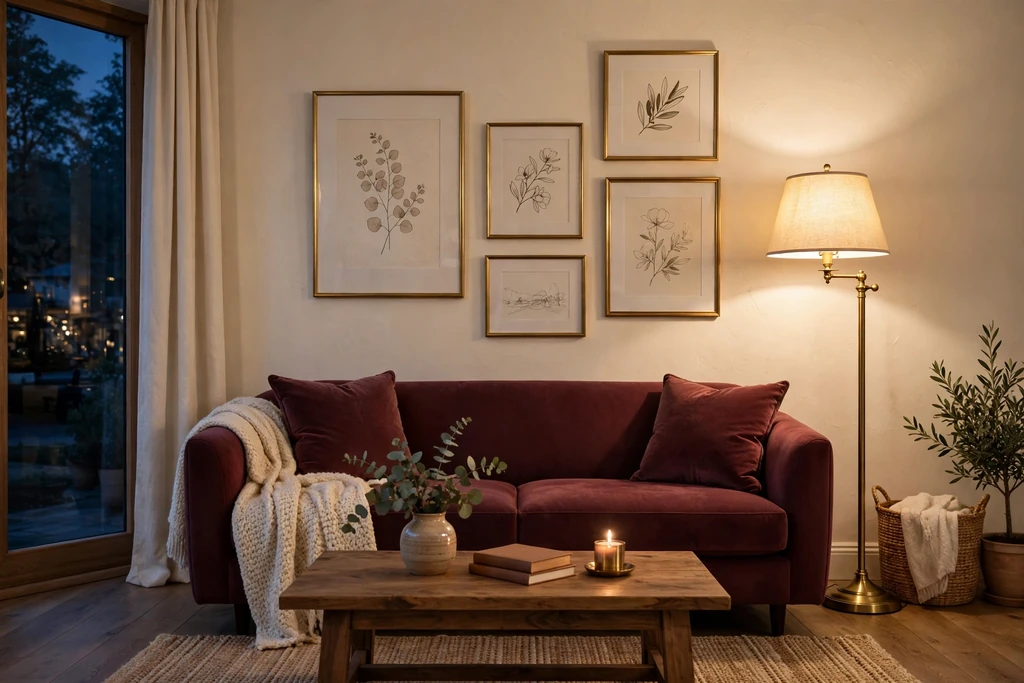
    11. Pair Burgundy with Brass Accents

    Living room with a burgundy sofa, a brass floor lamp, brass frames, and cream walls.

    Burgundy with brass is a rich, grown up pairing that suits a formal living room or a room used for evening hosting. Use burgundy on the sofa, the curtains, or one wall, then add brass in small, repeated details: a floor lamp, picture frames, a tray, and the legs of a side table. The warm metal lifts the dark red and stops it from feeling heavy, especially in lamplight.

    Keep the rest of the room simple so the pairing can lead: cream walls, a plain rug, and dark wood furniture are enough. Avoid adding a third strong color, since burgundy and brass already carry the scheme. If brass feels too shiny, brushed gold or an aged bronze gives a similar warmth with a softer finish, and it suits rooms with older furniture.

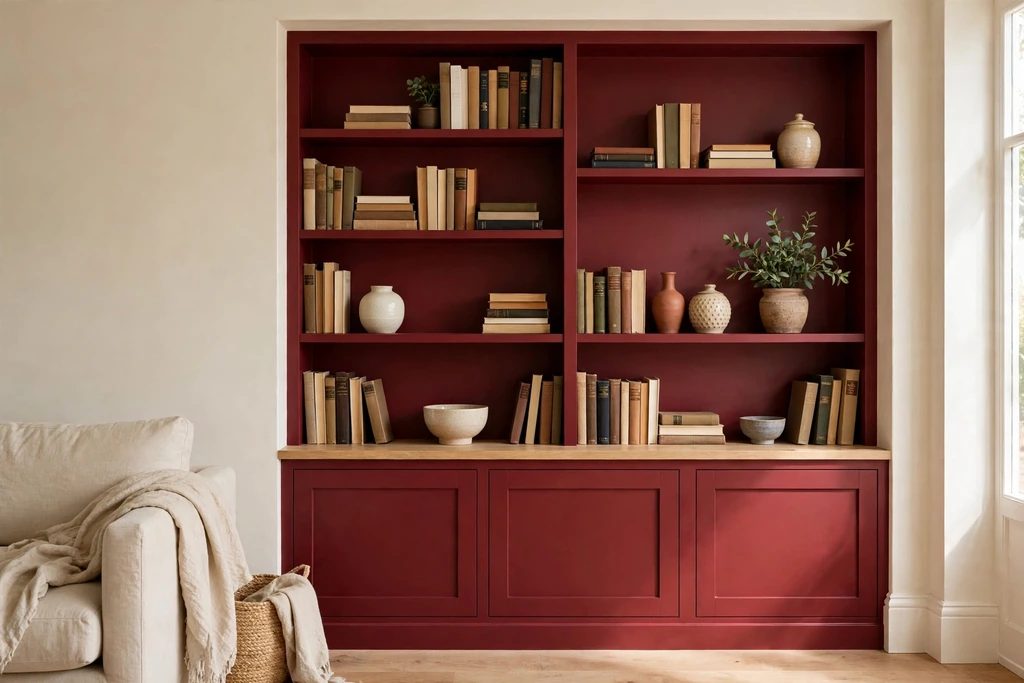
    12. Paint Built-In Shelves a Rich Red

    Built-in living room shelves painted rich burgundy red, styled with books, a plant, and ceramics.

    Painting built-in shelves or a bookcase a rich red turns storage into a feature wall, and it frames books, plants, and ornaments in a way plain white shelves cannot. A deep red, such as burgundy or brick, works best, since bright red on a large bookcase can feel loud. Keep the wall behind the shelves cream or warm white, and style the shelves with breathing room: group books by height, leave some open space on each shelf, and mix in a plant or a ceramic piece.

    Paint the inside backs of the shelves red and the frames cream if a full red bookcase feels like too much, so the color sits behind the objects rather than around them. Put heavy books low, where they are easier to reach and kinder to the shelf. This idea suits a reader and a room where one wall would otherwise look bare, and it costs far less than new furniture.

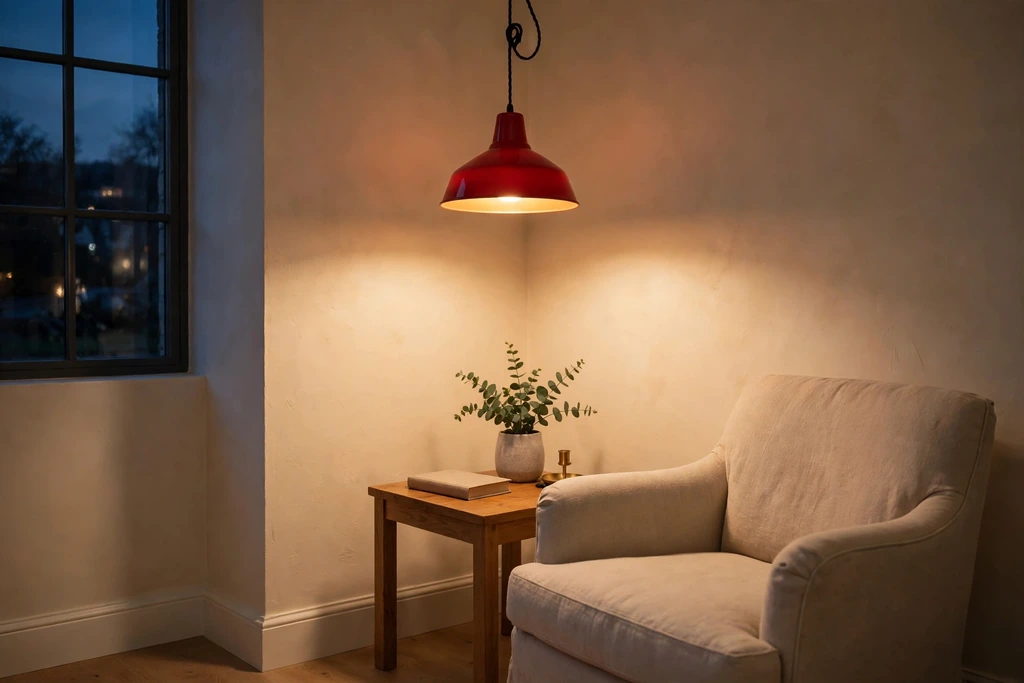
    13. Make a Statement with a Red Pendant or Lamp

    Living room corner with a red pendant lamp glowing over a side table beside an armchair.

    A red pendant light, or a table lamp with a red shade, adds color at a height where most rooms have none, and it glows warmly in the evening. Hang one red pendant over a side table or a reading chair, rather than in the center of the room, so it reads as a feature instead of a ceiling decoration. A red drum shade on a table lamp gives the same effect in a smaller dose and needs no wiring work.

    Choose a warm white bulb, since a cool bulb can make red look harsh, and check the shade in the evening before you commit: red shades tint the light pink, which suits a cozy room but not a work corner. Pair the lamp with cream walls and a neutral sofa, and repeat the red once nearby, such as a cushion or a book spine, so the lamp looks linked to the room.

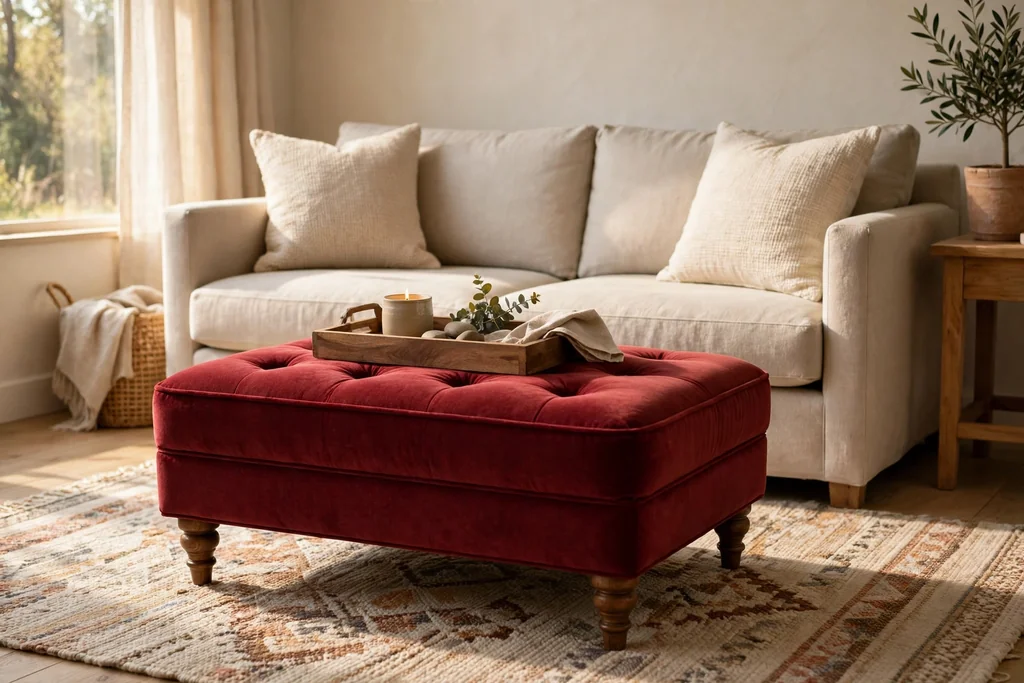
    14. Use a Red Ottoman for Flexible Seating

    Red fabric ottoman with a wood tray in front of a neutral sofa in a cozy living room.

    A red ottoman is one of the most flexible red pieces you can buy: it works as a footrest, an extra seat when guests visit, and a coffee table with a tray on top. A square or round ottoman in deep red fabric or leather suits a neutral sofa, and it can move around the room as the seating needs change. Keep it in proportion to the sofa, so it reads as part of the group rather than a stray piece.

    Choose a fabric that suits how the ottoman will be used: a sturdy woven fabric or leather copes with feet and trays better than velvet. Add a tray when you want a stable surface for mugs, and remove it when you need the seat. If floor space is tight, a storage ottoman in red gives the same color plus a place to hide throws and magazines.

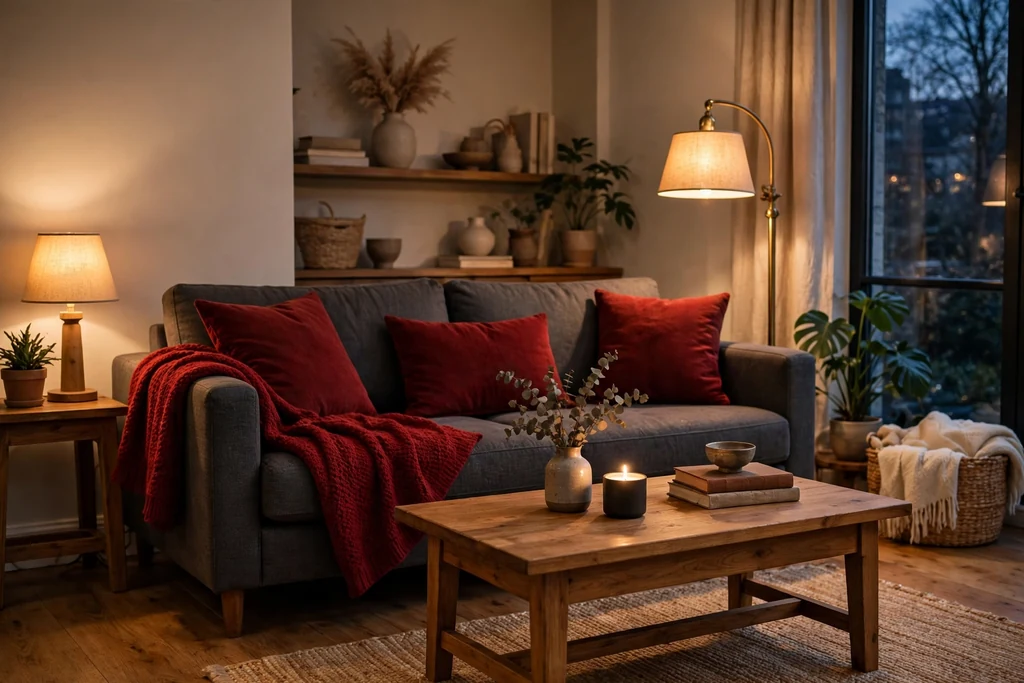
    15. Balance Red Against Charcoal Grey

    Charcoal grey sofa with deep red cushions and a red throw, a wood coffee table, and warm lamps.

    Red against charcoal grey is a modern pairing that keeps red from feeling traditional or seasonal. Use a charcoal sofa or charcoal walls as the calm base, then add red in cushions, a throw, a rug, or one chair, so the red pops without taking over. The grey grounds the red, and the red stops the grey from feeling flat, which is why the pairing works in both large and small rooms. For more ways to work a grey sofa as a base, see these grey couch living room ideas.

    Keep the balance clear: grey should cover most of the room, and red should cover roughly a third or less, in two or three places. Add one warm material, such as wood or brass, so the scheme does not feel cold, and use lamps at more than one height in the evening, since dark grey absorbs light. This pairing suits a room with good daylight or strong lamps, so the charcoal stays soft rather than gloomy.

    16. Keep It to One Bold Red Piece in a Small Room

    Small living room with one bold red armchair, cream walls, pale wood furniture, and a compact coffee table.

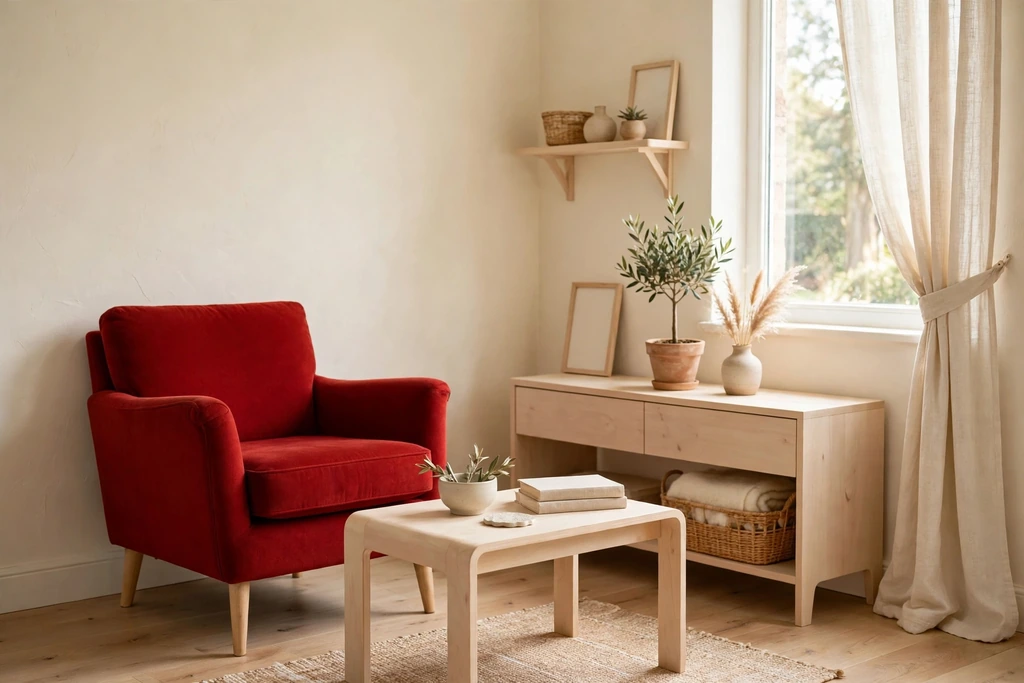
    In a small living room, one bold red piece is often more effective than several, since it gives the eye a single focal point and leaves the rest of the room calm. Pick the piece that earns its place: a red armchair, a red rug, or a red accent wall, and keep everything else in cream, soft grey, or pale wood. The room then feels styled, not crowded, and the red piece reads as a choice rather than clutter.

    Measure carefully before buying, and tape the footprint of a large piece on the floor so you can walk around it. Keep the walkways clear and the coffee table compact, so the red piece has room to breathe. If the room feels dark, add a mirror opposite the window and a floor lamp beside the red piece, so the color gets light from more than one direction.

    Conclusion

    Red works in a living room when it has a clear job and a calm background to sit against. Whether you paint one wall, buy a deep red sofa, or simply layer red cushions on a cream sofa, the same rules hold: pick your red with care, repeat it in two or three places, and keep the rest of the room quiet enough for the color to breathe. Start with the change that fits your budget and your nerve, live with it for a few weeks, and add the next red detail only if the room still asks for it. Save this guide on Pinterest to keep the ideas handy while you plan your room.

    Frequently Asked Questions

    What is the easiest way to add red to a living room?

    Start with cushions and a throw on a neutral sofa. They cost little, need no tools, and let you test how red feels in your light before you paint a wall or buy a red sofa. If you like the effect, add curtains or a rug in the same red family next.

    Does a red sofa go out of style quickly?

    A deep red sofa in a simple shape, such as burgundy velvet or brick red woven fabric, ages better than a bright cherry red in a trendy shape. Keep the rest of the room neutral and classic, and the sofa can stay in place for years while you refresh cushions and throws around it.

    What colors go well with red in a living room?

    Cream, warm white, soft grey, charcoal, natural wood, and brass all pair well with red. Cream and wood keep red relaxed, charcoal and brass make it feel modern or formal, and soft grey lets red stand out without competing with it.

    How much red is too much in a living room?

    A good guide is to let red cover roughly a third or less of the room, in two or three places, with the rest in calm neutrals. If every large surface is red, the room can feel busy and tiring, so step back and check the balance in daylight and lamplight.

    Can red work in a small living room?

    Yes, if you keep it to one bold piece, such as a red armchair or a red rug, and keep the walls and other furniture pale. A mirror, a floor lamp, and clear walkways help the red piece read as a focal point rather than clutter.

    How do I stop a red room from feeling too dark?

    Use red on one wall, one sofa, or a few accents rather than on every surface, and pair it with cream walls, pale wood, and lamps at more than one height. Warm white bulbs flatter red in the evening, while daylight and a mirror opposite the window keep the room bright by day.


  • 30 Japanese Living Room Decor Ideas to Make Every Corner Count

    30 Japanese Living Room Decor Ideas to Make Every Corner Count

    A Japanese living room earns its calm from what it leaves out as much as from what it keeps. Low furniture, natural wood, soft paper light, and one or two pieces with real meaning give the room room to breathe. These 30 Japanese living room decor ideas cover seating, screens, storage, light, plants, and small displays, so you can shape a room that suits daily life, not just a photo. Start with a low seat, a clear floor, and one quiet focal point, then add layers only where they help you rest, read, or gather.

    Key Takeaways

    • Keep the base quiet: warm white walls, visible wood, and a plain floor let a few strong pieces carry the room.
    • Sit low and close to the floor with tatami, floor cushions, or a low sofa, and keep walking routes clear.
    • Use screens, sliding doors, and hidden storage to keep clutter out of sight and the room easy to tidy.
    • Layer soft light at a low level with paper lamps and pendants, rather than one bright ceiling light.
    • Choose natural materials first: wood, cotton, linen, rush, bamboo, and handmade ceramics.
    • Give each corner one job, such as tea, reading, plants, or display, so no corner gathers random items.

    1. Build a Tatami Seating Zone

    Japanese living room seating zone on woven tatami mats with low floor cushions and a low wooden table.

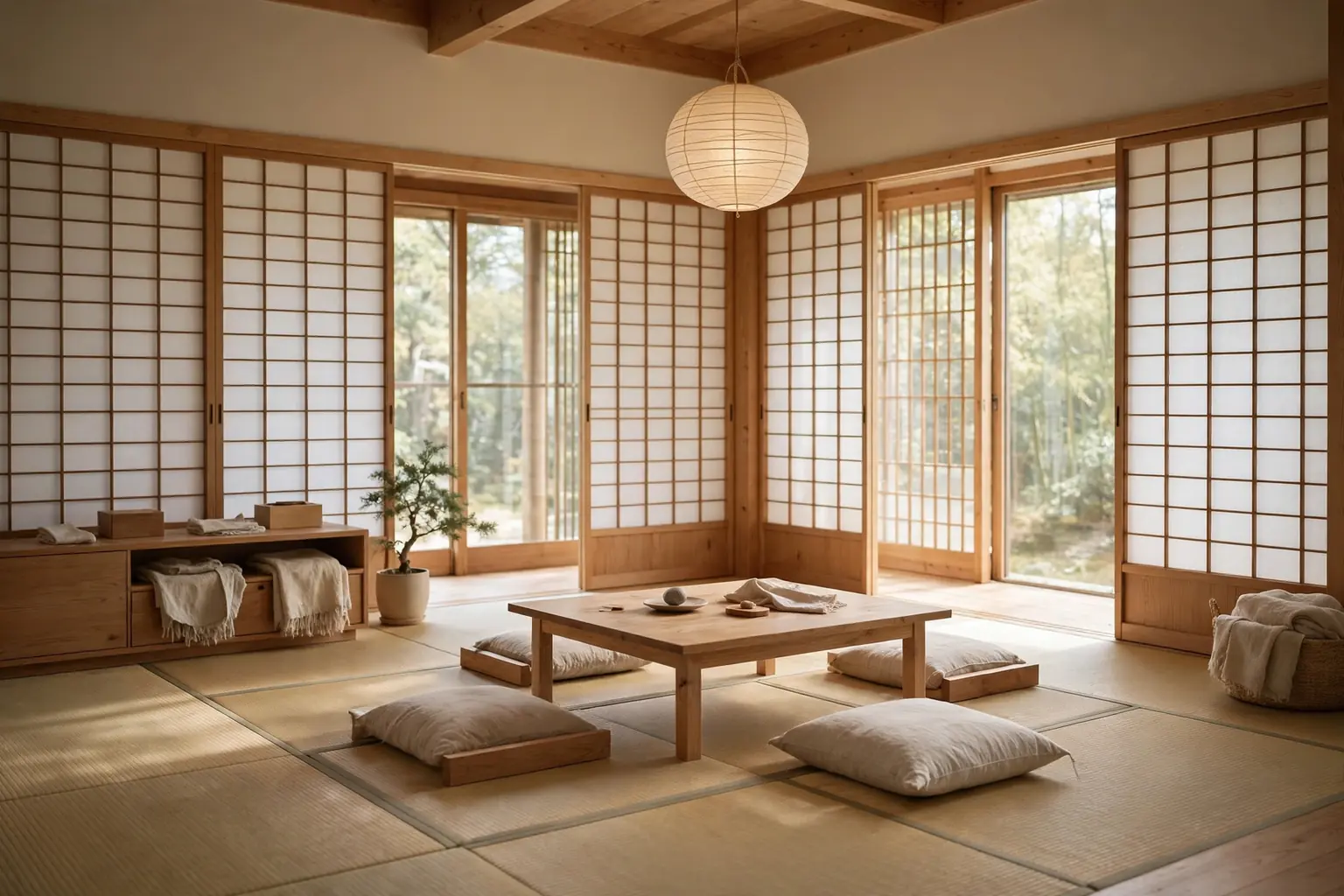
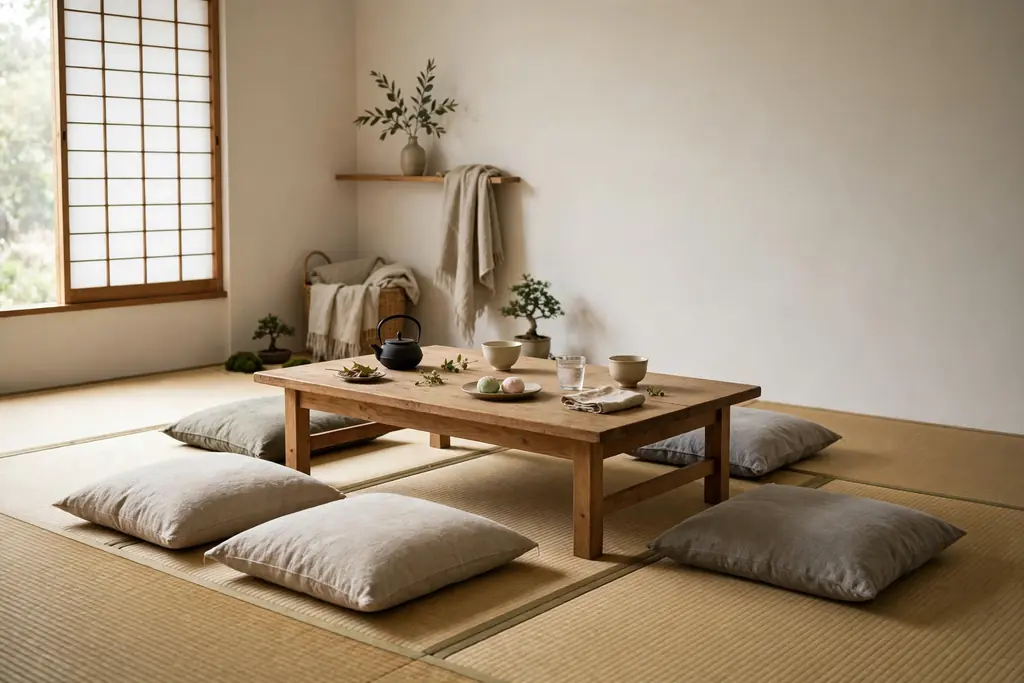
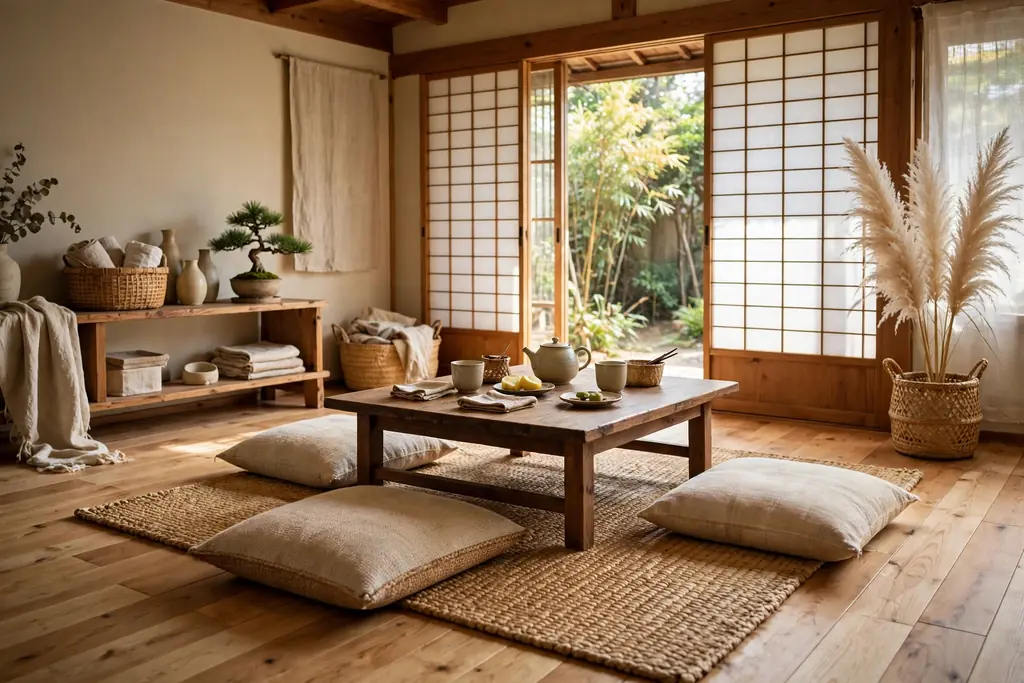
    Lay tatami mats over part of the floor to mark a clear seating zone, even in a room without a full tatami floor. The woven rush surface feels soft underfoot, smells faintly of grass, and tells everyone where to sit and where to walk. A zone of four to six mats suits a low table and cushions, while two mats can frame a single reading chair.

    Keep the mats dry and out of direct sun where possible, and lift them now and then to air the floor below. Use a low table and cushions on the mats, and keep shoes off them, so the zone stays clean and inviting. If full tatami mats are hard to find, a woven rush rug gives a similar texture and boundary.

    2. Choose a Low Wooden Coffee Table

    Low dark wooden Japanese coffee table in a calm living room with floor cushions and a tea set.

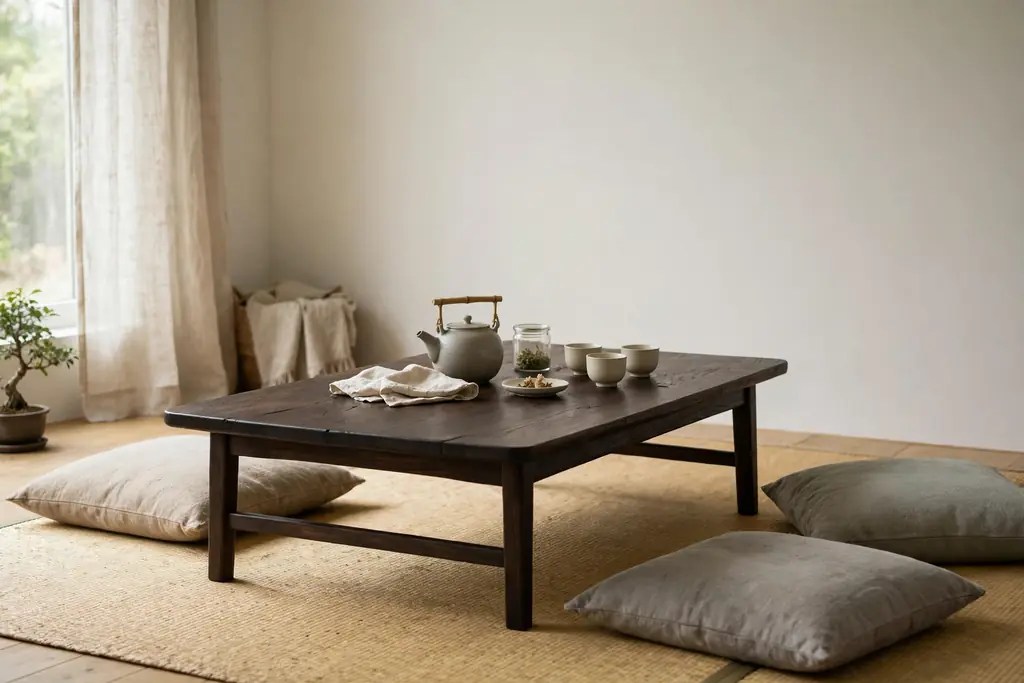
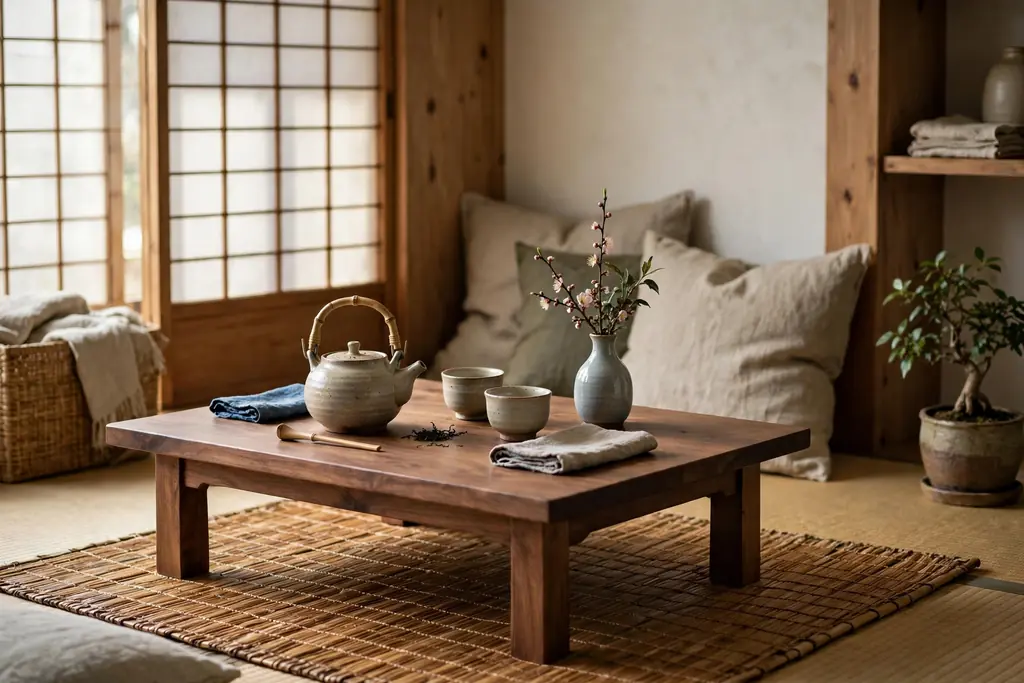
    Pick a low wooden coffee table, close to knee height when seated on cushions, as the center of the room. A simple rectangular top in oak, walnut, or pine keeps the room grounded, and a plain top leaves room for a tea tray, a book, and a small vase. The low height also keeps sight lines open across the room, which helps a small room feel larger.

    Choose a table with a lower shelf or a drawer if you need a place for coasters and remotes, and keep the top mostly clear. Wipe wood with a damp cloth, use felt pads under hot cups, and leave space around the table so cushions can be pulled in and out without moving furniture.

    3. Add Thick Zabuton Floor Cushions

    Japanese living room with thick zabuton floor cushions in muted indigo and cream around a low table.

    Add thick zabuton floor cushions in muted indigo, cream, or grey for seating that is soft, flexible, and easy to store. Zabuton cushions suit tatami zones, low tables, and tea corners, and they let you add seats for guests without buying more chairs. Their flat shape also stacks neatly in a closet when the room needs floor space.

    Pick covers you can wash, and choose a firm fill that holds its shape rather than a soft fill that flattens at once. Keep two or three cushions out for daily use and store spares nearby, so guests can join without a search through the house. A cushion in a plain color lasts longer in the scheme than a loud pattern.

    4. Divide the Room With Shoji Screens

    Japanese living room with wooden shoji sliding screens with translucent paper panels dividing the room.

    Use shoji screens, wooden frames with translucent paper panels, to divide a room, hide a work corner, or soften a doorway. The paper glows when light falls behind it, so a screen adds warmth even in daylight, and it gives privacy without a solid wall. A folding screen works in a rented home, while a sliding screen suits a room with a wide opening.

    Keep screens clear of heaters and open flames, and dust the paper gently with a dry cloth. Choose a simple grid pattern and a pale paper tone, and let one screen do the dividing work, rather than filling the room with panels. A screen placed near a window also softens harsh sun.

    5. Create a Tokonoma Display Alcove

    Japanese living room tokonoma alcove with a hanging scroll, a simple vase with one branch, and a low wooden platform.

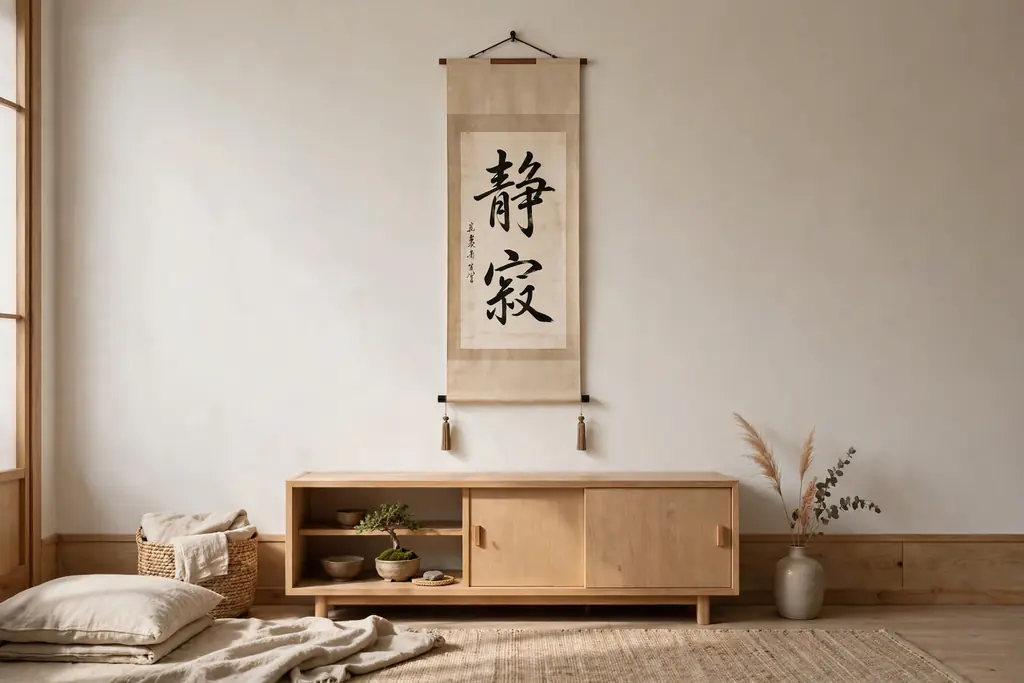
    Set aside one shallow alcove, or one clear wall niche, as a tokonoma style display, with a hanging scroll, one vase, and nothing else. The point is restraint: a single branch, one piece of art, and empty space around them give the display weight. This corner becomes the quiet focal point of the room, and it works best when the rest of the room stays plain.

    Change the display with the season, such as a blossom branch in spring or a bare branch in winter, and keep the alcove dust free. If you have no built in alcove, a low wooden platform against a plain wall, with a scroll above it, gives the same effect. Resist adding extra ornaments, since the empty space is part of the display.

    6. Try a Simple Ikebana Arrangement

    Simple ikebana flower arrangement with a few branches and one flower in a shallow ceramic dish on a wooden table.

    Try a simple ikebana arrangement with a few stems, one flower, and plenty of space between them, in a shallow dish or a tall vase. Ikebana values line and empty space over fullness, so three stems placed with care can say more than a large bouquet. A low arrangement suits a coffee table, while a tall branch suits a floor vase by the window.

    Trim stems at an angle, change the water often, and remove fading stems before they spoil the whole display. Keep the arrangement where it can be seen from the main seat, but clear of elbows and door swings. A single branch from the garden, in a plain ceramic vase, is a good first step.

    7. Make a Bonsai the Focal Point

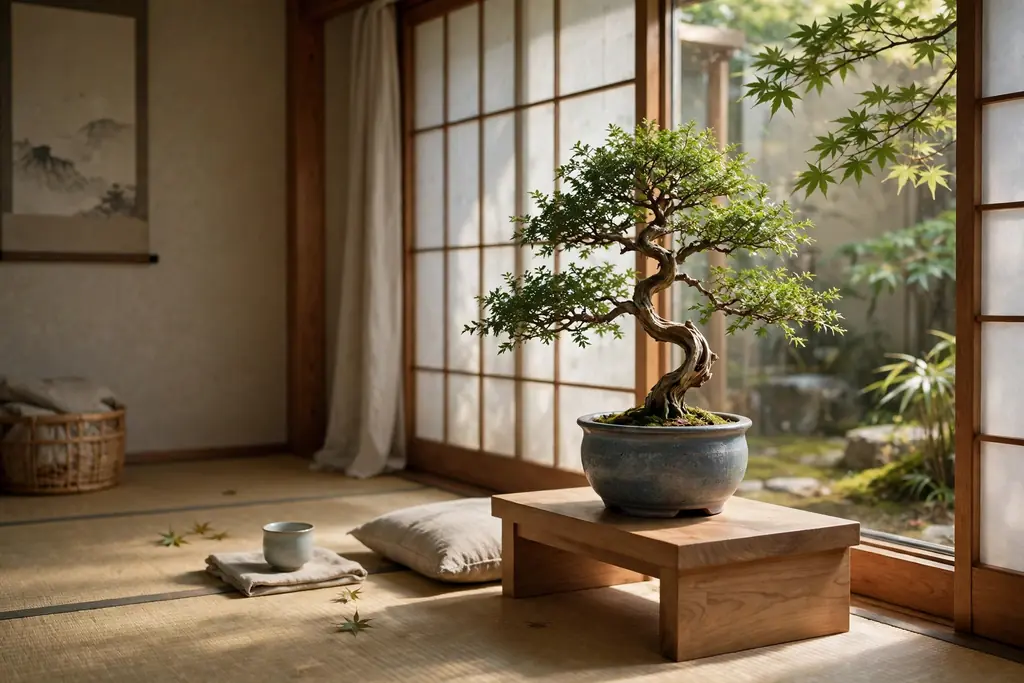
    Small bonsai tree in a ceramic pot on a wooden stand beside a window in a calm Japanese living room.

    Place one bonsai tree on a wooden stand, a low table, or a windowsill, and let it be the living focal point of the room. A bonsai brings a tree shape indoors at a small scale, and its slow growth rewards regular care. Choose a species suited to indoor light in your home, and check its water, light, and pruning needs before you buy.

    Keep the pot on a tray to protect wood surfaces, and turn the tree now and then so it grows evenly. A single bonsai, with a plain pot and a clear space around it, reads as a piece of art. Avoid crowding it with other plants, since a bonsai needs its own breathing room to be seen.

    8. Let Natural Wood Set the Tone

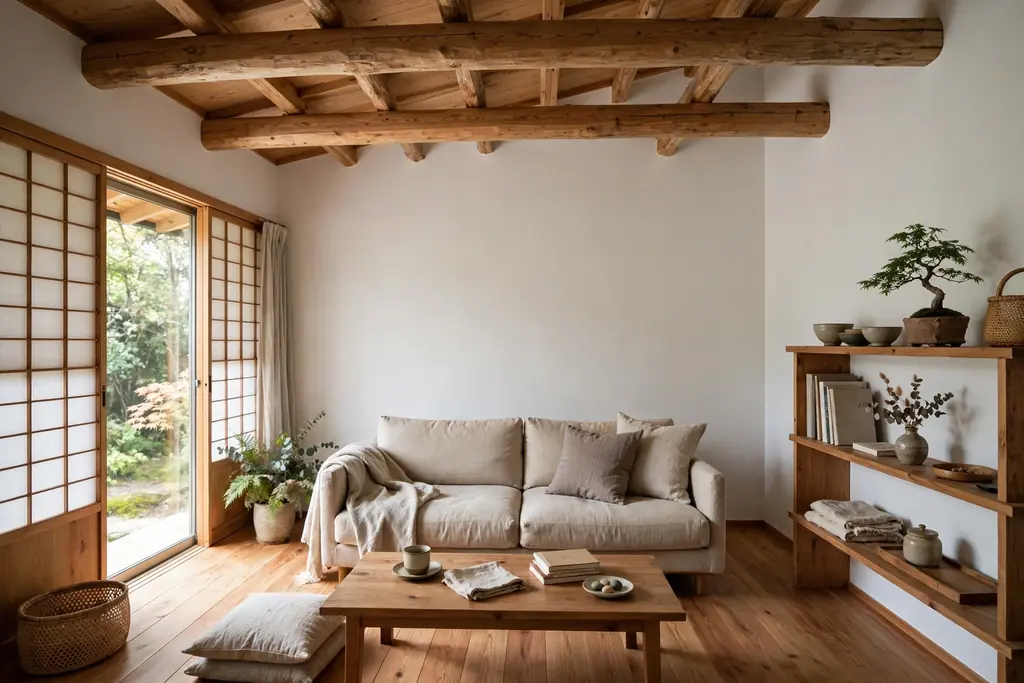
    Japanese living room with exposed natural wood beams, wood floor, plain white walls, and a low sofa.

    Let natural wood set the tone through floors, beams, shelves, and furniture in a warm, mid tone, rather than painted or glossy finishes. Wood grain adds pattern without color, and it links the room to the garden outside. Oak, pine, and walnut all suit a Japanese living room, as long as the tones stay close to each other.

    Mix wood tones only in small steps, such as a pale floor with a mid tone table, and repeat one tone at least twice so the room feels planned. Clean wood with a method suited to its finish, and use felt pads under chairs and tables. Keep wood clear of standing water, especially near plants and tea trays.

    9. Glow With a Paper Floor Lantern

    Japanese living room corner at dusk with a glowing paper floor lantern beside a low armchair.

    Place a paper floor lantern beside a chair or a low sofa for a warm, soft glow at sitting height. Paper diffuses light, so the lantern gives a gentle pool of light for reading, without the glare of a bare bulb. A lantern also adds a sculptural shape to a corner, even when it is switched off.

    Use a bulb suited to the lantern and keep the paper clear of heat sources, candles, and curtains. Choose a warm white bulb, and place the lantern where its light falls on the seat, not in the eyes of someone across the room. One lantern per seating zone is usually enough, with a second light only in a large room.

    10. Display Handmade Wabi Sabi Ceramics

    Wooden shelf in a Japanese living room displaying handmade rustic ceramic bowls and vases in earth tones.

    Display a small group of handmade ceramics, bowls, vases, and cups with uneven glazes and soft, earthy tones, on a shelf or a low cabinet. Wabi sabi ceramics value the marks of the maker, so a slightly uneven rim or a varied glaze is part of the appeal. A group of three to five pieces, with space between them, suits a shelf better than a crowded collection.

    Use one or two of the pieces daily, such as a tea cup or a small bowl, so the display stays part of life rather than a museum shelf. Keep ceramics clear of the edge, wash them by hand where the maker advises it, and pair them with plain wood so their texture stands out.

    11. Repeat Indigo Textiles in Small Doses

    Japanese living room sofa with indigo blue patterned cushions and a folded indigo throw.

    Repeat indigo textiles in small doses, such as cushions, a throw, and a table runner, against a neutral base of cream, grey, and wood. Indigo is a deep blue with a long history in Japanese dyeing, and it gives a calm room a clear accent without shouting. A pattern such as a simple stripe or a kasuri style weave adds interest while staying quiet.

    Keep the indigo to three places in the room, so it reads as a plan rather than a random splash. Wash indigo fabrics as the maker directs, since strong dye can transfer when wet. If you prefer a softer look, pair indigo with pale linen rather than with white, which can make the blue feel harsh.

    12. Hang a Noren Curtain in a Doorway

    Japanese living room doorway with a short split noren fabric curtain in natural linen hanging from a wooden rod.

    Hang a noren curtain, a short split fabric panel, in a doorway or across an open shelf to soften a threshold without a door. The split lets you walk through without pushing a full curtain aside, and the fabric adds color and texture at eye level. Natural linen, cotton, or hemp in a plain tone or a simple pattern suits a Japanese living room best.

    Hang the curtain from a simple wooden rod, at a height that covers the top of the opening but leaves the lower part open for air and light. Keep it clear of heaters and cooking heat, and wash it now and then, since a doorway curtain gathers dust. A noren over a storage nook also hides clutter while keeping it easy to reach.

    13. Store Daily Items in a Tansu Chest

    Japanese living room with a dark wooden tansu chest with small drawers and iron handles beside a low sofa.

    Use a tansu chest, a wooden chest with small drawers and iron handles, for daily items such as throws, games, chargers, and tea supplies. A tansu gives a room a strong, crafted anchor, and its small drawers suit the small items that otherwise pile on tables. Place it against a wall, beside a sofa, or under a window where it can be reached without blocking a path.

    Sort one drawer per item type, and keep the top clear except for one plant or one small display. Check drawer runners and handles before buying secondhand, since a chest that sticks will stay unused. A tansu in a dark wood tone pairs well with pale walls and a light rug.

    14. Bring in a Tall Bamboo Plant

    Tall potted bamboo plant in a ceramic pot in the corner of a calm Japanese living room beside a low sofa.

    Bring in a tall bamboo plant in a simple ceramic pot for height, green color, and a gentle rustle in a breeze. Bamboo suits a Japanese living room because its straight stems and narrow leaves add structure without bulk, and it fills a bare corner without a large piece of furniture. A single tall plant often works better than several small pots scattered around the room.

    Check the light and water needs of the variety you buy, since some bamboos spread fast or need bright light. Keep the pot on a tray, rotate it now and then for even growth, and prune dead stems promptly. Place bamboo where it will not block a screen, a scroll, or a window view.

    15. Set Out a Mini Zen Tray Garden

    Small tabletop zen garden tray with raked sand, smooth stones, and a tiny plant on a low wooden table.

    Set out a mini zen tray garden, a shallow tray with fine sand, smooth stones, and one small plant or moss patch, on a low table or a shelf. Raking the sand into simple lines is a quiet, hands on ritual, and the tray gives a table a focal point without flowers that fade in days. A tray garden suits a reading corner, a tea corner, or a desk area within the living room.

    Keep the tray on a stable surface, away from the edge, and rake it with a small wooden rake or a fork. Refresh the sand if it gets dusty, and keep stones clear of the table surface so they do not scratch wood. A tray garden is a display piece, not a toy for pets or small children to scatter.

    16. Hang One Sumi-e Ink Painting

    Japanese living room wall with a framed black ink sumi-e painting of mountains above a low wooden bench.

    Hang one sumi-e ink painting, a black ink work of mountains, bamboo, or a bird, in a simple frame above a low bench or a sofa. Ink painting uses a few bold strokes and a lot of empty paper, so it suits a plain wall and a quiet room. One large piece often works better than a gallery wall, since it gives the eye one place to rest.

    Hang the center at seated eye level, and keep the frame simple in black, natural wood, or pale wood. Keep the painting out of direct sun, which can fade paper, and out of damp spots. Pair it with a plain wall color, so the black ink stays the strongest dark note in the room.

    17. Hide Clutter Behind Sliding Doors

    Japanese living room with plain sliding wooden closet doors closed, with a tidy low seating area in front.

    Hide clutter behind sliding doors, whether built in closets or a low cabinet with sliding panels, so the living room can be tidied in minutes. Sliding doors suit small rooms because they need no swing space, and plain wood or paper panels keep the wall calm when closed. Use the closed storage for games, chargers, blankets, and anything that does not need to be on show.

    Label the inside of each door or shelf, so everyone in the house can put things back in the right place. Keep one shelf for daily items at hand height, and higher shelves for seasonal items. Check the door runners now and then, since a sticking door soon becomes a door left open.

    18. Hold a Warm White and Wood Palette

    Japanese living room with warm white walls, light wood floor and furniture, and cream sofa cushions.

    Hold a warm white and wood palette across walls, floors, and large furniture, and let smaller items carry the color. Warm white walls soften daylight, pale wood floors keep the room light, and a mid tone wood table anchors the seating group. This base makes it easy to change cushions, art, or plants with the season without repainting.

    Test warm white samples in morning and evening light, since a white that looks warm at noon can look grey at dusk. Keep ceilings and trim in a matching warm white, so the room reads as one calm space. If you rent and cannot paint, pale linen curtains and a large light rug can soften a cooler wall color in a similar way.

    19. Make a Tea Corner for Slow Mornings

    Quiet Japanese tea corner in a living room with a low table, ceramic teapot and cups, and a bamboo mat.

    Make a tea corner in one part of the living room, with a low table, a teapot, cups, a bamboo mat, and a small vase. A tea corner gives the room a ritual: a place to sit, pour, and pause, rather than a place to pass through with a mug. Keep the corner near a window or a plant, so the view is part of the pause.

    Store tea, cups, and a tray together in a basket or a tansu drawer, so setting up takes minutes. Use a tray to protect wood from spills, and keep a cloth nearby for quick wipes. A tea corner does not need a full tea set to start: a pot, two cups, and one comfortable cushion are enough.

    20. Add a Kotatsu for Cold Evenings

    Cozy Japanese living room with a low kotatsu table covered by a thick quilt blanket and floor cushions.

    Add a kotatsu, a low table with a heater underneath and a thick quilt draped over it, for cold evenings when the room needs warmth at seat level. A kotatsu turns a low seating zone into the warmest spot in the house, and it suits families who gather on the floor. Use a quilt in a plain or lightly patterned fabric, and keep the table top clear for cups and books.

    Follow the maker safety guidance for the heater, keep the quilt clear of open flames, and switch the heater off when the room is empty. In warm months, remove the quilt and use the table as a normal low table, so the piece earns its place all year. Place the kotatsu where people can sit on at least two sides.

    21. Layer a Woven Rush Rug

    Japanese living room with a woven rush rug under a low wooden table and floor cushions.

    Layer a woven rush rug under the low table and cushions to define the seating zone and add a natural, slightly rough texture underfoot. A rush rug suits a Japanese living room because it echoes tatami without a full tatami floor, and its pale straw tone lifts a wood floor. For size and placement help, see these living room rug ideas.

    Size the rug so the front of each cushion or chair rests on it, with a border of floor visible around the edges. Vacuum a rush rug gently, blot spills at once, and keep it out of damp spots, since natural fiber can hold moisture. If the rug is small, use it under the table only, rather than trying to cover the whole seating group.

    22. Hang a Calligraphy Scroll

    Japanese living room with a vertical calligraphy scroll hanging on a plain wall above a low wooden cabinet.

    Hang a vertical calligraphy scroll, a kakejiku, on a plain wall, with a low cabinet or a plant below it. A scroll adds height to a wall and a single word or phrase to think about, and its fabric borders give it a finished look without a heavy frame. Choose a scroll whose meaning you understand and like, since it will be read often.

    Hang it straight, at a height where the main characters sit at eye level when seated, and keep the wall around it clear. Roll the scroll and store it flat or upright in a dry place if you rotate displays, and keep it out of direct sun and damp air. One scroll per wall is enough in most rooms.

    23. Keep Open Shelving Sparse

    Low open wooden shelves in a Japanese living room holding books, ceramic bowls, and one small plant.

    Keep open shelving sparse, with books, ceramics, and one plant arranged in small groups, with gaps between them. Open shelves suit a Japanese living room when they stay calm, since every item is on show. Group books by height, place heavier items low, and leave at least one empty stretch of shelf, so the display can breathe.

    Anchor shelves firmly to the wall, check the weight rating before loading books, and dust the shelves weekly, since open storage shows dust fast. If a shelf starts to fill, move items to closed storage rather than adding a second crowded shelf. A sparse shelf is easier to tidy and easier to enjoy.

    24. Build an Engawa Style Window Seat

    Japanese living room window seat on a wooden veranda edge looking out to a small green garden.

    Build an engawa style window seat, a low wooden platform along a window, for sitting with a view of the garden or the street. An engawa is a veranda edge between inside and outside, and a window seat borrows that idea: a place to sit, read, and watch the weather, without a full chair. A cushion, a throw, and a small side table complete the seat.

    Keep the platform low, with a clear step up and down, and add a basket below or beside it for books and throws. If the window gets strong sun, use a cushion fabric that fades slowly, and add a sheer curtain to soften glare. Angle the seat toward the room as well as the window, so it feels part of the living space.

    25. Ground the Room With Charcoal Accents

    Japanese living room with charcoal black cushions, a black ceramic vase, and dark wood accents against warm white walls.

    Ground the room with charcoal accents, such as dark cushions, a black ceramic vase, and dark wood frames, against warm white walls and pale wood. Charcoal is the darkest note in a Japanese palette, and a few dark pieces stop a pale room from feeling washed out. Use charcoal in three places, such as a cushion, a vase, and a frame, so the dark tone repeats like a plan.

    Keep charcoal pieces matte rather than glossy, since a soft black suits wood and linen better than a shiny finish. Balance each dark piece with a light piece nearby, such as a cream cushion beside a charcoal one, so no corner feels heavy. A charcoal throw over a pale sofa is an easy first step.

    26. Hang a Washi Paper Pendant

    Japanese living room ceiling with a round white washi paper pendant light glowing softly over a low wooden table.

    Hang a washi paper pendant, a round or lantern shaped ceiling light in translucent paper, over the low table or the main seating zone. A paper pendant spreads light softly in all directions, and its simple shape suits a low room without drawing the eye up too hard. It also gives evening light a warm, even quality that suits paper lanterns at floor level.

    Hang the pendant low enough to light the table, but high enough to clear heads when standing. Use a warm white bulb, keep the paper clear of heat sources, and dust it gently with a dry cloth. One pendant over the main table, plus a floor lantern in a corner, gives most rooms enough layered light.

    27. Try a Low Floor Sofa

    Low floor sofa with thick cushions sitting close to the floor in a calm Japanese living room.

    Try a low floor sofa, a sofa frame close to the floor with thick, soft cushions, for a seat that feels relaxed without full floor seating. A floor sofa suits people who like low living but want back support, and it works well in a room with a low table and a rug. Choose a simple shape, in linen or cotton, with removable covers for washing.

    Keep the sofa depth generous, so legs can stretch out, and add a low side table for cups and books. Check the seat height against your low table, so cups are easy to reach. A floor sofa in a plain color pairs well with indigo cushions and a wood coffee table.

    28. Place a Potted Maple by the Window

    Japanese living room corner with a potted Japanese maple in a simple pot beside a window.

    Place a potted Japanese maple by the window, in a simple pot, for soft green leaves in summer and warm color in autumn. A maple brings a garden tree indoors at a scale that suits a living room corner, and its leaves change through the year, which gives the room a seasonal rhythm. Choose a variety suited to pot life and to the light by your window.

    Water as the variety requires, keep the pot on a tray, and prune lightly to keep its shape. Move the maple outside for a rest period if the variety needs a cold season, and check with a local nursery if you are unsure. One maple, with clear space around it, reads better than a crowded group of pots.

    29. Rotate a Seasonal Display

    Japanese living room shelf with a small seasonal display of cherry blossom branches in a vase.

    Rotate a seasonal display on one shelf or one table, changing a branch, a flower, or a small object with the season. A cherry blossom branch in spring, a green maple stem in summer, and a bare branch with a red leaf in autumn each give the room a fresh focal point, without buying new furniture. The display stays small, so the change takes minutes.

    Keep the display to one vase and one or two stems, and store seasonal pieces together in a labeled box. Change the display when the season changes, not every week, so the room feels settled rather than restless. A seasonal display pairs well with a tokonoma alcove or a single shelf.

    30. Layer Low Light for Evening Calm

    Calm Japanese living room in the evening with low lamps, a low sofa, a paper light, and a tidy wooden shelf.

    Layer low light for evening calm, with a paper pendant, a floor lantern, and one small table lamp, all at or below eye level when seated. Low light makes a room feel settled after dark, since it lights faces and tables without glaring from above. Use warm white bulbs throughout, and add a dimmer where possible, so the light can drop as the evening goes on.

    Switch lights on in layers: the pendant first for general light, then the lantern for warmth, then the table lamp for reading. Keep cords out of walking routes, and use battery candles only where real flames are not practical. A room lit low, with a tidy floor and a warm seat, invites people to stay.

    Conclusion

    A Japanese living room does not need a full redesign to feel calm. Start with a low seat, a clear floor, and a quiet base of warm white and wood, then add one screen, one plant, and one piece of display that means something to you. Keep storage closed, light low and soft, and each corner given one clear job. Pick one idea from this list, set it where you actually sit, and add the next layer only after the first change feels right in daily use.

    Save this list on Pinterest before your next room refresh, and work through it one corner at a time: seating first, then light, then the plants and displays that make the room yours.

    FAQs

    What is the simplest way to start a Japanese living room?

    Start with a low seat, a clear floor, and a quiet wall color. Add a low table, floor cushions or a low sofa, and one plant or one piece of art, then live with that base for a while. A Japanese living room works when the base is calm, so avoid buying many small decorations at once.

    Do I need tatami mats for a Japanese living room?

    No, tatami mats help, but they are not required. A woven rush rug, a low table, floor cushions, and natural wood give a similar feel in a room with a wood or plain floor. If you do use tatami, keep the mats dry, keep shoes off them, and air the floor below them now and then.

    How do I keep a Japanese living room from feeling empty?

    Give each corner one job, such as tea, reading, plants, or display, and keep the main seating zone comfortable with cushions, a throw, and soft light. A room feels empty when it has no comfortable seat or no focal point, not when it has empty floor space. One plant, one scroll, and one warm lamp usually fill the gap.

    What colors suit a Japanese living room?

    Warm white, pale and mid tone wood, cream, grey, and soft green form the base, with indigo and charcoal as accents. Keep strong color to a few repeated pieces, such as cushions and a vase, so the room stays calm. Seasonal plants and branches add color that changes naturally through the year.

    Are shoji screens practical in a modern home?

    Yes, with care. A folding shoji screen works in a rented home, while a sliding screen suits a wide opening. Keep paper panels clear of heaters, open flames, and damp spots, and dust them gently. Shoji screens give privacy and soft light without a solid wall, and they can be moved or stored when not needed.

    How can I make a small living room feel Japanese without clutter?

    Use low furniture, closed storage, and one focal point per wall. A low sofa or floor cushions, a small low table, a paper pendant, and one plant give the style without filling the floor. Keep walking routes clear, store spare cushions and throws in a closet or a tansu chest, and let empty wall and floor space stay empty.


  • 11 Kid Friendly Living Room Decor Ideas for Homes of Every Size

    11 Kid Friendly Living Room Decor Ideas for Homes of Every Size

    A living room shared with children has to work twice as hard as an adults only room. It needs a sofa you can sit on without worry, a floor that survives spills and building blocks, and storage that lets toys disappear before guests arrive. These 11 kid friendly living room decor ideas cover seating, tables, rugs, storage, walls, and play zones, so you can pick the mix that fits your room size and your children’s ages. Start with the pieces your family touches every day, then add the fun details once the practical base is in place.

    Key Takeaways

    • Choose washable, wipeable, and rounded pieces first, since the sofa, rug, and coffee table take the most daily wear.
    • Give every toy category one low, open home children can reach, so tidying becomes a habit rather than a nightly battle.
    • Keep one soft floor zone for play and one clear walking route through the room, so adults and children can share the space safely.
    • Use the walls for art display and storage, which frees floor space and lets children see their work valued.
    • Pick decor children cannot easily break, such as fabric wall hangings, soft poufs, and shatterproof frames.
    • Plan for growth: adjustable shelves, a table that suits more than one age, and neutral large pieces that outlast a favorite color phase.

    1. Washable Slipcovered Sofa

    Living room sofa with a light washable slipcover and washable cushions beside a basket of spare covers.

    A slipcovered sofa is the most forgiving seat for a family room, because the covers come off and go in the wash after juice spills, muddy knees, and craft glue. Choose a tight weave cotton or performance fabric in a mid tone, which hides marks better than very pale or very dark fabric, and keep a spare set of covers if the maker sells them. Check that the slipcover fits snugly after washing, and follow the care label for drying so the cover does not shrink.

    Pair the sofa with washable cushion covers in the same fabric family, so the whole seat can be refreshed at once. A sofa with removable legs also helps, since you can lift it to retrieve lost toys and clean underneath. For more ideas on pairing a practical sofa with the rest of the room, see these grey couch living room ideas.

    2. Soft Ottoman as a Coffee Table

    Soft upholstered ottoman used as a coffee table with a tray of books in a family living room.

    Swap a hard cornered coffee table for a large, soft ottoman and you remove the most bumped into piece in the room. A firm topped ottoman still holds a tray for drinks and books, while its padded sides are kind to toddlers learning to walk and to older children racing past. Choose one with a removable, washable top or a wipe clean surface, and check that it is heavy enough not to slide when a child leans on it.

    Many ottomans open for storage, which gives blankets, board games, and small toys a home right where they are used. Place a sturdy tray on top to create a flat surface for mugs, and lift the tray away when the ottoman needs to become extra seating. This one swap suits small rooms especially well, since the ottoman can serve as table, seat, and storage in a single footprint.

    3. Low Open Toy Cubbies

    Low open cubby shelves with labeled baskets of toys in a bright living room.

    Low open cubbies let children see, reach, and return their own toys, which is the simplest way to keep a living room tidy. Set the unit at child height, with one basket or bin per category, such as blocks, dolls, cars, and art supplies, and label each bin with a picture as well as a word for younger children. Anchor the unit to the wall following the maker’s instructions, since climbing children can tip unsecured furniture.

    Keep the cubbies to one wall or one section of the room, so toys have a clear boundary and the rest of the room stays adult. Rotate the contents every few weeks, storing the rest out of sight, so the selection stays fresh without buying more. In a small home, the same low storage approach works well alongside the layout ideas in these cozy apartment living room ideas.

    4. Washable Stain-Resistant Rug

    Patterned washable low pile rug under a sofa in a family living room.

    A washable rug changes how relaxed you can be about a family living room, because spills stop being emergencies. Choose a low pile, machine washable rug large enough for the front legs of the sofa to rest on it, and keep a second rug pad or a spare rug if you want a quick swap on wash day. Darker patterns and busy prints hide crumbs and marks between washes better than a plain pale rug.

    Check the washing instructions before buying, since some washable rugs need a large capacity machine or air drying. A rug pad underneath stops sliding on hard floors and adds a little cushioning for floor play. For sizing and placement guidance, see these living room rug ideas, and pick the size that fits your seating group before you pick a pattern.

    5. Floor Cushion Reading Nook

    Cozy reading nook with floor cushions and a basket of books beside a living room window.

    A reading nook built from floor cushions gives children a cozy spot that does not need a dedicated room. Place a low book basket or a short shelf beside a window or a quiet corner, add two or three large floor cushions and a soft throw, and keep a small lamp nearby for evening reading. The cushions can be stacked or moved aside when adults need the floor space back.

    Let children choose a few favorite books for the basket and rotate them with the seasons, so the nook stays inviting. Washable cushion covers matter here too, since the nook will see snacks, naps, and sprawled out reading sessions. This corner also doubles as a calm down spot, which is useful on busy days when the main seating area feels too lively.

    6. Rotating Kids Art Display Wall

    Living room wall displaying children's drawings on a wire with clips above a sofa.

    A display wall for children’s art turns the living room into a gallery children feel proud of, without damaging the walls. Hang a wire with clips, a picture ledge, or a set of clip frames at child eye height, and swap the pieces every few weeks as new work comes home. Keeping the display to one defined wall or one row of ledges stops art from spreading to every surface.

    Use lightweight frames and fixings suited to their weight, and keep glass out of reach of very young children, or use open clip frames with no glazing. Photograph favorite pieces before they are retired, so the wall can change without losing the memory. A rotating display also teaches children that their work is valued and that change is part of decorating, not a rejection of older pieces.

    7. Wipe-Clean Walls and Wainscot

    Living room with wipe clean lower wall panels and a neutral upper wall beside a sofa.

    Walls in a family living room take crayons, fingerprints, and ball marks, so the finish matters as much as the color. A washable, scrubbable paint in eggshell or satin lets you wipe most marks away with a damp cloth, while flat paint tends to show every touch. Paint the lower half of the wall, or add a wipe clean wainscot or beadboard panel, to protect the zone little hands reach most.

    Keep the upper walls a calm neutral and save stronger color for the lower panels or one accent wall, so the room still feels grown up. Test the paint finish on a small patch first, and check that your cleaning method suits the paint maker’s guidance. This idea pays for itself the first time a crayon masterpiece appears at toddler height and wipes away in minutes.

    8. Soft Play Mat Zone

    Soft play mat zone with building blocks in a corner of a family living room.

    A defined play mat zone gives children a clear place to build, tumble, and sprawl, while the rest of the room stays a seating area. Use interlocking foam mats, a thick padded play rug, or a foldable mat in a pattern that suits the room, and place it beside the toy cubbies so play and storage stay close together. The mat also protects hard floors from dropped blocks and toy cars.

    Choose mats that wipe clean and lie flat without curling edges, which can trip small feet. Foldable mats can be leaned against a wall or slid behind a sofa when guests visit, while a permanent play rug suits a room that is mainly a family space. Keep the zone away from the television stand and any tip prone furniture, and leave a clear path around it for adults walking through.

    9. Hidden Storage Bench and Trunk

    Storage bench under a living room window with toy bins inside its open lid.

    A storage bench or a sturdy trunk hides the toys that do not fit the open cubbies, such as large sets, dress up clothes, and sports gear. Place the bench under a window or against a wall where it can also serve as extra seating, and choose a lid with a soft close hinge so small fingers do not get caught. Inside, use small bins to sort categories, so the bench does not become one mixed pile.

    A trunk with a flat top can double as a side table, holding a lamp or a stack of books, which helps it look like adult furniture. Label the bins inside, and do a quick sort once a month to remove broken or outgrown toys. Hidden storage is what makes a family living room look calm in the evening, after the open cubbies have done their daytime job.

    10. Unbreakable and Soft Decor

    Family living room with fabric wall hangings

    Decor that cannot break removes a whole category of worry from a family living room. Swap glass vases for ceramic, wood, or metal ones, use shatterproof acrylic frames instead of glass, and hang fabric wall hangings, felt banners, or woven pieces where a child might reach. Soft poufs and floor cushions add seating and color without a single sharp edge.

    Keep treasured or fragile pieces high, behind closed doors, or in a room children use less, rather than hoping children will remember not to touch them. Check that wall hangings are fixed securely and that any cords, such as those on blinds or lamps, are cord free or safely secured out of reach. The room will still look finished, because texture, color, and shape carry the style, not fragile materials.

    11. Kid-Sized Craft and Homework Table

    Kid sized craft table with small chairs

    A small table at child height gives drawing, homework, and crafts a proper home, instead of spreading across the coffee table. Choose a sturdy table with wipe clean top and two or three small chairs, and place it near daylight with a low shelf or a caddy for paper, crayons, and glue. A table with a wipe clean surface means paint and marker accidents stay on the table, not on the sofa.

    Keep the table’s supplies in one caddy that children can carry to the table and put away themselves, which builds the tidy habit the rest of the room relies on. As children grow, the same table can hold homework and board games, and the chairs can be swapped for taller ones. If your living room also holds a dining table, the zoning ideas in these small living room dining room combo ideas help the craft table sit beside the adult table without crowding the room.

    Conclusion

    A kid friendly living room is not a room without style, and it is not a playroom with a sofa in it. It is a shared space where washable fabrics, soft edges, low storage, and wipe clean surfaces do the hard work quietly, so both adults and children can relax. Start with the sofa, the rug, and one storage solution, then add the art wall, the reading nook, and the craft table as your family settles into the routine. Try one or two ideas this weekend, watch how your children use them, and adjust before adding more. If an idea here helped your space, save this post to your family home board on Pinterest so you can find it when you are ready for the next change.

    Frequently Asked Questions

    What fabric holds up best on a family living room sofa?

    A tight weave cotton slipcover or a performance fabric rated for heavy use is usually the most practical choice, because both handle frequent cleaning. Slipcovers have the extra benefit of coming off for washing, while performance fabrics resist stains on the sofa itself. Check the care label before buying, and keep a spare set of covers if the maker offers them, so the sofa is never out of action on wash day.

    How do I keep toys from taking over the living room?

    Give every toy category one low, open home, such as a labeled basket in a cubby unit, and keep the rest in hidden storage or rotation boxes elsewhere. Children tidy more willingly when they can see and reach the right bin, and a weekly rotation keeps the selection fresh without new purchases. A short tidy routine before bedtime, with children returning items to their own bins, keeps the room calm for the evening.

    What coffee table is safest for a home with toddlers?

    A soft ottoman with a tray on top is the safest common choice, since it has no sharp corners and doubles as extra seating and storage. If you prefer a table, choose one with rounded corners, a stable base that will not tip when leaned on, and a height that keeps hot drinks out of easy toddler reach. Avoid glass topped tables in the toddler years, since they show every mark and can be a hazard if broken.

    How can I display my children’s art without damaging the walls?

    Use a wire with clips, a picture ledge, or clip frames fixed with a small number of fixings, and rotate the pieces regularly. These options need far fewer holes than hanging each piece separately, and they let you change the display as new work arrives. Keep the display at child eye height on one wall, use lightweight frames, and photograph favorite pieces before retiring them.

    What rug works best in a kid friendly living room?

    A low pile, machine washable rug in a busy pattern or mid tone is the most forgiving choice, since it hides marks and can be washed after spills. Size it to your seating group first, with the front legs of the sofa resting on it, and use a rug pad to stop sliding. Check the washing instructions before buying, since some washable rugs need a large machine or air drying.

    How do I make a small living room kid friendly without crowding it?

    Pick furniture that does two jobs, such as a storage ottoman and a storage bench, and use the walls for cubbies, shelves, and art display instead of adding floor standing units. Keep one soft play zone and one clear walking route, and rotate toys so only a small selection is out at once. A calm neutral base with washable covers keeps the room feeling adult, while the children’s pieces stay contained in their zones.


  • 26 Pink Living Room Decor Ideas for a Warm, Inviting Home

    26 Pink Living Room Decor Ideas for a Warm, Inviting Home

    Pink can make a living room feel warm, soft, and welcoming when it is used with care. The trick is to pick a pink you like living with, such as blush or dusty rose, and pair it with calm neutrals like cream, warm grey, and pale wood. A little pink in the right places feels cozy and grown up, while pink on every surface can feel tiring. These 26 pink living room decor ideas cover walls, seating, textiles, lighting, storage, and small accents, so you can start with one change or build a full scheme over time. Begin with the largest piece, usually the sofa or the rug, then repeat the same pink once or twice more around the room.

    Key Takeaways

    • Pick one pink family and stay with it: blush, dusty rose, or muted raspberry, mixed with cream, warm grey, and pale wood.
    • Let one large piece carry the pink, such as the sofa, the rug, or an accent wall, and keep the rest of the room calm.
    • Repeat the pink in two or three places, not in every corner, so the room looks planned rather than crowded.
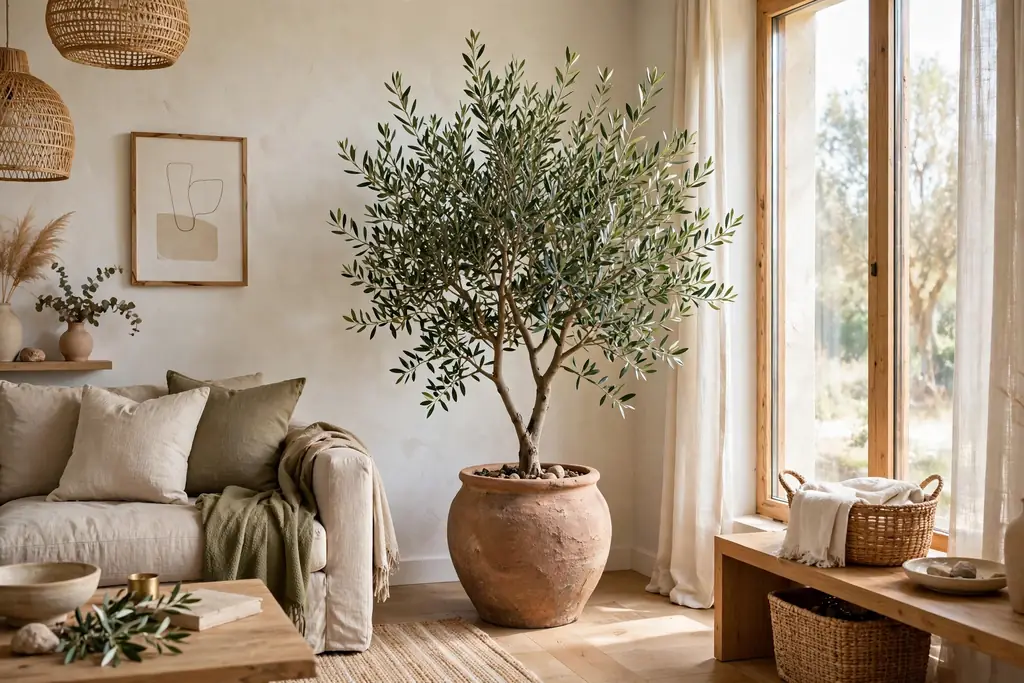
    • Mix textures to keep pink from looking flat: velvet, knit, linen, ceramic, and wood all soften the same color in different ways.
    • Use warm light, plants, and wood tones to keep a pink room feeling inviting rather than sugary.
    • Test paint, fabric, and rug samples in daylight and lamplight before you commit, since pink shifts a lot between the two.

    1. Paint One Blush Accent Wall

    Living room with a soft blush pink accent wall behind a cream sofa and a wood coffee table.

    Paint a single wall in soft blush pink, usually the wall behind the sofa, and keep the other walls cream or warm white. One pink wall gives the room a clear focal point and a warm glow, while the pale walls around it stop the color from closing the room in. Blush suits most rooms because it reads as a warm neutral in daylight, especially with pale wood floors and cream furniture.

    Test two or three blush samples on the wall and look at them in morning light and evening lamplight before painting the full wall. Keep the ceiling, trim, and skirting in warm white so the pink wall stands out cleanly. If the room is small or dark, paint only the wall behind the sofa and leave the wall with the window pale, so daylight still bounces around the room.

    2. Choose a Blush Pink Sofa

    Living room centered on a blush pink sofa with plain cream cushions and a wood coffee table.

    Choose a blush pink sofa as the main seat in the room, in a plain fabric that can take daily use. A pink sofa sets the whole scheme at once, so cushions, rugs, and throws can stay simple in cream, grey, and wood tones. A two or three seat sofa with slim arms suits most rooms better than a large sectional, which can leave little room for other pink notes.

    Pick a washable or removable cover where you can, since a light pink sofa shows marks faster than a darker one. Keep the cushions in cream and one deeper pink, and let a wood coffee table and a pale rug ground the seating group. If a full pink sofa feels like a big step, a pink slipcover on a sofa you already own lets you test the color for a season.

    3. Add a Pink Velvet Armchair

    Cozy living room corner with a dusty pink velvet armchair, a small side table, and a floor lamp.

    Add a dusty pink velvet armchair as a second seat beside the sofa or by the window. Velvet gives pink a richer, deeper look than flat cotton, and one chair is enough to make the color feel deliberate without dominating the room. A chair with wooden legs keeps the piece light, which matters in a small room where a fully upholstered chair can look heavy.

    Pair the chair with a small side table and a reading lamp, so it becomes a seat people actually use rather than a display piece. Keep the chair cushion plain and let a cream throw soften the velvet. If you already own a neutral armchair, a pink velvet cushion and a pink throw can hint at the same idea while you decide whether a new chair is worth the cost.

    4. Layer Pink and Cream Cushions

    Cream sofa styled with layered cushions in blush pink, dusty pink, and cream.

    Layer cushions in blush pink, dusty pink, and cream on a cream or grey sofa, mixing plain cushions with one simple pattern. Cushions are the easiest way to try pink, since they cost little, need no tools, and can be swapped with the seasons. Three to five cushions suit a standard sofa, with the largest at the outer ends and smaller ones in front.

    Vary the texture rather than adding more colors: one velvet cushion, one linen cushion, and one knit cushion give more interest than three identical pink cushions. Keep one cushion in a deeper pink so the group has depth, and keep the rest pale. If the sofa is already pink, use cream cushions with a single pink one, so the seat does not turn into one solid block of color.

    5. Anchor the Room With a Pink Patterned Rug

    Living room seating group with a pink patterned area rug under a cream sofa and wood coffee table.

    Lay a pink patterned rug under the seating group, large enough for the front legs of the sofa and chairs to rest on it. A rug in pink with cream, grey, or soft terracotta pattern anchors the room and ties the sofa, chairs, and coffee table into one group. Pattern also hides everyday marks better than a solid pink rug, which helps in a room that gets daily use.

    Measure the seating zone before buying, and tape the rug outline on the floor to check walking routes and door swings. For more help with size and placement, see these living room rug ideas. Keep the rug pattern simple if cushions or art already carry pattern, and use a rug pad underneath on a smooth floor. A flatweave or low pile rug is easier to vacuum and to slide chairs across than a thick pile.

    6. Hang Sheer Blush Curtains

    Bright living room window dressed with sheer blush pink linen curtains falling to the floor.

    Hang sheer blush curtains from close to the ceiling to the floor, so daylight filters in softly and the window feels taller. Sheer pink linen or voile gives privacy in the daytime without shutting out light, and the pale pink tint warms the daylight in the room. White, cream, and blush sheers all work, with blush giving the strongest warm glow.

    Use a simple rod in wood or black metal, and let the curtains fall straight rather than pooling heavily on the floor. Add a heavier cream pair at the sides only if the room gets cold drafts or needs evening privacy. Wash the sheers now and then, since pale pink shows dust faster than a darker curtain, and check the color in daylight before you buy, since sheer fabric looks paler on the window than on the roll.

    7. Drape a Chunky Pink Knit Throw

    Living room sofa arm draped with a chunky pink knit throw, with a folded throw in a basket beside it.

    Drape a chunky pink knit throw over one sofa arm or across the back of an armchair, and keep a second folded throw in a basket nearby. A knit throw adds warmth and texture at once, and the chunky weave breaks up smooth velvet and linen in the same room. Blush, dusty pink, and soft raspberry knits all suit a cream sofa, with dusty pink giving the calmest result.

    Choose a throw you can wash, since a throw on a sofa arm sees daily use, and fold it neatly rather than leaving it in a loose pile. Keep the throw on the seat people actually use, not on a chair kept only for show, so it stays part of daily life. In warm months, fold the throw over the chair back instead of removing it, so the room keeps its soft pink layer without feeling heavy.

    8. Build a Pink Art Gallery Wall

    Living room wall above a cream sofa hung with framed art prints in pink, cream, and soft green.

    Hang a gallery wall above the sofa or along one wall, using art prints in pink, cream, and soft green with matching frames in pale wood, white, or black. A gallery wall lets you use pink in art rather than paint or furniture, which suits renters and anyone who likes to change art with the seasons. Keep the frames consistent so the group reads as calm rather than busy, even when the prints differ.

    Hang the center of the group at eye level when seated, and keep the outer edges inside the width of the sofa. Mix one large print with smaller ones, and leave even gaps between frames so the wall does not look crowded. Include one print with no pink at all, such as a cream or green botanical print, so the pink prints stand out instead of blending into one pink block.

    9. Style Pink Ceramic Vases on Shelves

    Living room shelves styled with pink ceramic vases in different heights and shapes.

    Style pink ceramic vases in different heights and shapes on open shelves, a mantel, or a sideboard, with some left empty and some holding dried stems. Ceramics are a low cost way to bring pink into a room, and a group of three vases in blush, dusty pink, and cream looks collected rather than matched. Matte glazes suit a calm room, while a gloss glaze suits a room that needs a little shine.

    Group vases in odd numbers, vary the heights, and leave space around each group so the shelf does not look crowded. Keep heavier vases low and lighter ones higher, and anchor shelves into studs or with fixings suited to your wall type before loading them with ceramics. If the shelves already hold books, place one pink vase at the end of a row of books rather than filling a whole shelf with vases.

    10. Bring In Fresh Pink Flowers

    Living room coffee table with a glass vase of fresh pink peonies and roses.

    Bring in fresh pink flowers, such as peonies, roses, ranunculus, or tulips in season, in a plain glass or cream vase on the coffee table or sideboard. Fresh flowers give pink a natural, changeable note that no painted surface can match, and they suit a room that is otherwise neutral. A single bunch in one color looks calmer than a mixed bunch in many colors.

    Change the water every couple of days, trim the stems at an angle, and keep the vase out of direct sun so the blooms last longer. When fresh flowers are out of season or out of budget, good quality dried pink stems or a single faux bunch in a ceramic vase gives a similar color note. Keep the arrangement low enough that it does not block conversation across the coffee table.

    11. Add a Pink Velvet Ottoman

    Living room with a round dusty pink velvet ottoman in front of a cream sofa.

    Add a round or square dusty pink velvet ottoman in front of the sofa, with a tray on top for a cup, a book, or a candle. An ottoman works as a footrest, an extra seat, and a coffee table in one piece, which suits a small room where a full table and a footrest would crowd the floor. Velvet keeps the ottoman soft to sit on and pleasant to rest feet on.

    Pick an ottoman with a firm top if you plan to set a tray on it, and keep the tray in wood or brass so cups do not tip on soft velvet. Store the ottoman close to the sofa when it is used as a footrest, and pull it out as extra seating when guests visit. If the sofa is already pink, choose a cream ottoman with a pink tray instead, so the seating group does not turn into one solid color.

    12. Paint a Bookcase Dusty Pink

    Living room with a bookcase painted soft dusty pink, filled with books and cream ceramics.

    Paint a bookcase or a freestanding cabinet in dusty pink, and fill it with books, cream ceramics, and a small plant. A painted bookcase gives a large block of pink without painting a wall, and it suits a room where the walls must stay pale, such as a rental with a painted wall limit. Dusty pink reads as warm and calm on furniture, especially with wood shelves and cream objects.

    Prepare the surface well, use paint suited to furniture, and let each coat dry fully before loading the shelves, so books do not stick to tacky paint. Keep the objects on the shelves mostly cream, wood, and green, with only one or two pink pieces, so the pink frame stays the detail. If painting a whole bookcase feels like a big step, paint only the back panel pink and leave the frame cream, which gives a pink glow behind the books.

    13. Make a Pink Window Bench

    Bright living room window seat with a blush pink bench cushion and pink and cream cushions.

    Make a window bench inviting with a blush pink bench cushion, pink and cream cushions, and a folded throw, in a bay window or under a wide living room window. A window seat turns an unused spot into a reading corner, and pink cushions make it feel like a deliberate part of the scheme rather than an afterthought. A bench cushion in a washable fabric matters here, since window seats get sun, dust, and daily sitting.

    Add a small side table or a shelf nearby for a book and a cup, and keep the bench clear of clutter so it stays usable. If the window gets strong sun, pick a pink fabric that resists fading, and rotate the cushions now and then so one end does not fade faster than the other. In a room without a built in bench, a low storage bench under the window gives the same seat with useful storage inside.

    14. Pick a Pale Pink Coffee Table

    Living room with a pale pink lacquer coffee table in front of a cream sofa.

    Pick a pale pink lacquer or painted coffee table as the center of the seating group, in front of a cream or grey sofa. A pink table adds color at the center of the room without changing the sofa or the walls, and a plain top leaves room for a tray, a book, and a cup. A round table suits a small room and a room where people walk past the seating group often, while a rectangular table suits a long sofa.

    Keep the table top mostly clear, with one tray to gather small items, and choose a table height close to the sofa seat height so cups and books are easy to reach. Wipe the top after use, since pale pink shows rings and marks more readily than dark wood. If a pink table feels bold, a cream table with a pink tray and a pink vase gives a softer version of the same idea.

    15. Light the Room With a Pink and Brass Lamp

    Living room corner with a brass floor lamp fitted with a soft pink lampshade beside an armchair.

    Light a seating corner with a brass floor lamp fitted with a soft pink lampshade, or a table lamp in pink ceramic with a cream shade. Warm lamplight through a pink shade gives a gentle glow in the evening, which suits a room meant for reading and conversation. Brass keeps the lamp from looking sugary, since the metal adds a warm, grown up note beside the pink.

    Place the lamp beside the chair or sofa end where reading actually happens, with the shade at about seated eye level so light falls on the book rather than into the eyes. Use a warm white bulb, and keep the shade clean, since dust dims the glow and dulls the pink. If the room already has pink cushions and art, a cream shade on a brass lamp still warms the corner without adding another pink note.

    16. Line Shelf Backs With Pink Wallpaper

    Living room alcove shelves with the backs lined in pink floral wallpaper, styled with cream ceramics and books.

    Line the backs of alcove shelves or a bookcase with pink patterned wallpaper, in a small floral, stripe, or dot pattern, and style the shelves with cream ceramics and books. Wallpaper on a shelf back gives a pink pattern in a small, contained area, which suits a room where a full wallpapered wall would feel too strong. The pattern shows between objects, so the shelves look styled even when they are not full.

    Use paste or self adhesive wallpaper made for small areas, measure each shelf back carefully, and smooth out air bubbles before replacing objects. Keep the pattern small in scale, since a large pattern gets lost behind books and looks busy in a narrow alcove. If you rent, a removable wallpaper or a painted board cut to fit the shelf back gives the same effect without marking the wall, and the board can move with you.

    17. Add a Soft Pink Floor Pouf

    Casual living room with a soft pink round floor pouf beside a cream sofa and a light rug.

    Add a soft pink floor pouf beside the sofa or in a corner, as extra seating that can move where it is needed. A pouf suits a room that needs flexible seating for guests, children, or a footrest, without the weight of another chair. A round pouf in a knit, woven, or velvet cover in dusty pink adds color at floor level, which balances pink used higher up on walls or art.

    Pick a pouf with a firm, stable fill if it will be used as a seat, and a washable cover if it will be used by children or pets. Tuck the pouf under a side table or beside the sofa when it is not in use, so it does not block walking routes. If the room already has a pink ottoman, use a cream pouf with a pink cushion instead, since two pink floor pieces in one group can look repetitive.

    18. Hang a Pink Framed Mirror Over the Mantel

    Living room fireplace mantel with a large mirror in a soft pink painted frame above it.

    Hang a large mirror in a soft pink painted frame over the mantel or above a sideboard, to bounce light around the room and add pink at eye level. A mirror makes a small or dark living room feel larger and brighter, and a pink frame turns a plain mirror into a deliberate part of the scheme. A round mirror suits a room with straight lined furniture, while a rectangular mirror suits a wide mantel.

    Hang the mirror securely with fixings suited to its weight and your wall type, and center it over the mantel rather than pushing it to one side. Keep the mantel styling simple, with two small vases or candles, so the mirror stays the focus. Check what the mirror reflects before fixing it, since a mirror facing a cluttered corner will double the clutter instead of the light.

    19. Group Pink Candles on a Tray

    Living room coffee table styled with a tray holding pink pillar candles in glass holders.

    Group pink pillar candles in glass or ceramic holders on a tray on the coffee table, sideboard, or windowsill, and light them in the evening for a warm, low glow. Candles are a small, low cost pink note that can be changed with the seasons, and a tray keeps wax, matches, and holders in one tidy place. Plain pink candles in different heights suit the look best, with cream candles mixed in so the group does not look flat.

    Use sturdy holders that cannot tip easily, keep candles clear of curtains, throws, and paper, and never leave them burning in an empty room. Battery candles give a similar glow where real flames are not practical, such as a shelf near books. A tray also makes it easy to move the whole group when you need the table surface for food or work, which keeps the pink note from becoming clutter.

    20. Group Plants in Pink Pots

    Living room windowsill grouped with green houseplants in pink ceramic pots of different sizes.

    Group green houseplants in pink ceramic pots of different sizes on a windowsill, a side table, or a plant stand, to bring pink and green together in one display. Plants soften a pink room and stop it from feeling flat, while pink pots tie the plants into the scheme instead of leaving them as a separate green corner. Trailing plants suit high shelves, while upright plants suit the floor beside the sofa.

    Pick pots with drainage holes or use a liner pot inside, so water does not damage wood surfaces, and match the pot size to the plant so roots have room to grow. Keep the pink pots in one family, such as matte blush or dusty rose, rather than mixing bright pink, pale pink, and patterned pots in one group. If the room already has pink vases, use cream pots with one pink pot, so the plant display does not repeat the same note too often.

    21. Place a Small Pink Side Table

    Living room with a small round pink side table beside a cream sofa, holding a cup and a book.

    Place a small round pink side table beside the sofa or armchair, holding a cup, a book, and a small lamp or vase. A side table adds pink at a useful height, right where a seat needs a surface, without changing any large furniture. A round top suits a tight corner, since it has no corners to catch hips or knees, and a lower shelf gives a place for books or a basket.

    Keep the top mostly clear, with only two or three items, so the table stays useful rather than becoming a display shelf. Choose a table height close to the sofa arm height, so a cup is easy to reach without stretching. If the room already has a pink coffee table, use a wood or brass side table with a pink vase instead, so the two tables do not compete for attention.

    22. Store Throws in Pink Trimmed Baskets

    Living room corner with woven baskets with pink trim and pink fabric liners, holding folded throws.

    Store throws, magazines, and children’s toys in woven baskets with pink trim or pink fabric liners, beside the sofa or under a side table. Baskets keep a living room tidy while adding a soft pink note at floor level, and they suit a room that needs storage without bulky furniture. Natural woven baskets with a pink liner or pink handles look calmer than fully pink baskets, which can read as bright in a large size.

    Pick baskets sized to what they hold, with a throw basket tall enough for folded throws and a magazine basket low enough to slide under a table. Label the inside, not the outside, if baskets hold different things, so the room still looks calm. Keep one basket for throws near the sofa and one for toys or magazines near the play corner, rather than lining up many baskets along one wall.

    23. Paint an Interior Door Dusty Pink

    Living room with an interior door painted soft dusty pink, with cream walls and a cream sofa nearby.

    Paint an interior door in dusty pink, with cream walls and a brass or black handle, to add a surprising block of color that does not take up floor space. A pink door suits a living room doorway, a closet door, or a door to a hallway, and it works well in a room where the walls must stay pale. Dusty pink on a door reads as warm and calm, especially with cream trim around it.

    Prepare the door well, remove or mask the handle, and use paint suited to doors so the finish stands up to daily handling. Paint both sides only if the next room suits pink too, and keep the hallway side cream if the hallway scheme is different. If painting a door feels permanent, a pink door curtain or a pink wreath on the door gives a temporary version of the same color note for a season.

    24. Fit Soft Pink Roman Blinds

    Living room window with soft pink roman blinds in plain linen above a window seat with cream cushions.

    Fit soft pink roman blinds on living room windows, in a plain linen or a small stripe, as a tidier window treatment than full length curtains. Roman blinds fold up neatly when raised, which suits a window with a sofa, a bench, or a radiator below it, where long curtains would bunch or block heat. Blush pink blinds soften daylight in a similar way to sheer curtains, but with a cleaner, more tailored line.

    Measure each window carefully, including the recess depth, and check that the blind clears handles and vents when it is raised and lowered. Pair pink blinds with cream sheer curtains only if the room needs evening privacy, and keep the blind fabric plain if cushions or art already carry pattern. For a small room seating plan that pairs well with a window seat, see these cozy apartment living room ideas. Choose a cordless or child safe operating system where children or pets use the room.

    25. Hang One Oversized Pink Canvas

    Cream sofa wall with one oversized abstract canvas in soft pink, cream and warm beige.

    Hang one oversized abstract canvas in soft pink, cream, and warm beige above the sofa, instead of a group of small prints. A single large canvas makes a strong, calm statement, since the eye rests on one piece rather than scanning many frames, and it suits a room where the sofa wall is wide and bare. Abstract washes of pink suit a modern room, while a soft pink botanical print suits a classic room.

    Hang the canvas so its center sits at eye level when seated, and keep its width within the width of the sofa, usually about two thirds of the sofa width. Keep the wall around it plain and the cushions simple, since a large canvas already carries the color and pattern for that wall. If a large canvas feels costly, a stretched fabric panel in pink linen gives a similar scale for a lower cost, with a calmer, more textured finish.

    26. Repeat Pink in Three Places

    Neutral living room with soft pink repeated in three places: sofa cushions, a coffee table vase, and an armchair throw.

    Repeat the same pink in three places around the room, such as cushions on the sofa, a vase on the coffee table, and a throw on an armchair, and keep everything else neutral. The rule of three keeps pink looking deliberate, since the eye links the three notes into one scheme, while a single pink item can look accidental and pink everywhere can look tiring. Three repeats suit most rooms, with a fourth small note, such as a candle, only if the room is large.

    Pick one pink and use the same shade in all three places, rather than mixing blush, bright pink, and raspberry in one room. Spread the three notes around the room, not all on one side, so the color feels balanced from every seat. Step back and look at the room from the doorway: if one pink note stands out far more than the others, soften it with a cream cushion or a wood tray until the three notes feel even.

    Conclusion

    Pink works best in a living room when it is chosen with care and repeated with restraint. Start with one large piece, such as a blush sofa, a pink rug, or a painted wall, then add two smaller notes in the same shade, such as cushions, a vase, or a throw. Keep the base calm with cream walls, pale wood, and warm grey, and let texture, plants, and warm light do the rest of the work. A pink living room built this way feels warm and inviting every day, not just in a photo, and it leaves room to swap small accents with the seasons. Pick the idea that fits your room, your budget, and your daily life, try it for a few weeks, and add the next pink note only when the first one still feels right. If you save an idea you love, pin it to a board for your next room refresh, so you can find it again when you are ready to start.

    FAQs

    What shade of pink works best in a living room?

    Blush and dusty rose work best in most living rooms, since they read as warm neutrals in daylight and pair well with cream, warm grey, and pale wood. Bright or hot pink suits small accents, such as a vase or a candle, better than large pieces, since a large area of bright pink can feel tiring over time. Test samples in your own room, since pink shifts a lot between daylight and lamplight, and pick the shade that still feels calm in the evening.

    How much pink should a living room have?

    A good guide is one large pink piece, such as a sofa, rug, or accent wall, plus two smaller pink notes, such as cushions and a vase, with the rest of the room in neutral tones. This keeps pink looking deliberate without overwhelming the room. If the room is small, keep pink to cushions, a throw, and one vase, and let cream walls and pale floors carry the space.

    Does pink go with grey in a living room?

    Yes, pink pairs well with warm grey, especially dusty pink with a grey sofa, grey cushions, or a grey rug. Warm grey keeps pink from looking sugary, while pink keeps grey from looking cold. For ideas on styling a grey seat in a pink scheme, see these grey couch living room ideas. Keep the grey warm rather than blue grey, and add wood tones so the room still feels inviting.

    Can a pink living room still look grown up?

    Yes, when pink is used in muted shades, such as blush or dusty rose, and paired with wood, brass, linen, and plain ceramics. Velvet, knit, and linen textures also help pink read as calm and layered rather than childish. Avoid pairing bright pink with many other bright colors in one room, and keep patterns simple, with one pattern at a time rather than several competing prints.

    How do I add pink to a living room without painting?

    Use cushions, throws, rugs, art, vases, candles, and plant pots, all of which add pink without touching the walls. A pink armchair, ottoman, or side table also adds a large pink note without paint, and all of these pieces can move to another room later. Start with cushions and a throw, since they cost little and can be swapped with the seasons, then add a rug or art when the color feels right.

    What colors go with a pink living room?

    Cream, warm white, warm grey, pale wood, brass, and soft green go well with pink, since they keep the room calm and natural. Cream and wood suit a soft, classic pink room, while warm grey and brass suit a more modern pink room. For a calm, light base that pairs well with pink accents, see these Swedish living room ideas. Avoid adding many strong colors at once, and let green plants supply the only other strong color in the room.

  • 22 Vintage Living Room Decor Ideas for a Stylish Room That Works

    22 Vintage Living Room Decor Ideas for a Stylish Room That Works

    A vintage living room earns its charm from pieces with a past: a sofa with soft curves, a rug with a worn pattern, a mirror with a frame that has seen a few homes. The trick is to let one or two old pieces lead and keep the rest calm, so the room feels collected rather than crowded. These 22 vintage living room decor ideas cover seating, rugs, tables, walls, light, and small corners. Start with the largest piece you love, then add pattern and light around it. If your room already has ornate bones, the pairing advice in these modern Victorian living room ideas shows how old details can sit beside simpler modern pieces.
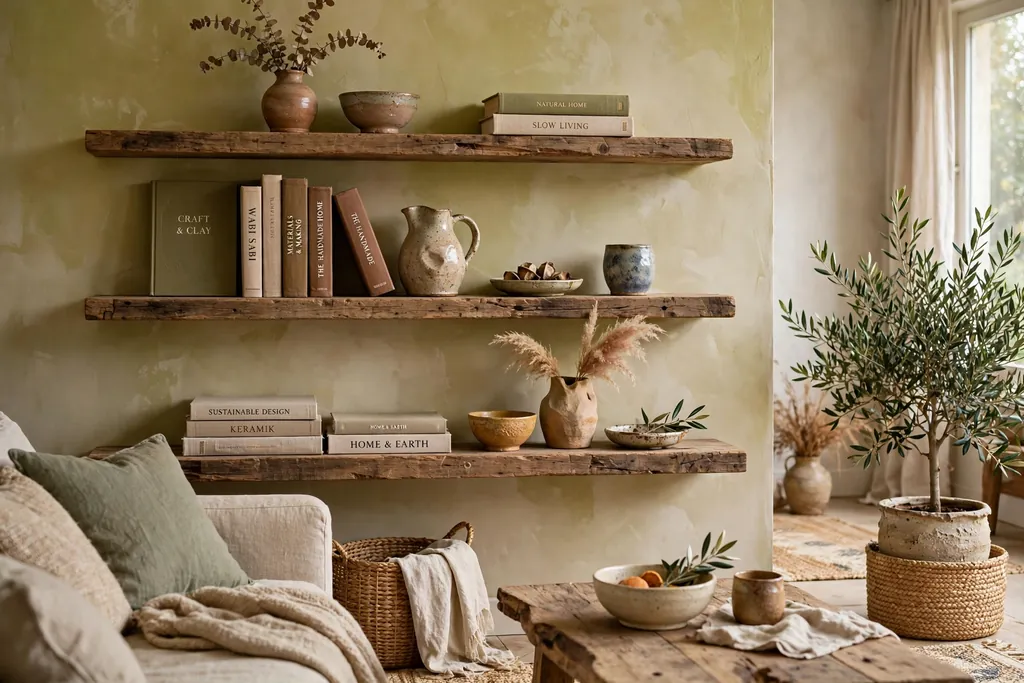
    Key Takeaways

    • Let one large vintage piece lead the room, such as a sofa, a rug, or a sideboard, and keep the other large pieces plain.
    • Mix only two or three old materials at a time, for example wood, brass, and velvet, so the room stays calm.
    • Check old furniture before you buy: sit on it, open every drawer, look under the base, and check joints and legs.
    • Repeat one colour or one metal in three places to link pieces from different eras.
    • Layer light at several heights with lamps and candles, rather than relying on one ceiling light.
    • Leave clear walking routes and one empty surface, so a collected room still feels easy to use.

    1. Start With a Rolled-Arm Sofa in Faded Floral Fabric

    Vintage living room with a rolled-arm sofa in faded floral fabric, plain cushions, wood floor, and soft daylight.

    A rolled-arm sofa in a faded floral fabric sets a vintage tone at once, without needing a room full of antiques. The rolled arms and soft skirt or short turned legs give the sofa an old shape, while a faded print keeps it gentle rather than loud. This suits a room where the sofa is the main seat and the owner wants pattern without repainting or changing the walls.

    Keep cushions plain in a colour pulled from the floral print, such as sage, dusty rose, or cream, so the sofa stays the main pattern. Check the frame and springs before buying an old sofa, and plan for washable or removable covers if the room gets daily use. If the floral feels strong, pair it with plain curtains and a plain rug.

    2. Add a Leather Chesterfield Chair for a Reading Corner

    Vintage living room corner with a brown leather Chesterfield armchair, a small side table, a reading lamp, and a bookshelf.

    A leather Chesterfield chair, with deep buttoning and rolled arms, makes a strong reading corner in a small space. One chair is enough, since a full Chesterfield suite can dominate a room. The dark leather adds weight and age beside a lighter sofa, and it suits a corner by a window or a fireplace where someone will sit with a book.

    Pair the chair with a small side table and a floor lamp behind one shoulder, so the corner works for reading, not just for show. Condition old leather as advised for its finish, and keep the chair out of strong direct sun, which can dry and fade it. A plain cushion in wool or linen softens the leather without hiding its shape.

    3. Anchor the Seating Group With a Persian Rug

    Vintage living room seating group on a large patterned Persian rug in deep reds and navy, plain sofa, wood coffee table.

    A Persian rug in deep reds, navy, and cream anchors a vintage seating group and hides daily wear well. Its detailed pattern gives the floor a story, while plain upholstery above it keeps the room calm. This suits a room with a wood floor that needs warmth and a clear zone for the sofa and chairs.

    Size the rug so the front legs of the sofa and chairs rest on it, and use a rug pad to stop sliding and protect the floor. For more help with size and placement, see these living room rug ideas. If you buy a genuine old rug, check the back and edges, and plan for professional cleaning rather than a harsh home wash.

    4. Use an Old Wooden Trunk as a Coffee Table

    Vintage living room with an old wooden trunk used as a coffee table, brass latches, a tray with books, sofa behind it.

    An old wooden trunk makes a coffee table with storage built in, which suits a vintage room that also needs a place for throws, games, or photo albums. Brass latches, leather straps, and worn wood give the table character, and a flat top holds a tray, a book, and a cup. This works best in a room where the seating group is low and relaxed.

    Check that the lid stays open safely or remove the lid stay risk by keeping the trunk closed for daily use, and line the inside with a plain cloth if it holds fabric. Keep the top mostly clear, with one tray to gather small items, so the trunk stays useful. Measure the height against the sofa seat, since trunks vary more than standard tables.

    5. Hang a Gilded Mirror Over the Fireplace

    Vintage living room fireplace with a large ornate gilded mirror above the mantel, candles and a vase on the mantel.

    A large gilded mirror over the fireplace draws light into the room and gives a plain mantel a focal point. The ornate frame suits a vintage room, while the mirror itself keeps the wall feeling open, since it reflects the window or the seating group rather than adding another picture. This suits a room where the fireplace is the natural center.

    Hang the mirror with fixings rated for its weight, and check what it reflects before fixing it in place: a window, a plant, or a pleasant wall reads better than clutter. Keep the mantel to a few simple objects, such as candles and one vase, so the frame stays the detail. Clean gilt gently, without harsh polish that can lift the finish.

    6. Light the Room With a Crystal Chandelier

    Vintage living room with a crystal chandelier hanging over a seating area, warm evening light, sofa and rug below.

    A crystal chandelier adds sparkle and a sense of occasion to a vintage living room, even when the rest of the furniture is simple. Hung over the seating group, it gives warm evening light and a clear center to the ceiling. This suits a room with enough ceiling height for a chandelier to hang clear of heads and sight lines.

    Use warm bulbs and a dimmer, so the light can shift from bright daytime use to a soft evening glow. Keep the rest of the ceiling plain, and pair the chandelier with lower lamps, so the room is lit at more than one height. Dust the drops now and then, since crystal shows dust faster than a plain shade.

    7. Build a Gallery Wall From Mismatched Vintage Frames

    Vintage living room wall with a gallery of old framed oil portraits and botanical prints in mismatched antique frames above a sofa.

    A gallery wall in mismatched vintage frames, in gilt, dark wood, and painted finishes, suits a vintage room better than a row of identical frames. Mix oil portraits, botanical prints, old photographs, and small landscapes, and let the frames, rather than a strict grid, link the group. This suits a sofa wall or a hallway wall where one large picture would feel flat.

    Plan the layout on the floor first, and hang the center of the group at eye level when seated. Keep the outer edges inside the width of the sofa below, and leave small gaps between frames so each piece can breathe. Use picture fixings rated for each frame weight, and check the group in daylight and lamplight before fixing every piece.

    8. Store Everyday Items in an Antique Sideboard

    Vintage living room with a dark wood antique sideboard with drawers and cupboards, a lamp and ceramics on top, sofa nearby.

    An antique sideboard with drawers and cupboards gives a vintage living room closed storage for items that do not suit open shelves, such as chargers, games, and spare throws. Dark wood, brass handles, and panelled doors add age to a wall, while the top gives a place for a lamp and a few display pieces. This suits a room that needs storage but cannot spare floor space for a large cabinet.

    Open every drawer and door before buying, and check for a musty smell, loose joints, and drawers that stick. Keep heavy items low, everyday items at hand height, and the top to a lamp, one vase, and a small dish, so the sideboard stays useful rather than becoming a display shelf. Anchor a tall piece to the wall following the maker instructions where needed.

    9. Paper One Wall in a Muted Damask or Toile Pattern

    Vintage living room with one accent wall in muted damask patterned wallpaper, plain sofa and wood furniture in front.

    One accent wall in a muted damask or toile pattern gives a vintage room depth without covering every wall in pattern. A soft colour, such as sage on cream or dusty blue on pale grey, reads as texture from a distance and as detail up close. This suits a sofa wall or a fireplace wall where plain paint feels flat.

    Keep the other walls plain in a colour pulled from the paper, and keep large furniture plain, so the pattern has room to show. If you rent, a similar effect can come from a large framed panel of vintage fabric hung on the wall, without pasting paper. Test a sample in daylight and lamplight, since pattern scale changes how a room feels.

    10. Layer Heavy Velvet Curtains Over Sheer Lace

    Vintage living room tall window with heavy velvet curtains layered over sheer lace curtains, daylight filtering through, armchair beside.

    Heavy velvet curtains layered over sheer lace give a vintage window both privacy and softness. The lace filters daylight and gives daytime privacy, while the velvet adds warmth, colour, and a formal edge in the evening. This suits tall windows in a room used from morning to night.

    Hang the rod close to the ceiling and wider than the frame, so the panels stack on the wall when open and the window looks larger. Choose velvet in a colour already in the room, such as a cushion or rug tone, and keep the lace plain. Wash or clean both layers as advised on their labels, since window fabric collects dust.

    11. Warm the Evening With Brass Table and Floor Lamps

    Vintage living room in the evening lit by brass table lamps and a brass floor lamp with warm shades, sofa and side tables.

    Brass table lamps and a brass floor lamp give a vintage living room warm, low light that suits old wood and soft fabrics. Aged brass, with a soft patina rather than a bright shine, reads as old rather than new, and linen shades keep the light gentle. This suits a room used in the evening for reading, talking, and relaxing.

    Place a floor lamp behind the main reading seat and a table lamp on a side table or sideboard, so light sits at more than one height. Use warm bulbs, and keep shades plain, so the light itself, not the shade pattern, does the work. Check old lamp wiring before use, and replace worn cords and plugs through a qualified repairer where needed.

    12. Style Open Shelves With Old Books, Brass, and Ceramics

    Vintage living room bookshelf styled with old clothbound books, small brass objects, and ceramic vases, with gaps between groups.

    Open shelves styled with old clothbound books, small brass objects, and plain ceramics suit a vintage living room, since they show a collection without a glass door in the way. Group books by height, leave gaps between groups, and put heavier items low and lighter pieces higher. This suits one wall where a bookcase would block light or a walkway.

    Start with the largest pieces, vary the shapes, and leave visible gaps, so the shelves read as collected rather than packed. For a calm base that lets old pieces show, the pale walls and simple storage advice in these Swedish living room ideas works well even in a vintage room. Anchor shelves into studs or with fixings suited to your wall type, and check the weight rating before loading them with books.

    13. Make a Listening Corner With a Record Player

    Vintage living room listening corner with a record player on a wood cabinet, vinyl records in a crate, armchair and lamp.

    A record player on a wood cabinet, with vinyl records in a crate beside it, makes a listening corner that suits a vintage room better than a hidden speaker system. The cabinet gives the player a stable home, the crate keeps records easy to browse, and an armchair nearby turns listening into a seated activity. This suits a corner away from the television, where music can be the focus.

    Keep the player level, clear of direct sun and heat, and give the cabinet a door or drawer for small accessories. Store records upright, not stacked flat, and handle them by the edges to limit marks. If the room is small, one armchair plus a small side table gives most of the same comfort with less floor space used.

    14. Fit a Small Antique Writing Desk Into a Quiet Corner

    Vintage living room corner with a small antique writing desk, a chair, a lamp, paper and a pen, beside a window.

    A small antique writing desk, with a drawer and a fold-down or flat top, fits a quiet corner of a vintage living room without needing a separate study. It gives a place for letters, a notebook, and a lamp, and its old wood and brass details add age to a wall that might otherwise stay empty. This suits a window corner where daylight helps for writing.

    Keep the desk top mostly clear, with a lamp, a pen pot, and one small plant, so it stays ready to use. Check that drawers open smoothly and the desk sits level, and use a chair at the right height for the desk. If the desk is also used for a laptop, add a small tray for cables so the corner stays tidy.

    15. Stack Vintage Suitcases as a Side Table

    Vintage living room side table made from two stacked old leather suitcases beside an armchair, with a lamp and a book on top.

    Two stacked vintage suitcases, in leather or hard-sided canvas, make a side table with a travel story and hidden storage. Placed beside an armchair, they hold a lamp and a book on top, while the cases themselves can store throws, photo albums, or seasonal items. This suits a room where a standard side table would feel too plain.

    Choose cases in similar tones but different sizes, so the stack looks planned, and check that the stack is stable before placing a lamp on top. Keep the top case closed for daily use, and line the inside if it holds fabric. If the cases smell musty, air them outside and clean them as suited to their material before bringing them into the living room.

    16. Hang a Woven Tapestry as a Soft Focal Point

    Vintage living room wall with a large woven tapestry wall hanging showing a floral scene, above a plain sofa.

    A large woven tapestry, with a floral or landscape scene, gives a vintage wall a soft focal point that a framed print cannot match. The textile texture suits old wood and velvet, and it absorbs sound a little, which helps in a room with hard floors. This suits a sofa wall where a large picture would feel formal or flat.

    Hang the tapestry from a rod or a sleeve, rather than pinning it, so the weight spreads evenly and the fabric is not damaged. Keep it clear of direct sun, radiators, and damp walls, and vacuum it gently with a brush attachment now and then. Pair it with plain cushions in a colour pulled from the tapestry, so the wall and the sofa link.

    17. Add a Rattan Peacock Chair for Texture

    Vintage living room corner with a rattan peacock lounge chair, a cushion, a plant, and soft daylight.

    A rattan peacock chair, with its tall fanned back, adds texture and a lighter vintage note beside heavier wood and leather. It suits a bright corner or a bay window, where its open weave lets light through and does not block the view. A plain cushion makes it comfortable for sitting, while the frame itself stays the detail.

    Check the weave for breaks and the joints for looseness before buying an old rattan chair, and keep it out of damp spots, which can weaken the fibres. Dust the weave with a soft brush, and pair the chair with a plant and a small side table, so the corner feels like a seat rather than a display piece. One rattan chair is usually enough in a room that already has a sofa and an armchair.

    18. Display Blue and White Porcelain in a Cabinet

    Vintage living room display cabinet with blue and white porcelain plates and vases arranged on shelves.

    Blue and white porcelain plates and vases, grouped in a glass-fronted cabinet, give a vintage living room a collected display that stays tidy behind glass. The blue repeats well with cushions, a rug border, or a print elsewhere in the room, while white keeps the group from feeling heavy. This suits a wall where open shelves would gather dust.

    Group pieces by shape, with taller vases at the back and plates on stands at the front, and leave gaps so each piece can be seen. Fix the cabinet to the wall where needed, and keep it clear of direct sun, which can fade any painted detail over time. If you use the pieces daily, keep everyday items on a lower shelf and display-only pieces higher.

    19. Place a Wooden Rocking Chair by the Window

    Vintage living room window corner with a wooden rocking chair, a cushion, a small side table and a lamp.

    A wooden rocking chair by the window gives a vintage living room a slow, comfortable seat for reading, talking, or watching the street. The curved rockers and spindled back suit old wood floors and soft curtains, and the chair needs little floor space. This suits a window corner that stays empty because a large armchair would block light.

    Check that the rockers are even and the joints are tight, and place a small rug under the chair to protect the floor and soften the rocking sound. Add a cushion in a plain fabric and a small side table for a cup, so the corner works for sitting, not just for show. Keep the chair clear of curtains and cords, so it can rock freely.

    20. Use a Distressed Painted Armoire for Closed Storage

    Vintage living room with a distressed painted wooden armoire with cupboard doors, used for storage beside a sofa.

    A distressed painted armoire, in cream, sage, or pale grey, gives a vintage living room tall closed storage for blankets, games, or media items, without the weight of dark wood. The worn paint and old handles add age, while the pale colour keeps a large piece from dominating the wall. This suits a room where a sideboard alone is not enough storage.

    Check the doors, hinges, and interior shelves before buying, and plan what will live inside so the armoire earns its floor space. Keep heavy items low, and anchor a tall armoire to the wall following the maker instructions, especially in a home with children or pets. Pair it with plain walls and a simple rug, so the painted finish stays the detail.

    21. Hang a Neat Row of Old Botanical Prints

    Vintage living room wall with a neat row of old botanical prints in dark wood frames above a console table.

    A neat row of old botanical prints, in dark wood frames with wide mounts, gives a vintage wall a calm, collected look. The repeated frame and mount link prints that may come from different sources, while the plant subjects add soft colour without a strong pattern. This suits a console wall, a hallway, or the wall above a sideboard.

    Hang the row at eye level, with even gaps between frames, and check the line with a level before fixing every piece. Use prints with pale backgrounds and muted colours, so the row stays calm, and repeat one colour from the prints in a cushion or a vase nearby. If the wall is long, two rows of smaller prints can work, as long as the spacing stays even.

    22. Style the Mantel With Aged Brass and Candlelight

    Vintage living room fireplace mantel styled with aged brass candlesticks, candles, a small clock, and a framed print.

    A mantel styled with aged brass candlesticks, candles, a small clock, and one framed print gives a vintage fireplace a finished look without clutter. The brass repeats the metal used in lamps and frames elsewhere in the room, while candlelight gives a warm evening glow. This suits a fireplace in use or not, since candles give a quiet purpose to an unused opening.

    Keep the mantel to a few pieces, with the tallest at the ends or in the center and smaller pieces between, so the arrangement reads as a group. Use sturdy holders that cannot tip easily, keep candles clear of curtains, throws, and paper, and never leave them burning in an empty room. Battery candles give a similar glow where real flames are not practical, such as a shelf near books.

    Conclusion

    A vintage living room works when old pieces are chosen for daily use, not just for show. Start with one large piece you love, add a rug and light that suit it, and repeat one colour or one metal to link pieces from different eras. Check old furniture well, keep walking routes clear, and leave one surface empty, so the room stays easy to live in. Then add small layers over time, a print, a lamp, a throw, and let the room grow into a collected space that feels personal. Save this post on Pinterest to keep the ideas close when you are ready to change one corner at a time.

    FAQs

    1. How do I mix vintage furniture with modern pieces without the room looking messy?

    Let one vintage piece lead, such as a sofa or a sideboard, and keep the other large pieces plain and low. Repeat one colour or one metal in three places, and keep the walls and rug calm, so old and new link rather than compete.

    2. What should I check before buying vintage living room furniture?

    Sit on seating, open every drawer and door, look under the base, and check joints, legs, and springs. Smell for damp or smoke, check for woodworm holes or loose veneer, and measure doorways and the room before you buy, since old pieces vary in size.

    3. Can a vintage living room work in a small space?

    Yes, if you choose one or two vintage pieces rather than a full suite. A single Chesterfield chair, a trunk coffee table, or a vintage rug can give the look, while plain walls, a clear floor, and closed storage keep a small room feeling open.

    4. How many patterns can a vintage living room hold?

    One strong pattern at a time works best, such as a floral sofa, a Persian rug, or a patterned wall. Keep the other patterns small or plain, and repeat one colour from the main pattern in cushions or art, so the room feels planned.

    5. How do I care for old wood, leather, and brass in a living room?

    Clean each material as suited to its finish, and avoid harsh cleaners on gilt, veneer, or old leather. Keep old pieces out of strong direct sun and damp spots, condition leather as advised for its finish, and polish brass gently only where a shine is wanted, leaving a soft patina elsewhere.

    6. Is it better to buy genuine vintage pieces or new pieces in a vintage style?

    Genuine pieces often have better wood and joints, and they bring a worn finish that is hard to copy, but they may need repair and cleaning. New pieces in a vintage style are easier to size and maintain, and they suit items that get hard daily use, such as a sofa. Many rooms mix both: genuine pieces for display and storage, and new pieces for daily seating.


  • 18 Korean Living Room Decor Ideas to Bring More Personality Home

    18 Korean Living Room Decor Ideas to Bring More Personality Home

    A Korean living room often feels calm at first glance, then personal on a closer look. Low seats, pale wood, and plain walls leave room for details that matter: a handmade cloth, a favorite bowl, a plant by the window, a book left open on a low table. These 18 Korean living room decor ideas borrow that balance, favoring comfort, natural materials, and objects with a story. Start with the floor and the light, then add color and personal pieces one at a time. For a related lesson in keeping a pale room warm and lived in, these Swedish living room ideas show how soft layers can carry a simple base.

    Key Takeaways

    • Keep the base simple: pale walls, warm wood floors, and low furniture give personal details room to show.
    • Sit low when you can: floor cushions, a low sofa, and a low table make the room feel relaxed and close to the ground.
    • Use soft, warm light: paper lamps, low lamps, and candles suit evening time better than one bright ceiling light.
    • Add color through cloth and ceramics, not through many painted walls: bojagi patchwork, cushions, and bowls are easy to change.
    • Let personal objects lead: books, photos, records, and handmade pieces give the room its character.
    • Keep one surface clear and paths open, so a room full of loved things still feels calm and easy to tidy.

    1. Build the Room Around Low Floor Seating

    Korean living room with thick floor cushions around a low table on a rug.

    Set a low seating group at the center of the room, with thick floor cushions or a low platform sofa on a rug. Sitting low changes how a room feels: people sit closer, the ceiling feels higher, and the space suits tea, board games, and long talks. Choose cushions with firm filling and washable covers, since floor seats get daily use.

    Place the cushions around a low table, with enough room to stretch legs and set down cups. Keep a basket of extra cushions nearby for guests, and add a thin backrest cushion against the wall or a low bench for anyone who needs back support. This layout works well in small rooms, where a tall sofa can crowd the space.

    2. Hang a Hanji Paper Pendant for Soft Light

    Korean living room with a white paper pendant lamp glowing over a low wood table.

    Hang a paper pendant lamp, in the style of traditional hanji paper lighting, over the coffee table or the center of the seating group. Paper shades spread light gently in all directions, so the room glows instead of glaring. Choose a plain white or warm cream shade in a simple round or drum shape.

    Hang the pendant low enough to light the table, but high enough to see across it when seated. Pair it with a warm white bulb, and add a dimmer if you can, so evening light can go softer still. Keep the shade clear of shelves and tall plants, and dust it with a dry cloth so the paper stays bright.

    3. Choose a Low Wooden Soban Style Table

    Low wooden soban style table with a tea cup and a book in a Korean living room.

    Use a low wooden table, similar in spirit to a traditional soban, as the coffee table. A low table suits floor seating, and its plain wood top gives cups, books, and a small vase a clear stage. Choose solid wood or a good wood veneer in oak, walnut, or a pale ash, with a simple shape and no heavy carving.

    Keep the top mostly clear: one tray for cups, one book, and one small plant or bowl. A table with a lower shelf can hold a board game or a stack of magazines out of sight. Wipe the top after use, since wood shows rings, and use felt pads under any ceramic piece that might scratch it.

    4. Add Bojagi Patchwork Color

    Korean living room with a colorful patchwork bojagi cloth draped over a low table.

    Bring in bojagi style patchwork through a table cloth, a cushion cover, or a wall hanging made from joined squares of cloth. Bojagi, the Korean tradition of wrapping cloths pieced from scraps, adds color in a handmade way, without needing a bold painted wall. Choose squares in muted tones, such as cream, soft blue, pale pink, and light grey, with one stronger color repeated.

    Use one patchwork piece at a time in a small room, so the pattern reads as a feature, not as clutter. A patchwork cloth over a low table or a folded throw on a sofa works well. If you sew, small offcuts can become a cushion cover; if not, look for a ready made piece in a similar patchwork style and check the stitching before you buy.

    5. Display White Porcelain and Celadon Ceramics

    White porcelain and celadon ceramic vases and bowls grouped on a wooden shelf.

    Group a few white porcelain or celadon pieces on a shelf, a sideboard, or the low table: a moon jar shape vase, a small bowl, a tea cup. Korean white porcelain has a calm, rounded form, while celadon carries a soft green grey glaze, and both sit well against wood and plain walls. Choose three or five pieces, in different heights, rather than a full shelf of matching items.

    Give each piece space, and turn one piece slightly so its shape catches the light. Use one bowl for a real job, such as holding keys or a plant, so the display feels lived in rather than sealed away. Keep ceramics clear of door swings and the edge of a table where a sleeve could catch them.

    6. Use a Lattice Screen to Shape the Space

    Light wood lattice screen dividing a seating corner in a Korean living room.

    Stand a light wood lattice screen, in the manner of a traditional Korean lattice door panel, to divide a seating corner from a work corner or an entry path. A screen gives privacy and structure without building a wall, and its open pattern lets light pass through. Choose a screen in pale wood with a simple grid or diamond pattern.

    Place the screen where it blocks a direct view of a desk or a storage corner, but leaves walking routes clear. A folding screen suits renters, since it moves with you, while a fixed panel suits a long term layout. Keep the screen stable on a flat floor, and avoid placing it where a child or pet could pull it over.

    7. Keep Walls Pale and Wood Warm

    Korean living room with pale warm white walls and warm wood floors and furniture.

    Paint the walls warm white or a very pale warm grey, and let wood floors, a wood table, and wood shelves carry the warmth. This pale base is common in modern Korean homes, where light matters and furniture stays low and simple. Test two or three warm white samples in daylight and lamplight before painting a whole room.

    If you rent and cannot paint, pale curtains and a large light rug can soften a cooler wall color in a similar way. Keep the ceiling and trim in a matching pale tone, so the room reads as one calm space. The pale base also helps personal color, such as a patchwork cloth or a print, stand out without competing with the walls.

    8. Grow One Large Potted Plant by the Window

    Large potted plant by a bright window in a Korean living room.

    Place one large potted plant, such as a fiddle leaf fig, a monstera, or a rubber plant, by the brightest window. A single large plant gives a Korean living room a living focal point, and its leaves soften straight lines from shelves and screens. Choose a plant that suits your light level, and a plain pot in ceramic, clay, or woven fiber.

    Water only when the top soil feels dry, and turn the pot a quarter turn each week so growth stays even. Keep the plant clear of radiators and cold drafts, and wipe large leaves with a damp cloth now and then. One large plant usually reads calmer than many small pots scattered around the room.

    9. Hang Ink Wash Art and Calligraphy

    Korean living room wall with a framed ink wash painting above a low sofa.

    Hang one or two ink wash paintings or calligraphy prints on the main wall, in simple wood or black frames. Ink art, with its black brush marks and empty space, suits a pale room, and it adds a quiet, personal note that a mass produced poster often lacks. Choose a mountain scene, a bamboo study, or a single character print that means something to you.

    Hang the center of the work at eye level when seated, and keep the frame style consistent if you hang two pieces together. Leave empty wall space around the art, so the brush marks have room to breathe. If you buy a print, check the paper tone in daylight, since a cold white print can clash with warm white walls.

    10. Make a Low Reading Corner With a Floor Shelf

    Low bookshelf with books, a floor cushion, and a small lamp in a Korean living room corner.

    Build a reading corner with a low bookshelf, a floor cushion, and a small lamp, tucked beside a window or a wall. Low shelves suit a Korean living room because they keep books within reach from a floor seat, and they do not block light or views. Fill the shelf with books you actually read, plus one or two personal objects.

    Sort books by size or by subject, and leave a gap on each shelf so the row does not look packed tight. Add a small basket for a current book and a pair of reading glasses. Keep the lamp low, at shoulder height when seated, so reading light falls on the page and not into your eyes.

    11. Store Daily Things in Woven Baskets

    Woven baskets holding throws and magazines beside low seating in a Korean living room.

    Use woven baskets in seagrass, rattan, or willow for throws, magazines, toys, and charging cables. Baskets add natural texture, hide everyday clutter, and suit a room where furniture stays low and simple. Place one large basket beside the seating group for throws, and one smaller basket near a chair for books.

    Choose baskets with handles, so they can be carried for a quick tidy, and line a basket with cloth if the weave snags paper. Keep one basket empty on purpose, as a fast tidy basket before guests arrive. A basket under a low shelf or beside a low table keeps storage close without needing a tall cabinet.

    12. Set a Tea Corner on the Low Table

    Tea set with a small teapot and cups on a tray on a low table in a Korean living room.

    Keep a tea set ready on the low table or on a tray beside it: a small teapot, two or three cups, and a tin of loose leaf tea. Tea time is a daily ritual in many Korean homes, and a set left out invites a pause in the day. Choose a plain ceramic or stoneware set in white, cream, or soft green, rather than a fussy patterned set.

    Store the tea tin nearby, out of direct sun, and keep a small cloth under the tray to catch drips. Offer tea to guests from the same set, so the corner feels like part of daily life, not a display. Wash cups by hand if the glaze maker advises it, and dry them before stacking.

    13. Layer Muted Cushions in Korean Color Tones

    Low seating with muted blue, pink, ochre, and cream cushions in a Korean living room.

    Layer cushions in muted tones drawn from traditional Korean color, such as soft blue, pale pink, warm ochre, light grey, and cream. These tones feel calm together, and they let one stronger cushion, in a deeper blue or a warm red, act as an accent. Choose linen or cotton covers with a plain weave, and mix one patterned cover with plain ones.

    Place larger cushions at the back and smaller ones in front, so floor seats stay comfortable and the group still looks tidy. Wash covers when you can, and swap one or two covers with the seasons: warmer tones in winter, paler tones in summer. Keep the total cushion count modest, so seats stay usable and not buried.

    14. Dress Windows With Sheer Linen Curtains

    Tall window with sheer linen curtains falling to the floor in a Korean living room.

    Hang sheer linen curtains from close to the ceiling to the floor, so daylight filters in softly and the window feels taller. Sheer linen suits a Korean living room because it gives daytime privacy without shutting out light, which matters in rooms that need every bit of sun. White, cream, or pale grey linen works best.

    Use a simple rod in wood or black metal, and let the curtains fall straight rather than pooling heavily on the floor. Add a heavier pair at the sides only if the room gets cold drafts or needs evening privacy. Wash the sheers now and then, since pale linen shows dust faster than a darker curtain.

    15. Show Personal Photos and Prints on a Ledge

    Picture ledge with personal photos and small prints in a Korean living room.

    Fit a narrow picture ledge on one wall, and use it for personal photos, small prints, and postcards, leaned rather than hung. A ledge lets you change the display often, which suits a room built around personality: a holiday photo, a child’s drawing, a concert ticket print, a friend’s artwork. Keep the ledge at eye level when seated.

    Start with three or four frames in matching wood or black, and add over time. Lean larger frames at the back and smaller ones in front, and leave a gap at one end so the ledge does not look crowded. Swap one piece each season, so the wall stays current with your life, not frozen at one moment.
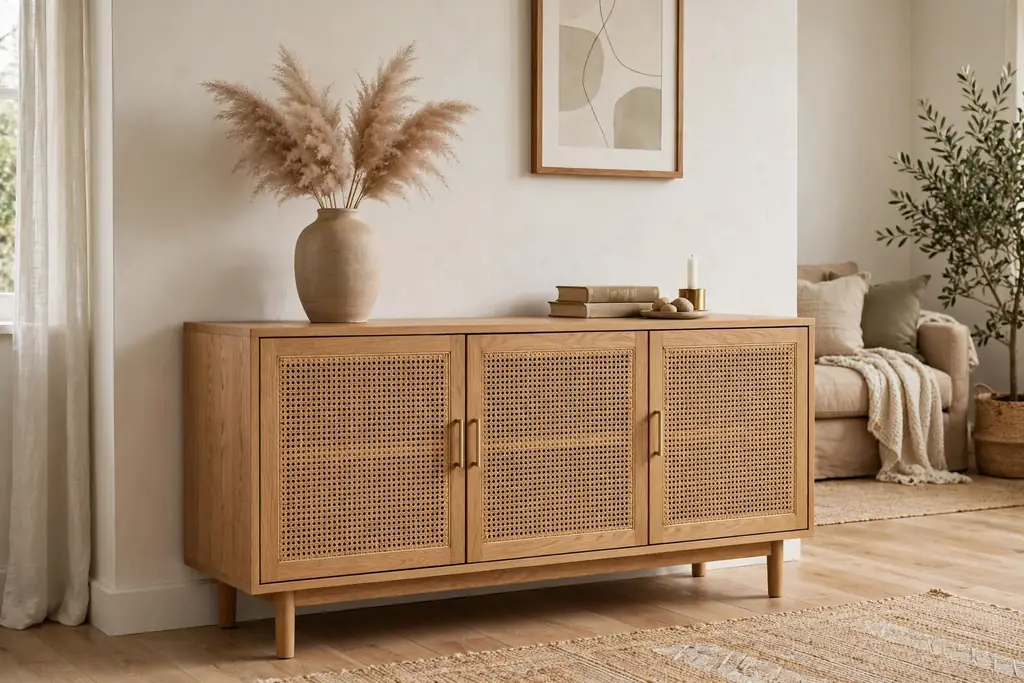
    16. Layer a Flatweave Rug Over Warm Wood

    Flatweave rug under low seating and a low table on a warm wood floor.

    Lay a flatweave rug under the seating group, large enough for the front of the floor cushions and the low table to rest on it. A flatweave rug in cream, soft grey, or a muted stripe keeps the floor feeling light, and its low pile is easy to vacuum and to move cushions across. Leave a clear border of wood around the rug, so the floor stays part of the look.

    Measure the seating zone before buying, and tape the rug outline on the floor to check walking routes and door swings. For more help with size and placement, see these living room rug ideas. Keep the rug pattern simple if cushions or a patchwork cloth already carry pattern, and use a rug pad underneath on a smooth wood floor.

    17. Create a Music and Book Display Wall

    Low shelf with vinyl records, books, and a small speaker in a Korean living room.

    Give one wall or one low shelf to music and books you love: vinyl records, a small speaker, a stack of favorite novels, a photo book. A personal collection tells visitors what you care about, and it gives the room a reason to linger. Place records upright in a low crate or on a shelf, with the covers facing out for a few favorites.

    Keep the speaker at ear height when seated, and run cables tidily behind the shelf. Rotate the displayed covers now and then, so the wall changes with what you are listening to or reading. This display works best on one wall only, so the rest of the room stays calm.

    18. Refresh the Room With Seasonal Textiles and Dried Flowers

    Korean living room with a warm throw, dried flowers in a vase, and seasonal cushions.

    Change the room with the seasons using textiles and dried flowers, rather than new furniture. In spring, swap in pale cushion covers and a vase of fresh branches. In autumn, add a warmer throw, a dried flower bundle, and a deeper toned cushion. In winter, keep a soft blanket folded on the seating group and a candle group on the low table.

    Store out of season covers in a labeled basket or a shelf box, so swaps take minutes, not a full day. Dried flowers suit this idea well, since they last for months and need no watering, but keep them clear of open flames and direct sun, which fades them fast. One seasonal change at a time keeps the room feeling fresh without a full redesign.

    Conclusion

    A Korean living room with personality starts with a calm base, then adds the things only you would choose. Sit low, light the room softly, keep wood warm and walls pale, and let cloth, ceramics, plants, and personal collections carry the color and the story. Pick one idea from this list first, perhaps the low seating group or the paper lamp, and live with it for a week before adding the next piece. Small, personal changes last longer than a room redone all at once, and they make the space feel like yours.

    Save this list for your next room refresh, and work through it one corner at a time: floor and light first, then seating and storage, then the personal details that make the room yours.

    FAQs

    What is the core look of a Korean living room?

    A Korean living room usually pairs a pale, calm base with low furniture, warm wood, and natural materials. Floor cushions or a low sofa, a low wood table, soft paper or lamp light, and a few personal objects, such as ceramics, books, or plants, give the room its character. The look favors comfort and daily use over formal display.

    How do I sit low in a living room without hurting my back?

    Use thick, firm floor cushions with a low backrest cushion against a wall or a bench, and take breaks to stand and stretch. A low platform sofa or a low armchair can give the same relaxed feel with more support. Try one floor seat for a week before replacing a full sofa, so you learn what support you actually need.

    What colors work best in a Korean style living room?

    Pale warm white walls, warm wood tones, and muted accents work best: soft blue, pale pink, warm ochre, light grey, and cream. Add one deeper tone, such as a warm red or a deep blue, in a cushion or a bowl, so the room has a focal point. Keep strong color to a few pieces, so the room stays calm.

    Can I use Korean decor ideas in a small apartment living room?

    Yes, many of these ideas suit small rooms well. Low furniture, a folding lattice screen, woven baskets, sheer curtains, and a picture ledge all work without building work or large pieces. Start with low seating, one rug, and soft light, and add personal pieces only where you have shelf or ledge space.

    What is bojagi, and how do I use it at home?

    Bojagi is the Korean tradition of patchwork wrapping cloths, pieced from squares of fabric. At home, use a bojagi style cloth as a table cover, a cushion cover, or a wall hanging. Choose muted tones with one stronger color, and use one patchwork piece at a time in a small room, so the handmade pattern stands out.

    How do I keep a low, personal living room tidy?

    Give every group a home: baskets for throws and magazines, a low shelf for books, a tray for cups, and a ledge for photos. Keep one table surface clear, and do a short tidy each evening, returning cushions and cups to their places. A room feels personal when its objects are chosen, not when every surface is covered.


  • 32 Christmas Pillow Cover Ideas to Add Character to Your Space

    32 Christmas Pillow Cover Ideas to Add Character to Your Space

    A pillow cover is the fastest way to dress a room for Christmas. The pillow inside stays the same, the sofa stays the same, and only the cover changes, yet the whole seating area reads as seasonal. That swap also makes storage simple: covers fold flat in January, while full pillows would fill a closet. These 32 Christmas pillow cover ideas cover classic colors, soft textures, printed motifs, and room by room placement, so you can build a set that suits your sofa, your budget, and the way you use the room. Start with one palette, add texture second, and keep one plain cover in the mix so the pattern has room to breathe.

    Key Takeaways

    • Pick one palette first, such as red and green, white and gold, or navy and silver, and repeat it in only two or three covers per sofa.
    • Mix texture, not just color: pair a flat cotton print with velvet, knit, or faux fur so the group feels layered rather than flat.
    • Keep one plain cover on each seat, so patterned covers stand out and the sofa still looks calm from across the room.
    • Check the closure and the care label before you buy: a hidden zipper sits flatter, and a washable cover is worth more in a home with pets or children.
    • Buy covers to fit the inserts you already own, and measure each insert before ordering, since a cover that is too loose will look soft and unfinished.

    1. Start With Classic Red and Green Tartan

    Sofa with classic red and green tartan plaid Christmas pillow covers and a small Christmas tree behind.

    Red and green tartan is the most familiar Christmas pillow cover pattern, and it works because it reads as seasonal at once without needing any other decor. Use tartan on the two outer covers of a sofa, with plain cream or deep green covers between them, so the check is the clear lead pattern. Choose a tartan scale that suits the sofa: a large check suits a wide sofa, while a small check suits a chair or a narrow bench. Our traditional Christmas decor ideas use the same red and green pairing on trees and tables, so a tartan cover links the sofa to the rest of the room with no extra effort.

    Keep the rest of the seating simple when tartan is in play. A plain throw in cream or green, a wooden coffee table, and warm white lights are enough. If the room already has a patterned rug, pick a tartan with fewer colors, or use tartan on one cover only, so two strong patterns do not compete. Wash tartan covers before the first use if the care label allows it, since dark red dye can rub onto pale upholstery when new.

    2. Keep It Soft With White and Gold

    Sofa with white and gold Christmas pillow covers and soft warm lamps.

    White and gold covers suit a room that already feels pale, such as a room with cream walls, light wood, and a pale sofa. Use white as the base and gold as the detail, in a thin stripe, a small star, or a simple embroidered sprig, rather than a large gold print that can look harsh in daylight. A white cover with a gold trim also works on a dark sofa, where the pale fabric stands out and the gold catches lamplight in the evening.

    Keep gold to one or two covers per seat, and pair them with plain white or cream covers. This keeps the look calm and avoids a metallic overload. Gold thread and gold print both need gentle washing, so check the label and wash these covers on a cool, gentle cycle, or spot clean them if the label advises it. Store them away from direct sun after the season, since strong light can fade gold print over time.

    3. Try a Clean Black and White Scheme

    Modern sofa with black and white Christmas pillow covers with a simple tree print.

    Black and white Christmas covers suit a modern room, a room with grey walls, or a home that does not use red and green elsewhere. A simple black tree print on white, a white snowflake on black, or a black and white stripe all read as Christmas when paired with greenery, lights, or a plain red throw nearby. The contrast also photographs well, which matters if you share the room online or want a crisp look for guests.

    Balance is the key here. Use black and white covers in equal measure, not all black on one side and all white on the other, and add one plain cover in grey or cream to soften the contrast. Keep the rest of the room simple, since black and white already carries a strong graphic line. A black cover shows pale pet hair and lint, so keep a lint roller nearby through December.

    4. Use Navy and Silver for a Winter Night Look

    Sofa with navy blue and silver Christmas pillow covers with a snowflake print.

    Navy and silver covers give a winter night feeling without the bright red that dominates most Christmas decor. Navy reads as deep and calm, silver adds light, and together they suit rooms with blue walls, grey sofas, or silver tree ornaments. A navy cover with a silver snowflake, a silver stripe, or a simple star print is enough: the palette does the work, so the motif can stay small.

    Pair navy covers with plain silver grey or cream covers, and add a silver or white throw for evening light. This palette also works well in a bedroom, where navy bedding and a silver cover can carry the season without a full room change. Check the silver print after washing, since metallic prints can crack if washed hot or tumble dried on high heat.

    5. Add Depth With Deep Velvet Covers

    Sofa with deep green and burgundy velvet Christmas pillow covers.

    Velvet covers add depth that flat cotton cannot match, because the pile catches light differently as you move around the room. Deep green, burgundy, or navy velvet suits a living room used in the evening, when lamplight warms the fabric. Use velvet for the largest covers on the sofa, and pair them with a flat print cover so the group has both texture and pattern. Our Christmas mantel decor ideas show the same idea on a mantel: one rich material, used with restraint, carries more weight than many small pieces.

    Velvet needs a little care in daily use. Brush it lightly to keep the pile even, and keep it away from a damp windowsill or a radiator, where heat and moisture can mark the fabric. A hidden zipper is worth seeking out on velvet, since a visible metal zipper can catch the pile. If a velvet cover gets a spill, blot it at once rather than rubbing, which can flatten the pile in one spot.

    6. Choose Chunky Cable Knit for a Cozy Seat

    Sofa with chunky cable knit cream and red Christmas pillow covers beside a fireplace.

    Chunky cable knit covers feel like a sweater for the sofa, and they suit a family room, a reading chair, or a cabin style home. Cream, red, or forest green knit all work, and the raised cable pattern gives texture even in a single color. Use knit covers on the seats people use most, since the soft, stretchy fabric is comfortable to lean against for a long evening.

    Knit covers stretch, so buy a size that matches the insert closely, or the cover will bag at the corners. Wash them gently and dry them flat if the label advises it, since heat can shrink knit fabric. Keep knit covers away from sharp tree branches or rough zippers on nearby cushions, which can snag a loop. A knit cover in cream pairs well with a plaid throw, which adds pattern without adding another texture.

    7. Soften the Room With Faux Fur Covers

    Sofa with fluffy white and cream faux fur Christmas pillow covers and twinkling lights behind.

    Faux fur covers in white, cream, or pale grey soften a room at once, and they suit a sofa that already has a lot of pattern elsewhere. Use faux fur as the plain cover in the group: one or two fur covers beside a tartan or tree print cover give the eye a rest. Faux fur also suits a bedroom, where a soft cover at the head of the bed feels good on a cold morning.

    Brush faux fur lightly after washing to restore its softness, and wash it on a cool cycle so the fibers do not mat. Long pile fur can shed when new, so wash it once before placing it on a dark sofa. Keep faux fur covers away from open flame and hot radiators, and store them in a breathable bag after the season so the pile does not flatten under heavy items.

    8. Go Natural With Linen and a Small Sprig

    Sofa with natural beige linen Christmas pillow covers with a small embroidered pine sprig.

    Natural linen covers in beige, oatmeal, or pale grey suit a home that favors plain materials and quiet color. A small embroidered pine sprig, a tiny star, or a single red berry stem is enough to make a linen cover seasonal, and the plain fabric keeps the room calm. Linen also suits a home with wood furniture, stone, or plants, since its matte texture sits well beside natural materials.

    Linen creases, so accept a relaxed look or press covers lightly before guests arrive. Pre-washed linen is softer and less likely to shrink, so check the label before the first wash. Pair linen covers with a wool throw and a wooden tray, which repeat the natural theme without adding pattern. A linen cover in a pale tone shows marks, so keep it on a chair used less often if the sofa sees daily meals or pets.

    9. Use a Reindeer Silhouette as the Motif

    Sofa with a brown reindeer silhouette Christmas pillow cover on cream fabric.

    A reindeer silhouette on a cream or grey cover is a simple, graphic motif that suits both modern and rustic rooms. The single shape reads clearly from across the room, which makes it a good lead cover on a sofa or a chair. Use one reindeer cover per seat, with plain covers beside it, so the shape stays the focus. A brown silhouette on cream suits a warm room, while a white silhouette on deep green suits a darker room.

    Keep the rest of the group plain when the reindeer is the lead motif. A tartan throw or a pine garland nearby can repeat the woodland theme, but a second animal print on the same sofa will compete. Check that the print is centered on the cover before you buy, since an off center silhouette looks like a mistake once the cover is on the insert. Wash printed covers inside out to protect the print.

    10. Knit Snowflakes in Blue and White

    Sofa with blue and white knitted Christmas pillow covers with large snowflake patterns.

    Blue and white snowflake knit covers suit a room that leans cool, such as a room with grey walls, white trim, or a silver tree. The snowflake motif is clearly winter, yet it can stay out past Christmas into January, which makes these covers good value for a long season. Use snowflake covers on a sofa near a window, where daylight shows the knit pattern, and pair them with plain white or pale blue covers.

    Choose a snowflake size that fits the cover: a large single snowflake suits a large square cover, while a small repeat pattern suits a smaller cover. Avoid mixing a large snowflake with a large tree print on the same seat, since both motifs fight for attention. Knit snowflake covers need gentle washing, as with other knits, and they pair well with a pale blue throw and silver ornaments on a nearby tree.

    11. Print a Row of Christmas Trees

    Sofa with Christmas pillow covers printed with green Christmas trees and tiny stars.

    A row of small Christmas trees printed on cream or pale green fabric gives a cheerful, simple pattern that suits a family room or a kitchen nook. The repeat pattern is forgiving: it looks good even if the cover shifts on the insert, since no single tree has to sit in the center. Use tree print covers on chairs or a bench, where a repeat pattern reads better than a large single motif at close range.

    Pair tree prints with plain covers in one color pulled from the print, such as deep green or cream, so the group looks planned. A tree print in green and red suits a classic room, while a tree print in a single color, such as navy on white, suits a calmer room. Wash printed covers on a cool cycle and avoid harsh bleach, which can fade the green first.

    12. Add Gingerbread and Candy Cane Prints

    Kitchen nook bench with gingerbread and candy cane Christmas pillow covers.

    Gingerbread men, candy canes, and small cookies printed on cream fabric suit a kitchen nook, a breakfast bench, or a family room where children gather. The food motif is playful, and it links the sofa or bench to baking and cocoa in the kitchen. Use gingerbread covers on a bench or a single chair rather than the main sofa, so the playful print stays a detail, not the whole room.

    Keep the colors simple: red and white candy canes with brown gingerbread on cream is enough, and adding green and gold as well can make the print feel busy. Pair these covers with a plain red or cream cover, and keep nearby decor simple, such as a plain tray and a jar of cookies. Wash these covers before use if children will lean on them, since food prints can hide marks that show later.

    13. Line Up Nutcracker Covers

    Sofa with colorful nutcracker Christmas pillow covers and nutcracker figures on a shelf behind.

    Nutcracker covers in red, green, and gold suit a room with a collection of nutcracker figures, a classic tree, or a formal living room. The tall, upright figure works well on a square cover, where the shape fills the space without crowding the edges. Use one nutcracker cover per seat, and pair it with plain covers in red or green pulled from the uniform colors.

    Nutcracker prints are detailed, so check the print quality before you buy: a sharp print shows the uniform buttons and face, while a blurred print looks cheap at close range. Keep nutcracker covers away from a second detailed print on the same seat, such as a village scene, since both need space to read. Store these covers flat after the season, since folding across the face can crease the print.

    14. Embroider Holly and Berries

    Sofa with holly and red berry embroidered Christmas pillow covers on cream linen.

    Holly leaves and red berries embroidered on cream linen give a quiet, handmade feeling that printed covers cannot match. Embroidery adds raised texture, so the motif shows in lamplight even from a distance. Use holly covers on a chair or at the ends of a sofa, where the detail can be seen up close, and pair them with plain linen or velvet covers.

    Embroidery needs gentle care: wash these covers on a cool, gentle cycle, turn them inside out, and avoid ironing directly over the stitches. A holly cover suits a traditional room, a room with fresh greenery, or a home that already uses embroidered textiles elsewhere. Keep the berry color to a single red, rather than mixed reds, so the embroidery reads as one motif.

    15. Use a Vintage Santa Print

    Armchair with a vintage Santa print Christmas pillow cover beside a lamp.

    A vintage Santa print, with an old fashioned illustration rather than a cartoon, suits a room with old books, brass, or heirloom ornaments. The muted colors of a vintage print, such as faded red, cream, and soft green, sit well in a room that already has warm wood and low light. Use a vintage Santa cover as a single feature cover on a reading chair, where it can be enjoyed up close.

    Pair vintage prints with plain covers in cream or deep green, and avoid bright, modern prints on the same seat, since the two styles clash. Check that the vintage print is not too faded to read from a normal seating distance, since a print that only works up close will look plain from across the room. Wash vintage style prints gently, since the faded look can wash out further with hot water.

    16. Tell a Story With a Winter Village Scene

    Sofa with a snowy winter village scene Christmas pillow cover with warm lit windows.

    A winter village scene, with small houses, warm lit windows, and snow, turns a pillow cover into a small picture. This motif suits a large square cover on a sofa end, where the scene has room to breathe, and it pairs well with a village display on a mantel or a windowsill. Use one village cover per room, since two scenes on one sofa will compete.

    Keep the rest of the group plain and pale, such as cream or soft grey, so the scene stands out. A village scene in blue and white suits a cool room, while a village scene in warm cream and gold suits a warm room. Check the scene for small details before buying, such as lit windows and snow on roofs, since those details make the scene feel complete rather than flat.

    17. Choose Farmhouse Burlap With a Simple Tree

    Farmhouse sofa with burlap Christmas pillow covers with a pine tree print.

    Burlap covers with a simple pine tree, a star, or a short seasonal word suit a farmhouse room, a room with wood beams, or a home with natural fibers. Burlap has a rough, open weave that adds texture, and its natural tan color warms a pale sofa. Use burlap covers on a sofa with a wood coffee table, a woven basket, and a plain evergreen garland, which repeat the farmhouse materials.

    Burlap can feel rough against skin, so use these covers on a sofa end or a chair used less for leaning, or layer a soft throw over the same seat. Check the weave before buying, since loose burlap can snag and shed fibers. Wash burlap gently and dry it flat, since heat can stiffen the fabric. A burlap cover with a dark green tree print is the safest farmhouse choice, since it pairs with almost any other cover.

    18. Keep It Minimal in Scandinavian Style

    Bright Scandinavian living room with white and pale grey Christmas pillow covers.

    Scandinavian style Christmas covers use white, pale grey, and one accent, such as a small red star or a simple pine sprig, on plain fabric. The look relies on space and light, not pattern, so use fewer covers than usual: two or three per sofa, with plain covers between them. Pale wood furniture, white walls, and paper stars nearby complete the look without adding clutter.

    Avoid mixing Scandinavian covers with bright, detailed prints on the same sofa, since the two styles pull in opposite directions. A single red accent cover among white and grey covers is enough to mark the season. Wash pale Scandinavian covers before the season, since white fabric shows storage marks, and store them in a clean, dry bag so they stay bright for next year.

    19. Go Woodland With Pinecones and Branches

    Rustic cabin sofa with woodland pinecone and pine branch Christmas pillow covers.

    Woodland covers with pinecones, pine branches, and brown and green tones suit a cabin, a room with a stone fireplace, or a home with wood floors. The natural motif links the sofa to the tree and to greenery elsewhere in the room, without needing red or gold. Use woodland covers on a sofa near the fireplace, with a wool throw and a basket of logs nearby.

    Keep the woodland palette to green, brown, and cream, and avoid adding bright red ornaments on the same seat, since they will pull the eye away from the natural tones. A pinecone print in a single brown on cream is calmer than a full color woodland scene, and it pairs better with plain covers. Check the print for clear pinecone shapes, since a blurred woodland print can look like a brown blur from a distance.

    20. Try a Coastal White and Blue Christmas

    Coastal sofa with pale blue and white Christmas pillow covers.

    Coastal Christmas covers in white, pale blue, and sand suit a beach house, a room with light walls, or a home that keeps a coastal look all year. A pale blue snowflake, a white star, or a simple coastal tree in blue and white marks the season without forcing a red and green scheme that does not fit the house. Use coastal covers on a sofa with light wood, white trim, and a simple wreath.

    Keep red out of a coastal group if you want the coastal look to read clearly, and use silver or white ornaments on the tree instead. A coastal cover pairs well with a pale blue throw and a driftwood piece on a nearby table. Wash pale blue covers on a cool cycle, since strong blue dye can fade with hot water, and keep them away from a dark red throw that could transfer color when damp.

    21. Use Vintage Colorful Retro Prints

    Retro sofa with colorful vintage Christmas pillow covers in teal, pink, and gold.

    Vintage colorful retro prints, with teal, pink, mustard, and gold, suit a mid century room, a room with a colorful tree, or a home that favors bold color all year. The retro palette feels cheerful and a little playful, and it works best as a single feature cover among plain covers in one retro color, such as teal or mustard. Use retro covers on a sofa with a simple lamp and a plain rug, so the color has room to stand out.

    Avoid mixing retro prints with classic tartan or vintage Santa prints on the same seat, since the two vintage styles come from different eras and will clash. Check that the retro colors match at least one other item in the room, such as a piece of art or a throw, so the cover looks planned rather than random. Wash bright retro prints on a cool cycle to keep the colors strong.

    22. Add Boho Tassels and Pom Poms

    Bohemian sofa with tassel and pom pom Christmas pillow covers in red, cream, and green.

    Boho covers with tassels, pom poms, or fringe around the edges add movement and a handmade feeling to a sofa. The trim is the feature, so the fabric itself can stay simple: cream, red, or green with a contrasting trim. Use boho covers on a sofa with layered rugs, plants, and woven baskets, where the trim repeats the relaxed, collected look of the room.

    Tassels and pom poms need care in washing, since they can tangle or come loose. Wash these covers in a laundry bag on a gentle cycle, and check the trim after each wash. Keep boho covers away from pets that chew trim, and trim any loose threads at once so a small pull does not unravel the edge. A boho cover in cream with red tassels is the easiest to pair, since it suits both classic and relaxed rooms.

    23. Mix Sizes: Large, Small, and Lumbar

    Sofa with Christmas pillow covers in mixed sizes, large squares at the back and a lumbar cover in the center.

    Mixing sizes is a placement idea, not a pattern, and it changes how a sofa looks even with covers you already own. Place large square covers at the back corners, smaller square covers in front of them, and a lumbar cover in the center. This layered order gives depth, so the sofa looks styled rather than lined up in a row. Our living room rug ideas use the same sizing rule for rugs: size the pieces to the seating group, not to the floor, and the same rule works for covers.

    Measure the sofa before you mix sizes: a large sofa can hold 22 inch covers at the back, while a small sofa needs 18 inch covers or the group will crowd the seat. Keep the palette to two or three colors across all sizes, so the size mix reads as planned, not random. A lumbar cover in the center can carry the strongest pattern, since it sits in front and draws the eye first.

    24. Use a Lumbar Cover on a Bench or Window Seat

    Window seat bench with a long red and cream striped lumbar Christmas pillow cover.

    A long lumbar cover suits a bench, a window seat, or a narrow sofa where square covers would crowd the seat. The long shape fits the bench length, and it gives back support for reading or sitting by the window. Choose a lumbar cover in a stripe, a simple tree repeat, or a plain velvet, since a large single motif can look stretched on a long cover.

    Measure the bench before ordering, since lumbar covers come in many lengths, and a cover that overhangs the bench ends will droop. Pair a lumbar cover with one or two small square covers at the ends, if the bench is wide enough, or use it alone on a narrow seat. A lumbar cover in red and cream stripes suits a window seat with a snowy view, and it stores flat after the season.

    25. Personalize With a Monogram Cover

    Sofa with a monogram Christmas pillow cover embroidered with a gold letter on deep green fabric.

    A monogram cover, with a single letter embroidered or printed in gold, cream, or red, adds a personal touch to a sofa or a chair. Use a family initial, or one cover per person with their own initial, on a chair or a bench where the letter can be read. A monogram in a simple serif letter on deep green or navy fabric looks classic, while a monogram in a script letter on cream looks softer.

    Keep monogram covers to one or two per room, since a sofa full of letters looks like a classroom display. Pair a monogram cover with plain covers in the same fabric color, so the letter stands out without competing. Check the letter before ordering, since a monogram cannot be returned easily if the wrong letter arrives. Wash embroidered monograms gently, as with other embroidery.

    26. Letter a Simple Seasonal Phrase

    Sofa with lettered Merry Christmas pillow covers in simple black lettering on cream fabric.

    Lettered covers with a short phrase, such as Merry Christmas, Joy, or Peace, suit a sofa, a bench, or a porch chair where the words can be read at a glance. Keep the phrase short and the lettering simple, in black, red, or gold on cream or white, so the words read clearly from across the room. A single lettered cover per seat is enough, with plain covers beside it.

    Avoid long phrases or small script lettering, which are hard to read once the cover is on a sofa and partly hidden by a throw. A lettered cover pairs well with a plain cover in the same color as the lettering, which ties the group together. Check the print quality, since cracked or peeling letters will show fast on a cover used daily. Wash lettered covers inside out on a cool cycle.

    27. Add Sparkle With a Reversible Sequin Cover

    Sofa with a shiny red and gold sequin Christmas pillow cover under warm evening lights.

    A reversible sequin cover, with sequins that flip to change color when brushed, adds sparkle and a playful detail for guests and children. Red and gold, green and silver, or black and gold are common pairs, and the cover changes with a sweep of the hand. Use sequin covers as a single feature cover on a sofa, since a whole sofa of sequins will feel busy and can be uncomfortable to lean against for long.

    Sequin covers need gentle care: wash them in a laundry bag on a cool cycle, or spot clean them, and never iron over sequins. Keep sequin covers away from small children who might pull sequins loose, and check the edges after washing. A sequin cover in red and gold suits an evening room with warm lights, where the sparkle shows best.

    28. Sew or Buy a Quilted Patchwork Cover

    Sofa with a quilted patchwork Christmas pillow cover in red, green, and cream squares.

    A quilted patchwork cover, made from small squares of red, green, cream, and gold fabric, adds a handmade, layered feeling to a sofa or a reading chair. The patchwork pattern is forgiving, since no single square has to be perfect, and it suits a room with quilts, woven throws, or vintage pieces. Use a patchwork cover on a chair or at the end of a sofa, where the detail can be seen up close.

    Pair patchwork covers with plain covers in one color pulled from the squares, such as cream or deep green, so the group looks calm. Quilted covers are thicker than flat covers, so check that the insert still fits and the cover closes fully. Wash quilted covers gently and dry them flat if the label advises it, since thick layers dry slowly and can hold moisture.

    29. Embroider Family Names for a Keepsake Set

    Family room sofa with personalized family name Christmas pillow covers.

    Family name covers, with each name embroidered on its own cover, suit a family room where each person has a favorite seat. Use one name cover per chair, or a set of name covers lined up on a long bench, so each person can find their seat at a glance. A name in a simple font on cream, red, or green fabric reads clearly, while a script font suits a formal room.

    Order name covers early, since personalized items take longer to make and cannot be returned if a name is spelled wrong, so double check each spelling before ordering. Pair name covers with plain covers in the same fabric, so the set looks planned. Wash embroidered name covers gently, as with other embroidery, and store them with a note of whose cover is whose, since names can be hard to match after a year in storage.

    30. Dress the Porch With Outdoor Covers

    Front porch chairs with outdoor red plaid and pine print Christmas pillow covers.

    Outdoor Christmas covers in red plaid, pine print, or a simple seasonal phrase suit a porch chair, a bench, or a rocking chair where guests sit before coming inside. Outdoor covers need a weather resistant fabric, such as a treated polyester, that can cope with damp air and light rain, unlike indoor cotton or velvet. Use outdoor covers only where the seat has some shelter, such as under a porch roof, since even outdoor fabric will soak in heavy rain.

    Bring outdoor covers inside during storms and at night if frost is forecast, since frozen fabric can crack and damp covers can mildew. Check the care label, since many outdoor covers can be hosed down or wiped clean rather than machine washed. Pair outdoor covers with a plain outdoor cushion and a lantern, which together make the porch feel welcoming without needing a full porch display.

    31. Layer Christmas Covers on the Bed

    Bedroom bed layered with red, cream, and green Christmas pillow covers and a plaid throw.

    Christmas covers on a bed suit a guest room, a main bedroom, or a child’s room where the sofa already has its own set. Layer a Christmas cover in front of the sleeping pillows, with a plain cover behind it, so the seasonal cover shows without replacing the pillows used for sleep. A red, cream, and green group on a bed with a plaid throw carries the season into the bedroom with only two or three covers.

    Keep bedroom covers soft and washable, since they sit near the face, and avoid sequin or rough burlap covers on a bed. A knit or velvet Christmas cover on a bed feels comfortable and looks seasonal, while a printed cover in a simple tree or snowflake pattern suits a child’s room. Wash bedroom covers before guests arrive, since stored covers can smell musty after a year in a box.

    32. Keep One Base Set and Swap Covers by Season

    Sofa with plain covers beside a neat stack of folded Christmas pillow covers ready to swap.

    A swap system is the most practical idea in this list: keep one set of good inserts and plain base covers all year, then swap only the outer covers for Christmas, and swap them back in January. This saves money, since covers cost less than full pillows, and it saves storage, since covers fold flat in a labeled box. Start with inserts in two sizes that fit your sofa, then buy Christmas covers in those exact sizes.

    Label the storage box by room and size, and keep a note of which cover goes where, so next December starts fast. Wash all Christmas covers before storing them, since a stain left for a year can set, and store them in a dry place away from direct sun. This system also makes it easy to try a new palette next year: buy only new covers, keep the same inserts, and the room changes for the cost of fabric alone.

    Conclusion

    Christmas pillow covers work best when you treat them as a small set, not a pile of single buys. Pick one palette, mix one flat print with one soft texture, keep one plain cover in the group, and measure the inserts before you order. That short plan covers most rooms, from a classic red and green sofa to a pale Scandinavian bench or a sheltered porch. Start with the sofa you use most, add a bench or a bed cover second, and store the set clean and labeled in January. Next December, the covers will be ready to swap in, and the room will feel seasonal in the time it takes to zip a cover closed.

    Save this list on Pinterest before you shop, and work through it in order: palette first, then texture, then motif, then placement, so each cover you buy has a clear job in the room.

    FAQs

    How many Christmas pillow covers do I need for a sofa?

    For a standard three seat sofa, five covers work well: two large square covers at the back corners, two smaller square covers in front of them, and one lumbar cover in the center. A two seat sofa needs three or four covers, while a single chair needs one or two. Keep at least one plain cover in each group, so patterned covers stand out and the sofa still looks calm.

    What size Christmas pillow cover should I buy?

    Buy a cover that matches the insert size, or one inch smaller for a fuller look, since a slightly snug cover fills out better than a loose one. Common square sizes are 18 inch and 20 inch, while lumbar covers are often 12 inch by 20 inch. Measure each insert before ordering, and check whether the size given is for the cover or the insert, since makers use both.

    Are Christmas pillow covers washable?

    Most cotton and polyester covers are machine washable on a cool, gentle cycle, but velvet, sequin, knit, and embroidered covers need gentler care. Always check the care label first, wash printed and lettered covers inside out, and wash sequin and tassel covers in a laundry bag. Dry covers flat or on low heat if the label advises it, since high heat can shrink knit and fade prints.

    Should Christmas pillow covers match the tree and mantel?

    They should share a palette with the tree and mantel, not match them exactly. If the tree is red and gold, use red and gold covers, but keep the motifs different, such as a tartan cover beside a plain tree, so the room feels linked rather than copied. If the mantel is green and white, use green and white covers with a different texture, such as velvet beside a garland.

    Can I use Christmas pillow covers outdoors?

    Yes, if the covers are made for outdoor use, with a weather resistant fabric and a zipper that can cope with damp air. Use them only under shelter, such as a porch roof, and bring them inside during heavy rain, storms, or frost. Indoor cotton, velvet, and knit covers will soak and mildew outdoors, so keep those covers inside.

    How do I store Christmas pillow covers after the season?

    Wash and dry all covers fully, fold them flat, and store them in a labeled box or a breathable bag, by room and size. Keep the box in a dry place away from direct sun and damp, and add a note of which cover goes where. Avoid storing covers in a plastic bag that traps moisture, since damp storage can cause mildew and musty smells over the year.


  • 23 Christmas Decor Ideas for Living Room for Small Spaces

    23 Christmas Decor Ideas for Living Room for Small Spaces

    A small living room can still feel fully dressed for Christmas, as long as every decoration earns its place. The best small space ideas use walls, windows, shelves, and the top of furniture that already sits in the room, rather than adding large pieces to the floor. A slim tree in a corner, a garland on a shelf, or lights behind a curtain can change the whole room without shrinking it. These 23 Christmas decor ideas for a living room focus on small spaces, so you can pick the ones that fit your layout, your budget, and the way you actually use the room. Start with one or two ideas, live with them for a day, and add more only where the room still has room to breathe.

    Key Takeaways

    • Use walls, windows, and shelves first in a small living room, and keep the floor clear for walking routes and seating.
    • Pick one main tree shape, slim, tabletop, or flat on the wall, rather than trying to fit two large trees into one room.
    • Repeat one or two colors, such as red and green, gold and cream, or white and wood, so many small details still read as one plan.
    • Put lights at more than one level, such as curtains, shelves, and a tray, so the room glows in the evening without one harsh overhead light.
    • Choose decorations you can remove in one box, such as a garland, a tray, and a basket of throws, so January cleanup stays simple.
    • Keep real flames clear of greenery, paper, and fabric, and use battery candles near anything that can burn.

    1. A Slim Tree in the Corner

    Slim decorated Christmas tree in the corner of a small living room beside a sofa, with warm white lights and small ornaments.

    A slim tree fits a corner that a full tree would crowd, and it still gives the room a clear Christmas focal point. Choose a pencil or slim profile tree that is tall enough to read from the sofa but narrow enough to leave the walkway open, and set it in the corner with the least foot traffic. Keep the base on a small tree skirt or a basket, rather than a wide stand cover, so the footprint stays small.

    Decorate with small ornaments and one string of warm white lights, and leave the lower branches light so the tree does not look heavy at floor level. A slim tree suits a room where the sofa and the television already take up two walls, since the corner is often the only free floor space left. For more ideas on planning a room where living and dining share one space, see these small living room dining room combo ideas.

    2. A Flat Tree on the Wall

    Flat Christmas tree made of evergreen branches and lights on a living room wall above a small console.

    A flat tree made of branches, lights, or a simple wooden frame hangs on the wall and takes no floor space at all. Lay short branches in rows that get shorter toward the top, or fix a string of lights in a triangle shape on the wall, and add small ornaments with removable hooks. The shape reads as a tree from the sofa, but you can still walk past it and set furniture against the wall below it.

    This idea suits renters and very small rooms, since it leaves the floor free and comes down with little patching. Keep the flat tree above a console or a bench, rather than above a walkway where ornaments could be brushed off. Use light pieces only, and check that hooks suit your wall finish before you hang anything heavy.

    3. A Tabletop Tree on a Side Table

    Small decorated tabletop Christmas tree on a side table beside a sofa in a cozy living room.

    A tabletop tree on a side table gives a small room a tree at eye level, without a floor tree at all. Choose a tree about the height of a table lamp, set it on a side table or a stool beside the sofa, and decorate it with a few small ornaments and a short string of battery lights. A small basket or a pot under the tree hides the base and keeps the display tidy.

    This idea suits a room where a floor tree would block a door or a radiator, and it works well as a second tree in a room that already has a wall tree. Keep the side table clear of drinks once the tree is in place, since ornaments and water glasses share the same small surface. When the season ends, the whole tree lifts off the table in one move.

    4. A Garland Around the Window Frame

    Evergreen garland with warm lights around a living room window frame with sheer curtains.

    A garland around the window frame frames daylight by day and lights by night, and it uses a surface that is often left bare. Fix a slim evergreen garland around the inside of the window frame with removable hooks, and weave in a string of warm white lights. Add a few small ornaments or pinecones only at the corners, so the window still opens and closes freely.

    This idea suits a room with one good window, since the garland draws the eye to the light rather than to a crowded wall. Keep the garland slim, so it does not block the view or the curtain track, and keep it clear of radiators below the window. If you use fresh greenery, check it often for dry needles near heat.

    5. A Shelf Mantel with Stockings

    Wall shelf dressed as a Christmas mantel with evergreen garland, stockings, and battery candles in a small living room.

    A shelf used as a mantel gives stockings and garland a home in a room with no fireplace. Pick a sturdy wall shelf or the top of a bookcase, lay a short garland along it, and hang two or three stockings from small hooks fixed to the shelf front. Add a pair of battery candles and one small framed print above, so the shelf reads as a mantel rather than as storage.

    This idea suits flats and new homes without a fireplace, and it keeps stockings at a height where children can see them but not pull the whole display down. For fuller mantel styling, these Christmas mantel decor ideas show garland, candle, and stocking combinations that also work on a shelf. Keep stockings light until Christmas Eve, and keep candles clear of the garland.

    6. A Cushion and Throw Swap

    Sofa with red and deep green Christmas cushions and a chunky knit throw folded over one arm.

    Swapping cushions and throws is the fastest way to make a sofa look ready for Christmas, with no new furniture at all. Put away two everyday cushions and replace them with covers in red, deep green, plaid, or cream, then fold a chunky knit or fleece throw over one sofa arm. The change takes minutes, and the room still works exactly as it did before.

    This idea suits a small room best, since textiles change the feel of the whole seating group without adding bulk. Keep the swap to two or three pieces, and repeat one color from the cushions in a second spot, such as a candle or a book, so the change looks planned. Washable covers matter here, since sofa textiles see daily use through the season.

    7. A Coffee Table Tray Centerpiece

    Coffee table tray with a candle, evergreen sprigs, and small Christmas ornaments in a small living room.

    A tray on the coffee table turns everyday clutter into a Christmas centerpiece that can be lifted away in one move. Choose a tray that fits the table with room left for cups, then set a small candle in a holder, a few evergreen sprigs, and two or three ornaments inside it. The tray edge keeps the pieces together, so the table still looks tidy when the room is in daily use.

    This idea suits a small living room where the coffee table is the center of the room, since the tray gives the table a seasonal focus without a large arrangement. Keep the centerpiece low, so it does not block the television or conversation, and keep candles in holders clear of sprigs and paper. Lift the whole tray off the table when you need the full surface for a meal or a game.

    8. String Lights Behind Sheer Curtains

    Living room window at night with string lights glowing softly behind sheer white curtains.

    String lights hung behind sheer curtains give a whole window a soft glow in the evening, with no extra furniture at all. Hang one curtain string of lights on the rod behind the sheer panels, so the fabric softens the bulbs into a gentle wash of light. The effect reads from both inside the room and from the street, which makes a small room feel warm after dark.

    This idea suits a room where the window is the main evening feature, and it pairs well with a plain garland on the same window. Keep the lights on a timer if you can, so you do not have to reach behind the curtains each night, and keep the wire clear of curtain rings that could snag it. Check that the lights are rated for indoor use and that the plug sits clear of the curtain hem.

    9. A Christmas Village on the Windowsill

    Small Christmas village with tiny lit houses and bottle brush trees lined along a living room windowsill.

    A Christmas village on the windowsill uses a narrow ledge that often holds nothing but dust. Line up three to five small houses, a tiny tree, and a few bottle brush trees along the sill, with a string of battery lights tucked behind them. The houses glow in the evening, and the display stays out of the way of seating and walking routes.

    This idea suits a deep windowsill in a small room, since the village adds detail without taking floor or table space. Keep the pieces small and stable, and set them back from the window catch so the window can still open for air. If the sill is narrow, use fewer houses and one taller piece, such as a church or a lamp post, rather than crowding the ledge.

    10. A Wreath on a Living Room Wall

    Evergreen Christmas wreath with a red bow hung on a living room wall above a small console.

    A wreath hung on a living room wall, rather than only on the front door, gives the room a Christmas focal point at eye level. Choose a wreath in a size that suits the wall, hang it above a console, beside a mirror, or on an interior door, and keep the rest of that wall plain so the wreath leads. A simple evergreen wreath with a single bow suits a small room better than a wreath crowded with ornaments.

    This idea suits a room with a blank wall that needs one strong seasonal piece, and it works where a tree would crowd the floor. Hang the wreath with a hook suited to its weight, and check the height from the sofa, since a wreath hung too high reads as an afterthought. Bring the same wreath indoors after the season starts, so it stays fresh longer than one left outside.

    11. Bookshelf Garland Styling

    Bookshelf draped with a slim evergreen garland, small ornaments, and warm battery lights.

    A garland draped along a bookshelf turns storage into a Christmas display without moving any books off the shelf. Lay a slim garland along the top shelf or drape it in soft swags across two shelves, then tuck in a few small ornaments and one string of battery lights. Keep books and everyday items in place, and let the garland sit in front of them like a frame.

    This idea suits a room where the bookcase is already a focal point, since the garland builds on what is there. Keep the garland light, so it does not pull books forward, and keep lights clear of paper spines. Leave one shelf without garland, so the display does not look like every surface must be dressed at once.

    12. A Blanket Basket by the Sofa

    Woven basket of folded red, cream, and plaid throws beside a sofa in a Christmas living room.

    A basket of folded blankets by the sofa gives guests something warm to reach for, and it doubles as Christmas decor. Choose a basket that fits beside the sofa or under a side table, fold two or three throws in red, cream, or plaid inside it, and add one small ornament or a sprig of greenery on top for the season. The basket keeps throws tidy, rather than draped over every chair.

    This idea suits a small room where extra seating and storage are both short, since the basket holds soft layers in one neat spot. Pick a basket with handles, so it can move to the bedroom after the season, and keep it clear of the radiator. For more small room layering ideas, see these cozy apartment living room ideas.

    13. Hanging Paper Stars from the Ceiling

    White paper stars hanging at different heights from a living room ceiling with clear thread.

    Paper stars hung from the ceiling add Christmas height to a small room without taking any floor or wall space. Hang three to five paper stars at different heights from ceiling hooks or a picture rail, using clear thread so the stars seem to float. White or cream stars suit a pale room, while red or gold stars suit a room with a stronger palette.

    This idea suits a room with a plain ceiling and little wall space, since the stars draw the eye up and leave the walls for art and shelves. Keep the stars clear of pendant lights and ceiling fans, and use battery lights only if you add light to the display, since paper must never sit near a real flame. Hang the lowest star above head height, so no one walks into it.

    14. A Stocking Rail on the Wall

    Wooden stocking rail on a living room wall holding red and cream Christmas stockings with a small garland.

    A stocking rail fixed to the wall gives every stocking its own hook, without a mantel or a shelf. Fix a short wooden rail, a branch, or a row of individual hooks on a free stretch of wall, and hang one stocking per hook with space between them. Add a small garland along the top of the rail if the wall is wide enough, and keep the wall below clear so stockings hang freely.

    This idea suits a home with no fireplace and no spare shelf, and it works well in a hallway wall that leads into the living room. Fix the rail into studs or with fixings suited to your wall type, since filled stockings get heavy. Keep stockings light until Christmas Eve, and hang them high enough that pets cannot pull them down easily.

    15. A TV Console Garland with Battery Candles

    TV console topped with a slim evergreen garland and battery candles at each end, television above.

    A garland along the TV console dresses the largest piece of furniture in many living rooms, without blocking the screen. Lay a slim garland along the top of the console, behind any sound bar or small items, and set two or three battery candles in holders at the ends. Keep the center of the console low, so the garland frames the television rather than crowding it.

    This idea suits a room where the television wall is the main wall, since it gives that wall a seasonal layer. Keep the garland slim and the candles at the ends, so nothing sits in front of the screen or the remote sensor. Use battery candles here, since real flames near electronics and cables are a poor mix, and keep cables tucked behind the console.

    16. An Ornament Bowl on a Side Table

    Glass bowl filled with red and gold Christmas ornaments and evergreen sprigs on a side table.

    An ornament bowl on a side table gives spare ornaments a job, instead of leaving them in a box. Fill a wide glass or ceramic bowl with ornaments in one or two colors, add a few sprigs of greenery on top, and set the bowl on a side table beside the sofa or an armchair. The bowl catches light from a nearby lamp, so the ornaments shine in the evening.

    This idea suits a small room where a full arrangement would crowd the table, since a bowl is compact and easy to move. Use shatterproof ornaments if children or pets use the room, and keep the bowl away from the table edge. Swap the ornaments for pinecones after Christmas, and the same bowl works through winter.

    17. A Layered Rug in a Festive Tone

    Small living room seating group with a red patterned rug layered over a large plain rug under a coffee table.

    A layered rug in a festive tone changes the floor of the seating group for the season, without replacing the main rug. Lay a smaller rug in deep red, plaid, or a warm pattern over a large plain base rug, at a slight angle under the coffee table. The top layer adds Christmas color underfoot, while the base rug still handles the size of the seating group.

    This idea suits a room where the rug is already large and plain, since the top layer is the only change needed. Use a rug pad or gripper under the top layer, so it does not slide when chairs move, and keep the top rug smaller than the base by a clear margin on all sides. For rug size and placement basics, see these living room rug ideas.

    18. Fairy Lights in Glass Jars on Shelves

    Glass jars with warm fairy lights glowing on wooden living room shelves beside books.

    Fairy lights in glass jars on shelves give a small room a warm glow at shelf height, with no wiring work at all. Put a short string of battery fairy lights in two or three glass jars, set one jar on each of two shelves, and leave the jars open or loosely covered so the light spreads. The jars suit a bookcase, a picture ledge, or a kitchen shelf that opens into the living room.

    This idea suits a room where you want evening light in more than one spot, since jars can move from shelf to table in seconds. Keep the jars clear of books that could fall onto them, and use a timer on the lights so the jars glow at the same time each evening. Choose warm white lights for a calm glow, rather than bright white, which can look harsh in a small room.

    19. A Reading Nook with Books and Candles

    Cozy Christmas reading nook with an armchair, a folded throw, a side table with books, and a battery candle.

    A reading nook dressed for Christmas needs only a chair, a lamp, and a few seasonal details to feel special. Set a small side table beside an armchair, stack two or three Christmas books or books with red and green covers on it, and add a battery candle in a holder and a small sprig of greenery. A folded throw over the chair arm finishes the corner.

    This idea suits a quiet corner of a small living room, since it uses a chair that already sits there. Keep the table clear enough for a cup, and keep the candle clear of the books and the throw. The nook works through the whole season, since the books can be read and the candle can be switched on each evening, rather than sitting as a display alone.

    20. A Mini Tree Forest on a Console

    Group of mini Christmas trees in different heights, green and frosted, lined on a living room console.

    A group of mini trees on a console gives the room a woodland feel, without one large tree. Line up three to five mini trees in different heights on a console, a sideboard, or a windowsill, mixing green trees with one frosted or white tree for contrast. Add a few small ornaments to the tallest tree only, and leave the smaller trees plain so the group does not look crowded.
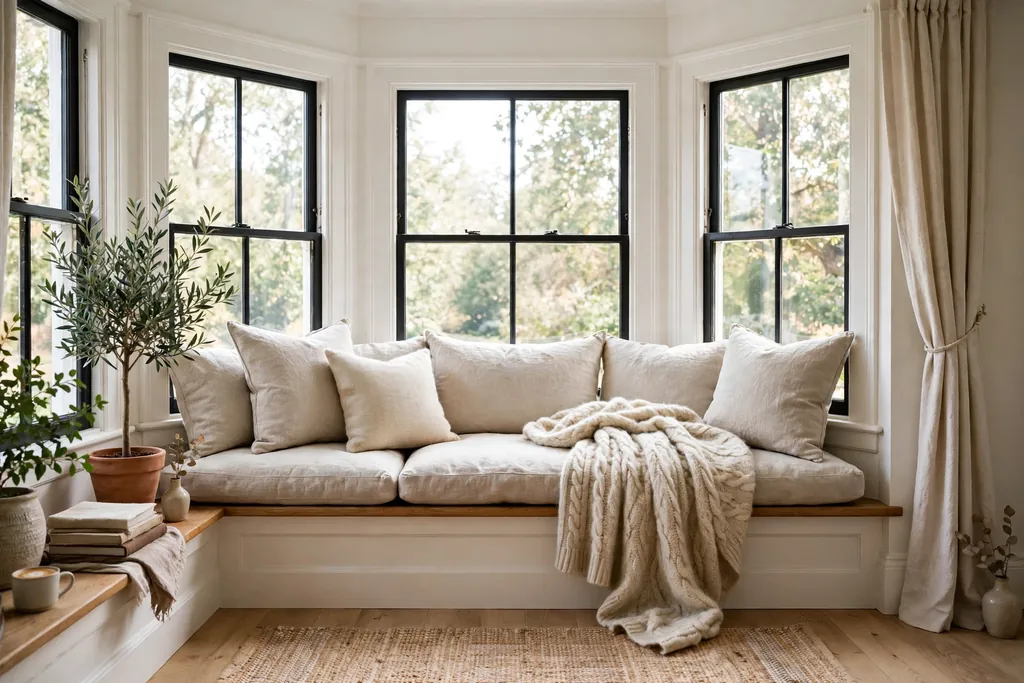
    This idea suits a room with a long console but no free corner, since the trees sit on furniture that already exists. Keep the trees stable and clear of the console edge, and group them at one end of the console rather than spreading them along its full length. When the season ends, the trees pack into one box together.

    21. A Dried Orange Garland Over a Doorway

    Dried orange slice garland with cinnamon sticks and evergreen sprigs hung over a living room doorway.

    A dried orange garland over a doorway adds scent and color to the route into the living room, without taking space inside it. String dried orange slices with cinnamon sticks and a few evergreen sprigs on twine, and hang the garland across the top of the doorway or along an arch into the room. The warm orange color suits a room with wood furniture and cream walls.

    This idea suits a room where the doorway is wide and plain, since the garland frames the entry like a picture. Keep the garland high enough that no one brushes it when walking through, and keep it clear of any heat source near the door. Replace any slice that softens, and store the garland flat after the season so it can be reused.

    22. Stacked Decorative Gift Boxes by the Tree

    Stack of wrapped decorative gift boxes with ribbon beside a slim Christmas tree in a small living room.

    Stacked decorative boxes by the tree or under a console look like wrapped gifts, without hiding real presents. Wrap three empty boxes in one paper pattern, tie them with ribbon, and stack them from largest to smallest beside a slim tree, a wall tree, or a console. The stack fills an awkward gap at floor level and gives the tree area a finished base.

    This idea suits a small room where real gifts must stay hidden until Christmas Eve, since the decorative boxes hold the look in the meantime. Keep the stack stable and clear of walkways, and use light boxes so a bump does not topple the pile. Label the boxes on the base, so they are easy to reuse next year with fresh paper.

    23. An Advent Countdown Shelf

    Advent countdown shelf with 24 small numbered boxes and bags, a small garland, and warm lights.

    An advent countdown shelf gives December a daily ritual, on one small shelf. Set a row of 24 small numbered boxes, bags, or jars on a shelf or a picture ledge, fill each one with a small note, a sweet, or a tiny ornament, and open one each day. Add a small garland or a string of lights behind the shelf, so the countdown reads as a display as well as a calendar.

    This idea suits a family room or a room shared with children, since the shelf gives everyone one small moment each morning. Keep the shelf at a height children can reach with help, and keep small items out of reach of toddlers. When December ends, the boxes pack flat, and the shelf returns to everyday use.

    Conclusion

    A small living room does not need a large tree or a wall of decorations to feel ready for Christmas. It needs a few well placed ideas, such as a slim tree in a corner, a garland on a shelf, lights behind a curtain, and a tray on the coffee table, plus soft layers on the sofa that invite people to sit down. Pick the ideas that solve your room first, whether that is a lack of floor space, a blank wall, or a dark corner, and leave the rest for another year. Start with one idea this weekend, add a second when the first feels settled, and let the room grow into Christmas at its own pace.

    Save this list on Pinterest before you start decorating, and work through it one area at a time: tree first, then windows, then shelves, then the sofa.

    FAQs

    How do I decorate a small living room for Christmas without cluttering it?

    Use walls, windows, and shelves first, and keep the floor clear for walking routes. Pick one tree shape, one garland, and one or two light sources, then stop and live with the room for a day before adding more. Remove one everyday item for every new decoration you add, so the room stays comfortable instead of crowded.
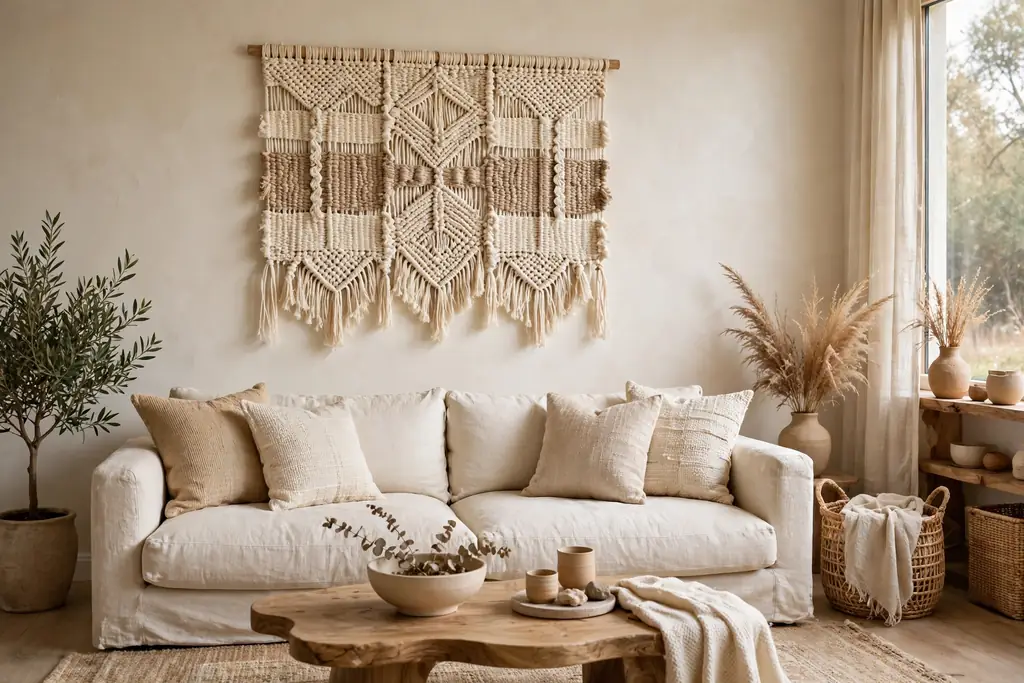
    What size Christmas tree works best in a small living room?

    A slim or pencil tree suits most small rooms, since it gives height without a wide base. Measure the corner first, including the space needed to walk past it and open nearby doors, and choose a tree that leaves that route clear. If no corner fits, a tabletop tree or a flat wall tree gives the same focal point with no floor space at all.

    How can I hang Christmas decor in a rental without damage?

    Use removable hooks, clear thread, and freestanding displays such as a tray, a basket, and a tabletop tree. Test one hook on a hidden spot first, and check the weight rating against the piece you plan to hang. Avoid nails in plaster you cannot patch, and keep heavy items, such as filled stockings, on furniture rather than on a hook alone.

    What Christmas colors work best in a small living room?

    Two colors work better than five in a small room. Red and green suit a classic room, gold and cream suit a pale room, and white and wood suit a calm, natural room. Repeat the same two colors in cushions, a tray, and a garland, so many small details still read as one plan rather than a collection of separate pieces.

    How do I light a small living room for Christmas in the evening?

    Layer light at more than one level: string lights behind curtains, fairy lights in jars on shelves, and battery candles on a tray or a console. Warm white light suits a small room better than bright white, which can look harsh. Put lights on timers where you can, so the room glows at the same time each evening without extra work.

    Can I decorate a living room for Christmas on a small budget?

    Yes. Start with a cushion and throw swap, a tray centerpiece from greenery and ornaments you already own, and paper stars or a dried orange garland made at home. Borrow the tree shape that costs least for your room, such as a wall tree or a tabletop tree, and add one new piece each year rather than buying a full set at once.


  • 26 Spring Living Room Refresh to Bring More Personality Home

    26 Spring Living Room Refresh to Bring More Personality Home

    A spring refresh does not need new furniture or a full redecoration. It needs lighter layers, more daylight, and a few personal details that make the room feel current again after winter. Swap one heavy textile, bring in green life, move a chair toward the light, and the whole room can feel brighter without a large budget or a long project list. These 26 spring living room refresh ideas cover windows, walls, seating, storage, light, and small seasonal details, so you can pick the changes that suit your room, your light, and the way you actually live in it. Start with light and one comfortable seat, then add color and plants where they will be seen daily.

    Key Takeaways

    • Start with light: lighter curtains, clear windowsills, and a mirror placed to bounce daylight do more than a new decoration.
    • Keep one calm base and change the small layers: cushion covers, throws, and art are the easiest spring swaps.
    • Add green life at more than one height, with floor plants, shelf plants, and a small arrangement on the table.
    • Give every seasonal swap a storage home, so winter pieces are packed away rather than piled in a corner.
    • Repeat one or two spring colors in three places, such as a cushion, a vase, and a print, so the room reads as planned.
    • Pick one idea, live with it for a few days, and add the next change only after the first one feels right.

    1. Light Linen Curtains in Place of Heavy Drapes

    Bright living room with light linen curtains falling to the floor beside large windows.

    Swap heavy winter drapes for light linen curtains that let daylight filter in while still giving daytime privacy. Hang the rod close to the ceiling and let the panels fall to the floor, so the window looks taller and the room feels less closed in. White, cream, or pale grey linen suits most sofas, and a simple rod in wood or black metal keeps the focus on the light, not the hardware.

    Wash or shake out the panels before hanging them, since pale linen shows dust after winter. If the room needs evening privacy, keep a heavier pair at the sides and draw only the light layer during the day. For a pale, light-led room built around linen and wood, these Swedish living room ideas show how sheer curtains, pale floors, and soft layers work together.

    2. One Pale Accent Wall in Soft Sage

    Living room with one soft sage accent wall behind a sofa with cream cushions.

    Paint one wall in soft sage to give the room a spring note without repainting the whole space. Choose the wall behind the sofa or the wall you see first when you enter, so the color sets the mood at once. Soft sage pairs well with cream, pale wood, and white trim, and it lets plants and pastel cushions stand out without competing with them.

    Test two or three sage samples on the wall and check them in morning light and evening lamplight before painting the full wall. Keep the other walls calm, and repeat the sage once in a cushion or a vase so the accent wall feels linked to the rest of the room. If you rent and cannot paint, a large sage throw, a set of sage cushion covers, and a framed sage print give a similar note with no paint at all.

    3. Light Woven Rug for the Seating Zone

    Living room seating group on a light woven jute rug with a pale sofa.

    Swap a dark, heavy rug for a light woven rug in jute, cotton, or flatweave wool to lift the whole seating zone. A pale rug makes the floor feel brighter, defines where the sofa group sits, and gives bare feet a softer surface in warmer months. Size it so the front legs of the sofa and chairs rest on it, with a clear border of floor around the edges.

    Tape the rug outline on the floor before buying, and walk the routes around it to check door swings and chair movement. For more help with size and placement, see these living room rug ideas. Vacuum a pale rug often, since it shows crumbs and dust faster than a dark one, and use a rug pad on smooth floors so it stays flat and does not slide.

    4. Grouped Potted Plants at Three Heights

    Living room corner with potted plants at three heights beside a sofa.

    Group potted plants at three heights so green life fills the room without crowding one surface. Place a tall floor plant in an empty corner, a trailing plant on a shelf, and a small pot on a side table or coffee table. The mix of heights keeps the eye moving through the room, and it stops the plant corner from looking like a single crowded shelf.

    Match each plant to the light it will actually get, and check the plant label before buying, since a bright window plant and a dim corner plant need different care. Use pots in cream, terracotta, or rattan so the group looks planned, and put saucers under pots on wood floors. Start with three or four plants rather than a dozen, so watering and care stay manageable through spring.

    5. Low Fresh Flower Arrangement for the Coffee Table

    Low fresh flower arrangement in a shallow vase on a living room coffee table.

    Set a low fresh flower arrangement on the coffee table as the spring centerpiece of the seating group. Keep it low enough that people can see across the table and talk without leaning around stems, and use a wide, shallow vase or bowl so the flowers spread out rather than standing in a tall bunch. Spring stems in soft pink, cream, and pale yellow suit most rooms, and one or two green stems add shape without extra color.

    Change the water every couple of days and trim the stems when you refresh it, so the arrangement lasts longer and stays fresh looking. If fresh flowers are not practical every week, keep the same low vase and rotate in a small potted plant or a bunch of green stems, so the table keeps its spring focal point between flower buys.

    6. Pastel Cushion Covers in Mixed Textures

    Sofa with pastel cushion covers in mixed linen and knit textures.

    Swap winter cushion covers for pastel covers in mixed textures, such as linen, cotton, and a light knit. Pastel pink, butter yellow, soft blue, and pale mint all suit spring, but pick two pastels at most and keep the rest neutral, so the sofa looks fresh rather than sugary. Vary the texture rather than adding more colors, since a linen cover beside a knit cover gives more interest than two identical covers in different pastels.

    Choose covers you can wash, and rotate them through the season so the sofa does not look flat. Keep one plain cover in cream or oatmeal among the pastels, so the eye has a calm place to rest. Store the winter covers in a labeled bag, so the swap back in autumn takes minutes and the spring covers stay clean and ready for next year.

    7. Lightweight Cotton Throw Instead of a Heavy Blanket

    Lightweight cotton throw folded over the arm of a pale living room sofa.

    Replace a heavy winter blanket with a lightweight cotton throw in cream, pale stripe, or a soft spring color. A cotton throw is easy to wash, light enough for a cool spring evening, and neat enough to fold over one sofa arm without making the sofa look piled up. Choose a throw you will actually use, not one kept only for show, so it stays part of daily sitting.

    Fold the throw rather than draping it loosely, so the sofa still looks tidy when no one is sitting there. Keep a second throw in a basket beside the sofa for guests, and wash both throws at the start of the season so they smell fresh. If the room still feels cool in the evening, pair the cotton throw with a warmer lamp glow rather than bringing the heavy blanket back out.

    8. Restyled Coffee Table Tray

    Coffee table tray with a small vase, books, and a candle in a bright living room.

    Restyle the coffee table with a tray that gathers the small items into one tidy group. Set a tray in wood, rattan, or painted metal on the table, then add three things only: a small vase or plant, a book or magazine stack, and a candle or small bowl. The tray keeps remotes, coasters, and small items from spreading across the table, and it makes clearing the table for food or work a one-move job.

    Leave most of the table surface clear around the tray, so cups and books have room without crowding the display. Change one item in the tray with the season, such as swapping a winter candle for a small spring plant, so the table feels current without a full restyle. If the table is small, use a round tray and keep the group to two items, so the table still works for daily use.

    9. Sofa Turned Toward Light and Conversation

    Sofa angled toward large windows and daylight in a bright living room.

    Turn the sofa a few degrees, or move it closer to the window, so the main seat faces daylight and the people sitting in it. A sofa that faces the light feels brighter by day, and a sofa angled toward the chairs, rather than flat against one wall, makes conversation easier in the evening. Measure the new footprint with tape on the floor first, and keep the main walking route clear on at least one side.

    If the sofa cannot move far, try swapping the chairs instead: move one chair toward the window and angle it toward the sofa, so the group still opens to the light. Keep a side table and a lamp within reach of the moved seat, so it works as a real sitting spot, not just a display corner. Small layout moves often change how a room feels more than a new decoration does.

    10. Large Mirror Opposite the Window

    Large mirror opposite a window reflecting daylight in a bright living room.

    Hang a large mirror opposite or beside a window to bounce daylight deeper into the room and give the eye a second view of the space. Choose a mirror large enough to reflect something pleasant, such as the window view or a plant, rather than a blank wall or clutter. A simple frame in pale wood, white, or black keeps the mirror calm, and the reflected light makes a small or north-facing room feel wider.

    Fix the mirror with hardware suited to its weight, and check for glare at different times of day before settling on a final position. If a large mirror feels too strong, try a pair of smaller mirrors hung together, or a mirror above a console table where it reflects the spring display below it. Keep the wall around the mirror simple, so the reflected view stays the detail.

    11. Rattan Baskets for Everyday Tidy Storage

    Rattan baskets beside a sofa holding throws and magazines in a living room.

    Set rattan baskets beside the sofa and under a side table to give throws, magazines, and small toys a home that still looks like part of the room. Baskets add natural texture, hide everyday clutter without a closed cabinet, and can be carried to another room for a quick tidy. One large basket for throws and one smaller basket for magazines are usually enough for a living room.

    Choose baskets with handles, and line a basket used for paper with a plain cloth if the weave snags pages. Keep one basket empty on purpose, as a quick tidy basket for a ten minute reset before guests arrive. When everything has a home, tidying becomes putting things back rather than deciding where they belong, which keeps the spring refresh looking fresh after the first weekend.

    12. Lighter Lampshades and Warm White Bulbs

    Living room lamp with a light linen shade giving warm white light beside a sofa.

    Swap dark or heavy lampshades for lighter shades in white, cream, or pale linen, and check that the bulbs give a warm white light rather than a cool, harsh one. Lighter shades let more light through, so the same lamp feels brighter in spring, and warm white light keeps a pale room feeling soft in the evening rather than cold. This is a low cost change that affects the room every evening, not just in daylight.

    Clean the shades and wipe the lamp bases while you swap them, since dust dulls light more than most people expect. Keep the brightest lamp where you read or work, and use a dimmer or a lower wattage bulb for a small shelf lamp, so the room can shift from bright daytime to calm evening without rewiring. Avoid relying on a single ceiling light, which tends to flatten a room after dark.

    13. Botanical Prints in Pale Frames

    Botanical prints in pale frames hung above a sofa in a bright living room.

    Swap dark or winter art for botanical prints in pale frames to bring a spring note to the walls without new furniture. Choose prints with pale backgrounds and soft greens, such as leaf studies, garden sketches, or pressed flower style art, and keep the frames consistent in pale wood or white so the group reads as calm rather than busy. Hang the center of the group at eye level when seated, and keep the outer edges inside the width of the sofa if the prints hang above it.

    Start with three or four prints and add over time, rather than filling the wall in one go. Picture ledges are a renter friendly option, since they let you lean frames and swap them without new holes each time. Store the winter art flat and wrapped, so the spring prints can be swapped back without damage when the season changes.

    14. Washable Light Slipcover for the Sofa

    Sofa with a washable light slipcover in oatmeal linen in a bright living room.

    Fit a washable light slipcover to a dark or tired sofa for the fastest spring change a seating group can get. A slipcover in natural, oatmeal, or pale grey lightens the whole room, protects the sofa underneath, and can be washed when spring use leaves marks. Measure the sofa carefully before ordering, including arm height and seat depth, so the cover fits without constant tucking.

    For more ideas on living with a grey sofa under a light cover, see these grey couch living room ideas. Keep the cushions simple in plain linen or a soft stripe under the cover, and let throws and one accent color add interest. If a full slipcover feels like too much, start with light cushion covers and a pale throw, and add the slipcover later if the room still feels dark.

    15. Cane and Light Wood Accent Chair

    Cane and light wood accent chair angled toward a sofa in a bright living room.

    Add a cane and light wood accent chair as a second seat that brings spring texture without a large piece of furniture. Cane adds an open, airy weave that suits spring light, and light wood keeps the chair from looking heavy beside a sofa. Place it at an angle to the sofa, with a small side table beside it, so it becomes a real reading seat rather than a display piece.

    Pair the chair with a plain cushion in linen, so the cane frame stays the detail, and keep a basket for a book and a throw beside it. Check secondhand shops for a cane chair with good joints, since an older frame often suits this look well. One accent chair is enough in most rooms, since a full set of cane pieces can make the room feel themed rather than refreshed.

    16. Spring Display on Open Shelves

    Open living room shelves styled with books, pale ceramics, and small plants.

    Restyle one run of open shelves with a spring display of books, plain ceramics, and a few small plants. Group books by height, leave gaps between groups, and put heavier items low and lighter ceramics higher, so the shelves read as storage with breathing room rather than a packed wall. A spring display needs only a few changes: swap a dark vase for a pale ceramic, add a small plant, and turn a stack of books to show a light colored spine.

    Anchor shelves into studs or with fixings suited to your wall type, and check the weight rating before loading them with books. Keep the shelves on one wall, rather than spreading displays around the room, so the spring note stays focused. Leave one shelf partly empty on purpose, so the display looks intentional and there is room for a new spring find later.

    17. Herb Pots on the Windowsill

    Herb pots in terracotta pots on a bright living room windowsill.

    Set herb pots on the windowsill for green life that is useful as well as pretty. Basil, mint, chives, and parsley all grow well in a bright living room window, and their green leaves add a fresh note at eye level when you sit down. Use matching pots in terracotta or cream, and put saucers under them so water does not mark the sill.

    Group herbs that need similar watering together, and turn the pots every few days so the plants grow evenly toward the light. Snip herbs for cooking rather than letting them grow tall and leggy, and replace any plant that stops thriving rather than keeping a tired pot on display. If the windowsill is narrow, use a small tray to hold the pots together and catch drips.

    18. Cleared Windowsills for More Daylight

    Cleared living room windowsill with one small plant and clean window glass.

    Clear the windowsills of winter clutter, heavy ornaments, and stacked items so daylight reaches the room without a barrier. A clear sill lets the window do its job, and it makes the room feel larger even before any new decoration is added. Keep at most one or two items per sill, such as a small plant or a single candle holder, and move the rest to a shelf or a basket.

    Wash the inside of the windows while the sills are clear, since clean glass adds more light than most people expect. Check the window locks and seals at the same time, and note any repair needed before summer. A cleared sill also gives plants a better home, since they get light without competing with ornaments for space.

    19. Woven Pendant Light Over the Seating Area

    Woven rattan pendant light hanging over a living room seating area.

    Hang a woven pendant light over the seating area, or over a side table, to add spring texture at ceiling level. A pendant in rattan, seagrass, or woven paper gives a soft, diffused glow, and its natural weave suits the lighter textiles and plants used elsewhere in a spring refresh. Hang it high enough that no one bumps it when standing, and low enough that it reads as part of the seating group rather than a distant ceiling fitting.

    If wiring a new pendant is not practical, a plug-in pendant or a woven shade fitted to an existing cord can give a similar look with less work. For any electrical change, follow maker guidance and ask a professional if the wiring is old or unclear. Keep the pendant shade clean and dust free, since woven shades show dust in bright spring light.

    20. Spring Styling for the Mantel

    Living room mantel styled for spring with a mirror, green stems, and pale candles.

    Style the mantel for spring with a light, low arrangement that leaves the wall above it clear. Use a mirror or one large print as the anchor, then add a low vase of green stems, a pair of pale candles, and a small stack of books, with space between each group. The mantel should feel like a spring shelf, not a crowded display, so leave gaps where the eye can rest.

    Keep candles and paper clear of any fire opening, and never place throws or fabric near a working fire. If the fireplace is not in use, a row of candles in the opening and a plant on the hearth can give the same gathered feel without a flame. Change one mantel item each month through spring, so the display stays current without a full restyle.

    21. Patterned Runner on the Console Table

    Console table with a patterned spring runner, a vase, and a small bowl.

    Lay a patterned runner in spring colors on the console table, sideboard, or entry table in the living room to add color at table height. A runner in a soft floral, stripe, or block print gives a plain table a spring note, protects the surface, and ties the table to the cushions or art nearby. Choose a runner that hangs a short way over each end, rather than one that pools on the floor or stops short of the edges.

    Keep the display on the runner simple: one vase, one small bowl, and one book or candle, so the pattern stays visible. If the table holds a television or a lamp, keep the runner clear of cables and heat, and choose a washable runner if the table is used for food or drinks. Swap the runner with the seasons, and store the winter runner clean and folded.

    22. Pale Wood Side Table Swap

    Pale wood side table beside a sofa with a cup and a small plant.

    Swap a dark side table for a pale wood side table beside the sofa to lighten the seating group at arm height. A pale wood table in oak, birch, or whitewashed pine keeps the center of the room light, and a plain top leaves room for a cup, a book, and a small plant without looking crowded. Choose a table just tall enough to reach easily from the sofa, so it works for daily use.
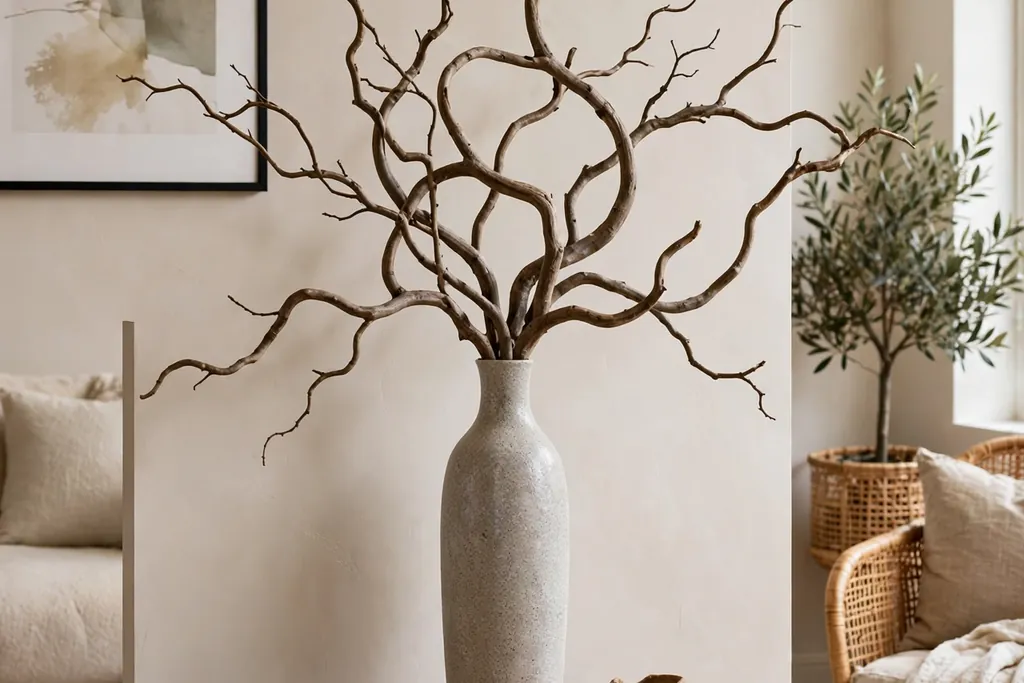
    Keep the table top mostly clear, with one lamp or one small item beside the cup space, so it stays useful rather than becoming another display shelf. A table with a lower shelf can hold a book or a basket underneath, which keeps the top clear. If a new table is not in the budget, sanding and repainting an existing side table in a pale finish can give a similar lift with less cost.

    23. Woven Wall Hanging as Soft Art

    Woven wall hanging in cotton and wool on a plain living room wall.

    Hang a woven wall hanging as soft art on a wall that needs texture rather than another framed print. A wall hanging in cotton, wool, or jute adds warmth and movement, softens a plain wall, and suits a spring room because its fibers echo the linen, rattan, and cotton used elsewhere. Hang it where it will not be brushed by passing traffic, and keep the wall around it simple so the weave stays the detail.

    Choose a size that suits the wall: a large hanging suits a wide empty wall, while a small hanging suits a narrow space beside a window or a shelf. If the hanging is handmade, follow the maker care guidance and keep it out of direct sun, which can fade fibers over time. A woven hanging also helps a rented room feel personal without new holes for a heavy frame.

    24. Colorful Bowl of Citrus on the Sideboard

    Bowl of lemons and oranges on a living room sideboard beside a vase.

    Set a colorful bowl of citrus fruit on the sideboard or console table for a simple spring color accent that can be eaten and replaced. Lemons, oranges, and limes add bright yellow, orange, and green to a pale room, and a wide, shallow bowl keeps the fruit visible without hiding the table surface. This is a low cost accent that changes with the week, since the bowl is refreshed when the fruit is used.

    Use a bowl that suits the room, such as ceramic, wood, or glass, and keep it away from direct sun, which can dry the fruit quickly. Replace any fruit that softens, and wash the bowl before refilling it. If citrus does not suit the household, a bowl of green apples or a small potted plant in the same spot gives a similar fresh note without food waste.

    25. Personal Photos in a Fresh Gallery Row

    Gallery row of personal photos in matching pale frames along a living room wall.

    Hang a fresh gallery row of personal photos in matching pale frames to give the room personality that no shop-bought print can match. Choose photos from recent trips, family gatherings, or everyday moments that make you smile, and print them in similar tones so the row reads as one group rather than a random mix. Hang the row at eye level along one wall, with even gaps between frames, and keep the outer edges inside the width of the furniture below it.

    Start with five or six photos and add over time, rather than filling the wall in one go. If you rent, picture ledges let you lean frames and swap photos without new holes each time. Rotate one or two photos each season, so the gallery stays current and the room keeps a personal, lived-in feel through spring and beyond.

    26. Winter Decor Packed Away, One Spring Box Kept

    Labeled storage boxes for winter decor beside a basket of spring cushion covers.

    Pack winter decor away in labeled boxes, and keep one spring box for the small items you rotate through the season. Winter throws, dark cushion covers, heavy candles, and winter art go into storage clean and dry, so they are ready for autumn and do not clutter the spring room. Label each box by room and season, and store boxes where they are easy to reach when the season changes again.

    Keep one spring box close at hand with spare cushion covers, a light throw, a small vase, and a few spring prints, so a quick refresh later in the season takes minutes. Walk the room once with an empty basket and return anything that has drifted out of place, since a ten minute reset keeps the spring refresh looking calm without a deep clean. A room that starts the season tidy is far easier to keep tidy through it.

    Conclusion

    A good spring living room refresh starts with light, not with a shopping list. Clear the windows, lighten one textile layer, add green life at more than one height, and give the room one or two personal details that make it yours. Pick one idea from this list, try it where you will actually sit, and add the next change only after the first one feels right. Small, planned changes last longer than a full room overhaul done in a rush, and they leave room for the season to grow into the space.

    Save this list on Pinterest before your next spring tidy, and work through it one area at a time: windows first, then seating, then the shelves, mantel, and small displays that make the room feel personal.

    FAQs

    How can I refresh my living room for spring without buying new furniture?

    Start with light and textiles, since those changes cost the least and affect the room the most. Swap heavy curtains for light linen, change cushion covers and throws, clear the windowsills, and add plants and fresh flowers. Move the sofa or a chair toward the light, and restyle one shelf or the coffee table. These steps refresh the room without replacing any large piece, and they can be done over one weekend.

    What colors work best for a spring living room refresh?

    Soft sage, pale blue, butter yellow, blush pink, and pale mint all suit spring, paired with a calm base of cream, oatmeal, or pale grey. Pick one or two spring colors and repeat them in three places, such as a cushion, a vase, and a print, rather than adding a new color in every corner. Keep walls, sofa, and rug calm, so the spring colors read as accents rather than competing for attention.

    How do I add personality to a living room without making it cluttered?

    Add personality through items with a story, such as personal photos, a favorite book stack, a handmade bowl, or a plant you have grown, rather than through many small decorations. Give each item a clear home, leave gaps on shelves and tables, and remove one item for every new decorative piece you add. A room with a few personal pieces and clear surfaces feels more personal than a room crowded with decorations that have no meaning.

    How often should I change cushion covers and throws for spring?

    Once at the start of spring is enough for most rooms, with a wash or a shake out when the season changes. Choose washable covers and throws, and store the winter set clean and labeled, so the swap back in autumn is quick. If the room gets heavy daily use, wash the spring covers mid-season as well, and rotate cushions so wear stays even across the set.

    Can a spring refresh work in a small living room?

    Yes, and small rooms often benefit most, since light and layout changes have a larger effect in a small space. Use a mirror to bounce daylight, keep furniture low and few in number, and use baskets and trays to give clutter a home. Choose one spring color, one light rug, and plants at two heights, rather than trying every idea at once, so the small room stays calm and easy to move through.

    What should I do first if I only have one weekend for a spring refresh?

    Start with light and tidying, since those steps make every later change look better. Clear the windowsills, wash the windows, swap the curtains and cushion covers, and pack winter decor away. Then add one plant group and restyle the coffee table. If time remains, paint one accent wall or hang new art, but a clean, light room with fresh textiles already feels refreshed even before paint or art is added.


  • 31 Ways to Decorate Your Fireplace Mantle for Spring

    31 Ways to Decorate Your Fireplace Mantle for Spring

    Spring is the right time to lighten the mantle. Heavy winter garlands come down, and in their place go fresh flowers, soft green leaves, pale candles, and a few small seasonal touches. The goal is a shelf that feels open and alive, not crowded. These 31 ways to decorate your fireplace mantle for spring cover garlands, wreaths, flower arrangements, candles, art, and small vignettes, so you can pick one main idea or combine two or three. Start with the largest piece, such as a mirror, a wreath, or a tall branch arrangement, then add smaller items around it. For fireplace styling in another room, these kitchen fireplace ideas show how a mantel can anchor a working space without crowding it.
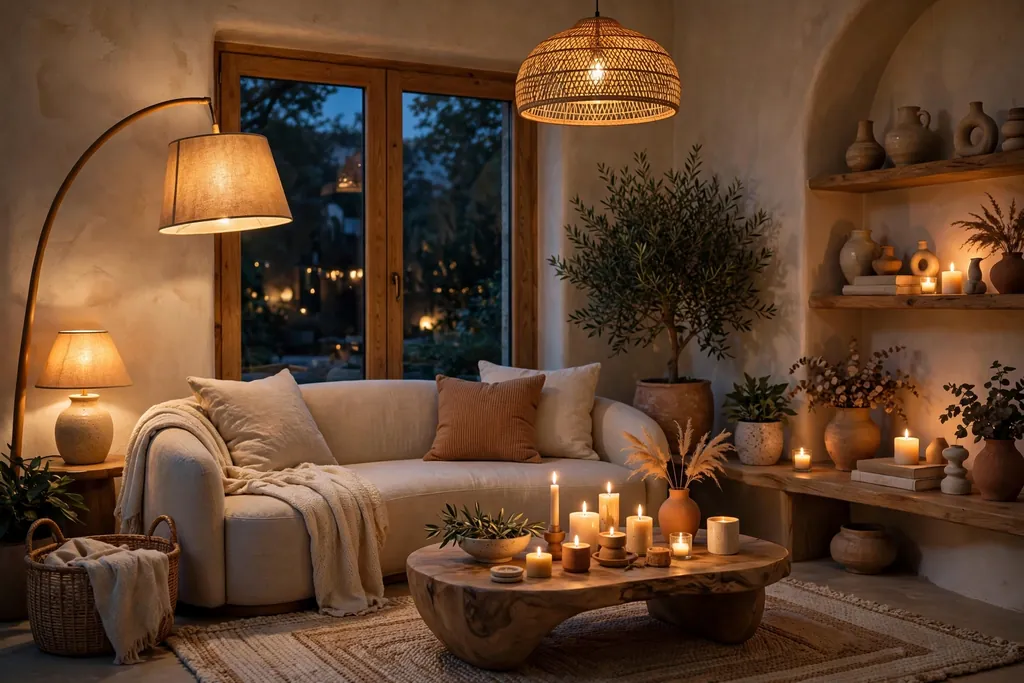
    Key Takeaways

    • Start with one anchor, such as a mirror, a wreath, or a tall vase, then build smaller pieces around it.
    • Keep the palette light: soft greens, white, cream, and one or two pastel accents repeated through the display.
    • Mix heights on purpose, with tall branches or candlesticks at the ends and lower bowls and plants in the middle.
    • Leave empty space between groups so each piece reads clearly and dusting stays simple.
    • Use fresh flowers and potted plants where you can, and keep dried or faux pieces for spots near heat.
    • Swap only a few pieces when the season moves on, rather than clearing the whole mantle each time.

    1. Fresh Eucalyptus Garland Draped Along the Shelf

    Fresh eucalyptus garland draped along a white fireplace mantle shelf.

    Lay a fresh eucalyptus garland along the mantle shelf, letting the ends trail a little over each side. Eucalyptus gives a soft green line that suits almost any spring display, and its scent is gentle rather than strong. Choose stems with full, round leaves, and lay them in one loose layer instead of piling several garlands on top of each other.

    Fix the garland with small clear clips or a strip of museum putty so it does not slide off the shelf. Tuck a few small white flowers into the garland if the green alone feels plain, and mist the leaves lightly every few days. Replace the garland when the leaves start to dry and curl, or switch to a faux version for a mantel near a working fire.

    2. Tulips in Clear Glass Vases

    Pink and white tulips in clear glass vases on a fireplace mantle.

    Group tulips in clear glass vases for a spring mantle that looks fresh the day you arrange it. Tulips keep growing after they are cut, so stems will bend and open in different directions, which gives the display a natural, relaxed shape. Use vases of different heights, and keep the flower heads above the rim so the color shows from across the room.

    Trim the stems at an angle and change the water every two days to keep the tulips standing longer. Pink, white, and soft yellow tulips all work, but pick one main color and use the others as small accents. If a stem droops too far, move it to a shorter vase or trim it for a bud vase elsewhere in the room.

    3. Potted Hyacinths in a Row

    Potted hyacinths in white ceramic pots lined up on a fireplace mantle.

    Line up potted hyacinths along the mantle for color and scent in equal measure. Hyacinths bloom in pink, purple, white, and blue, and their dense flower spikes read clearly even from the doorway. Keep the pots small and matching, in white ceramic or plain terracotta, so the flowers carry the color.

    Water the bulbs sparingly and keep the soil just damp, since wet soil on a mantle can stain the shelf. Slip each nursery pot inside a decorative pot with no drainage hole, and add a saucer or a felt pad under each one. When the blooms fade, move the pots to a sunny windowsill and plant the bulbs outside in autumn.

    4. Cherry Blossom Branches in a Tall Vase

    Cherry blossom branches in a tall vase at one end of a fireplace mantle.

    Place cherry blossom branches in a tall, heavy vase for instant height at one end of the mantle. The pale pink blossoms open slowly indoors, so the display changes a little each day. A tall vase also balances a wide mantle, giving the eye a vertical line among lower candles and bowls.

    Choose branches with a mix of buds and open blooms, and trim the ends before placing them in water. Keep the vase near the center of the shelf depth so a tall arrangement cannot tip forward, and avoid placing it directly above a lit fire. If fresh branches are hard to find, a good faux branch in the same soft pink gives a similar outline without dropping petals.

    5. Forsythia Stems for Early Yellow

    Yellow forsythia stems in a simple vase on a fireplace mantle.

    Use forsythia stems when you want a clear sign of early spring. The bright yellow flowers open along bare stems, so the arrangement looks light and airy rather than dense. Forsythia suits a mantle that already has a lot of green, since the yellow gives one strong color note.

    Cut stems from your own shrub in late winter and bring them inside to force the blooms, or buy cut stems from a florist. Place them in a simple glass or ceramic vase with water, and keep them away from direct heat so the flowers last longer. Pair forsythia with white candles or a pale bowl, and let the yellow be the only bold color in the group.

    6. Spring Wreath Hung Above the Mantle

    Spring wreath of boxwood and pastel flowers hung above a fireplace mantle.

    Hang a spring wreath above the mantle to fill the wall space without adding another object to the shelf. A wreath made of boxwood, mixed greenery, and a few small pastel flowers suits the season and works with most room colors. Hang it centered over the firebox, with the bottom of the wreath a few inches above the shelf.

    Use a sturdy hook or a nail rated for the wreath weight, and check that the wreath hangs level before you step back. A wreath also works well over a mirror, layered in front of the glass for extra depth. Keep the wreath clear of the fire opening, and choose a faux wreath if the fireplace is used often.

    7. Round Mirror Framed by a Leafy Wreath

    Round mirror with a small leafy wreath layered over it above a fireplace mantle.

    Layer a small leafy wreath over a round mirror for a mantle centerpiece with both reflection and greenery. The mirror bounces light into the room, which helps a spring display feel bright, while the wreath softens the hard round edge. This pairing suits a narrow mantle where a wide art print would feel too large.

    Hang the mirror first, then hang the wreath from the same hook or a small separate hook so it sits slightly forward of the glass. Keep the wreath slim, since a thick wreath can cover too much of the mirror. Wipe the glass with a soft cloth after hanging, and step back to check that the wreath does not hide the reflection you want.

    8. Pastel Taper Candles in Brass Holders

    Pastel taper candles in brass holders along a fireplace mantle.

    Set pastel taper candles in brass holders along the mantle for soft color and a warm evening glow. Pale pink, butter yellow, and soft green tapers read as spring without looking like party decorations, and brass holders add a warm metal note that suits wood mantles. Vary the holder heights so the candles step up and down along the shelf.

    Place candles well clear of garlands, paper, and fabric, and never leave them burning in an empty room. Battery tapers give the same look where real flames are not practical, such as a mantle near curtains. Store spare tapers flat in a cool place so they do not bend before use.

    9. White Pillar Candles on a Wood Tray

    White pillar candles grouped on a wood tray on a fireplace mantle.

    Group white pillar candles on a wood tray for a calm base that works under almost any spring arrangement. The tray gathers the candles into one unit, protects the shelf from wax, and makes it easy to lift the whole group when you dust. Choose pillars in two or three heights, and keep the tallest at the back.

    Add a few small green sprigs around the base of the candles for a spring note, but keep all greenery clear of the wicks. If you use real candles, trim the wicks and let each candle burn long enough for the top to melt evenly, which avoids tunneling. Battery pillars are a safer pick for a mantle that sits above a working fire.

    10. Ceramic Birds as a Quiet Focal Point

    Small ceramic birds grouped on a fireplace mantle.

    Place two or three ceramic birds on the mantle for a gentle spring theme that does not shout. White or pale pastel birds suit most rooms, and a small group reads as a deliberate collection rather than a single random ornament. Set them at slightly different heights, using a small stack of books or a low stand under one bird.

    Keep the birds near the center or at one end, not spread across the whole shelf, so they hold together as a group. Dust ceramic birds with a soft dry cloth, and keep them away from the shelf edge where they could be knocked off. If you collect birds in other rooms, repeat the same color on the mantle so the house feels linked.

    11. Botanical Prints in Matching Frames

    Botanical prints in matching frames hung above a fireplace mantle.

    Hang botanical prints in matching frames above the mantle for a spring wall display that lasts past the season. Prints of leaves, ferns, and garden flowers in soft greens and muted colors suit a pale wall, and matching frames keep a group of three or four prints calm. Hang the group centered over the firebox, with the middle of the group at eye level when standing.

    Start with three prints in a row for a wide mantle, or a grid of four for a taller wall. Leave equal gaps between frames, and use a paper template on the wall to mark hook positions before you drill. Swap one print for a seasonal piece in spring, and keep the rest year round for a display that changes slowly.

    12. Pressed Flowers in Glass Frames

    Pressed flowers framed between glass sheets on a fireplace mantle.

    Frame pressed flowers between two sheets of glass for a light, detailed spring accent. The glass lets light through the petals, so the colors look soft rather than flat, and the thin frame suits a mantle that already holds heavier vases or candle holders. Pressed pansies, ferns, and small wildflowers press well and keep their shape.

    Buy ready pressed pieces or press your own flowers between sheets of paper under a heavy book for two to three weeks. Handle the finished frames by the edges, and hang them where they get indirect light, since strong sun fades pressed petals. Two small glass frames flanking a mirror or a wreath give symmetry without weight.

    13. Daffodils in a Low Ceramic Bowl

    Yellow daffodils arranged in a low white ceramic bowl on a fireplace mantle.

    Arrange daffodils in a low ceramic bowl for a spring centerpiece that sits below eye level and leaves the wall art visible. Daffodils have a clear, cheerful yellow that needs little help, so a simple white or cream bowl lets the flowers lead. Cut the stems to slightly different lengths so the blooms sit at varied heights.

    Use a small flower frog or a ball of chicken wire inside the bowl to hold the stems in place, and top up the water daily since shallow bowls dry out fast. Daffodil sap can harm other cut flowers in the same water, so keep daffodils on their own for the first day, or arrange them alone in the bowl. Place the bowl in the center of the mantle for a classic look.

    14. Moss Covered Pots with Small Ferns

    Moss covered pots with small ferns on a fireplace mantle.

    Set moss covered pots of small ferns on the mantle for a woodland spring feel. The moss gives texture that smooth ceramic pots lack, and ferns add soft, feathery leaves that contrast with the straight lines of the shelf. Choose ferns that stay small, such as button fern or maidenhair fern, so they do not outgrow the display.

    Keep the soil lightly damp and mist the ferns every few days, since indoor air dries them out. Put a waterproof saucer under each pot to protect the shelf, and rotate the pots weekly so the ferns grow evenly. If a fern browns at the tips, move it to a spot with less direct sun and trim the damaged fronds.

    15. Terracotta Pots of Fresh Herbs

    Terracotta pots of fresh herbs lined up on a fireplace mantle.

    Line up terracotta pots of fresh herbs on the mantle for a spring display you can also cook with. Basil, mint, chives, and parsley all grow well in small pots, and their green leaves suit a kitchen facing living room. The warm orange brown of terracotta also pairs well with pale spring flowers nearby.

    Give herbs as much daylight as the room allows, and water only when the top of the soil feels dry. Snip leaves regularly, which keeps the plants bushy rather than leggy, and replace any plant that grows too tall for the shelf. Label the pots with small wood markers if guests will pick leaves, and keep mint in its own pot since it spreads fast.

    16. Wood Bead Garland in Soft White

    Soft white wood bead garland draped along a fireplace mantle shelf.

    Drape a wood bead garland in soft white along the mantle for a simple, neutral layer that ties other pieces together. Bead garlands add texture without color, so they work under a wreath, around candle holders, or along the front edge of the shelf. A garland with a tassel at each end looks finished without extra decoration.

    Lay the garland in a loose curve rather than a straight line, and let it dip slightly between candle groups. Wipe wood beads with a dry cloth to keep dust out of the grooves, and store the garland flat so the cord does not tangle. Swap the white beads for natural wood in autumn, and keep the same draping habit year round.

    17. Graduated Ceramic Vases in Pastel Glazes

    Ceramic vases in graduated heights and pastel glazes on a fireplace mantle.

    Arrange ceramic vases in graduated heights and pastel glazes along one side of the mantle. A tall vase, a medium vase, and a short vase in pink, mint, and cream give a stepped outline that draws the eye along the shelf. Leave some vases empty and put a single stem in others, so the group does not look like a flower shop display.

    Choose glazes in the same soft tone family, rather than mixing bright colors, so the group stays calm. Place the tallest vase at the outer end and step down toward the center, or mirror the step on both ends for symmetry. Wash the vases before use, since pastel glazes show water marks more than dark ones.

    18. Glass Cloche Over a Mini Spring Scene

    Glass cloche over a mini spring scene with a small plant on a fireplace mantle.

    Place a glass cloche over a mini spring scene for a display that invites a closer look. Under the dome, set a small potted plant, a tiny ceramic bird, or a few moss covered stones on a wood slice. The glass protects the scene from dust and keeps small pieces together as one unit.

    Choose a cloche tall enough that the plant inside has room to grow, and lift the dome every few days to let air in. Keep the cloche away from the shelf edge, since glass domes are easy to knock, and clean the inside with a soft cloth when condensation appears. One cloche is enough on most mantles, since two can look like a shop window.

    19. Vintage Books Topped with a Small Plant

    Vintage books stacked on a fireplace mantle topped with a small potted plant.

    Stack two or three vintage books on the mantle and top them with a small potted plant. The books add height for a plant that would otherwise sit too low, and their worn covers bring a collected feel to a spring shelf. Choose books in muted cloth covers, and stack the largest at the bottom.

    Turn the spines toward the wall if the titles clash with the room, or show them if they suit the scheme. Put a small felt pad under the plant pot to protect the top book, and avoid watering the plant while it sits on the books. This trick also works for a small candle holder or a ceramic bird that needs a lift.

    20. Pastel Easter Eggs in a Footed Bowl

    Pastel Easter eggs in a footed bowl on a fireplace mantle.

    Fill a footed bowl with pastel Easter eggs for a short seasonal accent that is easy to put away after the holiday. Painted wood or ceramic eggs last longer than real blown eggs, and soft pink, blue, yellow, and mint eggs suit a spring palette. The footed bowl raises the display so it reads above lower candles and garlands.

    Mix the eggs loosely rather than stacking them in neat rows, and tuck a little moss or shredded paper between them for texture. Keep the bowl in the center or at one end of the mantle, and pack the eggs away after Easter so the spring display does not feel dated. Swap the eggs for small lemons later in the season if you like the bowl shape.

    21. Bird Nest Vignette with Speckled Eggs

    Small bird nest vignette with speckled eggs on a fireplace mantle.

    Build a small bird nest vignette with a faux nest and speckled eggs for a natural spring focal point. Set the nest on a wood slice or a small cake stand, add two or three speckled eggs, and place a few sprigs of greenery beside it. The vignette works best as one small group, not spread across the shelf.

    Keep the nest low and stable, and use faux eggs rather than real ones so the display lasts the whole season. Place the vignette at one end of the mantle, balanced by a candle group or a vase at the other end. Pack the nest away when spring ends, since it reads as a seasonal piece rather than a year round decoration.

    22. Lemon Bowl for a Citrus Note

    Bowl of fresh lemons on a fireplace mantle beside greenery.

    Set a bowl of fresh lemons on the mantle for a bright citrus note that suits late spring. The yellow echoes daffodils and forsythia elsewhere in the room, and the round fruit adds a different shape among vases and candles. A white or wood bowl keeps the focus on the lemons themselves.

    Choose lemons of similar size, wash and dry them before display, and replace any that soften. Use the lemons in cooking before they age, and top the bowl up so it always looks full. This idea pairs well with greenery and white candles, and it suits a mantle in a room that already has a citrus theme in the kitchen.

    23. Watercolor Landscape Leaning on the Wall

    Watercolor spring landscape leaning against the wall on a fireplace mantle.

    Lean a watercolor landscape against the wall on the mantle for art that needs no hooks. A soft spring landscape, with pale green fields and a light sky, adds color at the back of the shelf while smaller pieces sit in front of it. Leaning art also lets you swap pieces easily when the season changes.

    Use a frame with a wide mat so the painting reads from across the room, and secure the top edge with a small adhesive pad so the frame cannot slide forward. Keep the painting clear of candle flames and out of direct sun, which fades watercolor. Pair a landscape with a small plant at its base to link the art to the shelf display.

    24. Potted Lavender in a Woven Basket

    Potted lavender in a woven basket on a fireplace mantle.

    Place potted lavender in a woven basket on the mantle for scent, soft purple color, and natural texture in one piece. Lavender suits a sunny mantle, and the woven basket softens the straight lines of the shelf. Choose a basket that fits the pot snugly, with a plastic liner inside to catch water.

    Give lavender as much light as you can, and water only when the soil is dry, since lavender dislikes wet roots. Trim the flower stems after they bloom to keep the plant compact, and move the pot outside for summer if it grows too large for the shelf. The scent is gentle indoors, and it pairs well with white candles nearby.

    25. Pussy Willow Stems in a Stoneware Jug

    Pussy willow stems in a stoneware jug on a fireplace mantle.

    Stand pussy willow stems in a stoneware jug for a soft, neutral arrangement that lasts for weeks. The grey, fuzzy buds catch light nicely, and the bare stems keep the display airy. A stoneware jug in cream or soft grey suits the muted tones of the willow and anchors the arrangement on the shelf.

    Trim the stems to varied lengths, and place the tallest at the back of the jug. Pussy willow needs no water once cut, which makes it a good pick for a mantle above a working fire, where fresh flowers dry out fast. Dust the buds gently with a soft brush, and replace stems that shed heavily.

    26. Small Topiary Balls in Clay Pots

    Small topiary balls in clay pots on a fireplace mantle.

    Set small topiary balls in clay pots on the mantle for neat green shapes that hold their form all season. Boxwood or faux boxwood balls suit a classic spring look, and the round shape contrasts with tall candles and branch arrangements. Use two matching pots for symmetry, or one larger ball as a single accent.

    Keep real boxwood lightly watered and out of strong sun, or choose faux balls for a mantle near heat. Trim real topiary with small scissors to keep the round shape, and wipe faux balls with a damp cloth to remove dust. Place topiary at the ends of the shelf to frame the display, or flanking a mirror for a balanced pair.

    27. Fairy Lights Woven Through Greenery

    Fairy lights woven through a greenery garland on a fireplace mantle in the evening.

    Weave battery fairy lights through a greenery garland for a soft evening glow on the mantle. The tiny lights make spring leaves and flowers visible after dark, and they suit a mantle that serves as the room focal point in the evening. Choose warm white lights, and hide the battery box behind a vase or a stack of books.

    Use a timer so the lights switch off on their own, and keep the wire clear of candle flames and the fire opening. Replace batteries before the wire starts to dim unevenly, and unwind the lights carefully at the end of the season so the wire does not kink. This idea works best with a full garland, since sparse greenery shows the wire too clearly.

    28. Mini Tiered Stand with Spring Pieces

    Mini tiered stand with small spring plants and pastel eggs on a fireplace mantle.

    Use a mini tiered stand on the mantle to hold several small spring pieces in a small footprint. A two tier stand can hold mini potted plants, a tiny ceramic bird, and a few pastel eggs, stacked vertically instead of spread along the shelf. This suits a narrow mantle where a long row of objects would feel crowded.
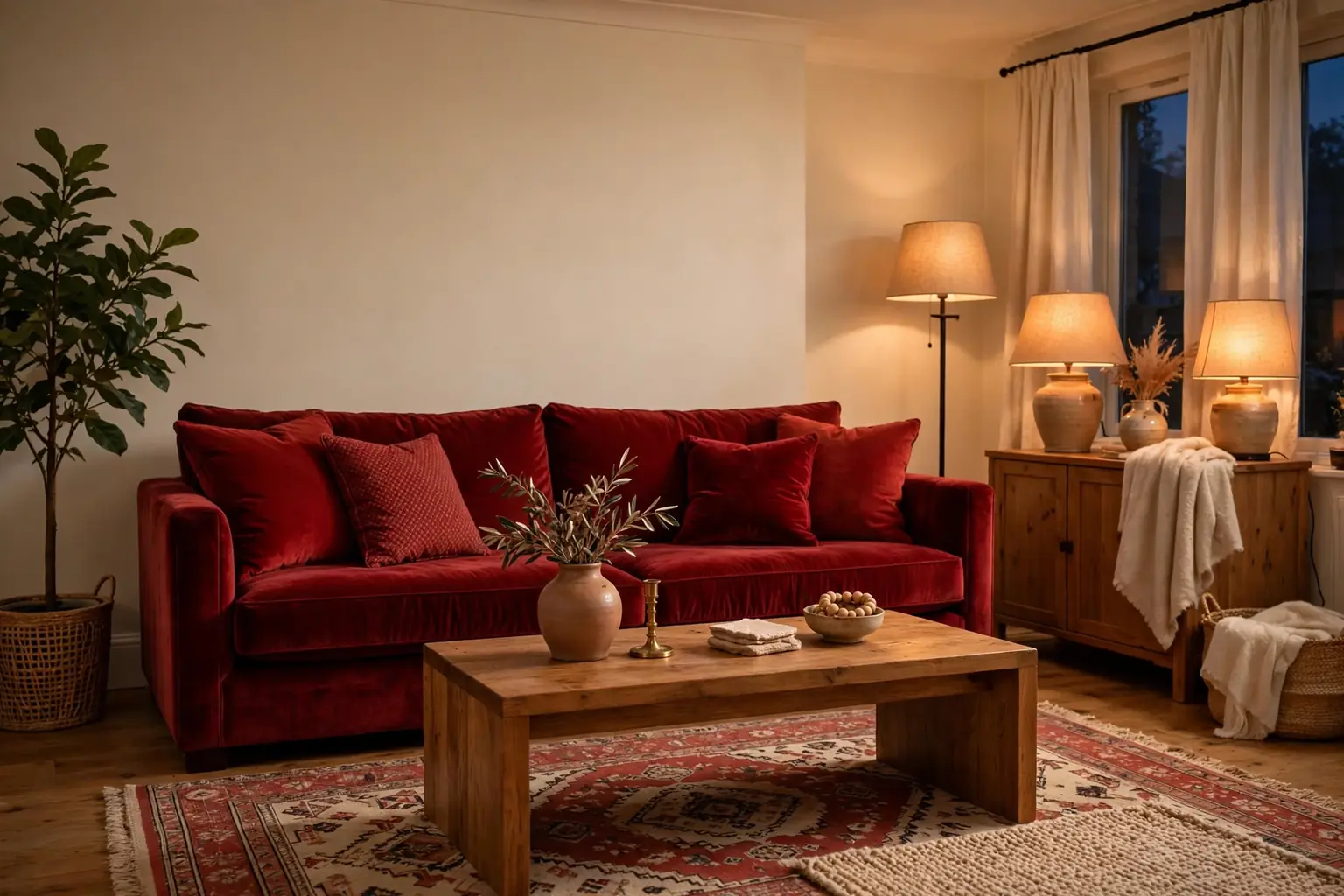
    Keep the heaviest piece on the bottom tier so the stand stays stable, and leave one small gap on each tier so the stand does not look stuffed. A white or pale wood stand suits spring best, since a dark stand can dominate the small items. Move the stand as one unit when you dust, rather than lifting each piece separately.
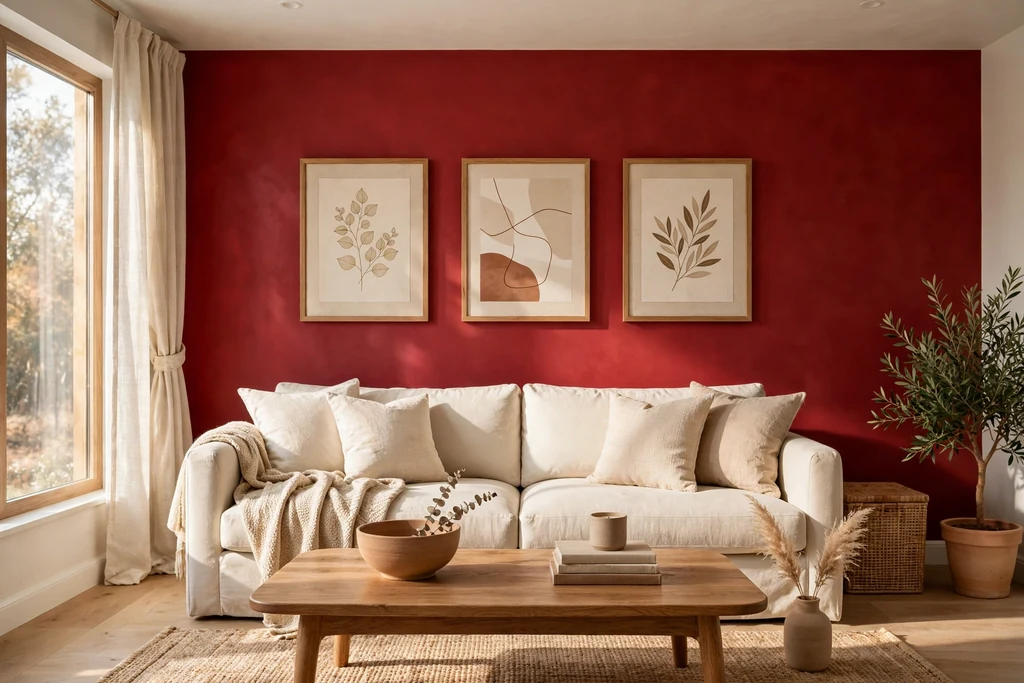
    29. Linen Bunting in Spring Pastels

    Linen bunting in spring pastels hung across a fireplace mantle.

    Hang a linen bunting in spring pastels across the front of the mantle for a light, handmade touch. Small triangles in pink, mint, cream, and soft yellow add color without weight, and linen keeps the look calm rather than festive in a party sense. Hang the bunting from the shelf edge or from small hooks at each end.
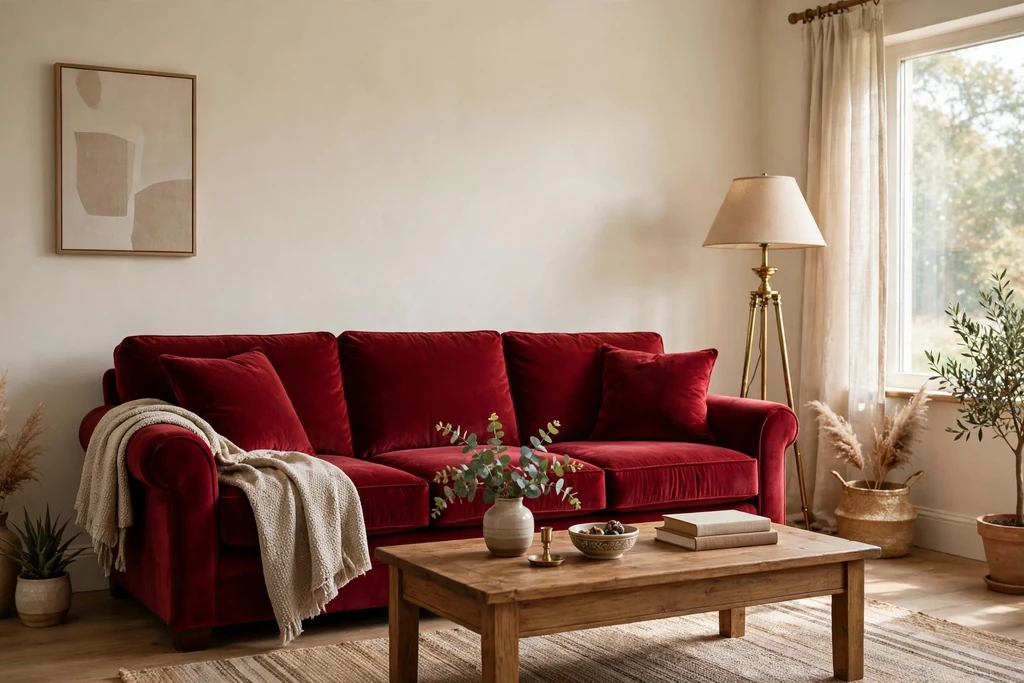
    Keep the bunting short enough that it does not droop onto the fire opening, and iron the triangles before hanging so they lie flat. This idea suits a family room or a mantle decorated for a spring gathering, and it comes down easily when the season ends. Pair bunting with plain white candles so the shelf does not carry two strong patterns at once.
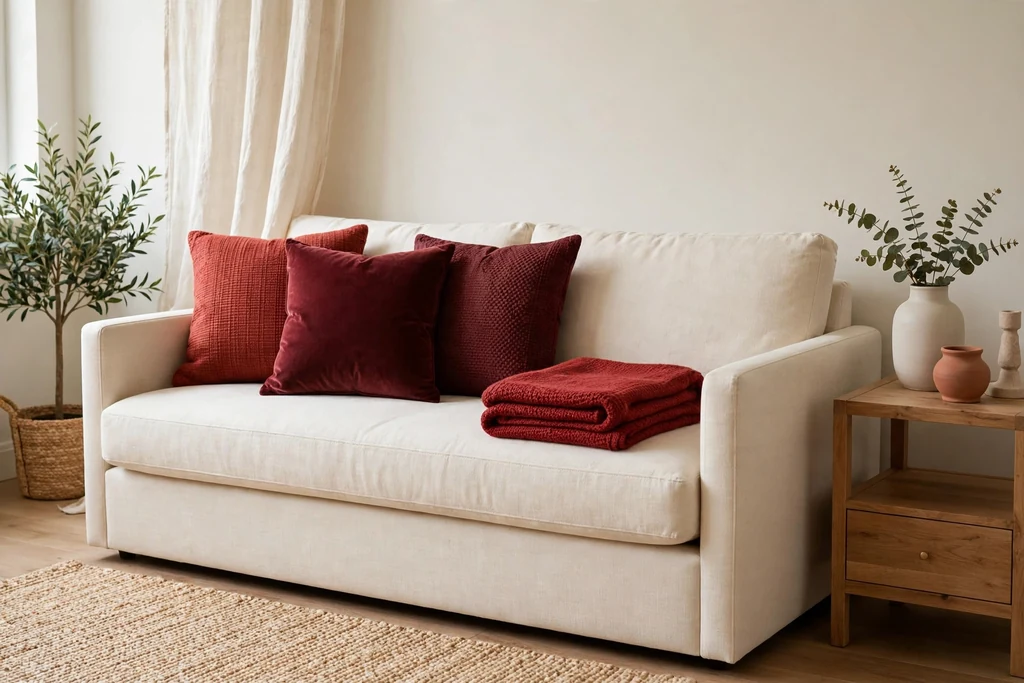
    30. Single Stem Bud Vases in a Row

    Single stem bud vases lined up in a row on a fireplace mantle.

    Line up single stem bud vases in a row for a simple flower display that uses very few blooms. Each small vase holds one stem, such as a tulip, a ranunculus, or a sprig of blossom, so a small bunch of flowers stretches across the whole mantle. Matching bud vases look tidy, while mixed vintage vases look collected.
    Keep the water topped up, since bud vases hold very little, and change it every two days. Trim each stem to suit its vase height, and keep the tallest stem near the center for a gentle peak. This is a good way to use leftover stems from a larger bouquet, and it suits a mantle where a big arrangement would block a mirror or art.
    31. Mixed Garden Bouquet as the Centerpiece

    Mixed garden bouquet of tulips, daffodils, and greenery in a large vase on a fireplace mantle.

    Finish with a mixed garden bouquet as the mantle centerpiece, gathering tulips, daffodils, ranunculus, and fresh greenery in one large vase. A mixed bouquet pulls together the colors and flowers used elsewhere on the shelf, so the whole display feels planned rather than random. Choose a vase wide enough to hold the stems loosely, and let the bouquet spill a little over the rim.

    Strip leaves below the waterline, trim the stems at an angle, and change the water every two days to keep the bouquet fresh. Place the bouquet in the center of the mantle, with lower candles and bowls on each side, and step back to check the balance from the doorway. Replace the shortest lived flowers as they fade, so the bouquet lasts into a second week.

    Conclusion

    A spring mantle works best when it feels light, fresh, and a little unfinished, with room for flowers to open and new pieces to join. Pick one anchor, repeat one or two soft colors, and leave gaps between groups so the shelf stays easy to dust and easy to change. Fresh flowers and potted plants do most of the work, while candles, mirrors, and small seasonal pieces add warmth after dark and on cloudy days. Start with the idea that fits your room and your routine, then add a second one next weekend rather than buying everything at once. For the floor around the fire, these living room rug ideas help the seating zone match the lighter spring look, and the pale, calm approach in these Swedish living room ideas pairs well with a pastel mantle display.

    FAQs

    How do I decorate my fireplace mantle for spring on a small budget?

    Start with what you already own, such as white candles, plain vases, and a mirror, then add one fresh element, like a bunch of tulips or a few forsythia stems. A single garland of greenery, a bowl of lemons, or a row of bud vases costs little and changes the whole shelf. Add more pieces over several weekends instead of buying a full display at once.

    What flowers last longest on a spring mantle?

    Potted bulbs, such as hyacinths and small daffodils, last longest because their roots stay in soil. Among cut flowers, tulips, ranunculus, and daffodils usually last a week or more with fresh water and trimmed stems. Keep all flowers away from direct heat above a working fire, and change the water every two days.

    How do I keep a spring mantle from looking cluttered?

    Choose one anchor, such as a mirror or a wreath, then limit the shelf to three or four groups of objects with clear gaps between them. Repeat one or two colors, mix heights on purpose, and step back to check the display from the doorway. If a piece does not add color, height, or texture, move it to another room.

    Is it safe to put greenery and candles on a mantle above a working fireplace?

    Keep all greenery, fabric, paper, and dried flowers well clear of the fire opening and away from candle flames, and follow the clearance rules for your fireplace and any candle maker guidance. Battery candles and faux greenery are safer picks directly above a fire that is used often. Never leave real candles burning in an empty room.

    When should I switch my mantle from winter to spring decor?

    Late winter is a good time to start, when forsythia and pussy willow stems can be forced indoors and early bulbs appear in shops. Swap heavy garlands and dark candles first, then add fresh flowers as they become available. Most spring displays look best from March through May, with small swaps, such as lemons for Easter eggs, keeping them fresh.

    How do I decorate a mantle if I do not have a working fireplace?

    Treat the firebox as a display space too, with a group of pillar candles, a stack of books, or a basket of greenery inside it. The mantle shelf follows the same rules: one anchor, mixed heights, and gaps between groups. Without heat to worry about, you can use fresh flowers, fabric bunting, and paper accents freely.