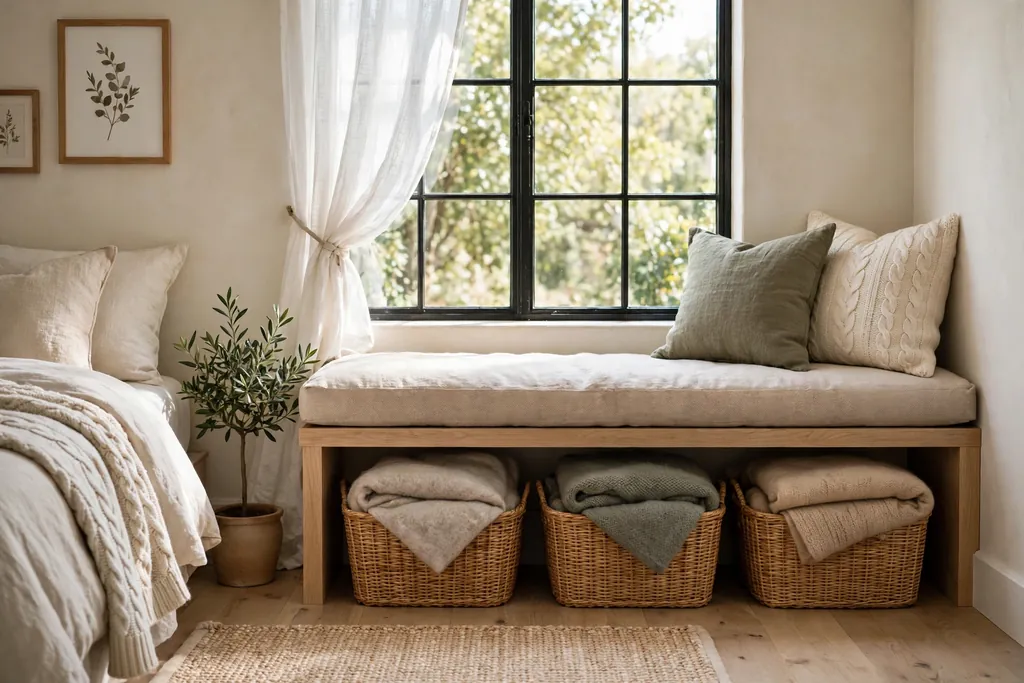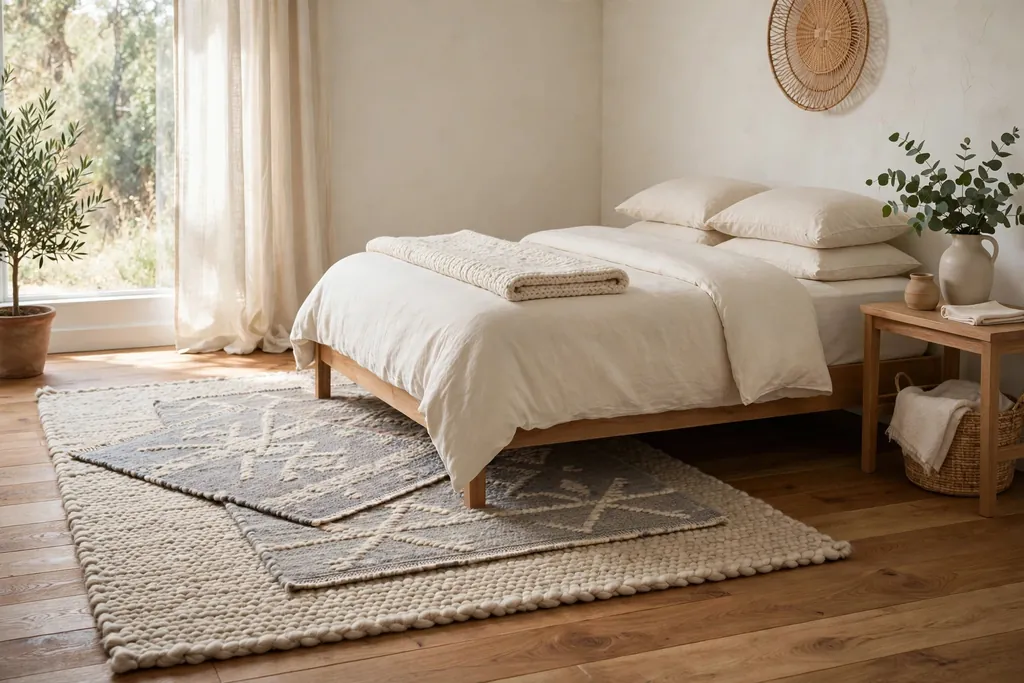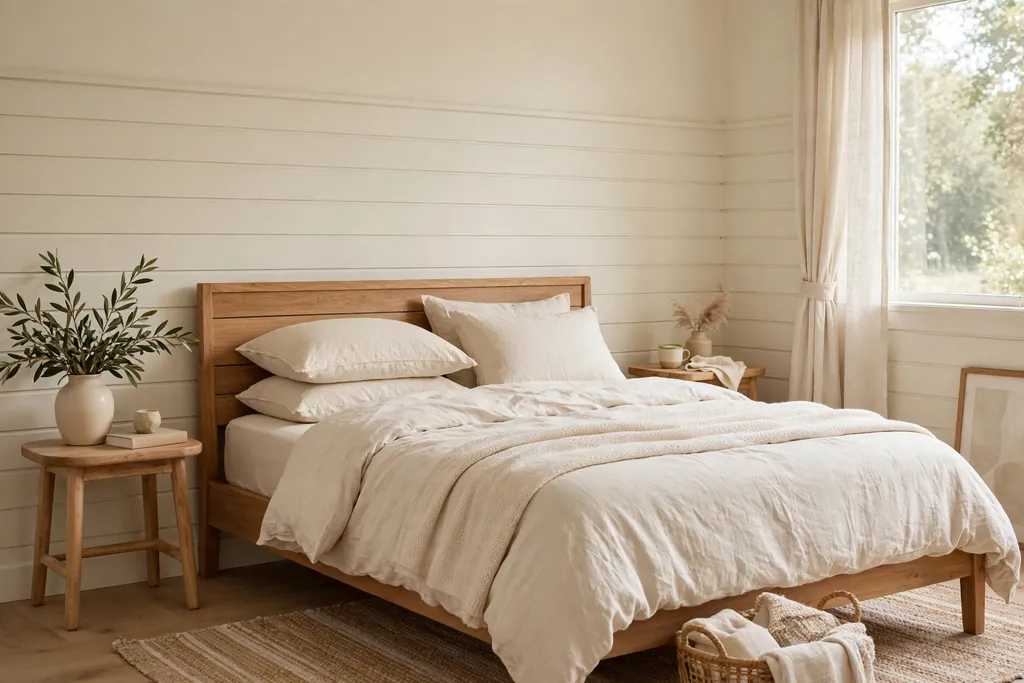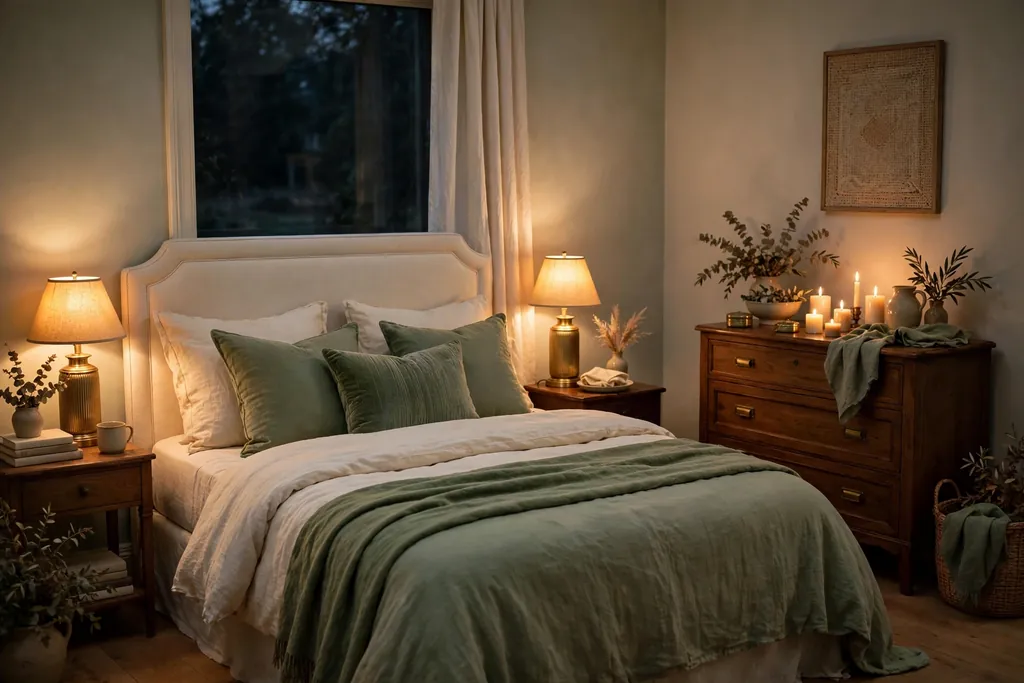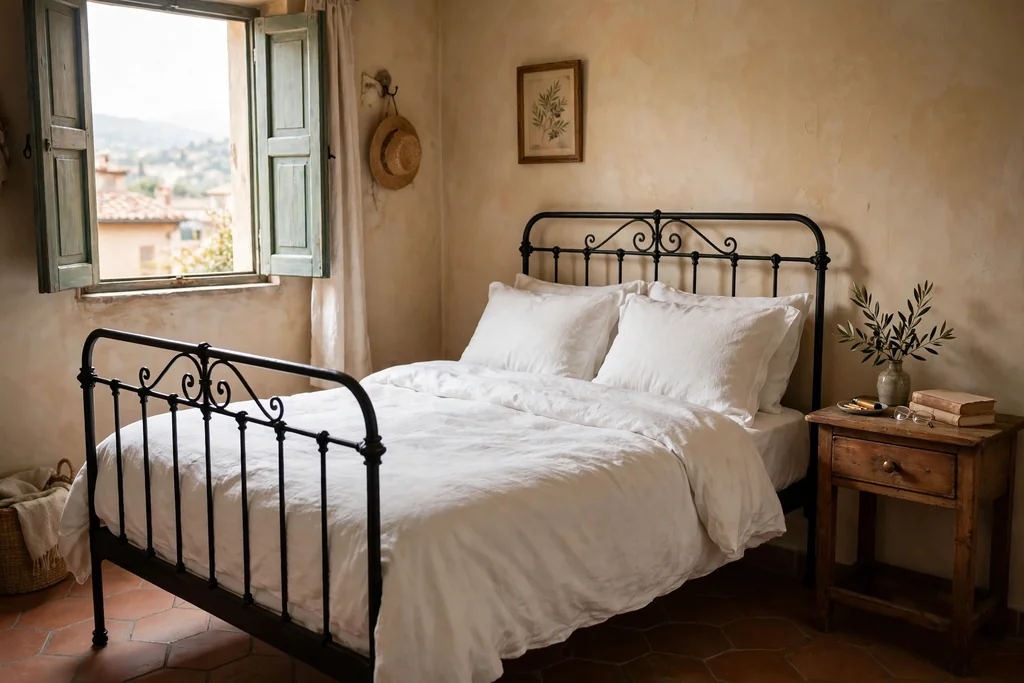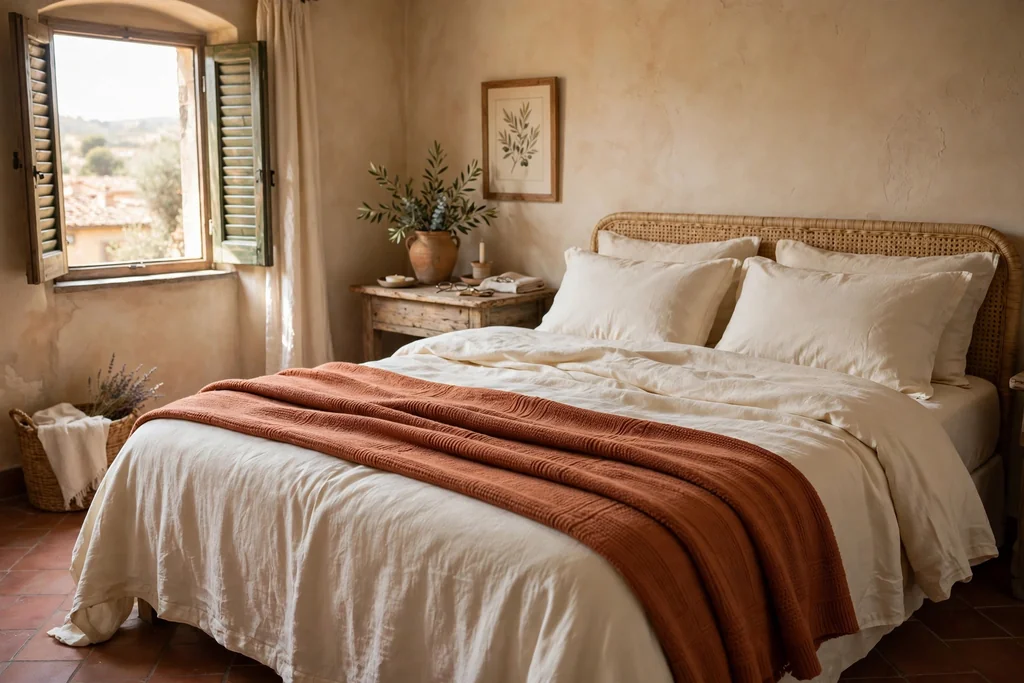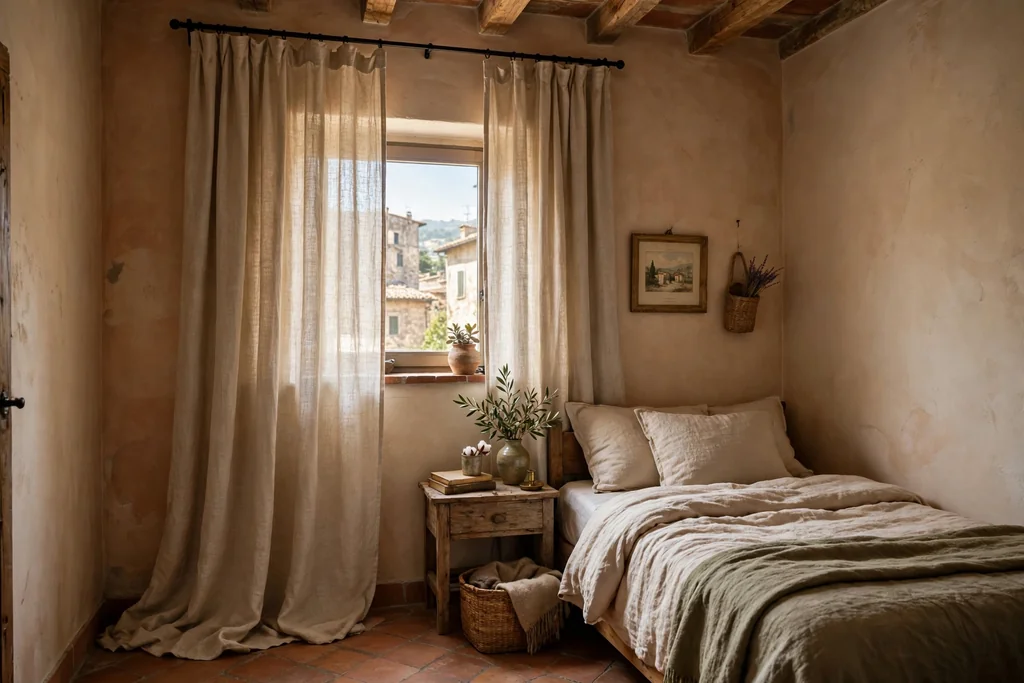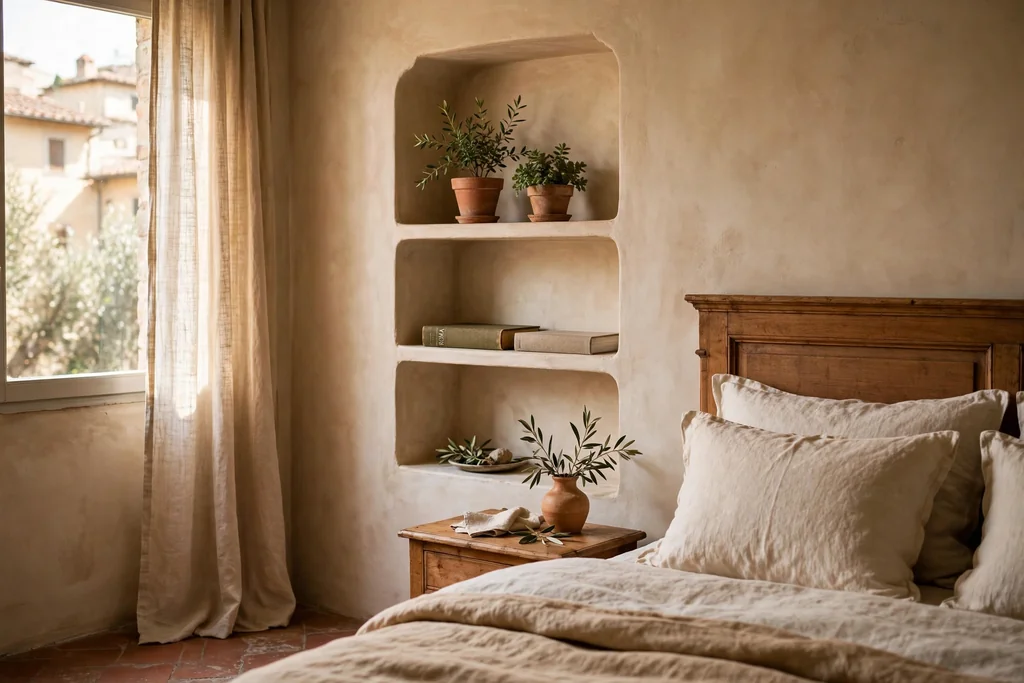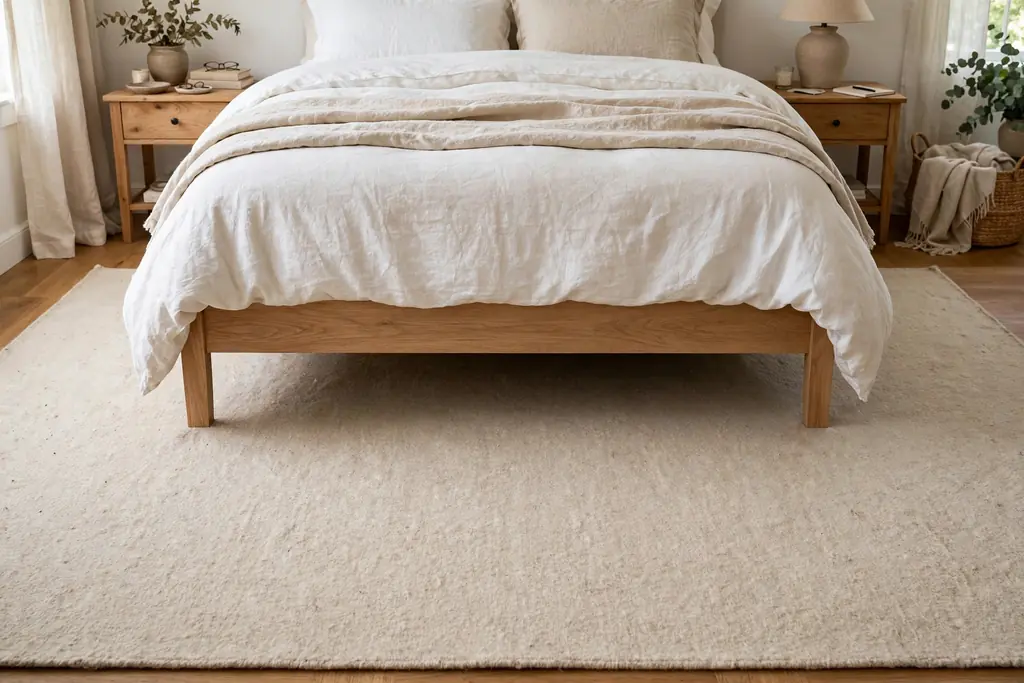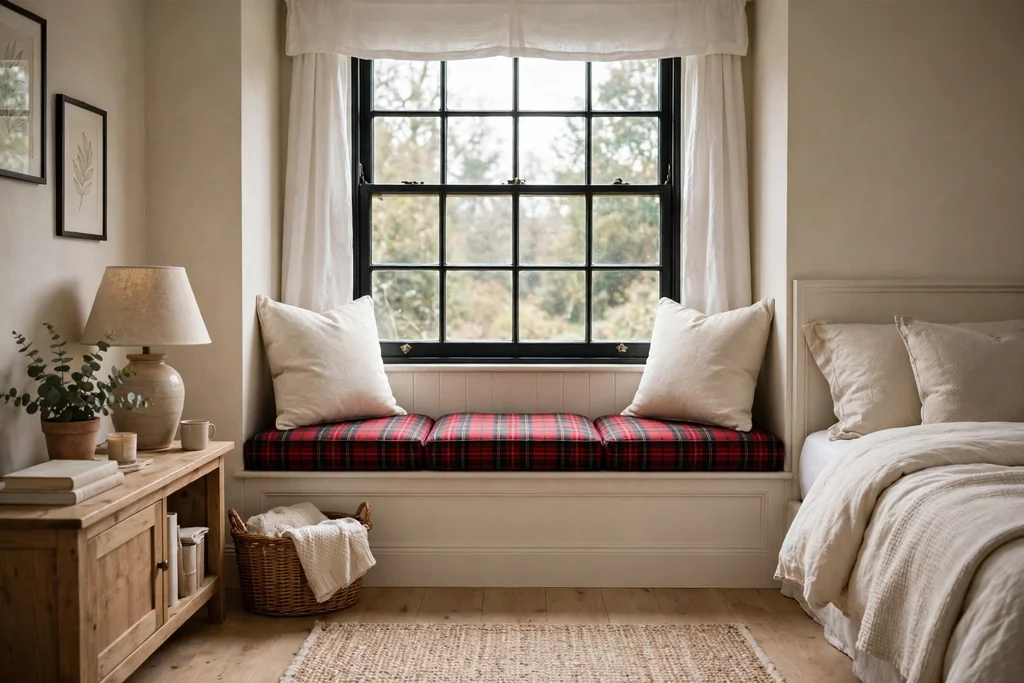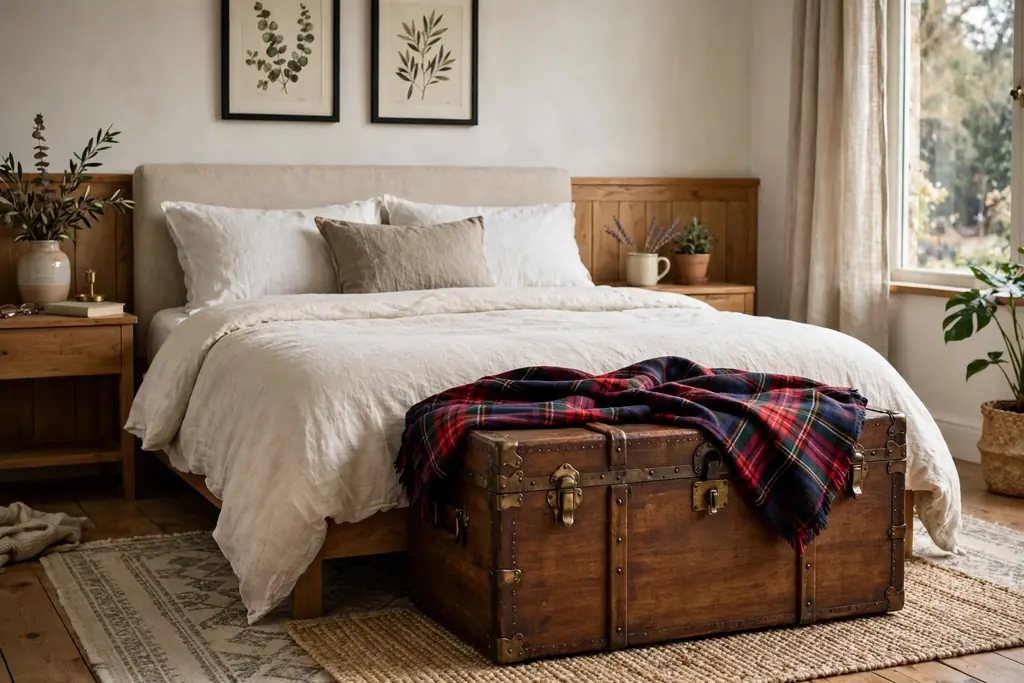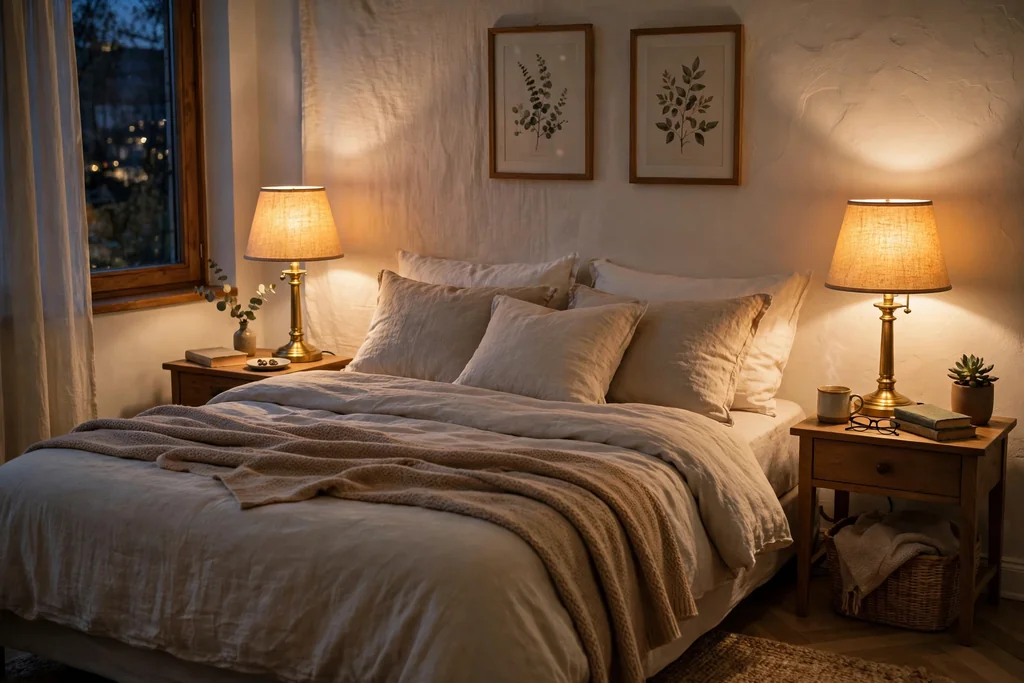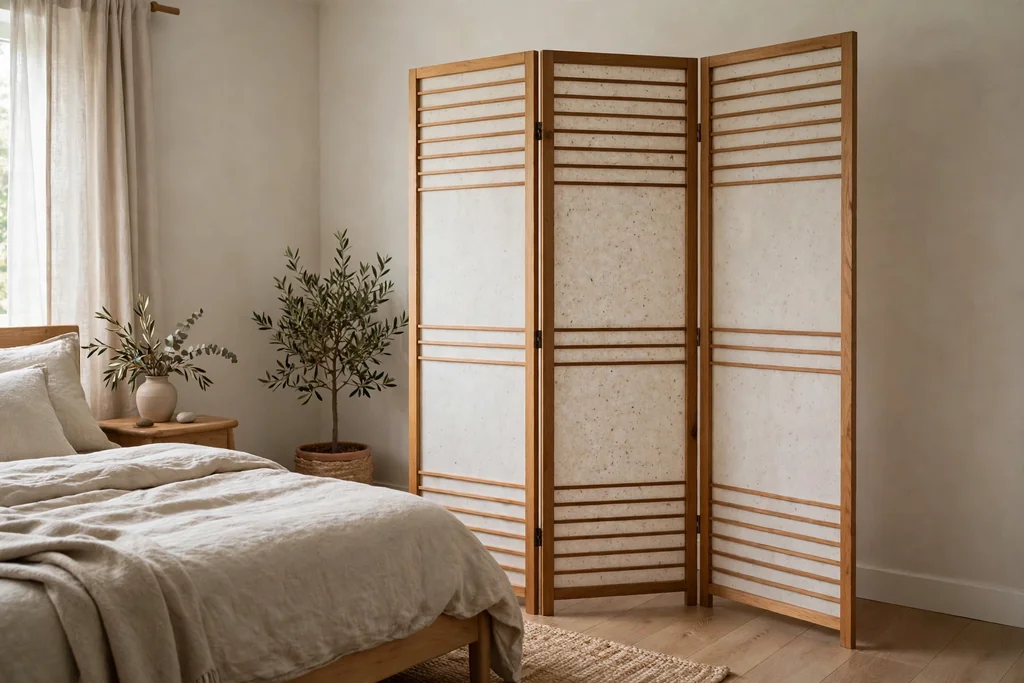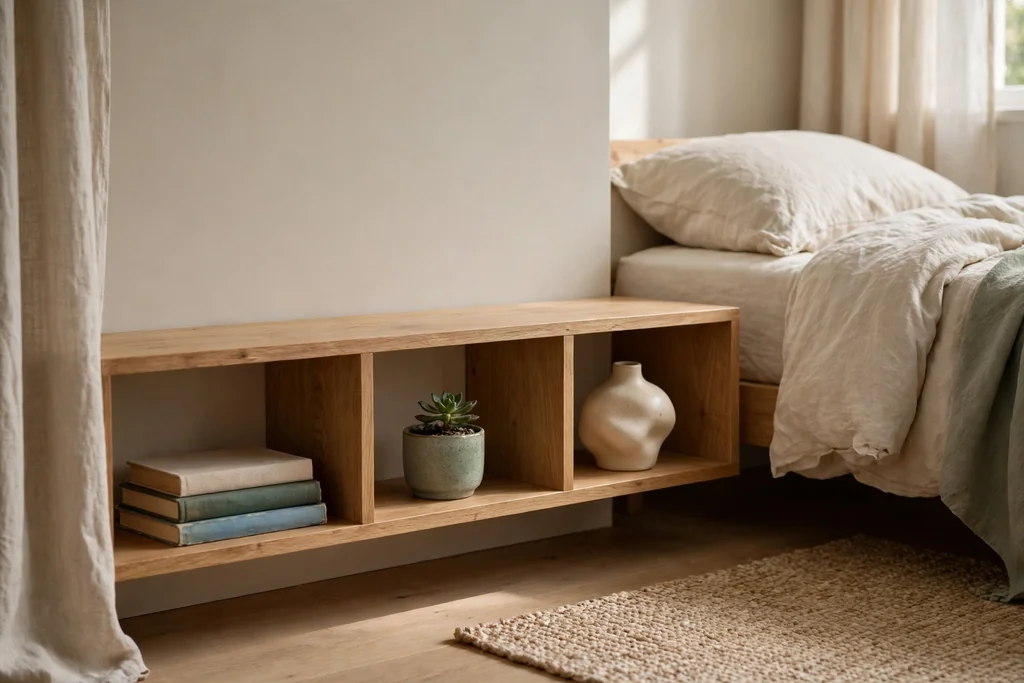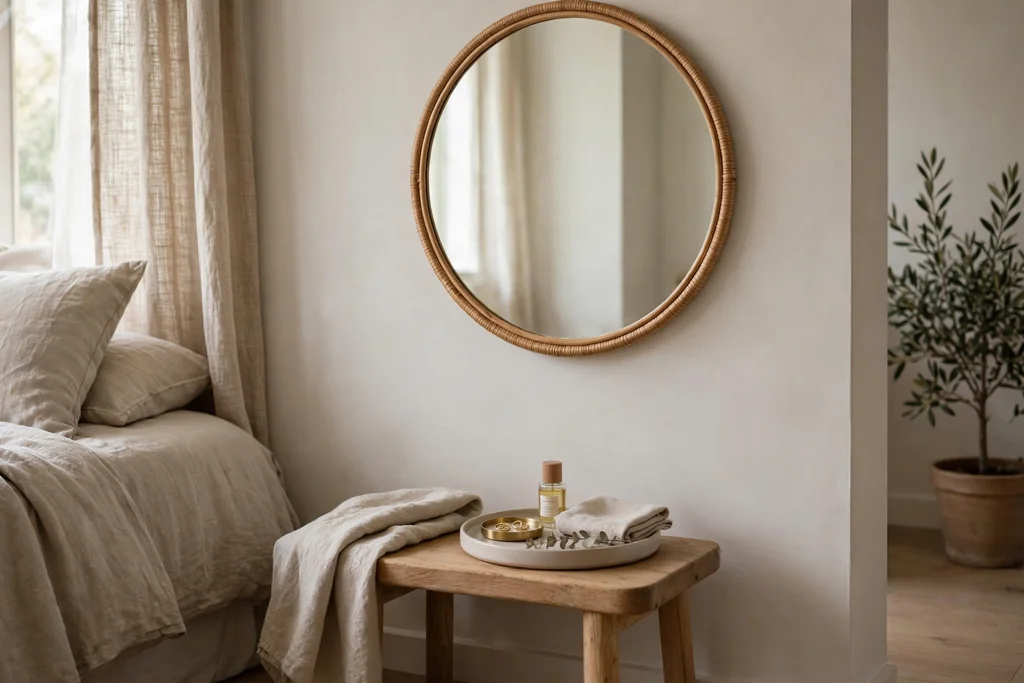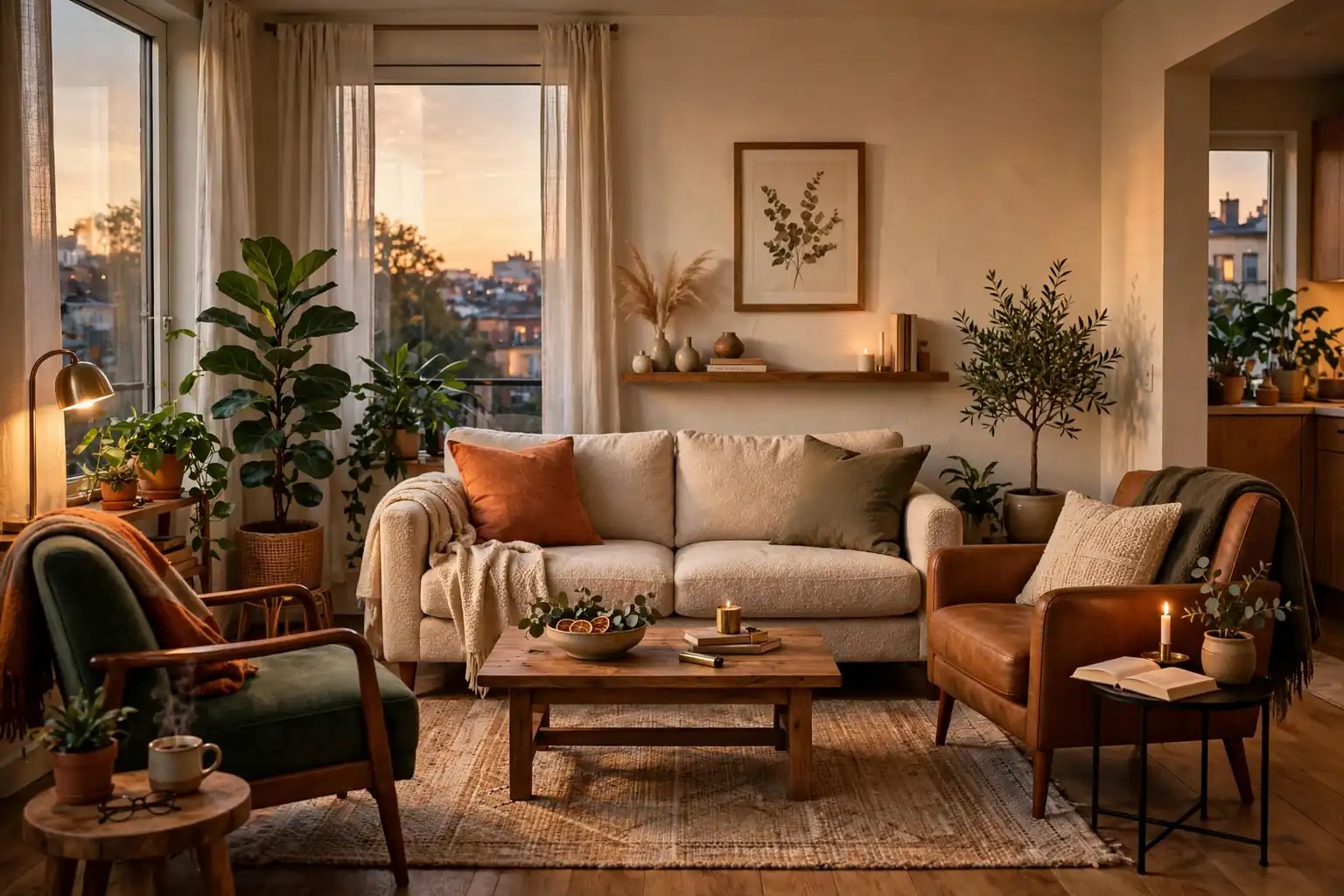
Sharing an apartment means sharing every decision, from where the sofa goes to who gets the top shelf. A room that works for one person can feel cramped or uneven for two, especially when schedules, hobbies, and sleep habits differ. The ideas below focus on fair splits, shared zones, and small routines that keep a rented home calm. Start by agreeing on a simple base palette and a few ground rules, then pick the ideas that solve your most frequent friction points first. For wider small space guidance, see these studio apartment decorating ideas.
Key Takeaways
- Agree on a calm base palette first, then let each person add personal touches in their own zone so the home reads as shared, not split down the middle.
- Give each person a defined home for daily items, such as a bedside table, a closet section, a bathroom basket, and an entry hook, so clutter has a fair place to go.
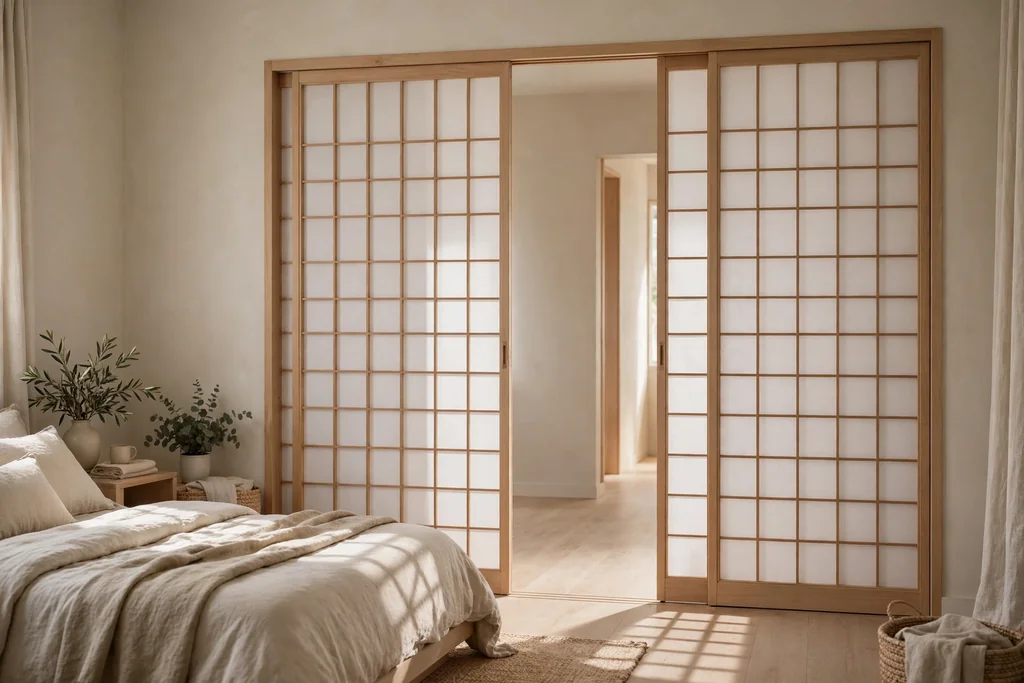
- Use zones rather than walls to mark sleeping, working, cooking, and relaxing areas, especially in a studio or one bedroom apartment.
- Favor renter friendly changes, such as freestanding furniture, removable hooks, baskets, and layered light, and check your lease before drilling or mounting anything heavy.
- Build two-person routines into the layout, such as a breakfast nook, a shared calendar spot, and a laundry system, so the home supports daily life for both people.
- Test a layout for a week before buying more furniture, since a small change in placement often solves a problem that new storage would only hide.
1. Start With a Shared Style Board
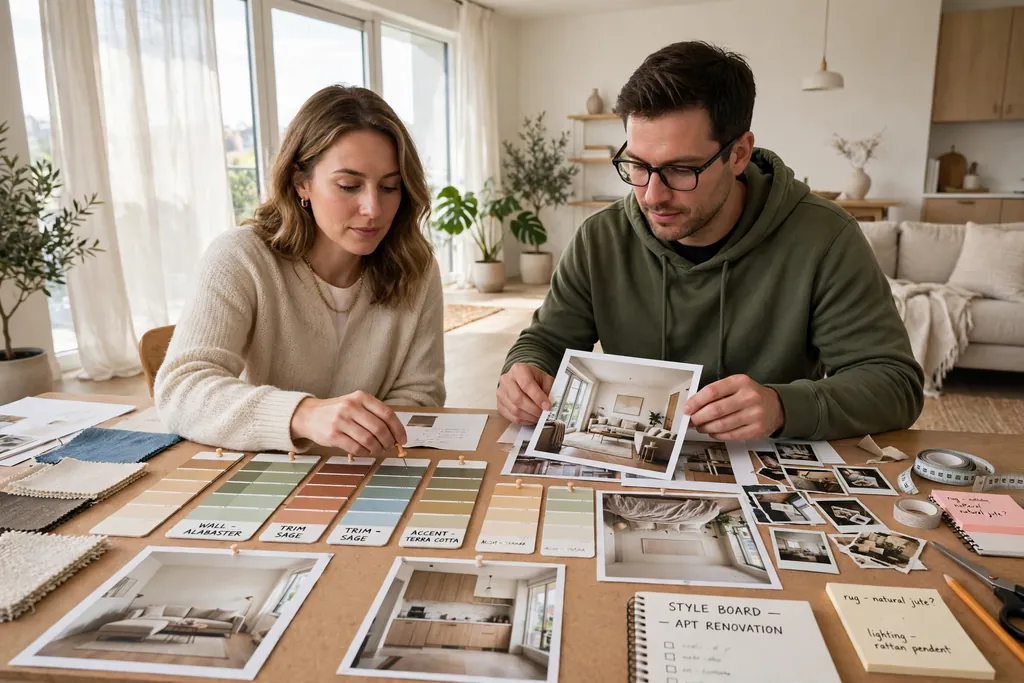
Make a simple board, on paper or on a phone, with colors, materials, and room photos you both like. Each person adds five images, then you keep only the ones you both can live with and note the ones that are a firm no. This step prevents the common pattern where one person chooses everything and the other quietly dislikes the result.
Use the board as a shopping filter. When a new cushion, rug, or lamp does not fit the agreed colors or materials, leave it in the shop. Revisit the board when a room feels stuck, and swap one image out for a new shared favorite. A board you both built is easier to defend than a single taste imposed on a shared home.
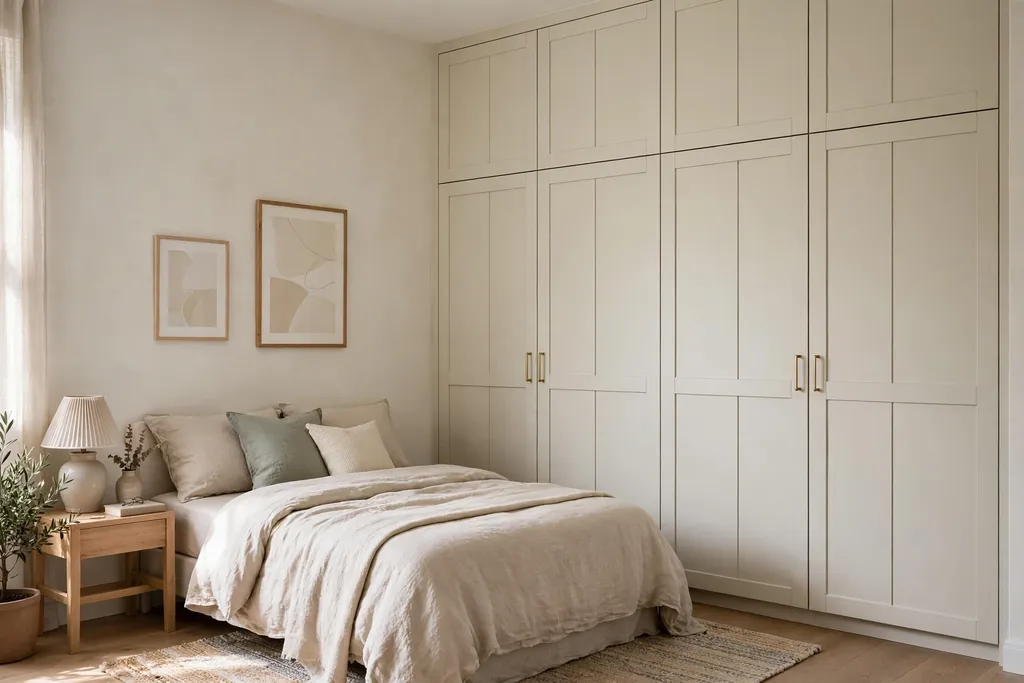
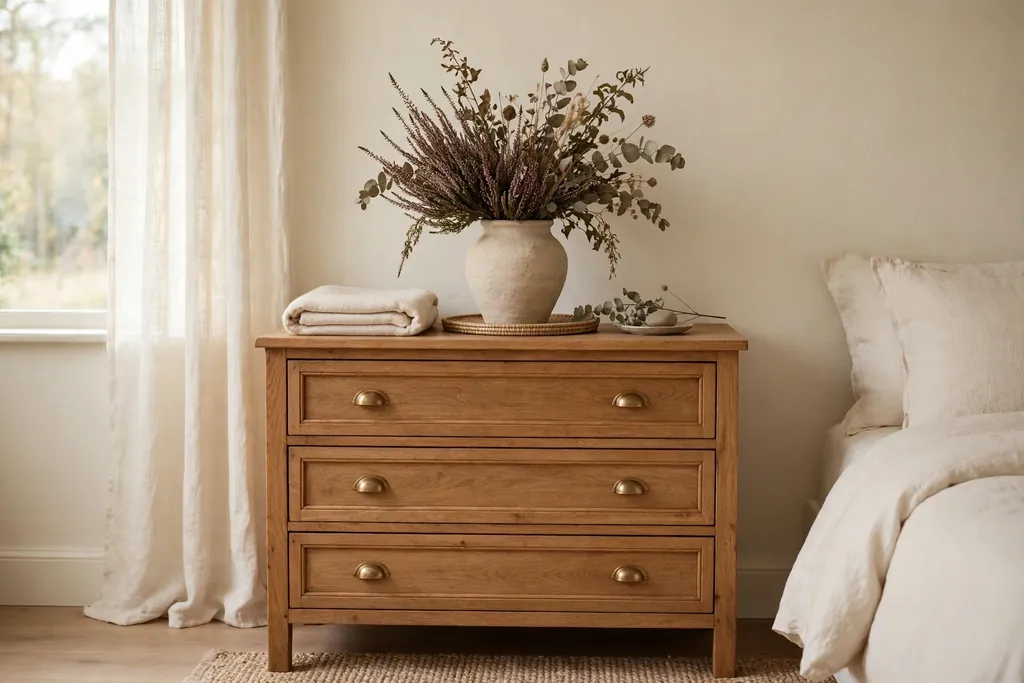
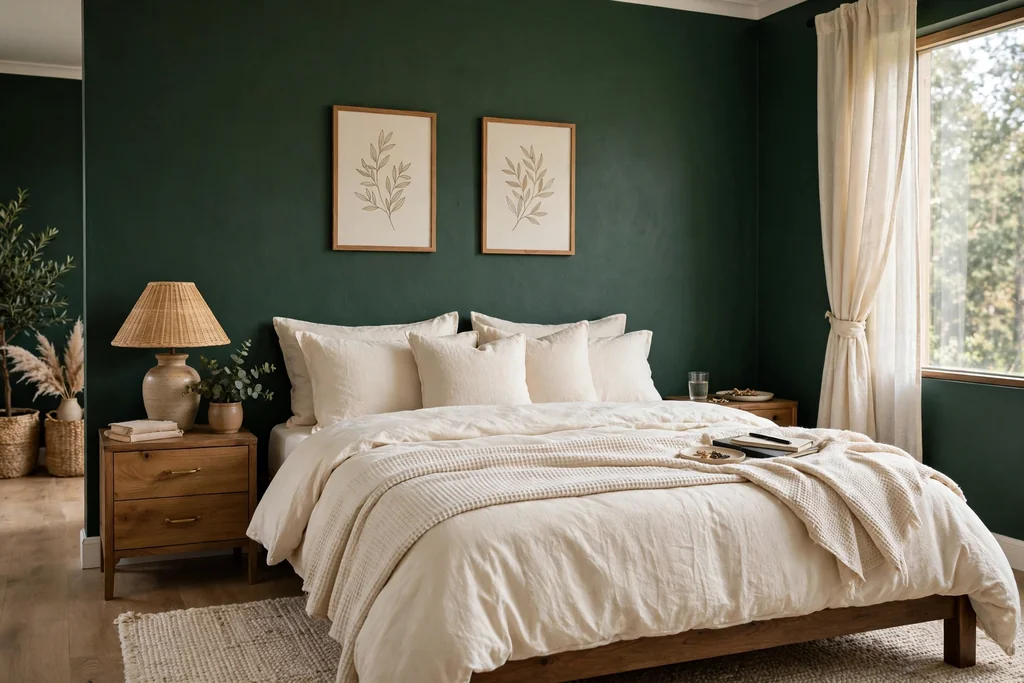
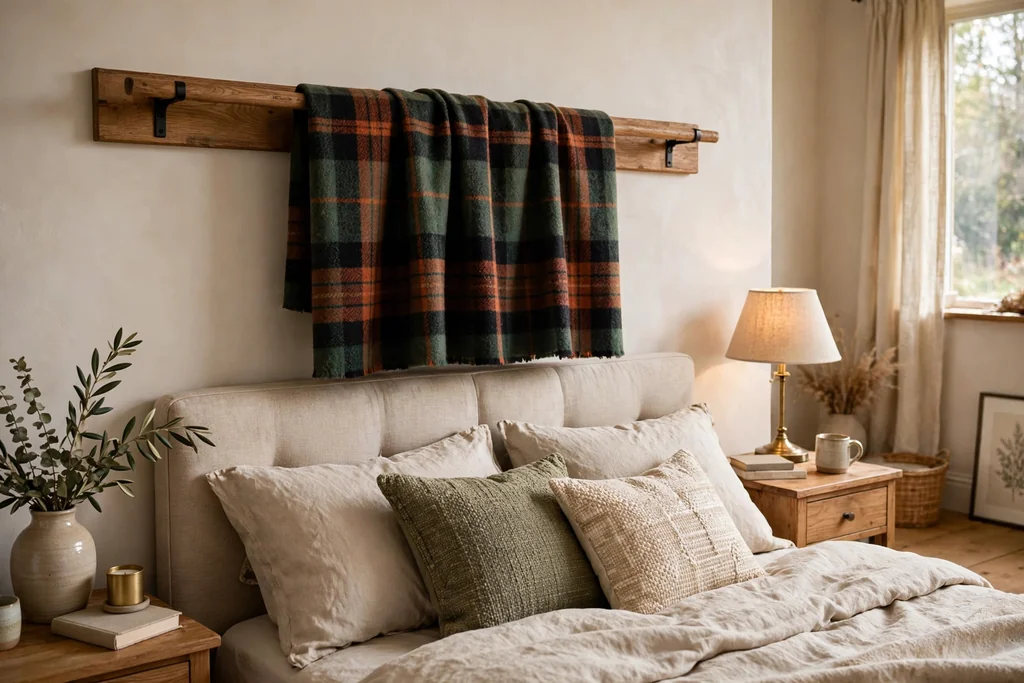
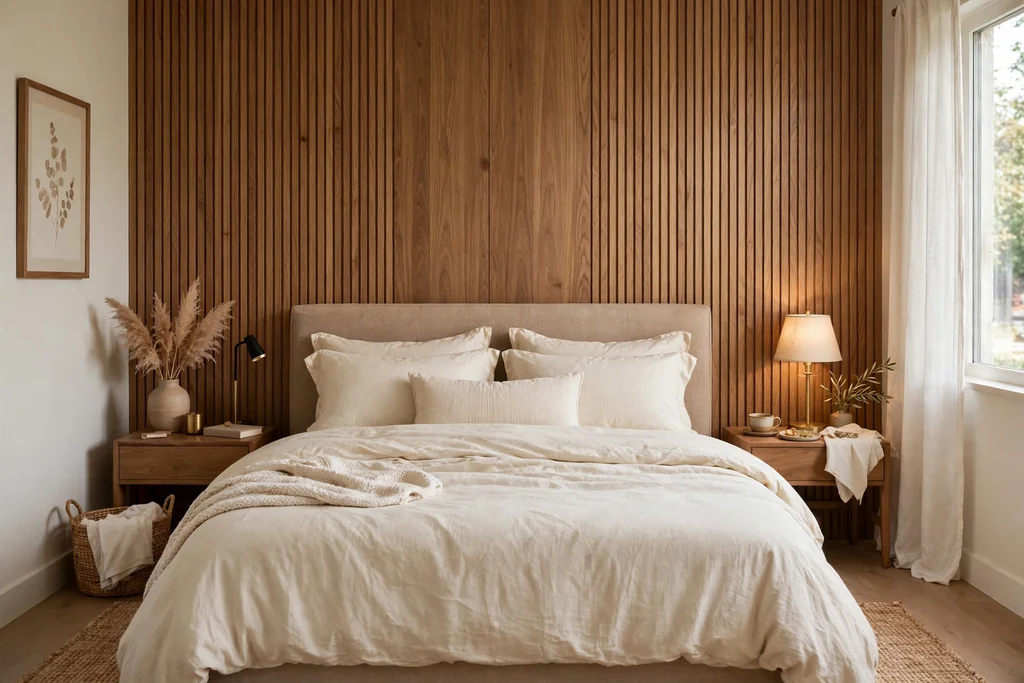
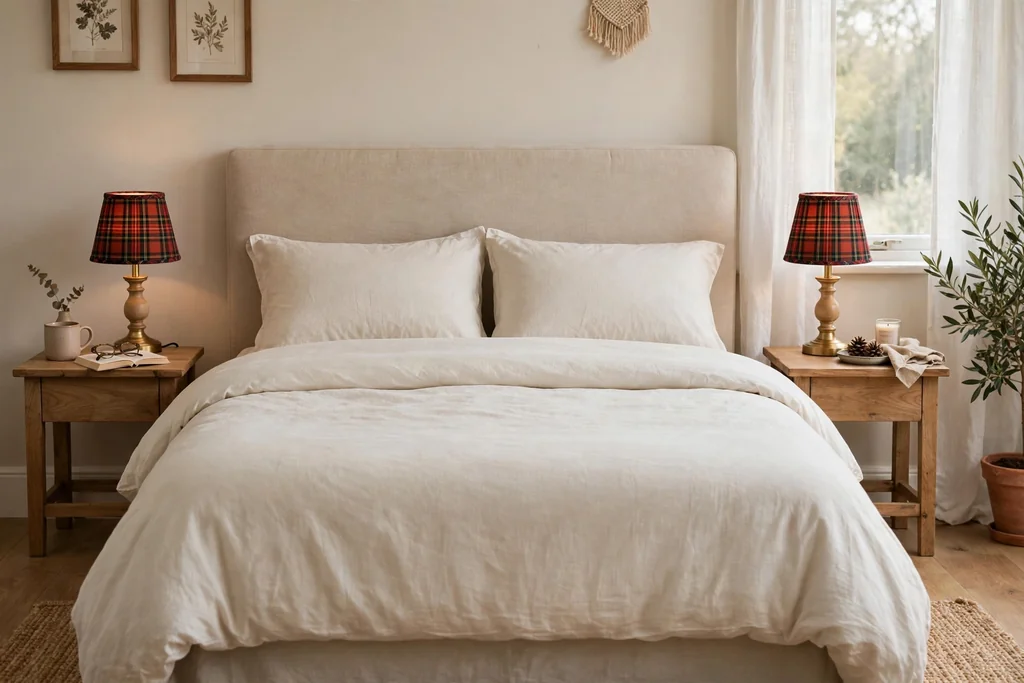
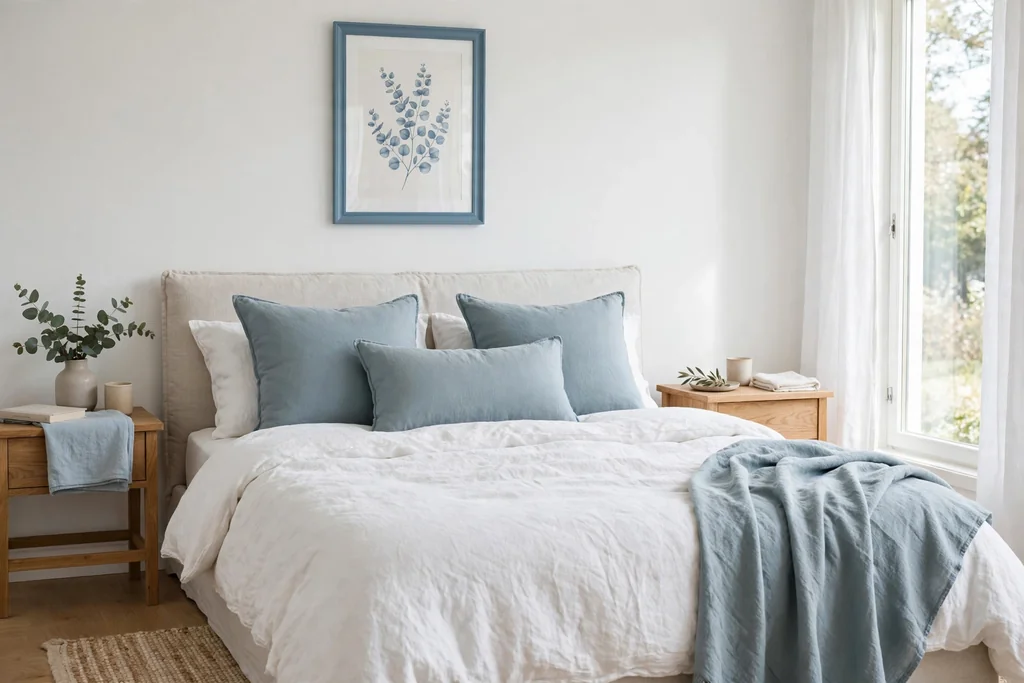
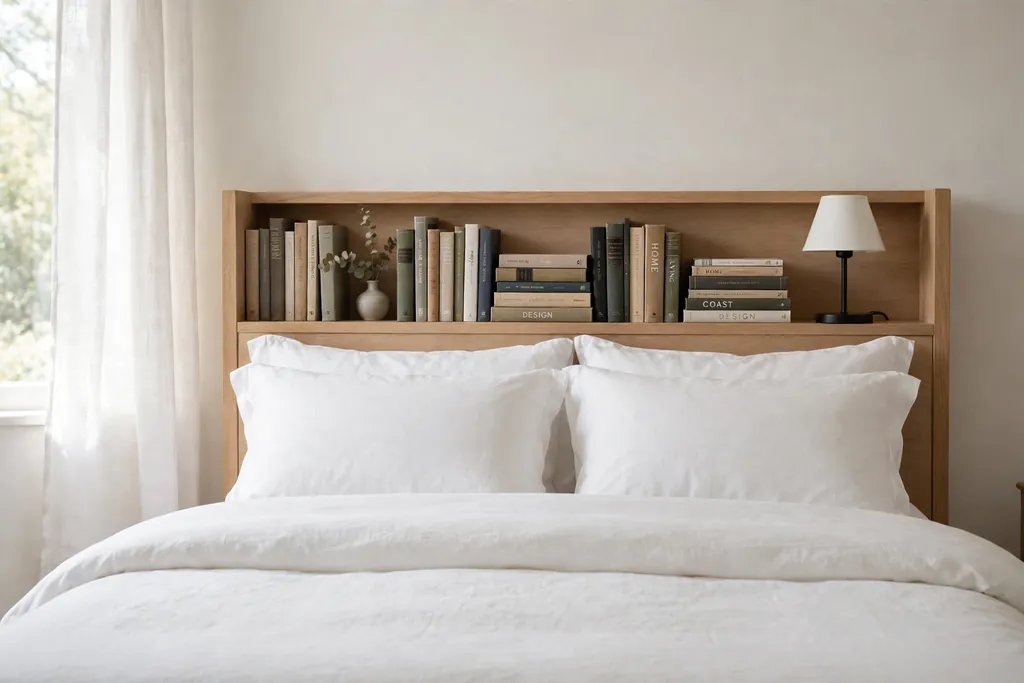
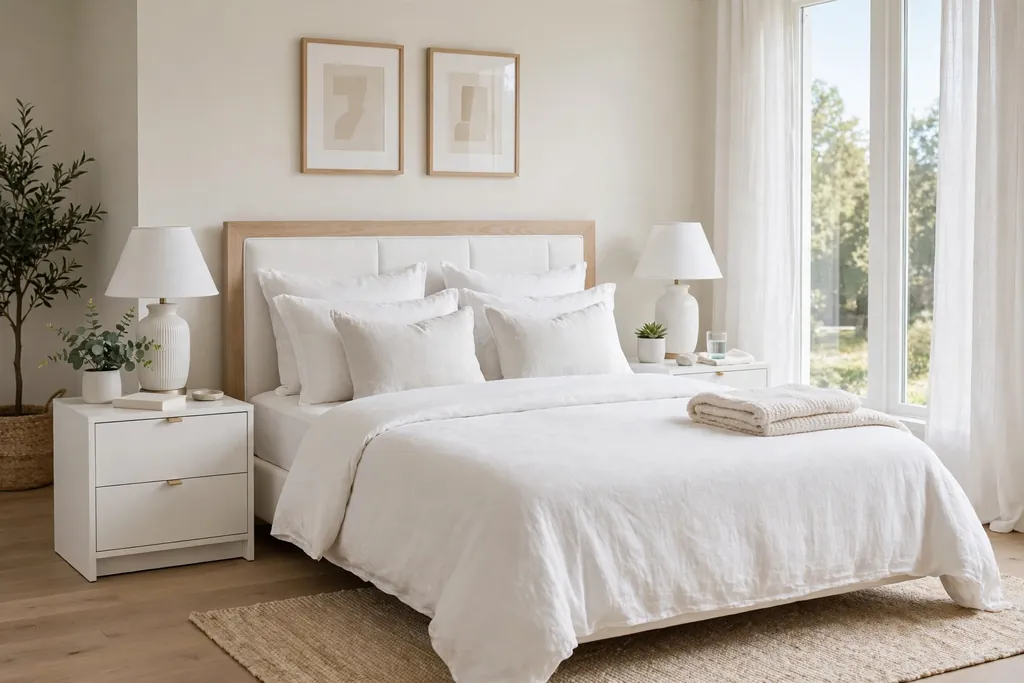
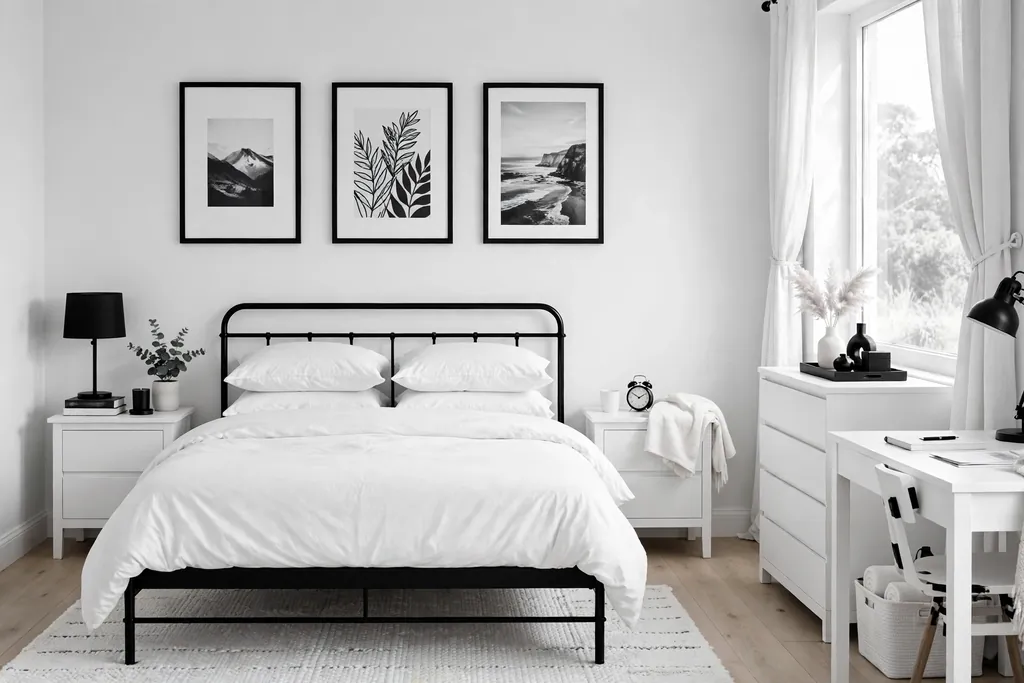
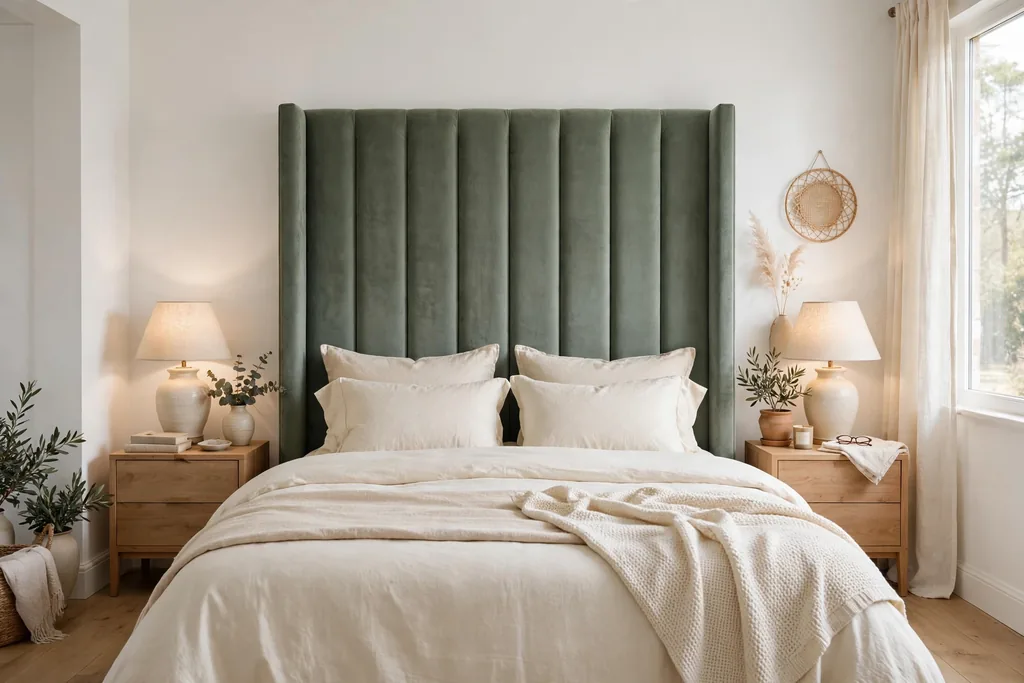
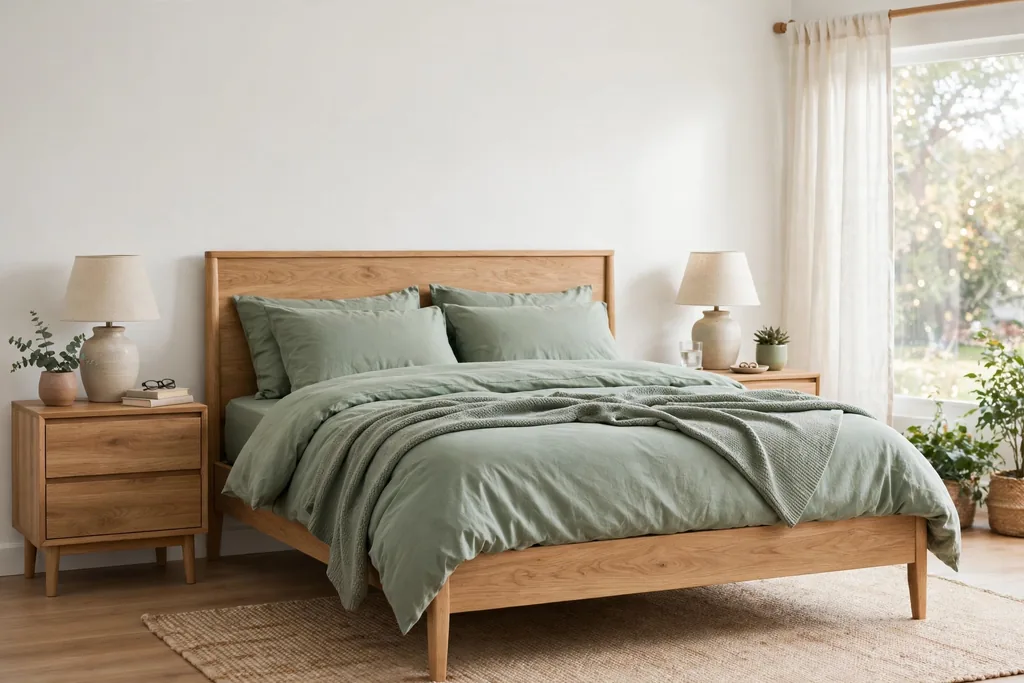
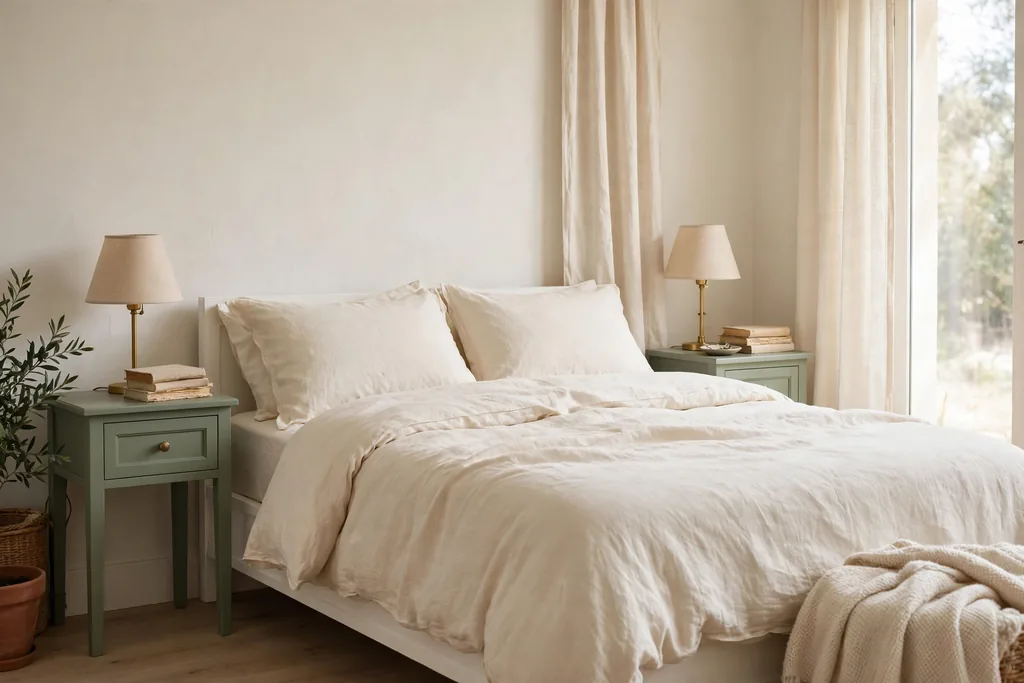
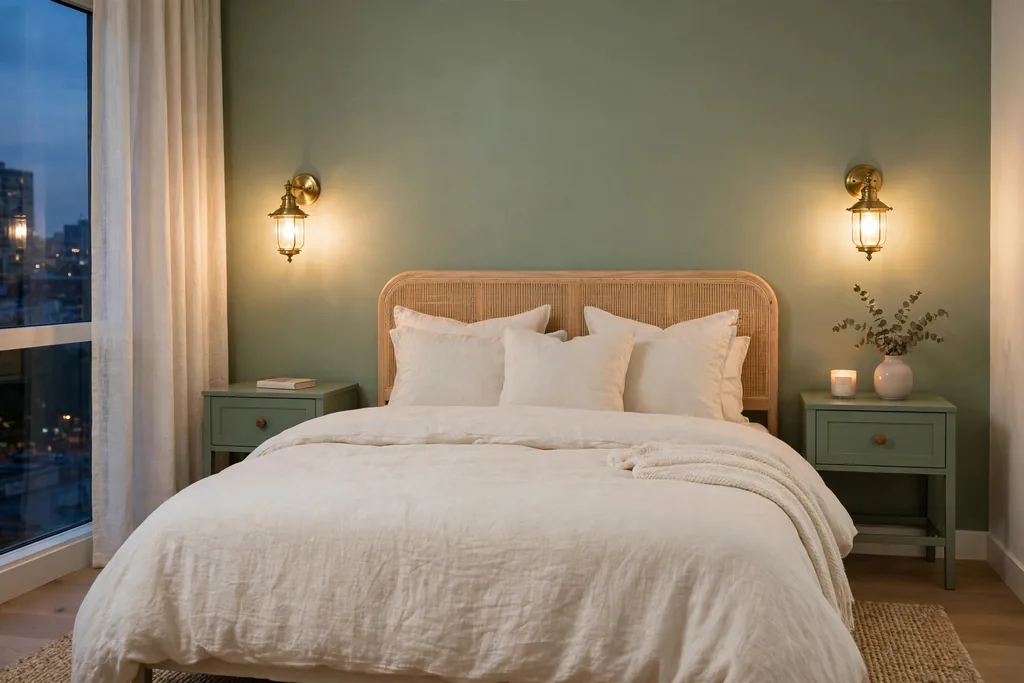
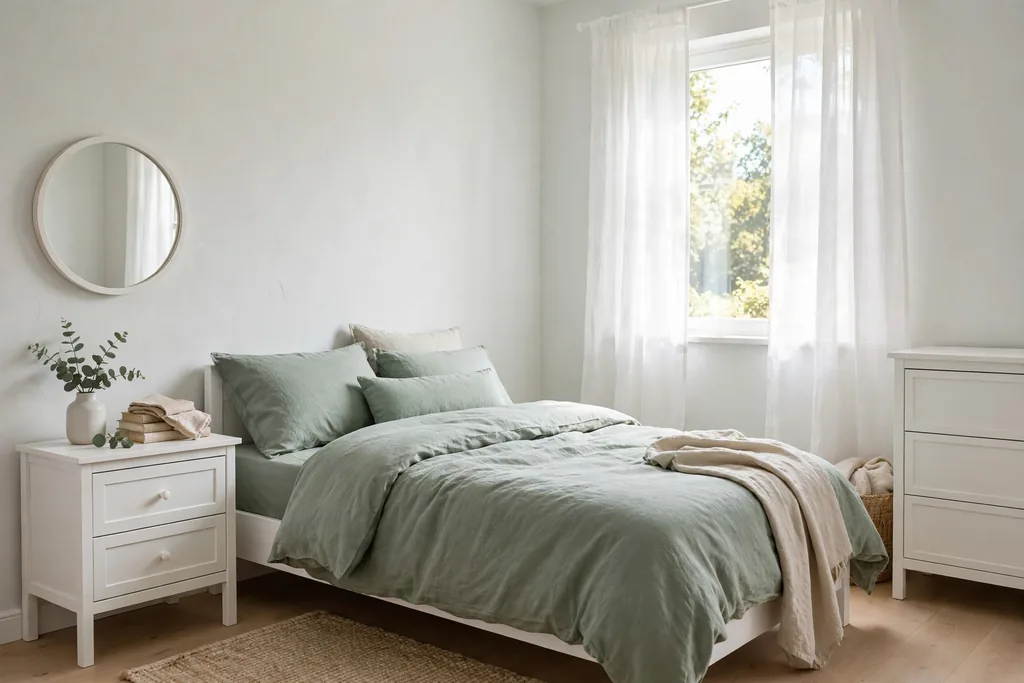
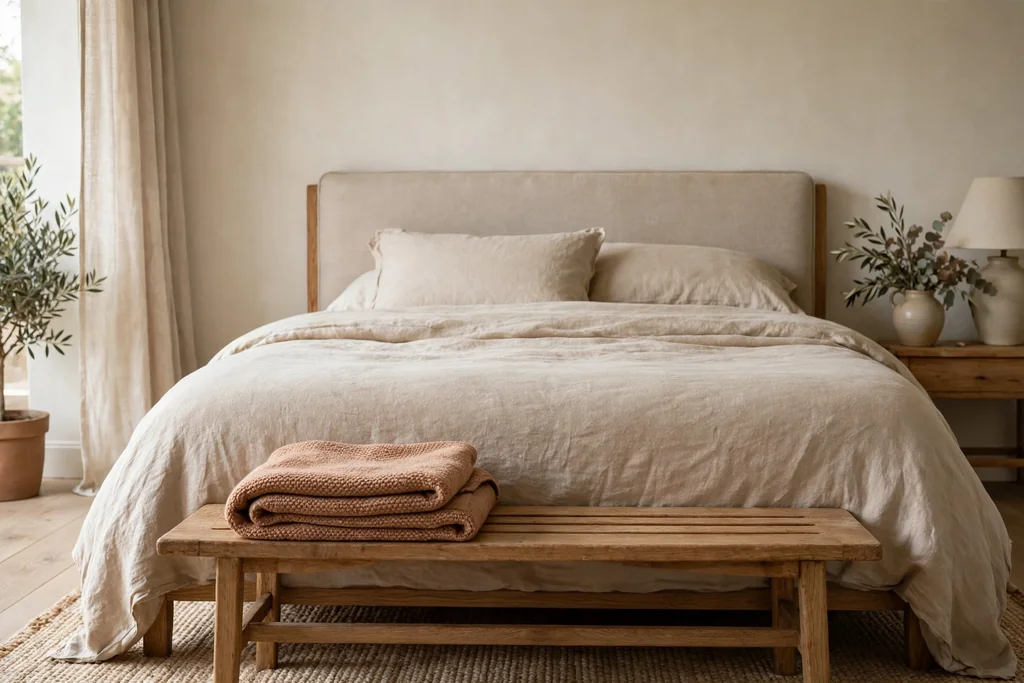
2. Give Each Person a Bedside Table
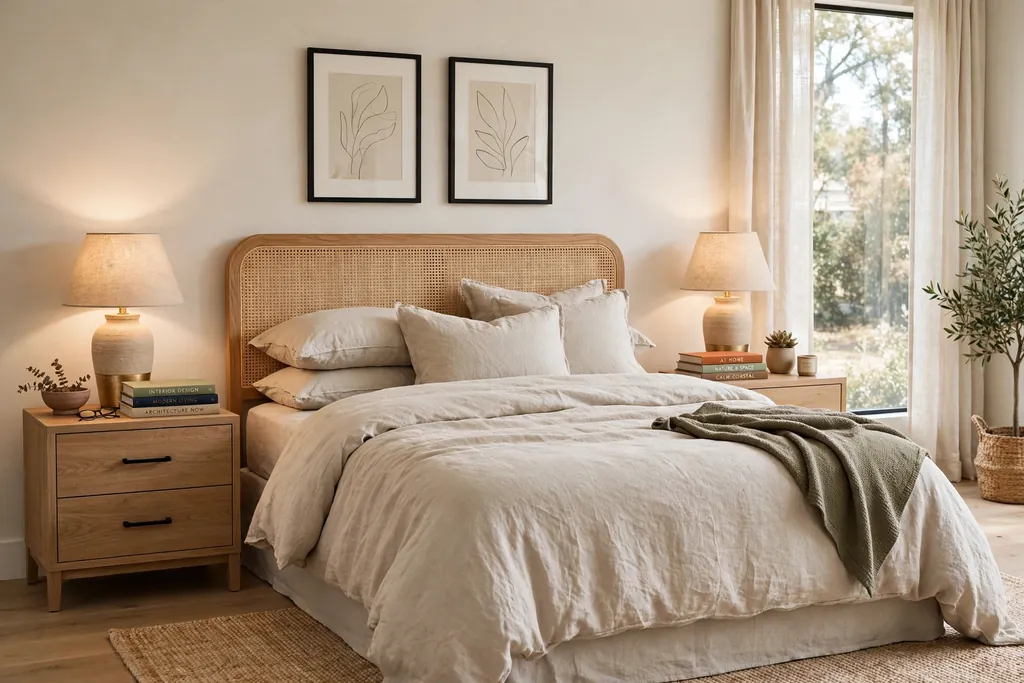
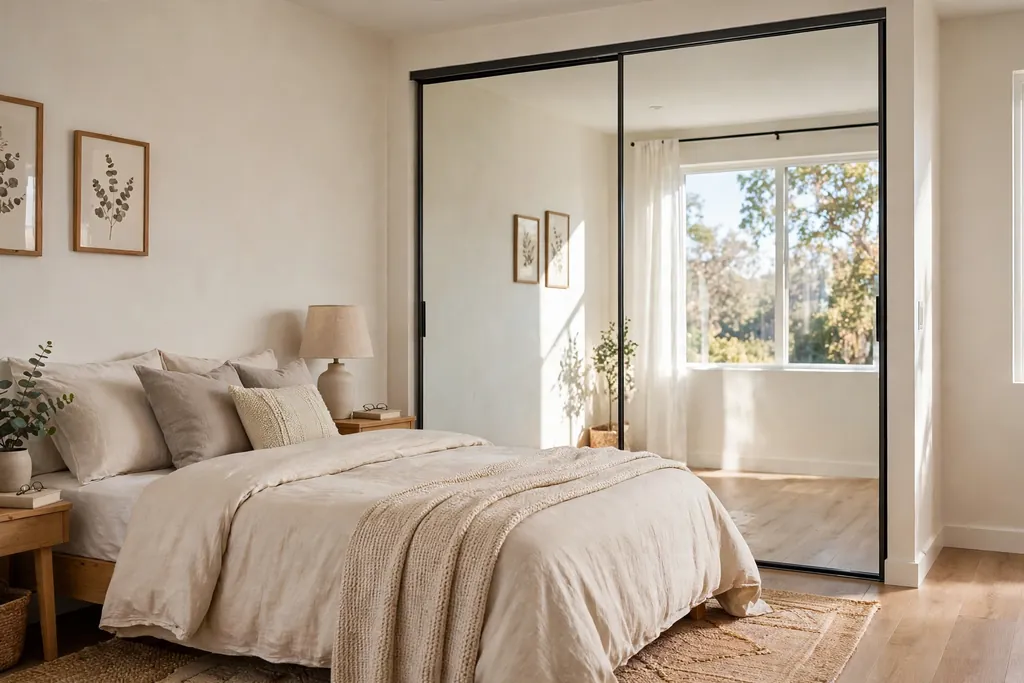
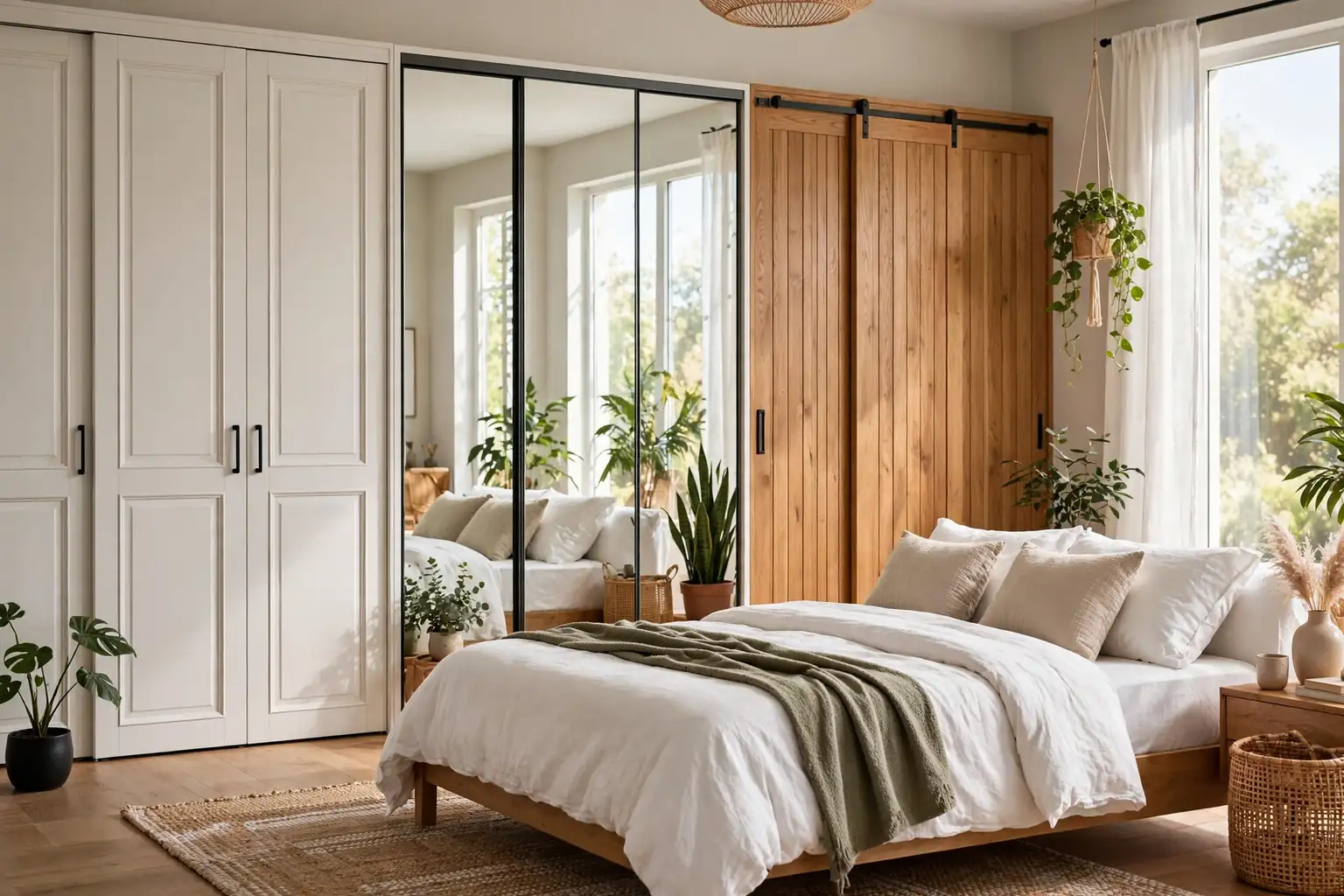
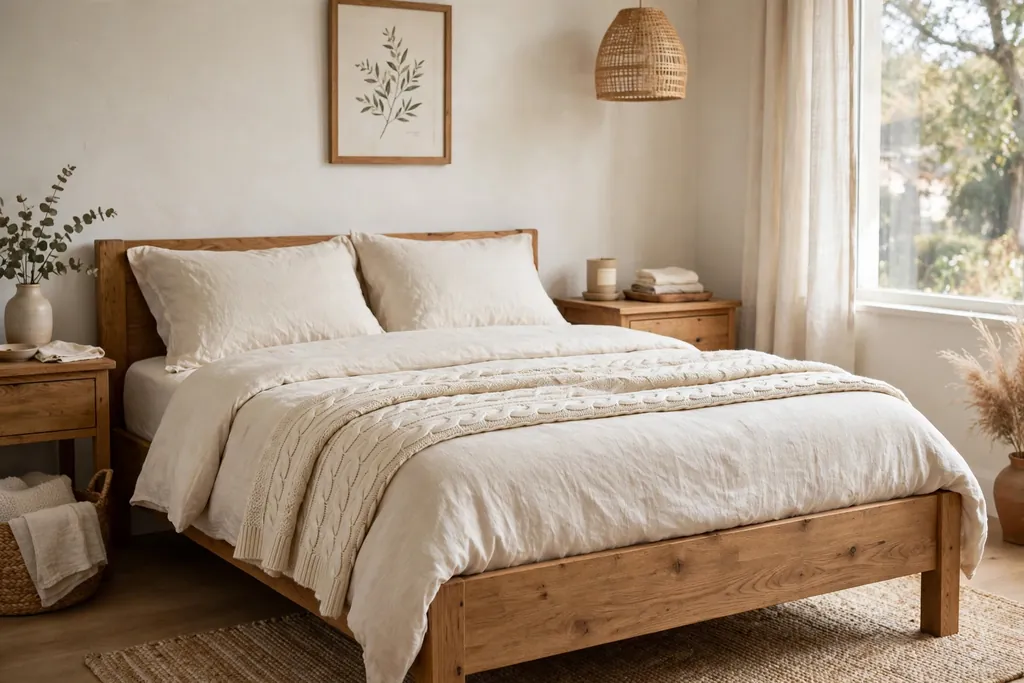
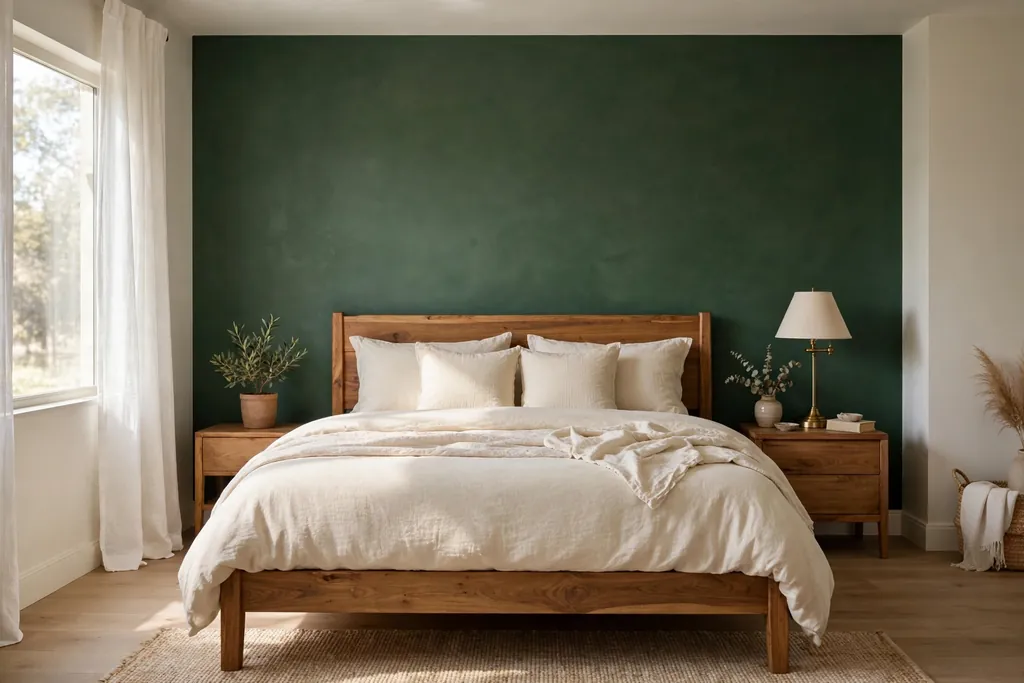
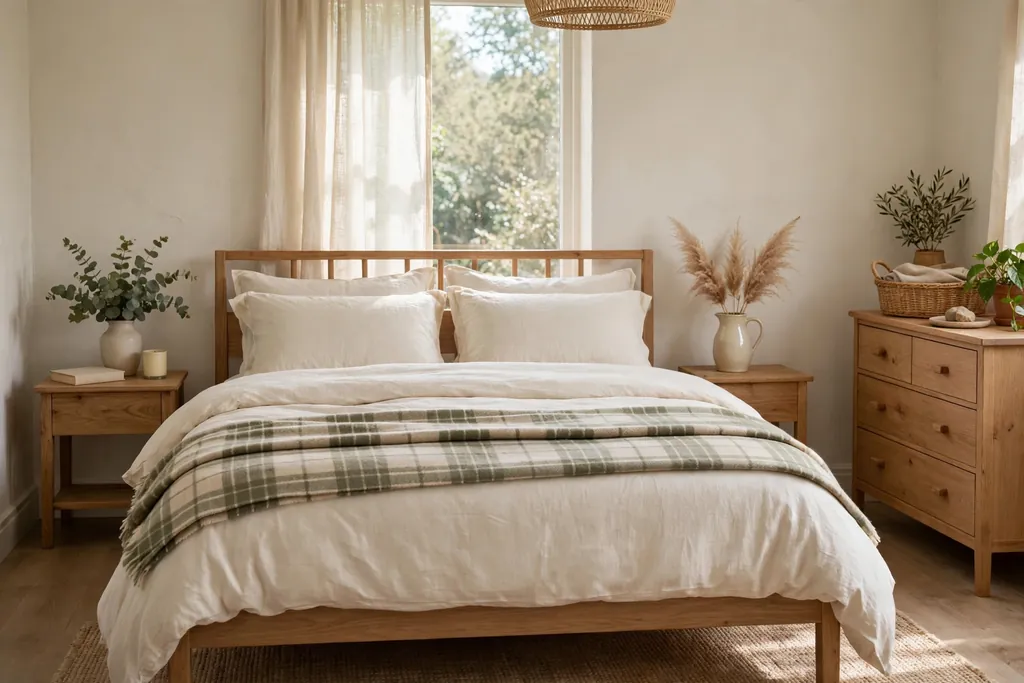
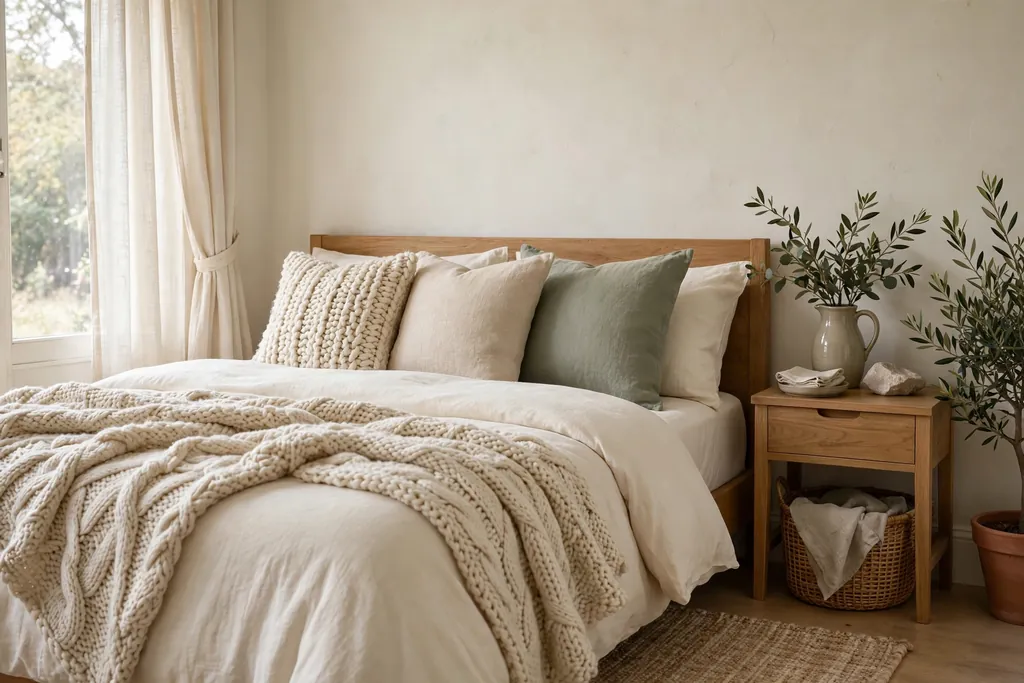
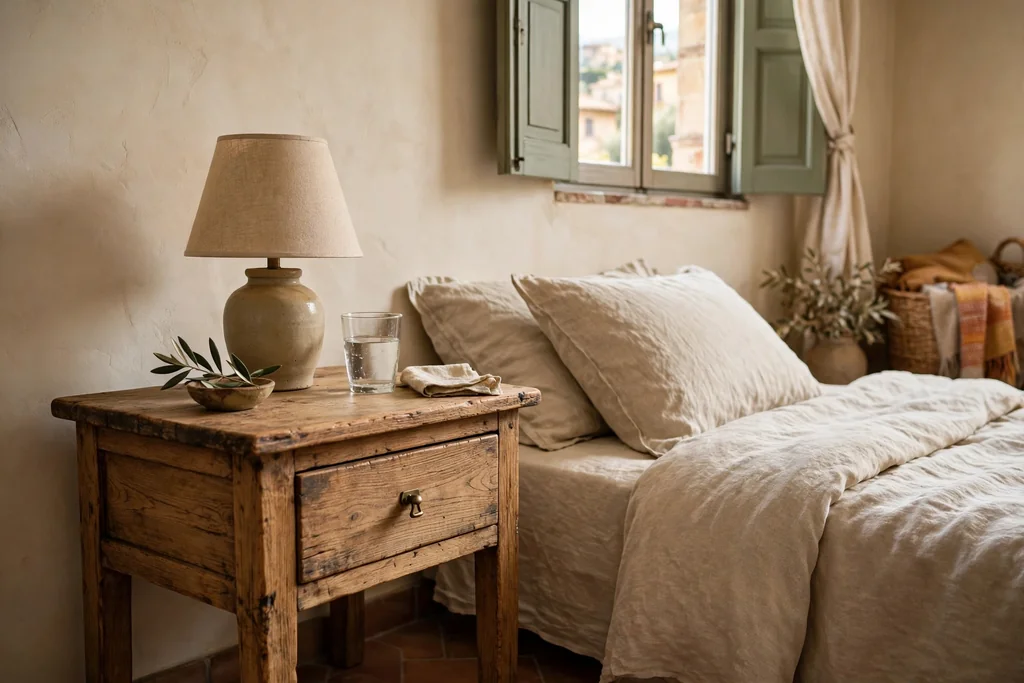
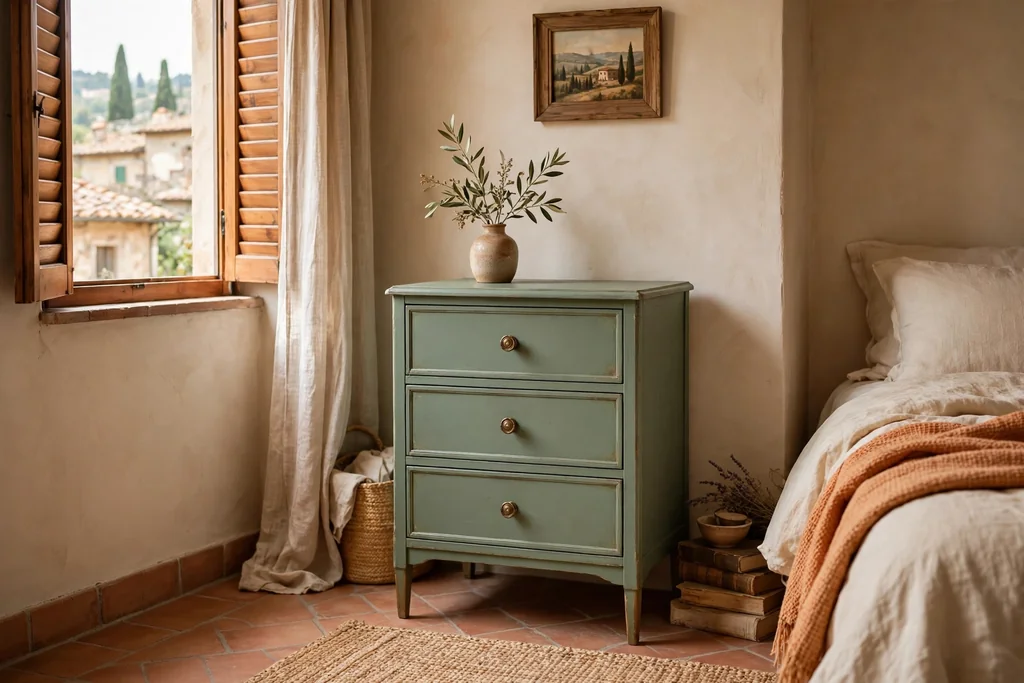
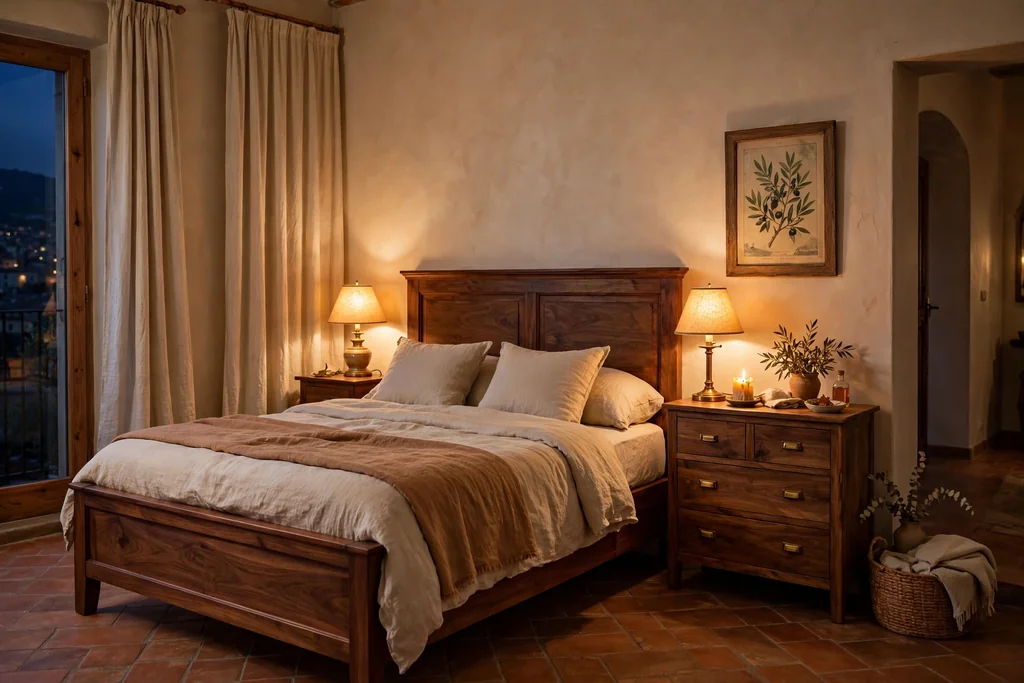
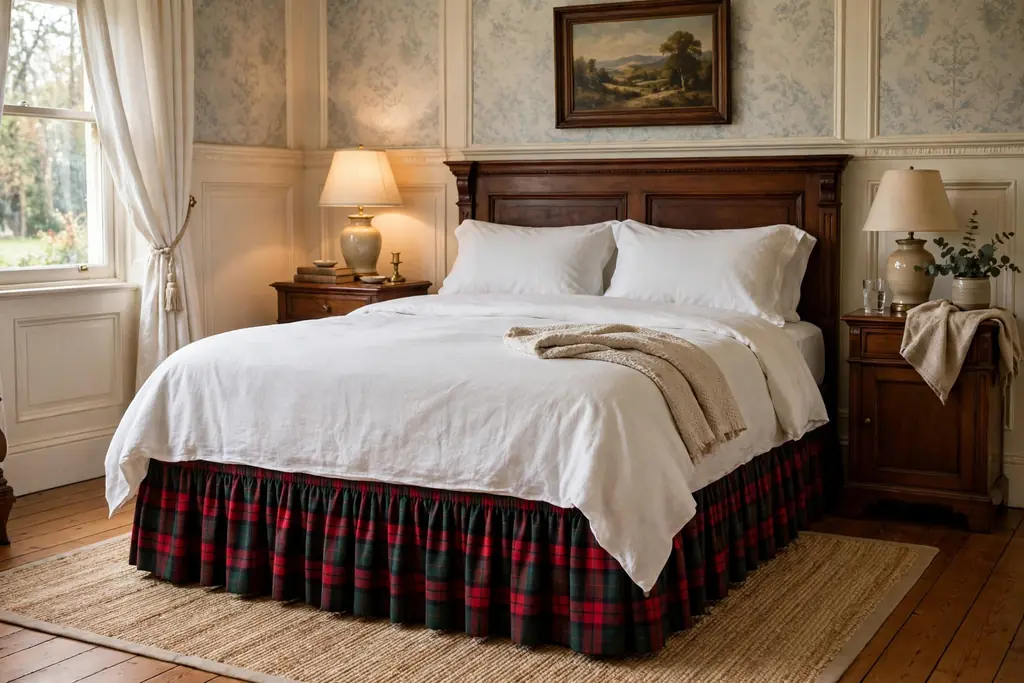
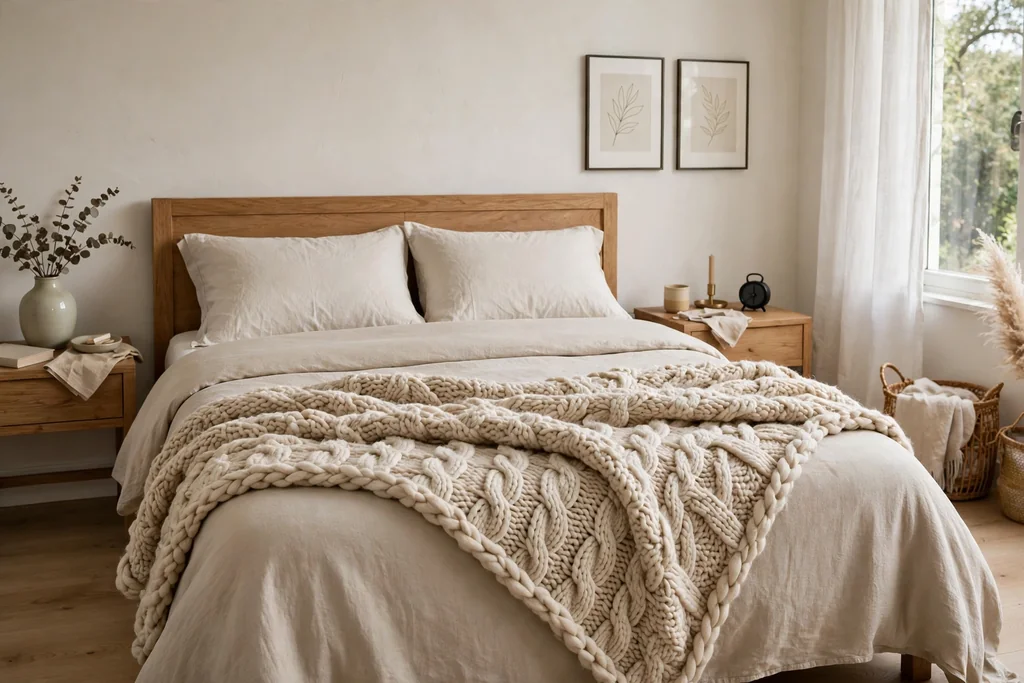
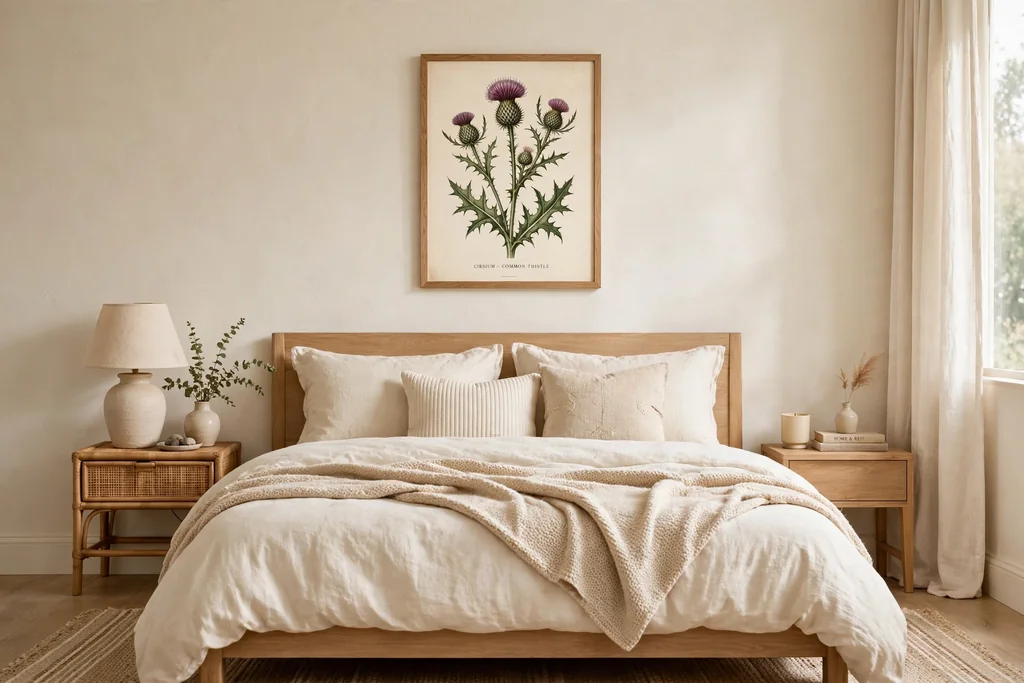
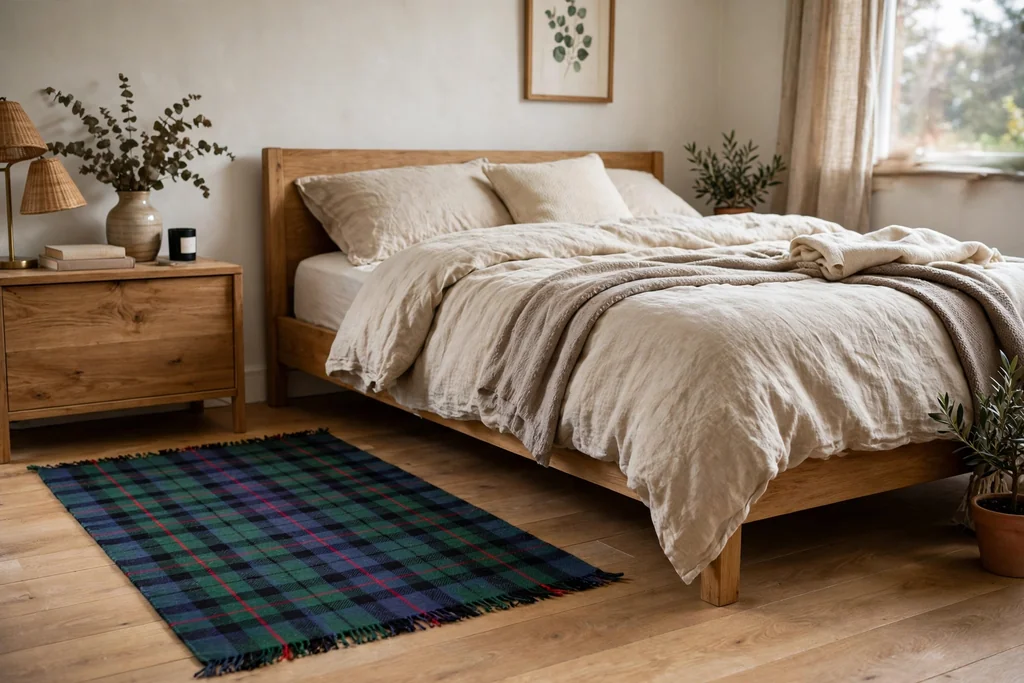
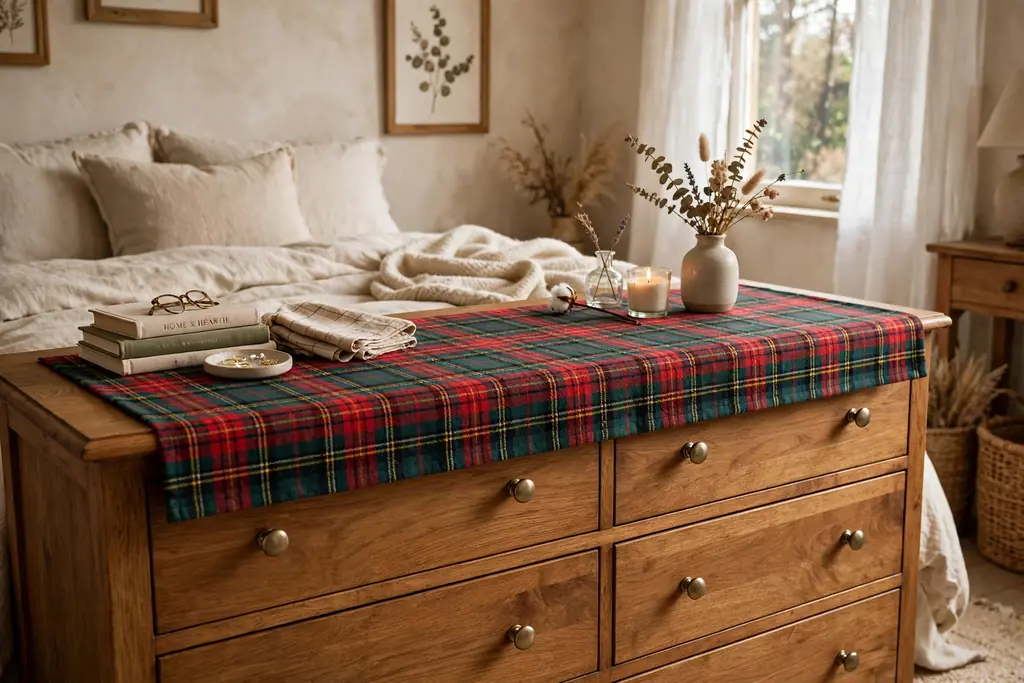
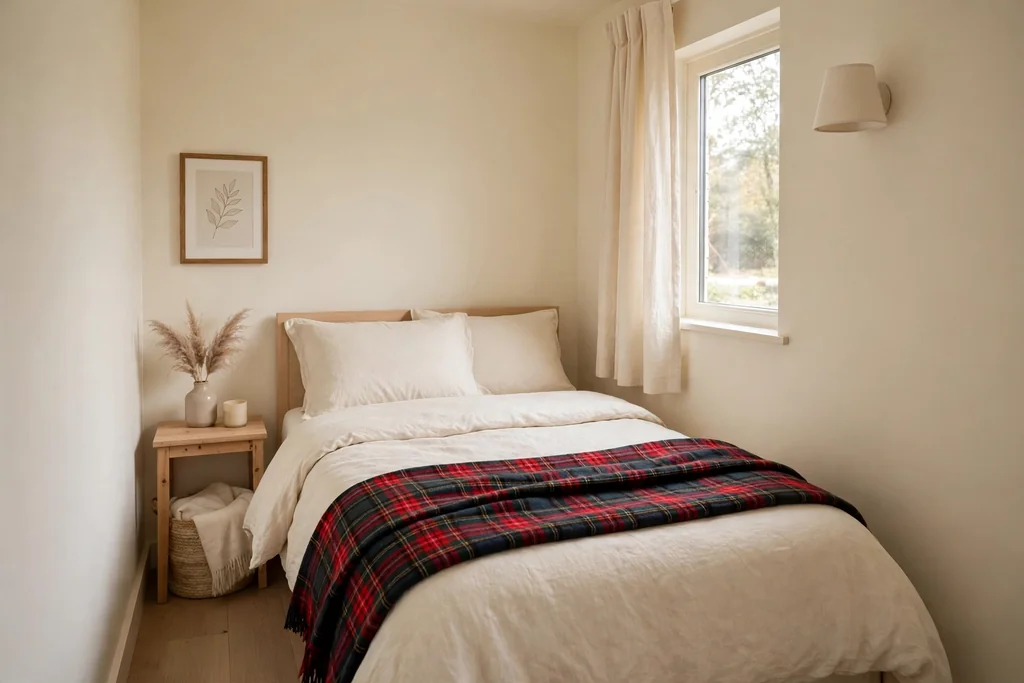
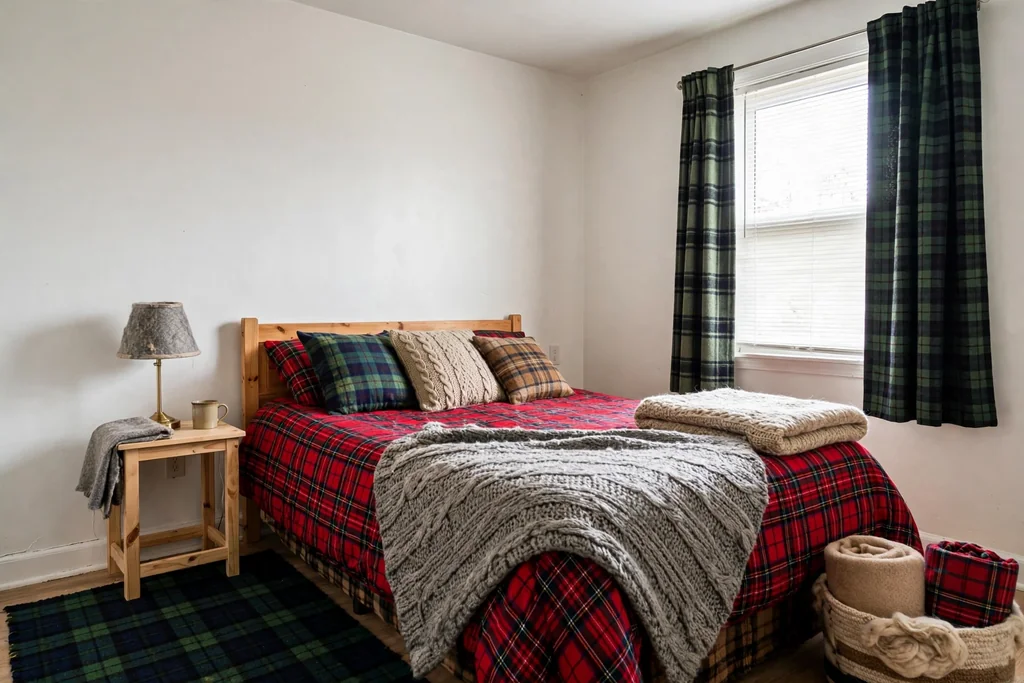
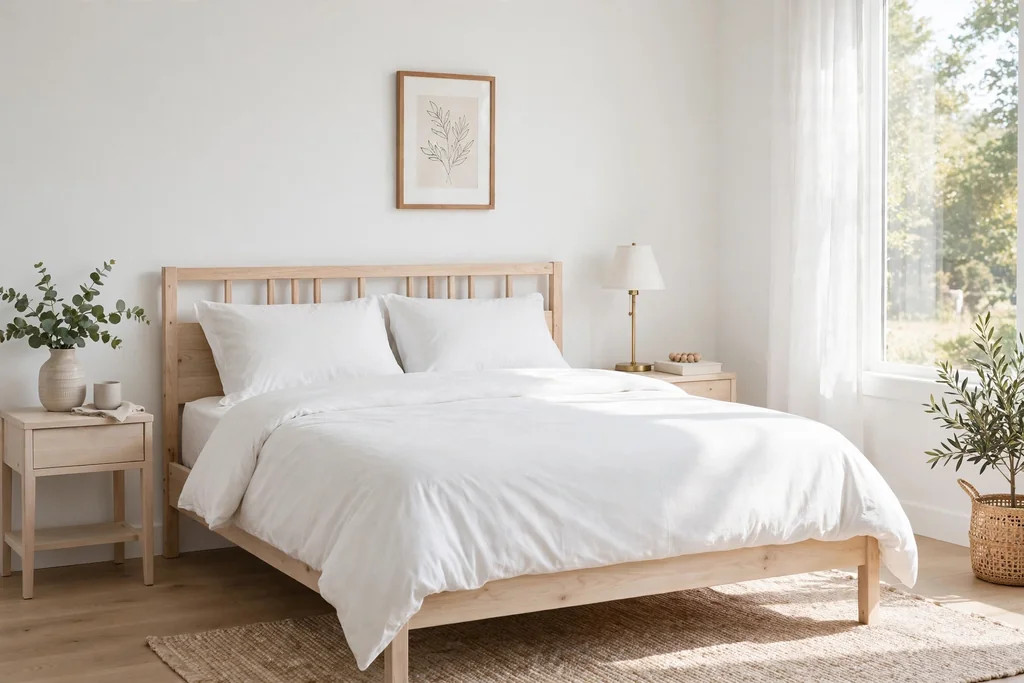
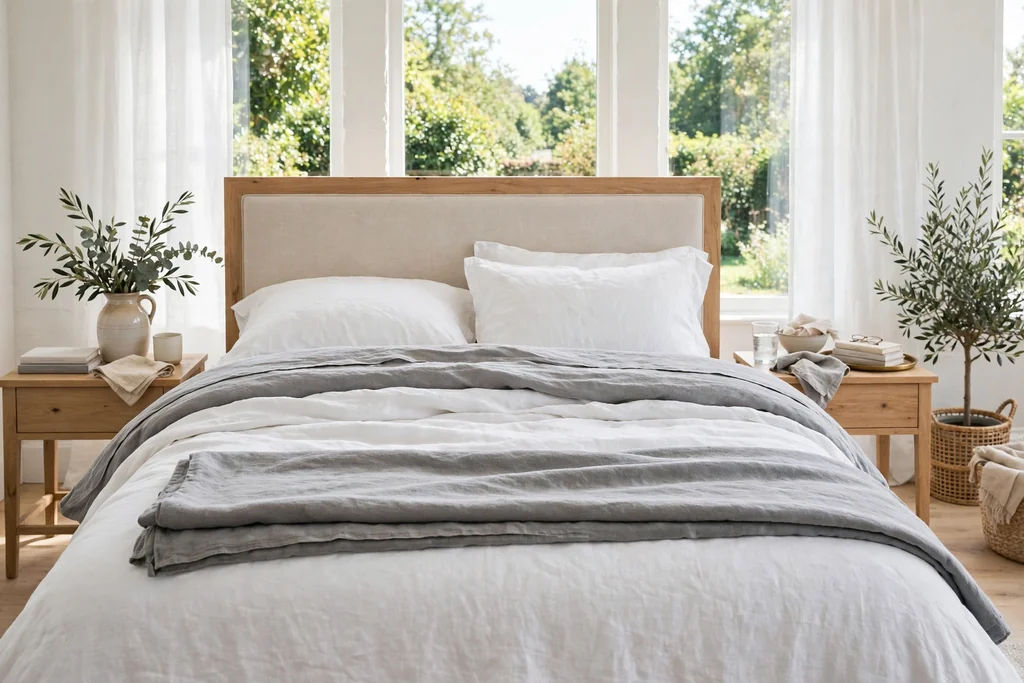
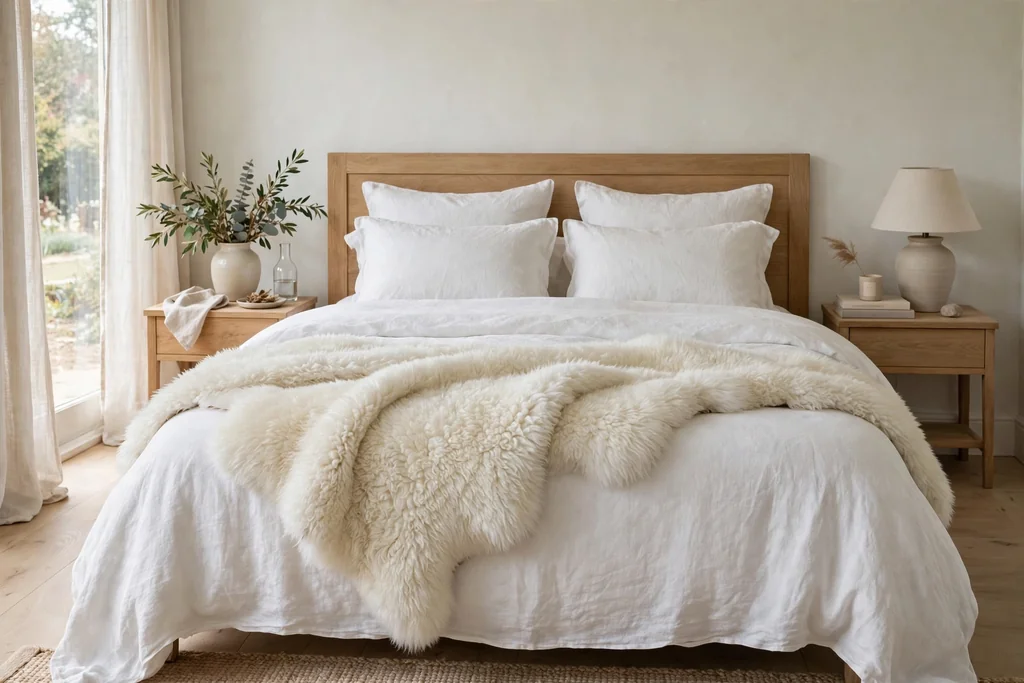
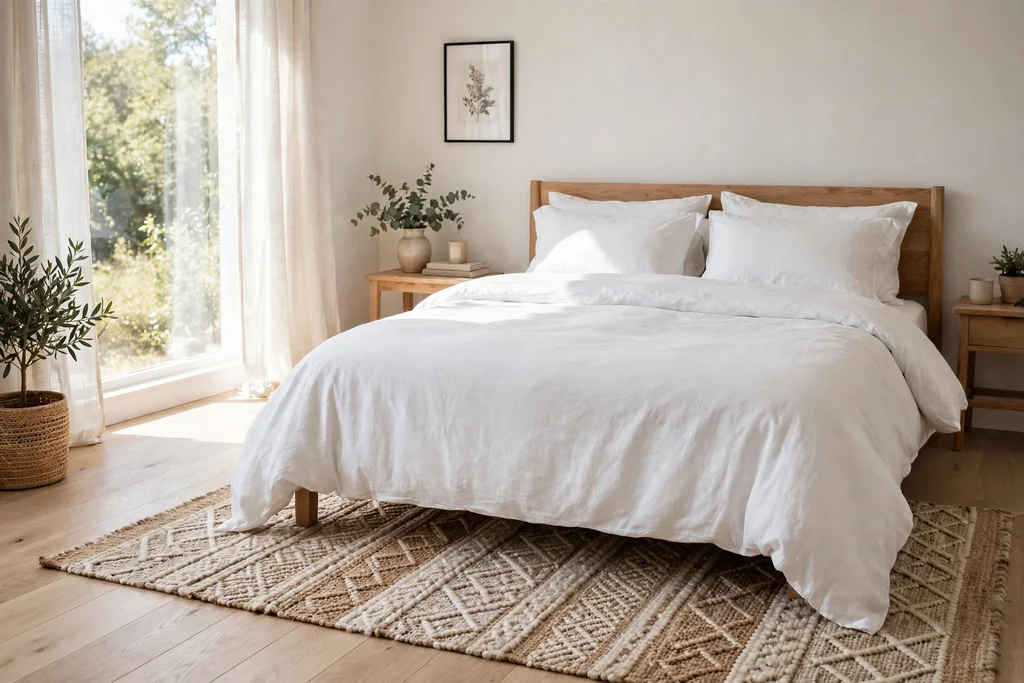
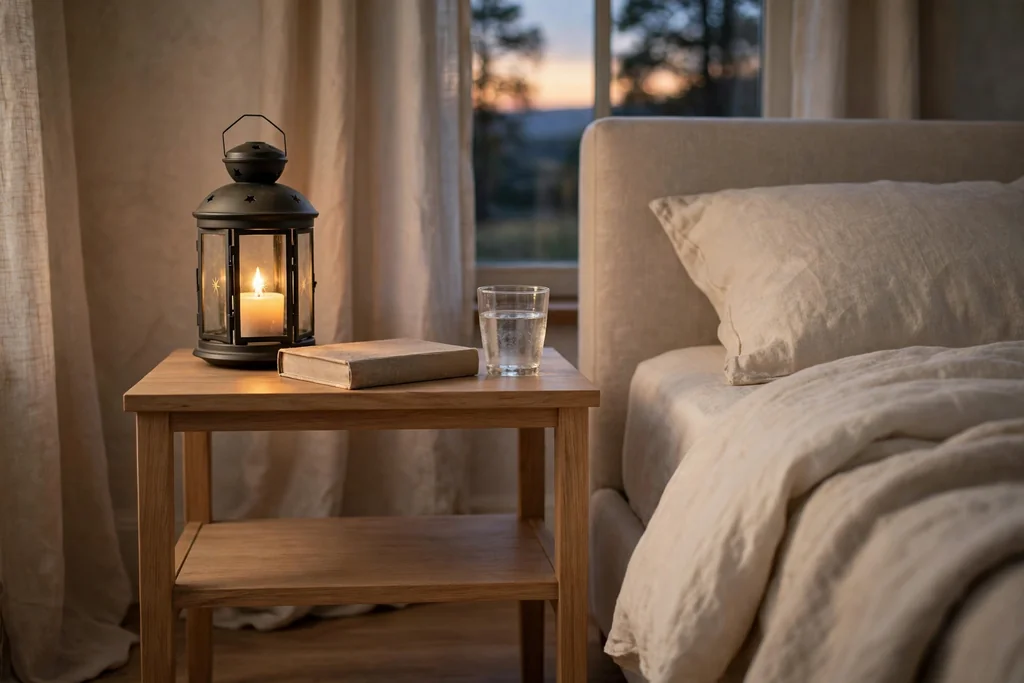
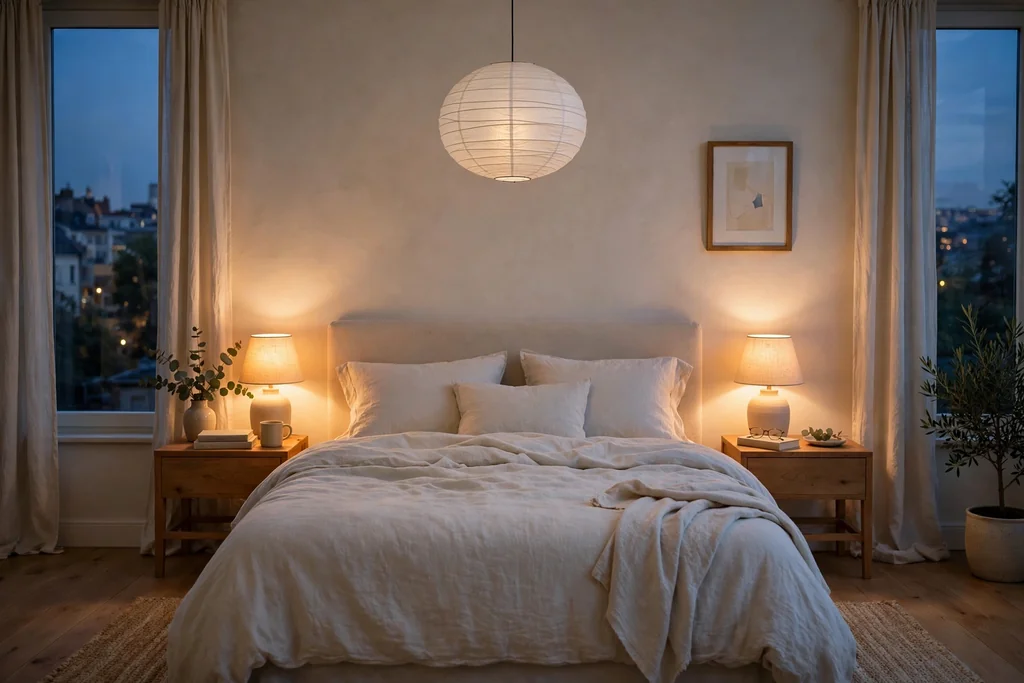
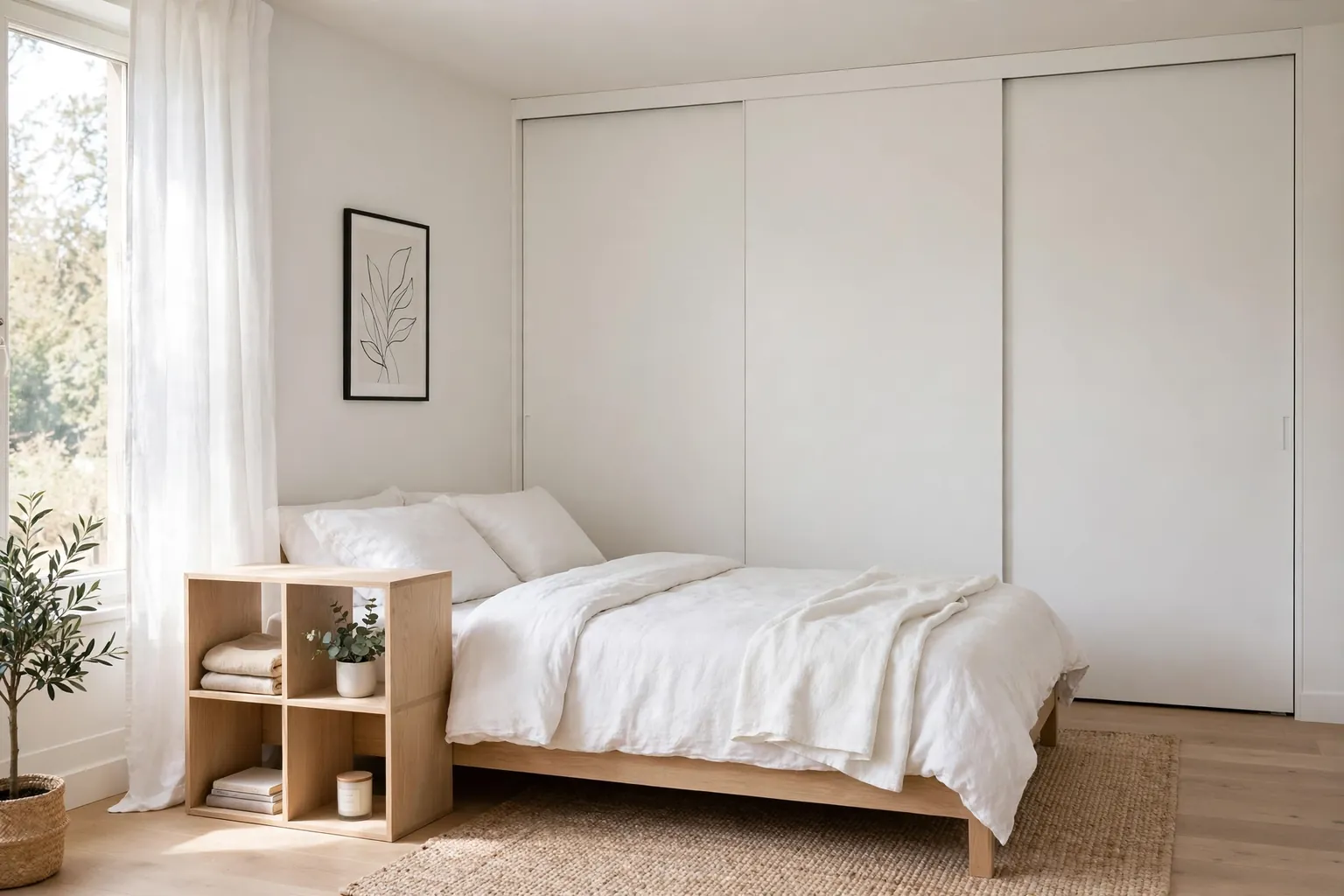
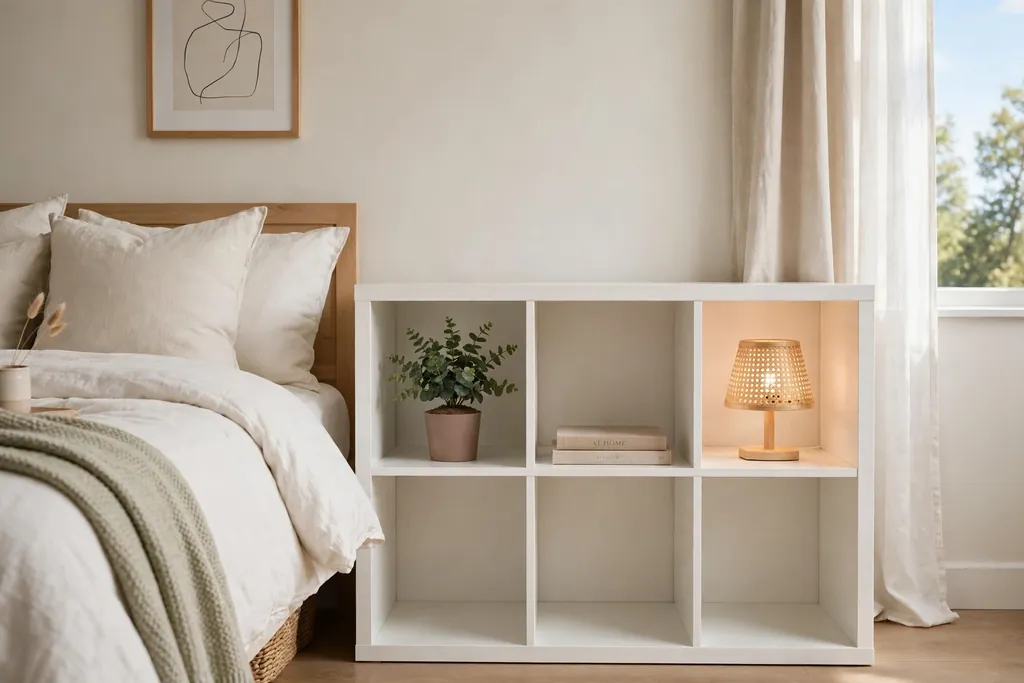
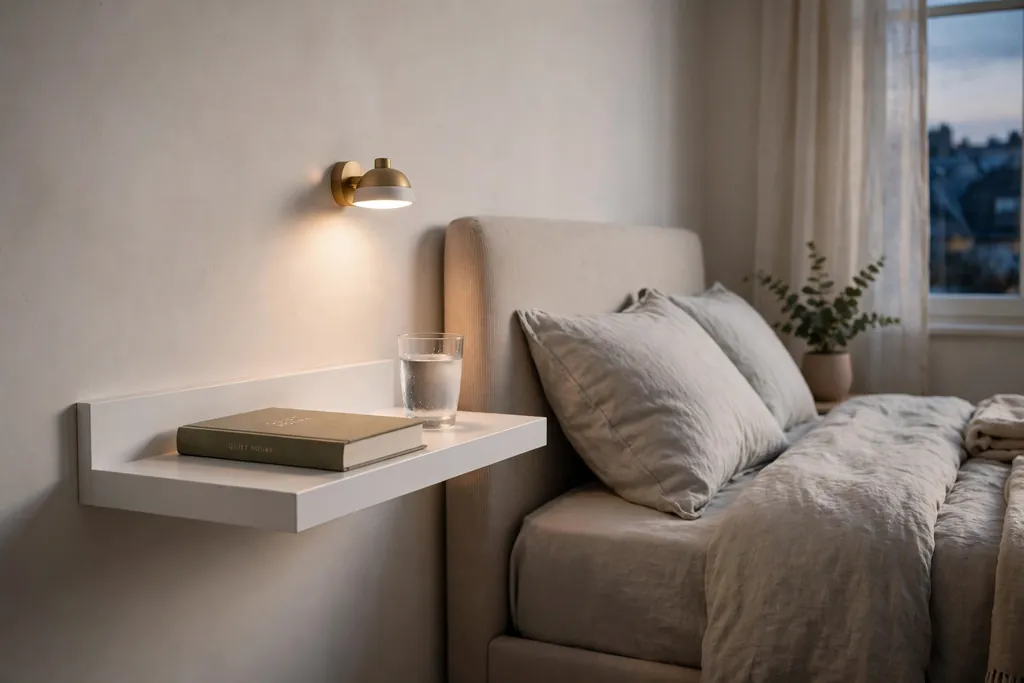
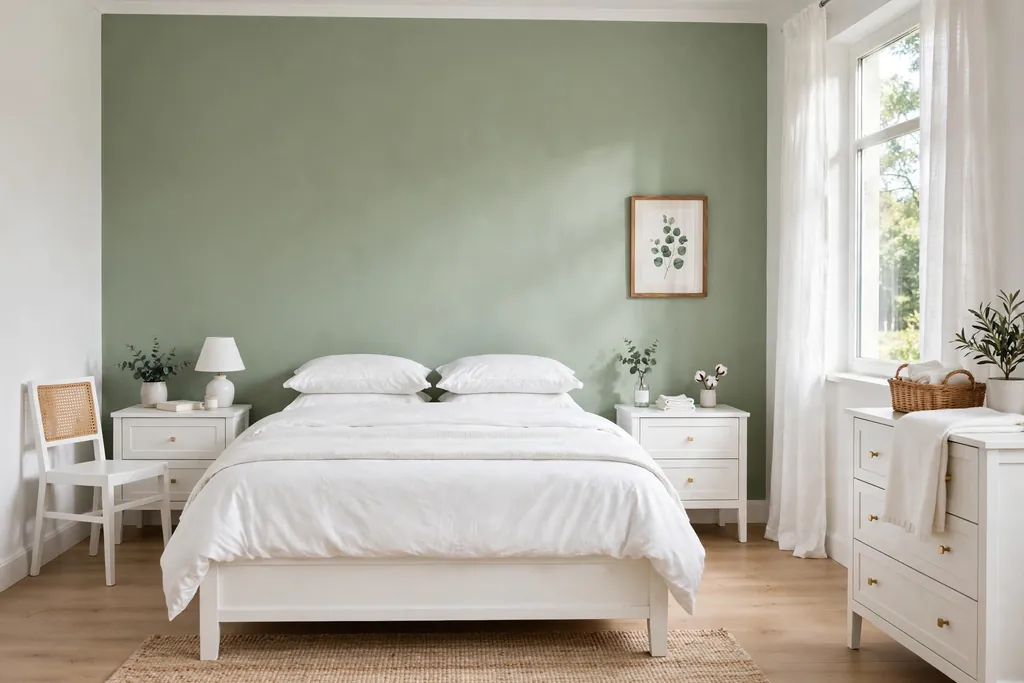
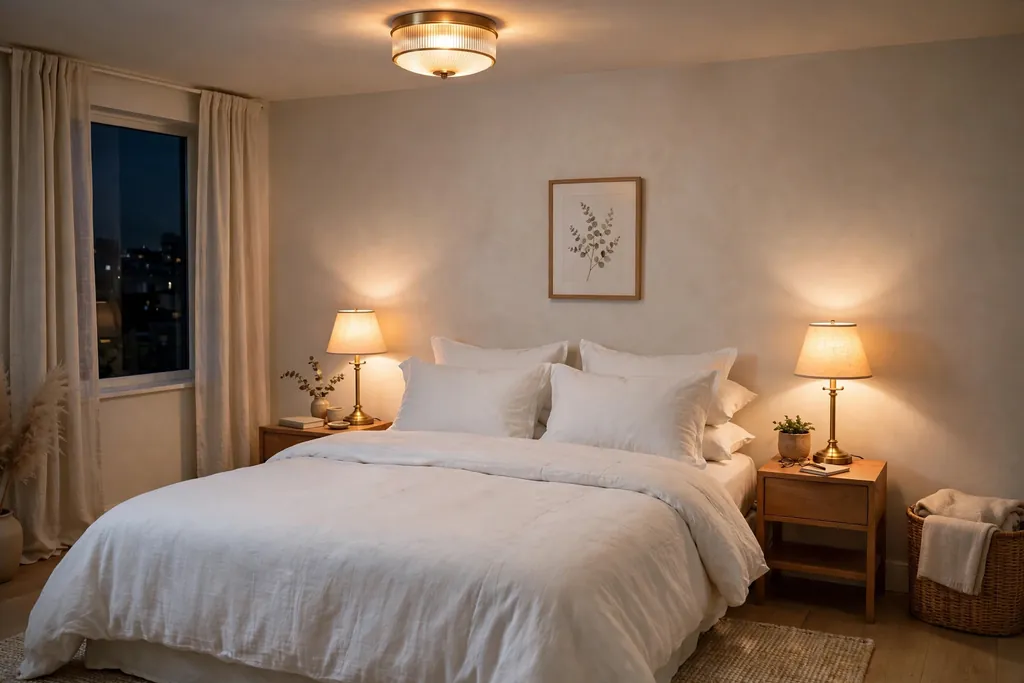
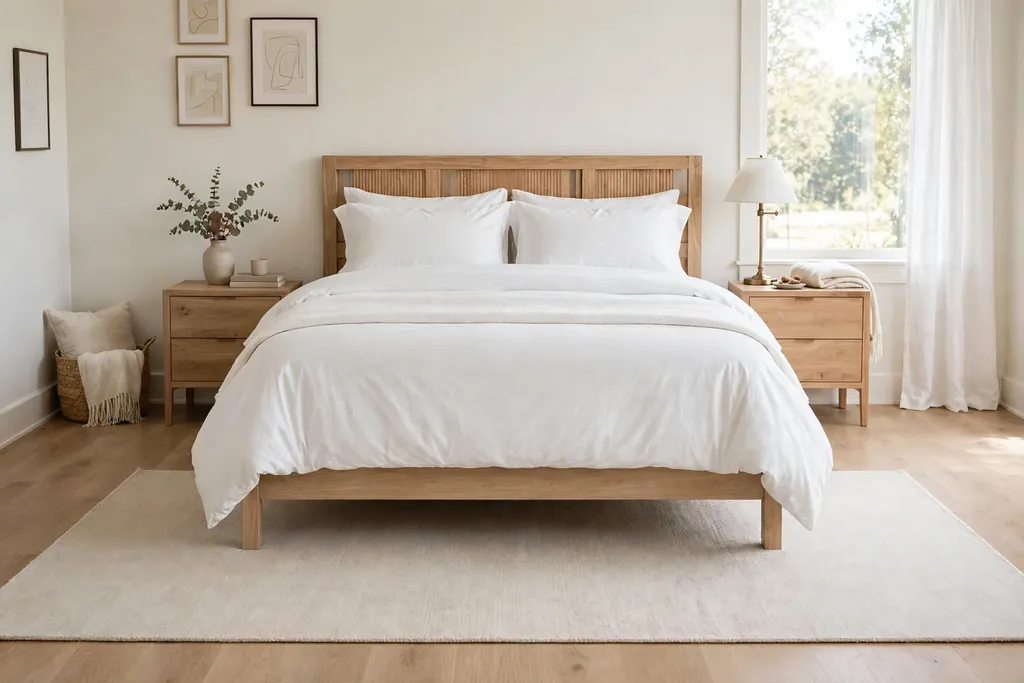
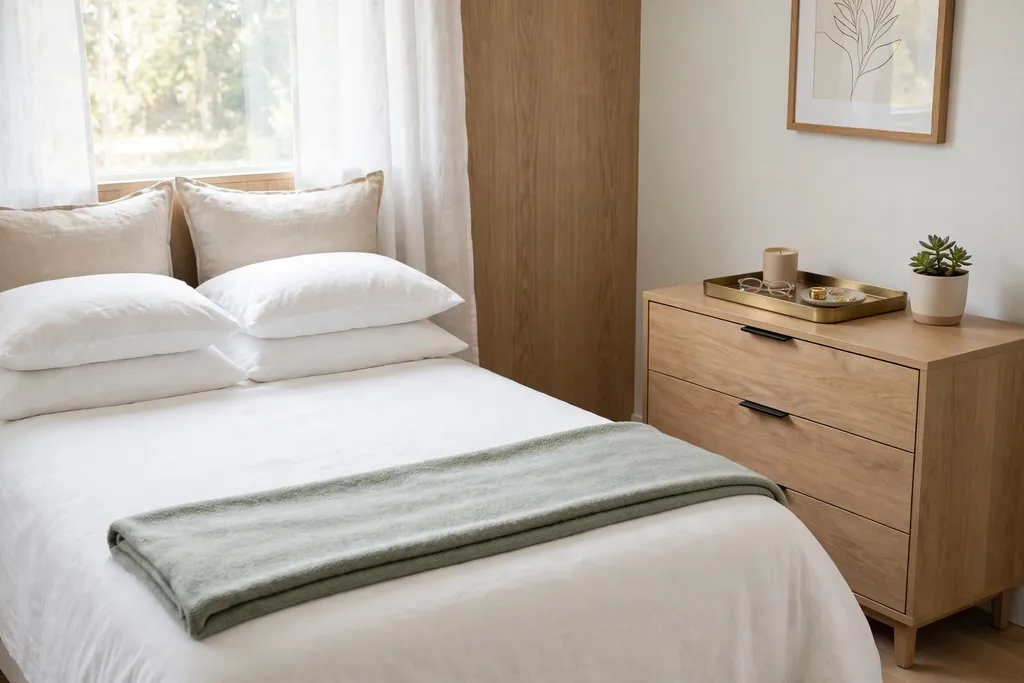
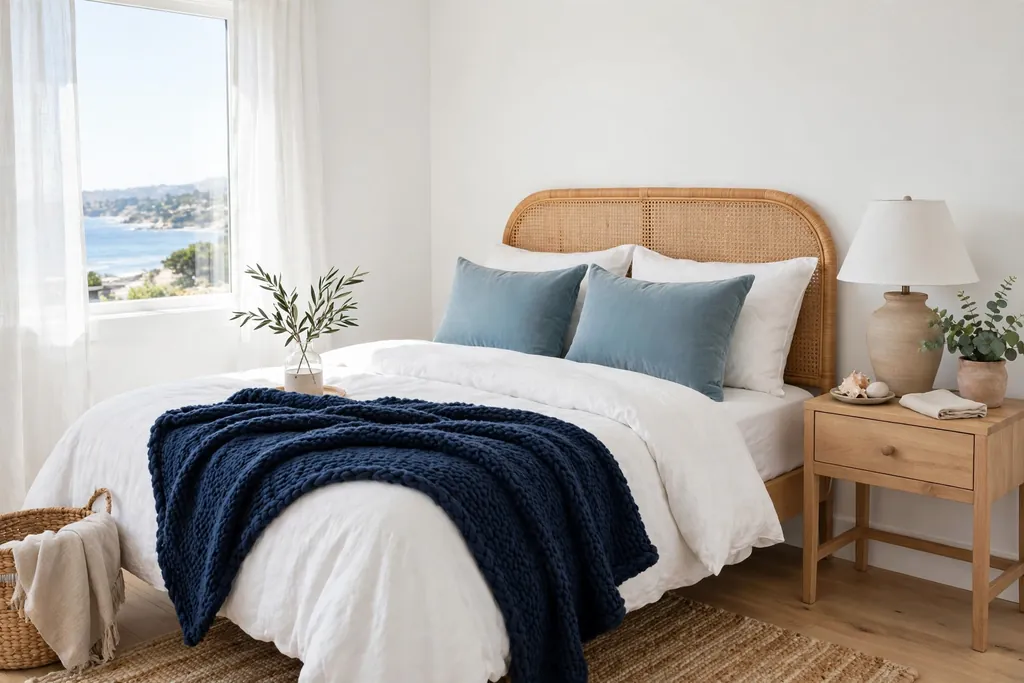
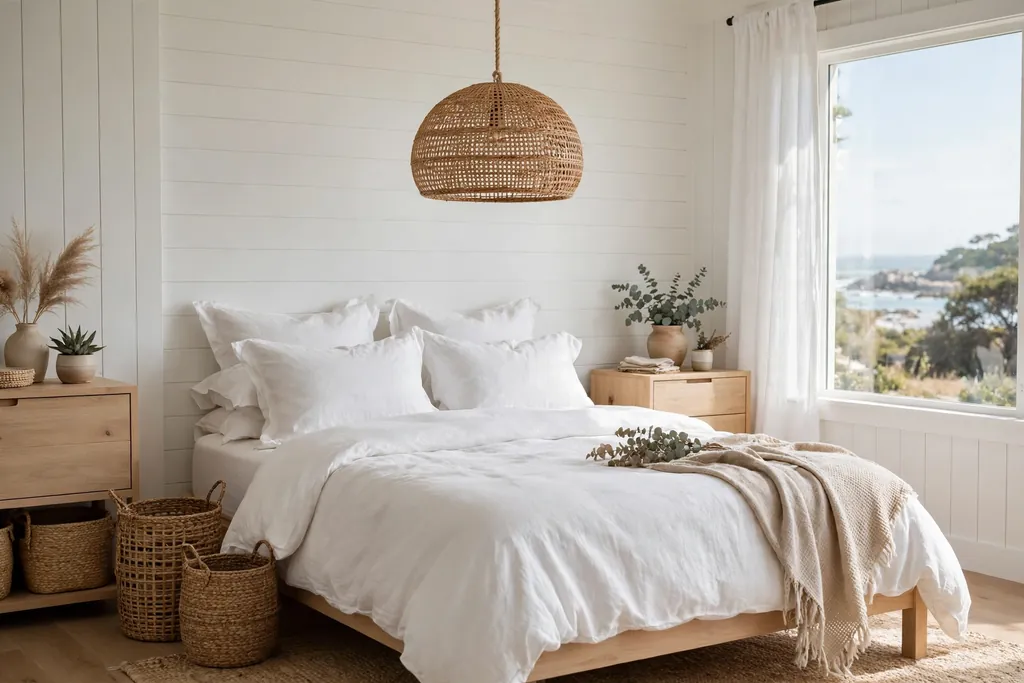
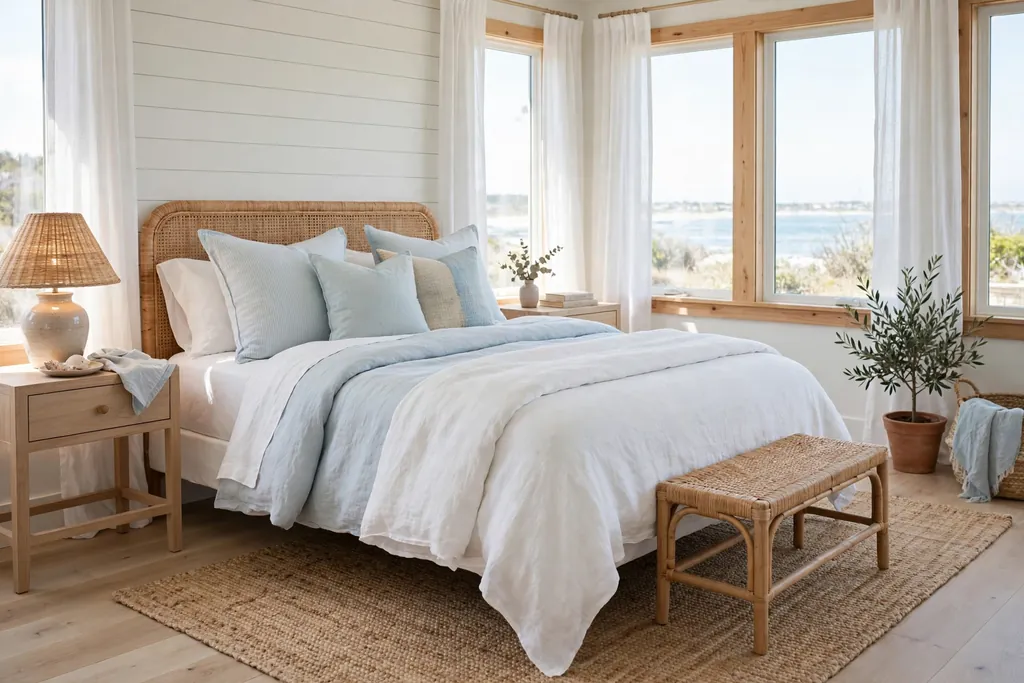
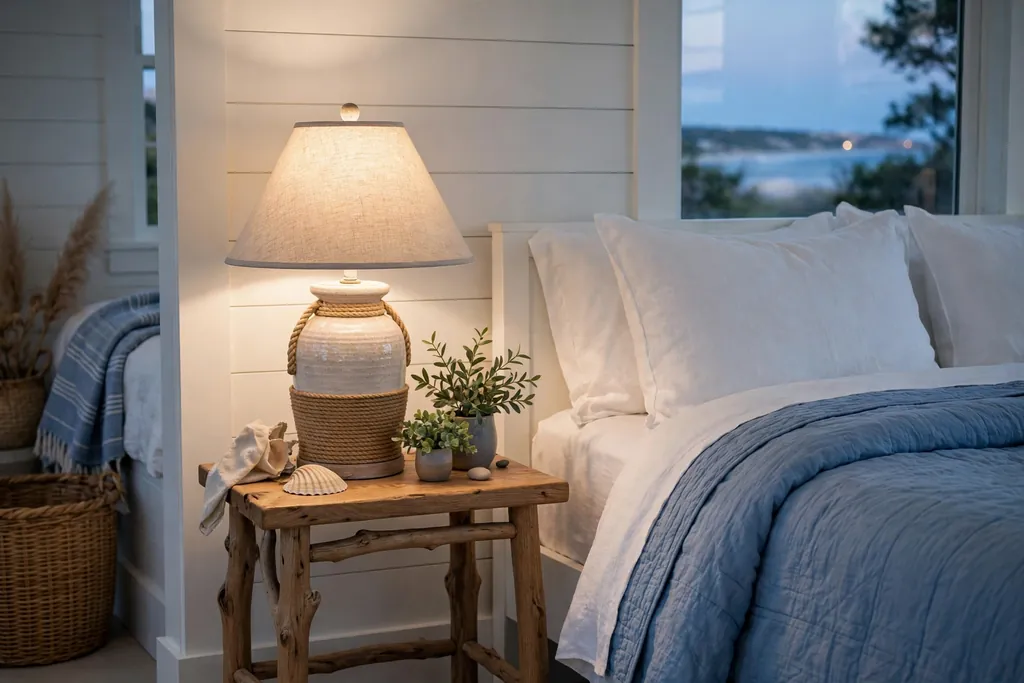
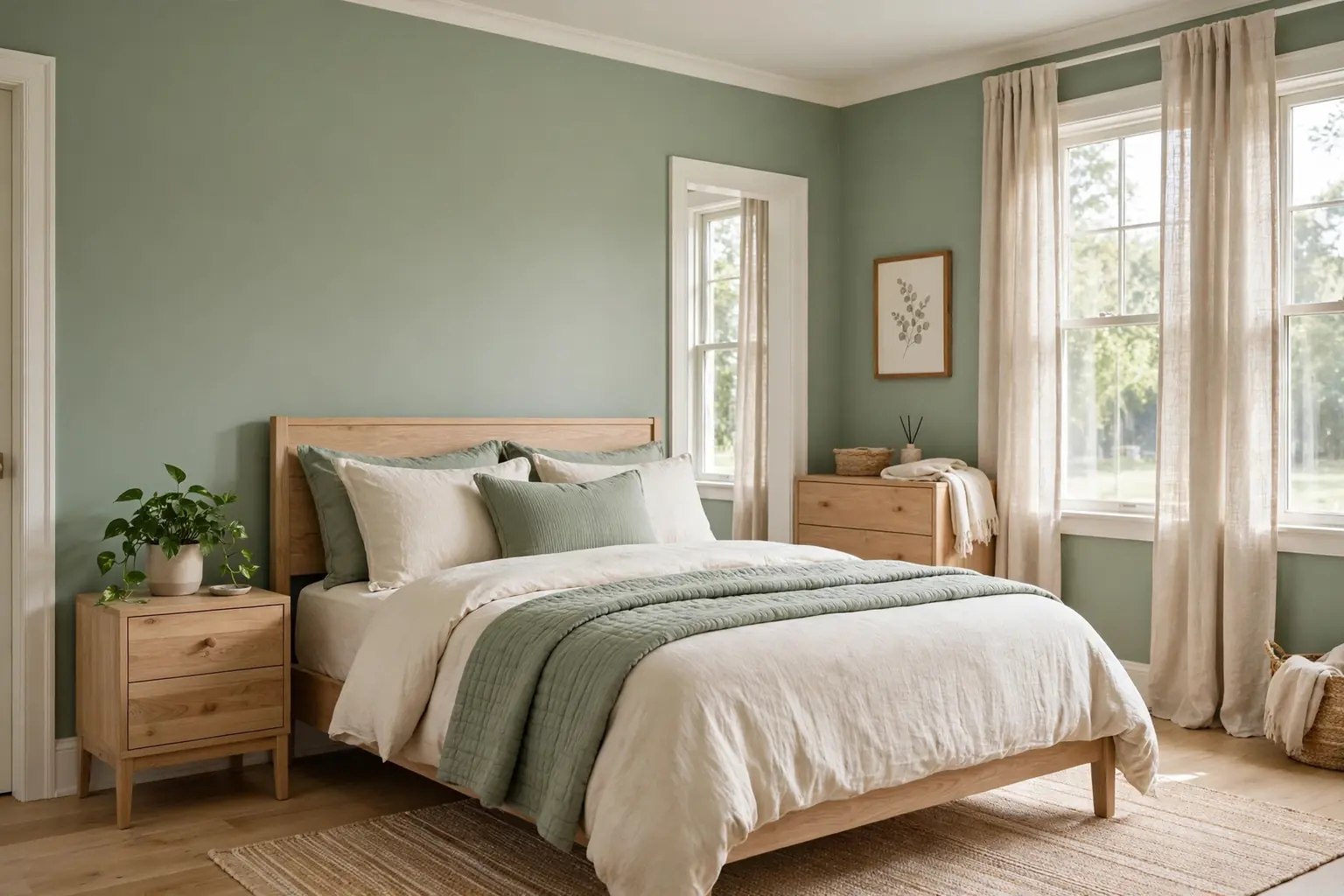
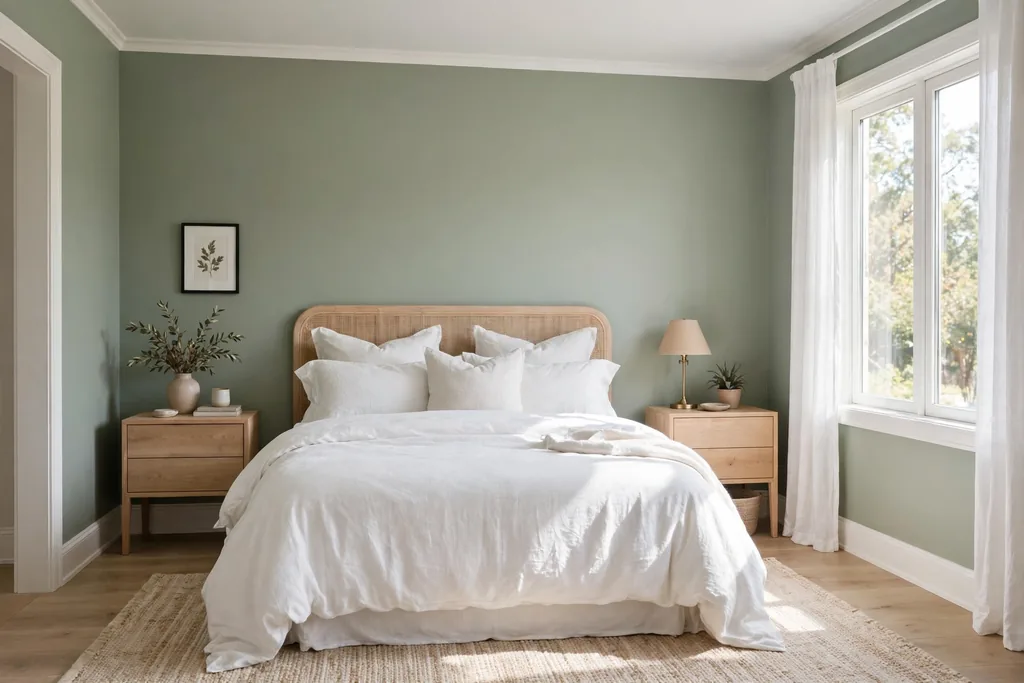
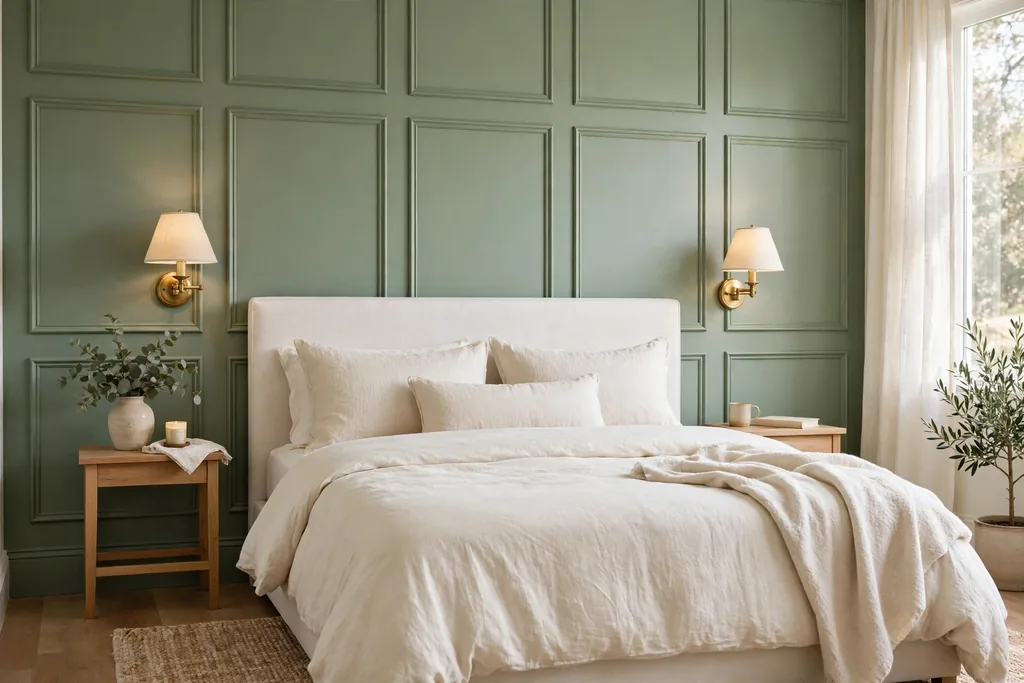
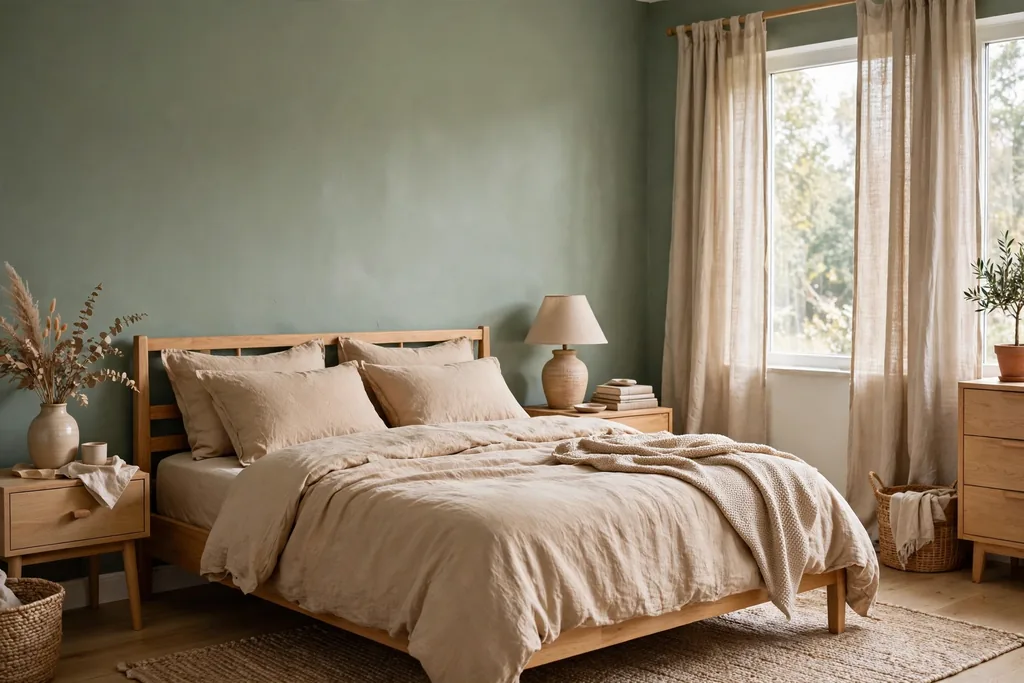
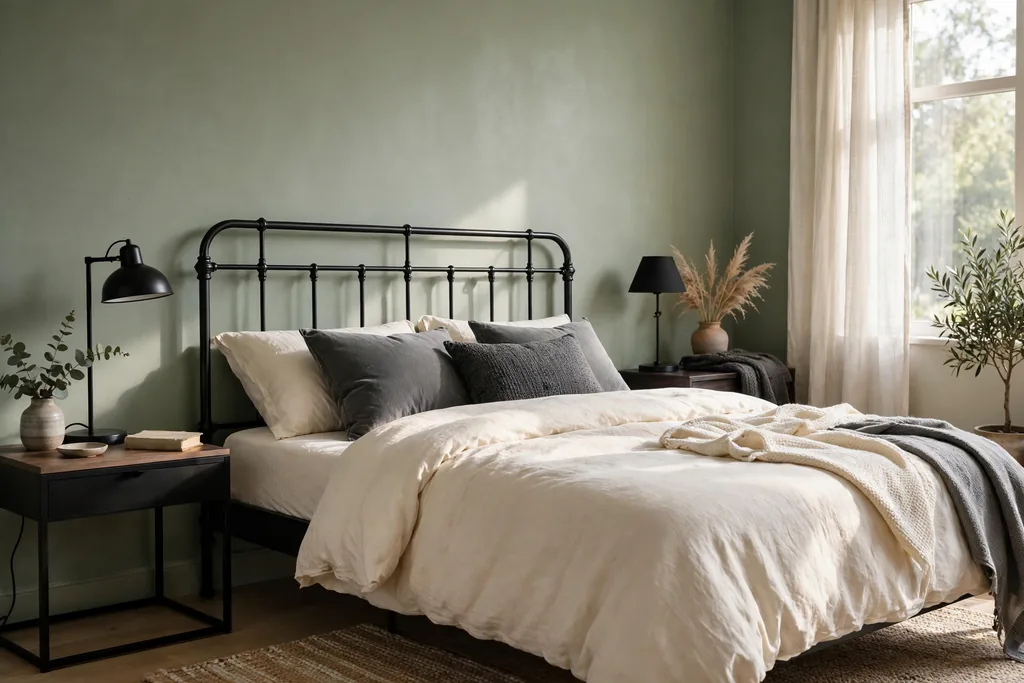
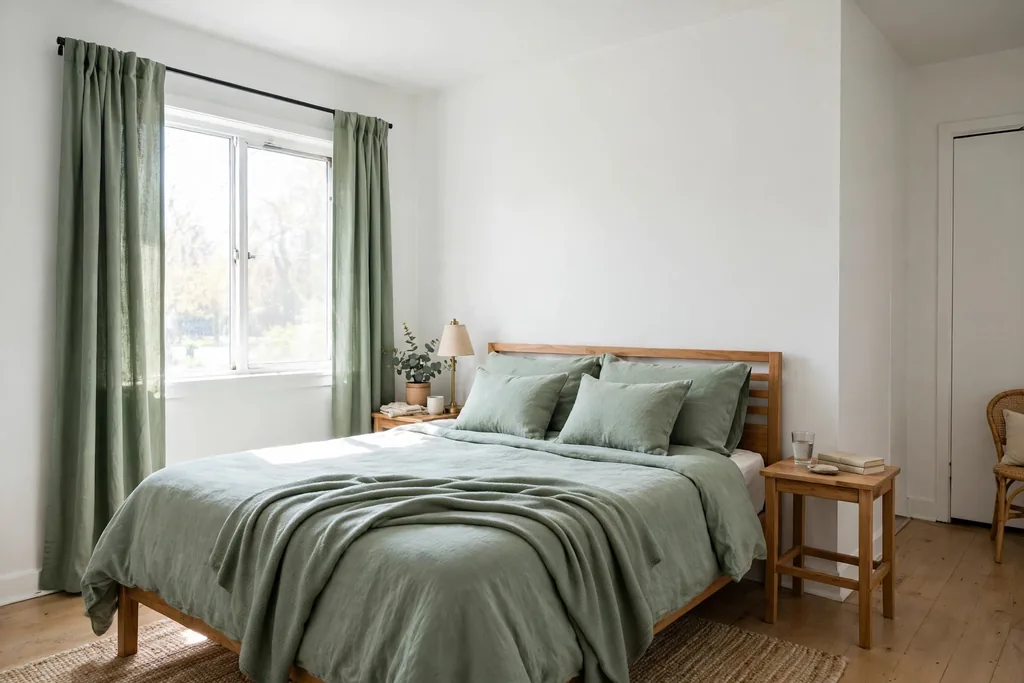
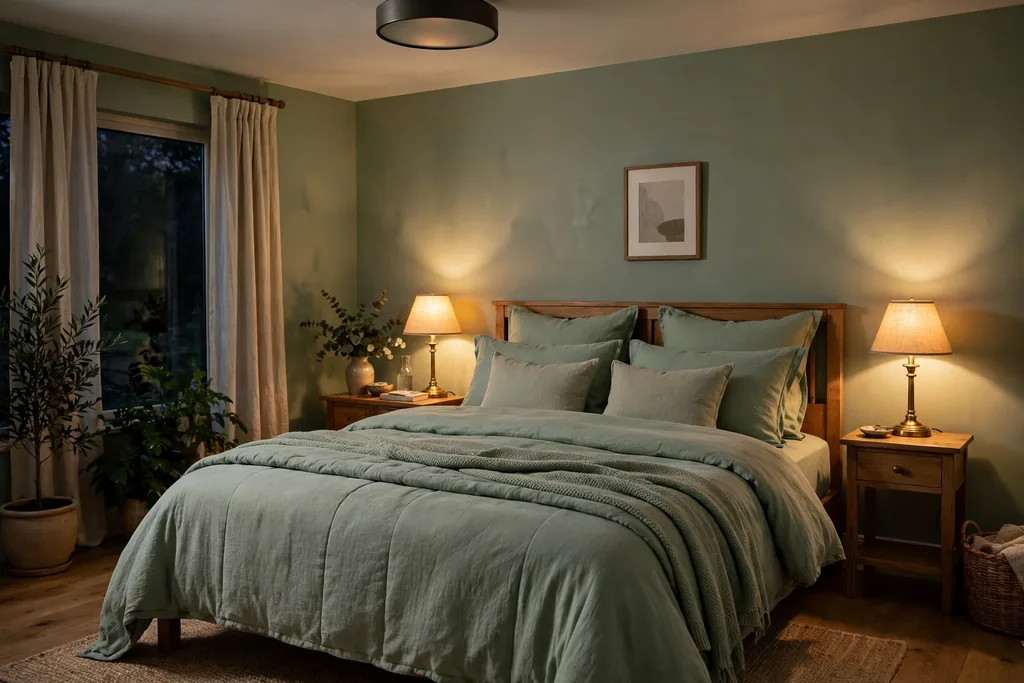
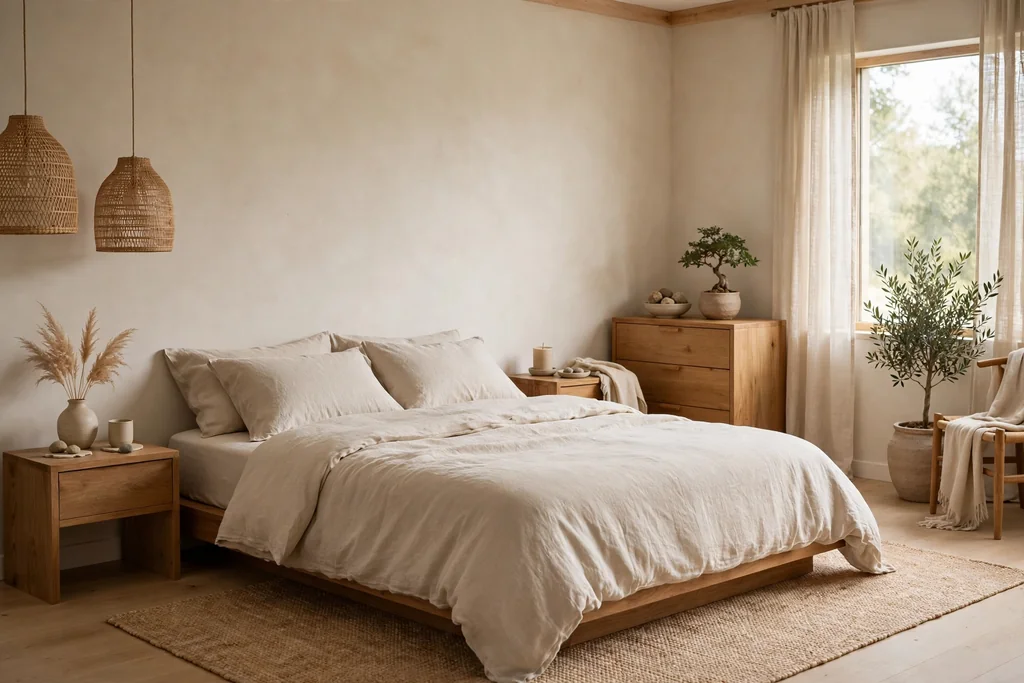
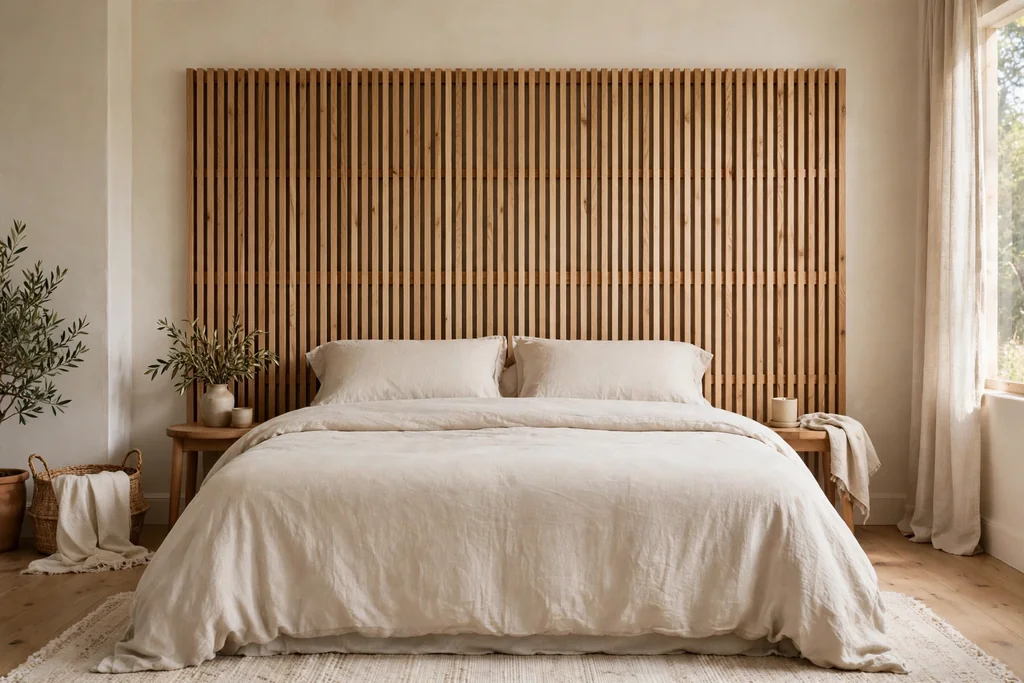
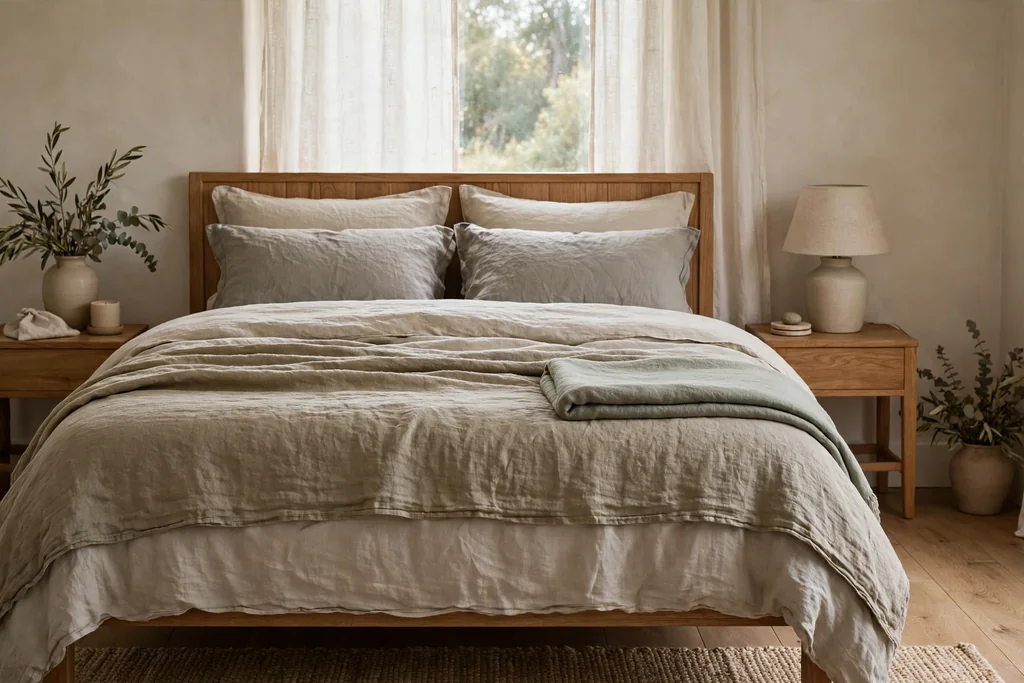
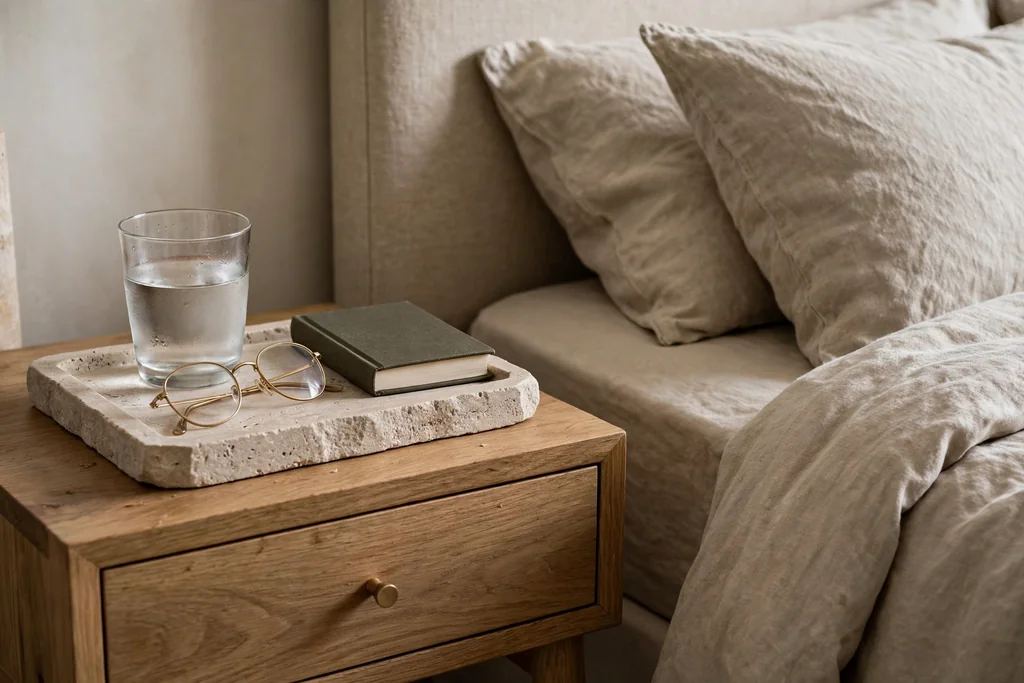
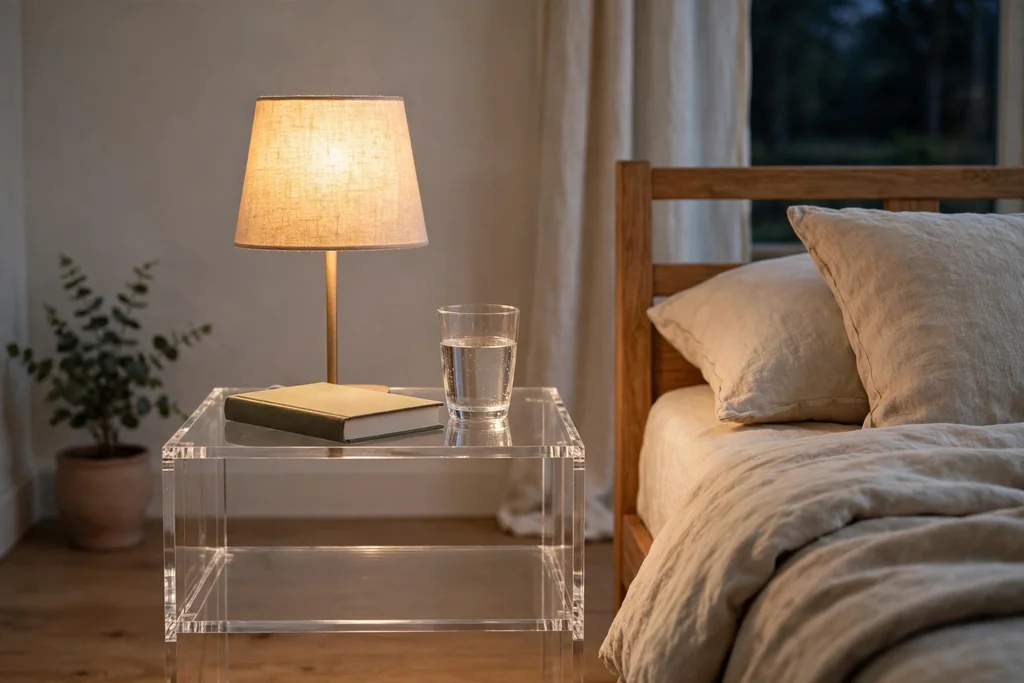
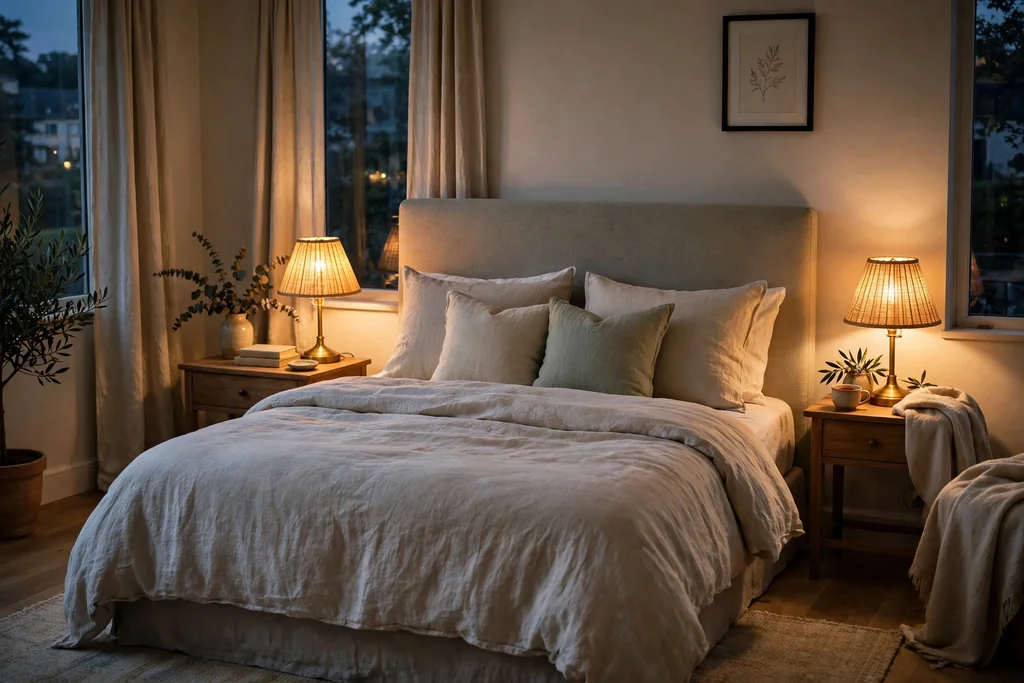
Two bedside tables, even small ones, give each person a lamp, a book, a glass of water, and a charging spot without negotiating over one shared surface. Matching tables keep the bed looking balanced, while different lamps or books let each side keep its own character.
Keep the tops to three items each as a habit, so the tables stay useful rather than becoming extra storage. If floor space is tight, use wall mounted shelves or narrow stools at the same height as the bed. The point is parity: neither person should have to reach across the bed for a light or a phone charger.
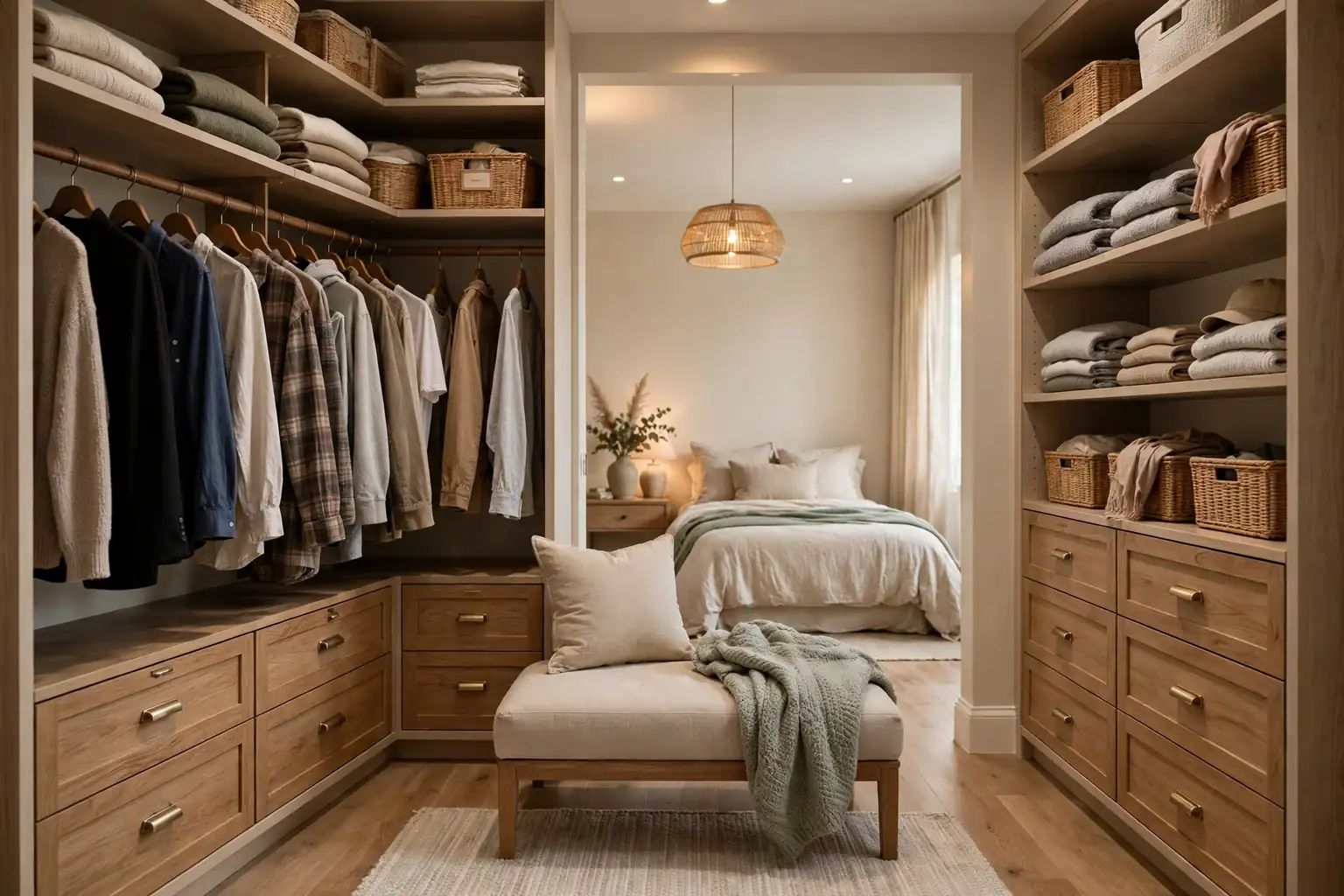
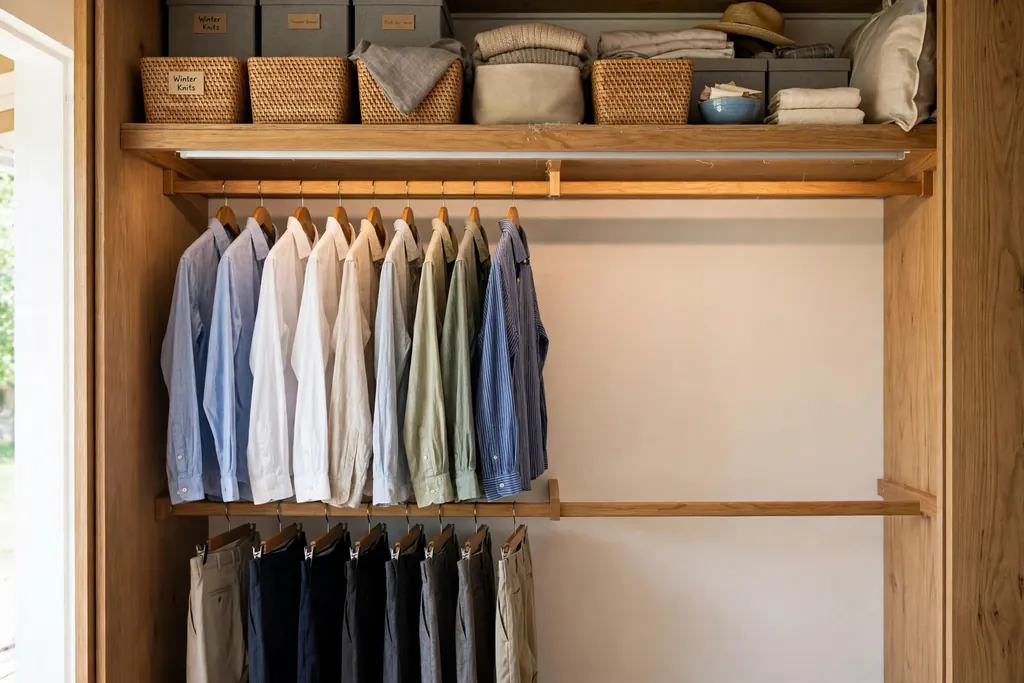
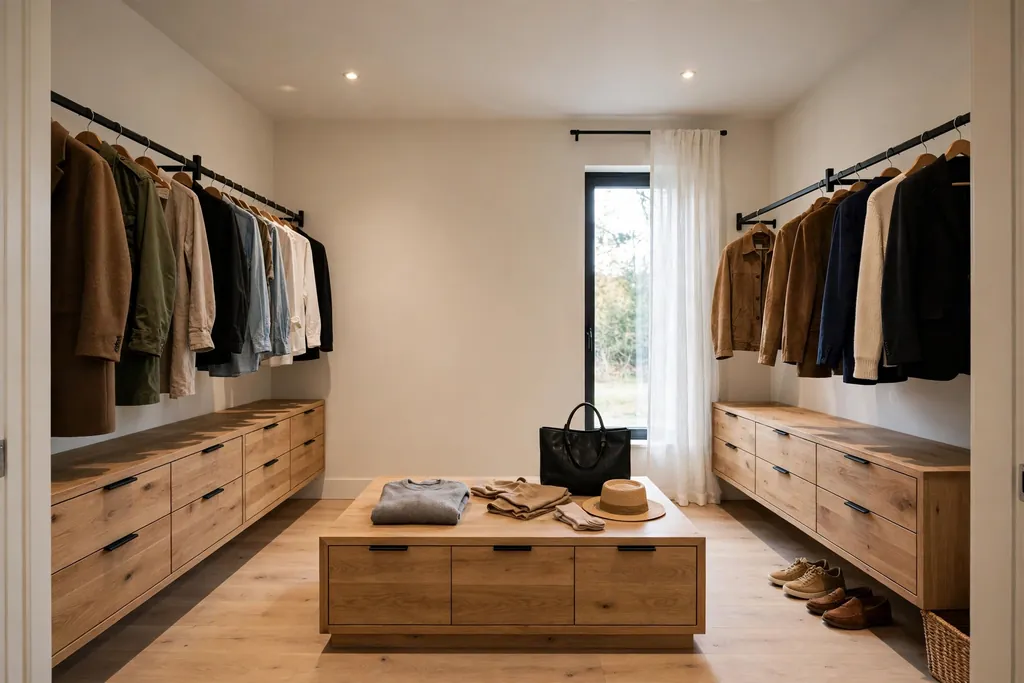
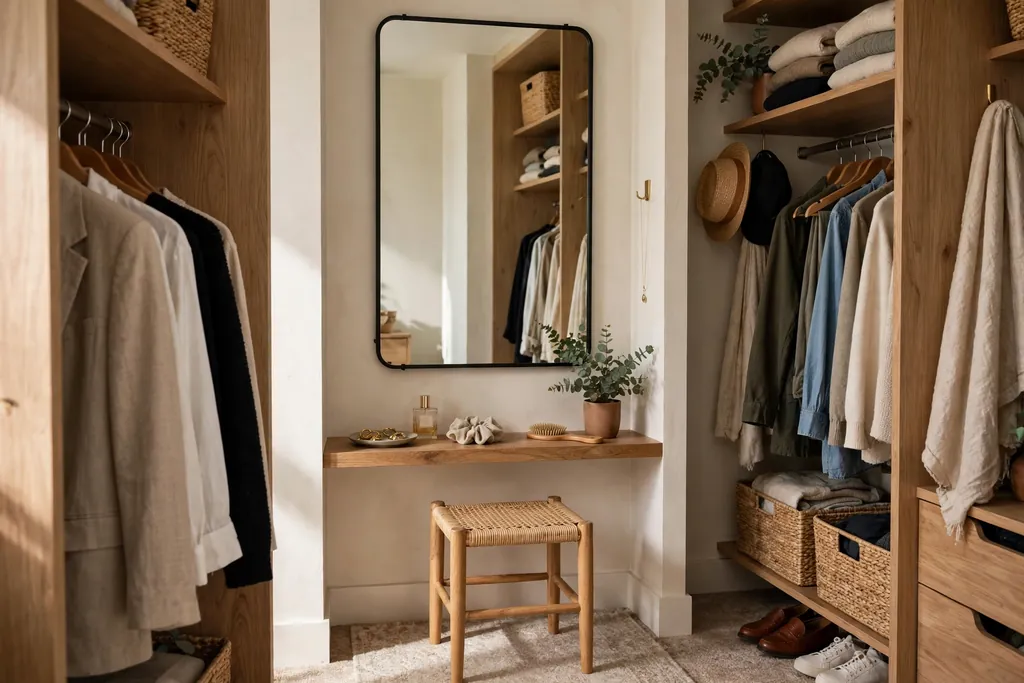
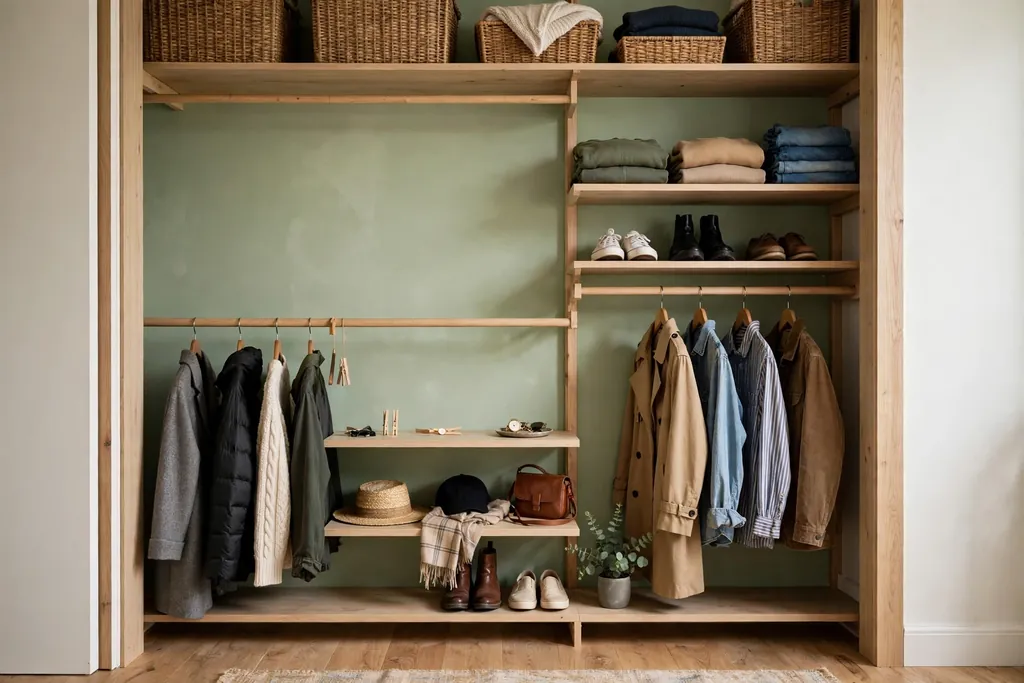
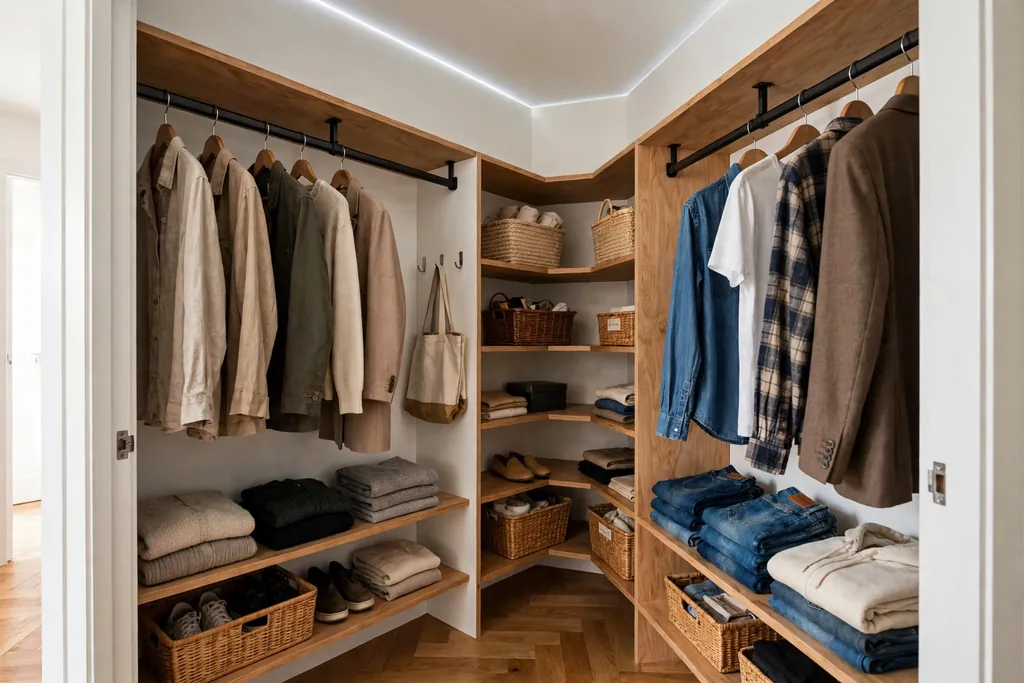
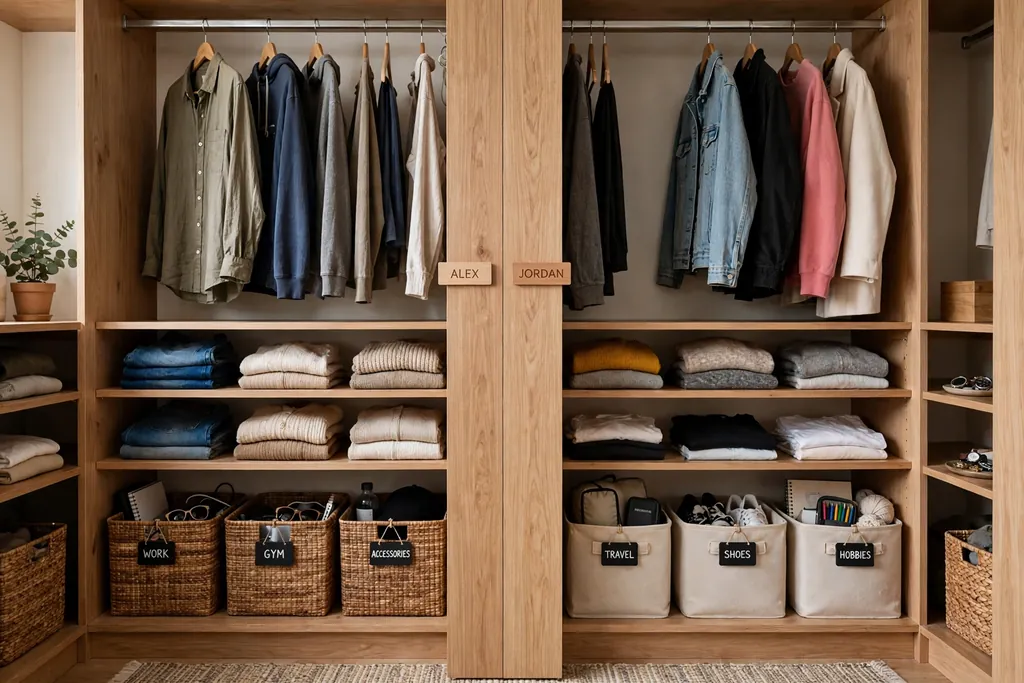
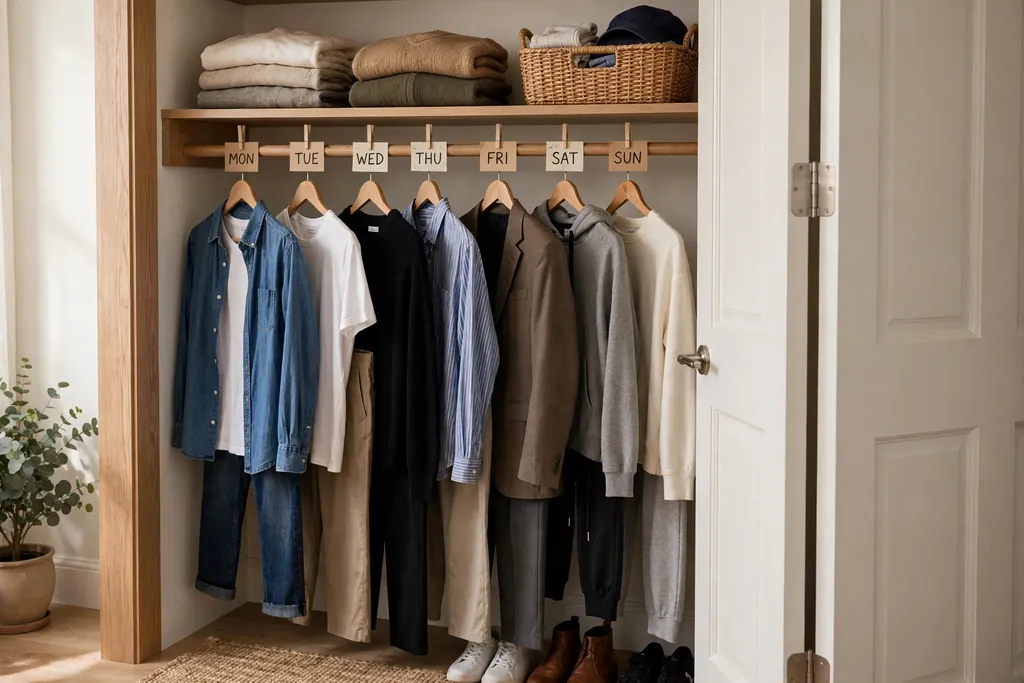
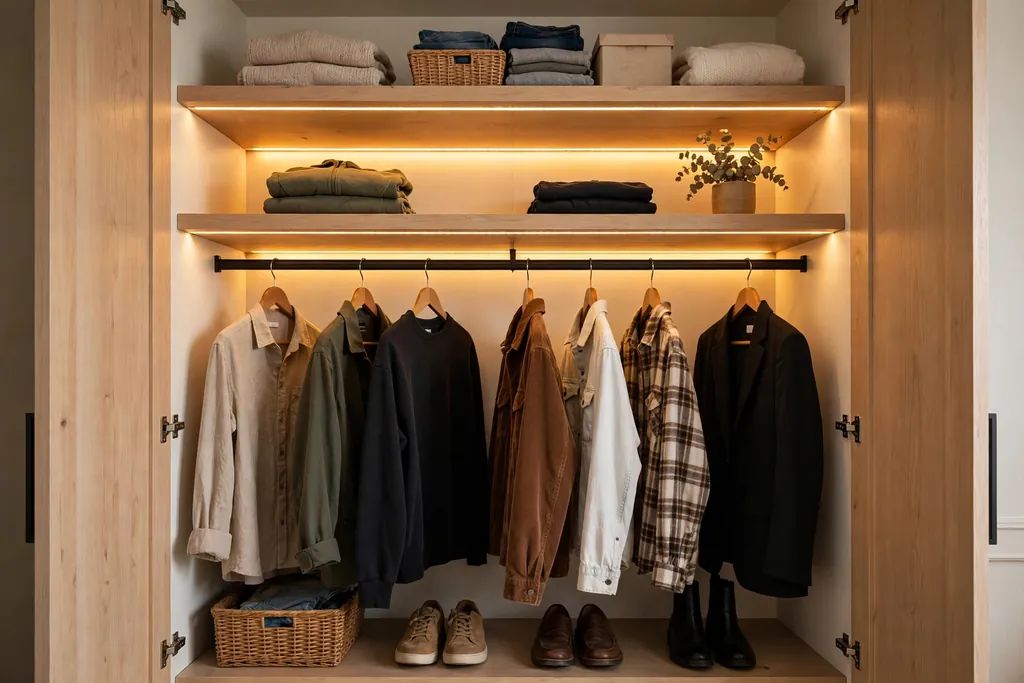
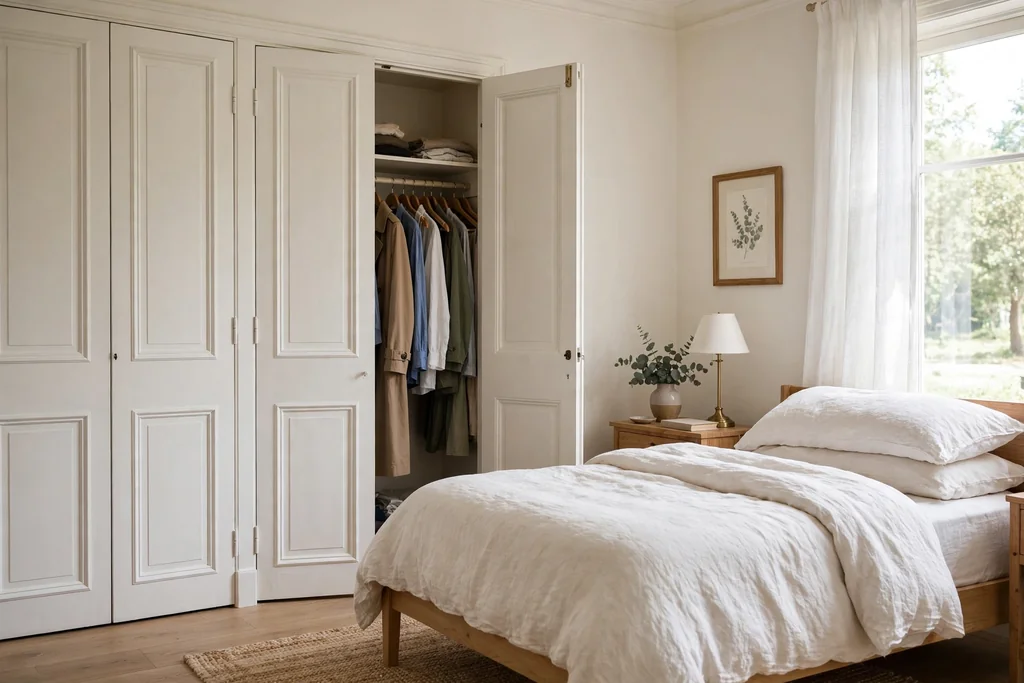
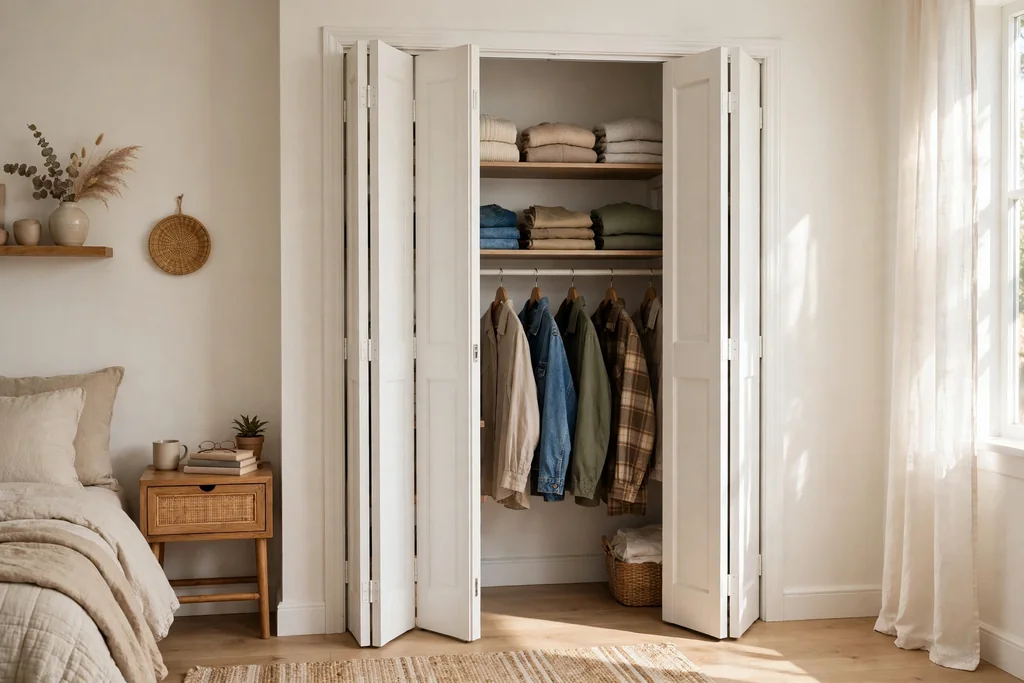
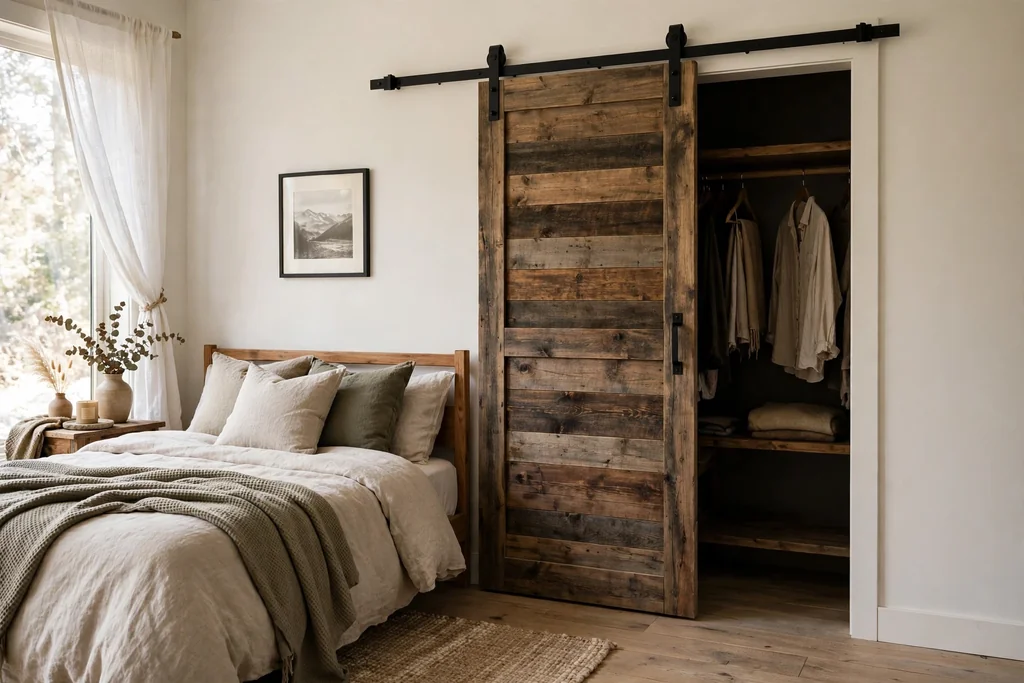
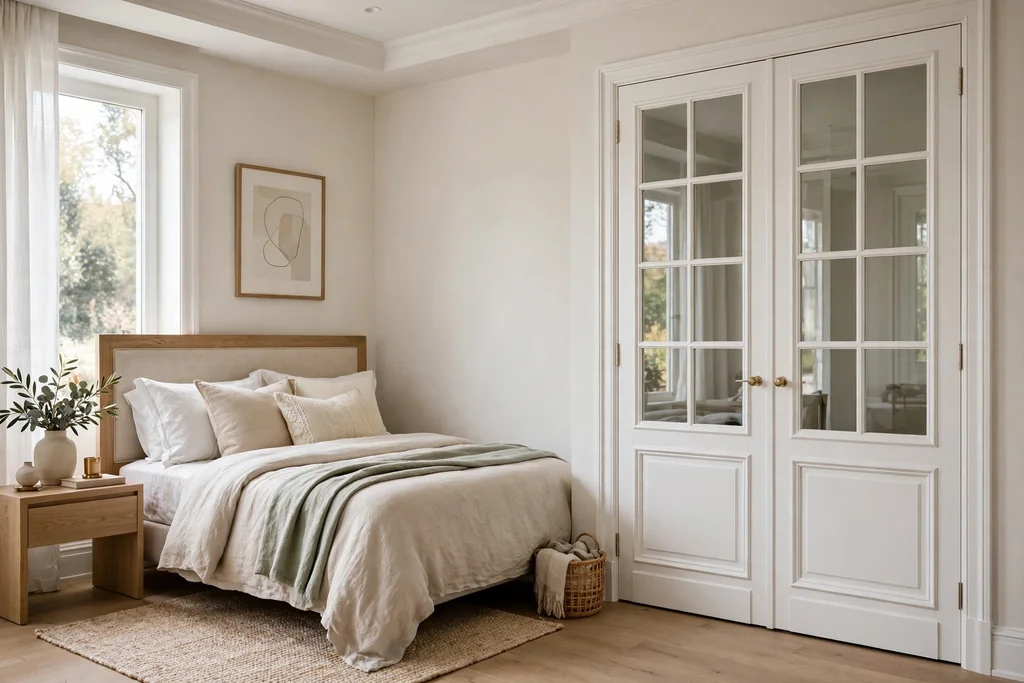
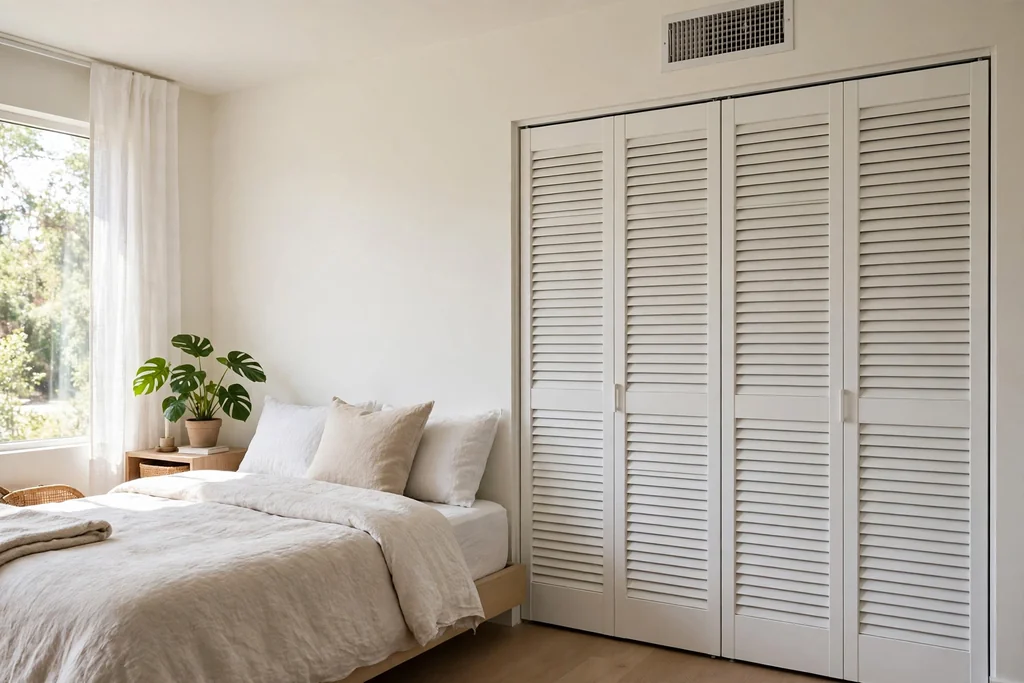
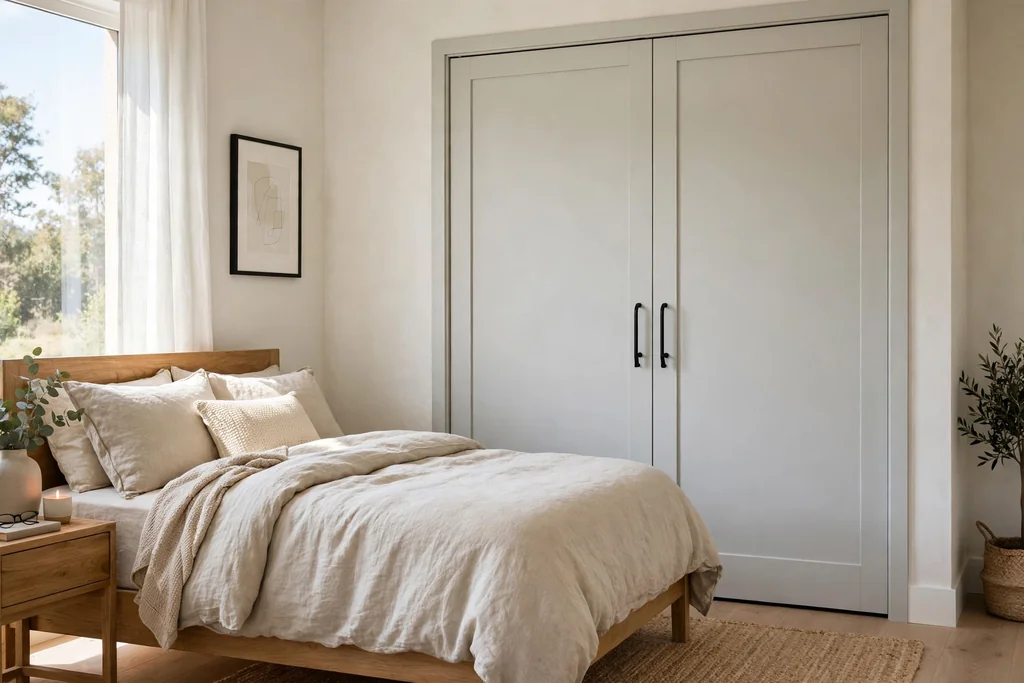
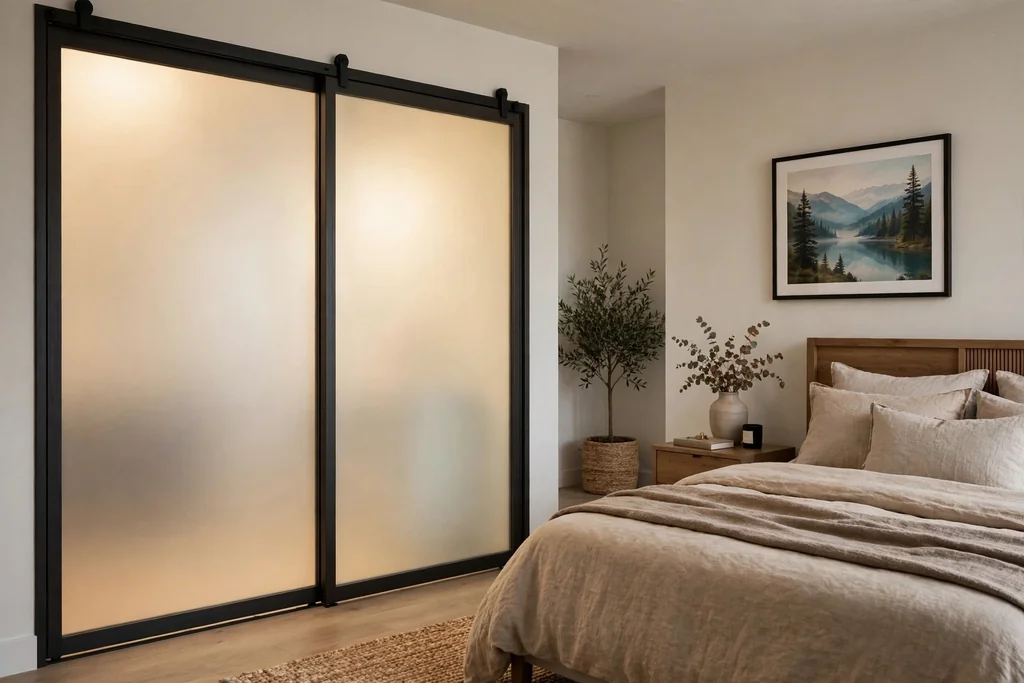
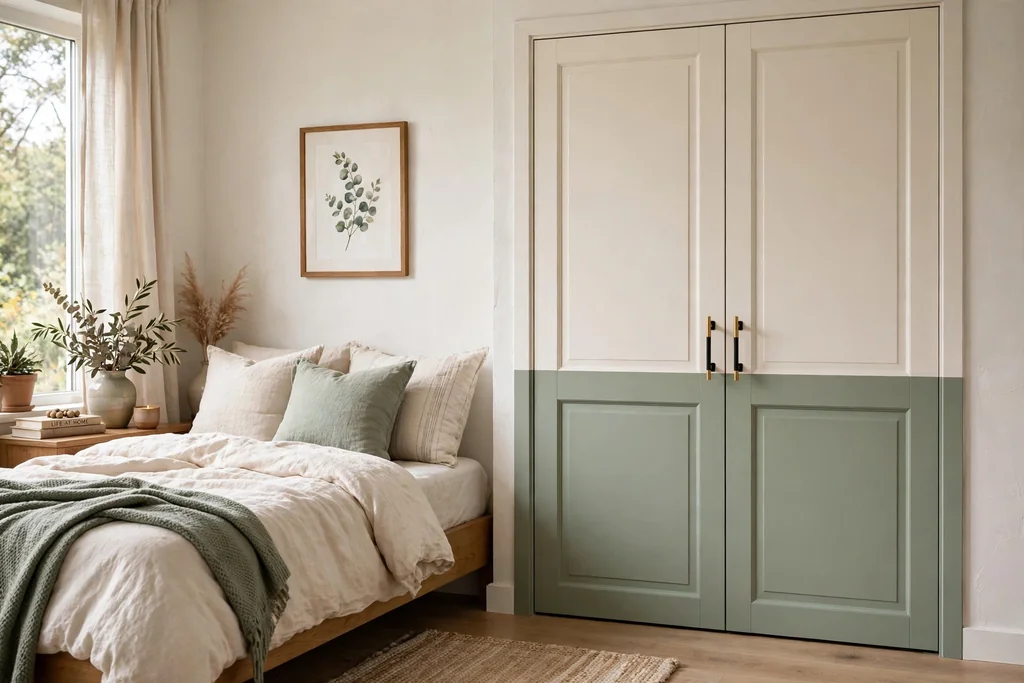
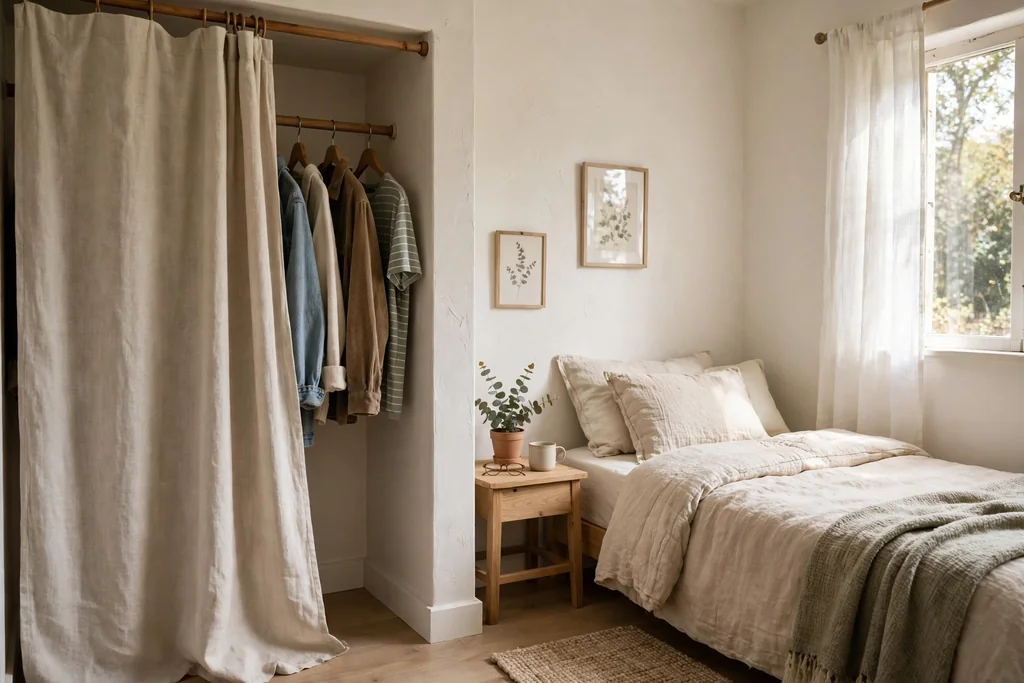
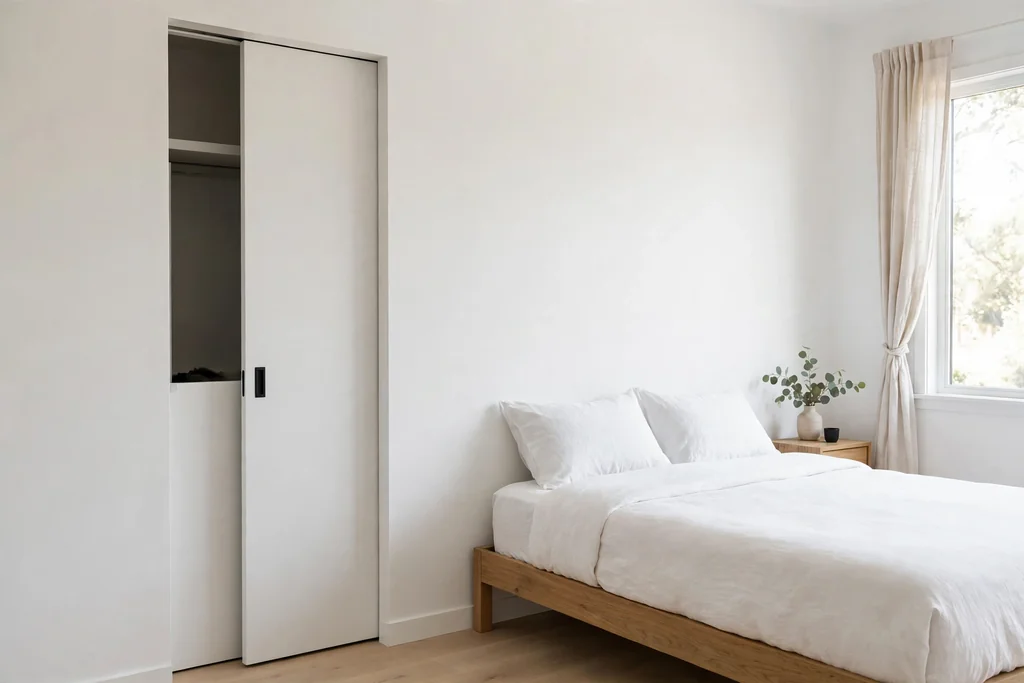
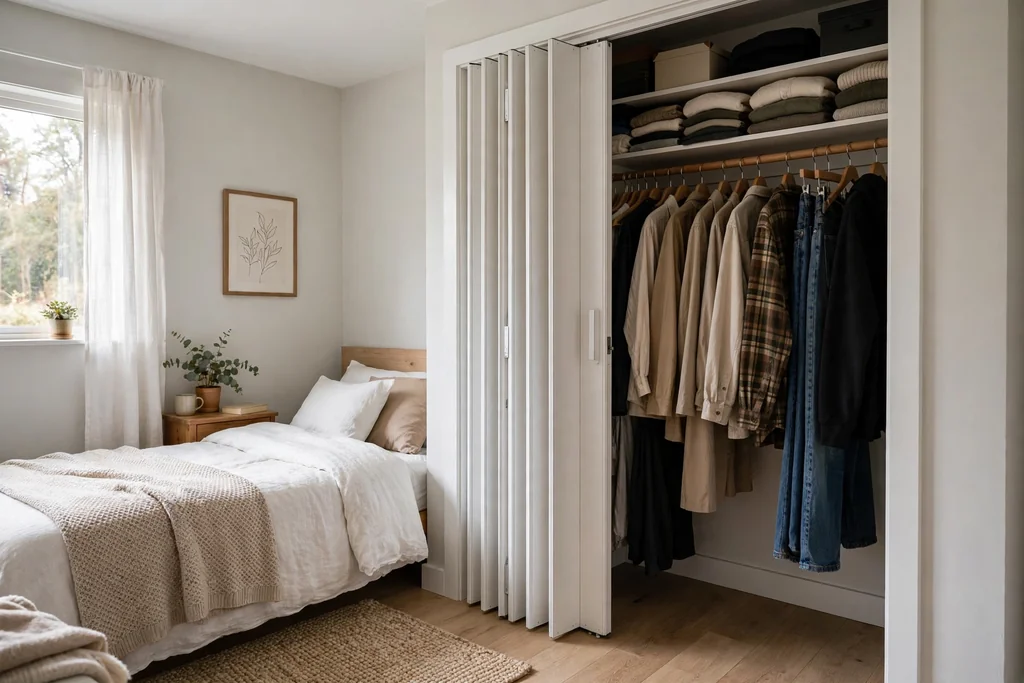
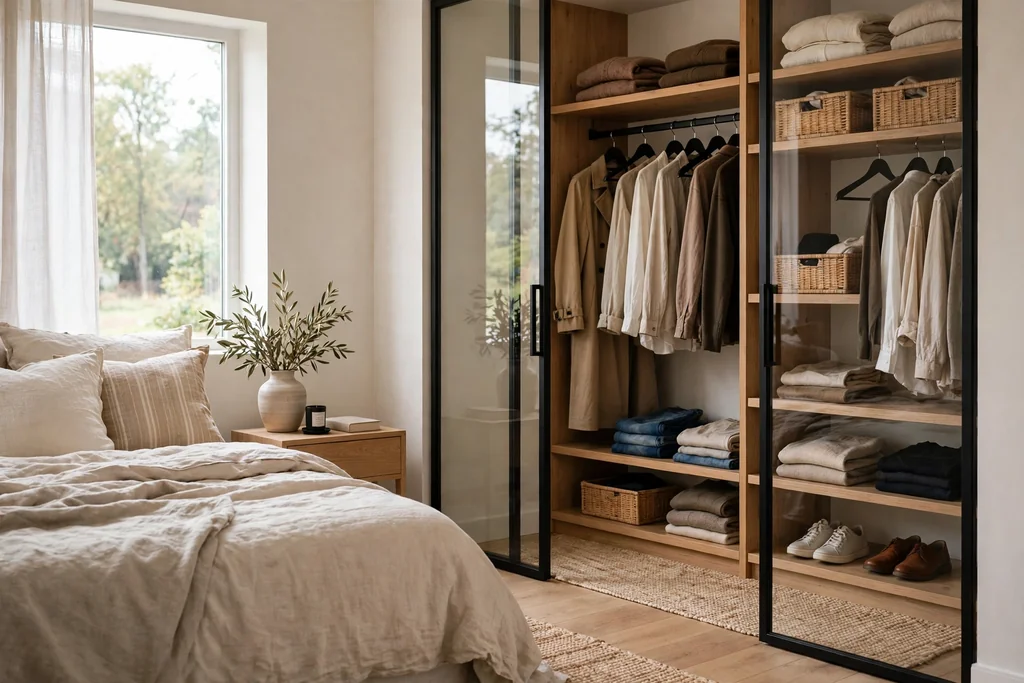
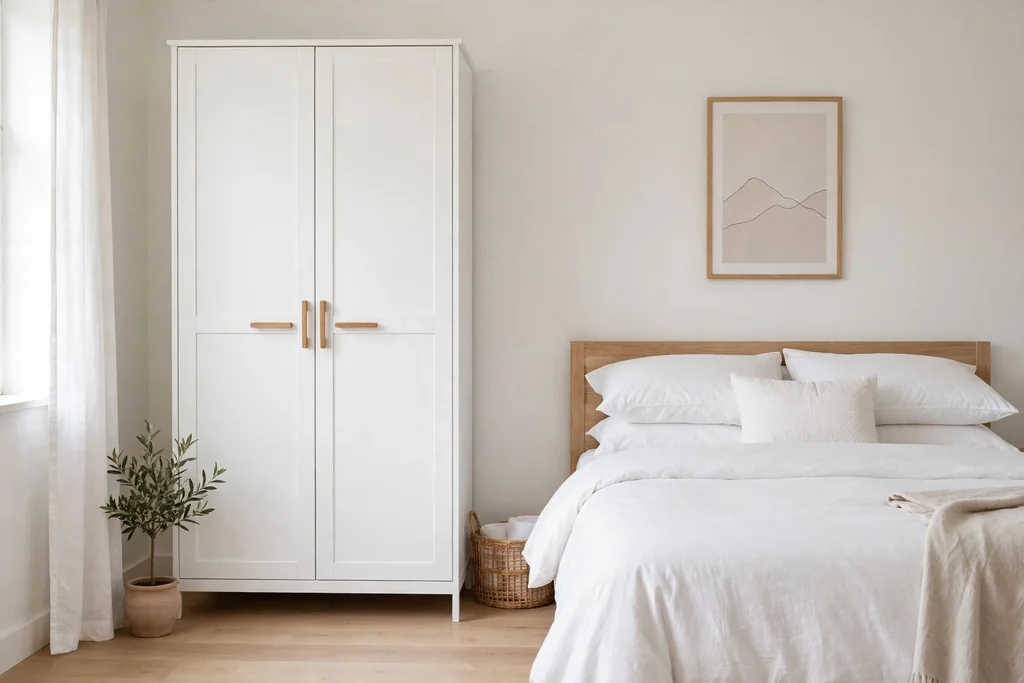
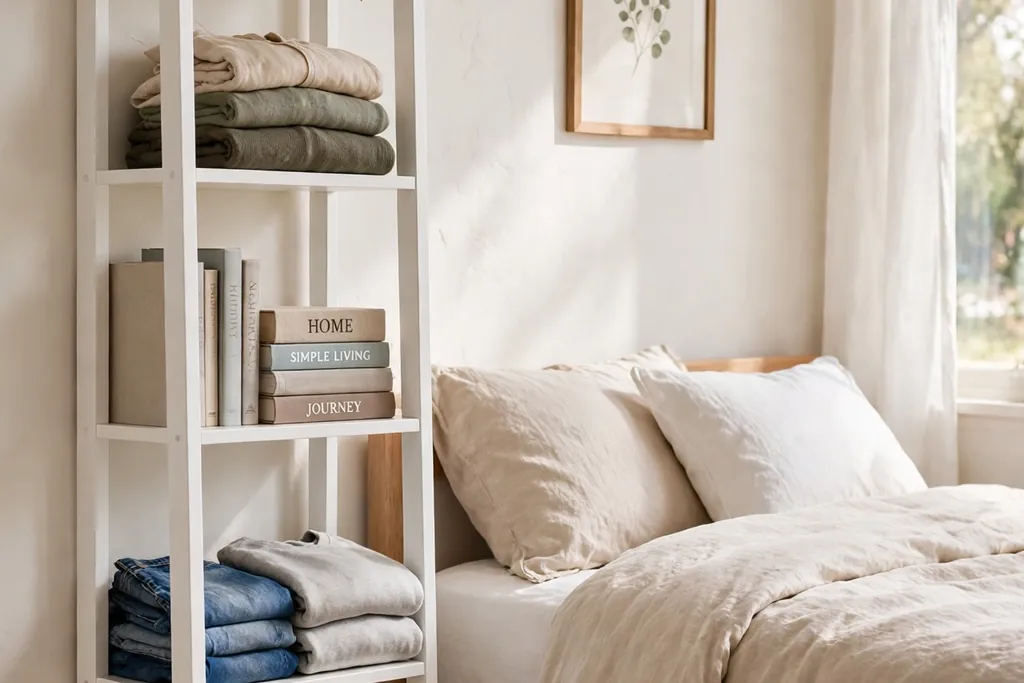
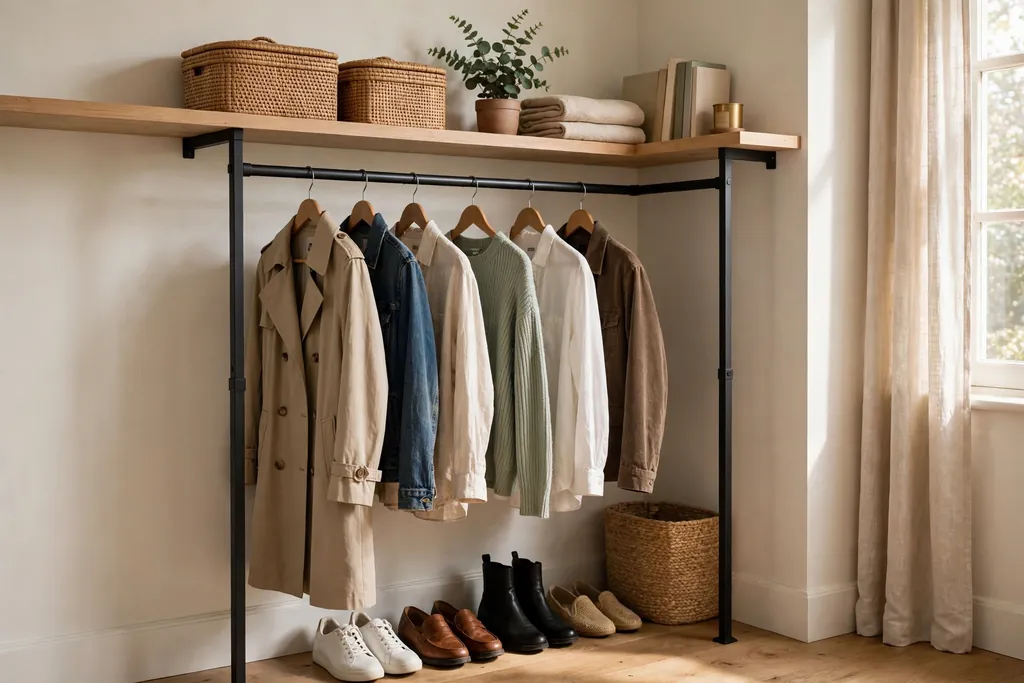
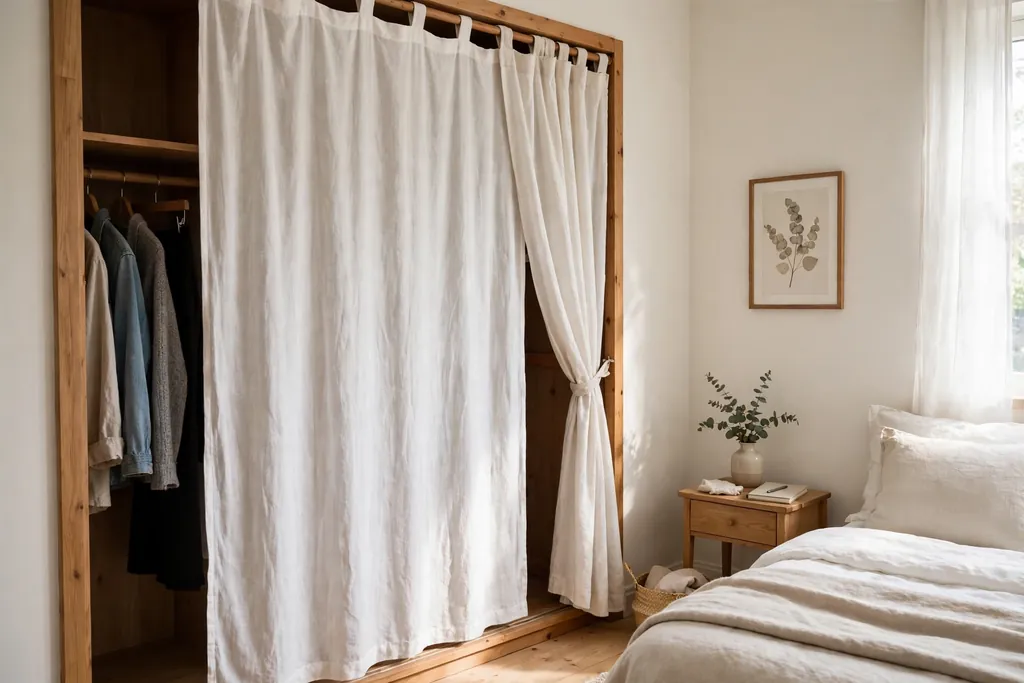
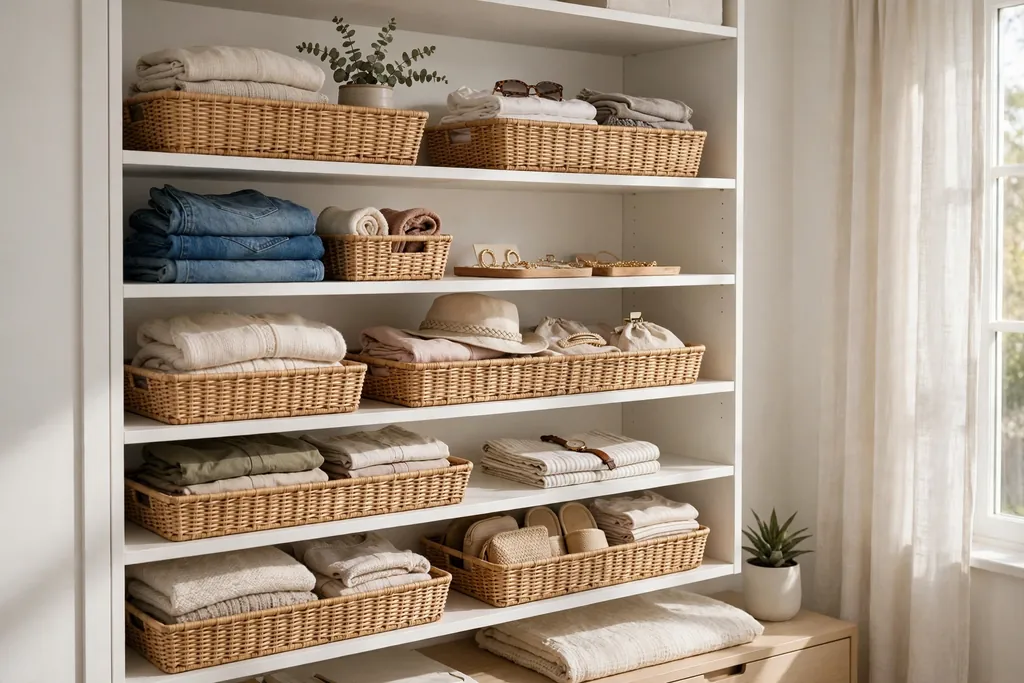
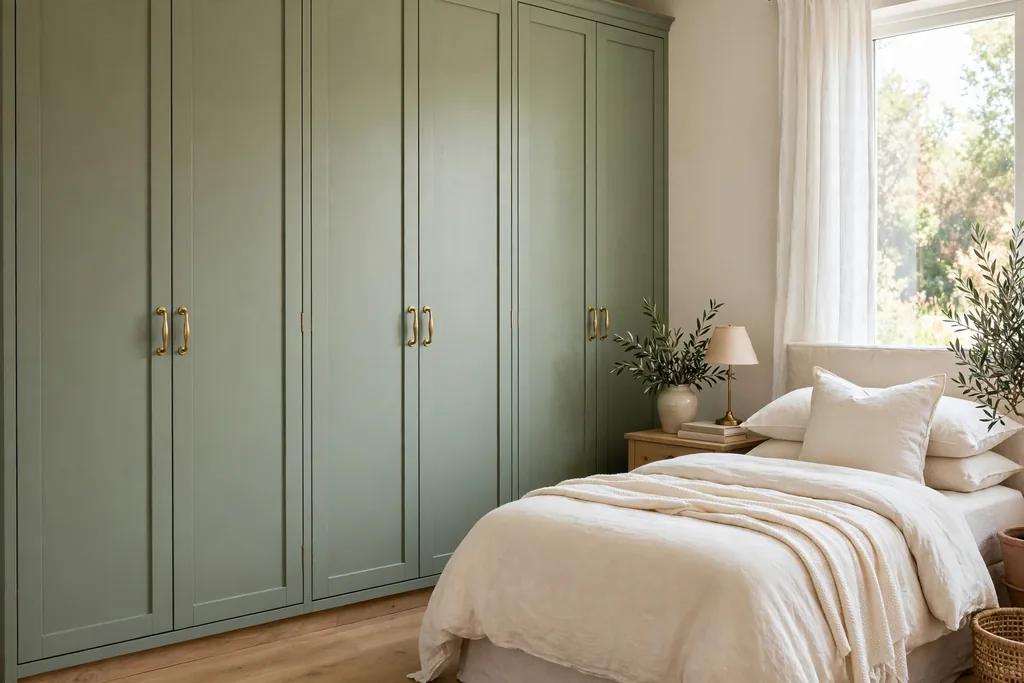
3. Split the Closet Into Two Clear Zones
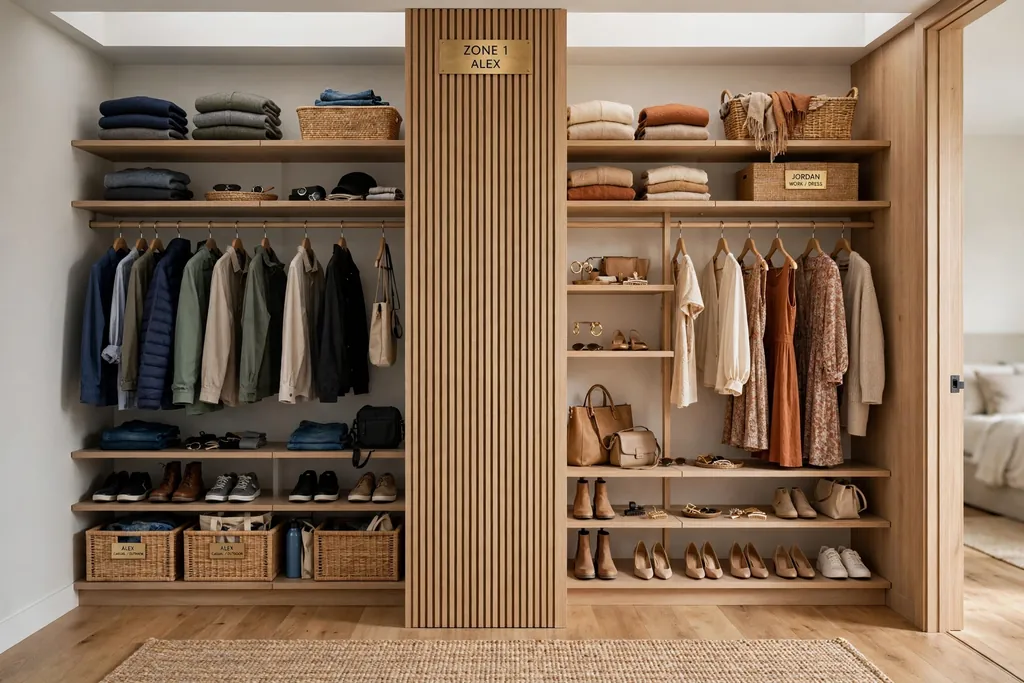
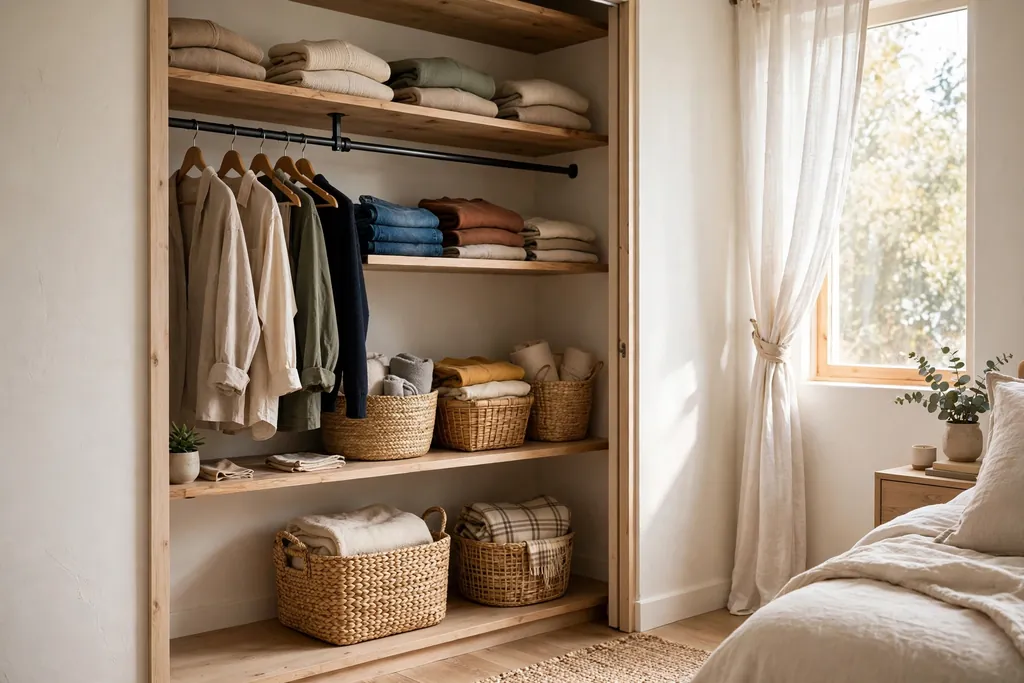
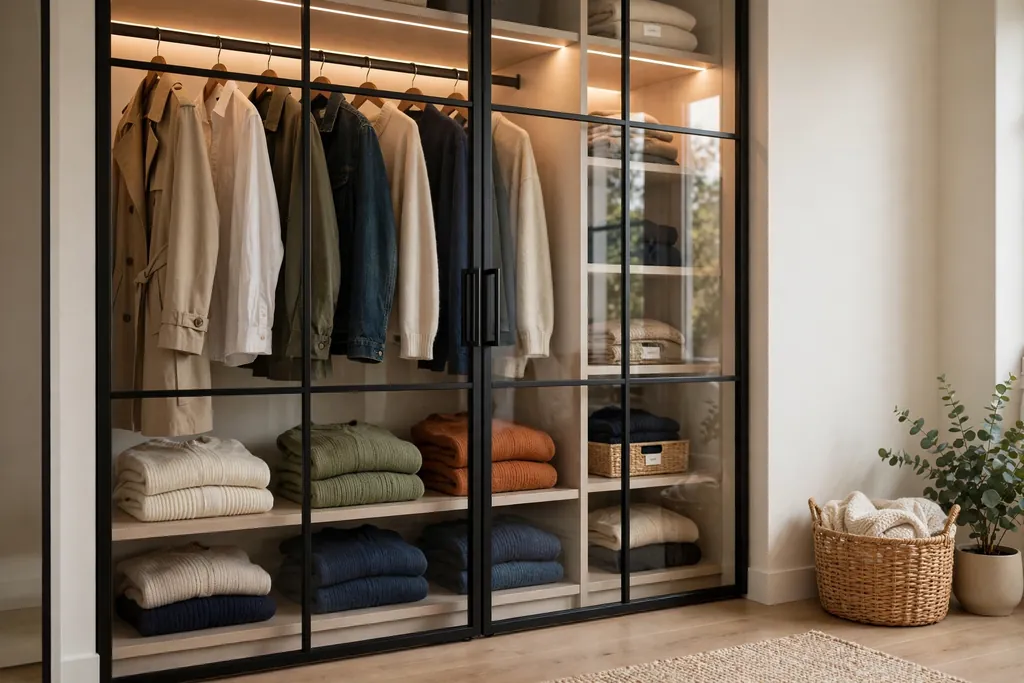
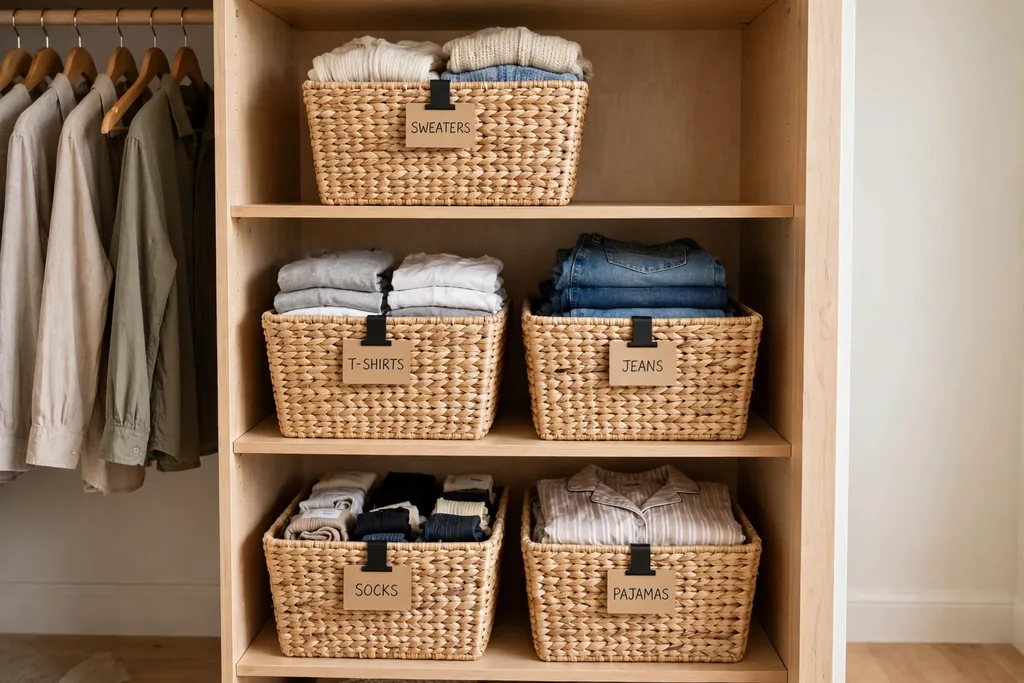
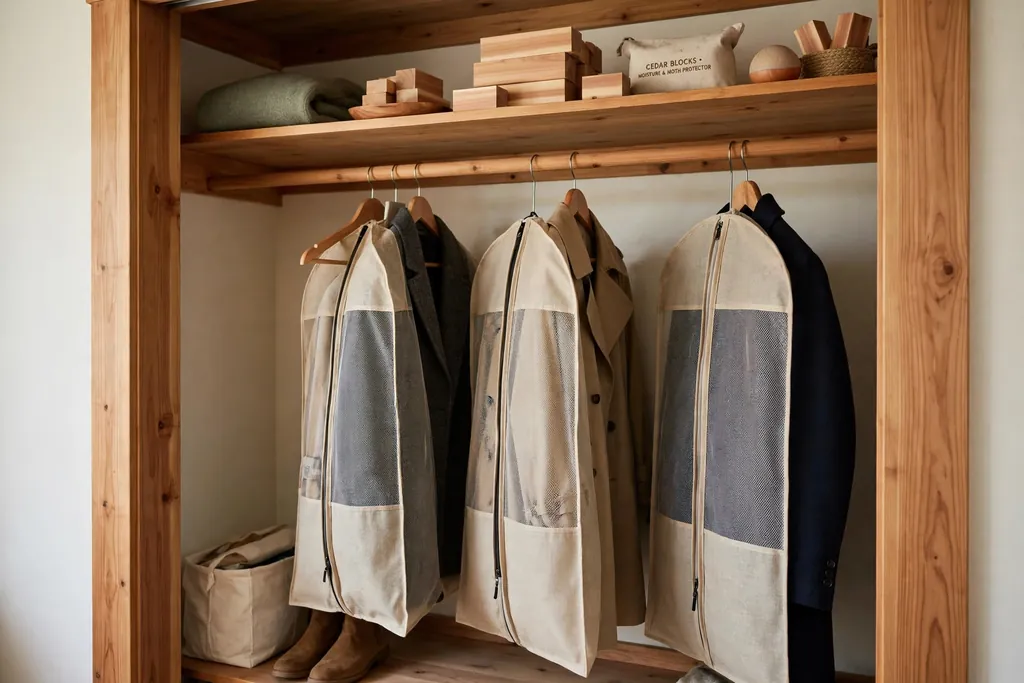
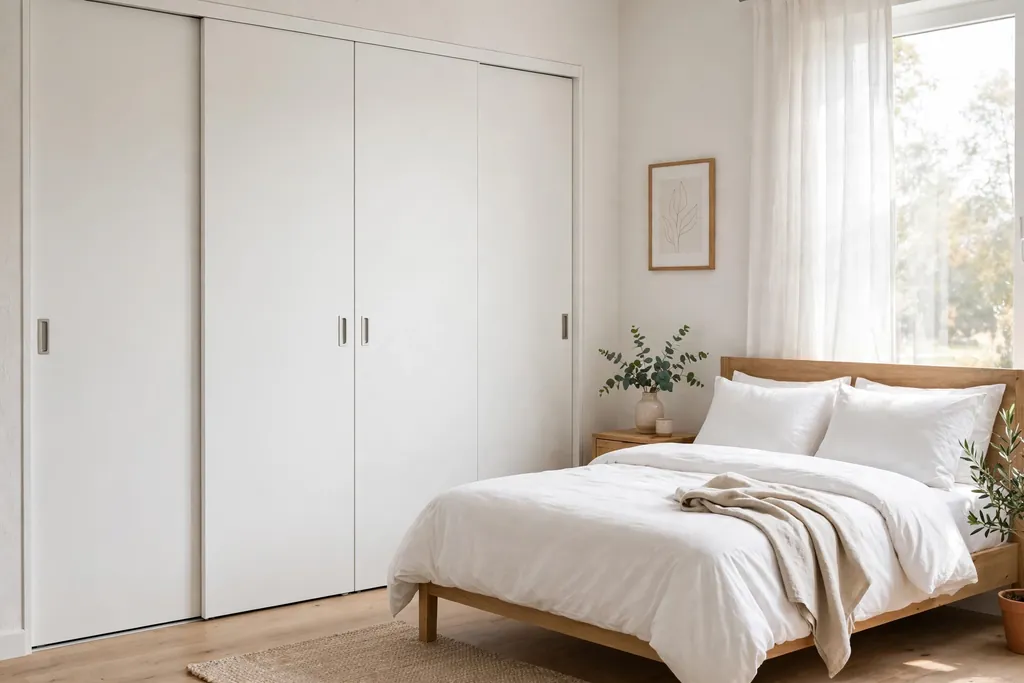
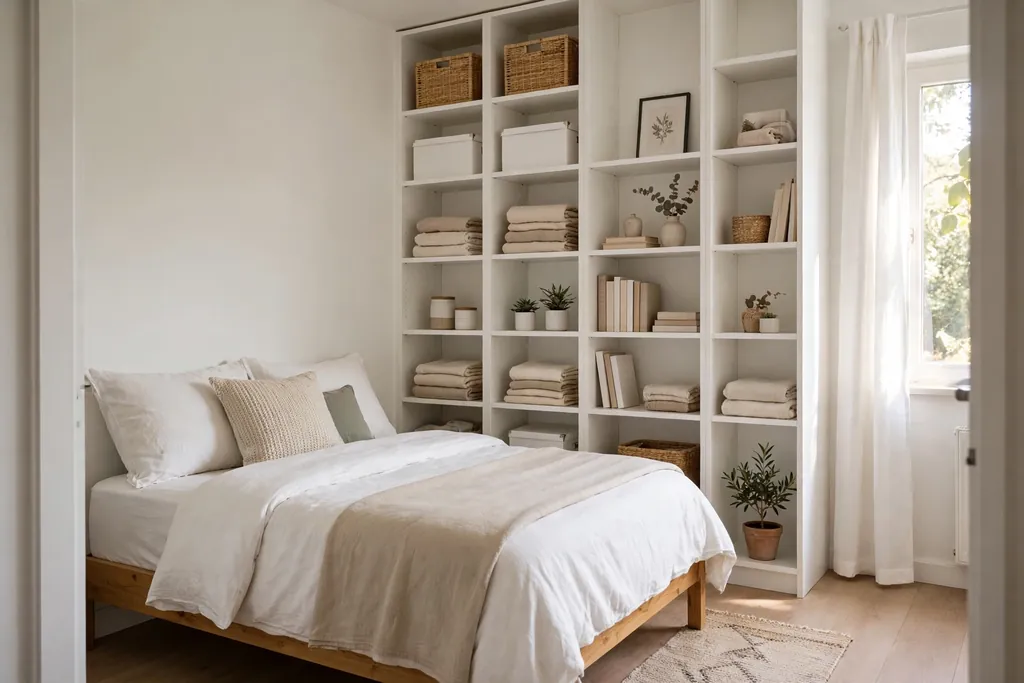
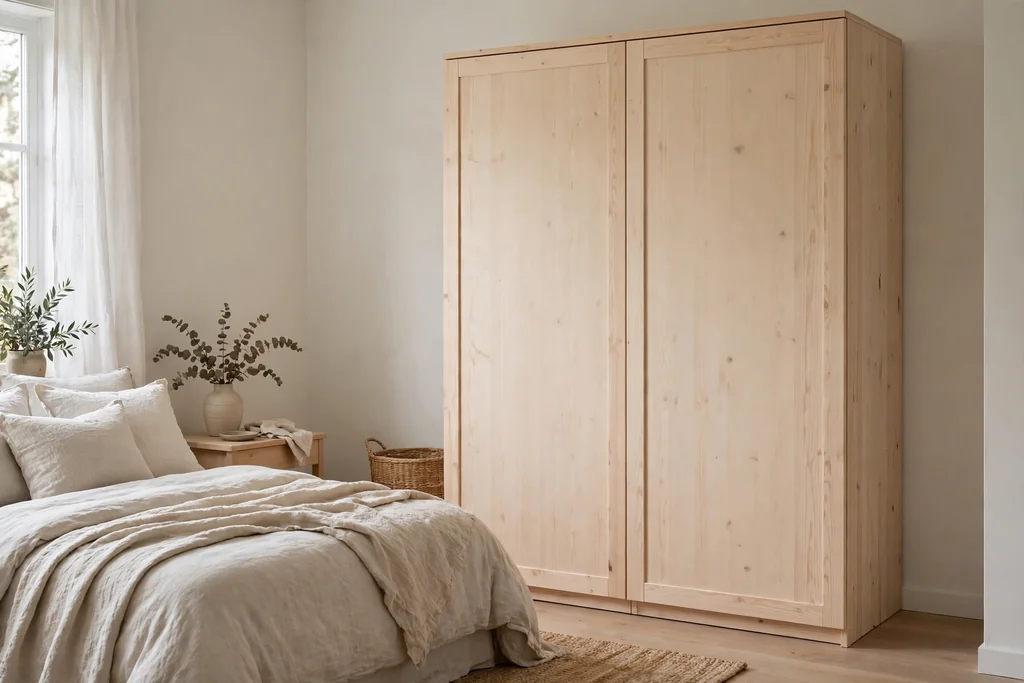
Divide the closet by person, not by garment type alone, and mark the split with a divider, a different hanger color, or a labeled shelf. Each person then owns one section for hanging clothes, one shelf, and one drawer or basket, which makes tidying a personal job rather than a shared argument.
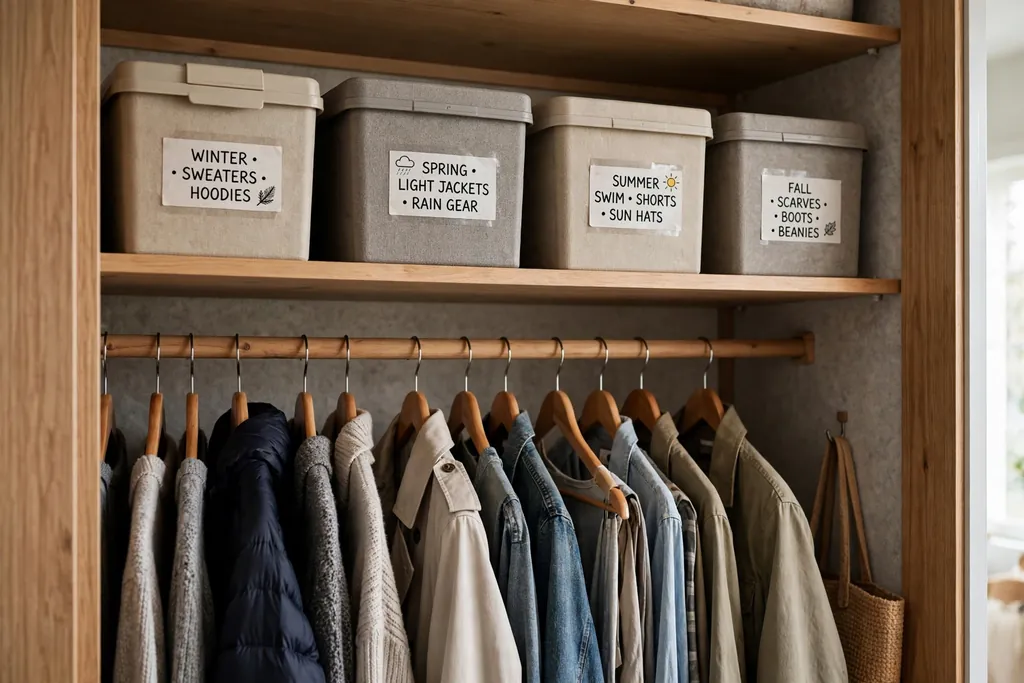
Review the split when seasons change, since one person may own more coats or more folded knitwear. Keep a shared section only for items you truly share, such as spare bedding or bags. A fair split that is visible every morning works better than a verbal agreement that fades after a week.
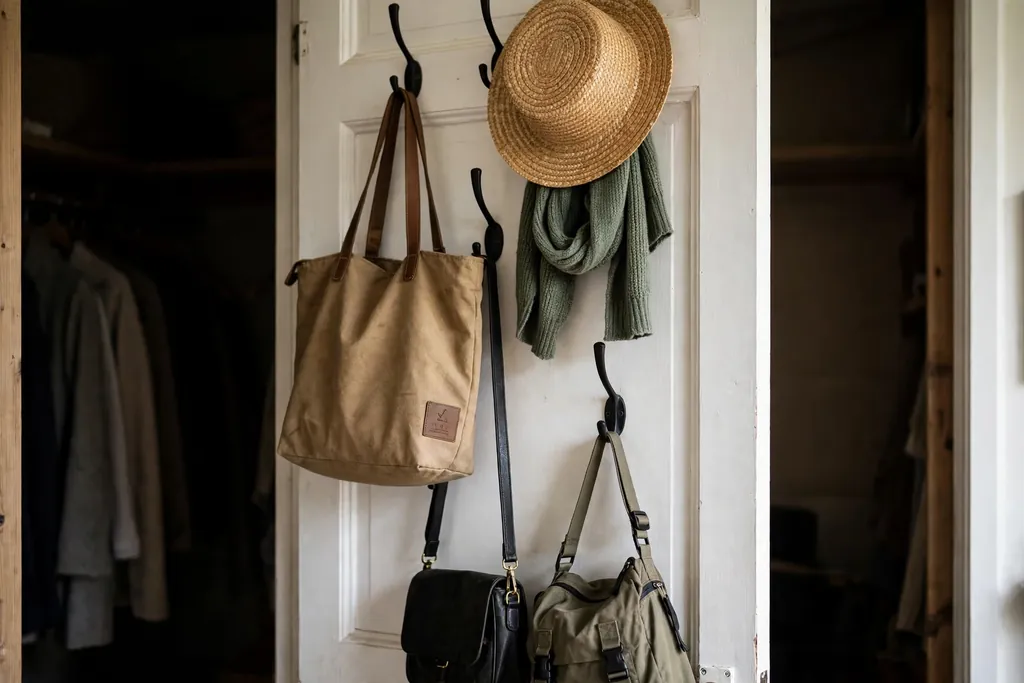
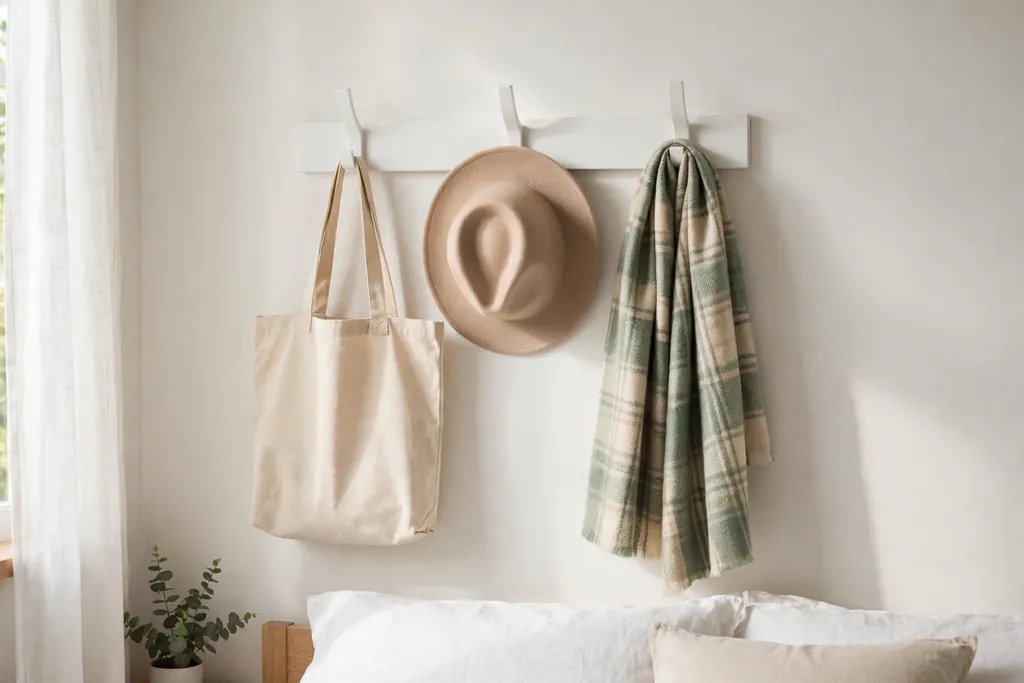
4. Build a Two-Person Entry Landing
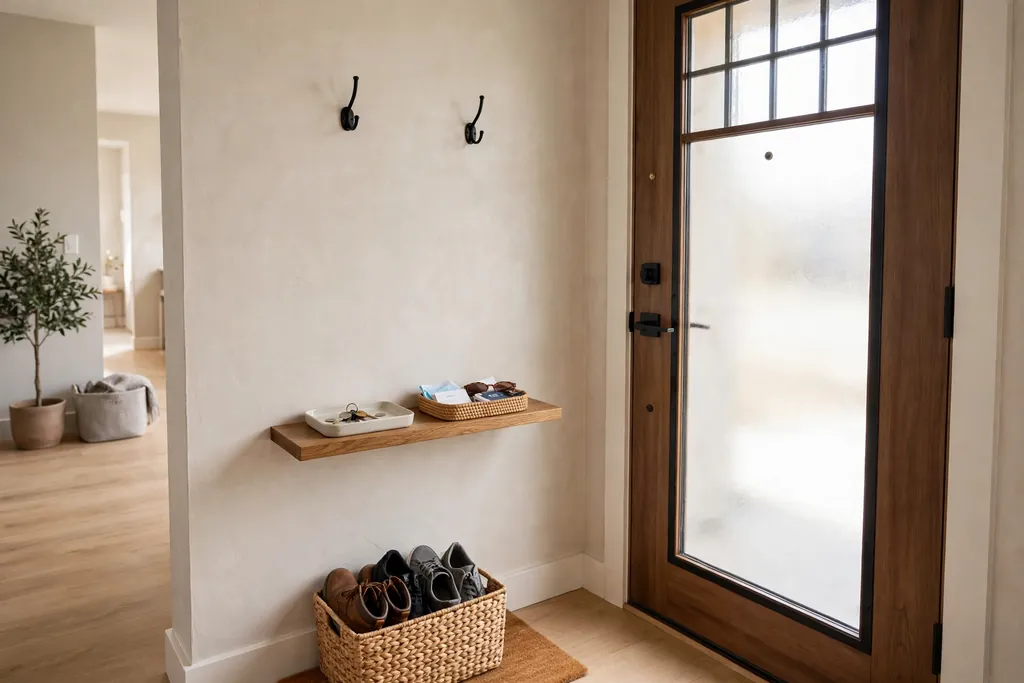
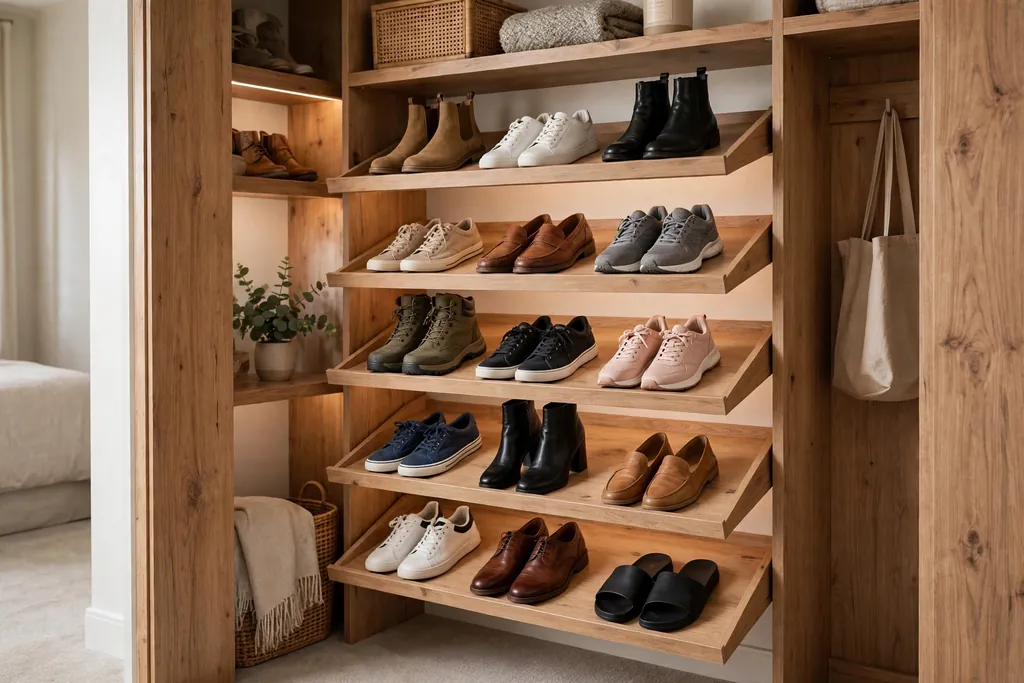
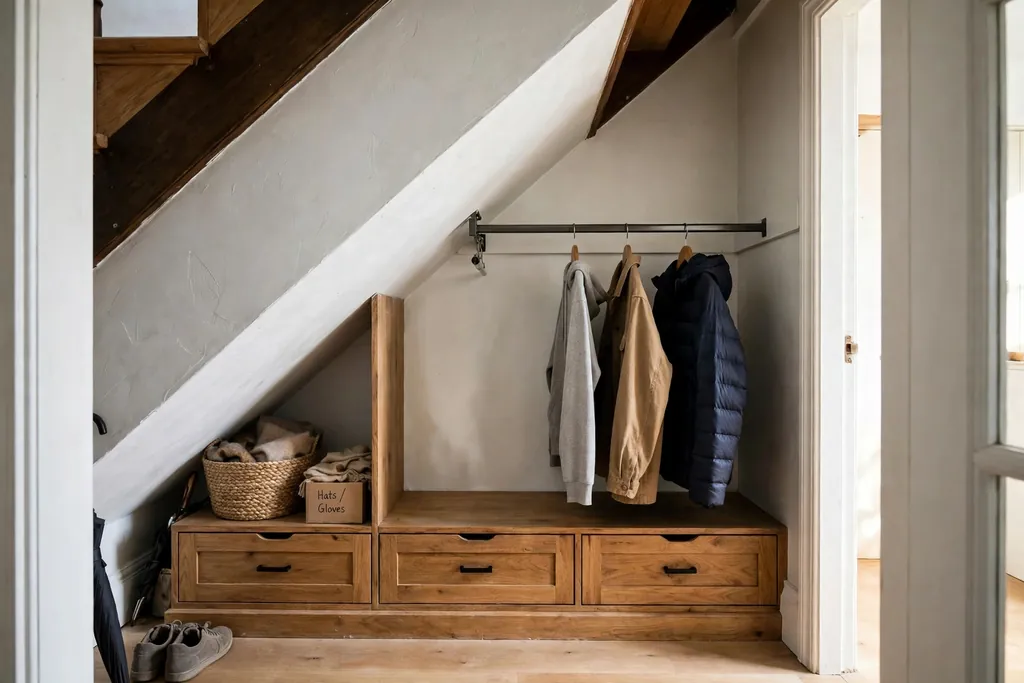
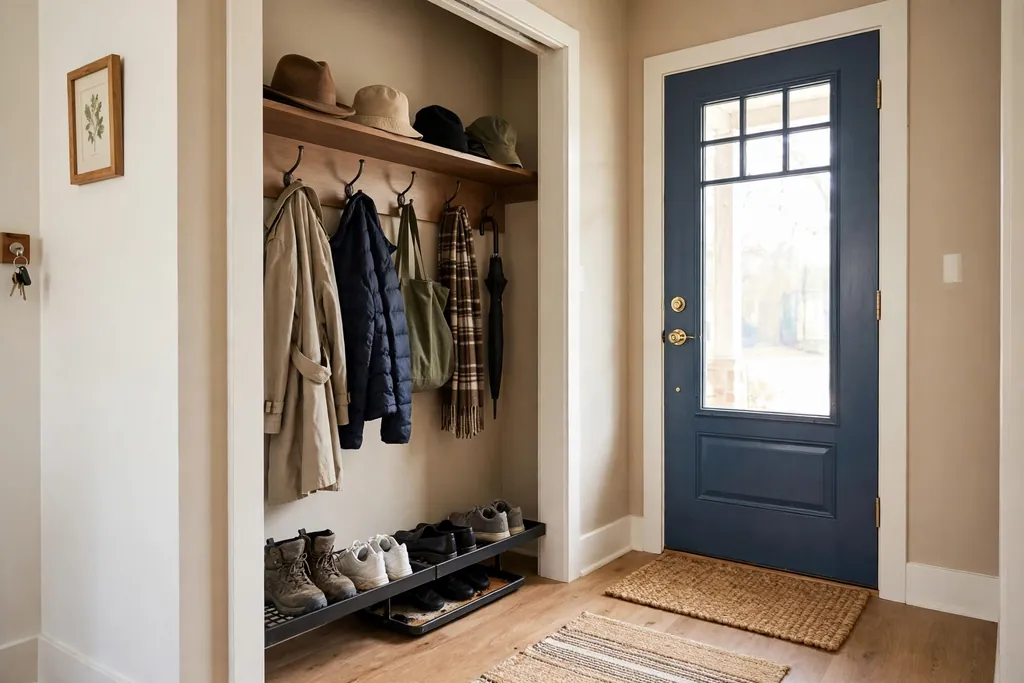
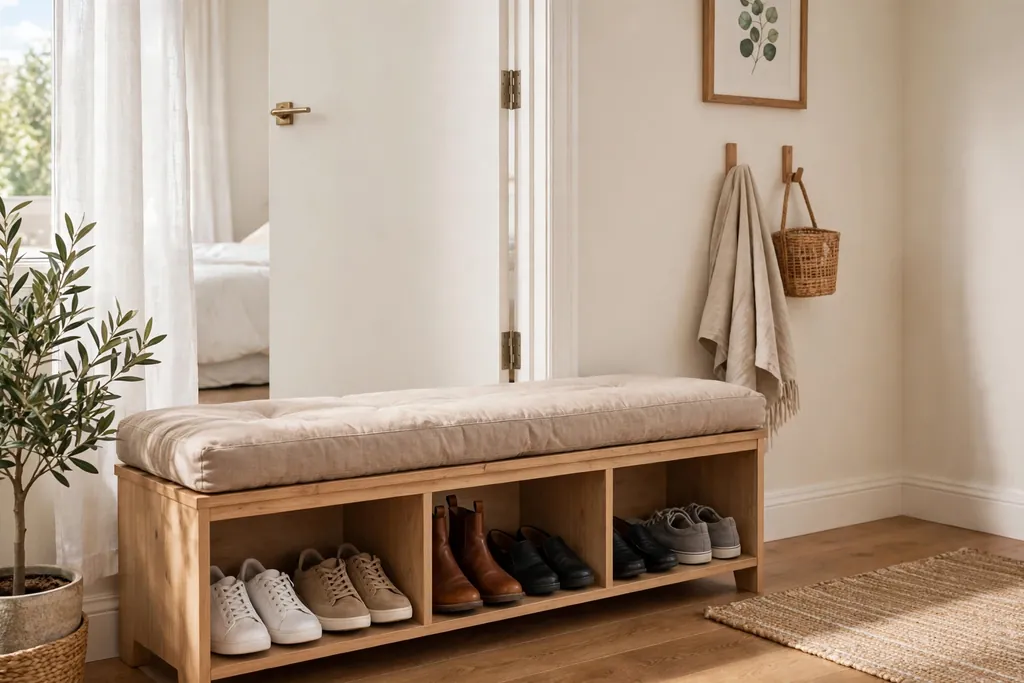
An entry landing with two hooks, two small trays, and one shared basket for shoes stops bags and keys from spreading across the living room. Each person gets a hook at their own height and a tray for keys, sunglasses, and a wallet, while the basket holds shoes that would otherwise block the door.
Place a small bench or stool nearby if there is room, so shoes can be changed without balancing in the hall. Empty the trays once a week, since an entry that collects mail and loose change soon stops working as a landing. A clear entry also sets a calm tone for the rest of the apartment.
5. Make a Breakfast Nook for Two
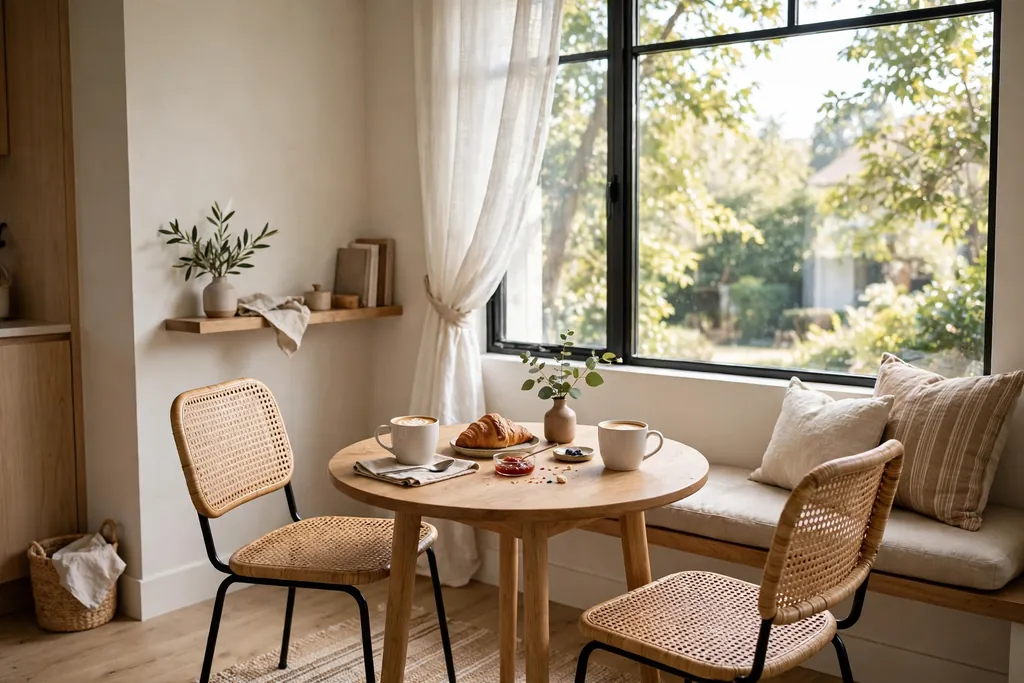
A small table with two comfortable chairs, set near a window or in a kitchen corner, gives a couple a daily meeting point that is not the sofa or the bed. Keep the table clear overnight, so breakfast does not start with clearing yesterday’s work or mail. A washable tablecloth or two placemats mark it as a dining spot, even in a kitchen that doubles as a workspace.
Add one small shared ritual, such as coffee together before phones come out, and the nook earns its floor space fast. If a full table will not fit, a fold down wall table with two folding chairs gives the same two-person ritual in a fraction of the space. Store the chairs where they are easy to reach, or the nook will sit unused.
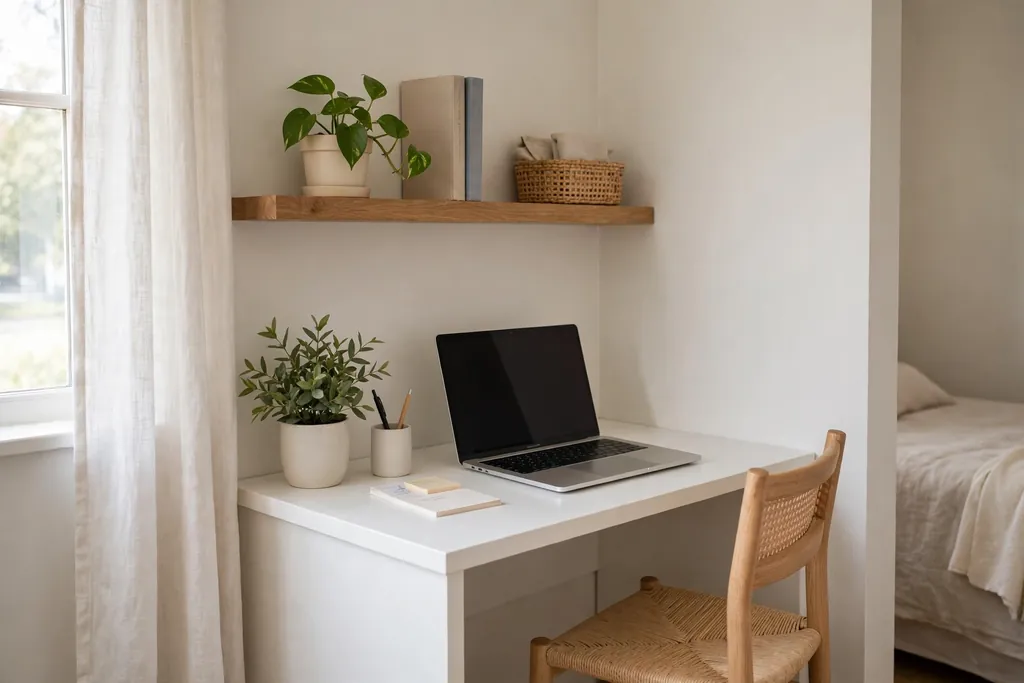
6. Set Up Side-by-Side Workstations
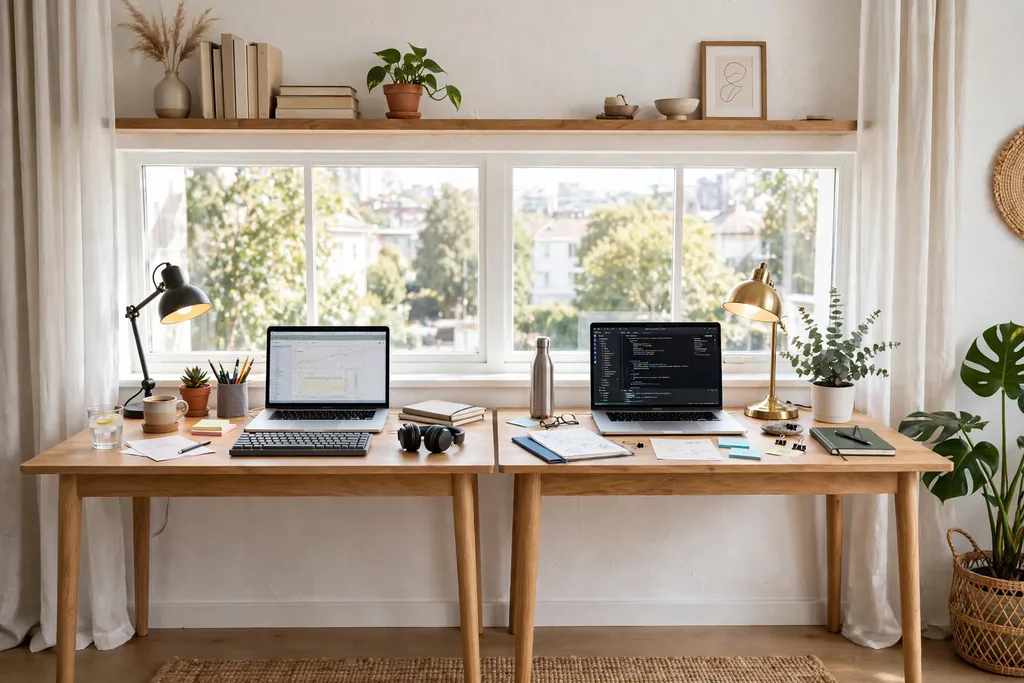
Two desks side by side, or one long desk shared down the middle, let a couple work in the same room without competing for the only good spot. Each person needs their own lamp, power strip, and a small tray for pens and notebooks, even when the desk surface is shared.
Agree on quiet hours and call rules before the first workday, since shared work space fails on noise more often than on size. Use a small divider, a plant, or a shelf unit between the two halves if focus matters more than conversation. Keep cables in one channel along the back of the desk, so neither workstation creeps into the other.
7. Arrange the Sofa for Movie Nights Together
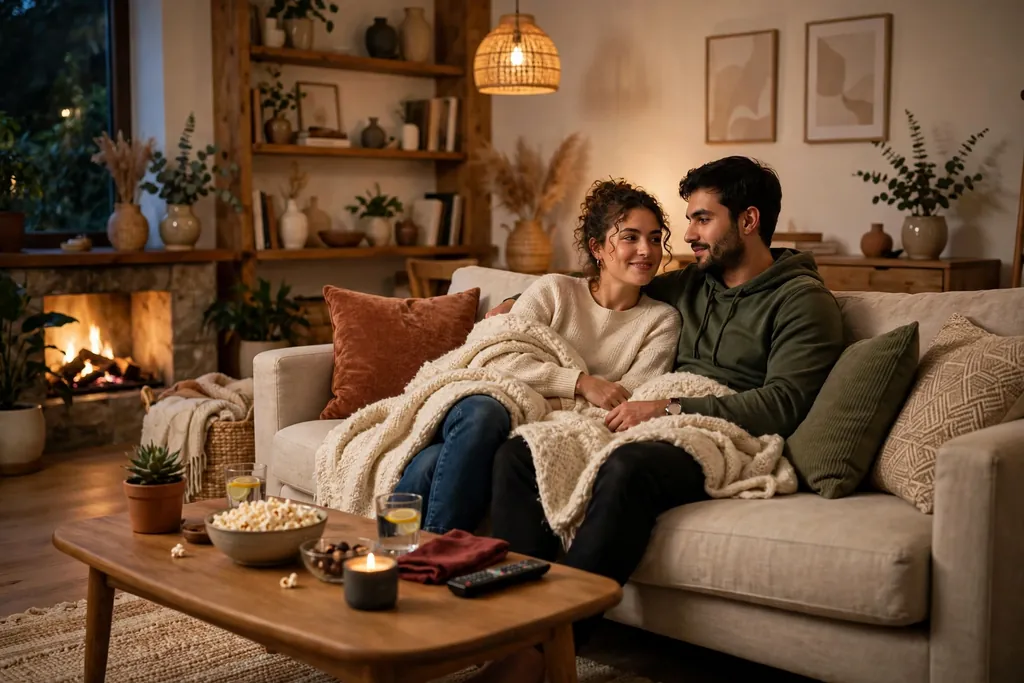
A sofa that seats two comfortably, with a shared throw, two cushions, and a low table within reach, turns an ordinary evening into a shared habit. Place the sofa so both seats have a clear view of the screen and a lamp behind, rather than one good seat and one awkward corner.
Add a small basket for remotes, chargers, and snacks, and a tray on the table to keep drinks steady. Keep one seat free of work bags and laundry, so sitting down together does not require a tidy up first. The living room ideas in these cozy apartment living room ideas pair well with this setup when the living area is small.
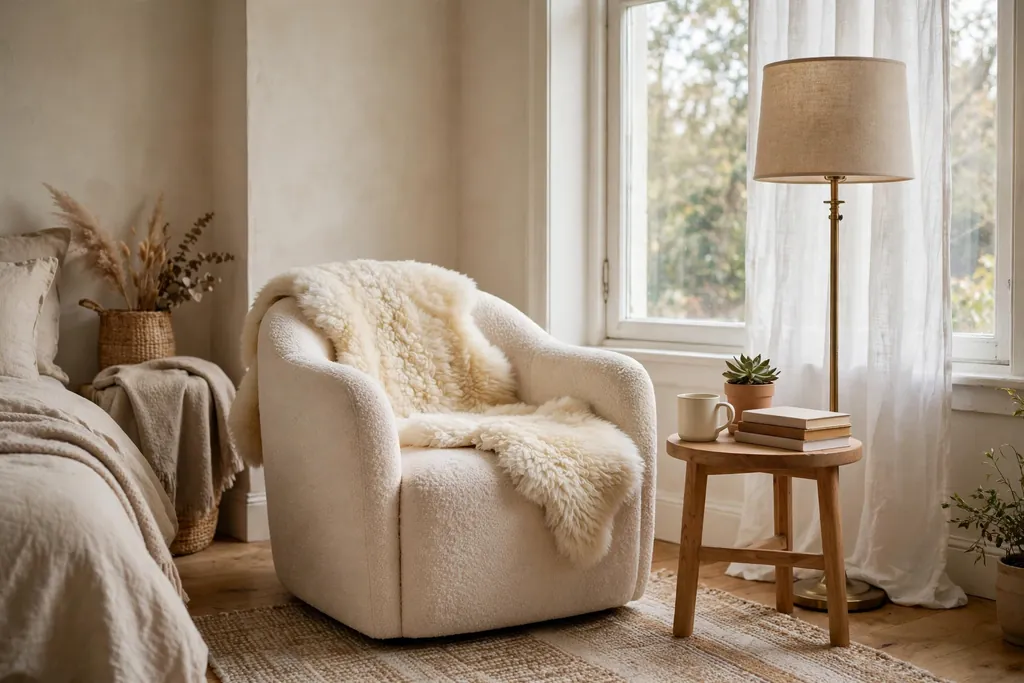
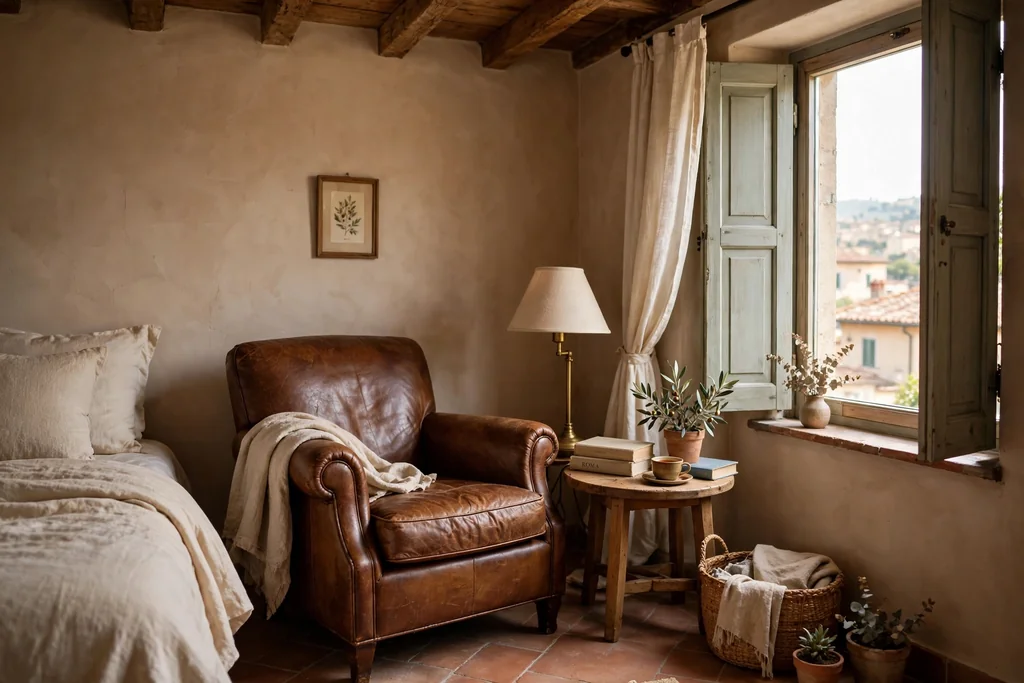
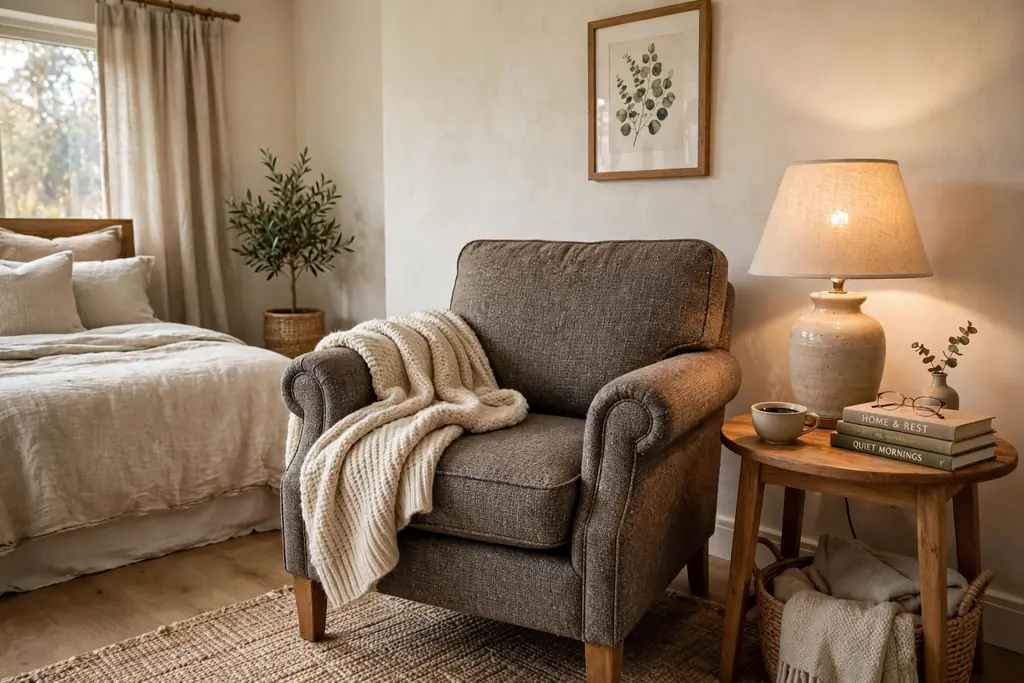
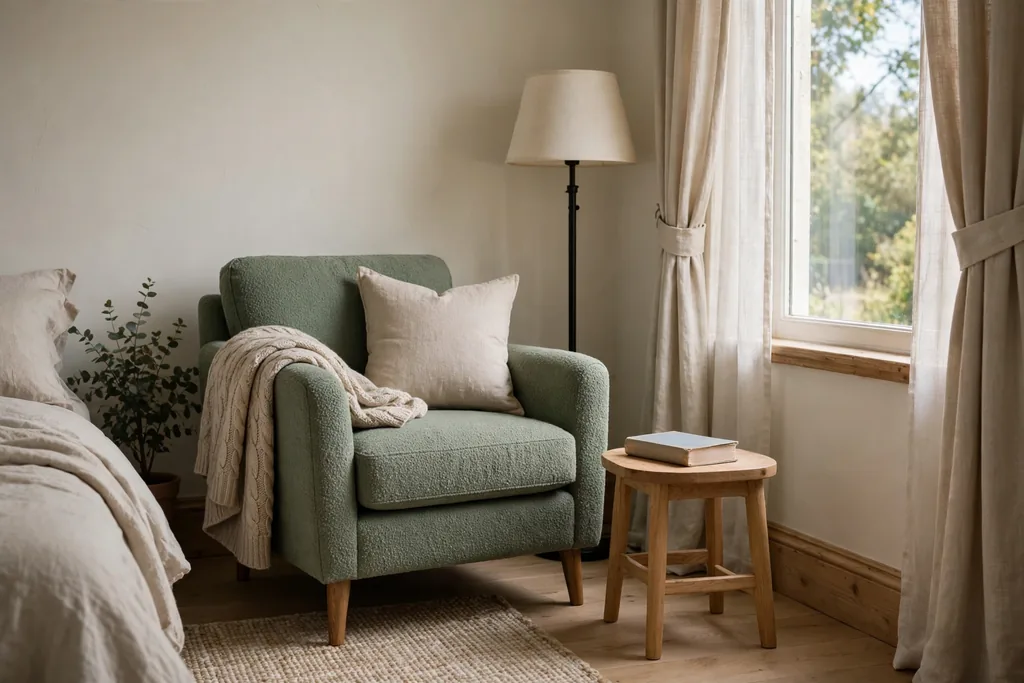
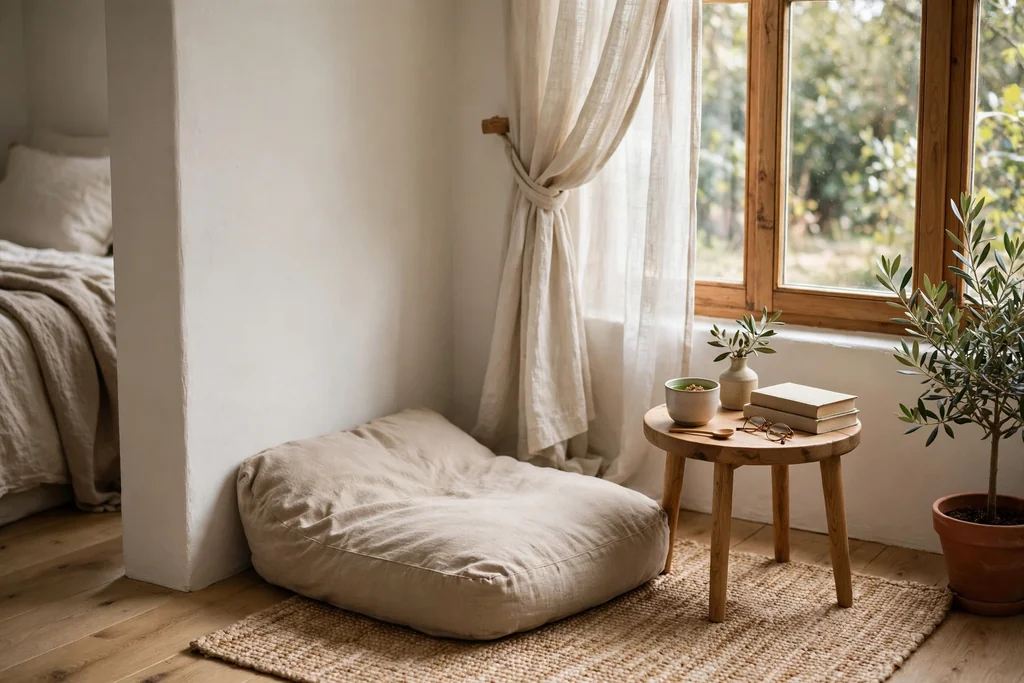
8. Create Two Reading Chairs in One Corner
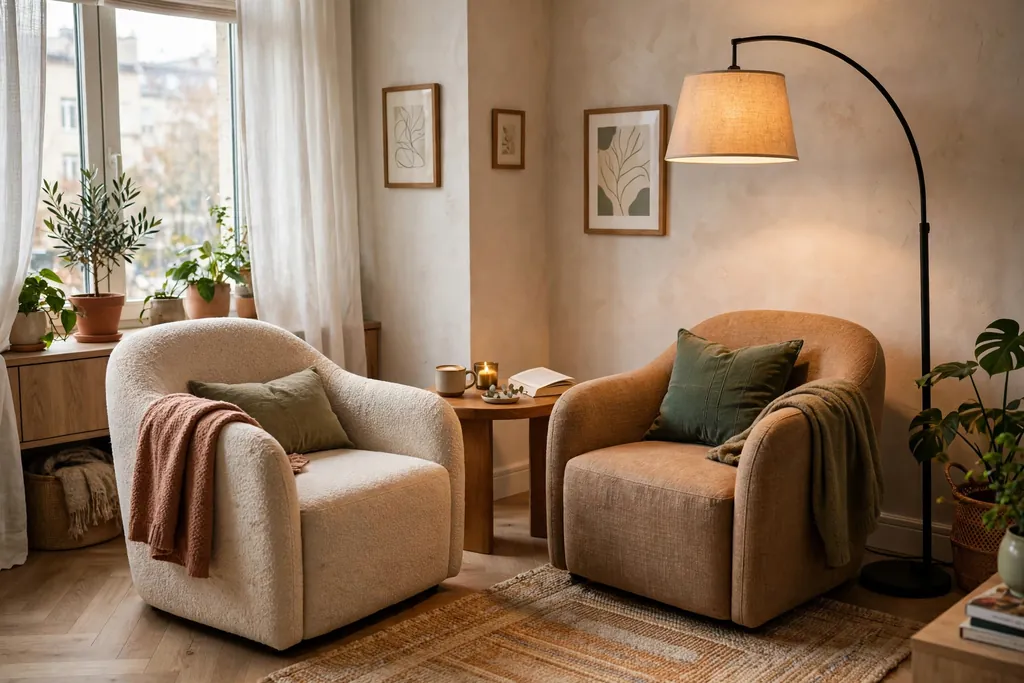
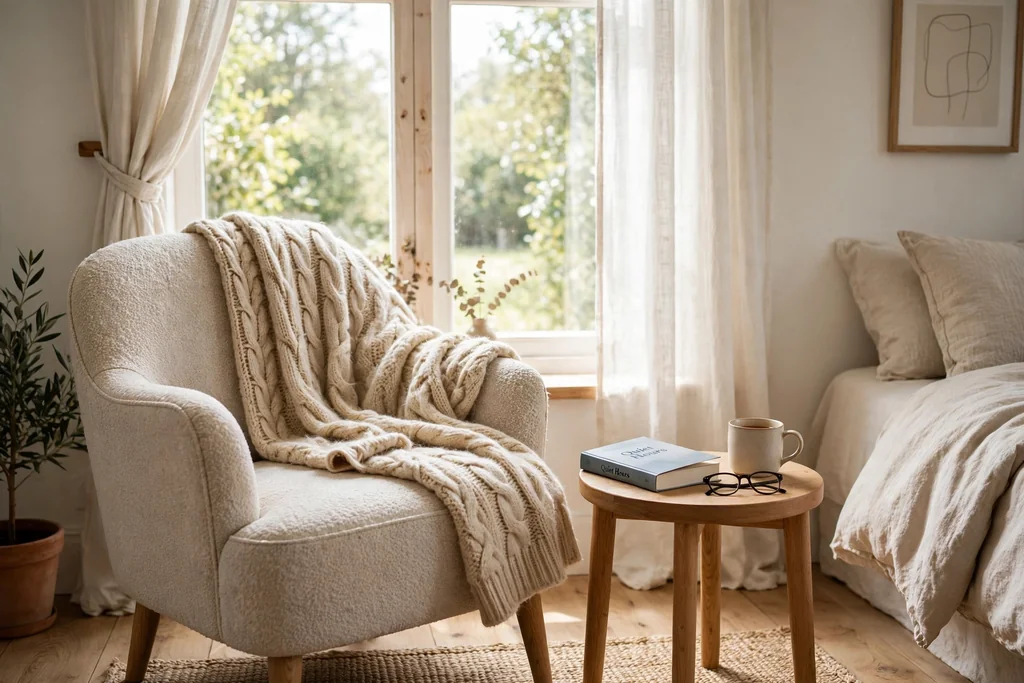
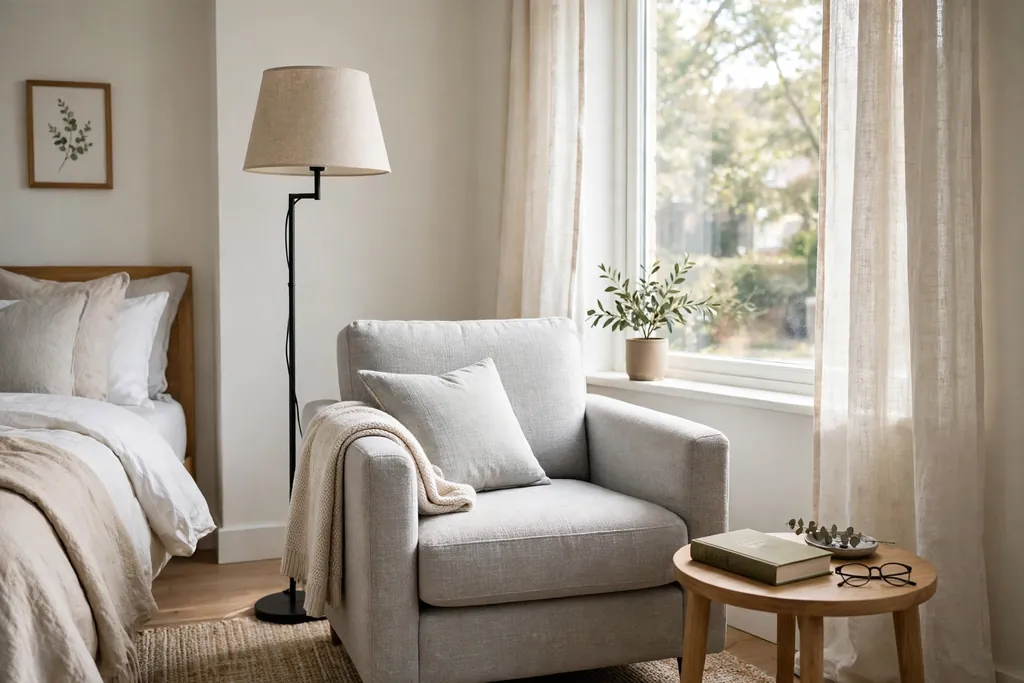
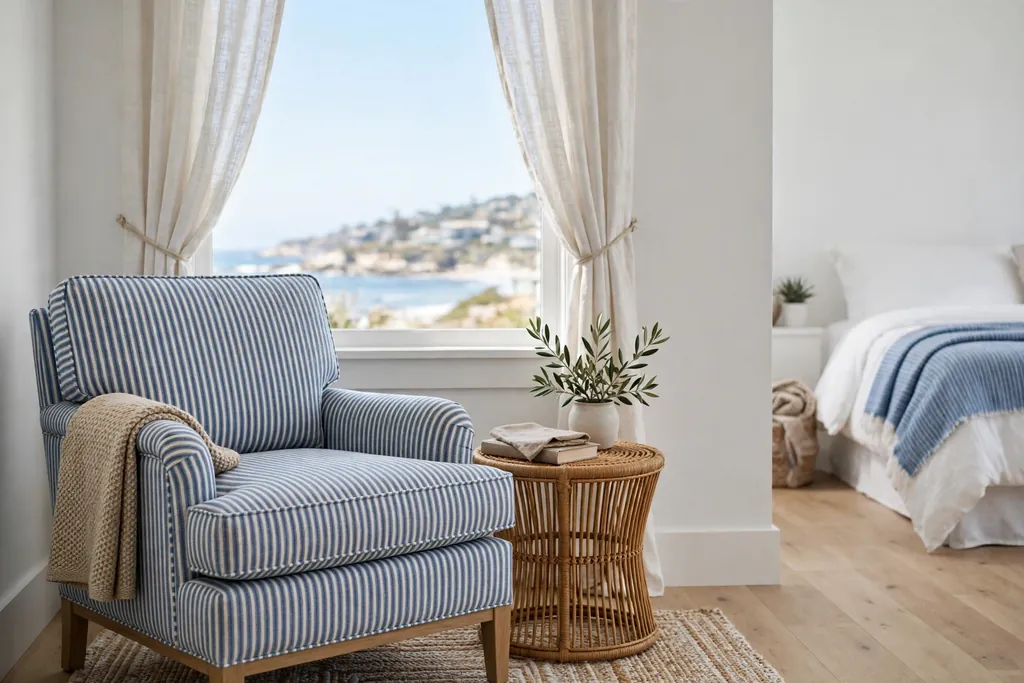
Two armchairs angled toward each other, with a shared side table and a floor lamp between them, give a couple a place to read side by side without sharing one sofa. Each chair keeps its own throw and book, while the shared table holds two drinks and one lamp that serves both readers.
Choose chairs that fit the corner with a clear walkway around them, and avoid pushing them so close that neither person can stand up easily. A small basket beside one chair holds current books for both people. This corner suits evenings when one person wants quiet and the other wants company in the same room.
9. Divide Kitchen Work Into Two Zones
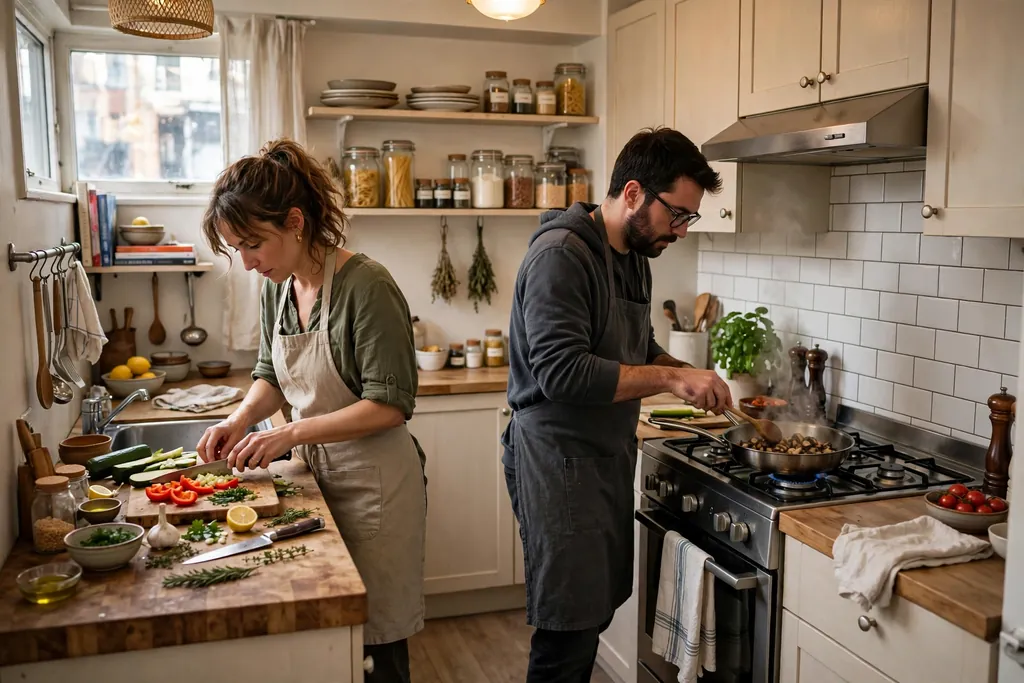
A small kitchen works better for two cooks when each person has a zone: one at the stove and one at the counter, or one washing and one prepping. Keep the most used tools for each job near its zone, such as knives and boards near prep and pans near the stove, so neither cook has to cross the other for every step.
Use a rolling cart as a shared middle station for ingredients and finished dishes, and park it out of the walkway when cooking ends. Label one shelf or basket per person for snacks and lunch items, so shared shelves stay fair. Cook together once a week with a simple recipe, and adjust the zones based on where you actually bump into each other.
10. Set a Table for Two, Even in a Small Room
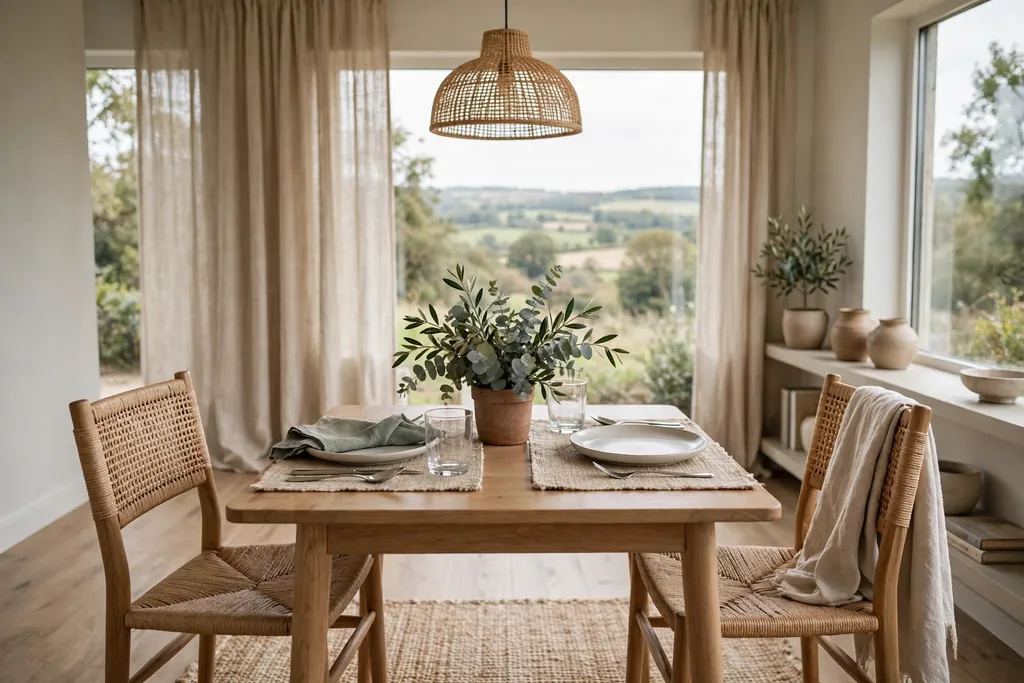
A table set for two, with placemats, two chairs pulled out, and a small candle or plant in the middle, makes weeknight dinners feel planned rather than rushed. Keep the table size honest: a round table for two fits a corner better than a large table that blocks the kitchen walkway.
Store extra chairs elsewhere and bring them out only for guests, so the daily table stays set for two. Clear the table after dinner as a shared job, with one person clearing and one wiping, so the ritual ends cleanly. A table that is always ready invites slower meals, which is the point of the setup.
11. Share the Bathroom With Separate Baskets
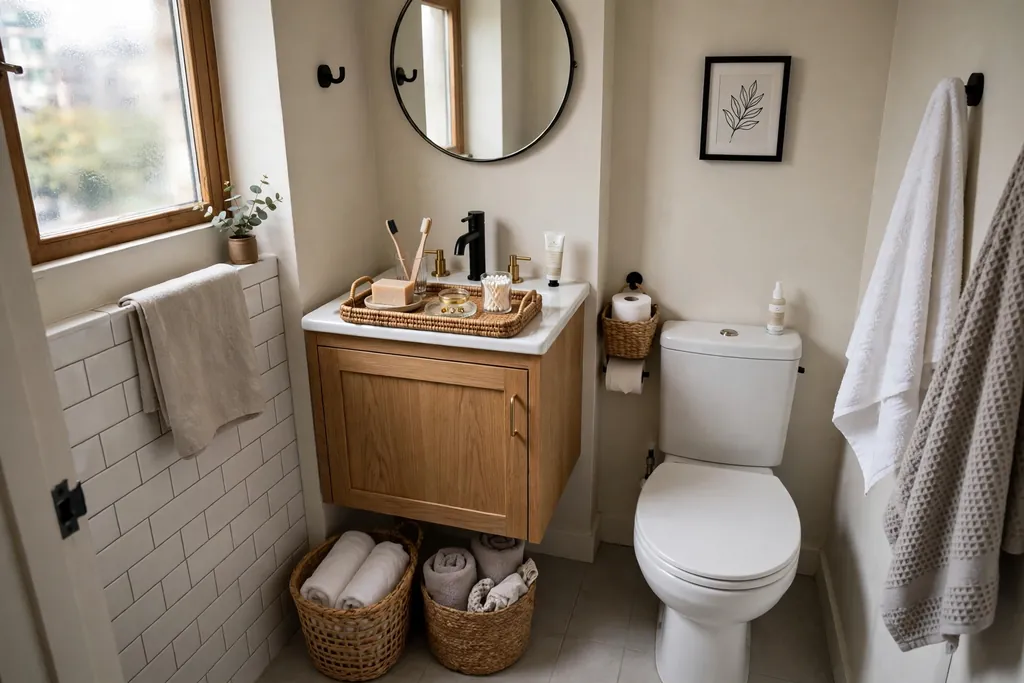
Two baskets, one per person, on a shelf or under the sink, end most bathroom clutter in a shared apartment. Each basket holds daily toiletries, hair tools, and small items, while shared items such as soap and towels live in a separate tray. This split keeps counters clear without a daily negotiation over shelf space.
Add a second towel rail or two hooks if there is wall room, and keep a small stool or tray for items used by both people. The bathroom ideas in these apartment bathroom ideas cover renter friendly storage that suits this split, from over door organizers to tension shelves. Review the baskets monthly and remove anything neither person has used.
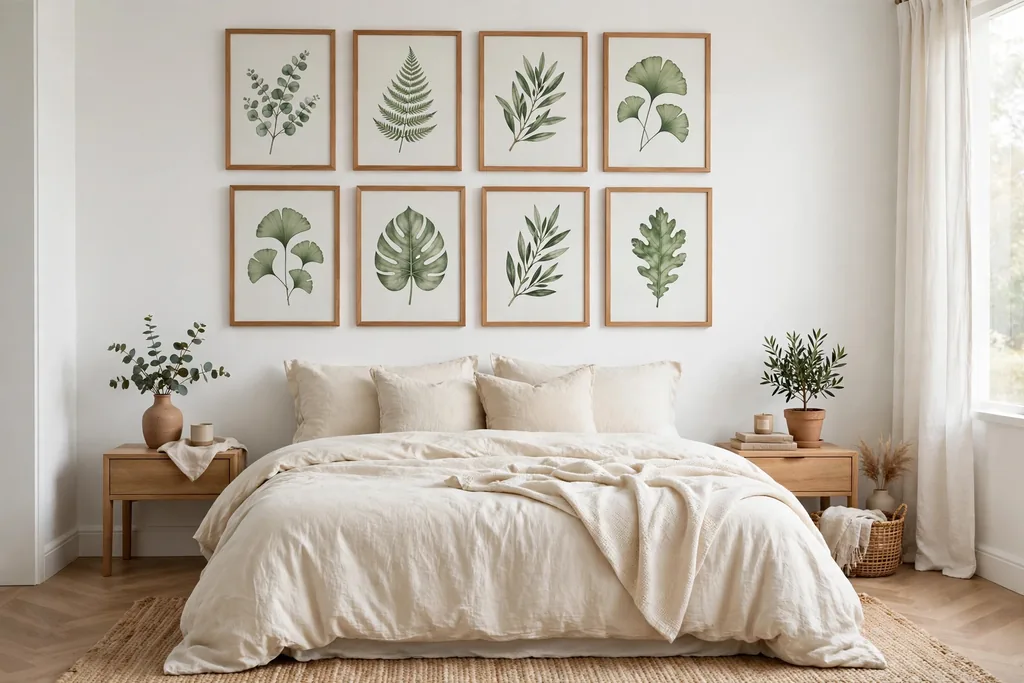
12. Build a Gallery Wall From Both Lives

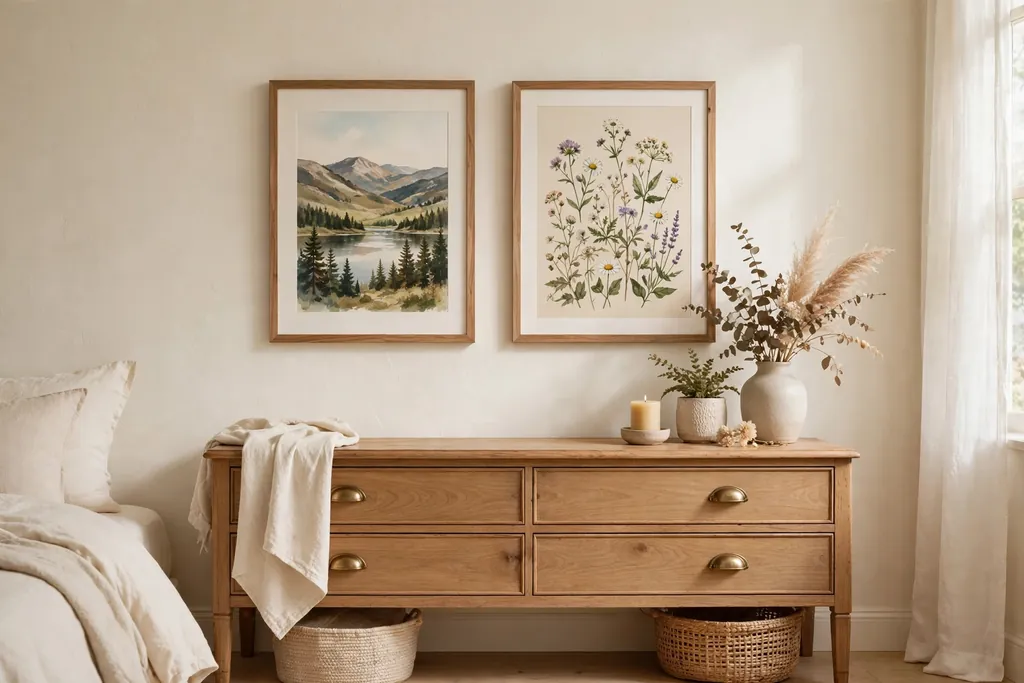
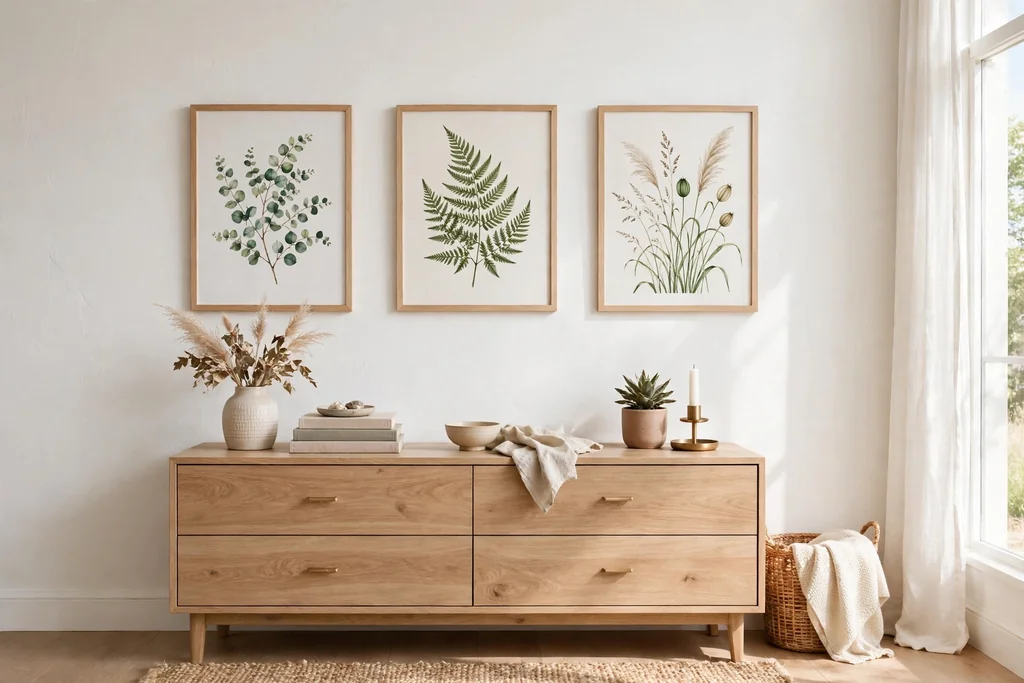
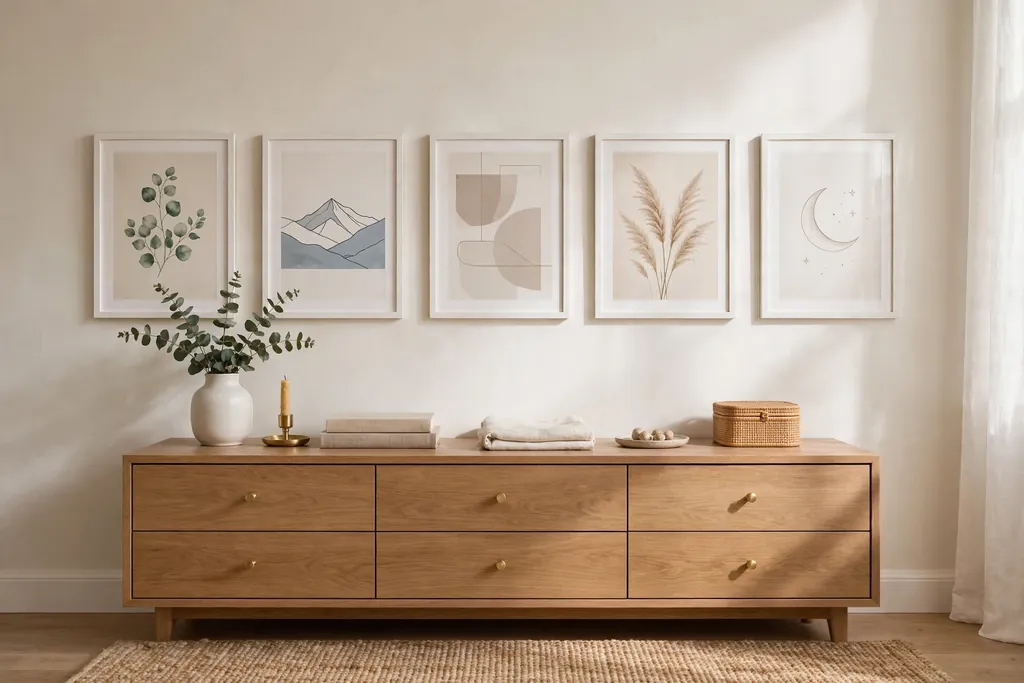
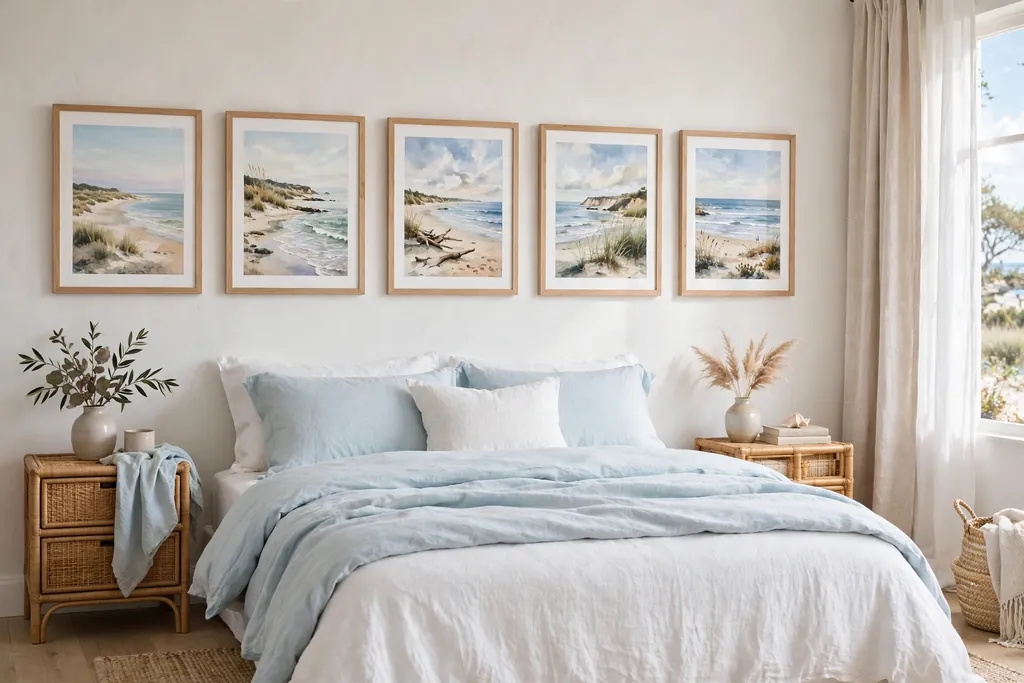
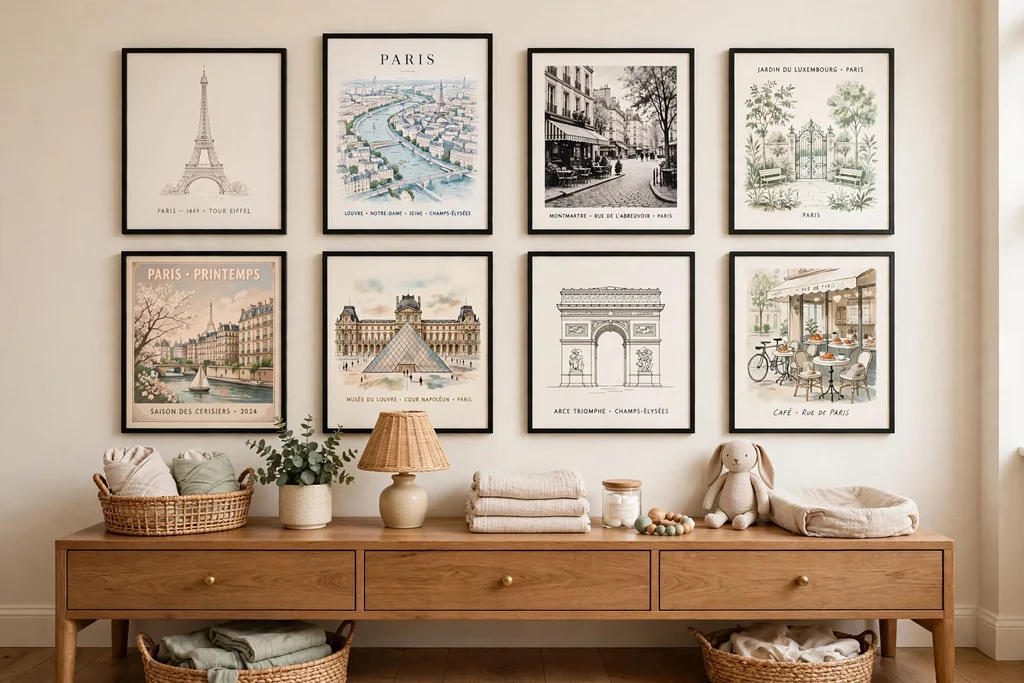
A gallery wall that mixes photos, prints, and small mementos from both people tells a shared story instead of decorating for one taste. Each person chooses three pieces, then you arrange them together on the floor first, balancing sizes and frames before hanging anything.
Use one frame color or one mat color to tie different images together, and leave one empty space for a future piece you find together. Keep the wall to one area, such as above the sofa or along a hall, so the rest of the apartment stays calm. Rotate one piece each season, so the wall grows with the household rather than freezing at move in day.
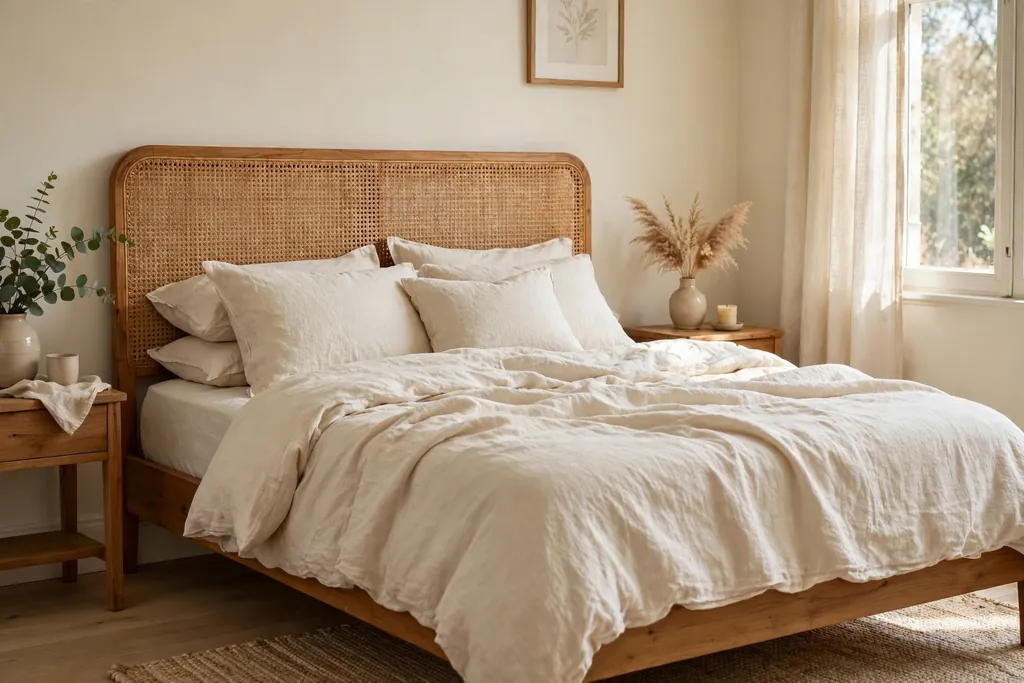
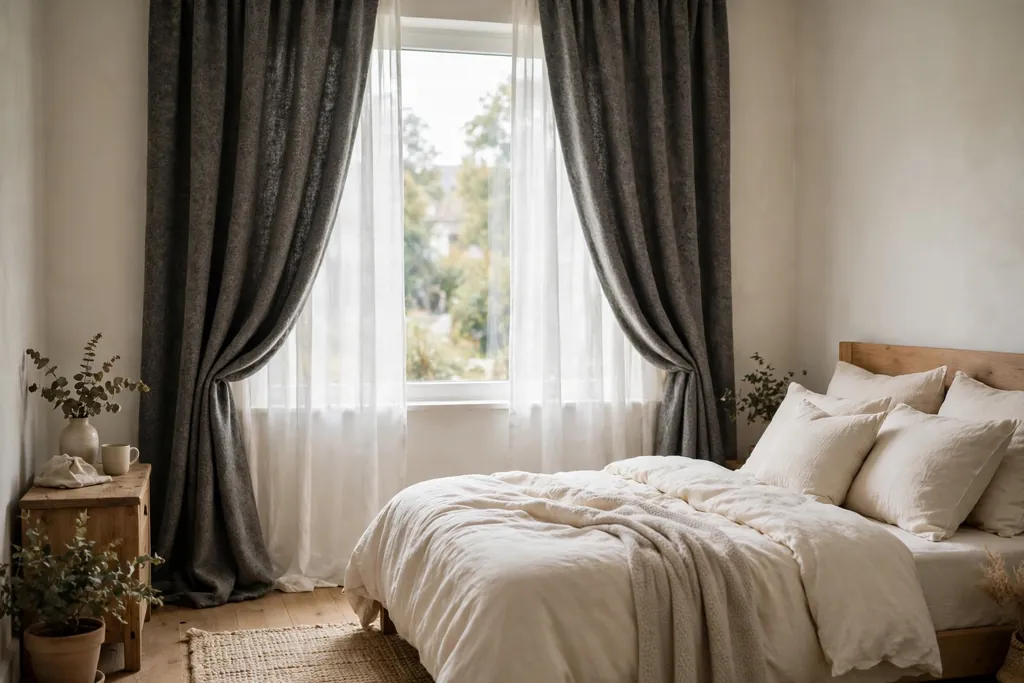
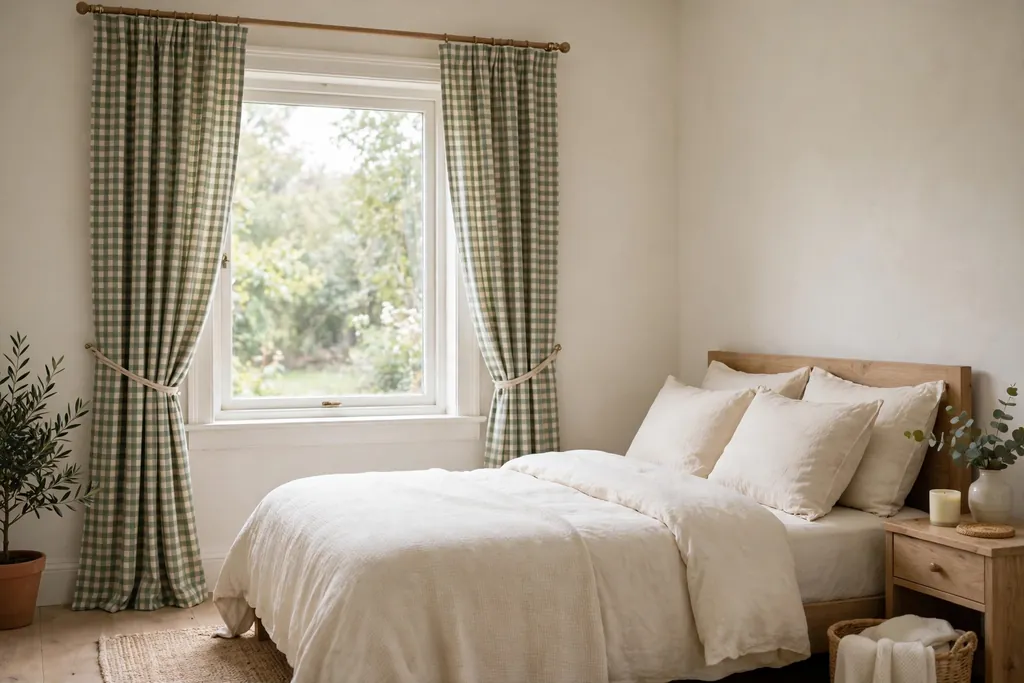
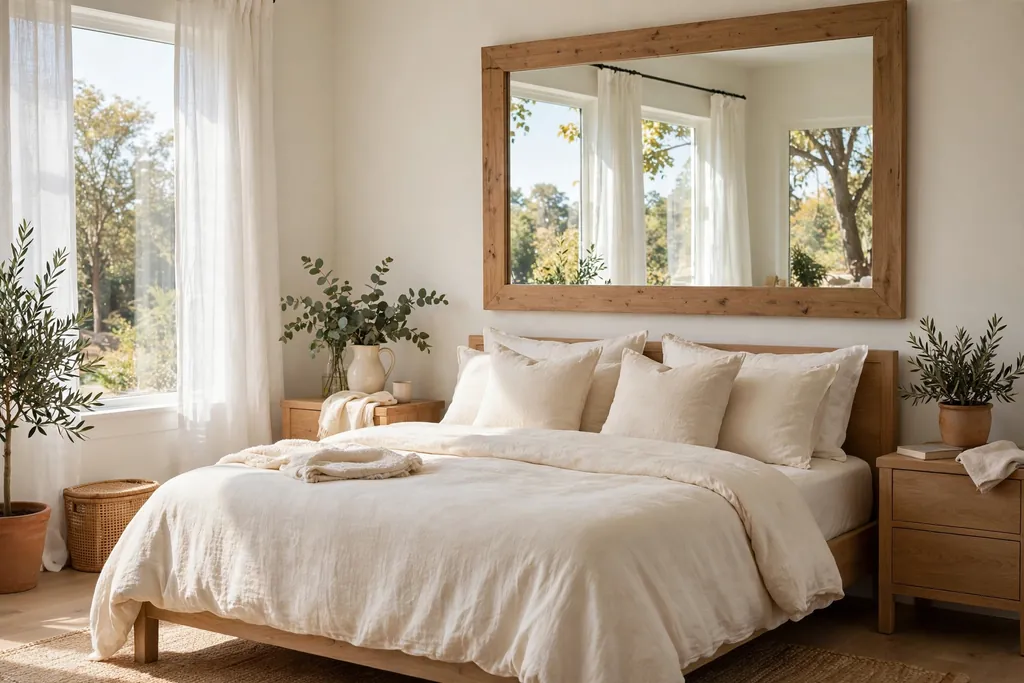
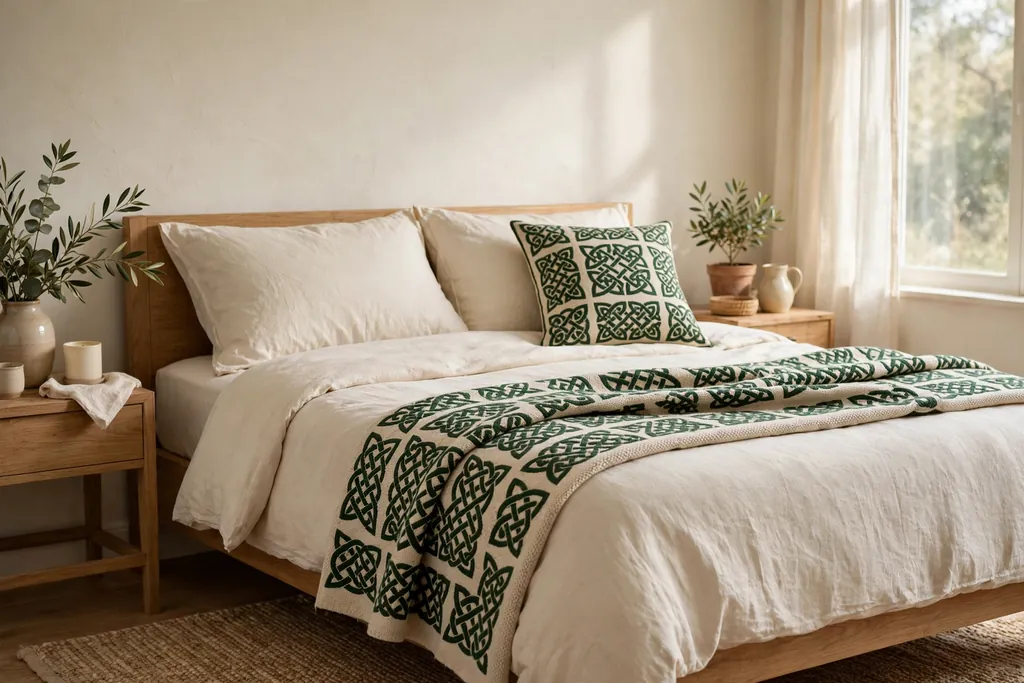
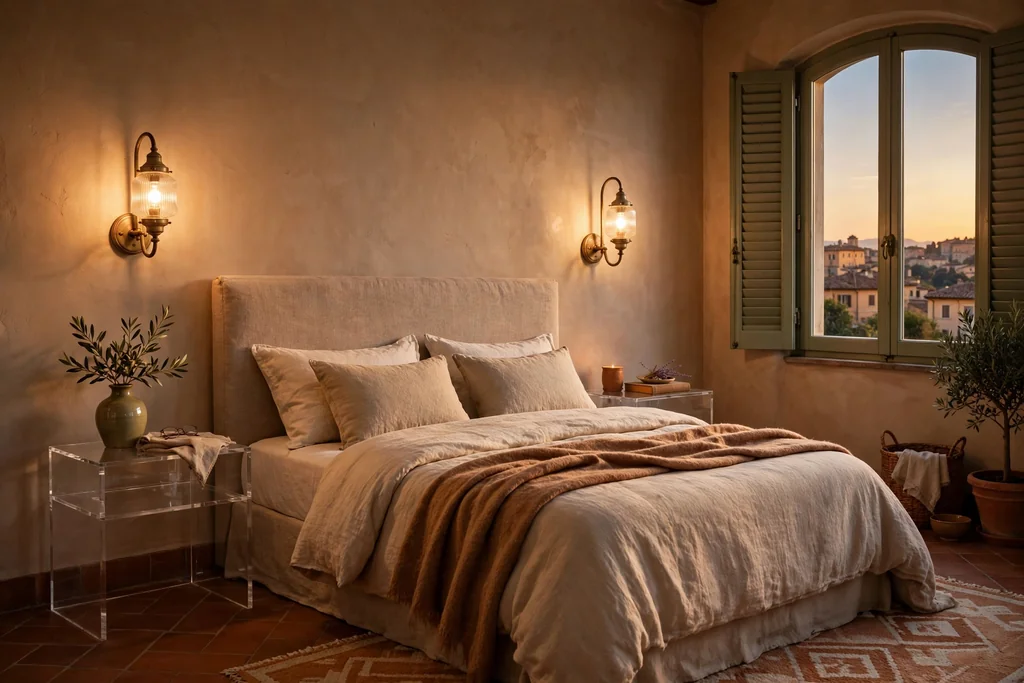
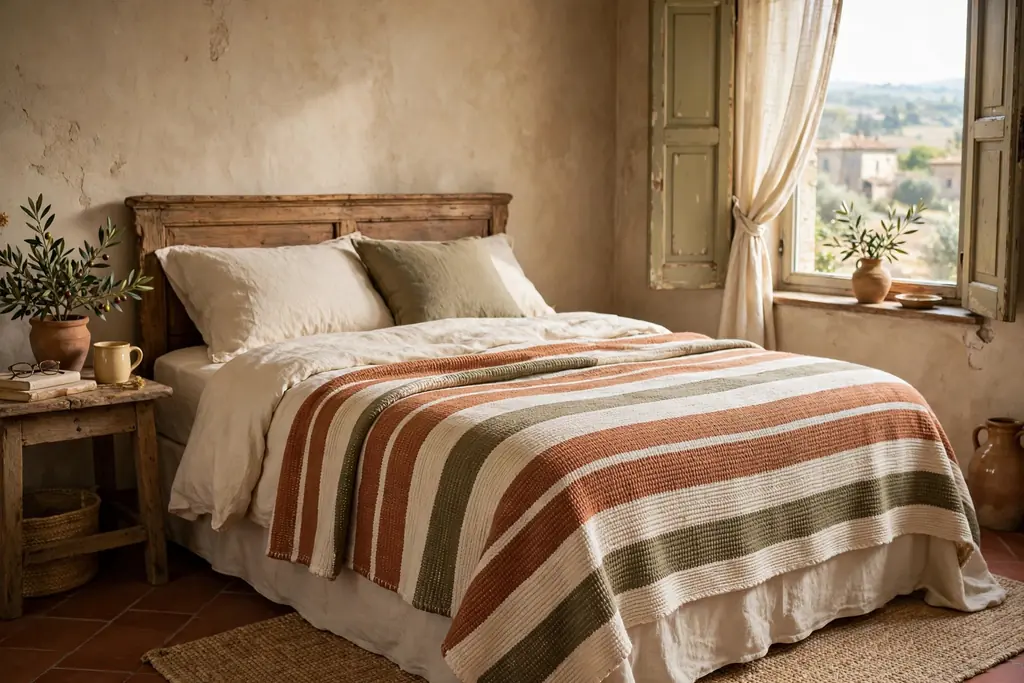
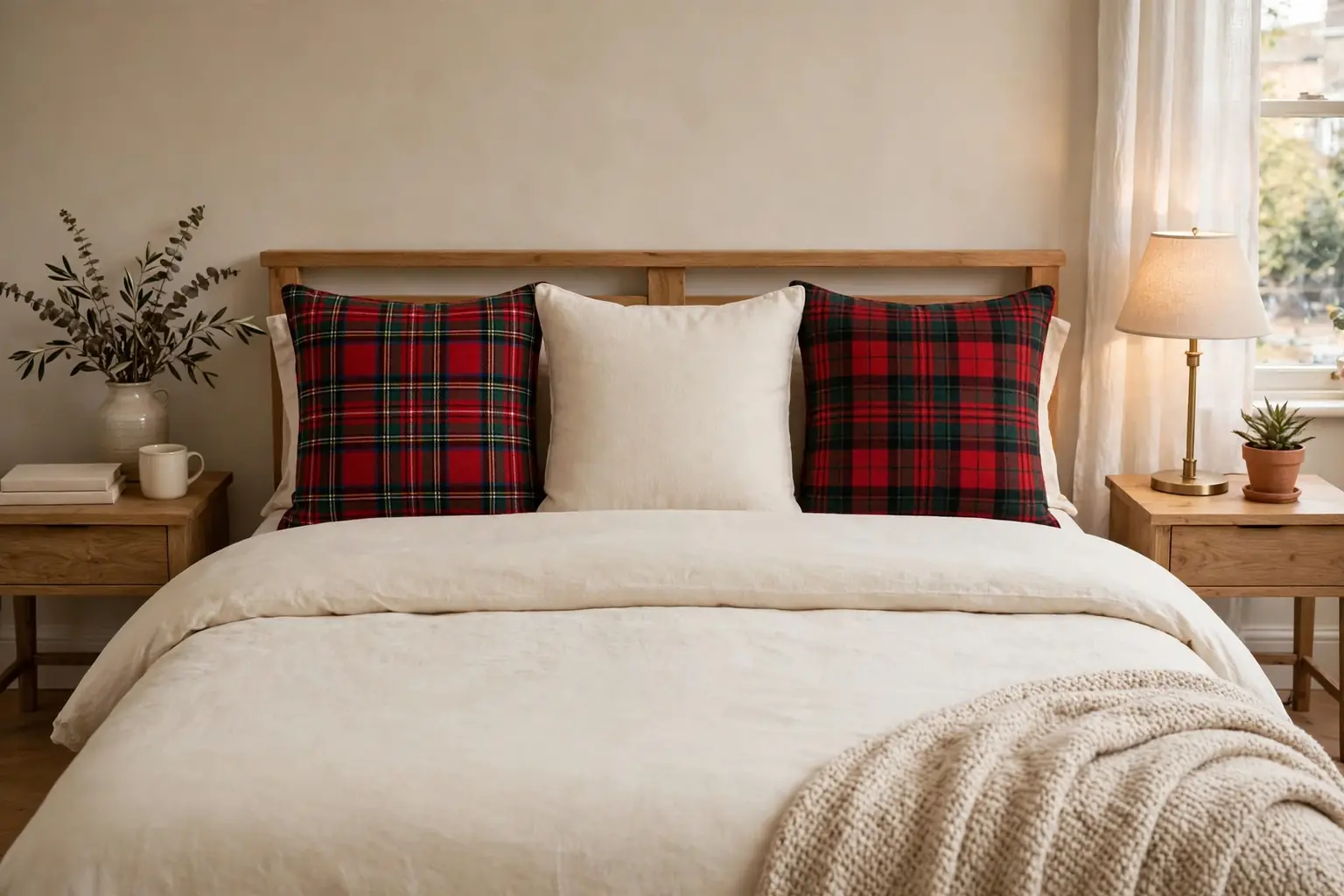
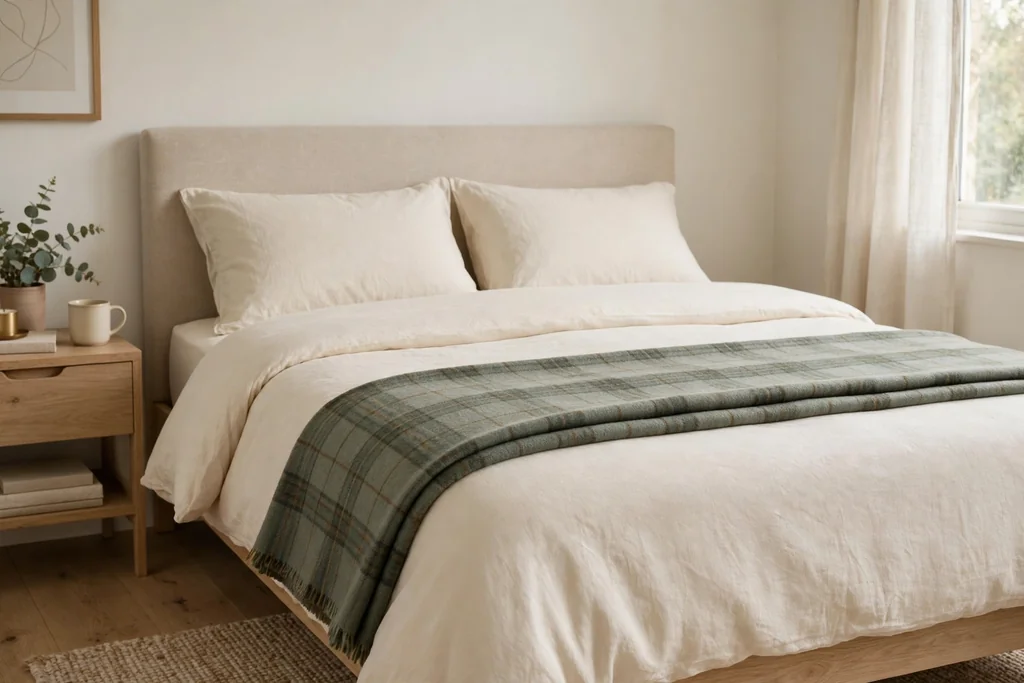
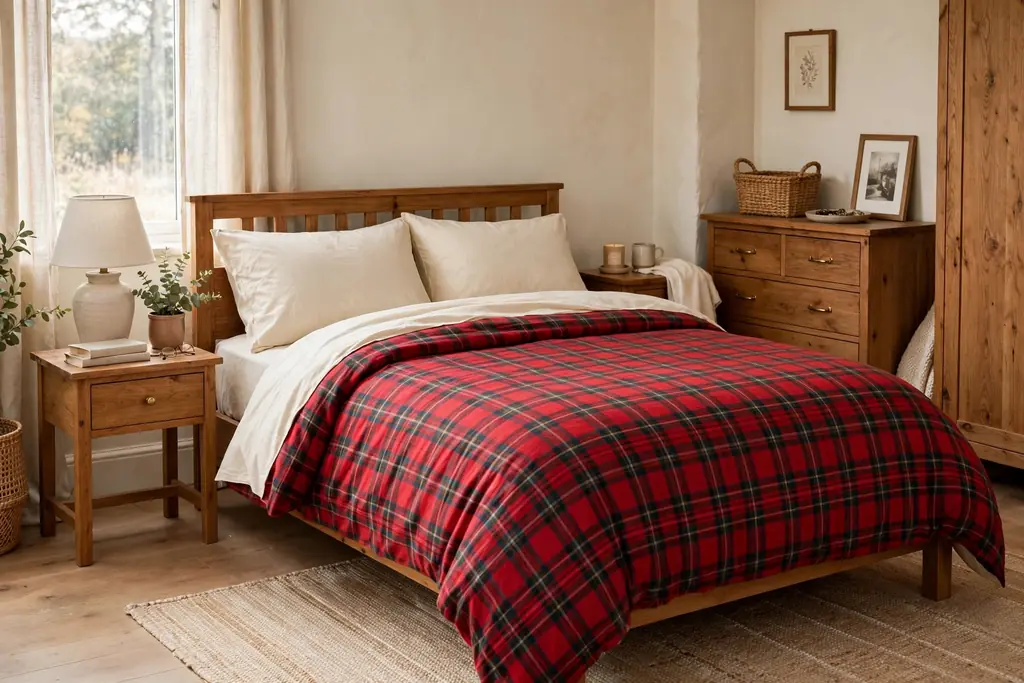
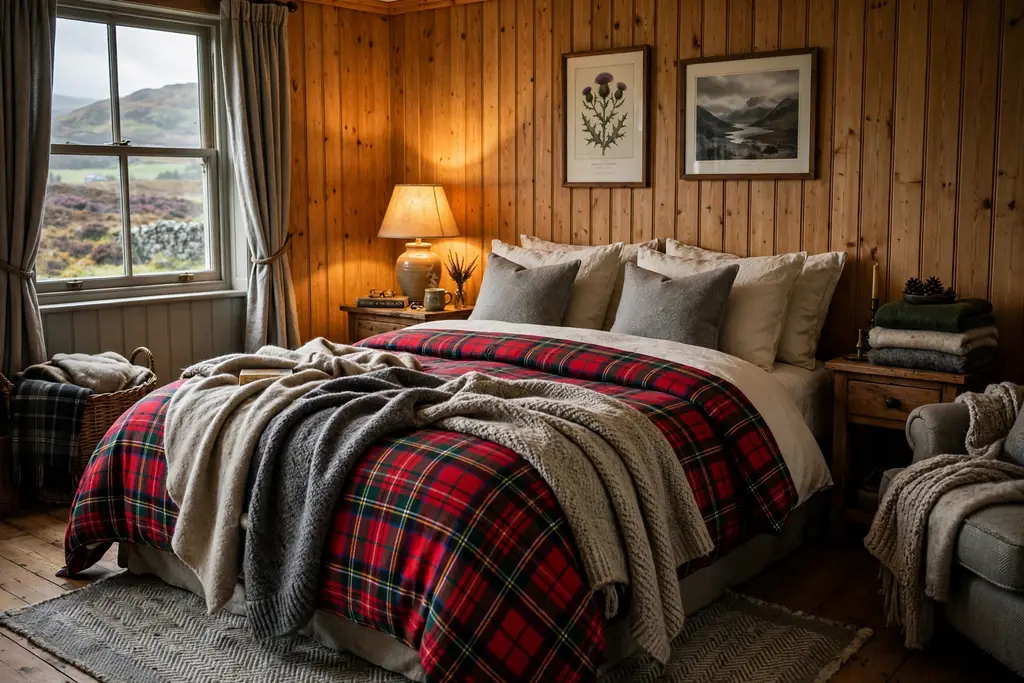
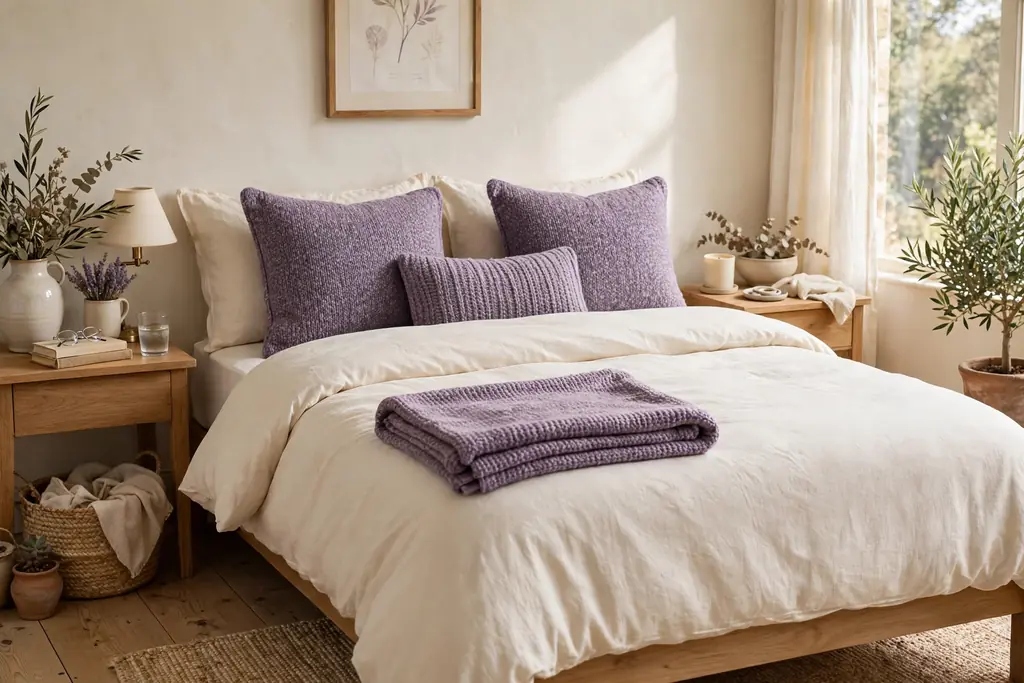
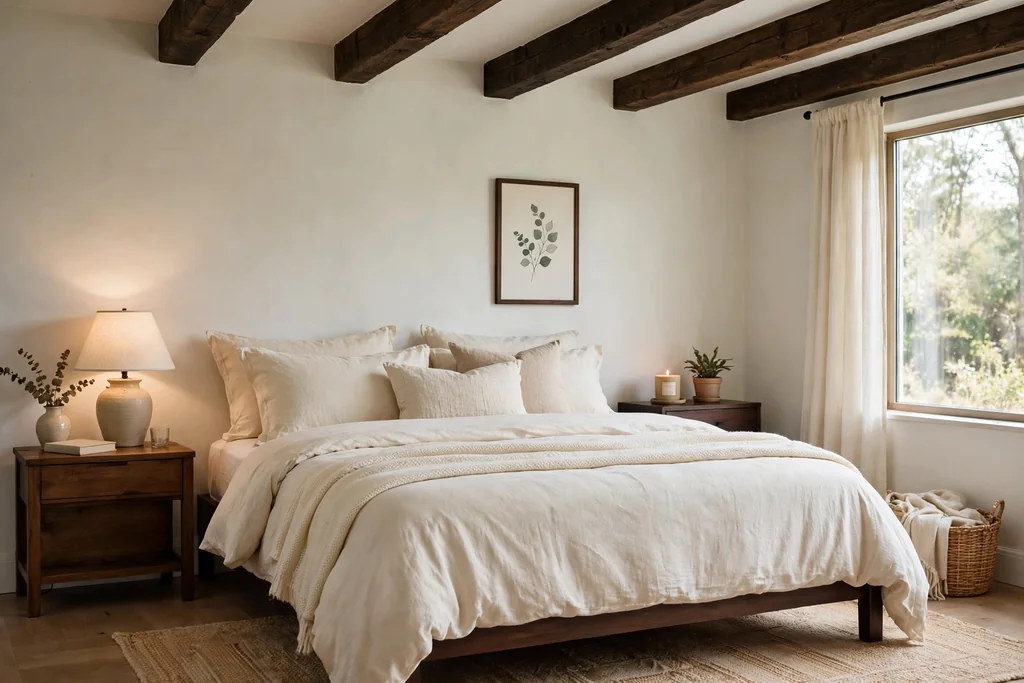
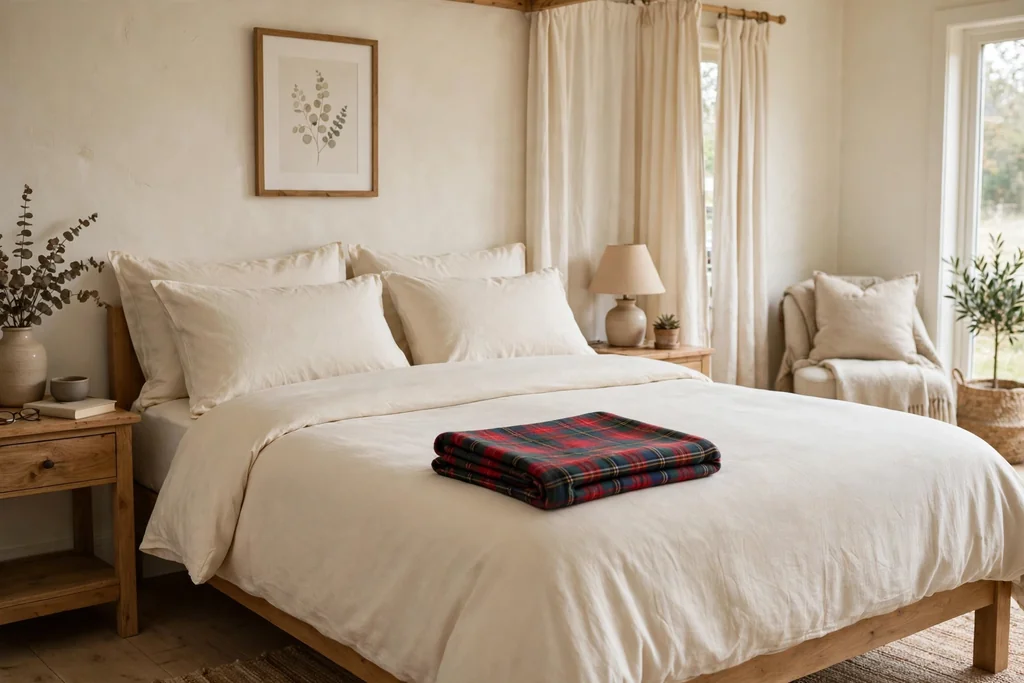
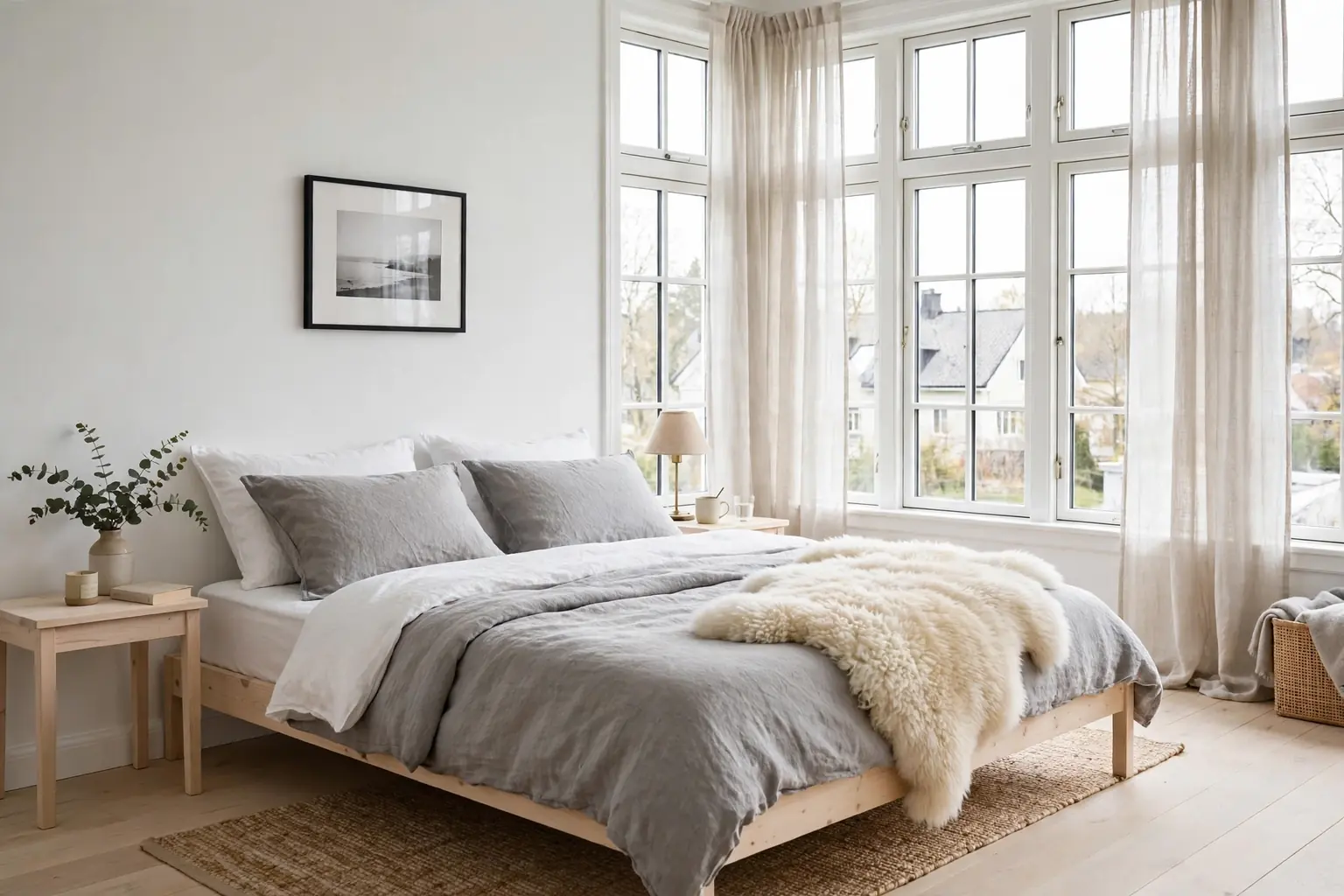
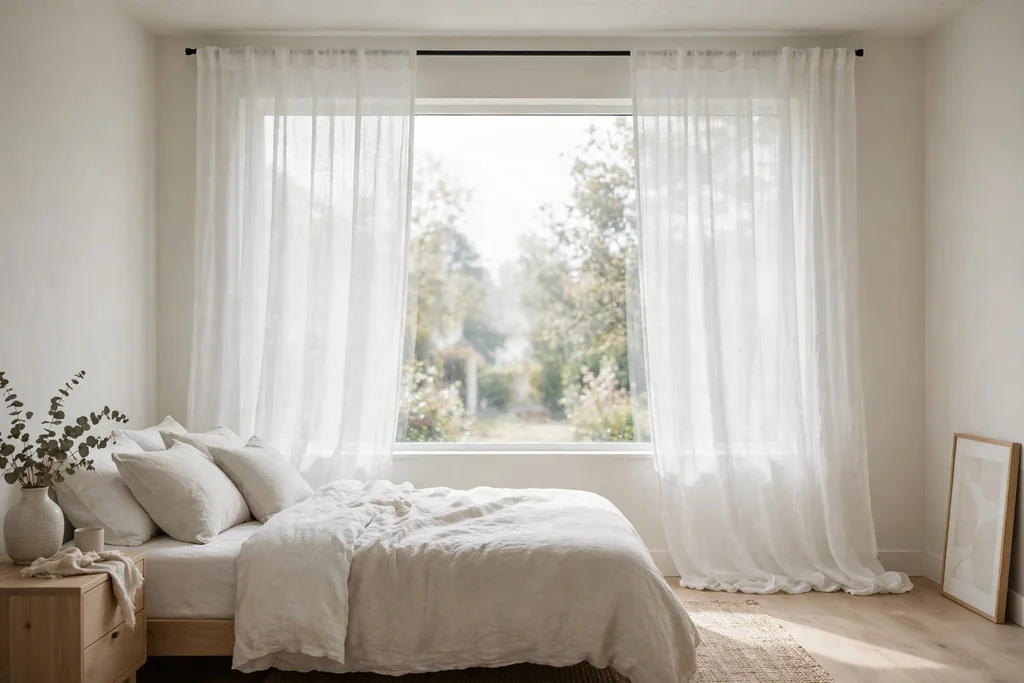
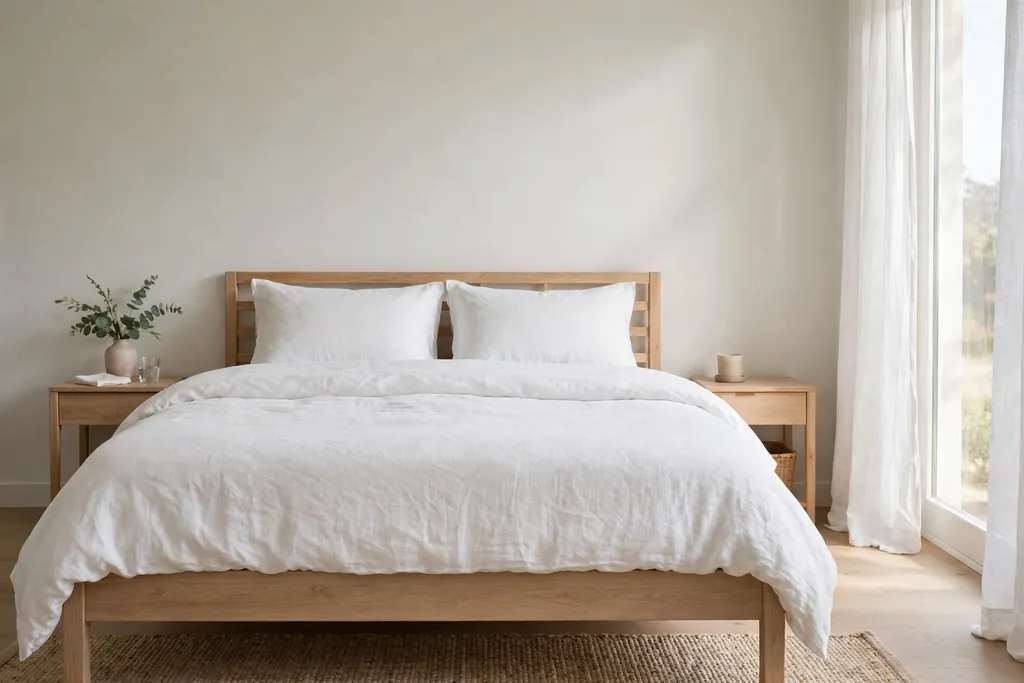
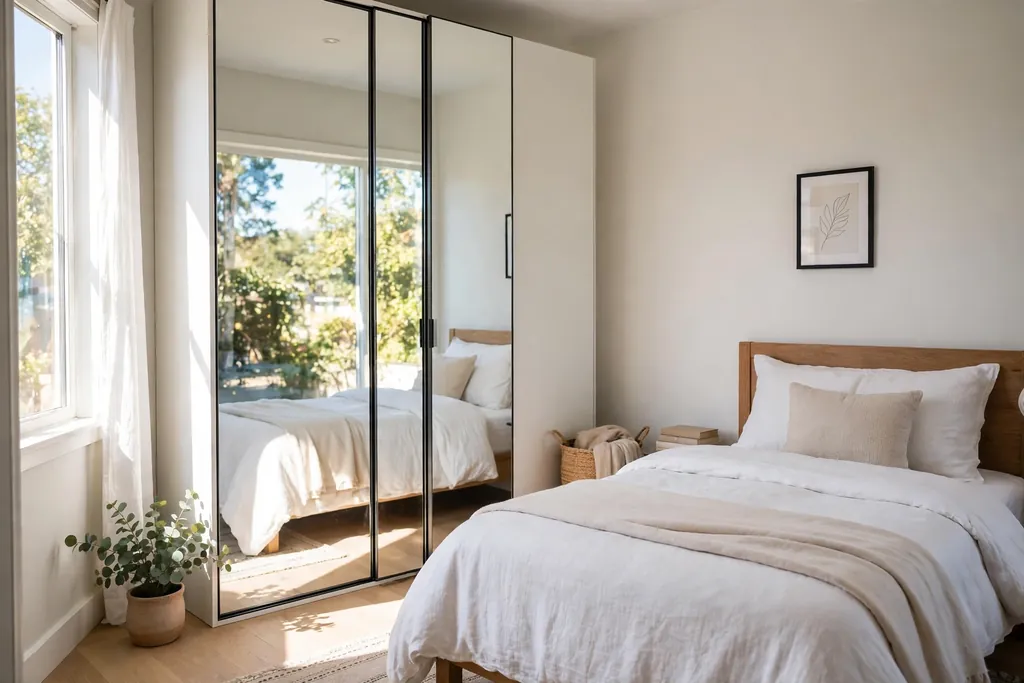
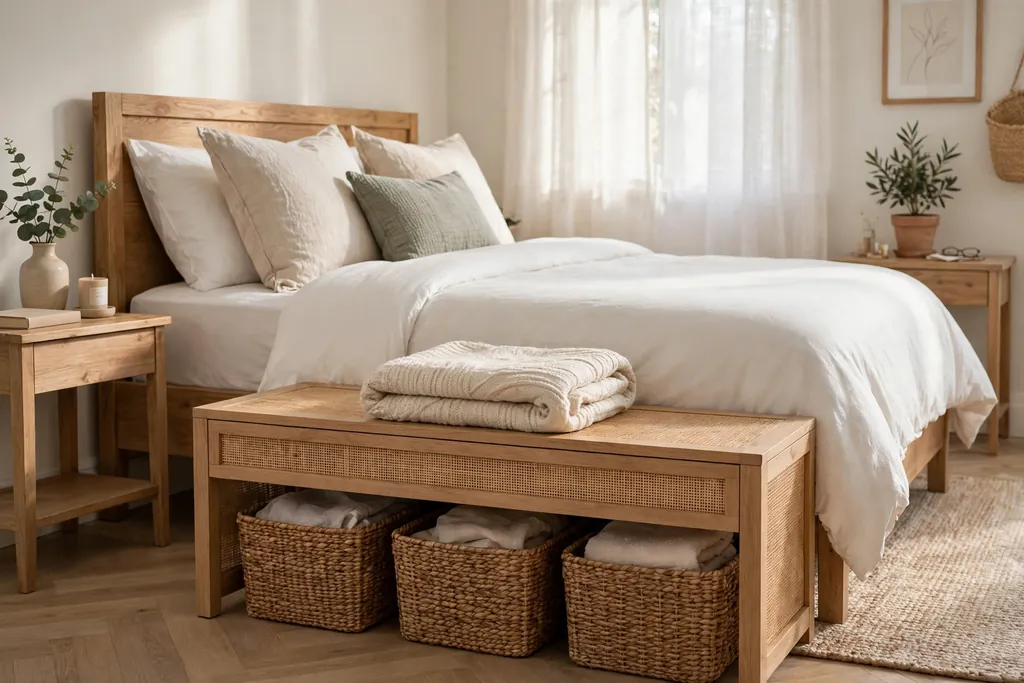
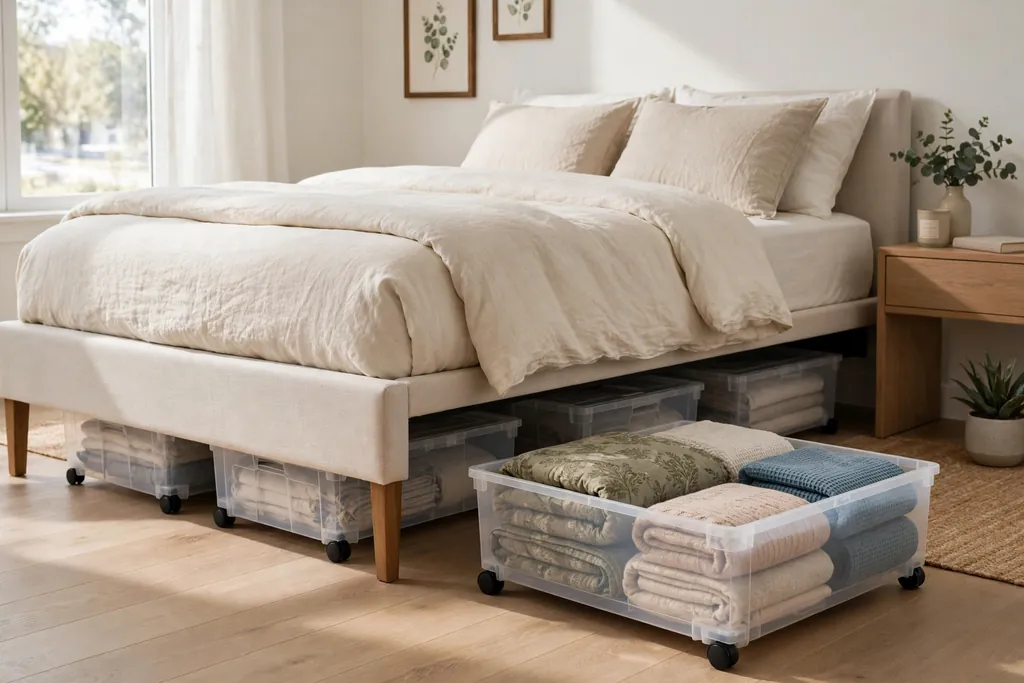
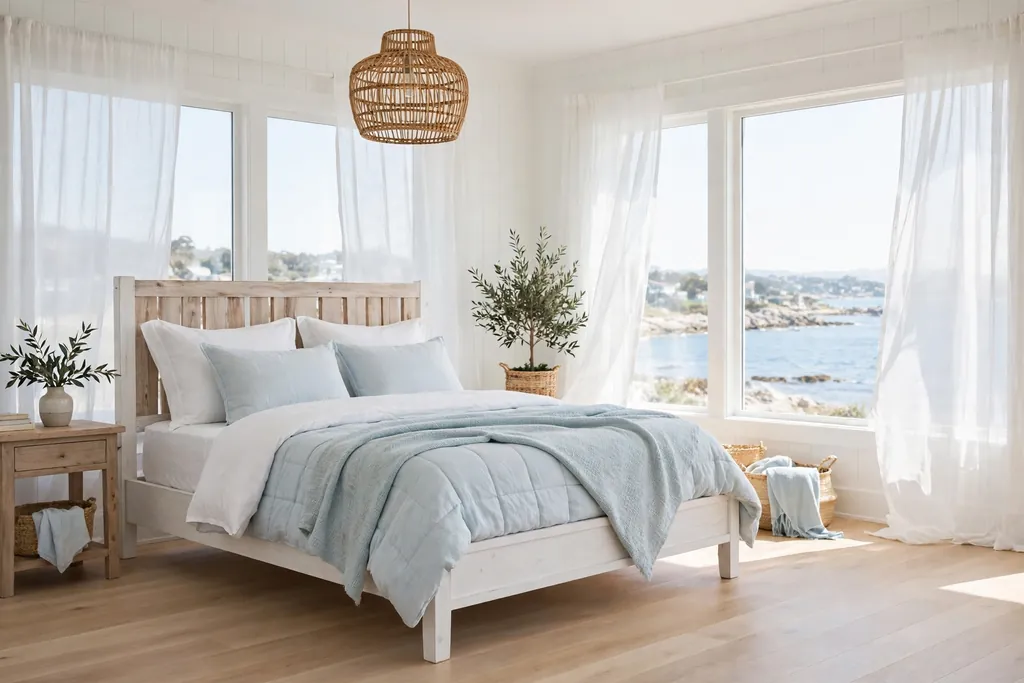
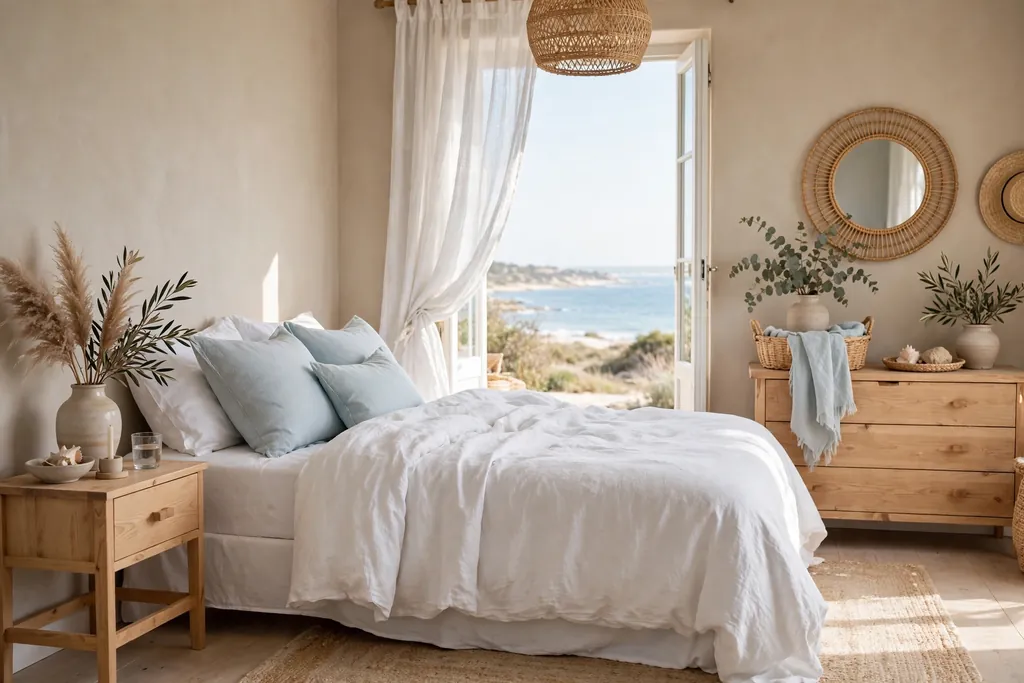
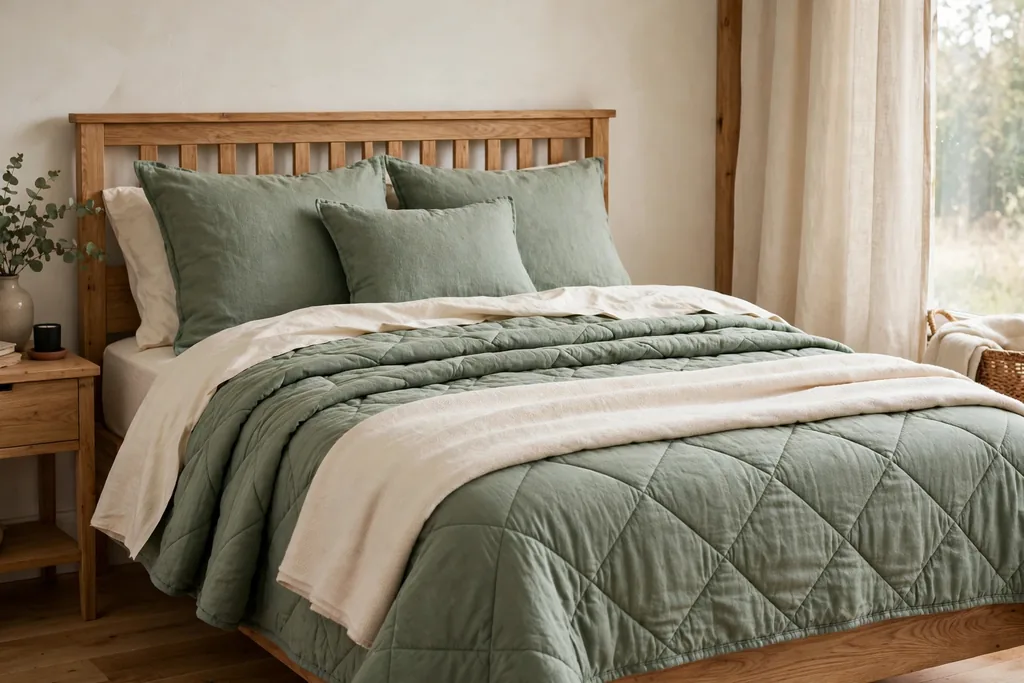
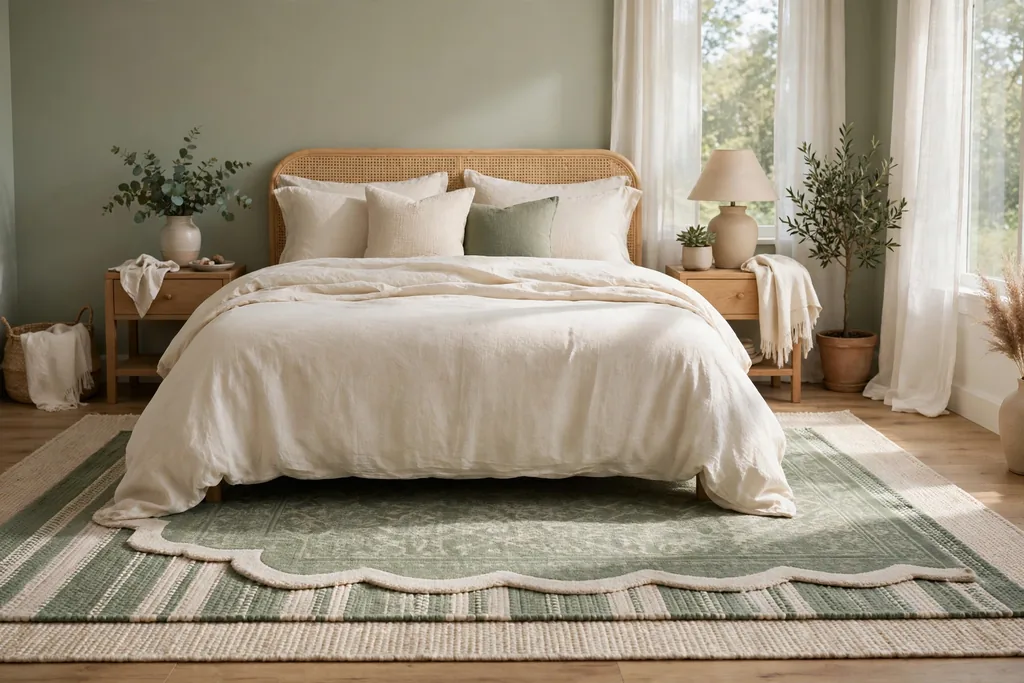
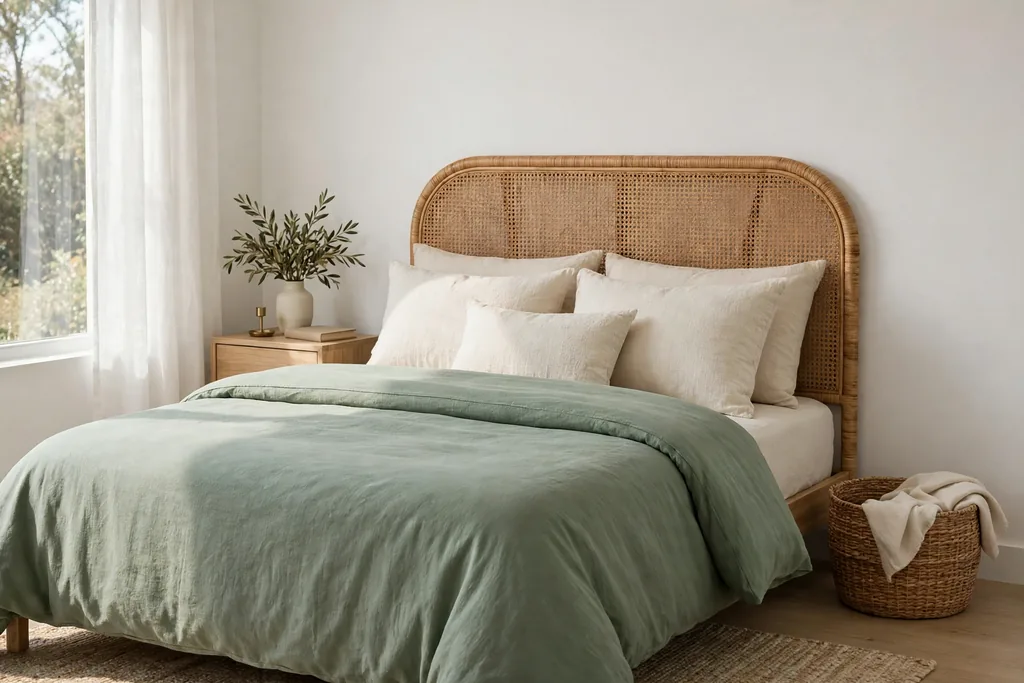
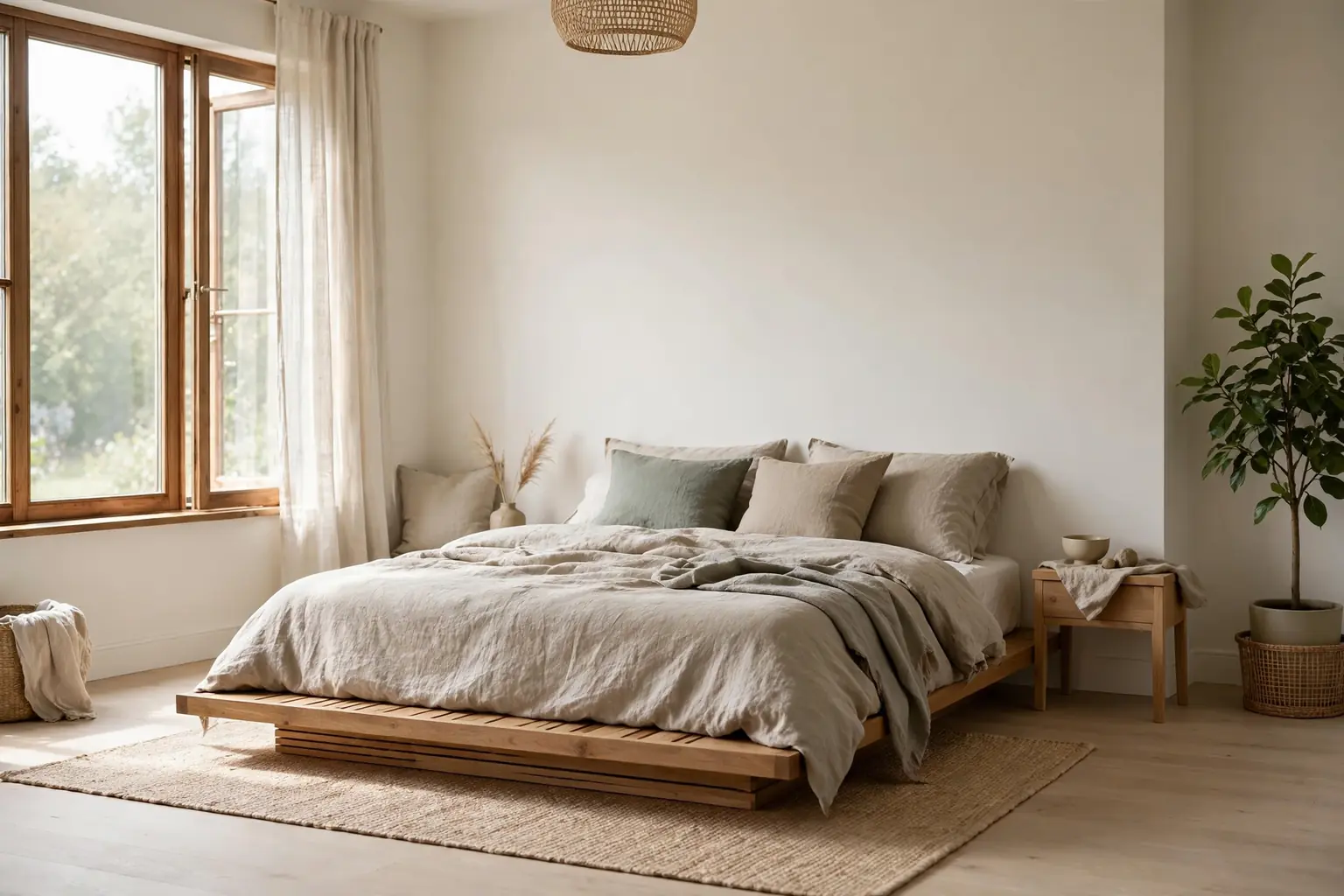
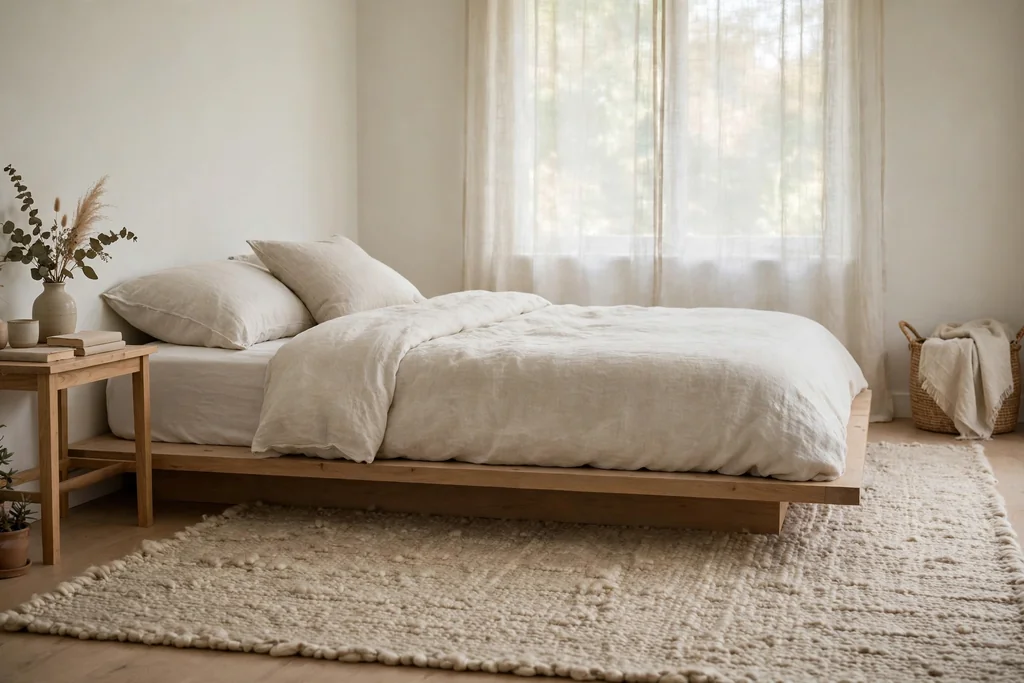
13. Solve Sleep Differences With Two Duvets
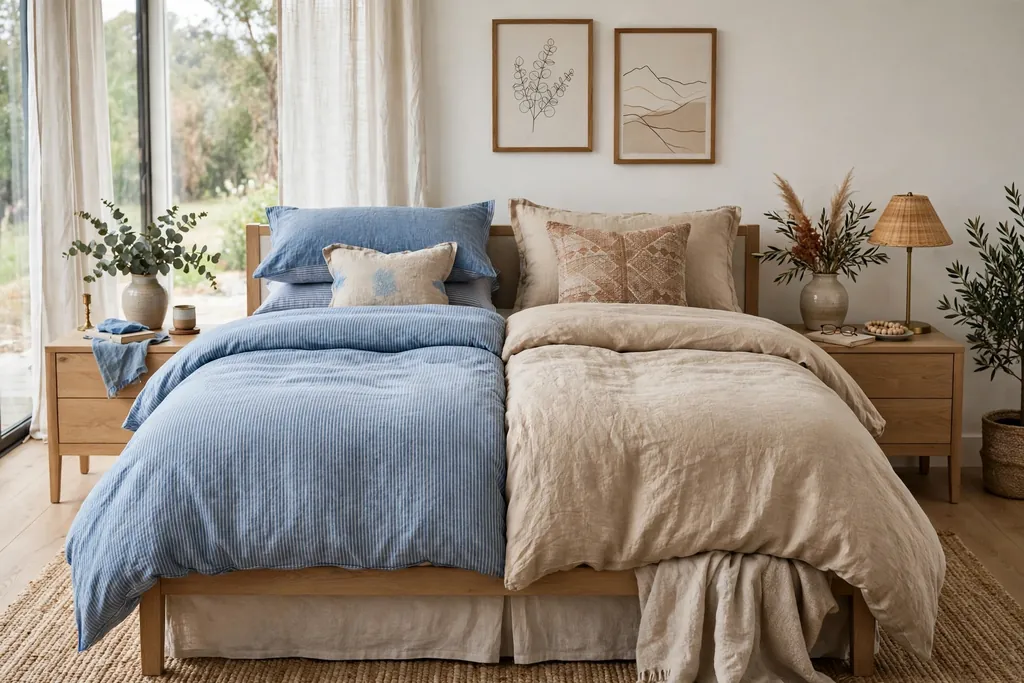
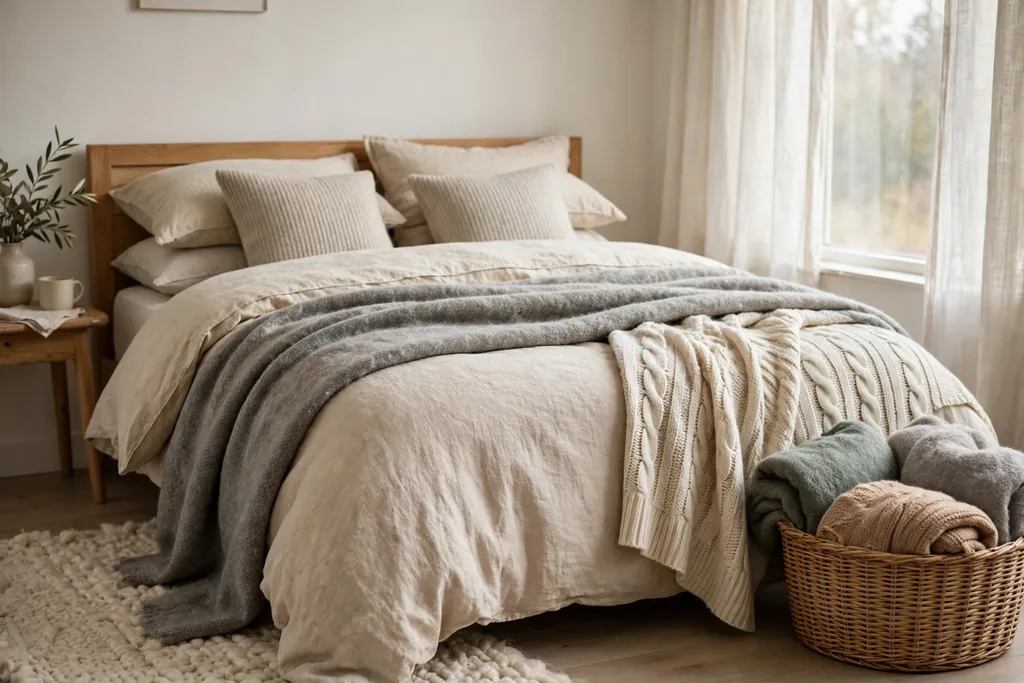
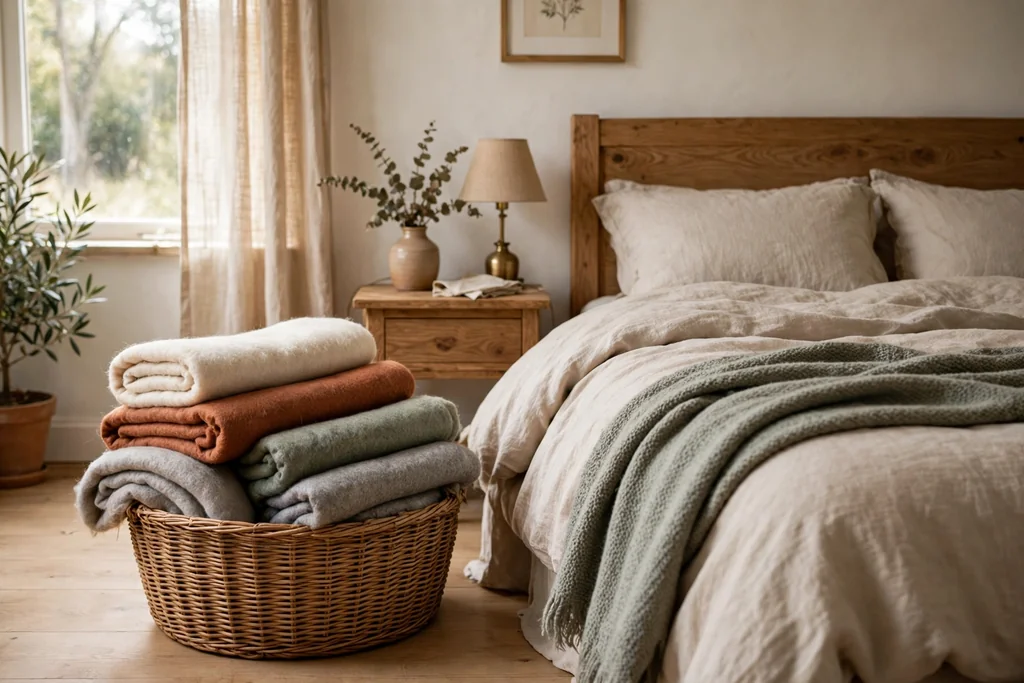
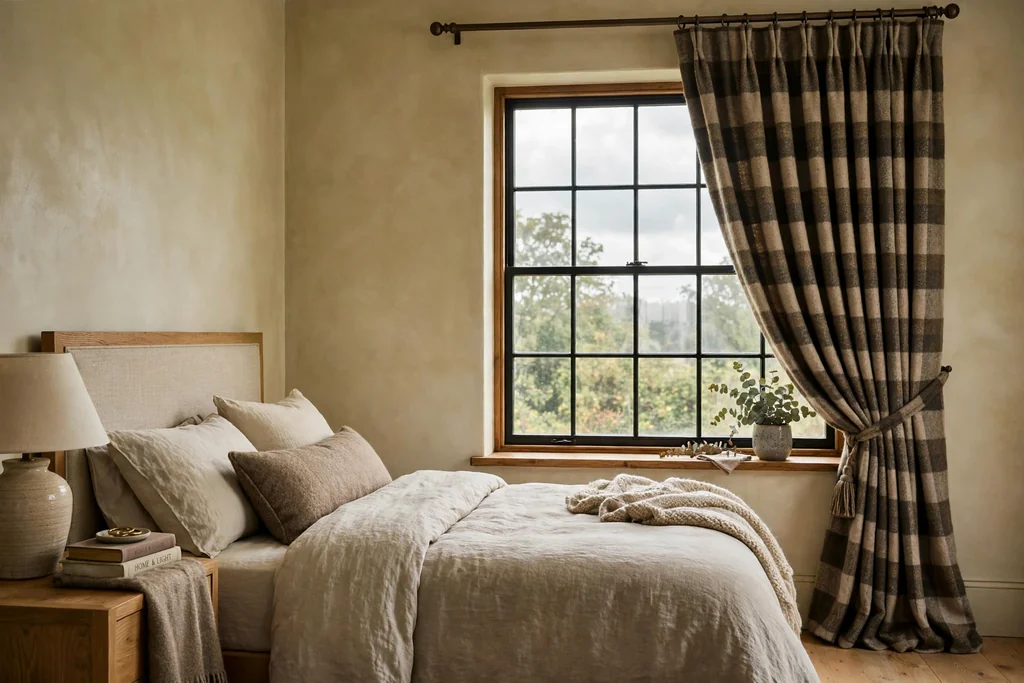
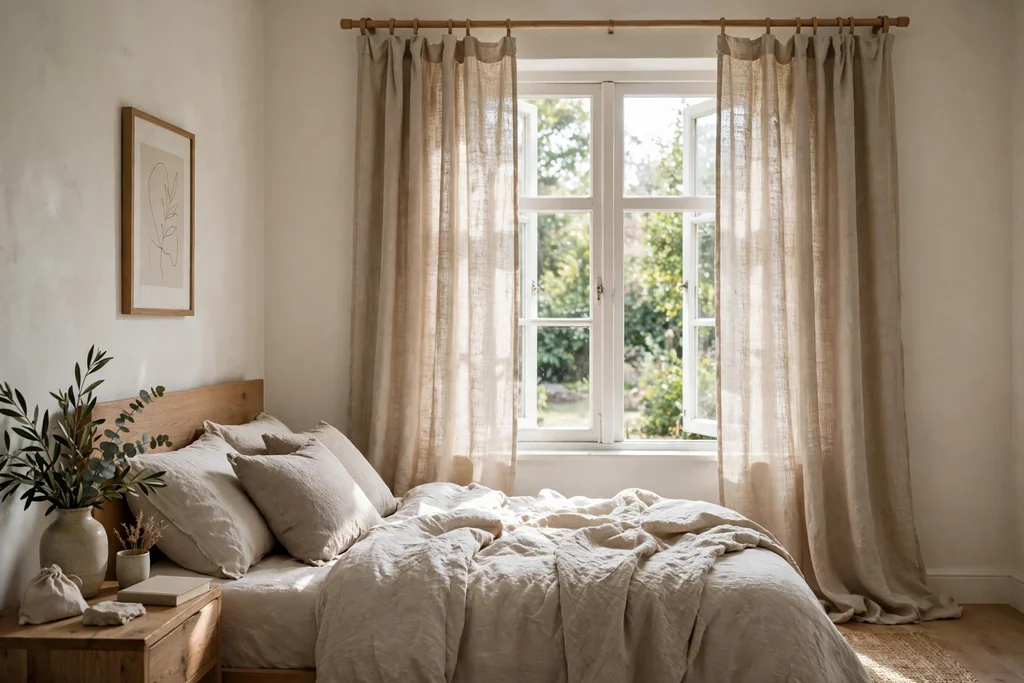
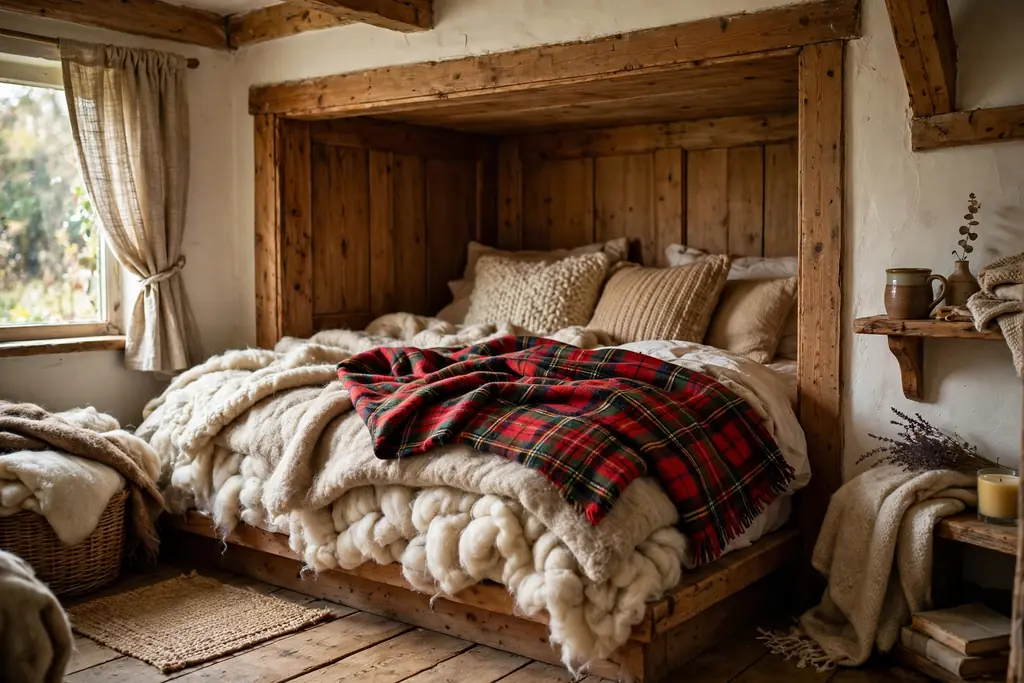
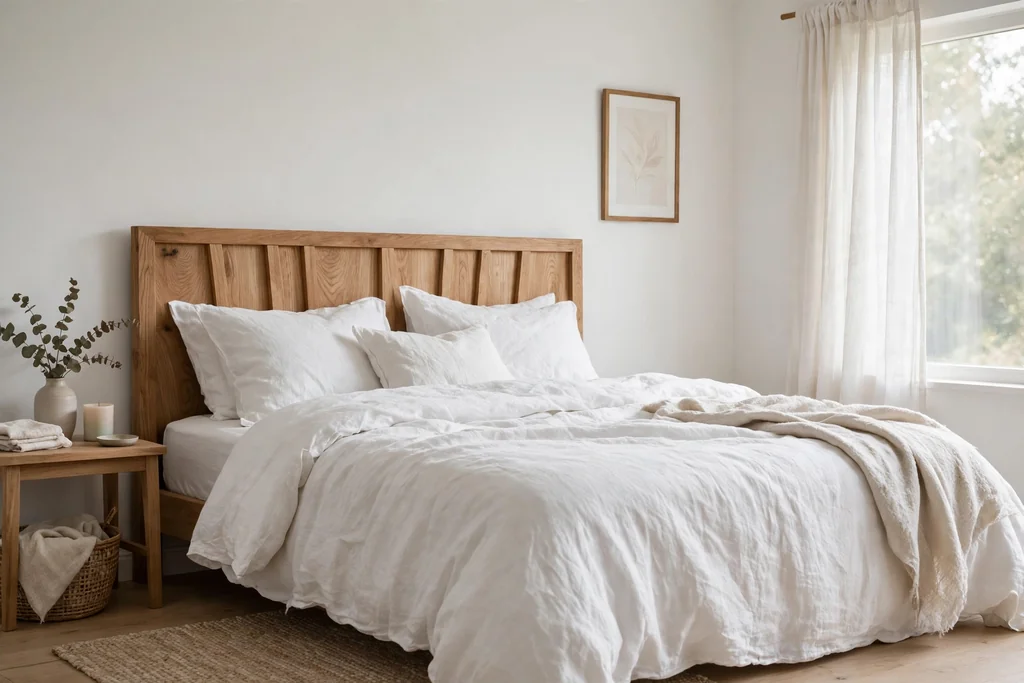
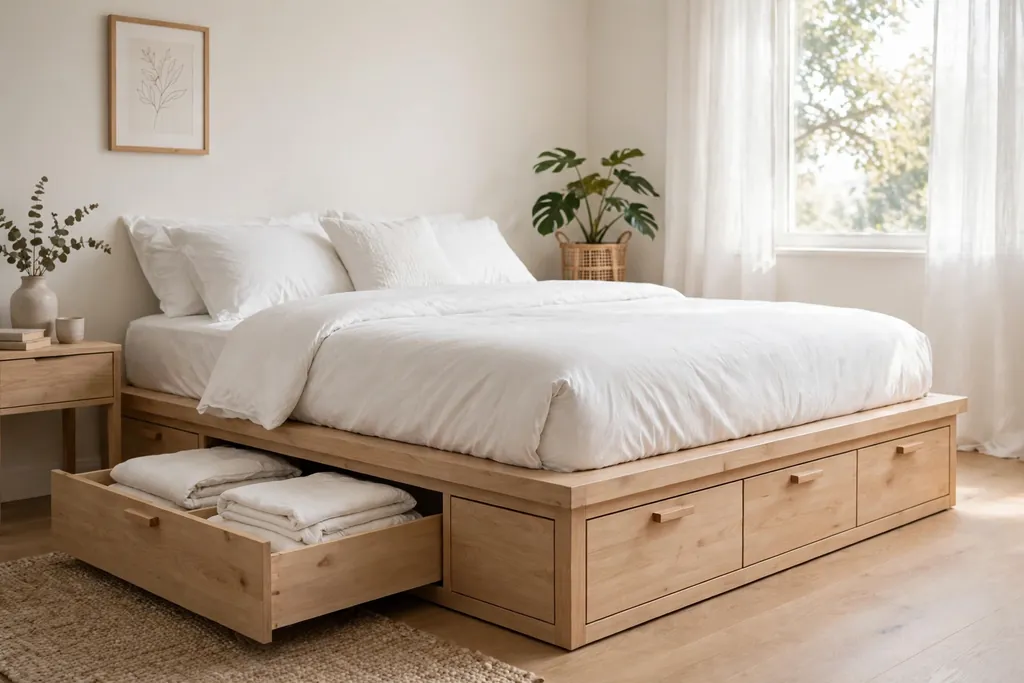
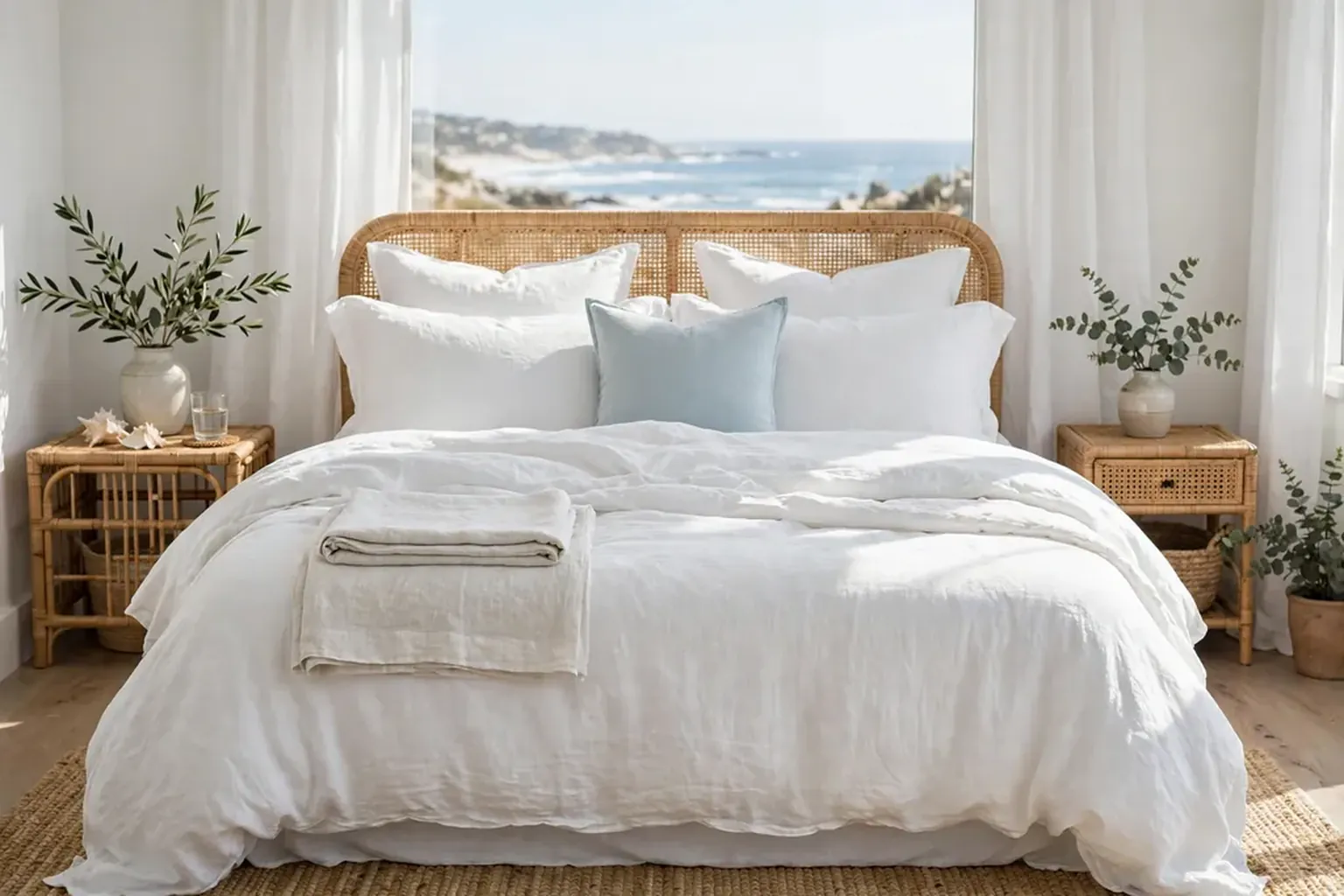
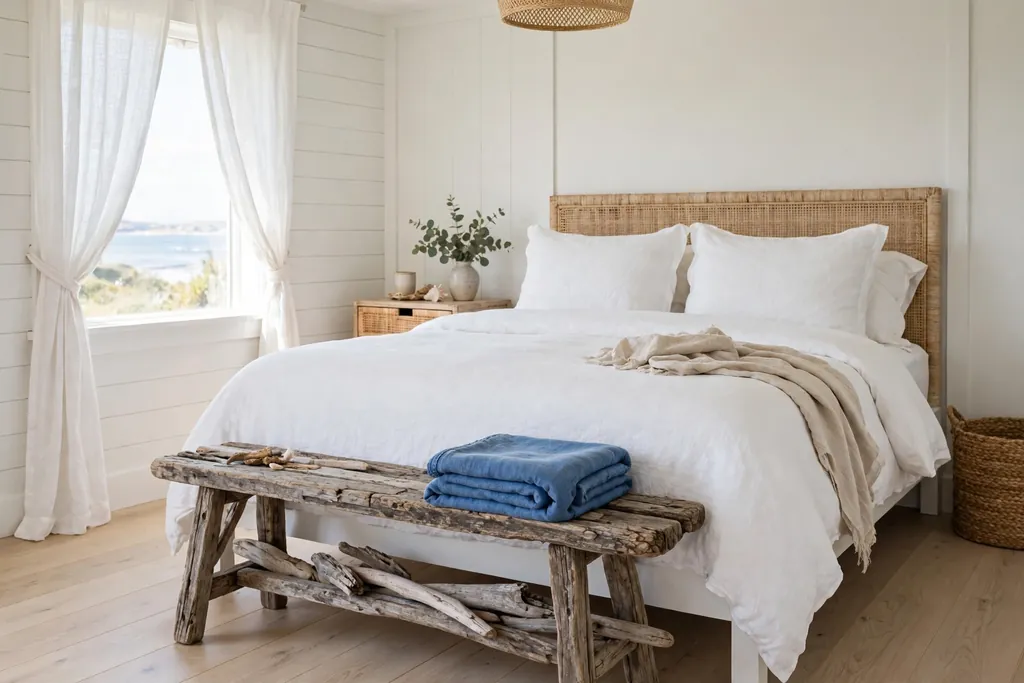
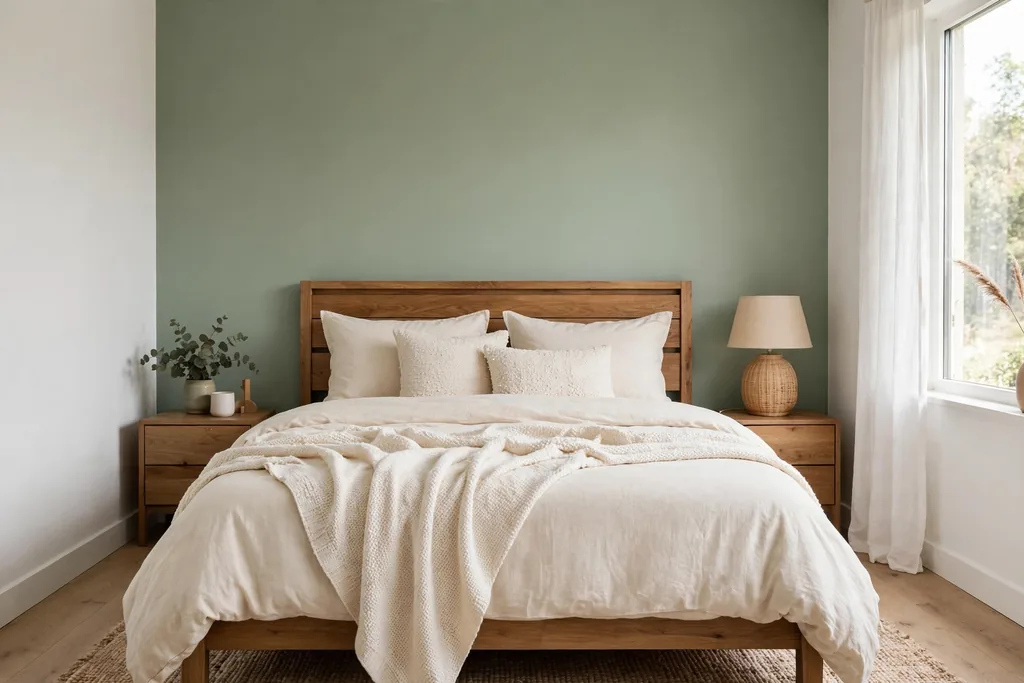
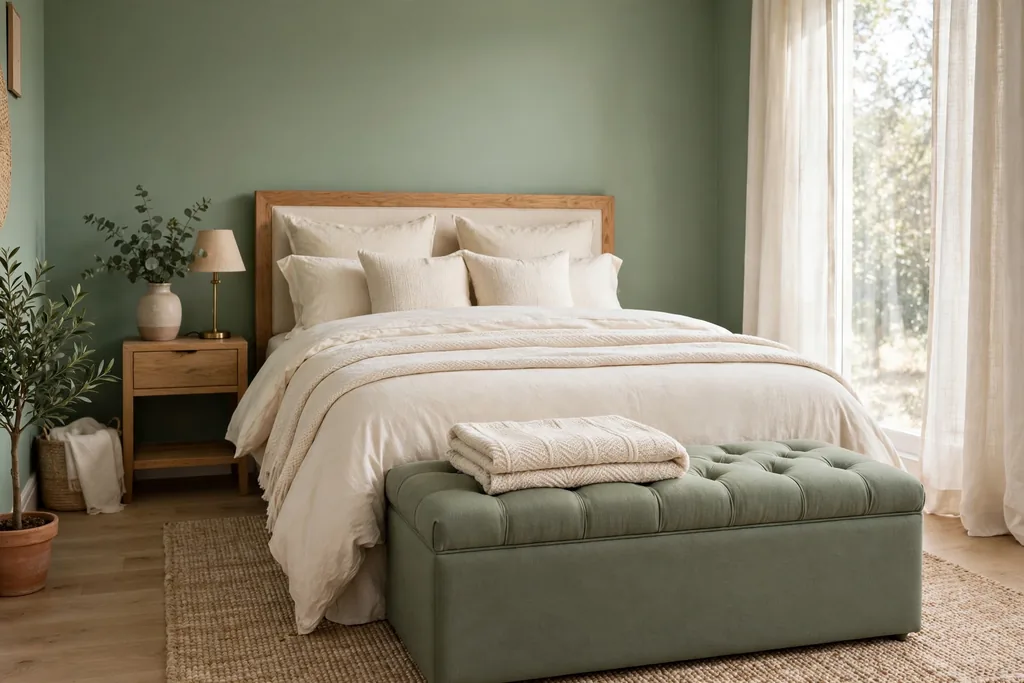
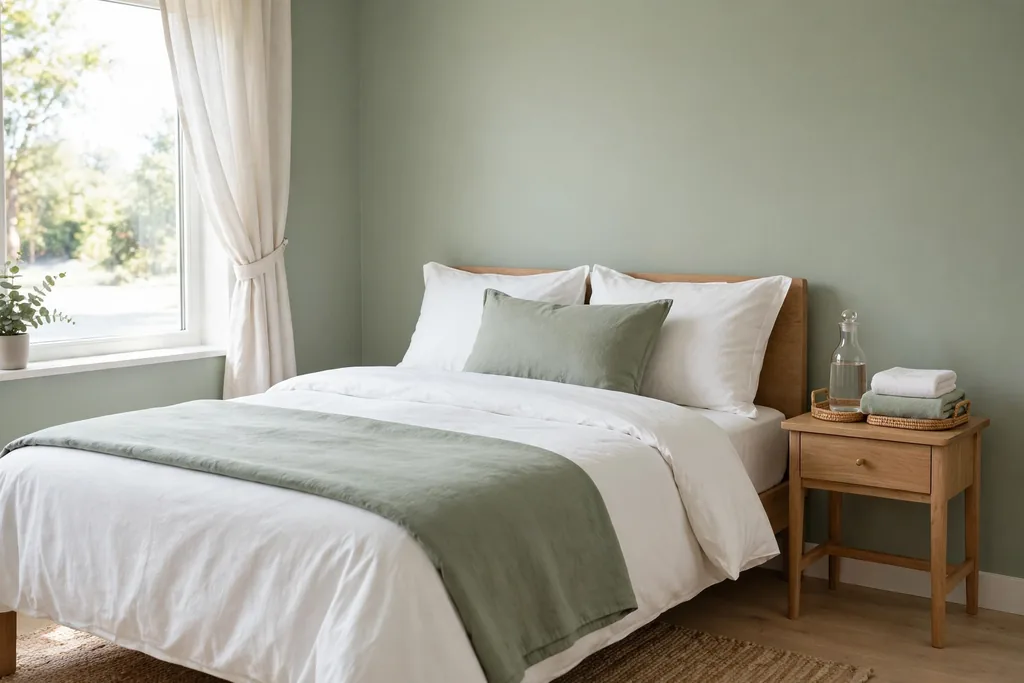
Two separate duvets on one bed, a common approach in colder climates, let each person choose their own warmth without stealing covers in the night. Each duvet is sized for one person, so turning over does not pull warmth from the other side, and washing one duvet is easier than washing a large shared one.
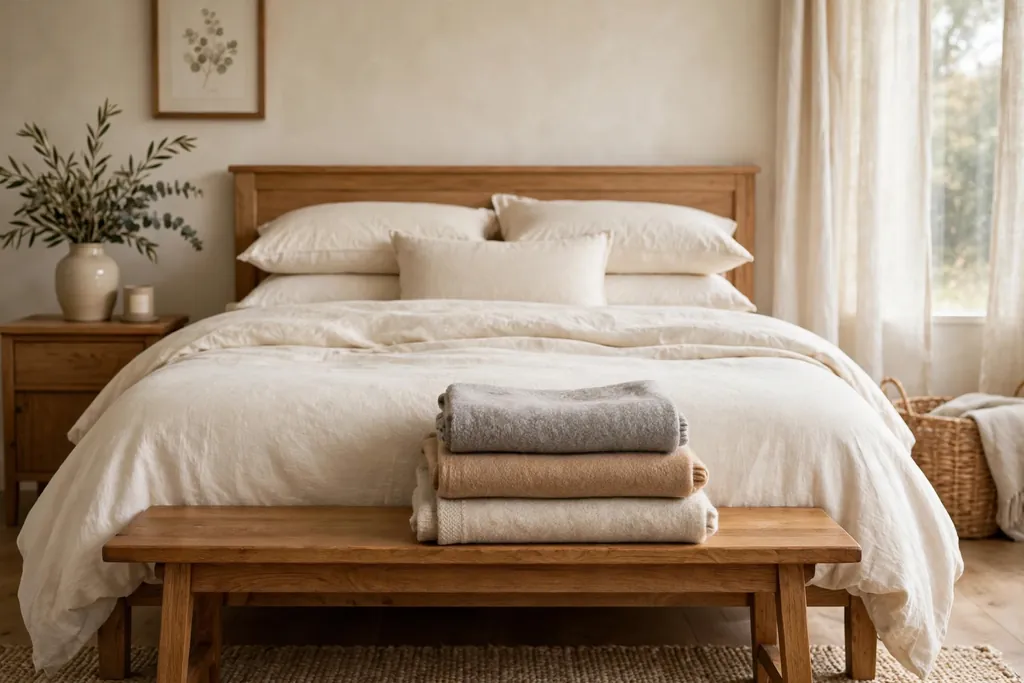
Add separate pillows in different firmness if sleep needs differ, and keep a shared throw folded at the foot of the bed for cooler nights. Agree on a bedtime light rule, such as one reading lamp on the side of the early riser, so different schedules disturb sleep less. Test the setup for a week before judging it, since it looks unusual but feels practical fast.
14. Put a Shared Calendar on the Wall
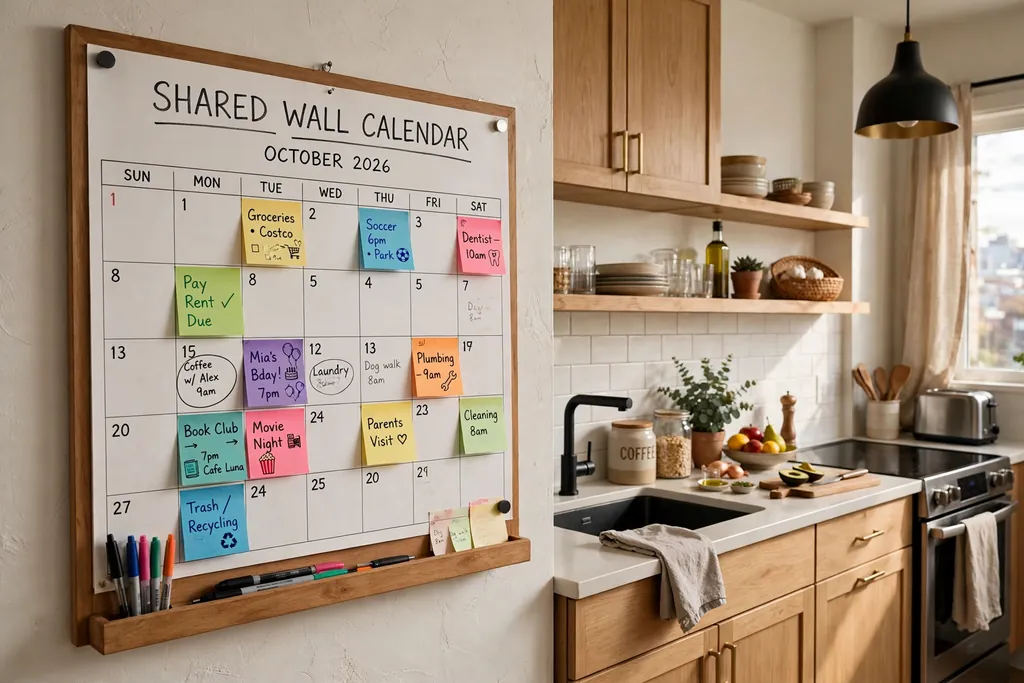
A wall calendar, a whiteboard, or a framed planner near the entry or kitchen gives a couple one place to see bills, guests, travel, and work deadlines. Each person adds their own events in a different pen color, and shared events get both colors or a shared symbol, so the week is visible at a glance.
Review the calendar together once a week, for five minutes, and move anything that clashes before it becomes a problem. Keep the board to dates and short notes, not long lists, and wipe it clean at the start of each month. A visible shared plan reduces the need to ask the same scheduling questions every day.
15. Make the Balcony a Spot for Two
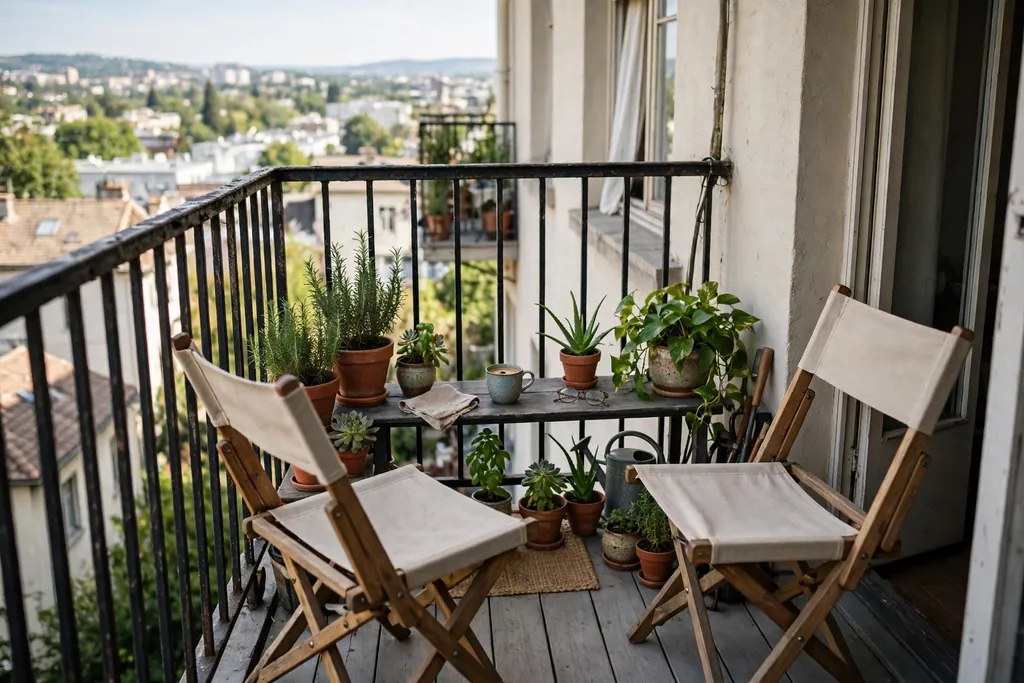
A balcony with two chairs, a small table, and one shared plant pot gives a couple an outdoor room, even when the space is narrow. Foldable chairs suit a small balcony, since they can be stored inside during storms, while a narrow table holds two cups without blocking the door.
Add a windproof candle or a small solar lamp for evenings, and keep a watering can nearby if plants share the space. Agree on one balcony job each, such as one person watering and one sweeping, so the small outdoor area stays inviting. Use the balcony for morning coffee or evening air, not for storage, or it will stop feeling like a room.
16. Keep a Sofa Bed Ready for Guests
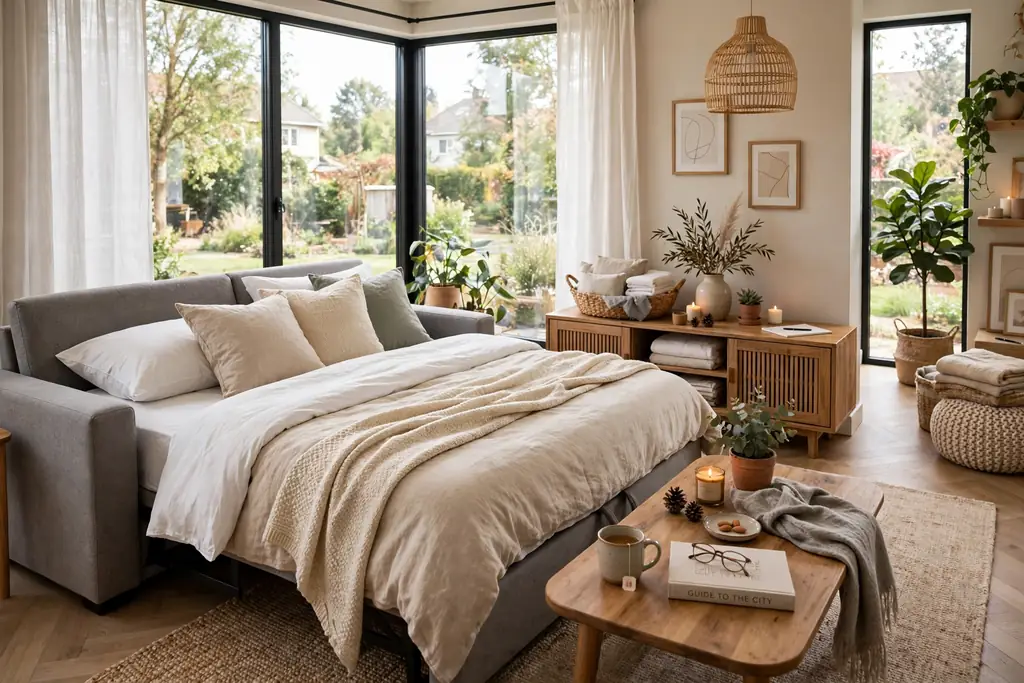
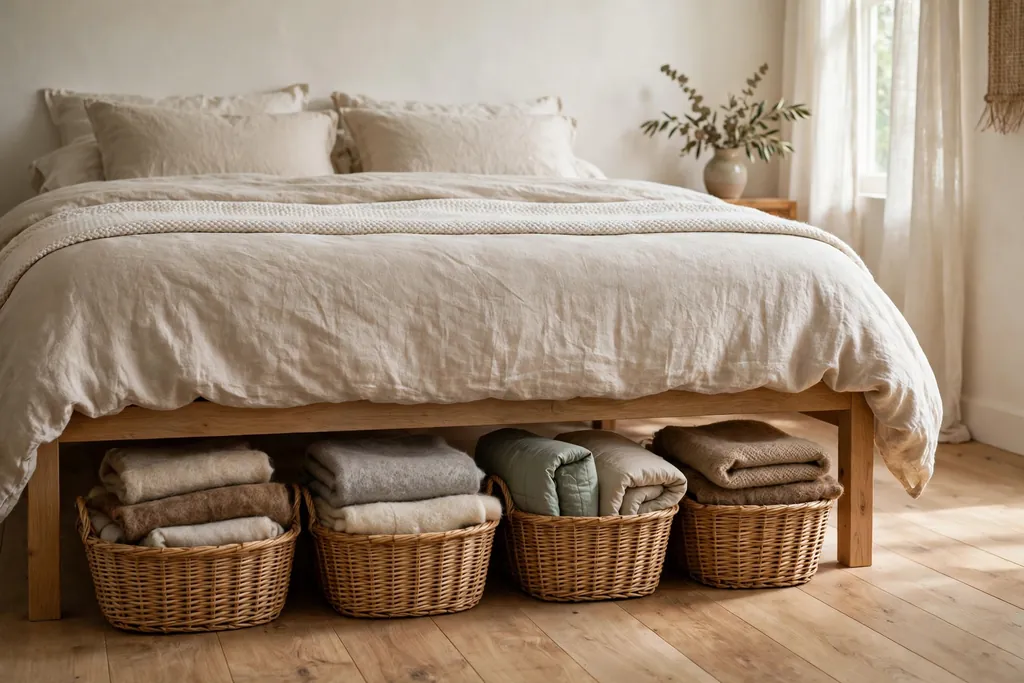
A sofa bed, or a daybed with proper bedding stored nearby, lets a couple host overnight guests without giving up a room. Keep the bedding in one labeled basket or drawer, with sheets, pillows, and a throw, so making up the bed takes minutes rather than a search through the closet.
Test the sofa bed mechanism before guests arrive, and keep the living area clear enough that the bed can open fully. Agree on a simple guest rule, such as one night or a weekend, so hosting stays enjoyable for both hosts. A guest ready living room also helps when one person needs the bedroom for rest while the other hosts a friend.
17. Grow a Shared Window Garden
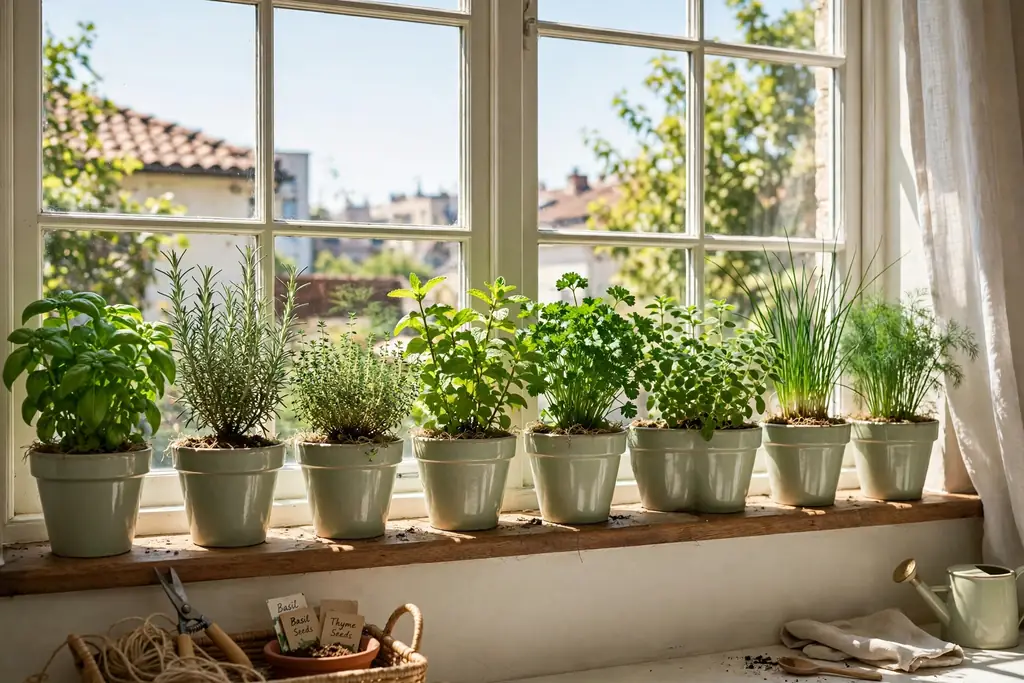
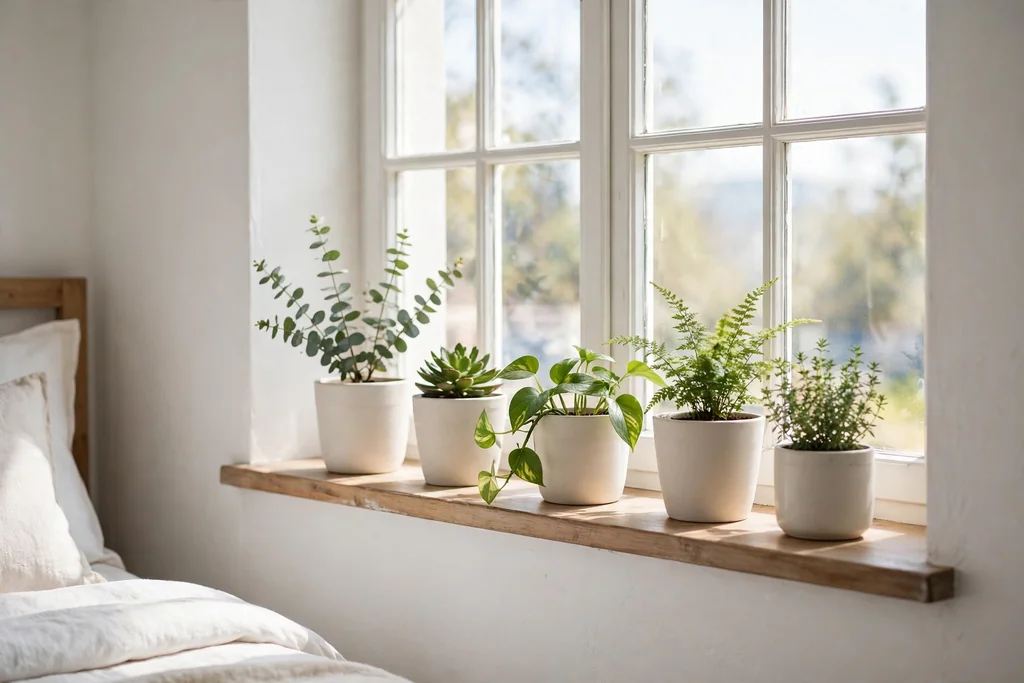
A windowsill garden with herbs, small potted plants, or trailing greens gives a couple a low cost shared project with a daily payoff. Choose plants that match the actual light on that sill, and place them in matching pots so the collection reads as one arrangement rather than a random row.
Split care by task, not by plant, so one person waters and the other prunes or feeds, and both people notice when a plant needs help. Keep a small tray under the pots to protect the sill, and rotate pots weekly so growth stays even. Herbs near the kitchen earn their place fastest, since they go straight into cooking.
18. Create a Listening Corner for Music and Podcasts
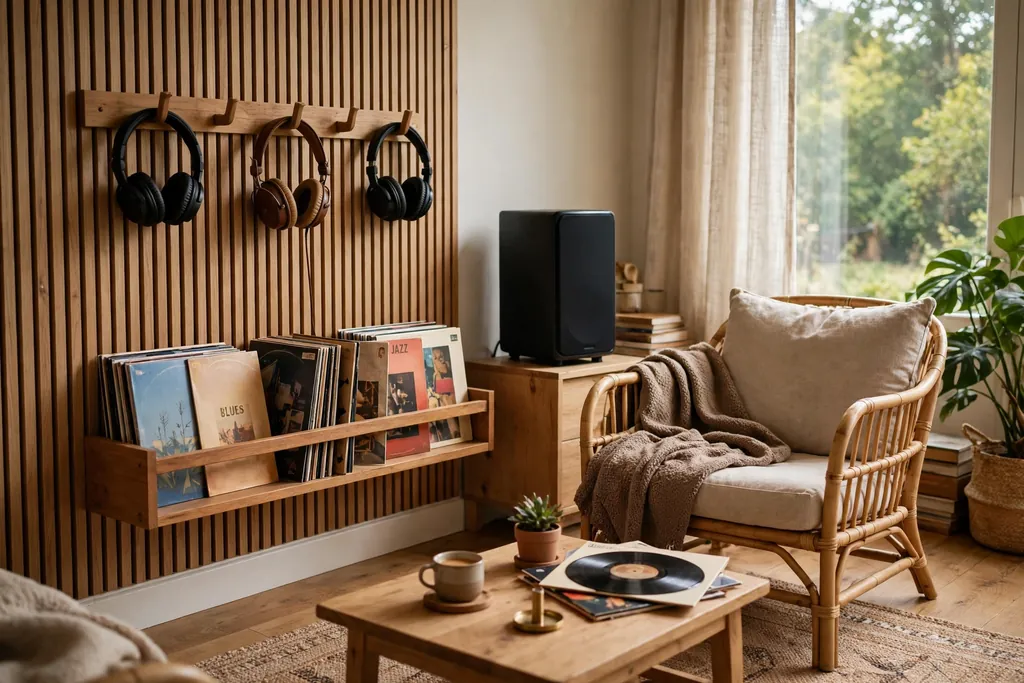
A listening corner with a speaker, two headphones, and a small shelf for records or books gives a couple a shared sound setup without sound filling the whole apartment. Place the speaker where both seats can hear it at low volume, and keep headphones on hooks nearby for times when one person wants quiet.
Agree on volume and quiet hours, especially in a building with thin walls, and use a rug under the corner to soften sound. A shared playlist or a weekly podcast pick turns the corner into a habit, not just equipment. Keep cables tidy with one small box, so the corner stays easy to use rather than a tangle to avoid.
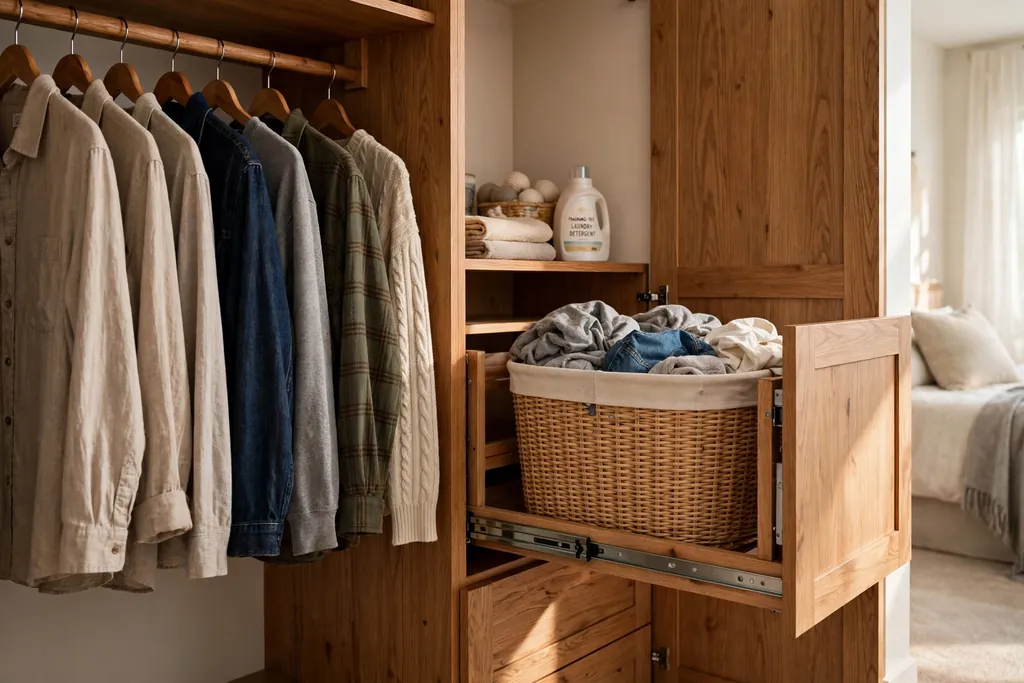
19. Run a Shared Laundry System
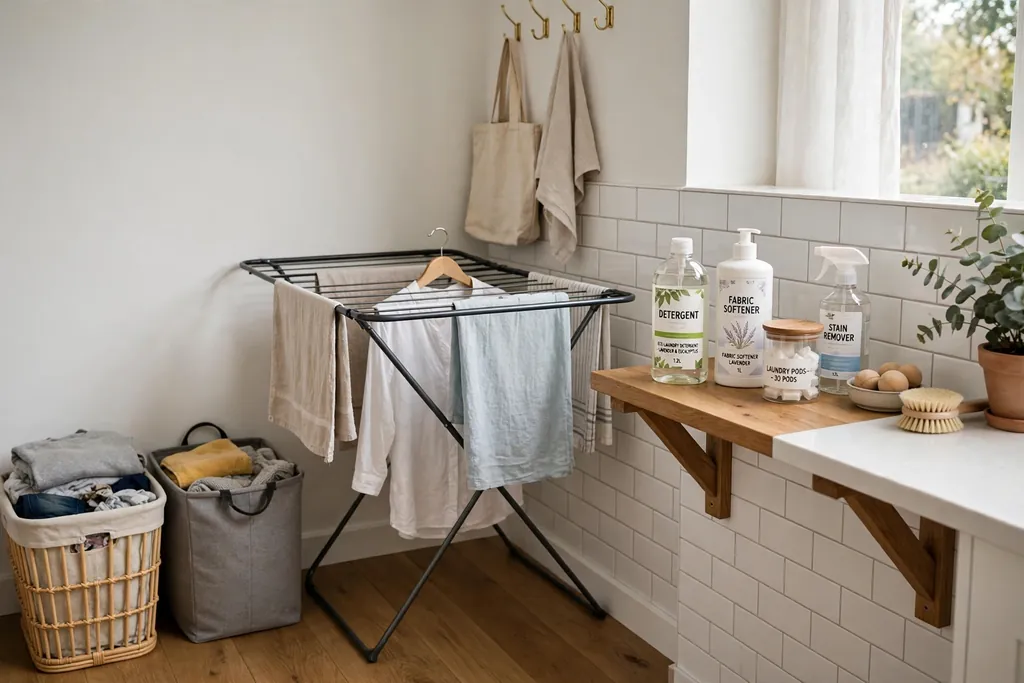
A laundry system with two hampers, one for lights and one for darks, plus a shared drying rack, keeps a couple’s washing fair and visible. Each person sorts their own clothes into the hampers, and washing becomes a shared job on a set day rather than a surprise pile.
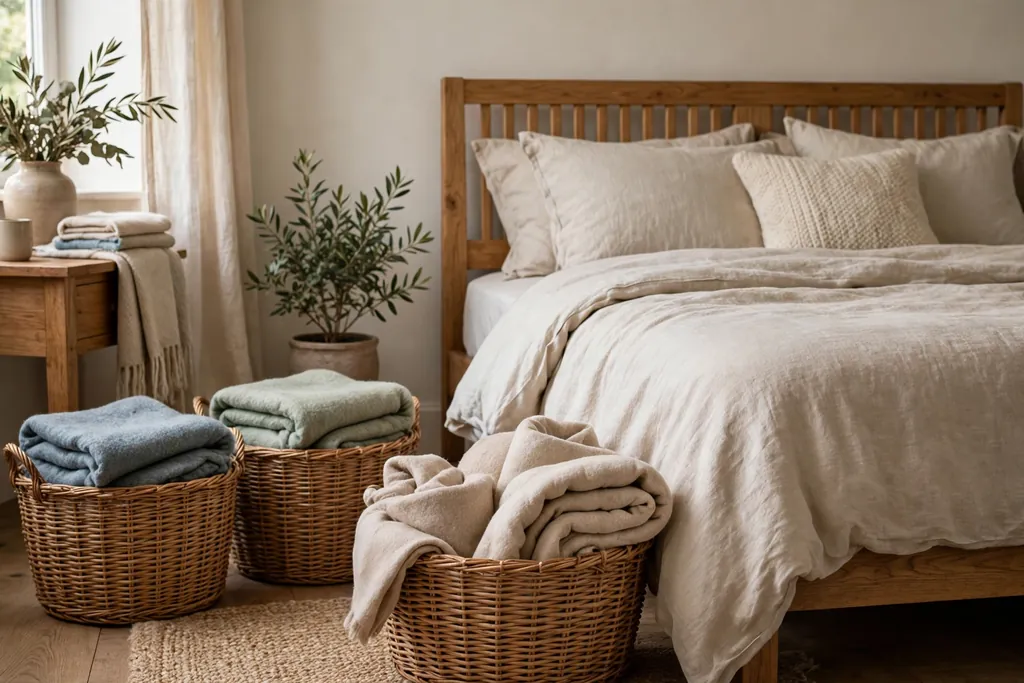
Add a small shelf for detergent and a basket for items that need special care, and keep the drying rack near a window or a ventilated spot. Fold together when the load finishes, since folding is faster with two people and clothes reach drawers sooner. Review the system when seasons change, since heavy winter washing needs more rack space than summer washing.
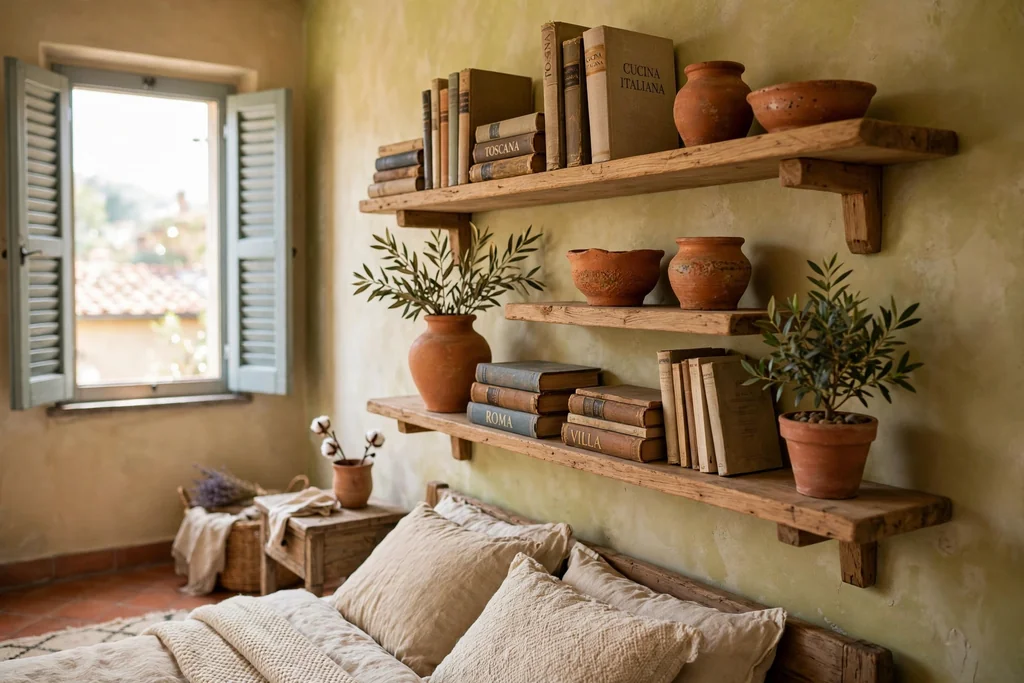
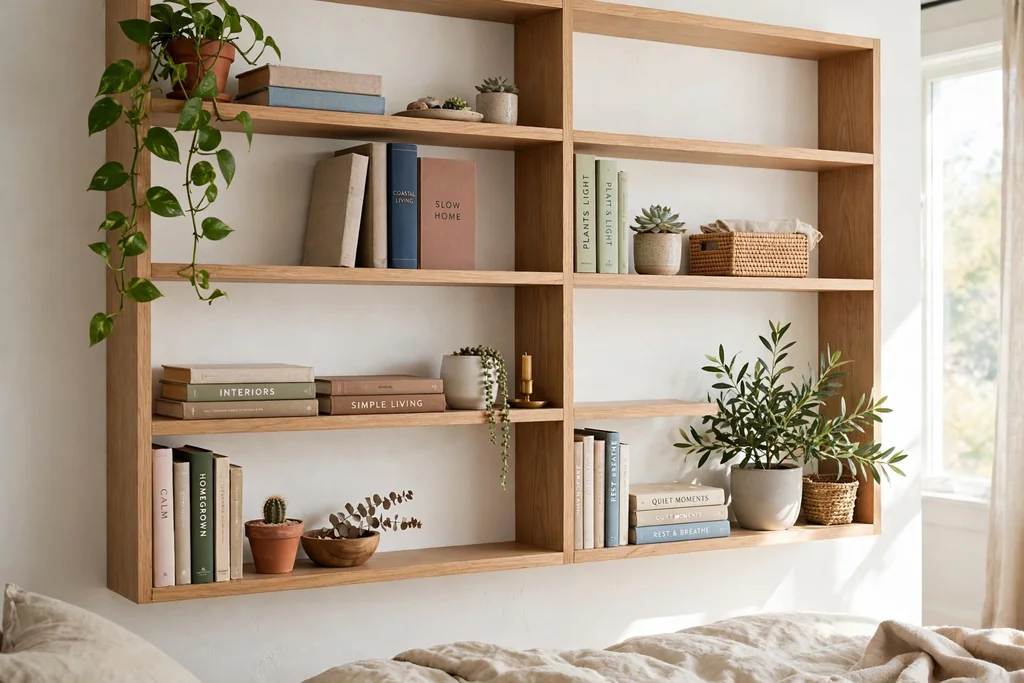
20. Keep a Travel and Memory Shelf
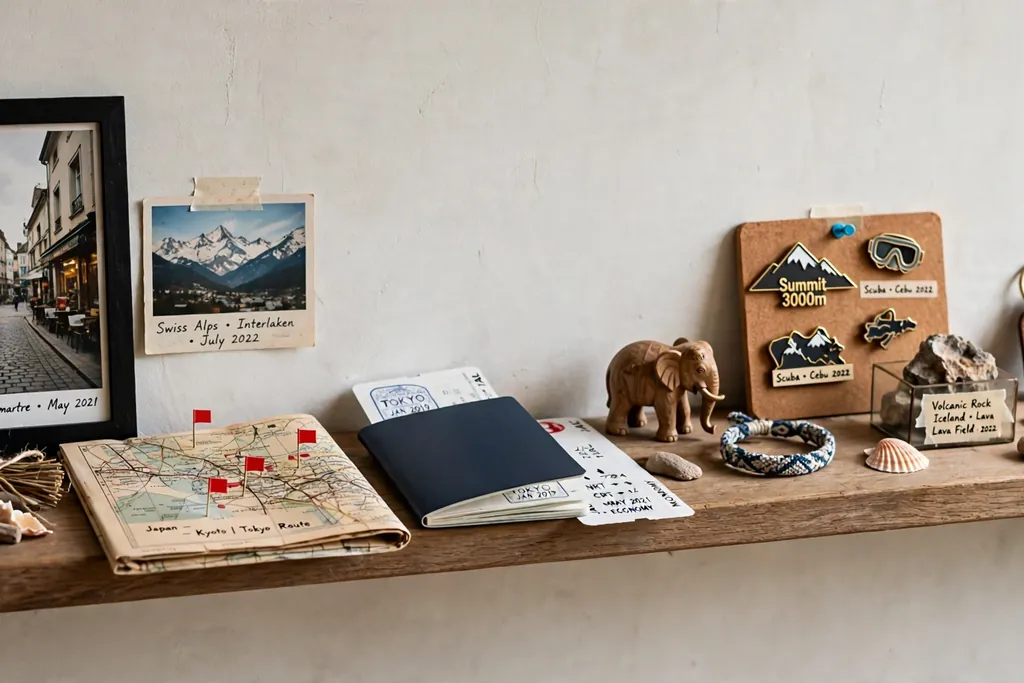
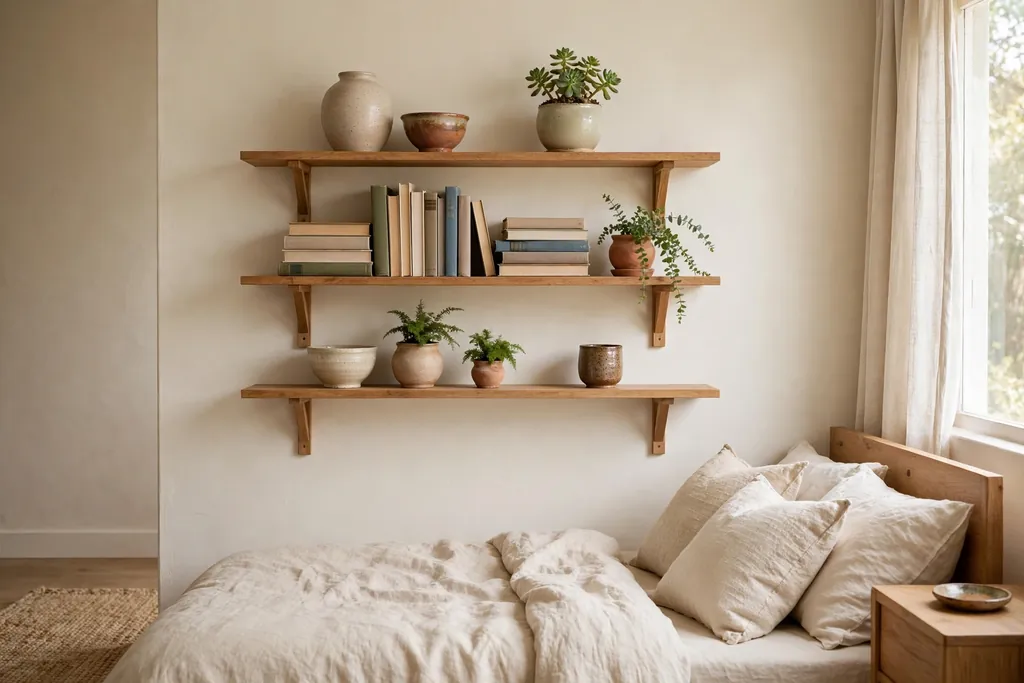
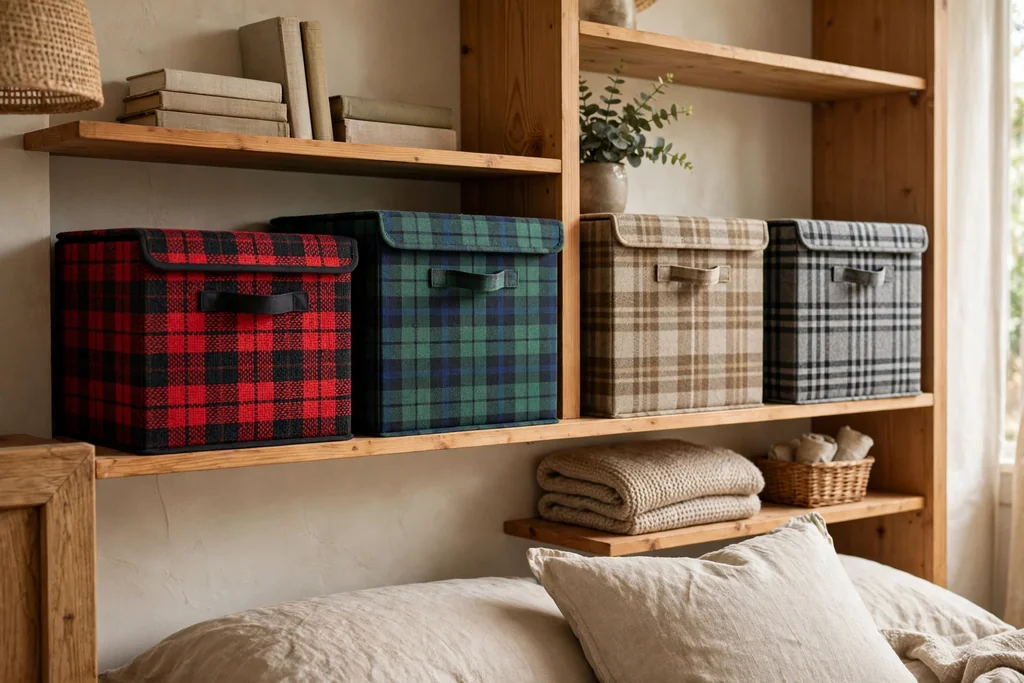
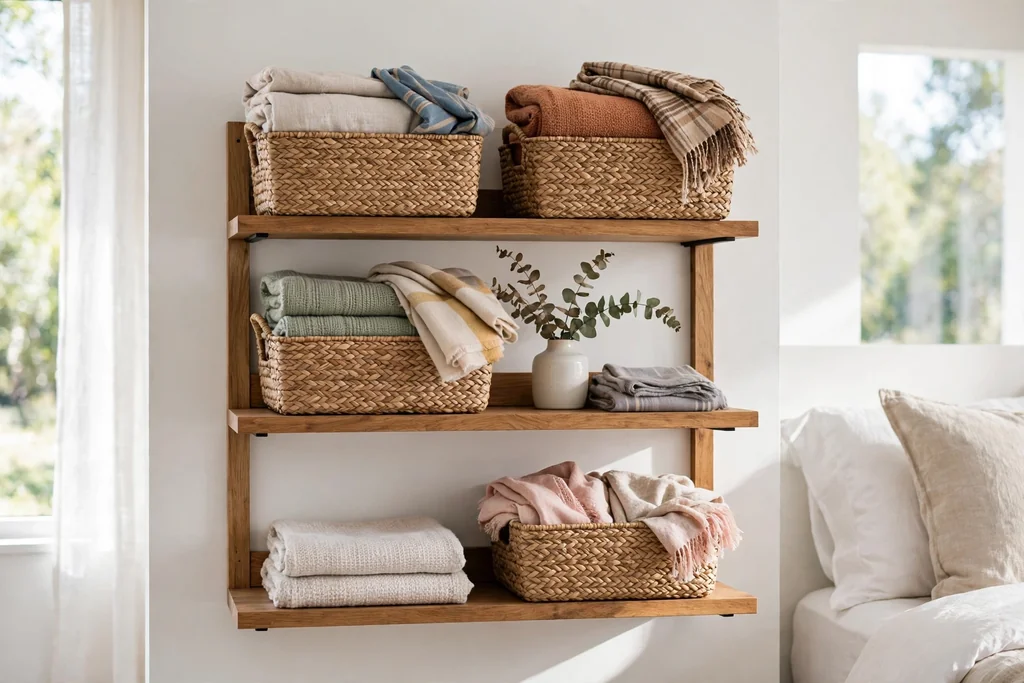
One shelf for travel photos, tickets, small souvenirs, and shared keepsakes gives a couple a place to remember trips and milestones without filling every surface. Each person adds items in turn, and the shelf is edited together once a year, keeping only pieces that still mean something to both people.
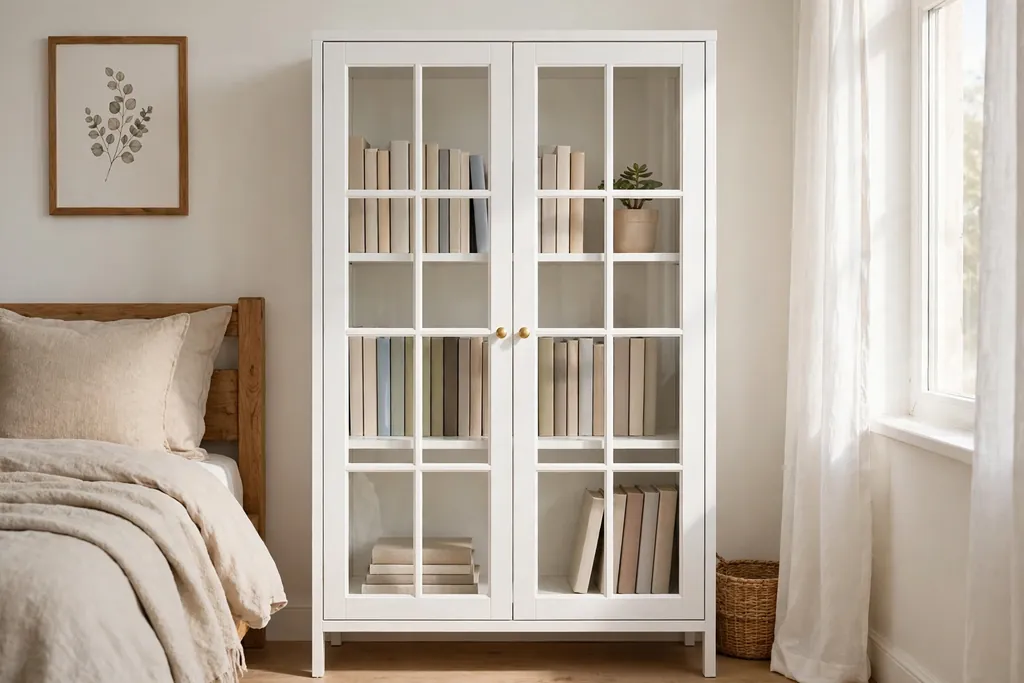
Use small boxes or trays on the shelf for loose items, so the display stays tidy and dusting stays simple. Place the shelf where you both see it daily, such as a hall or living room wall, rather than in a bedroom corner. A single shared shelf honors both histories better than two separate collections competing for wall space.
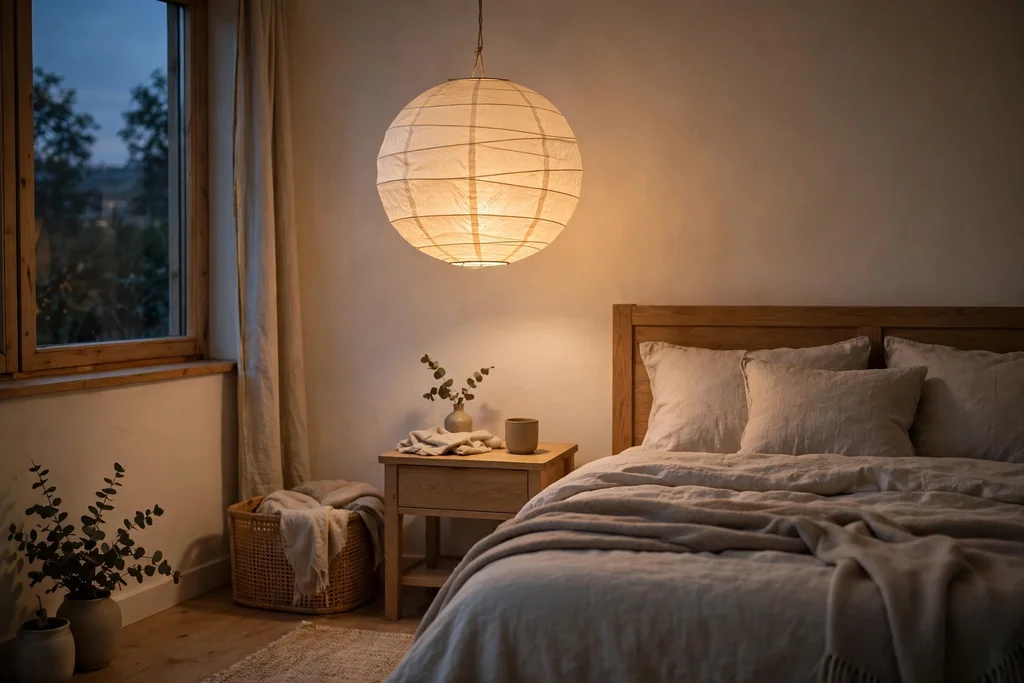
21. Layer Evening Light for Two Routines
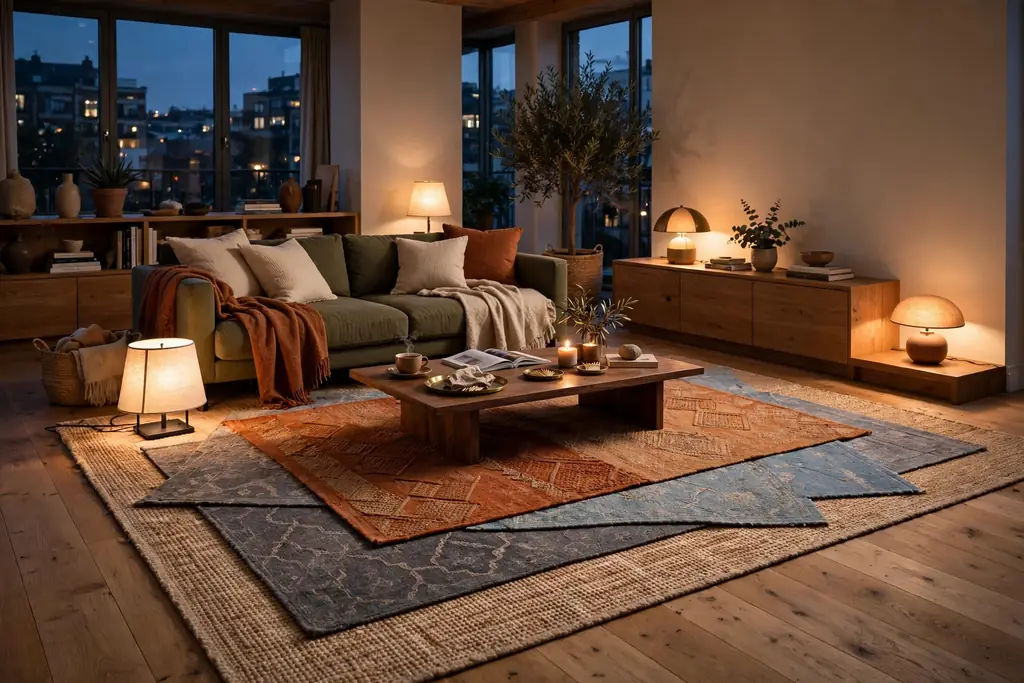
Evening light should serve two routines at once: one person reading and one winding down, or one cooking and one relaxing. Use three levels, a soft ceiling or floor light for the room, a task lamp where one person reads or works, and a low lamp or candle style light near the sofa for the other person.
Put lamps on separate switches or smart plugs, so each person can set their own side without affecting the other. Keep bright overhead light off in the evening when possible, since softer layers help the apartment feel calm after a busy day. Check glare from each seat before settling lamp positions, so neither person sits in a harsh beam.
22. Try a Seasonal Room Swap
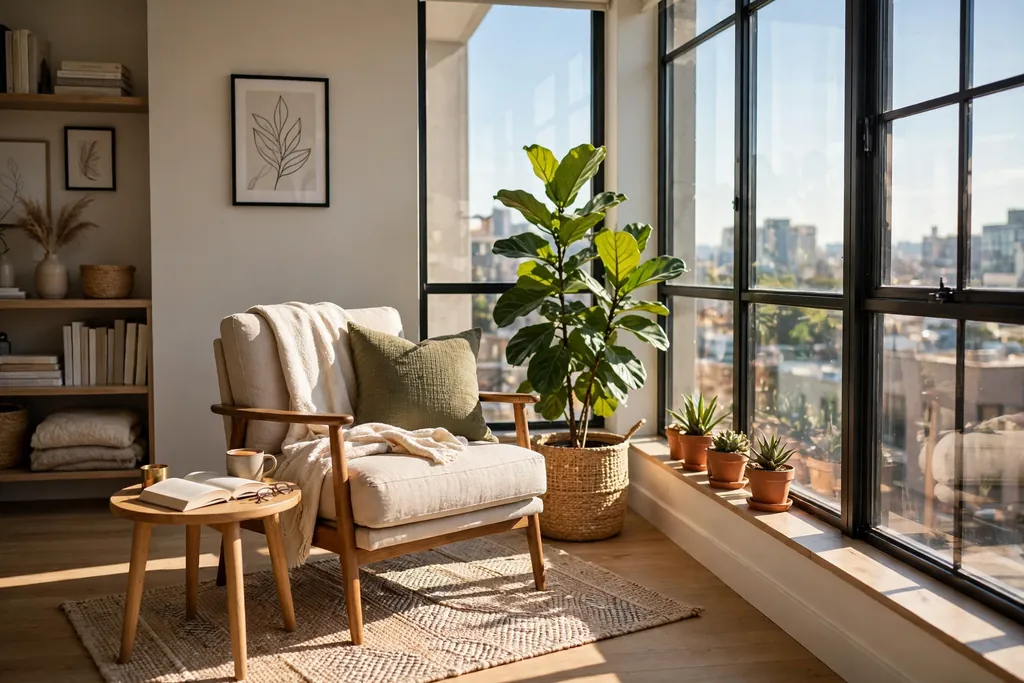
A seasonal swap, where you move one zone or one piece of furniture for a season, keeps a shared apartment fresh without new purchases. Swap the reading corner to the sunny side in winter, move the balcony chairs inside during cold months, or trade closet sections when heavy coats arrive.
Test each swap for a week, and keep only the changes both people prefer, returning the rest to their old spots. Note what worked on the shared calendar, so next year the swap takes minutes. A home that changes a little with the seasons suits two people better than a layout fixed on move in day and never questioned again.
Conclusion
A good apartment for two is not about perfect matching furniture or a larger floor plan. It is about fair splits, clear zones, and routines that let both people feel at home in the same rooms. Start with the shared style board and the entry landing, then add the bedroom, bathroom, and kitchen ideas that remove your most frequent daily friction. Live with each change for a week, keep what both of you like, and adjust the rest together. Save this guide to Pinterest so you can return to the ideas when your next season, guest visit, or move in calls for a fresh arrangement.
FAQs
How can a couple decorate a small apartment without arguing about style?
Start with a shared style board where each person adds five images and you keep only the ones you both accept. Agree on a calm base palette for large pieces, then let each person choose personal touches in their own zone, such as their bedside table or reading chair. Revisit the board when a room feels stuck, and judge new items against it before buying.
How do two people share a small closet fairly?
Divide the closet by person and mark the split visibly with a divider or different hanger colors. Give each person a hanging section, a shelf, and a drawer or basket, and keep shared items such as spare bedding in a separate section. Review the split each season, since coat and knitwear needs change through the year.
What is the best layout for a couple in a studio apartment?
Use zones rather than walls: a rug and sofa back for living, a curtain or open shelf for sleeping, and a small table for dining or work. Keep one calm base color across zones, and give each person a defined personal spot, such as a bedside shelf and a work corner. The studio zoning ideas linked in the introduction show how rugs, dividers, and curtains can mark those zones without blocking light.
How can a couple share a bathroom without clutter?
Give each person a basket for daily items and keep shared soap, towels, and cleaning items in a separate tray. Add a second towel hook or rail if wall space allows, and review both baskets monthly to remove unused products. Counters stay clear when every item has a named home, and the split makes tidying a personal job.
How do couples handle different sleep schedules in one bedroom?
Use separate duvets and pillows in different firmness if warmth or support needs differ, and agree on a bedtime light rule so one reading lamp does not disturb the other person. A white noise machine or headphones can help when one person rises earlier. Test the setup for a week, since small sleep changes often need a few nights to judge fairly.
Can a couple work from home together in a small apartment?
Yes, with side-by-side desks or one long shared desk, separate lamps and power strips, and agreed quiet hours and call rules. A plant or low shelf between the two halves helps focus without building a wall. Keep cables in one channel and clear both desks at the end of the day, so work does not spread into evening living space.