
Cold floors, thin bedding, and light that feels harsh at night can make a bedroom hard to settle into during winter. These 22 winter bedroom ideas focus on the bed first, then windows, floors, lighting, and the small routines that help a room feel ready for sleep. Start with one or two changes near the bed, notice how the room feels for a few nights, and add more only where you still feel a draft or a chill. For a calmer base before you add seasonal layers, see these calm bedroom decor ideas.
Key Takeaways
- Layer the bed in stages, with sheets, a duvet, and a folded throw, so you can adjust warmth during the night.
- Fix the cold spots you feel first: bare floors beside the bed, thin curtains, and drafts under the door.
- Use warm, low bedside lighting and keep bright overhead light for tasks, not for the last hour of the evening.
- Add texture in a few linked places, such as a rug, a textile above the bed, and one plaid or woven accent.
- Keep nighttime items close and clutter contained, so the room stays calm as well as warm.
1. Start With Flannel Sheets

Flannel or brushed cotton sheets feel warm on first contact, unlike smooth cotton that can feel cold when you get into bed. Choose a fitted sheet, flat sheet, and pillowcases in the same set so the bed looks calm rather than mixed. Wash and dry them before the first use and check that the fitted corners still grip a thicker winter mattress topper. If you sleep warm, use flannel only on the fitted sheet and keep a lighter top sheet.
2. Layer Two Light Duvets Instead of One Heavy One

Two light duvets or quilts give you control that one very thick cover does not. Lay the first layer flat, then fold the second back at the top so its edge is easy to reach during the night. This suits couples who prefer different warmth levels, because one side can hold an extra fold. Use duvet clips or ties inside the covers to stop the inserts from bunching in one corner.
3. Fold a Wool Throw at the Foot of the Bed
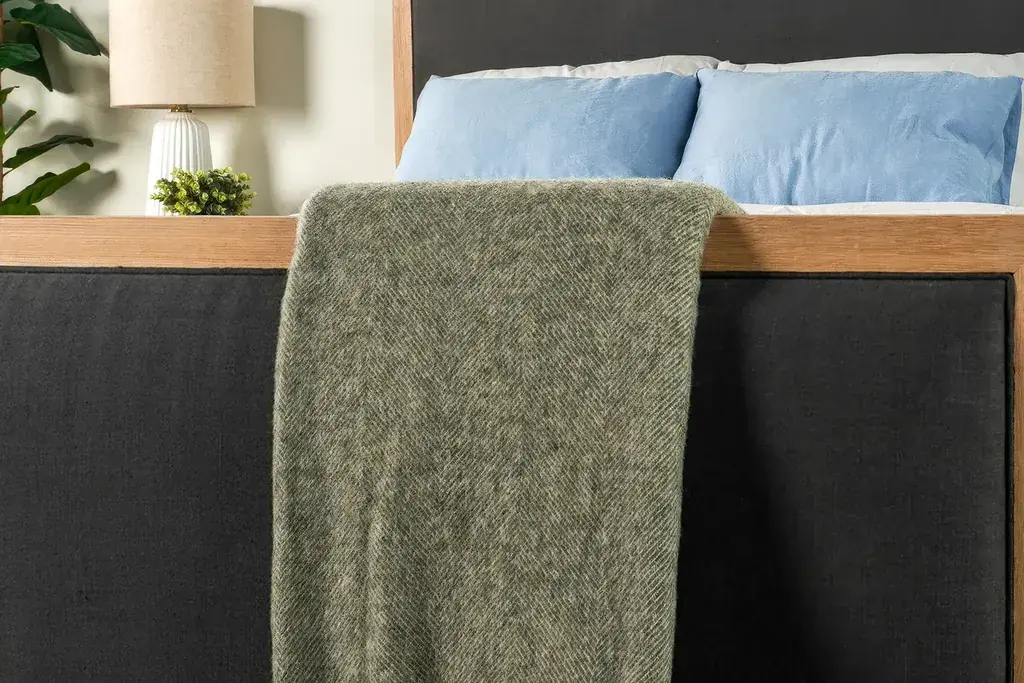
A wool or wool blend throw across the foot of the bed adds warmth exactly where feet often feel cold, and it is easy to pull up or push down. Fold it into a wide band so the texture and edge are visible, and keep the color close to the bedding for a quiet look. Check the care label before washing, because many wool throws need gentle handling. A cotton throw is a simpler care option for a guest room.
4. Keep an Extra Blanket in a Basket Within Reach

A lidded or open basket beside the bed or under a bench holds a spare blanket without leaving it in a heap on the floor. Roll the blanket so it lifts out in one motion, and leave enough space in the basket for air to circulate. This works well in a small room where a second chair would block a walkway. Choose a basket with no sharp edges, and keep it clear of a radiator or heater vent.
5. Add a Padded Layer to the Headboard
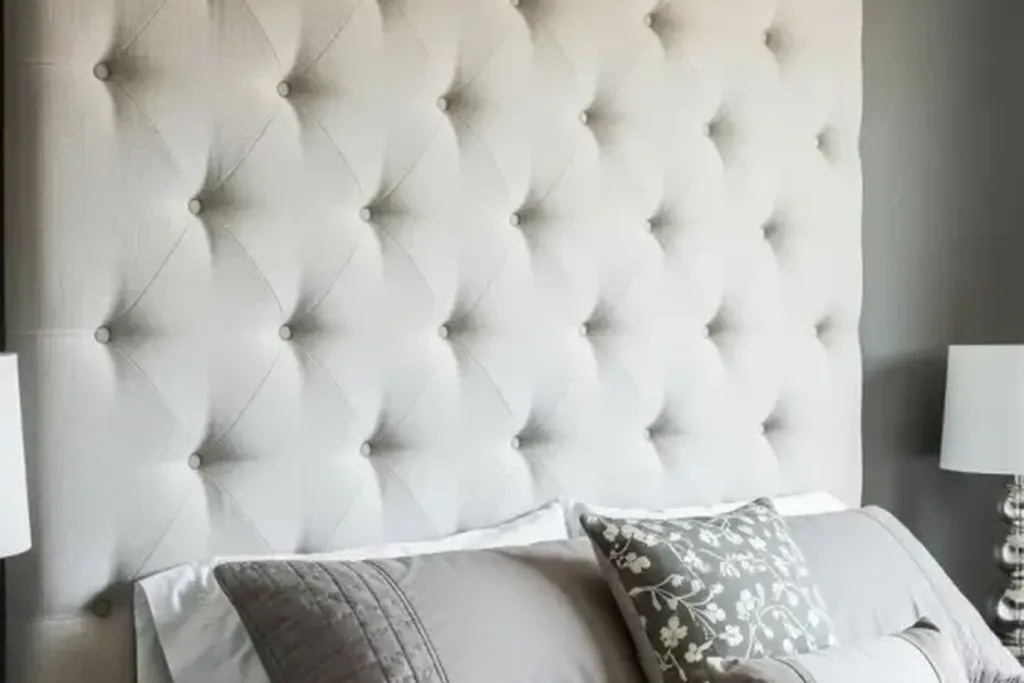
An upholstered headboard, a long cushion, or a padded panel softens the cold feel of a wall behind pillows and makes sitting up to read more comfortable. Measure the width of the bed before you buy or make a cushion, and leave the wall fixings accessible. Renters can lean a firm, covered cushion against the headboard instead of drilling. Keep the cover removable if possible, because the area behind pillows collects dust quickly.
6. Fold a Quilt Across the Middle of the Bed
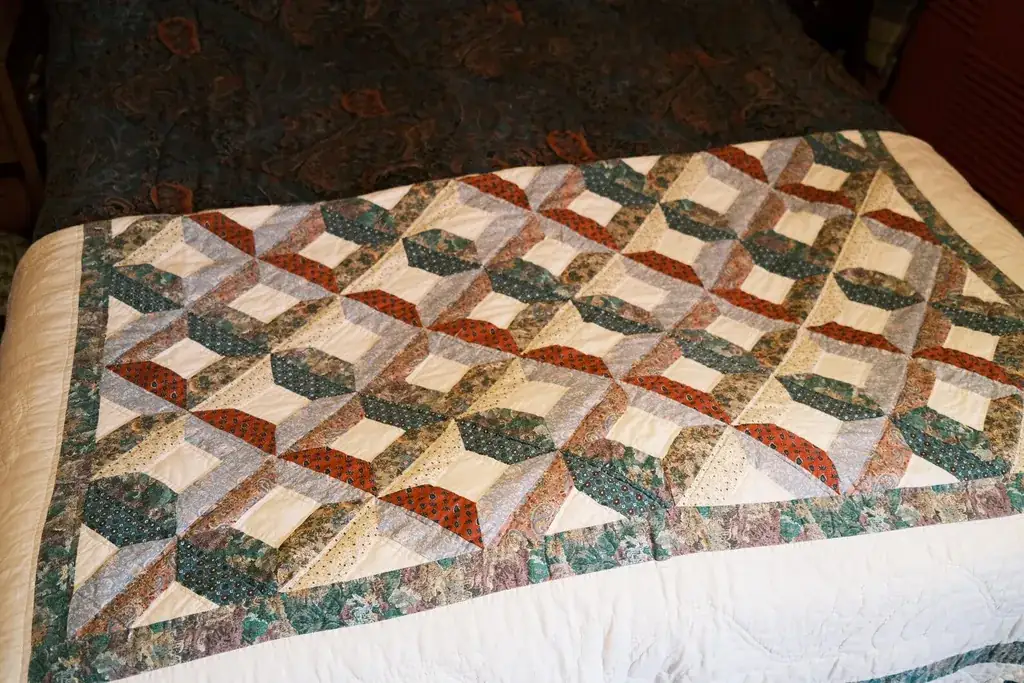
A folded quilt laid across the center of the bed adds a clear horizontal layer, a change of pattern, and extra weight over hips and legs. Use a quilt you already own before buying a new one, and let its colors guide one smaller accent in the room. Smooth it flat each morning so the fold stays crisp. If a quilt feels too warm over a duvet, lay it over the foot third of the bed instead.
7. Hang Lined Curtains and Close Them at Dusk

Lined or heavier curtains help a window area feel less cold at night and give the room a finished edge around the glass. Hang them so the panels meet in the middle without a gap, and open them fully during the day for light. The U.S. Department of Energy notes options for sealing drafty windows and using insulating drapes as part of winter weather preparation. Keep curtain fabric clear of radiators and portable heaters.
8. Block the Draft Under the Bedroom Door
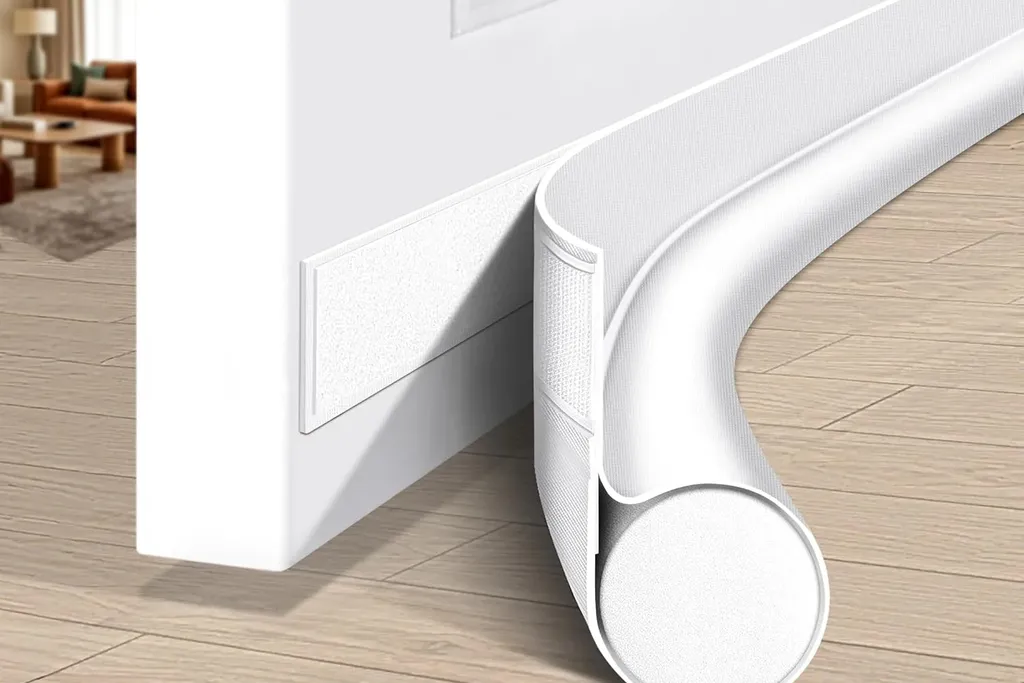
A removable draft stopper along the bottom of the bedroom door can reduce the stream of cooler air that crosses the floor at night. Measure the full door width, choose a stopper that slides or rests in place, and test that the door still opens freely. This is a low cost first step for older homes and rentals. If the gap is large or the door does not close well, a stopper is only a short term fix until the door is adjusted.
9. Switch Bedside Light to Warm, Low Lamps
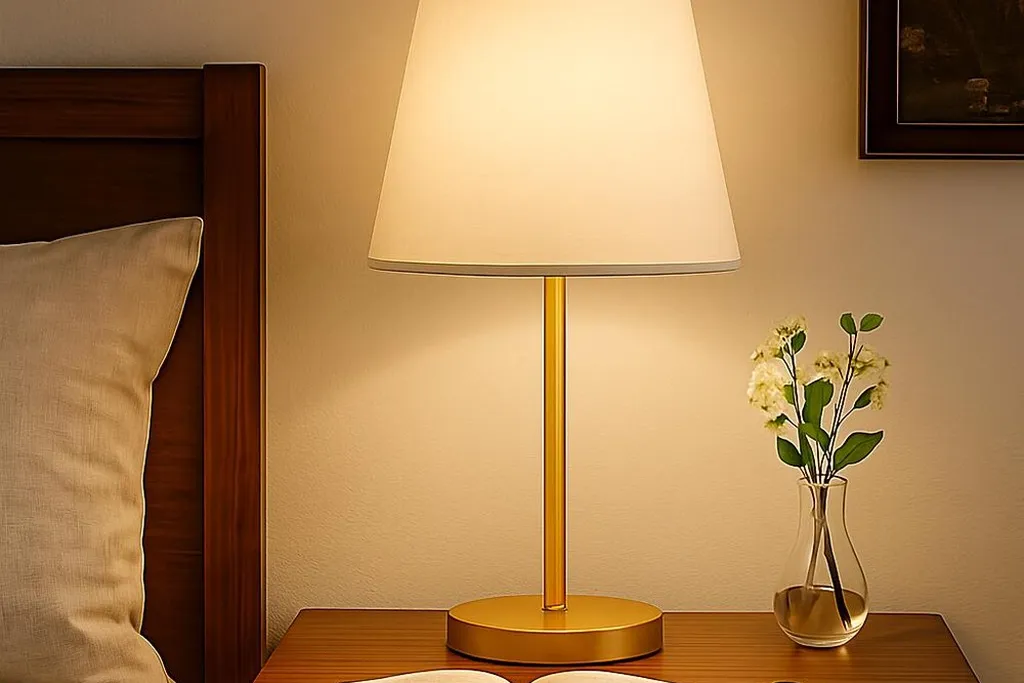
A low bedside lamp with a fabric shade spreads softer light than a bright ceiling light, which helps the room feel settled before sleep. Place one lamp within easy reach of the bed and use the overhead light only for dressing or cleaning. Keep the bulb and shade type consistent on both sides if you have two tables. If space is tight, a wall lamp frees the nightstand, but check that wiring or plug access works before you commit.
10. Put a Soft Rug on Each Side of the Bed

Narrow runners or matching rugs on both sides of the bed give you a warm first step in the morning and frame the bed without covering the whole floor. Leave a small gap between the rug edge and the nightstand so the rug lies flat. Choose a low pile that doors and drawers can clear. In a single room, one runner on the side you use most is enough, and it costs less to clean.
11. Layer a Larger Rug Under the Lower Half of the Bed

Placing a larger rug under the lower half of the bed anchors the room and covers more cold floor where you stand to dress. Pull the rug far enough forward that your feet land on it when you sit on the edge of the bed. A flat woven base rug with a softer top rug near the bed can balance care and comfort. Use a rug pad to reduce slipping, and check that the added height does not catch the bedroom door.
12. Hang a Quilt or Woven Textile Behind the Bed

A quilt, woven hanging, or large textile panel above the headboard adds color and texture to a large bare wall and softens sound a little in a plain room. Center it on the bed, hang it high enough to clear pillows, and use a proper rail or clips rated for its weight. This is a useful place for a family quilt that is too delicate for daily bed use. Avoid heavy framed pieces directly above pillows where fixings could fail.
13. Use Plaid in One Place Only

Plaid reads as winter fabric quickly, so one cushion, one throw, or one folded blanket is usually enough to set the season without filling the room with pattern. Pick up two colors from the plaid for plain pillowcases or a curtain tieback, and leave the rest of the bedding simple. This controlled dose suits both modern and traditional rooms. If your quilt or rug already has a strong pattern, skip plaid and use a plain woven texture instead.
14. Bring Warm Wood Tones to the Nightstand

A small wooden tray, box, or book stand on the nightstand warms up a white or painted table and keeps glasses, a book, and lip balm in one place. Choose one wood piece per table so the surface does not look crowded. Wipe the tray weekly, because nightstands gather dust near bedding. Bamboo or a warm toned woven basket gives a similar visual effect if you do not want to replace furniture.
15. Create a Small Reading Corner With a Chair and Lamp
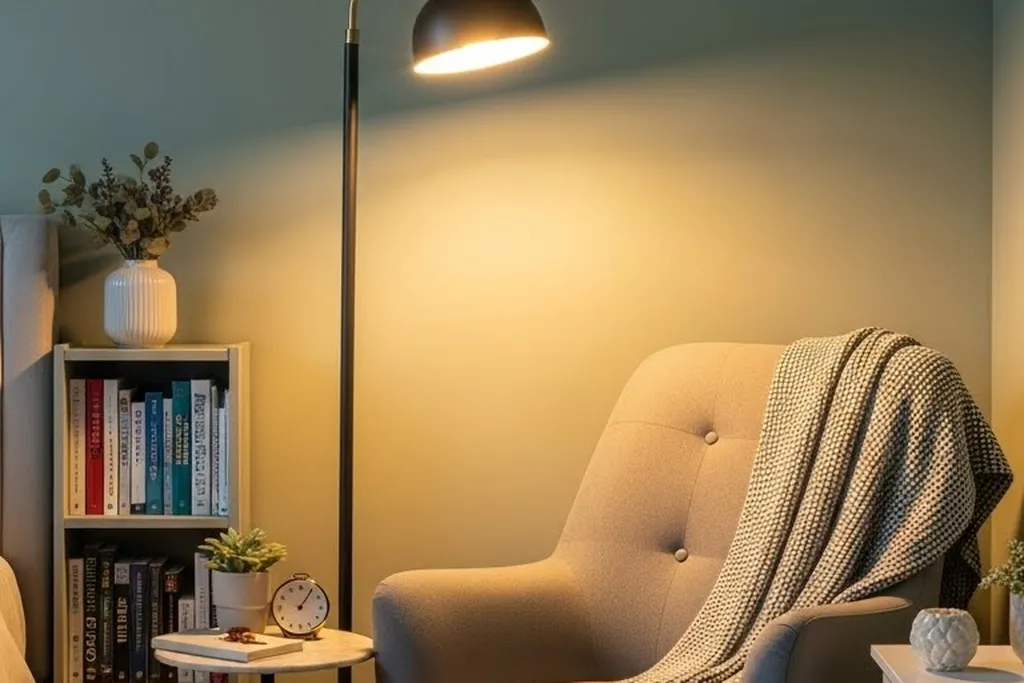
A single chair with a cushion, a throw over one arm, and a floor lamp makes a clear place to read that is not the bed. Angle the chair toward the light, leave a small surface for a cup or book, and keep the route to the bed clear. This corner gives a shared room a second seat for dressing or quiet time. In a very small bedroom, use a padded stool and a wall lamp instead of a full chair.
16. Add a Bench or Low Ottoman at the Foot of the Bed

A bench gives you a place to sit while dressing, lay out clothes for the morning, and hold folded blankets during the day. Measure the walkway at the foot of the bed first, and choose a depth that leaves a clear path to the door. A bench with a shelf below can hold the blanket basket from Idea 4. If the room is narrow, a low ottoman at one side of the foot takes less visual space.
17. Add Pine or Cedar Branches in a Sturdy Vase

A few cut pine, cedar, or other seasonal branches in a heavy vase on a dresser bring winter shape and scent without a full display. Trim the stems, use fresh water if the branch type needs it, and set the vase away from bedding and heat sources. Keep the arrangement simple, with space around it so the dresser still works for daily items. If scent bothers you or a household member, use bare branches or dried stems with no added fragrance.
18. Keep a Robe and Slippers on Hooks by the Bed

Wall hooks or an over door hook near the bed hold a robe and a small slipper mat where you can reach them as soon as you stand up. This small routine removes the cold pause between leaving the bed and getting dressed. Use hooks that fit the door or wall type in your home, and do not overload a lightweight over door hook. In a rental, a freestanding coat stand in a corner does the same job without fixings.
19. Set a Warm Drink Tray on the Dresser, Not on the Bed
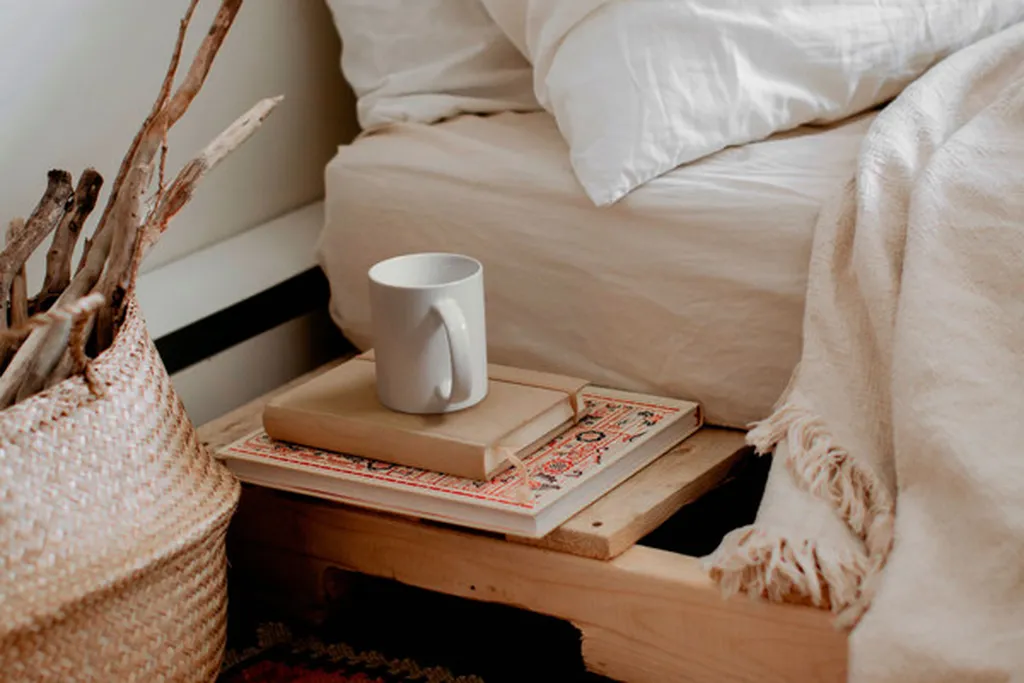
A tray on the dresser or a stable side table holds a mug, a book, and a small carafe for an evening routine without risking spills on winter bedding. Choose a tray with raised edges, keep it away from the edge of the furniture, and carry drinks with two hands in a dim room. This suits a main bedroom where you read before sleep. Skip hot drinks on a tray if young children share the space at night.
20. Swap Small Accents to a Calm, Warm Color Palette

Changing only pillow covers, a throw, and one art print to warm white, soft brown, muted red, or deep green can shift the room for winter without repainting. Lay the new covers next to your rug and curtains in daylight before you decide, because warm colors change under evening light. Keep the base bedding neutral so the same set works in spring. These seasonal layers pair well with the approach in these simple cozy fall decor ideas, adjusted for colder nights.
21. Cover a Bare Dresser Top With a Runner
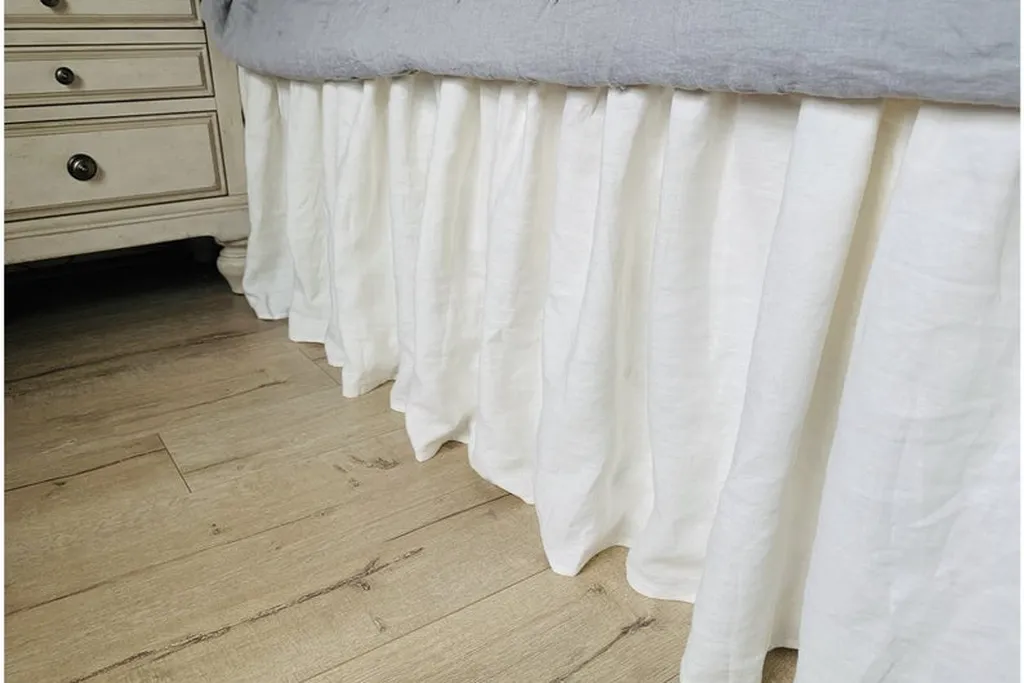
A fabric runner across a dresser or chest softens a hard surface, protects it from watch and jewelry scratches, and links the dresser to the bedding colors. Choose a runner that stops short of the drawer handles and does not hang where drawers will catch it. Leave clear zones for daily items instead of covering the whole top with decor. A washable runner is the practical choice if you keep hand cream or perfume on the dresser.
22. Contain Nighttime Clutter in Closed Storage
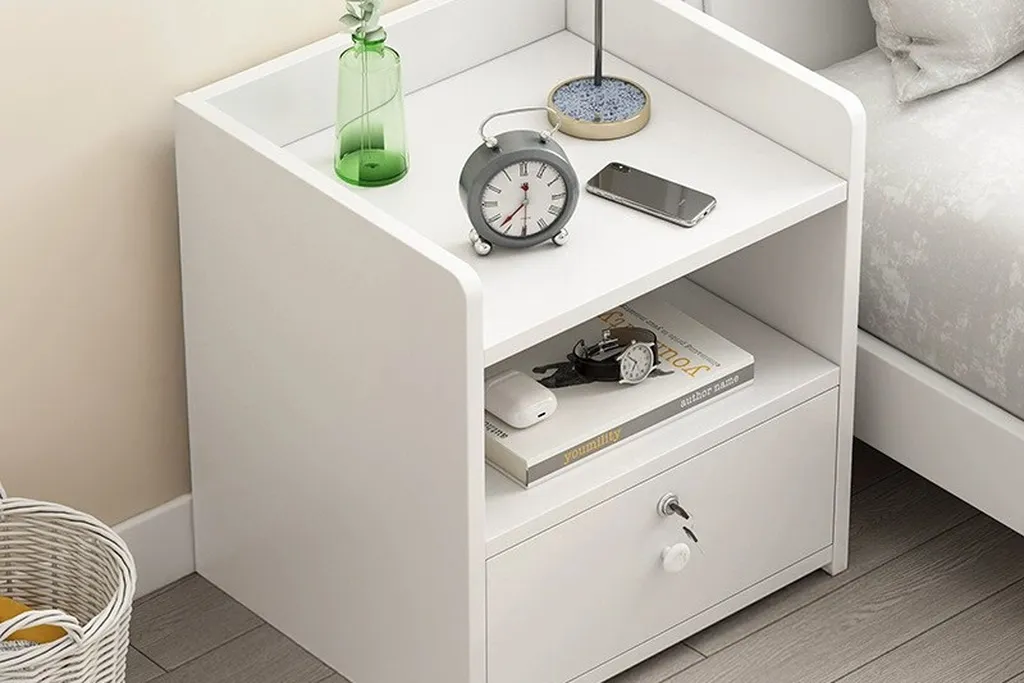
Closed boxes, a lidded basket, or a drawer divider for chargers, books, and small items helps the room look settled at night, which makes the warm layers you added easier to notice. Give each nightstand one container only, and return items to it as part of your evening routine. Keep medicine and other personal items in the storage that is safest for your household, not in open display baskets. For shared warmth beyond the bedroom, compare these winter living room ideas.
Conclusion
A warmer winter bedroom usually comes from a few linked changes, not from replacing everything at once. Start with the bed, with flannel sheets, adjustable duvet layers, and a throw you can move during the night. Then fix the cold floor beside the bed, close lined curtains at dusk, and soften the light. Add one textile on the wall, one seasonal accent, and closed storage for small items, and the room should feel more settled. For the room you use right after a morning shower, see these winter bathroom decor ideas. If you gather near a fire in the evening, these fireplace seating ideas may help too.
Save this list on Pinterest for the next cold weekend, and work through it one area at a time: bed, windows and floor, then light and small routines.
FAQs
What is the easiest winter bedroom idea to try first?
Change the sheets and add one adjustable layer to the bed. Flannel or brushed cotton sheets change how the bed feels right away, and a folded throw at the foot lets you add or remove warmth without remaking the whole bed. It is low cost, reversible, and shows you whether the bed or the room itself is the main source of cold.
How can I make a drafty bedroom feel warmer without remodeling?
Close lined curtains at dusk, add a removable draft stopper at the door, and place rugs where you stand beside the bed. Check window latches and gaps, because a window that is not fully closed can let in more cold air than you expect. These steps do not fix a faulty window or heating system, so arrange a proper repair if drafts, damp, or very low temperatures continue.
What bedding is best for winter if I sleep warm?
Use layers you can separate. A breathable sheet, one light duvet, and a folded throw give you three levels of warmth instead of one fixed heavy cover. Avoid piling every layer on at bedtime. Start with less, keep the throw within reach, and add it only if you wake cold. Fabric choice is personal, so test one change for several nights before buying a full new bedding set.
How do I add winter color without making the bedroom feel dark?
Keep the largest areas light, such as the duvet cover and curtains, and add deeper color in small places: one plaid cushion, a quilt fold, branches in a vase, or a print. Check the colors in daylight and under your bedside lamp, because warm evening light can make muted shades look richer. One or two linked accents are easier to live with than a full room of dark fabric.
Can renters use these winter bedroom ideas?
Yes, most of them need no fixed changes. Layer bedding, add rugs with a pad, use a freestanding reading chair, place a draft stopper that rests in position, and hang textiles only with approved removable fixings that suit the wall. Check your lease before drilling, adding film to windows, or changing curtains. Keep receipts and original fittings if you swap any hardware, so you can restore the room later.
How many rugs does a winter bedroom need?
Many rooms need only one well placed rug. Put it under the lower half of the bed or beside the side you use most, so your feet meet a warm surface first. A second runner helps in a larger room or on the partner side of the bed. More rugs are not always better, because edges can curl, doors can catch, and cleaning takes longer.