Author: Clara Bennett

  • 13 Fall Bedroom Decor Ideas to Make Your Next Refresh Easier

    13 Fall Bedroom Decor Ideas to Make Your Next Refresh Easier

    A fall bedroom refresh does not need new furniture or a full weekend of work. Most of the change comes from the bed, the nightstand, and the light, and each of these 13 fall bedroom decor ideas can be done one at a time with pieces you can store and reuse next year. Start with bedding color and one extra layer, then work through texture, surfaces, and evening light in any order that suits your room. If you want the same seasonal approach for shared rooms first, begin with these simple cozy fall decor ideas and bring the colors back here.

    Key Takeaways

    • Change the bed first: a fall color swap on bedding plus one plaid throw gives the biggest visual shift for the least effort.
    • Work in layers you can adjust, such as a quilt over the duvet and a basket of spare blankets, because fall nights vary.
    • Add texture in a few linked places, such as velvet cushions, a warm toned rug, and dried grasses on the dresser.
    • Keep surfaces mostly clear and group small seasonal items, such as mini pumpkins, in one or two spots only.
    • Use warm, low evening light and heavier curtains to help the room feel settled earlier as days get shorter.

    1. Start With a Fall Color Swap on the Bed
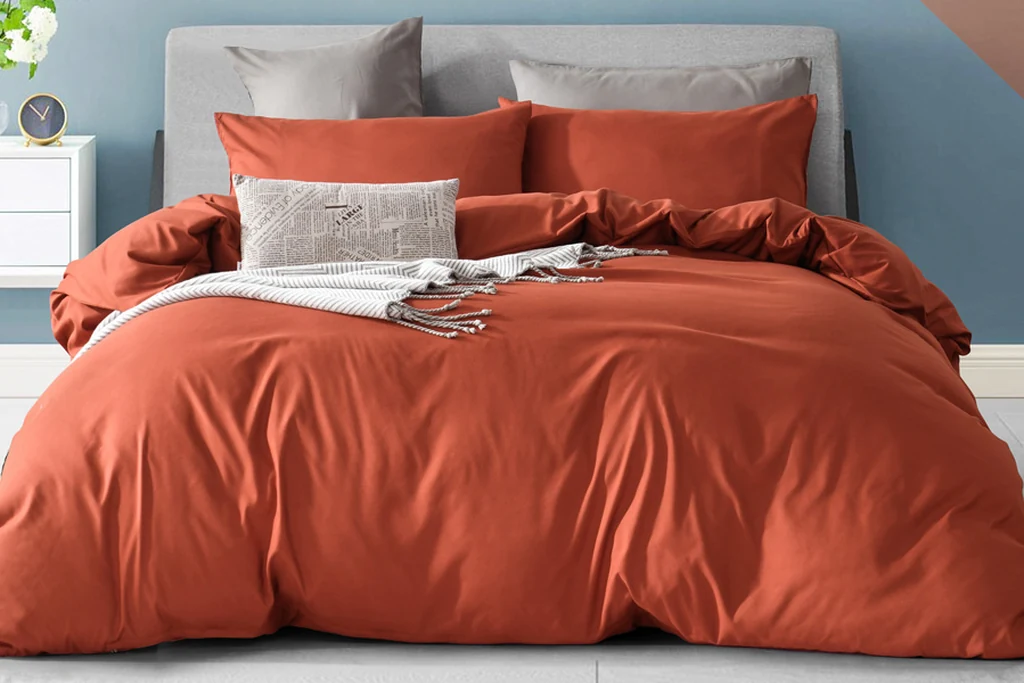
    Bed made with a rust orange duvet cover set and matching pillows.

    Swap your usual duvet cover or top blanket for one in a fall tone such as rust, mustard, olive, warm brown, or deep cream, and keep the sheets plain so the bed does not look busy. Repeating that one color in a cushion or a folded blanket makes the change look planned rather than random. If you prefer a calm base year round, follow the approach in these calm bedroom decor ideas and add the fall color only in the top layer. Wash the summer cover before you store it, so the next swap is just as easy.

    2. Fold a Plaid Throw Across the Foot of the Bed

    Folded plaid blanket in black and cream checks on a bed.

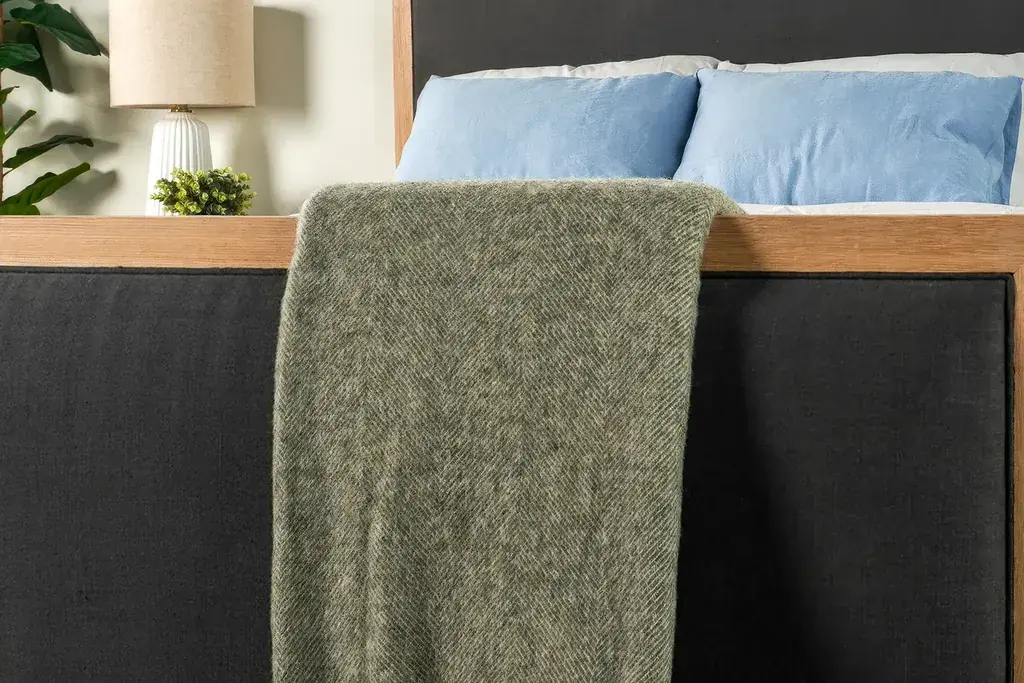
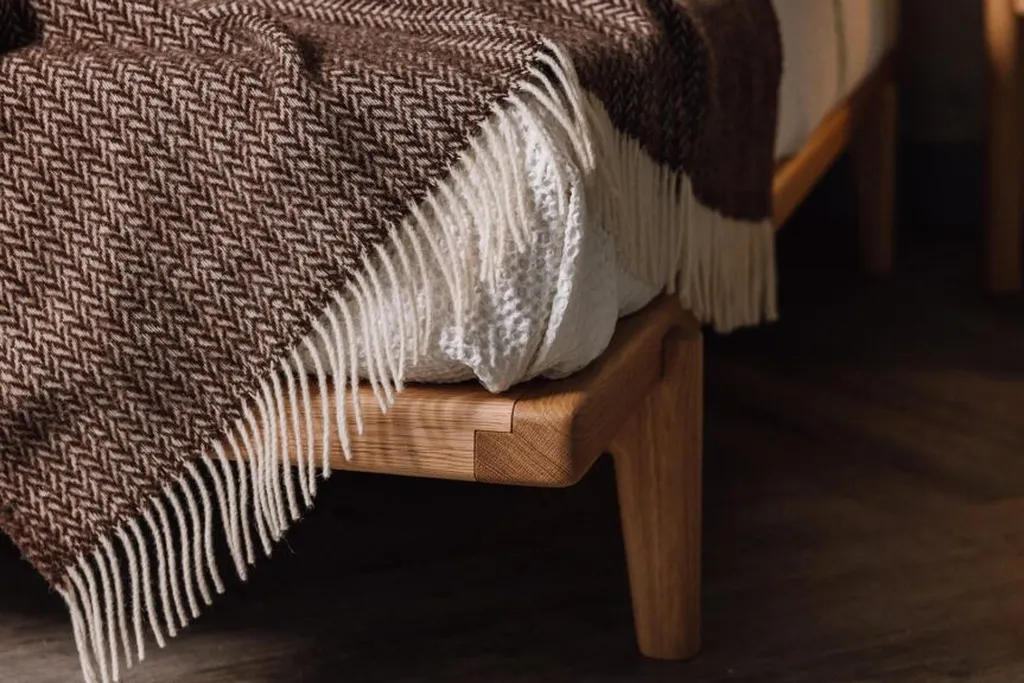
    A plaid throw folded in a wide band across the foot of the bed is the fastest way to signal fall, because the check pattern reads as seasonal without any novelty print. Choose colors that already appear in your room, such as cream, rust, and charcoal, so the throw links the bed to the rug and curtains. Keep the fold neat and the ends even, and shake the throw out weekly. For more ways to use checks on bedding, curtains, and accents, see these plaid bedroom ideas. A lightweight cotton plaid also works if wool feels too warm early in the season.

    3. Layer a Quilt or Lightweight Coverlet Over the Duvet
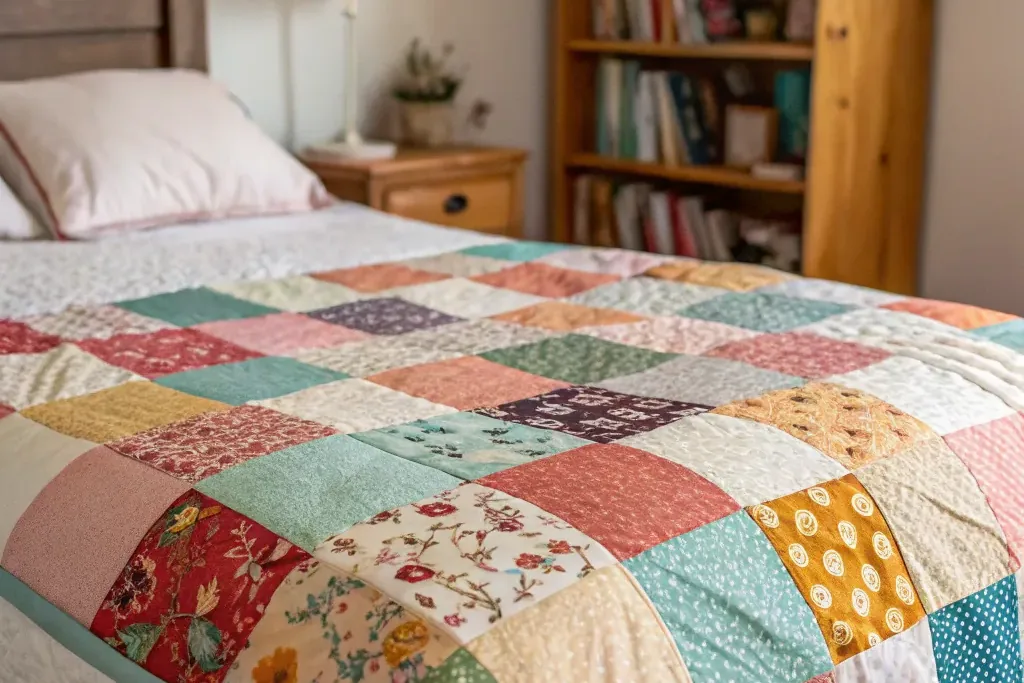
    Patchwork quilt spread over a bed in a bedroom with a bookshelf.

    Fall nights swing between mild and cold, so one adjustable layer helps more than a single heavy cover. Lay a quilt or lightweight coverlet over the lower two thirds of the duvet, folded back at the top so it is easy to pull up or push aside during the night. A quilt you already own is the cheapest starting point, and its colors can set the palette for the rest of the room. Smooth the fold each morning so the bed still looks tidy. If you sleep warm, keep the layer on your partner side only or move it to the foot of the bed.

    4. Mix Velvet and Knit Cushions in Fall Tones

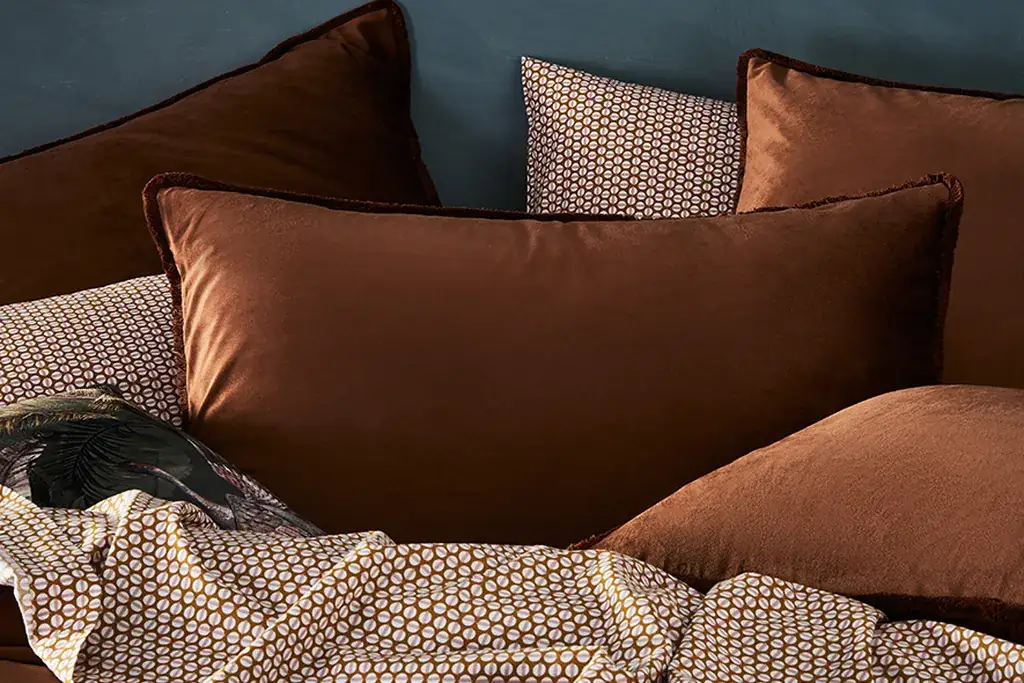
    Velvet and patterned cushions in deep tones arranged on a bed.

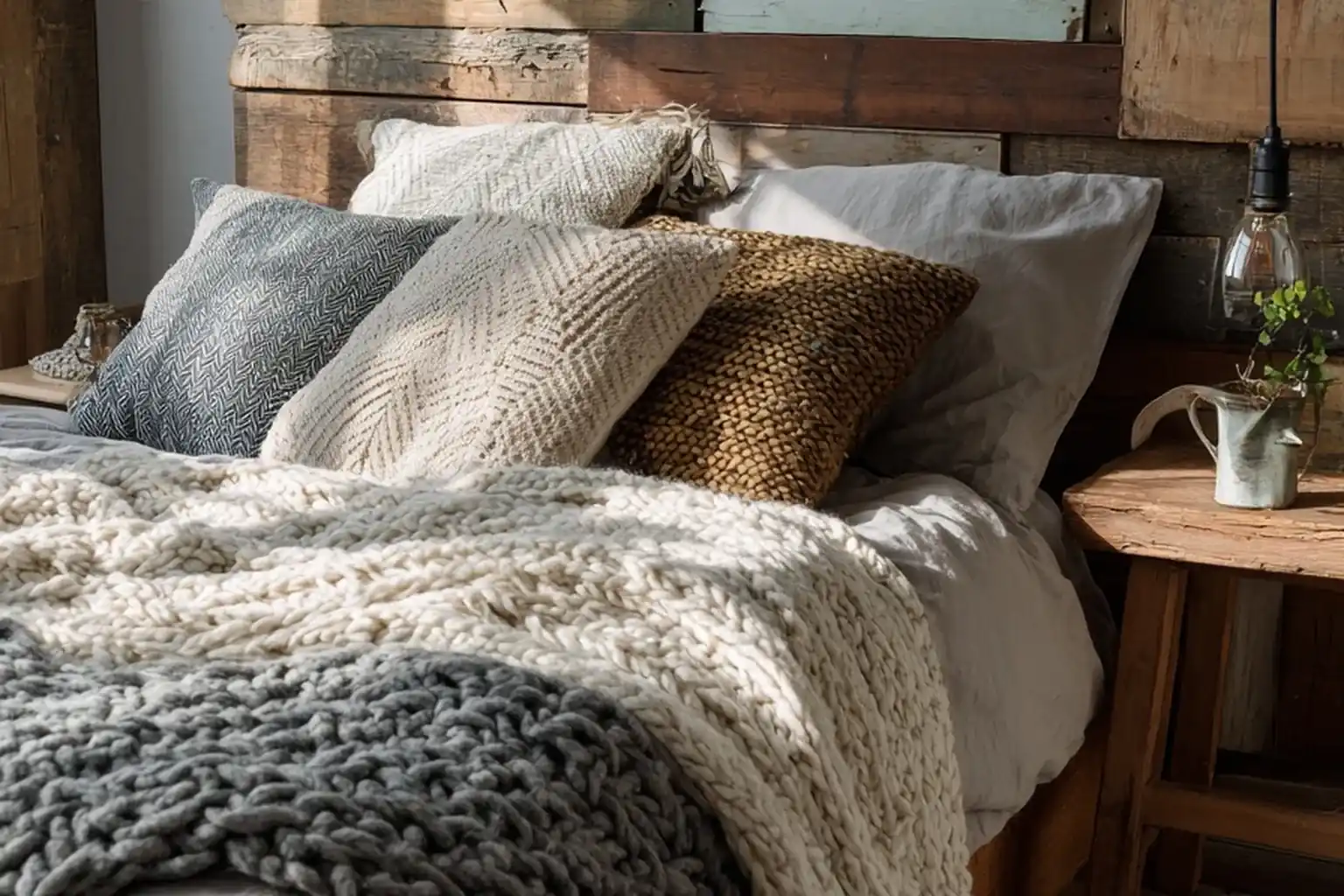
    Two or three cushions in mixed textures, such as one velvet, one knit, and one plain linen, give the bed depth without a pile of pattern. Keep all three inside the same fall palette, for example rust, cream, and warm brown, and repeat one of those colors somewhere else in the room. Choose zip covers so you can wash them and store them flat when the season ends. If you have to move a stack of cushions to get into bed, you have too many. One larger cushion often looks calmer than several small ones.

    5. Lay a Warm Toned Rug Beside the Bed
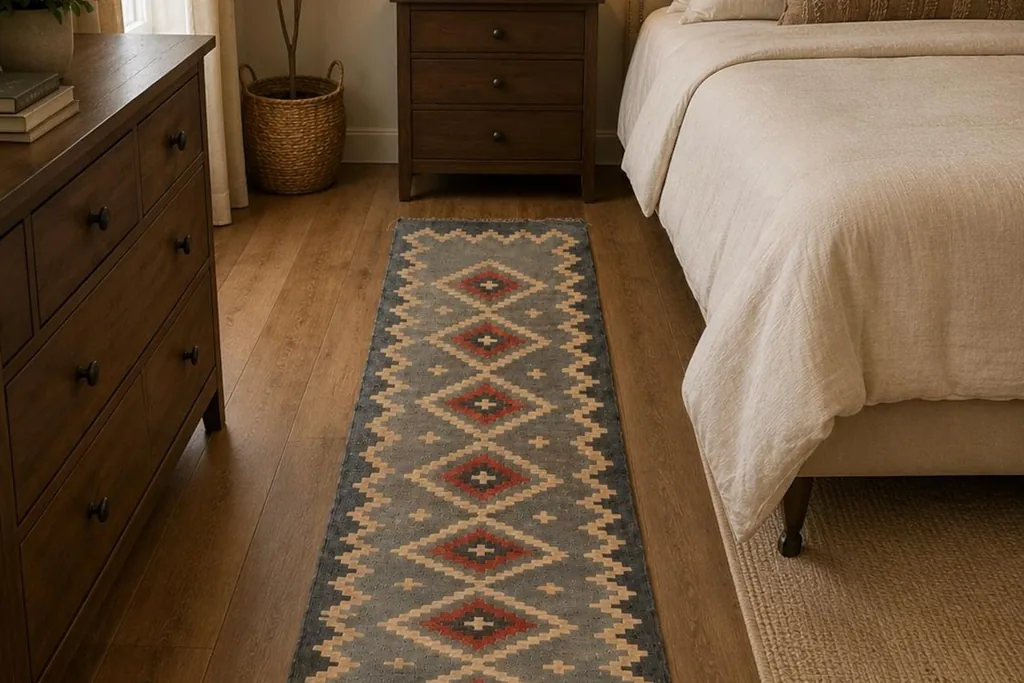
    Long patterned runner rug beside a bed in a warm toned bedroom.

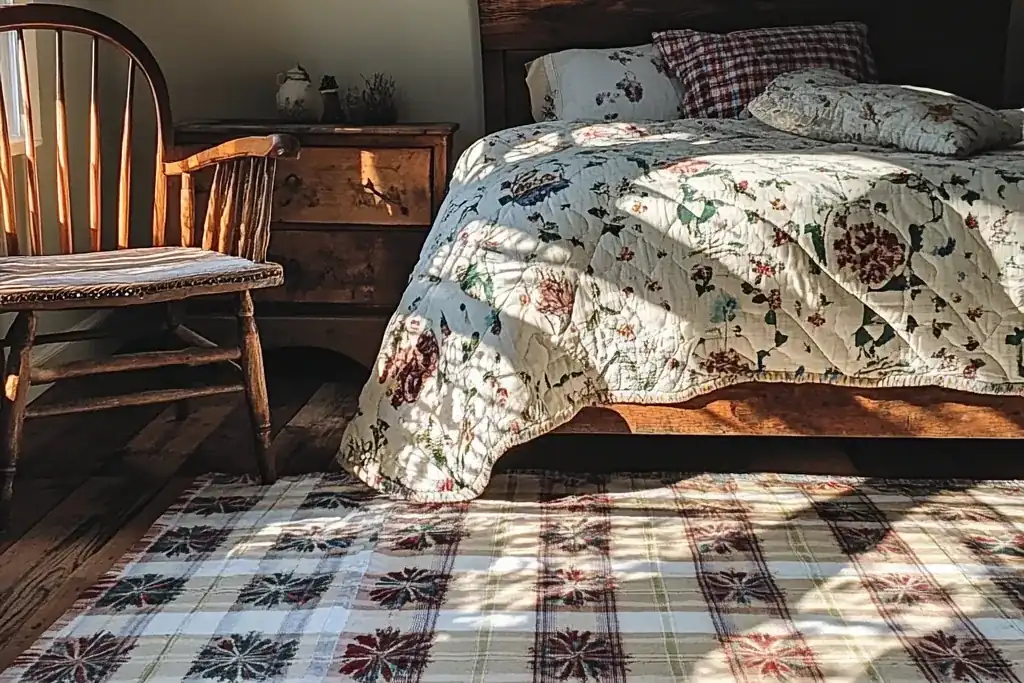
    A runner or low pile rug beside the bed covers the cold floor where your feet land first and adds a block of warm color at ground level. Choose rust, warm beige, or a muted pattern that hides lint, and leave a small gap between the rug edge and the nightstand so it lies flat. Measure the door swing and the path to the bathroom before you buy. In a small room, one runner on the side you use most is enough. Use a rug pad on smooth floors to reduce slipping, and pick a washable rug if the room gets muddy shoes or pet traffic.

    6. Style the Nightstand With Mini Pumpkins and Books
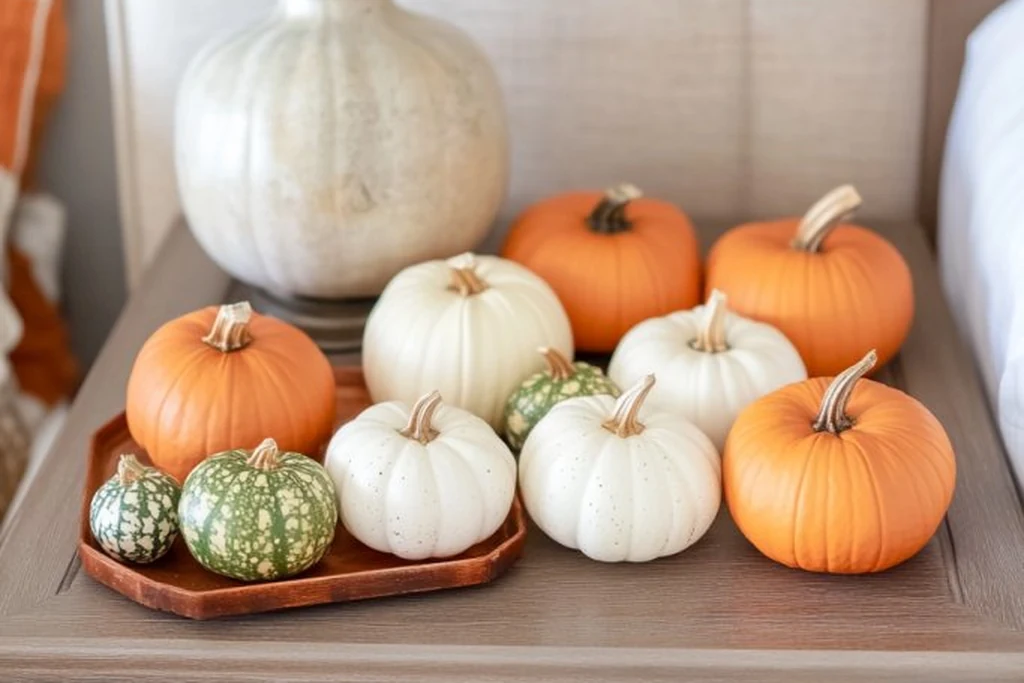
    Nightstand with a lamp and a tray of orange and white mini pumpkins.

    Group two or three mini pumpkins, real or fabric, beside a small stack of books with warm colored spines on one nightstand. Keeping the seasonal group on a single surface leaves the other nightstand clear for water, glasses, and a lamp. A small tray under the group makes dusting and rearranging faster. Choose pumpkins in cream, rust, or muted green if bright orange clashes with your bedding. Keep real pumpkins away from fabric and check them weekly, because a softening pumpkin can mark wood and linen. One group, done well, reads more clearly than small items spread across every surface.

    7. Add Dried Grasses in a Vase on the Dresser
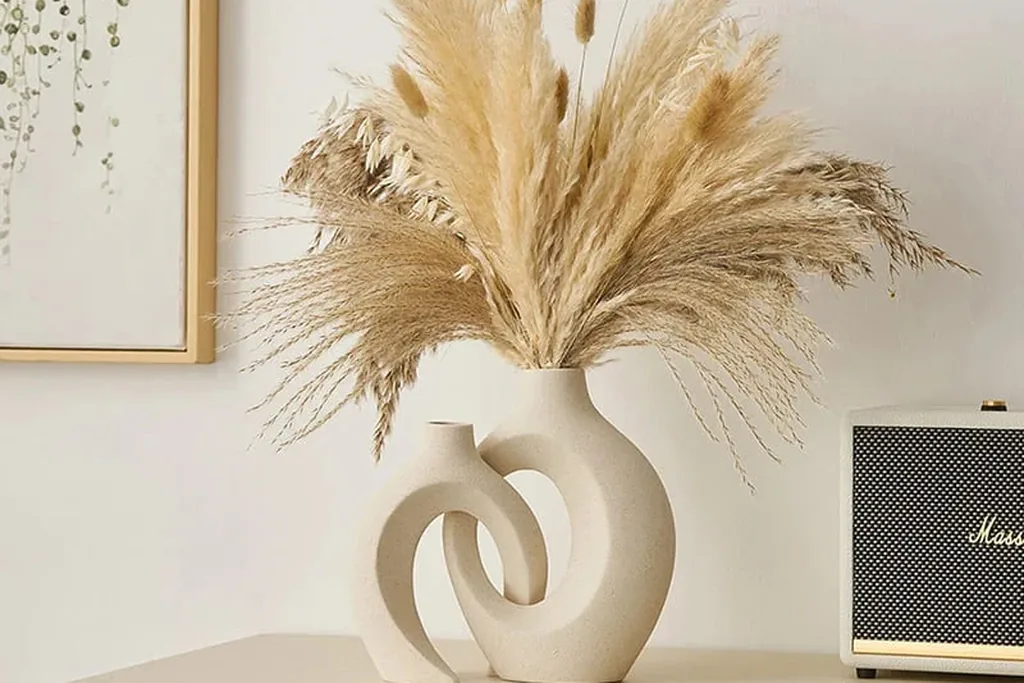
    Dried pampas grasses in a white vase on a dresser.

    A tall vase of dried grasses, wheat stems, or pampas style plumes on the dresser adds height and a clear fall shape without fresh flowers to replace each week. Keep the stems in one natural tone so the arrangement stays calm, and leave clear space around the vase for daily items. Trim stems to a height that clears any mirror or shelf above the dresser. If dried stems shed or bother anyone with dust sensitivity, use a faux stem you can wipe clean, or swap in a small bowl of pinecones for the same natural note at a lower height.

    8. Hang Heavier Curtains in a Warm Neutral

    Heavy caramel curtains tied back at a bedroom window beside a bed.

    Swapping light summer curtains for a heavier pair in warm white, flax, or soft brown changes how the room feels at the window and helps block evening drafts as nights cool. Hang the panels so they meet in the middle without a gap, and open them fully during the day for light. The U.S. Department of Energy notes options for sealing drafty windows and using insulating drapes as part of seasonal weather preparation. Keep curtain fabric clear of radiators and portable heaters, and store the summer pair washed and folded so the spring swap takes minutes.

    9. Switch to Warmer, Lower Evening Light
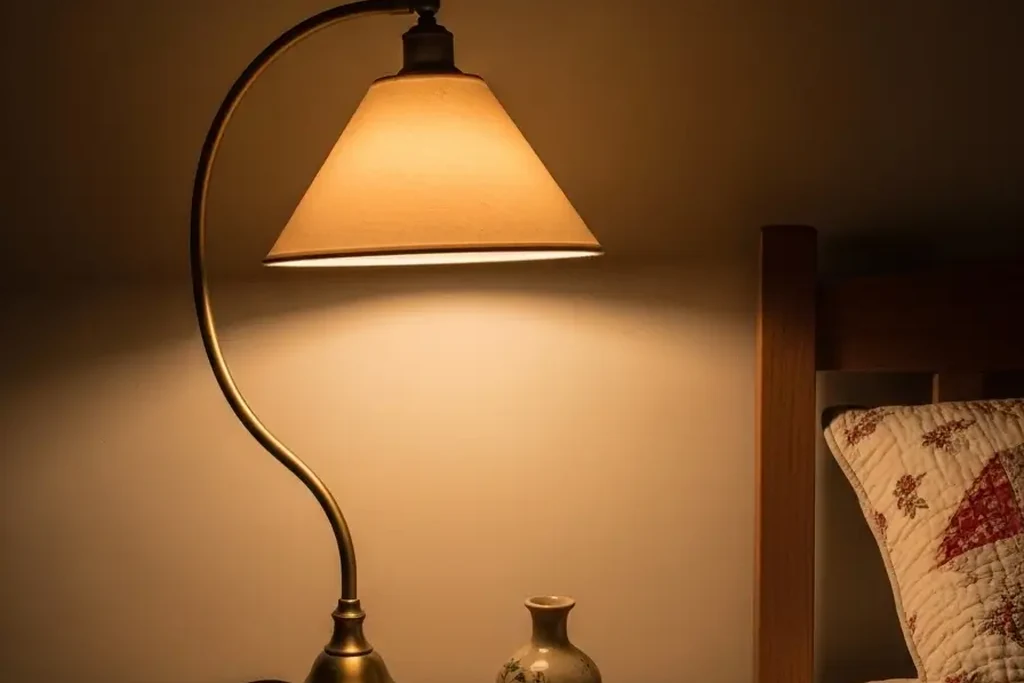
    Bedside lamp with a warm glow on a nightstand in a dim bedroom.

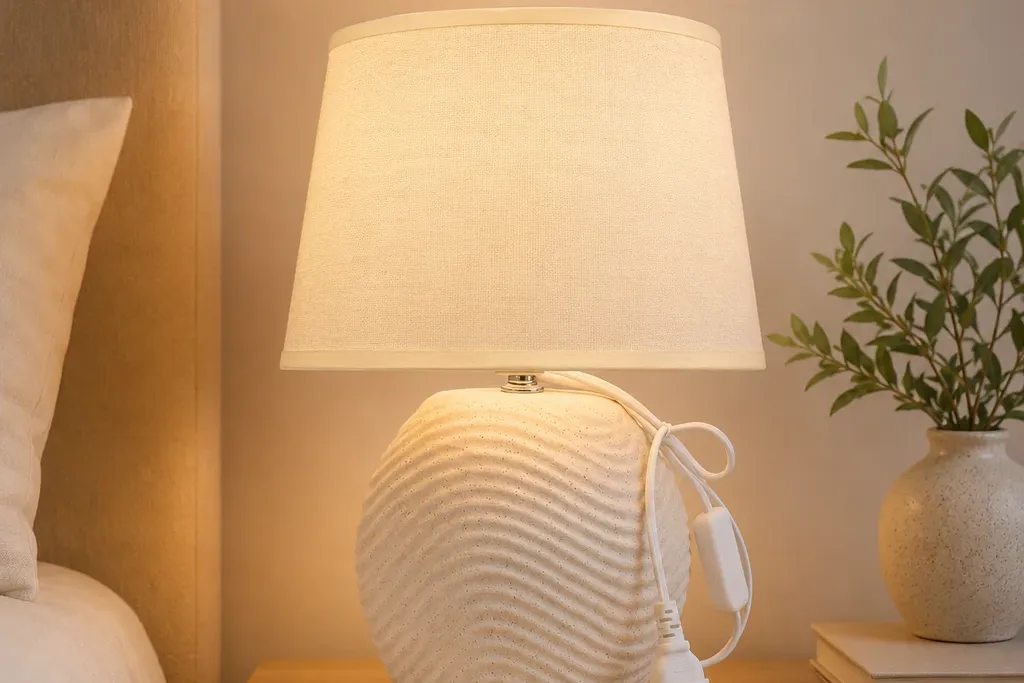
    As evenings get darker earlier, turn off the overhead light after dinner and use bedside lamps with warm bulbs at about bed height. Low, warm light makes rust, cream, and wood tones look richer and helps the room feel settled before sleep. A flameless candle on the dresser adds a small glow without a live flame near bedding or curtains. Keep switches within reach of the bed so you do not cross a dark room. If one side of the bed lacks a lamp, a plug in wall light needs no rewiring and frees space on a small nightstand.

    10. Hang a Fall Wreath Inside the Door or Above the Bed

    Fall wreath with orange and red leaves hanging on a blue grey door.

    A wreath of dried look leaves, mini pumpkins, or plain twigs adds a clear fall shape without taking up surface space. Hang it inside the bedroom door, where you see it every time you enter, or center it above the headboard if that wall is bare. Use an over door hook or removable fixings rated for the weight, and check the door still closes fully. Choose unscented foliage if anyone in the home is sensitive to fragrance, and wipe faux leaves clean before hanging. A plain twig wreath can stay up past fall if you remove the pumpkins.

    11. Swap One Wall Print for a Fall Scene

    Framed fall prints and leaf art arranged on a wall above a bed.

    Changing a single print in a frame you already own is a low cost way to bring the season onto the wall. Choose a fall scene, a leaf study, or a landscape in the same rust, gold, and green tones as your bedding, and keep the frame and position unchanged so no new holes are needed. The everyday print stores flat inside the frame behind the new one or in a folder, which makes the swap back just as quick. Keep glass frames secure and avoid hanging heavy pieces directly above pillows where fixings could fail.

    12. Build a Small Reading Corner With a Blanket Basket
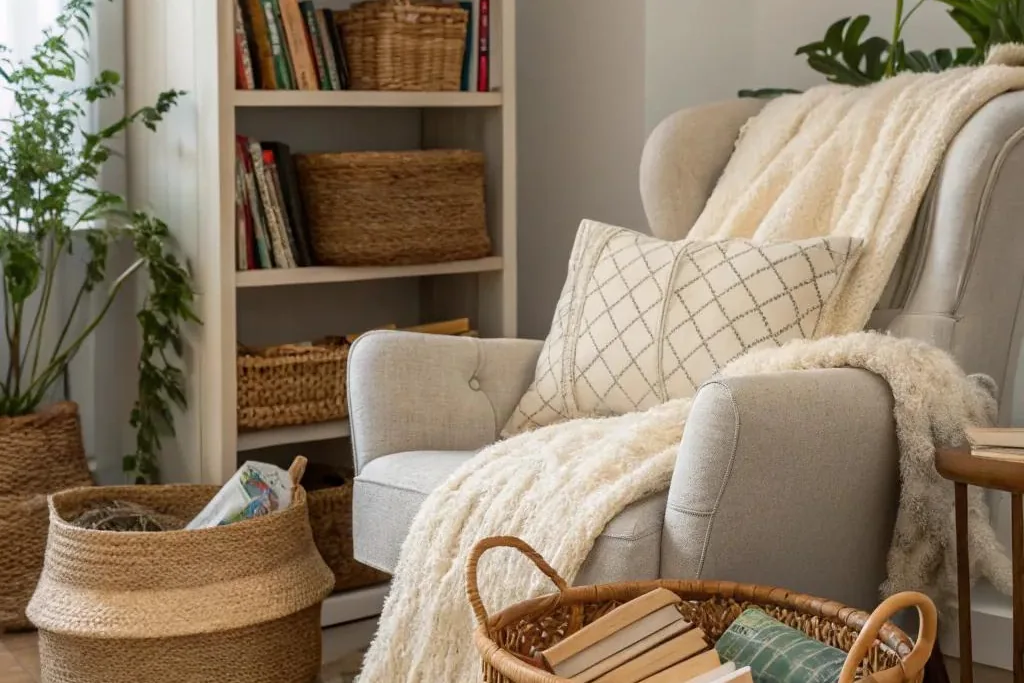
    Reading corner with an armchair, a throw, and a woven basket of blankets.

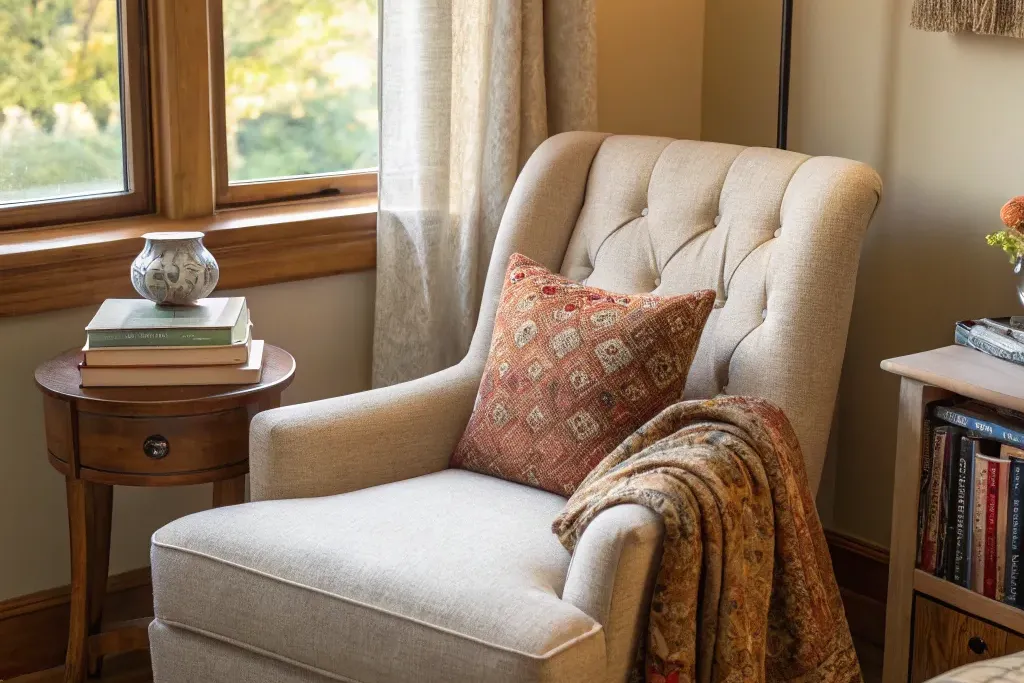
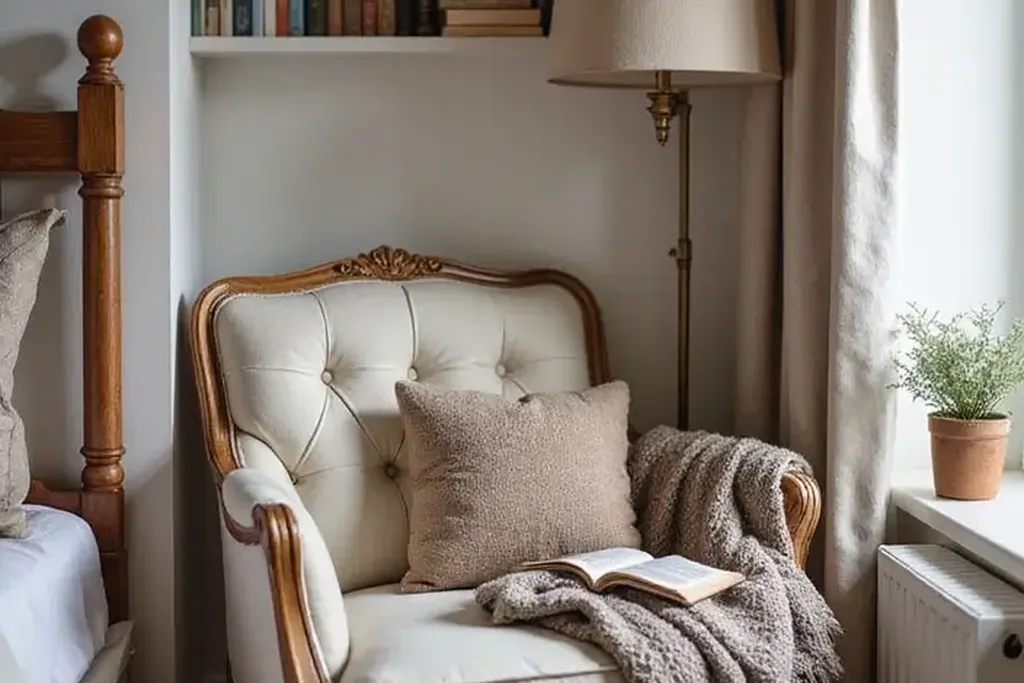
    Fall evenings suit a defined place to read that is not the bed. Set one chair in a corner with a cushion, a small side table, and the warmest throw you own, then place a basket beside it for a spare blanket and your current book. This corner borrows the same slow evening approach as these hygge bedroom ideas, with fall colors doing the seasonal work. Keep the chair clear so it stays an invitation rather than a clothes pile. In a tight room, a floor cushion beside a low shelf works instead.

    13. Tuck a Light Seasonal Scent Into a Drawer
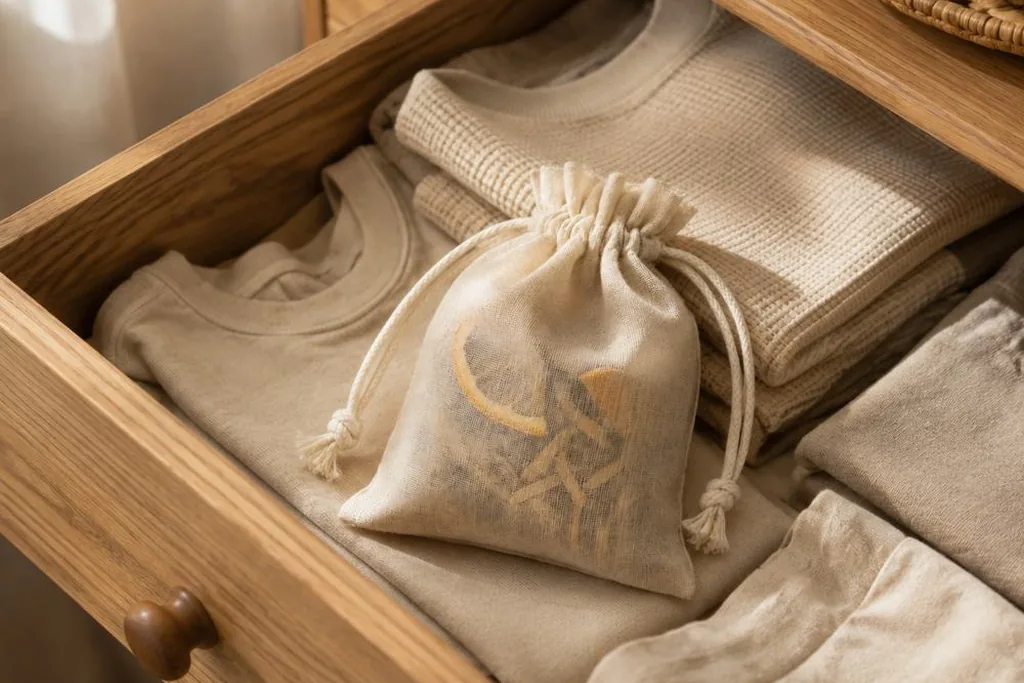
    Drawstring sachet resting on folded clothes inside an open drawer.

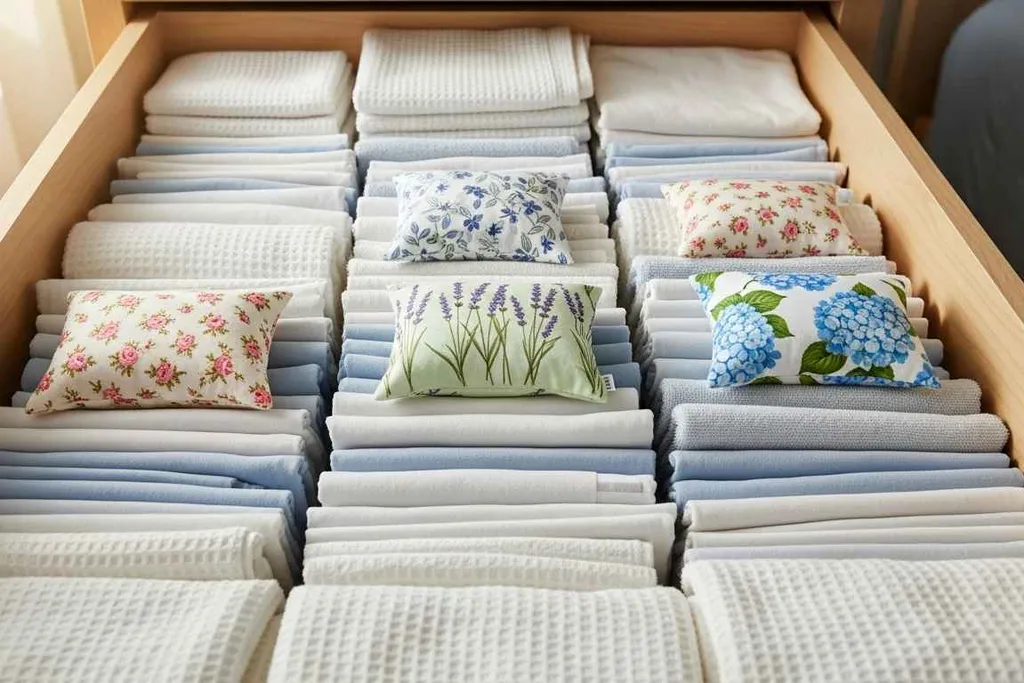
    A small sachet in a drawer or a folded throw stored with a scented soap bar gives bedding a light fall note, such as cedar, cinnamon, or plain clean cotton, without a candle burning in a sleep space. Keep the scent in one place only, so it stays subtle when you open the drawer. If anyone in the home is sensitive to fragrance, skip this idea and rely on washed bedding and an open window on mild days instead. Check sachets every few weeks and replace them when the scent fades, and keep them away from delicate fabrics that could mark.

    Conclusion

    An easier fall bedroom refresh comes from a short list of swaps done in the right order: bedding color and a plaid throw first, then a quilt layer, cushions, and a rug, then the small surfaces, curtains, and light. Each idea in this list stores flat or folds away, so the room can return to its usual look in one morning when the season turns. Carry the same palette into shared rooms with these fall living room decor ideas, and keep the theme going with these fall bathroom decor ideas if you decorate the bathroom next.

    Save this list on Pinterest before your next refresh, and work through it one idea at a time: bed first, then surfaces, then light.


    FAQs

    What is the easiest fall bedroom decor idea to try first?

    Start with the bed. A duvet cover or top blanket in a fall color plus one plaid throw folded at the foot changes how the whole room reads, and both pieces store easily when the season ends. It is low cost, reversible in minutes, and shows you which colors you actually enjoy living with before you change curtains, rugs, or art.

    What colors work best for fall bedroom decor?

    Warm, muted colors work best: rust, mustard, olive, warm brown, cream, and deep green. Pick two or three and repeat each one at least twice, for example in bedding and a cushion, so the room looks planned. Check fabric and paint samples in evening lamplight as well as daylight, because warm bulbs deepen these shades at night.

    How can I make a small bedroom feel ready for fall without clutter?

    Change textiles instead of adding objects. Swap bedding color, add one throw, and change two cushion covers, then style only one surface, such as the nightstand. Use the door or wall for a wreath instead of floor decor, and remove one everyday item for each seasonal item you bring in. A blanket basket keeps spare layers contained instead of spread across chairs.

    Can renters use these fall bedroom decor ideas?

    Yes, most of them need no fixed changes. Bedding, throws, cushions, a rug with a pad, dried stems, and print swaps inside existing frames all come out again without marks. Use over door hooks or removable fixings for a wreath, and check your lease before drilling or changing curtain hardware. Keep original fittings if you swap any hardware so you can restore the room later.

    How do I keep a fall bedroom calm instead of overly themed?

    Limit novelty shapes to one or two pieces, such as mini pumpkins on the nightstand, and let color and texture do the rest. Plaid, velvet, knit, dried grasses, and warm wood tones all read as fall without printed slogans or bright orange everywhere. Keep surfaces mostly clear and lighting low and warm, and the room stays restful enough for sleep.

    How should I store fall bedroom decor after the season?

    Wash cushion covers, throws, and the duvet cover, let everything dry fully, and pack textiles in one labelled box or storage bag. Store prints flat, wrap fragile items in soft fabric, and keep dried stems upright in a tall box so they do not crush. Keeping the set together makes next fall setup faster and helps you avoid buying duplicates.

  • 28 Halloween Bedroom Decor Ideas for a More Polished Space

    28 Halloween Bedroom Decor Ideas for a More Polished Space

    A bedroom can join in Halloween without bright orange overload or items that keep you awake. These Halloween bedroom decor ideas use a limited palette of black, cream, warm wood, rust, and muted gold, plus texture and low light to keep the room restful. Start with bedding and one or two surfaces, then add only what you have room to store later. If you also decorate shared spaces, pair this list with our Halloween living room decor ideas for a consistent palette through the home.

    Key Takeaways

    • Use black, cream, rust, and warm wood as the base palette, and repeat each color at least twice so the room looks planned.
    • Change bedding, pillow covers, and a throw first. Those three items give the largest visual change for the least storage.
    • Choose flameless candles and battery lights near fabric, bedding, and curtains.
    • Keep one novelty item per surface. A single ghost pillow or ceramic pumpkin reads clearly without crowding a nightstand.
    • Keep scents optional. Choose unscented or low scent items if anyone in the home is sensitive to fragrance or dried botanicals.
    • Plan a small storage box before you buy, so seasonal pieces can be packed away in one place in November.

    1. Start With Black and Cream Bedding

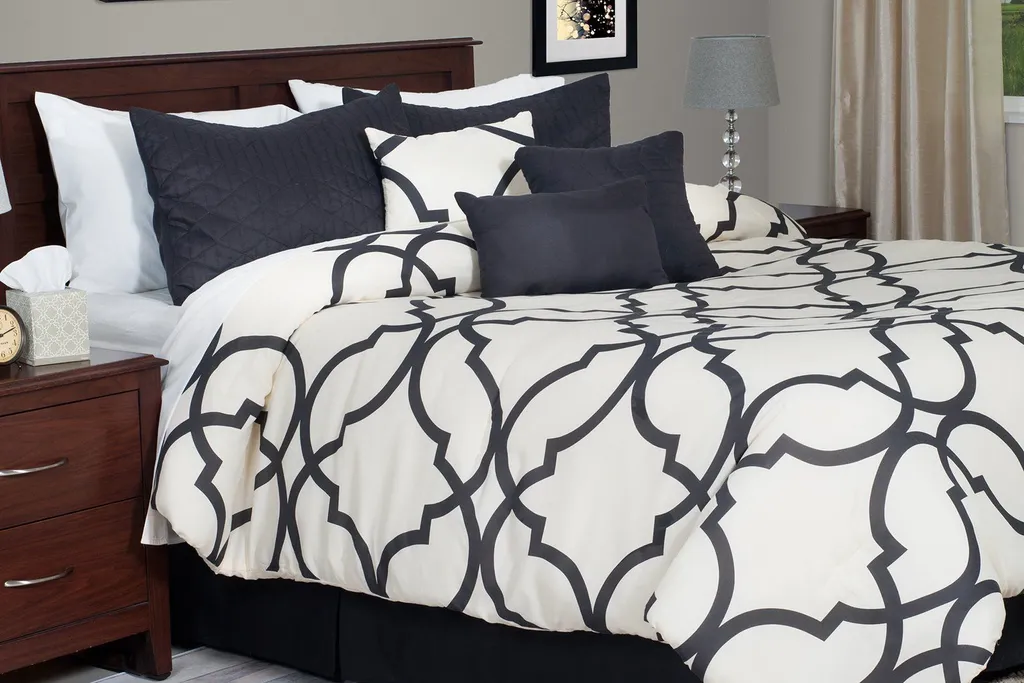
    Bed with black and cream bedding and a wood headboard.

    Swap your usual duvet cover or quilt for a black and cream set, then keep sheets in a plain light color for contrast. This base makes every smaller Halloween item look intentional, and it works with most wood tones. Choose washable cotton or a cotton blend if the set will be used daily. If black bedding feels too dark for a small room, reverse the mix: use cream bedding with a black throw and black pillow shams instead.

    2. Add a Muted Plaid Throw at the Foot of the Bed

    Plaid throw folded across the foot of a bed.

    Fold a plaid throw in rust, charcoal, and cream across the foot of the bed, leaving the fold neat and the ends even. Plaid adds a fall pattern without a printed Halloween motif, so it can stay in use through November. Pick a throw with a soft, flat weave if it will sit over a duvet, since bulky fringe can catch. For a warmer room, choose a single lightweight cotton throw rather than layering several blankets.

    3. Use One Ghost Pillow as the Novelty Accent

    Small ghost shaped pillow on a bed with plain pillows.

    Place one small ghost shaped pillow or a pillow cover with a simple ghost outline in front of your sleeping pillows. Keeping novelty to one piece keeps the bed polished and leaves room for books or a water glass nearby. Choose a cover with a zipper you can remove and wash, and store the insert with your regular cushions. If you prefer no novelty shapes, use a cream pillow with black piping for the same contrast.

    4. Layer Textured Pillows in a Limited Palette

    Textured pillows in black, cream, and rust on a bed.

    Arrange pillows in linen, knit, and velvet, all within black, cream, aubergine, and rust. Texture does the work here, so you do not need a print on every cushion. Keep sleeping pillows clear at night and stack decorative pillows in a basket during use. Limit the set to two or three decorative pillows on a queen bed. If allergies are a concern, choose smooth, washable covers and wash them before first use.

    5. Try a Subtle Printed Sheet Set

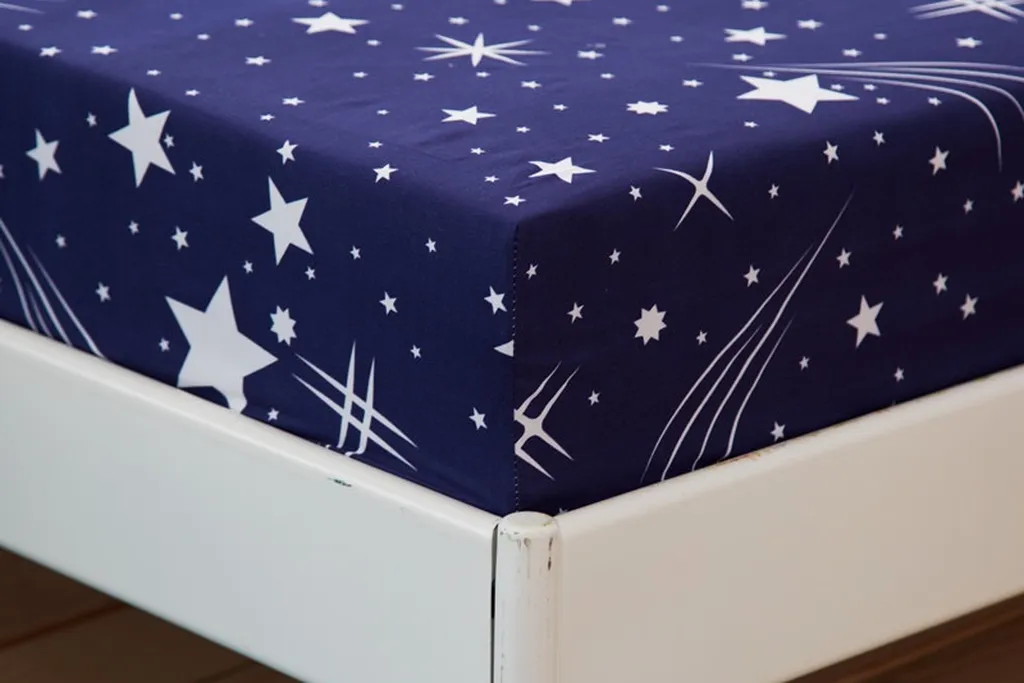
    Light sheets with a small star and moon print.

    Choose sheets with a tiny star, moon, or small spider print in grey or black on a light ground. From a distance the pattern reads as a simple dot, and up close it gives a quiet Halloween detail. Buy the set in the exact mattress size and check depth if you use a thick topper. If printed sheets feel busy, use a printed pillowcase pair only and keep the flat sheet plain.

    6. Add a Washable Rug in Charcoal or Deep Rust

    Charcoal low pile rug beside a bed on a wood floor.

    Layer a low pile, washable rug beside the bed or partly under the bed frame to ground the darker palette. Charcoal hides lint well, while deep rust adds warmth next to wood floors. Measure the exposed floor first and leave a clear path to the door. Use a rug pad on smooth floors to reduce slipping. If you have a thick rug already, skip this layer and add color through bedding instead.

    7. Style Velvet Pumpkins on the Nightstand

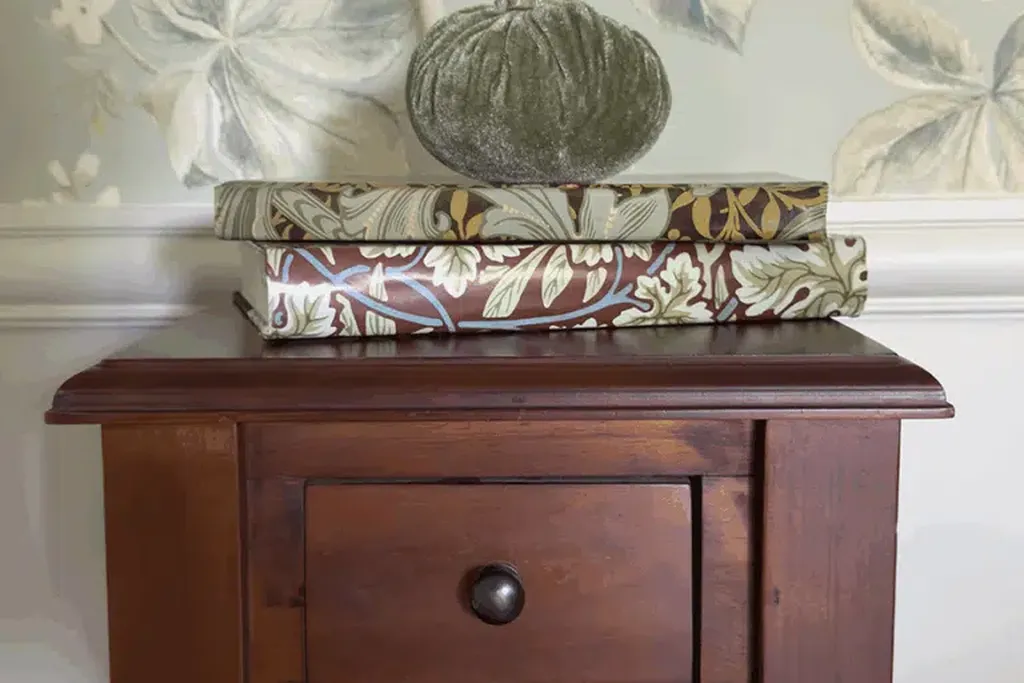
    Fabric pumpkins and books on a wood nightstand.

    Group two or three fabric pumpkins in different heights on one nightstand, next to a small stack of books. Velvet or linen pumpkins give seasonal shape without the weight or short life of real pumpkins indoors. Keep the group away from a water glass to avoid spills on fabric. Choose stems in a natural tone for a softer look. If nightstand space is tight, place a single small pumpkin on the dresser instead.

    8. Build a Dresser Vignette in Groups of Three

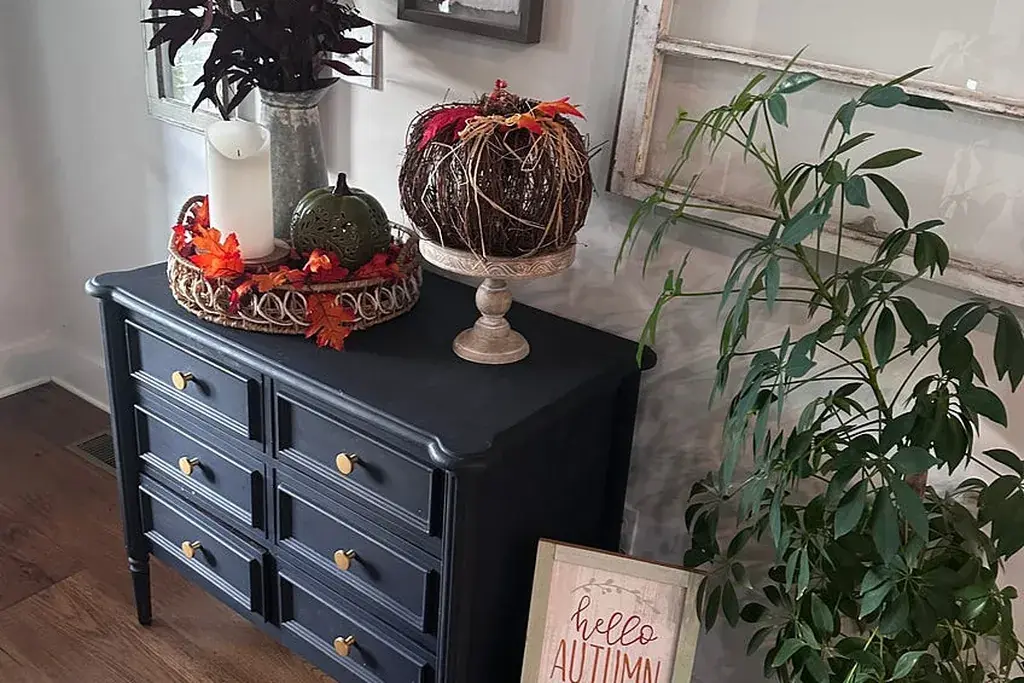
    Tray with a pumpkin and framed print on a dresser.

    On the dresser, arrange a tray, a small pumpkin, and a framed print together, then leave the rest of the surface clear. Groups of three look planned, and a tray makes dusting and packing away faster. Keep daily items such as brushes and chargers outside the vignette so it does not become storage. Use a tray with a low edge. If your dresser is small, reduce the group to a tray and one object.

    9. Set a Reading Tray With a Seasonal Mug

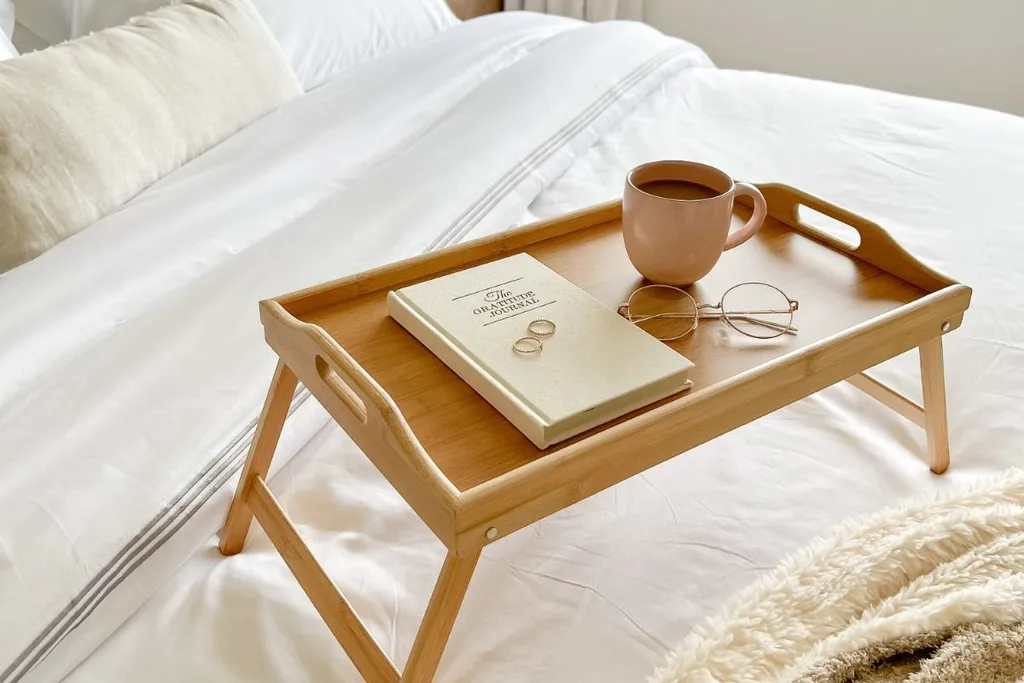
    Tray with a book and mug on a chair beside a bed.

    Place a small tray on the bed or a side chair with a book, reading glasses, and a plain black or cream mug used only for water or a warm drink away from bedding. The tray signals a quiet evening routine and adds a styled corner for photos. Do not leave hot drinks on soft bedding, where they can spill. If you read in bed, move the tray to the nightstand before sleep.

    10. Style a Shelf With Small Pumpkins and Dark Book Spines

    Shelf with dark books and small pumpkins.

    Clear one shelf and line up a few books with black, brown, or deep green spines, then add two small ceramic or fabric pumpkins at one end. The mix gives a Halloween note without covering every shelf. Leave empty space between groups so dusting stays simple. Do not stack heavy books above head height on a shelf over the bed. If you lack dark books, turn a few paperbacks spine inward for a neutral block of color, keeping titles you need accessible elsewhere.

    11. Add a Miniature House Display on a Shelf or Dresser

    Small ceramic houses arranged on a shelf.

    Set two or three small ceramic or wooden houses on a shelf, dresser, or window ledge with enough space around each piece. A tiny village adds charm and suits a guest room or a child’s room when pieces are sturdy. Keep small, breakable items out of reach of young children and pets. Use museum putty only if the product is suitable for your furniture finish, or place the houses inside a shallow tray to keep them together.

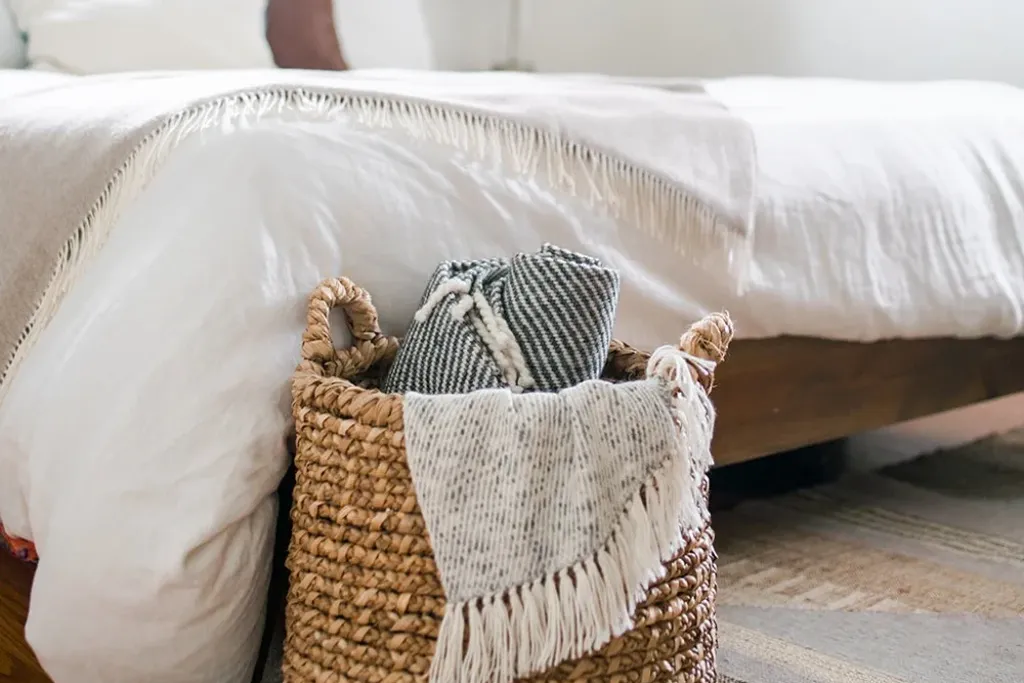
    12. Use a Basket at the Foot of the Bed for Extra Layers

    Basket with a folded throw at the foot of a bed.

    Place a lidded or open basket at the foot of the bed to hold an extra throw and a seasonal pillow during the day. Choose a basket in natural seagrass, dark wood tone, or black weave to match your palette. This keeps layers off the floor and makes bed making faster. Do not overfill it, since a neat top layer looks better and is easier to use. If floor space is narrow, use a wall hook for the throw instead.

    13. Create a Small Tabletop Tree With Simple Ornaments

    Branch in a vase with paper bats and stars.

    Set a small tabletop branch tree or a bare branch in a heavy vase on the dresser, and hang a few light paper bats, stars, or small pumpkins from the branches. Keep ornaments light so branches do not bend or tip. Place the vase away from the edge and away from curtains. Battery lights are optional and should be kept off while you sleep. If you prefer a simpler look, leave the branch plain and let its shape be the decoration.

    14. Hang a Paper or Felt Garland Above the Headboard

    Paper moon garland hanging above a headboard.

    Drape a paper or felt garland of bats, moons, or simple shapes above the headboard, fixed to the wall with removable hooks rated for the weight. Keep the garland high enough that it does not touch pillows or hair, and check fixings after a few days. Avoid pins or nails in a rental if your lease does not allow them. If your headboard is tall, hang the garland on the wall beside the bed instead.

    15. Swap in Framed Halloween Art You Can Store Flat

    Framed Halloween prints on a bedroom wall.

    Replace one or two everyday prints with Halloween art in the same frames: a simple moon print, a black cat silhouette, or a vintage style poster reproduction you own or have licensed. Using the same frames keeps holes and layout unchanged, and the prints store flat in a folder afterward. Keep glass frames out of reach if the art hangs above the bed in an area prone to shaking, and use secure fixings.

    16. Start a Gallery Ledge for Rotating Prints and Cards

    Picture ledge with small prints and a tiny pumpkin.

    Mount a shallow picture ledge on a wall that is not directly above sleeping heads, then lean small framed prints, postcards, and a tiny pumpkin along it. A ledge lets you change the mix without new holes. Keep heavier frames at the ends and lighter cards in the middle. Check the ledge fixings follow the maker instructions for your wall type. If drilling is not allowed, rest the same prints on a dresser against the wall.

    17. Layer Sheer Dark Curtains Over Light Panels

    Sheer dark curtains layered over light curtains.

    Hang sheer black or charcoal panels in front of, or behind, your existing light curtains for a soft filtered effect during the day. Keep your blackout or privacy layer in place if you need it for sleep. Make sure cords and long panels stay clear of heaters and open flames, and use cord safety devices where required. If a dark sheer makes the room too dim, use it on one window only or choose a deep plum sheer.

    18. Add Removable Moon and Star Wall Decals

    Moon and star decals above a dresser.

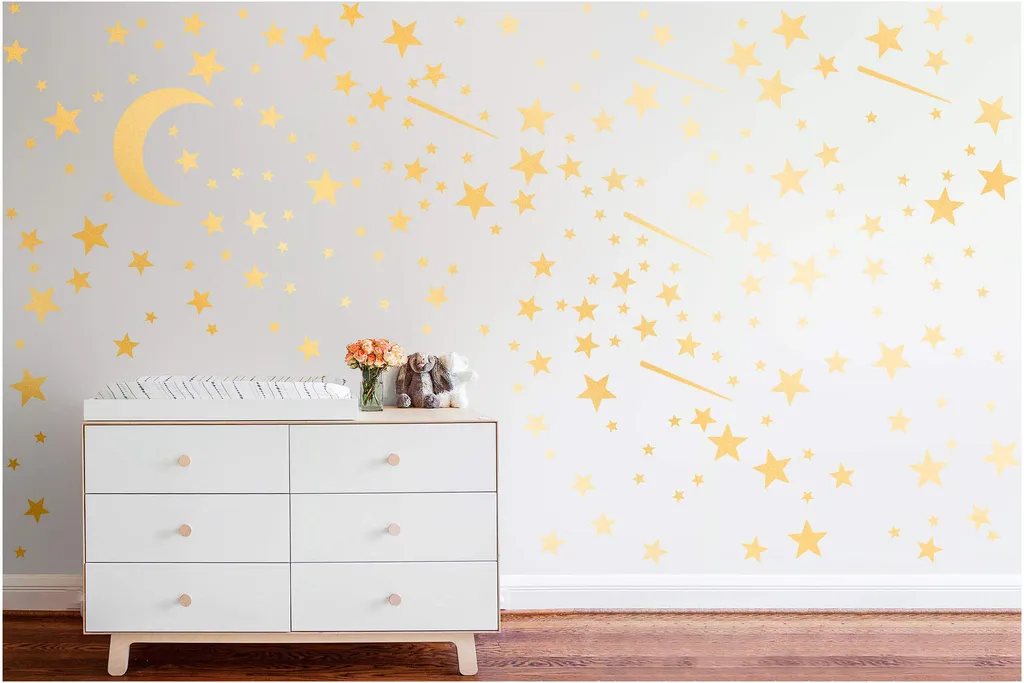
    Apply removable moon and star decals in a loose cluster above a dresser or reading chair. A limited cluster looks calm, and decals suit rentals and kids rooms because they peel away without paint work in most cases. Test one decal in a hidden spot first and follow the maker guidance for painted walls. Keep decals smooth and flat so edges do not lift. If you prefer no wall decor, place the same shapes on a plain garland instead.

    19. Hang a Small Fall Wreath Inside the Bedroom Door

    Small fall wreath hanging on a bedroom door.

    Hang a small wreath of dried look leaves, mini pumpkins, or plain twigs on the inside of the bedroom door or on a wall hook. It greets you without taking floor or surface space. Use an over door hook if you want to avoid new fixings, and check the door still closes fully. If anyone is sensitive to scent or dust, choose unscented faux foliage and wipe it clean before hanging.

    20. Use a Single Witch Hat as Wall Decor

    Black witch hat hanging on a wall hook by a mirror.

    Hang one plain black witch hat on a hook beside a mirror or above a hook rail, treated as a sculptural shape rather than part of a costume display. One hat reads clearly and stores flat or on a closet shelf later. Keep it away from heat sources and light bulbs. If a hat feels too themed for your room, swap in a black ribbon bow or a small black wreath for a similar dark accent.

    21. Cluster Flameless Candles on the Dresser

    Flameless candles on a tray on a dresser.

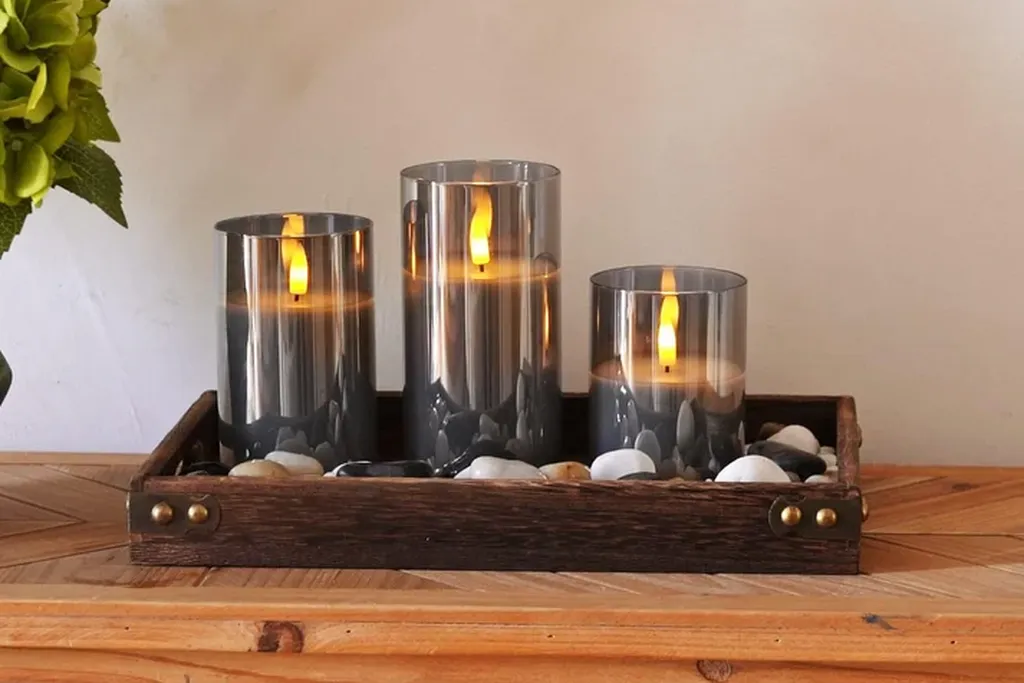
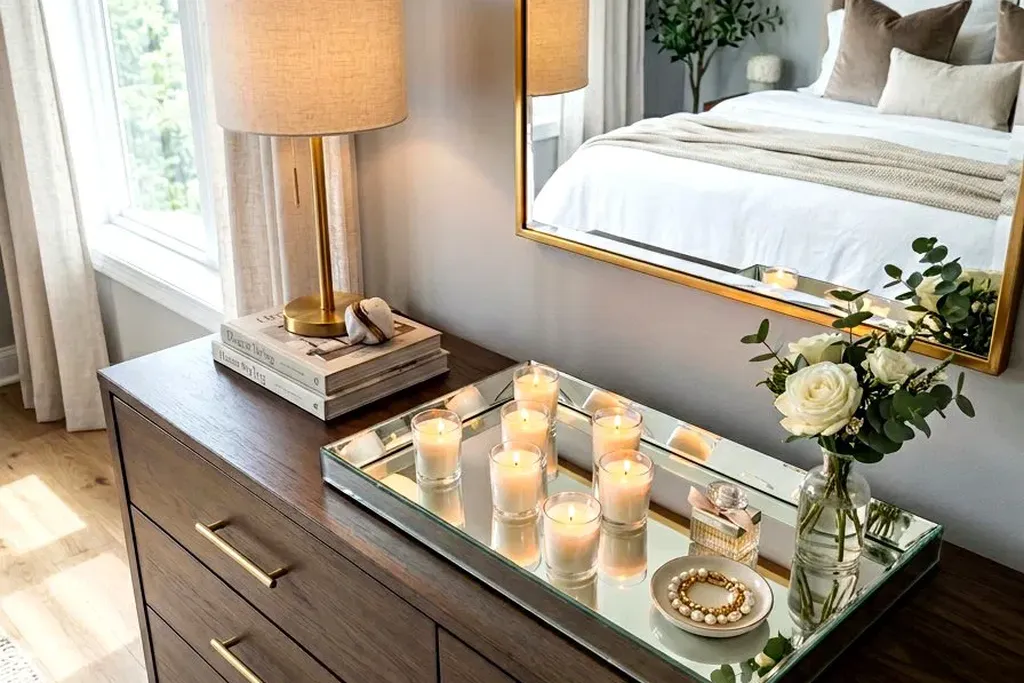
    Group flameless candles in two or three heights on a heat safe tray on the dresser, and set a timer if the candles offer one. You get a warm glow without a live flame near bedding, curtains, or paper garlands. Keep real candles out of the bedroom if you tend to fall asleep while reading. For general candle safety guidance, see the NFPA candle safety information. Replace batteries before guests arrive so the glow stays even.

    22. String Warm Battery Lights Around a Mirror

    Warm string lights around a dresser mirror.

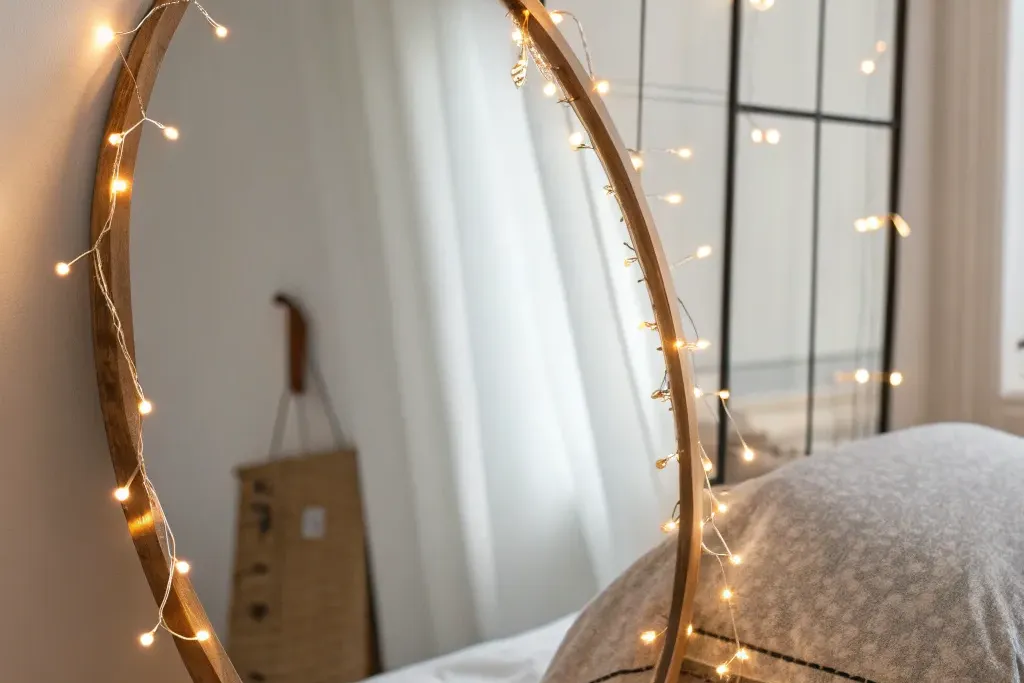
    Fix warm white battery string lights around a dresser mirror or along a shelf edge, keeping the battery pack easy to reach. Warm light is softer at night than cool white, and a mirror reflects it without extra lamps. Keep lights away from fabric drapes and do not leave them on unattended or while sleeping unless the maker states that use is suitable. If you prefer no string lights, use a small lamp with a warm bulb instead.

    23. Make a Cozy Reading Corner With a Seasonal Cushion

    Reading chair with a seasonal cushion and throw.

    Add a Halloween cushion cover and a folded throw to an existing chair, then place a small side table or stool for a book. A defined reading corner makes a bedroom feel planned and gives seasonal items a clear home. Keep the walkway to the bed clear. If you have no chair, create the same corner with a floor cushion beside a low shelf, making sure it does not block a heater or door swing.

    24. Swap a Lamp Shade or Bulb Tone for Warmer Evening Light

    Bedside lamp with a cream shade beside a bed.

    Change a white lamp shade to a cream or natural linen shade, or use a warm tone bulb that suits your lamp fitting, for softer evening light. This small change supports all the other decor and helps the room stay restful, similar to the calm approach in our guide to a calm bedroom refresh. Always switch off and let the bulb cool before changing it, and check the maximum wattage for the lamp. If you keep the original shade, store it wrapped so it stays clean.

    25. Set Out a Dried Branch Arrangement in a Heavy Vase

    Bare branches in a heavy vase on a dresser.

    Place a few bare branches, dried grasses, or stems in a heavy vase on the dresser or floor beside a chair. Height adds drama without color, and the arrangement can stay through fall. Keep the vase stable and out of walkways where it could be knocked. If dried items shed or trigger sneezing, choose a faux branch you can wipe clean, or move the arrangement to a hallway. Pair it with the broader ideas in our simple cozy fall decor ideas.

    26. Add a Scent Option Without a Flame

    Reed diffuser on a tray on a dresser.

    If you enjoy seasonal scent, place a reed diffuser, a small bowl of unscented potpourri you scent lightly yourself, or a sachet in a drawer. Keep scent low and give guests a choice by moving the item out if they prefer no fragrance. Place diffusers where they cannot spill on bedding or wood finishes. If fragrance bothers anyone in the home, skip scent entirely and rely on fresh bedding and an open window for a clean feel.

    27. Style the Bedroom Entry With a Hook Rail and Fall Touches

    Hook rail with a scarf and a small felt pumpkin.

    Use an existing hook rail near the door for a tote, a plaid scarf, and one small Halloween item such as a felt pumpkin. Styling the entry keeps seasonal pieces in daily use and stops them spreading across every surface. Keep hooks clear of the door swing and do not overload them. For a guest room, leave one hook empty for visitors. If you have no rail, a single over door hook gives the same effect.

    28. Finish With a Low Autumn Arrangement on a Tray Near the Window

    Tray with a pumpkin, pinecones, and a plant on a window ledge.

    Place a low tray on a wide window ledge or a bench with a small pumpkin, a pinecone or two you have cleaned, and a tiny plant in a dark pot. Natural shapes soften the Halloween theme and link the bedroom to fall decor elsewhere, including the bathroom ideas in our Halloween bathroom decor ideas and the living room palette in our fall living room decor ideas. Keep plants away from direct heat and check soil moisture, since heating can dry pots faster.

    Conclusion

    A polished Halloween bedroom does not need a full makeover. Start with black and cream bedding, one plaid throw, and a single novelty accent, then add low light and one styled surface. Keep flame free lighting near fabric, keep scents optional, and keep every item easy to pack away. With a limited palette and clear surfaces, the room can feel seasonal in October and return to calm in a single morning in November.

    FAQs

    How can I decorate a bedroom for Halloween without making it scary?

    Use shape and color instead of horror images. Pumpkins, moons, stars, plaid, and black and cream bedding signal Halloween clearly while staying calm. Limit novelty items to one per surface, keep lighting warm and low, and avoid motion or sound decorations in a sleep space. This approach works well for guest rooms and for anyone who prefers a cozy seasonal room.

    What colors work best for a polished Halloween bedroom?

    Black, cream, charcoal, rust, warm wood, and muted gold give a clear Halloween base without bright contrast everywhere. Repeat each color at least twice, for example a black throw and black frames, so the mix looks planned. Add aubergine or deep green in small amounts if you want a third accent. Keep walls and large furniture neutral if you change decor each season.

    Is it safe to use candles in a Halloween bedroom?

    Flameless candles are the safer choice near bedding, curtains, paper garlands, and dried branches, and they can be set on a timer. If you use real candles elsewhere in the home, keep them on a stable, heat safe surface, away from flammable items, and put them out before leaving the room or going to sleep. Never leave a lit candle unattended. Check current guidance from a fire safety authority for your area.

    How do I decorate a small bedroom for Halloween without clutter?

    Change textiles first: bedding, one throw, and one pillow cover. Then style only one surface, such as the top of a dresser, and use the door or wall for a wreath or garland instead of adding floor items. Choose pieces that store flat, like prints and garlands. Keep a clear path to the door and bed, and remove one everyday item for each seasonal item you add.

    Can I make a Halloween bedroom comfortable for guests?

    Yes. Provide plain, freshly washed bedding under the seasonal throw, leave an empty hook and a clear nightstand surface, and keep scent low or absent until you know guest preferences. Tell guests how to switch off any string lights or flameless candles. Keep a spare plain pillowcase available. A few clear touches feel welcoming, while a crowded room can make it hard for guests to settle.

    How should I store Halloween bedroom decor after the season?

    Wash pillow covers and throws, let them dry fully, and pack them in one labelled box with garlands and prints stored flat. Wrap ceramic pieces in soft fabric or paper and keep batteries removed from lights and flameless candles during storage, following maker guidance. Store the box in a dry place off the floor. Keeping everything together makes next October setup faster and helps you avoid buying duplicates.

    Save this list on Pinterest for later, and pick three ideas to try this weekend: one for bedding, one for a surface, and one for light.


  • 22 Winter Bedroom Ideas for a Softer, Warmer Sleep Space

    22 Winter Bedroom Ideas for a Softer, Warmer Sleep Space

    Cold floors, thin bedding, and light that feels harsh at night can make a bedroom hard to settle into during winter. These 22 winter bedroom ideas focus on the bed first, then windows, floors, lighting, and the small routines that help a room feel ready for sleep. Start with one or two changes near the bed, notice how the room feels for a few nights, and add more only where you still feel a draft or a chill. For a calmer base before you add seasonal layers, see these calm bedroom decor ideas.

    Key Takeaways

    • Layer the bed in stages, with sheets, a duvet, and a folded throw, so you can adjust warmth during the night.
    • Fix the cold spots you feel first: bare floors beside the bed, thin curtains, and drafts under the door.
    • Use warm, low bedside lighting and keep bright overhead light for tasks, not for the last hour of the evening.
    • Add texture in a few linked places, such as a rug, a textile above the bed, and one plaid or woven accent.
    • Keep nighttime items close and clutter contained, so the room stays calm as well as warm.

    1. Start With Flannel Sheets

    Bed made with soft flannel sheets and a folded top sheet.

    Flannel or brushed cotton sheets feel warm on first contact, unlike smooth cotton that can feel cold when you get into bed. Choose a fitted sheet, flat sheet, and pillowcases in the same set so the bed looks calm rather than mixed. Wash and dry them before the first use and check that the fitted corners still grip a thicker winter mattress topper. If you sleep warm, use flannel only on the fitted sheet and keep a lighter top sheet.

    2. Layer Two Light Duvets Instead of One Heavy One

    Bed with two light duvets, the top duvet folded back.

    Two light duvets or quilts give you control that one very thick cover does not. Lay the first layer flat, then fold the second back at the top so its edge is easy to reach during the night. This suits couples who prefer different warmth levels, because one side can hold an extra fold. Use duvet clips or ties inside the covers to stop the inserts from bunching in one corner.

    3. Fold a Wool Throw at the Foot of the Bed

    Wool throw folded across the foot of a bed.

    A wool or wool blend throw across the foot of the bed adds warmth exactly where feet often feel cold, and it is easy to pull up or push down. Fold it into a wide band so the texture and edge are visible, and keep the color close to the bedding for a quiet look. Check the care label before washing, because many wool throws need gentle handling. A cotton throw is a simpler care option for a guest room.

    4. Keep an Extra Blanket in a Basket Within Reach

    Rolled blanket in a woven basket beside a bed.

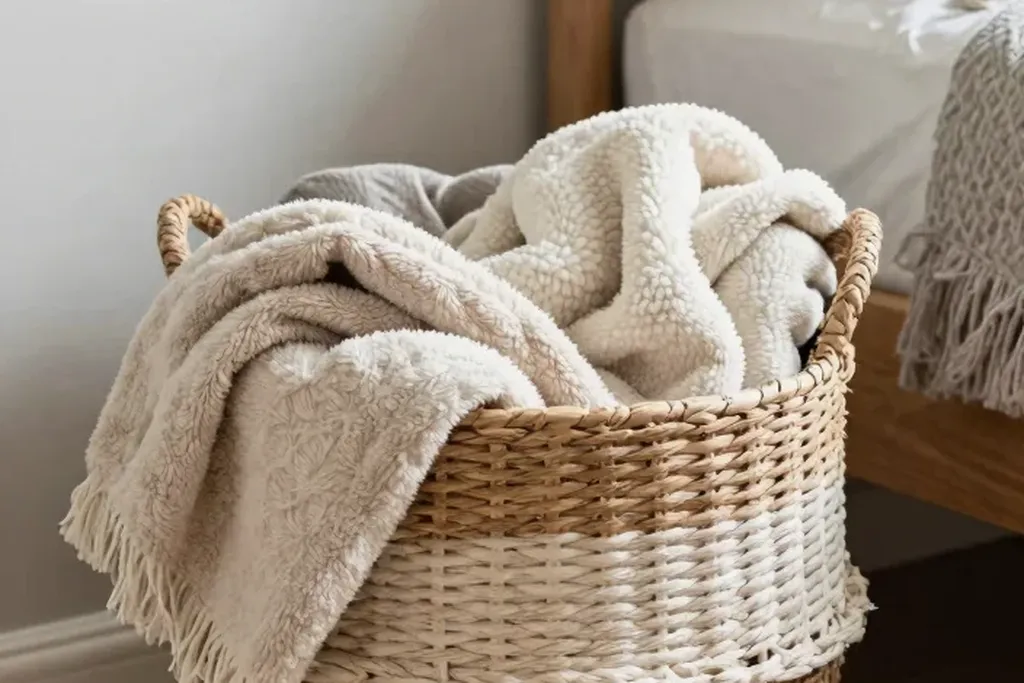
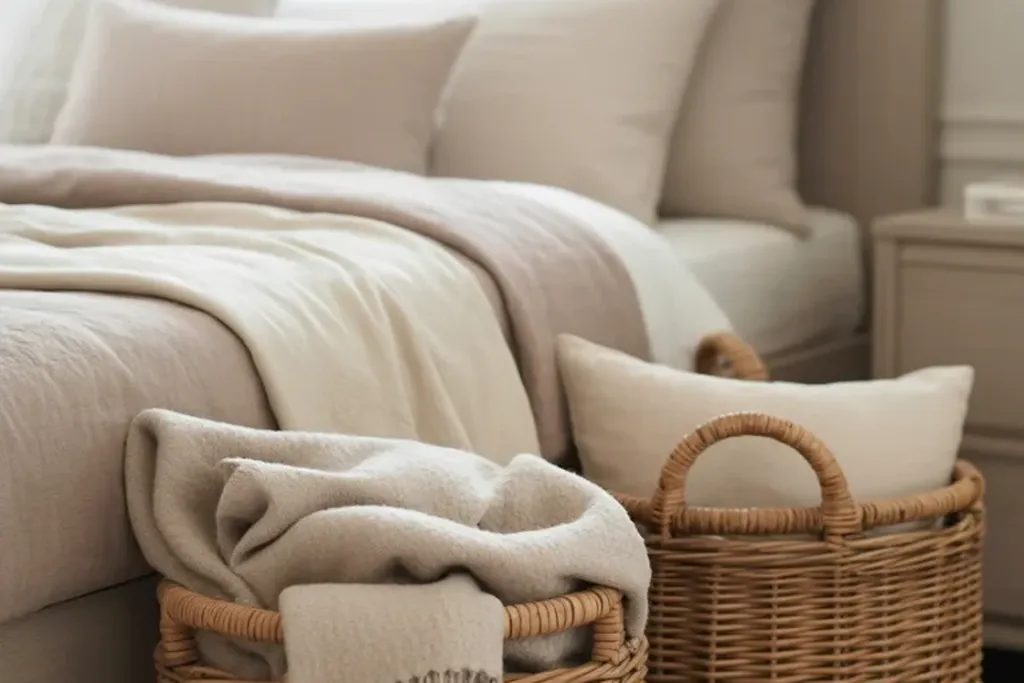
    A lidded or open basket beside the bed or under a bench holds a spare blanket without leaving it in a heap on the floor. Roll the blanket so it lifts out in one motion, and leave enough space in the basket for air to circulate. This works well in a small room where a second chair would block a walkway. Choose a basket with no sharp edges, and keep it clear of a radiator or heater vent.

    5. Add a Padded Layer to the Headboard

    Bed with a padded headboard and cushions behind the pillows.

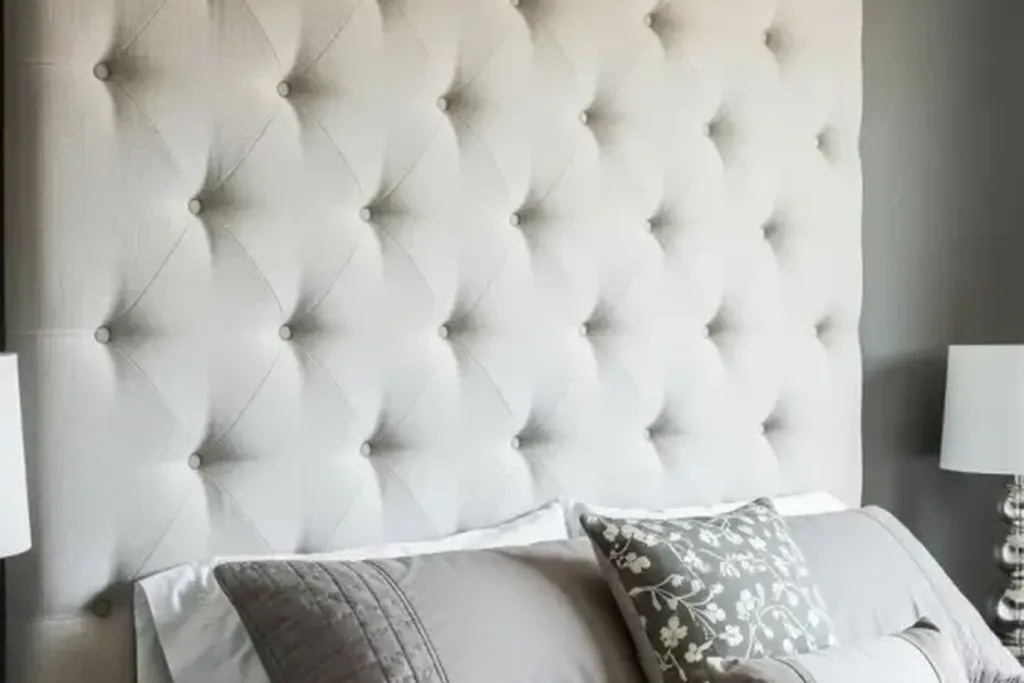
    An upholstered headboard, a long cushion, or a padded panel softens the cold feel of a wall behind pillows and makes sitting up to read more comfortable. Measure the width of the bed before you buy or make a cushion, and leave the wall fixings accessible. Renters can lean a firm, covered cushion against the headboard instead of drilling. Keep the cover removable if possible, because the area behind pillows collects dust quickly.

    6. Fold a Quilt Across the Middle of the Bed

    Quilt folded across the middle of a bed with plain bedding.

    A folded quilt laid across the center of the bed adds a clear horizontal layer, a change of pattern, and extra weight over hips and legs. Use a quilt you already own before buying a new one, and let its colors guide one smaller accent in the room. Smooth it flat each morning so the fold stays crisp. If a quilt feels too warm over a duvet, lay it over the foot third of the bed instead.

    7. Hang Lined Curtains and Close Them at Dusk

    Lined bedroom curtains drawn closed over a window at dusk.

    Lined or heavier curtains help a window area feel less cold at night and give the room a finished edge around the glass. Hang them so the panels meet in the middle without a gap, and open them fully during the day for light. The U.S. Department of Energy notes options for sealing drafty windows and using insulating drapes as part of winter weather preparation. Keep curtain fabric clear of radiators and portable heaters.

    8. Block the Draft Under the Bedroom Door

    Draft stopper along the bottom of a bedroom door.

    A removable draft stopper along the bottom of the bedroom door can reduce the stream of cooler air that crosses the floor at night. Measure the full door width, choose a stopper that slides or rests in place, and test that the door still opens freely. This is a low cost first step for older homes and rentals. If the gap is large or the door does not close well, a stopper is only a short term fix until the door is adjusted.

    9. Switch Bedside Light to Warm, Low Lamps

    Bedside lamp with a fabric shade beside a book.

    A low bedside lamp with a fabric shade spreads softer light than a bright ceiling light, which helps the room feel settled before sleep. Place one lamp within easy reach of the bed and use the overhead light only for dressing or cleaning. Keep the bulb and shade type consistent on both sides if you have two tables. If space is tight, a wall lamp frees the nightstand, but check that wiring or plug access works before you commit.

    10. Put a Soft Rug on Each Side of the Bed

    Runners on both sides of a bed with nightstands.

    Narrow runners or matching rugs on both sides of the bed give you a warm first step in the morning and frame the bed without covering the whole floor. Leave a small gap between the rug edge and the nightstand so the rug lies flat. Choose a low pile that doors and drawers can clear. In a single room, one runner on the side you use most is enough, and it costs less to clean.

    11. Layer a Larger Rug Under the Lower Half of the Bed

    Large rug under the lower half of a bed.

    Placing a larger rug under the lower half of the bed anchors the room and covers more cold floor where you stand to dress. Pull the rug far enough forward that your feet land on it when you sit on the edge of the bed. A flat woven base rug with a softer top rug near the bed can balance care and comfort. Use a rug pad to reduce slipping, and check that the added height does not catch the bedroom door.

    12. Hang a Quilt or Woven Textile Behind the Bed

    Woven textile hanging on the wall behind a bed.

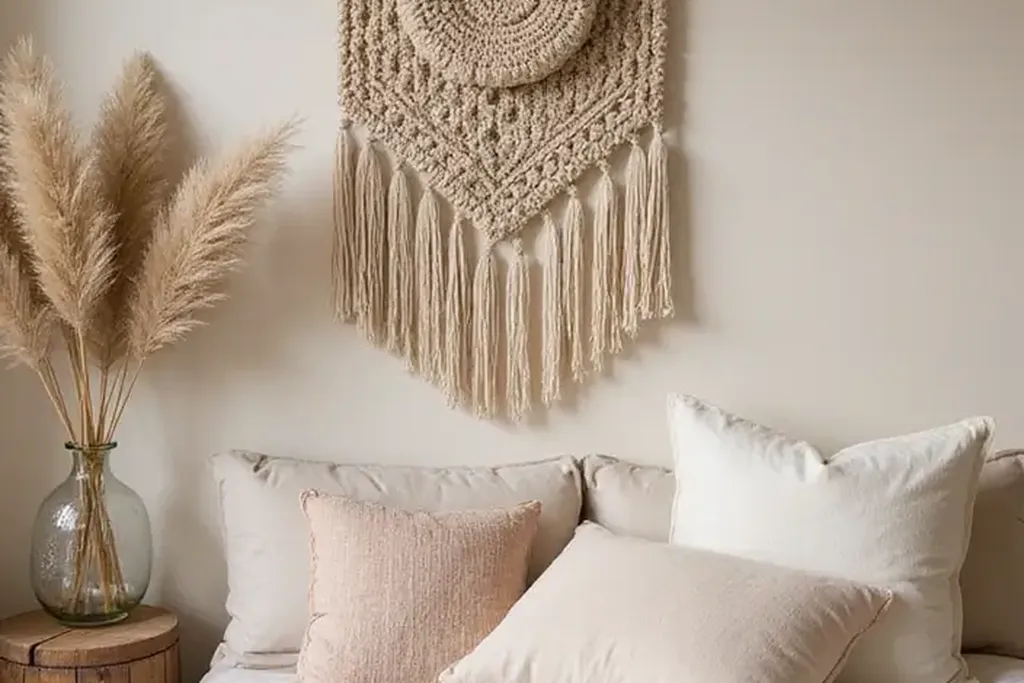
    A quilt, woven hanging, or large textile panel above the headboard adds color and texture to a large bare wall and softens sound a little in a plain room. Center it on the bed, hang it high enough to clear pillows, and use a proper rail or clips rated for its weight. This is a useful place for a family quilt that is too delicate for daily bed use. Avoid heavy framed pieces directly above pillows where fixings could fail.

    13. Use Plaid in One Place Only

    Bed with plain bedding and one plaid cushion.

    Plaid reads as winter fabric quickly, so one cushion, one throw, or one folded blanket is usually enough to set the season without filling the room with pattern. Pick up two colors from the plaid for plain pillowcases or a curtain tieback, and leave the rest of the bedding simple. This controlled dose suits both modern and traditional rooms. If your quilt or rug already has a strong pattern, skip plaid and use a plain woven texture instead.

    14. Bring Warm Wood Tones to the Nightstand

    Wooden tray with a book and glasses on a nightstand.

    A small wooden tray, box, or book stand on the nightstand warms up a white or painted table and keeps glasses, a book, and lip balm in one place. Choose one wood piece per table so the surface does not look crowded. Wipe the tray weekly, because nightstands gather dust near bedding. Bamboo or a warm toned woven basket gives a similar visual effect if you do not want to replace furniture.

    15. Create a Small Reading Corner With a Chair and Lamp

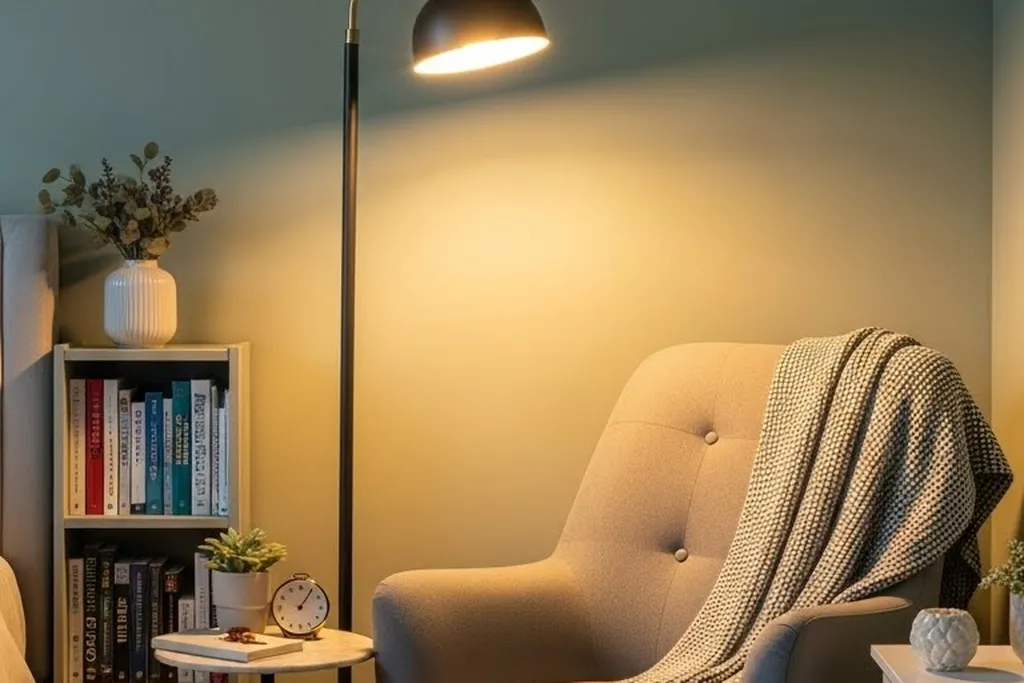
    Chair with a throw and a floor lamp in a bedroom reading corner.

    A single chair with a cushion, a throw over one arm, and a floor lamp makes a clear place to read that is not the bed. Angle the chair toward the light, leave a small surface for a cup or book, and keep the route to the bed clear. This corner gives a shared room a second seat for dressing or quiet time. In a very small bedroom, use a padded stool and a wall lamp instead of a full chair.

    16. Add a Bench or Low Ottoman at the Foot of the Bed

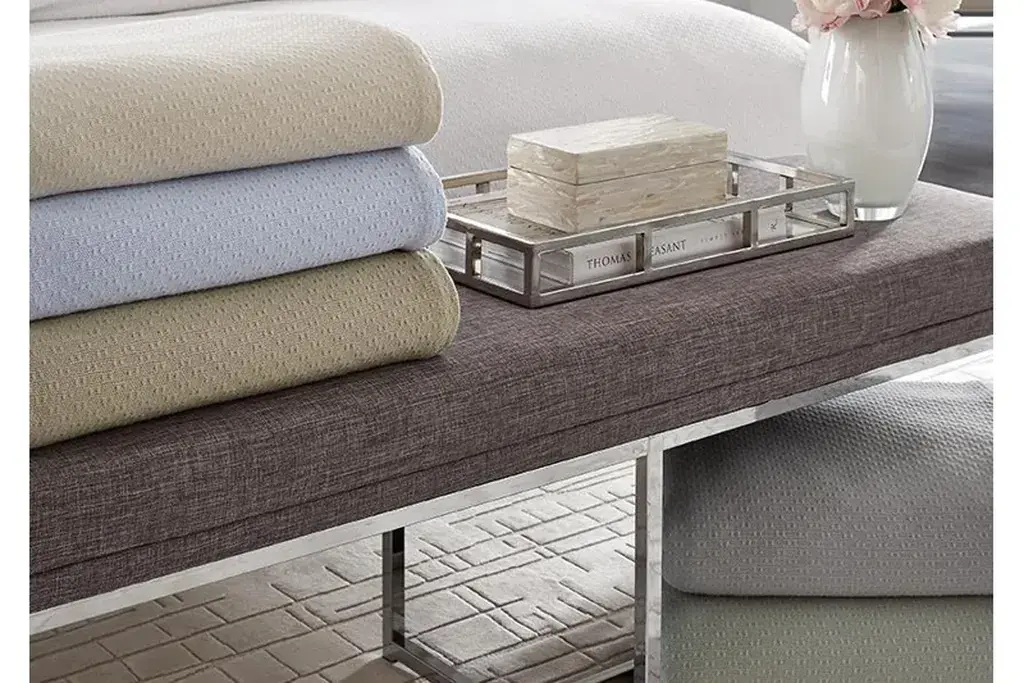
    Bench with folded blankets at the foot of a bed.

    A bench gives you a place to sit while dressing, lay out clothes for the morning, and hold folded blankets during the day. Measure the walkway at the foot of the bed first, and choose a depth that leaves a clear path to the door. A bench with a shelf below can hold the blanket basket from Idea 4. If the room is narrow, a low ottoman at one side of the foot takes less visual space.

    17. Add Pine or Cedar Branches in a Sturdy Vase

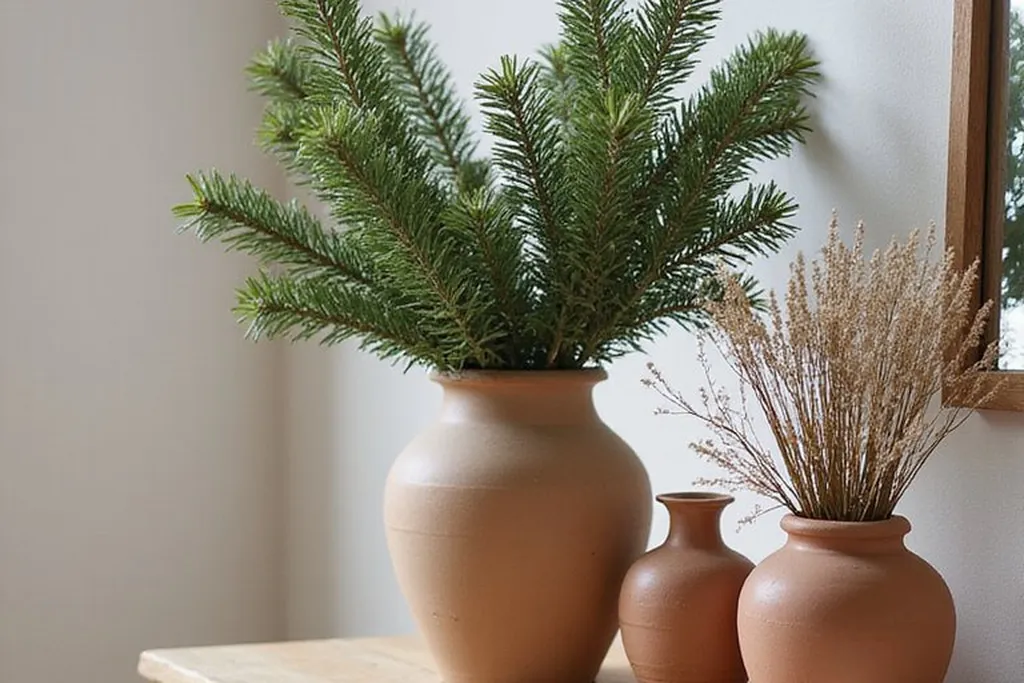
    Pine branches in a vase on a bedroom dresser.

    A few cut pine, cedar, or other seasonal branches in a heavy vase on a dresser bring winter shape and scent without a full display. Trim the stems, use fresh water if the branch type needs it, and set the vase away from bedding and heat sources. Keep the arrangement simple, with space around it so the dresser still works for daily items. If scent bothers you or a household member, use bare branches or dried stems with no added fragrance.

    18. Keep a Robe and Slippers on Hooks by the Bed

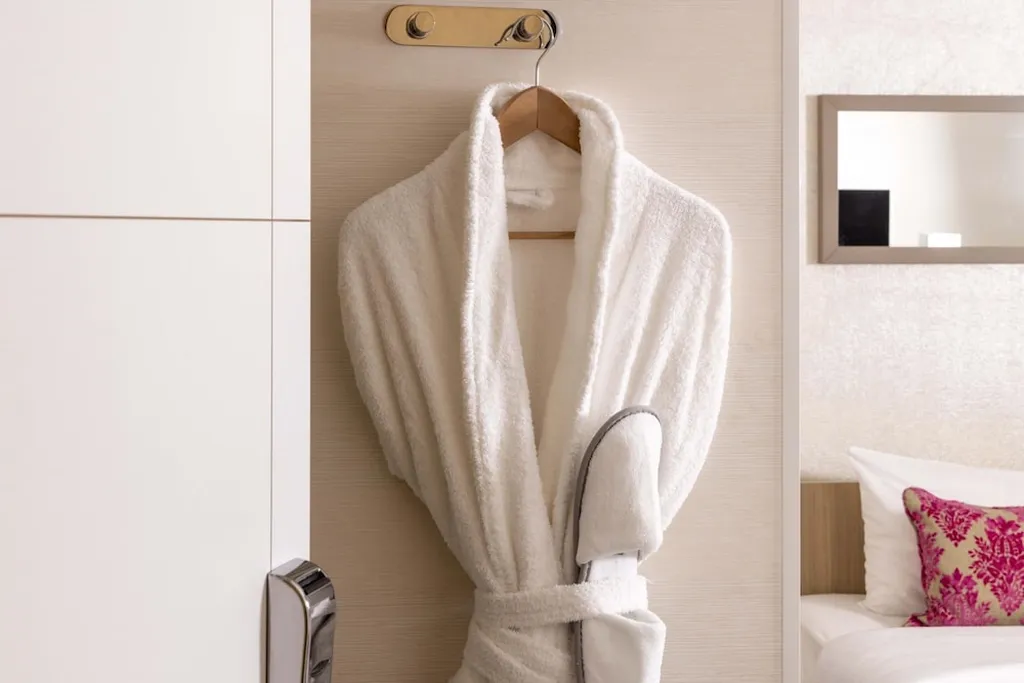
    Robe on hooks near a bed with slippers below.

    Wall hooks or an over door hook near the bed hold a robe and a small slipper mat where you can reach them as soon as you stand up. This small routine removes the cold pause between leaving the bed and getting dressed. Use hooks that fit the door or wall type in your home, and do not overload a lightweight over door hook. In a rental, a freestanding coat stand in a corner does the same job without fixings.

    19. Set a Warm Drink Tray on the Dresser, Not on the Bed

    Tray with a mug and a book on a bedroom dresser.

    A tray on the dresser or a stable side table holds a mug, a book, and a small carafe for an evening routine without risking spills on winter bedding. Choose a tray with raised edges, keep it away from the edge of the furniture, and carry drinks with two hands in a dim room. This suits a main bedroom where you read before sleep. Skip hot drinks on a tray if young children share the space at night.

    20. Swap Small Accents to a Calm, Warm Color Palette

    Neutral bed with warm colored pillow covers and a print above it.

    Changing only pillow covers, a throw, and one art print to warm white, soft brown, muted red, or deep green can shift the room for winter without repainting. Lay the new covers next to your rug and curtains in daylight before you decide, because warm colors change under evening light. Keep the base bedding neutral so the same set works in spring. These seasonal layers pair well with the approach in these simple cozy fall decor ideas, adjusted for colder nights.

    21. Cover a Bare Dresser Top With a Runner

    Fabric runner across a dresser with daily items on top.

    A fabric runner across a dresser or chest softens a hard surface, protects it from watch and jewelry scratches, and links the dresser to the bedding colors. Choose a runner that stops short of the drawer handles and does not hang where drawers will catch it. Leave clear zones for daily items instead of covering the whole top with decor. A washable runner is the practical choice if you keep hand cream or perfume on the dresser.

    22. Contain Nighttime Clutter in Closed Storage

    Nightstand with a closed storage box and a lamp.

    Closed boxes, a lidded basket, or a drawer divider for chargers, books, and small items helps the room look settled at night, which makes the warm layers you added easier to notice. Give each nightstand one container only, and return items to it as part of your evening routine. Keep medicine and other personal items in the storage that is safest for your household, not in open display baskets. For shared warmth beyond the bedroom, compare these winter living room ideas.

    Conclusion

    A warmer winter bedroom usually comes from a few linked changes, not from replacing everything at once. Start with the bed, with flannel sheets, adjustable duvet layers, and a throw you can move during the night. Then fix the cold floor beside the bed, close lined curtains at dusk, and soften the light. Add one textile on the wall, one seasonal accent, and closed storage for small items, and the room should feel more settled. For the room you use right after a morning shower, see these winter bathroom decor ideas. If you gather near a fire in the evening, these fireplace seating ideas may help too.

    Save this list on Pinterest for the next cold weekend, and work through it one area at a time: bed, windows and floor, then light and small routines.

    FAQs

    What is the easiest winter bedroom idea to try first?

    Change the sheets and add one adjustable layer to the bed. Flannel or brushed cotton sheets change how the bed feels right away, and a folded throw at the foot lets you add or remove warmth without remaking the whole bed. It is low cost, reversible, and shows you whether the bed or the room itself is the main source of cold.

    How can I make a drafty bedroom feel warmer without remodeling?

    Close lined curtains at dusk, add a removable draft stopper at the door, and place rugs where you stand beside the bed. Check window latches and gaps, because a window that is not fully closed can let in more cold air than you expect. These steps do not fix a faulty window or heating system, so arrange a proper repair if drafts, damp, or very low temperatures continue.

    What bedding is best for winter if I sleep warm?

    Use layers you can separate. A breathable sheet, one light duvet, and a folded throw give you three levels of warmth instead of one fixed heavy cover. Avoid piling every layer on at bedtime. Start with less, keep the throw within reach, and add it only if you wake cold. Fabric choice is personal, so test one change for several nights before buying a full new bedding set.

    How do I add winter color without making the bedroom feel dark?

    Keep the largest areas light, such as the duvet cover and curtains, and add deeper color in small places: one plaid cushion, a quilt fold, branches in a vase, or a print. Check the colors in daylight and under your bedside lamp, because warm evening light can make muted shades look richer. One or two linked accents are easier to live with than a full room of dark fabric.

    Can renters use these winter bedroom ideas?

    Yes, most of them need no fixed changes. Layer bedding, add rugs with a pad, use a freestanding reading chair, place a draft stopper that rests in position, and hang textiles only with approved removable fixings that suit the wall. Check your lease before drilling, adding film to windows, or changing curtains. Keep receipts and original fittings if you swap any hardware, so you can restore the room later.

    How many rugs does a winter bedroom need?

    Many rooms need only one well placed rug. Put it under the lower half of the bed or beside the side you use most, so your feet meet a warm surface first. A second runner helps in a larger room or on the partner side of the bed. More rugs are not always better, because edges can curl, doors can catch, and cleaning takes longer.


  • 23 Hygge Bedroom Ideas for a Relaxed, Pulled-Together Home

    23 Hygge Bedroom Ideas for a Relaxed, Pulled-Together Home

    Hygge is a Danish idea about warm atmosphere, comfort, and enjoying simple moments with care. In a bedroom, that means soft layers you actually use, light that feels gentle at night, and clear surfaces that let your mind settle. These hygge bedroom ideas focus on small, practical changes for real rooms and real budgets. Start with bedding and lighting, then add one corner, one texture, or one evening habit at a time until the room feels calm when you walk in.

    Key Takeaways

    • Start with the bed: layered natural bedding and one good throw change the feel of the whole room.
    • Use warm, low light from lamps and candles instead of a bright overhead light at night.
    • Keep colors warm and quiet, materials natural, and surfaces mostly clear.
    • Add one useful comfort, such as a reading chair, a blanket basket, or a bedside tray, rather than more decor.
    • Build a short wind-down routine and keep screens, clutter, and harsh light out of it.

    1. Layer Bedding in Natural Fibers

    Layers of cotton and linen bedding folded back on a bed

    Build the bed in thin, useful layers: cotton or linen sheets, a warm duvet, and a lighter blanket you can pull up or push aside. Natural fibers breathe better than many synthetic sets and look softly rumpled rather than stiff. Wash and rotate two sets so the bed always feels fresh. If allergies or budget limit your choices, use a cotton blend for the sheet that touches your skin and save the natural fiber for the top layer.

    2. Replace Overhead Light With Warm Bedside Lamps

    Warm bedside lamps glowing on both sides of a bed in the evening

    Turn off the ceiling light in the evening and use two low lamps with warm bulbs at about bed height. The light pools near the bed, leaves the corners in shadow, and makes the room feel smaller and quieter. Put the switches where you can reach them without getting up. Renters can use plug in lamps or wall lights that need no wiring. Avoid cool white bulbs here, as they can make soft colors look grey.

    3. Add Candle Glow in One Safe Spot

    Candles on a tray on a dresser in a dim bedroom

    Place one or two candles on a stable tray on a dresser, away from curtains, bedding, and drafts, and light them while you read or get ready for bed. VisitDenmark describes hygge as creating a warm atmosphere and enjoying good moments, and candlelight is a simple way to mark that pause. Never leave a flame unattended or burning while you sleep. If that is a concern, use a warm LED candle instead.

    4. Create a Small Reading Corner

    Armchair, side table, and reading lamp forming a bedroom reading corner

    Set one comfortable chair in a corner with a cushion, a small side table, and a reading lamp. Keep the chair clear so it stays an invitation, not a clothes pile. Even a floor cushion beside a low bookcase works in a tight room. This gives the bedroom a second use that is still quiet. If space is short, use the corner of the bed closest to the window and define it with a throw and a wall lamp.

    5. Fold a Wool Throw at the Foot of the Bed

    Folded wool throw across the foot of a bed

    A wool or wool blend throw folded across the foot of the bed adds weight, texture, and a layer you can pull over your legs while reading. Choose a plain weave or a simple check so it works with patterned bedding. Shake it out weekly and store it off the floor. Wool can feel scratchy for some people, so test the texture or choose a soft cotton knit instead if you will use it against your skin.

    6. Use a Warm, Quiet Color Palette

    Bedroom in warm white, beige, and light wood tones

    Pick warm whites, soft beige, pale clay, muted sage, or light wood tones for the large pieces, then repeat each color at least twice so the room feels pulled together. Keep bright colors to one small item, such as a book cover or a cushion. Sample paint and fabric in evening light before you commit, because north facing rooms can turn cool shades dull. Renters can carry the palette through bedding, curtains, and art instead of paint.

    7. Choose a Natural Wood Headboard

    Natural wood headboard behind pillows on a bed

    A plain wood headboard gives the bed a clear center and brings in grain and warmth that painted furniture often lacks. A simple slatted or solid panel design suits most bedding and is easy to clean. Leave enough room to sit up with a cushion behind you. If a new headboard is not practical, hang a wide wood framed textile or a plain wood shelf low behind the pillows for a similar visual anchor.

    8. Put a Soft Rug Where Your Feet Land

    Soft low pile rug beside a bed in morning light

    Place a washable rug beside or partly under the bed so the first step in the morning lands on something warm. A low pile wool look or cotton rug is easier to vacuum than a deep shag option and works better under doors. Measure the swing of the door and the path to the bathroom before you buy. In a small room, one runner on the side you use most gives the benefit without covering the whole floor.

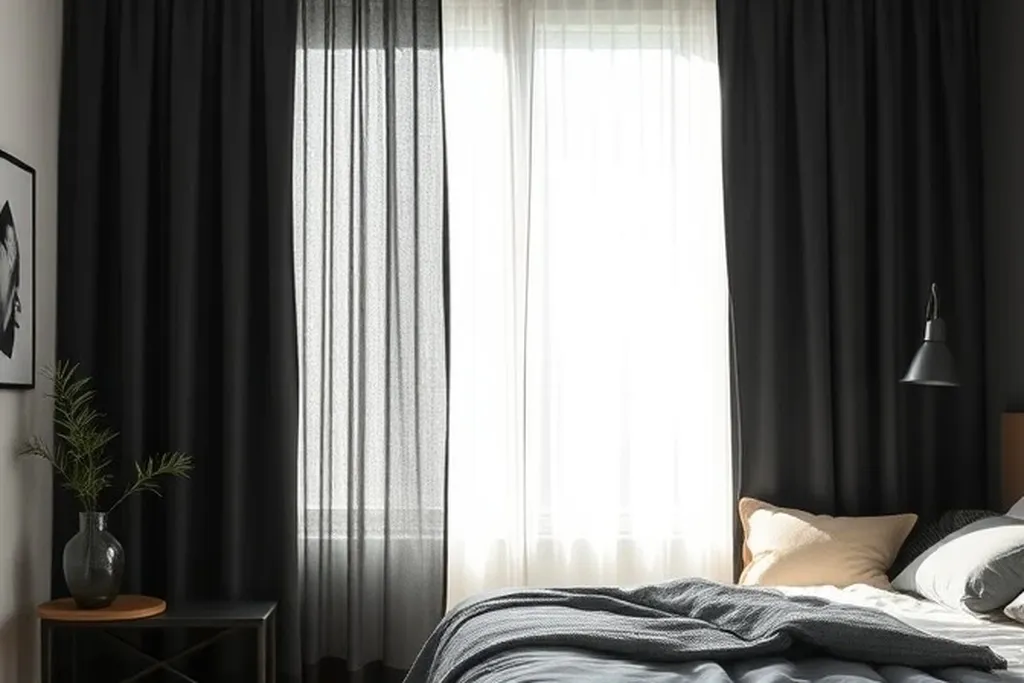
    9. Layer Sheer and Blackout Curtains

    Sheer and blackout curtain panels layered at a bedroom window

    Hang a sheer panel for soft daytime light and a blackout panel you can close at night for darkness and privacy. The pair also helps soften street sound and drafts at older windows. Mount the rod a little wider than the frame so the panels do not block light when open. Choose a warm white or natural linen tone to keep the wall feeling light. If blackout fabric feels heavy, use blackout lining behind a lighter curtain.

    10. Keep a Bedside Tray for Your Evening Ritual

    Bedside tray holding a book, water glass, and glasses on a clear nightstand

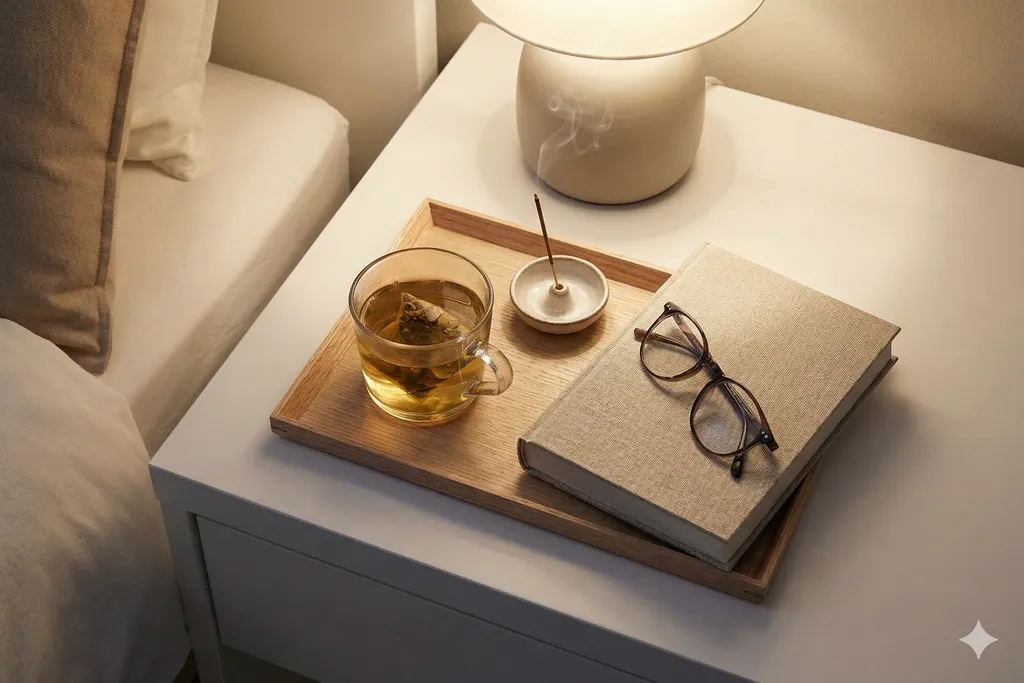
    Use a small tray on the nightstand to hold only what belongs to your evening: a book, lip balm, a glass of water, and your glasses. Grouping these items keeps the surface tidy and makes the routine feel settled. Choose a tray with a low edge so items do not slide off. Keep chargers and work papers elsewhere. A tray that is too large will collect extras, so pick the smallest size that fits your regular items.

    11. Try a Low, Simple Bed Frame

    Low wood bed frame with simple bedding in a small bedroom

    A low frame with clean lines leaves more wall space above the bed, which can make a small ceiling feel higher and the room feel less crowded. Wood frames warm up the look, while a simple upholstered base feels softer. Check that the height still lets you sit and stand with ease, especially if you share the bed with a partner who prefers a higher base. Test mattress support before you replace a frame for looks alone.

    12. Mix Knit and Linen Cushions, Then Stop

    Knit and linen cushions arranged on a bed in neutral tones

    Use two sleeping pillows and no more than two or three extra cushions in mixed knit, linen, or cotton. Different textures give depth without bright pattern, and a small number keeps the bed easy to make. Put a zip cover on each cushion so you can wash them. If you have to move a pile to get into bed, you have too many. Store one spare set of covers in the nightstand drawer for a quick seasonal change.

    13. Bring in One Plant and One Natural Find

    Potted plant and a bowl of pinecones on a bedroom dresser

    Set one easy care plant on a dresser or stool where it gets the light it needs, and add one natural object such as a smooth stone, a small branch in a jar, or a bowl of pinecones in season. Living green and found texture connect the room to the outdoors without turning it into a display. Keep plants out of reach if pets chew leaves, and check a plant is suitable for your home before you bring it in.

    14. Hide Clutter in Closed Nightstand Storage

    Nightstands with closed drawers and clear tops beside a bed

    Choose nightstands with a drawer or a door so chargers, medicine, notebooks, and loose items stay out of sight. Clear tops calm the room more than any new decor, because the bed area is what you see last at night. Do a quick sort and keep only daily items in the drawer. Open shelves can work if you use one closed box per shelf, but measure the box before you buy so it fits without forcing.

    15. Add a Gentle, Familiar Scent

    Scented sachet tucked in a drawer of folded bedding

    Pick one light scent you link with rest, such as clean cotton, cedar, or a mild lavender product, and use it in only one form: linen spray, a drawer sachet, or a candle. Using the same scent each evening builds a simple cue that the day is ending. Keep it subtle so it does not compete with sleep. If scent triggers headaches or allergies in your household, skip this idea and rely on fresh air and clean bedding instead.

    16. Make the Last Hour Screen Free

    Book and alarm clock on a nightstand during a screen free evening

    Charge your phone outside the bedroom or across the room, use a basic alarm clock, and spend the last part of the evening reading, talking, or preparing for the next day. CDC sleep guidance notes the value of a relaxing routine, dim light, and a cool, comfortable room before bed. If you must keep a phone nearby for emergencies, turn off non essential alerts and set the screen face down.

    17. Warm Up the Walls With Color or Texture

    Warm beige wall behind a bed with white bedding at dusk

    A warm white, soft beige, or muted earthy paint can remove the stark feel of a bright white rental wall. For texture without paint, use removable panels, a large framed fabric piece, or plain curtains that cover more of the wall. Test any color beside your bedding in daylight and lamplight. Dark walls can feel restful in a large room but may close in a small one, so start with the wall behind the bed if you want to try a deeper tone.

    18. Keep a Basket for Blankets and Books

    Woven basket with a throw and book beside a bed

    Place a sturdy woven or fabric basket beside the bed or chair for the throw you are not using, a current book, and socks or a shawl. A basket keeps comforts close without spreading them across the floor. Choose handles if you move it for cleaning. Limit the basket to items you use each week. If it fills with random storage, empty it during your reset and return only the evening items that belong there.

    19. Add a Bench at the Foot of the Bed

    Wood bench with a folded throw at the foot of a bed

    A narrow bench gives you a place to sit while dressing, lay out clothes for the morning, or set a tray without using the bed. A wood bench with a folded throw or a single cushion keeps the look simple. Leave clear space at the sides so you can walk around it at night. In a short room, use a small stool or an ottoman instead, and check that it does not block a heat vent or a door.

    20. Hang One Soft Textile on the Wall

    Woven textile hanging on a bedroom wall in neutral tones

    A woven hanging, a plain quilt, or a framed piece of textured fabric softens hard walls and helps a room feel less echoing. Hang it where you see it from the door, not crowded above the pillows if the bed already has a strong headboard. Use secure fixings suited to the wall and the weight of the piece. Renters can use a lightweight textile on removable hooks. Keep colors in the same warm palette as the bedding for a settled result.

    21. Frame Personal Photos in Warm Wood

    Group of photos in light wood frames on a bedroom wall

    Choose three to five favorite photos, print them in a similar size, and frame them in light or medium wood. Group them at eye level on one wall or lean one larger frame on a dresser. Personal images make the room feel lived in, which is central to hygge, without buying more decor. Avoid a scattered gallery across every wall. If you prefer privacy, use landscape photos from trips or places that matter to you instead of portraits.

    22. Plan for Slow Mornings in Bed

    Tray with a mug and book on a bed in morning light

    Keep what you need for a slow start within reach on a weekend: a tray, a mug you like, and a book or journal on the nightstand. Open the sheers first for natural light, stay under the layers a little longer, and enjoy the room you have made. This is a good time to borrow ideas from simple cozy fall decor ideas when the season turns. Clear the tray back to the kitchen afterward so the habit stays tidy.

    23. Finish the Day With a Five Minute Reset

    Tidy bedroom with a made bed and low lamps after an evening reset

    Spend five minutes before you dim the lamps: make the bed neat if needed, return the throw to its fold, put books in the basket, clear the nightstand tray, and set out water. A short reset protects the calm you built and makes the morning easier. Pair it with an evening wash or bath routine, such as the ideas in these cozy spa bathroom ideas, then return to a clear room. Skip perfection and aim for clear surfaces.

    For hygge beyond the bedroom, the same warm light and layered textiles work in these winter living room ideas.

    Conclusion

    A hygge bedroom is not a style you buy in one order. It is a bed made in layers you like, warm light you switch on in the evening, a place to read, and surfaces that stay clear. Pick two ideas from this list to try this week, live with them, and add a third only if the room still needs it. Small, useful comforts repeated each night are what make the space feel relaxed and pulled together.

    FAQs

    What does hygge mean in a bedroom?

    Hygge in a bedroom means creating a warm atmosphere and a feeling of comfort and contentment through simple, everyday choices. In practice that is soft bedding, warm low light, natural materials, a place to read or rest, and a room that is tidy enough to relax in. It is less about a look you copy and more about how the room helps you slow down at night and start the day without rushing.

    What colors work best for hygge bedroom ideas?

    Warm and quiet colors work best, such as warm white, soft beige, light clay, muted sage, and natural wood tones. These shades look gentle in lamplight and pair well with linen, wool, and cotton. Use brighter color in small doses only, for example one cushion or a book, so the room stays restful. Always check a paint or fabric sample in both daylight and evening light, because a color that looks warm at noon can look grey at night.

    How can renters create a hygge bedroom without painting or rewiring?

    Renters can use bedding, throws, curtains, a rug, plug in lamps, framed photos, and a basket to change the feel of a room without permanent work. Layer textiles for warmth, add warm bulbs to lamps you own, and use removable hooks for a lightweight textile hanging. Closed storage and a nightly reset cost nothing and help a rental feel settled. Keep all fixings removable and check your lease before you drill or mount anything heavy.

    How do I make a small bedroom feel hygge without adding clutter?

    Use fewer, larger comforts in a small room. Choose one rug, one throw, two extra cushions at most, and one chair or stool if it fits with clear walking space. Keep storage closed, keep the nightstand to a tray of daily items, and repeat the same two or three colors. If an item does not help you sleep, read, dress, or rest, store it in another room instead of finding a place for it in the bedroom.

    Is candlelight safe to use in a bedroom?

    Candlelight can be used with care if you place candles on a stable, heat safe surface away from bedding, curtains, and drafts, and you never leave them unattended. Do not fall asleep with a candle burning. Keep flames away from children and pets who could knock them over. If any of those conditions are hard to meet in your room, a warm LED candle gives a similar glow with no flame and is the safer choice.

    What is the first hygge change to make on a small budget?

    Start with light and the bed, because you feel both every day. Put a warm bulb in a bedside lamp, wash and layer the bedding you already own, and add one throw from another room. Then clear the nightstand and set out a book and water on a small plate or tray. Those steps cost little or nothing, and they show you whether you want to spend later on a rug, curtains, or a better reading chair.

    Can hygge work in warm climates?

    Yes. Hygge is about comfort and atmosphere, not heavy layers alone. In a warm climate, use breathable cotton and linen, a light throw instead of wool, sheer curtains for soft light, and a fan or open window for air if conditions allow. Keep the warm lamp light, the reading corner, the clear surfaces, and the evening routine. Choose lighter colors and natural fibers that suit your weather rather than copying a winter room from a colder place.

    Save this list for later and pin your favorite idea combinations for the season you are in. A bedroom changes best in small steps, and Pinterest is a useful place to keep the ideas you plan to try next in one board.


  • 33 Plaid Bedroom Ideas That Bring Practical Style Home

    33 Plaid Bedroom Ideas That Bring Practical Style Home

    Plaid works in a bedroom when you control scale, color, and placement instead of covering every surface. These plaid bedroom ideas cover bedding, curtains, rugs, seating, storage, and small accents, so you can use one strong piece or build a layered scheme over time. Pick ideas by your room size and light first, then repeat one or two colors from the check in solid pieces. That simple limit keeps the pattern clear and the room restful.

    Key Takeaways

    • Start with one main plaid piece, usually the duvet, a throw, or a rug, and build solids around it.
    • Match scale to room size: large checks need breathing room, small checks read calmer on big surfaces.
    • Repeat one or two plaid colors in solid cushions, curtains, or a lamp to tie the scheme together.
    • Choose fabric by season and use: flannel and wool for cold months, cotton and linen blends for warmer rooms.
    • Keep rental and small rooms flexible with removable textiles, shades, and washable covers.
    • Mix plaid with one other pattern at most, vary the scale, and share a color between the two.

    Ideas 1 to 9: Bedding and the Bed

    1. Make a Tartan Duvet Cover the One Focal Point

    Tartan plaid duvet cover in red and navy as the focal point of a bedroom with white sheets

    Use a classic tartan duvet in red, navy, or forest with white or cream sheets and plain pillowcases. The bed becomes the clear focus, and the rest of the room can stay simple with wood furniture and a solid rug. Choose a medium scale so the repeat reads from the doorway. If your walls are already a strong color, pick a tartan that shares that tone in a thin stripe rather than adding a new bold color.

    2. Fold a Buffalo Check Throw Across the Foot of the Bed

    Buffalo check throw folded across the foot of a bed with plain white bedding

    A large black and white or red and black buffalo check throw adds pattern without changing your bedding set. Fold it into a wide band across the foot, leaving the pillows and sheets plain. This suits plain white, gray, or denim blue bedding that needs definition. Use a washable cotton throw if it will be pulled up daily. In a small room, keep the check on the throw only, so it can be removed when you want a quieter look.

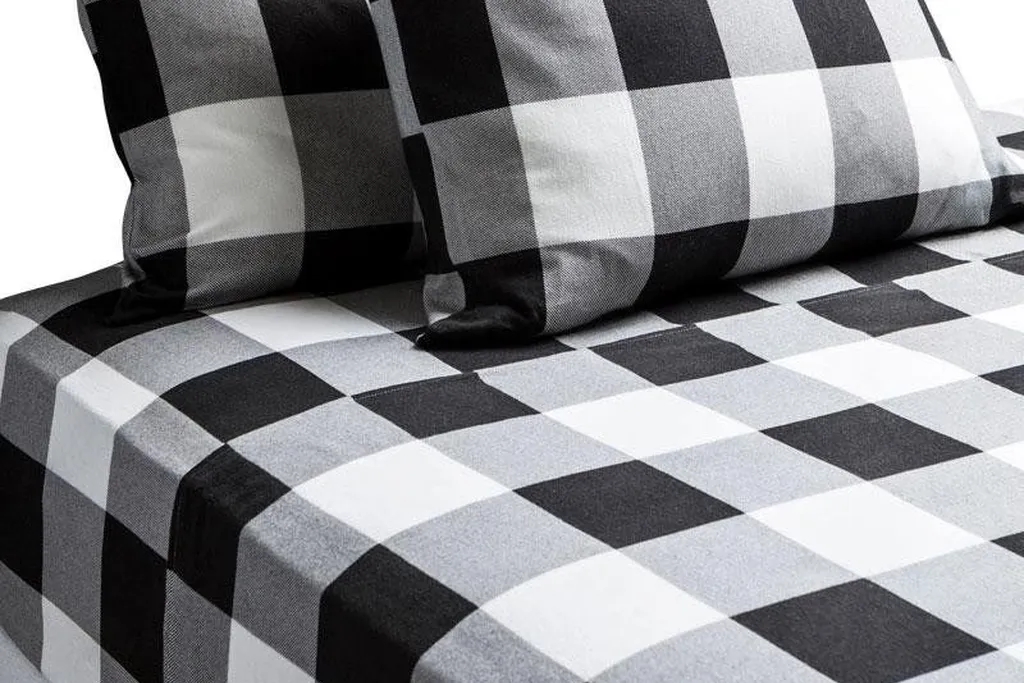
    3. Swap in Plaid Flannel Sheets for Cold Months

    Plaid flannel sheet showing as a folded band over a solid duvet on a bed

    Flannel plaid sheets give pattern at the edge of the bed and real warmth under a solid duvet. Turn the top sheet down over the duvet so a band of check shows, and keep pillow shams solid. Brushed cotton flannel suits cold bedrooms and cabins, but it can feel too warm for hot sleepers. Store the set folded with the duvet cover you pair it with, so the seasonal swap takes minutes in fall.

    4. Use Small Gingham Checks for a Light, Airy Bed

    Small gingham check bedding in pale blue on a bed in a bright small bedroom

    Small gingham in pale blue, sage, or soft gray reads almost like a texture from across the room, which helps in small or low light bedrooms. Use it on a duvet or pillow shams with white sheets and light wood. The small scale tolerates a second pattern nearby, such as a thin stripe on a cushion. Avoid tiny checks on every layer at once. One gingham piece plus solids keeps the effect fresh instead of busy.

    5. Upholster the Headboard in a Muted Plaid

    Upholstered headboard covered in muted plaid fabric behind plain bedding

    A plaid upholstered headboard gives the bed structure and pattern in one fixed place, so bedding can stay plain. Choose a muted, even check in wool look fabric and align the pattern at the center seam. This works well in primary bedrooms with tall ceilings. Upholstery is a commitment and costs more than bedding, so order a large fabric sample and tape it behind the pillows for a week before deciding.

    6. Mix Plaid Pillows With Solid Cushions in Between

    Plaid pillows separated by a solid lumbar cushion on a neatly made bed

    Place two plaid pillow shams or cushions on the bed and separate them with a solid lumbar cushion in a color pulled from the check. The solid break stops the pattern from merging into one block. Vary size rather than adding more prints: large plaid squares behind, a smaller solid in front. Removable covers make this easy to wash and to change. If the plaid is bold, keep the throw and rug solid.

    7. Layer a Plaid Quilt Over a Plain Duvet

    Plaid quilt folded over the lower half of a plain duvet on a bed

    Fold a plaid quilt in thirds and lay it over the lower half of a plain duvet for a layered bed you can adjust by temperature. A quilt adds pattern to the side view of the bed, which matters in rooms seen from a hallway. Choose cotton for easy washing. Heavier wool quilts suit winter and need more care, so check the care label. When the quilt is on the bed, keep pillow patterns to solids or a fine stripe.

    8. Keep a Tonal Plaid for a Modern, Low Contrast Bed

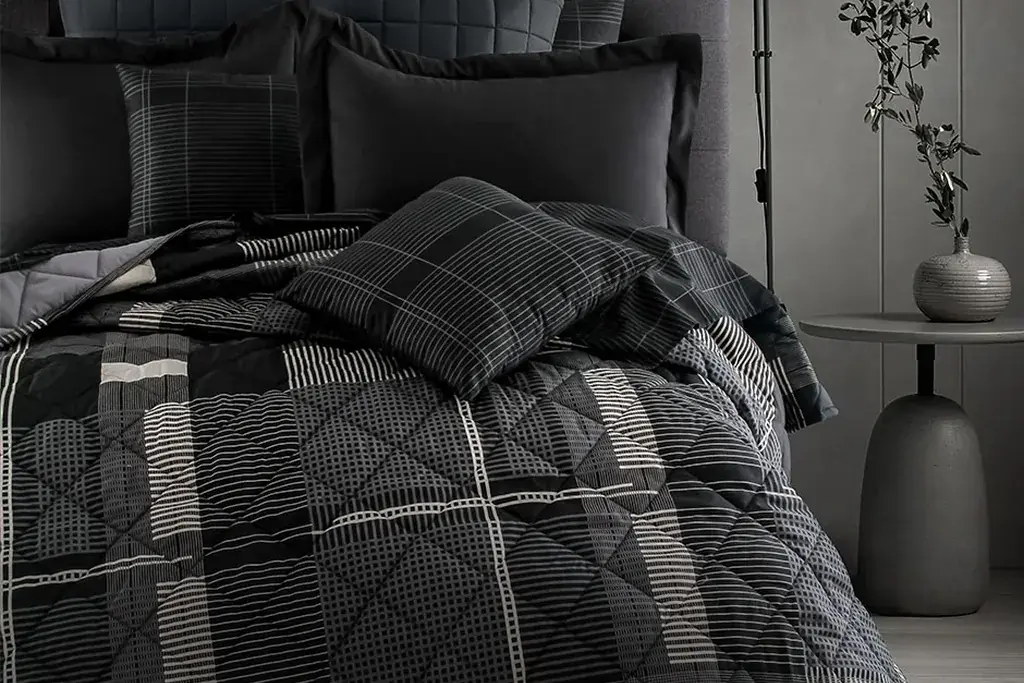
    Tonal charcoal plaid duvet cover on a bed in a modern bedroom with plain walls

    A tonal plaid uses close colors, such as charcoal on black, cream on beige, or navy on dark blue, so the check appears as subtle lines rather than strong contrast. Use it on a duvet in a modern room with plain walls and simple furniture. Texture does the work here, so add a knit or linen solid layer. This is a good first plaid for readers who like pattern but worry it will look rustic or themed.

    9. Add a Plaid Bed Skirt to Hide Under Bed Storage

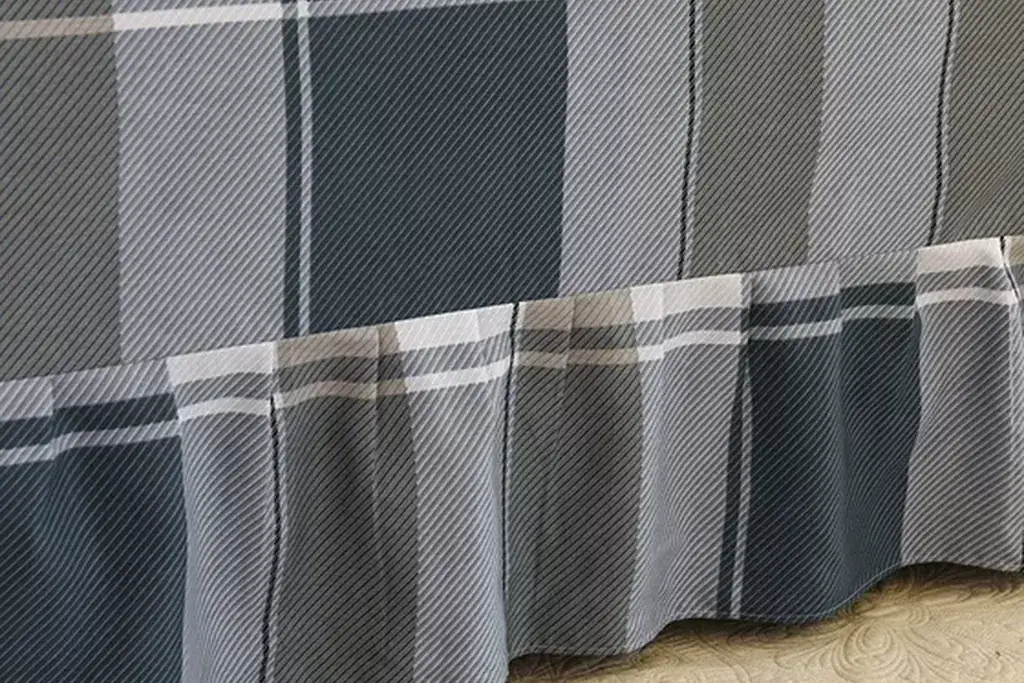
    Plaid bed skirt in a small check covering the base of a bed with plain bedding

    If you store boxes under the bed, a plaid bed skirt hides them and brings pattern low in the room while bedding stays plain. Choose a tailored, small to medium check that will not fight with a rug pattern, and measure the drop from base to floor so it just clears the ground. This suits traditional beds with visible frames. It is less useful for low platform beds, where a skirt can bunch and trap dust.

    Ideas 10 to 18: Walls, Windows, and Floors

    10. Hang Floor Length Windowpane Plaid Curtains

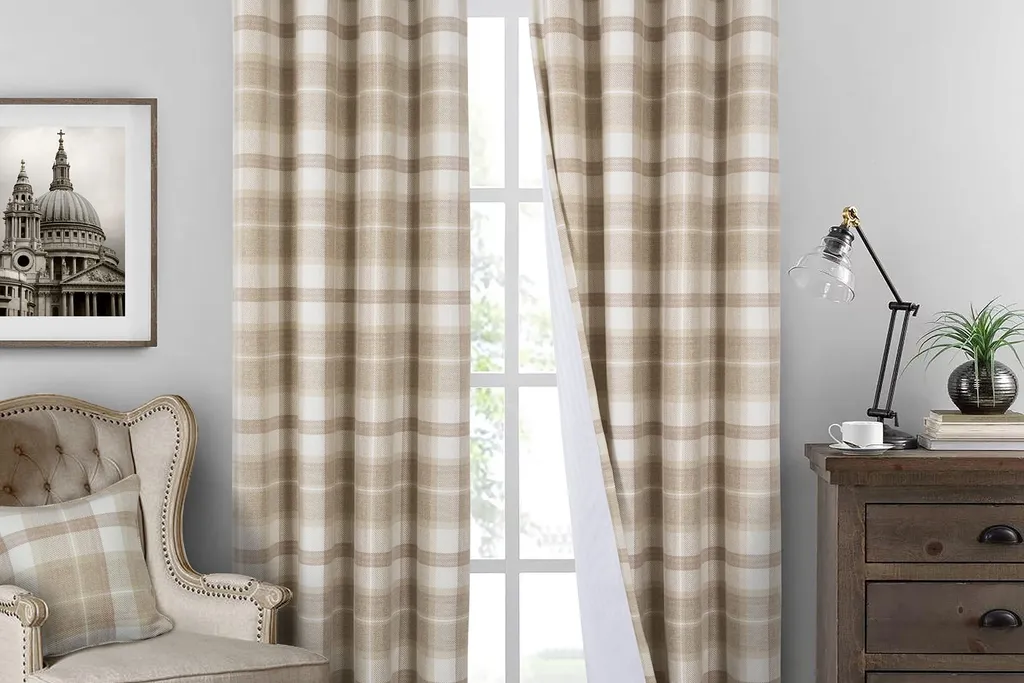
    Windowpane plaid curtains in cream and gray hanging floor length beside a window

    Windowpane checks have wide spacing and thin lines, so curtains carry pattern without darkening the window. Hang panels high and wide so they frame the glass and fall in long folds, with a light lining if you need privacy. Cream grounds with gray or navy lines suit most wall colors. Measure carefully: panels that end just above the floor look cleaner than fabric pooling in a bedroom where dust collects.

    11. Fit a Plaid Roman Shade in a Small Bedroom

    Plaid Roman shade at a small bedroom window next to a bed with solid bedding

    A Roman shade in a small plaid gives a window pattern and privacy without taking floor space, which helps when a bed sits close to the window. Choose a flat shade rather than soft folds if the check is large, so the repeat stays readable when raised. Cordless or child safe fittings matter in family homes, so check local safety guidance. Keep curtains off the plan if you use a patterned shade, and use a solid roller behind it for darkness.

    12. Paper One Plaid Wall Behind the Headboard

    Plaid wallpaper on the single wall behind a bed headboard in a bedroom

    A single plaid wall behind the bed gives the room a clear back panel and leaves the other walls plain for art and furniture. Large scale paper suits larger walls; small rooms need a lighter ground and finer lines. Removable wallpaper is the lower risk option for renters and for testing scale. Before ordering, hang two sample sheets behind the headboard and live with them in morning and evening light, because plaid can look stronger at night.

    13. Paint a Soft Plaid Wall With Tape and Two Tones

    Painted plaid effect wall in soft sage tones behind a bed

    Painting a plaid effect with base color, taped stripes, and a slightly darker tone gives pattern without wallpaper cost. Work on one wall, keep contrast low, and use wide bands so small errors are less visible. This is a weekend project that needs drying time between stripes and careful tape removal. It suits readers who can repaint later. If you rent, skip paint and use the removable paper or a large plaid throw as a wall hanging instead.

    14. Anchor the Bed With a Plaid Rug Under the Lower Two Thirds

    Plaid rug placed under the lower part of a bed and extending out on both sides

    Place a plaid rug under the lower two thirds of the bed, extending out both sides, so bare feet land softly and the bed links to the room. Low pile wool or wool look rugs handle wear and vacuum easily. Too small a rug makes the bed look as if it is floating, so measure for a clear border each side. Keep bedding solid if the check is large. See these simple cozy fall decorating ideas for layering balance.

    15. Lay a Narrow Plaid Runner Beside the Bed

    Narrow plaid runner rug laid along the side of a bed in a small bedroom

    In a narrow bedroom with no room for a large rug, a plaid runner along the side of the bed adds color where you step and leaves the rest of the floor clear. Choose a flat weave that fits under a door swing and use a non slip pad underneath. A runner also works over plain carpet in rentals. Keep the pattern direction running the length of the bed, and avoid a second busy rug at the doorway.

    16. Use Plaid Lampshades to Repeat the Pattern at Eye Level

    Bedside lamps with small plaid lampshades on tables beside a bed

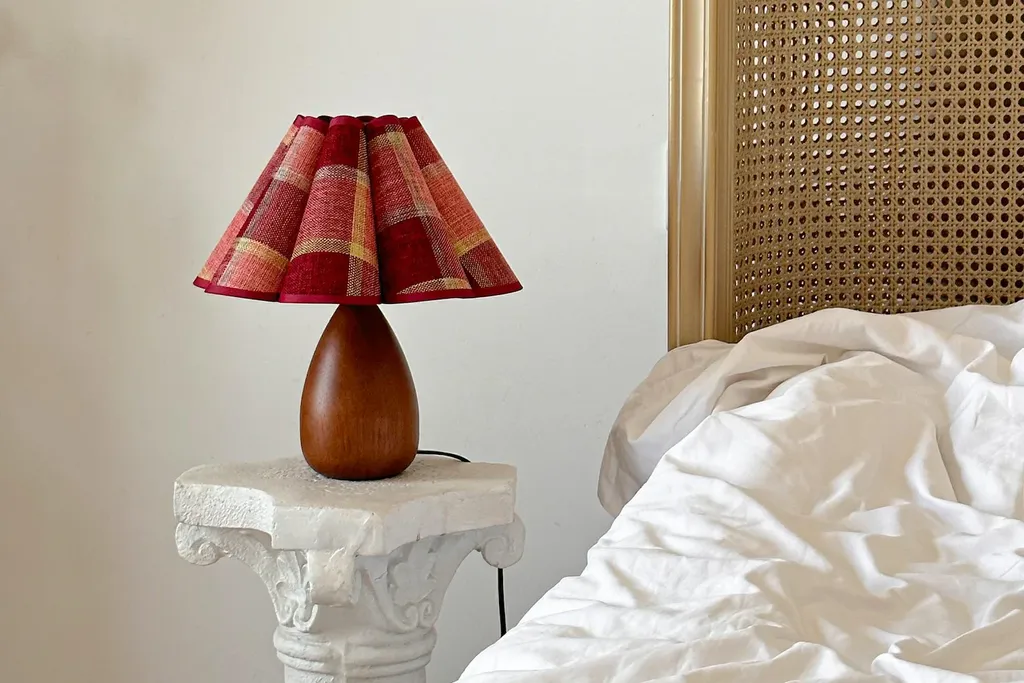
    Two plaid lampshades on bedside lamps repeat a color from the bedding without adding another large surface. Small checks work best because the shade curves and distorts wide repeats. Warm white bulbs keep reds and creams from looking harsh. Check that the shade sits at a safe distance from the bulb and follow the lamp maker guidance on maximum wattage. If your bedding is already plaid, choose shades in a solid color from the check instead.

    17. Hang a Wool Plaid Blanket as a Wall Panel Above the Bed

    Wool plaid blanket hanging as a wall panel above a bed headboard

    A folded wool plaid blanket hung on a simple rod or wooden rail above the headboard fills a wide blank wall and adds softness that framed prints do not. Center it over the bed and keep the lower edge clear of pillows. This suits rooms with high ceilings and plain walls. Wool needs airing and protection from moths in storage season, so rotate it with a lighter cotton throw in summer rather than leaving it up all year untouched.

    18. Line the Inside of a Canopy or Four Poster With a Light Plaid

    Light plaid fabric draped inside the frame of a four poster bed

    Draping a light cotton plaid inside the top or back of a four poster softens the frame and gives pattern overhead without covering the walls. Use a pale, small check and secure fabric so it cannot fall onto the bed. Keep the sides open for air flow, which matters in warm rooms. This is a specific fit for poster beds only. For a standard frame, get a similar effect with plaid curtains behind the headboard on a narrow rod.

    Ideas 19 to 27: Furniture, Seating, and Storage

    19. Place an Upholstered Plaid Bench at the Foot of the Bed

    Plaid upholstered bench at the foot of a bed with a folded quilt on it

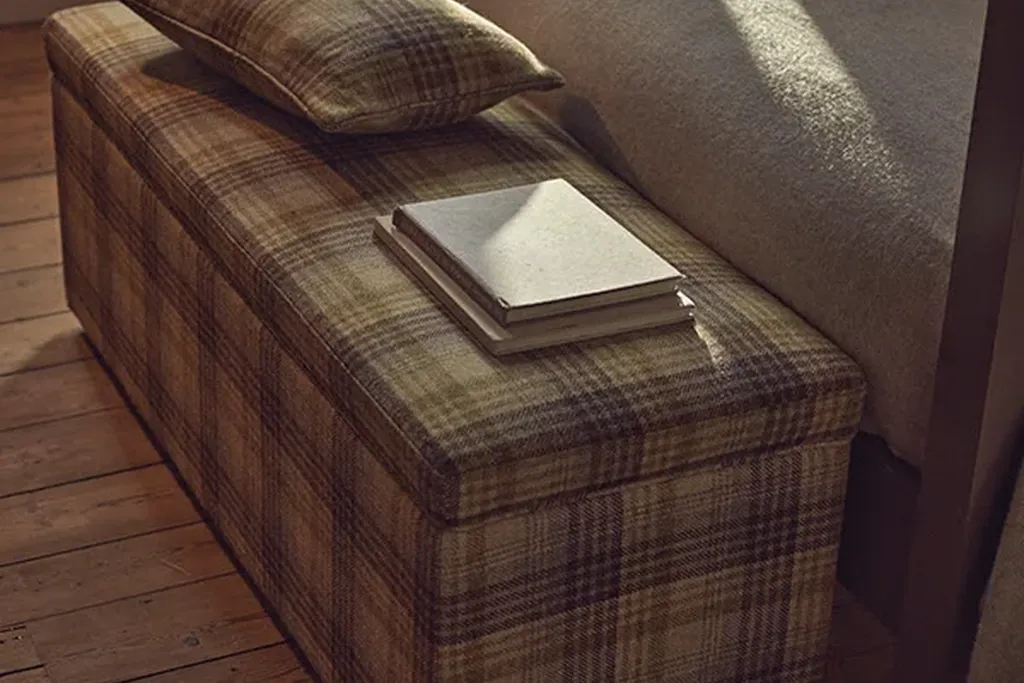
    A bench in a sturdy plaid gives you a seat for dressing, a place for a folded quilt, and pattern at the foot of the bed in one piece. Choose a tight weave that can handle daily contact and a scale that matches the bed width, leaving walking space at the sides. In small rooms, measure the gap to the opposite wall first. If space is tight, a narrow plaid storage ottoman in Idea 22 does the same job in less depth.

    20. Create a Reading Corner With a Plaid Armchair

    Plaid armchair in a bedroom reading corner with a side table and floor lamp

    One plaid armchair, a small side table, and a floor lamp turn an unused corner into a reading spot and carry the pattern away from the bed. Angle the chair slightly toward the room so it does not look pushed away. Add a solid cushion in a color from the chair fabric. This needs a corner with enough depth for legs and a table, so in very small rooms use a plaid cushion on a plain chair instead.

    21. Re-cover a Simple Chair Seat in Plaid

    Bedroom chair with a plaid fabric seat pad at a plain dressing table

    Re-covering only the seat pad of a dressing table or desk chair is a small, low cost plaid project with a clear result. Staple a tight cotton or wool blend over the old pad, pull the check straight, and trim excess fabric underneath. The small area suits a bolder check you might not use on bedding. It is also easy to redo when you change colors. Keep the chair frame plain so the seat reads as an accent.

    22. Choose a Plaid Storage Ottoman for Blankets and Linens

    Plaid storage ottoman at the foot of a bed in a bedroom

    A plaid ottoman at the bed end or under a window stores spare blankets and gives the check a practical job. Look for a firm lid you can sit on and a lining you can wipe clean. Measure inside space honestly, because thick quilts fill it fast. In a bedroom that also needs open storage, pair this closed piece with the open styling approach in this guide to styling open shelves without clutter, keeping only a few neat stacks visible.

    23. Use Plaid Fabric Baskets and Boxes for Small Storage

    Plaid fabric storage baskets arranged on a bedroom dresser shelf

    Fabric baskets lined or covered in plaid tidy chargers, books, and scarves on a dresser or shelf while repeating the room pattern in small doses. Use two or three matching containers at most, in one size family, so the shelf looks ordered. Label the contents if boxes are opaque. Soft baskets are not right for heavy items, so keep books and tools in rigid boxes and save fabric baskets for light, soft goods.

    24. Replace Closet Doors With Plaid Curtains

    Plaid curtains covering a closet opening in a small bedroom

    Plaid curtains on a tension rod or ceiling track can replace closet doors that swing into a small bedroom or bifold doors that no longer run well. Choose a heavier cotton that hangs straight and a medium check aligned across both panels. Measure for fullness so the fabric covers the opening without gaps. This is a rental friendly change if you keep the original doors stored safely, but check your lease before removing any fittings.

    25. Build a Window Seat With Plaid Cushions

    Window seat with a plaid seat cushion and solid back cushions in a bedroom

    A window seat with a long plaid seat cushion and solid back cushions makes use of a bay or low window area and gives the room a second place to sit. Use foam rated for seating and a removable, washable cover, because window seats collect dust and sun. Light colors will fade faster in direct sun, so a mid tone check is more forgiving. Add storage drawers or lift up lids underneath if the base is being built.

    26. Pair Plaid With Plain Wood Furniture to Keep It Grounded

    Plaid bedding paired with plain wood bedside tables and a wood dresser

    Plaid reads calmer next to plain wood with visible grain, such as oak bedside tables, a pine dresser, or a simple wood bed frame. Let the wood provide warmth and keep metal or painted pieces to one or two items. Avoid matching plaid with heavily patterned wood veneer or busy carved details on every piece. If your furniture is dark, choose a plaid with a light ground so the room does not close in around the bed.

    27. Mix Plaid With One Stripe or Small Floral, Sharing a Color

    Plaid duvet paired with a thin striped sheet and solid cushions on a bed

    Mixing works when plaid is the largest pattern, the second pattern is smaller or larger, and both share a color. Try a plaid duvet with a thin ticking stripe sheet, or a plaid cushion beside a small floral in the same blue. Stop at two patterns and fill the rest with solids and texture. In North America, plaid commonly means tartan patterns. See cozy living room ideas for the same approach.

    Ideas 28 to 33: Rooms and Seasons

    28. Use Washable Plaid in a Kids Bedroom, Kept to the Bed

    Child bedroom bed with a plaid duvet cover and one plaid cushion

    For a child room, put plaid on a washable duvet cover and one cushion, and keep walls, rug, and curtains solid and easy to clean. Cotton or cotton blend covers that zip off make laundry simple after illness or spills. Choose a check in colors that can move to a guest bed later, rather than a novelty palette that dates quickly. Avoid small loose buttons or trims on bedding for young children, and follow age appropriate bedding safety guidance.

    29. Give a Teen Bedroom a Graphic Black and White Plaid

    Teen bedroom with black and white plaid bedding and a single accent cushion

    Black and white plaid on bedding or a throw gives a teen room a clear graphic look that pairs with posters, denim, and metal or black furniture. Keep one accent color, such as red or mustard, in a single cushion or desk item so the room can change without replacing the bedding. Involve the teen in choosing scale: oversize checks feel bolder, fine checks feel calmer. Use removable wall items rather than paint if tastes are changing fast.

    30. Set Up a Guest Bedroom With a Folded Plaid Throw and Fresh Shams

    Guest bedroom bed with a folded plaid throw and plaid pillow shams

    Guests read a room quickly, so a clean solid bed with a folded plaid throw and two fresh plaid shams signals care without a full redecorate. Keep a spare solid blanket in the closet for warmth choice and leave surface space free on the dresser. Wash the throw and shams between guests. If the room is also a home office, the throw and shams can be stored in a lidded box and put out in five minutes before someone stays.

    31. Keep Rentals Textile Only: Plaid Bedding, Shade, and Rug

    Bedroom styled with plaid bedding, a plaid shade and a plaid rug on plain walls

    Renters can get a full plaid scheme from three removable items: a duvet cover, a Roman shade or curtain panel, and a rug or runner. None of these need paint, paper, or fixed upholstery, and all move with you. Choose colors that also suit your next home, usually neutrals with navy, gray, or sage. Photograph the room before you start and keep original fittings, such as blind brackets and closet doors, stored and labeled.

    32. Layer a Seasonal Red Tartan Only in Winter

    Neutral bed layered with red tartan pillow covers and a throw for winter

    Instead of buying a full holiday bedding set, add red tartan in winter through pillow covers, a throw, and a small runner or table cloth on a dresser. The base bed stays neutral all year, so storage is one box. Put the set away after winter to keep the color feeling special and to reduce fading and wear. If red is too strong for your room, use a dark green and navy tartan for the same seasonal change with less contrast.

    33. Switch to a Light Madras Style Plaid for Summer

    Light madras plaid coverlet in blue and pale coral on a summer bed

    A light cotton plaid in washed blue, coral, or pale green with a white ground keeps pattern in the room when heavy bedding goes into storage. Use it as a thin coverlet or top sheet with a plain lightweight blanket underneath for cool nights. Madras style and other open weave cottons breathe better than flannel and suit warm bedrooms. The trade off is creasing, so choose a small check and a slightly textured weave where wrinkles show less.

    Conclusion

    Plaid lasts in a bedroom because you can dose it. One tartan duvet, a buffalo check throw, a windowpane curtain, or a single plaid chair can set the direction, and solid colors drawn from the check do the quiet work around it. Start with the piece you will use most, check its scale against your room size in daylight, and add a second plaid only if the first still leaves the room feeling calm. Save the ideas that fit your space, fabric needs, and budget, and build the rest over time. For a calmer starting palette, revisit the calm bedroom guide before you order fabric or bedding.

    If this roundup helped you plan your room, save it on Pinterest for later and share it with someone choosing bedroom colors.

    FAQs

    Is plaid too busy for a small bedroom?

    No, if you limit it and choose the right scale. Use plaid on one main surface, such as the duvet or a runner, pick a lighter ground color, and keep walls and curtains solid. Small to medium checks usually read calmer than very large, high contrast checks in a tight space. Test with a pillow cover or throw first before buying a full bedding set or rug.

    What colors go best with plaid bedding?

    Start with the colors already inside the check. Pull the lightest color for sheets and walls, a mid color for cushions or curtains, and use the darkest color in small amounts, such as a lamp base or frame. Cream, warm white, gray, navy, forest, and natural wood tones pair with most classic plaids. Avoid adding a new strong color that does not appear in the plaid or elsewhere in the room.

    Can I mix plaid with other patterns in a bedroom?

    Yes, with limits. Keep plaid as the main pattern, add only one other pattern, make sure the scales are clearly different, and share at least one color between them. A thin stripe or a small floral usually works. Fill the remaining space with solids and varied textures, such as linen, knit, or wood, so the eye has places to rest between patterns.

    What is the difference between plaid and tartan?

    In North America, plaid is the common word for checked patterns, including tartans. Tartan refers to a specific woven pattern of criss crossed bands in a defined repeat, traditionally linked to Scotland. In Scotland, a plaid can also mean a large tartan cloth or blanket. For bedroom shopping, the practical point is simpler: check the scale, color, and fabric rather than relying on the label alone.

    Which plaid fabric is best for bedding through the year?

    Cotton is the most flexible choice for year round bedding because it washes well and breathes. Flannel feels warmer and suits cold months, linen blends feel cooler and crease more, and wool is best kept to throws, quilts, and blankets rather than sheets. Choose by how warm you sleep and how often you wash bedding, then add or remove a throw as seasons change.

    How do I stop a plaid bedroom from looking dated or themed?

    Use plaid as pattern, not as a theme. Avoid matching sets on the bed, curtains, rug, and cushions at the same time, and skip themed extras that push a cabin or holiday story too far. Modern furniture shapes, plain wood, low contrast tonal checks, and plenty of solid color keep the room current. One or two plaid pieces in a simple room rarely look dated.

    How much plaid should I buy first if I am unsure?

    Buy the smallest useful test first: one pillow cover, a throw, or a single curtain panel in the plaid you like. Live with it for a week in different light and next to the furniture you plan to keep. If you still like the scale and color, buy the larger piece in the same pattern. This order saves money and prevents a full set in a check that feels too strong at bed size.


  • 14 Cozy Spa Bathroom Ideas for an Easier Evening Reset

    14 Cozy Spa Bathroom Ideas for an Easier Evening Reset

    Cozy spa bathroom ideas do not have to begin with a new tub or an expensive renovation. A clear vanity, a towel within reach, and storage that makes the evening easier can change how the room feels. This guide focuses on an everyday bathroom that still needs to work for washing, cleaning, and family routines. Choose changes around the space and materials you already have. You can build a calmer look through fewer objects, useful texture, and thoughtful placement while keeping the room bright enough to use and easy to maintain.

    Key Takeaways

    Bathroom with pale tile, light wood, and neatly arranged neutral textiles.
    • Start with clear surfaces and storage before adding spa accessories.
    • Choose washable softness and materials suited to bathroom moisture.
    • Keep the room usable, well ventilated, and easy to reset.

    A quiet look still needs normal bathroom maintenance. Keep storage and decor from obstructing ventilation, wipe up splashes, and address persistent moisture rather than hiding it behind accessories. See EPA guidance on bathroom moisture and ventilation for the underlying care.

    1. Clear the Vanity to Daily Essentials

    A clear pale bathroom vanity holding a small group of daily essentials.

    Begin by removing empty bottles, duplicates, and products you no longer use. Keep only the everyday items within reach, with backups stored elsewhere. Leave an open patch for setting things down. A clear vanity changes the room’s appearance immediately and makes wiping the surface easier, giving decorative choices a quieter background without requiring a purchase.

    2. Choose a Small Towel Palette

    Coordinated cream and sage towels in a pale-tiled bathroom.

    Use a few towel colors that relate to the room, such as cream and warm gray or pale green and white. Compare the colors with the tile before replacing a set. Hang used towels with space to dry and store clean spares separately. The coordinated fabric gives a bathroom a settled appearance while remaining useful every day.

    3. Gather Bottles on One Cleanable Tray

    A few bottles gathered on a small tray beside the bathroom sink.

    A simple tray gives a small group of bottles a defined home. Choose a surface that can handle cleaning and move the tray regularly to wipe underneath. Keep the bottle contents identifiable and the pumps accessible. If a tray makes the counter crowded, use a smaller group instead of buying a larger organizer that occupies more space.

    4. Place a Towel Within Reach of the Shower

    A sage towel hanging within reach of the shower entrance.

    Think about where you reach after turning off the water. Use an existing rail or a suitably installed hook outside direct spray, with enough room for the towel to dry. Keep it from interfering with the door. This practical adjustment can make a bathroom feel more considered without adding a decorative object to the floor.

    5. Add a Simple Slatted Stool in a Dry Zone

    A compact wooden stool beside a tub in a dry floor area.

    A compact stool can hold a folded towel beside a bath in a room with enough open floor space. Choose a product suitable for the setting and its intended load. Keep it outside wet walkways and move it for cleaning. If it has no clear practical use, a wall hook may provide the same convenience with less floor clutter.

    Carry a related detail into the next room with our calm bedroom decorating guide.

    6. Keep the Shower Niche Selective

    A small selection of bottles inside a tiled shower niche.

    Limit the niche to the products actually used in that shower. Arrange them so labels are visible and bottles can be removed without a shuffle. Clean the shelf and containers regularly rather than filling every gap with another accessory. The smaller collection is easier to maintain and helps a tiled shower look calmer without changing its structure.

    7. Use a Soft Washable Mat

    A soft pale bath mat beside a shower and freestanding tub.

    A soft bath mat can add comfort where you step out, provided it suits the floor and can dry properly. Check its care instructions and keep it flat with the recommended backing. Avoid stacking rugs for a styled appearance. Choose a size that leaves the door moving freely and makes laundering realistic for your household routine.

    8. Hide Backups in a Drawer Organizer

    An open bathroom drawer with toiletries divided into compartments.

    A drawer insert can separate everyday tools from backup supplies. Measure the drawer and check the height of bottles before choosing compartments. Leave a little room so items are easy to remove. Keeping packaging below the counter reduces visual clutter while the organizer prevents the hidden area from becoming harder to use than the surface it replaced.

    9. Hang One Quiet Landscape

    One quiet landscape print on a dry bathroom wall.

    A single landscape on a dry wall can add a restful visual focus without competing with every finish in the bathroom. Choose an image with colors already present in the towels or vanity. Hang it securely outside splash zones. One well-placed picture usually suits a small room better than several tiny frames spread over the available wall space.

    10. Use Stone-Look Accessories Sparingly

    A stone-look accessory beside a white vessel basin.

    A stone-look cup or soap dish can add texture beside a plain basin. Choose a cleanable finish intended for bathroom use and check the care instructions rather than assuming all stone handles water equally. Keep the base dry and use only the pieces you need. One tactile material can feel intentional without buying a complete matching collection.

    11. Set Up a Personal Care Basket

    A woven basket holding personal care products on a dry vanity.

    A small basket of your evening essentials can make the routine easy to start and put away. Keep it on a dry shelf, with only products you use rather than a display of aspirational supplies. Clean the container as needed. A portable set is useful in a shared bathroom because the counter can return to everyday use afterward.

    12. Let Natural Light Reach the Room

    Daylight entering a bathroom through a simple window shade.

    Keep the window area visually simple while maintaining privacy. Choose a suitable shade or treatment that can be adjusted and leaves the window usable. Clean the glass and remove objects crowding the sill. Natural light can reveal how colors work together; keep normal task lighting available for evening use instead of relying on a dim decorative mood.

    13. Create a Small Dry Storage Shelf

    Clean towels and a small container on a dry bathroom shelf.

    A modest shelf can hold clean washcloths and one useful container away from the sink. Check the wall fixing and shelf load before adding items, and keep it out of the head and shoulder route. Leave gaps so the pieces are easy to take. If the room stays humid, keep most spare textiles in a drier linen cupboard.

    14. End With a Two-Minute Surface Reset

    A tidy bathroom with clear surfaces and towels hung to dry.

    After the routine, return products to their places, hang towels to dry, and wipe up splashes. Keep the few cleaning items you need stored appropriately rather than displayed around the sink. This small habit protects the open surfaces you created. A room that resets easily is more likely to keep its quiet appearance between busy mornings and evenings.

    Frequently Asked Questions

    Bathroom with pale tile, light wood, and neatly arranged neutral textiles.

    Can I create a spa feel without remodeling?

    Yes. Start with clear surfaces, useful towel placement, and a small coordinated textile palette. Improve the storage you already have before adding accessories. These changes can make the room easier to use while keeping the existing layout and fixtures.

    What colors suit a cozy spa bathroom?

    Soft neutrals, muted green, warm gray, and pale blue can work, depending on the room’s fixed finishes and light. Compare samples with the tile and vanity. Choose a palette you enjoy rather than assuming a particular color creates the same mood for everyone.

    Do I need candles or essential oils?

    No. A calmer bathroom can come from useful storage, clean textiles, and a clear layout. Keep fragrance optional and use ordinary lighting suitable for the room. Avoid adding a scent simply because it appears in spa styling photographs.

    How do I keep a small spa bathroom from looking crowded?

    Use fewer items and give each one a purpose. Put backup supplies in a drawer or cupboard, leave a landing area by the sink, and choose one visual focal point. Avoid furniture that makes the door, shower, or walking route awkward.

    Should I display all my towels on open shelves?

    Display only what the room can keep clean and dry. In a humid bathroom, most spare towels may be better in a drier linen cupboard. Keep an everyday towel reachable and let used towels dry before putting them into laundry storage.

    Conclusion

    Bathroom with pale tile, light wood, and neatly arranged neutral textiles.

    Build the room around an easier routine, then choose the textures and colors that you enjoy. A clear counter, reachable towel, and small storage improvement can be a strong start. Save the ideas that solve real problems in your bathroom, and add more only after you have used the first changes for a while.

    For another useful starting point, explore our holiday guest bathroom ideas. Save the ideas that suit your room to your Pinterest planning board.

  • 24 Halloween Bathroom Decor Ideas With Playful Details

    24 Halloween Bathroom Decor Ideas With Playful Details

    Halloween bathroom decor ideas can be playful without making a useful room difficult to use. A paper-free wall detail, a washable towel, or a small ceramic ghost can bring in the mood while leaving the sink, floor, and shower clear. These ideas range from quiet black-and-cream styling to brighter party touches, with options for powder rooms and everyday family bathrooms. Choose one main feature first. Then add only the details that support it, keeping the normal lighting, storage, and handwashing setup easy for everyone to find.

    Key Takeaways

    Bathroom with dark accents and playful Halloween details.
    • Use one main Halloween feature and a few supporting details.
    • Keep decorations clear of taps, mirrors, vents, and wet floors.
    • Choose removable or washable pieces that suit the surface and humidity.

    Keep the usual lighting available and leave taps, ventilation openings, and door movement clear. Use products only on surfaces they suit. For everyday care of a damp bathroom, see EPA guidance on bathroom moisture and ventilation.

    1. Hang a Ghost-Pattern Shower Curtain

    A black shower curtain printed with friendly white ghosts.

    A ghost-pattern curtain can carry the whole Halloween theme in a plain bathroom. Choose a washable bathroom textile and the liner required for your shower. Check the length so it does not trail on the floor. Keep the towels mostly plain so the pattern remains readable without making a small room feel packed with competing motifs.

    2. Add a Black-and-Cream Hand Towel

    A black-and-cream checkered hand towel beside a bathroom basin.

    A black-and-cream towel adds Halloween contrast without a novelty object. Hang it where guests expect to dry their hands and keep a clean spare nearby. Choose a simple stripe or check if you want to use it later in the year. The towel gives a powder room a seasonal cue while still doing an everyday job.

    3. Place One Ceramic Ghost on a Dry Shelf

    A small white ceramic ghost on a dry bathroom shelf.

    A small ceramic ghost can create a focal point on an existing shelf. Choose a broad stable base and leave room to take nearby supplies without knocking it over. Keep it away from the sink edge and wet zones. One ghost with space around it is easier to appreciate than a crowd of tiny figures.

    4. Make a Moon-and-Stars Wall Group

    Moon and star decorations on a pale bathroom wall.

    A small moon-and-stars arrangement suits a dry wall above a cabinet. Use ready-made pieces or suitable wall decorations with fixings approved for the surface. Test removable adhesive as the manufacturer directs before committing. Keep the display away from the mirror’s useful area so the room remains easy to use during a party.

    5. Use a Pumpkin-Colored Soap Dispenser

    A pumpkin-shaped orange soap dispenser beside a white basin.

    An orange dispenser can make the handwashing area part of the theme. Choose a stable functional bottle with a pump that works easily. Keep the contents clearly identifiable as hand soap and leave enough space to clean around it. Pair it with a plain dark towel rather than adding several novelty bottles around a small sink.

    Carry a related detail into the next room with our Halloween living room decor ideas.

    6. Frame a Friendly Haunted House Print

    A framed illustrated haunted house on a dry bathroom wall.

    A friendly illustrated haunted house gives Halloween character without startling visitors. Hang it securely on a dry wall and keep the scale appropriate to the room. Use a black frame to relate it to existing hardware or towels. This works well for families who prefer seasonal decoration with familiar shapes rather than graphic or frightening imagery.

    7. Try a Bat-Pattern Window Cling

    Bat shapes on a bathroom window above an orange towel.

    A small bat cling can decorate a suitable window while leaving privacy and ventilation working. Check the product’s surface instructions and avoid covering a view or control you need. Keep the design in one corner rather than filling the glass. Remove it carefully after the season and store it as instructed if it is designed for reuse.

    8. Group Three Matte Pumpkins on a Wide Ledge

    Three small matte pumpkins grouped on a wide dry bathroom ledge.

    A trio of matte pumpkins creates a clear arrangement when a bathroom has a broad dry ledge. Vary the sizes but keep the palette consistent. Leave enough open space around them to make dusting easy, and avoid ledges over the shower or toilet where objects could fall. In a narrow bathroom, use one small pumpkin instead.

    9. Use a Raven Illustration Above a Towel Rail

    A framed raven illustration above a bathroom towel rail.

    A single raven print brings a darker Halloween mood to a plain wall. Put it high enough that towels do not brush the frame, and keep it out of direct spray. Repeat black in a useful accessory for a simple connection. The picture can remain the main seasonal detail while the rest of the bathroom stays familiar.

    10. Add a Wipe-Clean Spiderweb Tray

    Soap bottles grouped on a dark patterned bathroom tray.

    A spiderweb-pattern tray can gather normal soap and lotion bottles. Choose a flat cleanable surface rather than loose web fibers that collect splashes and dust. Keep the tray outside the basin and leave bottle labels understandable. A contained pattern gives the sink a Halloween detail without tangling decorations around taps or everyday supplies.

    11. Hang a Small Black Wreath

    A small black wreath above a bathroom toilet.

    A modest black wreath on a dry wall can make a powder room feel ready for Halloween. Check the attachment and keep the wreath clear of door movement, vents, and towel reach. Avoid loose pieces that shed onto the floor. If the room already has a strong patterned curtain, choose a plain wreath or skip this extra feature.

    12. Choose a Purple Guest Towel

    A purple hand towel beside a black bathroom vanity.

    Muted purple can add Halloween color without orange. Pair it with charcoal and warm white so the combination remains easy to coordinate with ordinary tile. Pick a towel meant for use and washing. Place one small seasonal accent nearby only if there is room; the unexpected color can be enough on its own.

    13. Display a Black Cat Silhouette

    A black cat silhouette on a bathroom shelf.

    A black cat silhouette on a dry shelf or framed print can feel playful rather than frightening. Use a stable object or secure frame and keep it clear of the sink. Let the silhouette stand against a pale background so its shape reads clearly. Avoid adding several more dark objects that merge together in the same small corner.

    14. Put a Tiny Pumpkin Beside a Tissue Cover

    A small orange pumpkin beside a neutral bathroom tissue cover.

    A small pumpkin beside a plain tissue cover creates a compact pair on a dry cabinet. Keep the tissue opening clear and the pumpkin easy to move for cleaning. Choose a washable ornament rather than something with loose glitter. This suits a bathroom where most of the counter must stay available for normal use.

    15. Use a Skeleton Botanical Print

    A framed dark botanical illustration in a Halloween bathroom.

    A stylized skeleton among illustrated leaves gives a wall a different Halloween theme from ghosts and bats. Choose artwork that suits the household and expected visitors. Place it on a dry wall in a simple frame, then keep nearby accessories restrained. One distinctive print is enough to give the room a point of view without a full themed collection.

    16. Try an Orange-and-Black Stripe at Floor Level

    An orange-and-black striped mat in front of a bathroom vanity.

    A striped bathroom mat can bring Halloween color below a plain vanity. Choose a washable mat made for the setting and suitable backing for the floor. Check door clearance and keep the mat flat. Avoid loose rugs or layered textiles in the walking route, especially when guests may be unfamiliar with the room.

    17. Create a Small Bookish Gothic Shelf

    A dark shelf display with framed art and a small storage box.

    A dry shelf can hold a dark frame and one closed decorative box for a quiet gothic look. Use a box to store dry spare supplies so the display has a purpose. Keep ordinary books out if steam regularly reaches the shelf. The effect comes from a few dark shapes and open space rather than a stack of fragile props.

    18. Use a Checkered Towel With a Pumpkin Accent

    A checkered hand towel beside a small pumpkin accent.

    A small checkered towel provides structure beside one pumpkin-shaped ornament. Keep the ornament on a dry shelf instead of the basin edge. Choose a pattern size you can see clearly from the doorway. This combination works well when you want familiar Halloween colors but prefer a simple graphic scheme over character decorations.

    19. Swap the Art Inside an Existing Frame

    A Halloween print displayed in a simple existing frame.

    Changing a print inside a frame you already own can bring in Halloween without new wall fixings. Measure the visible opening and choose a suitably sized illustration. Keep the frame in its existing dry position and store the everyday print flat. This is a useful approach for renters who want the room to change with very little installation.

    20. Choose a Friendly Monster Towel for a Family Bathroom

    A purple friendly-monster hand towel in a Halloween bathroom.

    A washable towel with a friendly monster motif can make a shared bathroom feel festive for children. Keep the regular handwashing setup clear and choose a design the household enjoys. Use the towel as the main character detail rather than adding loose toys around the sink. Store a clean spare so the themed piece can be washed normally.

    21. Style an Amber and Black Vanity Pair

    An amber dispenser and dark cup on a bathroom counter.

    An amber dispenser beside a black toothbrush cup gives Halloween a quieter palette. Choose containers that work well for the items inside, and keep water from sitting underneath them. The pairing can remain after October if it suits the room. Add a small framed moon illustration elsewhere only when you want a stronger seasonal cue.

    22. Decorate a Dry Cabinet Front With a Small Motif

    A small bat motif on the front of a dark bathroom cabinet.

    A removable bat or moon motif can mark a plain cabinet front if the product is suitable for the finish. Test and remove it according to the maker’s directions. Keep handles, hinges, and drawer gaps clear. This gives a small bathroom a seasonal detail without taking away counter space or introducing loose objects near the sink.

    23. Make a One-Tray Party Reset

    A compact Halloween display grouped on a bathroom tray.

    Put the few seasonal counter objects together on a tray that lifts away easily. Leave the hand soap outside the decorative group if that makes it more accessible. During the gathering, remove the tray to wipe splashes and check supplies. The arrangement should make cleaning simpler, so reduce it if lifting the tray becomes awkward or heavy.

    24. Store Halloween Pieces as One Small Set

    An open storage box holding small Halloween bathroom decorations.

    Choose a set of seasonal pieces that fits into one small box after cleaning and drying. Keep the towel separate from fragile ornaments and protect frames from scratches. Save a photo of the arrangement so next year’s setup is quick. A manageable collection lets you enjoy the holiday without gradually losing everyday storage to decorations.

    Frequently Asked Questions

    Bathroom with dark accents and playful Halloween details.

    How can I decorate a bathroom for Halloween without clutter?

    Choose one main feature, such as a shower curtain or framed print, then add one supporting towel or small ornament. Keep the sink, floor, and storage usable. A single clear theme usually reads better than several unrelated props.

    Can I use fake cobwebs in a bathroom?

    Loose web fibers can be awkward around taps, vents, damp surfaces, and cleaning. A printed spiderweb pattern on a washable towel, tray, or framed illustration is easier to contain. Keep all decorations away from ventilation openings and daily controls.

    What works for a rental bathroom?

    Try towels, a suitable shower curtain, or artwork placed in an existing frame. Removable products still need checking against the surface instructions and rental rules. Test adhesives as directed and avoid assuming that every removable product leaves every finish untouched.

    How do I keep Halloween decor suitable for children?

    Choose friendly illustrations and familiar shapes instead of startling or graphic props. Keep small loose pieces out of reach where appropriate, and leave normal lights and controls easy to find. Let the household choose a theme everyone is comfortable using.

    Can Halloween bathroom decor stay up through fall?

    Plain amber, black, cream, and muted purple accessories may work beyond Halloween. Remove the obvious bats, ghosts, and character motifs when you want a quieter autumn look. Everyday storage and washable textiles make the change easier.

    Conclusion

    Bathroom with dark accents and playful Halloween details.

    Give the bathroom one playful Halloween feature, then leave enough space for normal routines. A useful towel, a dry-wall illustration, and a small contained display can carry the theme without turning the room into an obstacle course. Save your favorite combination and pack the pieces together so the next Halloween setup is easy.

    For another useful starting point, explore our fall bathroom decor ideas. Save the ideas that suit your room to your Pinterest planning board.

  • 16 Holiday Guest Bathroom Ideas for Comfortable Hosting

    16 Holiday Guest Bathroom Ideas for Comfortable Hosting

    Holiday guest bathroom ideas should help visitors feel comfortable before they notice the decorations. Clean towels, reachable soap, and a place for personal belongings matter whether you are hosting dinner or welcoming overnight family. This guide puts those practical details first, then adds festive touches that leave the room easy to use. Choose the ideas that fit your guests and the space you actually have. A powder room may need only a fresh hand towel and a small display, while an overnight bathroom benefits from clear storage and a few thoughtfully placed supplies.

    Key Takeaways

    Holiday guest bathroom with clean towels and neatly arranged supplies.
    • Make soap, towels, toilet paper, and a wastebasket easy to find.
    • Leave space for a guest’s own toiletries and belongings.
    • Keep festive accents small, dry, and separate from essential supplies.

    Before visitors arrive, clean the room, check the ventilation, and dry wet surfaces. Seasonal decorations are a finishing touch rather than a substitute for maintenance. For a useful reference, see EPA guidance on bathroom moisture and ventilation.

    1. Set Out Individual Guest Hand Towels

    Clean guest hand towels stacked on a dry bathroom shelf.

    A small stack of clean hand towels makes it clear what visitors can use. Put the stack on a dry shelf within reach of the sink and provide an obvious place for used towels. Keep the arrangement simple enough to replenish during a gathering. If the bathroom is tiny, offer one fresh hanging towel and replace it as needed.

    2. Leave an Empty Vanity Landing Area

    A clear landing area on a guest bathroom vanity.

    Clear a section of the vanity for a guest’s wash bag or glasses. Move household backups into a cupboard and keep the soap visible. This open space is especially useful for overnight visitors who bring their own products. Check the counter from the doorway; guests should not need to move decorative objects before setting something down.

    3. Keep Spare Toilet Paper Visible

    Spare toilet paper stored in a visible bathroom basket.

    Place a modest reserve in a clean holder or open basket that guests can see. Keep it dry and away from splashes. A visible backup prevents visitors from having to search cupboards during a busy evening. Store larger packs elsewhere so the bathroom remains welcoming rather than feeling like a household supply closet.

    4. Offer a Small Basket of Packaged Basics

    A basket of packaged guest toiletries beside a bathroom basin.

    A dry basket with a few individually packaged basics can help overnight guests who forgot an item. Choose familiar necessities such as a toothbrush or comb rather than filling the basket with many products. Leave packaging intact and check items before the visit. Keep the basket separate from your own toiletries so its purpose is easy to understand.

    5. Provide Reachable Hooks for Personal Items

    Robes and towels hanging on reachable bathroom wall hooks.

    Guests need a place for a robe, towel, or clothes while using the bathroom. Check existing hooks and add suitable fixings only where permitted. Keep hooks accessible and clear of door movement. A hook on a dry wall can be more useful than another decorative shelf, especially when there is little room for a bench.

    Carry a related detail into the next room with our Christmas tree corner ideas.

    6. Choose One Festive Hand Towel

    A festive patterned hand towel beside a guest bathroom sink.

    A single patterned towel can bring the holiday into a powder room. Pair it with plain usable towels so the room feels festive without making guests wonder which pieces are decorative. Choose a fabric that can handle washing between visits. Let the pattern repeat a color from your nearby holiday living room rather than adding several competing motifs.

    7. Add a Small Wreath to a Dry Wall

    A small holiday wreath on a dry bathroom wall.

    A modest wreath can decorate a wall outside the shower area without consuming the counter. Check the fixings and leave mirrors, ventilation, and doors unobstructed. Choose a reusable design if real foliage would shed into the sink. The wreath should fit the wall comfortably rather than extending into the path where a guest reaches for a towel.

    8. Use a Low Holiday Tray Display

    A low holiday display on a tray beside a clear sink area.

    A low tray can hold one small ornament beside a useful item on a spacious dry vanity. Keep the display far enough from handwashing that it stays dry. Leave the soap easy to reach and remove the tray if it crowds a visitor’s belongings. A contained arrangement is easy to lift away when it is time to clean.

    9. Give Used Towels a Clear Home

    A separate basket for used towels beside the bathroom vanity.

    A small open hamper or suitable basket helps guests know where damp towels belong. Position it where it will not obstruct the door or walkway, and empty it regularly. Keep clean spares somewhere separate. Avoid decorative labels that are too small to read; the arrangement itself should be understandable even if a guest never asks for instructions.

    10. Put a Covered Wastebasket in Reach

    A covered wastebasket near the guest bathroom toilet.

    A usable wastebasket is a quiet hosting essential. Choose a size that fits the room and a lid or pedal that opens easily. Add a liner if appropriate and empty it before visitors arrive. Do not hide it behind a decorative screen or stack of supplies; guests should be able to find it without opening private cabinets.

    11. Prepare a Dry Shelf for Overnight Toiletries

    A mostly empty bathroom shelf with room for guest toiletries.

    An empty shelf gives overnight visitors space to unpack what they use. Wipe it down and remove old household products before the stay. If the shelf sits near a shower, choose a drier location for items that should not get wet. Leave enough height for ordinary bottles instead of filling every inch with decorative containers.

    12. Place an Extra Mirror in a Useful Position

    A small secondary mirror on a dry vanity surface.

    A small secondary mirror may help guests who prefer to see at a different height or angle. Choose a stable design and place it on a dry surface without crowding the sink. Check its reflection and usability from where someone would stand. If the room is too narrow, keep the main mirror unobstructed instead of adding another object.

    13. Keep Fragrance Optional

    A tidy guest bathroom with fresh towels and simple accessories.

    A fresh room does not need a strong seasonal scent. Keep the main setup fragrance-free where practical and let guests choose their own products. A small visual holiday accent can carry the theme instead of a diffuser. Focus on cleaning, ventilation, and fresh textiles rather than using perfume to cover an underlying moisture or maintenance problem.

    14. Set Out Bath Towels by the Guest’s Space

    Clean bath towels arranged together for overnight guests.

    For an overnight stay, place a clean bath towel and washcloth together where that guest can identify them. A dry shelf or bedroom basket can work if bathroom space is shared. Keep extras accessible without filling the towel rail completely. Explain the arrangement briefly at arrival so visitors do not have to guess which family towels to use.

    15. Check the Room From a Guest’s View

    A guest bathroom viewed from the doorway with supplies visible.

    Walk into the bathroom as if you have never used it. Look for the soap, towel, toilet paper, light switch, and wastebasket. Adjust anything hidden by decorations, then test the door and cabinet movement. This small check often reveals more useful changes than buying another accessory. Keep the festive display only where it supports a comfortable room.

    16. Make a Simple Between-Guest Reset

    A clean guest vanity with towels and supplies returned to their places.

    Keep a short reset routine: replace used towels, check soap and toilet paper, empty the wastebasket, and dry splashed surfaces. Store replenishment supplies nearby but out of the way. During a gathering, a quick check is easier when the decor lifts away in one tray. For overnight stays, ask guests if they need fresh linens rather than assuming.

    Frequently Asked Questions

    Holiday guest bathroom with clean towels and neatly arranged supplies.

    What should a holiday guest bathroom have?

    Provide soap, a clean hand towel, accessible toilet paper, and a wastebasket. Overnight visitors also need bath towels and space for personal toiletries. Add festive details after those needs are easy to find and use.

    How do I make guests know which towels to use?

    Place clean guest towels together in an obvious location and keep personal towels elsewhere when possible. Provide a separate place for used towels. For an overnight stay, explain the arrangement briefly when showing guests the room.

    How much decor belongs in a small guest bathroom?

    Start with one seasonal towel or one dry-wall decoration. Leave the sink and floor mostly open. If a display makes guests move objects before washing their hands, reduce it or choose a different position.

    Should I provide scented products for visitors?

    Keep fragrance optional because preferences and sensitivities differ. Useful basics and a clean, ventilated room are more important than a strong seasonal scent. Let visitors use their own personal products when they prefer.

    How can I prepare a shared family bathroom for overnight guests?

    Clear a shelf, separate clean towels, and make backup supplies visible. Remove private clutter from the counter and explain any unfamiliar controls. Check the room during the stay so used towels and empty supplies do not accumulate.

    Conclusion

    Holiday guest bathroom with clean towels and neatly arranged supplies.

    A comfortable guest bathroom is easy to understand. Visitors can find what they need, set down their own belongings, and use the room without moving a display. Add one festive detail after those basics are ready, then use a short reset routine to keep the space welcoming throughout the visit.

    For another useful starting point, explore our open-shelf styling guide. Save the ideas that suit your room to your Pinterest planning board.

  • 22 Fall Bathroom Decor Ideas With Warm Color and Texture

    22 Fall Bathroom Decor Ideas With Warm Color and Texture

    Fall bathroom decor ideas can bring autumn into a room that often gets overlooked. A rust towel, a textured container, or a small piece of art is enough to change the mood without taking away useful space. These ideas focus on color, storage, and displays that can be removed when the season changes. You will find options for compact powder rooms as well as bathrooms used for daily showers. Pick a palette that works with your tile first, then choose a few pieces that can stay clean, dry, and easy to move.

    Key Takeaways

    Bathroom with warm wood, autumn colors, and soft textiles.
    • Borrow an autumn color from existing finishes before adding orange.
    • Use one contained display instead of decorating every surface.
    • Choose seasonal pieces you can clean, store, and use again.

    Choose the display location around water first. A dry powder room offers different options from a bathroom used for hot showers. Keep decorative objects out of splash zones and follow EPA guidance on bathroom moisture and ventilation when planning around condensation.

    1. Swap One Towel for a Rust Accent

    A rust hand towel hanging beside a warm wood bathroom vanity.

    A rust hand towel creates a fall focal point near the sink. Place it against cream, gray, or white surfaces and compare the color in your room’s own light. Keep the rest of the towels quiet if the space is small. This is a simple way to test autumn color before changing the shower curtain or mat.

    2. Style a Single Ceramic Pumpkin

    A small ceramic pumpkin on a dry bathroom ledge.

    One ceramic pumpkin can mark the season without filling the counter. Place it on a dry shelf or the far end of a generous vanity, away from routine handwashing. Choose a stable shape that can be wiped clean. Leave space around it rather than adding small companions that make the surface difficult to use.

    3. Introduce a Mustard Cotton Mat

    A mustard bath mat on the floor in front of a white tub.

    A muted mustard mat adds warmth at floor level and suits wood or dark metal finishes. Measure the space around the door and choose a washable bathroom mat with suitable backing. Let it dry after use. The color can carry the season by itself, so you may not need another yellow accent at the sink.

    4. Hang a Sepia Leaf Illustration

    A framed leaf illustration on a pale bathroom wall.

    A sepia botanical print adds fall detail without real leaves shedding around the room. Hang it securely on a dry wall and use a frame that relates to an existing finish. Keep the image simple enough to read from the doorway. A single print works well in a powder room where counter space is especially limited.

    5. Group Soap and Lotion on a Copper-Toned Tray

    Amber pump bottles grouped on a small vanity tray.

    A copper-toned tray gives two useful bottles a clear boundary. Check the finish’s care instructions and avoid prolonged contact with water. Position the tray where the pump can be used without knocking the bottles together. The warm metal can introduce autumn color even in a room where orange textiles would clash with the tile.

    Carry a related detail into the next room with our fall living room decor ideas.

    6. Use a Burgundy Shower Curtain

    A deep burgundy shower curtain in an autumn-styled bathroom.

    A burgundy curtain gives a plain bathroom a deeper backdrop for fall. Compare the fabric with the floor and wall finish before committing to a large color area. Choose the right liner and keep the hem off the floor. Pair it with simple towels so the curtain provides the main pattern or color rather than competing with several accents.

    7. Choose a Ribbed Soap Dish

    A small soap dish beside a pale bathroom basin.

    A ribbed ceramic soap dish introduces a small tactile detail beside the sink. Look for a design that lets the bar drain and can be cleaned between the grooves. A warm cream or clay finish relates to fall without a literal holiday motif. Keep the dish within reach without placing it where water regularly pools underneath.

    8. Add an Olive Towel to a Wood Vanity

    An olive towel beside a wooden vanity and cream tile.

    Olive fabric can make an autumn palette feel softer than bright orange. Hang one towel near an existing wood vanity, then repeat the green only if the room needs another link. Keep folds loose enough to dry. This combination works particularly well when the room already has warm brown flooring or a cream countertop.

    9. Use a Small Lidded Acorn Container

    A small lidded container beside autumn bathroom accessories.

    An acorn-shaped ceramic jar can hold a modest amount of dry bathroom supplies on a shelf. Choose a lid that is easy to remove and keep the container out of wet areas. Let it be the one novelty object in the room. If the lid makes everyday access awkward, use the jar for occasional supplies instead.

    10. Fold a Plaid Guest Towel on a Shelf

    A folded plaid towel on an open bathroom shelf.

    A plaid towel brings pattern into a bathroom without covering a whole wall or floor. Fold it on a dry shelf with plain towels beside it so the pattern stands out. Choose washable fabric rather than a decorative textile that cannot handle use. Keep the stack shallow enough that a guest can take a towel easily.

    11. Try a Terracotta-Look Storage Pot

    A clay-colored container on a wood bathroom vanity.

    A clay-colored storage pot can gather brushes or packaged spares in a dry cabinet. Choose a sealed, cleanable finish suited to the items inside rather than assuming unglazed pottery handles moisture well. Keep the pot proportional to the shelf. Its earthy color gives a plain storage area a seasonal note while keeping small objects together.

    12. Make a Short Faux Branch Arrangement

    Short autumn stems arranged in a broad vase beside the mirror.

    A few short reusable autumn stems can add shape to a dry corner. Use a broad vase and keep the branches below face height beside a sink or doorway. Avoid long stems that reach into the mirror or towel route. Choose a small arrangement you can dust and store rather than one that overwhelms the bathroom.

    13. Bring a Brown Stripe Into Window Privacy

    A striped shade over a bathroom window with warm wood finishes.

    A simple brown-striped shade can connect autumn textiles with an existing window. Choose a product suited to moisture exposure and the privacy you need at night. Keep the window operating freely. Compare the stripe with the tile before installation; a quiet pattern can be useful when the rest of the room is already colorful.

    14. Place a Wipe-Clean Basket Under the Vanity

    A woven-look storage basket beneath an open bathroom vanity.

    An open lower shelf can hold a brown wipe-clean basket for backup supplies. Measure the opening and leave space to pull the basket out without scraping the plumbing. Store dry items only and keep cleaning products stored appropriately for the household. The woven look contributes texture while hiding packaging that otherwise competes with the seasonal details.

    15. Display a Small Autumn Landscape

    A framed autumn landscape beside a white tub.

    An autumn landscape provides a broader seasonal mood than a pumpkin motif. Choose a picture with one color that relates to your towel or mat, then let the frame supply the second material. Hang it outside splash zones. This is a useful choice for a bathroom that should feel seasonal without looking like a party setup.

    16. Use a Cream Textured Tissue Cover

    A neutral tissue cover on a bathroom counter with rust textiles.

    A cream tissue cover can soften a dark vanity while keeping a daily item accessible. Check that it fits the refill box and opens easily. Pick a finish you can wipe clean instead of a delicate cover that traps dust. The texture pairs with rust and olive accents while remaining useful after autumn decorations are stored.

    17. Try a Low Oval Tray on a Wide Shelf

    A low tray with a small contained bathroom display.

    A low oval tray gives a seasonal display an edge that is easy to see. Place one small object and a useful container inside it, leaving most of the shelf open. Make sure the tray sits flat and does not project into the room. Rounded edges can feel quieter than another boxy shape among cabinets and frames.

    18. Repeat Warm Wood in a Toothbrush Holder

    A toothbrush holder beside a pale sink and warm wood vanity.

    A wood-look holder can connect a pale basin with a wood vanity or mirror frame. Choose a bathroom-suitable product with a cleanable interior and allow brushes to drain. Avoid leaving the base in water. One repeated material is often enough to connect the room without replacing a complete set of accessories for the season.

    19. Choose a Reversible Seasonal Color Scheme

    Warm cream and rust accessories in an autumn bathroom.

    Use warm cream as the main color and add a few rust accessories that can be removed later. This lets the everyday pieces work through winter or spring. Photograph the arrangement before storing the accents so you can recreate it. A small coordinated set is easier to manage than several unrelated decorations collected during the season.

    20. Give a Powder Room One Tall Focal Point

    A tall framed picture on a narrow dry bathroom wall.

    A tall narrow frame on a dry wall can add presence without occupying the sink. Check the scale from the doorway before drilling. Keep the surrounding display low and simple so the eye has one place to settle. This suits a small powder room where a full bouquet or large counter arrangement would interfere with handwashing.

    21. Warm Up a Gray Bathroom With Woven Texture

    Warm woven texture and a rust towel beside pale bathroom tile.

    Gray tile can work with autumn when you add a small woven-look container and a warm towel. Compare undertones rather than assuming every brown will suit the gray. Keep the floor clear and the sink usable. Start with a single container so you can see whether the material feels right before repeating it elsewhere.

    22. Pack the Whole Display Into One Small Box

    A small open storage box holding fall bathroom decorations.

    Choose a fall display that fits into one storage box, such as a towel cover, a small ceramic pumpkin, and a print. Clean and dry the pieces before packing them away. Keep fragile items protected from one another. Setting a storage limit helps the bathroom stay seasonal without leaving you with oversized decorations that have no home afterward.

    Frequently Asked Questions

    Bathroom with warm wood, autumn colors, and soft textiles.

    What colors work for fall bathroom decor besides orange?

    Try olive, burgundy, warm brown, muted mustard, or cream. Choose a small palette that suits your tile and vanity, then vary the textures. A single autumn landscape can connect the colors without adding several literal fall decorations.

    How can I decorate a tiny powder room for fall?

    Use the hand towel and a dry wall as your main decorating areas. Keep the sink ledge for soap and leave the floor open. One framed print or small ceramic object can provide enough seasonal detail in a compact room.

    Can real pumpkins go in a bathroom?

    A dry powder room may be easier to manage than a steamy family bathroom, but real produce still needs checking and eventual disposal. A washable ceramic pumpkin is a simpler reusable choice. Keep any display away from splashes and clear of daily activity.

    Should all fall bathroom accessories match?

    They do not need to come from one set. Repeat a color or material in two useful places, then let the existing fixtures remain part of the design. Too many matching seasonal objects can make a small counter feel crowded.

    What can stay after fall ends?

    Plain towels, useful trays, textured containers, and warm neutral mats can stay if they suit the room. Remove obvious pumpkins and leaf motifs when you want a different seasonal mood. Choose everyday foundations so the changeover is small.

    Conclusion

    Bathroom with warm wood, autumn colors, and soft textiles.

    Let autumn appear in a few pieces that work with your bathroom rather than replacing everything at once. Choose a useful textile, give one dry surface a clear focal point, and stop while the room still feels easy to clean. Save the palette you enjoy, then pack the small seasonal pieces together for next year.

    For another useful starting point, explore our simple reusable fall decor. Save the ideas that suit your room to your Pinterest planning board.

  • 18 Winter Bathroom Decor Ideas for a Softer Daily Routine

    18 Winter Bathroom Decor Ideas for a Softer Daily Routine

    Winter bathroom decor ideas work best when they make the room nicer to use on an ordinary morning. Think soft towels within reach, a floor mat that dries properly, and colors that suit the fixtures already there. This list focuses on seasonal styling rather than a remodel, with choices for small bathrooms, rentals, and rooms shared by a family. Begin with one spot you notice every day, such as the sink or towel rail. Then choose a second idea only if it solves another need. A cozy bathroom can still have clear surfaces, good ventilation, and room to move.

    Key Takeaways

    Cream-tiled bathroom with an oak vanity and green towels.
    • Start with towels or a washable mat before buying decorative objects.
    • Repeat one winter color in a few useful pieces.
    • Keep fabrics and displays clear of splashes, vents, and walking routes.
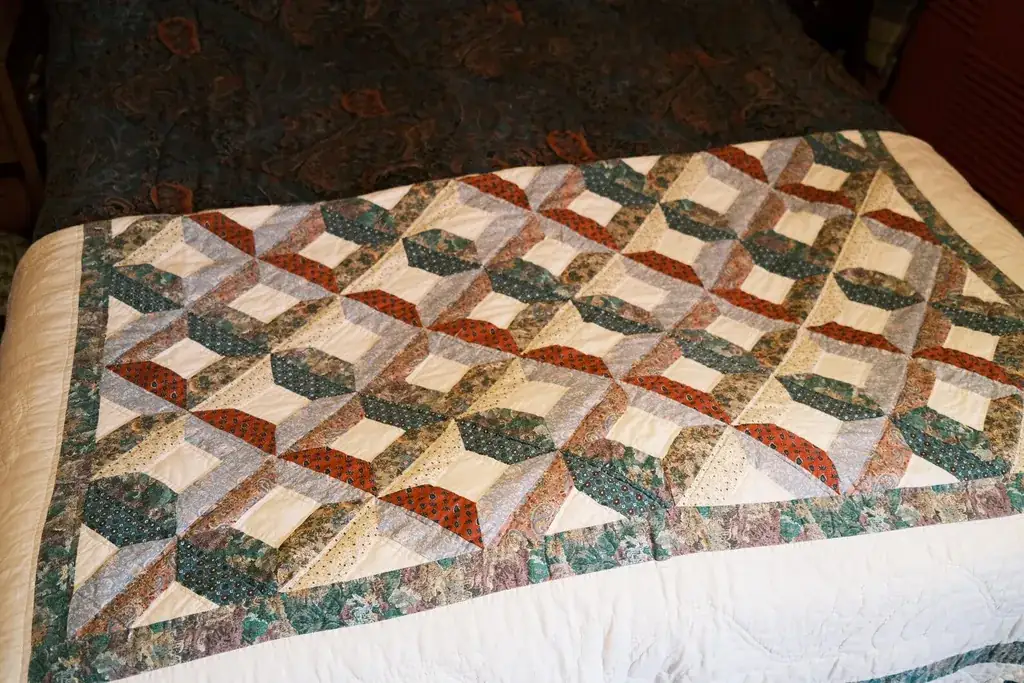
    Keep the winter layers easy to dry. Textiles and wood details belong where they will not stay wet, and decorations should never cover ventilation openings. For the maintenance behind a comfortable room, see EPA guidance on bathroom moisture and ventilation.

    1. Pair Forest Green Towels With Cream Tile

    Forest green towels beside an oak vanity in a cream-tiled bathroom.

    Forest green towels bring winter color into a pale bathroom without changing the walls. Choose the sizes you actually use, then hang them with room for air to circulate. Keep a cream hand towel nearby to connect the darker fabric with the tile. This works especially well when a white suite needs a stronger focal point.

    2. Choose a Washable Oatmeal Bath Mat

    A cream bath mat on pale tile in front of a white tub.

    An oatmeal mat adds texture beside a plain tub or shower. Check its care label and use a backing suitable for your flooring rather than stacking it over another rug. Measure the door swing before choosing a thick pile. A mat you can wash and dry easily is more useful than one kept only for its appearance.

    3. Hang a Small Snowy Landscape

    A framed snowy landscape on a dry bathroom wall.

    A framed winter landscape gives a dry wall a seasonal focus without filling the vanity. Choose one print with colors already found in your towels or tile. Use secure fixings and keep it outside splash zones. If condensation reaches that wall often, move the artwork to a drier position rather than treating the frame as waterproof.

    4. Use an Amber Soap Dispenser

    An amber soap dispenser beside a white bathroom sink.

    An amber dispenser adds a warm note to a white sink area. Pick a stable bottle with an easy pump and leave enough space to clean around it. Keep the soap suitable for the people using the bathroom. A refillable everyday item carries the winter palette without introducing another object that has no practical job.

    5. Bring in a Sealed Wood Tray

    Small bottles gathered on a tray beside a bathroom basin.

    A small wood tray can gather soap and lotion into one tidy group. Choose a finish intended for the setting, wipe up splashes, and avoid letting water collect underneath. Keep it on a dry part of the vanity with open space beside the sink. The wood adds warmth while the tray makes cleaning the counter easier.

    Carry a related detail into the next room with our winter living room ideas.
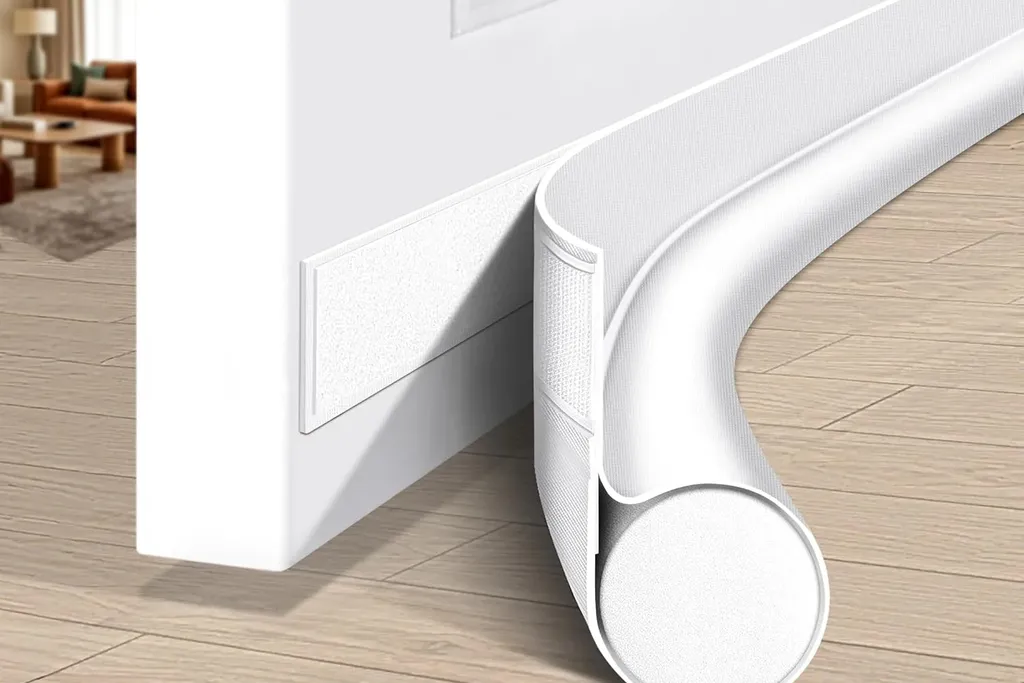
    6. Roll Spare Towels on a Dry Shelf
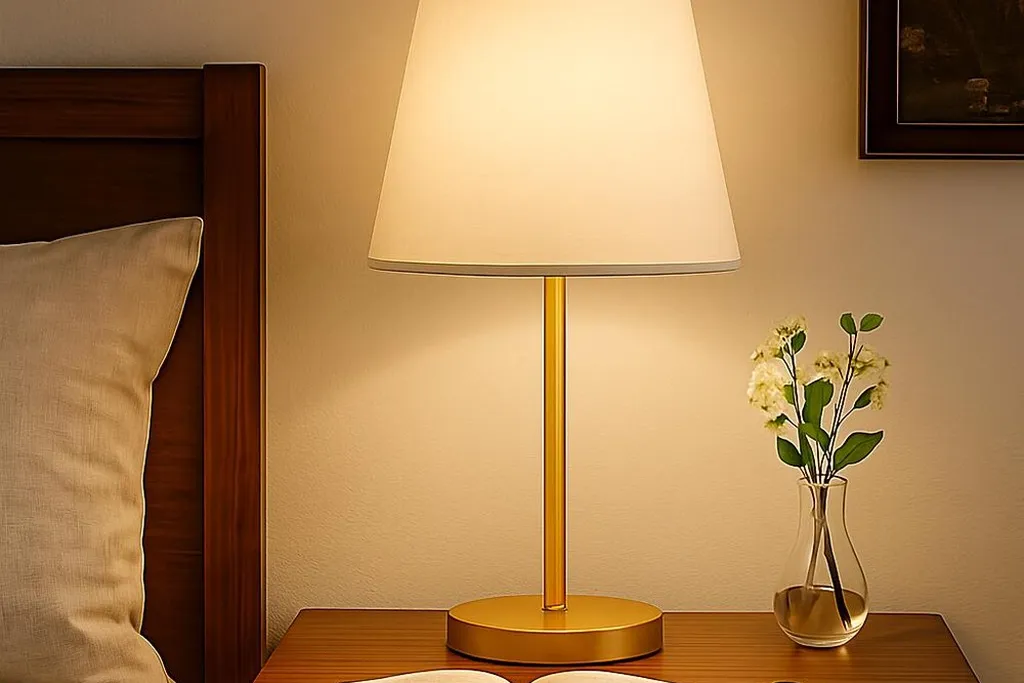
    Rolled spare towels on an open shelf below an oak vanity.

    Rolled spare towels give an open shelf a clear purpose and a softer appearance. Store only clean, fully dry towels there and leave room to take one without disturbing a whole stack. Avoid crowding the shelf near a shower. If the room stays damp, put most spares in a closed linen cupboard outside the bathroom.

    7. Try a Narrow Striped Shower Curtain

    A pale shower curtain beside an oak vanity and green towels.

    A cream curtain with a quiet brown stripe adds pattern without making a small bathroom busy. Measure the rail and the required drop before choosing one, and use the liner specified for your setup. Keep the curtain from bunching on the floor. The stripe can connect an oak vanity, neutral mat, and darker towels.

    8. Set a Lidded Basket on a Dry Cabinet

    A lidded woven basket on a dry bathroom counter.

    A lidded woven basket can hold spare washcloths or sealed supplies where the bathroom stays dry. Choose a size that fits the cabinet rather than extending over its edges. Leave used or damp towels elsewhere. Natural texture suits winter styling, but a wipe-clean box is a better choice in a spot regularly exposed to splashes.


    9. Repeat a Dark Tone in Small Accessories

    Dark bathroom accessories beside pale tile and green towels.

    A charcoal tumbler and matching soap dish can connect dark taps with pale surfaces. Repeat the color in just a few useful objects instead of replacing every accessory. Check the tumbler has a stable base and can be cleaned inside. This gives a bathroom with mixed finishes a calmer look while keeping daily essentials close.

    10. Style a Single Frosted Glass Vase

    A pale vase on an oak vanity in a winter-styled bathroom.

    A small frosted vase adds a wintry texture on a dry shelf. It can stand empty if stems would crowd the room. Choose a wide base and a position where an elbow or towel will not knock it over. One larger shape is easier to clean around than a scattering of tiny ornaments on the vanity.

    11. Use a Cotton Waffle Hand Towel

    A textured hand towel hanging beside a white basin.

    A waffle weave changes the texture at the sink without introducing a new palette. Compare absorbency and washing instructions with your household routine before buying. Hang the towel fully open rather than folding several layers over a tiny ring. For a shared bathroom, keep a clean spare ready and change it when needed.

    12. Frame the Window With a Simple Shade

    A simple shade over a bathroom window with cream walls.

    A plain woven-look or fabric shade can soften the view around a window. Choose a product suited to the room’s moisture exposure and privacy needs. Keep controls appropriate for the household and leave the window usable for ventilation. Test a material sample against the tile so a warm shade does not make the existing white finish look unrelated.

    13. Make a Small Bench Useful

    A small wooden bench in a clear bathroom floor area.

    A compact bench can provide a place for a folded towel in a bathroom with enough dry floor space. Check its construction and intended use, especially if someone may sit on it. Leave a clear route and keep the shower entry unobstructed. In a narrow room, use a wall hook instead of adding furniture to the floor.

    14. Choose a Deep Blue Storage Box

    A navy storage box on an open shelf beneath the vanity.

    A navy storage box can hide backup supplies on an open cabinet shelf. Measure the shelf, then choose a wipe-clean container that comes out easily. Group similar supplies inside rather than using it as a catchall. The dark rectangle provides a winter accent while making the small items around the sink less visually distracting.

    15. Add a Quiet Botanical Print

    A framed botanical print above an oak bathroom cabinet.

    A simple evergreen illustration suits a winter bathroom without making it feel like a Christmas display. Put the print on a dry wall and repeat its green once in a towel or small ceramic piece. Keep fresh greenery out if shedding would add work. The illustration gives you the seasonal shape with no watering or needle cleanup.

    16. Use a Stoneware Toothbrush Cup

    A stoneware cup beside a basin and green hand towel.

    A warm gray stoneware cup adds weight and texture beside a plain basin. Choose one that is easy to wash, allow water to drain from brushes, and clean the inside regularly. Keep the base away from pooled water. Match the cup’s scale to the vanity; an oversized vessel can consume the landing space needed for everyday tasks.

    17. Keep an Open Landing Spot by the Sink

    An open patch of countertop beside a white bathroom sink.

    Leave one section of the counter empty for glasses, a toiletry bag, or a guest’s belongings. Shift backups into storage and keep only daily items on view. This open patch makes winter textures around it easier to appreciate. In a small bathroom, a clear surface can improve the room more than adding another seasonal arrangement.

    18. Carry the Palette Beyond the Bathroom

    A bathroom doorway connecting green and cream room accents.

    Repeat one bathroom color in the bedroom doorway or a nearby linen basket so the spaces feel connected. Use an item that belongs there rather than extending ornaments into the hall. A green towel might relate to a bedroom cushion, while oatmeal fabric connects with bedding. Keep the link subtle so each room remains useful in its own way.

    Frequently Asked Questions

    Cream-tiled bathroom with an oak vanity and green towels.

    How can I make a white bathroom feel cozy in winter?

    Add contrast through a useful towel set, a washable mat, and one warmer material such as sealed wood. Keep some white visible so the room still feels connected. Try these small changes before painting or replacing fittings.

    Does winter bathroom decor need Christmas decorations?

    No. Deep green, navy, oatmeal, wood, and simple landscape art can work through the whole winter. Keep obvious Christmas motifs in removable pieces if you enjoy them, then store those pieces after the holiday.

    What is the easiest winter change for a small bathroom?

    Start with the hand towel you see from the doorway. Choose a color that suits the tile and repeat it once in an existing accessory. This uses very little space and lets you test a palette before changing larger textiles.

    Can I keep baskets in a bathroom?

    Use baskets where they remain dry and can be cleaned or aired as their material requires. Avoid storing damp laundry or towels inside a decorative basket. In splash-prone positions, a suitable wipe-clean container is usually easier to maintain.

    Will thick textiles fix a cold bathroom?

    Textiles can change how the room looks and feels underfoot, but they do not solve heating faults or drafts. Keep vents clear and address building or heating problems separately. Choose washable items that can dry between uses.

    Conclusion

    Cream-tiled bathroom with an oak vanity and green towels.

    Choose one winter detail that makes your morning easier, then let the rest of the bathroom stay simple. A reachable towel, a washable mat, and a clear sink area can do more than a shelf full of decorations. Save the combinations that suit your tile and storage, and reuse them when winter returns.

    For another useful starting point, explore our calm bedroom decorating guide. Save the ideas that suit your room to your Pinterest planning board.

  • 22 Fall Living Room Decor Ideas for a Relaxed Autumn

    22 Fall Living Room Decor Ideas for a Relaxed Autumn

    Fall living room decor ideas can start with the furniture and colors already in your home. A textured throw, a different picture, or one low display may be enough to make the room feel ready for cooler afternoons. These 22 ideas focus on autumn color, useful textiles, natural-looking details, and arrangements that are easy to pack away. Choose one seating change and one display area to begin with. You can keep the look quiet, skip orange entirely, or add a few recognizable seasonal shapes without filling every surface.

    Key Takeaways

    Measuring tape, fabric swatches, and a blank notebook on a coffee table.
    • Repeat a color already in the room so autumn additions connect with the existing furniture.
    • Swap useful textiles before adding small ornaments that need storage and dusting.
    • Choose one main seasonal display and keep everyday table space available.
    • Plan how decor will be cleaned, stored, and kept clear of heat before bringing it home.

    Keep textiles, dried stems, faux foliage, and other combustible decorations away from heat. The U.S. Fire Administration’s heating guidance calls for at least three feet between things that can burn and heat sources, with appliance instructions taking priority where more clearance is required. An unheated shelf or sideboard is a simpler place for foliage than an active fireplace.

    1. Borrow One Autumn Color From Your Rug

    Cream sofa with one ochre cushion matching a subtle ochre detail in patterned rug.

    Choose an autumn shade that already appears in the room, such as a little ochre in the rug or brown in a painting. Repeat it in one cushion or small accessory before buying a full seasonal set. This gives the new detail something to relate to. Check the color beside your sofa in daylight, since the same fabric can look very different against cream, gray, or dark upholstery.

    2. Swap Lightweight Throws for Textured Layers

    Chunky woven rust throw folded across sofa end over plain cream upholstery.

    A textured throw can mark the change of season while still earning its place on the sofa. Look for a weight and fabric that people will enjoy using, with a care routine that suits your household. Fold it over one arm or along the seat back. Keep the ends clear of the floor, and store a lighter summer throw rather than simply adding another layer to the pile.

    3. Use Velvet Cushion Covers for a Softer Finish

    Two burgundy velvet cushions on linen sofa.

    Velvet cushion covers can add a softer surface without requiring more cushions. Replace a pair of existing covers in a color such as burgundy, olive, or warm brown. Check the pile direction and care label before choosing them for a busy family seat. Mix the smooth finish with one simpler woven cover so the sofa has some variation without becoming a display people must dismantle to sit down.

    4. Add One Plaid Accent to a Reading Chair

    Neutral armchair with folded brown-and-cream plaid blanket.

    One plaid blanket can bring a clear autumn pattern to a reading chair. Choose a scale that differs from other patterns nearby, and borrow at least one of its colors from the room. Fold it neatly so the chair remains available. A single plaid detail is often enough; matching the curtains, cushions, and rug can make a small space feel busier than you intended.

    5. Arrange a Low Bowl of Decorative Gourds

    Shallow ceramic bowl with varied small muted yellow and green faux gourds on oak coffee table.

    A low bowl of gourds can give a coffee table a seasonal center without blocking people’s view. Pick a few different shapes and leave some of the bowl visible. Faux gourds are easy to store, while real ones need checking for damage or softening. Protect the table surface and keep small pieces away from children who might treat them as toys or food.

    6. Make a Branch Arrangement the Main Display

    Stable wide ceramic vase with three realistic faux maple branches in rust and gold leaves on sideboard.

    A few autumn branches can provide one strong seasonal feature on a sideboard. Choose a stable vase with enough weight for the stems and trim the arrangement so it does not catch people passing by. Faux branches are useful when natural leaves would shed. Keep branches clear of lamps and heat sources, and avoid adding several smaller arrangements that compete for attention around the same room.

    7. Style a Tray With Wood and Amber Glass

    Wood tray holding amber glass vase and plain ceramic cup.

    A wood tray and amber glass can make a coffee table feel autumnal without using a seasonal motif. Try one vase and a practical item, such as a cup or coasters, then leave part of the tray open. Check the glass is steady and the tray does not scratch the table. Keep daily-use space beside it rather than covering the whole surface with decorative layers.

    8. Switch to a Landscape Print With Autumn Color

    Framed autumn field painting with ochre grasses and dark trees over cream sofa.

    An autumn landscape offers color without requiring a pumpkin display. Use artwork you already own or have permission to print, and choose a frame that suits the existing room. A field, woodland edge, or abstract earth-toned image can stay up beyond one season. Hang it using suitable hardware rather than leaning a large frame where someone could knock it from the cabinet.

    9. Use a Leaf Garland on an Unheated Shelf

    Simple faux leaf garland draped across front of wood wall shelf.

    A leaf garland can soften the line of a shelf while keeping the floor clear. Choose a short length that fits the shelf instead of letting long ends hang over books or drawers. Secure it using a method suitable for the shelf finish and load. Use an unheated location away from lamps, candles, and appliances. A little visible wood keeps the garland from looking like a solid cover.

    10. Keep Pumpkins Together in One Place

    Three matte pumpkins of different sizes grouped on one console end.

    Grouping pumpkins in one place gives the room a clearer seasonal focal point. Use a console end or tray where the group can stay out of daily activity. Vary size more than color, and leave a little space between the pieces. Keeping the rest of the room mostly pumpkin-free allows your textiles, lighting, and furniture to remain the main part of the design.

    11. Bring Warm Metals Into a Small Vignette

    Small brushed brass bowl beside old plain books and warm ceramic vase on dark wood console.

    A small warm-metal detail can add contrast to matte pottery and woven fabric. Try a brass-toned bowl or frame beside objects you already use rather than replacing every metal finish in the room. Check the finish’s cleaning instructions before polishing it. Repeat the warm tone once elsewhere only if it helps connect the room; a single intentional piece can also be enough.

    12. Layer a Flat Rug Under the Seating Group

    Muted rust flatweave rug under front legs of cream sofa and two chairs.

    A flatweave rug can bring an autumn color beneath the furniture while remaining relatively easy to move when the season changes. Measure the seating group and compare the rug with door swings and floor vents. Use the recommended nonslip support and check that the edges lie flat. If the existing rug works well, try a smaller fabric change before committing to another large item.

    13. Put a Basket Beside the Favorite Seat

    Round woven basket containing folded plaid throw beside olive chair.

    A basket beside the favorite chair gives a blanket a useful home. Choose a basket with a smooth interior that will not catch knitted fabric, and keep its handles from jutting into the walkway. Store only the throw used there most often. The texture becomes part of the room, while the basket solves a real storage need instead of acting as another container for miscellaneous clutter.

    14. Change the Lampshade Before the Whole Lamp

    Warm cream pleated shade on existing simple charcoal lamp base.

    A new shade can change the look of an existing lamp for autumn. Compare the fitting, dimensions, bulb clearance, and permitted materials with the lamp’s instructions. A warm cream or lightly textured shade can work beside rust and olive fabrics. Test it after dark before changing the rest of the lighting, and keep the shade and bulb clear of decorative branches or hanging fabric.

    15. Create a Book-and-Tea Coffee Table Corner

    Few well-spaced books with no readable titles.

    A book-and-tea corner needs only a small part of the coffee table. Stack a few books you use, add a coaster, and leave room to set down a cup safely. Keep decorative objects low enough that people can still talk across the table. Our everyday table styling guide offers more ways to balance a display with a surface’s actual job.

    16. Refresh a Console With a Fabric Runner

    Walnut console with narrow flax runner.

    A fabric runner can introduce a seasonal texture while leaving most of a console visible. Choose a size that will not interfere with handles or drawers and check that the fabric will not transfer color onto the finish. Add one larger object rather than many small pieces. Fold the runner to suit the furniture if a long overhang would be awkward in the room’s walking route.

    17. Style a Small Living Room Vertically

    Narrow living room.

    In a small living room, one autumn picture and a single vase can do more than several floor decorations. Use a wall or narrow cabinet that already exists, then leave the floor for moving around. Check the wall fixings and avoid overloading shelves. For the surrounding furniture, our small living room layout ideas can help you preserve the routes that make the room comfortable.

    18. Try a Quiet Fall Palette Without Orange

    Living room in olive green.

    Autumn can work through olive, cream, chocolate brown, and burgundy without orange. Choose two or three of these around the colors already in the room, then vary texture to keep the palette from feeling flat. A wool throw, smooth bowl, and simple branch arrangement can carry the season. Avoid replacing everything at once; one visible area is enough to test whether you enjoy the combination.

    19. Make a Loose Dried-Stem Arrangement

    Broad heavy ceramic vase with modest short dried wheat and seed heads on sideboard.

    A loose dried-stem arrangement can add autumn texture with fewer pieces than a large bouquet. Use a broad stable vase and keep fragile stems out of the room’s busiest route. Dried material is combustible, so choose a place away from candles, fireplaces, and heaters. If shedding or allergies make the arrangement difficult to live with, use a modest reusable imitation with a similar shape.

    20. Set Up a Window Seat for Cool Afternoons

    Living room window bench with plaid cushion and wool throw.

    A window seat can become a comfortable autumn pause spot with a cushion and a reachable throw. Check the seat’s support and keep any opening hardware accessible. Add a small nearby surface for a book rather than filling the bench with decorative objects. Keep textiles clear of heating equipment, and choose washable covers if the spot is also used by children or pets.

    21. Use Washable Textiles in a Family Room

    Living room with washable-looking cotton throw on sofa.

    Washable textiles make a family-room refresh easier to keep in use. Read the care label before choosing the throw or covers, and check whether the fabric suits the way the sofa is used. A low-pile patterned rug may also suit the household, depending on its material and maintenance needs. Choose useful pieces first, then bring in autumn color through those pieces instead of adding fragile accessories.

    22. Build a Fall Display That Stores in One Bin

    Open neutral storage bin on low table holding neatly packed fabric pumpkins.

    A one-bin limit can keep autumn decorating manageable from one year to the next. Choose foldable pillow covers, a short garland, and a small group of sturdy objects, then check they fit before adding more. Store everything clean and dry according to its material. For ideas that also work beyond the living room, see our simple reusable fall decor guide.

    Frequently Asked Questions

    A comfortable living room reading chair with a side table and an open book.

    When should I put up fall living room decor?

    Choose the timing around your climate and how you use the room. You can begin with a warmer throw or earth-toned cushion when the evenings change, then bring out pumpkins or other seasonal objects later. There is no single required date. Gradual changes are often easier to enjoy and store than replacing the whole room at once.

    Can fall decor work without orange?

    Yes. Olive, burgundy, cream, warm brown, and muted gold can suggest autumn through color and texture. Choose a palette that relates to your sofa, rug, or artwork. A branch arrangement, a plaid throw, or a warm-toned print can carry the seasonal mood without adding orange objects or obvious holiday motifs.

    How many pumpkins should I put in a living room?

    Use the number that fits one clear display area without crowding daily activity. A small group with different sizes may be enough on a console or tray. The point is to create a focal area, not to fill the room. Leave space for drinks, books, and the objects people actually reach for.

    Is real or faux foliage better indoors?

    It depends on maintenance, storage, and the household. Real material can shed or need water and checking; good reusable faux stems need cleaning and a place to store them. Consider plant suitability around pets and children as well. Keep either type away from heat, and choose a stable container that suits the arrangement’s height.

    How can I keep fall decorating from looking cluttered?

    Take away an everyday object when adding a seasonal one, and concentrate the display on a single surface. Leave gaps between pieces so their shapes are easy to see. Keep useful table space open, and set a storage limit for the season. If an item has no clear place to live afterward, reconsider adding it.

    Conclusion

    A furnished living room with a clear route around the seating.

    A relaxed fall living room grows from a few choices that belong in your home. Borrow one color, add a textile you will use, and give the seasonal display a clear boundary. Keep routes and everyday surfaces open, then enjoy the room before adding more. Save the combinations you like and store the reusable pieces together so the next autumn refresh is easier to plan.

    As the season changes, reuse the useful layers with our winter living room ideas.

  • 30 Winter Living Room Ideas for Warm, Useful Spaces

    30 Winter Living Room Ideas for Warm, Useful Spaces

    Winter living room ideas are most useful when they make ordinary evenings more comfortable. A better reading light, a reachable blanket, or a clear place for work supplies may matter more than another seasonal ornament. These 30 ideas focus on texture, lighting, windows, seating, and storage after the Christmas decorations come down. Choose the changes that solve a problem in your room, whether that is a dark chair, a cluttered table, or a drafty corner. Keep what already works and build the warmer feeling around it.

    Key Takeaways

    Measuring tape, fabric swatches, and a blank notebook on a coffee table.
    • Start with the seat, light, and blanket you use most often before adding decorative objects.
    • Choose washable or easy-care textures that suit the household’s normal routine.
    • Keep heating outlets, appliance clearances, doors, and walking routes open when moving furniture.
    • Separate everyday winter styling from holiday decor so the room works well beyond December.

    When using a fireplace, stove, or space heater, follow the appliance instructions and the U.S. Fire Administration’s heating advice. Keep combustible furniture and textiles at least three feet from heat sources, or farther where required. A decorative change should not interfere with heating equipment, ventilation, or exits.

    1. Layer a Washable Rug Over a Larger Flatweave

    Cream washable patterned rug over large jute flatweave in living room seating area.

    A smaller washable rug over a larger flatweave can add softness where feet land while keeping a generous outline around the seating. Check both rugs sit flat and use suitable nonslip support for the floor and materials. Avoid stacking thick edges where people walk. Choose this idea only if the layers remain steady in daily use; one well-sized rug is better than two that keep shifting.

    2. Choose a Wool Throw for the Main Seat

    Muted blue wool throw draped neatly over cream sofa arm.

    A wool or wool-blend throw makes a useful addition to the seat you actually use each evening. Check the fiber and care instructions, particularly if the fabric will touch bare skin. Fold it over an arm so it can be reached without standing up. If wool feels scratchy or is awkward to wash, choose a softer washable alternative rather than buying it only for the look.

    3. Mix Cushion Fabrics Instead of Adding More

    Sofa with just three cushions in linen velvet and fine knit textures.

    Texture can make a winter sofa feel richer without increasing the cushion count. Keep the inserts you have and combine a smooth cover, a small knit, and a soft woven fabric. Use colors that share a similar depth so the mix feels connected. Leave enough clear seat for daily use, and choose removable covers when drinks, pets, or frequent washing are part of household life.

    4. Move a Reading Lamp Beside the Chair

    Armchair with adjustable shaded floor lamp directed onto open blank book.

    A reading lamp should light the page rather than simply make the corner glow. Sit in the chair and adjust the shade until you can read without glare or your head casting a large shadow. Keep the base steady and route the cable away from feet. Check the lamp’s permitted bulb type and wattage before changing it. The chair will be more useful once daylight fades.

    5. Use Two Small Lamps Across the Room

    Two shaded table lamps on opposite side tables in living room.

    Two smaller lamps placed in different parts of the room can make evening light feel more balanced. Put one near the main sofa and another near a chair or cabinet, rather than concentrating every light on the same wall. Check the room still has enough light for moving around. Use accessible switches so the everyday routine does not require reaching behind furniture or crawling under tables.

    6. Choose a Warm-Toned Lampshade

    Close room view of pleated ivory lampshade on ceramic lamp casting gentle warm light beside a brown sofa.

    A warm-toned shade can soften the appearance of a lamp you already own. Check the fitting, clearance around the bulb, and recommended bulb type before swapping shades. A cream fabric shade and a warm light source can suit wood furniture, but do not assume that any decorative shade will fit safely. Judge it in the evening as well as in daylight before replacing more lamps.

    7. Hang Lined Curtains That Clear the Floor

    Cream lined curtains at winter window.

    Lined curtains can change the feel of a bare window and help with winter comfort. Measure for normal opening and closing, keeping fabric clear of radiators, heaters, and floor vents. The Department of Energy’s home energy checklist suggests opening south-facing curtains for winter sunshine and closing them at night. Choose hardware suitable for the curtain weight rather than forcing heavier fabric onto a light rod.

    8. Add a Fabric Draft Stopper at a Drafty Door

    Neat oatmeal fabric draft stopper along bottom of closed exterior-style living room door.

    A removable draft stopper can be useful at a drafty door, but it should not interfere with the door’s operation or block required ventilation. Check where the draft comes from before buying one. Keep the stopper easy to move so it does not become a trip point. If the gap needs repair or weatherstripping, treat the fabric roll as a temporary comfort measure rather than a permanent fix.

    9. Keep Heating Vents Free of Furniture

    A sofa and coffee table arranged with open floor space in a winter living room.

    A sofa pushed over a heating register can get in the way of the room’s heating system. Before shifting furniture for winter, locate the supply and return openings and keep them clear according to the system’s instructions. Do not conceal them with baskets or rugs. For fireplaces, stoves, and portable heaters, use the relevant safety clearances as well; an open register is not the same situation as a hot appliance.

    10. Pull Seating Into a Conversation Group

    Sofa and two chairs grouped on large rug in center of living room instead of against every wall.

    Bringing chairs closer to the sofa can make conversation easier on long indoor evenings. Start with the people who use the room most and place their seats within comfortable talking distance. Keep a clear route around the group, then fit the table into the space that remains. Our living room layout guide explains how to test the arrangement with floor markings.

    11. Make a Window Reading Spot

    Soft chair angled beside large window.

    A chair near a window gives you somewhere to enjoy the short daylight hours. Angle it for a useful view without placing the seat directly against cold glass or a draft. Add a small surface for a book and a lamp for later. Test the corner at the time you expect to use it, because a bright morning spot may be less comfortable in the afternoon.

    12. Put Throws in a Reachable Basket

    Wide woven basket beside sofa with two folded blankets.

    A basket makes the extra blanket easier to use and put away. Choose one that fits beside the sofa without narrowing the walking route, and check the inside will not snag the fabric. Fold or loosely roll only the throws used in that room. An overfilled basket quickly becomes a pile, so store spare seasonal textiles elsewhere instead of keeping every blanket on display.

    13. Store Seasonal Covers in a Closed Ottoman

    Upholstered storage ottoman with lid fully open and neatly folded textiles inside.

    A storage ottoman can hold spare covers or light throws while providing a place to rest your feet. Check its seating capacity if you also expect guests to sit on it. Follow the instructions for the lid and hinges, and keep the opening path clear. Choose a size that leaves room to walk around it; storage is less useful when it makes the seating group difficult to enter.

    14. Bring in a Solid Wood Coffee Table

    Warm oak rectangular coffee table with rounded corners.

    A solid wood coffee table introduces a warm-looking material without adding another decorative object. Choose the proportions around the sofa and room, with attention to edges, stability, and the finish’s care requirements. Keep one part of the surface available for everyday use. If your existing table already works, a small wooden tray can bring some of the same texture without replacing furniture.

    15. Add a Soft Footstool to a Reading Chair

    Small upholstered footstool placed in front of deep chair without blocking nearby door.

    A footstool can make a reading chair more comfortable when its height suits the seat. Try the two pieces together if possible, and check the stool does not push the chair too far into the room. It needs a stable position on the floor or rug. Keep it outside the normal route so someone crossing the room does not have to step over it.

    16. Replace Busy Displays With One Large Bowl

    Walnut console with one large matte ceramic bowl and single book.

    One generous bowl can replace a group of small objects that makes a console difficult to dust. Choose a shape with enough presence for the surface, then leave space around it. It can hold a useful item, such as coasters, if that fits the material. Avoid filling it simply to hide the empty space; a quieter surface can be part of the winter room’s appeal.

    17. Use a Mirror to Share Window Light

    Secure wall-mounted rectangular mirror reflecting a snowy window and neutral sofa.

    A wall mirror can share the view of a bright window with another part of the room. Check the reflection from seated eye level before marking the wall, so you do not create glare or reflect a cluttered passage. Use fixings appropriate to the mirror and wall. A mirror changes how light is seen; it does not replace task lighting for reading or working.

    18. Refresh Art With Quiet Winter Landscapes

    Large framed minimalist landscape showing bare trees and mist.

    A quiet landscape can help the room move away from Christmas without leaving it bare. Use a print you own or have permission to reproduce, with colors that already appear in the furniture. A misty field or bare-tree scene can stay in place beyond the holidays. Check the frame’s hanging hardware and wall support rather than resting a heavy frame where it could slide.

    19. Display Evergreen Cuttings in Water

    Short sturdy vase with modest fresh fir cuttings on wood console.

    A few evergreen cuttings can add winter texture after the festive decorations are stored. Use a clean stable vase, keep the arrangement away from heat, and check it regularly for drying or dropped needles. Make sure any plant material suits your household, including pets. Choose reusable faux branches if fresh cuttings would be difficult to maintain, and avoid putting water-filled containers beside electrical equipment.

    20. Use Bare Branches for Height

    Tall stable ceramic vase with two simple bare branches well away from walkway.

    Bare branches can give a low cabinet some height without a dense arrangement. Use a heavy stable vase and a small number of clean branches whose spread stays out of the route past the furniture. Check for sharp ends and loose bark before bringing natural material indoors. An artificial branch is a practical alternative where shedding or maintenance would become a nuisance.

    21. Set Up a Small Tea Tray

    Small tray with ceramic teapot two mugs and linen napkin on stable coffee table.

    A small tea tray turns an ordinary table into a useful place for a short break. Choose a tray that sits flat and still leaves room for someone else’s drink. Keep hot items on a suitable stable surface with protection for the finish. Store extra cups elsewhere so the tray remains light enough to move. A simple setup is easier to use than a crowded decorative arrangement.

    22. Create a Board-Game Storage Shelf

    Low closed cabinet with single open cubby containing neatly stacked plain board-game boxes.

    Give board games one shelf or cabinet section near the seats where people play. Keep pieces in secure containers and separate small components from young children’s reach. Choose the games you actually use, then store the rest elsewhere. A table that clears easily will be more useful than a permanent display, especially when the living room also has to handle meals, work, or guests.

    23. Give Work Supplies a Closing-Time Home

    Small living room desk with laptop closed.

    A lidded box or drawer can give work supplies somewhere to go when the day ends. Choose a location close to the desk so putting things away takes little effort. Leave chargers and electrical equipment ventilated as directed instead of stuffing them under textiles. The aim is to make the living room available for its evening use without having to reorganize the whole space.

    24. Define a Quiet Screen-Free Seat

    Single comfortable chair facing bookshelf rather than blank television.

    One screen-free seat can support reading, knitting, or a conversation while someone else uses the TV. Turn it toward a shelf, window, or another chair and give it its own light. Keep the seat connected to the room rather than hiding it behind large furniture. A small side table helps it function independently without needing a second coffee table or a large additional zone.

    25. Use a Slipcover for an Easier Seasonal Change

    Relaxed oatmeal cotton slipcover fully fitted on two-seat sofa.

    A slipcover can change the texture of a sofa while protecting the upholstery underneath. Check the model’s fit, care label, and whether it can be used over your particular sofa. A loose fit should still allow normal use of cushions and moving parts. Try a washable throw first if a full cover would need constant adjustment or interfere with a reclining mechanism.

    26. Add a Small Pattern Underfoot

    Muted brown-and-cream checked rug centered beneath coffee table in cream living room.

    A small-scale rug pattern can add interest to a quiet winter room while keeping the color scheme simple. Compare the pattern with any striped or checked cushions so they do not compete at the same scale. Check the rug’s pile, edge, and support suit the floor. Sample the colors in the room’s daylight if possible, because warm brown can look quite different under an evening lamp.

    27. Bring a Houseplant Toward Suitable Light

    Healthy small pothos plant on low stand near bright window but away from cold glass.

    A houseplant may need a different spot when winter light changes, but choose the position around the plant’s needs rather than the empty corner. Check species-specific light and temperature guidance and keep leaves away from cold glass and heat outlets. Move a manageable plant stand instead of dragging a heavy pot across the floor. Use a waterproof tray and check that watering does not leave standing water on furniture.

    28. Make a Landing Spot for Winter Extras

    Small living room entry console with basket for gloves and folded scarf.

    A small landing basket can keep gloves and scarves from spreading across the sofa. Put it near the entrance people actually use, leaving the door and walking route clear. Let damp items dry appropriately before storing them in a closed container. If the living room has no entry corner, a nearby hook or shelf outside the room may work better than adding another cabinet.

    29. Keep a Folding Tray Table Ready

    Simple folded wooden tray table stored against wall beside low cabinet.

    A folding tray table can support a puzzle, a notebook, or an occasional drink without becoming permanent furniture in the middle of the room. Check that it locks securely when opened and sits steadily on the floor. Store it where it will not fall into a route. Keep hot drinks away from unstable or easily knocked surfaces, particularly around children or pets.

    30. Finish With a Simple Evening Reset

    Wide winter living room view at dusk.

    An evening reset can make the room easier to enjoy without buying anything new. Clear the main table, fold the throw, return work items to their home, and switch on the lights needed for the next activity. Leave the seat and floor clear rather than arranging everything for a photograph. Start with a routine that takes only a few actions so it remains useful through the whole winter.

    Frequently Asked Questions

    A comfortable living room reading chair with a side table and an open book.

    How do I make a living room feel cozy after Christmas?

    Remove the clearly festive pieces, then keep useful winter textures such as throws, simple woven covers, and a rug that suits the room. Bring back everyday artwork and leave a little empty space on shelves. Comfortable reading light and a tidy place for blankets can make the room feel welcoming without replacing holiday ornaments with more clutter.

    What colors work for a winter living room?

    Cream, warm gray, muted blue, olive, brown, and burgundy can all work, depending on the furniture and daylight. Start with the room’s existing colors and add one or two accents rather than a completely new scheme. Material and lighting affect how a color feels, so compare fabrics in both daytime and evening conditions.

    Should I move the sofa closer to a heater?

    Keep furniture outside the appliance’s required clearances and do not block heating outlets or returns. Moving closer is not a substitute for checking a draft or an underperforming system. Use the manufacturer’s guidance and get suitable help if the room is not heating normally. Decorative layouts should follow the heating system’s needs.

    How can I improve winter lighting without changing wiring?

    Move a suitable reading lamp beside the seat where it is needed, and use lamps in more than one part of the room. Check bulb compatibility and shade clearance before making changes. Keep cords out of routes and avoid overloading outlets. Portable lighting can improve a dark corner, but some electrical problems need professional attention.

    How can I refresh the room on a small budget?

    Rearrange what you own first. Clear an overcrowded surface, move a lamp to a more useful place, bring out a stored throw, and create a home for daily clutter. If you buy something, choose a piece that addresses a repeated inconvenience. One useful cover or stable side table can matter more than a set of seasonal accessories.

    Conclusion

    A furnished living room with a clear route around the seating.

    A comfortable winter room does not need all 30 changes. Begin with one daily inconvenience, improve that spot, and use the room for a few evenings before doing more. Useful light, comfortable fabric, clear routes, and easy storage create a room that works after the holidays and through the quieter months. Save your favorite ideas as a short list of changes to test, with the measurements or care details you need before buying.

    If the room centers on a hearth, compare our fireplace seating ideas before moving the main seats.