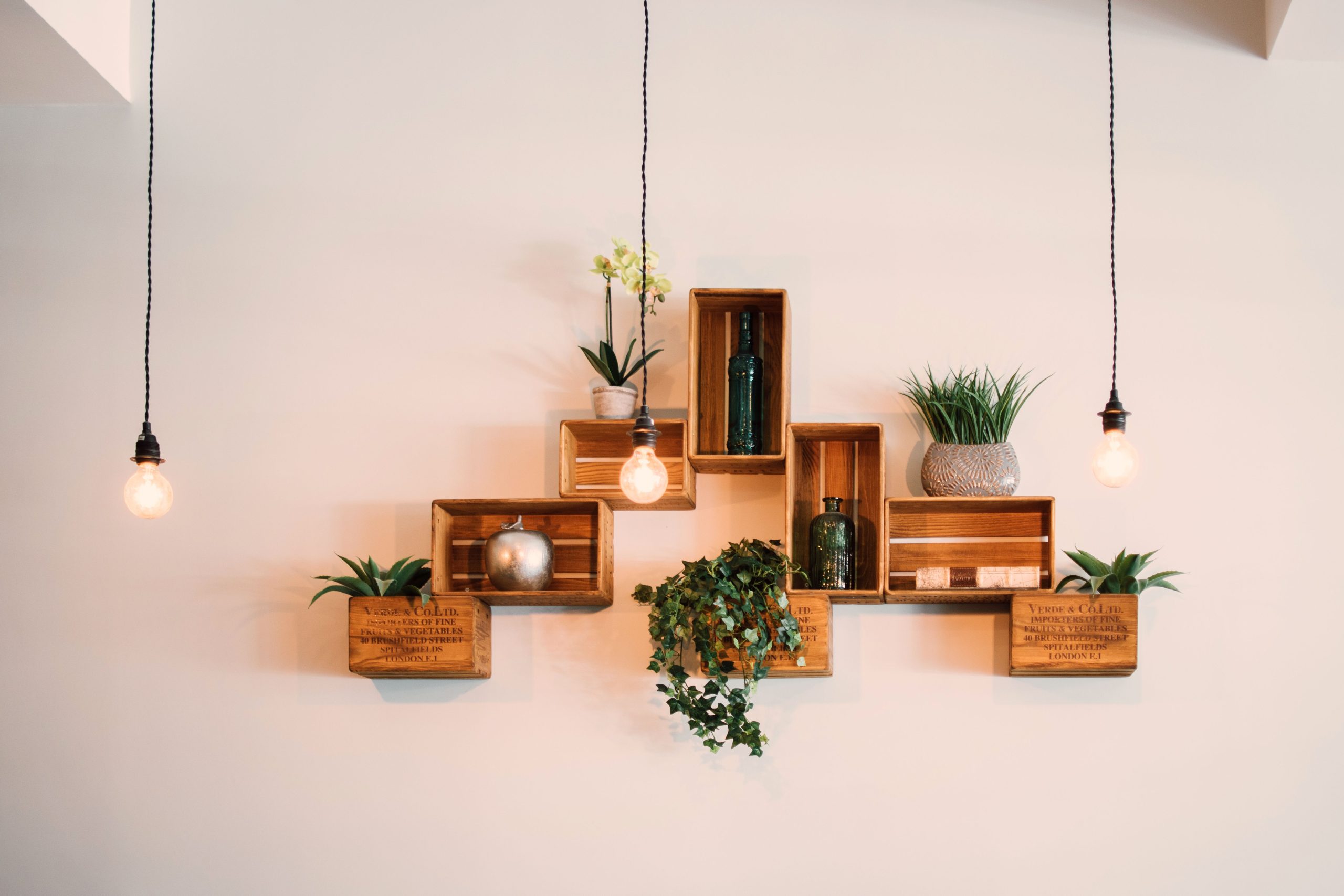
A simple shelf-styling method using books, ceramics, texture, and breathing space.
Some articles may contain affiliate links. As an Amazon Associate I earn from qualifying purchases. Read our disclosure.
Empty one shelf at a time
Remove everything, clean the surface, and decide what needs to return. Keep useful belongings and objects you enjoy. You do not need a shopping trip to make shelves look more balanced.
Start with the largest pieces
Place a few larger books or a substantial ceramic piece first. Check shelf load limits and distribute weight sensibly. Heavy objects generally belong lower down, away from edges.
Vary the shapes
Balance a stack of books with something rounded and something taller. The objects do not need matching colors, but repeating one or two finishes helps the collection feel connected.
Leave visible gaps
An empty patch of shelf makes the neighboring objects easier to appreciate. Step back across the room and remove an item if the grouping looks crowded. There is no required number of objects.
Mix display with everyday storage
Use a basket or box for small items. Measure shelf depth and clearance before buying containers. Avoid putting frequently used belongings behind decorative pieces you will need to move every day.
Add a personal element
A framed photograph, a handmade bowl, or a book you return to can make a display feel lived in. Avoid filling every shelf with accessories selected only to match.
Keep safety and care in mind
Anchor furniture where required. Keep fragile items out of reach of children and pets, and do not place candles near shelves or books. Leave ventilation around any electronics.
Refresh instead of replacing
Move a piece from another room, rotate a photograph, or change the book arrangement. For a whole-room refresh, browse Living Room and Small Spaces.