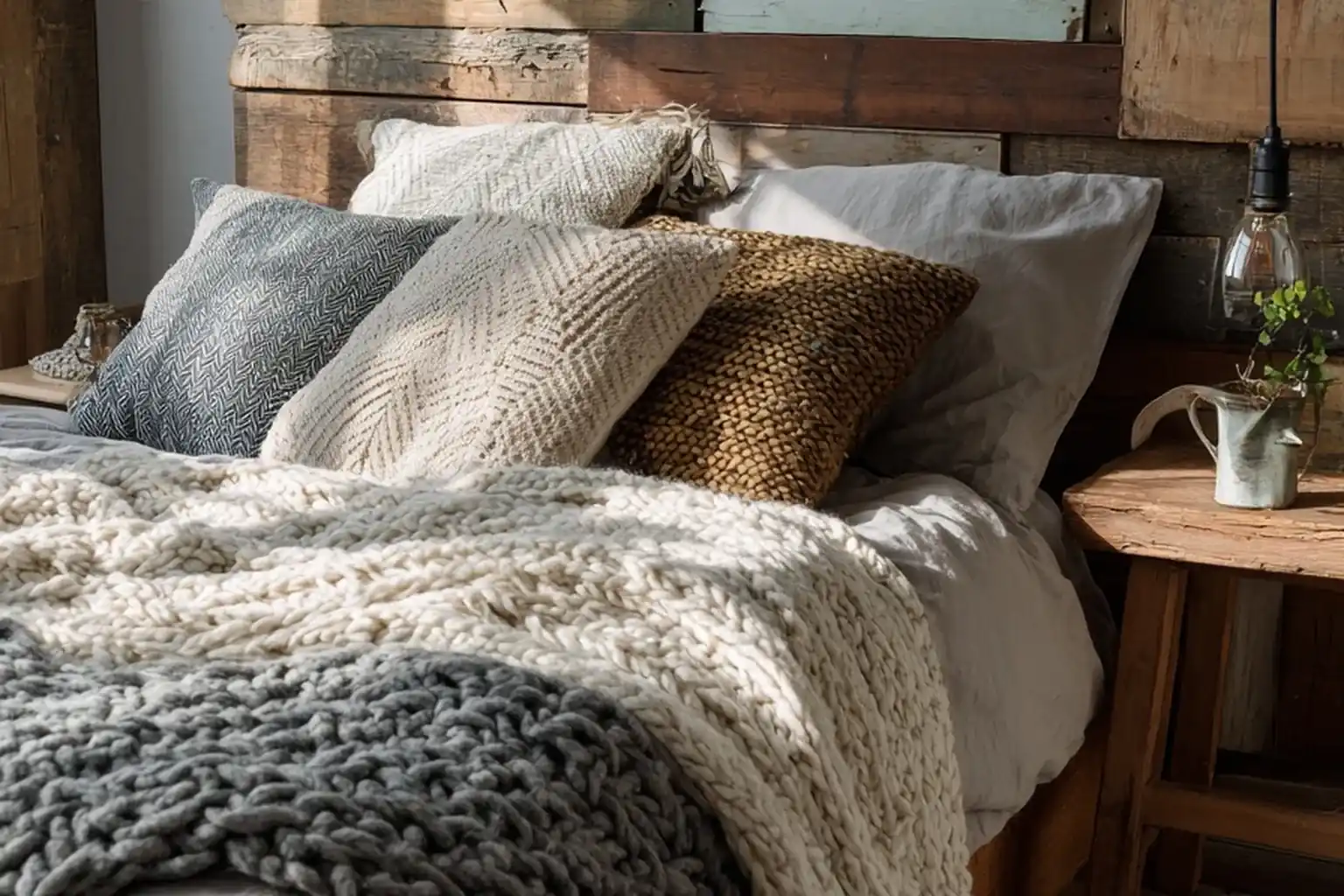
Hygge is a Danish idea about warm atmosphere, comfort, and enjoying simple moments with care. In a bedroom, that means soft layers you actually use, light that feels gentle at night, and clear surfaces that let your mind settle. These hygge bedroom ideas focus on small, practical changes for real rooms and real budgets. Start with bedding and lighting, then add one corner, one texture, or one evening habit at a time until the room feels calm when you walk in.
Key Takeaways
- Start with the bed: layered natural bedding and one good throw change the feel of the whole room.
- Use warm, low light from lamps and candles instead of a bright overhead light at night.
- Keep colors warm and quiet, materials natural, and surfaces mostly clear.
- Add one useful comfort, such as a reading chair, a blanket basket, or a bedside tray, rather than more decor.
- Build a short wind-down routine and keep screens, clutter, and harsh light out of it.
1. Layer Bedding in Natural Fibers

Build the bed in thin, useful layers: cotton or linen sheets, a warm duvet, and a lighter blanket you can pull up or push aside. Natural fibers breathe better than many synthetic sets and look softly rumpled rather than stiff. Wash and rotate two sets so the bed always feels fresh. If allergies or budget limit your choices, use a cotton blend for the sheet that touches your skin and save the natural fiber for the top layer.
2. Replace Overhead Light With Warm Bedside Lamps
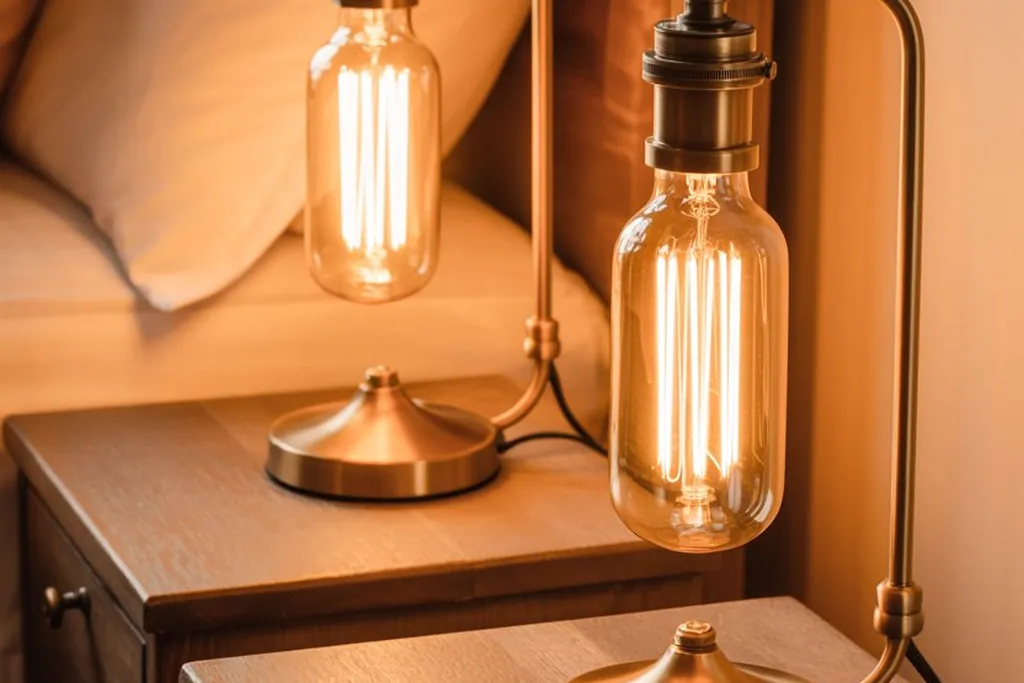
Turn off the ceiling light in the evening and use two low lamps with warm bulbs at about bed height. The light pools near the bed, leaves the corners in shadow, and makes the room feel smaller and quieter. Put the switches where you can reach them without getting up. Renters can use plug in lamps or wall lights that need no wiring. Avoid cool white bulbs here, as they can make soft colors look grey.
3. Add Candle Glow in One Safe Spot
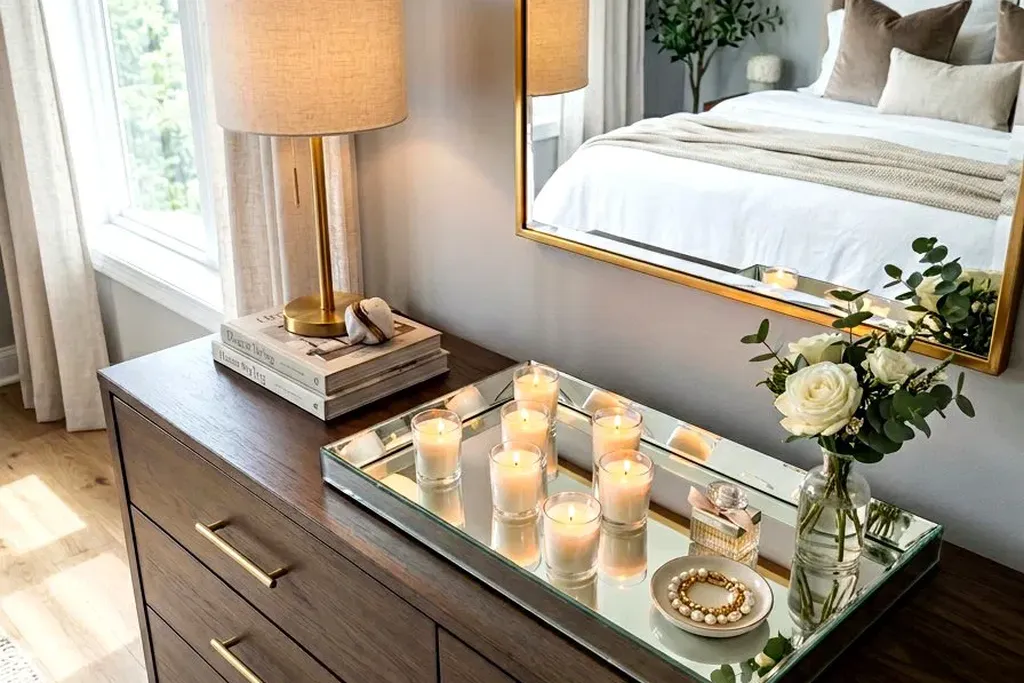
Place one or two candles on a stable tray on a dresser, away from curtains, bedding, and drafts, and light them while you read or get ready for bed. VisitDenmark describes hygge as creating a warm atmosphere and enjoying good moments, and candlelight is a simple way to mark that pause. Never leave a flame unattended or burning while you sleep. If that is a concern, use a warm LED candle instead.
4. Create a Small Reading Corner
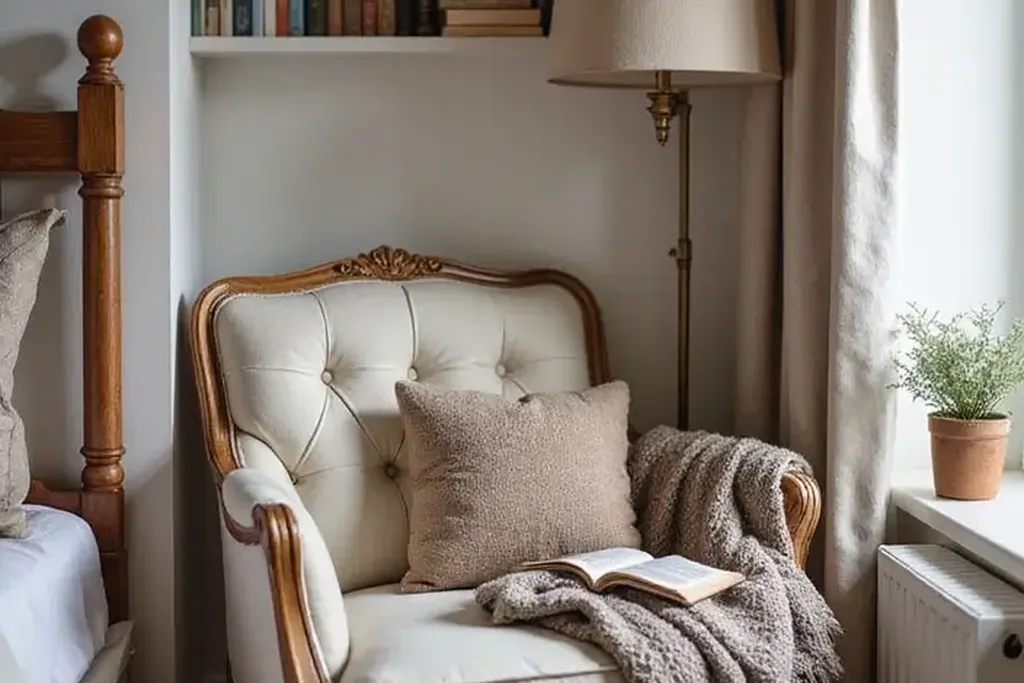
Set one comfortable chair in a corner with a cushion, a small side table, and a reading lamp. Keep the chair clear so it stays an invitation, not a clothes pile. Even a floor cushion beside a low bookcase works in a tight room. This gives the bedroom a second use that is still quiet. If space is short, use the corner of the bed closest to the window and define it with a throw and a wall lamp.
5. Fold a Wool Throw at the Foot of the Bed
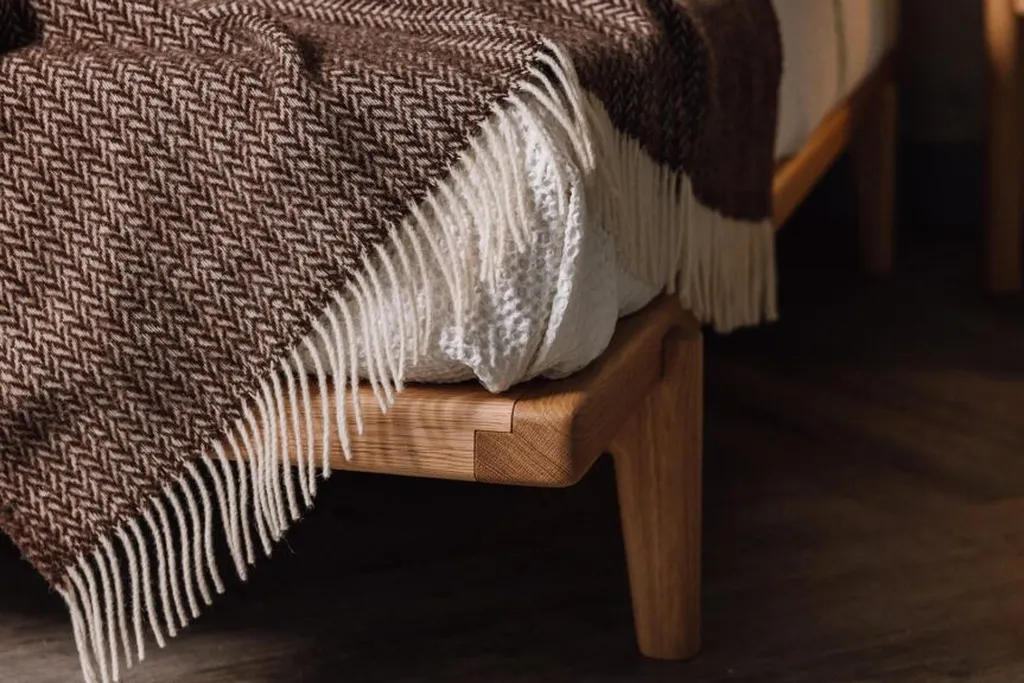
A wool or wool blend throw folded across the foot of the bed adds weight, texture, and a layer you can pull over your legs while reading. Choose a plain weave or a simple check so it works with patterned bedding. Shake it out weekly and store it off the floor. Wool can feel scratchy for some people, so test the texture or choose a soft cotton knit instead if you will use it against your skin.
6. Use a Warm, Quiet Color Palette
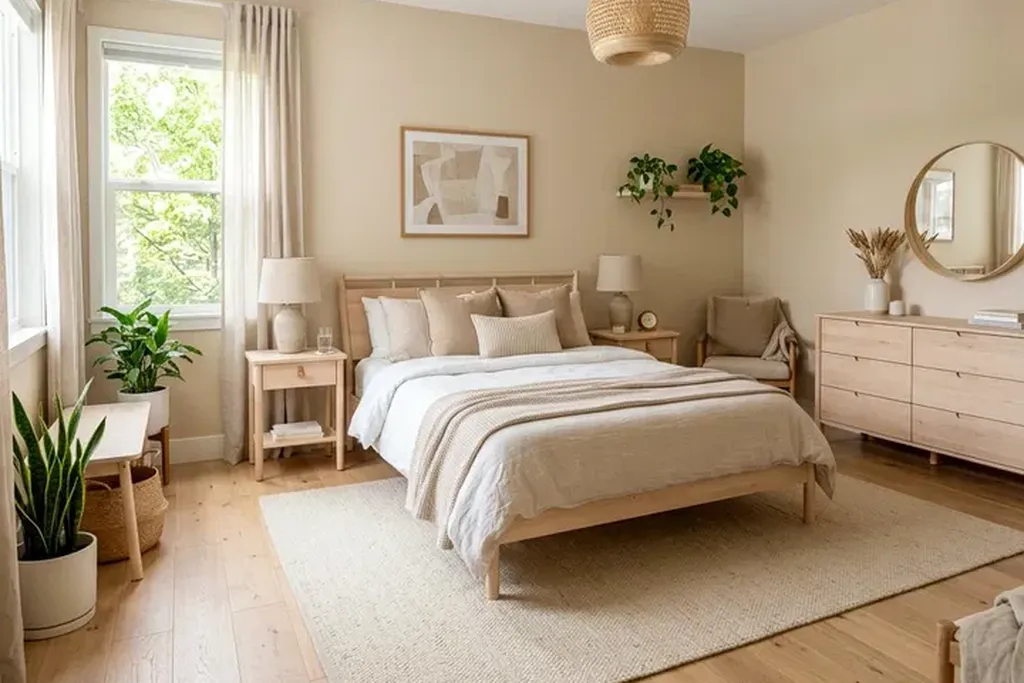
Pick warm whites, soft beige, pale clay, muted sage, or light wood tones for the large pieces, then repeat each color at least twice so the room feels pulled together. Keep bright colors to one small item, such as a book cover or a cushion. Sample paint and fabric in evening light before you commit, because north facing rooms can turn cool shades dull. Renters can carry the palette through bedding, curtains, and art instead of paint.
7. Choose a Natural Wood Headboard
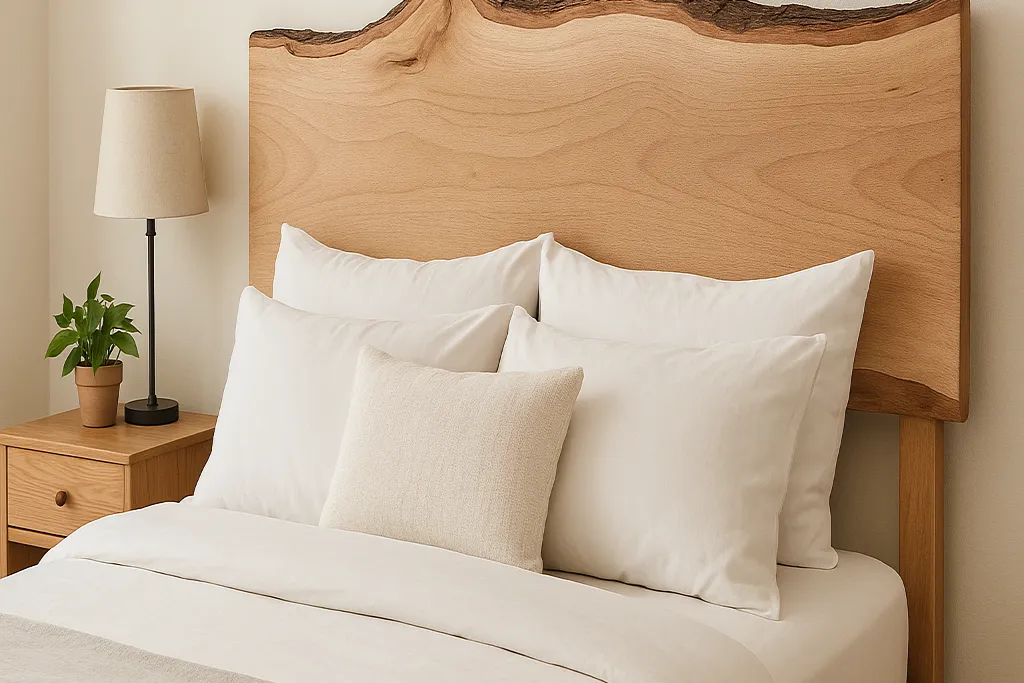
A plain wood headboard gives the bed a clear center and brings in grain and warmth that painted furniture often lacks. A simple slatted or solid panel design suits most bedding and is easy to clean. Leave enough room to sit up with a cushion behind you. If a new headboard is not practical, hang a wide wood framed textile or a plain wood shelf low behind the pillows for a similar visual anchor.
8. Put a Soft Rug Where Your Feet Land
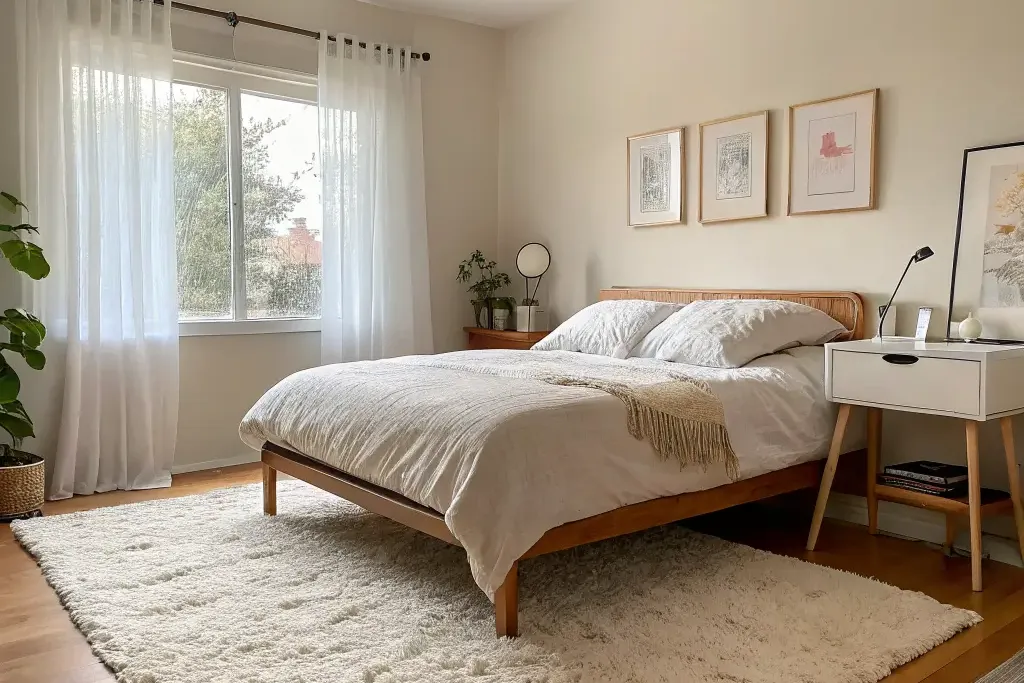
Place a washable rug beside or partly under the bed so the first step in the morning lands on something warm. A low pile wool look or cotton rug is easier to vacuum than a deep shag option and works better under doors. Measure the swing of the door and the path to the bathroom before you buy. In a small room, one runner on the side you use most gives the benefit without covering the whole floor.
9. Layer Sheer and Blackout Curtains
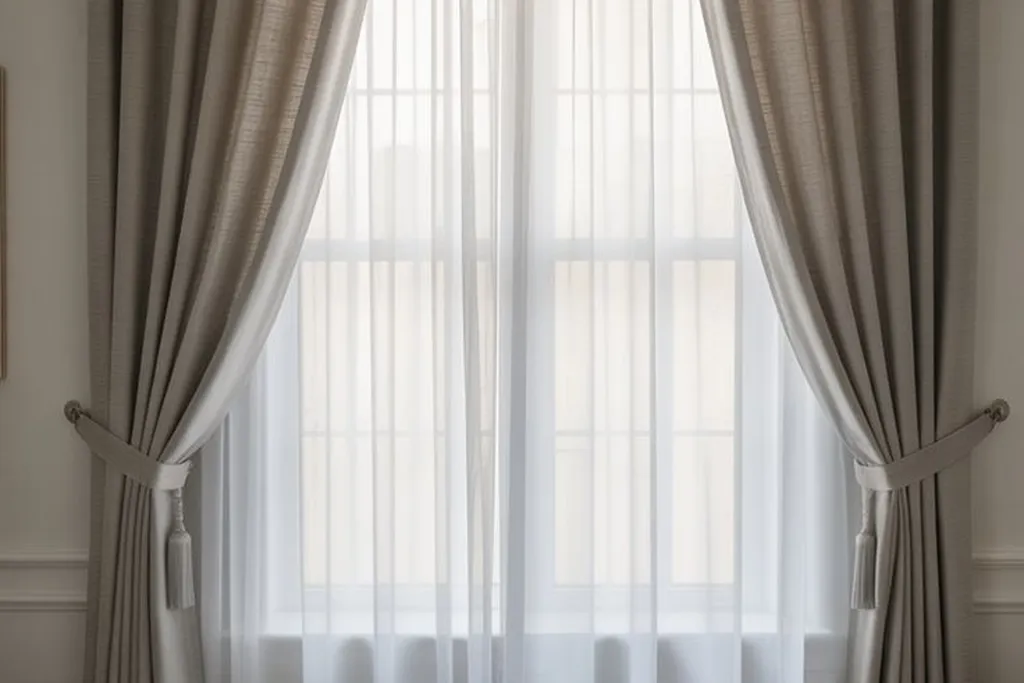
Hang a sheer panel for soft daytime light and a blackout panel you can close at night for darkness and privacy. The pair also helps soften street sound and drafts at older windows. Mount the rod a little wider than the frame so the panels do not block light when open. Choose a warm white or natural linen tone to keep the wall feeling light. If blackout fabric feels heavy, use blackout lining behind a lighter curtain.
10. Keep a Bedside Tray for Your Evening Ritual
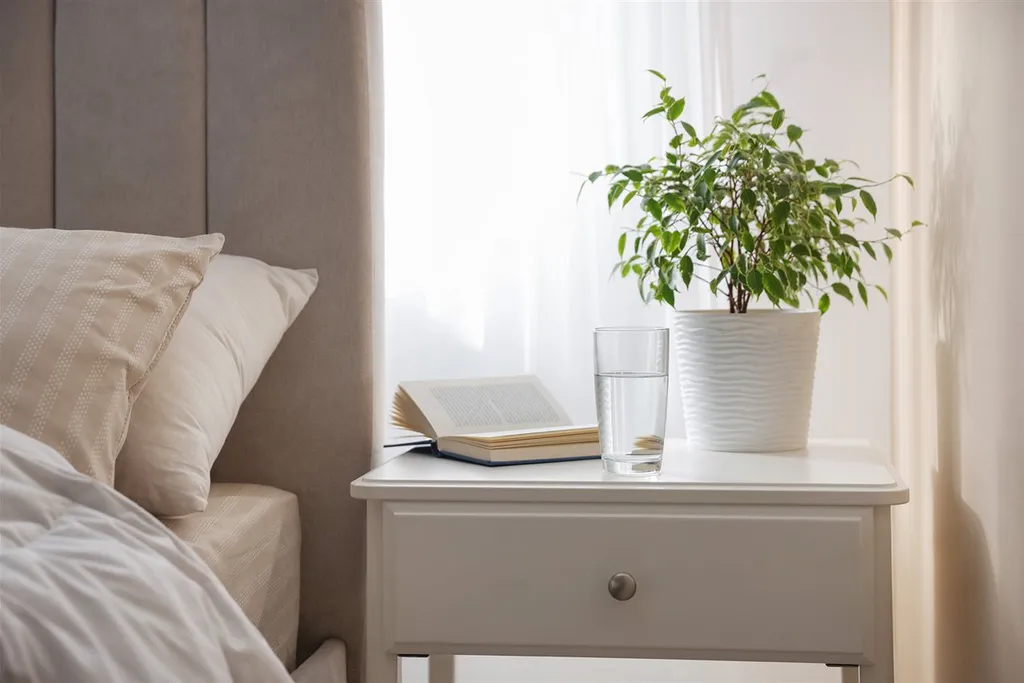
Use a small tray on the nightstand to hold only what belongs to your evening: a book, lip balm, a glass of water, and your glasses. Grouping these items keeps the surface tidy and makes the routine feel settled. Choose a tray with a low edge so items do not slide off. Keep chargers and work papers elsewhere. A tray that is too large will collect extras, so pick the smallest size that fits your regular items.
11. Try a Low, Simple Bed Frame
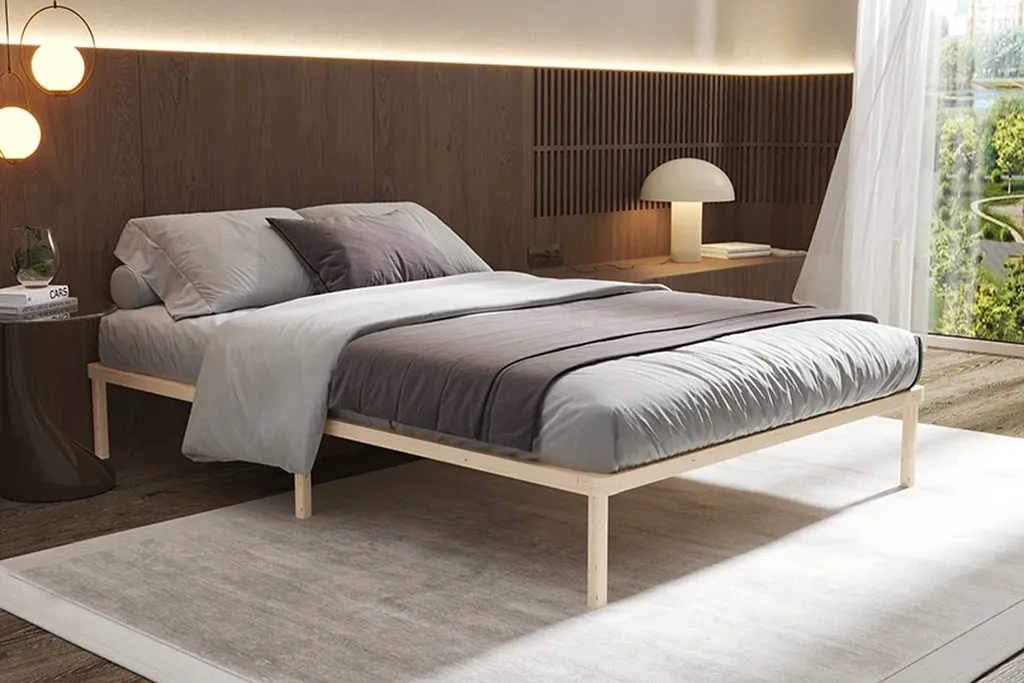
A low frame with clean lines leaves more wall space above the bed, which can make a small ceiling feel higher and the room feel less crowded. Wood frames warm up the look, while a simple upholstered base feels softer. Check that the height still lets you sit and stand with ease, especially if you share the bed with a partner who prefers a higher base. Test mattress support before you replace a frame for looks alone.
12. Mix Knit and Linen Cushions, Then Stop
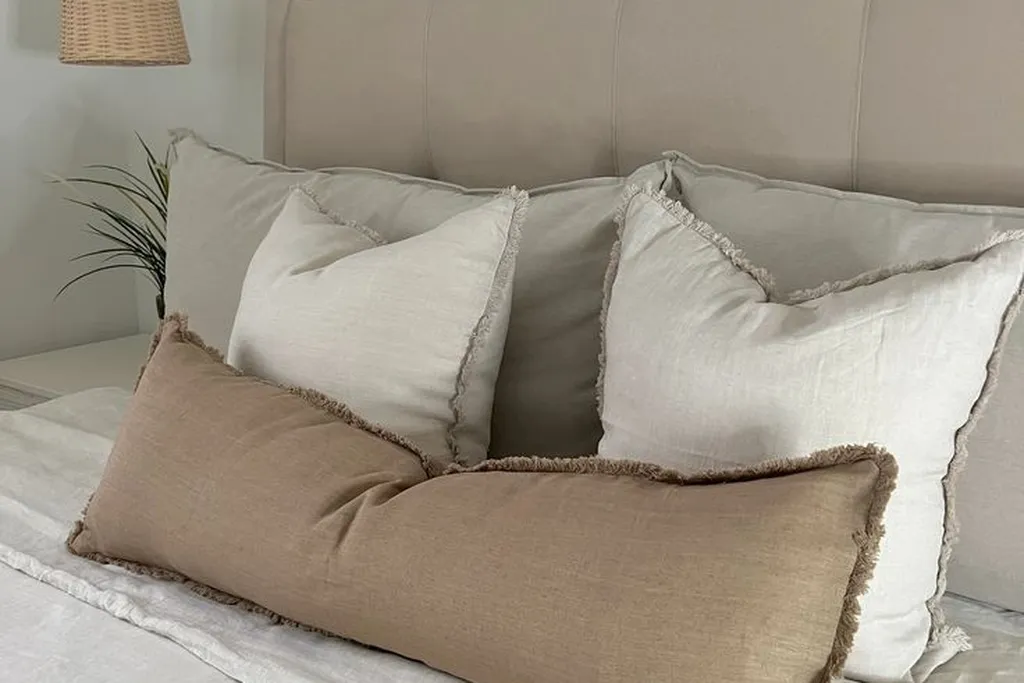
Use two sleeping pillows and no more than two or three extra cushions in mixed knit, linen, or cotton. Different textures give depth without bright pattern, and a small number keeps the bed easy to make. Put a zip cover on each cushion so you can wash them. If you have to move a pile to get into bed, you have too many. Store one spare set of covers in the nightstand drawer for a quick seasonal change.
13. Bring in One Plant and One Natural Find
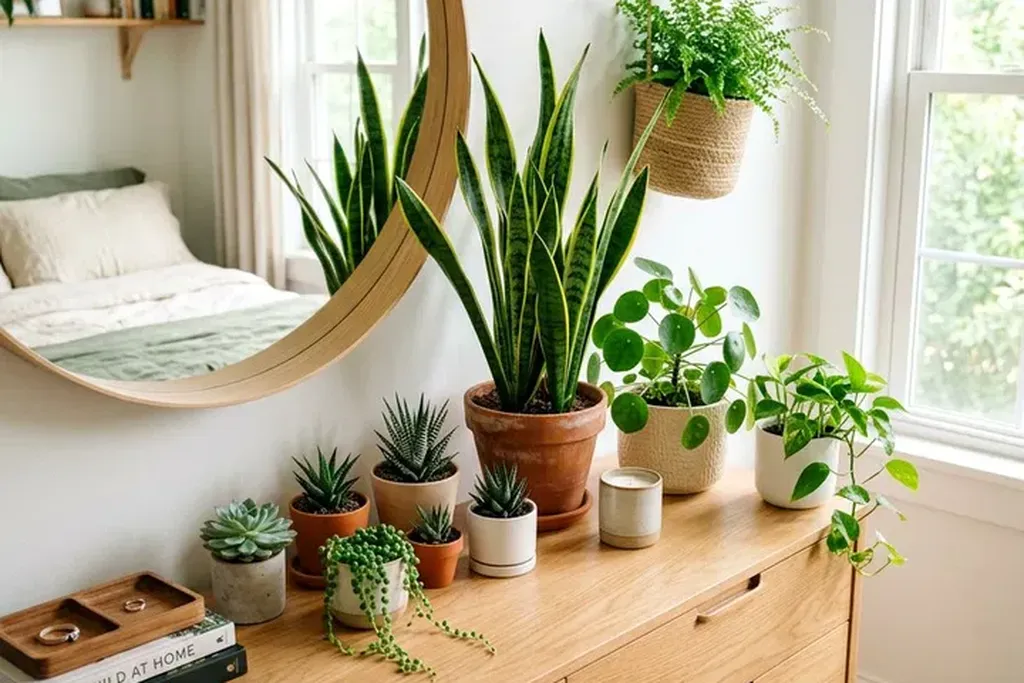
Set one easy care plant on a dresser or stool where it gets the light it needs, and add one natural object such as a smooth stone, a small branch in a jar, or a bowl of pinecones in season. Living green and found texture connect the room to the outdoors without turning it into a display. Keep plants out of reach if pets chew leaves, and check a plant is suitable for your home before you bring it in.
14. Hide Clutter in Closed Nightstand Storage
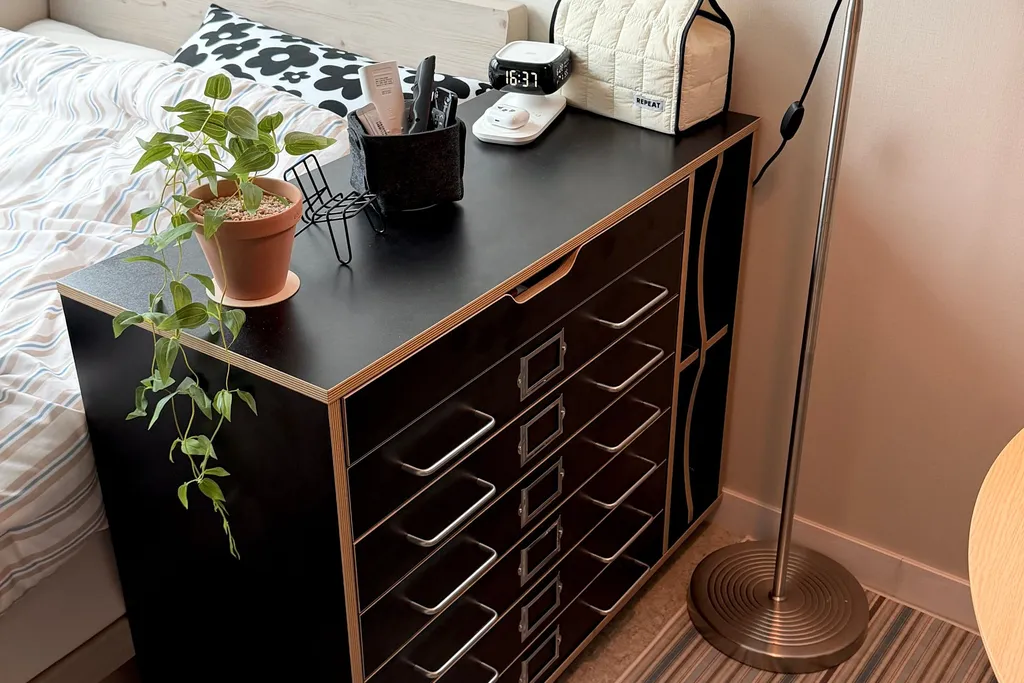
Choose nightstands with a drawer or a door so chargers, medicine, notebooks, and loose items stay out of sight. Clear tops calm the room more than any new decor, because the bed area is what you see last at night. Do a quick sort and keep only daily items in the drawer. Open shelves can work if you use one closed box per shelf, but measure the box before you buy so it fits without forcing.
15. Add a Gentle, Familiar Scent
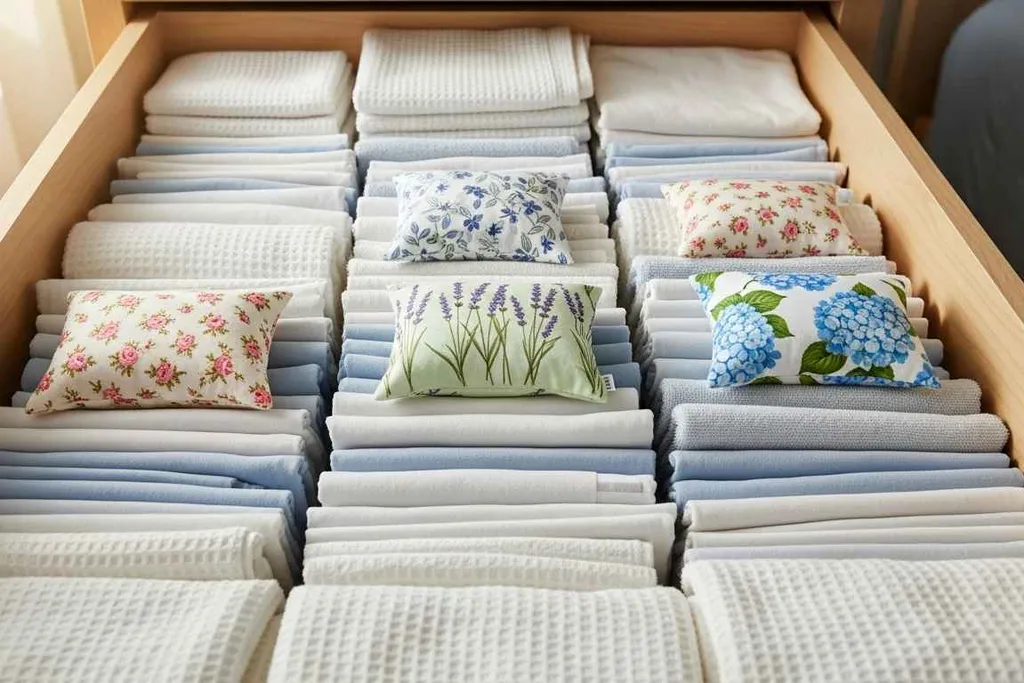
Pick one light scent you link with rest, such as clean cotton, cedar, or a mild lavender product, and use it in only one form: linen spray, a drawer sachet, or a candle. Using the same scent each evening builds a simple cue that the day is ending. Keep it subtle so it does not compete with sleep. If scent triggers headaches or allergies in your household, skip this idea and rely on fresh air and clean bedding instead.
16. Make the Last Hour Screen Free

Charge your phone outside the bedroom or across the room, use a basic alarm clock, and spend the last part of the evening reading, talking, or preparing for the next day. CDC sleep guidance notes the value of a relaxing routine, dim light, and a cool, comfortable room before bed. If you must keep a phone nearby for emergencies, turn off non essential alerts and set the screen face down.
17. Warm Up the Walls With Color or Texture
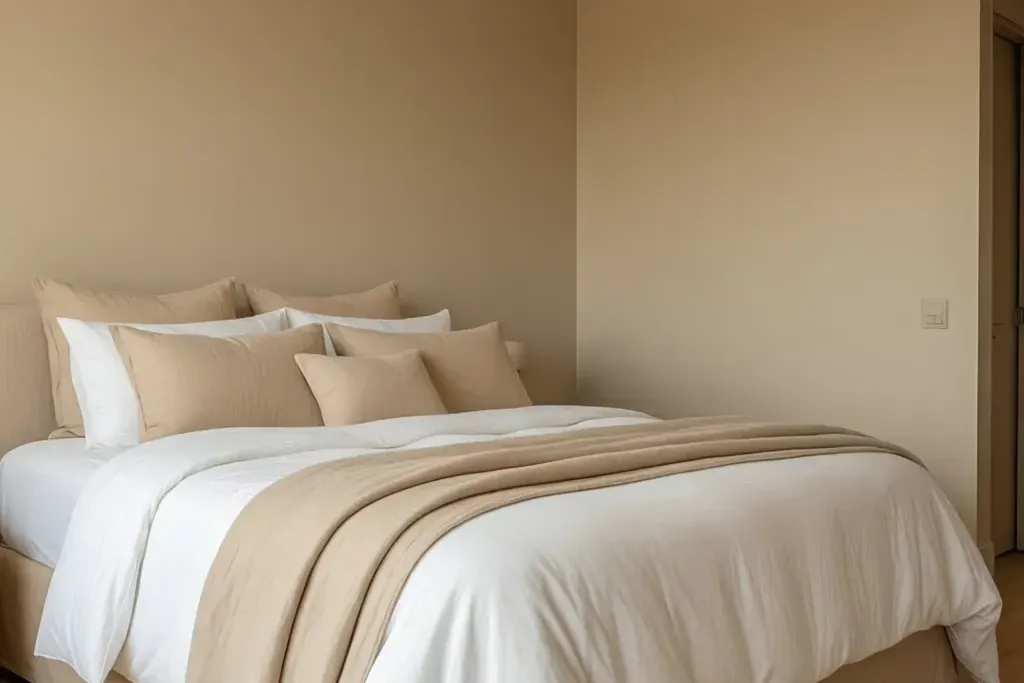
A warm white, soft beige, or muted earthy paint can remove the stark feel of a bright white rental wall. For texture without paint, use removable panels, a large framed fabric piece, or plain curtains that cover more of the wall. Test any color beside your bedding in daylight and lamplight. Dark walls can feel restful in a large room but may close in a small one, so start with the wall behind the bed if you want to try a deeper tone.
18. Keep a Basket for Blankets and Books
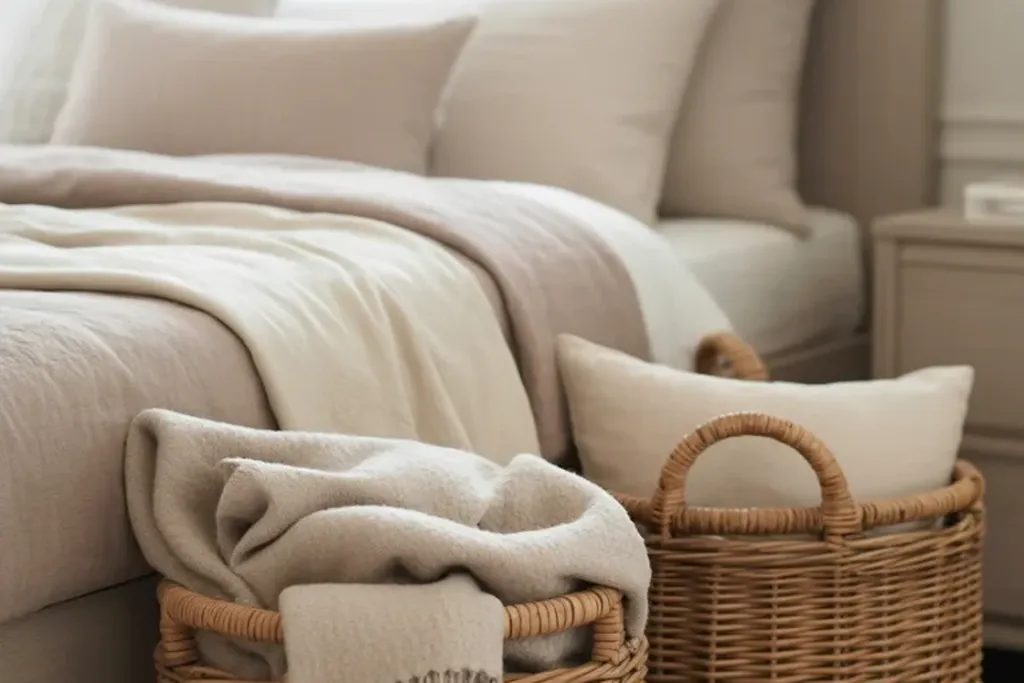
Place a sturdy woven or fabric basket beside the bed or chair for the throw you are not using, a current book, and socks or a shawl. A basket keeps comforts close without spreading them across the floor. Choose handles if you move it for cleaning. Limit the basket to items you use each week. If it fills with random storage, empty it during your reset and return only the evening items that belong there.
19. Add a Bench at the Foot of the Bed
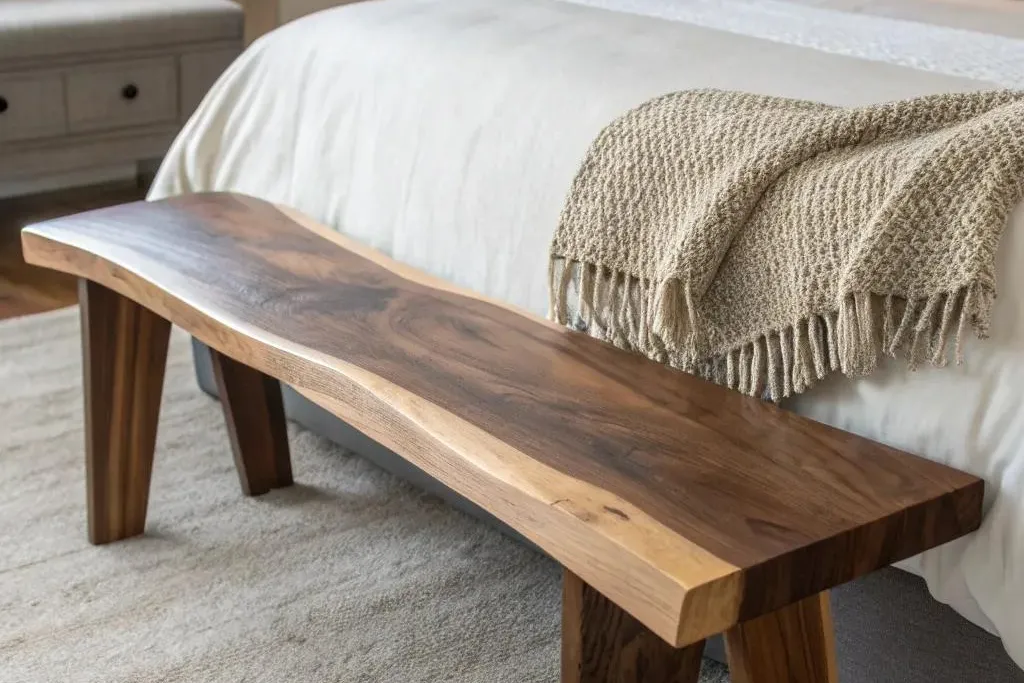
A narrow bench gives you a place to sit while dressing, lay out clothes for the morning, or set a tray without using the bed. A wood bench with a folded throw or a single cushion keeps the look simple. Leave clear space at the sides so you can walk around it at night. In a short room, use a small stool or an ottoman instead, and check that it does not block a heat vent or a door.
20. Hang One Soft Textile on the Wall
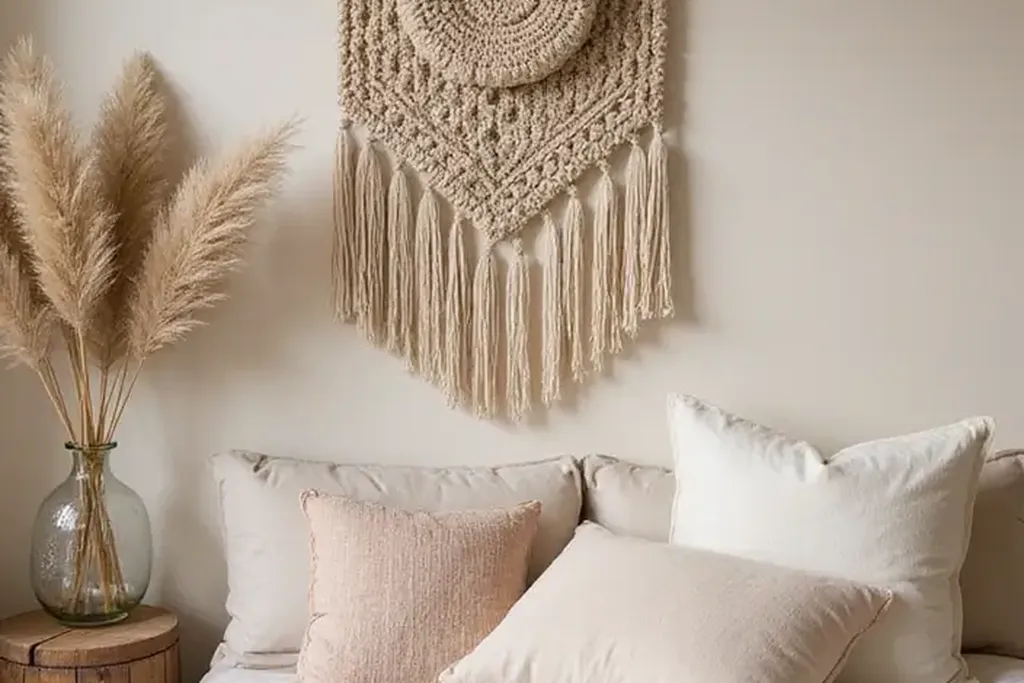
A woven hanging, a plain quilt, or a framed piece of textured fabric softens hard walls and helps a room feel less echoing. Hang it where you see it from the door, not crowded above the pillows if the bed already has a strong headboard. Use secure fixings suited to the wall and the weight of the piece. Renters can use a lightweight textile on removable hooks. Keep colors in the same warm palette as the bedding for a settled result.
21. Frame Personal Photos in Warm Wood

Choose three to five favorite photos, print them in a similar size, and frame them in light or medium wood. Group them at eye level on one wall or lean one larger frame on a dresser. Personal images make the room feel lived in, which is central to hygge, without buying more decor. Avoid a scattered gallery across every wall. If you prefer privacy, use landscape photos from trips or places that matter to you instead of portraits.
22. Plan for Slow Mornings in Bed

Keep what you need for a slow start within reach on a weekend: a tray, a mug you like, and a book or journal on the nightstand. Open the sheers first for natural light, stay under the layers a little longer, and enjoy the room you have made. This is a good time to borrow ideas from simple cozy fall decor ideas when the season turns. Clear the tray back to the kitchen afterward so the habit stays tidy.
23. Finish the Day With a Five Minute Reset
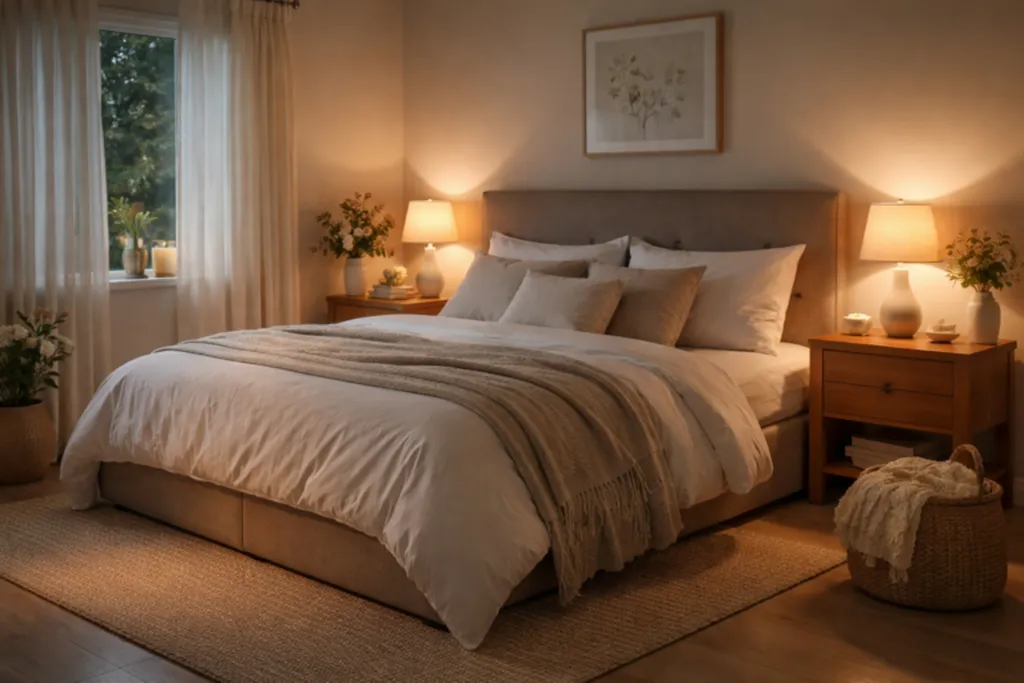
Spend five minutes before you dim the lamps: make the bed neat if needed, return the throw to its fold, put books in the basket, clear the nightstand tray, and set out water. A short reset protects the calm you built and makes the morning easier. Pair it with an evening wash or bath routine, such as the ideas in these cozy spa bathroom ideas, then return to a clear room. Skip perfection and aim for clear surfaces.
For hygge beyond the bedroom, the same warm light and layered textiles work in these winter living room ideas.
Conclusion
A hygge bedroom is not a style you buy in one order. It is a bed made in layers you like, warm light you switch on in the evening, a place to read, and surfaces that stay clear. Pick two ideas from this list to try this week, live with them, and add a third only if the room still needs it. Small, useful comforts repeated each night are what make the space feel relaxed and pulled together.
FAQs
What does hygge mean in a bedroom?
Hygge in a bedroom means creating a warm atmosphere and a feeling of comfort and contentment through simple, everyday choices. In practice that is soft bedding, warm low light, natural materials, a place to read or rest, and a room that is tidy enough to relax in. It is less about a look you copy and more about how the room helps you slow down at night and start the day without rushing.
What colors work best for hygge bedroom ideas?
Warm and quiet colors work best, such as warm white, soft beige, light clay, muted sage, and natural wood tones. These shades look gentle in lamplight and pair well with linen, wool, and cotton. Use brighter color in small doses only, for example one cushion or a book, so the room stays restful. Always check a paint or fabric sample in both daylight and evening light, because a color that looks warm at noon can look grey at night.
How can renters create a hygge bedroom without painting or rewiring?
Renters can use bedding, throws, curtains, a rug, plug in lamps, framed photos, and a basket to change the feel of a room without permanent work. Layer textiles for warmth, add warm bulbs to lamps you own, and use removable hooks for a lightweight textile hanging. Closed storage and a nightly reset cost nothing and help a rental feel settled. Keep all fixings removable and check your lease before you drill or mount anything heavy.
How do I make a small bedroom feel hygge without adding clutter?
Use fewer, larger comforts in a small room. Choose one rug, one throw, two extra cushions at most, and one chair or stool if it fits with clear walking space. Keep storage closed, keep the nightstand to a tray of daily items, and repeat the same two or three colors. If an item does not help you sleep, read, dress, or rest, store it in another room instead of finding a place for it in the bedroom.
Is candlelight safe to use in a bedroom?
Candlelight can be used with care if you place candles on a stable, heat safe surface away from bedding, curtains, and drafts, and you never leave them unattended. Do not fall asleep with a candle burning. Keep flames away from children and pets who could knock them over. If any of those conditions are hard to meet in your room, a warm LED candle gives a similar glow with no flame and is the safer choice.
What is the first hygge change to make on a small budget?
Start with light and the bed, because you feel both every day. Put a warm bulb in a bedside lamp, wash and layer the bedding you already own, and add one throw from another room. Then clear the nightstand and set out a book and water on a small plate or tray. Those steps cost little or nothing, and they show you whether you want to spend later on a rug, curtains, or a better reading chair.
Can hygge work in warm climates?
Yes. Hygge is about comfort and atmosphere, not heavy layers alone. In a warm climate, use breathable cotton and linen, a light throw instead of wool, sheer curtains for soft light, and a fan or open window for air if conditions allow. Keep the warm lamp light, the reading corner, the clear surfaces, and the evening routine. Choose lighter colors and natural fibers that suit your weather rather than copying a winter room from a colder place.
Save this list for later and pin your favorite idea combinations for the season you are in. A bedroom changes best in small steps, and Pinterest is a useful place to keep the ideas you plan to try next in one board.