
A hippie garden is relaxed, colorful, and built by hand rather than bought as a matching set. These hippie garden ideas mix loose planting, salvaged furniture, painted details, and places to sit on the ground or swing in a hammock. Start with one bed or one corner, use plants you already like, and add handmade pieces as you find them. The aim is a garden that looks lived in and personal, not a formal layout that needs constant trimming to stay tidy.
Key Takeaways
- Plant loosely: wildflowers, herbs, and sunflowers give the relaxed look faster than clipped shapes.
- Reuse what you have: pallets, ladders, old chairs, and reclaimed wood become seating, stands, and beds.
- Add color by hand with painted pots, painted stones, bunting, and a fence mural.
- Plan for evenings outside with hammocks, floor cushions, string lights, and a small fire circle.
- Leave room for wildlife and practical corners, such as a bird bath, a pond bowl, and a screened compost spot.
1. Let a Wildflower Patch Grow Freely
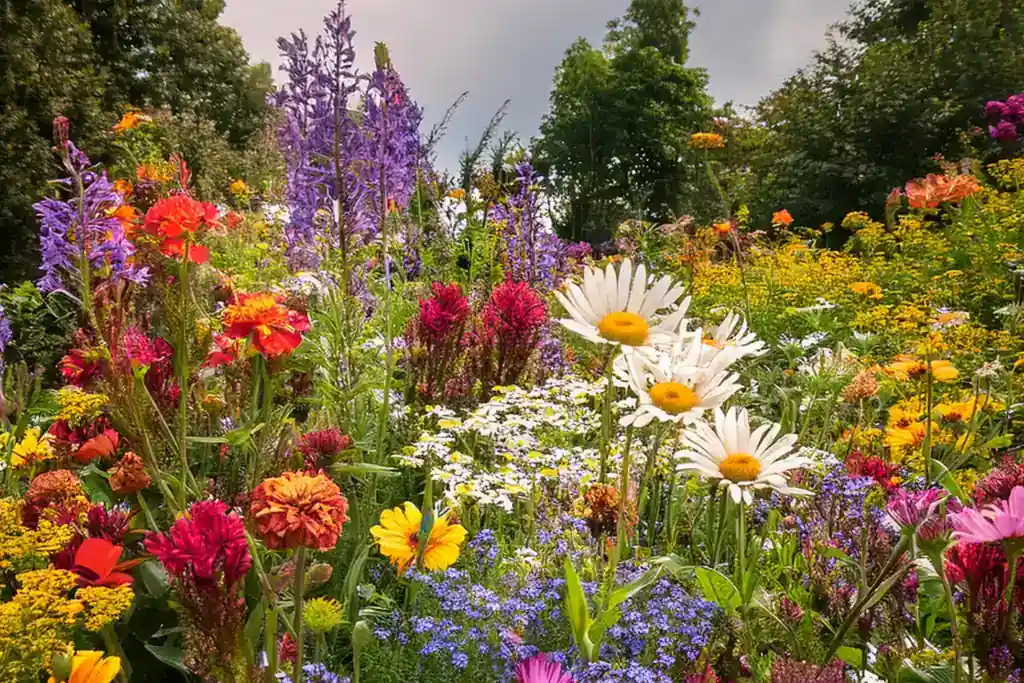
Choose one sunny patch and let it grow loose instead of edging it into a formal bed. Sow a mixed wildflower seed blend suited to your area, rake the soil first, and water while seeds settle in. Leave the patch mostly alone once plants are up, apart from pulling any weed you know is a problem in your region. The mix of heights and colors is the point. If a whole patch feels too wild, start with a one meter strip along a fence and widen it next season.
2. Mix Herbs Into the Flower Beds
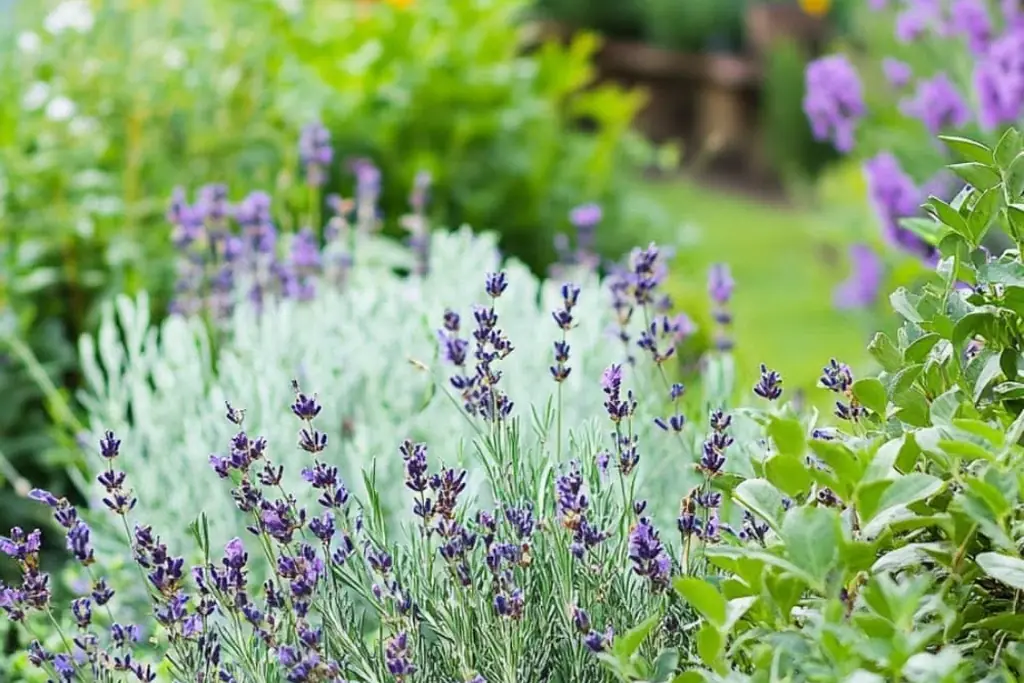
Plant herbs such as rosemary, sage, thyme, and lavender between flowers instead of keeping a separate herb bed. The grey green leaves and small flowers blend well with loose planting, and you can pick leaves on your way past. Put taller herbs toward the back so they do not shade low flowers. Herbs that spread, such as mint, are better in a pot sunk into the bed, because their roots can take over a small border in one or two seasons.
3. Plant in Painted, Mismatched Pots
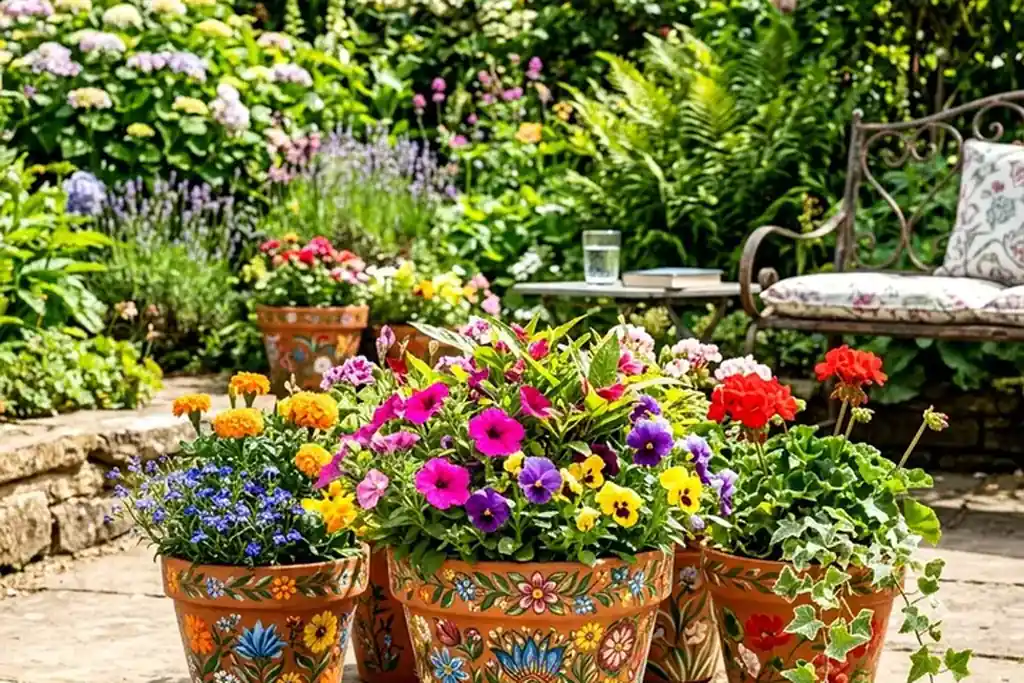
Collect plain terracotta or secondhand pots and paint them in different colors and simple patterns, such as stripes, dots, or suns. Group the pots in clusters of three or five near a door, steps, or seating corner rather than spacing them in a line. Use outdoor paint and leave the inside unpainted so soil can breathe. Check each pot has a drainage hole before planting. One painted pot looks lost, so repeat at least one color across the group to link them.
4. Build a Raised Bed From Reclaimed Wood
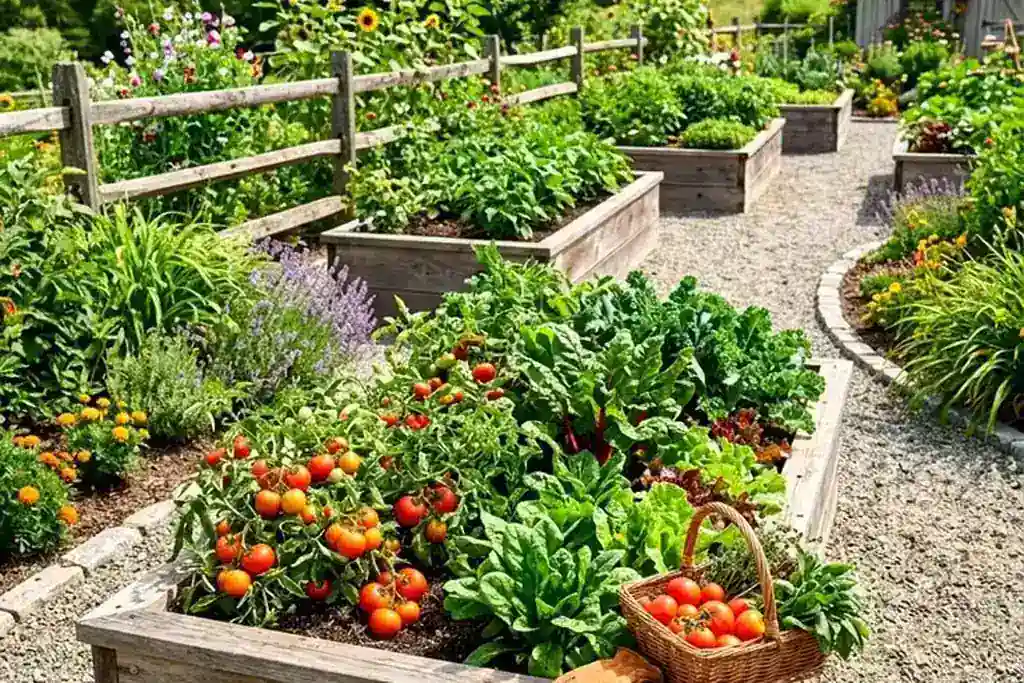
Use old boards, pallet wood that is safe for garden use, or leftover decking to build one low raised bed for vegetables or cut flowers. Fill it with a mix of topsoil and compost, and keep the bed narrow enough that you can reach the middle from both sides without stepping on the soil. A raised bed gives loose planting a clear boundary, which keeps the relaxed style from reading as untidy. Line the inside of the wood with landscape fabric if you want the boards to last longer.
5. Hang a Row of Macrame Plant Hangers
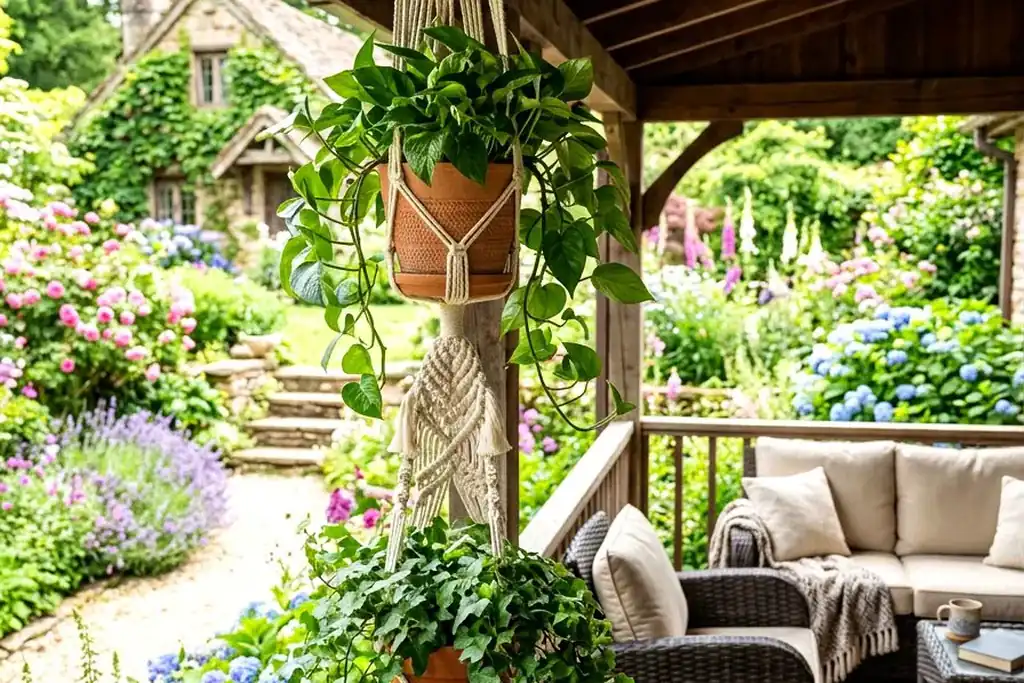
Hang trailing plants in macrame hangers along a porch edge, a pergola beam, or a sturdy branch. Use pots with drainage and a small saucer where drips would stain a surface below. Groups of three hangers at slightly different heights look better than a single row at one level. Choose plants that trail, such as pothos in a sheltered spot or trailing petunias in sun. If you do not knot macrame yourself, woven or rope hangers give the same soft look.
6. Grow a Sunflower Screen Along the Fence

Plant sunflowers in a line along a fence or at the back of a bed to make a living screen by mid summer. Sow seeds after the last frost in your area, spacing them so each plant has room for a thick stem. The flowers give height, late color, and seeds that birds will visit. Tie tall stems loosely to the fence if your garden is windy. For help matching plant choices to your climate, check the USDA Plant Hardiness Zone Map before you buy seeds.
7. Lay a Winding Stepping Stone Path
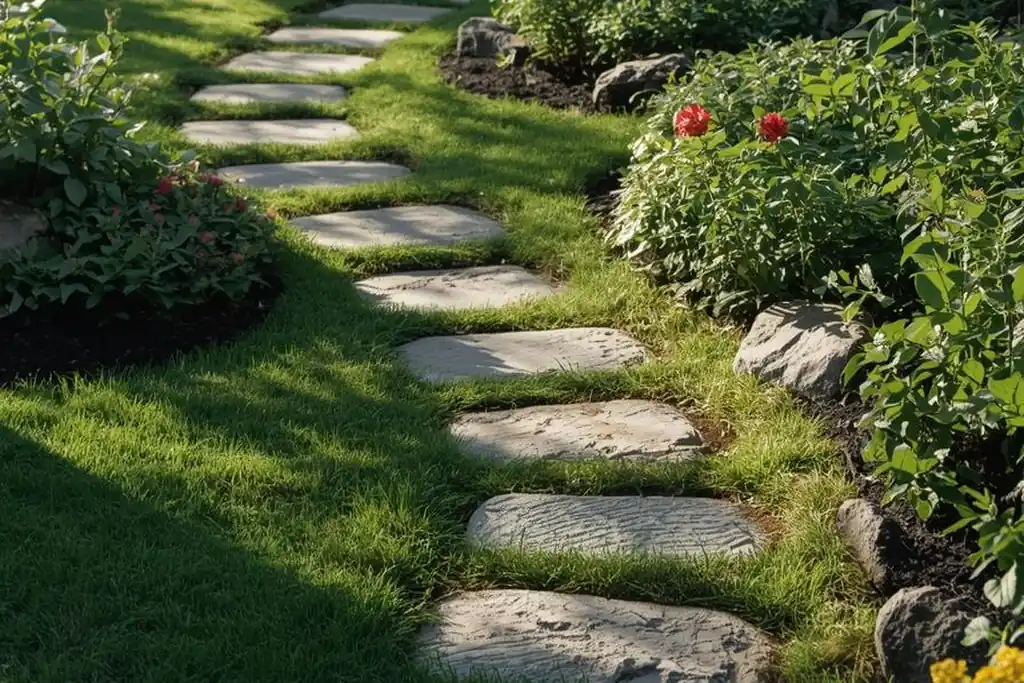
Set flat stones in a gentle curve through the lawn or between beds instead of a straight, paved path. Sink each stone so its top sits level with the ground, and leave grass or low ground cover to grow between them. A curve slows the walk through the garden and shows off each bed as you pass. Space the stones at a comfortable stride and test them barefoot before the soil settles. Avoid loose gravel on the main route if you walk outside at night.
8. Paint Flat Stones With Simple Motifs
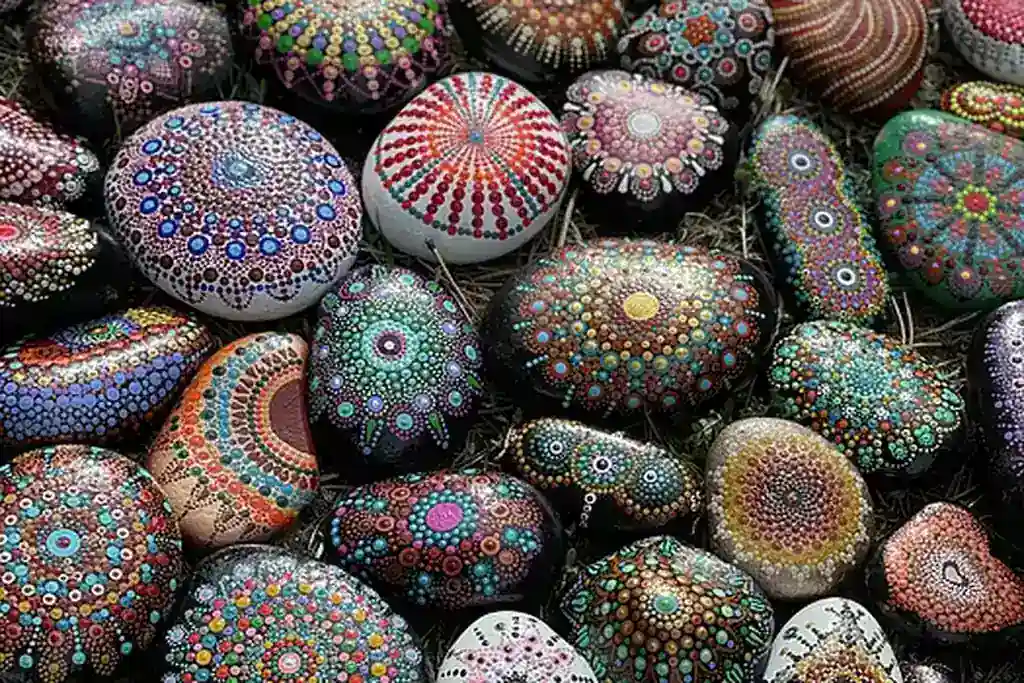
Gather smooth, flat stones and paint them with simple motifs: suns, moons, flowers, insects, or short words. Place them at bed edges, beside the path, or tucked at the base of a plant where they show as small surprises. Seal outdoor paint with a clear exterior coat if you want the colors to last through rain. This is a good project for using leftover paint from the pot painting in Idea 3. Keep the designs simple, because detailed art fades and chips faster outdoors.
9. Edge Beds With Logs, Bricks, or Stones
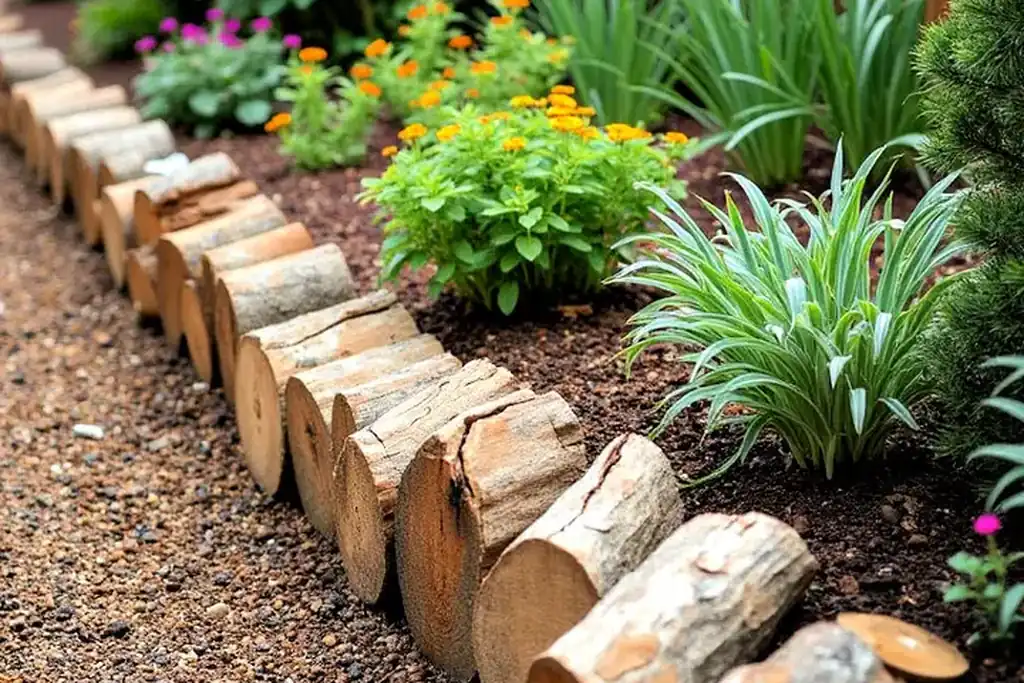
Give loose beds a clear edge with short log rounds, salvaged bricks, or collected stones laid in a single line. The edge stops mulch and soil from washing onto the lawn and makes mowing easier. Use whatever material you can gather in one consistent run per bed, and switch material on the next bed if you run short. Push each piece slightly into the soil so the line stays put. Replace or reset pieces after winter, when frost can lift them out of place.
10. Build a Low Pallet Seating Corner
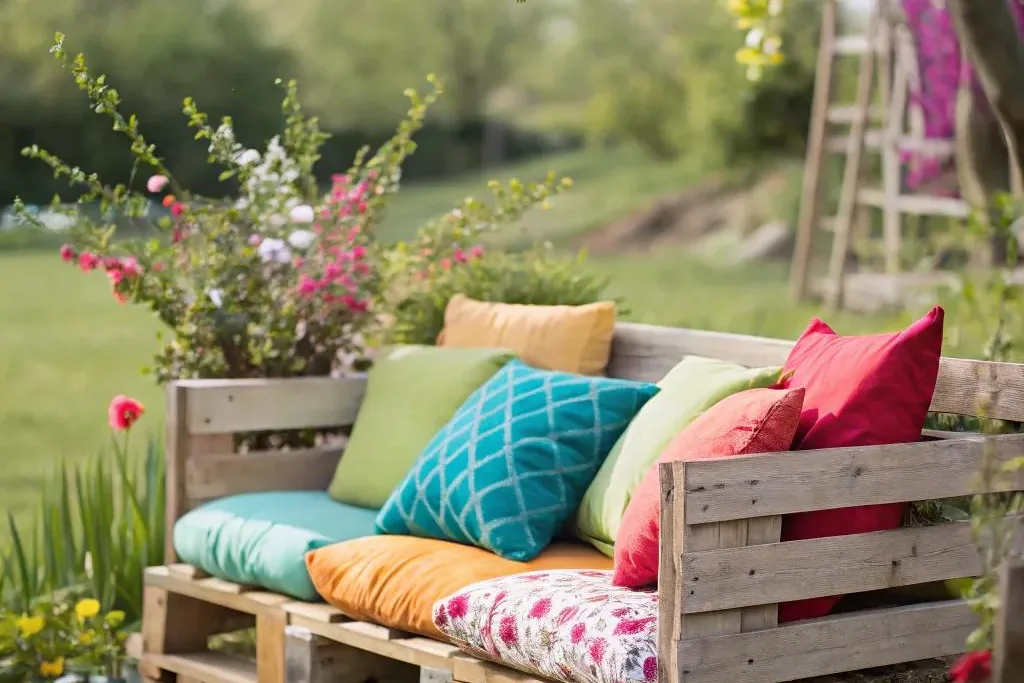
Stack or join clean pallets to make a low platform sofa in a shaded corner, then cover it with outdoor cushions and a washable throw. Check pallet wood for stamps and damage before use, sand rough edges, and raise the base slightly so air can move under it. Add a small side table or crate for drinks. This corner becomes the center of the garden, so place it where you can see the best planting. Bring cushions inside during long wet spells to stop mildew.
11. Hang a Hammock Between Two Trees or Posts
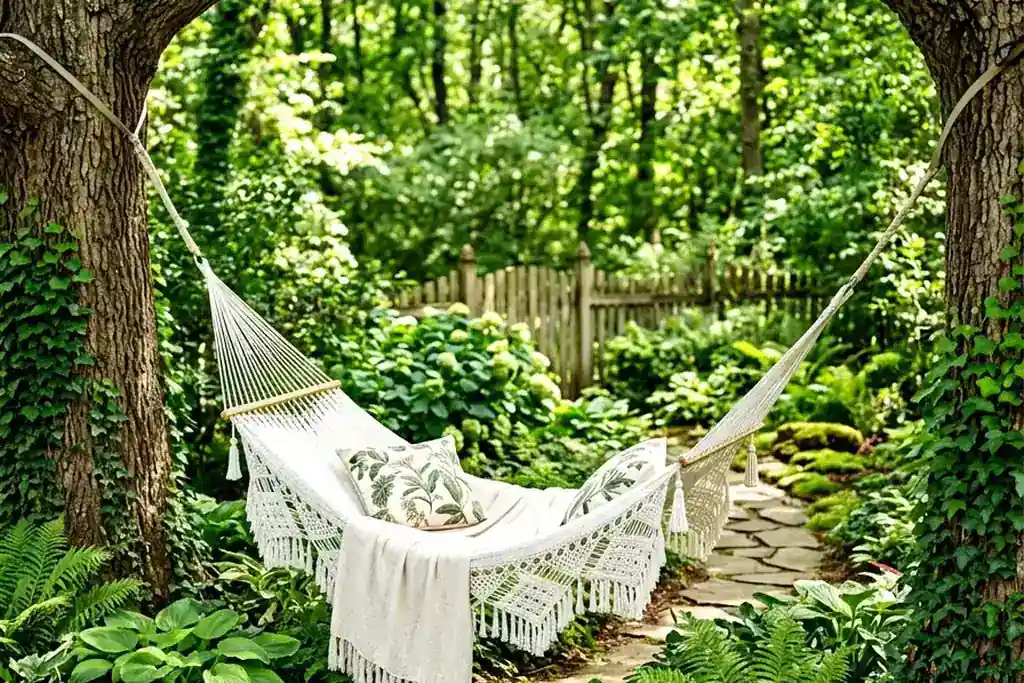
A hammock is the simplest seat in a hippie garden. Hang it between two strong trees with wide straps that protect the bark, or between two posts set firmly in the ground if your garden has no trees. Leave a clear fall zone underneath, free of stones, pots, and the fire pit. Test the height so you can get in and out without the fabric touching the ground when loaded. Store the hammock dry in winter so the fabric lasts more than one season.
12. Spread Floor Cushions and a Blanket on the Lawn
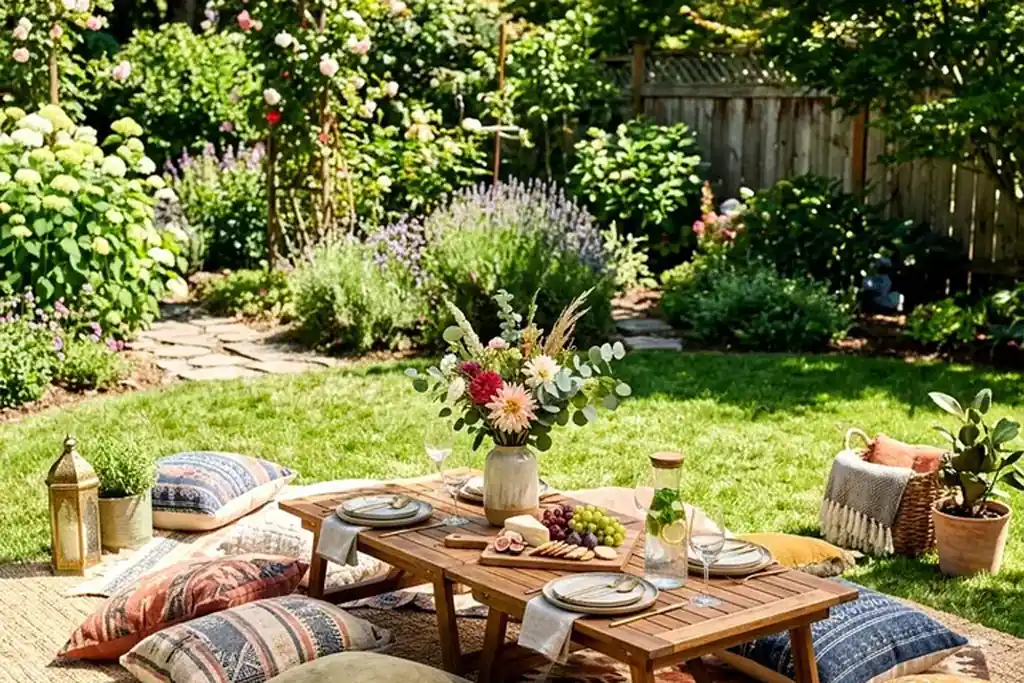
For a flexible hangout, lay a washable blanket or woven rug on the lawn and add large floor cushions. This setup seats a group without furniture, moves easily to follow the shade, and packs away in minutes. Choose a dry patch of lawn and shake the blanket out before guests sit down. The same layered textiles used indoors in these cozy living room ideas work outside on a dry day. Keep food and drinks on a low tray so cups do not tip on soft ground.
13. String Fabric Bunting Across the Garden
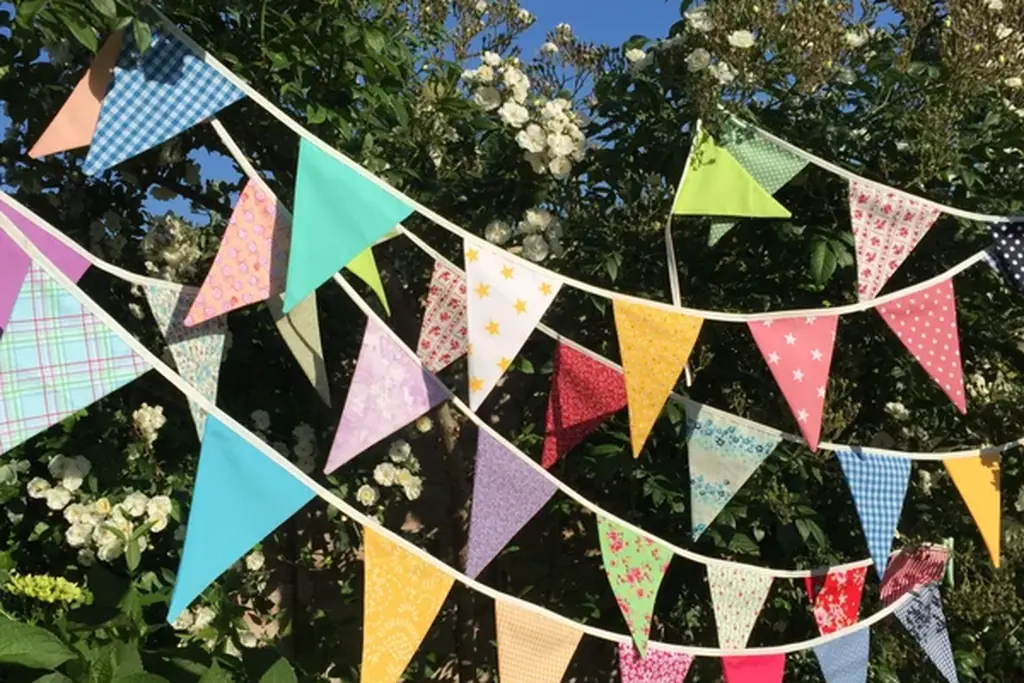
Cut triangles from scrap fabric, old shirts, or remnant cloth and sew or tie them along a length of cord. String the bunting between trees, posts, or the edges of a porch so it crosses above seating rather than over a path where it could catch on heads. Mixed patterns and faded colors suit this style better than one new matching set. Take bunting down before storms, because wet fabric grows heavy and can pull its fixings loose.
14. Hang Woven Pieces in a Sheltered Spot

Hang a dream catcher, a small woven wall hanging, or a macrame piece from a branch or under a covered edge where rain reaches it less often. Natural fibers soften outside, so choose pieces you are happy to replace after a season or two, or bring them in during wet months. Keep hangings clear of the fire pit and any candles. One or two woven pieces are enough. More than that on every tree starts to look cluttered instead of relaxed.
15. Lay a Pebble Mandala on Bare Ground

Clear a small circle of ground and lay pebbles, shells, and short sticks in rings or a simple spiral. A mandala gives a calm focus point in a bed or at the center of a seating circle, and it costs nothing if you gather the pieces. Rake and rebuild it when weeds grow through. Photograph a design you like before you clear it, so you can repeat it next season. Keep the circle small, about the width of a chair seat, so it stays quick to maintain.
16. Use an Old Ladder as a Plant Stand
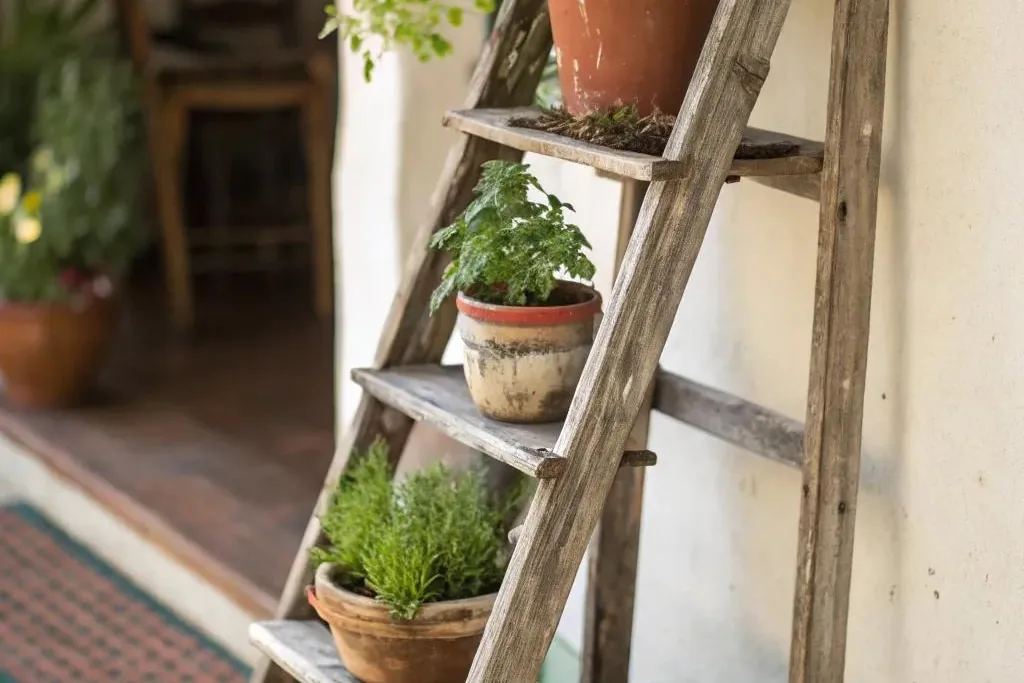
Stand a wooden step ladder in a bed or against a fence and set pots on its steps. The steps give plants different heights, which makes a small collection look fuller. Secure the ladder so it cannot tip, especially on soft soil, and put the heaviest pots on the lowest step. A ladder that is no longer safe to climb is fine for plants, but check the joints hold weight evenly. Paint it or leave the worn wood as it is, both suit the style.
17. Turn a Broken Chair Into a Planter
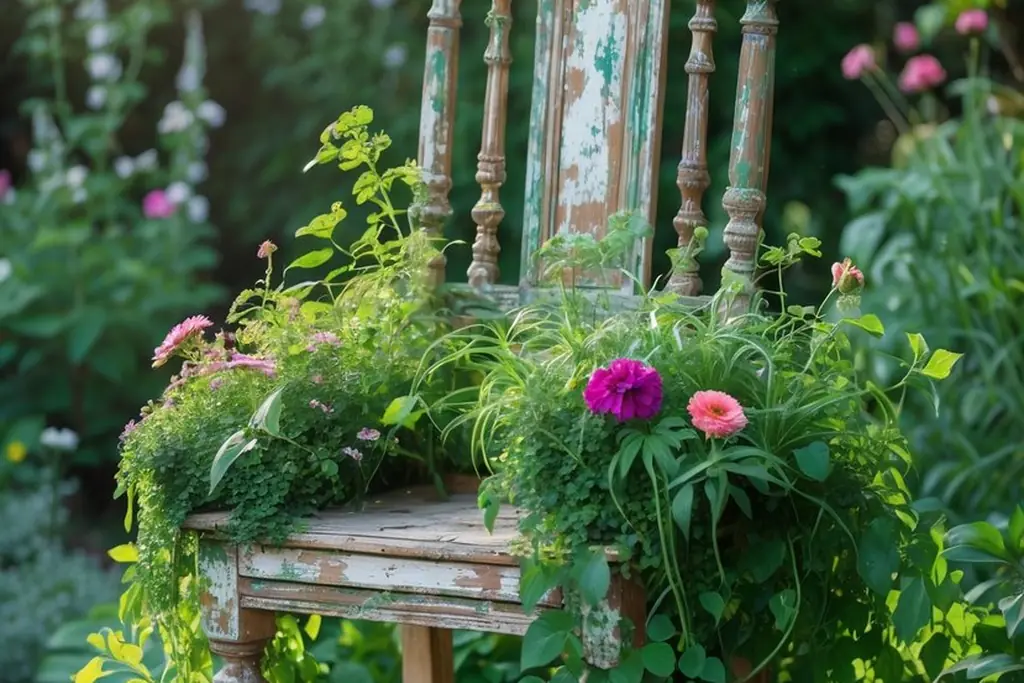
Take a chair with a worn or broken seat, remove the seat base, and set a pot or lined basket into the frame so flowers spill over the edges. Place the chair in a bed or beside the path as a small surprise. Choose trailing plants so the shape of the chair stays visible. Wooden chairs weather quickly outside, so treat this as a one or two season piece, or keep it under a covered edge. Metal chairs last longer but can rust onto paving, so stand them on stones.
18. Add Wind Chimes Near the Seating Corner
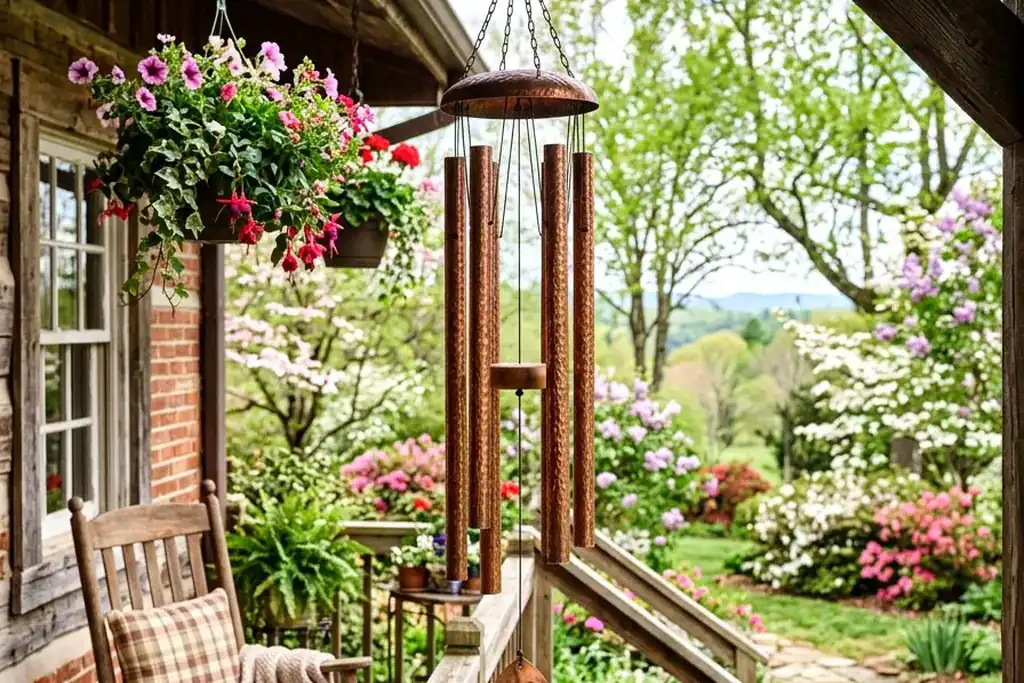
Hang one set of wind chimes where a light breeze reaches them, near the seating corner or hammock. Shell, bamboo, and metal chimes each give a different sound, so listen before you buy if you can. Keep chimes away from a neighbor’s bedroom window if your garden is close to other homes, and take them down in high winds. One set is enough for a small garden. The sound should sit in the background while you talk or read, not carry across the whole yard.
19. Add a Small Pond or Water Bowl
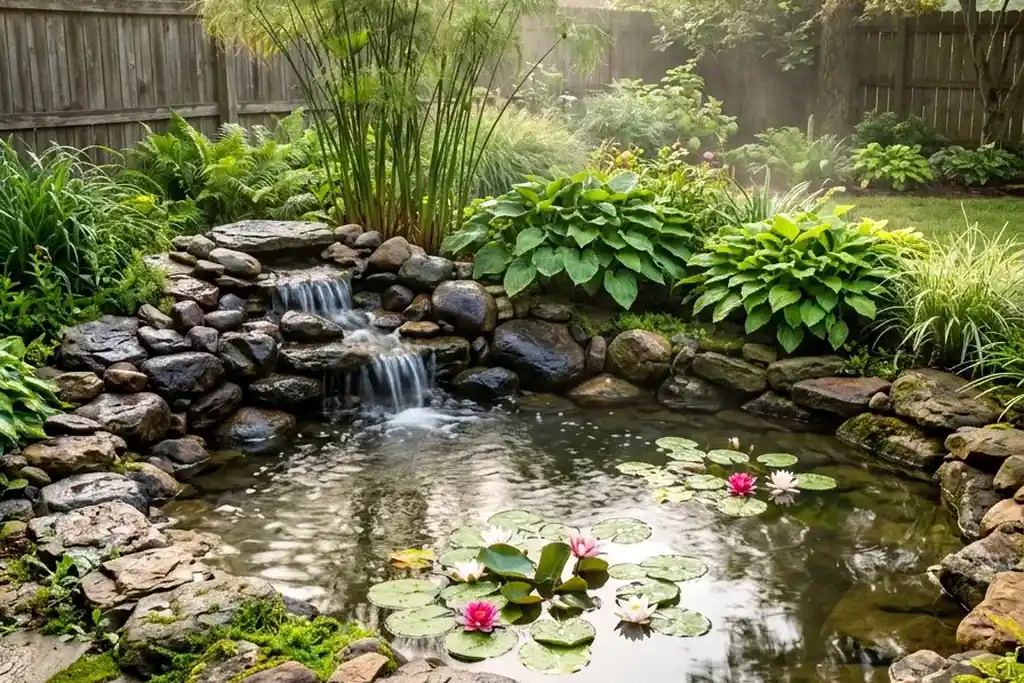
Set a wide, watertight bowl, a half barrel, or a small preformed pond into a shady corner and fill it with water and one or two water plants. A still water surface reflects the sky and draws birds and insects to drink. Add stones that slope into the water so small animals can climb out. If mosquitoes are a problem in your area, use a small solar fountain to keep the water moving, and refresh bowl water often. Keep deep water features fenced or covered if young children visit.
20. Light the Garden With Solar Lanterns and String Lights
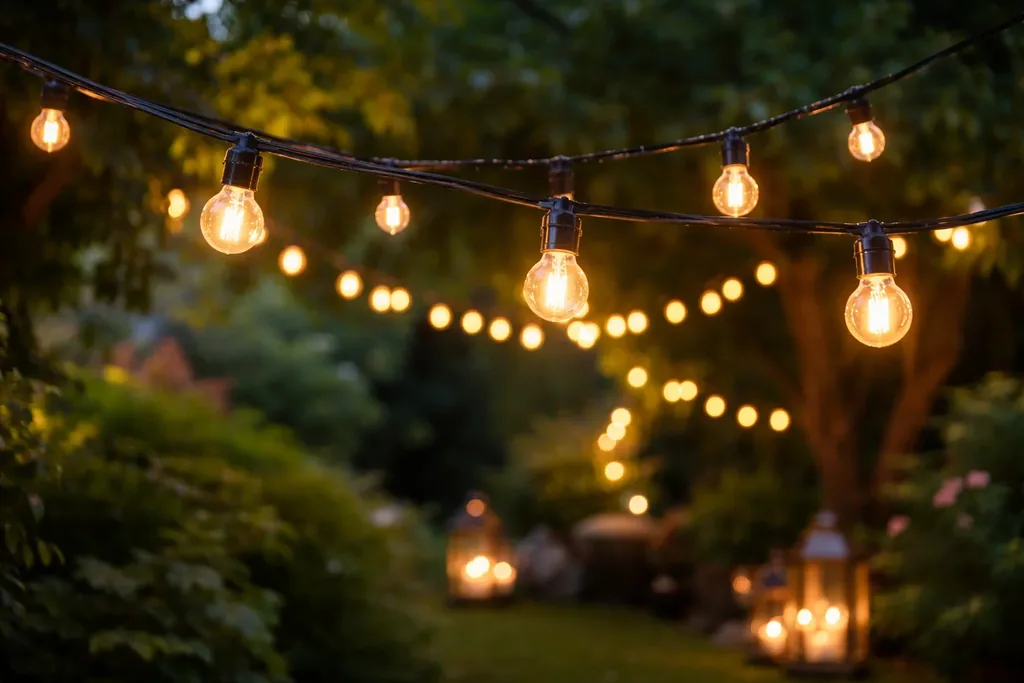
As the light fades, solar lanterns along the path and a string of warm lights over the seating corner keep the garden usable into the evening. Place solar panels where they get full sun during the day, and coil spare cable so it does not cross walkways. Warm white bulbs suit this style better than colored or flashing sets. Bring battery string lights inside in winter if the maker advises it. Check the path stays visible from the door to the seating area before guests arrive.
21. Paint a Simple Mural on the Garden Fence
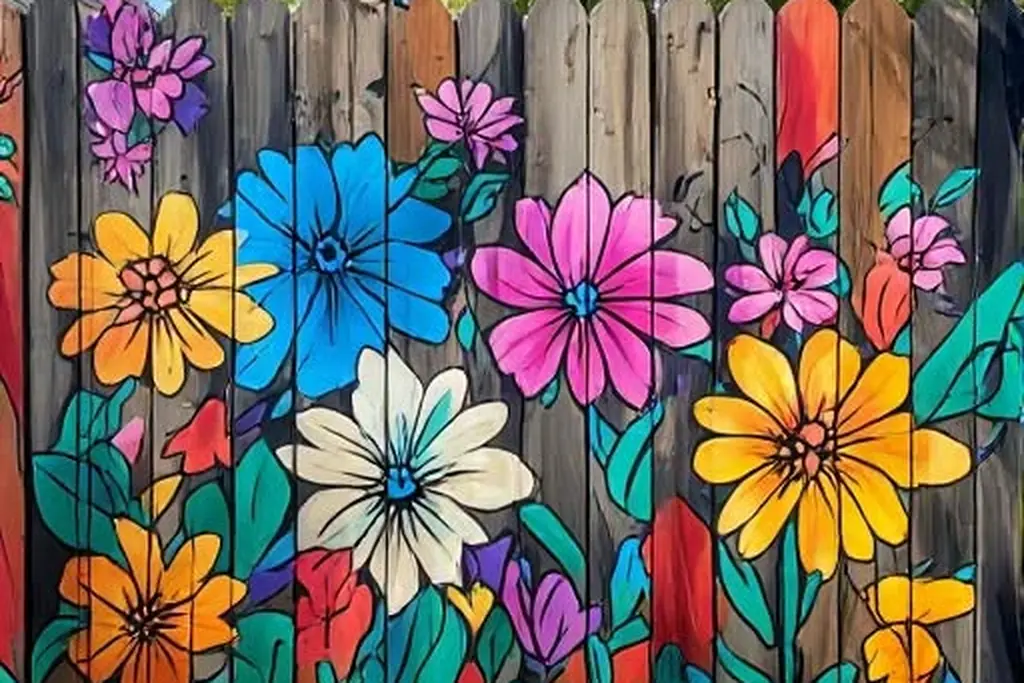
Use one fence panel as a canvas for a simple painted design: a large sun, flowers, a rainbow arc, or repeated leaves. Sketch the shapes in chalk first and use exterior paint in a few colors. A mural makes a plain fence part of the planting, and it gives the garden color in winter when beds are bare. If you rent, paint a loose board or a large piece of exterior fabric instead and fix it to the fence with removable ties. Keep the design bold and simple, because fine detail is hard to see across a garden.
22. Set a Bird Bath Among the Flowers
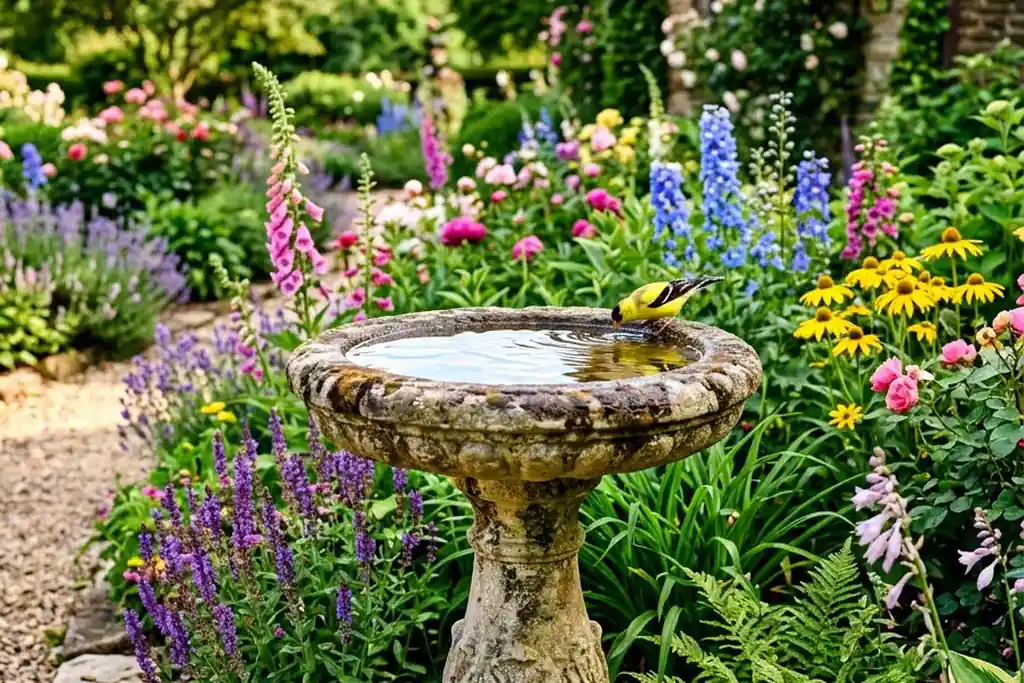
Place a bird bath or a shallow dish on a stand in view of your seating, near shrubs where birds can perch. Fill it with clean water a few centimeters deep and refresh it often, especially in hot weather. Watching birds visit becomes part of the daily rhythm of the garden. Scrub the bath weekly to keep algae down. In freezing weather, empty a ceramic bath so ice does not crack it, or use a dish you can bring inside at night.
23. Hide the Compost Corner Behind a Screen
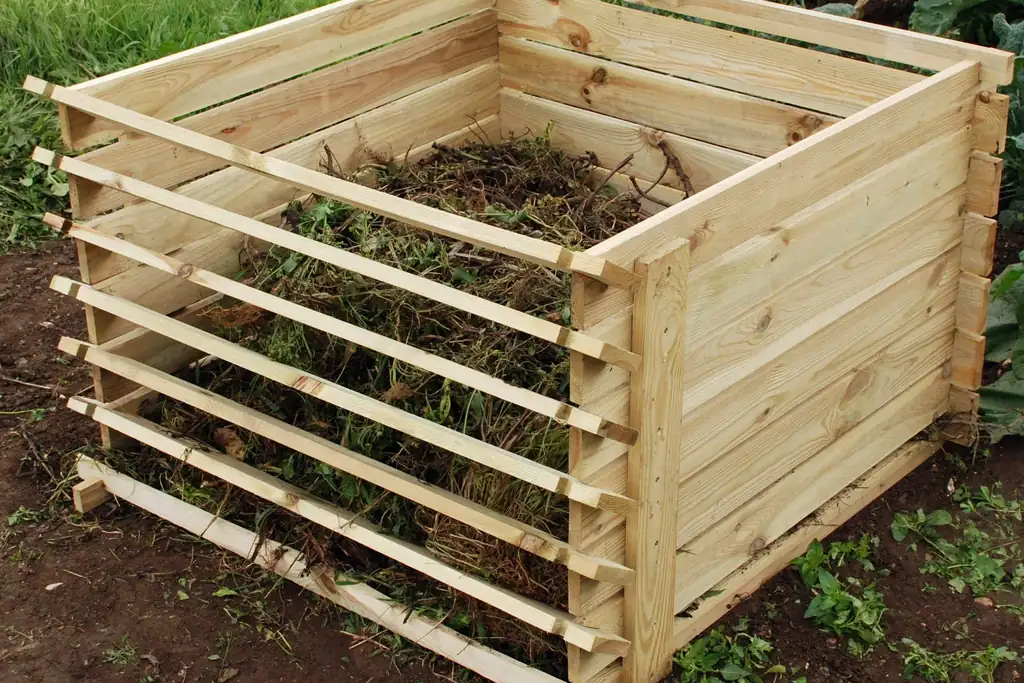
Compost suits this style of garden, but the bin does not need to be the view. Screen the corner with a short length of woven fencing, a panel of bamboo, or a row of tall plants, and keep a clear path for carrying kitchen scraps and garden waste. Leave space to turn the pile and to lift the bin lid fully. Decorative touches from these simple cozy fall decor ideas can help the screen blend with the rest of the yard in autumn. Keep the bin away from seating, because a working compost pile can draw flies in hot weather.
24. Finish With a Fire Pit Circle and Log Seats
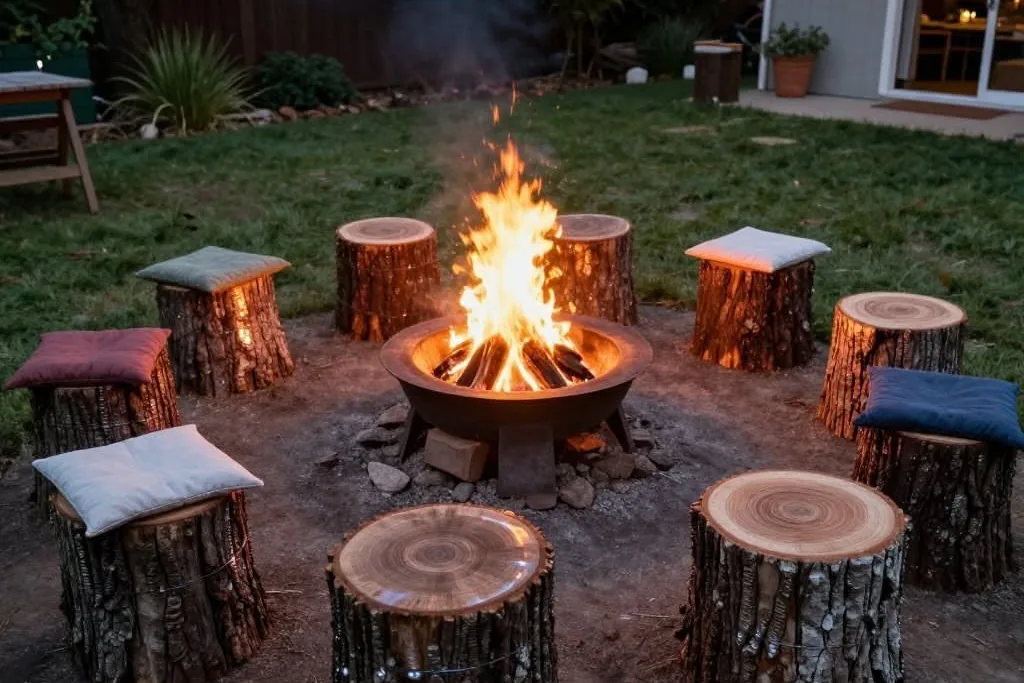
End the garden with a simple fire circle: a metal fire pit or a ring of stones on bare ground, with log sections or stumps as seats. Keep the circle clear of overhanging branches, dry plants, and the bunting and hangings from earlier ideas, and check local rules on outdoor fires before you light one. Keep water nearby and let the fire burn out fully before you go inside. A fire pit gives the garden a center for cool evenings and makes the seating, cushions, and lights around it feel planned.
Conclusion
A hippie garden grows by small additions: a loose wildflower patch, a painted pot cluster, a place to sit low, and light for the evening. Pick two ideas from this list to start, one planting idea and one seating or handmade idea, and live with them for a few weeks before you add more. Keep edges clear, keep paths safe, and let the planting stay a little loose. That balance is what makes the garden feel relaxed rather than neglected.
Save this list on Pinterest before your next garden weekend, and pin the ideas you plan to try first so your shopping and seed lists stay in one place.
FAQs
What makes a garden a hippie garden?
A hippie garden is relaxed, colorful, and largely handmade. Planting is loose rather than clipped, furniture and planters are often salvaged or painted, and there are places to sit on the ground, swing, or gather around a fire. Natural materials such as wood, stone, cotton, and clay appear more than plastic or formal paving. The garden also tends to leave room for wildlife, with flowers for pollinators, water for birds, and a compost corner. It is a style built over time from found and made pieces, not a kit you install in one weekend.
How can I start a hippie garden on a small budget?
Start with seeds, cuttings, and what you already own. Sow a wildflower patch and sunflowers from seed, paint pots and stones you have, and build seating from clean pallets or a blanket and cushions on the lawn. Ask friends for plant divisions and spare pots before you buy anything. Add one handmade piece at a time, such as bunting from scrap fabric or a pebble mandala from gathered stones. Most of the look comes from loose planting and color, and both of those can be free.
Do hippie garden ideas work in a small yard or rental?
Yes. Use pots, hangers, and a ladder stand so nothing is fixed to the ground, and choose a blanket and cushions instead of built seating. Paint a board or fabric panel rather than the fence itself, and keep decals and hangings on removable fixings. Check your lease before you dig beds, light fires, or fix anything to walls or fences. A small yard suits this style well, because a few clustered pieces fill it quickly. Keep paths and doors clear so the space stays easy to use.
How do I keep a relaxed garden from looking messy?
Keep the frame tidy and let the planting be loose. Clear edges on beds, a defined path, and one swept seating area give the garden structure, while flowers and herbs can grow freely inside those lines. Group small items, such as pots and painted stones, in clusters instead of spreading them everywhere. Put tools, hoses, and the compost bin behind a screen. A short weekly tidy of paths and edges is usually enough to keep the relaxed look on the right side of cared for.
What plants suit a hippie garden best?
Choose plants that look natural in loose groups and cope with a little neglect: wildflower mixes, sunflowers, lavender, sage, rosemary, thyme, cosmos, and trailing plants for hangers and chairs. Pick varieties that suit your sun, soil, and climate zone rather than copying a list from a different region. Include some plants that flower at different times so the garden has color across the season. Leave seed heads standing in autumn where you can, because birds feed on them and the shapes look good in low light.
Is a fire pit safe in a garden with fabric and hangings?
It can be, if you plan the layout first. Place the fire pit on bare ground or a non flammable base, keep it well clear of bunting, hangings, cushions, and dry plants, and check local rules before lighting a fire. Keep water or a suitable extinguisher within reach, never leave the fire alone, and let it die down fully before going inside. On windy nights, skip the fire and use lanterns and string lights instead. If your garden is very small, a fire bowl may not fit safely at all, and a cluster of lanterns is the better center.