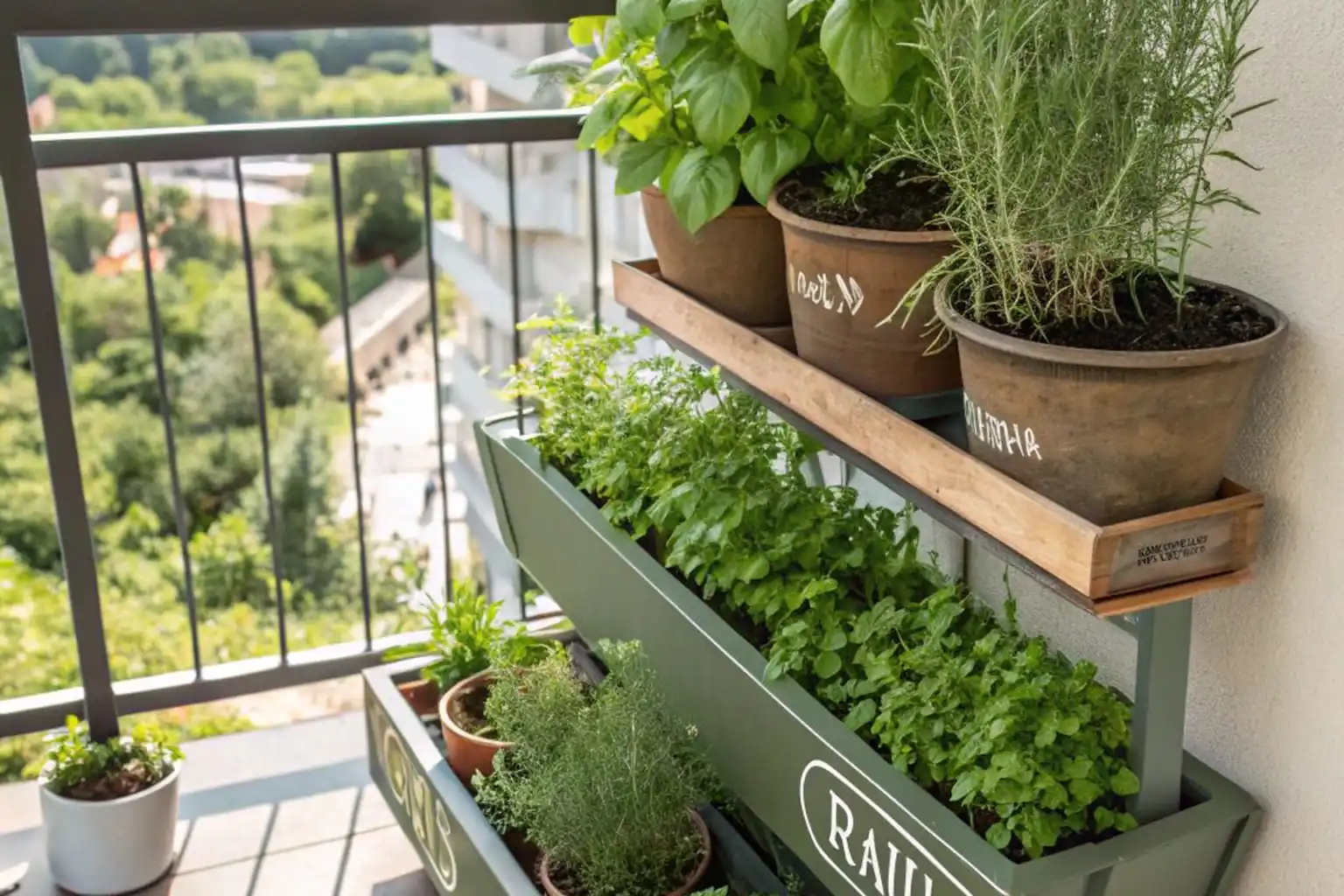
A balcony off the kitchen is often used for storage and little else, yet it can hold a herb garden, a breakfast spot, and a small cooking corner if the space is planned in zones. These 31 kitchen balcony ideas start with layout, then cover prep and grilling, plants you can pick while you cook, and the shade and lighting that make the space usable after dark. Measure first, keep the walkway clear, and add one zone at a time. If your indoor table needs the same treatment, start with these everyday dining table decor ideas.
Key Takeaways
- Plan the balcony in zones for seating, cooking, growing, and storage, and keep a clear path from the kitchen door to the railing.
- Choose folding, stacking, or railing mounted pieces so a small floor area can change jobs during the day.
- Grow what you cook most, starting with herbs in railing planters and one deep pot for tomatoes.
- Check building rules, grill safety, and railing load limits before you buy furniture or planters.
- Keep tools, cushions, and the cleaning kit in one box each so the space resets in minutes.
1. Measure the Balcony and Split It Into Zones
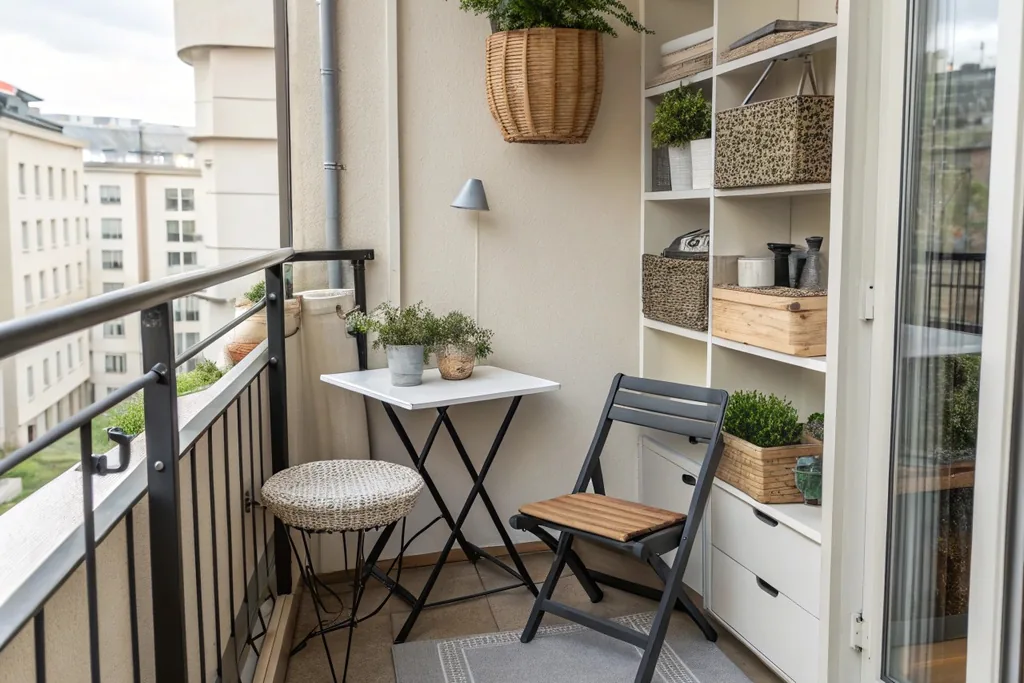
Measure the floor, the railing height, and the door swing before you buy anything, then sketch four zones: a seat, a cooking or prep spot, plants, and storage. Keep the route from the kitchen door to the railing clear so trays and hot pans move safely. The same measure first approach used in these small living room layout ideas works outdoors too. On a very narrow balcony, merge the plant and storage zones along one short end.
2. Mount a Fold-Down Table on the Railing
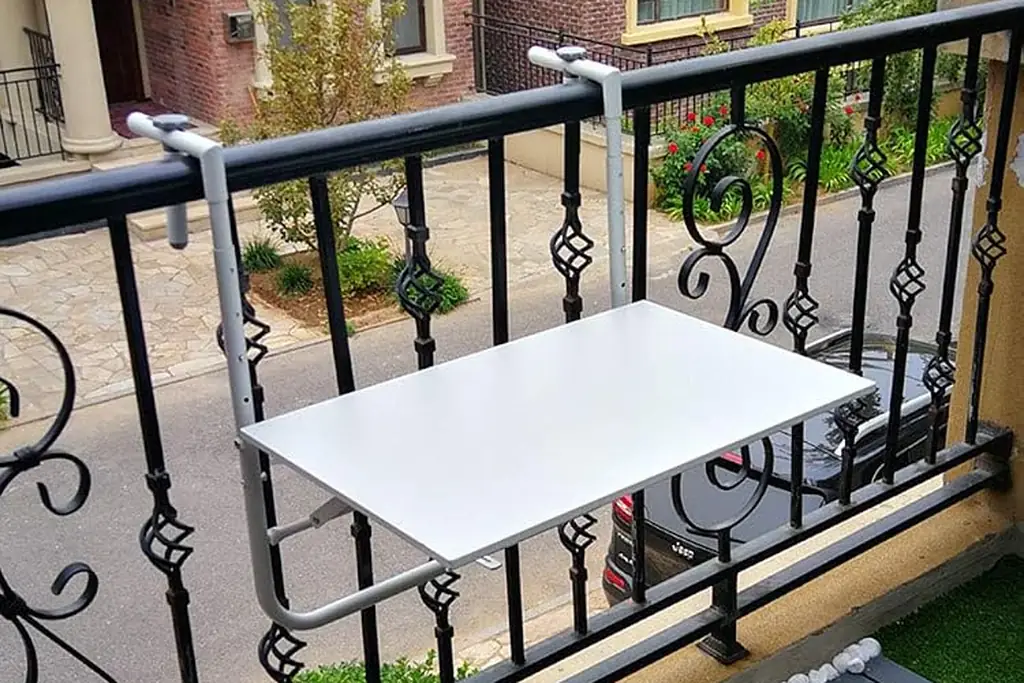
A railing mounted table gives you a worktop and a dining surface without using floor space. Choose a model rated for your railing shape, check the fixings weekly in the first month, and fold it down when storms are forecast. Two people can eat at most railing tables if plates stay small. If your railing is glass or uneven, use a freestanding folding table instead and store it flat against the wall.
3. Choose Folding Chairs That Hang Flat on Hooks
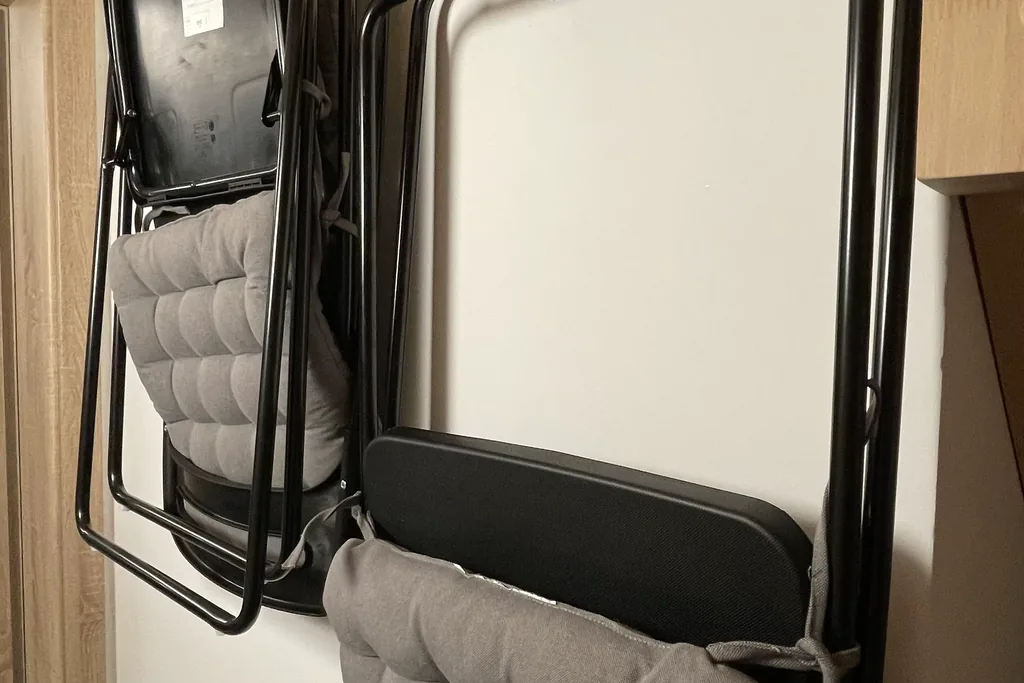
Folding chairs are the easiest seating for a kitchen balcony because they store flat and come out only when needed. Hang them on two sturdy wall hooks inside the door or on a sheltered wall so the floor stays clear for plants and prep. Pick chairs with a simple frame you can wipe down after cooking outside. Add thin seat pads and store the pads indoors, since foam holds moisture overnight.
4. Fit a Small Bistro Set Into One Corner
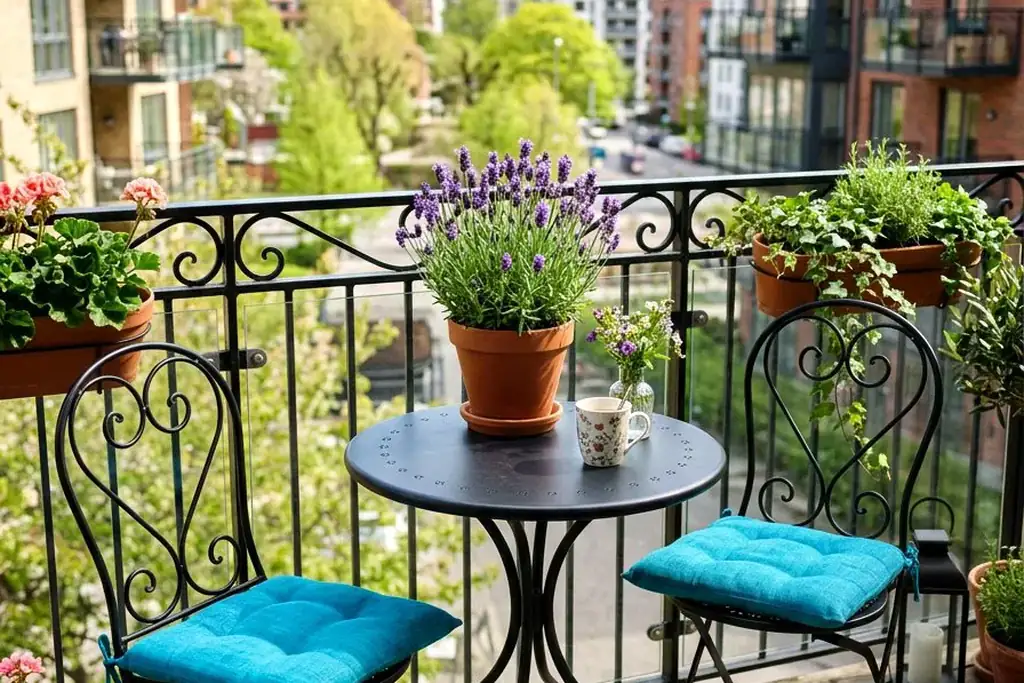
A round bistro table and two chairs fit the corner of most balconies and give the space a clear purpose: coffee in the morning and a drink in the evening. Round tops leave more passing room than square ones. Choose metal or sealed wood that tolerates splashes from watering and cooking. If the corner gets strong sun, pair the set with Idea 23 and pick a table finish that will not glare at midday.
5. Run a Narrow Counter Along the Railing
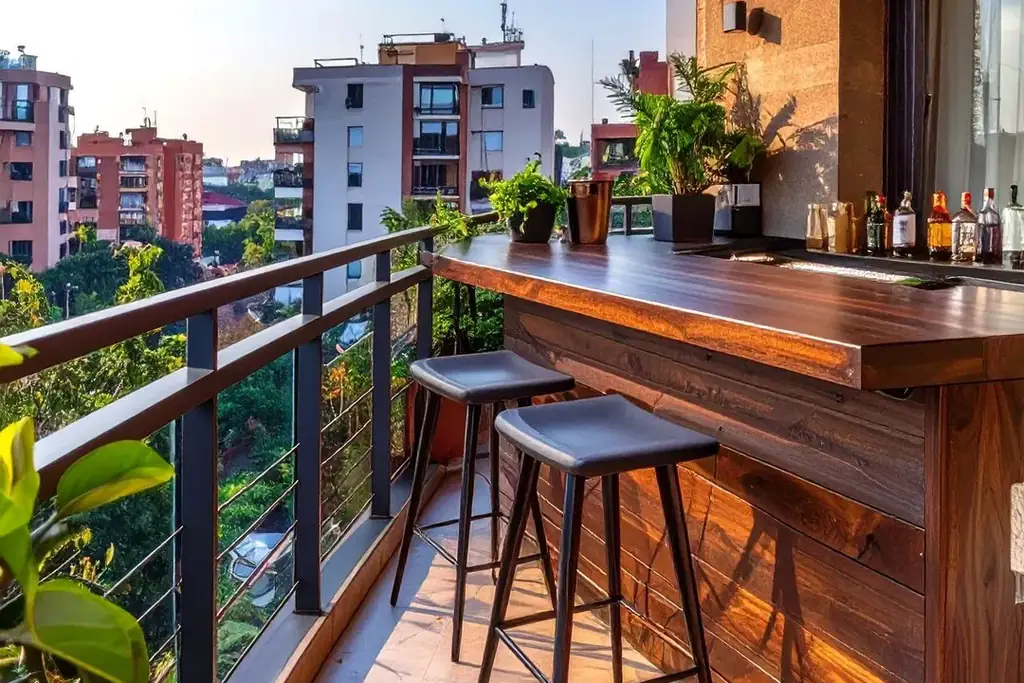
A slim counter fixed along the railing works as a prep surface, a serving shelf, and a standing spot for a laptop with a view. Keep the depth shallow so it does not crowd the walkway, and leave the section near the grill free of plants and paper. Use a weather resistant top you can wipe after chopping herbs. Stools from Idea 19 slide under it when the counter is used for eating.
6. Use a Storage Bench as the Main Seat
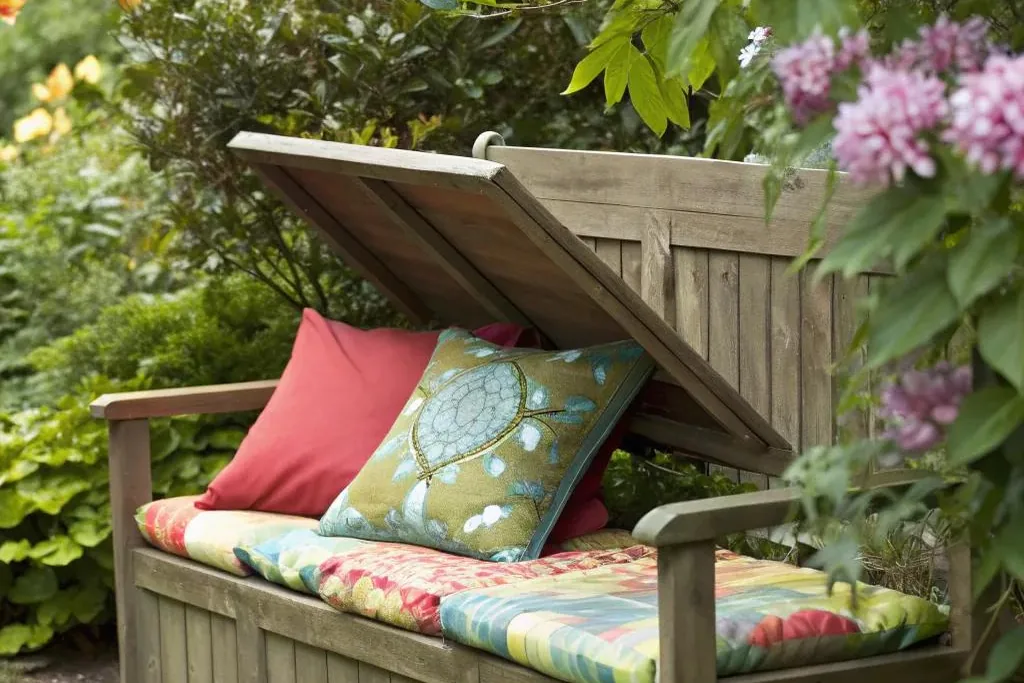
A bench with a hinged lid seats two and hides cushions, tools, and the wash-up kit in one piece of furniture. Place it along the longest wall so the center of the balcony stays open. Check the lid opens fully without hitting planters or the railing. A bench works best as the only large item on a small balcony; add chairs only if the floor plan still leaves a clear path.
7. Keep the Grill Compact and Clear of the Walkway
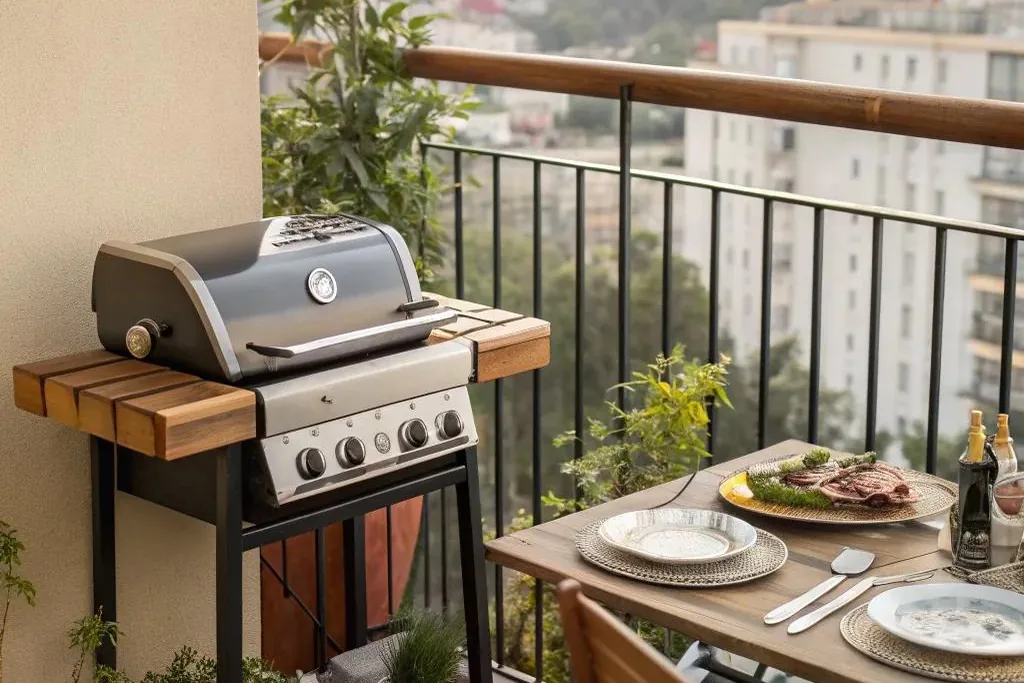
If your building allows grilling, choose the smallest grill that fits your usual cooking and place it where smoke drifts away from the door and seating. Keep it clear of railings, curtains, and stored items, and never leave it unattended. The NFPA shares grilling safety guidance worth reading before the first use. If grills are banned, a countertop electric grill used indoors with the balcony door open is a safer swap.
8. Roll Out a Kitchen Cart for Prep and Serving
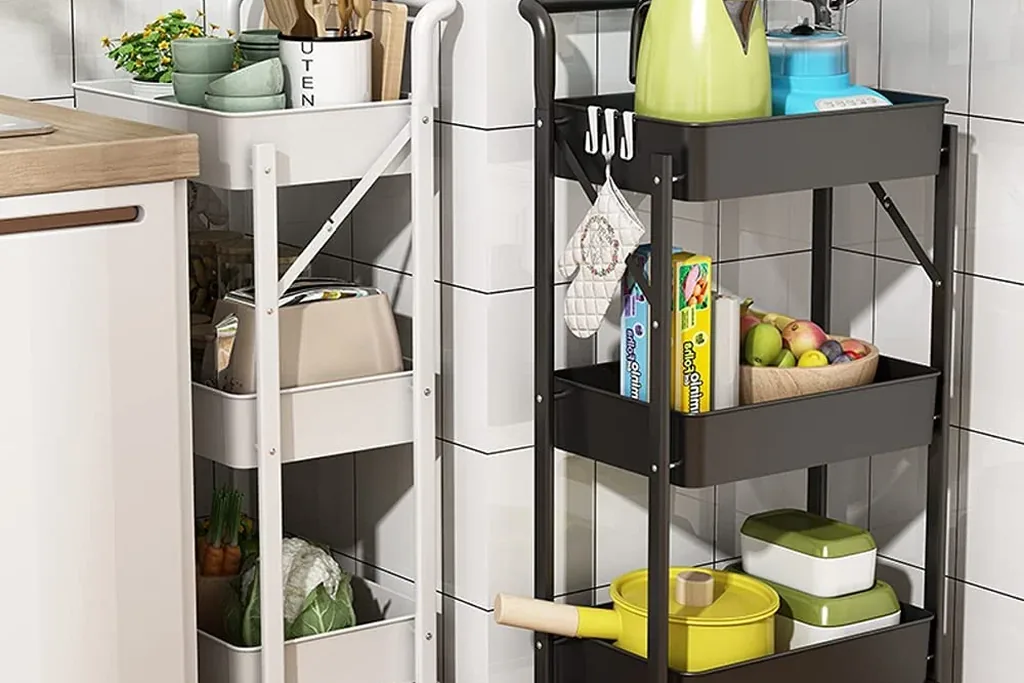
A narrow kitchen cart bridges the gap between the indoor counter and the balcony. Load it with ingredients, utensils, and a chopping board, roll it out, then use the shelves as a serving station while you eat. Locking wheels matter on sloped floors. When the meal ends, the cart carries everything back in one trip. Choose stainless steel or sealed wood that wipes clean and fits through the balcony door.
9. Use a Large Tray as a Carry-All Worktop
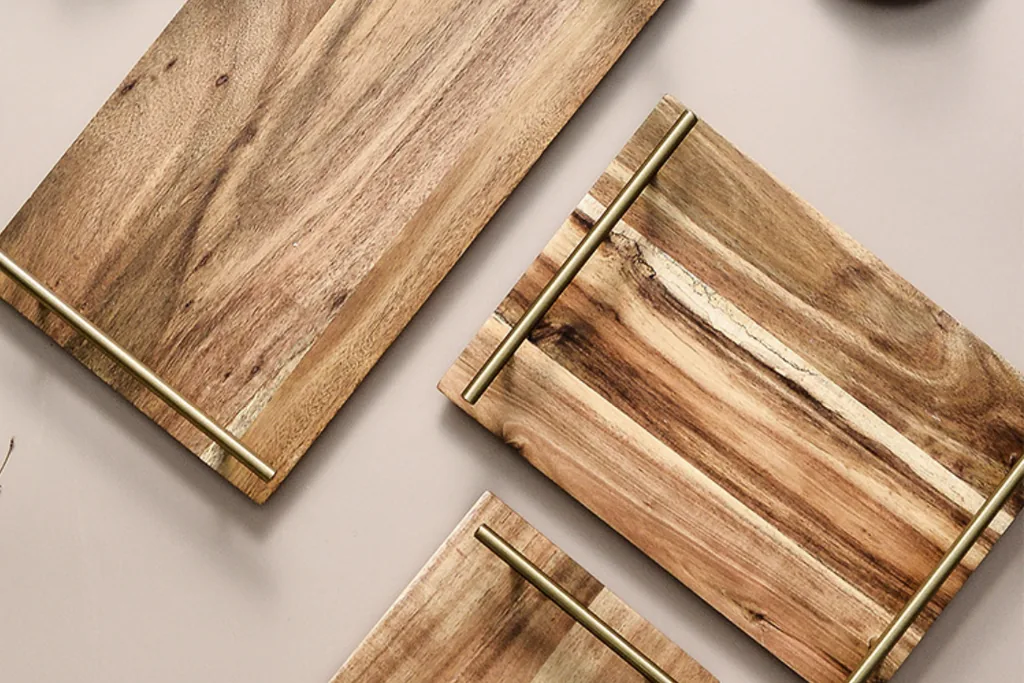
A big tray with handles turns any stool, bench, or crate into a side table and makes carrying food through the door safer. Use one tray for raw ingredients and a second, washed tray for cooked food, as you would separate boards indoors. A tray with a raised edge keeps glasses steady on the walkway to the table. Store trays upright in the storage bench so they are always in the same place.
10. Keep Outdoor Tools in One Weatherproof Box
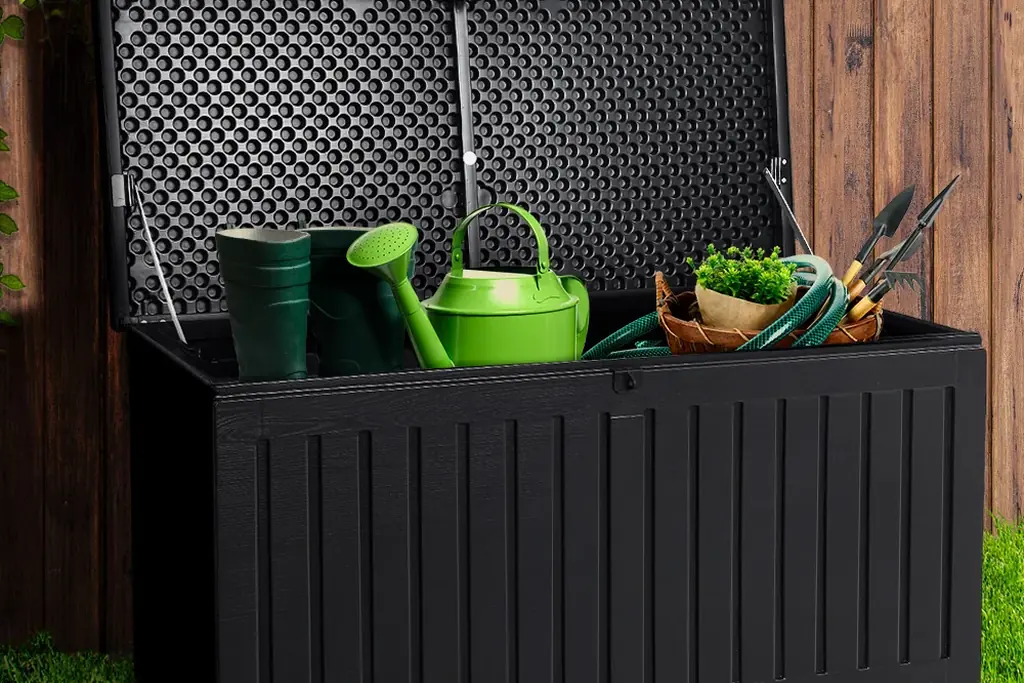
Tongs, a grill brush, plant ties, scissors, and a watering spike all fit in one lidded, weatherproof box kept by the door. One box stops small tools spreading across the balcony and makes pack-away fast before rain. It is the same one container habit that keeps indoor surfaces calm in this guide on how to style open shelves. Line the base with a cloth so metal tools do not rattle or rust against the plastic.
11. Set a Wash-Up Bucket by the Door
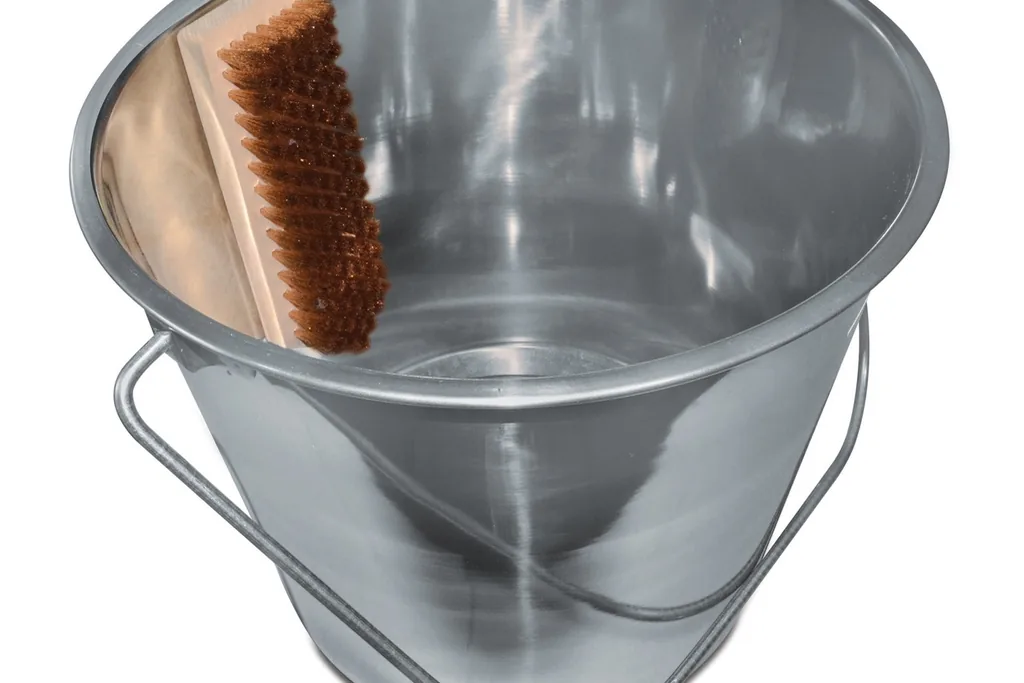
A bucket with a brush, a cloth, and a small bottle of dish soap lets you rinse boards, cups, and plant tools outside instead of dripping through the kitchen. Empty it after each use and store it upside down so it stays dry inside. If your balcony has an outdoor tap or drain, place the bucket beside it; if not, a half filled bucket carried out with the cart is enough for most meals.
12. Grow Cooking Herbs in Railing Planters
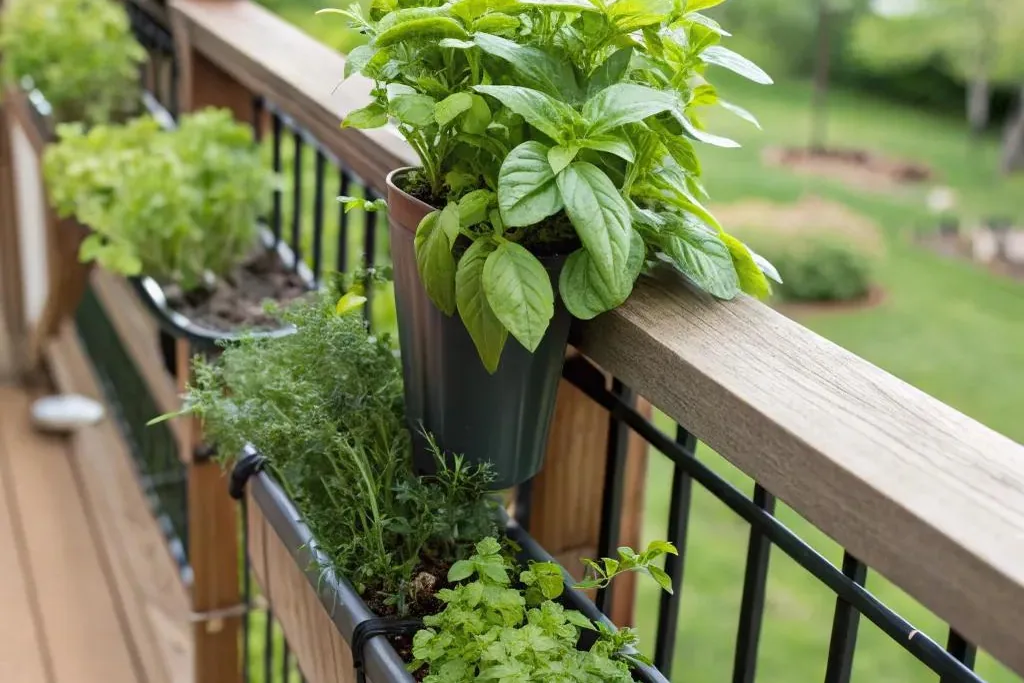
Railing planters put basil, parsley, mint, and chives within reach of the kitchen door, which is exactly where you want them while cooking. Keep mint in its own pot, since it spreads fast and crowds neighbors. Water in the morning so leaves dry before evening. Check that each planter hook suits your railing depth and that the combined weight, soil and water included, stays within your building guidance.
13. Plant Tomatoes in One Deep Pot

One tomato plant in a deep, wide pot gives a small balcony a real harvest without taking over the floor. Choose a compact or patio variety, tie the main stem to a stake early, and water the soil rather than the leaves. Place the pot in the sunniest corner and rotate it a quarter turn each week for even growth. Feed according to the product label and pick fruit as it colors to keep the plant producing.
14. Stack Salad Greens in a Vertical Planter
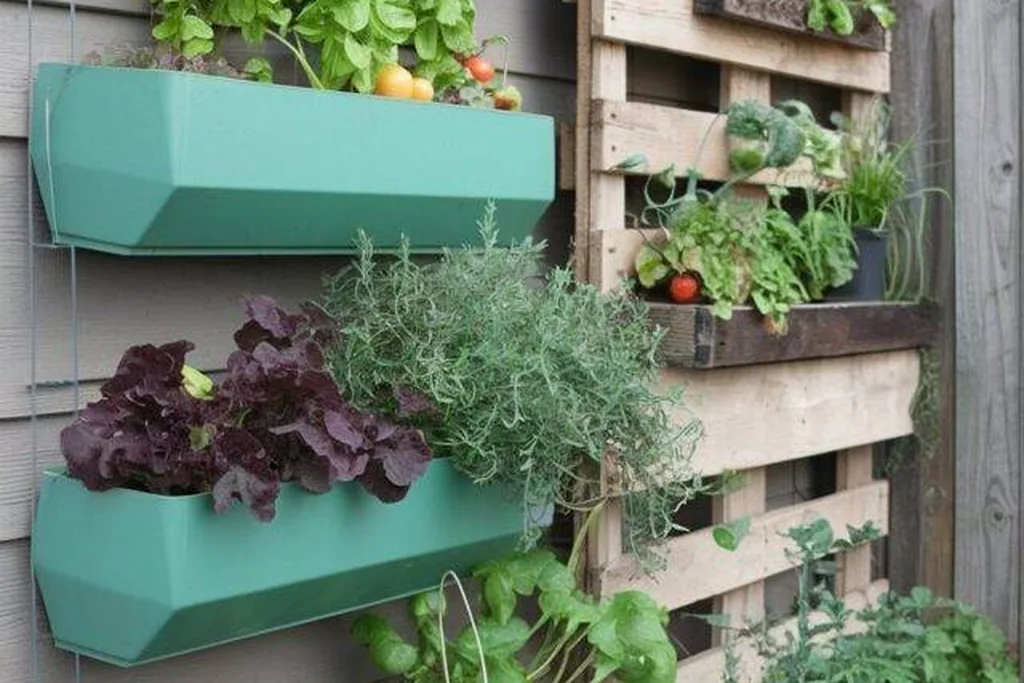
A vertical planter with pockets or stacked tiers grows lettuce, spinach, and herbs on the footprint of a single pot. Hang or stand it on the wall that gets morning sun but some afternoon shade, since leaves scorch in harsh heat. Sow a few seeds every two weeks so cut leaves are replaced through the season. Keep the reservoir or top pocket watered first, because upper levels dry out before the lower ones.
15. Hang a Basket of Strawberries at Eye Level

A hanging basket of strawberries keeps fruit off the floor, away from slugs, and easy to pick while you wait for a kettle. Line the basket so soil holds moisture, and water little and often in warm weather. Hang it from a bracket rated for the wet weight of the basket, not a light hook. Pick fruit fully red, since strawberries do not ripen well after picking, and remove any damaged berries promptly.
16. Add a Potted Citrus Tree for Fruit and Scent

A small lemon or lime tree in a large pot gives a kitchen balcony scent from its blossom and fruit for drinks and cooking. Place it in the sunniest sheltered spot and move it indoors or wrap the pot if your winters are cold, following guidance for your climate zone. Water deeply, then let the top of the soil dry before watering again. Citrus grows slowly, so buy the largest plant your budget and space allow.
17. Keep the Watering Kit in One Small Corner
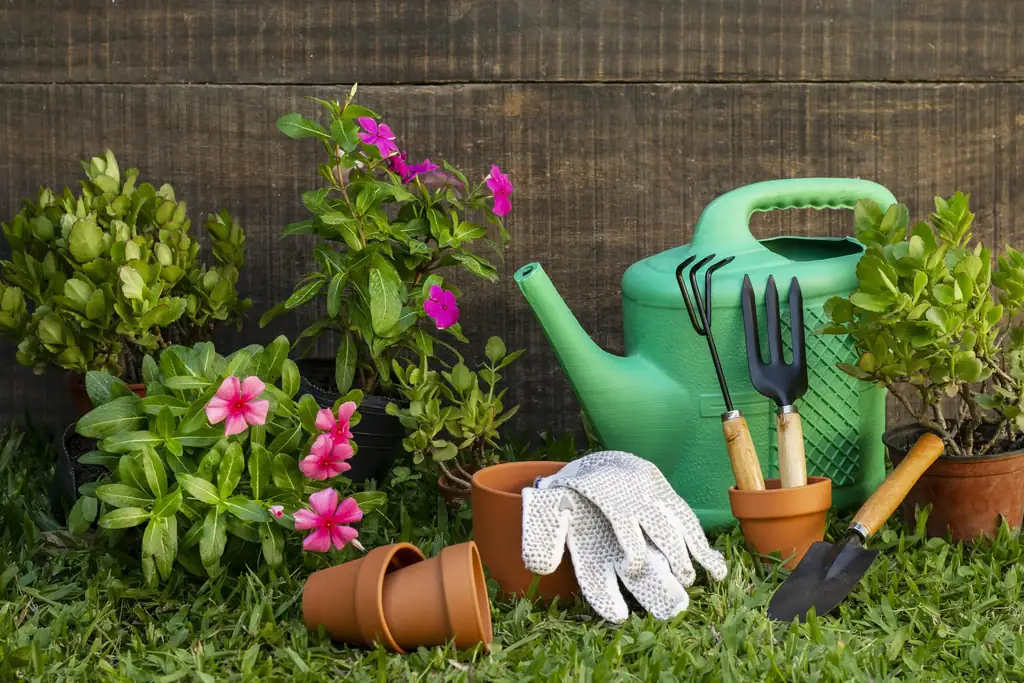
Group a watering can, a small hand fork, plant ties, and a spray bottle in one corner by the pots so watering takes minutes, not a search through the flat. A can with a long spout reaches railing planters without soaking the floor. Keep the kit on a tray or mat to protect the floor finish. If you water from the kitchen sink, a lightweight can you can carry one handed is easier on a full balcony.
18. Set a Standing Breakfast Place for Two
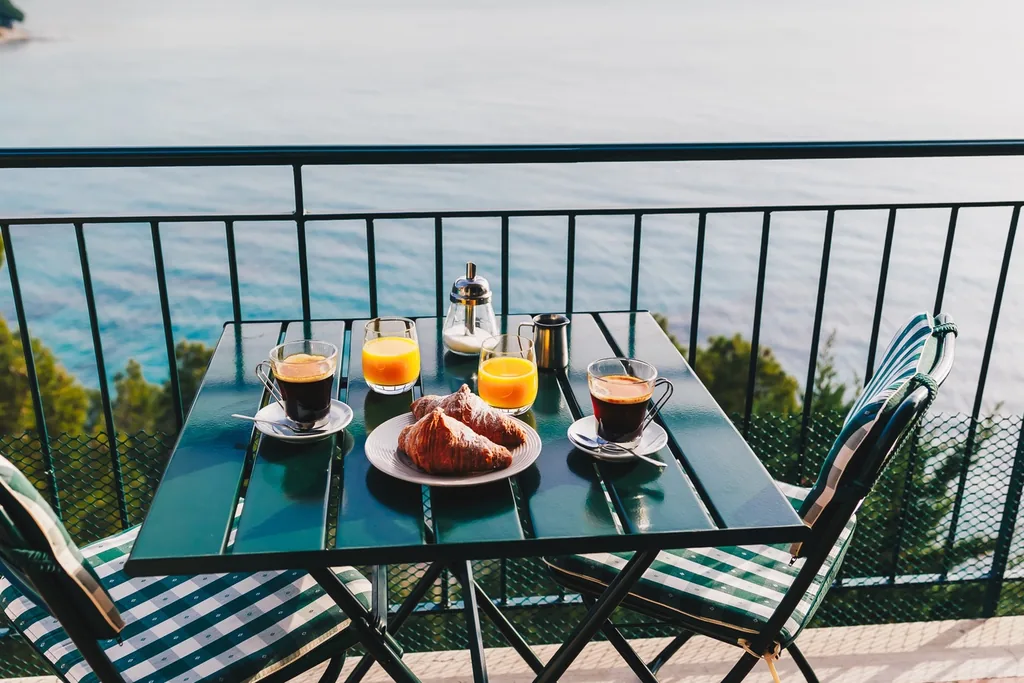
Keep two placemats, cups, and a small board in the cart or bench so setting a breakfast place takes a minute. A regular morning spot is what turns a storage balcony into a room you use daily. Face the chairs toward the best view rather than the wall, and keep a folded throw nearby for cool starts. Wash placemats with the kitchen laundry so the routine stays simple and the set is always complete.
19. Use Stackable Stools as Seats and Side Tables
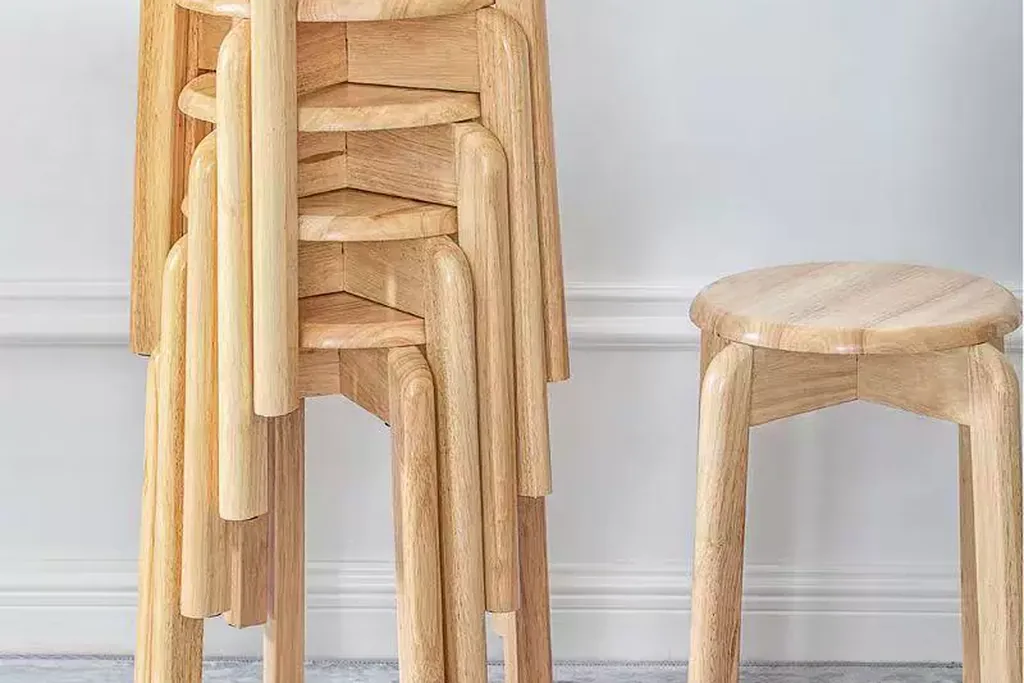
Stackable stools are the hardest working seats on a small balcony: extra seating for guests, a side table for a book, and a stand for a plant, all from one footprint. Stack them in the storage corner when not in use. Choose stools with flat tops so cups sit safely, and check the feet will not mark your floor finish. Two stools plus the bistro chairs seat four for drinks without new furniture.
20. Add a Drinks Bucket for Easy Hosting

A metal or plastic drinks bucket on a stand, or set inside the storage bench corner, keeps bottles cold and off the table during a meal. Fill it just before guests arrive and empty it the same evening so water does not sit and mark the floor. Keep a bottle opener in the tool box so it lives outside with the rest of the kit. For two people, a small insulated jug does the same job with less ice.
21. Define the Dining Zone With an Outdoor Rug
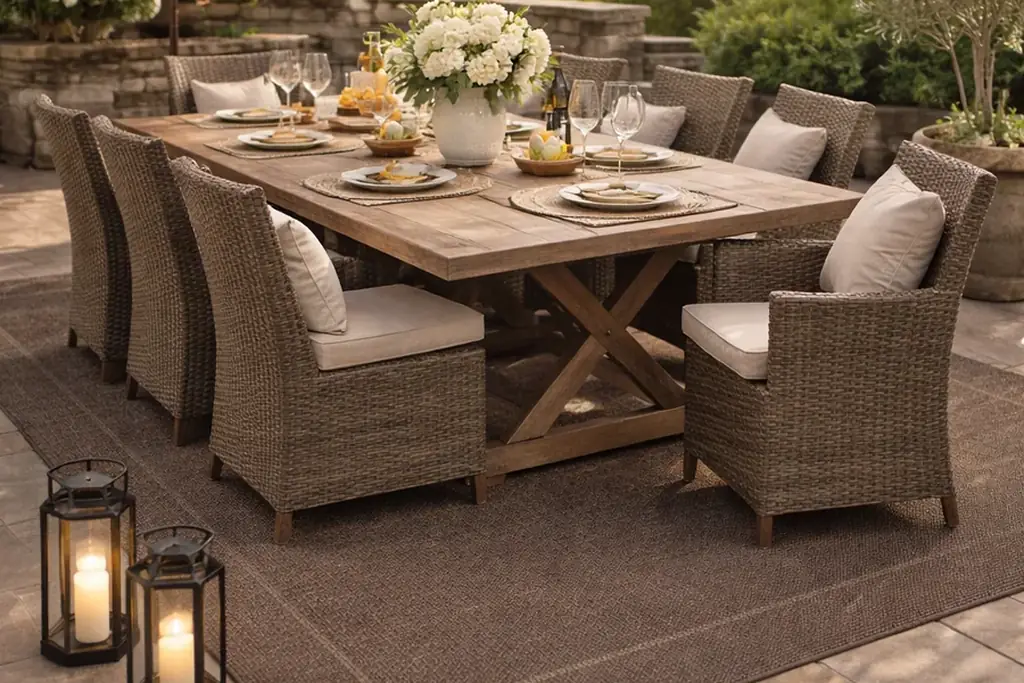
An outdoor rug under the table marks the eating zone, softens the floor, and catches crumbs before they spread. Choose a flat weave rug made for outdoor use that you can shake out and hose down. Leave the cooking corner off the rug so grease spots land on washable floor instead. Colors that match your indoor scheme help the balcony read as one more room; see these cozy living room ideas for the same linked palette approach.
22. String Warm Lights Above the Table
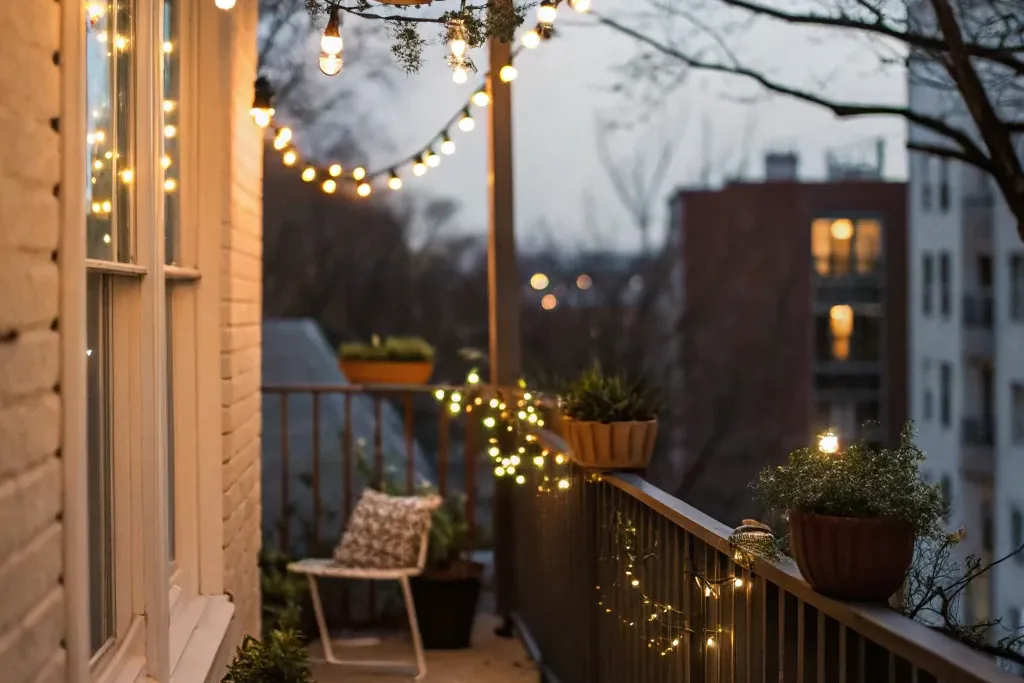
Warm white string lights fixed along the railing or above the table stretch the balcony into the evening without a bright glare. Choose lights rated for outdoor use and keep plugs and battery packs under cover. Fix the line so it cannot sag onto the grill or into planters. A timer or a single switch by the door makes lights part of the evening routine rather than a chore to set up.
23. Fit a Tilting Umbrella or a Shade Sail
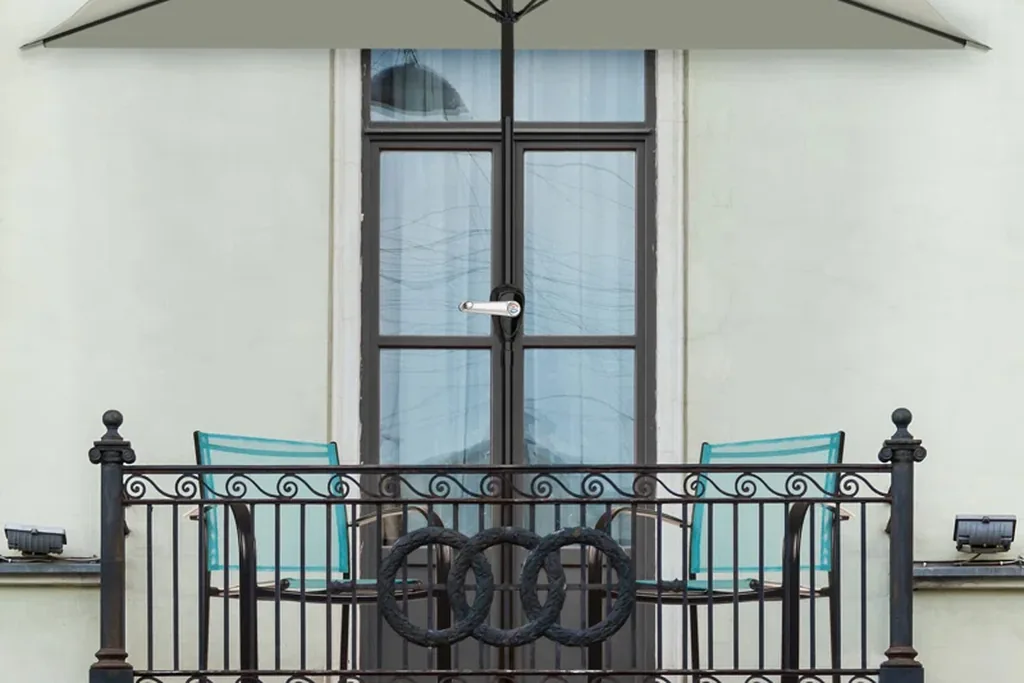
Shade decides whether a sunny balcony is usable at midday. A half umbrella that sits flat against the wall suits narrow spaces, while a small shade sail covers a corner without a pole. Angle either one for the hours you actually sit outside. Take fabric down in strong wind and let it dry before storing. If your building limits fixings, a large potted plant from Idea 16 can cast useful shade instead.
24. Screen the Open Side With Bamboo or Reed
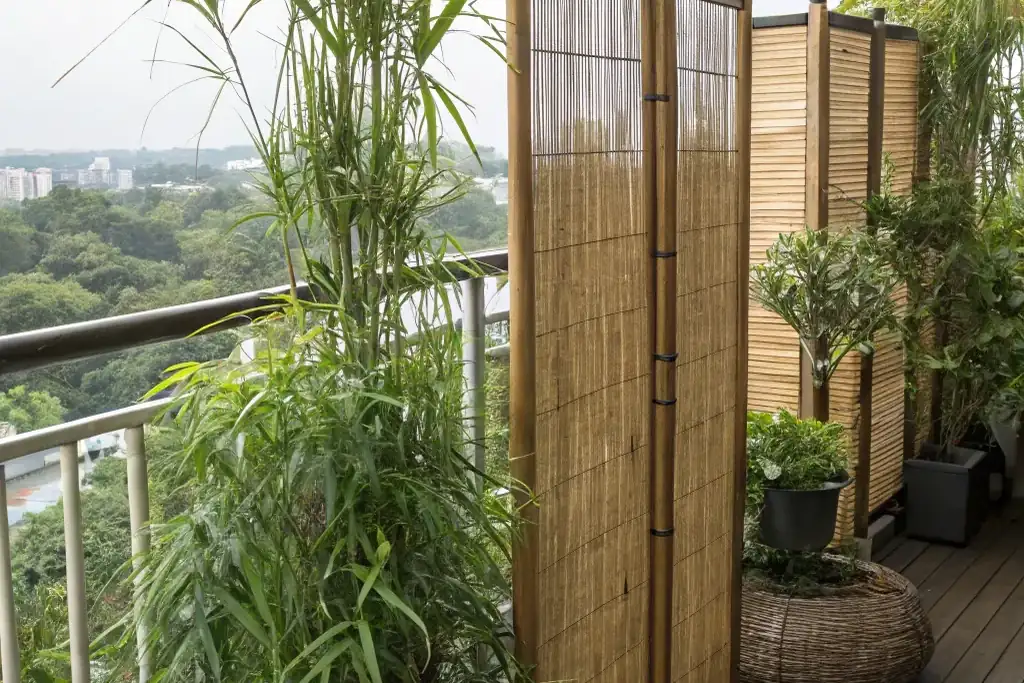
A bamboo or reed screen fixed to the railing gives privacy from the building opposite without blocking all the light. Fix it at top, middle, and bottom so it does not flap in wind, and check your building rules on railing covers before you buy. Leave the section by the grill unscreened so smoke escapes freely. Natural screening weathers to grey over time; replace a section at a time as it thins.
25. Hang Light Outdoor Curtains for Soft Privacy
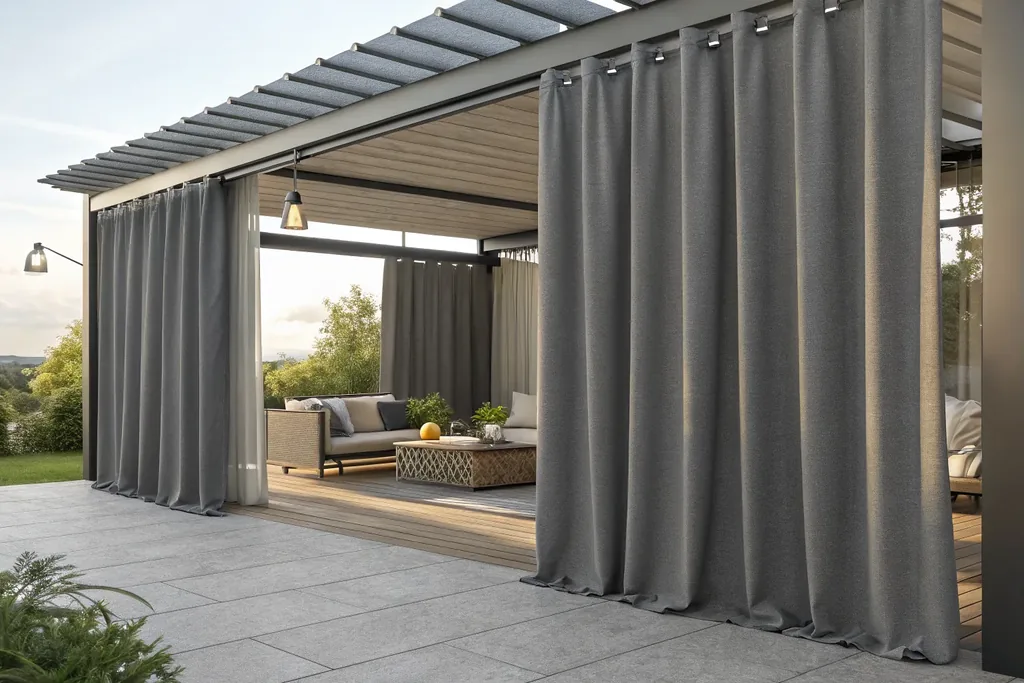
One outdoor curtain panel on the sunniest side softens glare and gives privacy while air still moves through the space. Hang it from a tension rod or a wire made for outdoor use, and tie it back when the grill is on. Choose a light color to reflect heat and a fabric that dries fast after rain. Curtains suit sheltered balconies best; on a windy high floor, screening from Idea 24 is the safer option.
26. Choose Cushions in Washable Outdoor Fabric
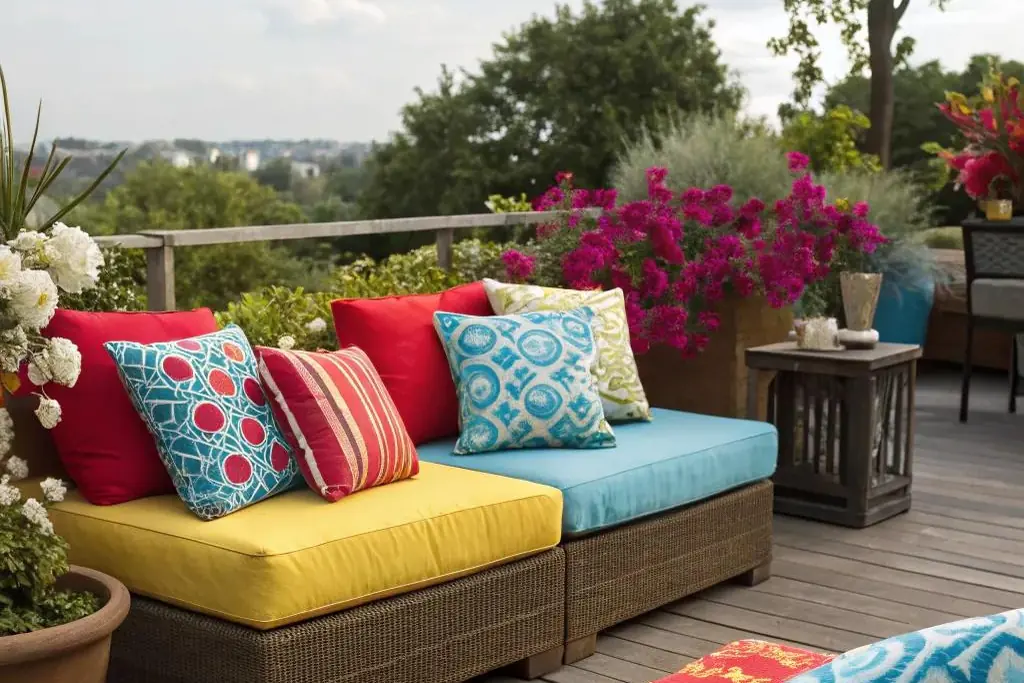
Cushions make hard balcony chairs worth sitting on for a full meal, but they must handle sun and splashes. Pick covers in outdoor fabric with zips you can remove and wash, and store the pads in the bench when rain is forecast. Two cushions in colors picked up from your indoor rooms link the two spaces without new furniture. If storage is tight, choose one bench pad and skip scatter cushions entirely.
27. Line the Edge With Solar Lanterns
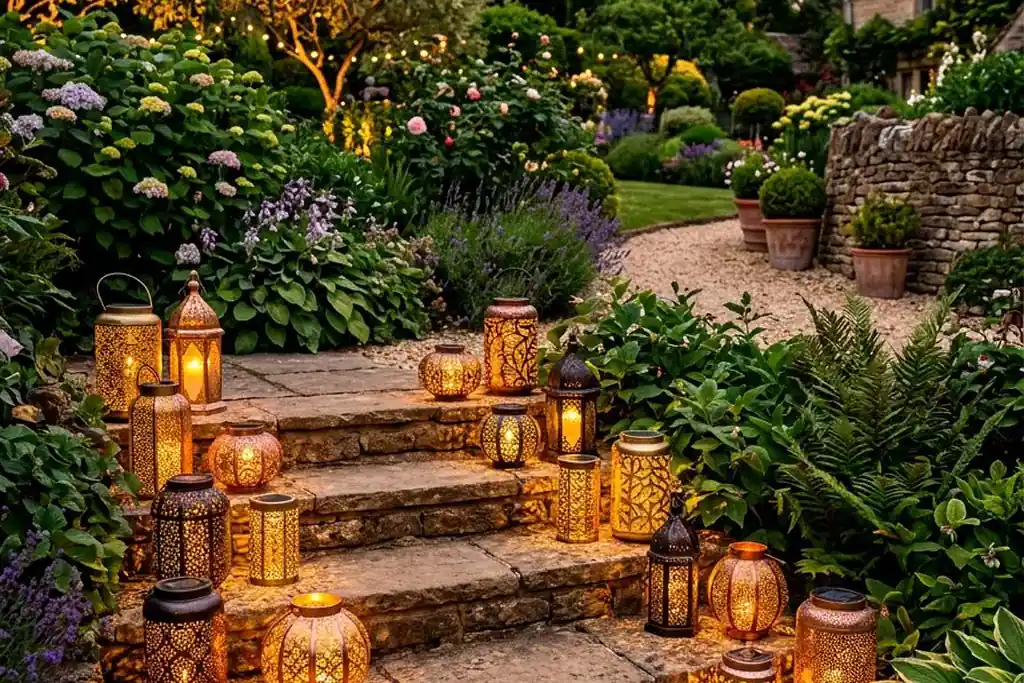
Solar lanterns along the balcony edge or hung from the railing give a low glow without wiring and mark the edge of the space after dark. Place them where they get daytime sun to charge, and wipe the small panels clean every few weeks. Mix two or three lanterns with the string lights rather than lighting every corner. Bring lanterns in for winter if your climate has hard frosts, and store them with the cushions.
28. Add a Throw for Cool Evenings
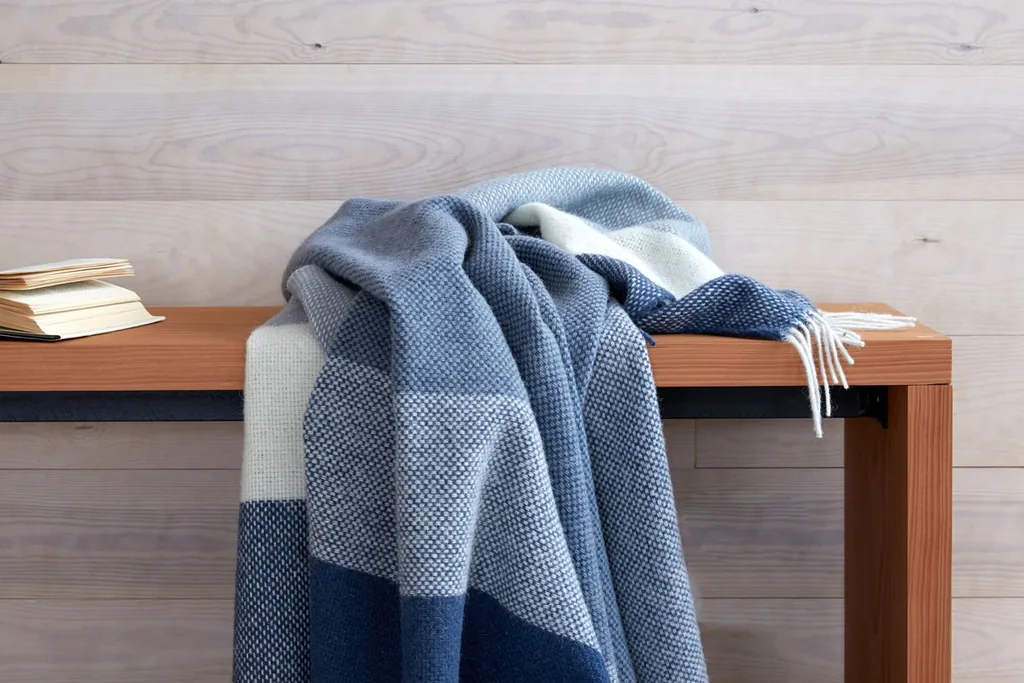
A folded throw over the bench or chair back extends the season at both ends, covering shoulders during spring breakfasts and autumn drinks. Choose a washable weave, since outdoor fabric picks up cooking smells and pollen. Keep one throw for the balcony only, stored in the bench, so it is always where you need it. If evenings are often cool, add a second throw rather than a heater, which many buildings do not allow on balconies.
29. Train a Scented Climber Up a Slim Trellis
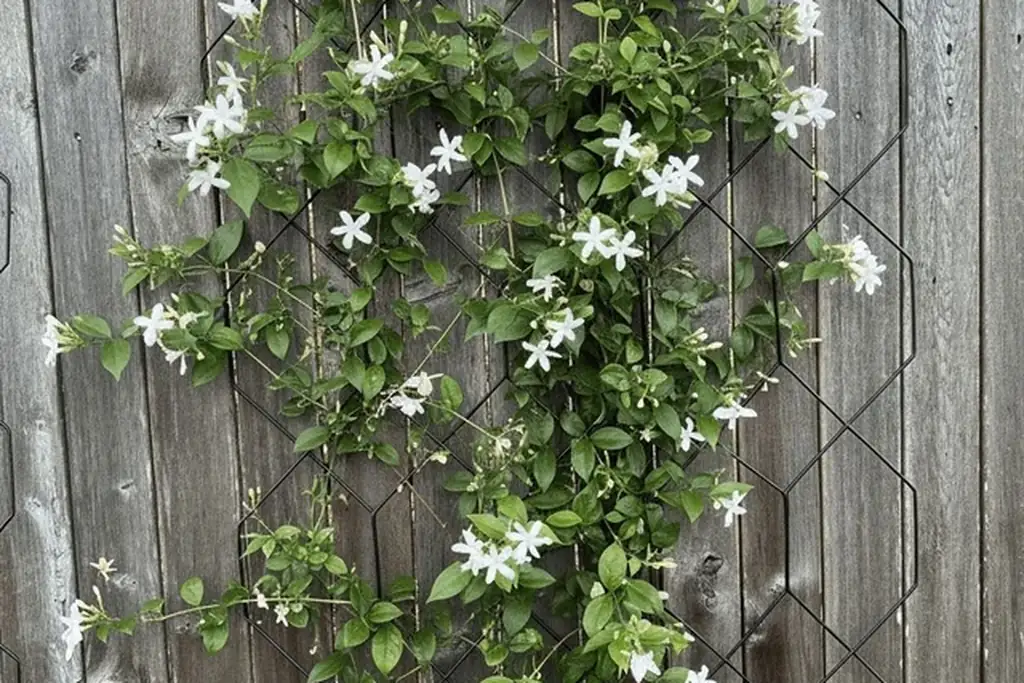
A slim trellis fixed to the end wall lets jasmine or a compact honeysuckle grow up instead of out, adding scent near the seating without using floor space. Tie stems in loosely as they grow and prune after flowering to keep the plant off the railing and the neighbor’s side. A climber also softens a plain wall behind the bistro set. Choose a plant suited to your sun level and check it is not restricted in your area.
30. Check Building Rules and Load Limits Before You Buy
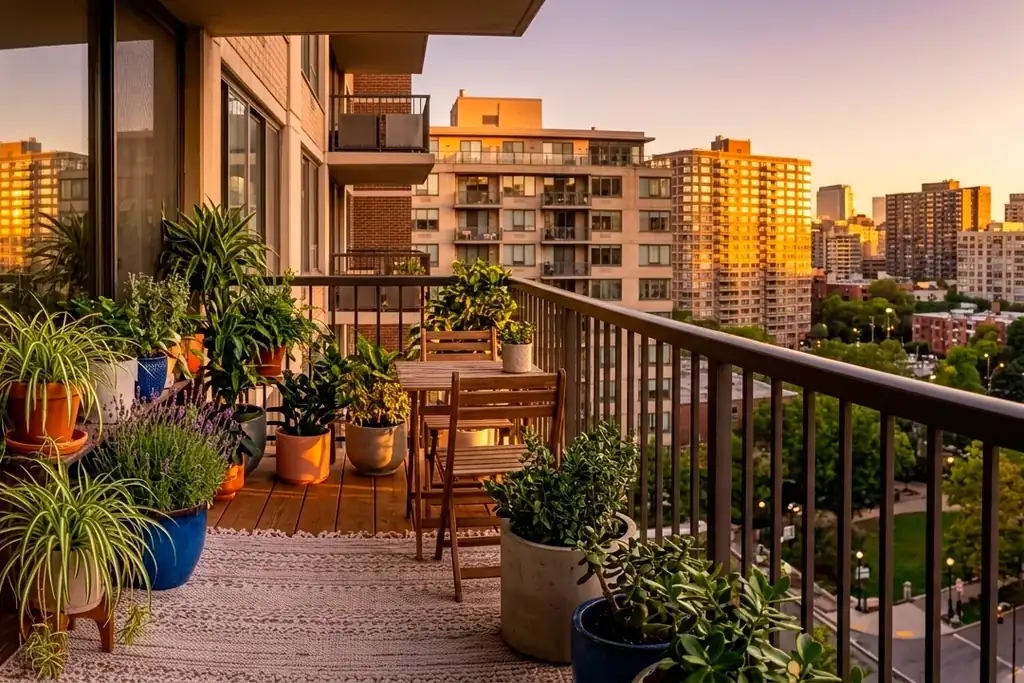
Before ordering furniture, planters, or a grill, check your lease or building rules for limits on grills, railing fixings, screening, and total load. Pots of wet soil are heavier than they look, so spread the heaviest planters near the walls where the slab is strongest, and keep the center light. Keep a copy of any written permission with your home papers. This five minute check prevents buying pieces you cannot use or must remove later.
31. Keep a Short Weekly Clean and Pack-Away Routine
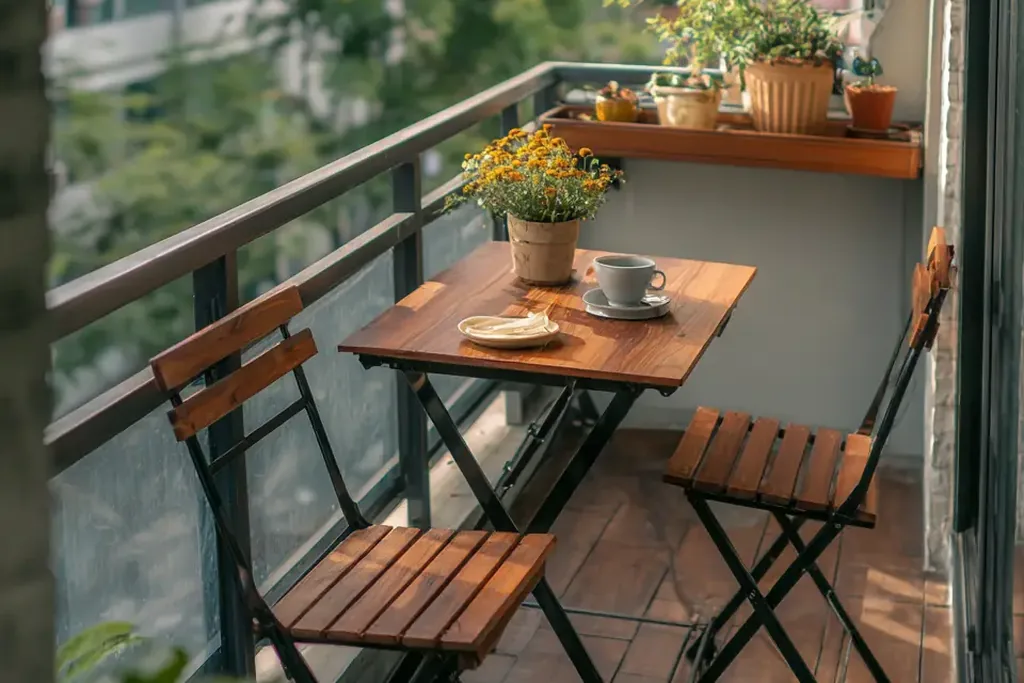
Ten minutes a week keeps a kitchen balcony ready to use: sweep crumbs, wipe the table and counter, empty the wash-up bucket, and check plant ties. Store cushions and the throw in the bench, stack the stools, and fold the chairs when a storm is forecast. A fixed routine after your last weekend meal is easiest to keep. Clean balconies also discourage insects, which matters most in the room where you eat.
Conclusion
A kitchen balcony works when each part of it has one clear job. Start with zones and a table, add the grill or cart if you cook outside, then plant the herbs and one or two crops you will actually pick. Shade, screening, and warm light finish the space and stretch it into the evening. Build it over a few weekends and stop when the walkway, the door swing, and the storage still work with room to spare.
Save this list on Pinterest for your next free weekend, and start with the zone you will use first: breakfast, cooking, or growing.
FAQs
How do I turn a kitchen balcony into a small cooking space?
Start with a clear prep surface, such as a railing counter or a rolling cart, then add the smallest grill your building allows and keep tools in one weatherproof box by the door. Keep the route from the kitchen to the grill clear of planters and chairs so hot pans move safely. A wash-up bucket and a large tray handle most cleaning and carrying. If grills are not allowed, cook indoors and use the balcony for prep, herbs, and eating instead.
What can I grow on a kitchen balcony with limited sun?
Herbs such as mint, parsley, and chives cope with partial shade, and lettuce and spinach often prefer it in warm weather. Tomatoes, strawberries, and citrus need the sunniest spot you have, so give them the corner that catches midday light. If the balcony faces north, focus on herbs and leafy greens, use light colored pots to lift brightness, and rotate pots weekly so each plant gets a turn at the front.
Is it safe to grill on an apartment balcony?
It depends on your building rules and local fire code, so check both before you buy a grill. Many buildings ban charcoal or all grills on balconies. If grilling is allowed, keep the grill away from railings, curtains, and stored items, keep children and pets back, and never leave it unattended. Follow the maker’s instructions and current fire safety guidance for your area, and keep a clear path to the door at all times.
How do I stop a small kitchen balcony from looking cluttered?
Give every category one home: tools in one box, cushions in the bench, watering kit on one tray. Choose furniture that folds, stacks, or hangs so the floor clears when the space is not in use. Limit planters to the railing and one or two floor pots rather than a row of small pots. A weekly ten minute reset, covered in Idea 31, keeps small messes from becoming a full clean out.
What furniture fits a narrow balcony best?
Railing mounted tables, slim counters, folding chairs, a storage bench, and stackable stools all earn their floor space. Measure the floor and the door swing first, and leave a clear walkway of comfortable width from the door to the railing. Round bistro tables pass more easily than square ones. If a piece cannot fold, stack, hang, or store something, it is probably the wrong piece for a narrow balcony.
How do I protect balcony furniture and cushions from the weather?
Choose outdoor fabrics and sealed or metal frames, store cushions and throws in the storage bench or indoors, and fold down railing tables before storms. Weatherproof lidded boxes protect tools and small items, and solar lanterns should come in during hard frosts. Let wet fabric dry fully before storing it so it does not smell, and wipe metal fixings each season to slow rust.