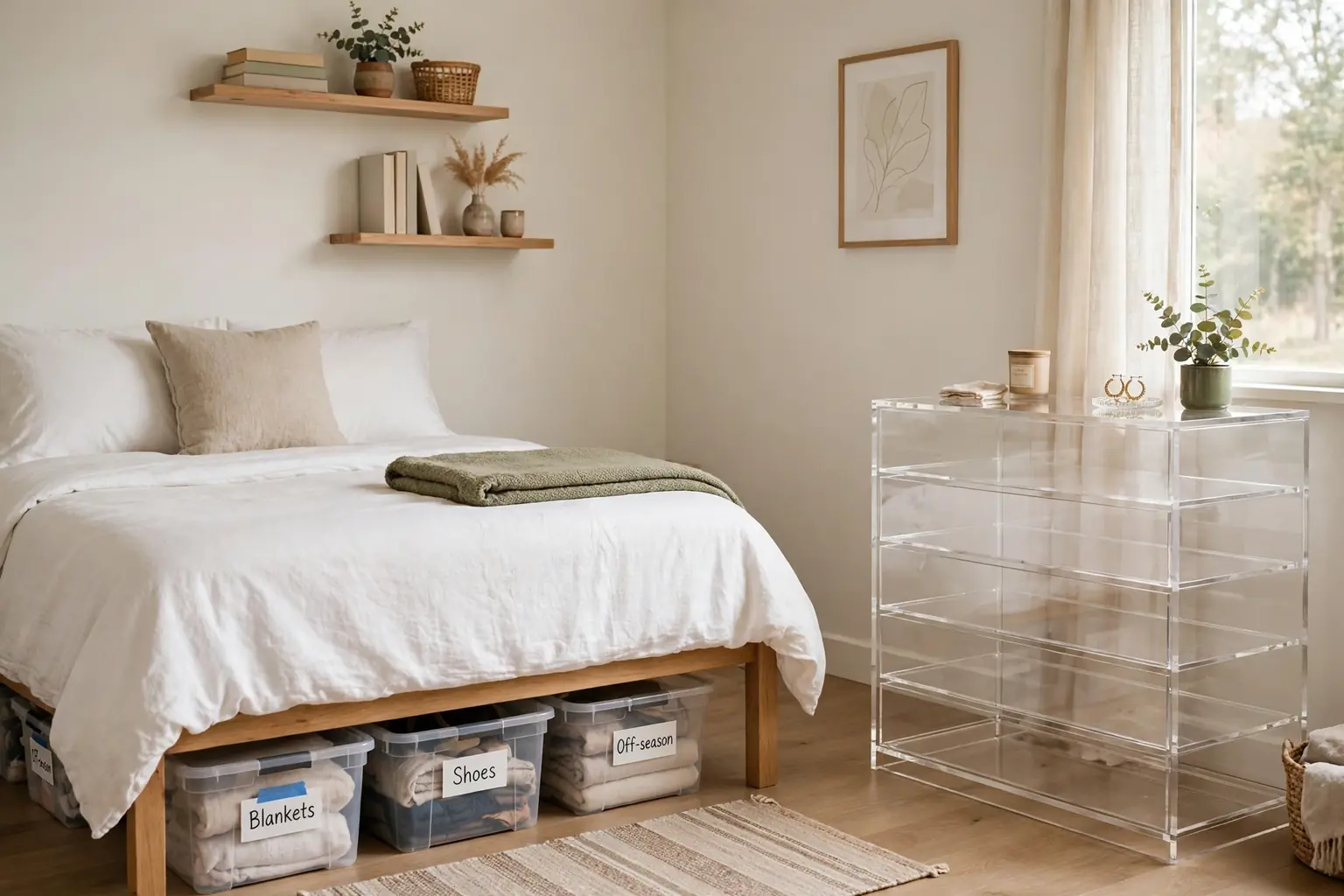
To organize a small bedroom, start by removing what you do not use, then give every remaining item a fixed place close to where you use it. Use the bed, closet, walls, and door for storage, choose furniture that holds more than one job, and keep surfaces clear with a short daily reset.
A small bedroom feels crowded when items have no home, when the closet holds things you never wear, and when flat surfaces collect odds and ends. This guide works through the room in order, so you can measure once, clear out what you do not need, set up storage that fits the space you have, and finish with habits that stop clutter from building up again.
Key Takeaways
- Measure the room, doorways, and large furniture before you buy any bins, shelves, or storage furniture.
- Declutter by category, not by drawer, so you see everything you own in that category at once.
- Give the room clear zones for sleeping, dressing, and reading or working, even if a zone is only one corner.
- Use the space under the bed, inside the closet, on the walls, and behind the door before adding floor furniture.
- Keep a short daily reset and a weekly check so the room stays organized after the first clear out.
Supplies You May Need
- Measuring tape and a notebook or phone notes for room and furniture measurements
- Sturdy bags or boxes labeled keep, move elsewhere, donate, and discard
- Clear or labeled bins that fit under the bed, with lids if you store bedding or out of season clothes
- Closet dividers, slim hangers, and small shelf baskets
- Wall shelves, picture ledges, or a peg rail with hooks
- Over the door hooks or a hanging organizer, if your door and hinges allow it
- Small drawer dividers or trays for the nightstand and dresser
- Labels and a marker for bins, boxes, and closet sections
- A laundry basket or hamper that fits the space you have
1. Measure the Room and Note the Fixed Features
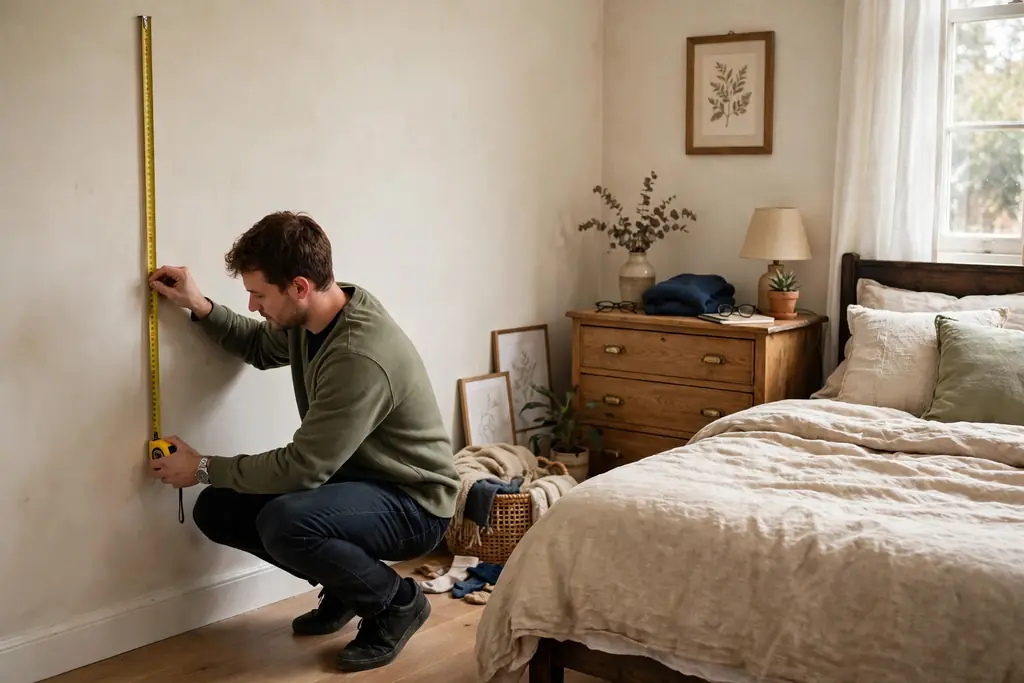
Measure the length and width of the room, the height of the walls, and the size of the bed, dresser, and any other large piece you plan to keep. Note the position of doors, windows, outlets, heating vents, and the swing of each door, since a bin or shelf placed in a door swing will soon be moved and then left out of place.
Write the measurements down and keep them with you when you shop for storage. A shelf that is a few inches too wide, a bin that will not slide under the bed, or a basket that blocks a drawer is easy to avoid with a tape measure in hand. Measure the clear space under the bed and inside the closet as well, including shelf depth and hanging height, so each storage choice fits the spot it is meant for.
2. Declutter by Category Before You Organize Anything

Work through one category at a time, starting with clothes, then books and papers, then accessories, chargers, and other small items. Gather everything in that category in one place, even items stored in other rooms, so you can see duplicates and decide what you truly use.
Sort each item into keep, move elsewhere, donate, or discard, and take the donate and discard bags out of the room the same day. Keeping bags in the room only moves clutter from a drawer to a corner. For items you keep, ask where you use them and how often. Daily items earn the easiest spots, while items used once a season can go higher, deeper, or into a less handy place.
3. Divide the Room Into Simple Zones
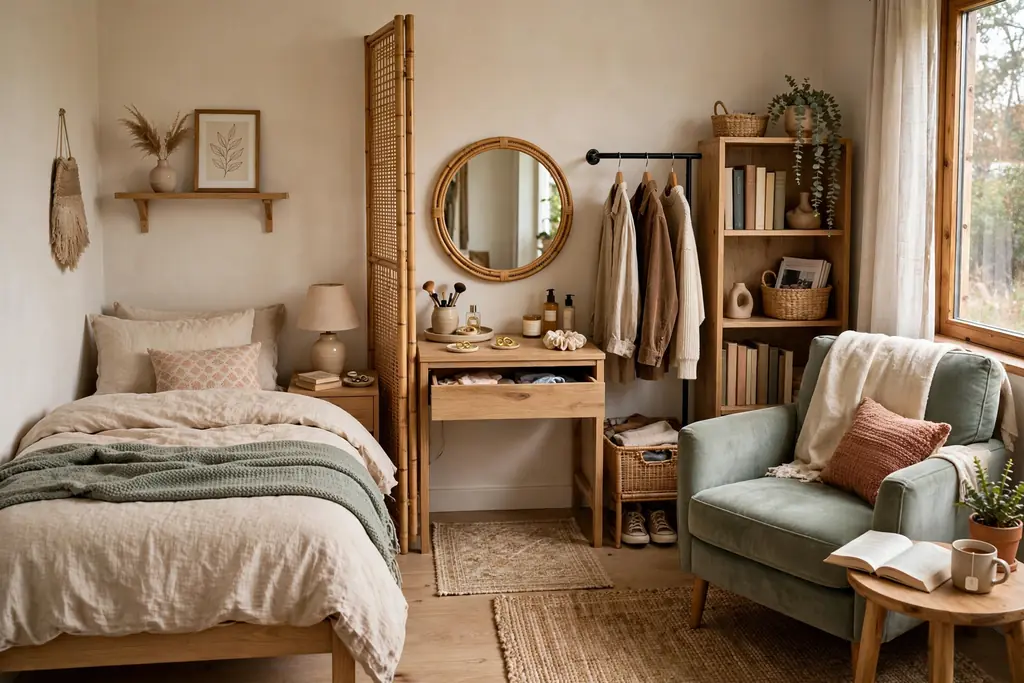
Give each main activity a place, even in a very small room. The bed area is for sleeping, the closet or dresser area is for dressing, and a chair, small desk, or reading corner can hold books and a lamp. Zones stop items from drifting, because a book left near the bed is easy to return to a reading spot when that spot is clear.
Keep zone boundaries simple. A small rug, a shelf, or a lamp can mark a reading corner without a divider that eats floor space. Place dressing items near the closet or dresser, reading items near the chair or bed, and charging items near one outlet. When each zone holds only its own items, tidying becomes a short task of returning a few things to their zones.
4. Place the Bed and Large Furniture First
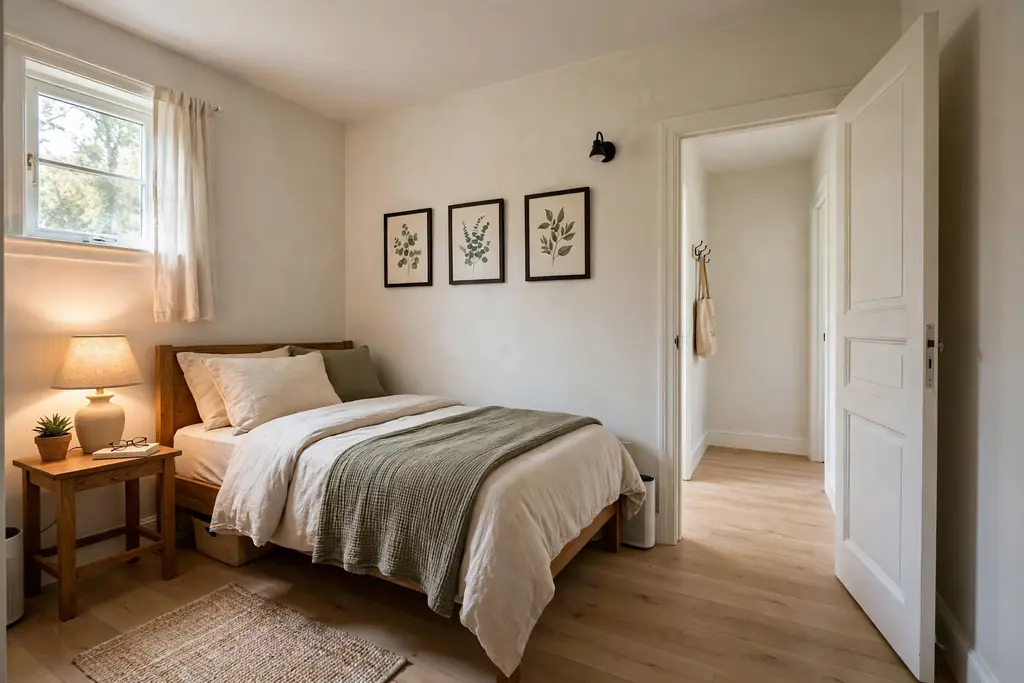
Set the bed position before you place smaller pieces, since the bed takes the most floor space and sets the flow of the room. In many small rooms, the bed works best against the longest wall, with room to make the bed and reach a nightstand on at least one side. Leave a clear path to the door and to the closet so you do not have to climb over furniture to reach daily items.
Put the dresser or wardrobe next, in the spot that leaves the most open floor and keeps drawers and doors able to open fully. Avoid placing a tall piece where it blocks a window or a vent. Once the large pieces sit well, smaller storage can fill the gaps that remain, rather than forcing the bed or dresser into an awkward spot around a shelf.
5. Make the Space Under the Bed Work Hard
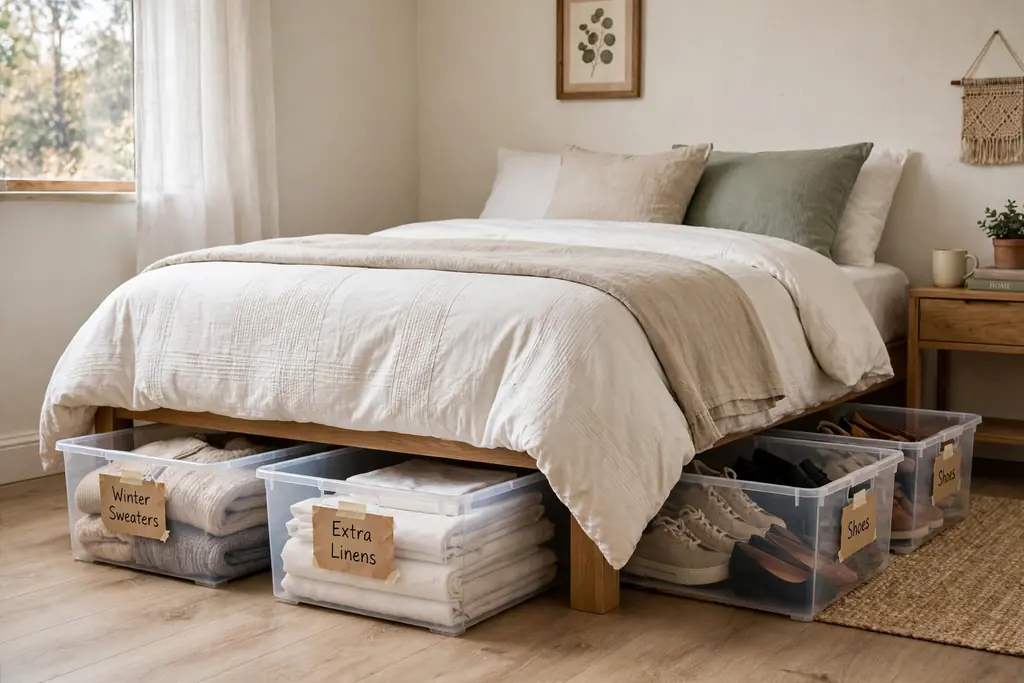
The space under the bed is often the largest hidden storage area in a small bedroom. Use low, flat bins that slide out easily, and label each bin by what it holds, such as spare bedding, out of season clothes, or shoes. Keep bins shallow enough to pull out without lifting the mattress, and leave a small gap so air can move around stored items.
Store only items you need a few times a year, or items you rotate often, under the bed. Daily clothes belong in the closet or dresser, where they are quicker to reach. Check under bed bins when the seasons change, and return anything you did not use during that season to the declutter step before you pack the bins again.
6. Rework the Closet With a Simple System
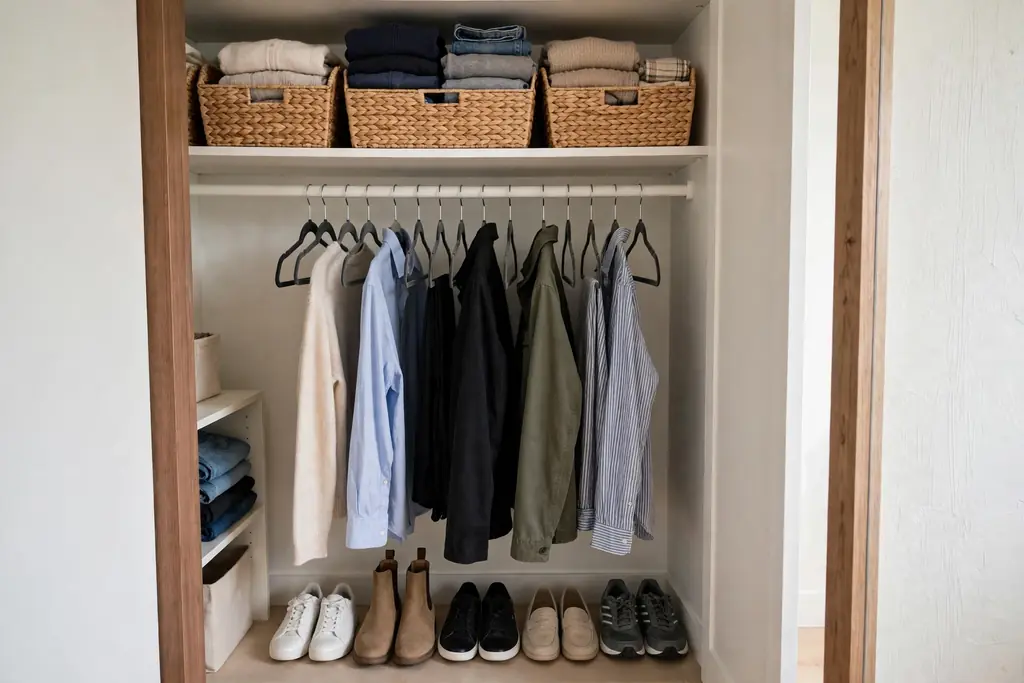
Start with the closet rod, shelves, and floor, and give each a job. Hang daily clothes at eye level, place folded items and small baskets on shelves, and keep shoes and bags on the closet floor in a row you can see. Slim hangers save rail space and keep clothes from slipping, while a second lower rod can double hanging space for shirts and short items if the closet height allows it.
Use dividers or small labels to mark sections, such as work clothes, casual clothes, and outerwear, so clothes return to the same spot after laundry. Keep a small bag or bin in the closet for items to donate, and move it out when it fills. A closet that holds only clothes you wear, with a clear place for each group, is far easier to keep tidy than a closet used as general storage.
7. Use the Walls for Storage That Keeps the Floor Clear
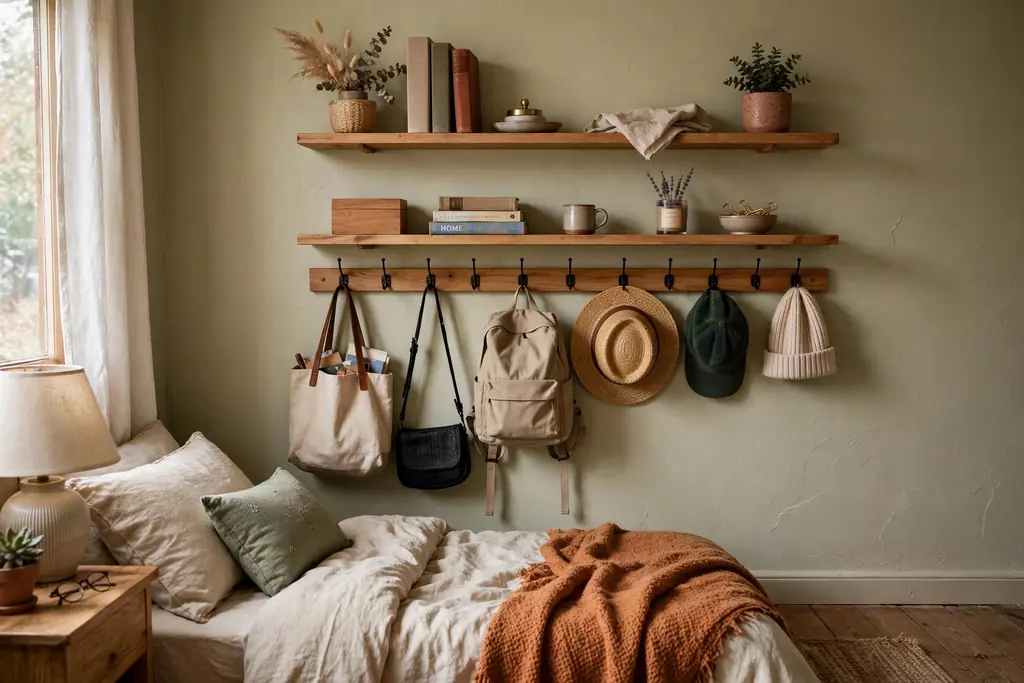
Wall storage adds room without taking floor space. Shelves above a desk, a peg rail near the door for bags and hats, and hooks behind the bedroom door can hold items that would otherwise sit on a chair or the floor. Place daily items at arm height and lighter, less used items higher up, where they are still easy to reach with a small step stool.
Keep wall storage neat by limiting each shelf or rail to one kind of item. A shelf crowded with books, boxes, and loose items looks cluttered even when it is organized. Leave a little empty space on each shelf, and check wall hooks often, since hooks collect coats, bags, and scarves quickly. When a hook holds more than one layer, it is time to return some items to the closet.
8. Choose Furniture That Does More Than One Job
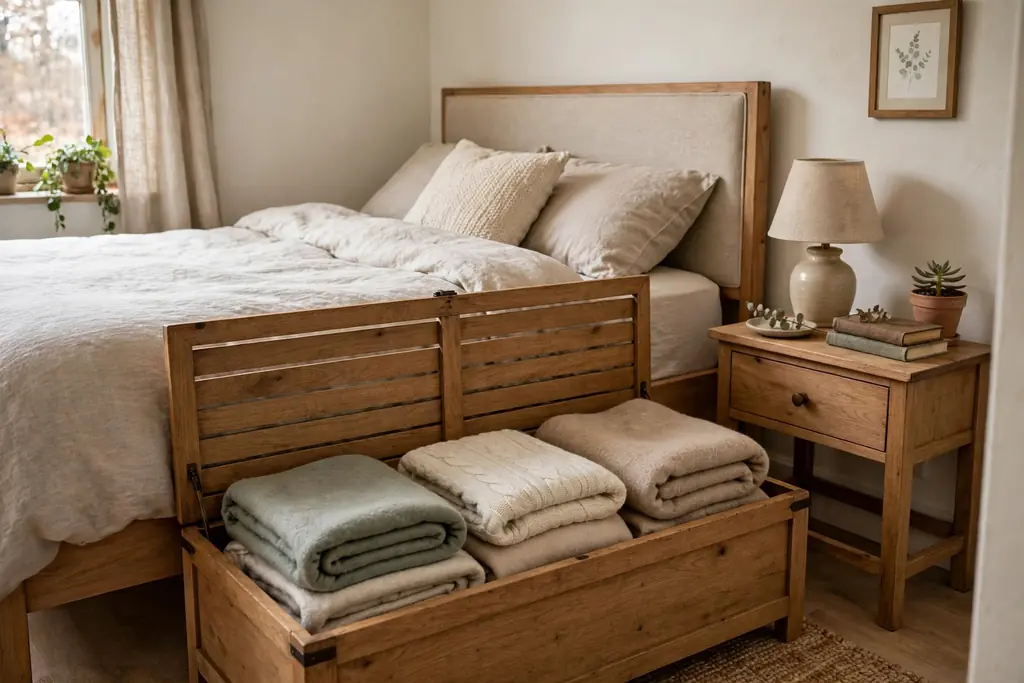
In a small bedroom, each large piece should earn its floor space. A bed with drawers underneath, a storage bench at the foot of the bed, a nightstand with a drawer and a shelf, or a small desk that folds away when not in use can hold items without adding another cabinet. Choose pieces that fit your measurements from step 1, with drawers and lids that open fully in the space available.
Think about what each piece will hold before you buy it. A bench works well for extra blankets and books you read at night, while a nightstand drawer suits chargers, a notebook, and small personal items. Avoid furniture with open shelves for items you want out of sight, since open shelves need regular tidying to look calm. One well chosen piece often replaces two smaller pieces that only add clutter.
9. Use the Door, Corners, and Other Overlooked Spots
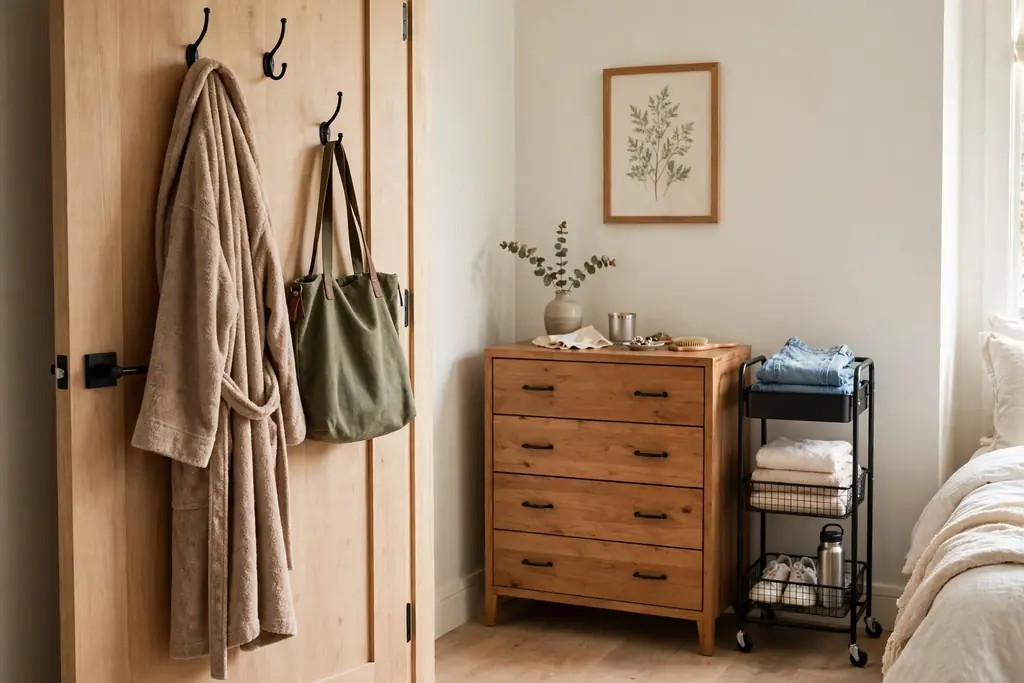
Look for small pockets of space that are easy to miss. The back of the door can hold hooks for a robe, a bag, or tomorrow’s outfit. A narrow gap beside a dresser can hold a slim rolling cart for books or chargers. A corner can hold a small shelf or a tall, narrow basket for laundry, as long as it does not block a door or a drawer.
Check that door hooks and carts do not damage the door, block the hinges, or stop the door from closing. If you rent, use hooks and organizers that hang over the door or attach without holes, and remove them cleanly when you move. These small spots are best for one clear job each, such as a robe hook or a laundry basket, rather than a mix of items that soon pile up.
10. Keep Surfaces Clear With a Place for Daily Items
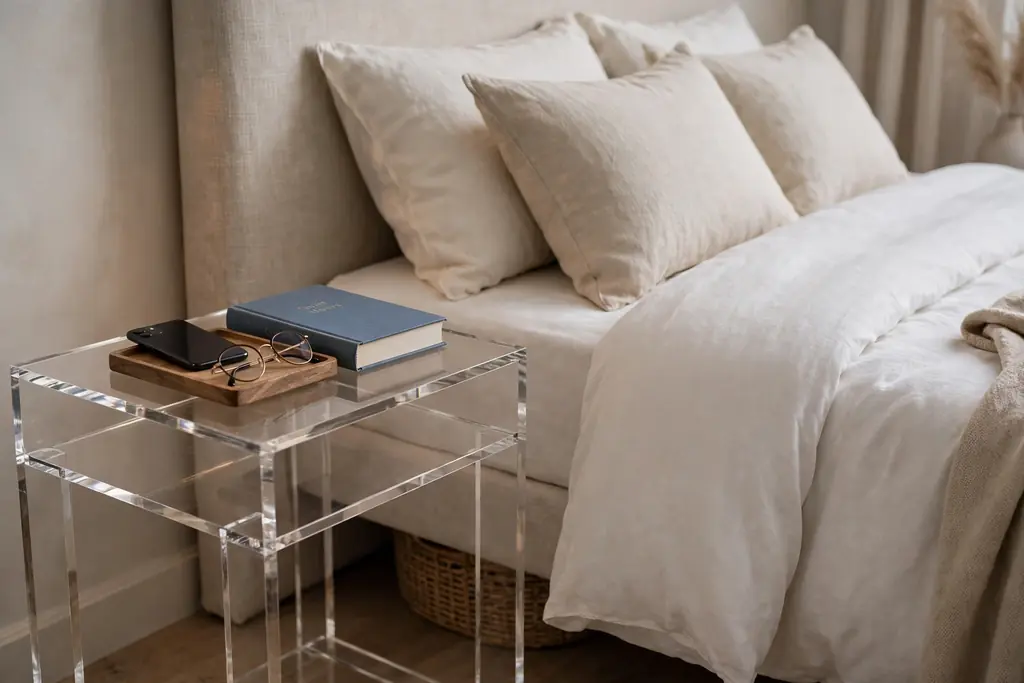
Flat surfaces collect clutter because they are easy to drop things on. Give daily items a fixed home: a small tray on the nightstand for a phone, glasses, and a book; a hook by the door for keys and a bag; and a single spot for mail and papers, rather than several piles around the room. When each daily item has a home, putting it away takes seconds.
Clear the top of the dresser and the nightstand at the end of each day, and return anything without a home to the zone it belongs in. If an item keeps landing on a surface, it may need a better home, such as a hook, a tray, or a drawer divider. A clear surface also makes the room feel larger and calmer, since the eye rests on bedding and walls rather than on piles.
11. Set Up a Laundry and Seasonal Rotation System
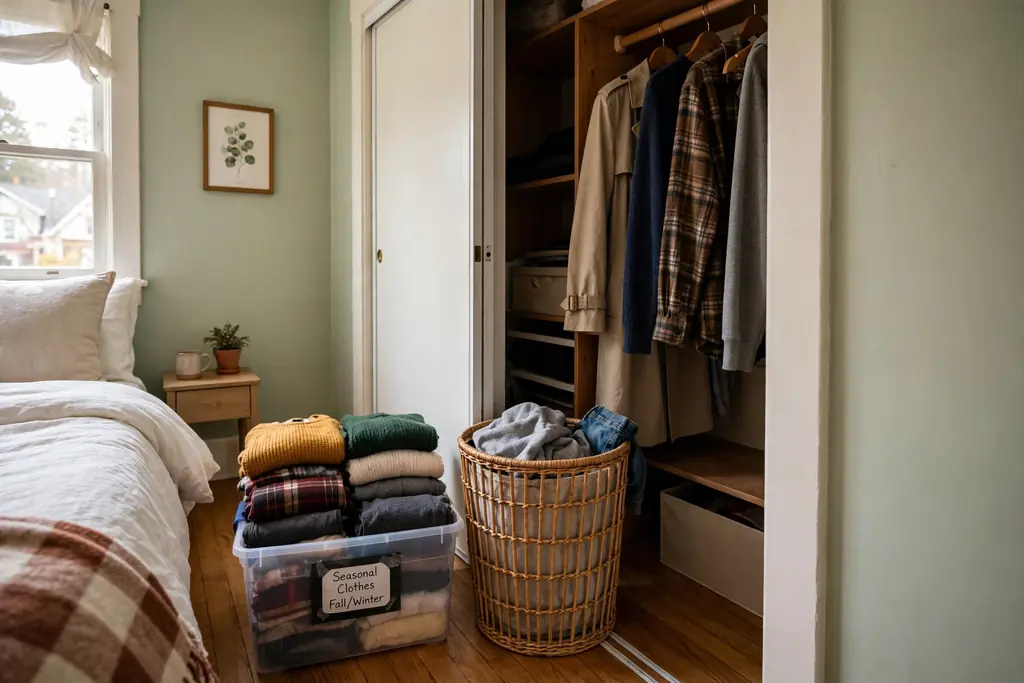
Laundry is a common source of bedroom clutter, so give it a clear path. Place a hamper where clothes come off, or near the closet, and choose a size that fits the room and your laundry routine. Wash and put away one load at a time when you can, since clean clothes left in a basket soon become a second pile to sort.
Rotate seasonal items at the same time each year. When you swap summer clothes for winter clothes, or light bedding for heavier bedding, pack the out of season items in labeled bins under the bed or on a high closet shelf. Check each item as you pack it, and donate anything you did not wear or use during the past season. A simple rotation keeps the closet and drawers holding only what fits the current season.
12. Use Light, Color, and Low Furniture to Keep the Room Calm
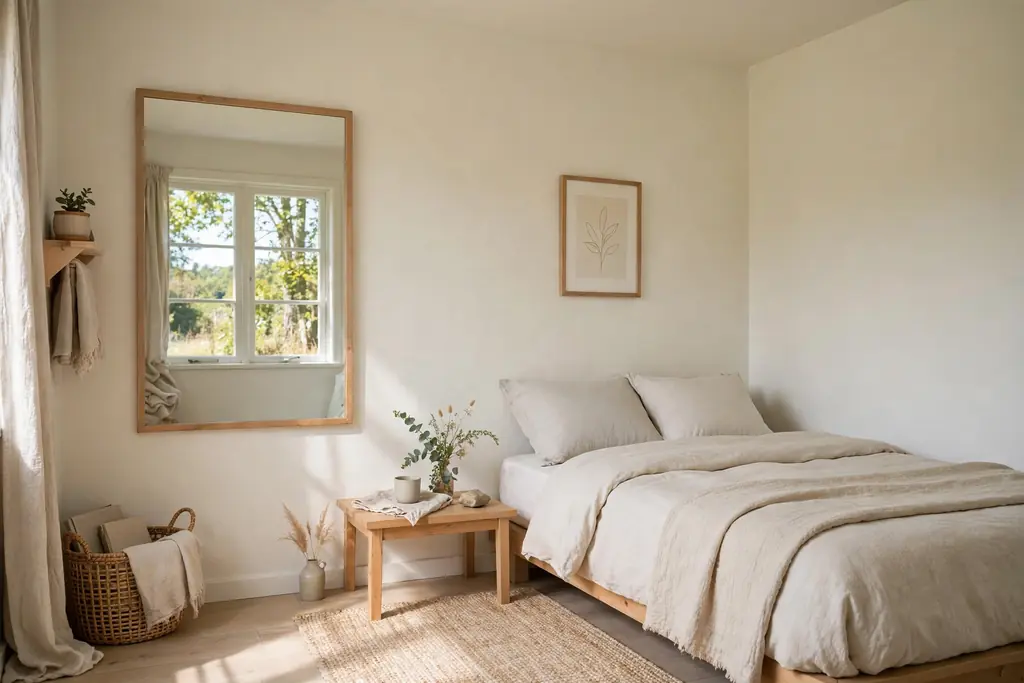
Organization is easier to keep up when the room feels calm and easy to move through. Light wall colors, bedding in one or two main colors, and curtains that let in daylight can make a small room feel more open. A mirror placed where it reflects a window can add a sense of depth, but keep mirrors to one or two so the room does not feel busy.
Choose low, simple furniture shapes where you can, and keep tall or bulky pieces to one wall. Leave some wall space bare and some shelf space empty, since a room packed from floor to ceiling can feel crowded even when it is tidy. These choices do not replace storage, but they make the organized room easier to enjoy and easier to keep that way.
13. Keep It Tidy With a Daily Reset and a Weekly Check
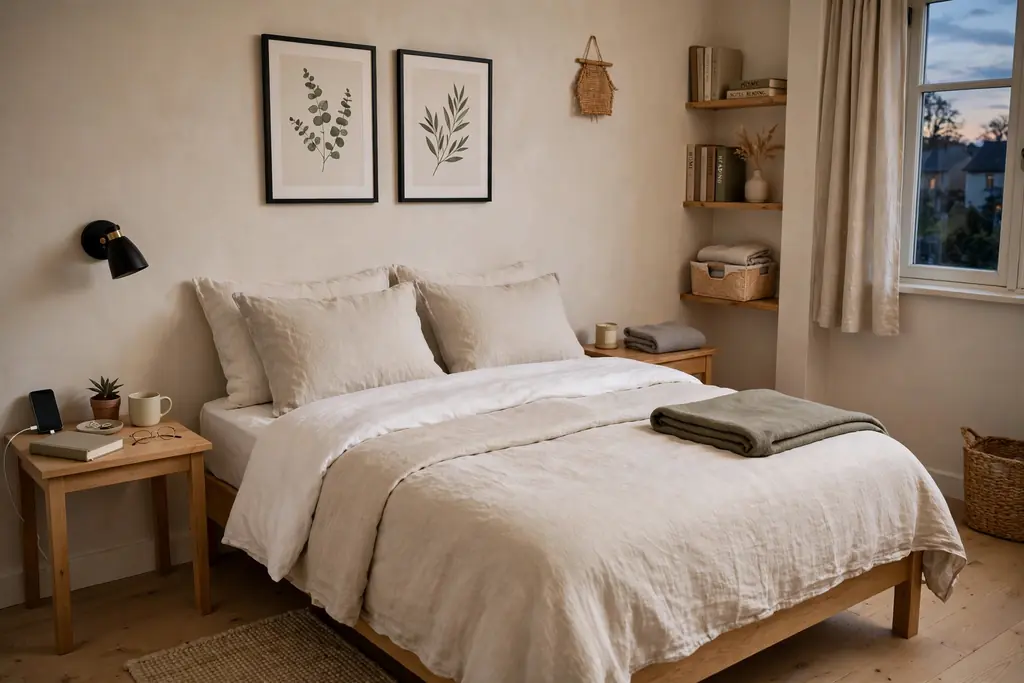
A daily reset takes only a few minutes: make the bed, return items to their zones, put dirty clothes in the hamper, and clear the nightstand and dresser tops. Doing this at the same time each day, such as before bed or after dressing in the morning, turns tidying into a habit rather than a large weekend job.
Once a week, do a slightly longer check. Empty the donate bag, wipe surfaces, check the closet floor and the under bed bins, and return any item that drifted into the wrong zone. Add a simple rule for new items: when something new comes into the room, an older item of the same kind leaves it. With this rhythm, a small bedroom stays organized because clutter is caught early, before it builds up again.
Conclusion
Organizing a small bedroom starts with measuring and clearing out what you do not use, then giving every remaining item a fixed place in a clear zone. Bed, closet, wall, and door storage add room without adding floor furniture, multi-use pieces hold more in less space, and a short daily reset keeps the system working. Work through the steps in order, adjust each one to fit your room, and keep only what you use and enjoy. For more ideas from Dwell Ovell, browse the home page for home decor guides.
FAQs
What is the first step to organize a small bedroom?
The first step is to measure the room and note the fixed features, such as doors, windows, outlets, and the space under the bed and inside the closet. Measurements stop you from buying bins or shelves that do not fit, and they help you place the bed and large furniture before adding smaller storage.
How do I declutter a small bedroom without getting overwhelmed?
Declutter one category at a time, starting with clothes, then books and papers, then small items, and gather each category in one place before you sort it. Sort items into keep, move elsewhere, donate, or discard, and take donate and discard bags out of the room the same day so clutter does not simply move to a corner.
Where should I store things in a small bedroom with no closet space?
Use the space under the bed for labeled bins, add wall shelves and hooks for daily items, and choose a dresser or wardrobe that fits the room and opens fully. A storage bench, a nightstand with a drawer, and a slim rolling cart in a narrow gap can also add storage without taking much floor space.
What is the best way to organize a small bedroom closet?
Hang daily clothes at eye level, place folded items and small baskets on shelves, and keep shoes in a row on the closet floor where you can see them. Use slim hangers, a second lower rod for short items if the height allows it, and labels for sections such as work clothes and casual clothes so items return to the same spot after laundry.
How can I keep a small bedroom tidy after organizing it?
Keep a short daily reset: make the bed, return items to their zones, put dirty clothes in the hamper, and clear the nightstand and dresser tops. Once a week, do a longer check of the closet floor, under bed bins, and donate bag, and use a one in, one out rule so new items replace older items of the same kind.
How do I make a small bedroom feel larger while keeping it organized?
Use light wall colors, bedding in one or two main colors, low and simple furniture shapes, and a little empty space on shelves and walls so the room does not feel packed. Keep surfaces clear, let daylight in where you can, and use one or two mirrors to add a sense of depth without making the room feel busy.