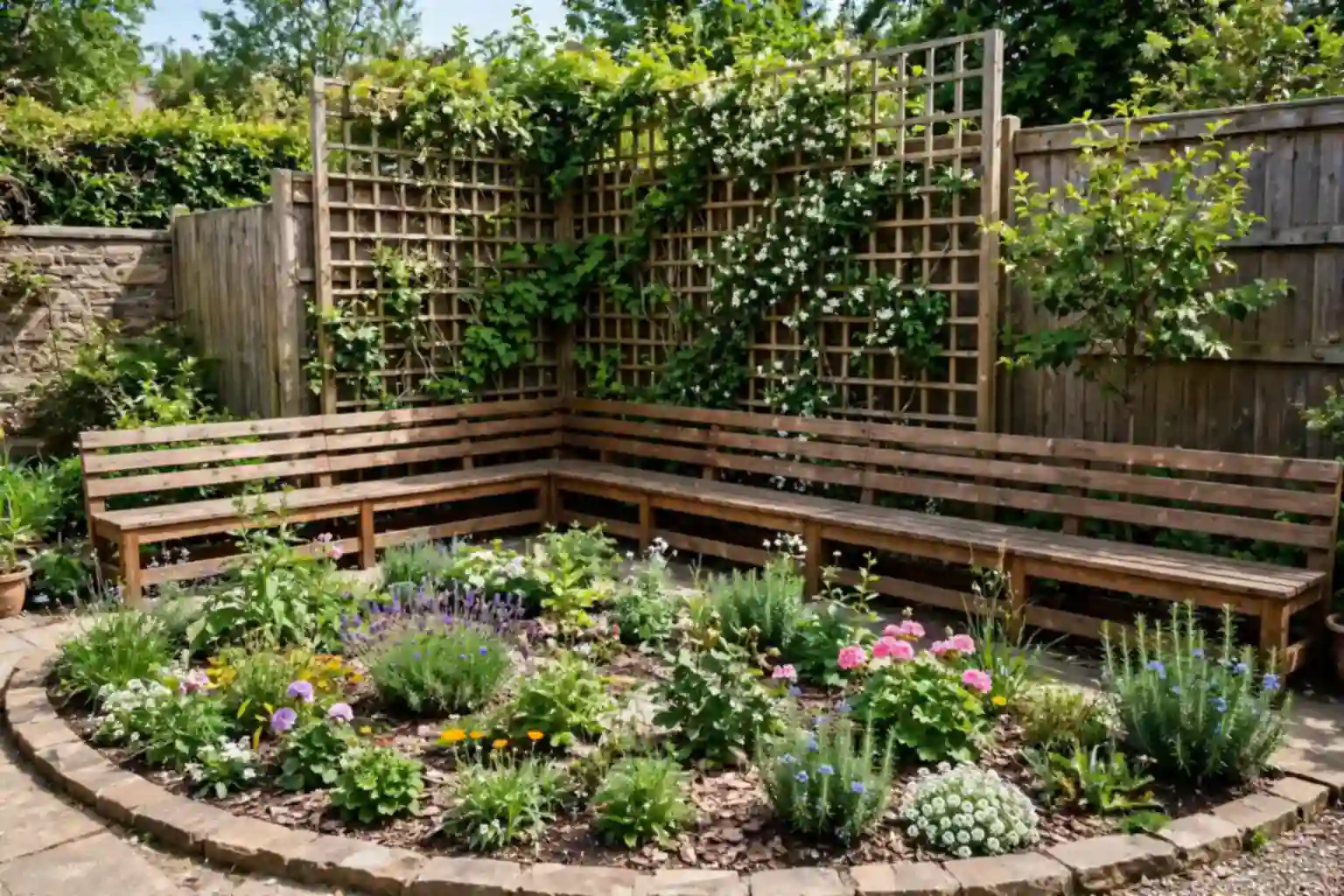
A garden corner is easy to ignore. It is the spot where the lawn meets the fence, where tools end up, and where planting thins out because the shape is awkward. That shape is also an advantage, since two boundaries give a corner shelter, a clear backdrop, and a reason to sit, plant, or build with a purpose. These 22 corner garden ideas cover seating, beds, water, shade, food, wildlife, and evening light. Start with how you want to use the corner, then shape the planting around that use. For lessons on working with levels in a tricky spot, the ideas in these tiered garden ideas show how to give each level a clear job.
Key Takeaways
- Measure the corner first, including fences, gates, drains, and sun at different times of day, before you build or plant.
- Give every corner one main job, such as seating, food, wildlife, or storage, so it does not become a dumping spot again.
- Use the two boundaries: a fence or wall can hold a trellis, a bench back, or a mirror, and it shelters plants from wind.
- Shape beds to the corner, with triangles, curves, or L shapes, rather than forcing a square bed into a triangular space.
- Keep a clear path to the corner and room to stand, sit, and work, since a corner you cannot reach will not get used.
- Repeat one or two materials, such as wood, stone, or terracotta, so the corner reads as part of the garden, not an afterthought.
1. Build an L-Shaped Corner Bench for Seating
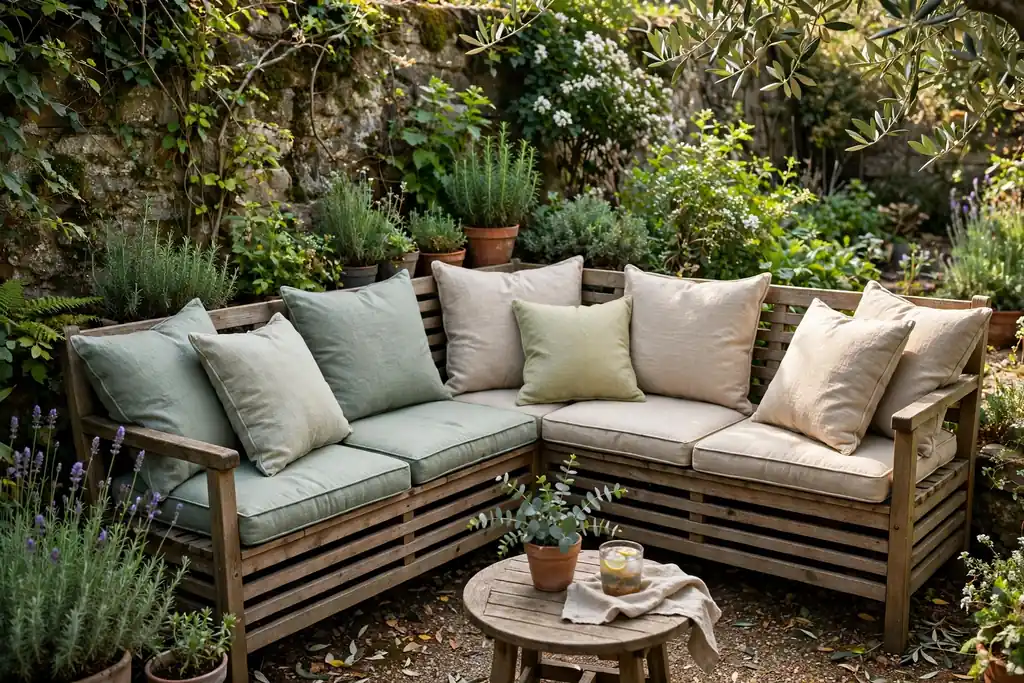
An L-shaped bench follows both sides of a corner, so it seats more people than a straight bench of the same length and leaves the middle of the garden open. Build or buy a bench in two sections joined at the angle, set it on level paving or gravel, and pair it with a small table in the angle for cups and books. The corner shape also makes conversation easier, since sitters face each other rather than sitting in a row.
Choose wood, stone, or metal to match the garden, and leave one end open so people can get in and out without climbing over the table. For layout ideas for the seating itself, see these garden bench ideas, which show how to choose a spot first and match the seat to it. Add a cushion that can be stored quickly, keep plants clear of the seat edges, and check that the bench does not block a gate, a drain cover, or a path.
2. Shape a Triangular Raised Bed
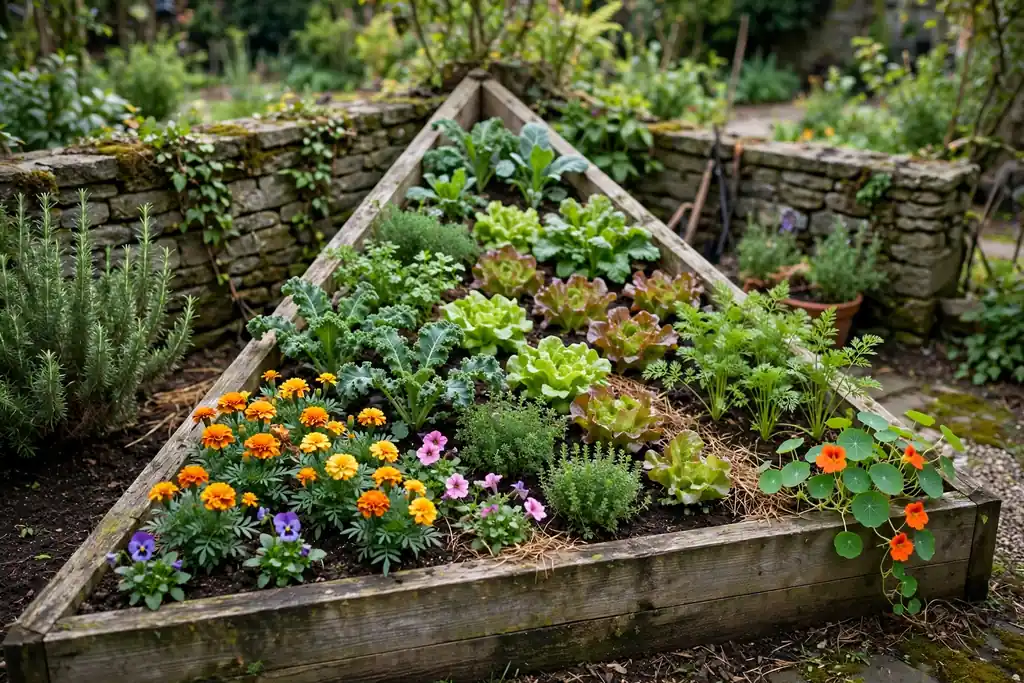
A triangular raised bed fits a corner exactly, because it uses the full width at the back and narrows toward the front where you stand. Build the bed from timber, brick, or stone, no wider than you can reach across from the front edge, and fill it with good soil mixed with compost. Plant tall plants at the back point, medium plants in the middle, and low edging plants at the front, so the whole bed reads as one layered planting.
Keep the front edge low enough to work over, and leave a firm standing spot in front of the bed for watering and picking. A triangular bed suits herbs, salads, and flowers in equal measure, and it keeps soil contained where a flat corner bed would spread. Water raised beds more often than ground beds, since they dry out faster, and mulch the surface to hold moisture.
3. Put a Corner Pergola Over a Seat
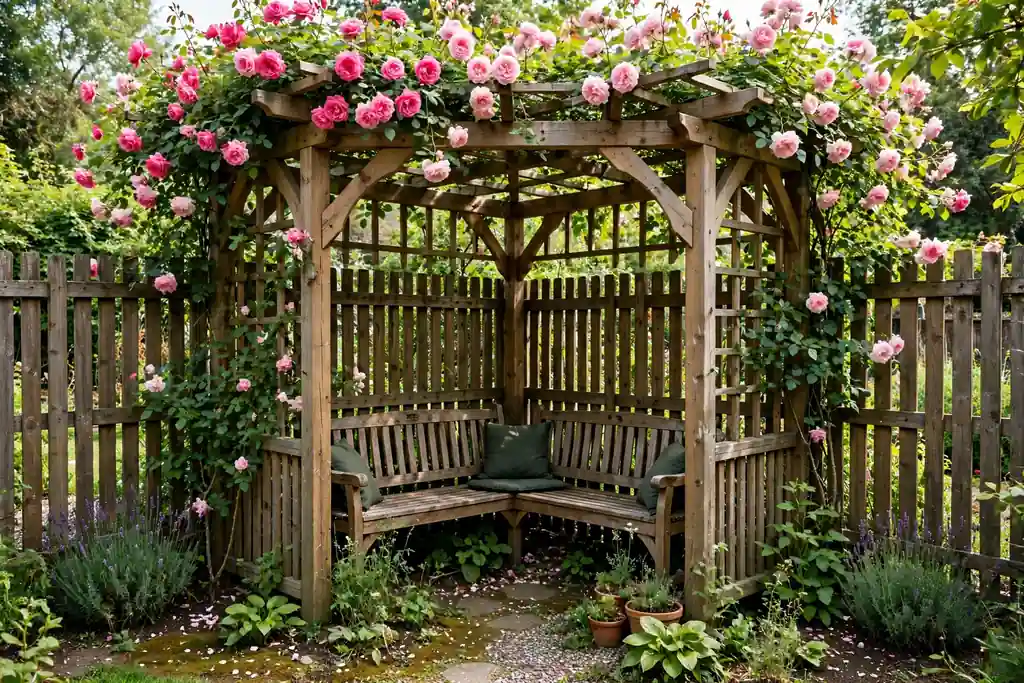
A corner pergola turns a bare angle into a garden room with shade and a frame for climbers. Set two posts against the fences and a third post or wall bracket to complete the frame, anchor every post firmly, and train one or two climbers, such as roses, jasmine, or clematis, over the top. The pergola gives structure in winter and shade and scent in summer, even before the planting fills in.
Site the pergola where it catches morning or evening light rather than deep shade all day, and keep climbers clear of gutters and drains. Tie stems loosely as they grow, and prune after flowering as the plant type requires. A simple timber frame suits most gardens better than an ornate one, since the climbers provide the detail, and a seat beneath it gives the corner a daily use.
4. Curve a Flower Bed Around the Corner
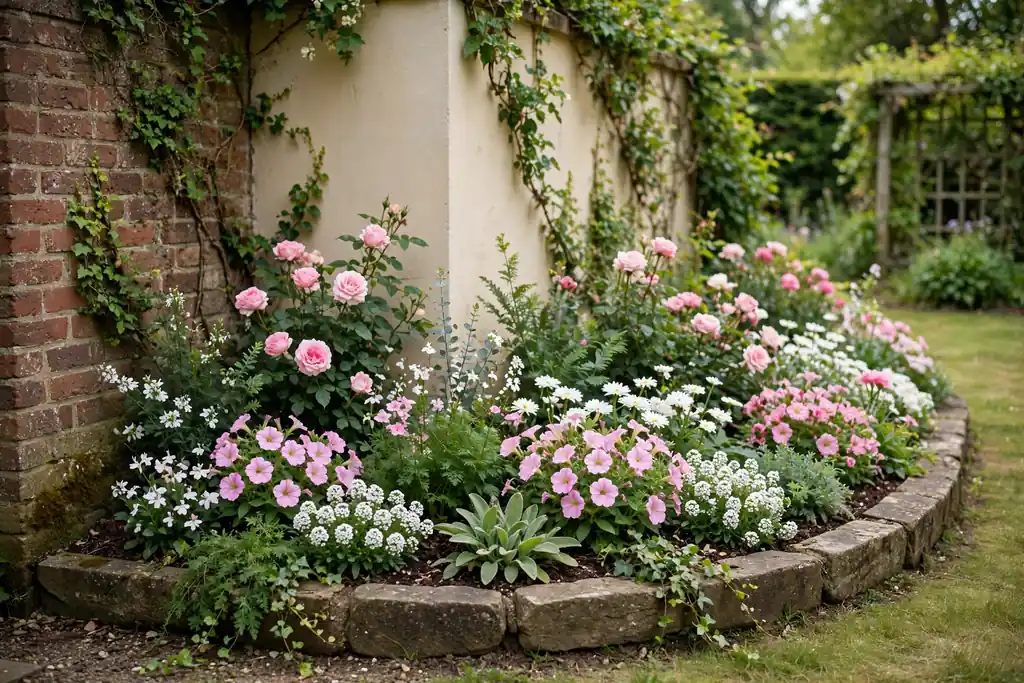
A curved flower bed softens a sharp corner, because the eye follows the bend instead of stopping at a right angle. Mark the curve with a hose or rope on the ground, cut the edge cleanly, and plant tall flowers at the back, medium flowers in the middle, and low edging plants at the front. The curve works best when it leads somewhere, such as a bench, a tree, or a path junction.
Repeat one or two colors through the layers to tie the bed together. For a pink led scheme, the planting ideas in these pink flower garden ideas show how drifts of one color, rather than single plants, make the color read clearly. Keep the curve wide enough to plant in groups, not singles, and leave a narrow access strip behind the tallest plants so you can stake and deadhead without stepping on the plants in front.
5. Plant a Corner Herb Garden by the Kitchen Door
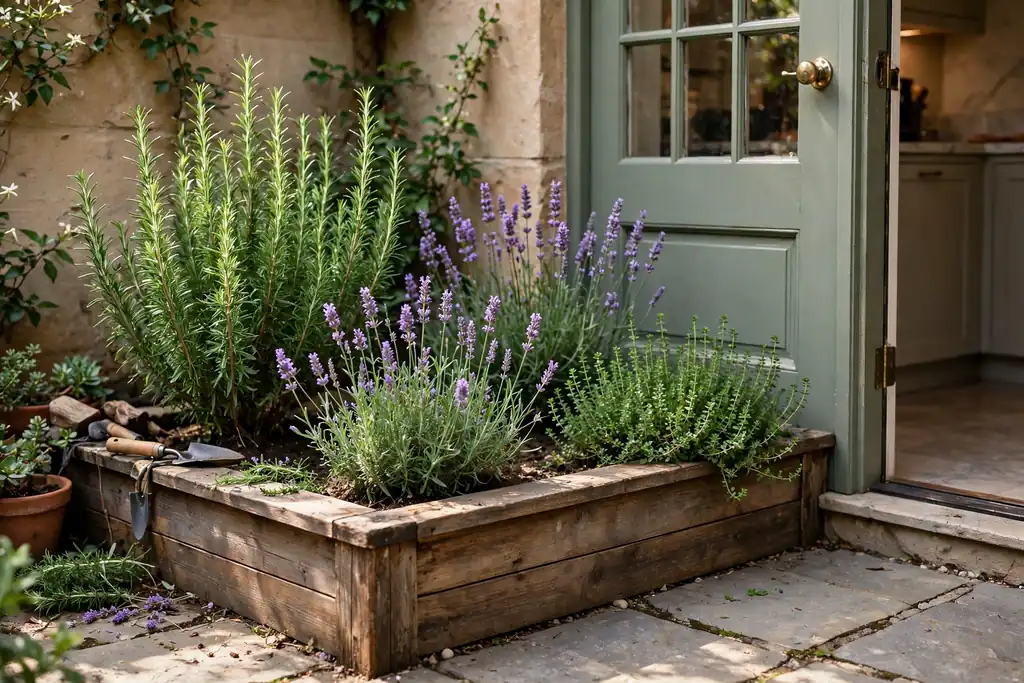
A corner herb garden near the kitchen door puts fresh leaves within a few steps of cooking, and the corner fences shelter the plants from wind. Plant rosemary, lavender, thyme, and sage in full sun and free draining soil, with chives and parsley where the soil stays a little moister. Grow mint in its own pot sunk into the bed, since it spreads fast and can take over its neighbors.
Label herbs while they are young, water them often in hot weather, and pick little and often to keep plants bushy. Edge the bed with low stone or brick so soil stays off the path, and keep the path itself clear for walking. In winter, move tender herbs to a sheltered spot or indoors, and replace annual herbs each spring.
6. Set a Corner Water Fountain Against the Fences
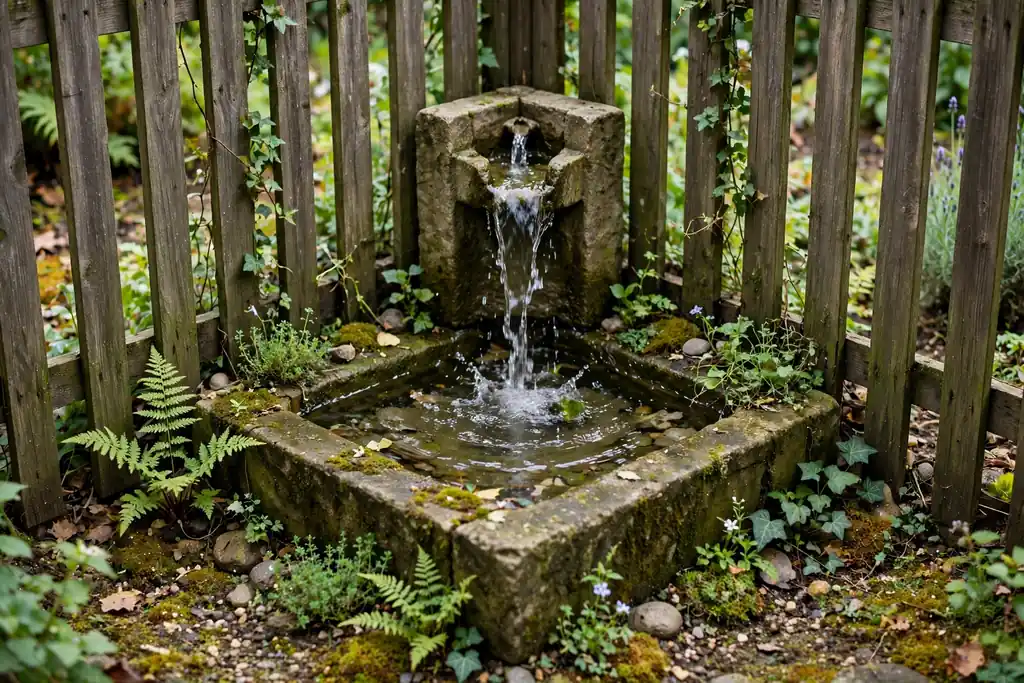
A small wall fountain or corner basin in a garden angle gives sound and movement without taking much floor space, since the fences form two sides of the feature. Choose a shallow basin with a simple spout or bubbler, set it on a level, firm base, and keep the pump where you can reach it for cleaning. Moving water also masks street noise, which makes a seating area nearby feel more private.
Change the water regularly to stop algae and mosquitoes, and keep the water shallow with rounded edges in a family garden. Site the fountain where it is seen from a seat or a window, and keep cables out of walkways. In cold areas, drain the fountain before hard frost, following the maker guidance, so ice does not crack the basin.
7. Make a Corner Fire Pit Seating Circle
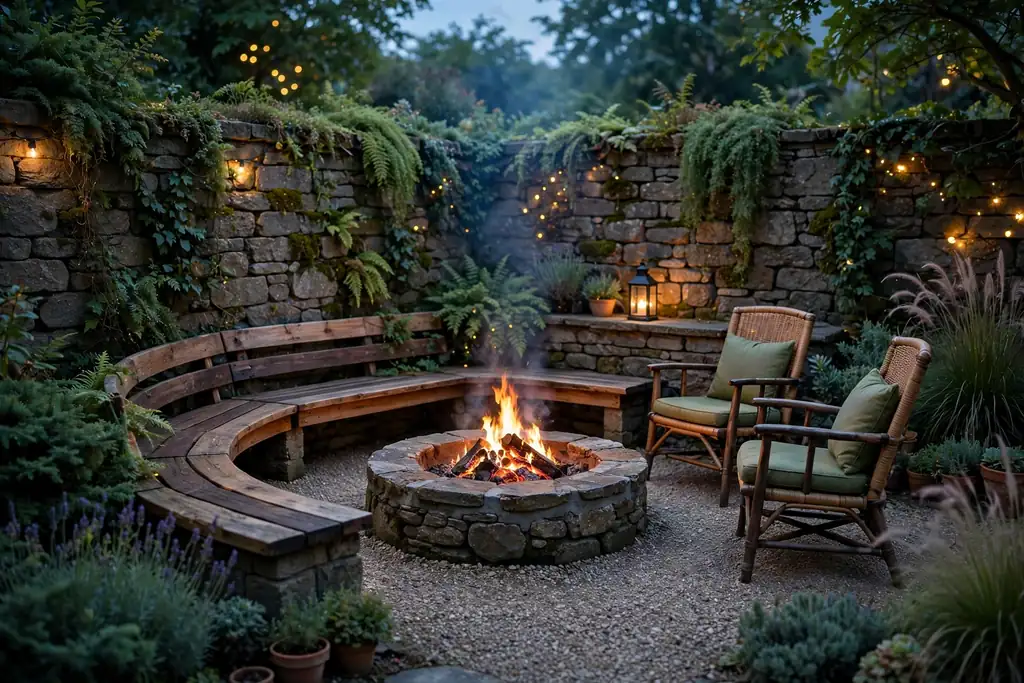
A fire pit tucked into a corner, with a curved bench or a ring of chairs facing it, turns a cold angle into an evening gathering spot. Keep the pit on a fire safe surface, such as stone or gravel, well clear of fences, overhanging branches, and dry planting, and check local rules before you build or buy one. A low stone wall or a curved bench around part of the circle gives seating without filling the whole corner.
Store fuel in a dry spot nearby, keep a clear route out of the seating area, and never leave a fire unattended. In a small garden, a compact portable fire bowl gives the same evening use with less building work, and it can be stored away in summer. Add a small table for drinks, and keep cushions indoors when the pit is in use if sparks are a concern.
8. Grow a Corner Vegetable Bed for Daily Picking
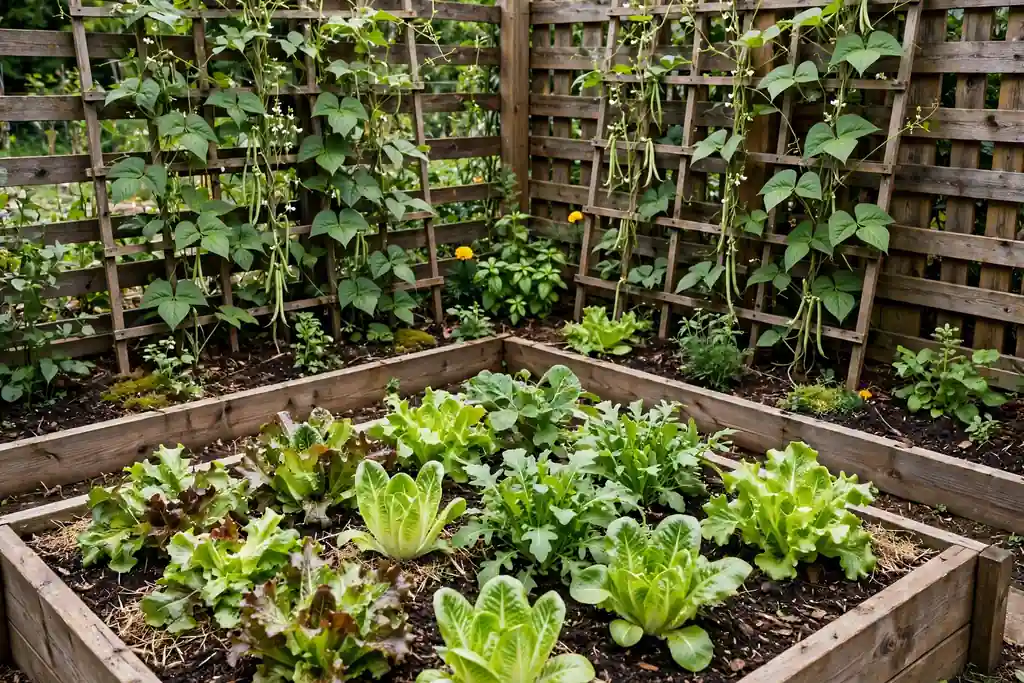
A corner vegetable bed works well when it is near the kitchen and easy to reach, since you will visit it daily in the growing season. Use a triangular or L-shaped bed, put salads and herbs nearest the path, and taller crops such as beans on a trellis against the fence at the back. The fence gives support for climbing crops and shelter from wind, while the corner shape keeps the bed compact.
Rotate crops between beds each year so the same family does not grow in the same soil season after season. Water at the base in the morning, mulch to hold moisture, and keep one clear standing spot for picking. A small cold frame on one section extends the season for salads, and a few flowers among the vegetables bring pollinators to the corner.
9. Sow a Wildflower Corner for Pollinators
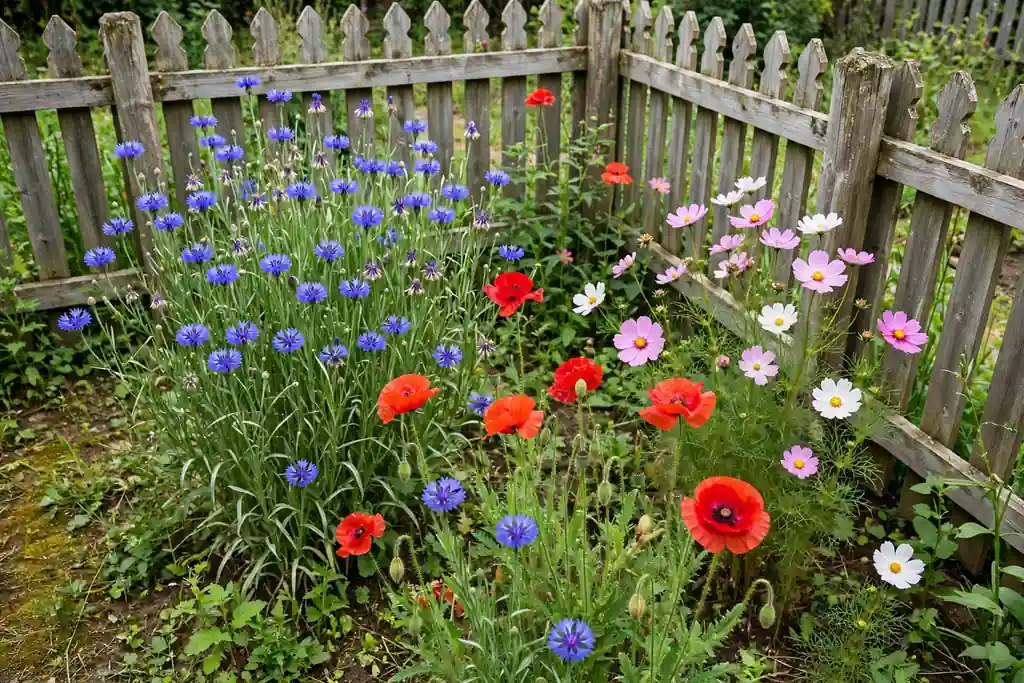
A wildflower corner brings a loose, natural look to a garden angle with little upkeep once it is established. Clear a patch of weeds, sow a seed mix suited to your soil and region on bare, raked soil, and add a simple mown or gravel edge so the patch reads as a choice rather than neglect. Cornflowers, poppies, cosmos, and oxeye daisies give color across summer and food for bees and butterflies.
The first year can look patchy while perennials establish, so set expectations and leave the patch uncut until late in the season to let plants self seed. Keep the patch away from formal beds if you prefer tidy edges, and sow thinly, since crowded seedlings compete and flower less well. Water only while seedlings establish, then let the patch largely look after itself.
10. Build a Corner Rock Garden for Sun and Drainage
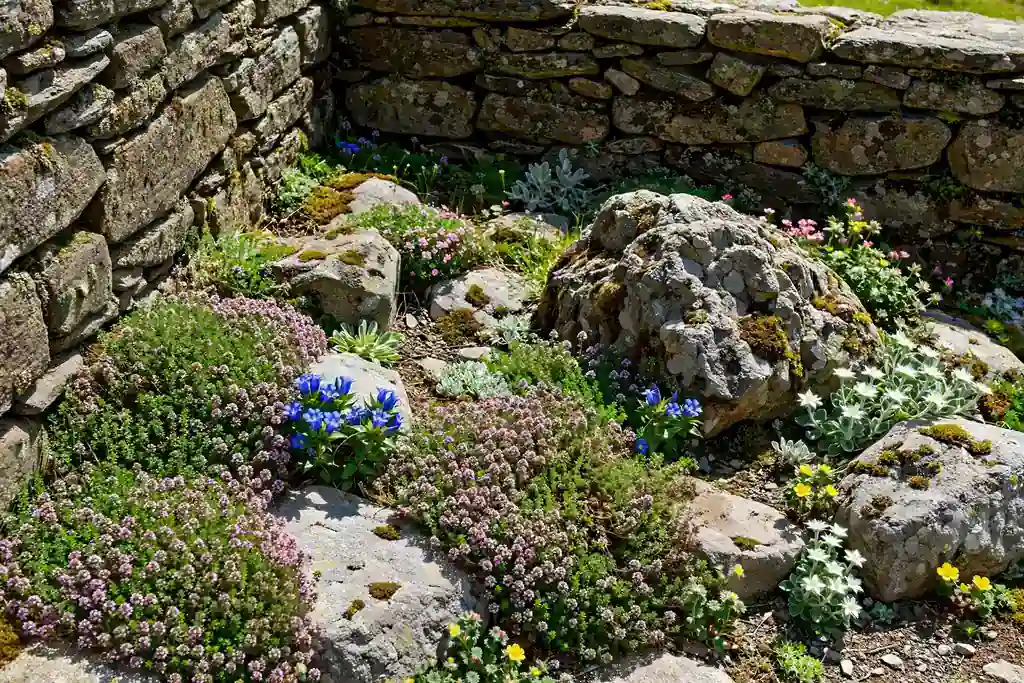
A rock garden is a natural fit for a dry, sunny corner, because alpine plants want sharp drainage and sun, and stones hold heat and shelter small plants. Build the corner with a mix of large feature stones and smaller rocks, burying at least a third of each large stone so it looks settled rather than perched. Fill behind the stones with gritty, free draining soil, and plant alpines, small sedums, and creeping thyme in the pockets between rocks.
Keep the planting low and open so the stones stay visible, and avoid rich compost that holds water around alpine roots. A rock corner near a path gives you a close up view of small flowers that would be lost in a big border. Top dress with gravel to keep the crowns dry, suppress weeds, and show off the stone colors in dry weather.
11. Plant a Small Tree as a Corner Focal Point
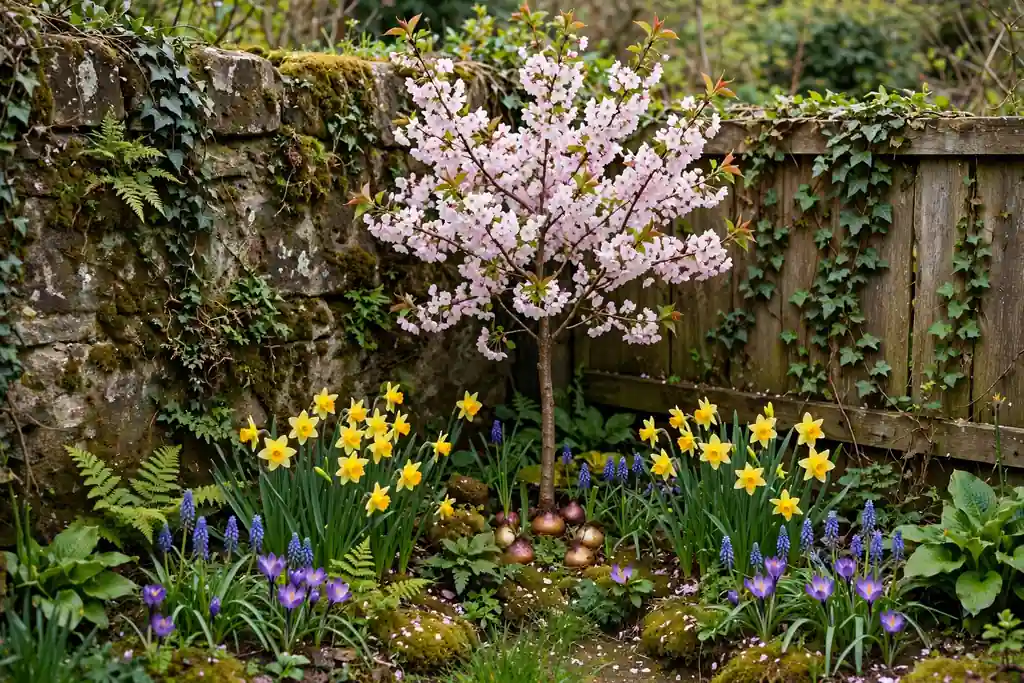
One small tree in a corner gives height, shade, and a focal point that holds all year, even when flowers are finished. Choose a variety sized for the space, since mature spread varies a lot between types, and plant it far enough from fences and walls that the canopy can grow without constant cutting. Underplant the tree with spring bulbs, shade tolerant perennials, or creeping ground cover so the ground below it earns its place after the main display ends.
Water well through the first dry season while the roots establish, mulch clear of the trunk, and check the mature height before you buy so the tree does not outgrow the corner or shade the whole garden. A flowering cherry, a small maple, or a compact fruit tree each suit a different corner, so pick the one that fits your light, soil, and the view from the house.
12. Fix a Trellis Screen for Corner Privacy
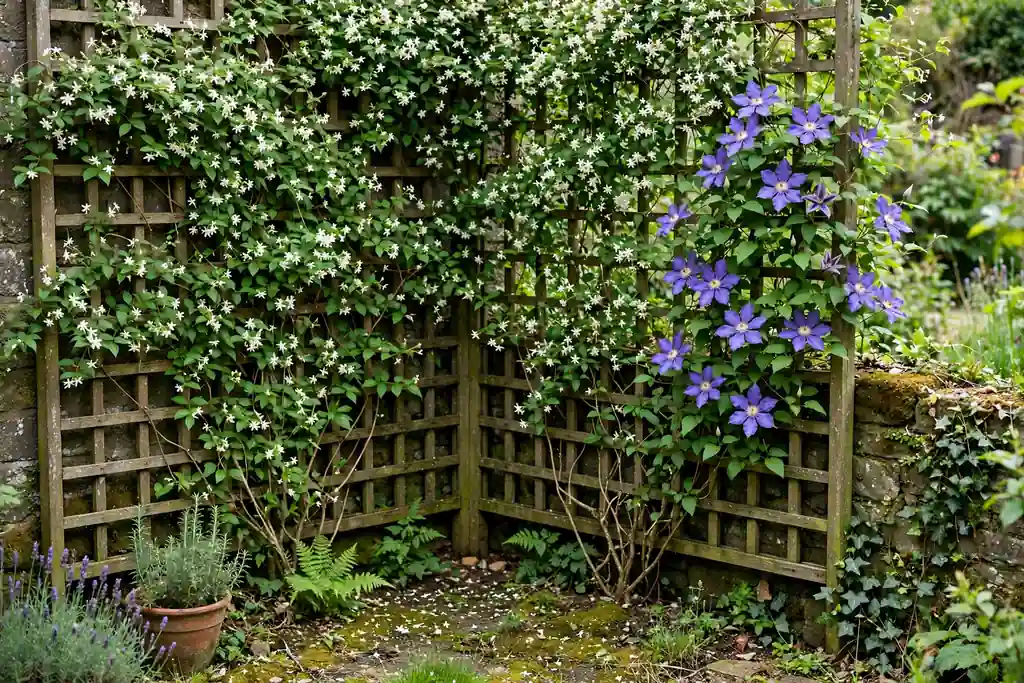
A trellis screen along one or both fences of a corner gives privacy and height without the weight of a solid wall, and it lets light and air through. Fix the trellis with a gap behind it so air can move and the fence can dry, and grow one climber, such as jasmine, clematis, or a climbing rose, up each panel so the planting meets across the top. The screen frames the corner and hides bins, compost, or a neighbor view.
Anchor the trellis firmly so it does not lean as the planting grows heavier, and train stems away from paths and seats so thorns and stems do not brush visitors. Prune after flowering as the plant type requires, and keep the path beneath the screen clear and level. A trellis also gives a backdrop for a bench or a pot group placed in front of it.
13. Group Tiered Pots in a Corner
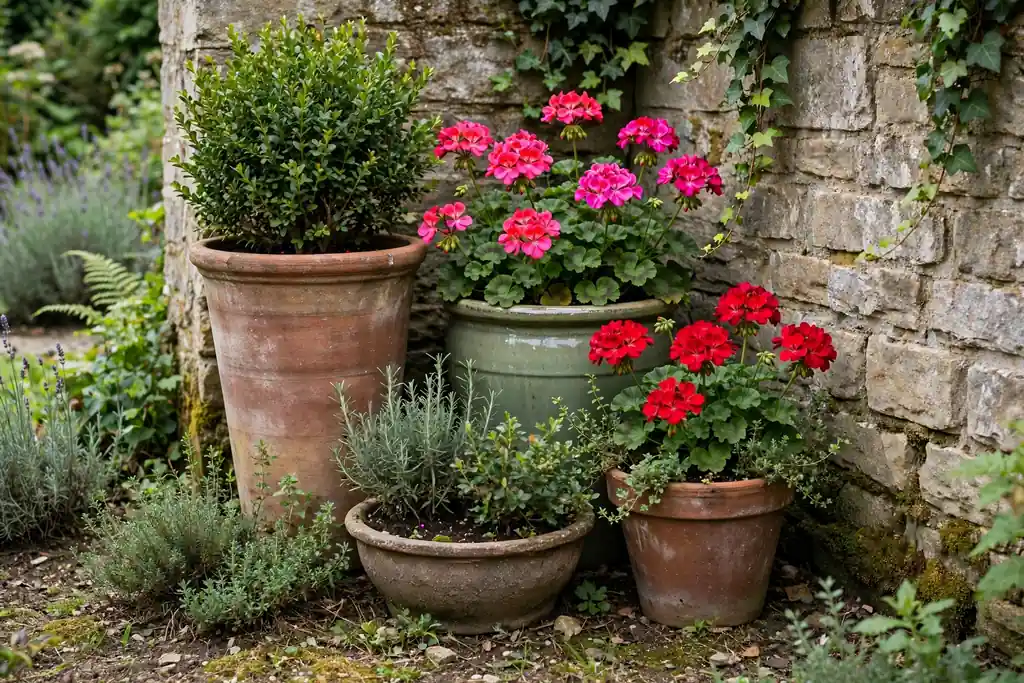
Tiered pots grouped in a corner give instant structure to a spot where a bed is hard to dig, such as over paving or near tree roots. Use pots of different heights with the same plant family, such as herbs, geraniums, or small shrubs, so the group reads as one display, and step the heights down from the back corner toward the front. The group can move with the seasons, following the sun or framing an entrance.
Choose pots with drainage holes, raise them on feet so water drains freely, and check the soil with a finger before watering, since pots dry out faster than beds. Plant the tallest pot at the back, keep trailing plants trimmed back from paths, and feed container plants regularly, because pots run out of food faster than beds. In cold areas, move tender plants indoors before hard frost.
14. Set Up a Corner Potting Bench and Tool Store
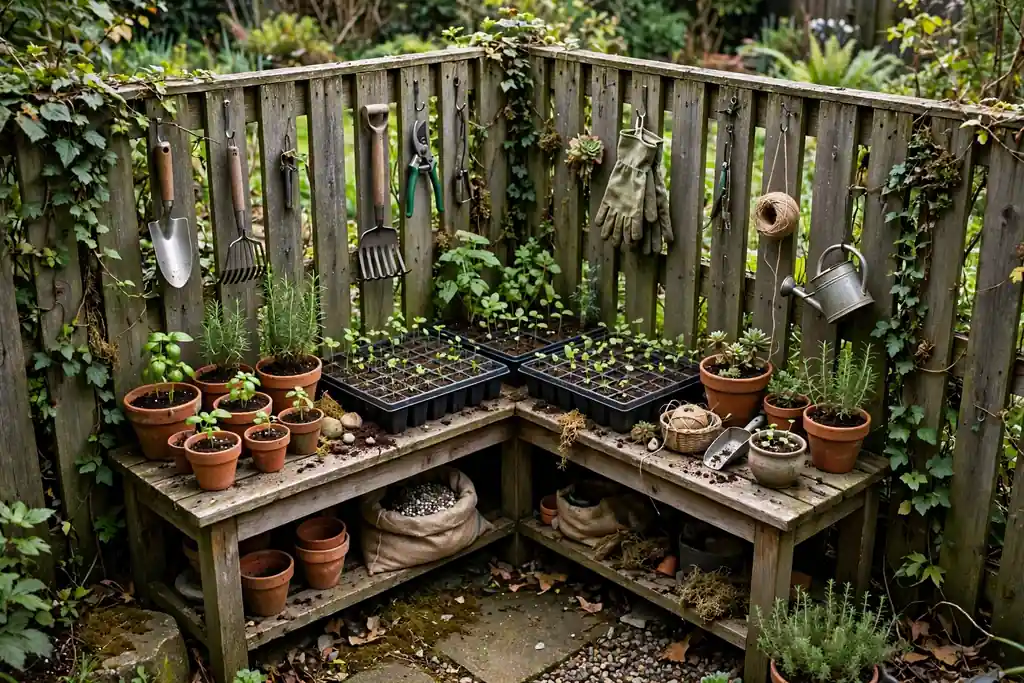
A corner potting bench turns a wasted angle into a working spot for sowing, potting, and tidying tools. Put a sturdy bench against one fence, add a shelf above it for small pots and seed trays, and hang hooks for twine, snips, and gloves so tools do not end up on the seat or the path. A small bin beneath the bench holds compost, and a waterproof box nearby stores cushions or seed packets.
Keep the bench surface at a comfortable working height, and leave a clear standing spot in front of it. Site the bench where it gets some shade for midday work, and keep soil and water off the fence by using a splash board behind the bench. A working corner near the beds saves trips back to the house, and it keeps the rest of the garden tidy by giving tools a home.
15. Add a Corner Bird Bath for Wildlife
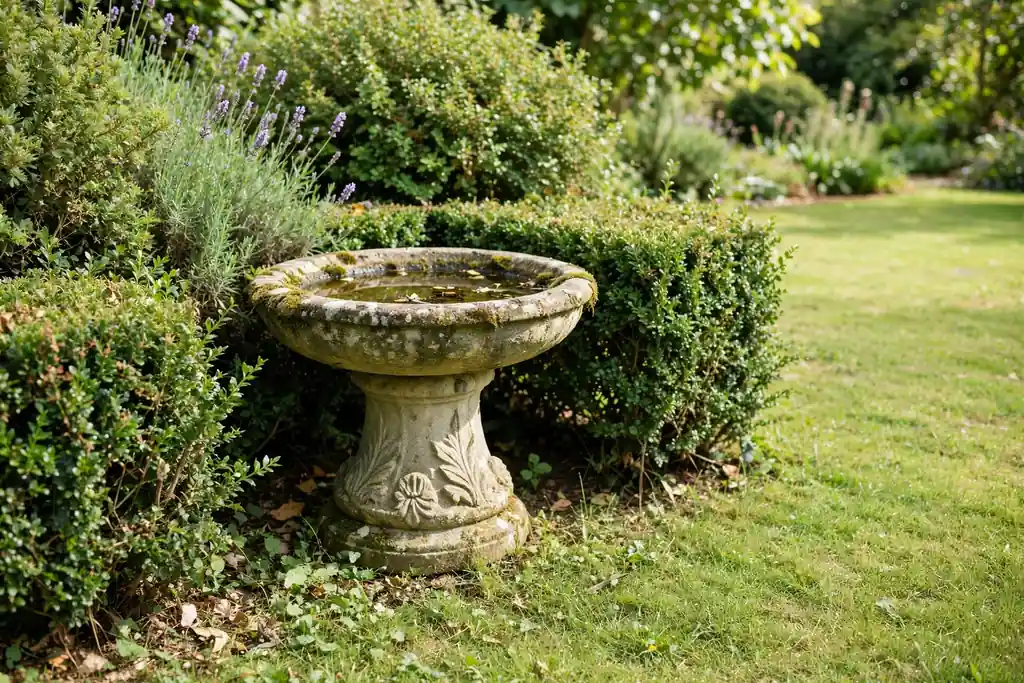
A bird bath in a corner adds wildlife and gentle sound to a garden, and it gives birds a drinking and bathing spot close to cover. Place the bath on a level, firm base near shrubs or a tree, but with open space around it so birds can see cats approaching. Keep the water shallow, with a sloping edge or a stone in the middle so small birds can stand safely.
Change the water every few days, scrub the basin to stop algae, and keep the bath full in hot weather and in winter when natural water freezes. Site the bath where you can see it from a window or a seat, so the visitors become part of the garden. Avoid placing the bath under a feeder, since falling seed fouls the water quickly.
16. Plant a Shade Garden in a Dark Corner
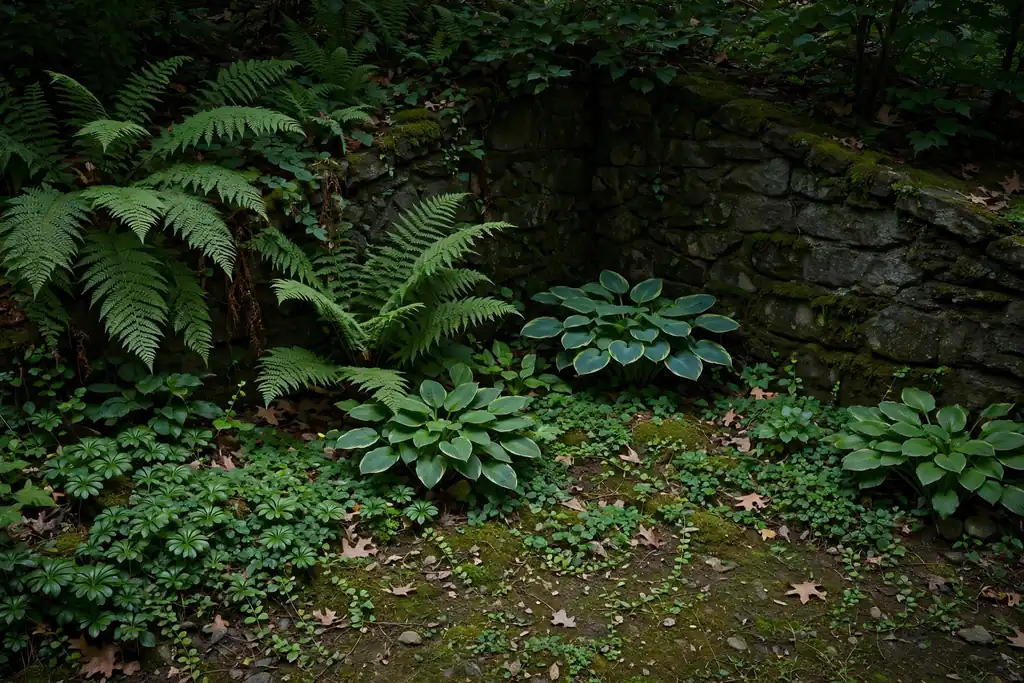
A dark corner under trees or beside a tall fence suits a shade garden, because ferns, hostas, and shade tolerant perennials thrive where sun loving flowers struggle. Plant ferns and hostas in groups, add spring bulbs for early color, and cover bare soil with ground cover such as vinca or pachysandra so the corner looks full rather than bare. The foliage gives texture all season, even when nothing is in flower.
Improve the soil with compost before planting, since tree roots compete for water and food, and water new plants well until they establish. Keep plants clear of paths, and choose slug resistant hosta types or protect young leaves if slugs are a problem in your garden. A shade corner with a simple bench or a stone ornament gives a cool, quiet spot on hot days.
17. Shape a Gravel and Succulent Corner for Dry Spots
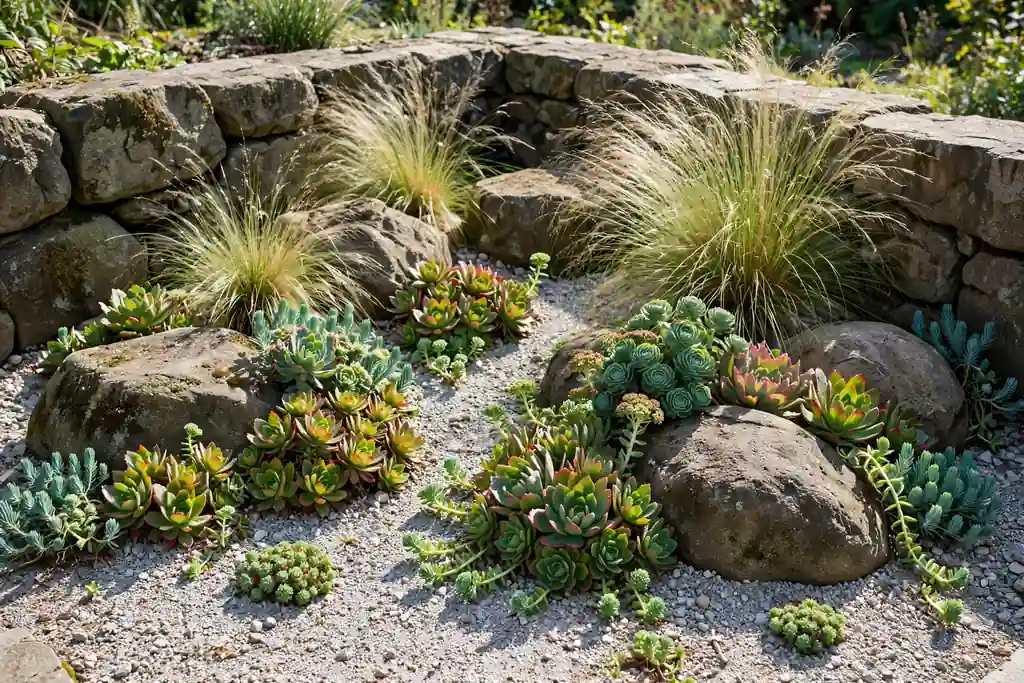
A gravel and succulent corner suits a hot, dry angle where watering is hard and soil is poor. Lay a shallow gravel base, set a few large stones as anchors, and plant drought tolerant succulents, sedums, and ornamental grasses in pockets of gritty soil. The gravel keeps weeds down, holds heat, and gives a clean, open surface that suits a modern garden.
Bury at least a third of each large stone so it looks settled, and keep the planting low and open so the stones stay visible. Rake the gravel after rain or wind, and water new plants only until they establish, since overwatering harms succulents more than dry spells. This style suits a small, sunny, or awkward corner where a full flower border would struggle.
18. Lay a Diagonal Stepping Stone Path Through the Corner
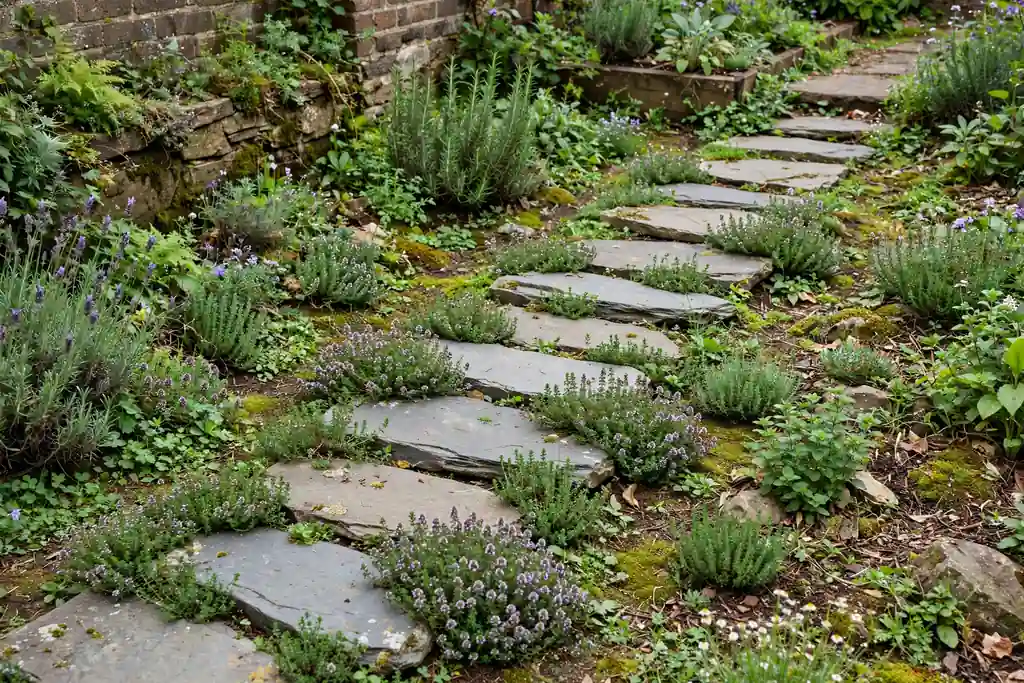
A diagonal stepping stone path through a corner turns a shortcut into a design feature, because it cuts across the angle instead of hugging the fences. Lay large, flat stones on a firm base, spaced for a comfortable stride, with gravel or low ground cover between them. The path leads the eye and the feet to the corner, whether the destination is a bench, a bed, or a gate.
Set each stone level and stable so it does not rock, and keep the gaps narrow enough that a mower or a wheelbarrow can pass where needed. Plant low creeping thyme or sedum between stones for scent and softness, and keep the stones clear of leaves in wet weather so they do not get slippery. A diagonal path also breaks up a large lawn corner without a full patio build.
19. Light a Corner for Evening Use
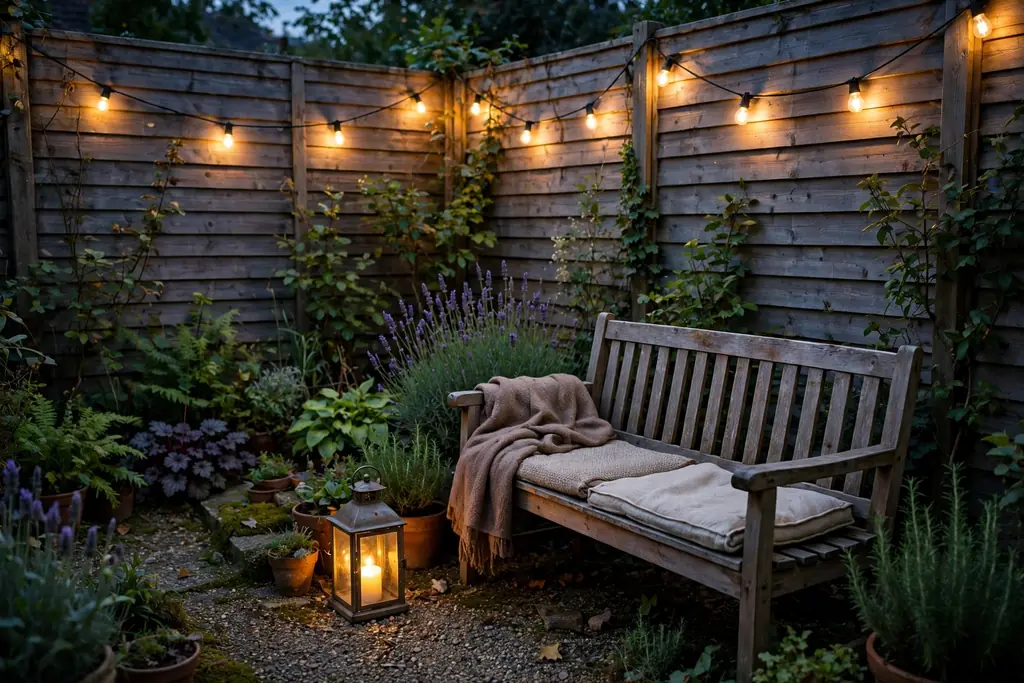
Warm lights in a corner keep it usable after sunset and make evening sits feel inviting. Hang string lights along the fences, add a lantern on a bench or a low post, and place solar stake lights along the path edge to mark steps and turns. Choose warm white light, hang lights high enough to walk under, and keep cables out of walkways.
Add one brighter task light near a reading or cooking spot if needed, and keep the light level soft and low so it feels cozy rather than harsh. Test the light at dusk before guests arrive, and check solar panels get sun during the day. Bring battery lights inside in winter if the maker advises it, and keep lights clear of dry planting and climbers.
20. Train Fruit Against the Corner Fences
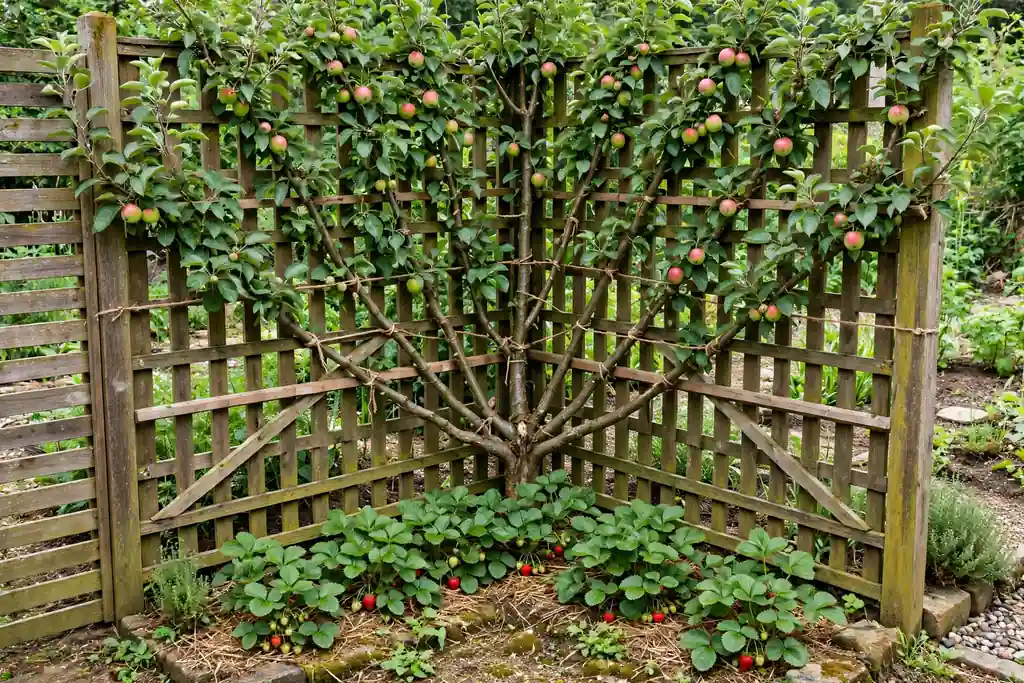
Fan trained or espaliered fruit trees against corner fences take very little floor space and are easy to prune and pick. Fix horizontal wires to both fences, train one tree along each fence, and underplant with low herbs or strawberries that suit the soil. The fences give shelter and warmth, which helps fruit ripen, and the trained shape gives the corner structure in winter when leaves are gone.
Choose varieties suited to your area and ripening in different months so the harvest spreads across the season. Prune in summer for trained fruit, following the guidance for your fruit type, and keep grass or mulch clear of the trunks. A berry corner with raspberries or currants in a cage also suits a corner, since the cage fits the angle and keeps birds off the crop.
21. Grow a Corner Cutting Flower Bed
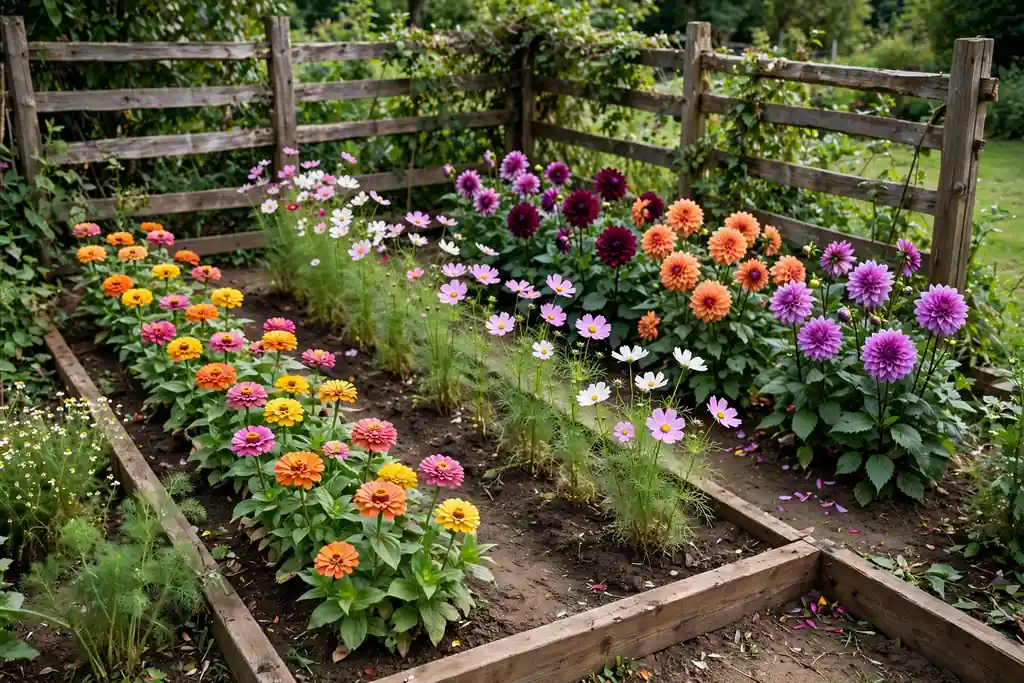
A narrow cutting bed in a corner keeps display borders tidy while giving you flowers for the house. Grow rows of zinnias, cosmos, dahlias, and sweet peas spaced for picking rather than for looks, with taller plants against the fences and shorter plants at the front. Cut in the morning into a bucket of water, and pick often, since regular picking keeps more buds coming.
Keep the bed watered and fed more than the display borders, and re-sow fast annuals such as cosmos if gaps appear by midsummer. A cutting corner near a path means you can gather stems on the way back to the house, and bringing your own stems indoors links the garden to the rooms you use every day. Leave a few seed heads standing in autumn for birds and winter shape.
22. Make a Quiet Corner Reading Nook
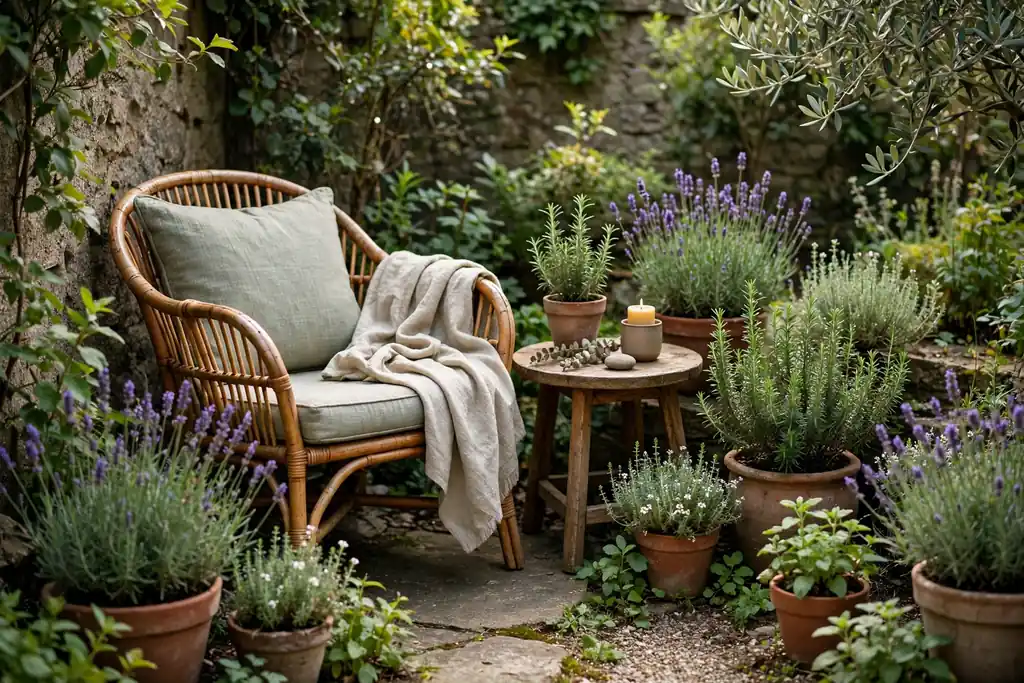
A quiet reading nook in a corner, with a comfortable chair, a small side table, and scented planting nearby, turns an unused angle into a daily habit. Choose the spot before the chair: light at the time you will sit, a view worth looking at, and a dry path matter more than the chair style alone. A simple wooden chair suits soft planting, while a cushioned outdoor armchair suits a sheltered patio corner.
Add one comfort detail, such as a cushion or a small table for a cup and a book, and keep the rest simple. Keep plants clear of the chair edges so the seat stays easy to use, and leave room to stand up comfortably. A nook with a lantern and a blanket box nearby stays useful into the evening, and a small tree or trellis overhead gives dappled shade on hot days.
Conclusion
A corner garden does not need every idea on this list. Pick one main job first, such as seating, food, wildlife, or a working bench, then add two or three supporting pieces, such as pots in the angle, a trellis for privacy, and warm evening lights. Shape beds to the corner, repeat one or two materials through the garden, and keep a clear path to the corner so it gets used. When you give a corner a purpose, it stops being a dumping spot and becomes a place you visit every day, whether for a quiet sit, a handful of herbs, or a bunch of cut flowers.
Save this list on Pinterest before your next garden trip, and work through it one area at a time: measure first, then structure, then planting, then the small details that make the corner yours.
FAQs
How do I start a corner garden refresh?
Measure the corner, note sun, shade, soil, and access, then give it one main job, such as seating, food, or wildlife. Start with structure, such as a bench, a bed shape, or a trellis, before you buy plants, since structure decides how the corner will be used. Then add planting in groups, keep a clear path to the corner, and repeat one material from the rest of the garden so the corner fits in.
What is the best shape for a corner garden bed?
A triangle or an L shape usually fits best, because it uses the full width at the back and narrows toward the front where you stand. A curved bed also works well, since it softens a sharp angle and leads the eye to a bench or a focal point. Avoid forcing a square bed into a triangular corner, since the wasted gaps at the edges collect weeds and look unfinished.
Which plants work best in a shady garden corner?
Ferns, hostas, astilbe, and shade tolerant ground cover suit dark corners, with spring bulbs for early color before trees leaf out. Improve the soil with compost, water new plants well, and keep plants clear of paths. Avoid sun loving flowers in a shady corner, since they will grow leggy and flower poorly, and check the plant label for shade tolerance before you buy.
How can I make a small garden corner feel larger?
Use height and light: a trellis with climbers, a small tree, and warm evening lights all add interest without taking floor space. Keep the floor simple with gravel or paving, group pots in threes, and choose one focal point rather than several small ornaments. A clear path and one comfortable seat also help, since a corner you can use feels larger than a corner filled with decoration.
Do corner gardens need a lot of upkeep?
Not if you match the idea to the corner. Gravel and succulent corners, wildflower corners, and rock gardens need little watering or feeding once established. Raised beds and vegetable corners need more regular watering and picking, but the work is contained in one small area. Choose low upkeep ideas for corners you rarely visit, and save higher care planting for corners near the house.
Can I fit seating and planting in the same corner?
Yes, if you plan the layout first. Put a bench against the fences, keep planting low at the front of the seat, and use taller planting behind or beside the bench for shelter and scent. Leave room to sit and stand comfortably, with firm footing underfoot, and keep trailing plants trimmed back from the seat. A bench with planters at each end also combines seating and planting in one piece.